 Unearth The Voyage
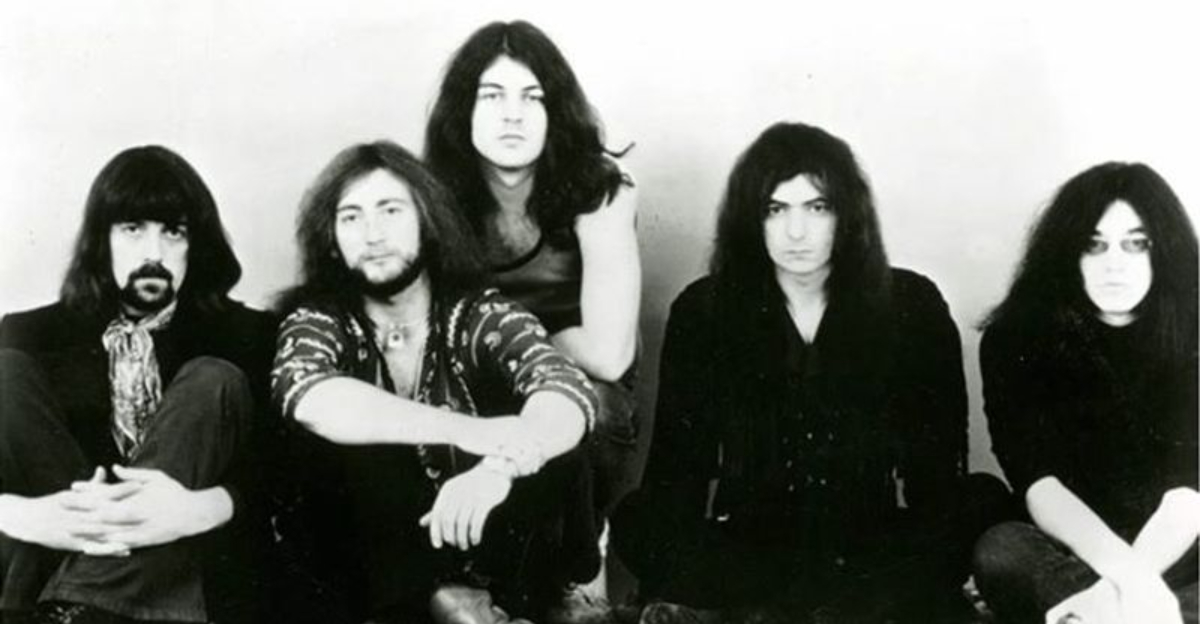
There’s something magical about dropping a needle onto a vinyl record and hearing the crackle before the music starts. Baby Boomers who grew up spinning albums in their bedrooms insist that certain classic rock anthems simply sound richer, warmer, and more alive on vinyl than they do streaming through earbuds.
Whether it’s the analog warmth, the album art you can actually see, or just pure nostalgia, these songs hold a special place in the hearts of those who experienced them the old-fashioned way.
1. Stairway to Heaven by Led Zeppelin
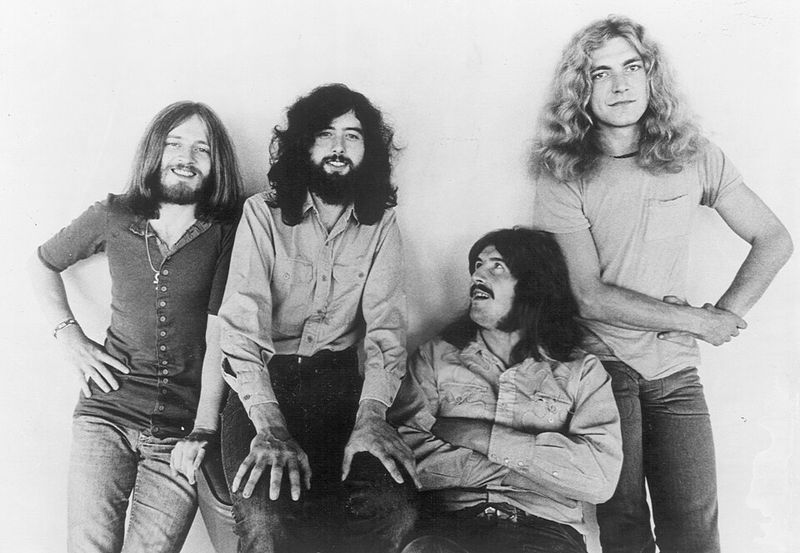
When Jimmy Page’s guitar solo kicks in around the six-minute mark, vinyl lovers claim you can hear every string bend and harmonic overtone in a way digital formats just can’t capture. The song builds slowly from acoustic fingerpicking to a thunderous electric climax, and the analog format preserves that dynamic range beautifully.
Many fans argue that the warmth of vinyl adds an emotional depth to Robert Plant’s vocals that gets lost in compression.
The original pressing of Led Zeppelin IV became one of the most treasured records in any collection. Audiophiles point to the subtle details, the way John Bonham’s drums resonate, and how John Paul Jones’ bass lines feel more present.
Spinning this eight-minute epic on vinyl became a ritual, complete with flipping the album and reading the mystical symbols on the cover.
For Boomers, listening to Stairway to Heaven on vinyl wasn’t just about the music but the entire experience of sitting with the album art and letting the song unfold naturally.
2. Hotel California by Eagles
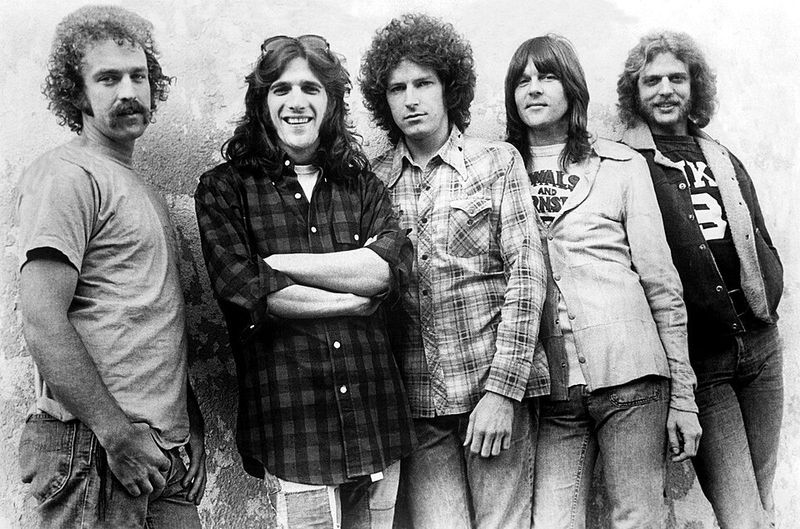
The opening guitar riff sounds incredibly crisp on vinyl, with each note shimmering through the speakers in a way that feels almost three-dimensional. Don Henley’s vocals carry a haunting quality that analog recording seems to enhance, making the mysterious lyrics even more captivating.
The stereo separation on the original vinyl pressing allows you to hear Don Felder and Joe Walsh trading guitar licks during the famous solo with remarkable clarity.
Boomers remember gathering around turntables to debate the song’s meaning while the record spun. The warmth of the analog sound made the California desert imagery feel more vivid and real.
Every listen revealed new layers, from the subtle bass lines to the delicate percussion that frames the entire composition.
The vinyl version captures the band’s meticulous studio work in a format that respects the original production. For many, streaming just doesn’t deliver that same sense of being transported to that dark desert highway.
3. Bohemian Rhapsody by Queen
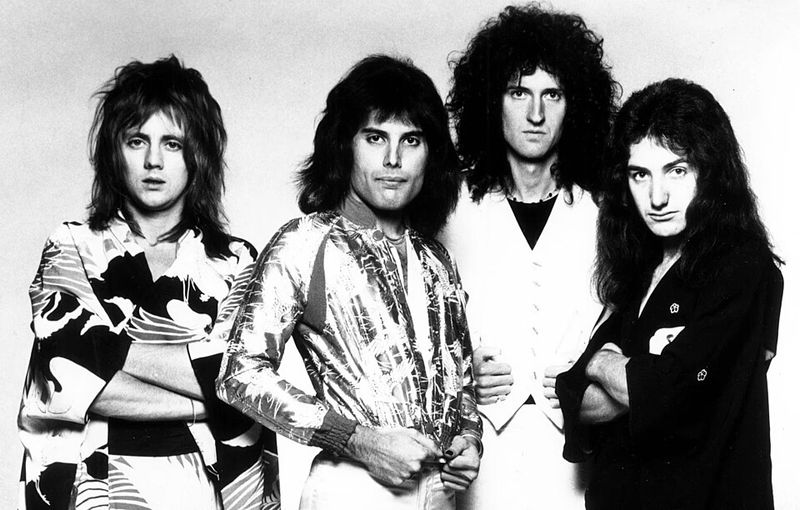
Freddie Mercury’s vocal acrobatics deserve to be heard in the fullest fidelity possible, and vinyl enthusiasts insist the format does justice to his incredible range. The operatic section in the middle features complex harmonies and overdubs that sound more spacious and less compressed on vinyl.
Brian May’s guitar orchestrations ring out with a richness that many argue gets flattened in digital remasters.
This six-minute masterpiece was revolutionary in 1975, and hearing it on the original A Night at the Opera pressing feels like experiencing music history. The dynamic shifts from ballad to opera to hard rock showcase what analog recording could achieve.
Each section flows into the next with a natural warmth that complements the song’s theatrical ambition.
Boomers who owned this album treated it like a treasure, carefully placing the needle to experience the full journey. The pops and crackles became part of the charm, adding character rather than distraction to one of rock’s most ambitious recordings.
4. Free Bird by Lynyrd Skynyrd
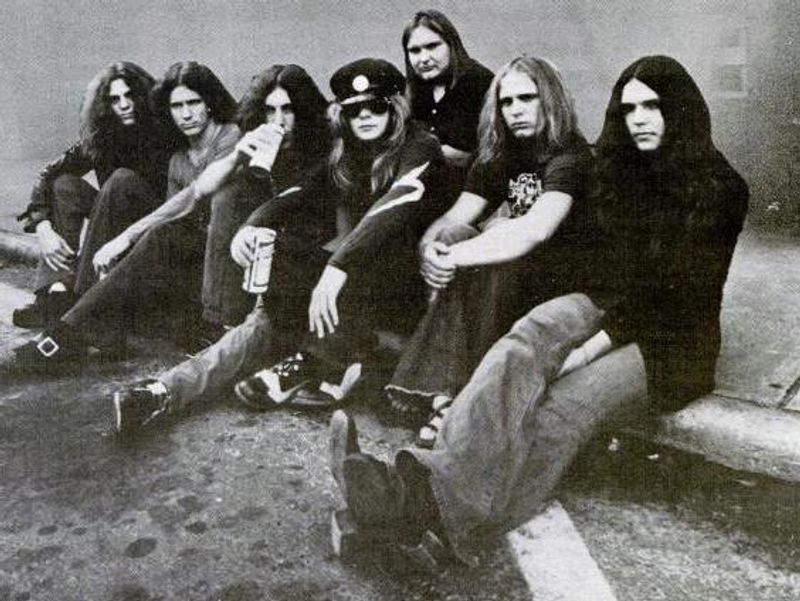
The extended guitar solo that closes this Southern rock anthem lasts nearly five minutes, and vinyl lovers say the analog format captures every note’s sustain and emotion. Allen Collins and Gary Rossington’s dual guitar work sounds more organic and alive when played through a turntable.
The song’s gradual build from gentle ballad to explosive rock showcase benefits from vinyl’s ability to preserve dynamic range without artificial limiting.
Ronnie Van Zant’s vocals in the opening verses carry a raw sincerity that feels more intimate on vinyl. The band recorded this track with passion and precision, and the original pressing honors that craftsmanship.
Many fans remember cranking up their stereo systems as the tempo increased, feeling the music physically move through the room.
For Boomers, Free Bird on vinyl represented freedom itself. The ritual of flipping the record, the anticipation before the solo, and the scratchy imperfections all contributed to making each listen feel personal and unrepeatable.
5. Comfortably Numb by Pink Floyd
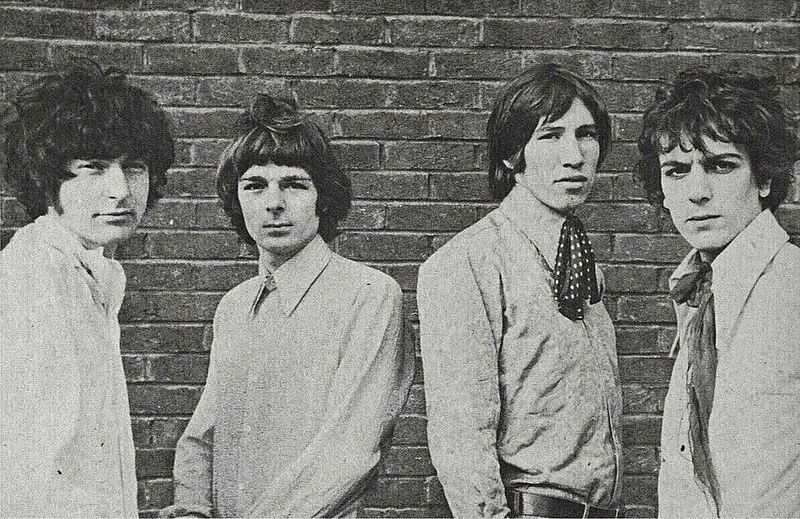
David Gilmour’s guitar solos on this track are considered some of the most emotionally powerful in rock history, and audiophiles insist vinyl brings out their full majesty. The song’s production features layers of synthesizers, orchestration, and effects that sound more spacious and less cluttered in analog format.
Roger Waters’ verses contrast beautifully with Gilmour’s soaring choruses, and the vinyl pressing preserves that intentional separation.
The Wall was designed as a complete album experience, and hearing Comfortably Numb in that context on vinyl adds emotional weight. The warmth of analog recording complements the song’s themes of isolation and disconnection in an almost ironic way.
Each note seems to hang in the air longer, giving listeners time to absorb the music’s emotional depth.
Boomers who experienced this song on its original 1979 pressing remember the ritual of listening to the entire double album. The imperfections of vinyl somehow made the perfect guitar tones even more human and relatable.
6. Dream On by Aerosmith
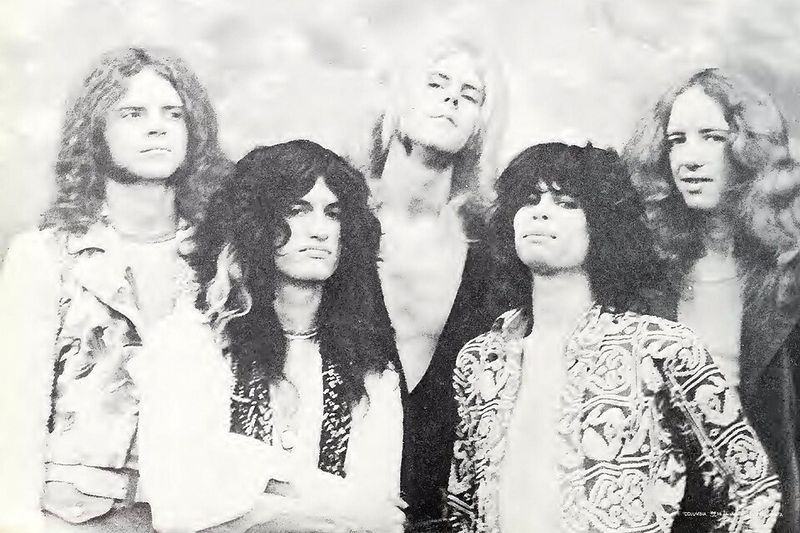
Steven Tyler’s voice climbs to incredible heights in the final verses, and vinyl captures the raw power and slight rasp that made him a rock icon. The song’s piano-driven arrangement sounds fuller and more resonant on analog, with each chord progression feeling deliberate and weighty.
Joe Perry’s guitar work adds texture without overwhelming Tyler’s vocals, and the balance on the original pressing is nearly perfect.
This was Aerosmith’s breakthrough song, recorded when the band was hungry and ambitious. The vinyl version preserves that youthful energy and determination in a way that feels authentic.
Many fans point to the way the drums punch through the mix on vinyl, giving the song a driving force that propels it forward.
Boomers remember this as a song that demanded to be played loud, and vinyl delivered that experience without the harshness of overcompressed digital files. The gradual build and explosive finale work best when you can hear every nuance of the performance.
7. Layla by Derek and the Dominos
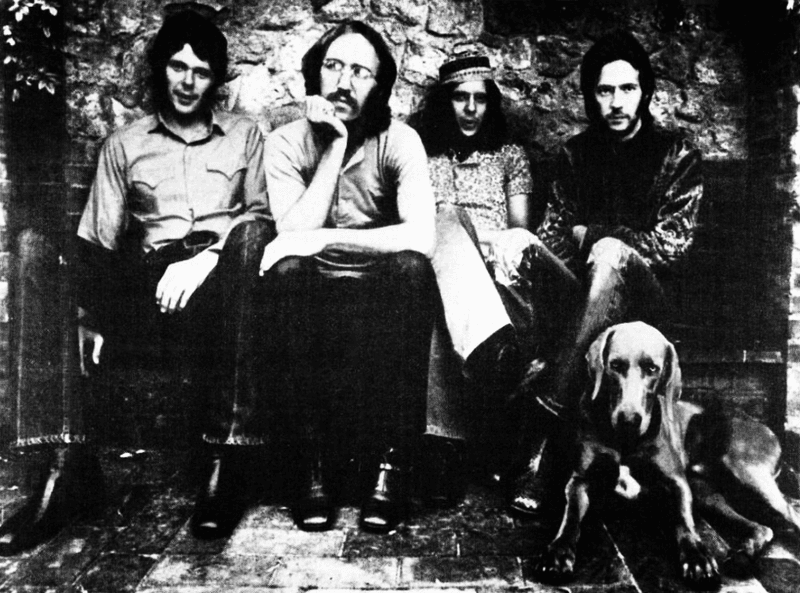
Eric Clapton’s guitar work on this track, inspired by his unrequited love, carries an urgency that vinyl seems to amplify through its natural warmth. The famous piano coda by Jim Gordon provides a peaceful contrast to the passionate opening sections, and the transition sounds seamless on analog.
Duane Allman’s slide guitar contributions add layers of emotion that many argue sound more nuanced on the original vinyl pressing.
The song tells a story of longing and frustration, and the analog format allows those feelings to resonate without digital coldness. Every string bend and vocal inflection comes through with clarity and character.
The rhythm section drives the song forward with a groove that feels more organic when played on a turntable.
For Boomers who lived through the early seventies, this song on vinyl represented peak rock artistry. The seven-minute journey from explosive rock to gentle piano felt more complete and satisfying when experienced through the ritual of vinyl playback.
8. Smoke on the Water by Deep Purple
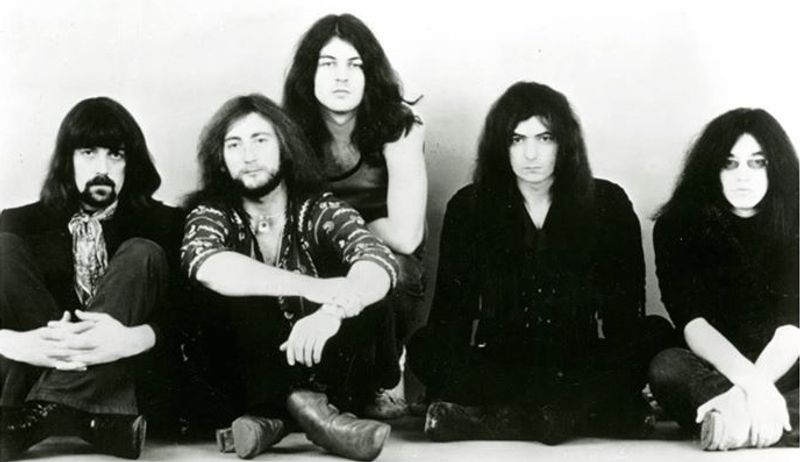
That iconic four-note riff is one of the most recognizable in rock history, and vinyl enthusiasts claim it sounds heavier and more menacing in analog. Ritchie Blackmore’s guitar tone has a gritty edge that digital compression often smooths out, but vinyl preserves that raw power.
The song’s story about a fire at a casino during a Frank Zappa concert becomes more vivid when heard through the warm tones of a record player.
Ian Gillan’s vocals cut through the heavy instrumentation with attitude and energy that feels more immediate on vinyl. The rhythm section locks into a groove that sounds tighter and more punchy when not digitally processed.
Many fans remember learning this riff by ear while the vinyl spun repeatedly, needle dropping to get the fingering just right.
Boomers treasure their copies of Machine Head, and Smoke on the Water remains the album’s crown jewel. The analog format gives the song a weight and presence that matches its legendary status in rock history.
9. Born to Run by Bruce Springsteen
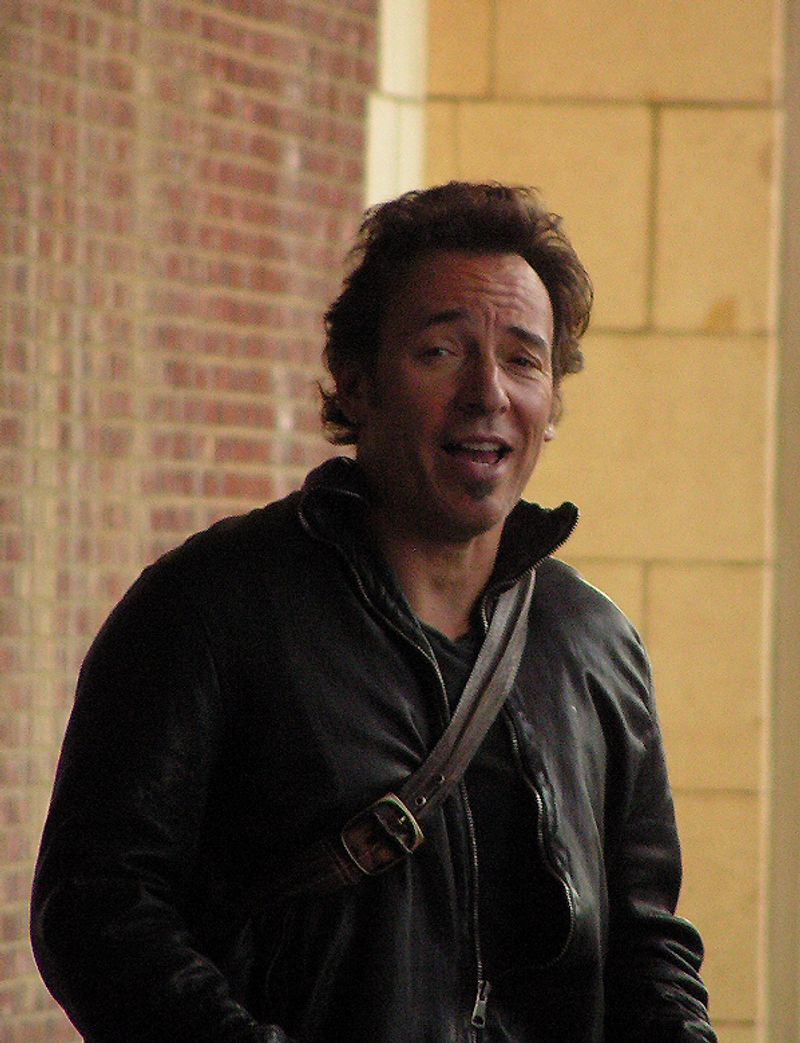
The wall of sound production that Phil Spector inspired comes through magnificently on vinyl, with layers of instruments creating an epic sonic landscape. Springsteen’s vocals carry desperate hope and youthful rebellion that analog recording captures with emotional honesty.
Clarence Clemons’ saxophone solo soars above the mix, and vinyl preserves the power and soul of his performance without digital flattening.
This title track became an anthem for anyone dreaming of escape and freedom. The production is intentionally dense and grand, and vinyl handles that complexity better than compressed formats.
Every instrument has its place in the mix, from the glockenspiel to the backing vocals, creating a rich tapestry of sound.
Boomers who bought this album when it dropped in 1975 remember the excitement of hearing Springsteen’s vision fully realized. The vinyl format matched the song’s ambition, delivering big sound that filled rooms and inspired countless road trips and late-night dreams of something better.
10. More Than a Feeling by Boston
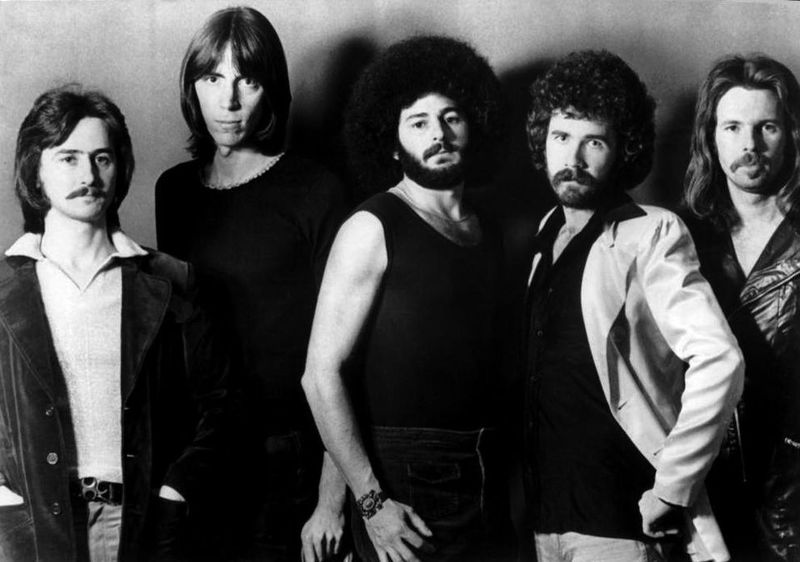
Tom Scholz recorded this song in his basement studio using homemade equipment, and the meticulous production shines on vinyl. The layered guitar harmonies sound crystalline and precise, with each track occupying its own space in the stereo field.
Brad Delp’s soaring vocals reach incredible heights, and the analog format captures the purity and power of his voice without harshness.
The song’s arrangement moves from gentle acoustic intro to full-band rock anthem seamlessly. Vinyl preserves the dynamic shifts that make this progression so effective and emotionally satisfying.
Many audiophiles consider the original pressing of Boston’s debut album to be a reference-quality recording that showcases what careful production can achieve.
Boomers remember being blown away by how polished and powerful this song sounded coming through their speakers. The combination of technical precision and emotional delivery made it an instant classic, and vinyl remains the preferred format for experiencing Scholz’s sonic perfectionism in its intended glory.
11. Gimme Shelter by The Rolling Stones
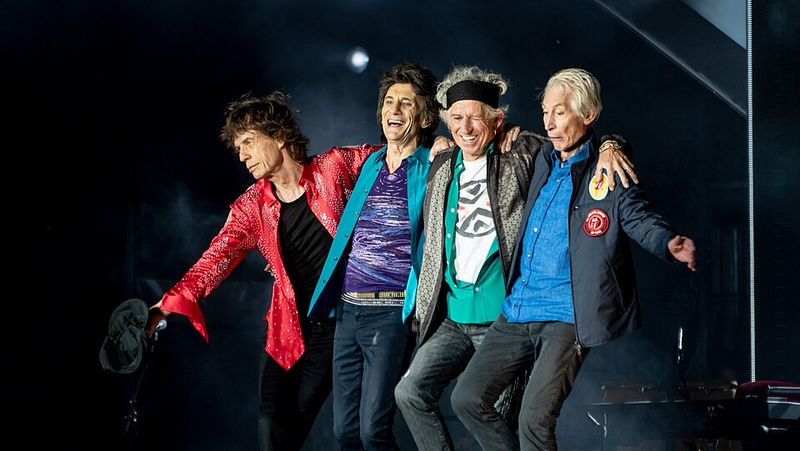
The ominous opening with its haunting guitar tone sets a dark mood that vinyl’s warmth paradoxically enhances. Merry Clayton’s guest vocals during the chorus are raw and powerful, with her voice cracking slightly on the high notes in a moment of pure emotion that vinyl captures perfectly.
The song’s apocalyptic feel comes through stronger when heard in analog, with every instrument contributing to the sense of urgency and danger.
Keith Richards and Mick Taylor’s guitar interplay creates tension throughout the track. The production places you right in the studio, and vinyl’s natural characteristics make the experience more immersive.
Charlie Watts’ drumming drives the song forward relentlessly, and the punch of his snare hits harder on a quality turntable.
Boomers who lived through the turbulent late sixties found this song spoke to their times. Hearing it on vinyl added weight and authenticity to its message about war and survival, making each listen feel important and immediate.
12. American Pie by Don McLean
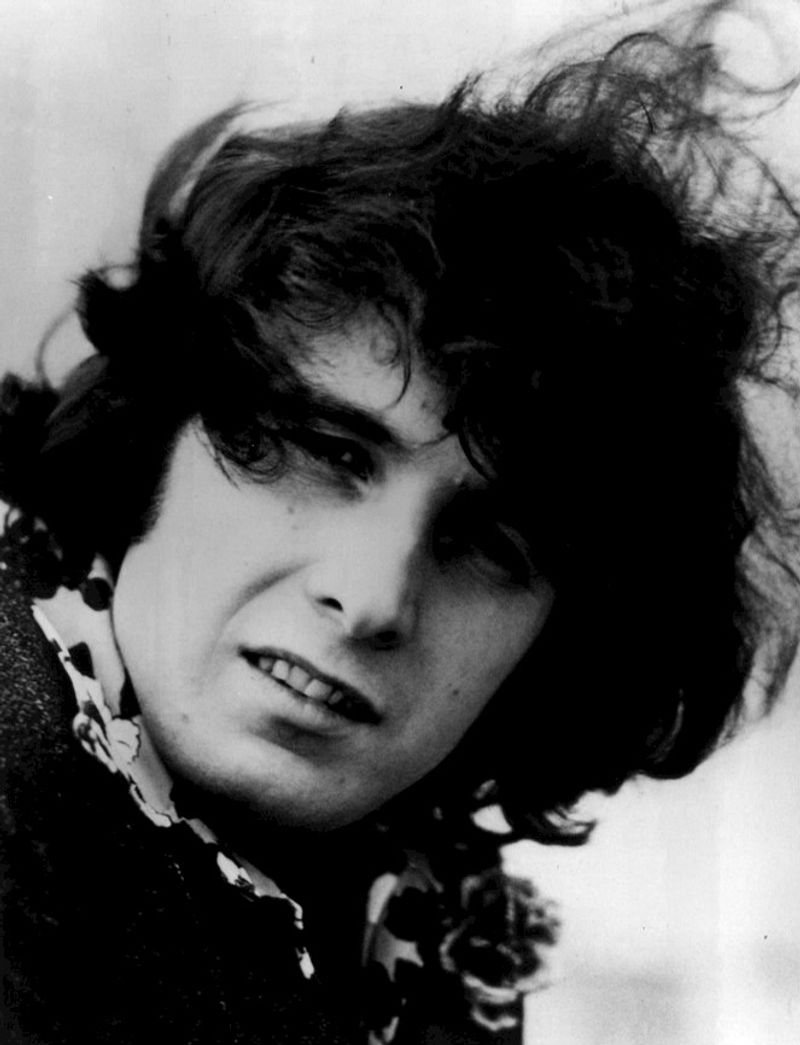
This eight-and-a-half-minute epic tells the story of rock and roll’s evolution through cryptic lyrics and memorable melodies. The vinyl format forces you to commit to the full experience, sitting through the entire side of the album as McLean intended.
His acoustic guitar work sounds warm and intimate on analog, and his vocals carry a storytelling quality that benefits from vinyl’s natural characteristics.
The song’s numerous verses and choruses flow better when not interrupted by shuffle or skip functions. Each section builds on the previous one, creating a narrative arc that works best when experienced linearly.
The production is relatively simple, allowing McLean’s voice and guitar to take center stage, and vinyl preserves that intentional minimalism.
Boomers who remember the day the music died connected deeply with this tribute to Buddy Holly and early rock pioneers. Playing it on vinyl felt like honoring that history, turning the song into a ritual rather than just background noise.
13. Light My Fire by The Doors
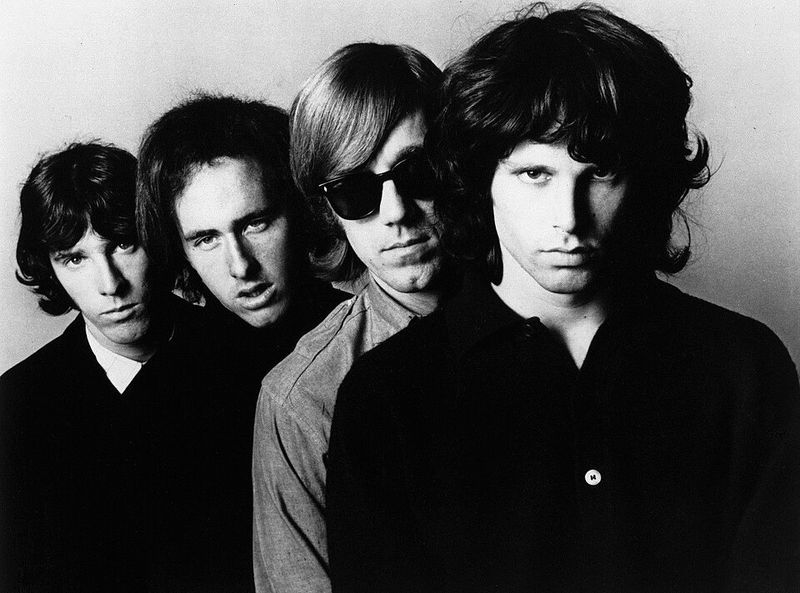
Ray Manzarek’s keyboard solo in the middle section sounds absolutely hypnotic on vinyl, with the organ tones swirling around the stereo field. Jim Morrison’s vocals have a dangerous edge that analog recording captures without sanitizing, preserving his unpredictable energy.
Robby Krieger’s guitar work adds color and texture, and the interplay between all the instruments feels more organic on the original pressing.
The extended album version runs over seven minutes, allowing the band to stretch out and explore the song’s possibilities. Vinyl encourages that kind of patient listening, rewarding those who commit to the full journey.
John Densmore’s jazz-influenced drumming propels the song forward while leaving space for improvisation and spontaneity.
Boomers who discovered The Doors on vinyl experienced the band’s revolutionary sound in its purest form. The combination of rock, jazz, and poetry came through with clarity and power, making each listen feel like a small rebellion against conventional music.
14. Sweet Home Alabama by Lynyrd Skynyrd
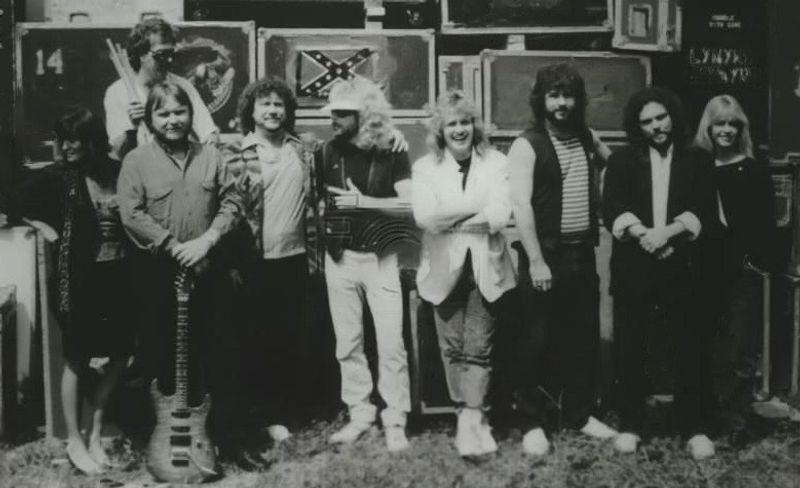
Those opening guitar riffs ring out with perfect clarity on vinyl, immediately establishing the song’s defiant Southern pride. The three-guitar attack that Skynyrd perfected sounds fuller and more powerful in analog format, with each guitarist occupying distinct sonic space.
Ronnie Van Zant’s vocals carry attitude and humor, and the natural warmth of vinyl enhances the song’s friendly, bar-band feel.
The backing vocals on the chorus create an infectious sing-along moment that works better when the audio feels live and present. Ed King’s guitar solo cuts through the mix with a tone that many argue sounds thinner and harsher in digital remasters.
The rhythm section keeps everything grounded with a groove that makes you want to move.
Boomers remember this as a song that united Southern rock fans and created countless summer memories. Playing it on vinyl felt authentic, connecting listeners directly to the band’s roots and the era that produced such straightforward, honest rock and roll music.
15. Go Your Own Way by Fleetwood Mac
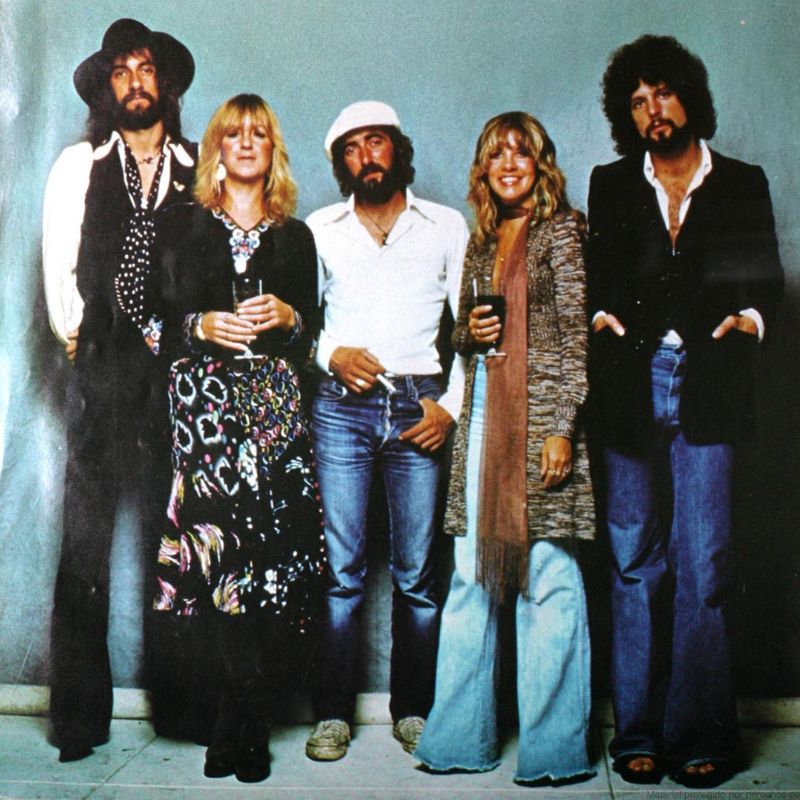
The tension within Fleetwood Mac during the Rumours sessions comes through in every note of this breakup anthem. Lindsey Buckingham’s aggressive guitar playing contrasts with the polished production, and vinyl captures that dichotomy beautifully.
Stevie Nicks and Christine McVie’s backing vocals add layers of emotion, with the analog format preserving the blend of their voices without artificial enhancement.
Mick Fleetwood’s distinctive drum pattern drives the song with relentless energy. The bass line by John McVie anchors everything while leaving room for the guitars and vocals to soar.
Many fans insist the original vinyl pressing of Rumours remains the definitive way to hear the album’s impeccable production and raw emotional content.
Boomers who lived through their own relationship struggles found solace in this song’s honest portrayal of love gone wrong. Hearing it on vinyl added intimacy and authenticity, making Buckingham’s pain feel personal and relatable rather than distant and processed like modern streaming versions.



