 Unearth The Voyage
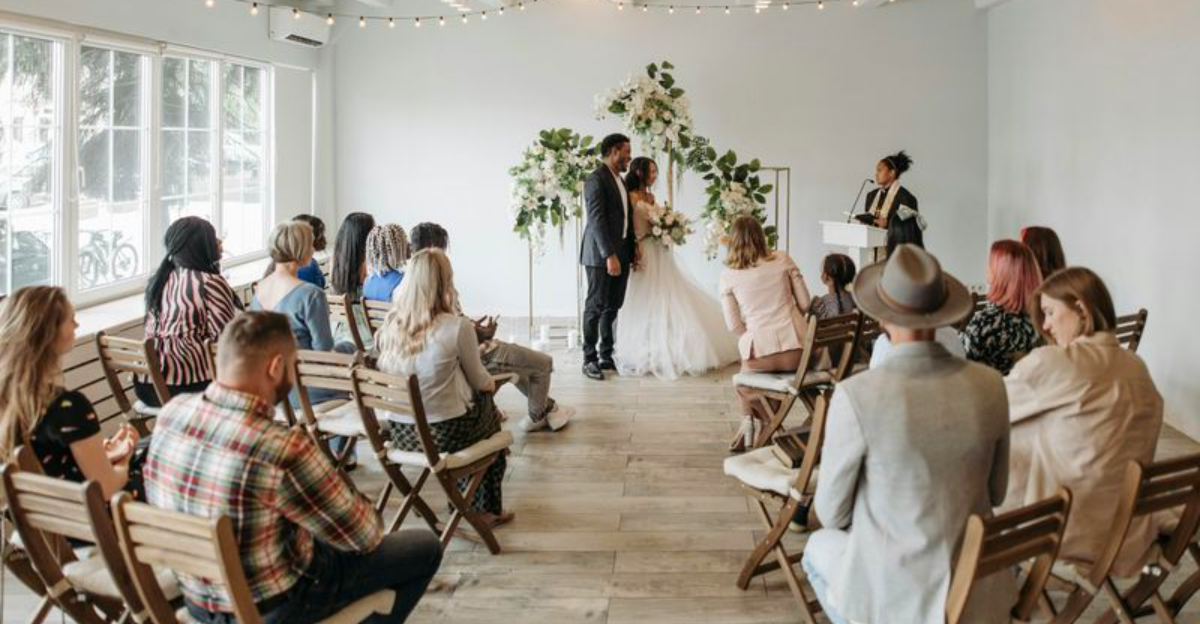
Weddings have changed a lot over the years. Traditions that once felt essential are now quietly being skipped, swapped out, or completely forgotten.
From hope chests to formal receiving lines, many customs that defined weddings for generations no longer fit the way modern couples celebrate. Here is a look at 15 once-beloved wedding traditions that have mostly faded away.
1. Brides Wearing Gloves
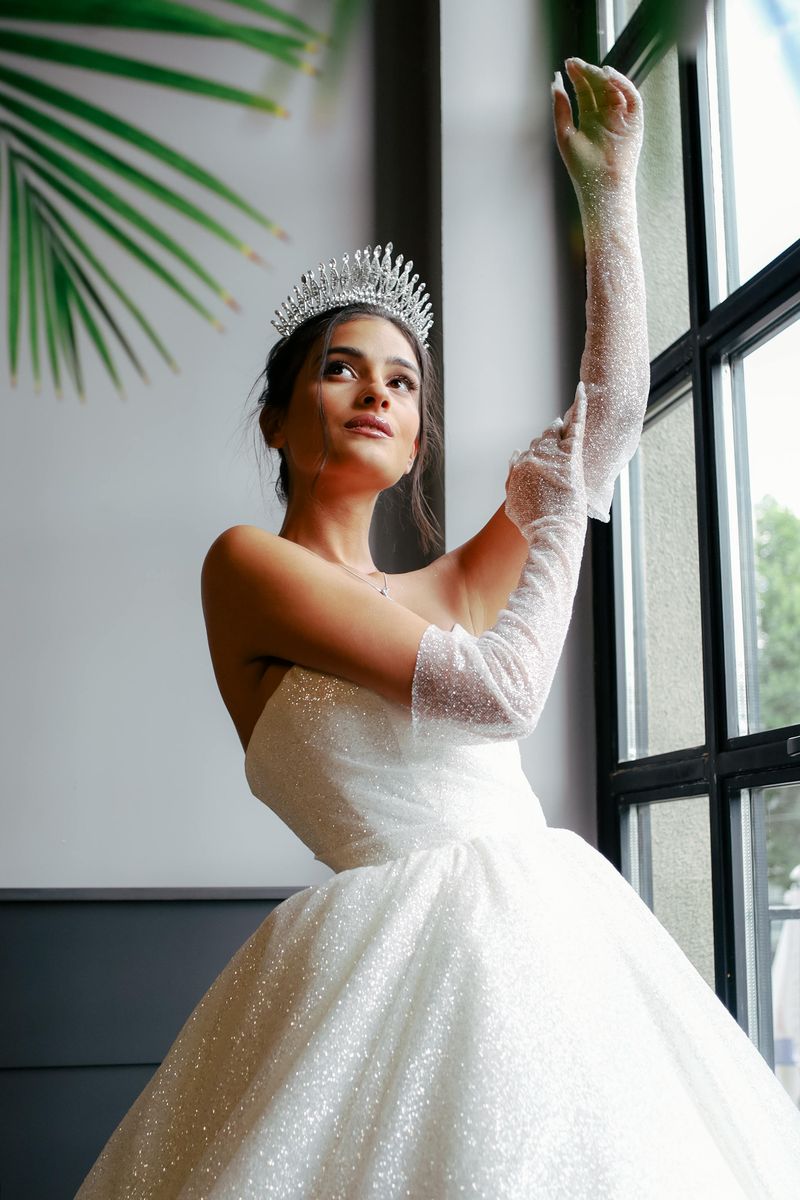
Long white gloves were once a staple of bridal fashion, giving weddings a polished, formal look that felt both elegant and refined. For much of the early 20th century, no bridal outfit was truly complete without them.
They were a sign of grace and social class, especially at church ceremonies and grand ballroom receptions.
Over time, wedding styles shifted toward a more relaxed and personal feel. Brides began prioritizing comfort and individuality over strict formality.
Bare arms, delicate jewelry, and simpler accessories took center stage instead.
Today, gloves occasionally appear at themed or vintage-inspired weddings, but they are rarely seen at standard ceremonies. The tradition faded naturally as bridal fashion evolved.
Modern brides tend to express their style through gowns, hairstyles, and accessories that feel more personal and less bound by old-fashioned rules.
2. The Bride’s Family Paying for Everything
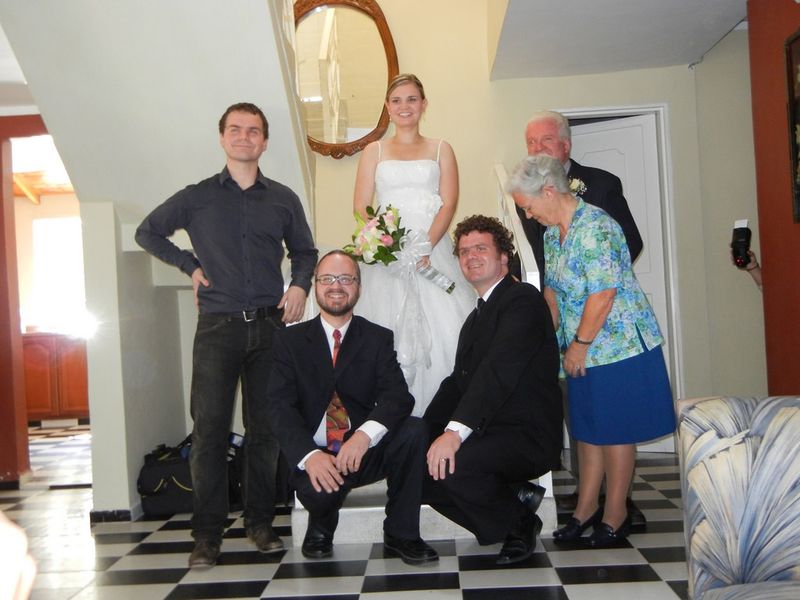
Back in the day, it was simply expected that the bride’s parents would foot the entire wedding bill. From the flowers to the food to the venue, everything fell on one family’s shoulders.
This tradition came from older customs where a bride’s family provided a dowry or financial contribution to the marriage.
As the cost of weddings skyrocketed over the decades, that expectation became harder to meet. The average wedding in the United States now costs tens of thousands of dollars, making it unrealistic for one family to handle everything alone.
Most modern couples split costs between both families or simply pay for the wedding themselves. Some even use personal savings, crowdfunding, or smaller budgets to keep things manageable.
The tradition of one family carrying the full financial load has quietly stepped aside to make room for more practical and shared arrangements.
3. Formal Receiving Lines
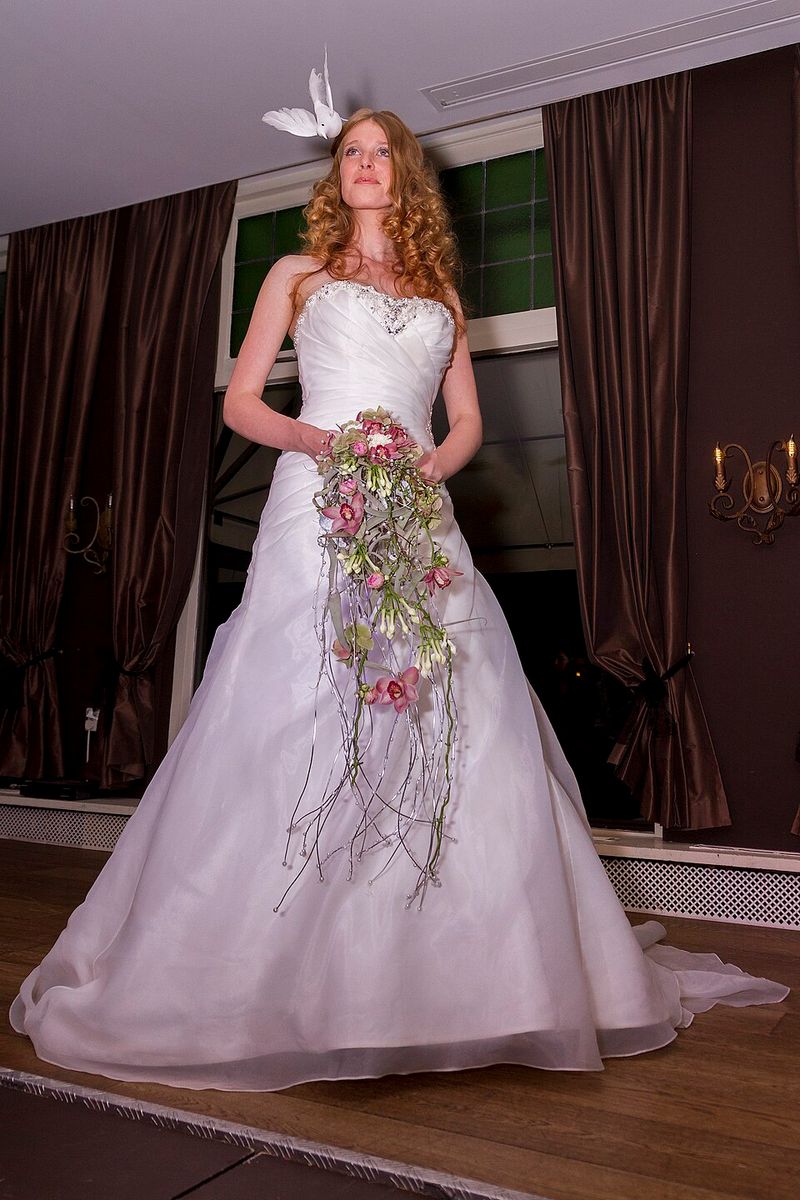
Every guest once stood patiently in a long line, waiting their turn to briefly shake hands with the newlyweds and their families. This was the formal receiving line, a tradition that for decades was considered an essential part of a proper wedding reception.
It gave the couple and their families a structured way to personally greet and thank each guest for attending.
While the gesture was thoughtful, it was also notoriously time-consuming. Guests could spend 30 minutes or more waiting their turn, and the couple often felt exhausted before the party even started.
Modern couples have mostly ditched the formal line in favor of table visits or spontaneous mingling throughout the reception. This approach feels warmer and more relaxed for everyone involved.
Guests get real conversation time, and the couple gets to enjoy their celebration rather than standing stiffly at the door for an hour.
4. The Hope Chest
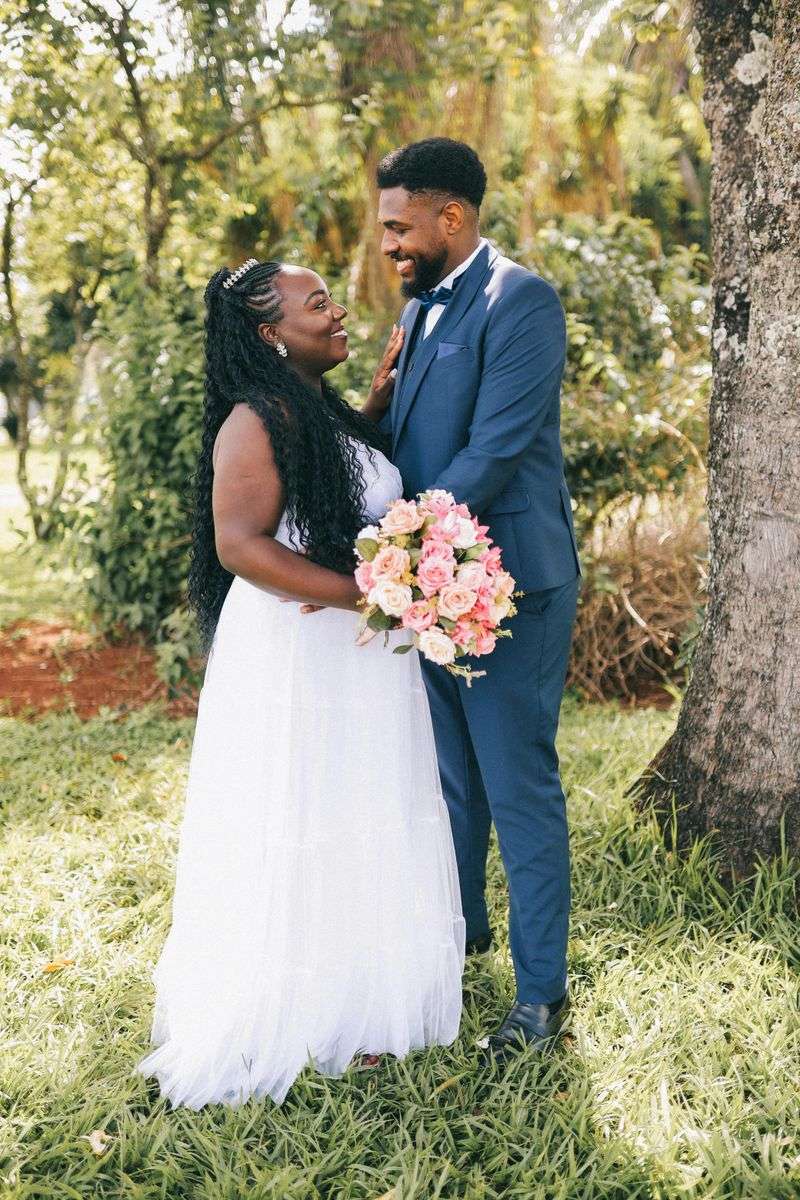
For generations, young women began preparing for marriage long before they ever got engaged. A hope chest, sometimes called a trousseau box or cedar chest, was filled over the years with handmade quilts, embroidered linens, silverware, and household essentials.
It was a practical and sentimental way to prepare for starting a new home.
Mothers and grandmothers often contributed items, making the hope chest a treasured family tradition passed down through the years. Opening it before a wedding felt like unwrapping a lifetime of love and preparation.
As couples started living together before marriage and household goods became easier to purchase, the need for a hope chest disappeared. Wedding registries at department stores and online retailers replaced the slow, handmade accumulation of goods.
Today, most young people have never heard of a hope chest, let alone spent years filling one in anticipation of their wedding day.
5. Groom Not Seeing the Bride Before the Ceremony
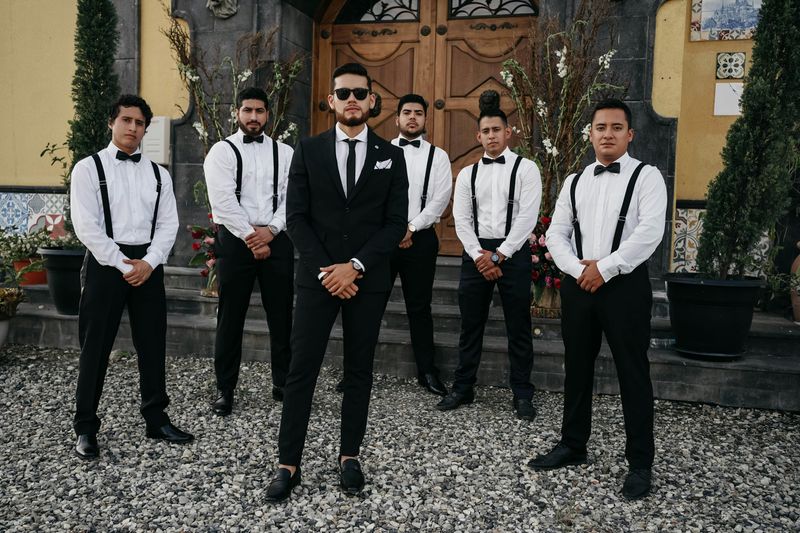
Superstition once made it absolutely forbidden for the groom to see the bride in her wedding dress before she walked down the aisle. The belief was rooted in old arranged marriage customs, where seeing each other beforehand might give either party a chance to back out.
Over time, it transformed into a romantic symbol of anticipation and surprise.
Many couples still love the idea of that emotional first glimpse at the altar, and the tradition holds a genuine charm. But a growing number of modern couples now opt for a planned first look photo session before the ceremony begins.
A first look allows the couple to share a private emotional moment, calm their nerves together, and complete a large portion of their wedding photos before guests arrive. It is a practical and heartfelt choice.
The old superstition has softened into a personal preference rather than a firm rule.
6. Wedding Cakes With Hidden Charms
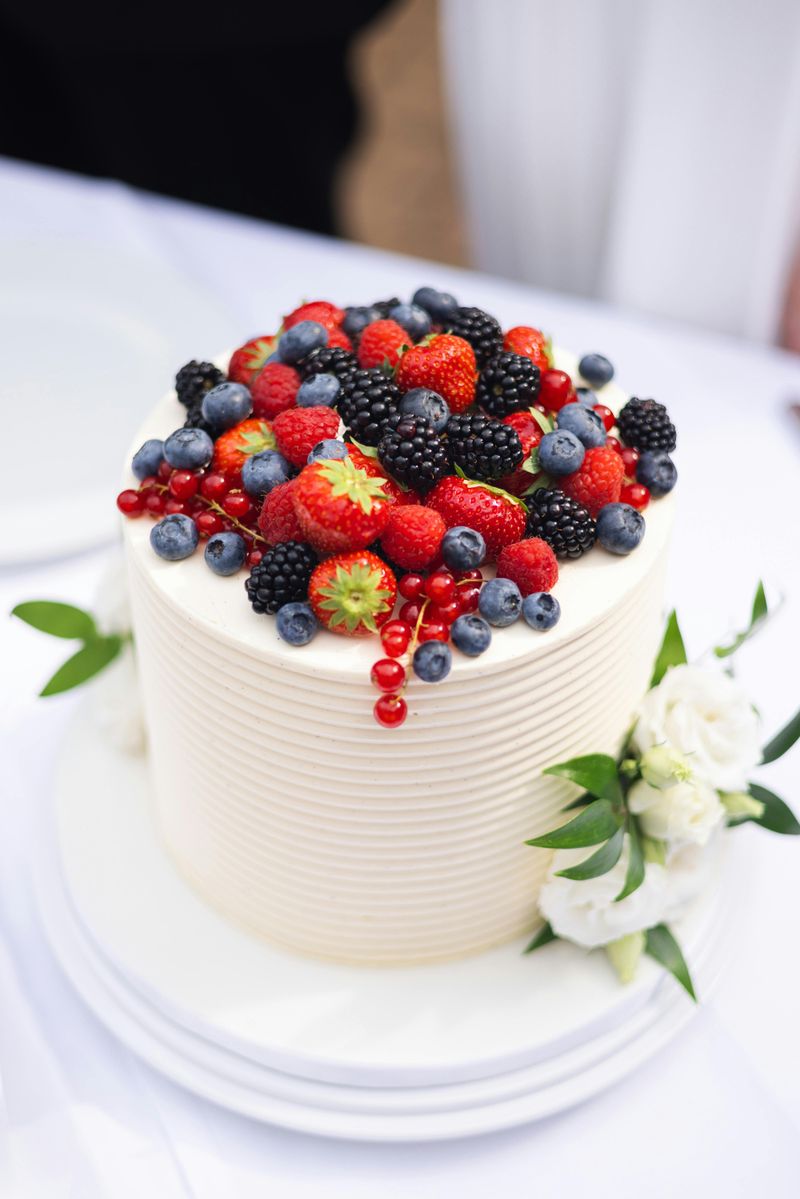
Victorian-era wedding cakes had a playful secret baked right inside them. Small charms, each carrying its own symbolic meaning, were tucked into the cake layers before baking.
Guests who found a charm in their slice could expect a particular fortune, such as a thimble for thrift, a ring for marriage, or a coin for wealth.
It was a whimsical tradition that turned cake-cutting into a mini treasure hunt. Wedding guests genuinely looked forward to discovering what their slice might reveal about their future.
Unfortunately, the charm cake largely disappeared due to obvious safety concerns. Biting down on a metal trinket unexpectedly is not exactly a highlight of any celebration.
Liability issues, choking hazards, and the rise of modern food safety standards made the tradition impractical. Some bakers still offer charm pull cakes as a safer alternative, but the original hidden-charm wedding cake is now a rare and mostly forgotten curiosity.
7. Large Multi-Tier Fruitcakes
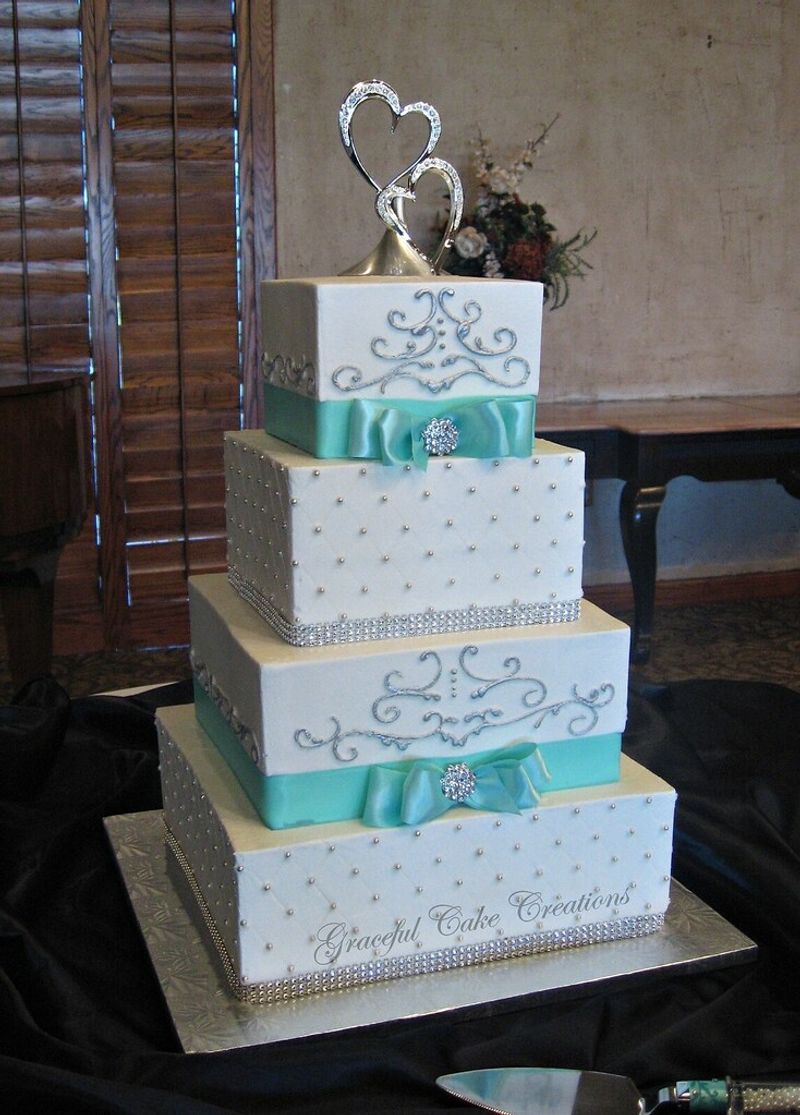
Fruitcake might get a lot of jokes today, but for much of the 19th and early 20th centuries, it was the undisputed star of the wedding dessert table. Dense, rich, and packed with dried fruits and nuts, a fruitcake symbolized prosperity and longevity.
In the United Kingdom especially, the top tier was often saved and frozen to be eaten at the christening of the couple’s first child.
The tradition carried real sentimental weight and practical logic in an era before refrigeration made preserving food easy. Fruitcake, thanks to its high sugar and alcohol content, could last for months or even years without spoiling.
As tastes changed and refrigeration became standard, lighter cakes took over. Vanilla sponge, red velvet, and lemon buttercream became far more popular choices.
Today’s couples rarely choose fruitcake, and many guests would be quietly disappointed if they did. The grand fruitcake tradition has largely crumbled away.
8. Throwing Rice at the Newlyweds
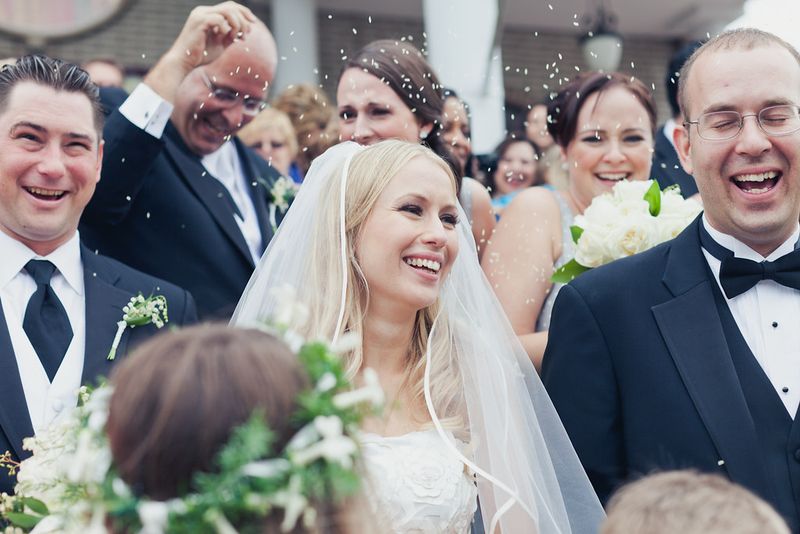
Showering newlyweds with rice as they exited the ceremony was once one of the most joyful and universal wedding moments. The gesture symbolized fertility, abundance, and good luck for the couple’s future together.
It was simple, inexpensive, and genuinely fun for guests of all ages to participate in.
Over time, concerns began to surface. Some venues worried about slippery walkways and cleanup costs.
A widely spread rumor also claimed that rice was harmful to birds who ate it afterward, though ornithologists have largely debunked that particular concern.
Regardless, the tradition faded quickly once venues started banning it outright. Couples and wedding planners replaced rice with safer and more photogenic alternatives like biodegradable confetti, flower petals, bubbles, and sparklers.
These options create stunning photos and leave a lighter footprint. The rice toss still happens occasionally, but it is far from the standard send-off it once was.
9. Strict Seating by Family Status
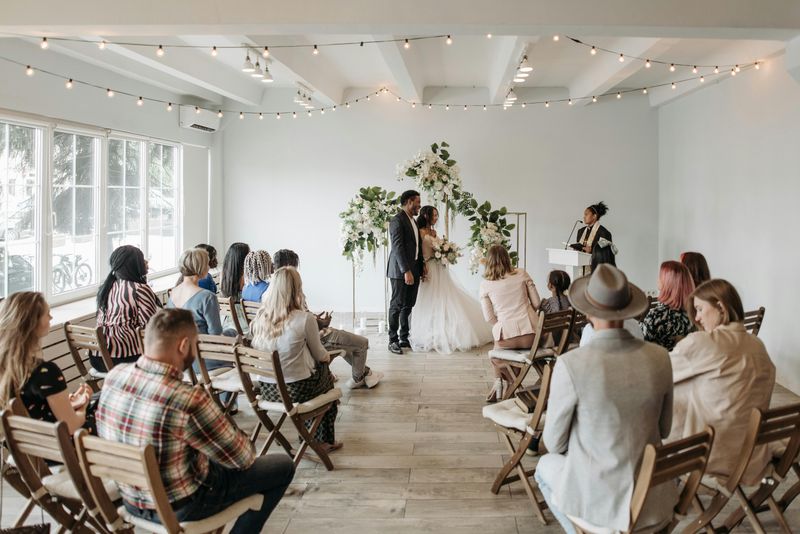
Traditional weddings operated almost like social ceremonies in themselves. Seating arrangements were carefully mapped out according to family importance, social rank, and proximity to the couple.
The closest relatives sat nearest the head table, while distant acquaintances and coworkers were placed further back. Breaking this unwritten order could cause genuine offense.
For large families with complicated dynamics, the seating chart became a source of enormous stress. Who sat where sent a clear message about who mattered most, and navigating that minefield was rarely easy for the couple or their parents.
Modern weddings have mostly abandoned this rigid structure. Many couples now use open seating, mixed tables that blend family and friends together, or simple assigned seats without any status-based logic.
The goal today is for guests to have fun and feel comfortable, not to signal who holds the highest place in the family hierarchy. Relaxed seating has made receptions noticeably more enjoyable for everyone.
10. Bridal Bouquets Made Entirely of Orange Blossoms
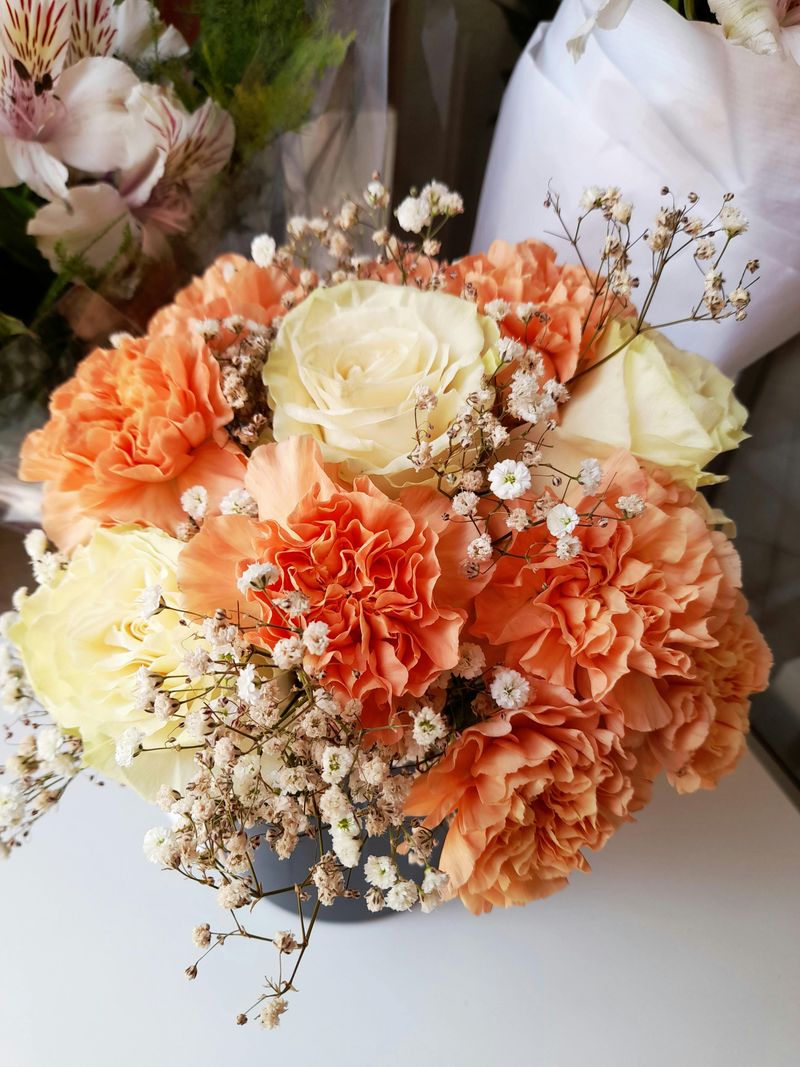
Orange blossoms were practically synonymous with weddings throughout the 19th century. Queen Victoria famously wore a wreath of them at her 1840 wedding, and the trend spread rapidly across Europe and America.
The flowers symbolized purity, chastity, and fertility, making them the ideal choice for a bride’s bouquet or hair adornment.
Beyond their symbolism, orange blossoms were prized for their delicate white petals and intoxicating fragrance. Wearing them was considered both beautiful and meaningful, a way to carry good wishes into the marriage ceremony.
As florists expanded their offerings and personal expression became more valued in wedding planning, brides began experimenting with peonies, roses, wildflowers, succulents, and tropical blooms. Today, bouquets reflect the couple’s personality and color palette rather than a specific symbolic tradition.
Orange blossoms still appear occasionally, but the idea of using them exclusively has long since faded from mainstream wedding culture.
11. Early Morning Weddings
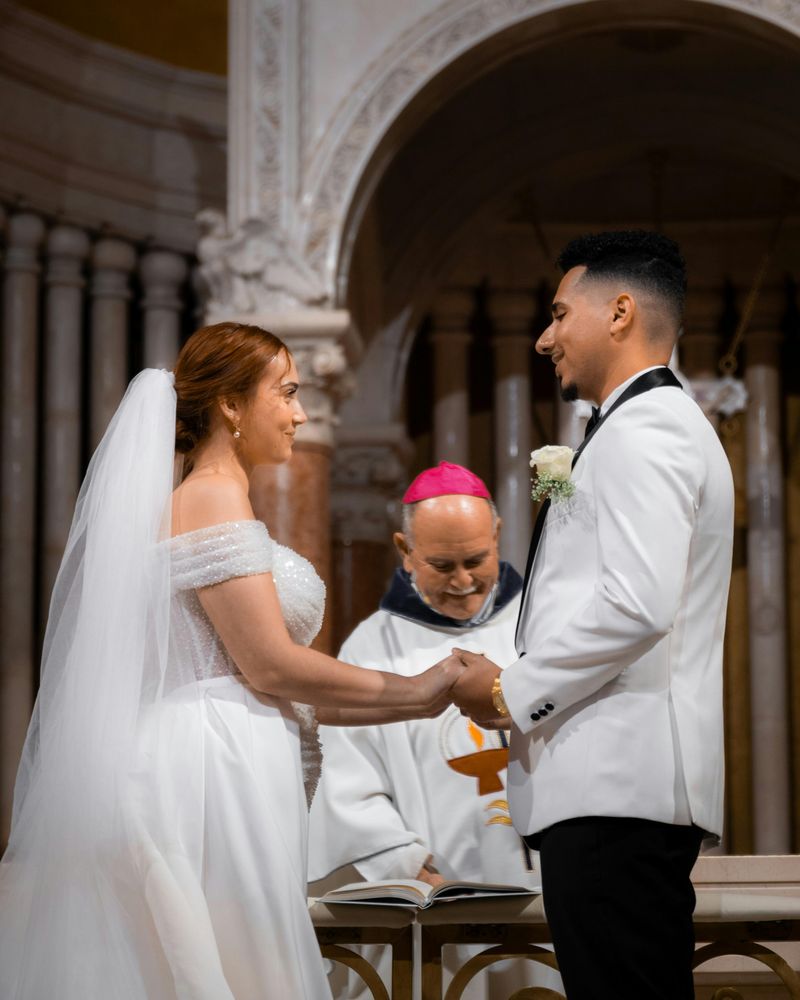
Morning weddings were once the norm rather than the exception. In many religious traditions, especially Catholic ones, weddings were required to take place before noon.
After the ceremony, guests would gather for a formal wedding breakfast, which was actually a full meal regardless of the time of day.
The idea of a morning wedding feels almost foreign to most couples today. Evening ceremonies with dinner receptions, dancing, and late-night celebrations have become the overwhelming preference.
Afternoon weddings are common too, but early morning slots are rarely booked.
Part of the shift comes from changing social habits. People tend to stay up later, work irregular hours, and expect weddings to include extended entertainment.
A morning ceremony followed by brunch simply does not match that expectation. The wedding breakfast tradition is a lovely piece of history, but it has been almost entirely replaced by the dinner reception format that dominates modern wedding planning.
12. The Bride’s Bouquet Toss Being Mandatory
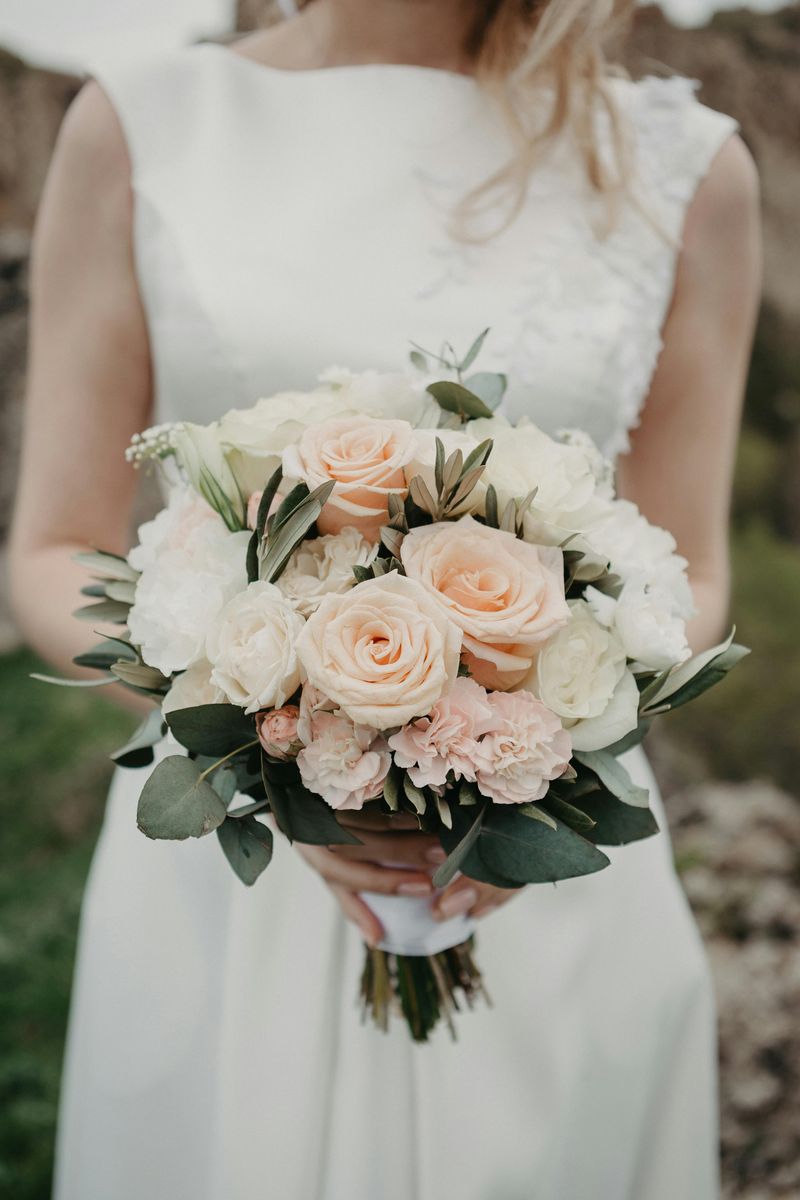
For decades, the bouquet toss was one of the most anticipated moments of any wedding reception. The single women at the party would gather on the dance floor, the bride would turn her back, and whoever caught the flying flowers was supposedly the next to get married.
It was playful, silly, and full of laughter.
Over time, the tradition started feeling a little awkward for many guests. Not everyone wants to be publicly identified as single, and the pressure to participate could feel uncomfortable rather than fun.
Some guests began quietly excusing themselves from the dance floor when the announcement was made.
Many modern couples now skip the bouquet toss altogether, especially at smaller or more intimate receptions. Some replace it with a unity ceremony, a group dance, or simply move straight to cutting the cake.
The toss still happens at plenty of weddings, but it is no longer considered an essential part of the program.
13. Sending Formal Wedding Announcements to Newspapers
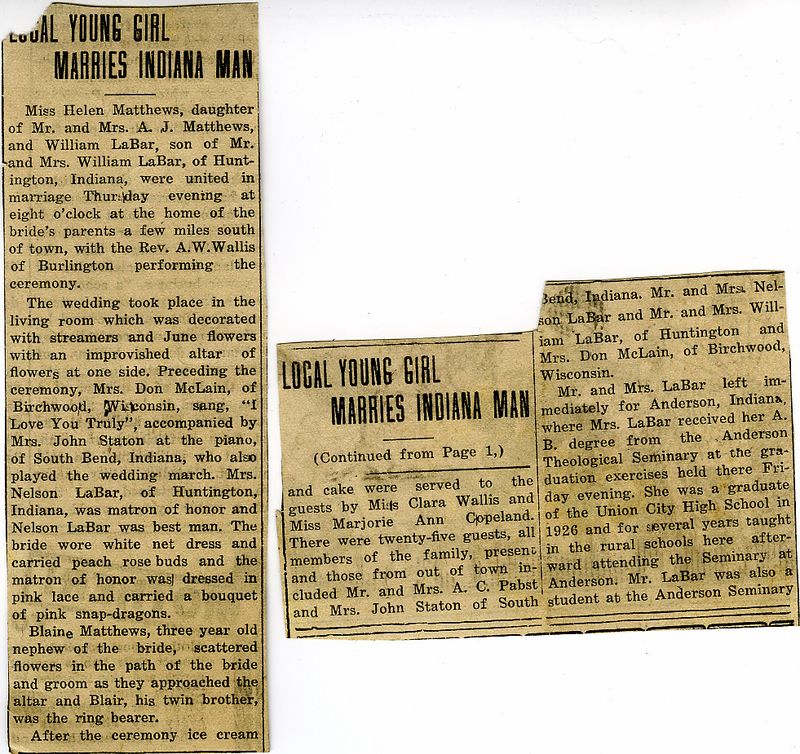
Before social media existed, families shared major life news through local newspapers. Submitting a formal wedding announcement was a proud and common practice, complete with the couple’s names, their parents’ names, the ceremony location, and sometimes a formal portrait photo.
Seeing your wedding in print felt like an official stamp of celebration.
Many newspapers had dedicated society pages or lifestyle sections specifically for these announcements. Families would carefully compose the text and deliver it to the newsroom days before the wedding to ensure timely publication.
Today, that tradition has been almost entirely replaced by digital alternatives. Couples post wedding photos on Instagram within hours of the ceremony, share updates on Facebook, and create personal wedding websites that serve as living announcements.
Some newspapers still accept wedding announcements, but the practice feels charmingly old-fashioned to most younger couples. The shift reflects how dramatically communication habits have changed in just a few decades.
14. Wearing Something Borrowed From a Married Woman for Luck
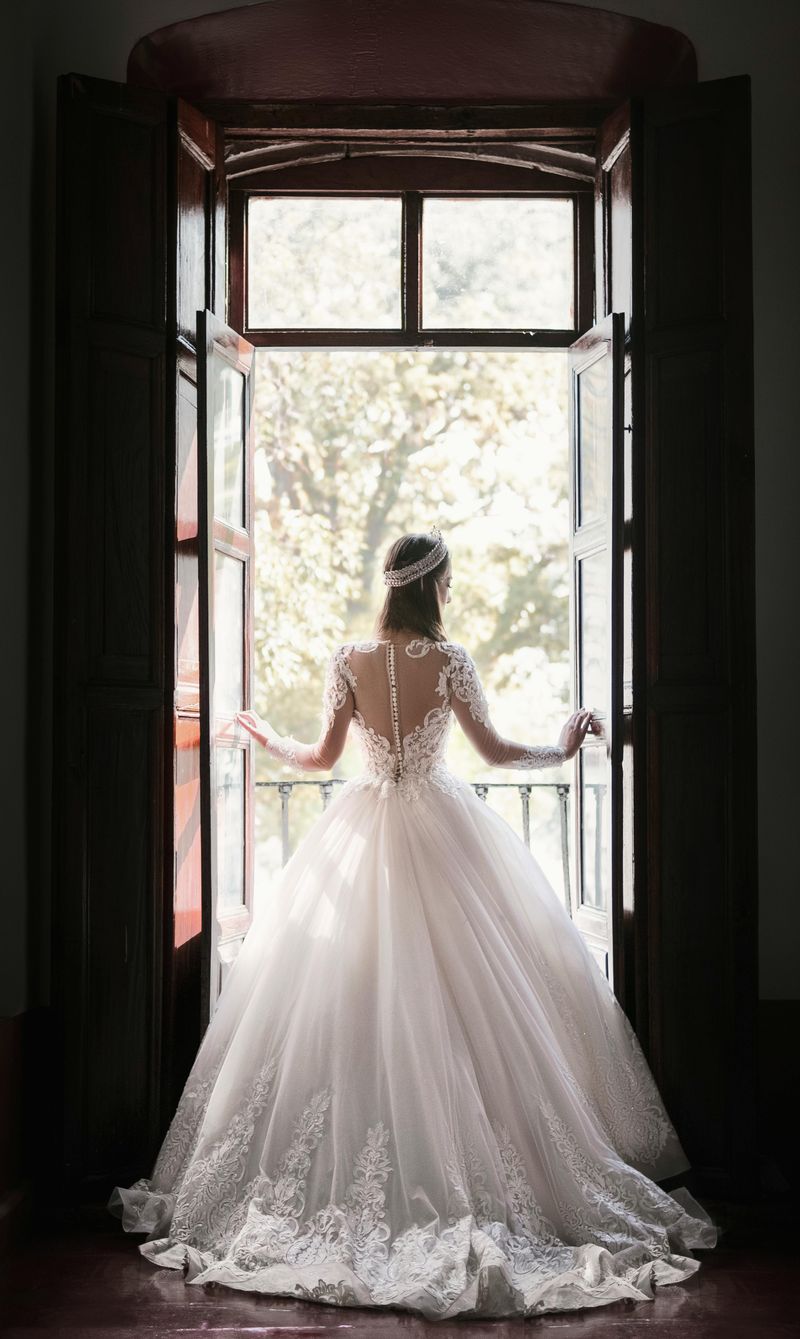
Almost everyone knows the old rhyme: something old, something new, something borrowed, something blue. The borrowed item had very specific rules attached to it.
It was supposed to come from a happily married woman, with the idea being that her good fortune and marital happiness would transfer to the new bride. It was a sweet, superstition-based gesture meant to pass along luck.
The rhyme itself is still widely recognized and many brides still enjoy incorporating the four elements into their wedding day. A borrowed necklace, a grandmother’s earrings, or a friend’s hair comb can all carry real sentimental meaning.
However, the strict requirement that the item must come specifically from a married woman is rarely enforced today. Brides borrow meaningful objects from mothers, sisters, best friends, or anyone whose love they want to carry with them.
The spirit of the tradition lives on, even if the original rules have loosened considerably over time.
15. The Groom Carrying the Bride Over the Threshold
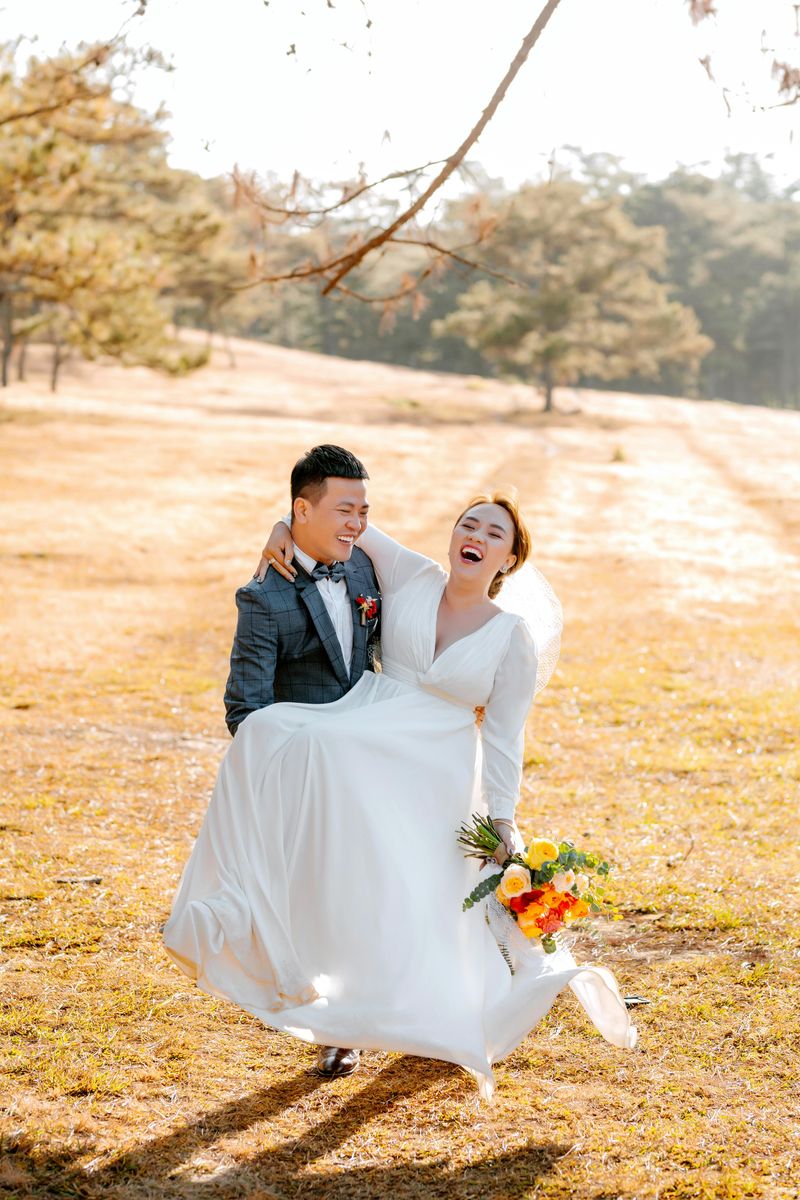
Few wedding traditions carry as much symbolic weight as the threshold carry. Rooted in ancient Roman and medieval European customs, the act of a groom carrying his new bride through the doorway of their home was meant to protect her from evil spirits believed to lurk at entrances.
It was also thought to shield her from bad luck if she stumbled crossing into the home for the first time as a wife.
Over the centuries, the superstitious reasoning faded, but the gesture remained as a romantic and playful ritual. Newlyweds embraced it as a lighthearted symbol of beginning their new life together.
Today, most couples do not feel obligated to observe the tradition at all. Some still do it spontaneously for fun or for a great photo opportunity, but it is no longer a widespread expectation.
Like many old wedding customs, it has softened from a meaningful ritual into an optional, affectionate moment that some couples simply enjoy.



