 Unearth The Voyage
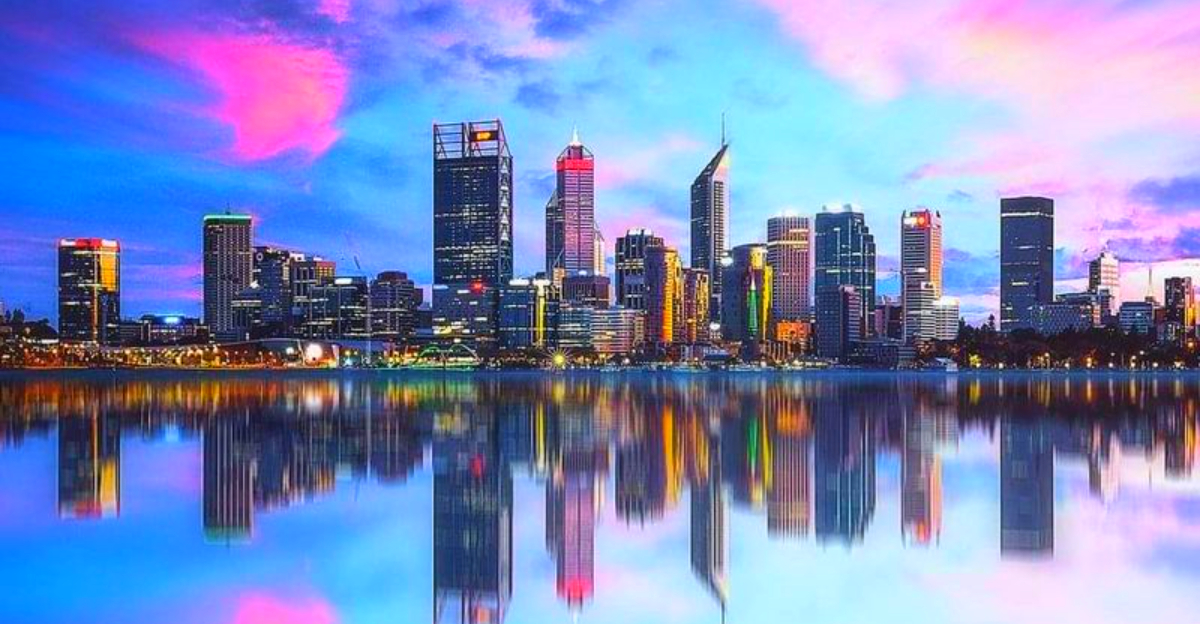
Breathing clean air is more than a luxury, it is a daily reset for your mind and body. These cities consistently post remarkably low PM2.5 levels, offering crisp mornings, clearer skies, and fewer pollution related health risks.
If you have ever wondered where the air truly feels light and energizing, this list will guide you. Use it to plan your next trip or simply to marvel at what thoughtful planning and geography can achieve.
15. Tallinn, Estonia
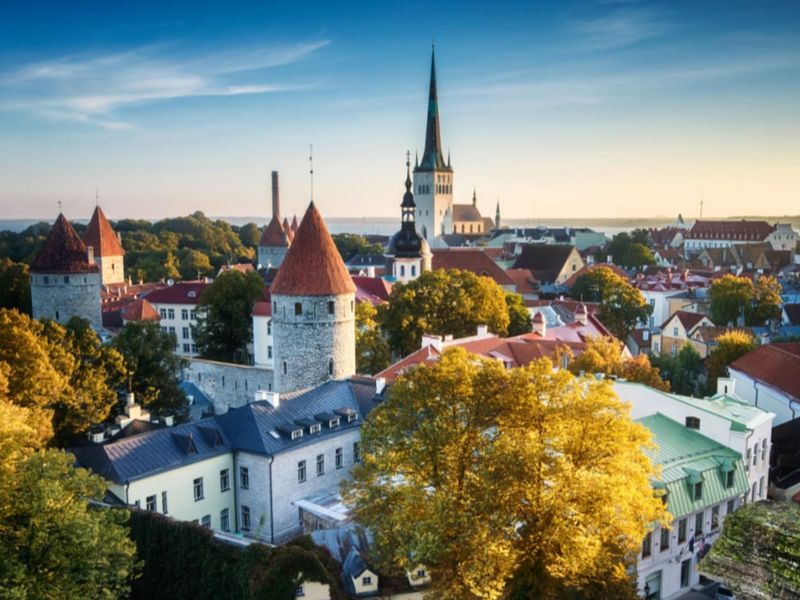
Tallinn pairs storybook Old Town charm with modern environmental smarts, and you can feel it with each deep breath. The city’s annual particulate pollution sits low at around 4.6 µg/m³, thanks to coastal breezes and strict emissions standards.
Stroll the cobblestones near Town Hall Square and notice how traffic calming and transit options keep soot and noise at bay.
There is a strong push for efficient public transport, digital services that reduce car reliance, and district heating that lowers household emissions. Parks and waterfront paths weave fresh air into your daily routine, inviting morning runs and leisurely walks.
On clear days, the Baltic wind scrubs the sky, giving sunsets a glassy brilliance.
Travelers appreciate how easy it is to get around without a car, which makes sightseeing feel relaxed and healthier. Locals benefit from well maintained cycling routes and a culture that values clean urban living.
If you crave a European city break where your lungs feel as refreshed as your curiosity, Tallinn delivers. It proves that historic beauty and forward thinking policy can coexist, and that clean air can be part of everyday life.
14. Haiphong, Vietnam
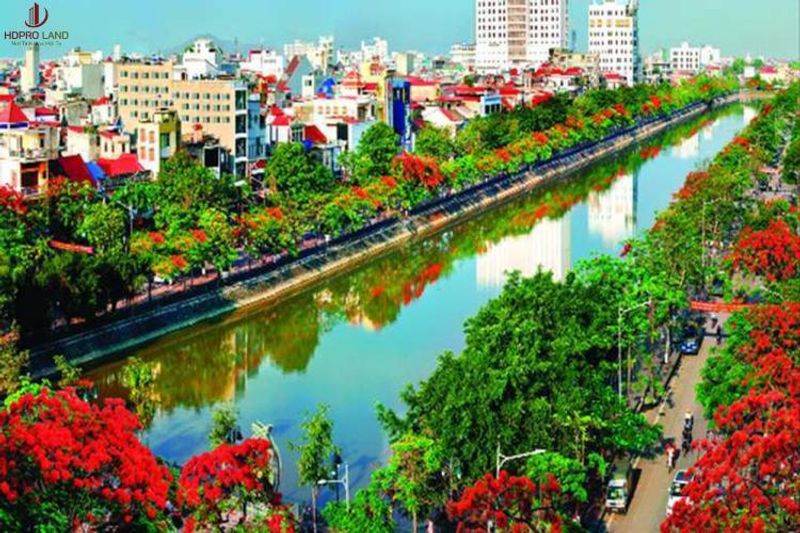
Haiphong surprises many travelers with air that feels lighter than bigger regional hubs, clocking PM2.5 around 4.3 µg/m³. Sea breezes sweep across the port and disperse particulates, leaving days that feel bright and breathable.
You can wander leafy boulevards and hear birds more than engines, a rare pleasure in fast growing cities.
While industry and shipping operate nearby, tighter controls and coastal winds help. Parks and waterfront promenades offer clean vantage points where you can slow down and exhale.
Cafes spill onto sidewalks, inviting you to linger without the haze that often chases you indoors.
Public transport improvements and better fuel standards have also nudged the numbers down. You will notice the difference in small ways, like clearer sunsets, fewer gritty residues, and more comfortable morning jogs.
If Southeast Asia is on your list, Haiphong makes a strong case for a breezy base. It blends authentic Vietnamese street life with a gentler, cleaner urban rhythm, reminding you that geography and policy can rewrite expectations.
13. Turku, Finland
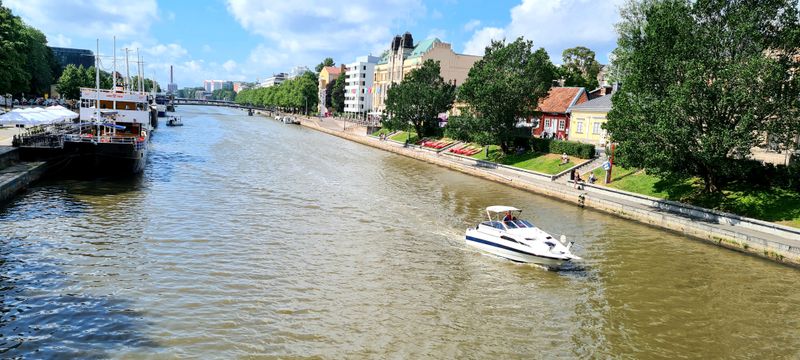
Turku’s calm Nordic vibe extends to the air you breathe, registering roughly 4.2 µg/m³ of PM2.5. The Aura River frames car light corridors and leafy paths that invite walking instead of driving.
You can explore market squares and waterfront terraces without the film of exhaust lingering over your day.
Finland’s strict emissions policies and high quality fuels help keep particulates low. Public transit integrates smoothly with cycling infrastructure, which nudges everyday habits toward cleaner choices.
When long summer days hit, the clarity makes river reflections look like glass.
Even in winter, air remains crisp, and you will appreciate how consistent planning pays off. Turku balances historical charm with practical sustainability, so your lungs notice the difference as much as your eyes.
It is an easy place to slow down, linger by the river, and breathe easy. If you value city breaks that feel restorative rather than draining, Turku quietly excels and rewards every step with fresher air.
12. Uppsala, Sweden
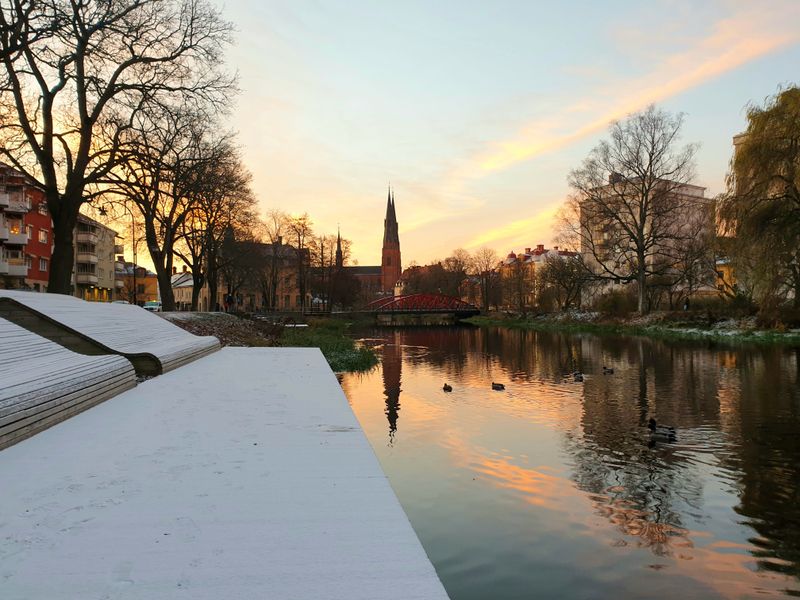
Uppsala consistently posts low PM2.5 near 4.1 µg/m³, and you feel it on unhurried bike rides under the cathedral’s silhouette. The city’s compact layout favors walking and cycling over car dependency.
Green corridors and parks knit neighborhoods together, softening noise and filtering air.
Sweden’s emissions standards, cleaner heating, and robust transit help keep particulates down. You will notice a lack of gritty residue on windowsills and that end of day heaviness fading from your routine.
Even busy intersections feel calmer, with efficient traffic flow reducing idling.
Students and researchers fill cafes without a haze of fumes, and clear evenings invite riverside strolls. The air’s clarity turns sunsets into slow moving color shows.
If you value a city that treats health and mobility as inseparable, Uppsala fits beautifully. It proves that smart planning and gentle density make urban air friendlier, giving you the freedom to breathe deeply and keep exploring.
11. Honolulu, USA
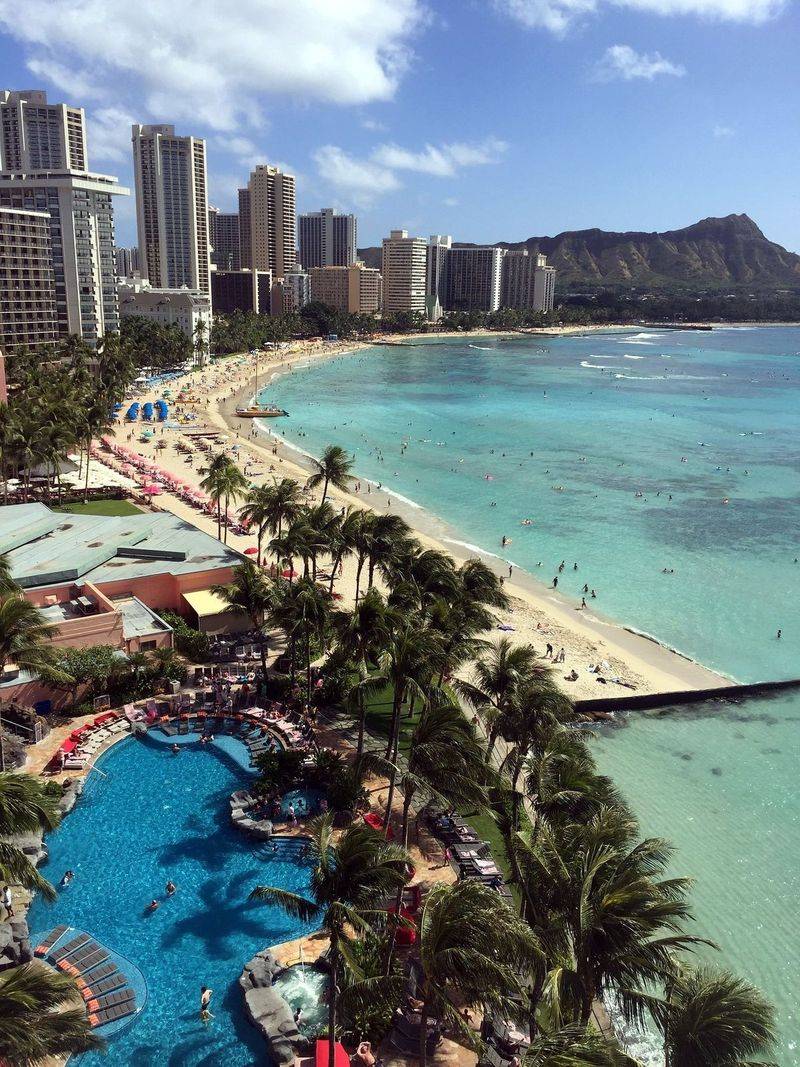
Honolulu benefits from steady trade winds that sweep the city, with PM2.5 around 3.9 µg/m³. Ocean air moves through neighborhoods and leaves mornings feeling fresh and salt kissed.
You can jog along Ala Moana or climb toward Diamond Head without that heavy urban haze.
Strict fuel standards and a growing transit network help too, while volcanic considerations are monitored to keep health guidance timely. Green spaces and shoreline paths make car free days easy, which keeps particulates in check.
Cafes open to the breeze, letting you dine without a veil of exhaust.
Skies look remarkably clear after passing showers, revealing brilliant blues and crisp horizons. Whether you are surfing, hiking, or just strolling to a shave ice stand, breathing feels effortless.
Honolulu shows how geography and policy can align for livable air. If island life calls you, this is a city where lungs feel as relaxed as your shoulders, from sunrise to sunset.
10. Sydney, Australia
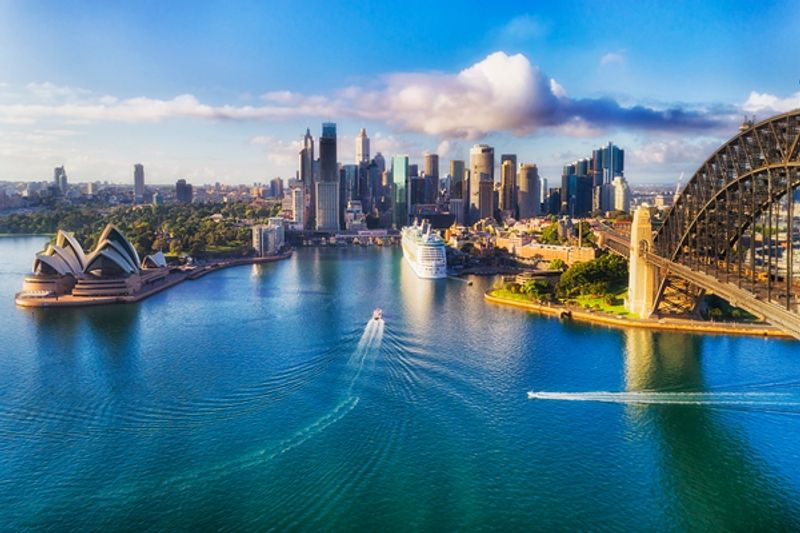
Sydney’s sea breezes and strong environmental standards help deliver low PM2.5 near 3.8 µg/m³. The harbor acts like a natural cleanser, moving air through coves and suburbs.
When you ferry across the water, visibility stretches far, and the skyline looks sharply etched.
Public transport, cleaner fuels, and coastal green belts all contribute to consistent air quality. You can run the coastal walk from Bondi and feel lungs respond with ease.
Even on busy days, the breeze softens edges and keeps particulates from settling.
Locals embrace outdoor living because conditions invite it year round. Weekends bring picnics in the Royal Botanic Garden and swims at protected beaches with clear views.
If a big city experience without the heavy air appeals to you, Sydney does it with style. It balances energy and cleanliness, reminding you that urban life can be breathable, beautiful, and invigorating.
9. Wollongong, Australia
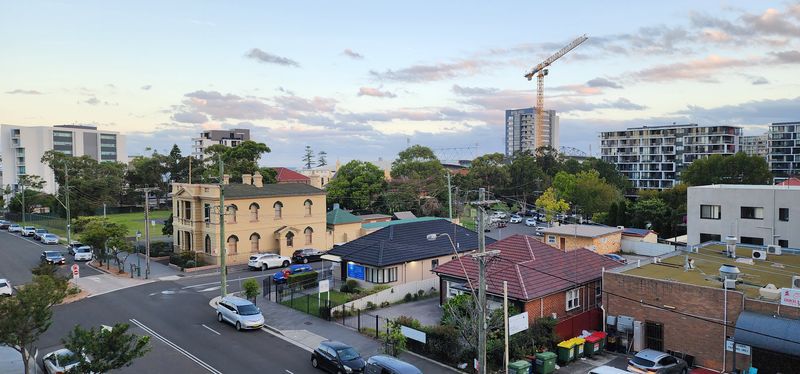
Wollongong sits between ocean and escarpment, funneling fresh air across neighborhoods and beaches. PM2.5 levels hover near 3.7 µg/m³, which you notice while cycling the beachfront path.
The sea breeze moves steadily, scrubbing particulates and revealing crisp horizon lines.
Industry coexists with careful monitoring and improved standards that limit emissions. Residents choose outdoor routines because conditions reward those habits.
You can sip coffee by the lighthouse and feel the air stay light even on warm afternoons.
Green spaces knit across the coastline, offering car free routes and family friendly parks. The city’s layout encourages short trips by foot or bike, shaving off tailpipe pollution.
If coastal living with breathable days is your ideal, Wollongong makes a quiet case. It pairs seaside charm with practical policies that keep the air clean enough to chase sunrises, surf sessions, and long walks without fatigue.
8. Launceston, Australia
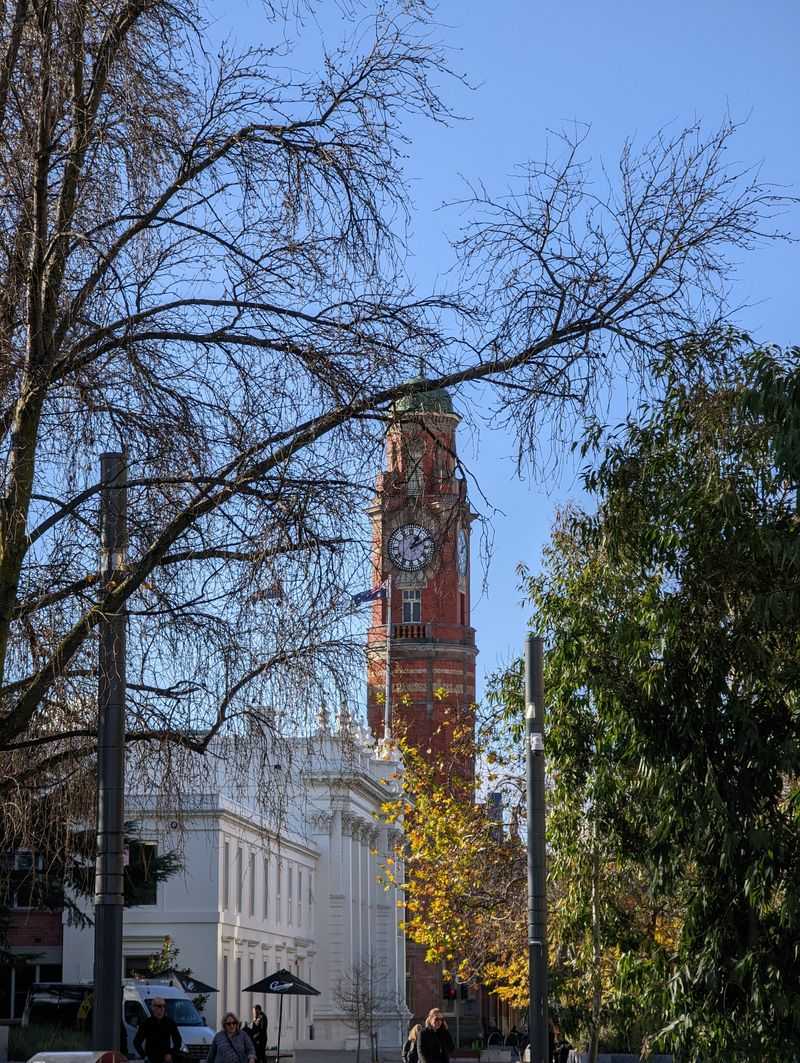
Launceston’s clean air feels like a daily reset, with PM2.5 near 3.5 µg/m³. Green spaces and thoughtful urban planning create calm corridors where you can walk without a traffic soundtrack.
Morning mist clears to bright skies, and you will notice how easy deep breaths come.
The city benefits from Tasmania’s lower emissions profile, tight standards, and a culture of outdoor living. Trails, riverfront paths, and compact neighborhoods reduce car trips.
Cafes spill onto sidewalks where conversations carry without exhaust notes.
Seasonal wood smoke is monitored closely, and public guidance keeps winter evenings more comfortable. Year round, the combination of geography and policy keeps particulates in check.
If you crave a gentler pace backed by air that supports it, Launceston is a strong contender. It invites slow travel, park picnics, and river walks where the experience is as much about breathing as sightseeing.
7. Kryvyi Rih, Ukraine
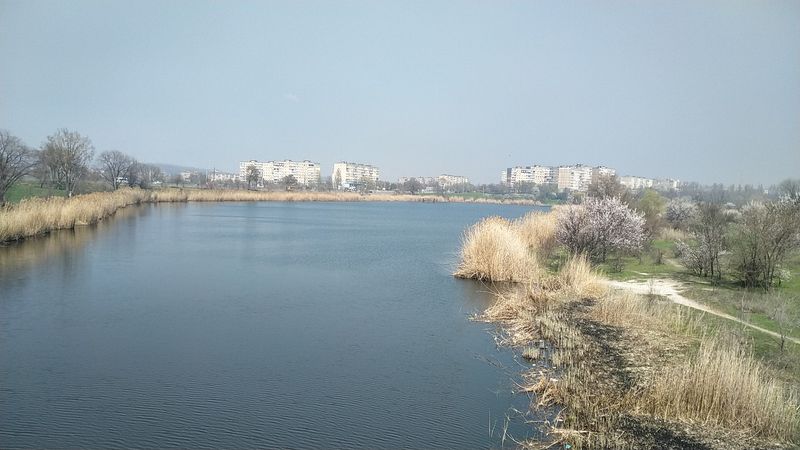
Kryvyi Rih makes the list with notably low PM2.5 around 3.4 µg/m³, a result that surprises many given its industrial associations. Recent monitoring shows cleaner days than you might expect, with clearer horizons and less particulate buildup.
You can feel the difference on long walks when air stays light and crisp.
Policies targeting fuel quality, emissions upgrades, and improved transit have helped. Green strips and open avenues encourage airflow that disperses pollutants.
Residents notice fewer gritty residues and more comfortable morning commutes on clear days.
While challenges remain, the city’s measured outcomes suggest real progress. Your experience on the ground includes bright afternoons that do not weigh on your lungs.
If you are tracking data driven turnarounds, Kryvyi Rih stands out. It demonstrates how monitoring, standards, and urban form can shift expectations and deliver cleaner breathing, even where heavy industry once defined the narrative.
6. Reykjavik, Iceland
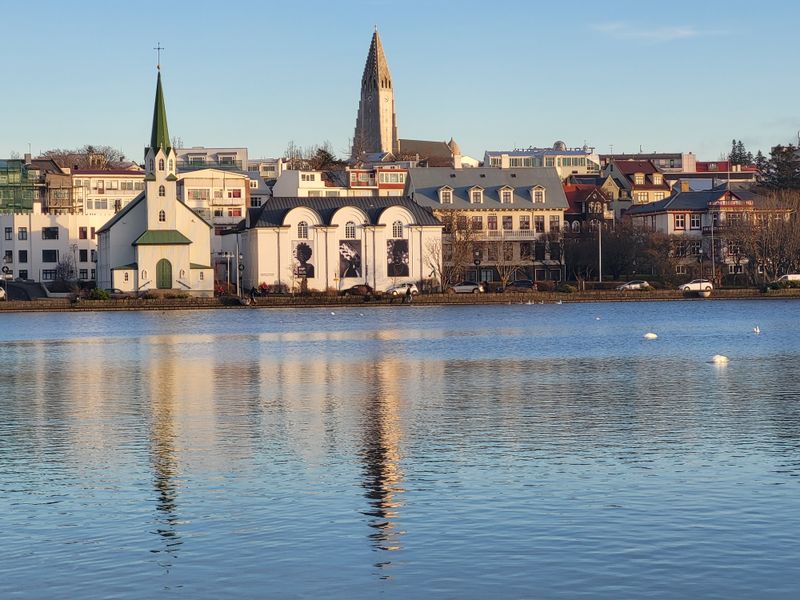
Reykjavik’s air feels almost weightless, with PM2.5 near 3.4 µg/m³ and ocean winds constantly refreshing the city. Geothermal energy powers homes and reduces combustion related particulates.
You can wander the harbor and see mountains sharp against a bright sky.
Low traffic volumes, strict fuel standards, and compact neighborhoods all support clean breathing. Even winter days carry a crisp clarity that makes colors pop.
Cafes glow with warm light, and stepping outside never hits you with a wall of fumes.
Cycling and walking paths make car free days a pleasure, especially along the waterfront. The city’s energy mix proves that clean power translates into cleaner lungs.
If you want urban comforts without the usual haze, Reykjavik is a breath of fresh air. Come for the scenery and stay for the calm, invigorating atmosphere that seems to reset your senses.
5. Adelaide, Australia
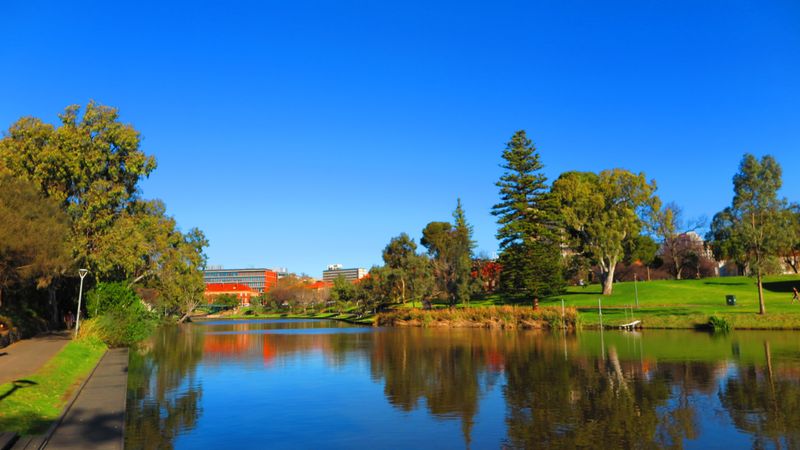
Adelaide posts generally excellent air quality with PM2.5 around 2.7 µg/m³. The green parklands encircling the center act like a living air filter and a magnet for active travel.
You will love how quickly you can switch from downtown streets to leafy paths.
Modern trams, good fuel standards, and urban planning that avoids sprawl driven congestion all help. On most days, the sky looks strikingly clear, and sunsets carry far across the plains.
Cafes spill into laneways where you can sit comfortably without exhaust in the background.
Residents embrace cycling because routes are flat and pleasant, which keeps car trips down. The result is a city that feels relaxed and breathable even during events.
If your ideal city pairs culture with clean living, Adelaide is a strong bet. It proves that thoughtful design and green buffers can keep the air as inviting as the calendar of festivals.
4. Hobart, Australia
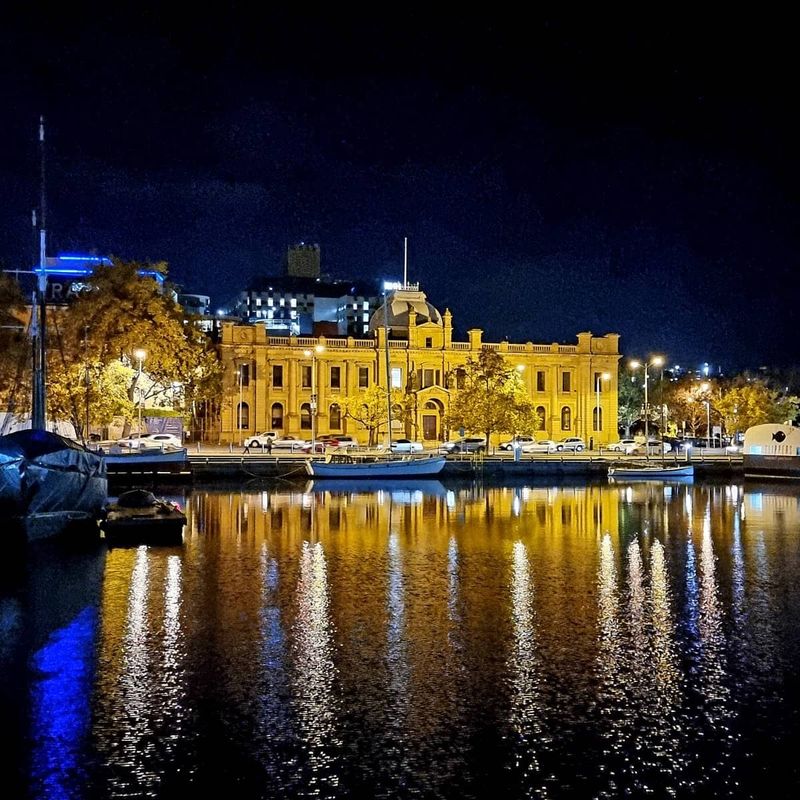
Hobart breathes easy with very low fine particulates near 2.6 µg/m³. Sea air flows through the city, and Mount Wellington keeps weather lively and refreshing.
You can wander Salamanca Place and feel how gently the day moves without heavy exhaust.
Cleaner heating practices, strict fuel standards, and steady monitoring all contribute to its clarity. The waterfront invites walking, which reduces short car trips that usually add pollution.
Even on cool evenings, the air stays sharp and comfortable.
Locals embrace outdoor routines like hiking and cycling because conditions support them. You will notice clearer views, fewer gritty surfaces, and bright blue days that reset your energy.
If you crave small city charm with big clean air credentials, Hobart delivers. It shows how geography and policy can combine to keep breathing effortless and everyday life remarkably calm.
3. Vitória, Brazil
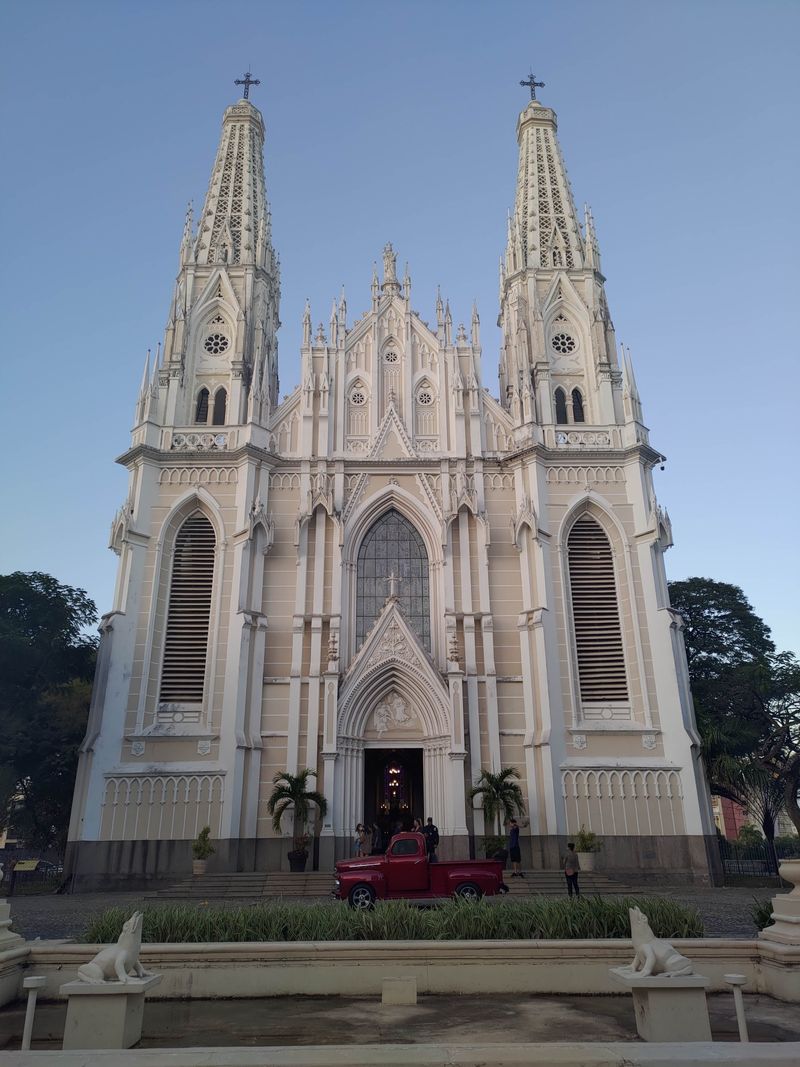
Vitória’s PM2.5 hovers near 2.2 µg/m³, placing it among Brazil’s clean air standouts. Surrounded by ocean and dotted with hills, the city benefits from strong airflow that disperses particulates.
You can walk along the waterfront and feel the steady breeze keep everything fresh.
Improved fuel standards, environmental controls, and growing green spaces further support low readings. Neighborhoods connected by bridges and bays encourage scenic routes that reduce stop and go traffic.
The result is clearer views, brighter colors, and less residue on everyday surfaces.
Locals take advantage with outdoor fitness and evening strolls as the sky turns gold. You will appreciate how easy breathing feels throughout the day.
If you want a tropical city that sidesteps the usual haze, Vitória is a welcome surprise. It blends coastal beauty with practical policies, proving that even busy urban areas can keep air quality impressively low.
2. Perth, Australia
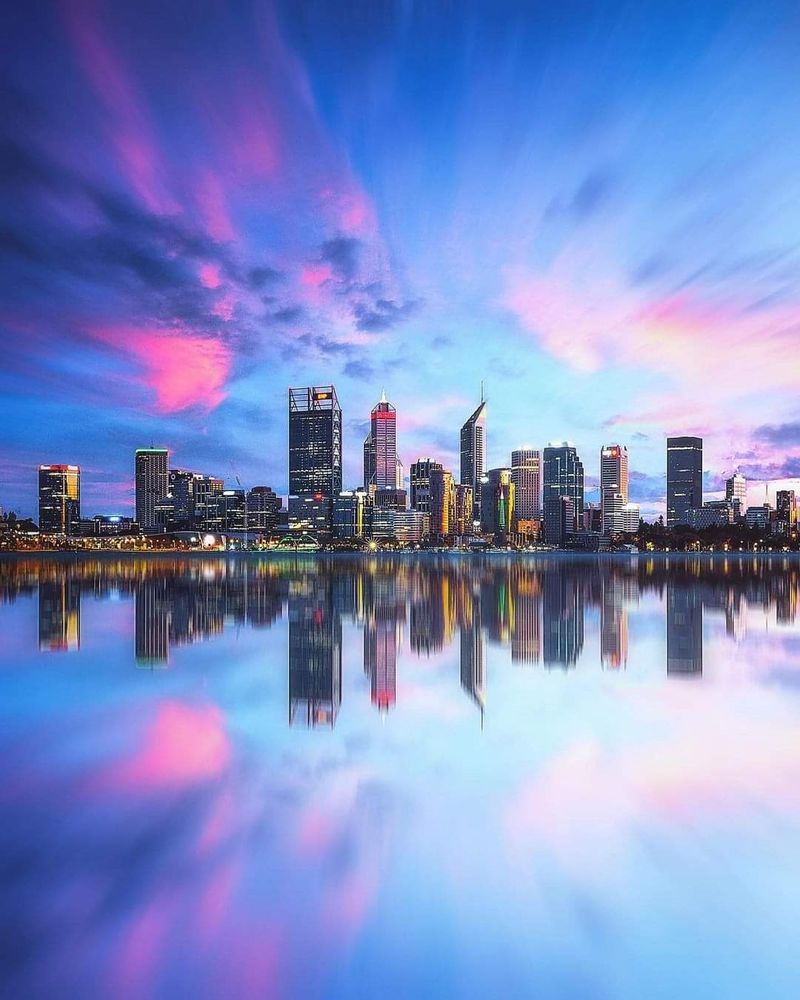
Perth is famous for clean coastal air, with PM2.5 near 1.4 µg/m³. Sea breezes sweep inland and polish the sky to an almost unreal clarity.
You can run along the Swan River and see details pop on the horizon like a postcard.
Strict emissions standards, modern fuels, and generous green belts reduce particulate sources. The city’s layout encourages efficient traffic flow and outdoor lifestyles that keep car time down.
Cafes and riverside parks make lingering outside a daily joy.
Even during hot spells, winds often flush the basin and restore freshness quickly. You will notice less dust settling and fewer heavy afternoons after commuting.
If a sunlit, breathable city calls to you, Perth delivers day after day. It proves that coastal geography and good policy can create urban air that feels closer to nature than concrete.
1. Zürich, Switzerland
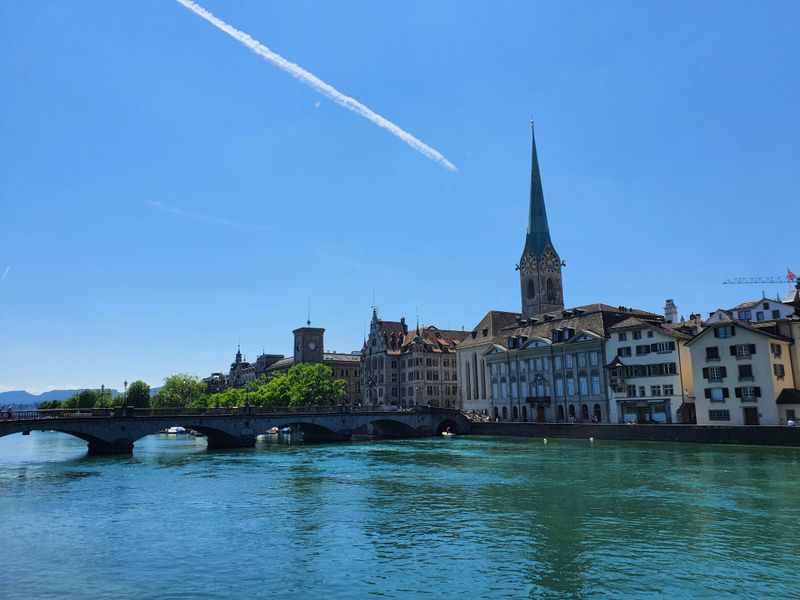
Zürich regularly tops global rankings with exceptionally low PM2.5, often around 0.5 to 0.7 µg/m³. Lake breezes and Alpine air circulate through a city designed for trams, walking, and cycling.
You can glide along the Limmat and feel how weightless the day becomes.
Strict vehicle standards, building efficiency, and relentless monitoring keep particulates minimal. Green spaces and waterside paths invite daily outdoor routines.
Even busy financial districts maintain clear, quiet streets that do not cloud your senses.
The precision you expect from Switzerland shows up as clean, breathable normalcy. Views stretch far, colors stay bright, and your lungs notice the difference.
If you want a benchmark for urban air, Zürich is it. It demonstrates that disciplined policy and thoughtful design can deliver world class clarity you can feel with every step and breath.



