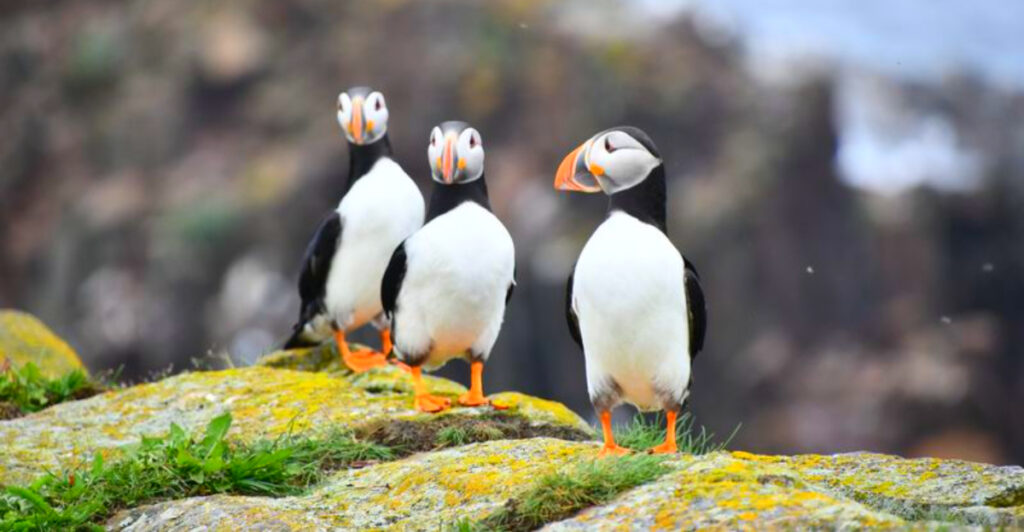
Every summer, one of the ocean’s most entertaining birds comes ashore to raise its family, and the show is absolutely worth planning a trip around. Atlantic puffins spend most of their lives far out at sea, but when breeding season arrives, they trade the open water for grassy clifftops, rocky islands, and dramatic coastal headlands. With their bold orange beaks, tuxedo-like coloring, and slightly baffled expressions, puffins have earned the nickname “clowns of the sea” for good reason. Across North America, Iceland, and the United Kingdom, certain coastal spots become reliable summer gathering grounds for these remarkable birds, drawing wildlife lovers, photographers, and curious travelers from around the world.
Whether you are planning a dedicated birdwatching trip or simply hoping to catch a glimpse of a puffin waddling past your hiking boots, this guide covers the 15 best places to make that happen.
Witless Bay Ecological Reserve, Bay Bulls, Newfoundland and Labrador, Canada
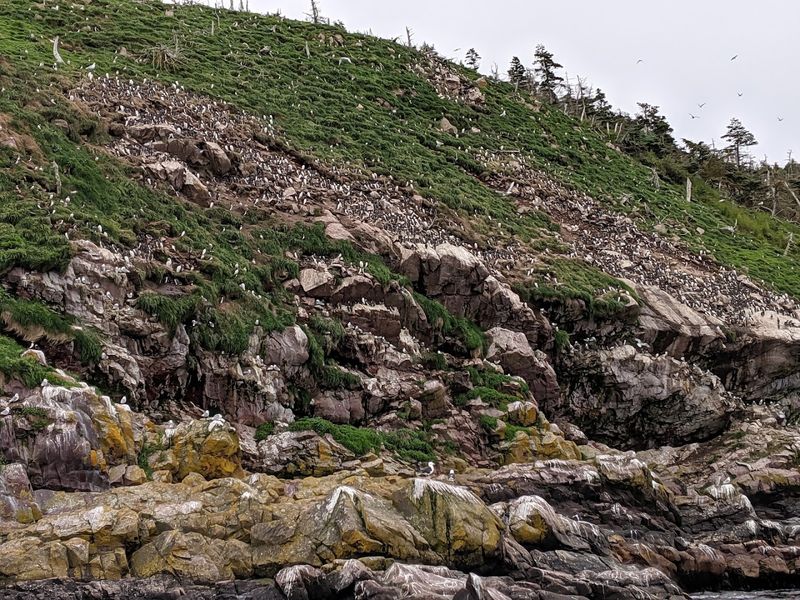
North America’s largest Atlantic puffin colony calls this place home, and the numbers are genuinely staggering. Over 260,000 breeding pairs return to the four grassy islands of Witless Bay every summer, turning the reserve into a feathered frenzy visible from the water.
Boat tours depart multiple times daily from Bay Bulls, typically running about two hours and circling the islands at a respectful distance. Beyond the puffins, humpback and minke whales frequently appear alongside the boats, making the experience feel more like a wildlife documentary than a casual afternoon outing.
The reserve also supports the world’s second-largest colony of Leach’s Storm-Petrels, with over 620,000 pairs. Some tours include a traditional Newfoundland “Screeched-in” ceremony, adding a cultural twist to an already memorable wildlife adventure. Afternoon departures tend to offer the clearest conditions for photography.
Machias Seal Island, Grand Manan, New Brunswick, Canada
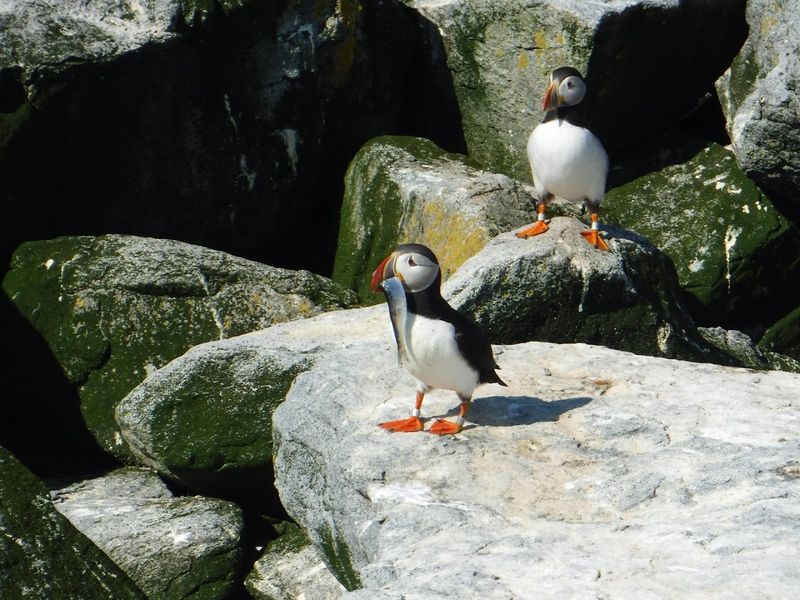
Only 15 visitors per day are allowed to set foot on Machias Seal Island, which makes every single trip feel like a private audience with one of nature’s most charming performers. Situated in the Bay of Fundy, this small protected island hosts a celebrated seabird colony that has drawn naturalists since John James Audubon visited in 1833.
Two permitted tour operators run guided excursions from Grand Manan and Cutler, Maine, delivering guests to specially constructed observation blinds where puffins, razorbills, and common murres pass within arm’s reach. Each group spends roughly one hour ashore, which is enough time to fill a memory card and come away genuinely impressed.
Tours typically run from late June through the end of July. Landings depend on sea conditions, but even a circumnavigation of the island by boat offers exceptional close-range views of the nesting birds and hauled-out seals.
Látrabjarg Cliffs, Westfjords, Iceland
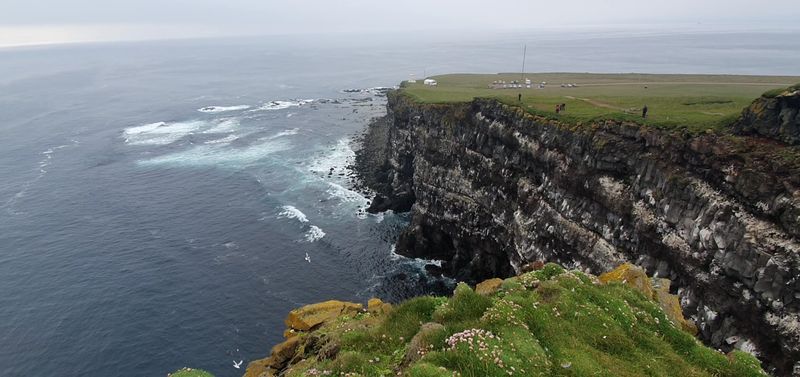
Europe’s largest bird cliff stretches 14 kilometers along Iceland’s remote Westfjords coast and soars to 440 meters above the Atlantic, hosting roughly one million Atlantic puffins every summer. That is not a typo. One million puffins, sharing space with razorbills, guillemots, and gannets along one of the most dramatic coastlines on the continent.
Puffins typically arrive in mid-May and stay through late August, often perching just meters from the walking paths without any sign of concern about nearby visitors. The ground near the cliff edge can be unstable in places where birds have dug their burrows, so careful footing is genuinely important.
Entry to Látrabjarg is completely free, and the westernmost lighthouse at Bjargtangar adds a photogenic landmark to the visit. Early morning or late evening visits tend to be quieter, and the low-angle light during Iceland’s long summer days makes the scenery particularly striking.
Hafnarhólmi, Borgarfjörður Eystri, East Iceland
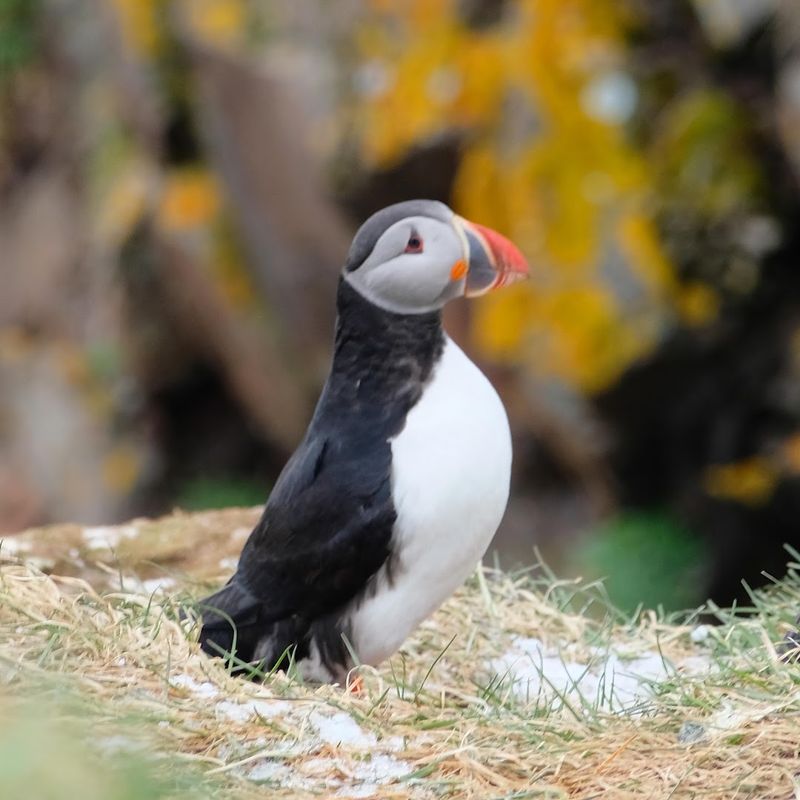
Between 8,000 and 10,000 pairs of Atlantic puffins nest on this small islet connected to the mainland by a harbor breakwater, which means getting close requires nothing more than a short, flat walk. Hafnarhólmi is widely considered one of Iceland’s most thoughtfully designed puffin-watching sites, with elevated boardwalks, viewing platforms, and a dedicated birdwatching hut all built to minimize disturbance.
The puffins here have developed a notably calm attitude toward human visitors, frequently appearing within just a few meters of the observation areas. Mornings and evenings between May and July offer the best chances to watch them return from fishing trips with beaks packed full of sand eels.
Fulmars, kittiwakes, and eiders also nest nearby, rounding out the birdwatching options. The small fishing village of Bakkagerði provides a quietly authentic backdrop, and the long drive through East Iceland’s fjords to reach it feels like a worthwhile adventure in itself.
Dyrhólaey Nature Reserve, Vík, South Iceland
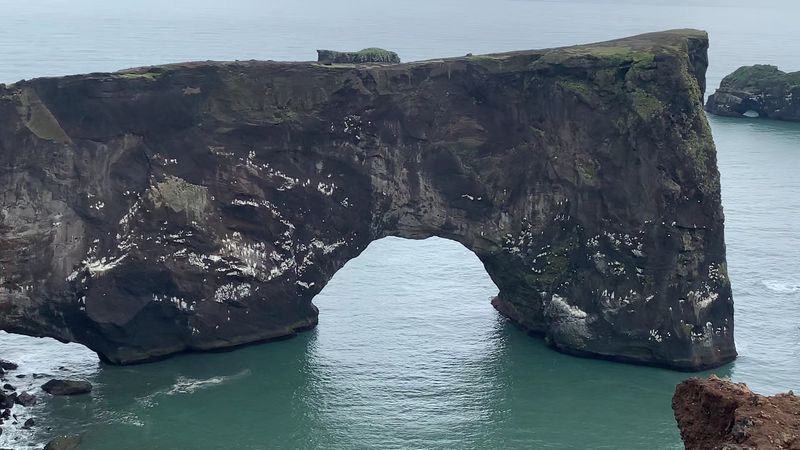
Dyrhólaey manages to pack a stone arch, black sand beaches, volcanic cliffs, and a thriving puffin colony into one compact headland on Iceland’s South Coast. From late April through August, thousands of puffins nest along the grassy ledges, creating a lively contrast against the dark volcanic rock below.
Two separate parking areas make the site easy to reach by car without any serious hiking involved. The best viewing windows are early morning between 7 and 10 AM and evening from 6 to 10 PM, when puffins are most active around their burrows.
Parts of the reserve may close overnight during peak nesting season to protect the colony, so checking current access conditions before visiting is a practical step. Arctic Terns also nest in the area and can be territorial during breeding season, which adds a slightly unpredictable element to the experience. Sturdy footwear handles the uneven terrain well.
Heimaey, Vestmannaeyjar, Iceland
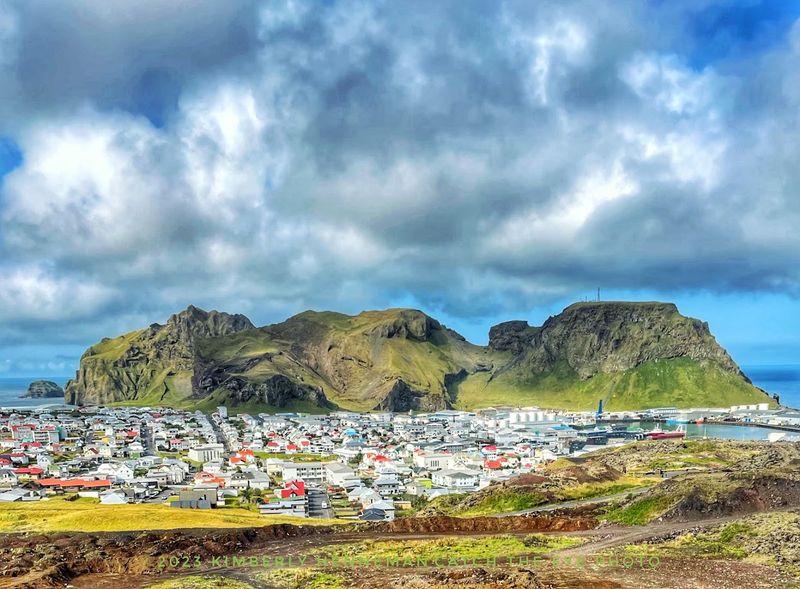
Between 1.1 and 1.5 million puffins descend on Heimaey every breeding season, making this volcanic island one of the most densely populated puffin addresses on Earth. The birds concentrate around Stórhöfði at the island’s southern tip, where the cliffs provide ideal nesting conditions and easy access to productive fishing grounds.
Visitors can hike volcanic trails, explore the famous Eldfell lava fields from the 1973 eruption, and observe puffins flying between the sea and their burrows throughout the long summer days. The Eldheimar Museum documents the dramatic eruption that buried part of the town, giving the island a compelling human story alongside its extraordinary wildlife credentials.
Puffins are present from April through mid-August, with May to mid-July offering the most active viewing. Each autumn, local children participate in rescuing disoriented pufflings that wander into town, a community tradition that perfectly captures the island’s unique relationship with its most famous summer residents.
Sumburgh Head, Shetland Islands, Scotland, United Kingdom
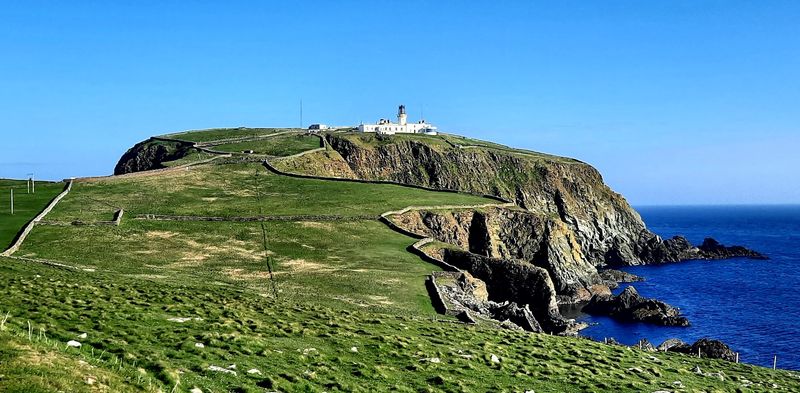
At the southernmost point of mainland Shetland, the combination of a working historic lighthouse, sheer sandstone cliffs, and a reliable puffin colony makes Sumburgh Head one of Scotland’s most satisfying wildlife stops. Puffins nest here from mid-April through mid-August, often appearing just meters from the walking paths that wind past the lighthouse.
Two wooden viewing platforms and a larger decking area provide excellent vantage points over the colony, all accessible without an entrance ticket. The sandy clifftop soil is perfectly suited to puffin burrowing, which explains why so many pairs return here year after year.
The wildlife variety extends well beyond puffins. Seals, dolphins, Minke whales, Orcas, guillemots, fulmars, and shags all make regular appearances during the same visit. Early mornings and evenings from April through late July consistently deliver the most active bird behavior, and the lighthouse visitor center provides helpful background on the area’s natural history.
Elliston Puffin Viewing Site, Elliston, Newfoundland and Labrador, Canada
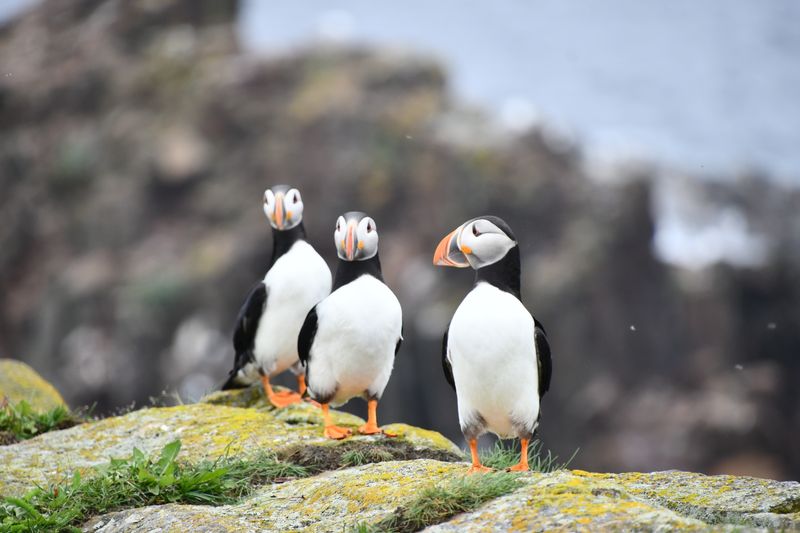
A five-minute walk from the roadside is all it takes to reach one of the most accessible puffin colonies in all of North America. Elliston, already celebrated as the Root Cellar Capital of the World, doubles as a genuine puffin hotspot where thousands of breeding pairs return annually to nest along the coastal cliffs.
There is no boat ticket required and no entrance fee, making this a rare opportunity to observe wild puffins from solid ground. The birds are remarkably relaxed around visitors, often perching just a few feet away while completely ignoring the cameras pointed in their direction.
Peak viewing runs from July through August, though the colony is active from May through September. Summer evenings are especially productive, as puffins return from the sea with beaks stuffed full of small fish, ready to feed their waiting chicks below.
Isle of May National Nature Reserve, Fife, Scotland, United Kingdom
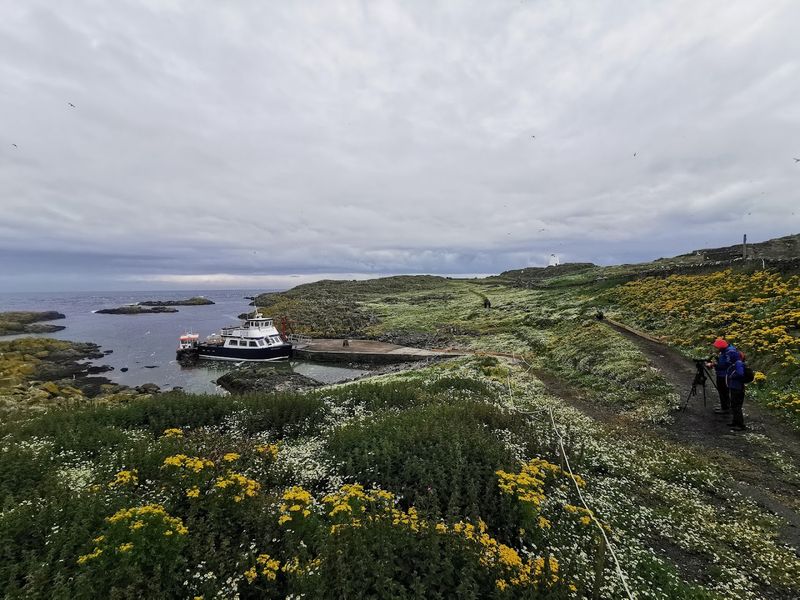
The east coast of Britain’s largest puffin colony resides on this small island in the Firth of Forth, where an estimated 46,000 breeding pairs settle in each summer alongside thousands of guillemots, razorbills, and Arctic terns. At peak season the total puffin count can reach 200,000 birds, which gives the island a wonderfully chaotic, feathery energy.
Seasonal boat trips from Anstruther or North Berwick deliver visitors to the island, where NatureScot rangers greet arrivals and guide them through the reserve. Guests typically have around two and a half to three hours to explore on foot, following paths through wildflower meadows and past the island’s historic lighthouses.
Puffins are present from mid-April through early August, with May, June, and early July representing the peak activity window. Booking boat tickets well in advance is strongly recommended, as these trips fill up quickly once the season gets underway. The island’s maritime history adds an extra layer of interest beyond the birdwatching.
St Abb’s Head National Nature Reserve, St Abbs, Scottish Borders, Scotland, United Kingdom
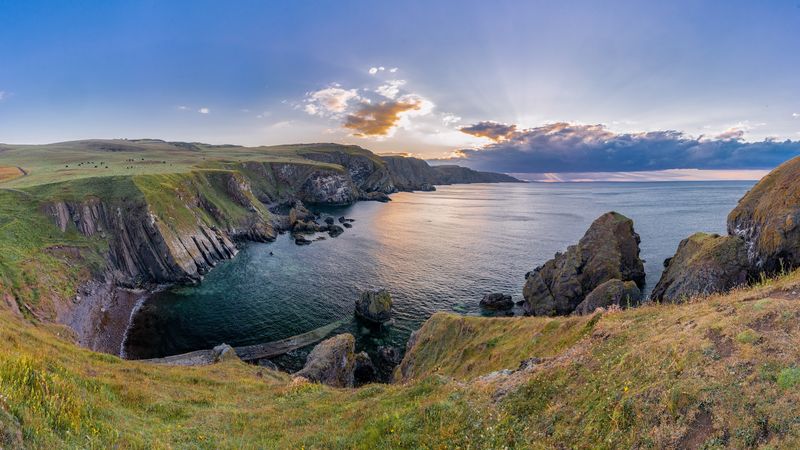
Up to 60,000 seabirds crowd the ancient volcanic cliffs of St Abb’s Head each summer, creating one of the most impressive coastal wildlife spectacles along the entire North Sea coastline. Puffins tend to arrive a little later than the other species, appearing from late May through August and sharing the grassy slopes with guillemots, razorbills, kittiwakes, fulmars, and shags.
Coastal walking trails managed by the National Trust for Scotland cross the headland and deliver outstanding viewpoints that photographers and hikers return to season after season. The paths allow close observation of nesting activity without disturbing the colony, and the dramatic cliff scenery makes every pause worthwhile.
A picturesque lighthouse and the tranquil Mire Loch, a man-made lake within the reserve, offer additional points of interest during the visit. The geology here, shaped by ancient volcanic activity, creates the kind of rugged, textured landscape that looks spectacular in any weather. Entry to the reserve is free year-round.
RSPB Rathlin West Light Seabird Centre, Rathlin Island, County Antrim, Northern Ireland, United Kingdom
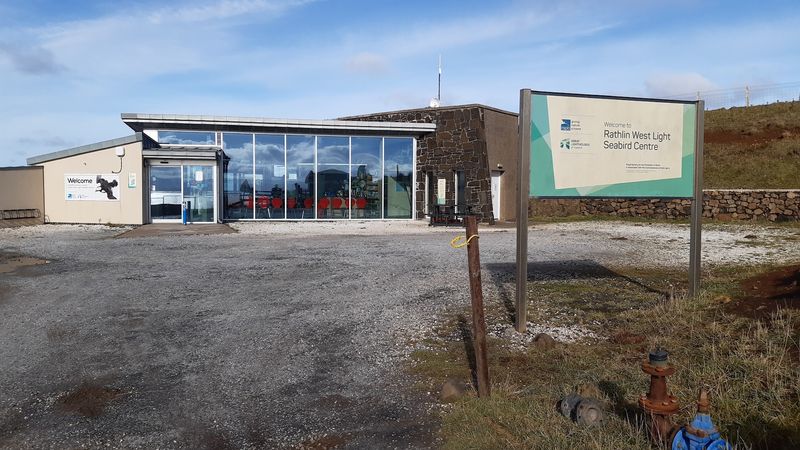
Rathlin Island’s most famous architectural curiosity is its upside-down lighthouse, where the light shines from the base rather than the top. That alone is worth a ferry trip, but the real draw is the enormous seabird colony that surrounds the RSPB visitor center every summer, with thousands of puffins nesting on the towering cliffs from late April through early August.
Well-positioned viewing platforms and friendly RSPB staff make this one of Northern Ireland’s most welcoming wildlife destinations. Binoculars and telescopes are often available for visitor use, bringing the cliff-face activity into sharp focus. Guillemots, razorbills, kittiwakes, and fulmars share the nesting habitat, ensuring there is always something happening in view.
Reaching the center involves a ferry from Ballycastle to Rathlin Island, followed by a 4.5-mile journey by foot, bicycle, or the seasonal Puffin Bus. There are 162 steps in total between the parking area and the lower viewing platform, but the views from the bottom justify every single one.
Skomer Island National Nature Reserve, Pembrokeshire, Wales, United Kingdom
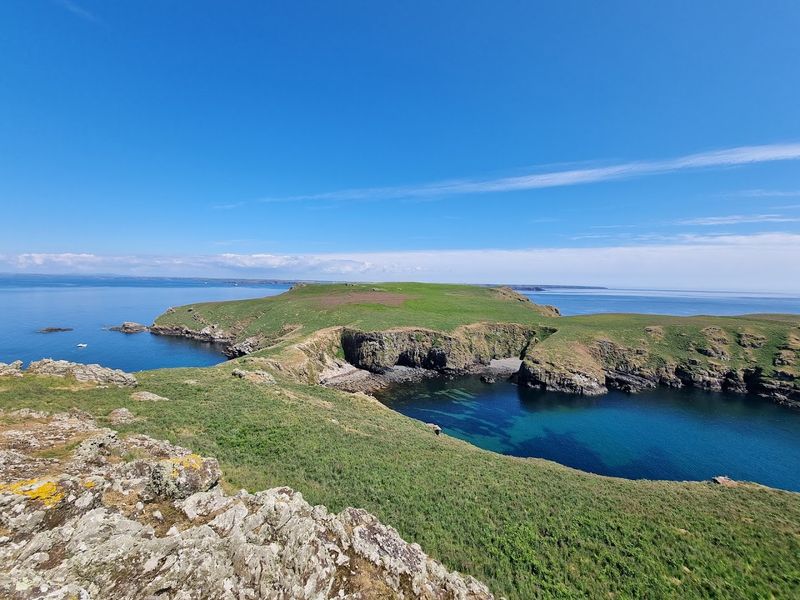
Skomer Island reported 52,019 puffins in 2026, breaking its own previous record and cementing its status as one of Britain’s most productive Atlantic puffin breeding sites. Visitors arrive by boat from Martin’s Haven and walk among flower-covered slopes where puffins nest just beyond the trail edges, often completely indifferent to the humans passing by a meter away.
The birds typically arrive in mid-April and depart by the second or third week of July, using burrows originally excavated by the island’s resident rabbit population. Beyond the headline puffin numbers, Skomer hosts approximately 350,000 breeding pairs of Manx shearwaters, representing roughly half the global population of that species.
The island is managed as a National Nature Reserve by the Wildlife Trust of South and West Wales, with visitor numbers carefully controlled to protect the habitat. Day trips allow several hours of independent exploration across the island’s trails. The Skomer vole, found nowhere else on Earth, adds a genuinely unique footnote to any visit.
Great Saltee Island, Kilmore Quay, County Wexford, Ireland
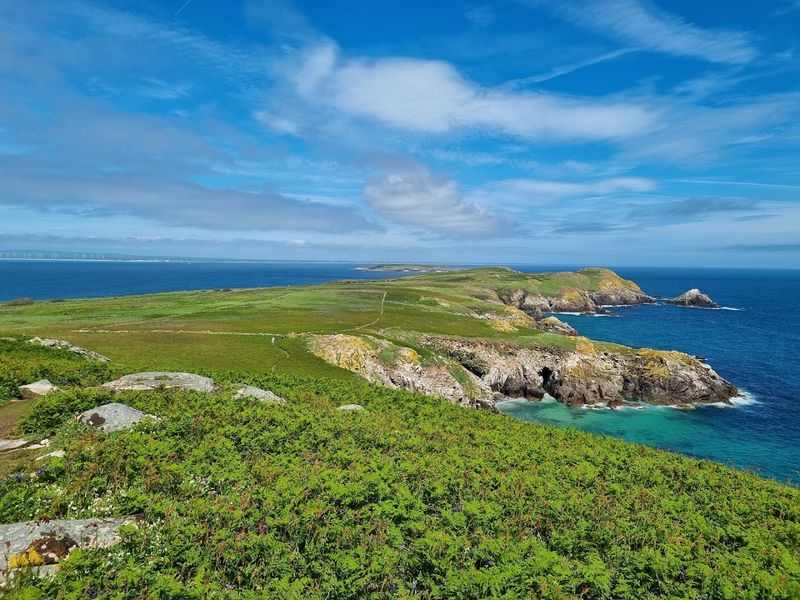
Great Saltee Island has an ownership story that matches its wildlife credentials for sheer character. The island was acquired in 1943 by Michael Neale, who promptly declared himself Prince Michael the First and envisioned a permanent bird sanctuary. That vision stuck, and the 120-acre island now hosts over 20,000 breeding seabirds from up to 12 species each summer.
Puffins, gannets, razorbills, and kittiwakes fill the cliffs from April through August, creating constant activity above the rocky shoreline. The ferry crossing from Kilmore Quay takes about 20 minutes, with a short transfer to a smaller dinghy for landing on the stony beach, which is itself a memorable part of the trip.
There are no facilities or shelter on the island, so arriving with appropriate clothing, food, and water is essential. Day visitors typically have around three and a half hours to explore. Seabird Wardens are present during the season to provide information and encourage responsible viewing distances around the puffin colony.
Coquet Island, Amble, Northumberland, England, United Kingdom
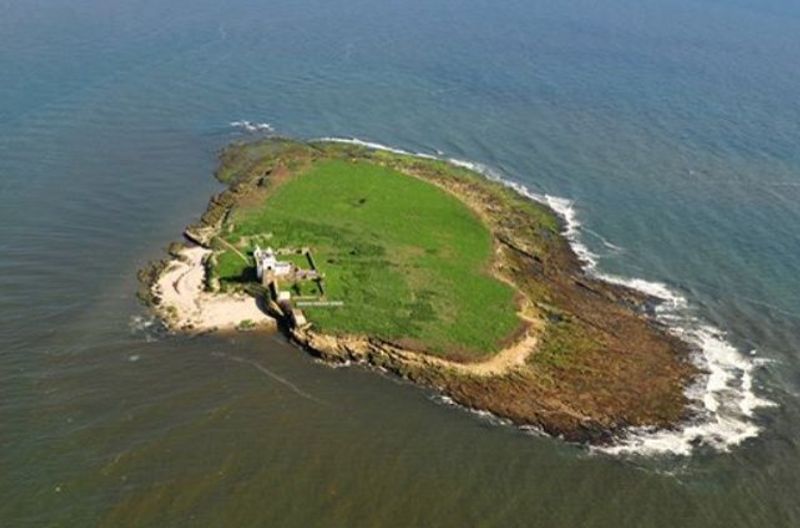
Landing on Coquet Island is not an option for visitors, but that restriction has done wonders for the wildlife. This small RSPB nature reserve, sitting just over a mile off the Northumberland coast, supports approximately 30,000 nesting puffins and serves as the single most important breeding site in England for the endangered roseate tern, hosting over 90 percent of the UK population.
Seasonal wildlife cruises from Amble, including well-regarded trips run by operators like Dave Gray’s Puffin Cruises, circle the island and deliver excellent close-range views of the colony. Arctic, common, and sandwich terns join the puffins in the air, while seals loll on the rocks below the historic lighthouse, built in 1841 on the foundations of a medieval monastery.
RSPB wardens live on the island throughout spring and summer, monitoring breeding activity and ensuring the reserve remains undisturbed. Trips typically last around an hour and often include dolphin sightings as a bonus. Booking ahead during peak season is advisable.
Flamborough Cliffs, Flamborough, East Riding of Yorkshire, England, United Kingdom
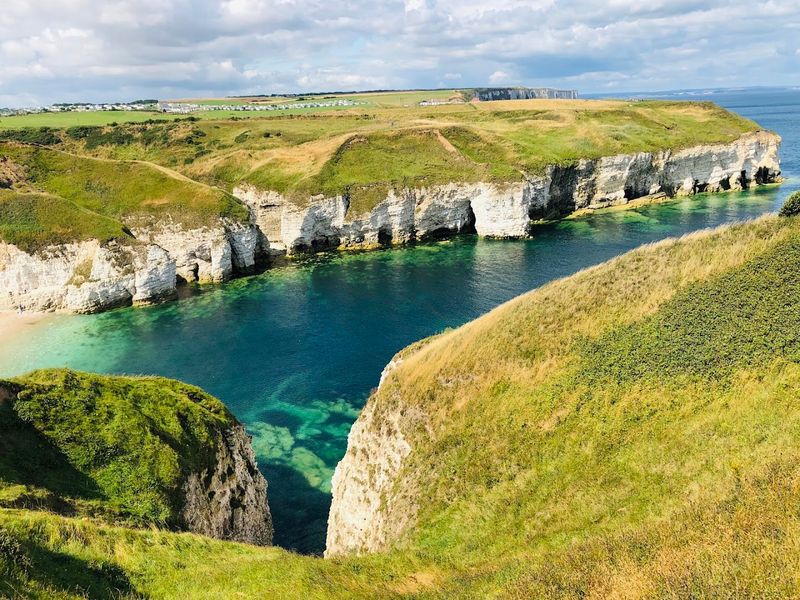
The largest mainland puffin colony in the United Kingdom has set up residence in the chalk crevices of Flamborough Cliffs, making this one of England’s most rewarding land-based wildlife destinations without requiring a single boat ticket. The towering white cliffs host puffins from late April through early August, with May and June representing the busiest period as adults make constant fishing runs to feed their chicks.
Coastal paths between North Landing and the lighthouse bring visitors remarkably close to the nesting birds, often within just a few meters. Gannets, guillemots, razorbills, and kittiwakes share the cliffs, adding significant scale to what is already an impressive spectacle.
The historic Flamborough Lighthouse can be climbed during summer months, offering elevated views across the headland and out to sea. The Yorkshire Puffin Festival, held annually in early June, draws wildlife enthusiasts and photographers to the area each year. The combination of accessible trails, dramatic chalk scenery, and a genuinely substantial puffin population makes Flamborough a standout destination in the north of England.
Share this story