America’s coastline stretches for thousands of miles, and tucked between the famous beach resorts and tourist hotspots are some truly magical places most people never discover. These lesser-known coastal towns offer stunning scenery, fresh seafood, and a peaceful vibe that busy vacation destinations simply cannot match.
Whether you love dramatic cliffs, quiet sandy shores, or charming small-town streets, there is a hidden coastal gem out there waiting for you. Pack your bags and get ready to explore some of the most breathtaking and underrated spots along America’s shores.
Apalachicola, Florida
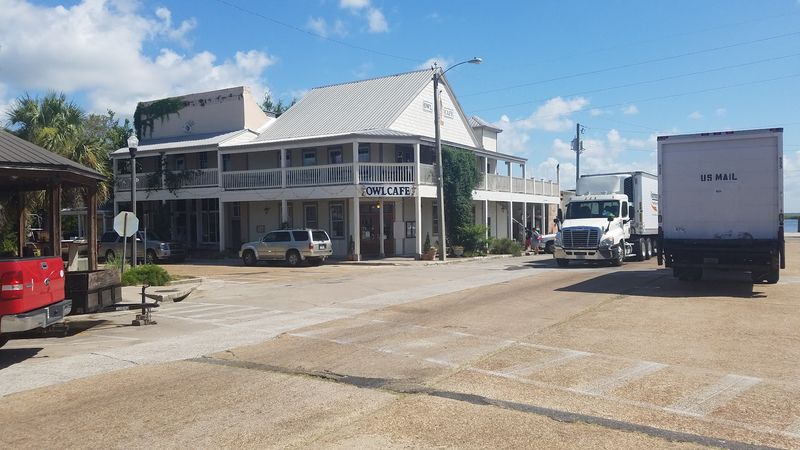
Walk down the waterfront in Apalachicola and you might feel like you have accidentally time-traveled back about 50 years. Old fishing boats bob gently in the harbor, oyster houses hum with activity, and the streets carry a quiet dignity that modern resort towns have long forgotten.
Located along Florida’s so-called “Forgotten Coast,” this town has somehow managed to stay off the radar of mass tourism.
Seafood lovers will absolutely flip over the local oysters, which are harvested right from Apalachicola Bay and served in restaurants just steps from the water. The bay produces some of the finest oysters in the entire country, and locals are rightfully proud of that fact.
Pair a bowl of fresh chowder with a bay view at sunset, and life suddenly feels pretty spectacular.
Nearby St. George Island offers pristine, uncrowded beaches that feel almost untouched. The island’s state park protects miles of natural shoreline, keeping development far away from the dunes.
Apalachicola is the kind of place that rewards slow travelers who are willing to wander, explore, and simply breathe in the salty coastal air without any rush at all.
Cape Charles, Virginia
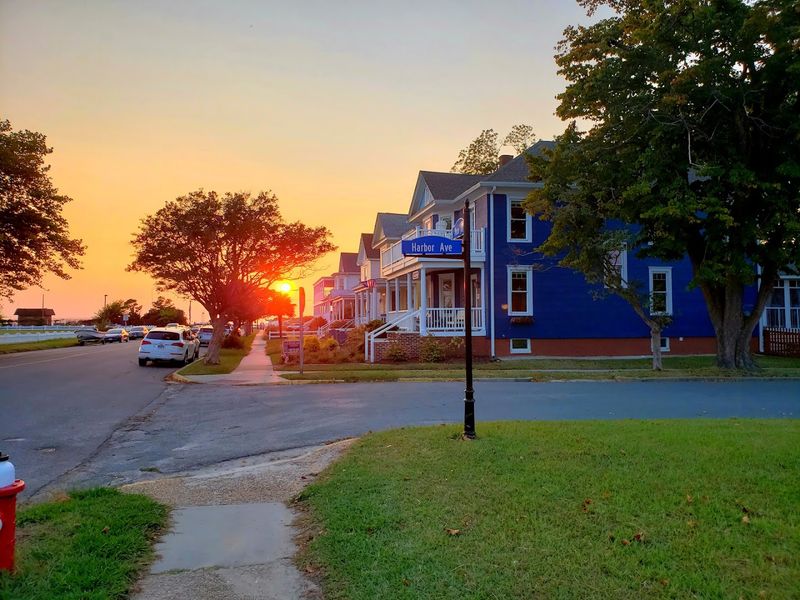
Sunsets at Cape Charles have a way of stopping people mid-sentence. The sky turns shades of orange, pink, and gold over the Chesapeake Bay, and the calm shallow water mirrors every color like a natural painting.
Sitting on Virginia’s Eastern Shore, this small town blends Victorian architecture with a genuinely relaxed coastal atmosphere that feels almost too good to be real.
The beach here is unusually calm thanks to the sheltered bay waters, making it a dream destination for families with young kids. There are no crashing waves to worry about, just smooth water perfect for wading, kayaking, or simply floating on a warm summer afternoon.
The town’s main street is lined with colorful historic homes, local shops, and friendly restaurants serving fresh Chesapeake seafood.
Cape Charles also sits along the Atlantic Flyway, making it a surprisingly popular spot for birdwatching during migration season. Hundreds of bird species pass through each year, giving nature lovers plenty to get excited about.
Despite its charm and beauty, the town remains refreshingly uncrowded compared to busier Virginia Beach destinations just a short drive away. Cape Charles rewards visitors who seek beauty without the noise.
Port Orford, Oregon
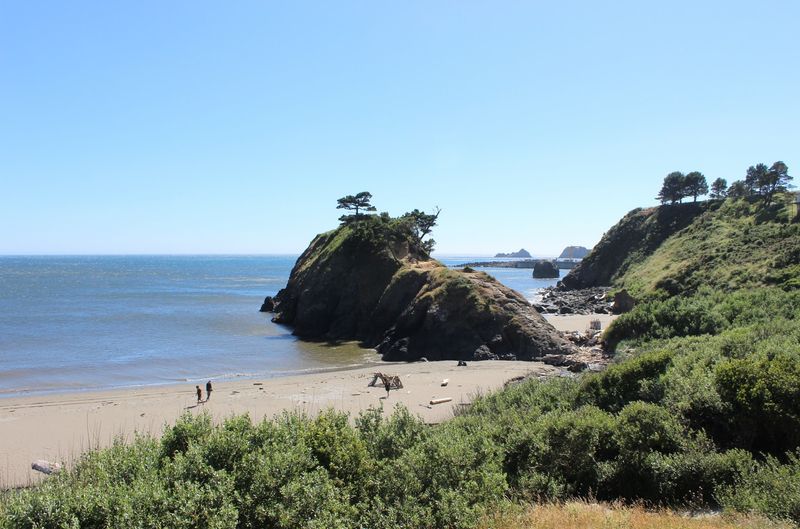
Standing at the edge of Port Orford’s cliffs and looking out at the Pacific Ocean feels like discovering a secret the rest of the world has not figured out yet. This small Oregon town sits on a dramatic headland, surrounded by sea stacks, tide pools, and crashing waves that make every single view feel like a postcard.
Crowds? Barely any.
Breathtaking scenery? Absolutely everywhere.
Port Orford is actually the westernmost city in the contiguous United States, a quirky geographical fact that makes it feel even more like the edge of the world. The harbor here is unique because boats are hoisted in and out of the water by crane since there is no protected bay, creating a fascinating sight visitors rarely expect.
Watching the fishing boats get lowered into the ocean is oddly entertaining and completely memorable.
Nearby Humbug Mountain State Park offers hiking trails through old-growth forest that open onto sweeping coastal views. Battle Rock Wayside Park sits right in town and provides easy access to a rocky beach perfect for exploring.
Port Orford attracts artists, hikers, and anyone who craves wild natural beauty without the hassle of overcrowded tourist infrastructure. It genuinely feels like one of Oregon’s best-kept secrets.
Sanibel Island, Florida
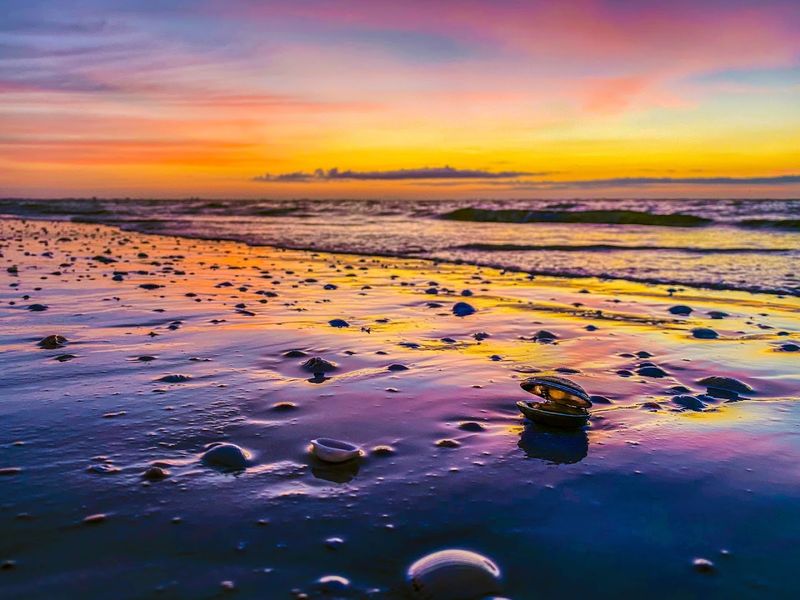
Shelling fanatics treat Sanibel Island the way some people treat Disneyland: with pure, unfiltered excitement. The island’s unique east-west orientation causes shells to wash ashore in extraordinary quantities, making it one of the top shelling destinations in the entire world.
Visitors often spend entire mornings bent over at the waterline, hunting for prized specimens like lightning whelks and junonia shells.
Beyond the shells, Sanibel is home to the J.N. Ding Darling National Wildlife Refuge, which covers nearly two-thirds of the island and protects an incredible range of birds, alligators, and marine life.
Cycling through the refuge on a quiet morning, surrounded by roseate spoonbills and great blue herons, is a genuinely magical experience. The island made a deliberate decision long ago to limit high-rise development, which is why it still feels so naturally beautiful.
The pace of life here runs slow and sweet, with local restaurants, art galleries, and small shops replacing the chain stores found in busier Florida towns. Causeway tolls and limited lodging help keep visitor numbers manageable.
Sanibel rewards those who appreciate nature over nightlife, offering a Florida coastal experience that feels refreshingly old-fashioned and wonderfully peaceful from morning to evening.
Duck, North Carolina
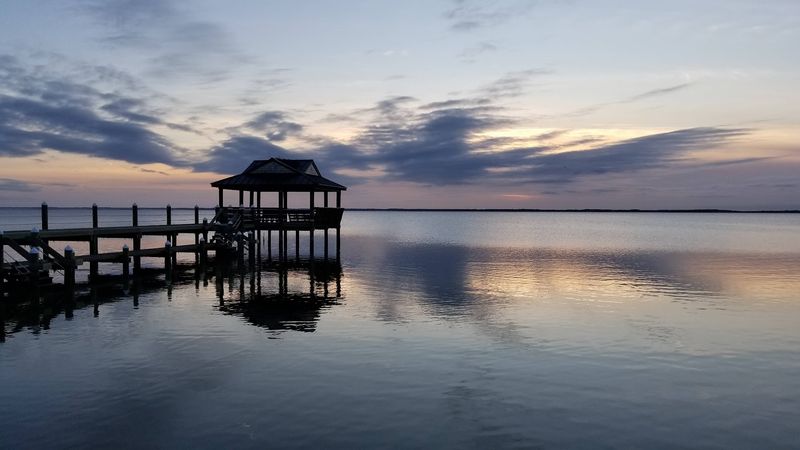
Tucked into the northern end of the Outer Banks, Duck is the kind of beach town that makes you wonder why you ever bothered with the crowded spots. The name alone is charming, and the town lives up to it with a personality that is laid-back, welcoming, and completely free of the neon-sign chaos found in nearby Nags Head.
A raised wooden boardwalk winds through the coastal marsh, offering gorgeous views at any time of day.
Duck was actually a remote, road-less community for most of its history and only became accessible by paved road in the 1980s. That isolation shaped a culture of quietness that still defines the town today.
Visitors come here to unpack, exhale, and genuinely disconnect from the noise of everyday life without feeling like they are missing anything important.
The beaches here are wide and relatively uncrowded, especially compared to the more commercial stretches of the Outer Banks. Local shops and seafood restaurants line the main street without overwhelming the natural surroundings.
Kayaking on Currituck Sound at sunrise is an experience that stays with visitors long after they have returned home. Duck proves that the best beach towns are often the ones that resist the urge to grow too fast.
Lubec, Maine
Every single day, the first sunrise in the entire United States touches Lubec, Maine before anywhere else. Being the easternmost town in the country gives Lubec a geographic bragging right that is genuinely cool, and the dramatic rocky coastline that greets that early light makes the moment even more spectacular.
If you have ever wanted to be the first person in America to see a new day begin, this is your spot.
West Quoddy Head Lighthouse, with its iconic red and white candy-stripe pattern, stands guard over the Bay of Fundy and is one of the most photographed lighthouses in New England. The tides here are among the most extreme on the planet, sometimes rising and falling more than 20 feet in a single cycle.
Watching the tide dramatically reshape the shoreline over just a few hours is surprisingly fascinating.
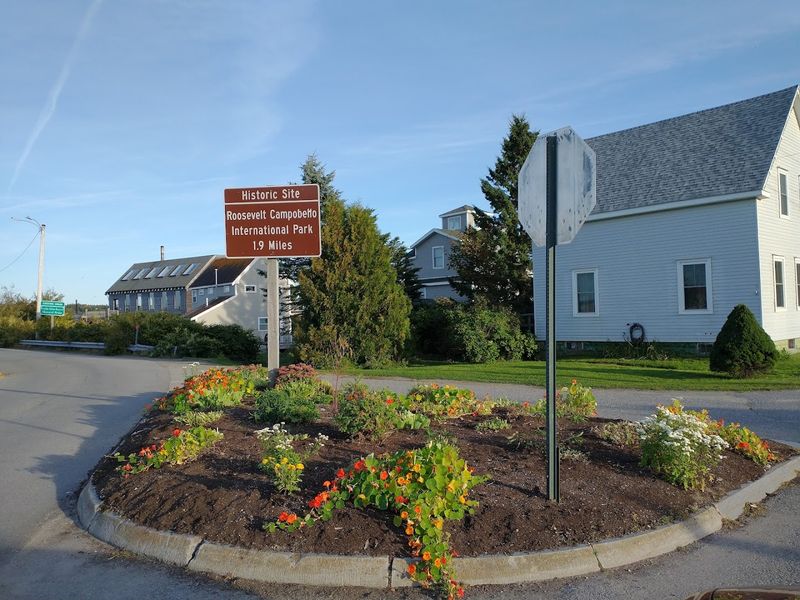
Lubec itself is a small, unpretentious fishing community with a handful of local restaurants, art galleries, and welcoming bed-and-breakfasts. Nearby Campobello Island in Canada, connected by a bridge, was once the summer retreat of President Franklin D.
Roosevelt. The combination of history, wild coastal scenery, and genuine small-town character makes Lubec one of Maine’s most rewarding and underappreciated destinations for curious travelers.
Pacific Grove, California
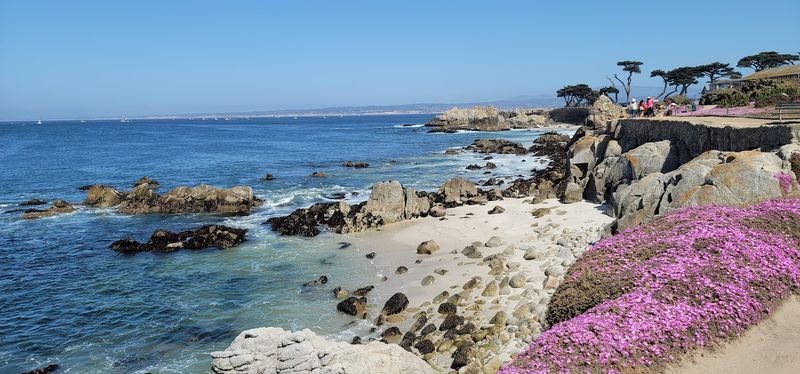
Pacific Grove sits right next to famous Monterey but somehow manages to feel like an entirely different world. While Monterey draws the big crowds, Pacific Grove quietly goes about its business of being one of the most charming coastal towns in all of California.
Victorian houses painted in soft pastels line the streets just blocks from dramatic ocean cliffs, creating a visual combination that is genuinely hard to beat.
Every autumn, Pacific Grove earns the nickname “Butterfly Town USA” when hundreds of thousands of Monarch butterflies migrate here and cluster in the pine and eucalyptus trees near the shoreline. The sight of trees literally glowing orange with butterflies is one of those natural spectacles that people drive hundreds of miles to witness.
The town takes its butterflies seriously, with local ordinances historically protecting them from disturbance.
The Monterey Bay Coastal Recreation Trail runs right through town, giving cyclists and walkers easy access to miles of stunning oceanfront scenery. Tide pools along Lover’s Point are some of the most accessible and richest in the region, teeming with sea stars, anemones, and crabs.
Pacific Grove offers world-class natural beauty, historic architecture, and a genuinely unhurried atmosphere that makes Monterey’s famous aquarium feel almost unnecessary by comparison.
Matagorda, Texas
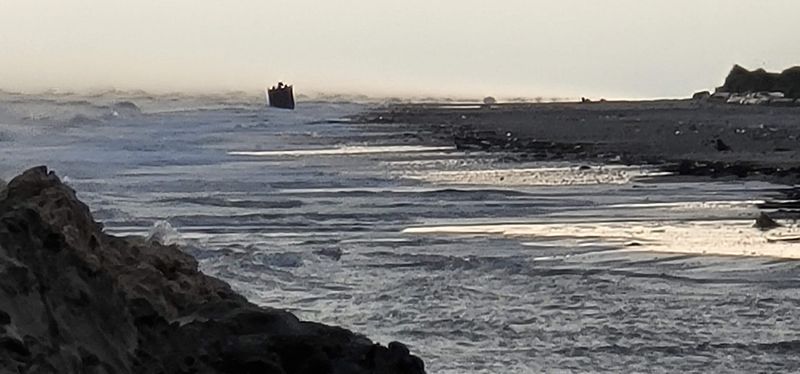
More than 20 miles of undeveloped Gulf Coast beach and almost nobody on it. That sentence alone should be enough to make any beach lover immediately start researching flights to Texas.
Matagorda is the kind of place that feels like a secret even though it is technically right there on the map, sitting at the mouth of the Colorado River where it meets the Gulf of Mexico in a spectacular natural setting.
The beach here is wide, wild, and wonderfully free of the souvenir shops and water parks that crowd more popular Texas coast towns. Shorebirds patrol the tideline in enormous numbers, and the area sits within the Central Flyway, making it a hotspot for birdwatching during migration.
Anglers love Matagorda for its exceptional fishing, both in the surf and in the bay behind the barrier peninsula.
Matagorda Bay Nature Park offers camping right on the coast, letting visitors fall asleep to the sound of Gulf waves and wake up to spectacular sunrises over open water. The town itself is tiny and unpretentious, with a genuine fishing-community character that has not been polished up for tourism purposes.
For anyone who wants a Texas beach experience that feels raw, real, and refreshingly uncluttered, Matagorda delivers without hesitation.
Ocean Springs, Mississippi
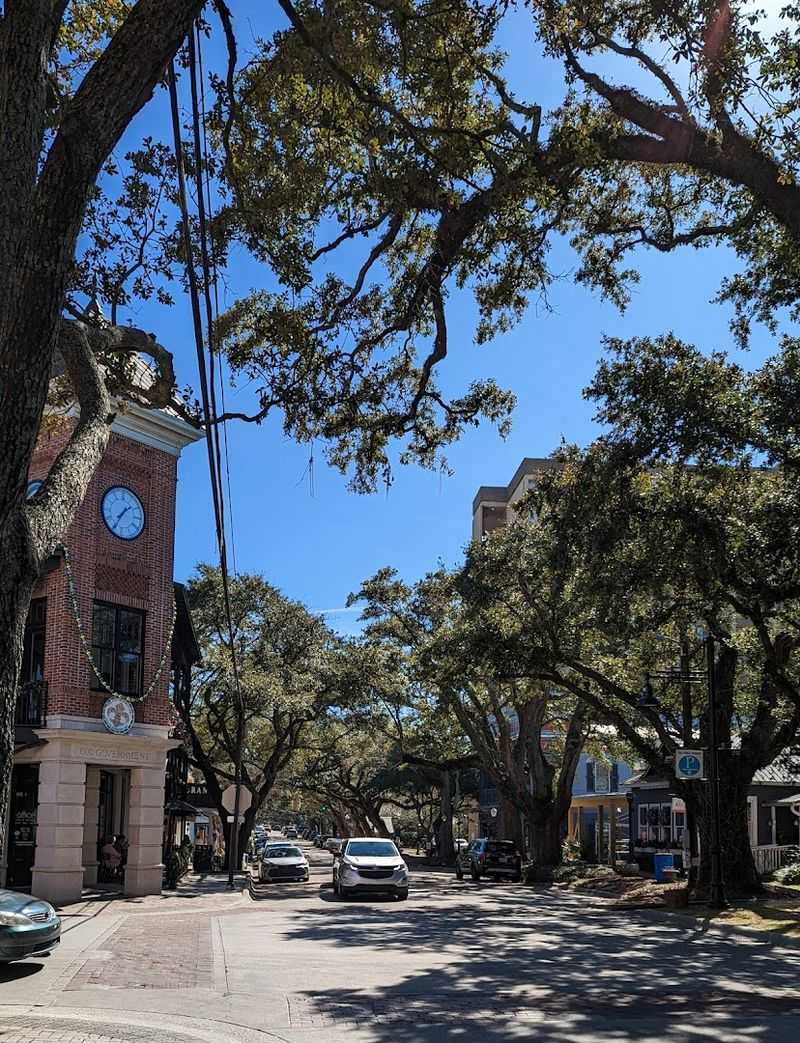
Most people driving through Mississippi never stop in Ocean Springs, and that is genuinely their loss. This small Gulf Coast town has quietly built one of the most vibrant arts communities in the entire South, attracting painters, sculptors, and musicians who appreciate the combination of creative energy and coastal calm.
Oak-lined streets, colorful galleries, and excellent restaurants give the town a personality that feels totally unique for a beach destination.
The town’s connection to the arts runs deep. Walter Anderson, one of America’s most celebrated folk artists, called Ocean Springs home and spent decades painting the local landscapes, wildlife, and coastal scenes with an almost obsessive devotion.
The Walter Anderson Museum of Art downtown is a fascinating tribute to his work and gives visitors a meaningful cultural anchor alongside the beach experience.
The beaches along the Mississippi Sound are calm and shallow, protected by barrier islands that sit several miles offshore. Kayaking out to Ship Island or Horn Island for a day trip is a memorable adventure that feels miles away from ordinary vacation experiences.
Ocean Springs also hosts a popular weekly farmers market and several beloved annual festivals. It is one of those towns where visitors arrive planning to spend a night and end up wishing they had booked an entire week.
Ruby Beach, Washington
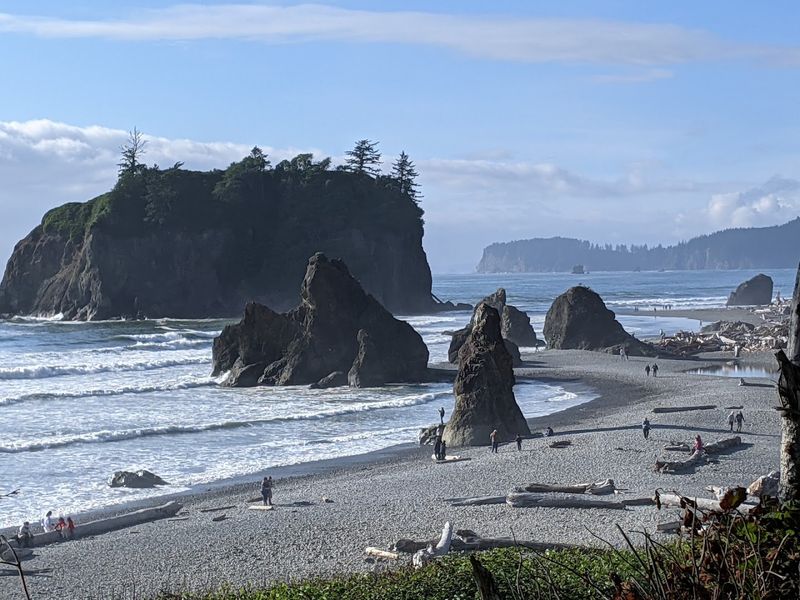
Ruby Beach looks like something a fantasy novelist dreamed up on a particularly inspired afternoon. Enormous driftwood logs, bleached silver by the sea, are scattered across dark sand in dramatic piles while towering sea stacks rise from the mist-covered Pacific like ancient stone monuments.
Located within Olympic National Park, this beach delivers scenery so cinematic that first-time visitors often just stand there for several silent minutes taking it all in.
The beach gets its name from red garnet crystals sometimes found in the sand, though the real treasure here is the overall atmosphere. Fog rolls in from the ocean regularly, softening the light and giving the coastline an almost otherworldly quality.
Bald eagles are commonly spotted perching on the driftwood or circling overhead, adding to the wild, untamed feeling of the place.
Reaching Ruby Beach requires a short trail down from the parking area, which helps keep the crowds manageable even during summer months. Tide pools here are rich with sea stars, urchins, and anemones.
The surrounding Hoh Rainforest is just a short drive away, making Ruby Beach the perfect anchor for a full day of Olympic National Park exploration. Few places in America offer this combination of raw coastal power and quiet, humbling beauty.
Pawleys Island, South Carolina
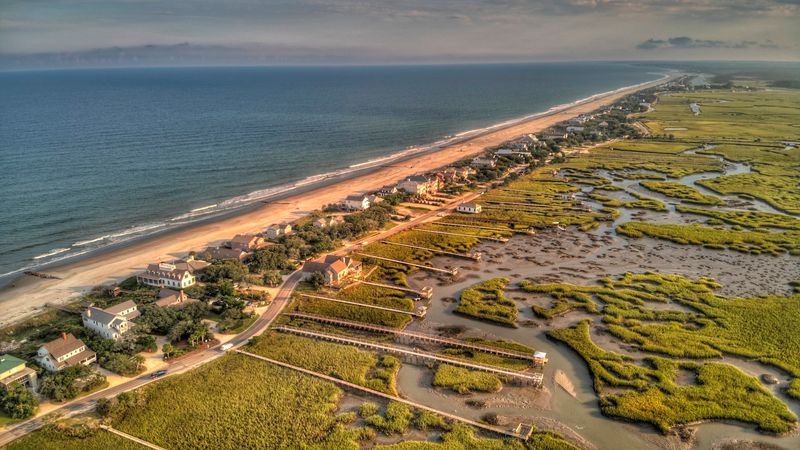
Pawleys Island has been a laid-back coastal retreat since the 1700s, when rice planters from the South Carolina lowcountry came here to escape summer heat and malaria season. That long tradition of unhurried relaxation has never really left.
The island operates on what locals affectionately call “Arrogantly Shabby” time, a phrase that captures its proud resistance to overdevelopment and its embrace of comfortable, unpretentious beach life.
The island itself is a narrow barrier island just four miles long and a quarter mile wide, with the Atlantic on one side and a peaceful salt marsh creek on the other. Natural dunes topped with waving sea oats frame the beach, and the lack of high-rise hotels keeps the skyline beautifully low.
Hammocks are practically the island’s unofficial symbol, and the Pawleys Island Hammock Shops nearby have been selling handwoven rope hammocks since 1938.
Fishing, crabbing, and kayaking through the marsh creeks are popular activities for visitors who want something more active than lying on the sand. The beach itself is wide and quiet, rarely feeling crowded even during peak summer weekends.
Just a short drive from Myrtle Beach’s busy strip, Pawleys Island feels like a completely different coastal universe, one where simplicity and natural beauty are considered the highest luxuries possible.
La Push, Washington
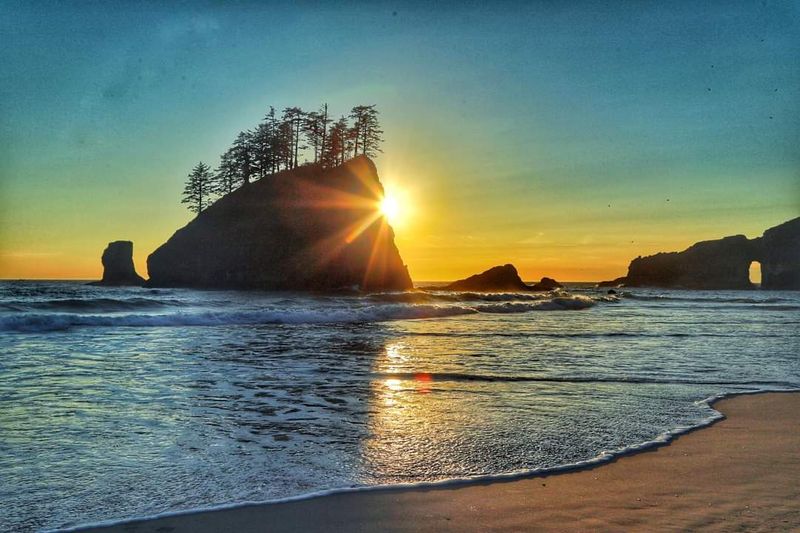
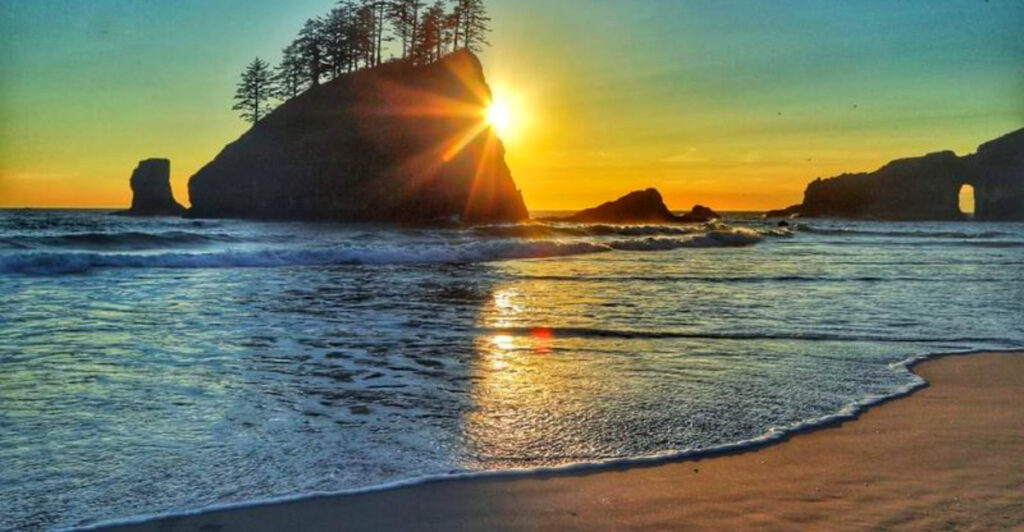
La Push Beach does not do gentle. The Pacific Ocean here arrives in full dramatic fashion, with powerful waves rolling in against a backdrop of sea stacks draped in evergreen trees and a sky that seems permanently set to brooding and magnificent.
Located on the Quileute Tribal Nation’s reservation on Washington’s Olympic Peninsula, this place carries a deep cultural significance that adds another layer of meaning to its already stunning scenery.
First Beach is the most accessible of La Push’s three beaches, reachable right from the small village. Second and Third Beach require short hikes through old-growth rainforest, rewarding visitors with increasingly remote and wild shorelines.
Walking through ancient cedar and Sitka spruce trees to suddenly emerge onto a windswept Pacific beach is one of the most thrilling coastal experiences available anywhere in the country.
The area gained a wave of pop-culture attention from the Twilight book and film series, though the real La Push experience has nothing to do with vampires and everything to do with raw, powerful nature. Sea lions and harbor seals are frequently spotted offshore, and bald eagles patrol the treeline above the beach.
La Push is the kind of place that makes people feel genuinely small in the best possible way, humbled by the scale and force of the natural world surrounding them.
Stuart, Florida
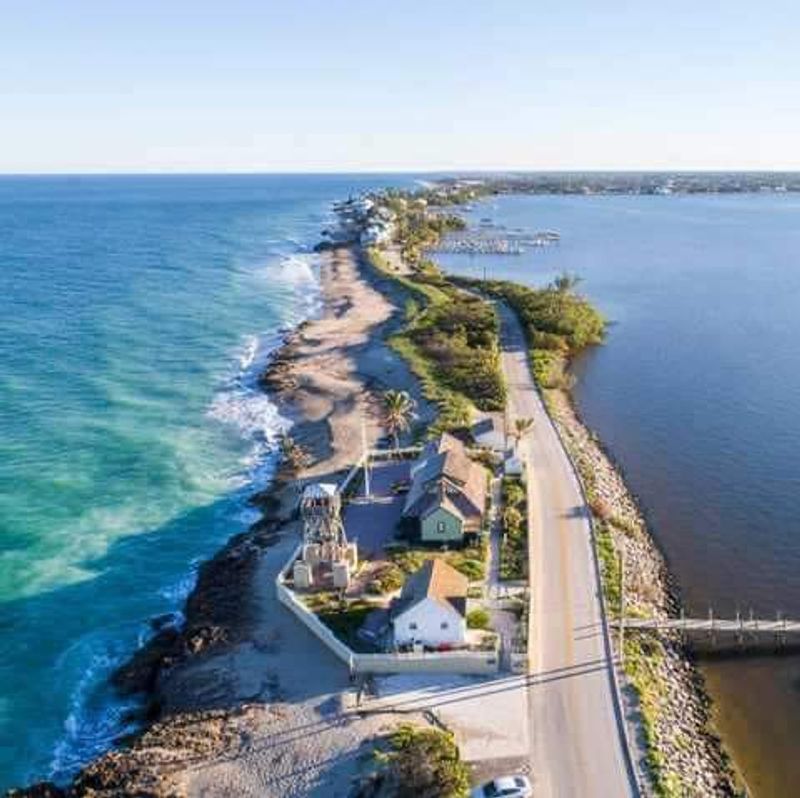
Ranked repeatedly among America’s best coastal small towns, Stuart has a quiet confidence about it that bigger Florida beach cities simply cannot manufacture. Sitting along the St. Lucie River where it meets the Atlantic, the town earns its nickname, the “Sailfish Capital of the World,” with genuine offshore fishing credentials that attract serious anglers from across the country.
But you do not need to fish to fall for Stuart’s charm.
The downtown area is walkable, lively, and packed with locally owned restaurants, boutiques, and art galleries that feel nothing like the chain-heavy commercial strips found in Fort Lauderdale or Miami Beach. A beautiful Riverwalk runs along the waterfront, perfect for an evening stroll as boats drift past in the fading light.
The Lyric Theatre, a restored 1926 venue right in the heart of downtown, hosts live performances throughout the year and gives the town a cultural depth that surprises first-time visitors.
Stuart’s beaches along Hutchinson Island are wide, clean, and significantly less crowded than those found farther south on Florida’s coast. Sea turtle nesting season brings an extra layer of magic to the shoreline from May through October.
Stuart manages to deliver everything people love about Florida, sunshine, seafood, water sports, and warm hospitality, without the overwhelming crowds that make other Florida destinations feel exhausting by midday.
Big Sur, California
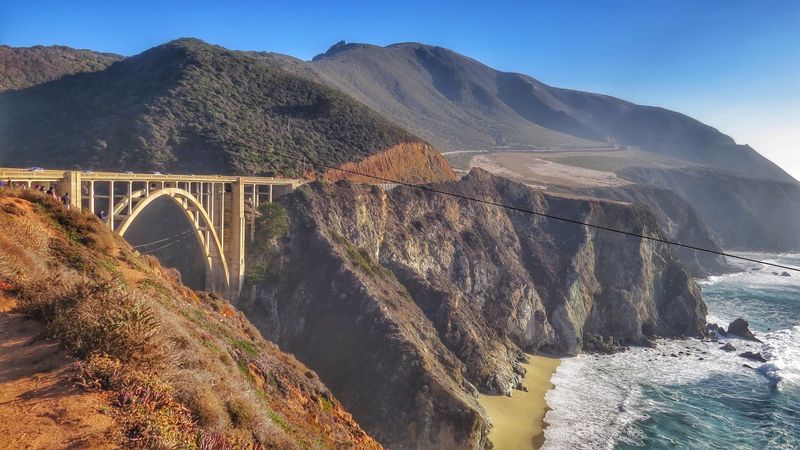
There is a stretch of California coastline where the mountains simply decide to stop being mountains and plunge directly into the Pacific Ocean, creating one of the most jaw-dropping landscapes on the entire planet. Big Sur is that stretch, and no photograph has ever fully captured what it actually feels like to stand at its edge and look out at the vast blue horizon below.
Some places demand to be experienced in person, and Big Sur is at the top of that list.
Highway 1 winds through Big Sur like a ribbon tossed carelessly over the cliffs, offering drivers a series of heart-stopping views around every curve. McWay Falls tumbles 80 feet directly onto a pristine cove beach below, one of the only waterfalls in California that falls directly into the ocean.
Bixby Creek Bridge, arching gracefully over a deep canyon, is one of the most photographed bridges in the world and looks even more stunning in real life than in pictures.
Despite its fame, Big Sur remains largely undeveloped because most of its land is protected as state parks and wilderness areas. Cell service is spotty at best, which many visitors consider a feature rather than a problem.
Camping under redwoods just minutes from the ocean is an experience that permanently recalibrates what people think of as beautiful. Big Sur does not ask for attention.
It simply commands it.
Bandon, Oregon
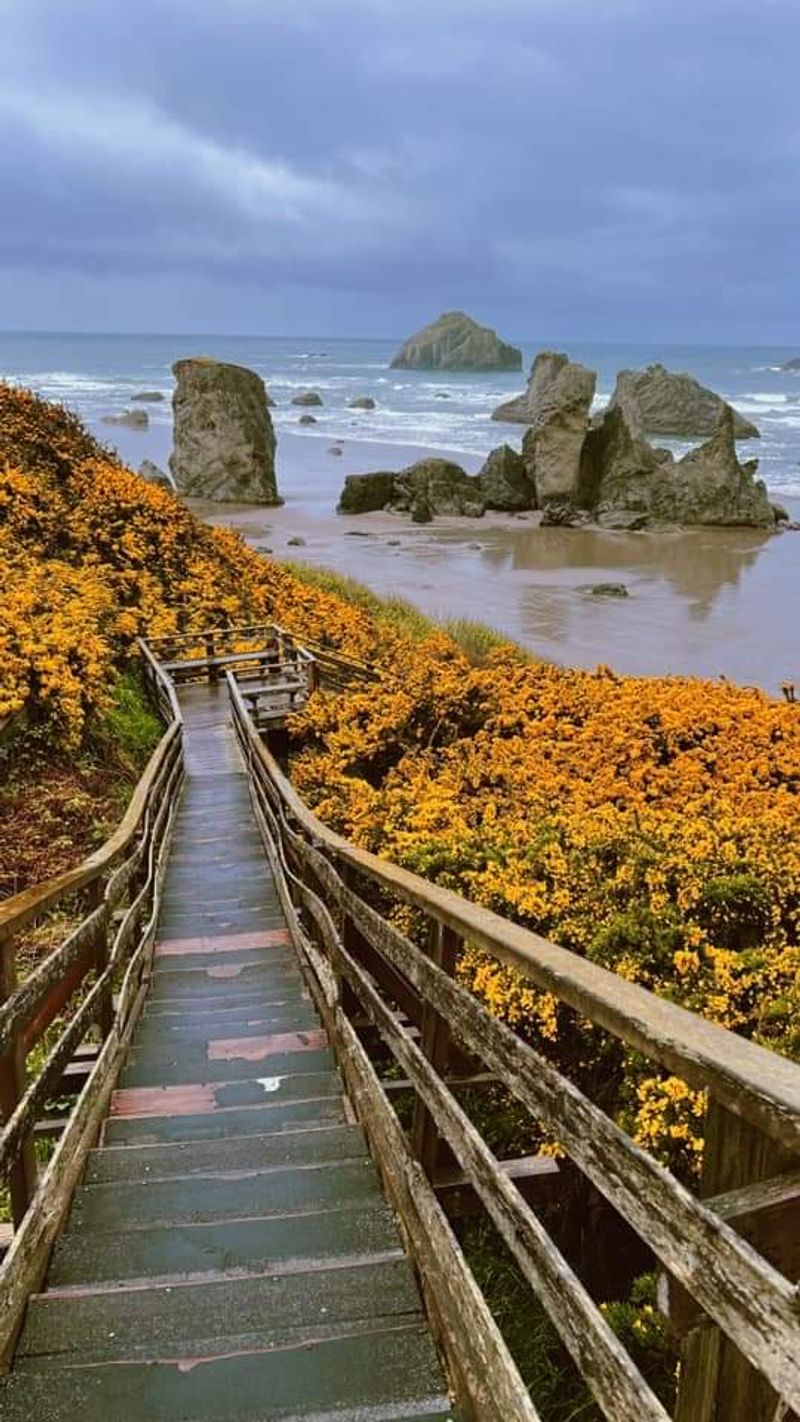
Bandon’s beach looks like someone arranged a collection of massive stone sculptures along the shoreline just to see what would happen. Face Rock, Table Rock, and dozens of other sea stacks rise from the Pacific in dramatic formations that catch the light differently at every hour of the day.
Located on Oregon’s southern coast, Bandon has earned recognition as one of America’s safest and most welcoming beach towns, a distinction that feels very much deserved once you spend a day here.
The town itself is small and genuinely charming, with a historic Old Town district right on the harbor where seafood restaurants, galleries, and quirky shops cluster around the Coquille River estuary. Cranberry farming is a major local industry, and Bandon hosts a Cranberry Festival every September that gives visitors a surprisingly fun window into the region’s agricultural heritage.
The local cheese factory has been producing award-winning cheddar since 1933 and is worth a stop for anyone who appreciates excellent snacks.
Bandon Dunes Golf Resort put the town on the international map for golf enthusiasts, drawing players from around the world to its spectacular ocean-side courses. But non-golfers find just as much to love here, from beachcombing at low tide to watching storms roll in from the Pacific during winter months.
Bandon rewards every type of traveler with something genuinely memorable and completely its own.
Share this story