 Unearth The Voyage
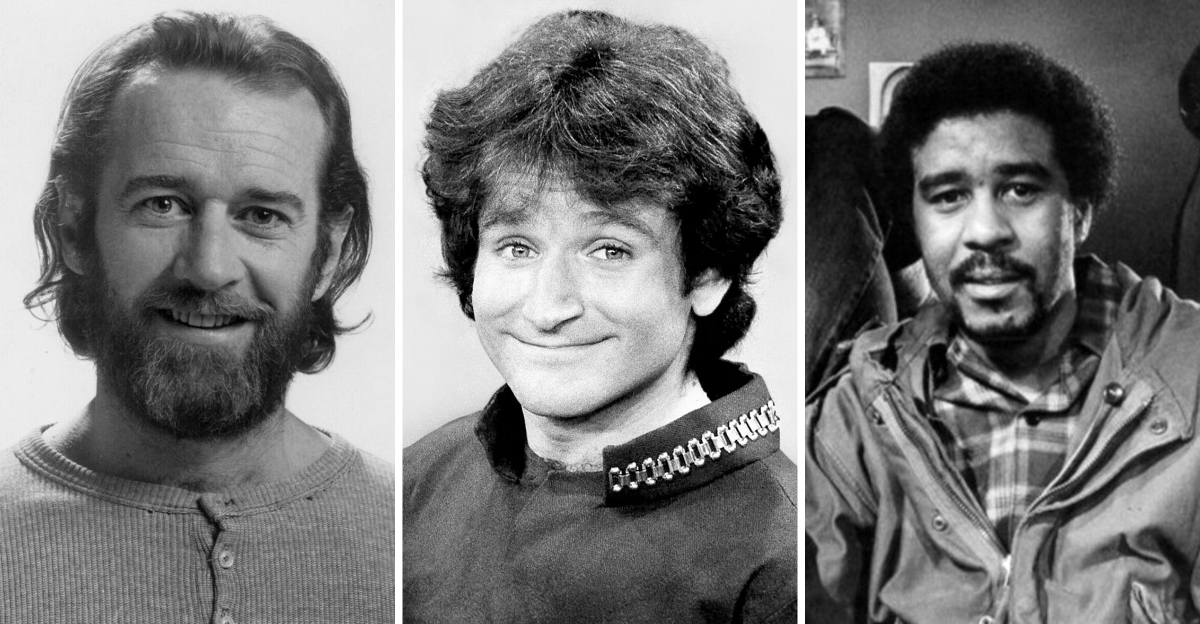
Comedy in the 1970s did not just evolve, it detonated into a hundred bold directions at once. Clubs, vinyl, and TV all became testing grounds where new voices burned through the old rulebook.
The result was a decade that turned confession, character, and cultural critique into mainstream laughs. Here are the trailblazers who changed how jokes work and what they can mean.
Richard Pryor
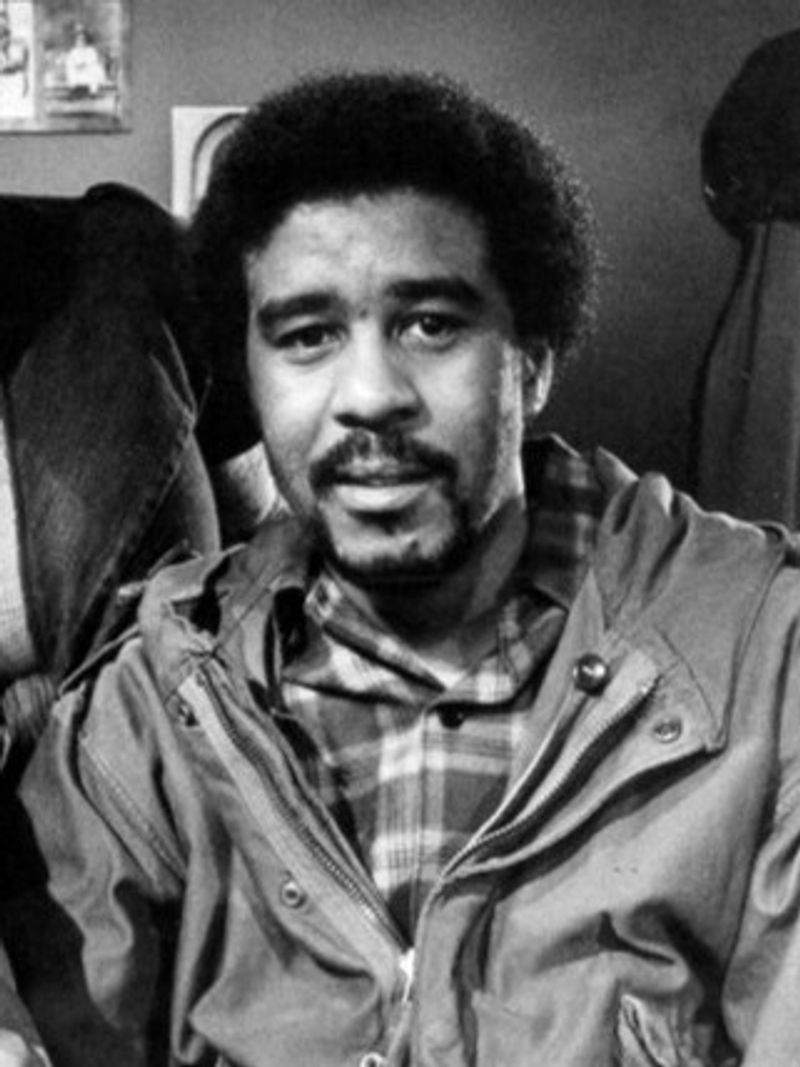
Richard Pryor made stand-up feel startlingly alive, like a wire tapped straight into the human condition. He walked onstage carrying stories about pain, race, class, and chaos, then transformed them into laughs that left people thinking on the way home.
The material cut close, but his warmth and vulnerability kept the room leaning in instead of flinching.
Albums in the 1970s arrived like dispatches from the edge, expanding what could be said and how truth could land. Sketches, characters, and that crackling voice pushed past tidy punch lines toward something rougher, riskier, and more personal.
When he hosted early Saturday Night Live, the electricity practically hummed through the screen, pulling stand-up into prime time without sanding it down.
Pryor’s style became a permission slip for honesty. Comics watched him work and realized they could place life’s mess right onstage, unfiltered, then craft it until it sang.
The influence shows up in confessional sets, painful-laugh funny storytelling, and the courage to explore identity without blinking.
He did not trade edge for cruelty, or truth for lectures. He moved between characters like switching radio stations, catching the music of how people talk and dream.
That instinct made the laughs last and the insights linger, reshaping the art for generations still finding their own raw voice.
George Carlin
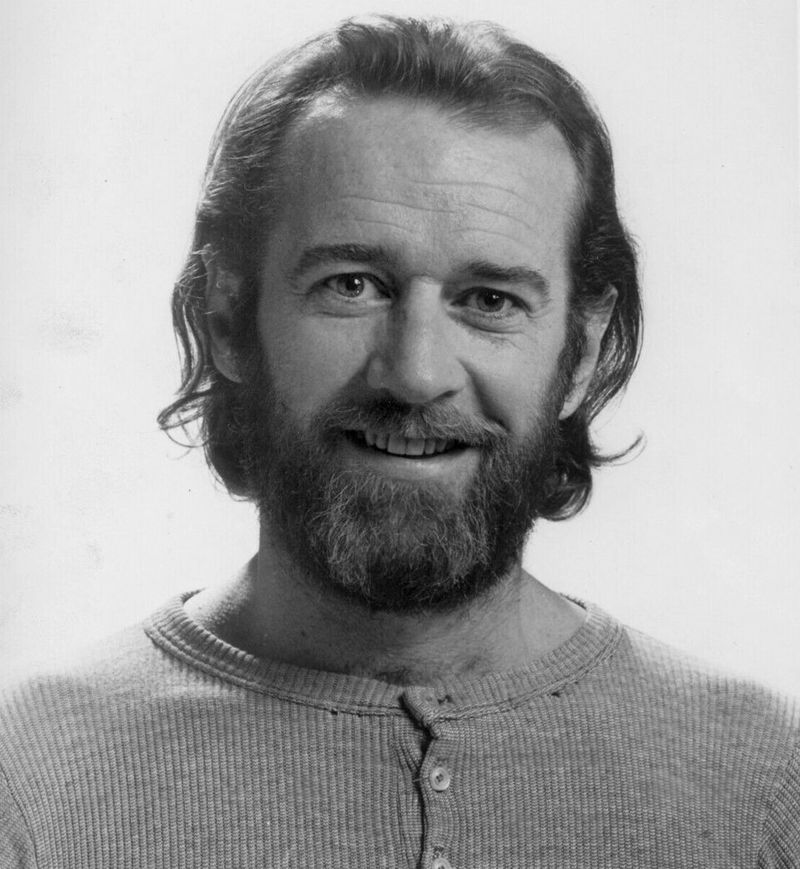
George Carlin dissected everyday language until it surrendered its secrets. The jokes did not just land, they revealed how words steer behavior and how institutions hide behind them.
Watching him was like attending a street-corner philosophy class that happened to be hilarious.
His famous riffs about taboos turned into cultural battle lines, inviting debates that kept newspapers busy for weeks. He sharpened observational comedy into a tool for social criticism, pacing the stage with a thought in one hand and a punch line in the other.
The 1970s became his laboratory, and each special felt like a new set of x-rays on American life.
Carlin’s rhythm mattered. He could clip a phrase into a new shape, then make the crowd hear it fresh, as if a well-worn cliche had just gotten its first breath.
That knack turned semantics into fireworks and made complicated ideas feel dangerously fun.
His influence hangs over modern comedy like studio lights. Podcasters, late-night hosts, and stand-ups keep borrowing his clarity and refusal to look away.
Carlin proved that curiosity, precision, and a little grit could turn a microphone into a magnifying glass pointed at the culture’s soft spots.
Steve Martin
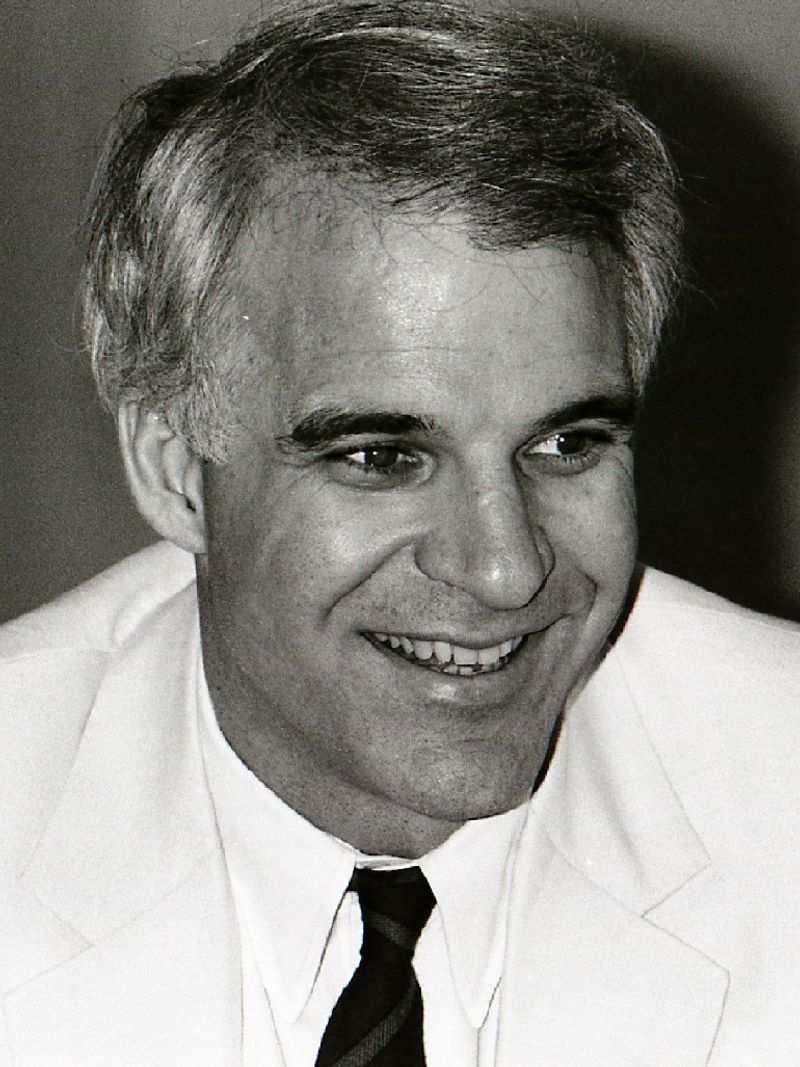
Steve Martin exploded the format by making the act itself the joke. The white suit, banjo, balloon animals, and oddball confidence created a character who was both star and send-up.
Instead of a tidy setup and punch, he delivered a zigzag of absurdity that felt like stand-up and performance art in a friendly fistfight.
Audiences showed up ready to be surprised, not just amused. The material bounced between silly wordplay and theatrical bits, with a wink that suggested we were all in on the trick.
On records and TV, the persona traveled well, and suddenly absurdism felt like it belonged in arenas.
His success offered comics a new map. Laughter did not have to follow a straight road if the trip delivered delight at every turn.
Martin taught that a stage can be a sandbox where timing, props, and character build something bigger than jokes.
The influence sticks to anyone who treats weirdness like a strength. Sketch groups, alt rooms, and mainstream shows borrowed that playful freedom.
By proving that surreal humor could pack houses, he widened the gate for strangeness and made it feel beautifully normal.
John Cleese
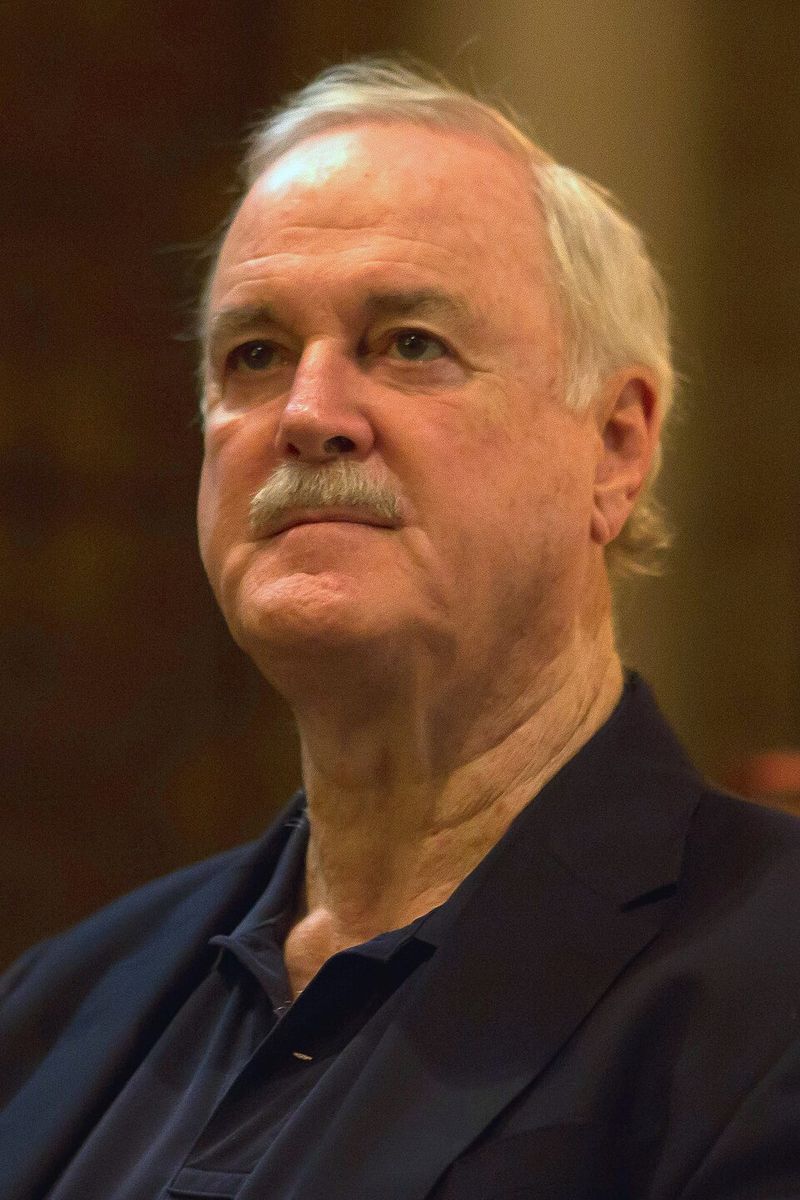
John Cleese helped detonate sketch comedy’s rules with Monty Python’s smart absurdity. The troupe’s bits felt like dreams that took notes on themselves, then handed them to a very proper teacher.
Cleese played pomposity like a violin, slicing through authority with precision timing and straight-faced chaos.
Fawlty Towers distilled that energy into a masterclass on character meltdown. Basil’s spirals were painfully funny because the stakes felt real, a hotel teetering between hospitality and disaster.
The writing was tight, the physicality crisp, and the rhythm so taut that silence did half the work.
Python’s structure became a blueprint for sketch writers worldwide. Scenes could end sideways, or not at all, if the surprise earned it.
The show proved that intellectual play and outright silliness are not enemies, they are partners in crime.
Cleese’s legacy lives in everything from Saturday Night Live to animated satire that treats logic like a chew toy. He showed that comedy could be elegant and unruly, academic and slapstick, sometimes in the same minute.
That permission changed global humor, and the echoes still carry.
Billy Crystal

Billy Crystal brought a glow to the room that made stories feel like visits with an old friend. His stand-up blended quick timing with characters who walked out of everyday life and onto the stage.
The charm smoothed the edges, but the jokes landed with clean, practiced precision.
In the late 1970s, that mix helped push stand-up toward performance, not just punch lines. He could switch voices, lean into a face, and suddenly a scene opened.
The crowd was not simply listening, it was watching a little play unfold in real time.
Crystal’s path from clubs to television showed that warmth can travel. The charisma that later lit up hosting gigs and films had roots in those rooms, where empathy met craft.
He made relatability a superpower without losing the snap of a good tag.
Many comics followed that doorway into character-driven storytelling. The influence shows up in acts that build miniature worlds, then invite laughter to live there.
Crystal proved that likability, when properly sharpened, is not soft at all, it is a blade.
David Letterman
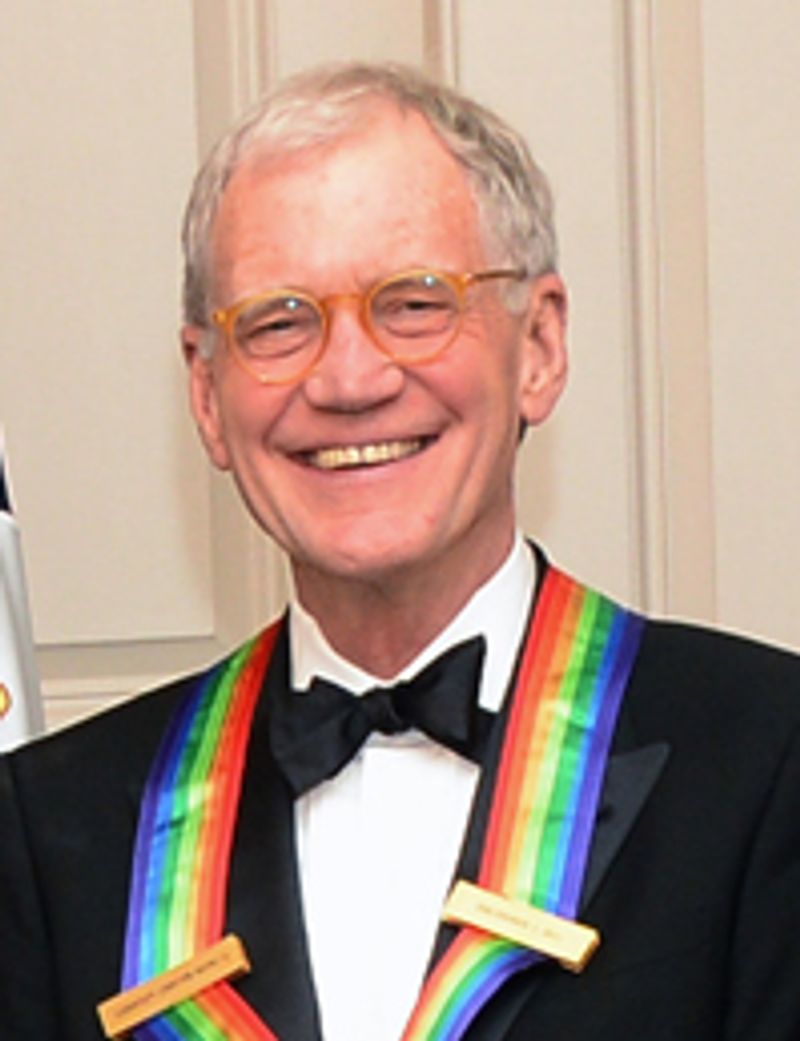
David Letterman arrived with a dryness that felt like an inside joke about show business itself. The timing was sly, the tone self-aware, and the attitude a little mischievous.
He did not chase big gestures, he let the air in a sentence do some of the work.
That sensibility carried into the late-night revolution he would later lead. The bones were visible in those early sets, with an affection for odd angles and a willingness to undercut his own bit.
It was a different kind of confidence, one that trusted the laugh to find its way.
Letterman’s influence redefined how hosts and comics talk to audiences. Irony could be cozy rather than cold, and weird could feel neighborly.
The humor became a conversation where the punch lines often looked like side comments.
Plenty of modern voices trace a line to that shrugging wit. He made room for deadpan alongside spectacle and carved a lane where sarcasm behaves kindly.
In clubs and on TV, that shift changed the nightly rhythm of American comedy.
Robin Williams
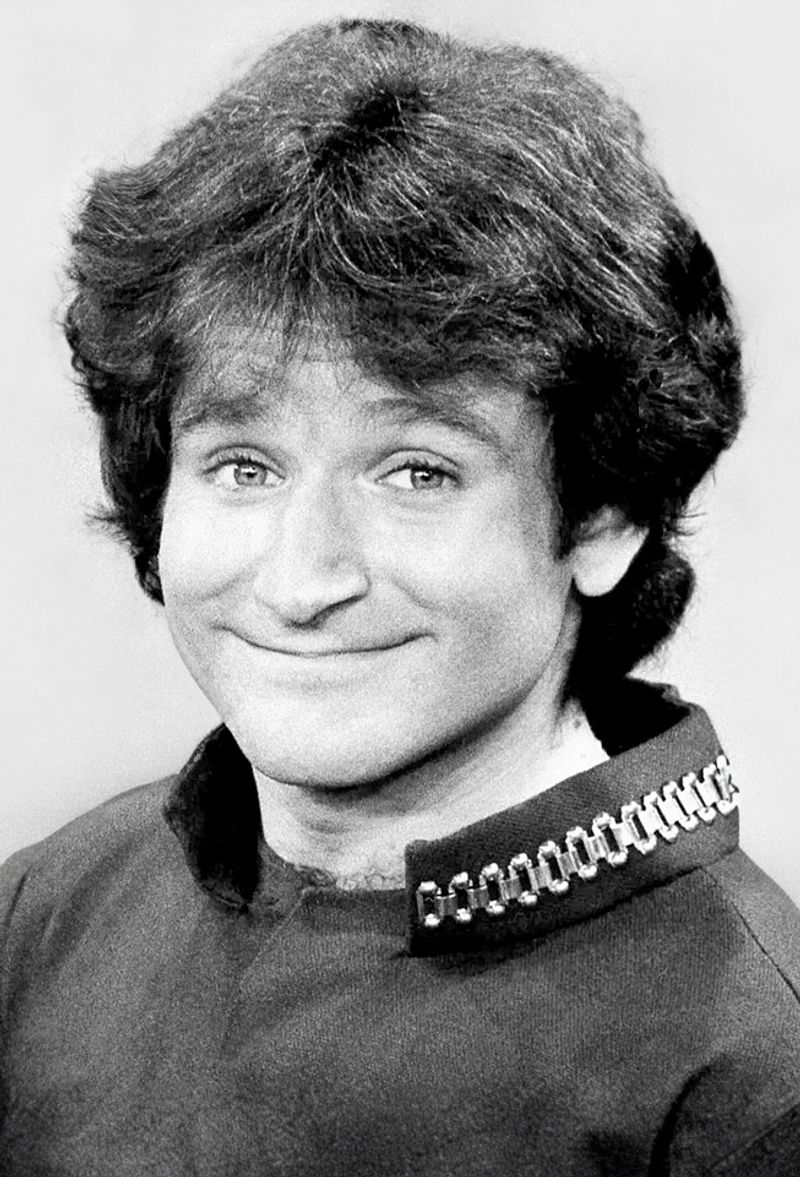
Robin Williams hit the stage like weather. Voices, characters, and pop culture fragments ricocheted until the room felt charged.
The speed was not just fast, it was musical, with crescendos that left people catching breath and clutching chairs.
Improvisation sat at the center, a live-wire connection to whatever was happening right then. He could riff off a sneeze, a shirt, a shadow, and build a universe before the echo faded.
The risk made the laughs feel earned, like everyone had jumped and landed together.
That force leaped to TV and film, but the stand-up roots never left. The stage taught him to surf chaos and turn it into joy.
Younger comics watched and learned that momentum itself can be a joke engine.
Williams also showed how kindness and edge can share a spotlight. He teased without cruelty, dazzled without distance, and made spontaneity look inevitable.
The legacy is a blueprint for fearless play, with heart stitched right into the speed.
Richard Lewis
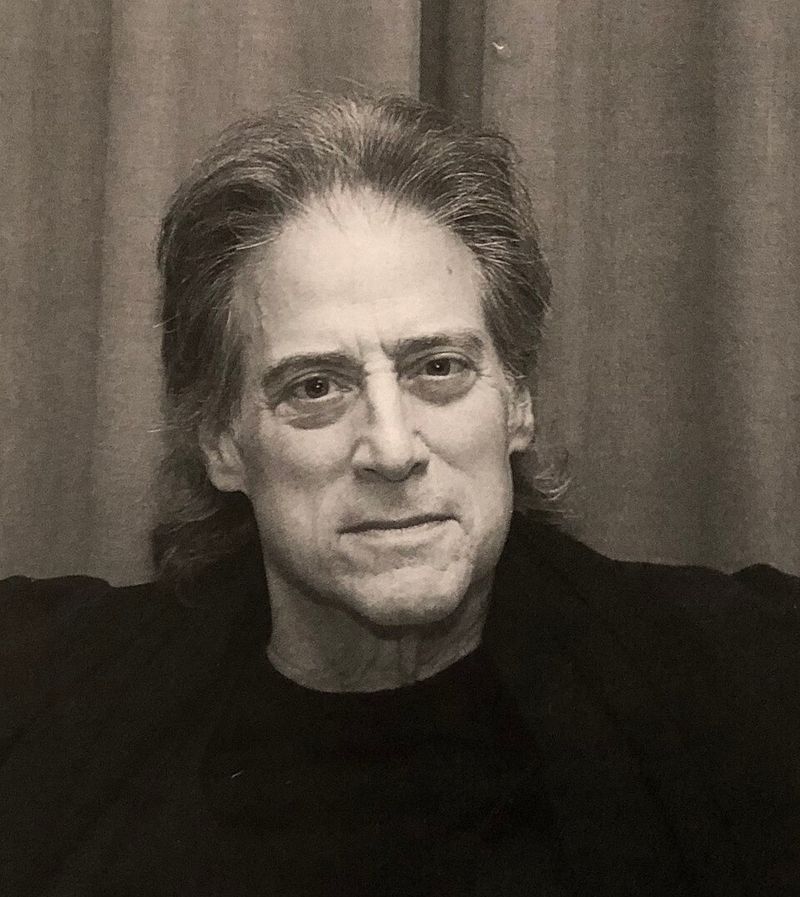
Richard Lewis turned anxiety into rhythm. The black clothes, the restless pacing, the hair raked back like a nervous tic, it all became part of the drumbeat.
Jokes arrived as sighs and spirals, sharp enough to sting and soft enough to feel oddly comforting.
In the 1970s, that candor felt fresh. Instead of powering through confidence, he mined doubt and self-sabotage until it sparkled.
The crowd recognized the spirals because they owned a few themselves, tucked behind polite smiles and busy days.
Lewis helped normalize the confessional turn in stand-up. The stage could hold fear without collapsing, and laughter could be the brace that kept it standing.
Comics absorbed that lesson and carried it into theaters and specials built on vulnerability.
His influence shows in every set that treats neurosis like a lens, not a flaw. He proved that honesty can be funny without becoming therapy, and that punch lines can coexist with a tremor in the voice.
The result was a style that felt lived-in, brittle, and beautifully human.
Jonathan Winters
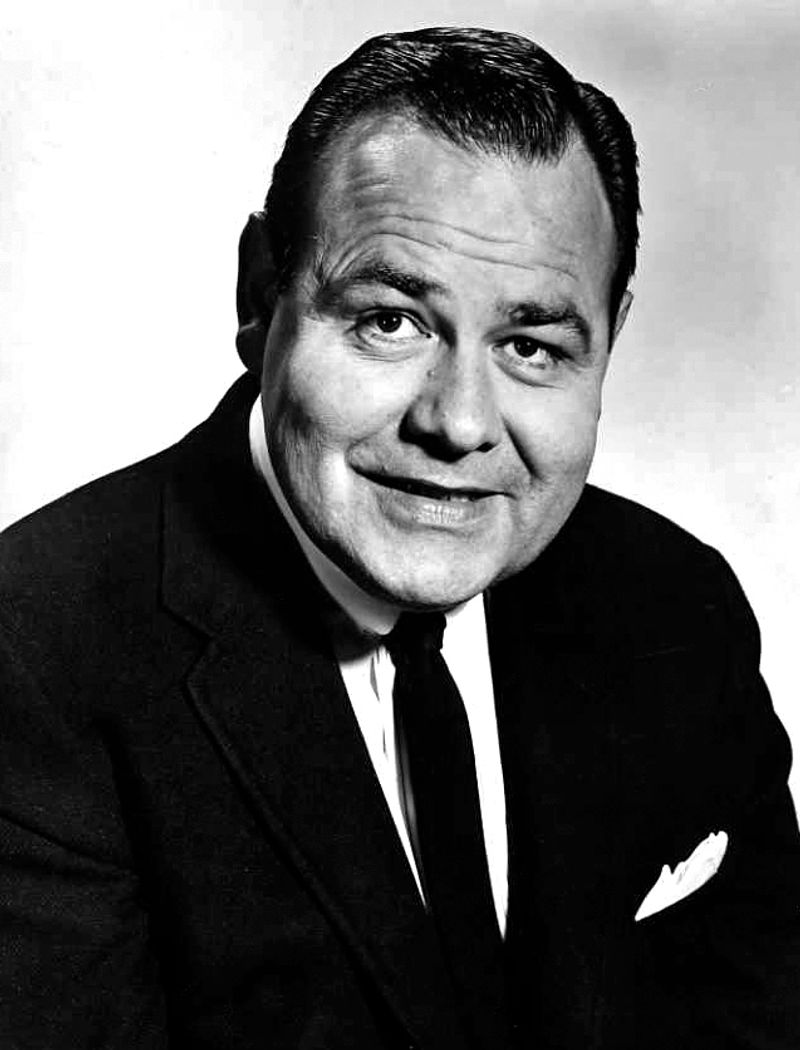
Jonathan Winters could invent a town in a breath. A gesture, a mutter, a quick tilt of the head, and suddenly a new character was sitting beside him.
The improvisation felt effortless, a magician pulling people out of thin air and letting them talk.
Though his career started earlier, the 1970s kept him in orbit as an elder comet shedding sparks. Comics watched to learn how spontaneity can be shaped without strangling it.
He proved that imagination, when trusted, can outrun any script.
Winters influenced generations, most famously Robin Williams, who treated him like both mentor and lighthouse. The lesson was not just speed, it was depth, every character arriving with a heartbeat.
Crowds leaned in because the play felt generous, never mean.
His presence bridged classic showmanship and modern experimentation. Radio voices, sketch instincts, and stand-up timing fused into something elastic.
That blend showed how live comedy can be both delicate and explosive, depending on which lever gets pulled.
Cheech & Chong
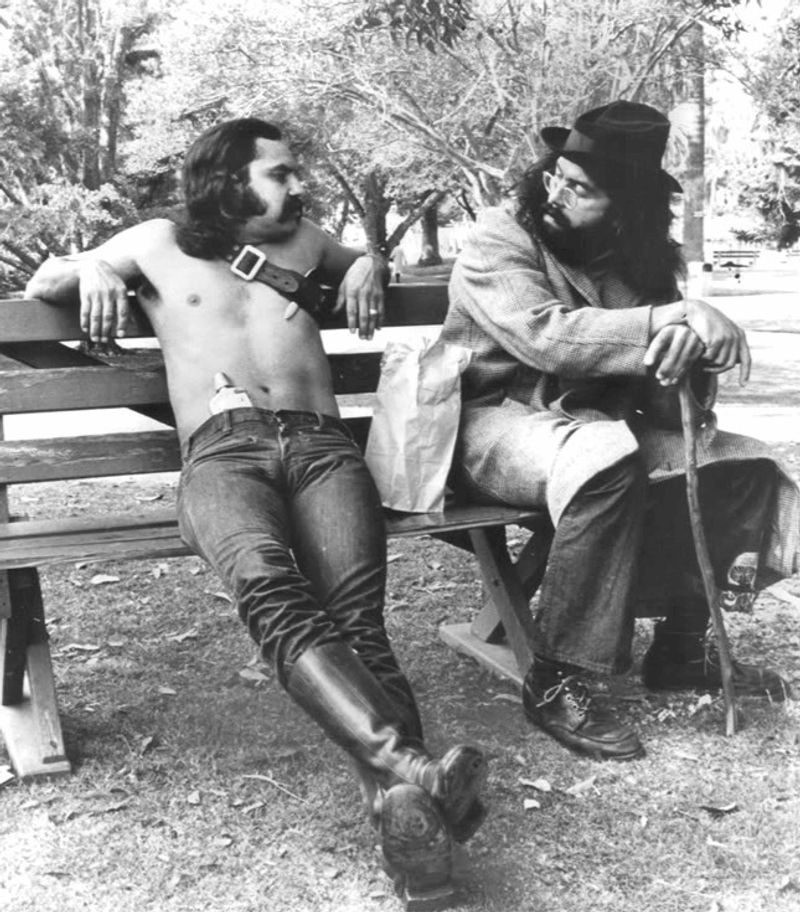
Cheech Marin and Tommy Chong built a world where stoner humor had a heartbeat. Their records played like road trips, drifting from sketches to riffs with a mellow grin.
The characters were flawed, sweet, and oddly resourceful, like neighbors who always needed rolling papers and directions.
In the 1970s, mainstream entertainment rarely acknowledged that subculture except as a punch line. Cheech & Chong made it the center, humanizing the drift and absurdity of that scene.
The jokes landed without scolding, and the vibes felt lived-in rather than caricatured.
As films arrived, the universe expanded, dragging the unapologetic haze into theaters. The timing was perfect, with audiences ready to see their own couch cushions on screen.
Sound cues and verbal riffs became catchphrases that stuck for decades.
Their influence shows up in every relaxed, cannabis-tinged comedy that treats haze like a setting, not a prop. They proved niche culture can carry a franchise when handled with affection.
The result is a blueprint for telling subcultural stories that feel both specific and widely funny.
Robert Klein
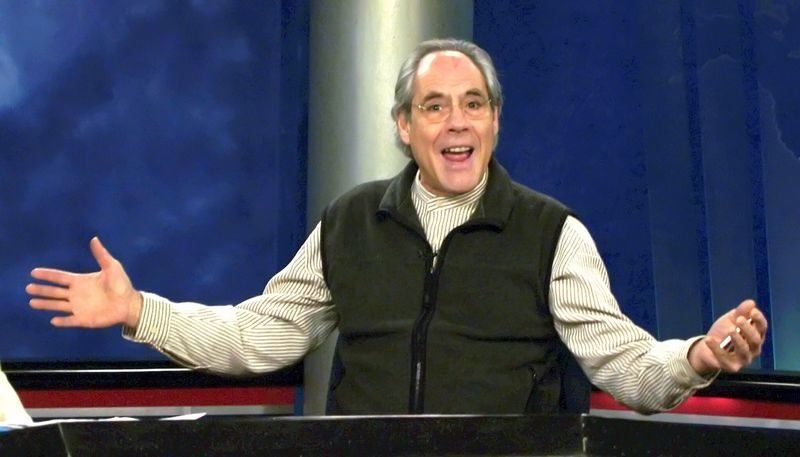
Robert Klein helped put everyday life under a clean, bright light. The jokes came from errands, relationships, and the modern annoyances that quietly run the show.
He sounded like a friend who had finally figured out why something felt off and could make it funny.
That tone shaped the observational boom that rolled through the next few decades. Klein balanced nimble wordplay with a calm pace, trusting craft more than spectacle.
The result was comedy that felt sturdy enough to carry truth without wobbling.
His albums and specials set a template many followed. Take a personal detail, hold it up to the crowd, and sand it until the edges shine.
Not confessional in a raw way, but personal in a way that reads universal.
Klein’s influence sits beneath countless sets about daily life that somehow feel new. He showed that attention is a superpower, and that clarity can be thrilling when wielded with care.
The laughs do not shout, they ring, and that ring travels.
Flip Wilson
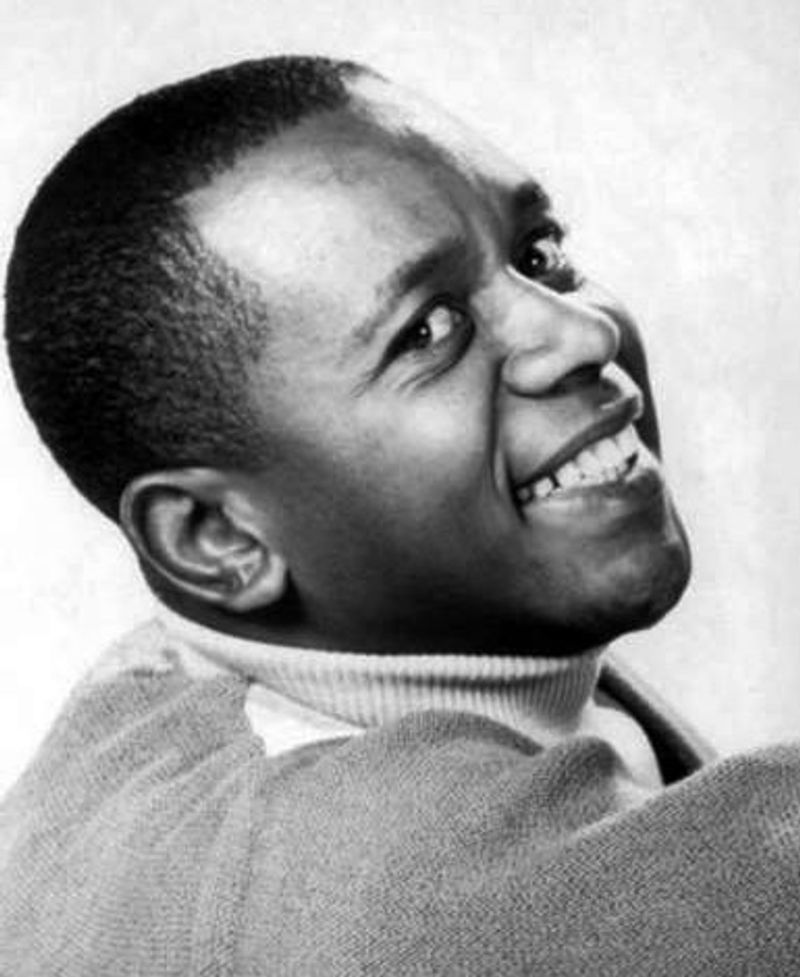
Flip Wilson brought a warmth that made television feel like a gathering, not a broadcast. The variety format gave him room for characters, sketches, and that easy glide between them.
Geraldine Jones stepped out so fully formed that the catchphrases lived beyond the screen.
In the early 1970s, his success broke barriers for Black performers on network TV. The show’s reach meant families met a new range of voices without leaving the couch.
It was mainstream without being bland, a quiet revolution carried by charm and timing.
Wilson’s characters were specific enough to feel true and broad enough to travel. The humor invited rather than excluded, letting affection do the heavy lifting.
He made space where others could follow, doors open and lights on.
That legacy threads through sketch and character-driven sitcoms that value warmth alongside wit. Wilson proved that popularity and progress can share a stage.
The ripple effect changed who gets to be funny on television and how often.
Joan Rivers
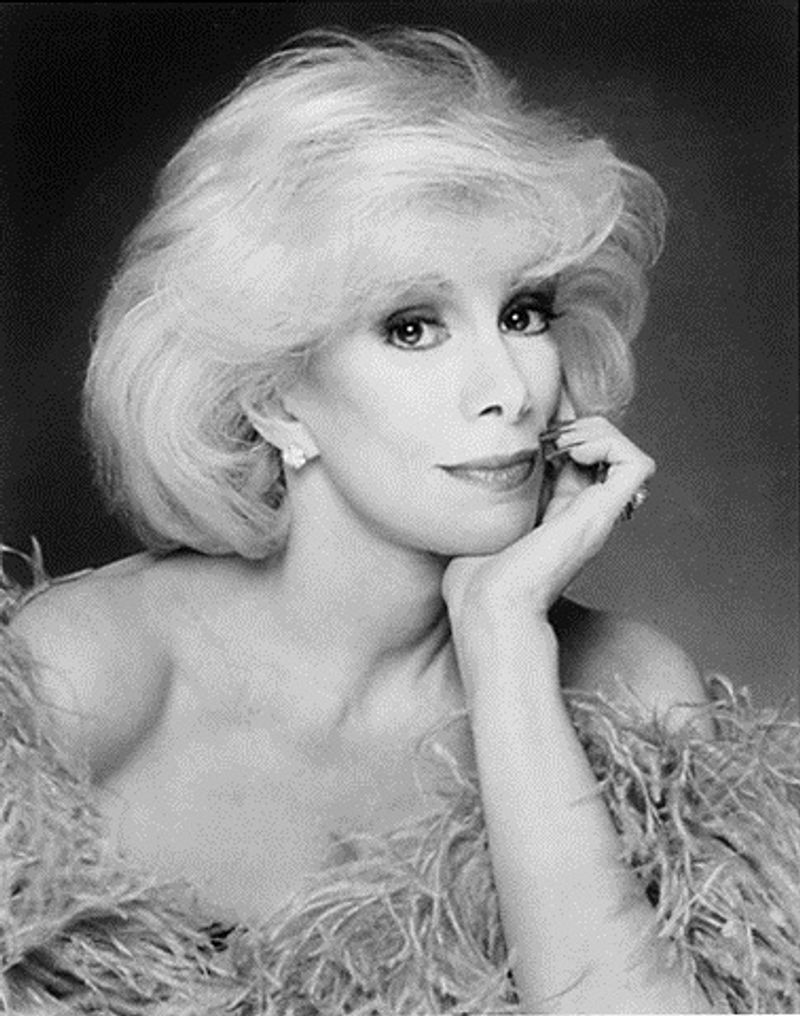
Joan Rivers sliced through rooms with a diamond-hard wit. The jokes about celebrity, beauty, and status did not beg for approval, they demanded a laugh on merit.
She delivered her own life with the same edge, turning self-deprecation into a weapon that sparkled.
Breaking through male-heavy lineups in the 1970s took grit and precision. Rivers never asked for space, she took it, then decorated it with punch lines.
The voice was unmistakable, and the confidence trained crowds to listen closer, not softer.
Her influence widened the path for women in stand-up, and really for anyone ready to swing hard. Honesty did not need apology if the joke worked, and she made sure it did.
Panels, red carpets, and stages all learned to brace.
Rivers left a playbook for fearless commentary that keeps paying dividends. The timing, the sting, the delight in a perfect cut, it all still teaches.
She proved that sharp does not mean cruel by default, it means clean, and the laugh is the proof.
Dave Allen
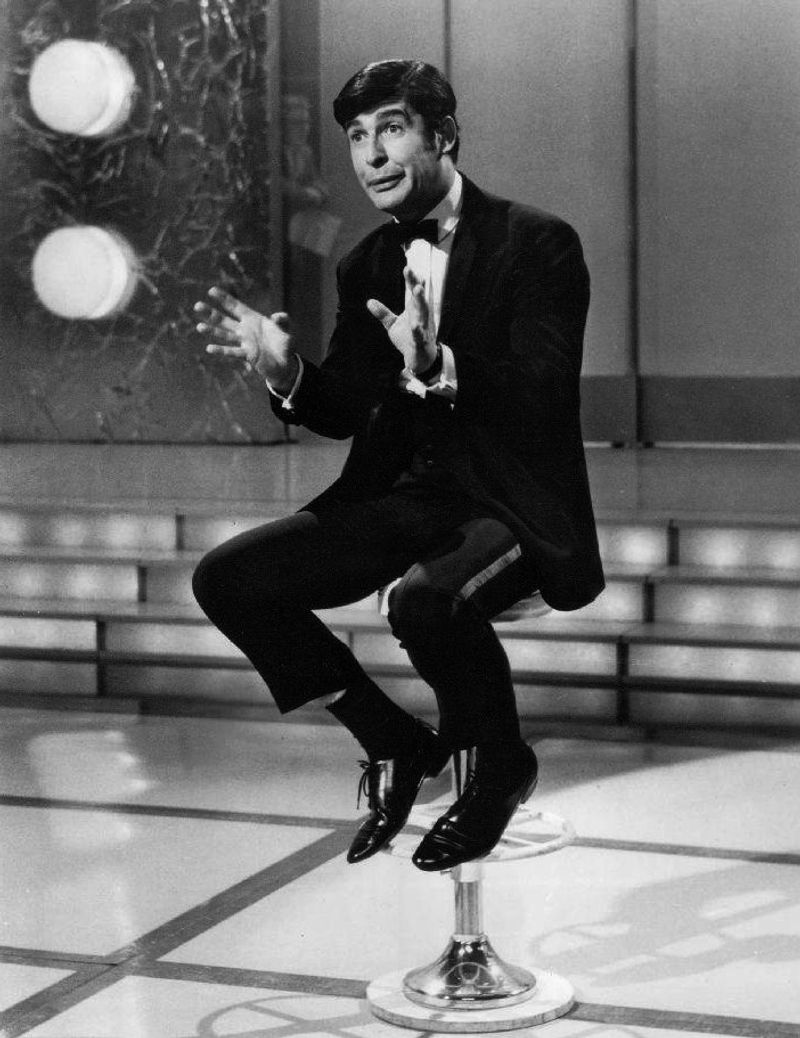
Dave Allen preferred a stool, a story, and time to let the room breathe. The pace felt like conversation, not sprinting, with observations that landed softly and stuck.
He could tease tradition with a light touch that carried more bite than bluster.
In the 1970s, his TV work showed how minimalism can be luxurious. No rush, no clutter, just a steady stream of clarity and wry asides.
The laughter felt earned because it respected patience, letting beats open like small doors.
Allen’s influence shows in comics who trust storytelling over fireworks. A gentle irreverence can carry farther than noise when the craft is sure.
The jokes do not elbow, they nudge, and the nudge turns into a grin that lasts.
He proved that a conversational lane can be deeply funny and widely relatable. Modern stand-ups who lean on personal narrative owe a quiet nod his way.
It is the sound of a room relaxing, then laughing anyway.



