Some companies don’t just build products or services. They build billionaires.
Over the past few decades, a handful of corporations have turned early employees, founders, and investors into some of the wealthiest people on the planet. From Silicon Valley tech giants to Wall Street financial firms, these companies reshaped what it means to strike it rich in the modern world.
1. Microsoft
Back in 1975, Bill Gates and Paul Allen started Microsoft in a garage with a bold idea: put a computer on every desk. That idea paid off in ways most people couldn’t have imagined.
Gates became one of the richest people in history, and his co-founder Allen also joined the billionaire ranks before his passing in 2018.
Steve Ballmer, who served as CEO for over a decade, is now worth more than $100 billion. Early employees who received stock options also cashed in enormously as the company grew.
Microsoft went public in 1986, and its shares multiplied thousands of times over in the decades that followed.
Today, Microsoft is one of the most valuable companies in the world. Its cloud computing division, Azure, continues fueling growth.
Few companies in history have generated as much personal wealth for as many people as Microsoft has.
2. Google (Alphabet)
Larry Page and Sergey Brin were Stanford PhD students when they built a search engine that would eventually change the internet forever. Google launched in 1998, and by the time it went public in 2004, the two founders were already billionaires.
Their IPO was one of the most talked-about financial events of that era.
Eric Schmidt, who served as CEO during Google’s explosive growth years, also became a billionaire through his stock holdings. Early investors like John Doerr and Sequoia Capital’s Michael Moritz saw their investments multiply dramatically.
Many early employees who received stock options also walked away with extraordinary wealth.
Google’s parent company, Alphabet, now runs a wide range of businesses beyond search. YouTube, Google Cloud, and Waymo all sit under its umbrella.
The company’s ability to generate wealth for its earliest backers and builders remains one of Silicon Valley’s most remarkable stories.
3. Amazon

Jeff Bezos started Amazon in 1994 selling books out of his garage in Bellevue, Washington. Few could have predicted that this online bookstore would grow into a global empire spanning e-commerce, cloud computing, entertainment, and logistics.
Bezos eventually became the richest person in the world, with a net worth that surpassed $200 billion at its peak.
Amazon Web Services, the company’s cloud division, became one of the most profitable businesses in tech history. Early executives and investors who held onto their Amazon shares through the company’s turbulent early years were rewarded with life-changing wealth.
Even some long-tenured employees accumulated fortunes through stock grants.
Amazon’s current executive chairman, Bezos, still holds a massive stake in the company. His ex-wife MacKenzie Scott, who received shares in their divorce settlement, also became one of the world’s most prominent billionaire philanthropists.
Amazon’s wealth creation story is truly remarkable.
4. Meta (Facebook)

Mark Zuckerberg launched Facebook from his Harvard dorm room in 2004, and within a decade he had become one of the youngest self-made billionaires in history. His company, now known as Meta, fundamentally changed how billions of people communicate, share, and consume content every single day.
Co-founders Dustin Moskovitz and Eduardo Saverin also became billionaires through their early stakes in the company. Early investor Peter Thiel, who put in $500,000 in 2004, turned that bet into more than $1 billion when Facebook went public in 2012.
Sheryl Sandberg, the company’s longtime COO, accumulated significant wealth through her stock compensation.
Meta’s portfolio now includes Instagram and WhatsApp, two of the most-used apps on earth. Despite facing regulatory challenges and public scrutiny in recent years, the company’s financial performance has remained strong.
Zuckerberg’s personal fortune continues ranking among the top five globally year after year.
5. Tesla
When Tesla nearly went bankrupt in 2008, Elon Musk reportedly put his last available funds into keeping the company alive. That gamble paid off spectacularly.
By 2021, Tesla’s stock had risen so dramatically that Musk briefly became the richest person in the world, with a net worth exceeding $300 billion at its highest point.
Early investors like Antonio Gracias and Steve Jurvetson saw massive returns on their Tesla stakes. Board members and executives who held stock through the company’s turbulent early years were rewarded generously.
Tesla’s rise from struggling startup to trillion-dollar automaker happened faster than almost anyone expected.
The company’s influence goes beyond cars. Tesla’s battery technology and energy storage products opened entirely new markets.
Its success also proved that electric vehicles could be both desirable and profitable, attracting billions in investment to the broader EV industry. Musk’s personal wealth remains closely tied to Tesla’s ongoing performance.
6. Nvidia
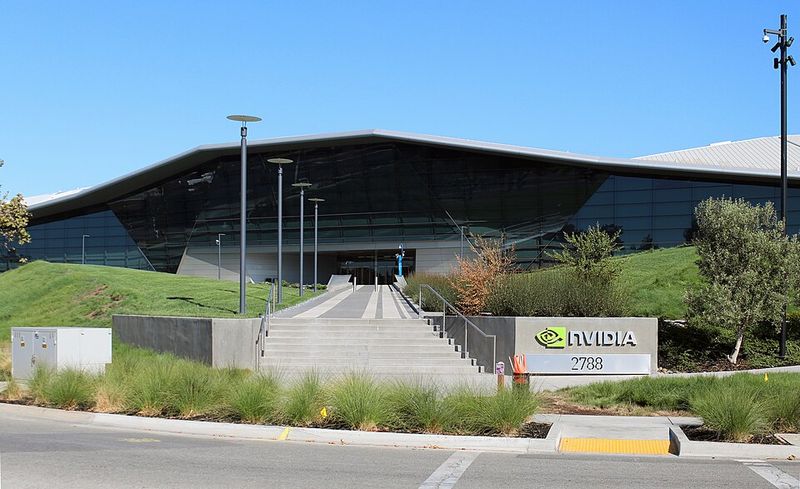
For most of its history, Nvidia was known mainly among gamers and graphics enthusiasts. Then artificial intelligence changed everything.
As demand for AI computing exploded, Nvidia’s chips became the backbone of data centers worldwide, and founder Jensen Huang’s net worth skyrocketed past $100 billion almost overnight.
Huang, who co-founded Nvidia in 1993 at age 30, is now considered one of the most important figures in the AI revolution. Long-time executives and shareholders who held their positions through the company’s quieter years found themselves sitting on extraordinary fortunes.
Nvidia’s stock rose more than 200% in a single year at the height of the AI boom.
The company’s H100 chip became so sought-after that companies were willing to pay premium prices just to secure supply. Nvidia’s transformation from a niche graphics company to a global AI infrastructure powerhouse is one of the most dramatic business stories of the 2020s.
Its billionaire-making run shows no signs of slowing.
7. Apple
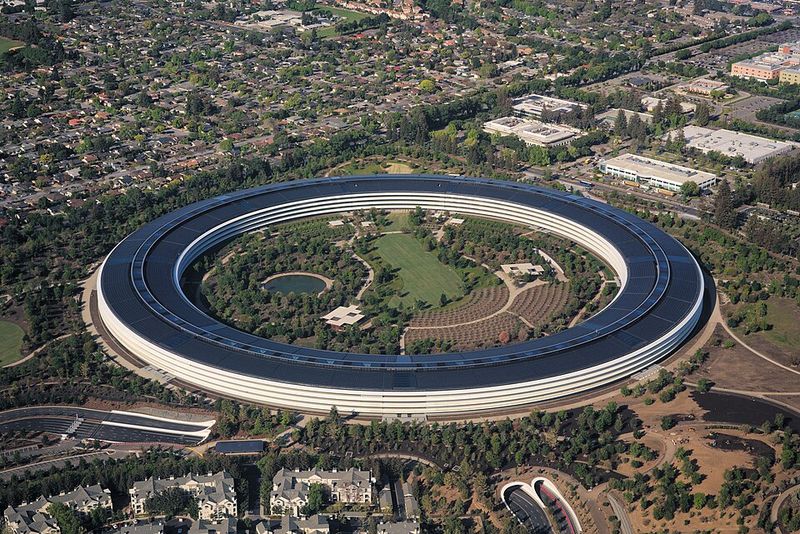
Steve Jobs, Steve Wozniak, and Ronald Wayne founded Apple in 1976. Wayne famously sold his 10% stake for $800, a decision that would have been worth over $100 billion today.
Jobs and Wozniak held on, and Apple eventually became the first American company to reach a $1 trillion market valuation in 2018.
Early investor Mike Markkula, who put in $250,000 in 1977, became a multimillionaire and later a billionaire as the company soared. Former CEO John Sculley and current CEO Tim Cook also built enormous wealth through Apple stock.
The company’s rise from near-bankruptcy in the late 1990s to the world’s most valuable business is a story unlike any other.
Apple’s product lineup, from the iPhone to the Mac to the Apple Watch, reshaped multiple industries. The App Store alone generates tens of billions annually.
For the founders, early backers, and key executives who stayed the course, Apple delivered some of the greatest financial rewards in corporate history.
8. Oracle
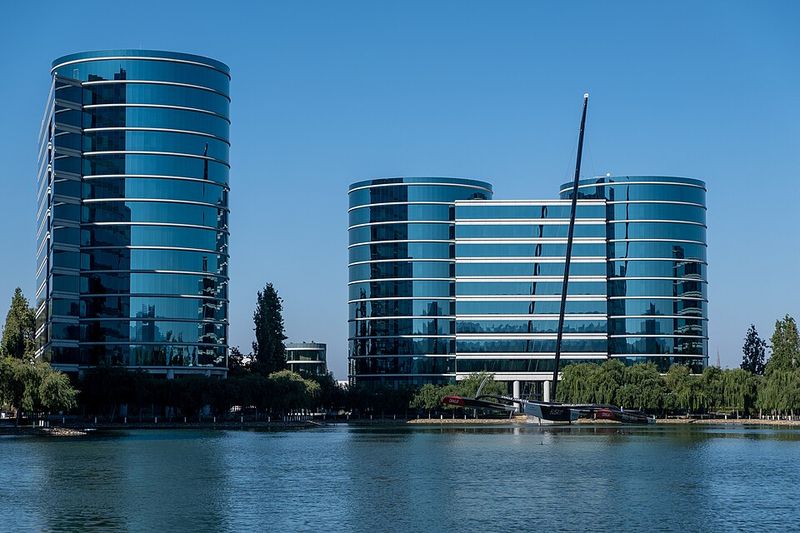
Larry Ellison dropped out of college twice before co-founding Oracle in 1977. He built the company into one of the most dominant enterprise software businesses in history, and his personal fortune grew accordingly.
Today, Ellison is consistently ranked among the five wealthiest people in the world, with a net worth well above $100 billion.
Oracle’s database software became essential infrastructure for corporations, governments, and institutions worldwide. Early executives and co-founders Bob Miner and Ed Oates also profited significantly from the company’s growth.
Miner, who passed away in 1994, had accumulated substantial wealth before his death.
Oracle went public in 1986, just one day before Microsoft, and its IPO generated significant early investor returns. The company later expanded through acquisitions, adding Sun Microsystems and PeopleSoft to its portfolio.
Ellison’s flamboyant lifestyle, including yacht racing and island ownership, has made him one of the most colorful figures among the world’s billionaire class.
9. Salesforce

Marc Benioff had a simple but radical idea when he launched Salesforce in 1999: deliver business software over the internet instead of installing it on company servers. That model, now called cloud computing, was met with skepticism at first.
Within a decade, it had transformed the entire software industry.
Benioff himself became a billionaire as Salesforce grew into a powerhouse with hundreds of thousands of corporate customers. Co-founder Parker Harris and several early executives also accumulated significant wealth through stock ownership.
Salesforce’s acquisition strategy, which brought in companies like Slack and Tableau, expanded its reach and valuation further.
The company’s headquarters, Salesforce Tower in San Francisco, is now the tallest building in the city and a symbol of the cloud computing era. Benioff is also known for his philanthropy and outspoken views on business responsibility.
Salesforce proves that a single disruptive idea, pursued with conviction, can create enormous wealth across an entire organization.
10. PayPal
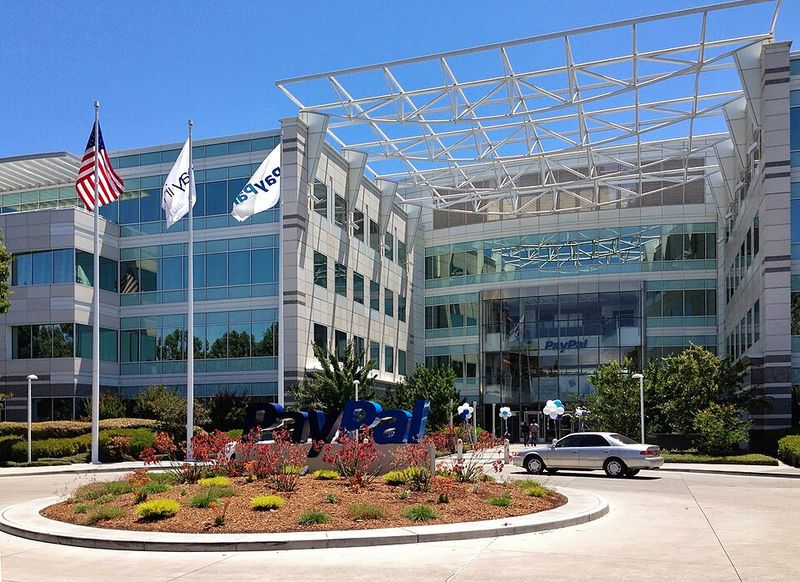
The group of early PayPal employees and founders who went on to build some of the biggest companies in Silicon Valley became so influential that they earned a nickname: the PayPal Mafia. Peter Thiel, Elon Musk, Max Levchin, Reid Hoffman, and others all passed through PayPal before launching ventures that would shape the modern tech world.
Musk, who merged his company X.com with PayPal’s predecessor, walked away with roughly $180 million when eBay acquired PayPal in 2002. He used that money to fund SpaceX and Tesla.
Thiel used his PayPal proceeds to start Palantir and make an early investment in Facebook. Hoffman went on to co-found LinkedIn.
The concentration of talent and ambition at early PayPal was extraordinary by any measure. The company itself became a global payments giant worth tens of billions.
But its greatest contribution to the business world may be the billionaires it launched into entirely new industries after its sale.
11. Walmart

Sam Walton opened the first Walmart in Rogers, Arkansas in 1962 with a straightforward philosophy: keep prices low and pass the savings to customers. That idea built the largest retail empire in history.
By the time Walton passed away in 1992, the Walton family had already accumulated one of the greatest fortunes ever assembled.
Today, the Walton family collectively holds a net worth estimated at over $200 billion, making them the wealthiest family in the United States by a wide margin. Multiple Walton heirs, including Rob, Jim, and Alice Walton, each hold individual fortunes exceeding $50 billion.
The family’s wealth is primarily tied to their ownership stake in Walmart stock.
Walmart now operates thousands of stores across dozens of countries and employs more than 2 million people. Its success created wealth not only for the Walton family but also for early investors and longtime executives.
Few family business stories in American history match the scale of what Sam Walton built from a single discount store.
12. Bloomberg LP

Michael Bloomberg was fired from Salomon Brothers in 1981 and used his $10 million severance to start a financial data company. That company, Bloomberg LP, became the dominant provider of financial information and analytics to banks, hedge funds, and investment firms worldwide.
Bloomberg himself is now worth more than $100 billion.
The Bloomberg Terminal, a specialized computer system that delivers real-time financial data, became so essential to Wall Street that financial professionals often describe their careers in terms of how long they have been using it. Thousands of firms pay tens of thousands of dollars per year per terminal, creating a steady, powerful revenue stream.
Several Bloomberg LP executives and long-term shareholders have also built significant fortunes through the privately held company. Bloomberg used his wealth to serve three terms as mayor of New York City and has donated billions to public health and education causes.
His story is a striking example of turning a career setback into a financial empire.
13. Alibaba

Jack Ma was a former English teacher who had been rejected from dozens of jobs, including one at KFC, before founding Alibaba in his Hangzhou apartment in 1999. The company grew into China’s largest e-commerce platform and one of the most valuable businesses in Asia.
Ma’s personal fortune reached nearly $60 billion at its peak.
When Alibaba went public on the New York Stock Exchange in 2014, it raised $25 billion in the largest IPO in history at that time. Early investors, including SoftBank’s Masayoshi Son, made extraordinary returns.
Son’s $20 million investment in Alibaba eventually grew to be worth tens of billions of dollars.
Several early Alibaba executives and co-founders also became billionaires as the company expanded into cloud computing, digital payments, and entertainment through its Ant Group affiliate. Ma’s rags-to-riches story resonated globally, making him one of the most recognized entrepreneurs in the world before his public profile dimmed in recent years.
14. SpaceX
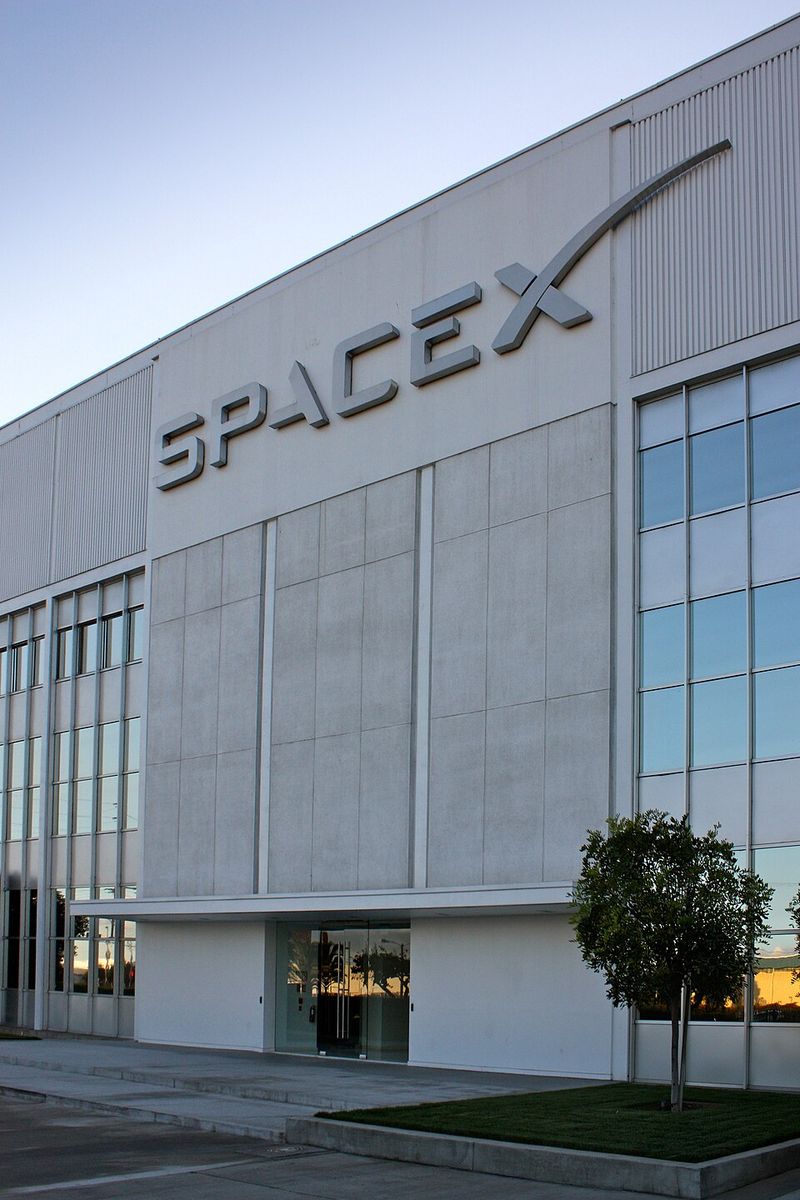
SpaceX started in 2002 when Elon Musk invested $100 million of his own money into a company most aerospace experts expected to fail. Three of its first four rocket launches ended in failure.
The fourth succeeded, and that success kept the company alive long enough to win a NASA contract that changed everything.
SpaceX’s valuation has since grown to over $200 billion, making it one of the most valuable privately held companies in history. Early investors and executives who held equity through those difficult early years have seen their stakes grow enormously.
Musk’s ownership position in SpaceX represents a significant portion of his total net worth.
The company’s Starlink satellite internet service adds another layer of value, with millions of subscribers worldwide generating recurring revenue. As SpaceX continues developing its Starship rocket for missions to the Moon and Mars, its valuation and the fortunes tied to it keep climbing.
Few startups have created billionaire-level wealth from such a risky beginning.
15. Goldman Sachs
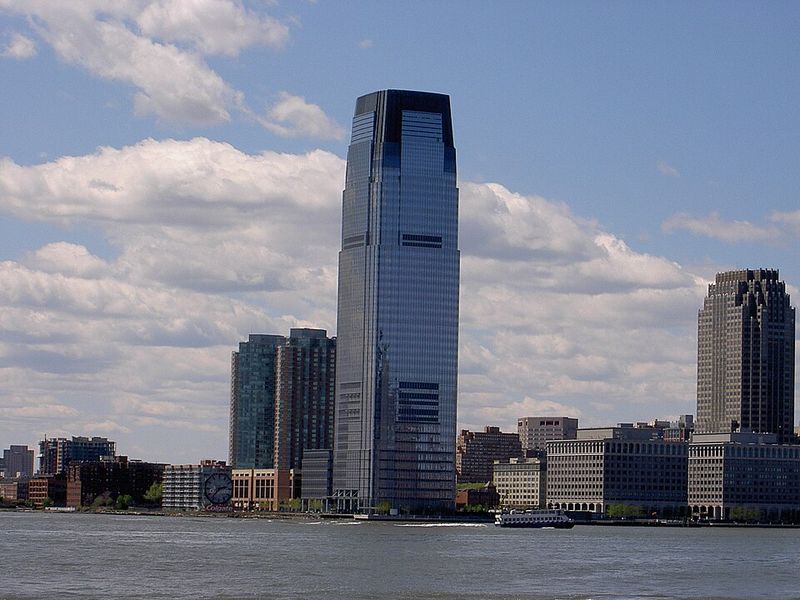
Goldman Sachs has been minting millionaires and billionaires since its founding in 1869. The firm’s partnership model, which rewarded top performers with ownership stakes, created extraordinary wealth for those who climbed its ranks.
Becoming a Goldman partner was once considered one of the most financially rewarding achievements in American business.
Former CEO Lloyd Blankfein and current CEO David Solomon both accumulated fortunes well into the hundreds of millions through their compensation and equity holdings. Jon Corzine, another former Goldman chief, built significant wealth before entering politics.
The firm’s alumni network reads like a directory of the most powerful figures in global finance and government.
Goldman’s involvement in major IPOs, mergers, and government financial advisory roles has kept it at the center of wealth creation for over 150 years. While it operates in a different world from Silicon Valley, its record of producing billionaires among its senior ranks is unmatched in traditional finance.
Goldman Sachs remains a true billionaire factory of the financial world.
Share this story