 Unearth The Voyage
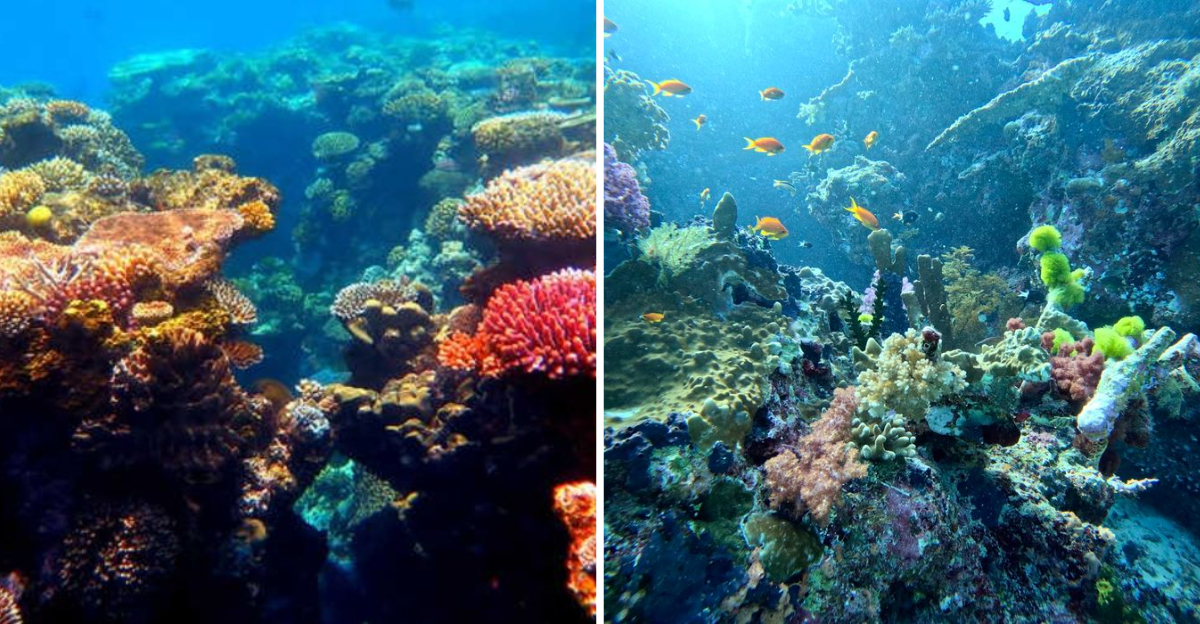
Strapping on a snorkel mask and slipping beneath the ocean’s surface is one of the most magical things you can do on this planet. Coral reefs are underwater cities bursting with color, life, and non-stop action — home to thousands of fish, turtles, sharks, and creatures you never knew existed.
From the warm waters of the Pacific to the crystal-clear Caribbean, the world is full of reef systems just waiting to be explored. Whether you’re a first-timer or a seasoned snorkeler, these 15 coral reefs will absolutely blow your mind.
Great Barrier Reef – Australia
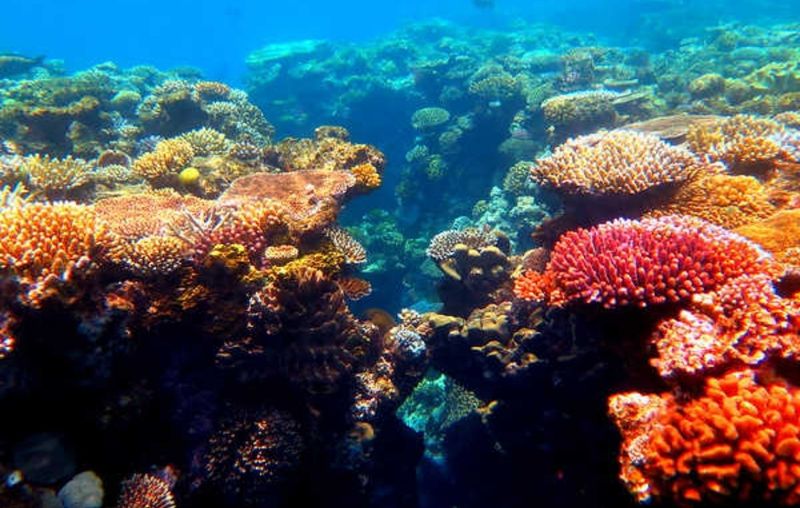
Stretching over 2,300 kilometers along the Australian coastline, the Great Barrier Reef is so massive it can actually be seen from space. That alone should tell you something extraordinary is going on down there.
It’s the largest coral reef system on Earth, and it absolutely earns that title.
Snorkelers are treated to shallow reefs packed with brain corals, staghorn corals, and sea fans in every color imaginable. Curious reef sharks glide past, sea turtles paddle lazily overhead, and parrotfish munch on coral like they own the place.
Beginners will love spots like the Whitsunday Islands, where calm, clear water makes the whole experience feel effortless.
Climate change has affected some sections, but many parts remain stunningly vibrant and teeming with life. Cairns and Port Douglas serve as the most popular launching points for day trips to the outer reef.
Fun fact — the reef is made up of around 2,900 individual reefs and 900 islands. Visiting feels less like snorkeling and more like stepping into the world’s greatest nature documentary, except you’re actually in it.
Raja Ampat – Indonesia
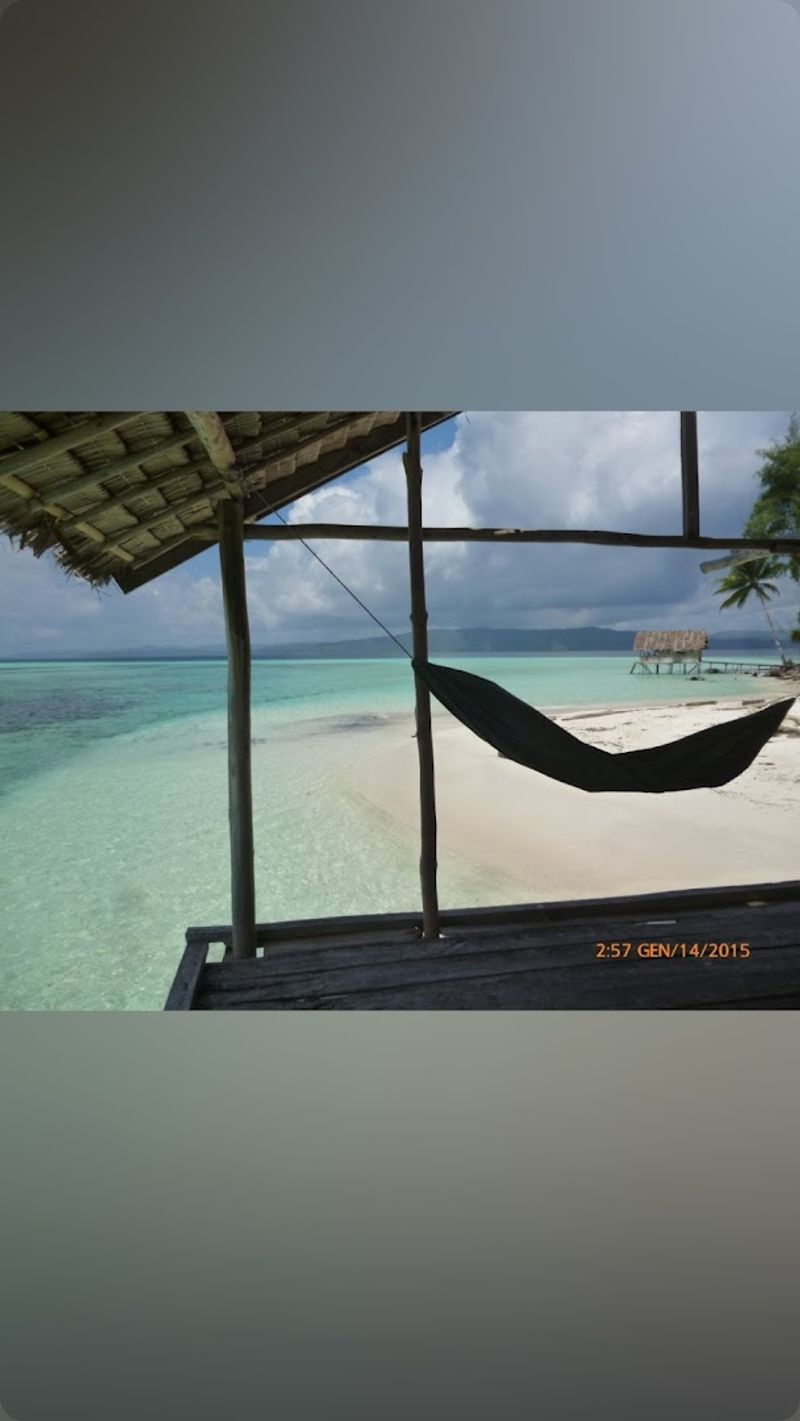
If coral reefs had a hall of fame, Raja Ampat would have its own wing. Tucked away in the heart of Indonesia’s Coral Triangle, this remote archipelago holds the highest marine biodiversity ever recorded anywhere on Earth.
Scientists have counted over 600 coral species here — more than the entire Caribbean combined.
Snorkeling in Raja Ampat feels like the ocean is showing off. Pygmy seahorses cling to sea fans no bigger than your hand, while manta rays cruise gracefully overhead.
The reefs here are healthy, wild, and completely breathtaking, largely because the area’s remote location keeps heavy tourist traffic away.
Getting here takes effort — usually a flight to Sorong followed by a boat ride — but travelers who make the journey consistently call it the best snorkeling of their lives. The water clarity is jaw-dropping, often with visibility stretching 20 meters or more.
Local homestays and liveaboard boats make it possible to spend days exploring different reef systems without ever seeing the same fish twice. Raja Ampat isn’t just a destination; it’s a full-on underwater obsession waiting to happen.
Maldives Coral Reefs – Maldives
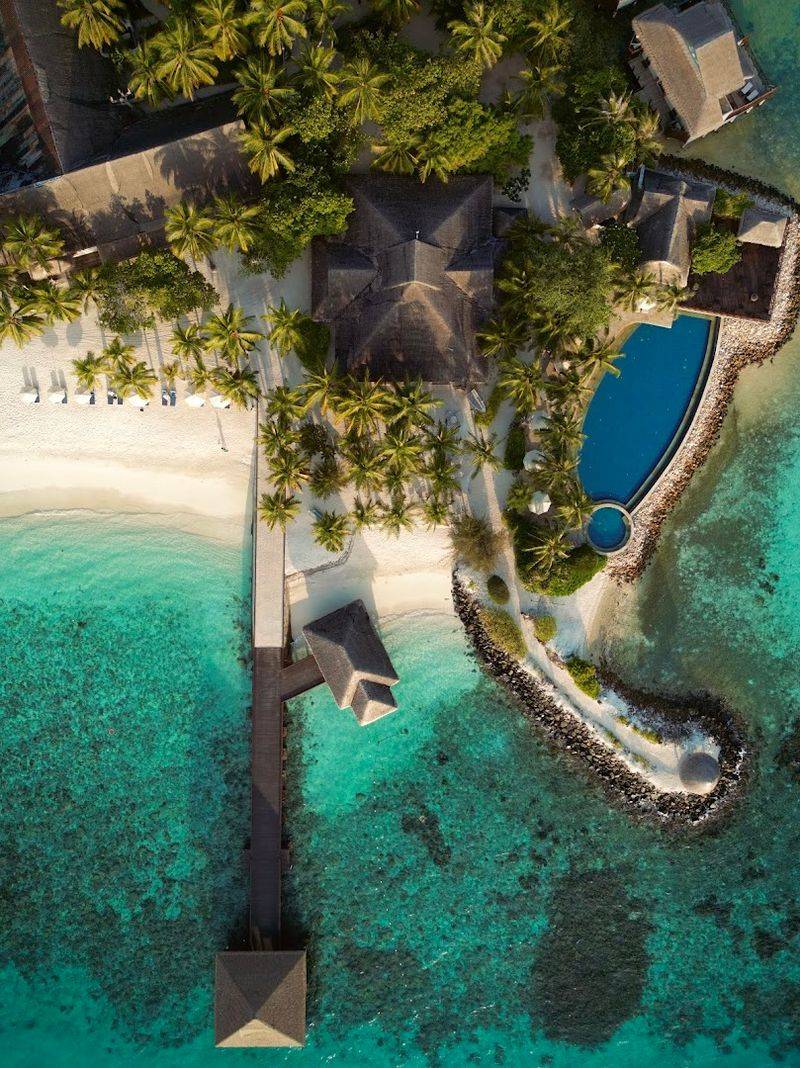
Picture stepping off your overwater bungalow directly into a coral reef — that’s basically Tuesday in the Maldives. This island nation sits in the Indian Ocean and consists of over 1,200 coral islands arranged into 26 atolls, creating a snorkeling paradise that’s almost unfairly beautiful.
Many reefs sit just meters from the shoreline, meaning you can grab your mask and fins and be swimming with fish before your morning coffee gets cold. Blacktip reef sharks patrol the sandy shallows, spinner dolphins sometimes join snorkelers mid-swim, and whale sharks pass through certain atolls seasonally.
The warm, calm lagoons make the Maldives incredibly welcoming for beginners.
Water visibility regularly exceeds 20 meters, and the coral gardens here are genuinely stunning — table corals, brain corals, and delicate branching formations create an underwater landscape that feels otherworldly. The best snorkeling months are November through April, when the water is at its clearest.
Resorts often organize guided snorkeling excursions, but honestly, many house reefs are so good you barely need to venture further. The Maldives rewards even the most casual snorkeler with something spectacular around every turn.
Belize Barrier Reef – Belize
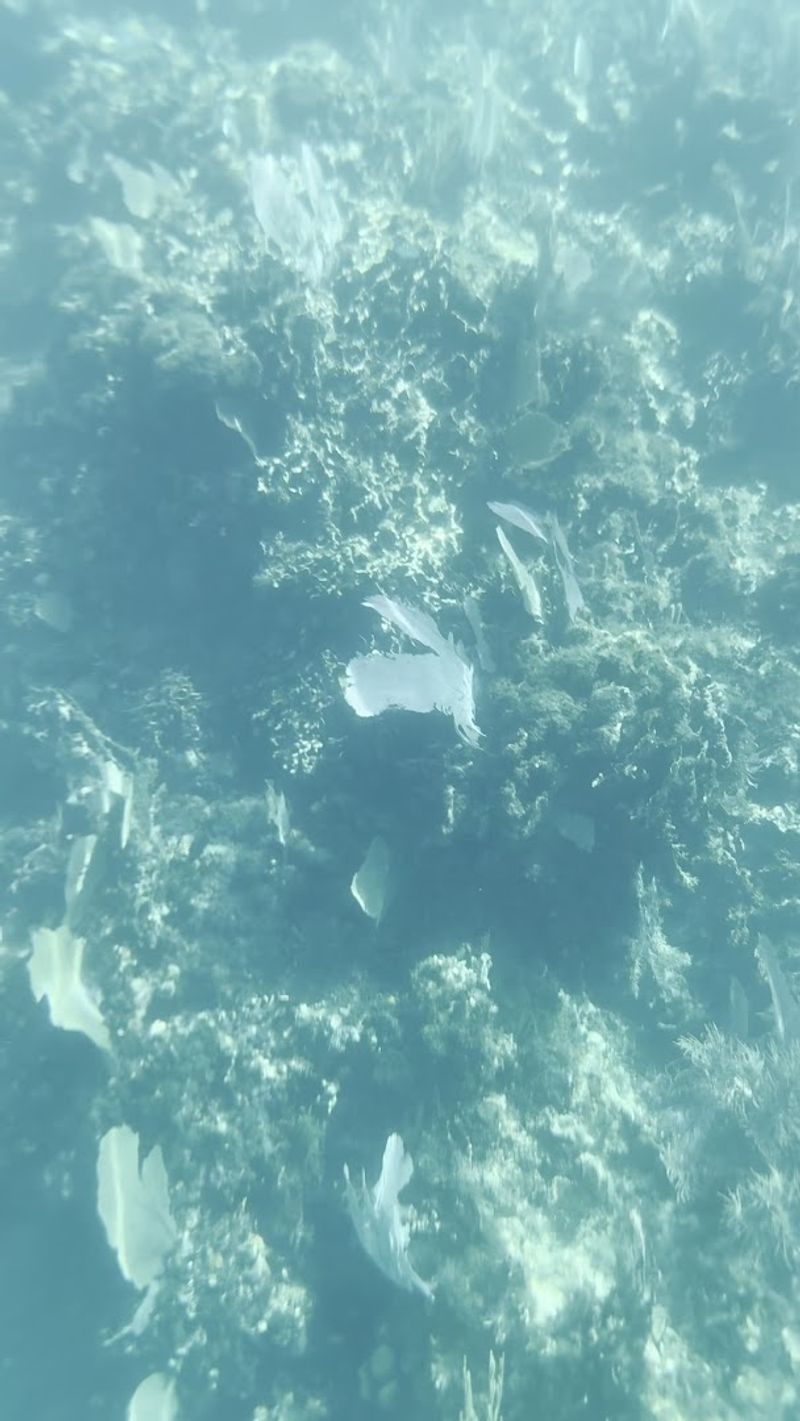
Second only to the Great Barrier Reef in size, the Belize Barrier Reef stretches 300 kilometers along the Central American coastline and carries UNESCO World Heritage status — and it more than deserves the recognition. Caribbean blue water, shallow coral gardens, and a staggering variety of marine life make this one of the most rewarding snorkeling destinations in the Western Hemisphere.
Hol Chan Marine Reserve near Ambergris Caye is the crown jewel for snorkelers. Nurse sharks and southern stingrays gather in a sandy channel called Shark Ray Alley, where they’re so accustomed to visitors that they practically pose for photos.
Sea turtles glide through coral formations while moray eels peek out from crevices with their signature grumpy expressions.
The reef also protects three of the four atolls in the Western Hemisphere — Lighthouse Reef, Glover’s Reef, and Turneffe Atoll — each offering unique underwater terrain. Ambergris Caye and Caye Caulker are the most popular base towns, both easy to reach and budget-friendly.
Even snorkeling directly off the beach at Caye Caulker puts you within fin-flicking distance of colorful coral and curious fish. Belize punches well above its weight as a snorkeling destination.
Palau Rock Islands – Palau
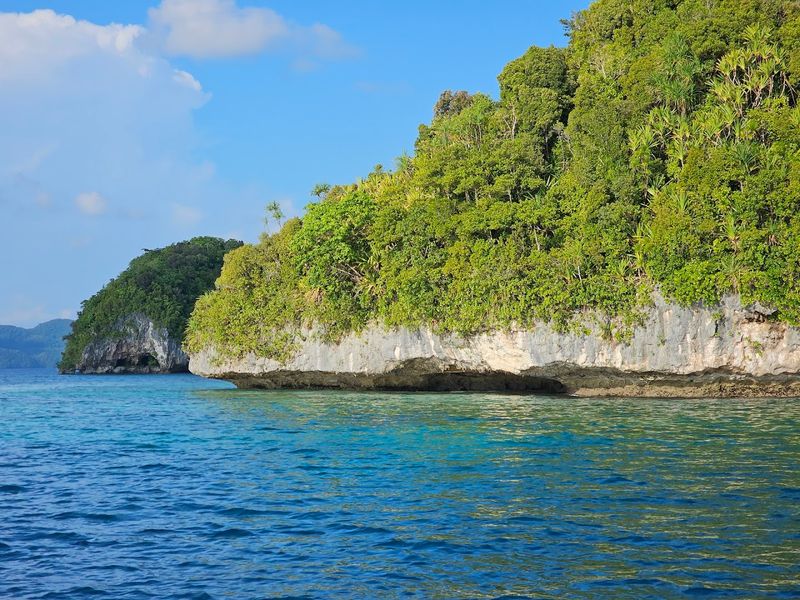
Palau is the kind of place that makes you question why you ever snorkeled anywhere else. Nestled in the western Pacific Ocean, this tiny nation is home to the Rock Islands — a maze of mushroom-shaped limestone formations rising from impossibly blue water.
Underneath the surface, it gets even better.
Coral walls drop into the deep blue, covered in sea fans and sponges in every color of the rainbow. Schools of fish so dense they block the light move through the water like living clouds.
Reef sharks, Napoleon wrasse, and giant clams are common sights, and the sheer density of marine life here is genuinely hard to describe without sounding like you’re exaggerating.
The undisputed highlight — and one of the most unique snorkeling experiences on the planet — is Jellyfish Lake. This landlocked marine lake is home to millions of golden jellyfish that have evolved to be completely stingless, allowing you to swim right through them.
It’s bizarre, magical, and totally unforgettable. Palau also takes conservation seriously, with strong marine protection laws that keep its reefs healthy.
Every snorkeling session here feels like a privilege rather than just a vacation activity.
Ningaloo Reef – Australia
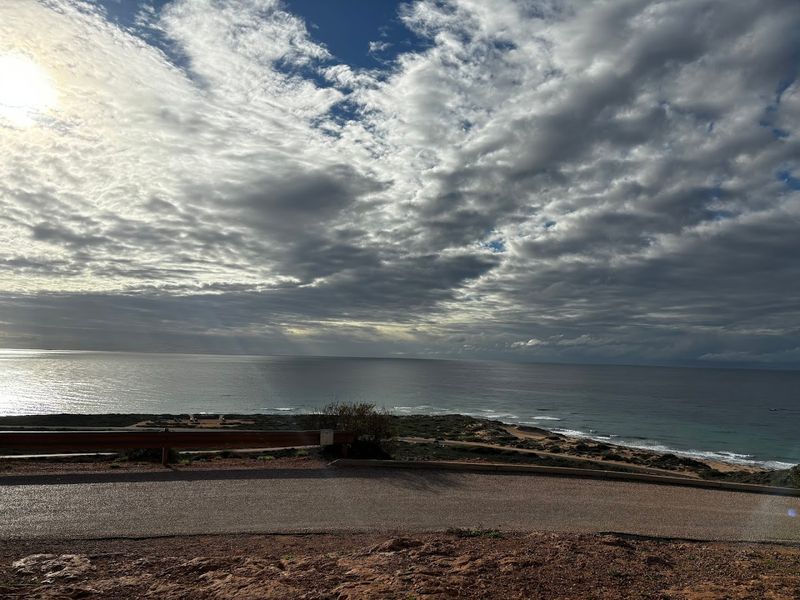
Most great reefs require a boat to reach — Ningaloo Reef laughs at that rule. Located along the remote northwest coast of Western Australia, this UNESCO-listed reef sits just 100 meters from the beach in many places, meaning you can literally wade in and start snorkeling within minutes of arriving.
That accessibility alone makes it extraordinary.
Ningaloo is world-famous for one thing above all else: whale sharks. Every year between March and July, the world’s largest fish shows up in Ningaloo’s waters, and snorkelers can book guided trips to swim alongside these gentle, bus-sized creatures.
The experience is completely surreal and almost universally described as life-changing by those who’ve done it.
Beyond the whale sharks, the reef teems with manta rays, loggerhead turtles, reef fish, and healthy hard coral formations that stretch for kilometers. Because Ningaloo sits far from major cities, visitor numbers stay manageable, and the reef remains in excellent condition compared to more heavily trafficked destinations.
The nearby town of Exmouth serves as the main base for snorkeling trips. Ningaloo offers something rare in today’s world — a pristine, thriving reef experience that feels completely unhurried and genuinely wild.
Fiji’s Rainbow Reef – Fiji
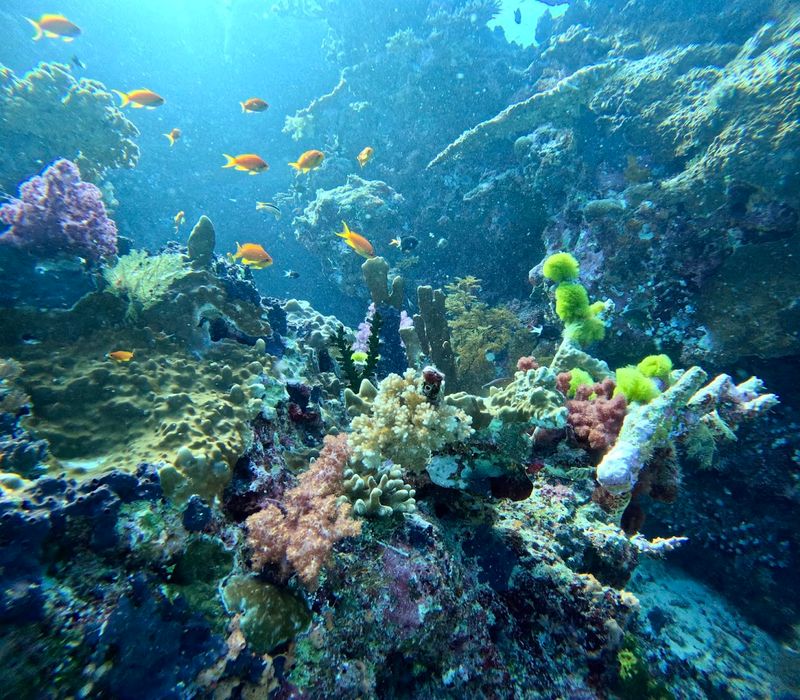
Soft corals don’t get nearly enough credit, but Rainbow Reef in Fiji is here to change that opinion permanently. Nicknamed the “Soft Coral Capital of the World,” this reef sits in the Somosomo Strait between the islands of Taveuni and Vanua Levu, and the colors it produces are almost too vivid to be real.
Massive formations of pink, orange, purple, and red soft corals sway gently in the current while clownfish dart in and out of anemones and lionfish hover dramatically nearby. The warm, clear water stays comfortable year-round, hovering around 26–28 degrees Celsius, which means there’s genuinely never a bad time to visit.
Visibility regularly hits 30 meters on calm days.
The reef is accessible from Taveuni Island, often called Fiji’s “Garden Island,” which adds a lush, tropical backdrop to an already stunning trip. Snorkeling tours depart regularly from local operators, and the reef’s shallower sections — particularly the famous White Wall area — are well within reach for snorkelers without diving experience.
Fiji’s warm hospitality on land pairs perfectly with the spectacular welcome the ocean provides underwater. Rainbow Reef is one of those places that genuinely exceeds even the highest expectations.
Hanauma Bay – Hawaii, USA
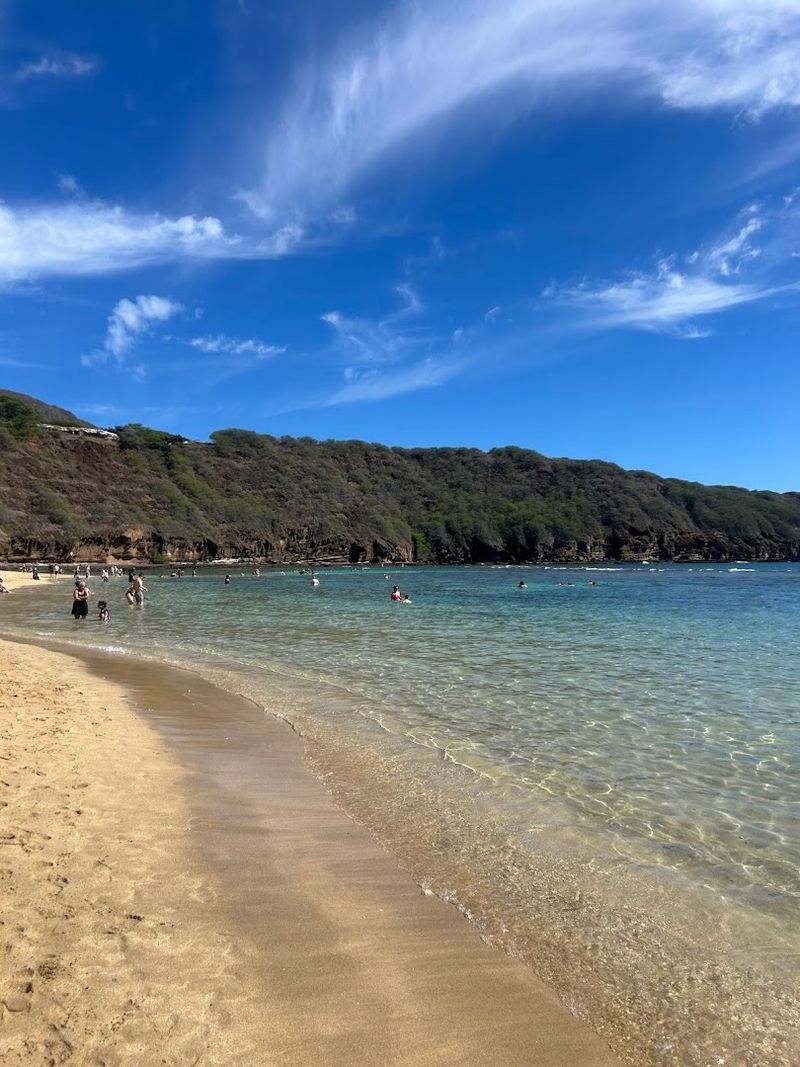
Formed inside an ancient volcanic crater on the southeast coast of Oahu, Hanauma Bay is one of the most photographed and visited snorkeling spots in the United States — and the views from the rim looking down at the crescent-shaped bay explain exactly why. The ocean managed to break through the crater wall thousands of years ago, flooding it with seawater and creating a naturally sheltered lagoon.
Over 400 species of fish call this bay home, including Hawaii’s state fish — the hilariously long-named humuhumunukunukuapuaa. Green sea turtles rest on the sandy bottom, butterflyfish cruise the coral heads, and convict tangs move in tight, synchronized schools.
The shallow inner reef is calm enough for total beginners, while the outer reef offers more exciting terrain for stronger swimmers.
Hanauma Bay operates as a protected nature reserve, and visitors are required to watch a short conservation video before entering the water — a small but meaningful step that helps protect the reef. Entry numbers are capped daily, so booking a reservation in advance is highly recommended.
Early morning visits reward snorkelers with calmer water and more active fish behavior. Hanauma Bay proves that world-class snorkeling doesn’t always require traveling to a remote island.
Red Sea Reefs – Egypt
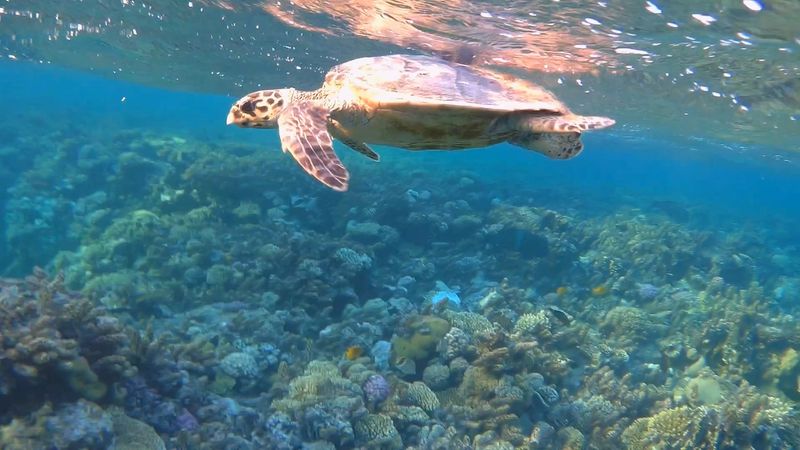
The Red Sea has a superpower that most oceans can only dream about — visibility that regularly stretches 30 meters or more, turning every snorkeling session into an almost cinematic experience. Egypt’s stretch of this extraordinary sea, particularly around Sharm el-Sheikh and Hurghada, offers some of the most accessible and affordable reef snorkeling in the world.
Ras Mohammed National Park, located at the southern tip of the Sinai Peninsula, is the crown jewel. Coral walls covered in sea fans and anthias fish plunge into deep blue water, while hawksbill turtles cruise the shallows and spotted eagle rays glide past with elegant, unhurried confidence.
Dolphins are spotted regularly, and lucky snorkelers occasionally share the water with them.
What makes Egypt’s reefs particularly appealing is the combination of quality and value — accommodation, food, and guided snorkeling trips here cost a fraction of what you’d pay in many other reef destinations. The water stays warm enough for comfortable snorkeling most of the year, with peak conditions running from April through November.
House reefs at many Sharm el-Sheikh hotels are genuinely excellent, meaning even guests who never leave the resort can experience spectacular snorkeling just steps from the beach.
Bora Bora Lagoon – French Polynesia
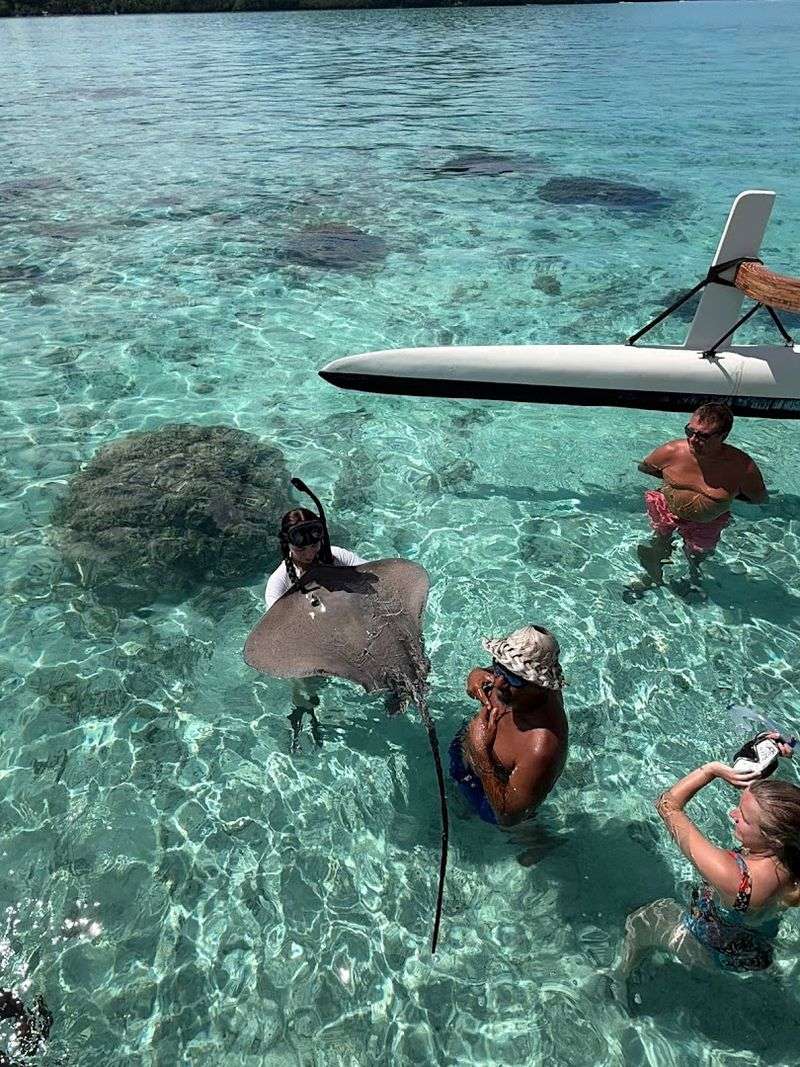
Bora Bora’s reputation as the world’s most romantic island barely scratches the surface of what this place actually offers — because beneath that turquoise lagoon lies a snorkeling experience that rivals anything on this list. The lagoon is protected by a barrier reef, creating a giant, calm, warm swimming pool absolutely loaded with marine life.
Blacktip reef sharks are everywhere here, gliding through the shallows with total confidence. Lemon sharks rest motionless on the sandy bottom.
Southern stingrays flap lazily past snorkelers, and the sheer number of fish species packed into the lagoon is staggering. Guided snorkeling tours often include stops where rays and sharks are so accustomed to humans they’ll brush right past your fins.
The setting makes the whole thing almost absurdly beautiful — volcanic peaks rise dramatically from the center of the island, overwater bungalows dot the lagoon’s edge, and the water shifts through every shade of blue and green imaginable. Visibility is consistently excellent, and the water temperature rarely drops below 26 degrees Celsius.
Snorkeling in Bora Bora isn’t just an activity; it’s a full sensory experience that combines spectacular marine life with scenery so gorgeous it barely feels real.
Komodo National Park – Indonesia
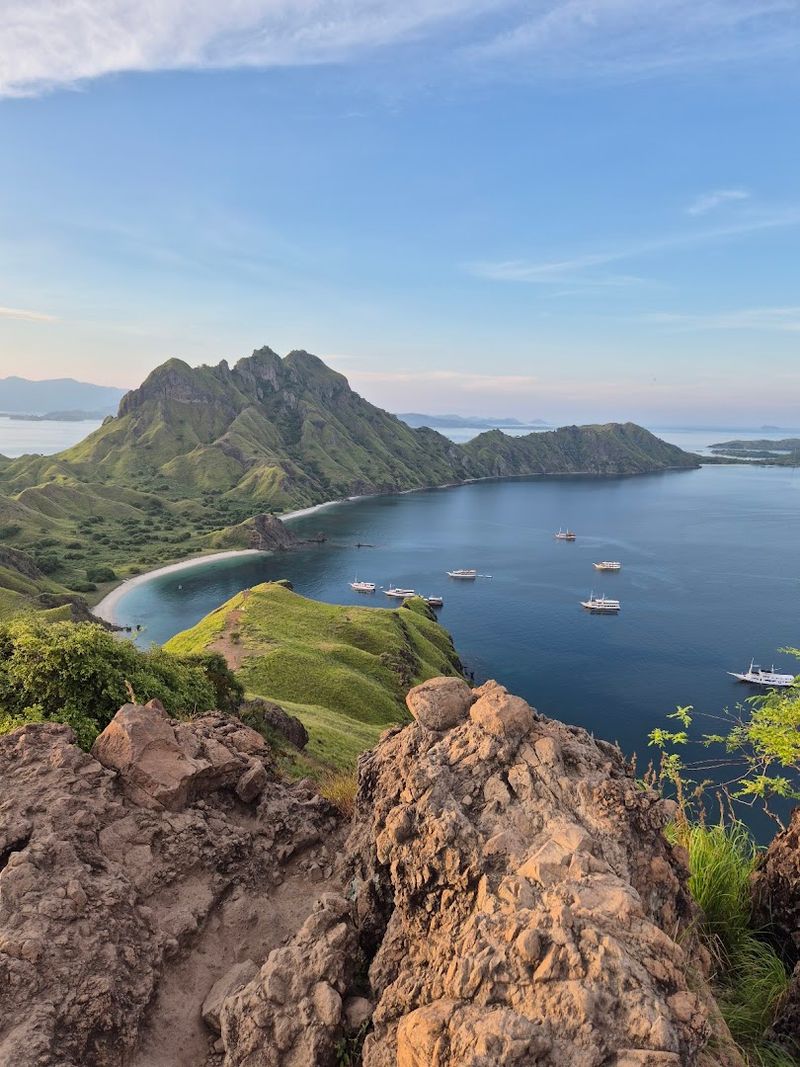
Most people visit Komodo National Park hoping to spot the world’s largest lizard — and yes, the dragons are spectacular — but serious snorkelers know the real show is happening underwater. The nutrient-rich currents that sweep through this UNESCO World Heritage Site fuel one of the most dynamic and densely packed reef ecosystems in Southeast Asia.
Manta rays are the undisputed stars of Komodo’s underwater world. Manta Point is a world-famous cleaning station where these enormous, graceful creatures circle in the current while small fish pick parasites from their skin.
Watching a five-meter manta glide past at arm’s length is the kind of moment that rewires your brain permanently.
Over 1,000 fish species and 260 coral species have been recorded within the park. Pygmy seahorses hide in sea fans, turtles graze on seagrass beds, and colorful nudibranchs — tiny, wildly patterned sea slugs — decorate every rock surface.
The currents here can be strong, making some spots better suited to experienced snorkelers, but calmer areas like Kanawa Island and Pink Beach offer gentler conditions for beginners. Komodo’s combination of dramatic scenery, incredible biodiversity, and the occasional dragon sighting makes it one of the most memorable snorkeling trips imaginable.
Cocos Island – Costa Rica
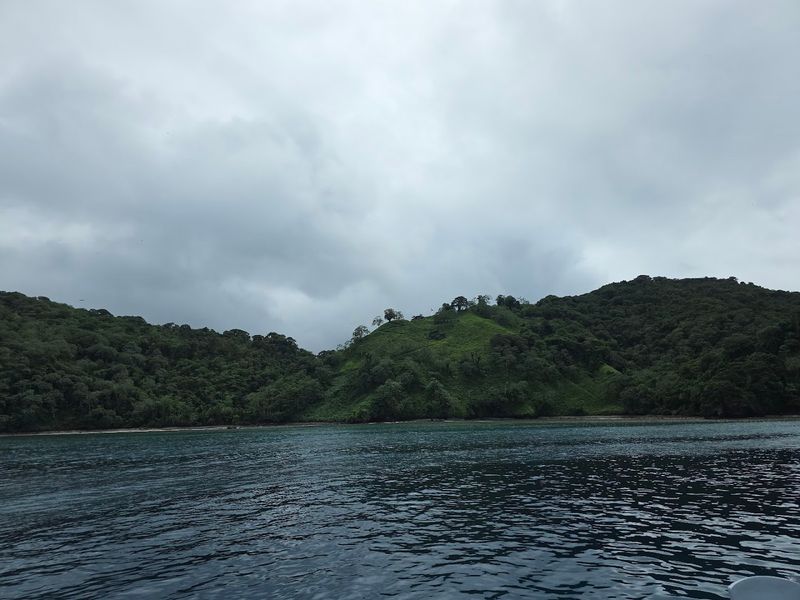
Getting to Cocos Island requires a 36-hour boat ride from mainland Costa Rica — and that logistical challenge is basically a feature, not a bug. That long journey is precisely why Cocos Island’s waters remain some of the most pristine and wildlife-rich in the entire Pacific Ocean.
When you make it harder to reach a place, nature thrives.
This remote UNESCO World Heritage Site sits about 550 kilometers southwest of Costa Rica and is surrounded by deep, nutrient-rich Pacific water that attracts pelagic species in staggering numbers. Scalloped hammerhead sharks gather in schools of hundreds.
Whale sharks cruise the surface. Bottlenose dolphins race through the water with infectious energy, and giant manta rays perform slow, elegant barrel rolls near the surface.
While Cocos is primarily known as a world-class diving destination, snorkelers on liveaboard trips can still witness extraordinary marine encounters, particularly with dolphins, rays, and sharks near the surface. The island itself is uninhabited and protected, covered in dense rainforest that cascades down cliffs into the sea.
Every trip here is genuinely expedition-level, and the reward matches the effort completely. Cocos Island is the kind of destination that serious ocean lovers put at the very top of their bucket lists and never regret visiting.
Funafuti Atoll – Tuvalu
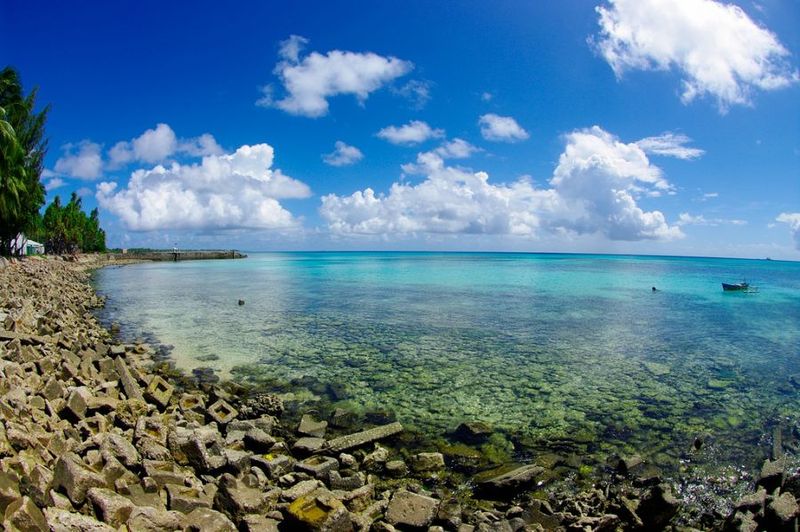
Tuvalu is one of the least-visited countries on Earth, and Funafuti Atoll might just be the world’s best-kept snorkeling secret. This remote coral atoll sits in the central Pacific, halfway between Hawaii and Australia, and receives only a few thousand visitors per year — a number that keeps its reefs in remarkable condition.
The Funafuti Conservation Area protects a stretch of ocean that includes pristine coral gardens, seagrass beds, and open lagoon waters teeming with life. Green turtles nest on the outer islands, reef sharks patrol the drop-offs, and the coral coverage here would make marine biologists emotional.
The water is warm, clear, and impossibly blue in that way that only truly remote Pacific locations manage.
Because Tuvalu sits low in the ocean — most of the country is less than two meters above sea level — it faces serious threats from rising sea levels, which makes visiting feel both magical and poignant. Locals are incredibly welcoming, and the experience of snorkeling in a place this untouched and undervisited carries a quiet power that more famous destinations simply can’t replicate.
Funafuti rewards adventurous travelers with an authenticity and ecological richness that’s becoming increasingly rare in today’s world of over-touristed reefs.
Roatán Reef – Honduras
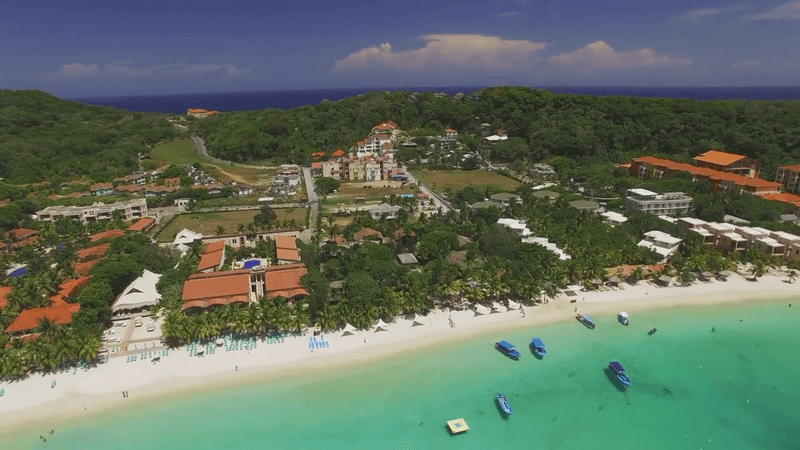
Roatán sits on the Mesoamerican Barrier Reef — the second-largest reef system in the world — and West Bay Beach serves up some of the most effortlessly accessible reef snorkeling in the entire Caribbean. You can walk into the water from the beach, put your face down, and immediately be surrounded by healthy coral and fish.
No boat, no guide, no fuss.
Brain corals the size of small cars rise from the sandy bottom. Spotted eagle rays glide past.
Sergeant major fish hover in curious clouds around snorkelers, and the occasional green turtle floats by with that characteristic air of total indifference. The reef here is remarkably healthy for a Caribbean destination, partly due to active conservation efforts by local organizations.
Roatán is also incredibly affordable compared to many reef destinations, with budget-friendly accommodation, cheap snorkeling gear rentals, and local dive operators offering guided trips at very reasonable prices. The island has a laid-back, welcoming vibe that makes it popular with backpackers and families alike.
Snorkeling at Sandy Bay and Half Moon Bay offers slightly quieter alternatives to the busier West Bay stretch. Honduras doesn’t always make the top of people’s snorkeling shortlists, but anyone who’s been to Roatán will tell you it absolutely should.
Cabo Pulmo Reef – Mexico
Cabo Pulmo is one of the greatest conservation comeback stories the ocean has ever produced. In the 1990s, decades of overfishing had stripped this reef almost completely bare — locals described it as an underwater desert.
Then the fishing families of Cabo Pulmo did something remarkable: they stopped fishing entirely and pushed for full marine protection in 1995.
The results were staggering. Within a decade, fish biomass increased by over 460 percent — one of the fastest reef recoveries ever documented by scientists.
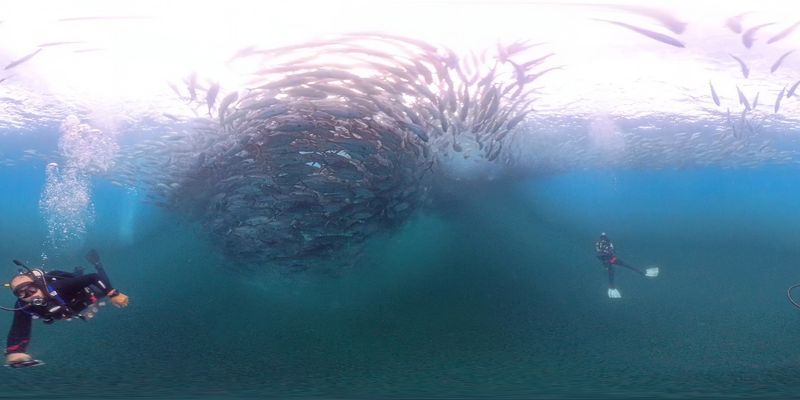
Today, Cabo Pulmo National Park in Mexico’s Sea of Cortez teems with life in a way that seems almost impossible given its recent history. Massive schools of bigeye jacks form swirling tornadoes around snorkelers, bull sharks cruise through with casual authority, and sea lions zip past at playful speed.
The reef itself is the northernmost coral reef on North America’s Pacific coast, built primarily by hard corals and home to over 875 marine species. The water in the Sea of Cortez is famously rich in nutrients — Jacques Cousteau once called it the “aquarium of the world” — and Cabo Pulmo sits right in the middle of that abundance.
Visiting here feels like witnessing a miracle in real time, proof that the ocean can heal itself when humans simply step back and let it breathe.



