
When it comes to taking care of its citizens, a country’s healthcare budget says a lot about its priorities. Some nations pour thousands of dollars per person into hospitals, doctors, and medicine every single year.
The gap between the biggest spenders and the rest of the world is surprisingly large. Get ready to explore which countries are leading the charge and what makes their systems so expensive.
United States

No country on Earth spends more money on healthcare per person than the United States, and the numbers are jaw-dropping. In recent years, the U.S. has spent over $12,000 per person annually on healthcare.
That is nearly double what most other wealthy nations spend.
A big reason for the sky-high costs is the price of prescription drugs. American pharmaceutical companies can charge far more than companies in other countries because there are fewer government price controls.
Hospital stays, surgeries, and specialist visits also come with enormous price tags.
Administrative costs are another huge factor. American hospitals employ armies of billing specialists just to handle insurance paperwork.
Labor costs for doctors and nurses are also among the highest in the world. Despite spending so much, the U.S. does not always rank first in health outcomes, which has sparked a national debate about where all that money actually goes.
The system is a complex mix of private insurance, employer plans, and government programs like Medicare and Medicaid.
Switzerland
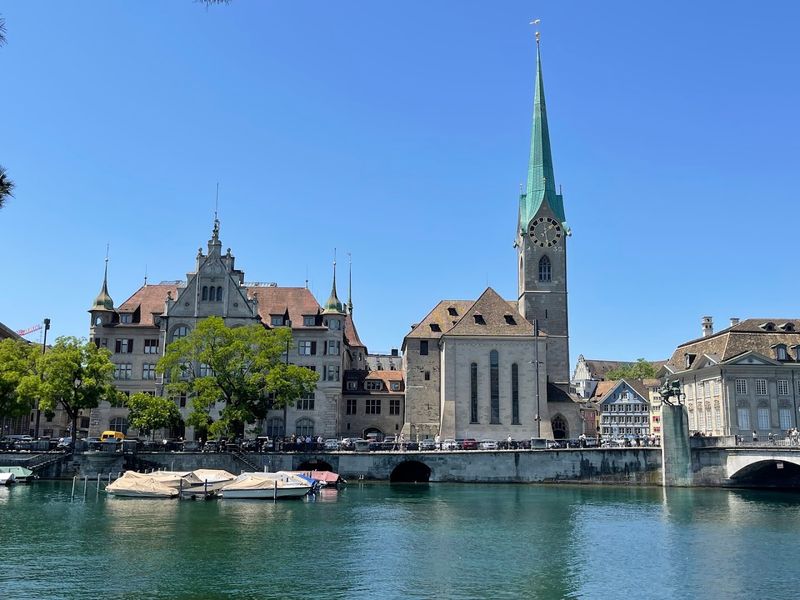
Switzerland runs one of the most expensive healthcare systems in the world, and its residents feel it every month in their insurance premiums. Every Swiss resident is legally required to buy private health insurance, which keeps the system well-funded but also costly.
Annual per-person spending regularly exceeds $9,000.
The quality of care, however, is genuinely outstanding. Swiss hospitals are equipped with cutting-edge technology, and wait times for specialist appointments are much shorter than in many other countries.
Patients have a wide choice of doctors and hospitals, giving them real control over their care.
Switzerland also invests heavily in medical research and pharmaceutical development. The country is home to some of the world’s largest drug companies, including Novartis and Roche.
This connection between industry and healthcare drives innovation but also keeps prices high. The government provides subsidies to lower-income residents so that no one is completely priced out of coverage.
Overall, the Swiss model is admired globally as a well-organized, high-quality system, even if it does require citizens to open their wallets wider than almost anywhere else on the planet.
Norway

Norway sits comfortably near the top of global healthcare spending charts, backed by one of the most generous welfare states in the world. With oil wealth funding a massive national savings fund, the Norwegian government can afford to invest heavily in public services, including healthcare.
Per-person spending hovers around $7,500 to $8,000 per year.
The system is largely publicly funded through taxes, meaning most Norwegians pay very little out of pocket when they visit a doctor or hospital. Universal coverage is a core principle, so no resident is left without access to basic medical care.
Preventive health programs are especially well-developed, helping catch problems before they become expensive emergencies.
Norway consistently scores high in global rankings for life expectancy and overall population health. Rural and remote communities, which are plentiful in Norway’s rugged landscape, receive special attention to ensure equal access.
The country also invests in mental health services, which are often underfunded elsewhere. While high wages for healthcare workers push costs upward, Norwegians generally express strong satisfaction with their system.
It is a model that many countries admire but struggle to replicate without Norway’s unique financial advantages.
Germany

Germany has been running a formal health insurance system since 1883, making it one of the oldest in the world. Chancellor Otto von Bismarck introduced it, and the country has been refining it ever since.
Today, Germany spends roughly $7,000 per person each year on healthcare.
The system is built on a dual structure of statutory public insurance and optional private insurance. About 90 percent of Germans use public insurance funds called Krankenkassen, while wealthier individuals can opt for private plans.
Both paths deliver high-quality care, though the private route often comes with faster appointment times and a few extra perks.
Germany boasts a dense network of hospitals and clinics spread across the country, ensuring that most residents live close to quality medical facilities. Specialist access is straightforward, and the country is a global leader in medical technology and pharmaceutical research.
Administrative costs are lower than in the U.S. because the system is more standardized. An aging population is one of the biggest financial pressures the system faces, driving up spending on long-term care and chronic disease management.
Germany continues to adapt its century-old framework to meet modern healthcare challenges head-on.
Netherlands
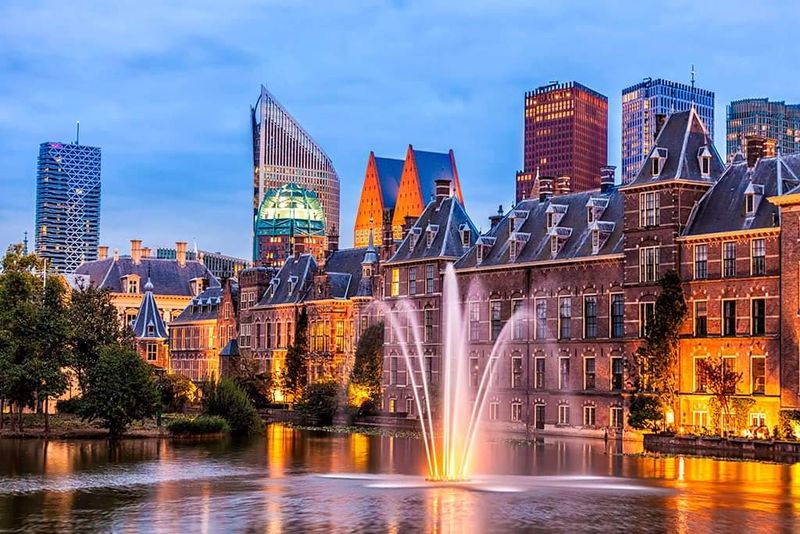
The Netherlands pulls off a neat trick in healthcare: it uses regulated private insurance companies to deliver what feels like a universal public system. Every Dutch resident must buy basic health insurance from approved private providers, and the government keeps a close eye on pricing and quality.
Per-person spending sits around $6,500 annually.
Competition between insurers is encouraged, which helps keep quality high and pushes companies to innovate. At the same time, the government sets strict rules about what must be covered, so no insurer can offer a truly bare-bones plan.
Low-income residents receive government subsidies to help cover their premiums.
The Dutch system consistently earns top marks in European healthcare rankings, particularly for patient-centered care and access to specialists. Family doctors, called huisartsen, play a central role as gatekeepers, directing patients to the right specialists efficiently.
The Netherlands also invests strongly in mental health services and long-term elderly care. Pharmaceutical costs have been rising, putting pressure on the system, but the government actively negotiates drug prices to keep spending manageable.
The blend of market competition and strong regulation makes the Netherlands a fascinating case study for countries looking to reform their own healthcare models.
Austria
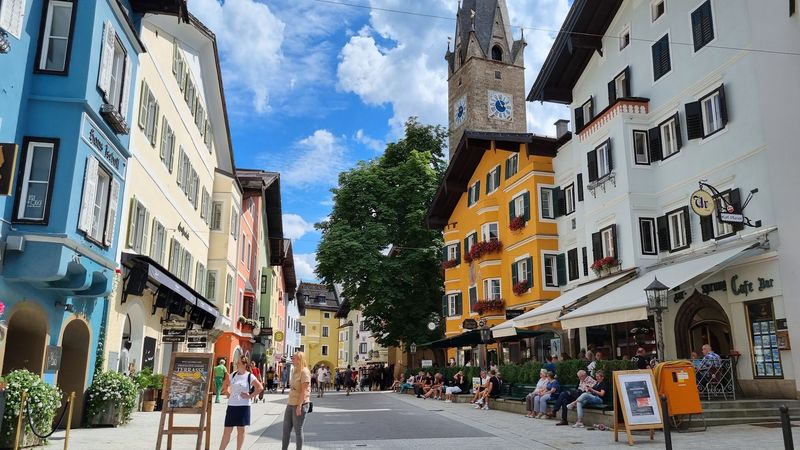
Austria quietly delivers one of Europe’s most comprehensive healthcare systems, yet it rarely gets the attention it deserves in global health discussions. Nearly all residents are covered through mandatory social health insurance, funded by contributions from both employees and employers.
Annual per-person spending lands around $6,200.
The hospital network in Austria is impressively dense, with a high number of hospital beds per capita compared to most other European nations. Patients can access specialists relatively easily, and the quality of surgical and diagnostic care is consistently high.
Emergency services are well-organized and reliably fast across both urban and rural areas.
Austria also maintains strong pharmaceutical access, with most medications covered at low cost to patients. The government has been working to shift some care away from expensive hospital settings toward outpatient clinics and general practitioners, aiming to use resources more efficiently.
An aging population, similar to many European countries, is increasing demand for long-term and geriatric care services. Austria invests in medical education and research, helping to keep its workforce skilled and up to date.
Residents generally report high satisfaction with the system, appreciating both the breadth of coverage and the relatively low out-of-pocket costs they face at the point of care.
Luxembourg

Luxembourg is tiny, home to fewer than 700,000 people, but it spends big on healthcare. As one of the richest countries in the world by income per capita, Luxembourg channels significant resources into its public health system.
Per-person healthcare spending regularly tops $6,000 and often climbs higher.
The national health fund, known as the CNS, covers the vast majority of residents and provides broad access to doctors, hospitals, and prescription medications. Patients pay small co-payments for most services, but the bulk of costs are covered by the state.
The system is funded through a combination of worker and employer contributions, plus government top-ups.
Luxembourg’s small size actually works in its favor when it comes to healthcare coordination. It is easier to manage a unified system when the population fits inside a single small country.
However, the nation does face the challenge of a large cross-border workforce, with many people commuting from France, Germany, and Belgium. This creates some complexity in managing who is covered and how.
Luxembourg has responded by building strong bilateral agreements with its neighbors. Overall, residents enjoy excellent access to modern medical facilities and consistently rank among Europe’s healthiest and longest-lived populations.
Sweden
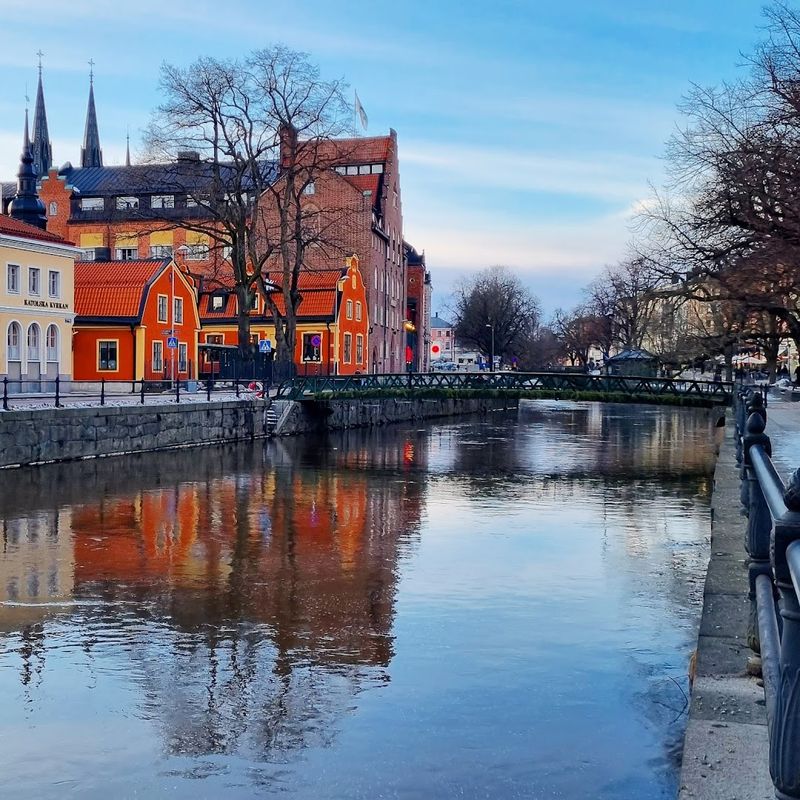
Sweden takes a no-nonsense approach to healthcare: fund it through taxes, make it available to everyone, and focus hard on keeping people healthy in the first place. The result is a system that Swedes largely trust and rely on, with per-person spending around $6,000 per year.
Regional councils, called regions, are responsible for delivering most healthcare services across the country. This decentralized model means that the quality and speed of care can vary depending on where you live, which is one of the main criticisms the system faces.
Urban areas like Stockholm and Gothenburg tend to have more resources and shorter wait times.
Preventive medicine is a genuine priority in Sweden. The country invests in public health campaigns, screening programs, and wellness initiatives that help reduce the burden of chronic disease over time.
Digital health tools have also been embraced enthusiastically, with many Swedes booking appointments, viewing test results, and consulting doctors online. Mental health services have expanded significantly in recent years, addressing a growing area of need.
Sweden’s healthcare workforce is well-trained and well-paid, which keeps quality high but also pushes costs upward. The system is constantly evolving to balance efficiency, equity, and the demands of a changing population.
Ireland

Ireland’s rise up the healthcare spending rankings has been rapid and remarkable. Once considered a relatively modest spender, Ireland has transformed into one of Europe’s biggest healthcare investors per capita, spending roughly $5,800 per person annually.
A booming economy powered by multinational tech and pharmaceutical companies has given the government far more to spend.
The Irish system is a hybrid of public and private care. Public hospitals are funded by the state and free at the point of use for most residents, while a large private sector runs alongside it.
Many Irish people hold private health insurance to jump the queues that can form in the public system, particularly for elective procedures.
Ireland has faced well-publicized challenges with hospital overcrowding and long waiting lists for certain treatments. The government has responded with major capital investment in new hospitals, expanded capacity, and a push toward universal healthcare coverage called Slaintecare.
This long-term reform plan aims to reduce the two-tier nature of the current system. Ireland also benefits from a young, growing population, which helps offset some of the costs associated with aging demographics elsewhere.
The country’s trajectory in healthcare investment shows no signs of slowing down anytime soon.
Belgium

Belgium packs an extraordinary number of hospitals and healthcare providers into a relatively small country, and its residents benefit enormously from that density. Compulsory health insurance covers nearly the entire population, with costs split between employees, employers, and the government.
Annual per-person spending sits comfortably around $5,700.
Belgians have exceptional freedom of choice in their healthcare. Patients can visit almost any doctor or specialist without a formal referral, which is unusual compared to many other European systems.
This freedom is popular with patients but can also lead to higher overall costs as people seek multiple opinions or consultations.
The quality of care in Belgium is consistently high, with excellent outcomes for major conditions like heart disease and cancer. The country is also a significant hub for pharmaceutical research and development, which feeds into its strong medical infrastructure.
Belgium’s complex political structure, divided between Dutch-speaking Flanders, French-speaking Wallonia, and bilingual Brussels, does create some administrative challenges in healthcare governance. Coordinating policy across regional governments adds layers of complexity.
Despite this, the system manages to deliver broad, reliable coverage. Out-of-pocket costs for patients are kept relatively low, and safety nets exist to protect the most vulnerable members of society from financial hardship due to medical bills.
Australia

Medicare, Australia’s universal public health system, has been a national institution since 1984, and Australians are fiercely proud of it. Funded by a small income tax levy, Medicare gives every resident access to free or subsidized doctor visits, hospital care, and essential medications.
Per-person spending on healthcare runs around $5,600 per year.
A large private health insurance sector runs alongside Medicare, encouraged by government incentives and tax penalties for higher earners who do not take out private cover. This dual system means that wealthier Australians often access private hospitals with shorter waits and more comfort, while the public system handles the bulk of emergency and essential care.
Australia faces unique healthcare challenges tied to its geography. The country is vast, and delivering quality care to remote and rural communities, particularly Indigenous communities, requires significant extra investment.
The government funds programs specifically aimed at improving health outcomes in these underserved areas. Pharmaceutical costs are managed through the Pharmaceutical Benefits Scheme, which negotiates bulk prices on medications, keeping drugs affordable for patients.
An aging population is increasing demand for aged care services, a sector that has faced intense scrutiny and reform in recent years. Australia’s system is widely respected internationally as a strong example of universal coverage done well.
France

France has long been celebrated as home to one of the finest healthcare systems on the planet, and the World Health Organization famously ranked it number one back in 2000. That reputation has been carefully maintained through decades of investment and policy refinement.
Per-person spending hovers around $5,500 annually.
The French system is built on statutory health insurance that covers most of the population automatically. The state picks up a large share of medical costs, and most people also hold supplementary private insurance called mutuelle to cover the remainder.
Out-of-pocket costs for patients are generally low, making care accessible across income levels.
France is particularly strong in primary care, with a dense network of general practitioners serving as the first point of contact for most health concerns. Hospital care is also excellent, with both public and private hospitals operating at high standards.
The country invests heavily in medical education, producing a steady stream of skilled doctors and nurses. Pharmaceutical access is broad, with the government negotiating favorable prices on a wide range of drugs.
France does face pressures from an aging population and rising chronic disease rates, which are pushing spending higher. Efforts to modernize digital health infrastructure are currently underway to improve efficiency and patient experience.
Canada

Ask a Canadian what they are proud of, and universal healthcare will almost certainly come up within the first few answers. Canada’s publicly funded system, often called Medicare, guarantees hospital and physician services to all residents regardless of income.
Annual per-person spending lands around $5,400.
Healthcare in Canada is administered by each province and territory individually, which means the system looks slightly different depending on where you live. Some provinces offer broader coverage than others, particularly for dental, vision, and prescription drug costs.
This patchwork approach has been a source of ongoing debate about fairness and consistency across the country.
Wait times for certain specialist appointments and elective procedures are a well-known frustration for Canadians. The country has fewer doctors and hospital beds per capita than many comparable nations, which contributes to the backlog.
The federal government has been investing in reducing these gaps, including a push toward a national pharmacare program that would cover prescription drugs for all Canadians. An aging population is the single biggest financial pressure on the system, driving up demand for long-term care and complex chronic disease management.
Despite its imperfections, Canada’s system remains deeply popular and is seen as a fundamental part of the country’s social fabric.
Denmark
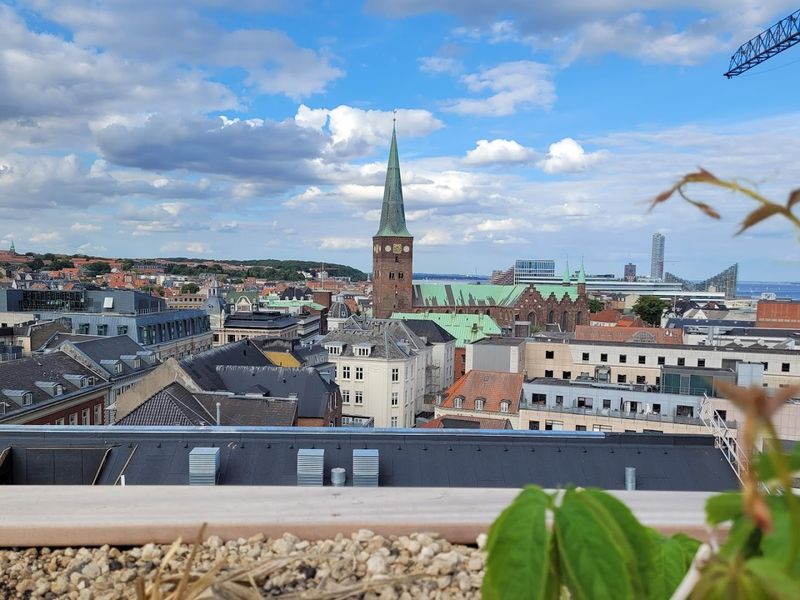
Denmark runs a healthcare system that would make a minimalist proud: clean, efficient, tax-funded, and built on the principle that everyone deserves equal access. Funded almost entirely through income taxes, the system provides free care at the point of use for all residents.
Per-person spending comes in around $5,300 per year.
Denmark has been a global leader in adopting digital health tools. The country operates one of the world’s most advanced health IT systems, allowing patients to access their medical records, book appointments, and communicate with doctors entirely online.
This digital-first approach has improved efficiency and reduced paperwork significantly across the healthcare sector.
Preventive care and public health programs receive strong funding, reflecting a long-term view that keeping people healthy is cheaper than treating them once they are sick. Denmark has made notable progress in reducing smoking rates, improving diet, and promoting physical activity at a national level.
Regional authorities manage most hospital services, which can create some variation in care quality between areas. The country has been consolidating hospitals into larger, more specialized centers to improve outcomes and reduce duplication.
Mental health services have been expanded in response to growing demand. Denmark’s system is frequently cited as a model of how strong civic investment in health can produce excellent outcomes for an entire population.
Iceland

Iceland may have fewer than 400,000 people, but it punches well above its weight in healthcare spending and health outcomes. The country consistently ranks among the world’s healthiest nations, with some of the longest life expectancies on the planet.
Per-person healthcare spending sits around $5,200 annually.
The Icelandic system is publicly funded through taxes and managed centrally, which is practical given the country’s small size. Most residents live in or near the capital, Reykjavik, where the main hospital and specialist services are concentrated.
Reaching those services from remote fishing villages or rural farms can be a challenge, and the government maintains air ambulance and telemedicine services to bridge those gaps.
Iceland has a strong tradition of preventive medicine and population-level health research. The country’s small, genetically homogeneous population has made it a goldmine for medical research, with companies like deCODE Genetics using Icelandic DNA data to unlock insights into hereditary diseases.
This research culture feeds back into the healthcare system, keeping it connected to the latest scientific advances. Mental health awareness has grown significantly in recent years, with increased investment in services.
Iceland also benefits from a clean environment, active outdoor lifestyle, and strong social support networks, all of which contribute to the impressive health statistics that the country regularly reports to the world.
Share this story