Some places on Earth are so stunning they almost seem too good to be real. Whether it’s a mountain that glows at sunrise, a coastline that stretches forever, or a forest so thick you can barely see the sky, our planet has no shortage of jaw-dropping scenery.
These 15 countries rise above the rest when it comes to sheer natural and cultural beauty. Pack your curiosity and get ready to explore some of the most extraordinary places on Earth.
New Zealand
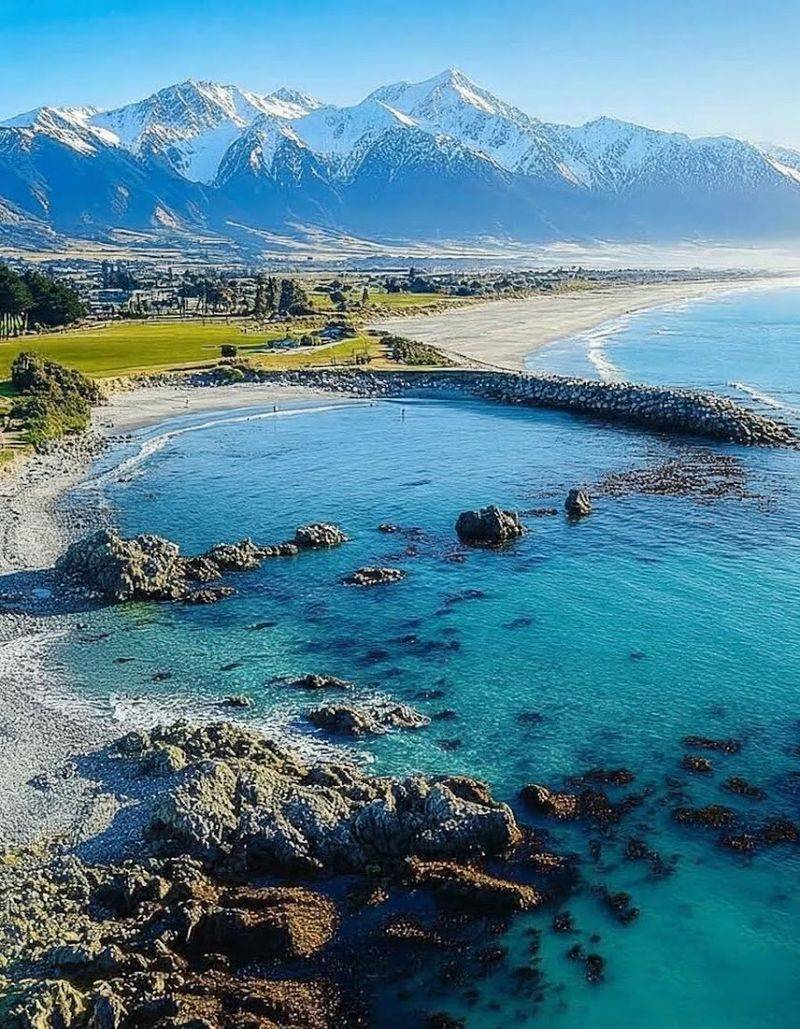
Standing at the edge of Milford Sound, even the most seasoned traveler tends to go completely silent. New Zealand has that effect on people.
Crammed into two main islands are snow-capped mountains, ancient glaciers, black-sand beaches, active volcanoes, and rolling green hills that look almost too perfect.
The South Island alone could fill an entire travel bucket list. Fiordland National Park is a UNESCO World Heritage Site, and it earns that title every single day.
Queenstown, nicknamed the adventure capital of the world, sits beside a glittering lake with the Remarkables mountain range as its backdrop.
The North Island brings its own magic with geothermal pools, bubbling mud, and the sacred volcanic peaks of Tongariro. Hobbiton, the real-life movie set from The Lord of the Rings, reminds visitors why filmmakers chose New Zealand to represent a fantasy paradise.
With around 30 percent of the country protected as national parks, nature here is genuinely wild and wonderfully preserved. New Zealand is small in size but absolutely enormous in beauty.
Norway
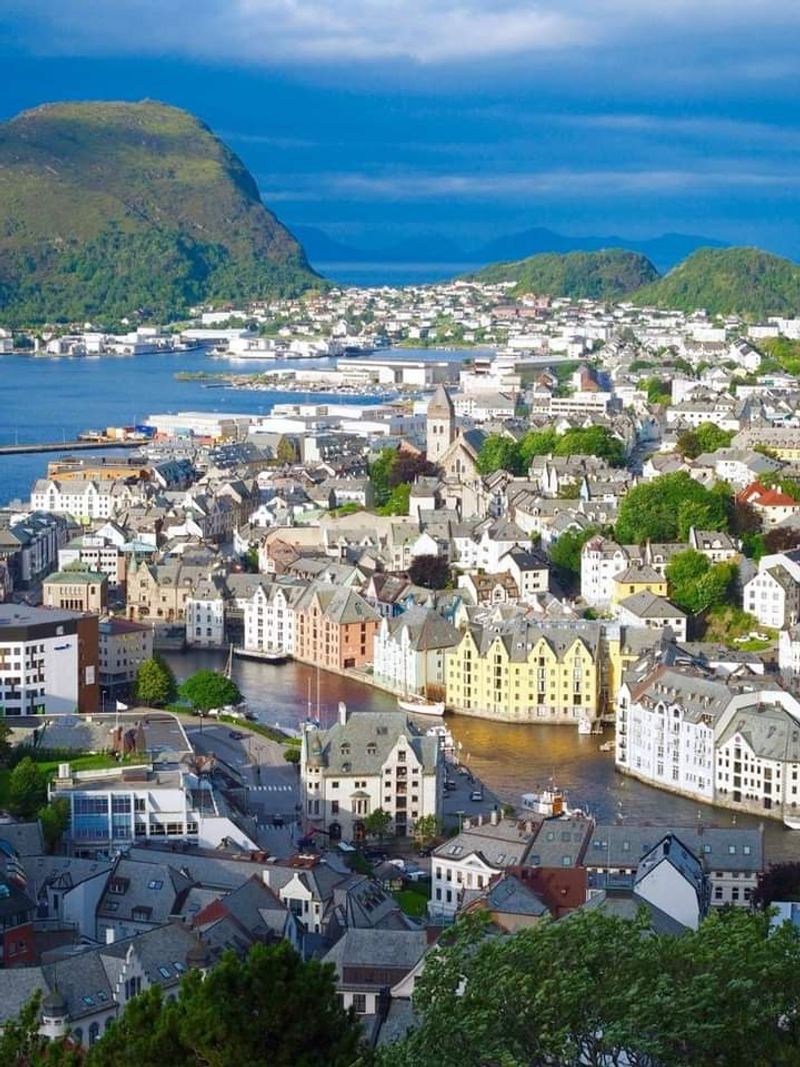
Norway plays by its own rules. Where else can you watch the northern lights shimmer overhead in winter, then return in summer to find the sun still blazing at midnight?
This Scandinavian country rewrites the definition of dramatic scenery with every season.
The fjords are Norway’s crown jewels. Geirangerfjord and Nærøyfjord are both UNESCO-listed, carved out by glaciers over millions of years into something that looks almost sculpted by hand.
Waterfalls like the Seven Sisters and Langfossen plunge hundreds of meters into the water below, creating scenes straight out of a nature documentary.
Beyond the fjords, the Lofoten Islands offer colorful fishing villages perched on rocky outcrops above the Arctic Ocean, while the Trolltunga rock formation rewards brave hikers with one of the most iconic views in Europe. Norway also takes environmental protection seriously, making it one of the most sustainably managed countries on Earth.
Whether you arrive by cruise ship, kayak, or hiking boot, Norway has a way of making the natural world feel both overwhelming and deeply personal at the same time.
Italy
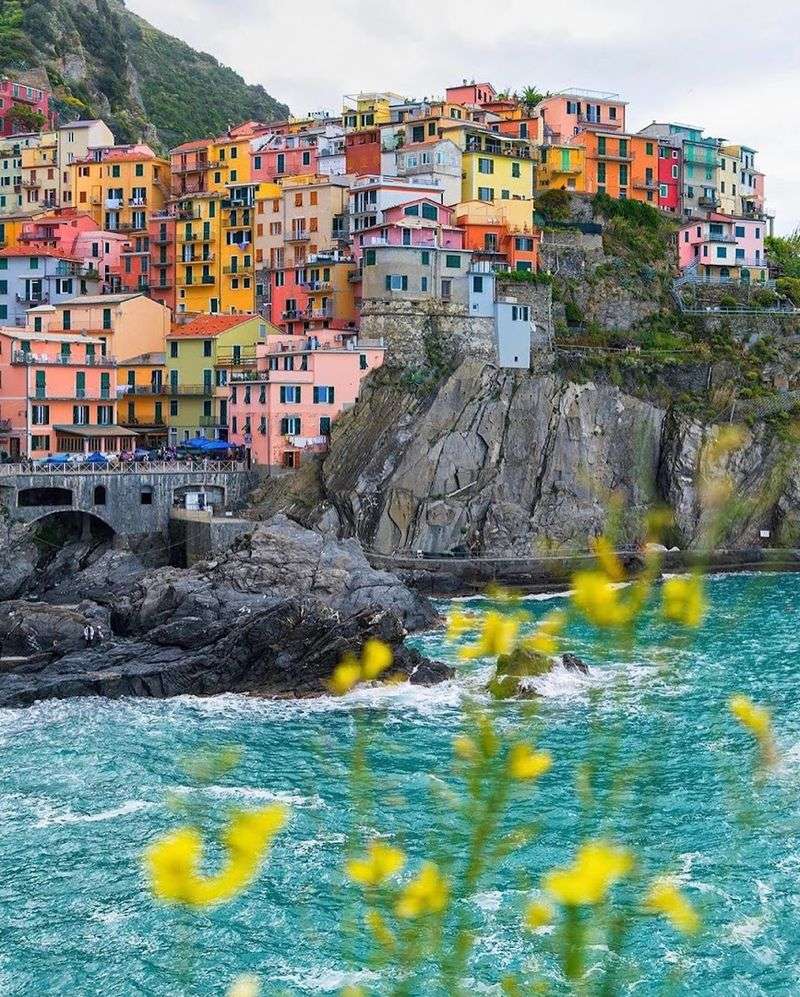
Italy has been stealing hearts for centuries, and honestly, it shows no signs of stopping. Few countries manage to blend breathtaking nature with world-class art, architecture, and food all in one place.
From north to south, every region feels like a completely different country.
The Amalfi Coast is a sun-drenched stretch of cliffside villages, lemon groves, and impossibly blue water that consistently ranks among the world’s most beautiful coastlines. Tuscany offers something softer, with golden hillsides, cypress tree avenues, and medieval hilltop towns that look like oil paintings come to life.
Then there are the Dolomites, those jagged limestone peaks in the northeast that turn pink at sunset in a phenomenon locals call enrosadira.
Venice floats on a lagoon like it defied every rule of city planning just to prove a point. The ruins of Pompeii, the temples of Sicily, and the trulli of Puglia add layers of history that make every walk feel like a journey through time.
Italy is not just a destination; it is a full sensory experience. The beauty here is layered, loud, and completely irresistible.
Switzerland
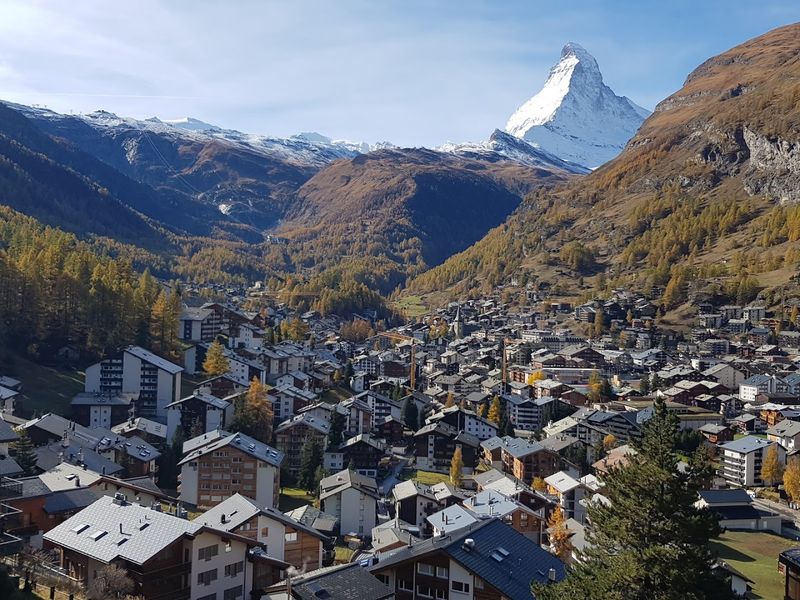
Switzerland looks like someone turned a postcard into a country. The Alpine peaks, mirror-still lakes, and flower-covered meadows create a landscape so consistently gorgeous it almost feels unfair to the rest of Europe.
And yet, Switzerland delivers this scenery with remarkable reliability, season after season.
The Matterhorn, rising near the town of Zermatt, is one of the most recognized mountain silhouettes on Earth. Lake Geneva, Lake Lucerne, and Lake Zurich each offer their own shade of blue-green perfection, surrounded by vineyards, castles, and charming lakeside towns.
The Jungfrau region takes things to another level with the famous Eiger, Monch, and Jungfrau peaks towering above villages that look frozen in time.
Switzerland’s scenic train routes, including the Glacier Express and Bernina Express, are considered among the most beautiful rail journeys in the world. Even the country’s smaller details impress, from tidy alpine villages with flower-box windows to ancient covered bridges and centuries-old monasteries.
Switzerland does not need to try hard to impress. The landscape does all the talking, and it speaks in a language everyone understands immediately.
Iceland
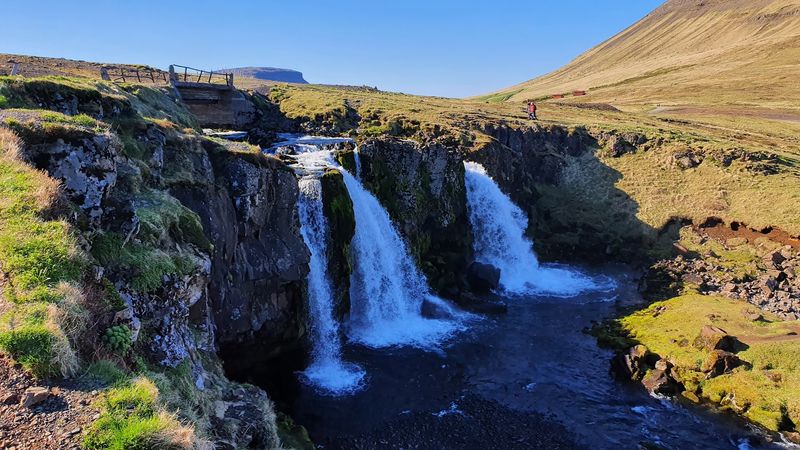
Iceland is the planet showing off. Nowhere else on Earth can you stand between two tectonic plates, watch a geyser shoot boiling water thirty meters into the air, and then go soak in a geothermal hot spring before lunch.
This island nation in the North Atlantic operates on its own geological schedule.
The Golden Circle route alone covers Thingvellir National Park, the Geysir geothermal area, and Gullfoss waterfall, all within a few hours of the capital, Reykjavik. Seljalandsfoss and Skogafoss are two of the most dramatic waterfalls you will ever see, and you can walk behind one of them.
The black sand beaches at Reynisfjara, flanked by towering basalt columns, look like the backdrop for an epic adventure film.
In winter, the northern lights paint the sky in greens and purples above the snow. In summer, the midnight sun keeps everything bathed in golden light around the clock.
Iceland has roughly 130 volcanic mountains, 10,000 waterfalls, and more hot springs than most countries have swimming pools. It is raw, wild, and unlike anywhere else.
Visiting Iceland feels less like a vacation and more like discovering a secret the Earth has been keeping.
Canada
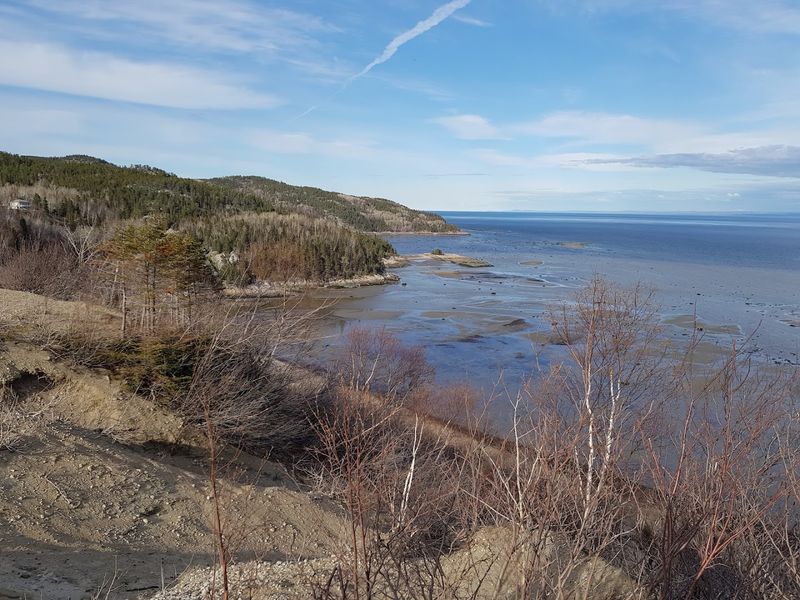
Canada is so large that it contains entire ecosystems most countries could only dream of. Stretching from the Pacific to the Atlantic, and all the way up to the Arctic, it holds about 20 percent of the world’s fresh surface water and some of the last truly untouched wilderness on the planet.
Banff National Park in Alberta is the crown jewel of the Canadian Rockies, home to the almost unnaturally turquoise waters of Lake Louise and Moraine Lake. The color comes from glacial rock flour suspended in the water, and no filter is needed to make it look that spectacular.
Jasper National Park, right next door, offers even wilder scenery with far fewer crowds.
British Columbia’s Pacific coastline, the ancient boreal forests of the Yukon, the tidal bore of the Bay of Fundy, and the wild Atlantic shores of Newfoundland each tell a completely different story. In autumn, Quebec and Ontario’s forests turn into a blazing canvas of red, orange, and gold.
Canada is the kind of place where you can drive for hours and feel like you are the first person to ever see what is in front of you. That feeling is rare and completely priceless.
Japan
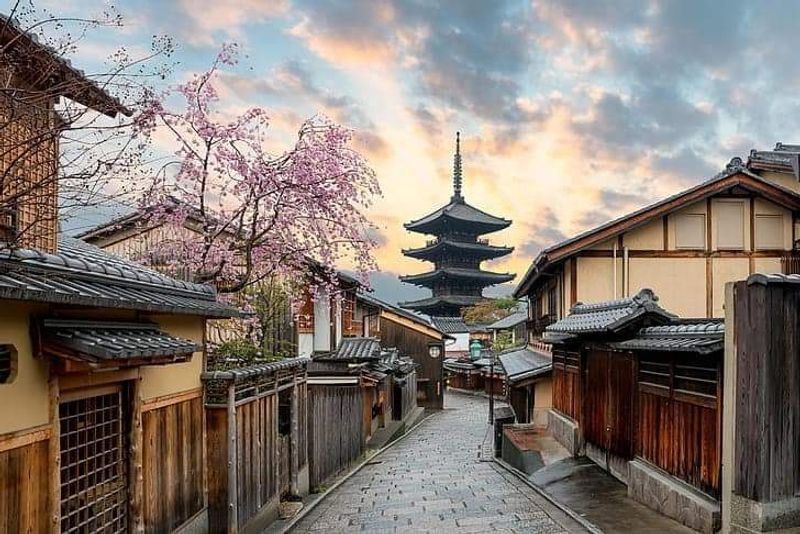
Cherry blossom season in Japan is not just a weather event; it is a national celebration. Every spring, millions of people gather under blooming sakura trees for hanami, or flower-viewing picnics, turning parks and riverbanks into a sea of soft pink petals.
It is one of the most beautiful annual spectacles on Earth.
Japan’s natural beauty goes far beyond spring. Mount Fuji, the country’s iconic symmetrical volcano, watches over the surrounding lakes and villages with quiet authority.
The Arashiyama bamboo grove in Kyoto creates a surreal green tunnel that filters sunlight in a way that feels almost magical. Autumn brings fiery maple leaves to temple gardens, turning ancient stone paths into something from a fairy tale.
The Japanese Alps, the wild coastline of the Noto Peninsula, and the volcanic landscapes of Hokkaido add even more variety to a country already rich in visual contrast. Japan also blends natural beauty with cultural artistry in a way that feels seamless.
Ancient shrines sit at the base of mountains, wooden teahouses overlook koi ponds, and lantern-lit streets wind through cedar forests. Japan is a country where beauty is not accidental; it is deeply intentional.
Indonesia
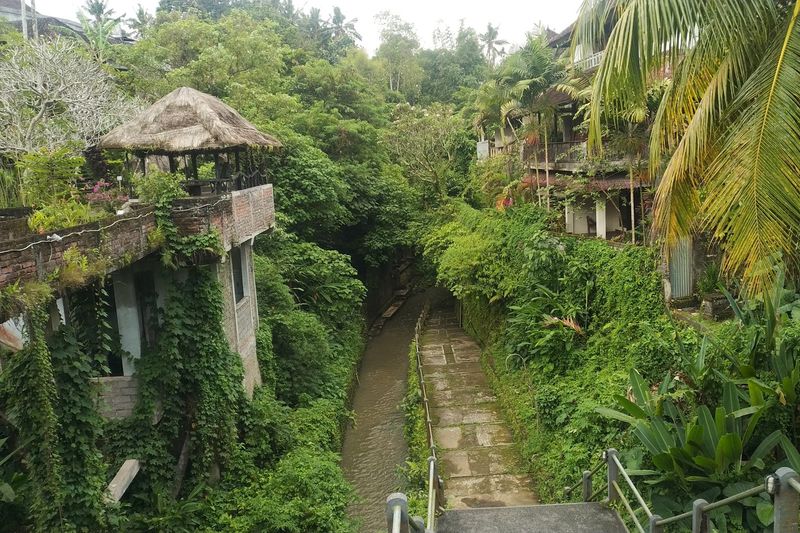
Spread across more than 17,000 islands, Indonesia is less a single country and more a world unto itself. The sheer variety of landscapes here is staggering, from active volcanoes and ancient rainforests to coral reefs teeming with life and rice terraces that have been farmed for over a thousand years.
Bali is the name most travelers know, and for good reason. Its terraced rice paddies, Hindu temples, surf beaches, and jungle waterfalls pack extraordinary beauty into a relatively small area.
But Bali is just one chapter of a much longer story. Komodo Island is home to the world’s largest living lizard, and its surrounding waters contain some of the richest marine biodiversity on the planet.
Raja Ampat, an archipelago in West Papua, is widely regarded as one of the top diving destinations on Earth, with coral triangle ecosystems that scientists still struggle to fully document. Java’s Bromo Tengger Semeru National Park offers the unforgettable sight of multiple volcanoes rising above a sea of clouds at sunrise.
Borneo’s ancient rainforests shelter orangutans, pygmy elephants, and clouded leopards. Indonesia rewards curiosity at every turn, and the more of it you see, the more you realize how much is still left to discover.
Australia
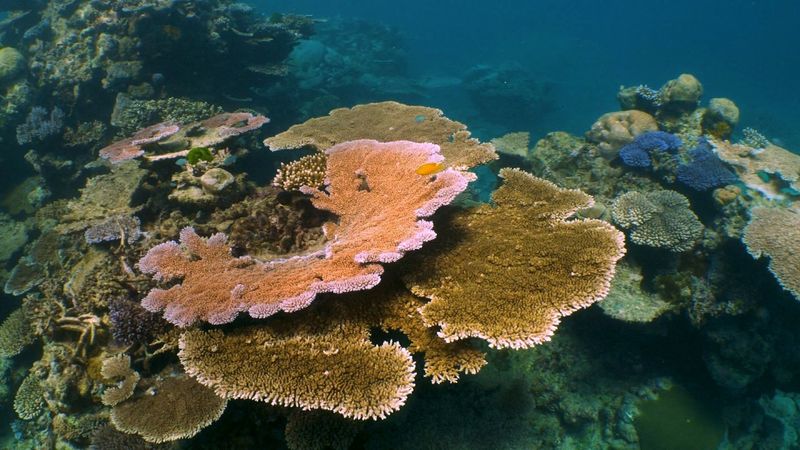
Australia is a country of extremes, and that is a large part of its appeal. The same nation that hosts the world’s largest coral reef system also contains one of the driest deserts on Earth, ancient tropical rainforests, and pristine beaches that stretch for hundreds of kilometers without a building in sight.
The Great Barrier Reef, visible from space, is home to over 1,500 species of fish and 4,000 types of mollusk. Snorkeling or diving here is a bucket-list experience that no photograph can fully capture.
Meanwhile, in the red center of the continent, Uluru rises from the flat desert floor like a monument from another era. This sandstone monolith changes color throughout the day, glowing deep orange and red as the sun moves across the sky.
Queensland’s Daintree Rainforest is one of the oldest tropical rainforests on Earth, dating back around 180 million years. The Kimberley region in Western Australia offers dramatic gorges, ancient rock art, and waterfalls that only flow during the wet season.
Tasmania, the island state to the south, is a wilderness paradise with barely touched landscapes and some of the cleanest air on the planet. Australia is wild, vast, and endlessly fascinating.
South Africa
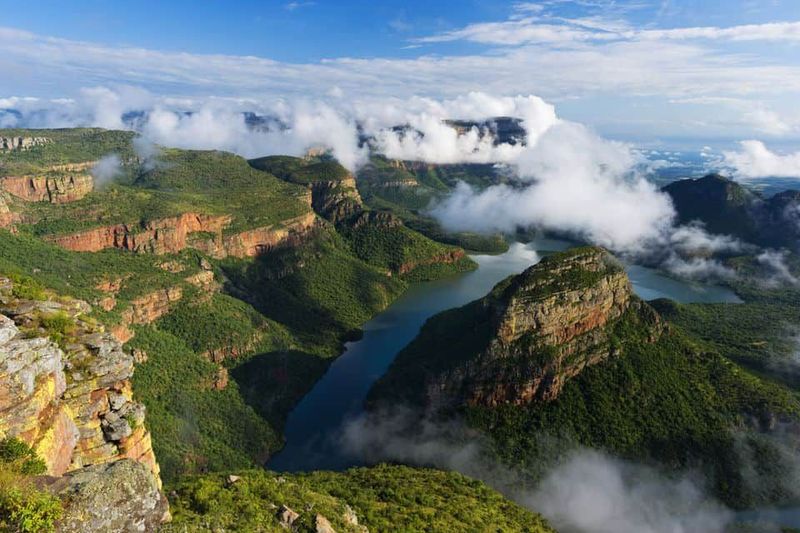
Table Mountain does not just overlook Cape Town; it defines it. This flat-topped sandstone giant, draped in its famous tablecloth of clouds, is one of the most recognizable natural landmarks in the world.
And it is just the beginning of what South Africa has to offer visually.
The Cape Peninsula combines rugged Atlantic coastline, penguin colonies at Boulders Beach, and whale-watching opportunities that rank among the best on Earth. The Garden Route stretches along the southern coast through forests, lagoons, and dramatic cliffs, offering some of the country’s most scenic driving.
Inland, the Drakensberg mountain range rises to over 3,000 meters, forming a dramatic wall of rock along the border with Lesotho.
South Africa’s safari landscapes are equally unforgettable. Kruger National Park is one of Africa’s largest game reserves, home to the Big Five and thousands of other species.
The Sabi Sand Game Reserve and Hluhluwe-iMfolozi Park offer equally incredible wildlife encounters in breathtaking surroundings. The Cape Winelands around Stellenbosch and Franschhoek add a gentler, almost European beauty to the mix, with vineyards nestled between dramatic mountain peaks.
South Africa is a country where every direction you turn holds something extraordinary.
Greece

Santorini at sunset is one of those views that stops people mid-sentence. The whitewashed buildings, blue-domed churches, and sheer cliff edges overlooking the ancient volcanic caldera create a scene so iconic it has become a symbol of beauty itself.
But Greece is far more than one famous island.
The country spans more than 6,000 islands, each with its own personality. Corfu blends Venetian architecture with lush green landscapes and clear Ionian waters.
Crete, the largest island, combines wild mountain gorges like Samaria with ancient Minoan ruins and warm Mediterranean beaches. Mykonos, Rhodes, and Zakynthos each offer their own version of Greek island magic.
On the mainland, the monasteries of Meteora sit atop towering rock pillars in a landscape that looks completely impossible. The Vikos Gorge in Epirus is one of the deepest gorges in the world, carved through forested mountains that feel miles away from the tourist trail.
Ancient ruins like the Acropolis in Athens and the temples of Delphi add a layer of history that makes every landscape feel even more meaningful. Greece is a country where natural beauty and human history have been in conversation for thousands of years.
Thailand
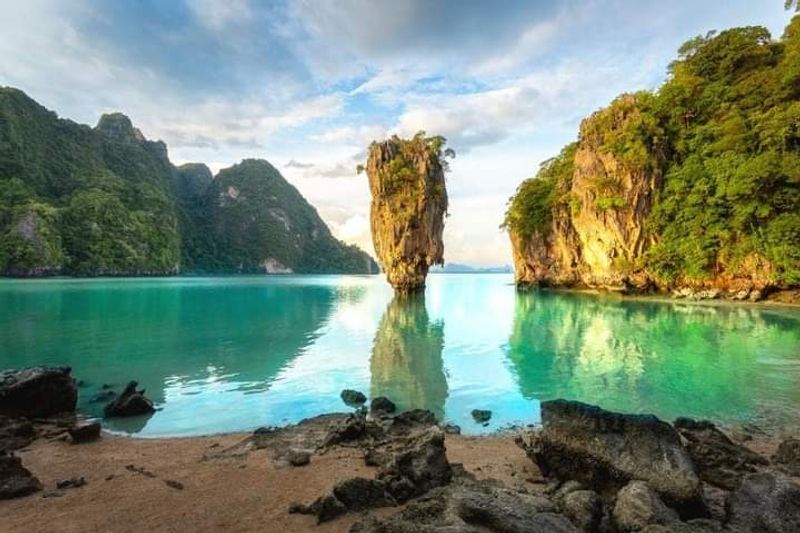
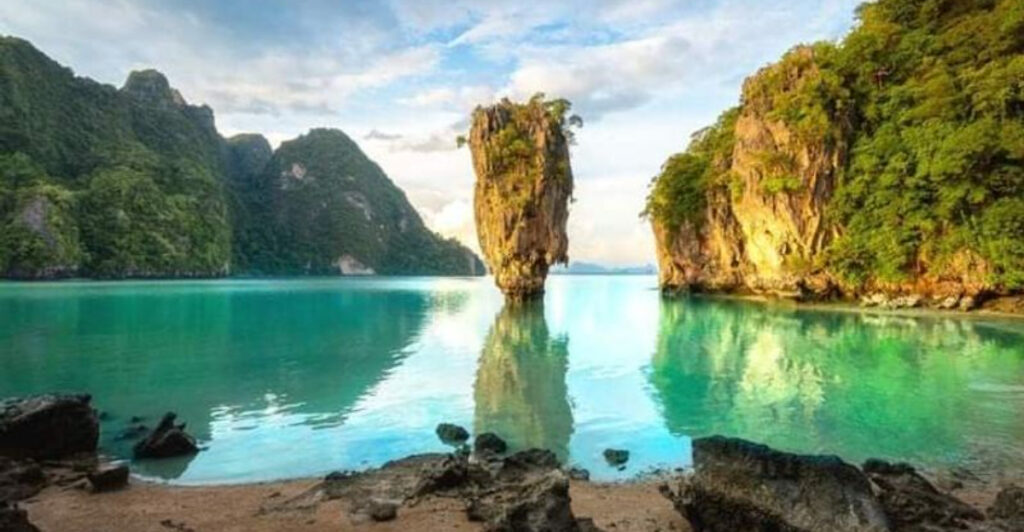
The first time most people see Phang Nga Bay, they assume the photos must be edited. Those towering limestone karsts rising straight out of emerald water, dotted with hidden caves and secret lagoons, are completely real.
Thailand has a talent for making the natural world look like a scene from a fantasy novel.
The southern islands are globally famous for good reason. Koh Phi Phi, Koh Lanta, and the Similan Islands offer some of the clearest water and most vibrant coral reefs in Southeast Asia.
In the north, the landscape shifts dramatically to misty mountains, teak forests, and terraced farmland around Chiang Mai and Pai. The Golden Triangle, where Thailand meets Laos and Myanmar, is a region of extraordinary scenic and cultural richness.
Thailand also integrates its spiritual culture into its landscapes in a way that adds another layer of visual beauty. Ancient Buddhist temples rise from jungle clearings, golden stupas catch the light above hilltop ridges, and floating markets drift along canals lined with tropical vegetation.
The food markets, flower festivals, and lantern ceremonies add color and life to an already visually rich country. Thailand is a feast for the eyes at every turn, and it never gets old.
Chile
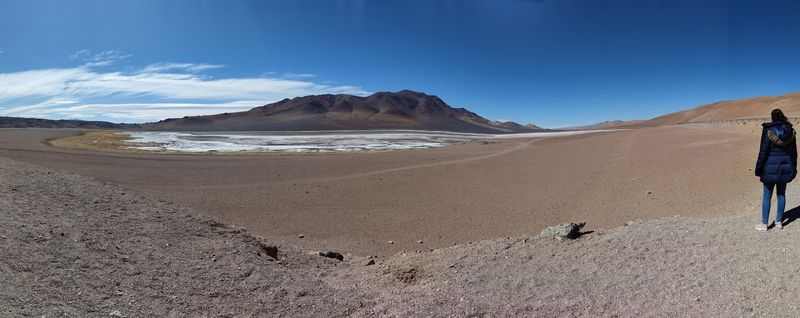
Chile is geography at its most extreme. This impossibly thin strip of land stretches nearly 4,300 kilometers from top to bottom, making it one of the longest countries in the world.
Along the way, it passes through deserts, wine valleys, volcanoes, rainforests, and some of the most dramatic mountain scenery anywhere on Earth.
The Atacama Desert in the north is one of the driest places on the planet, yet it bursts into color during rare flowering seasons when the desert blooms. The Valle de la Luna, with its salt flats and eroded rock formations, looks like the surface of Mars at sunset.
Heading south, the Lake District offers a gentler landscape of snow-capped volcanoes reflected in sapphire lakes.
Torres del Paine National Park in Chilean Patagonia is the crown jewel, a place of granite towers, glaciers, condors, and pumas that has become one of South America’s most celebrated hiking destinations. The W Trek and the O Circuit take hikers through landscapes that change dramatically with every hour of walking.
Easter Island, a remote Chilean territory in the Pacific Ocean, adds ancient mystery to the mix with its famous stone moai statues. Chile is a country that rewards those who travel its full length.
Slovenia
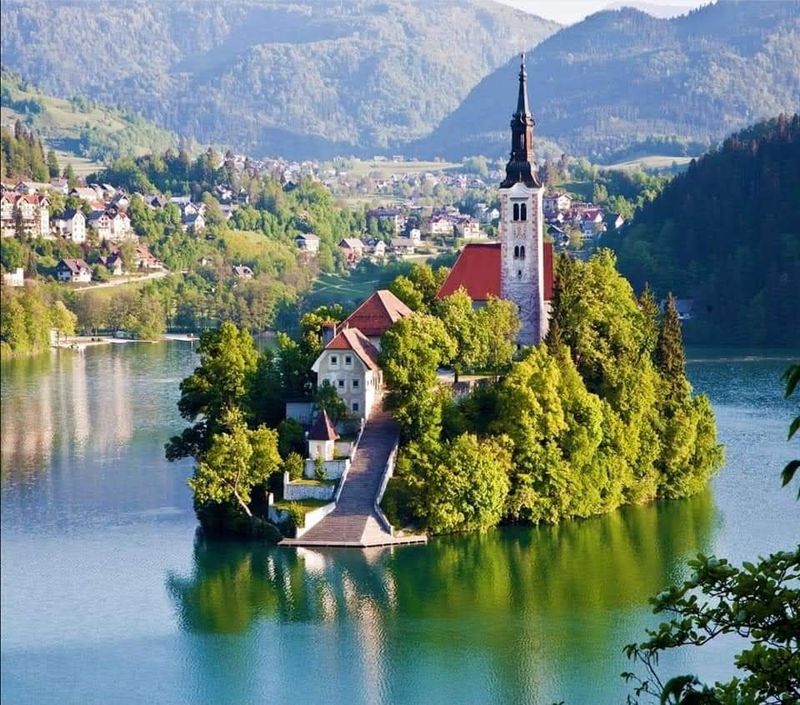
Slovenia is Europe’s best-kept secret, and seasoned travelers are starting to let that secret out. Tucked between Italy, Austria, Croatia, and Hungary, this small country packs an almost ridiculous amount of natural beauty into an area roughly the size of New Jersey.
The variety here is genuinely surprising.
Lake Bled is the postcard image everyone associates with Slovenia, and it earns every bit of that fame. A tiny island with a baroque church sits at the center of a glacial lake, framed by the Julian Alps and crowned by a medieval castle perched on a cliff.
It looks like it was designed by someone who wanted to create the perfect European landscape. Nearby Lake Bohinj is quieter, deeper, and arguably even more beautiful.
The Soca River, famous for its electric turquoise color, winds through mountain valleys popular with kayakers and hikers. Triglav National Park covers almost 4 percent of the entire country and offers some of the finest Alpine scenery in Central Europe.
The Postojna Cave system, one of the longest cave networks in the world, is a subterranean wonder that draws visitors from across the globe. Slovenia proves that a country does not need to be large to leave an enormous impression.
Namibia
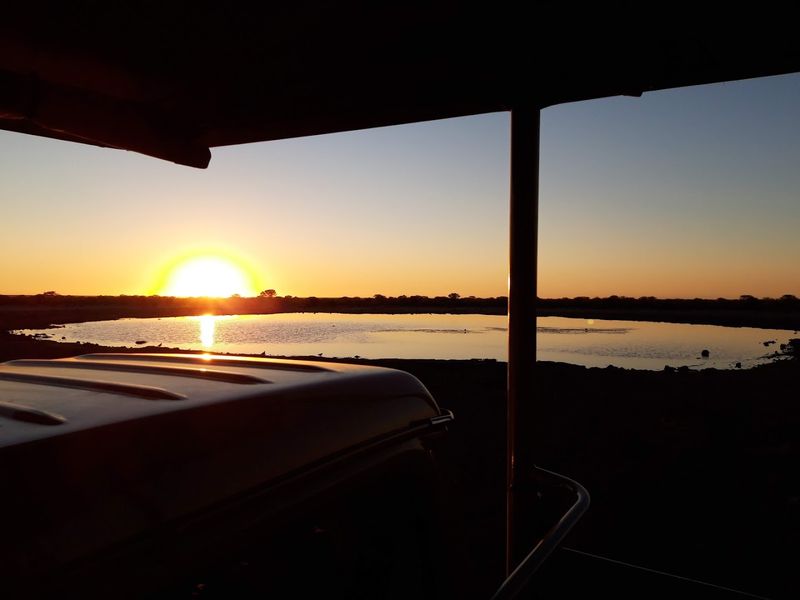
Namibia is the kind of place that makes photographers weep with joy and words feel completely inadequate. The colors here are unlike anywhere else on Earth: burnt orange dunes against a cobalt sky, white salt pans shimmering in the midday heat, and ancient dead trees casting long shadows across cracked earth at sunrise.
Sossusvlei, in the Namib Desert, is home to some of the tallest sand dunes in the world, including Dune 45 and the famous Big Daddy. The Namib is also one of the oldest deserts on Earth, estimated to be around 55 million years old.
Deadvlei, a ghostly white clay pan surrounded by towering dunes and filled with 900-year-old dead camel thorn trees, is one of the most photographed landscapes on the continent.
Etosha National Park, built around a vast salt pan visible from space, is one of Africa’s finest wildlife destinations, drawing elephants, lions, rhinos, and giraffes to its waterholes. The Skeleton Coast along the Atlantic is wild, windswept, and hauntingly beautiful, littered with shipwrecks and seal colonies.
Namibia has one of the lowest population densities in the world, which means much of its wilderness remains genuinely untouched. This is Earth at its most raw and remarkable.
Share this story