Around the world, more and more people are identifying as non-religious, atheist, or simply indifferent to faith. Some countries have seen this shift happen gradually over centuries, while others changed dramatically in just a few decades.
Whether driven by science, politics, or culture, the rise of secularism is one of the most fascinating social trends of our time. These 15 countries lead the way when it comes to leaving religion behind.
1. China

With over a billion people and a government that has historically promoted atheism, China holds the record for the largest non-religious population on Earth. Surveys suggest that somewhere between 70 and 80 percent of Chinese citizens identify as non-religious.
That is an enormous number by any measure.
Much of this stems from decades of Communist Party rule, which discouraged religious practice and promoted a secular, science-first worldview. Traditional beliefs like ancestor veneration still exist, but they are more cultural rituals than formal religion.
Younger generations in urban areas especially tend to shrug off religion entirely. Many Chinese people see spirituality as a private or ceremonial matter rather than a daily commitment.
The result is a society that functions largely without organized faith at its center, making China the undisputed heavyweight champion of global atheism.
2. Czech Republic
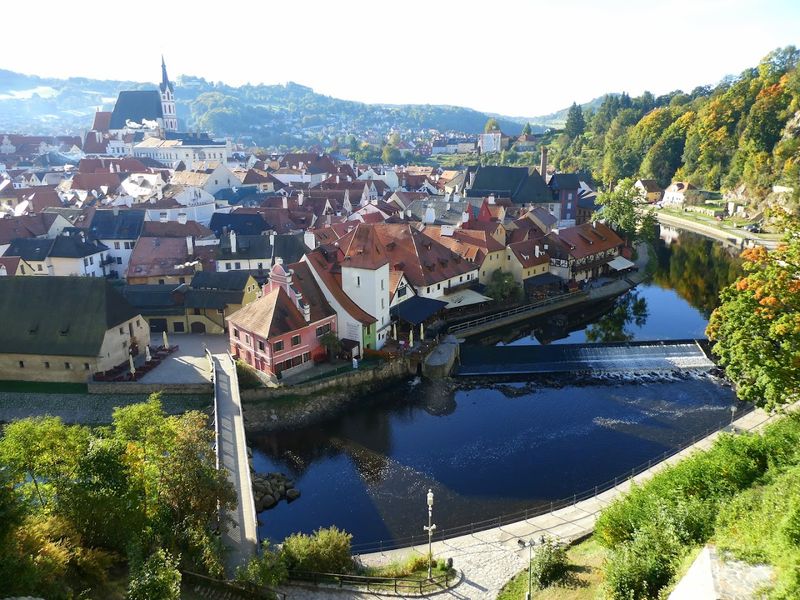
Ask a Czech person if they believe in God, and there is a good chance they will politely shrug. The Czech Republic consistently ranks as the most irreligious country in Europe, with studies showing 65 to 75 percent of the population claiming no religious affiliation whatsoever.
History plays a huge role here. Centuries of forced Catholicism under Habsburg rule left many Czechs deeply suspicious of organized religion.
When communism arrived in the 20th century, it only deepened that skepticism. By the time democracy returned in 1989, religion had already lost its grip.
Today, Czech society is proudly secular. Churches are often treated as beautiful historical monuments rather than active places of worship.
Younger Czechs especially see religion as something from the past. The country is proof that secularism can become deeply embedded in a national identity over time.
3. Estonia
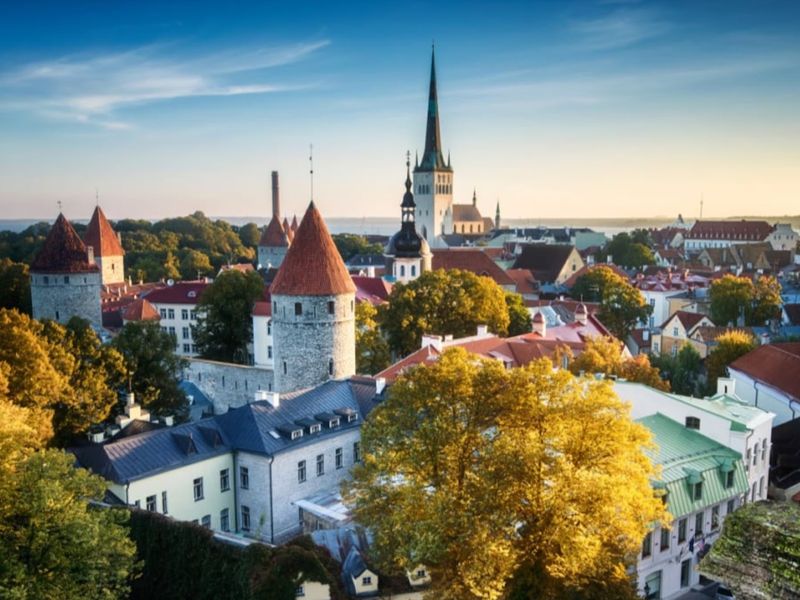
Tucked away in northeastern Europe, Estonia quietly holds one of the highest rates of non-belief in the world, with roughly 60 to 70 percent of its population identifying as non-religious. It is a small country with a very big secular streak.
Like many former Soviet states, Estonia spent decades under a government that actively suppressed religious practice. But unlike some of its neighbors, Estonia never really bounced back to religion after independence in 1991.
Instead, it leaned further into secularism and embraced a modern, tech-forward identity.
Estonia is now known as one of the most digitally advanced societies on the planet, and its citizens tend to favor logic and innovation over faith-based thinking. Religion exists here, but it is quiet, personal, and largely absent from public life.
Estonia is living proof that small countries can make a very loud secular statement.
4. Sweden
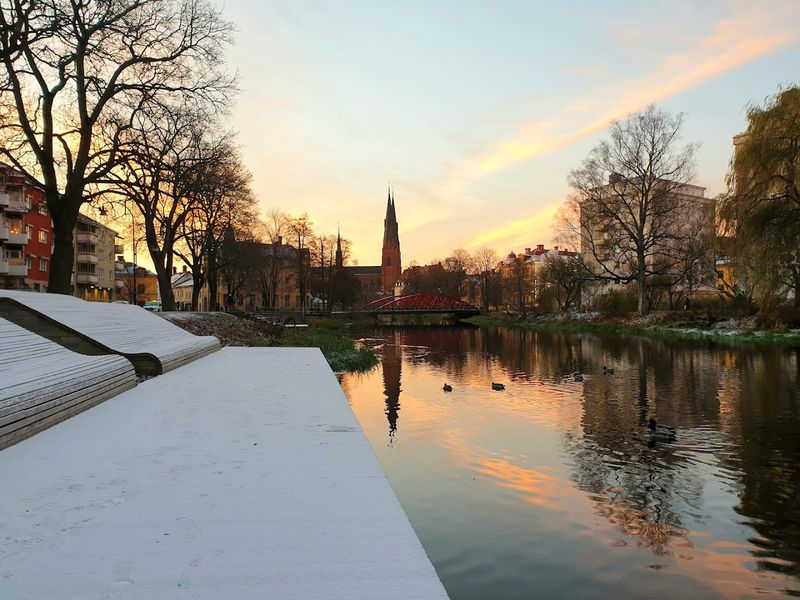
Sweden might have a national church, but do not let that fool you. Around 60 to 70 percent of Swedes say they hold no religious belief, and regular church attendance has fallen to near-historic lows.
The Church of Sweden is more of a cultural institution at this point than a spiritual powerhouse.
Swedish society places enormous value on reason, equality, and individual freedom. These values naturally push people away from traditional religious structures.
Studies show that very few Swedes believe in a personal God who intervenes in daily life, even among those who technically belong to a church.
What is fascinating is that Sweden still maintains strong community values and social trust without religion as the glue. Welfare systems, civic engagement, and mutual respect fill that role instead.
Sweden shows the world that a society can be deeply ethical and caring without organized religion pulling the strings.
5. Japan

Japan is a fascinating case because it blends spirituality and non-belief in a way that defies easy labels. About 60 to 65 percent of Japanese people identify as non-religious, yet millions still visit shrines, celebrate Buddhist funerals, and observe Shinto festivals every year.
The key difference is that religion in Japan is largely cultural rather than doctrinal. People participate in rituals without necessarily believing in the theology behind them.
A wedding at a Shinto shrine and a funeral at a Buddhist temple are social traditions, not declarations of faith.
This practical approach to spirituality makes Japan unique on this list. Most Japanese people would not call themselves atheists outright, but they also do not hold firm beliefs in gods or an afterlife.
Religion here is more like a comfortable old tradition than a living, breathing conviction. It is spiritual minimalism at its finest.
6. South Korea

South Korea’s religious landscape has been shifting fast. While Christianity and Buddhism both have strong footholds, around 55 to 65 percent of South Koreans now report no religious affiliation.
That number has been climbing steadily, especially among younger generations.
Economic growth, higher education rates, and rapid urbanization have all played a role. As South Korea modernized at lightning speed over the past few decades, traditional religious ties began to loosen.
Young Koreans today are far less likely to attend services than their parents or grandparents were.
Interestingly, some surveys show that many South Koreans who leave religion do not become firm atheists but simply become indifferent. They are not anti-religion, they just do not see it as relevant to their busy, modern lives.
South Korea is a country in the middle of a quiet but significant spiritual transformation, and the secular side appears to be winning.
7. Denmark
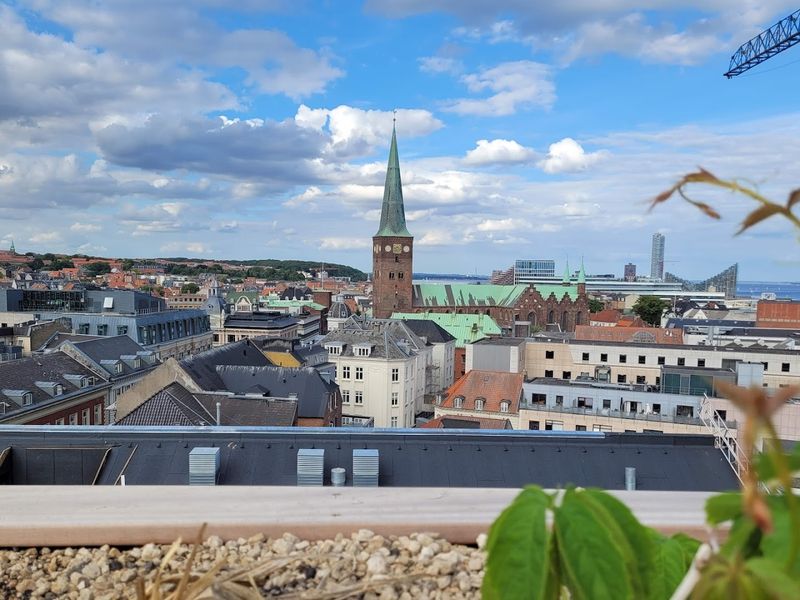
Denmark is one of the happiest countries on Earth, and it manages that without leaning heavily on religion. Around 55 to 65 percent of Danes identify as non-religious, even though most are technically members of the Church of Denmark by default at birth.
Danish culture prizes practicality, community, and a concept called hygge, which is basically the art of cozy contentment. Religion has not been central to that equation for a long time.
Church membership is often maintained for tradition or access to services like baptisms and funerals rather than genuine belief.
Studies consistently show that Denmark scores among the lowest globally for belief in God and religious practice. Yet it also scores among the highest for happiness, social trust, and quality of life.
Denmark is perhaps the strongest argument that a society does not need religion to thrive and flourish.
8. Norway
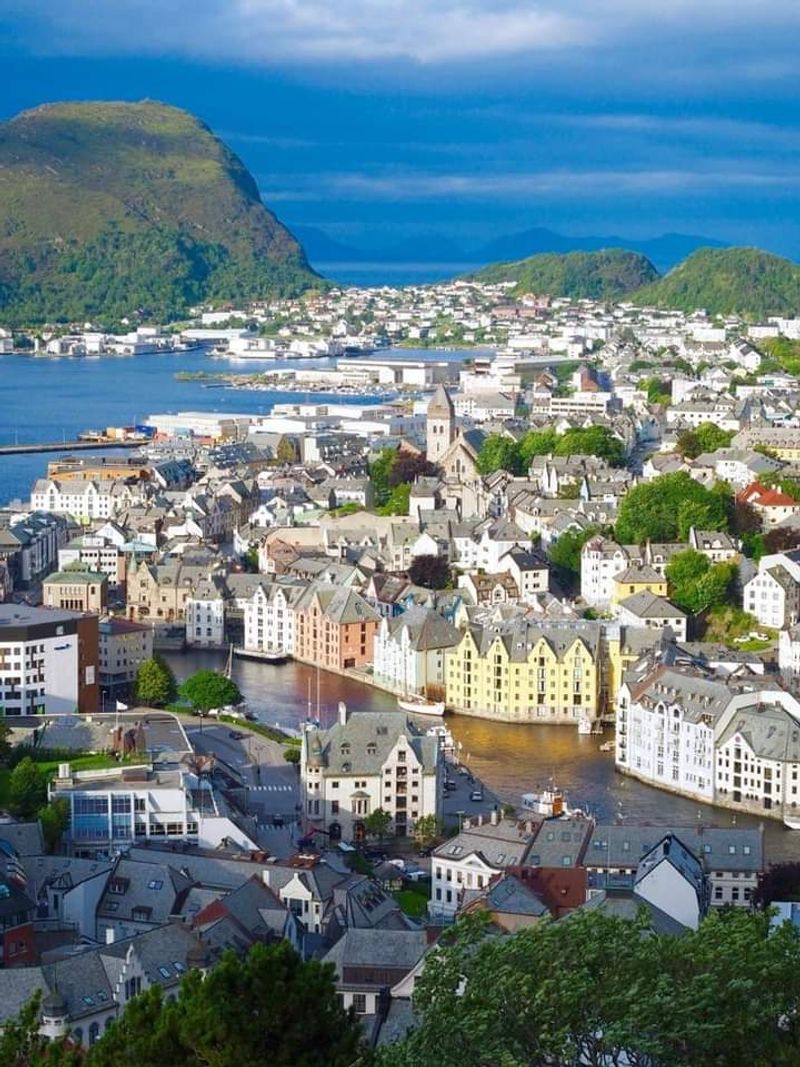
Norway sits comfortably alongside its Scandinavian neighbors as one of the world’s most secular societies. Roughly 50 to 65 percent of Norwegians identify as non-religious, and active participation in religious services has dropped significantly over recent decades.
The Norwegian government actually separated the Church of Norway from the state in 2017, a symbolic move that reflected how much the country had already moved on from institutional religion. Faith is considered a deeply private matter, and most Norwegians keep it that way.
What makes Norway stand out is how its strong social safety net has replaced many functions that religion once served in communities, such as charity, community support, and moral guidance. With universal healthcare, free education, and robust welfare programs, Norwegians simply do not need the church to fill those gaps.
Norway is secular by design, and seemingly very satisfied with that arrangement.
9. Netherlands
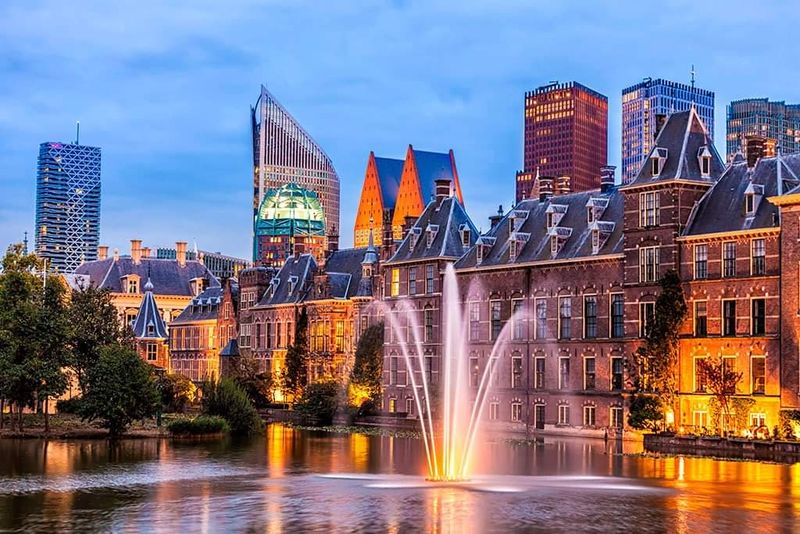
The Netherlands has a long history of religious tolerance, which perhaps explains why so many Dutch people eventually decided they could do without religion altogether. Today, around 50 to 60 percent of the Dutch population identifies as non-religious, a dramatic shift from just a few generations ago.
As recently as the mid-20th century, Dutch society was heavily divided along religious lines, with separate schools, media, and political parties for Catholics and Protestants. That system, known as pillarization, collapsed as the country modernized and secularized rapidly from the 1960s onward.
The Netherlands now embraces a very open, liberal worldview where personal freedom is paramount. Religion is respected but not expected.
Amsterdam in particular is famous for its freewheeling, anything-goes attitude, which is about as far from religious conservatism as you can get. The Dutch have traded the pew for the bicycle lane, and they seem perfectly content with that swap.
10. France
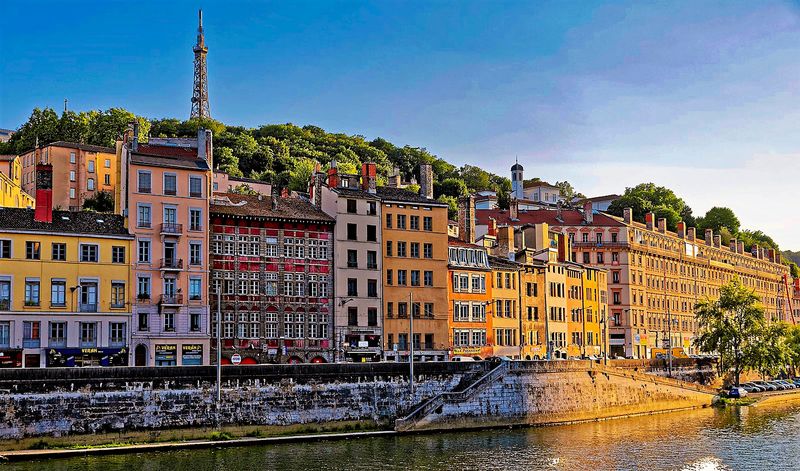
France takes secularism so seriously that it wrote it into law. The French principle of laicite, or strict separation of church and state, has shaped the country’s culture for over a century.
Around 45 to 55 percent of French people now identify as non-religious, and that number continues to grow.
The French Revolution was partly a revolt against the power of the Catholic Church, and that anti-clerical spirit never fully disappeared. France has a long tradition of intellectual skepticism, and its famous philosophers, writers, and thinkers have often championed reason over faith.
Today, religion is considered a strictly private matter in France. Public displays of faith are sometimes controversial, and the government actively limits religious symbols in schools and government buildings.
France is fiercely proud of its secular identity. Whether you agree with their approach or not, the French commitment to laicite is genuinely one of a kind.
11. United Kingdom
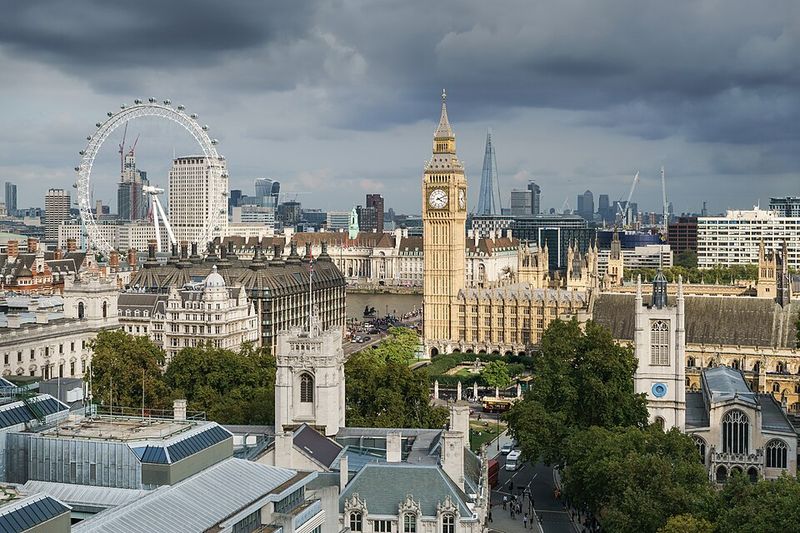
The United Kingdom has been quietly but steadily walking away from religion for decades. Recent census data revealed a landmark moment: for the first time, fewer than half of people in England and Wales identified as Christian.
Around 45 to 55 percent now claim no religious affiliation, and the trend shows no sign of reversing.
Britain has a complex relationship with its religious heritage. The Church of England is the official state church, and the monarch is its head.
Yet most Brits treat religion as background noise rather than a guiding force in their lives. Church attendance has been falling sharply for generations.
Younger Britons are especially likely to identify as non-religious. The shift happened gradually but picked up real speed in the 21st century.
The UK is now one of Western Europe’s most secularized nations, even if it still crowns its kings and queens with a church ceremony and a prayer.
12. Finland
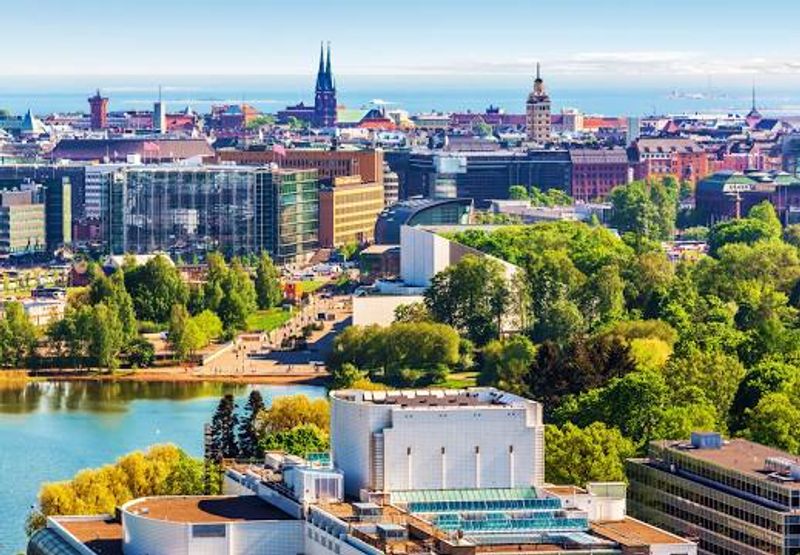
Finland is a country that loves saunas, silence, and apparently, secularism. Around 45 to 55 percent of Finns identify as non-religious, and membership in the Evangelical Lutheran Church of Finland has been declining every single year for decades.
Finnish culture is famously reserved and individualistic. Religion, like most deeply personal topics, is simply not discussed much in public.
Faith is seen as a private matter, and social pressure to belong to a church or attend services is virtually nonexistent.
Interestingly, many Finns leave the church for practical reasons too, namely, they do not want to pay the church tax that members are required to contribute. That financial incentive to opt out has accelerated secularization in a country already trending that way.
Finland is quietly becoming one of Europe’s most secular societies, one sauna session and one church resignation at a time.
13. Germany
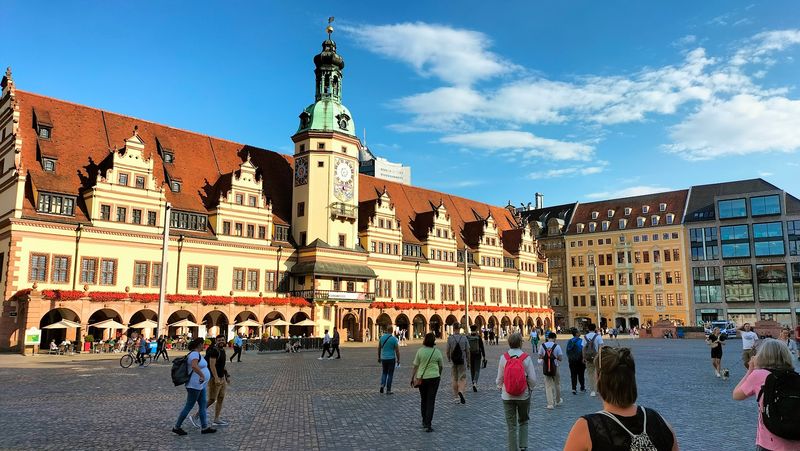
Germany’s religious landscape is a tale of two halves. In the western states, Christianity still has a meaningful presence.
But head east into the former communist regions, and the picture changes dramatically. In states like Saxony and Brandenburg, non-religious populations can exceed 70 or 80 percent.
Overall, about 40 to 50 percent of Germans identify as non-religious nationally, but that eastern concentration makes Germany a fascinating study in how political history shapes belief. Decades of atheist Communist rule in East Germany left a lasting secular imprint that persists even 30 years after reunification.
Germany also has a church tax system similar to Finland, and hundreds of thousands of Germans formally leave the church each year to avoid paying it. The Catholic Church’s abuse scandals accelerated this trend significantly.
Germany is a country where religion is losing ground fast, and the eastern regions are already living in a very secular future.
14. Australia

Australia’s 2021 census delivered a headline that surprised many: for the first time, no religion became the single largest category, with nearly 39 percent of Australians ticking that box. Combine related groups and the non-religious population pushes comfortably into the 40 to 50 percent range.
Australians have a famously no-nonsense, tell-it-like-it-is cultural attitude, and that extends to religion. There is little social pressure to attend church, and many Australians see organized religion as something their grandparents did rather than something relevant to modern life.
Immigration has added religious diversity to Australian cities, but among native-born Australians, secularism is clearly on the rise. Younger Australians are especially likely to identify as non-religious.
The trend is accelerating, not slowing down. Australia is shaping up to be one of the Pacific region’s most secular nations, and its laid-back culture seems perfectly comfortable with that direction.
15. Belgium
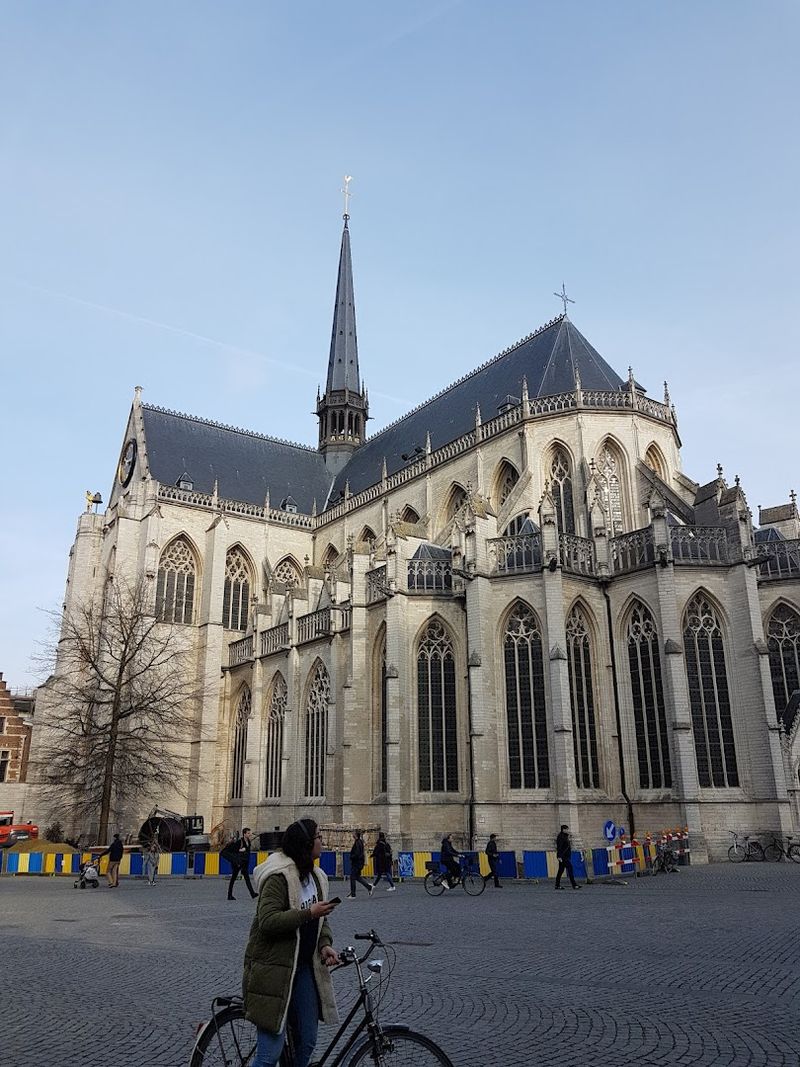
Belgium might be world-famous for its chocolate and waffles, but it is also quietly becoming one of Europe’s more secular nations. A significant and growing portion of the Belgian population, estimated broadly in the range of 35 to 50 percent, identifies as non-religious or atheist.
Belgium has a historically Catholic identity, particularly in the Flemish north. But church attendance has collapsed over the past few decades, and surveys consistently show that younger Belgians feel disconnected from organized religion.
The Catholic Church’s scandals in Belgium, which were particularly damaging when exposed in the 2000s, accelerated public distrust.
Brussels, as the de facto capital of the European Union, is also a hub of cosmopolitan, secular thinking. Working in EU institutions tends to attract people who prioritize policy and reason over tradition and faith.
Belgium is a country balancing its rich Catholic heritage with a rapidly secularizing present, and the secular side is gaining serious ground.
Share this story