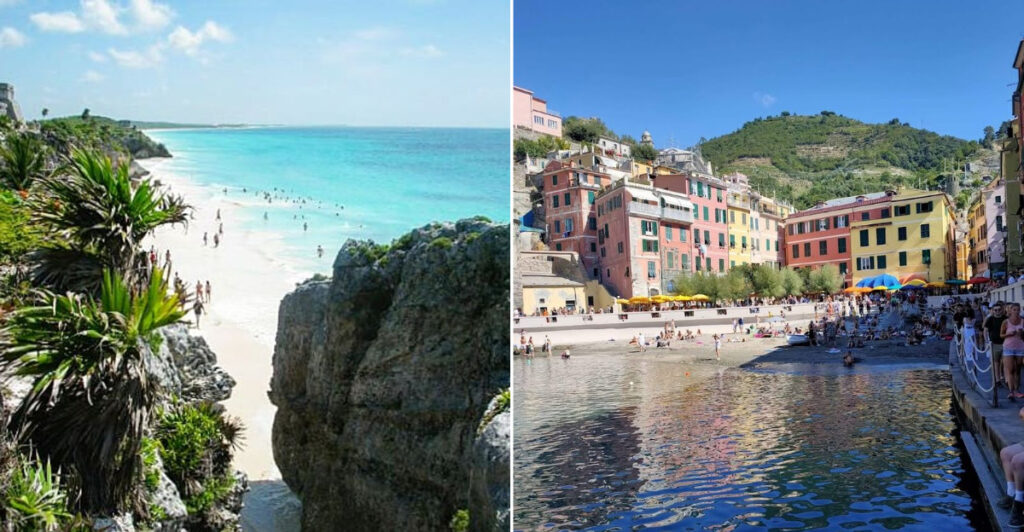
Some countries just got the weather memo and never looked back. Whether you hate bundling up in five layers or you just want to sip coffee outside in February without losing feeling in your fingers, these destinations have you covered.
I spent years dreaming about moving somewhere with reliable sunshine, and after visiting a few of these places, I get why so many people never come home. Here are 15 countries where the weather is basically showing off all year long.
Portugal

Portugal pulls off something most countries can only brag about in a brochure: it genuinely has great weather most of the year. The Algarve region in the south averages over 300 sunny days annually.
That is not a typo.
Winters are mild and rarely dip below 10°C (50°F). You can walk along dramatic sea cliffs in January wearing just a light jacket.
The locals act like this is completely normal, which honestly makes it better.
Lisbon and Porto get a bit more rain, but nothing that cancels your plans for long. Spring and autumn are arguably the best seasons, warm without the summer crowds.
Prices are lower than neighboring Spain, and the food is absolutely worth the trip alone. Pasteis de nata with a coffee in the sunshine?
That is the whole travel pitch right there.
Spain
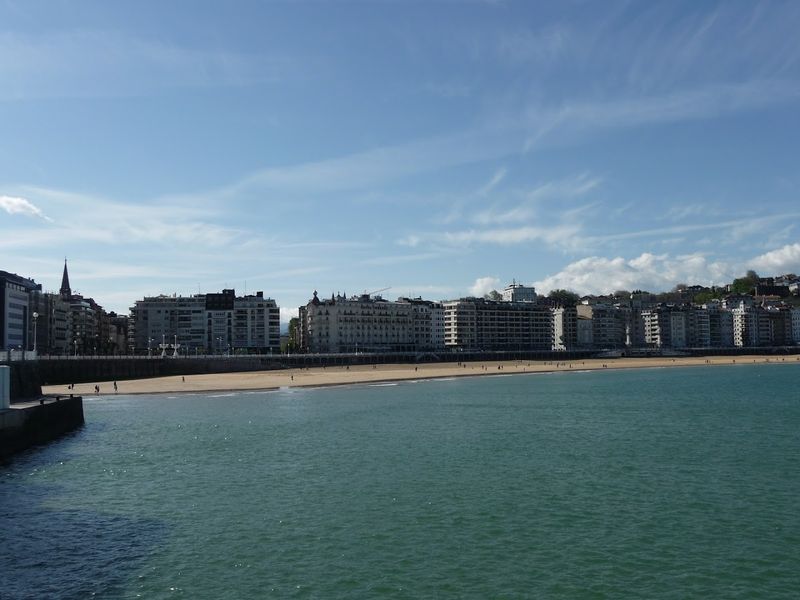
Spain is basically Europe’s answer to the question nobody asked but everyone needed: where do I go when I am done with grey skies? The southern region of Andalusia, especially Seville and Malaga, enjoys warm temperatures even in December and January.
The Canary Islands, technically part of Spain but sitting off the coast of Africa, have what meteorologists call an “eternal spring.” Temperatures hover around 20-24°C (68-75°F) nearly all year. It feels almost unfair to the rest of Europe.
Inland cities like Madrid get colder winters, so choosing the right region matters. The Mediterranean coast is your best bet for consistent warmth.
Spain also offers incredible variety: beaches, mountains, vibrant cities, and some of the best food on the planet. The sunshine just makes all of it taste better.
Greece

Greece has been perfecting the art of good weather since ancient times, and honestly, the gods made a solid choice picking this place. Over 250 sunny days per year is the national average, though southern islands like Crete push that number even higher.
Winters in the Cyclades are mild and quiet, a completely different experience from the packed summer months. Locals reclaim their villages, prices drop significantly, and the light turns golden in a way that photographers lose sleep over.
Crete is a year-round destination in the truest sense. Even in February, temperatures can reach 15-18°C (59-64°F), perfect for hiking gorges or exploring ancient ruins without sweating through your shirt.
Greek food hits differently when you eat it outside in the sun. Olives, feta, fresh bread, and a view of the sea.
Some problems just solve themselves.
Italy
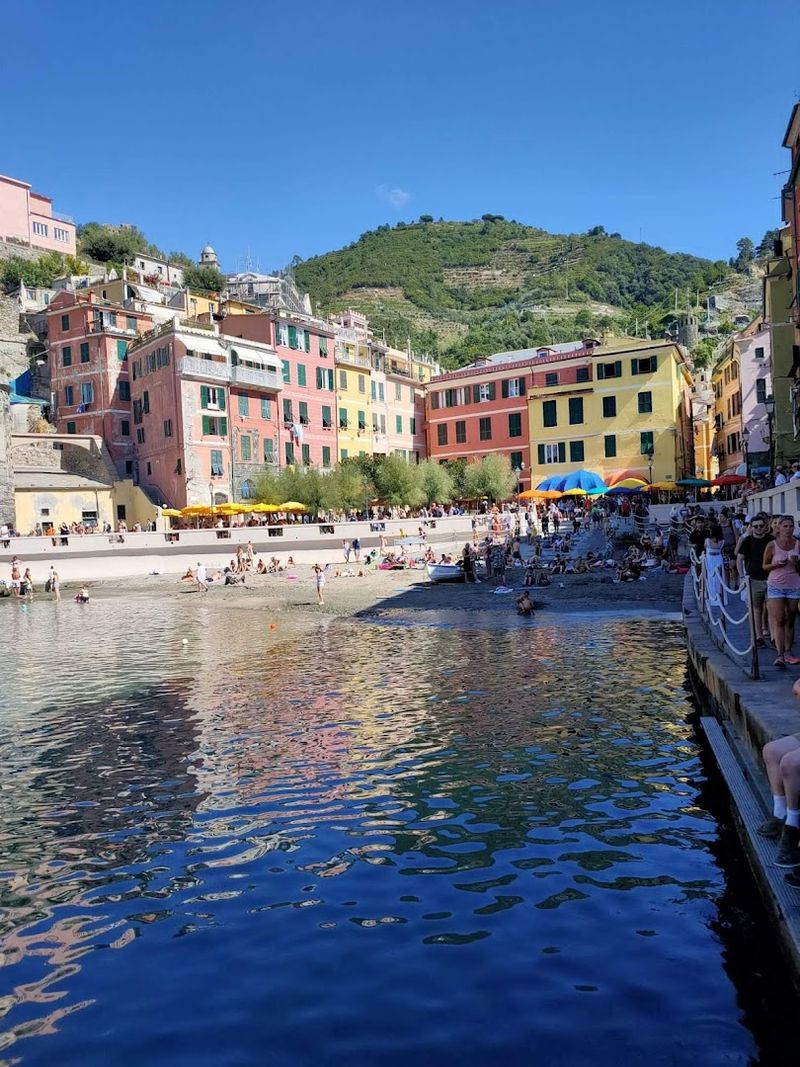
Northern Italy gets a proper winter, but head south and the story changes completely. Sicily and the Amalfi Coast enjoy a Mediterranean climate that keeps things warm and pleasant well into November and back again by March.
Sicily averages around 2,500 hours of sunshine per year. That is a lot of time to eat arancini on a sun-warmed terrace.
The island’s interior can get chilly in winter, but the coasts stay remarkably mild. It is a destination that rewards visitors who skip the peak summer heat.
Sardinia is another gem, with crystal-clear water and warm breezes that stretch the beach season far longer than most European islands. The off-season crowds are refreshingly thin, and locals are noticeably more relaxed.
Italy’s weather, like its pasta, is best when you know which region to order from.
Malta
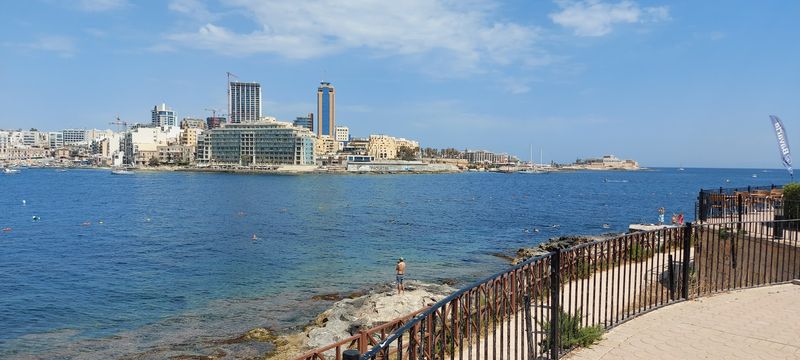
Malta is a tiny island nation with an oversized reputation for sunshine. At just 316 square kilometers, it packs in over 300 sunny days a year, making it one of the sunniest places in all of Europe.
Size clearly does not matter here.
Winters are genuinely mild, with January temperatures averaging around 12-15°C (54-59°F). Rain shows up occasionally but never outstays its welcome.
The sea stays swimmable well into November, which feels like a trick.
The island has a fascinating history layered into every street corner. Ancient temples, medieval fortifications, and baroque architecture sit under that relentless sunshine like they own the place.
English is an official language, which makes getting around surprisingly easy. Malta often gets overlooked in favor of bigger Mediterranean destinations, but that is exactly what makes it a great find.
Less crowd, more sun, excellent pastizzi.
Cyprus

Cyprus holds a record most countries would trade their entire tourism budget for: the most sunshine hours in the European Union. Over 340 sunny days per year is not a marketing slogan, it is just Tuesday in Limassol.
Winters are short and gentle. From November through February, temperatures sit comfortably between 12-18°C (54-64°F) on the coast.
The mountains in the Troodos range do get snow, which creates the bizarre and wonderful option of skiing in the morning and swimming in the afternoon. Same island, same day.
The food scene draws heavily from Greek, Turkish, and Middle Eastern influences, resulting in a cuisine that is genuinely hard to stop eating. Halloumi, meze platters, and fresh seafood are the local currency of happiness.
Cyprus is compact enough to explore fully in a week, but people keep coming back. The weather makes a convincing argument.
Morocco
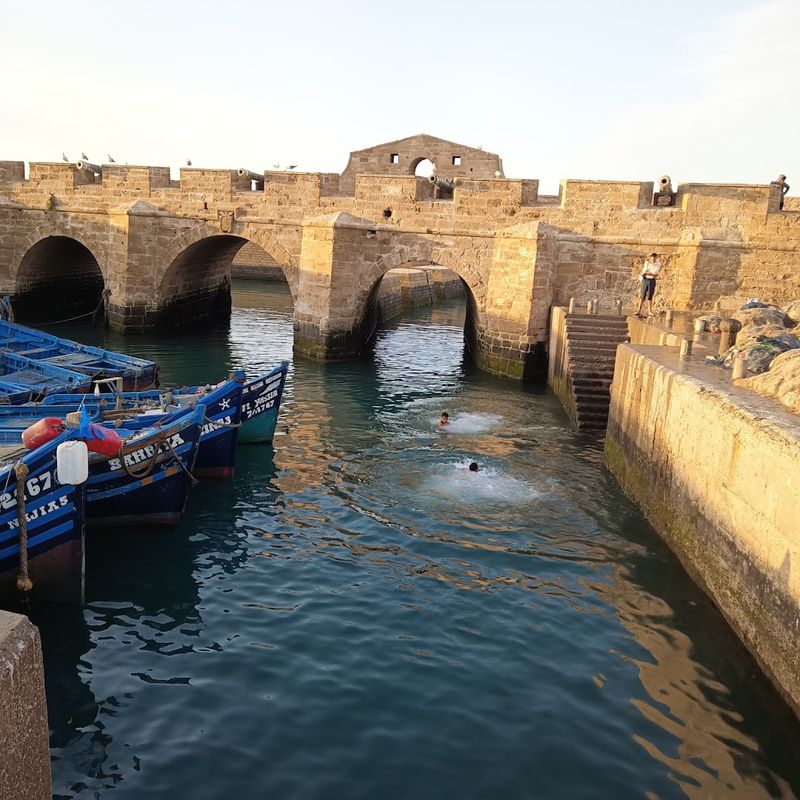
Morocco sits just 14 kilometers from Spain across the Strait of Gibraltar, but it feels like a completely different world. Cities like Marrakech and Agadir enjoy warm, dry winters that make European tourists feel like they have discovered a cheat code for the cold season.
Agadir on the Atlantic coast averages around 300 sunny days per year and has a beach culture that stays active all winter long. Temperatures rarely drop below 15°C (59°F) even in January.
The surf is consistent, the mint tea is strong, and the sunsets are completely unreasonable in the best way.
The Atlas Mountains offer a cool escape if the heat ever gets too much in summer. Morocco is a country of genuine contrasts: deserts, mountains, ocean, and ancient medinas all within driving distance.
Winter is arguably the best time to visit. The souks are less crowded and the tagine hits harder when it is your warmest meal of the day.
South Africa
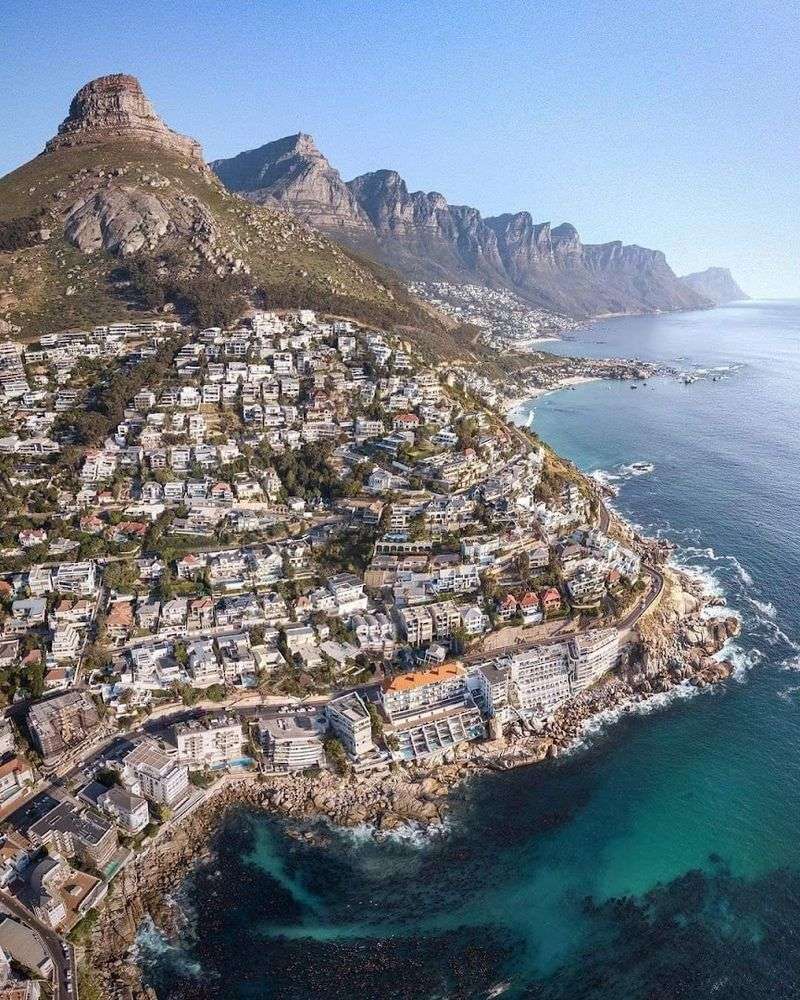
South Africa operates on a reversed calendar compared to Europe and North America, which means their winter runs from June to August. Here is the twist: Cape Town in July still averages around 12-17°C (54-63°F).
That is a perfectly acceptable summer in many countries.
The eastern coast around Durban is even warmer year-round, with a subtropical climate that keeps temperatures in the mid-20s Celsius for most of the year. Durban’s beaches stay busy in July while the northern hemisphere is buried in snow.
The irony is not lost on anyone.
Beyond the weather, South Africa offers a staggering amount to do. Safari parks, world-class wine regions, dramatic coastlines, and a food scene that pulls from multiple cultures make it endlessly rewarding.
The Garden Route is one of the most beautiful drives on earth. Add reliable sunshine and you have a destination that is genuinely hard to argue against.
Chile
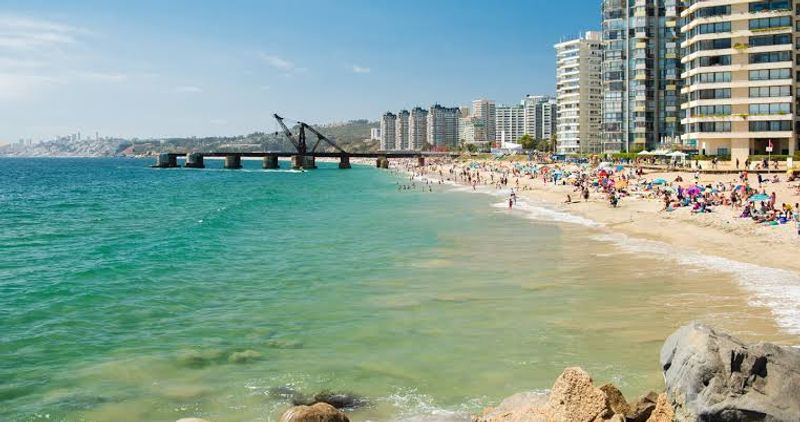
Chile is the world’s skinniest country and somehow contains almost every climate type on earth within its borders. For year-round mild weather, the central valley around Santiago and the wine regions hits the sweet spot perfectly.
Santiago sits at a similar latitude to the Mediterranean and gets around 300 sunny days per year. Winters from June to August are cool but rarely harsh, with temperatures staying above 5°C (41°F) most of the time.
Snow in the city is unusual enough to make the news.
The wine country around Mendoza’s neighbor, the Maipo and Colchagua valleys, offers warm days and cool evenings that are practically designed for long lunches outdoors. Northern Chile, including the Atacama Desert, is sunny almost every single day of the year.
The driest desert on earth does not mess around with clouds. Chile is one of South America’s most underrated weather destinations.
Mexico
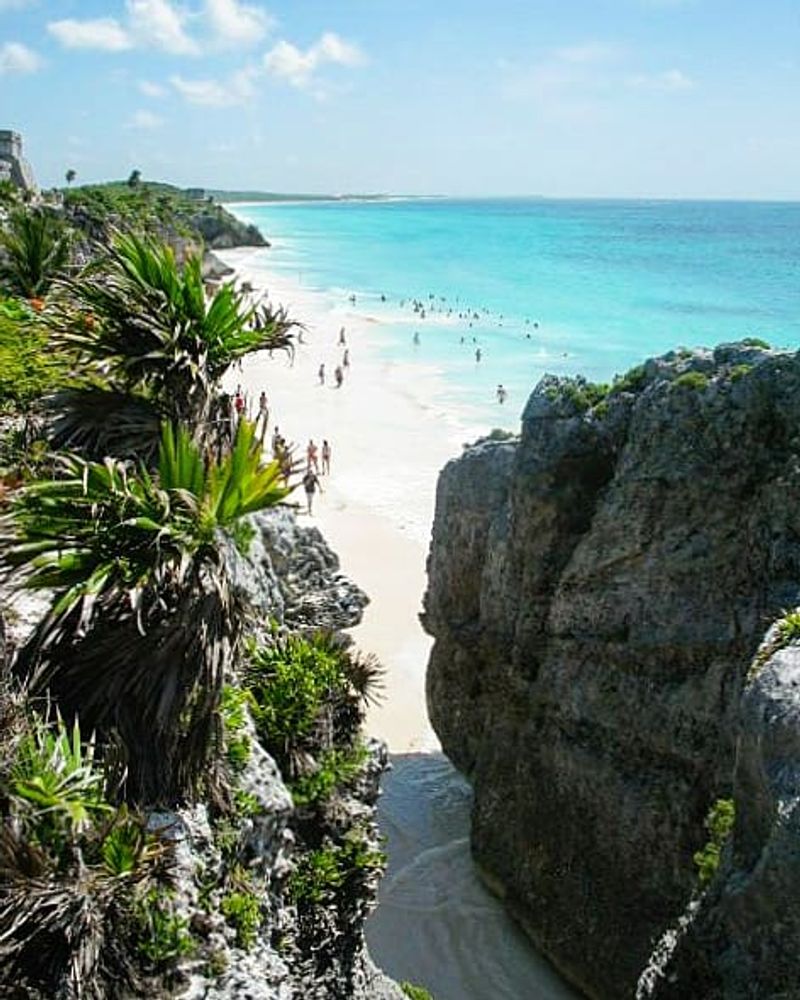
Mexico is enormous, and its weather varies wildly by region, but several areas nail the year-round sunshine brief with impressive consistency. The Yucatan Peninsula, including Cancun and the Riviera Maya, stays warm and mostly sunny throughout the year.
Central Mexico, particularly cities like Guadalajara and the highland areas around Oaxaca, enjoys what locals call “eternal spring.” Temperatures hover between 20-25°C (68-77°F) for most of the year. It is the kind of climate that makes you forget what a coat feels like.
Baja California Sur, home to Los Cabos, is dry and sunny almost 350 days a year. Desert landscape meets ocean in a combination that is visually dramatic and climatically excellent.
Mexico also wins on the food front, which feels relevant when you are spending every meal outside on a terrace. Good weather and great tacos are a combination worth boarding a plane for.
Costa Rica

Costa Rica has two seasons: dry and green. Neither one involves a winter coat.
The dry season from December to April brings reliable sunshine to the Pacific coast, making it peak travel time for a very good reason.
The Central Valley, where the capital San Jose sits at around 1,200 meters elevation, stays comfortably between 17-26°C (63-79°F) all year. No extreme heat, no bone-chilling cold.
Locals call it a permanent spring, and for once the tourism board is not exaggerating.
The Caribbean coast plays by different rules, staying green and warm year-round with its own rainfall pattern. Costa Rica fits an absurd amount of biodiversity into a country smaller than West Virginia.
Volcanoes, cloud forests, beaches, and wildlife all coexist within a few hours of each other. The weather is the foundation, but the country builds something extraordinary on top of it.
Ecuador

Ecuador sits right on the equator, which sounds like a recipe for unbearable heat, but the Andes change everything. Quito, the capital, sits at 2,850 meters above sea level and enjoys spring-like temperatures of 14-20°C (57-68°F) every single day of the year.
Every. Single.
Day.
There are no real seasons in Quito, just a drier period and a wetter one. Even the rainy season tends to deliver sunshine in the mornings before afternoon showers roll through.
The consistency is almost eerie at first, then deeply comforting.
The coast around Manta and Salinas offers warmer beach weather, while the Galapagos Islands maintain a mild, dry climate that makes wildlife watching comfortable year-round. Ecuador is one of the most biodiverse countries on earth, and the stable climate plays a big role in that.
Good weather, incredible nature, and some of the freshest seafood you will ever eat. Ecuador earns its place on this list easily.
Colombia

Colombia used to be known for all the wrong reasons. Now it is increasingly known for something far better: some of the most pleasant weather in the entire Western Hemisphere.
The city of Medellin earned its nickname, “City of Eternal Spring,” through sheer meteorological excellence.
Medellin sits at around 1,500 meters elevation and maintains temperatures between 18-28°C (64-82°F) year-round. No humidity extremes, no freezing winters, no brutal summer heat.
It is the Goldilocks of climates, and it is not even trying hard.
Cartagena on the Caribbean coast runs hotter and more humid, but its colonial architecture and beach access make it worth every drop of sweat. The coffee region in the Eje Cafetero offers cool, misty mornings and warm sunny afternoons.
Colombia has shaken off its old reputation and replaced it with something far more accurate: a country with extraordinary diversity, warm people, and weather that makes you want to stay.
Peru

Peru is not the first country that comes to mind for year-round sunshine, but the dry season from May to October is one of the most reliably beautiful weather windows in South America. Machu Picchu under a clear blue sky in July is a sight that earns every airplane connection.
Lima, the capital, has its own quirky microclimate. It rarely rains, but low cloud cover called garua keeps things grey for months.
Head south to Paracas or north to Trujillo and the sun appears without apology. The northern coast gets warm sunshine almost every month.
The Sacred Valley near Cusco sits at a high altitude but enjoys dry, sunny days during the main season that make hiking and exploring genuinely enjoyable. Peru rewards travelers who time their visit well.
The food alone, widely considered among the world’s best, justifies the trip. Sunshine just makes the ceviche taste better.
New Zealand

New Zealand runs on reversed seasons, which means their winter from June to August is far milder than anything most of the northern hemisphere would recognize as cold. The South Island’s Marlborough region, famous for its Sauvignon Blanc, gets over 2,400 sunshine hours per year.
The North Island, particularly the Hawke’s Bay and Bay of Plenty regions, stays warm and sunny for most of the year. Napier in Hawke’s Bay is nicknamed the Cape Town of New Zealand for its sunshine and Art Deco architecture.
That is a compliment of the highest order.
New Zealand’s landscapes are staggering: fjords, volcanic plateaus, surf beaches, and rolling wine country all packed into two islands. The weather in the northern and central regions supports year-round outdoor activity without punishing extremes.
Winters are cool but rarely brutal. For anyone who wants natural beauty, adventure, and sunshine without the scorching heat, New Zealand is a genuinely compelling answer.
Share this story