Wine has been around for thousands of years, and yet every bottle still feels like a little mystery waiting to be uncorked. From sun-baked vineyards in Argentina to misty hillsides in Germany, the world’s wine regions each tell a totally different story.
I got hooked on wine travel after my first visit to a French château, and trust me, once you start exploring, there’s no going back. Whether you’re a seasoned sipper or just wine-curious, this list of the 15 best wine countries will inspire your next great adventure.
Château Smith Haut Lafitte – Martillac, France
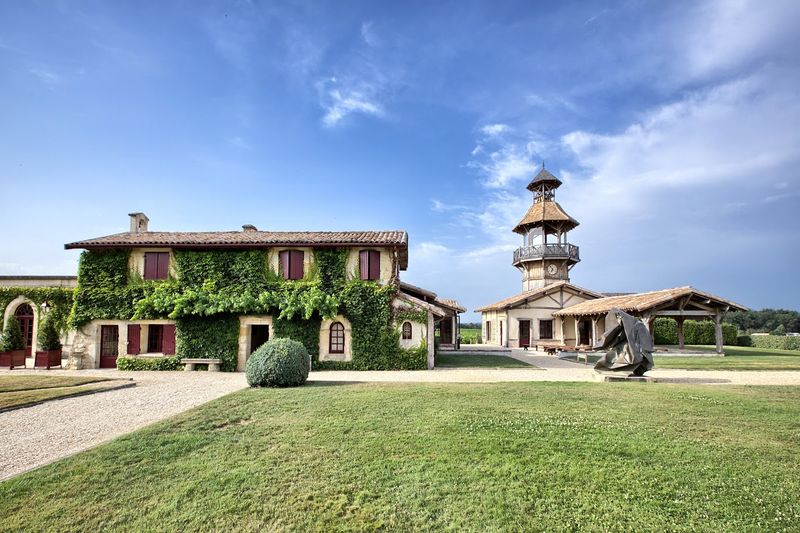
France doesn’t just make wine, it practically invented the rulebook. Château Smith Haut Lafitte sits in the prestigious Pessac-Léognan appellation, and it’s the kind of place that makes you feel underdressed just walking through the gates.
Founded in the 14th century, the estate has been producing exceptional red and white Bordeaux blends for centuries.
What makes this château extra special is the hands-on experience it offers visitors. You can book wine workshops, guided cellar tours, and proper tastings led by knowledgeable staff.
The château even has its own luxury spa on the property, because apparently relaxation pairs well with a good Cabernet Sauvignon.
The whites here are particularly underrated. Made from Sauvignon Blanc and Sémillon, they’re crisp, elegant, and wildly food-friendly.
If you’re visiting Bordeaux, this estate deserves a full afternoon of your time, not just a quick drive-by.
Antinori nel Chianti Classico – Bargino, Italy
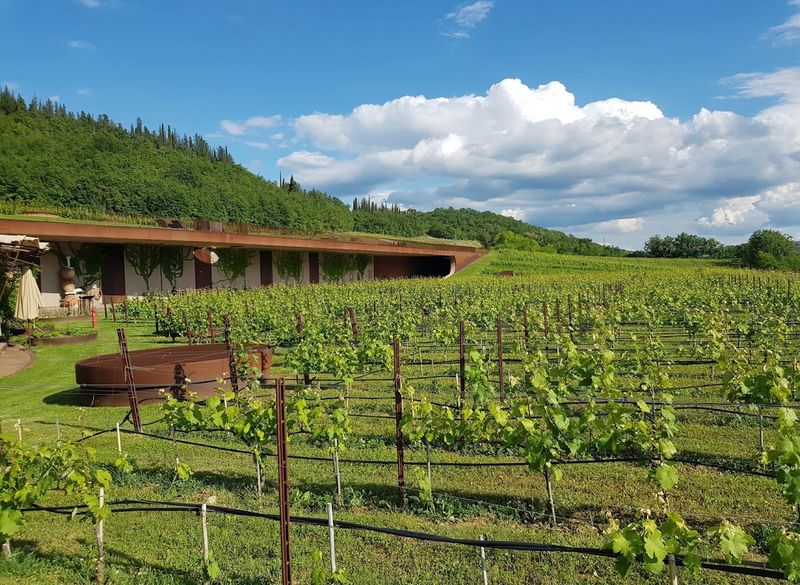
Six hundred years of winemaking in one family. The Antinori family has been crafting wine since 1385, which means they were pressing grapes before Columbus even landed in America.
Their Chianti Classico estate in Bargino is a jaw-dropping architectural marvel, with the winery literally built into a Tuscan hillside.
Visiting feels like stepping into a wine lover’s fever dream. There’s a cellar tour, a well-stocked wine shop, a restaurant with killer views, and tasting options that range from casual to seriously deep-cut.
The Sangiovese-based wines here are bold, earthy, and unashamedly Italian in the best way possible.
I remember my first sip of their Tignanello and thinking, so this is what all the fuss is about. Italy earns its spot on every wine lover’s bucket list, and the Antinori estate is one of the main reasons why.
Book ahead, because this place fills up fast.
Marqués de Riscal – Elciego, Spain
Spain’s wine scene is wildly underrated, and Marqués de Riscal is proof that old traditions and bold ambitions can coexist beautifully. Founded in 1858, this Rioja legend commissioned architect Frank Gehry to design a hotel on its grounds, and the result looks like a crumpled titanium spaceship landed in the middle of a vineyard.
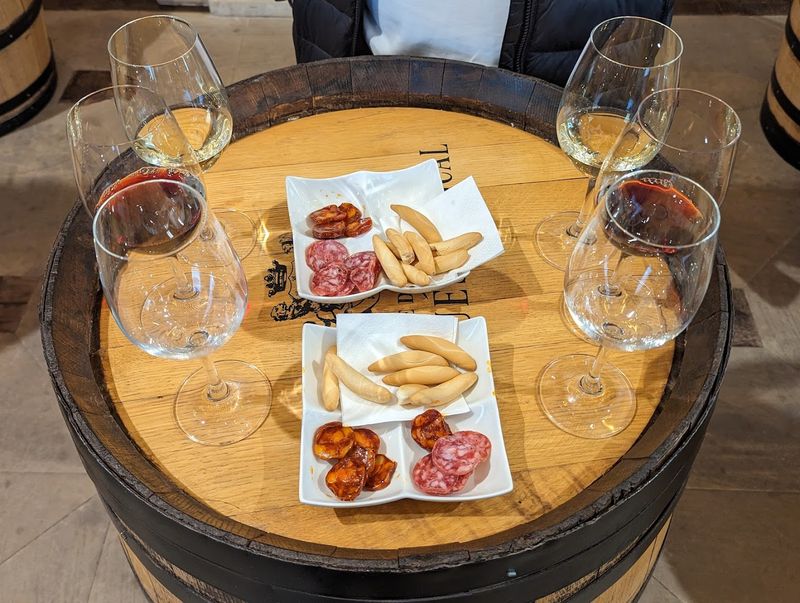
Guided tours take you through the historic winery and out into the vineyards, finishing with tastings of their flagship Tempranillo-based wines. The wines are structured, age-worthy, and deeply satisfying in that classic Rioja style that never goes out of fashion.
Spain produces more wine than any other country by vineyard area, yet it often gets overlooked in favor of France and Italy. That’s actually good news for visitors, because popular spots here still feel personal and unhurried.
Marqués de Riscal is the perfect entry point into the rich, complex world of Spanish wine.
Opus One Winery – Oakville, California, USA
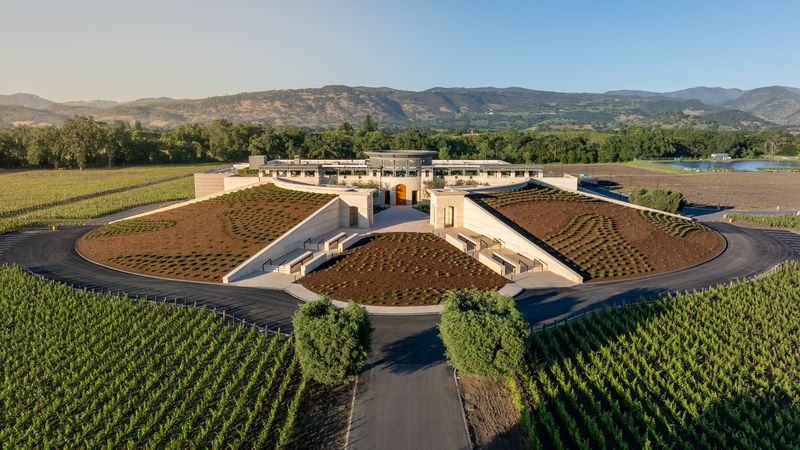
Born from a handshake between Robert Mondavi and Baron Philippe de Rothschild, Opus One is basically the celebrity crossover event of the wine world. This Napa Valley icon produces one wine per year, a Bordeaux-style blend that consistently ranks among the finest in the United States.
No distractions, no shortcuts, just pure focus.
Tours and tastings are by appointment only, which keeps the experience intimate and genuinely special. The circular building is a work of art in itself, and the underground barrel cellar is the kind of place that makes you speak in hushed tones automatically.
California’s wine story is relatively young compared to Europe, but Napa Valley punches well above its weight. Opus One helped put American wine on the global map back in the 1970s, and it hasn’t slowed down since.
Expect to pay a premium, but honestly, some things are worth every single cent.
Bodega Catena Zapata – Mendoza, Argentina
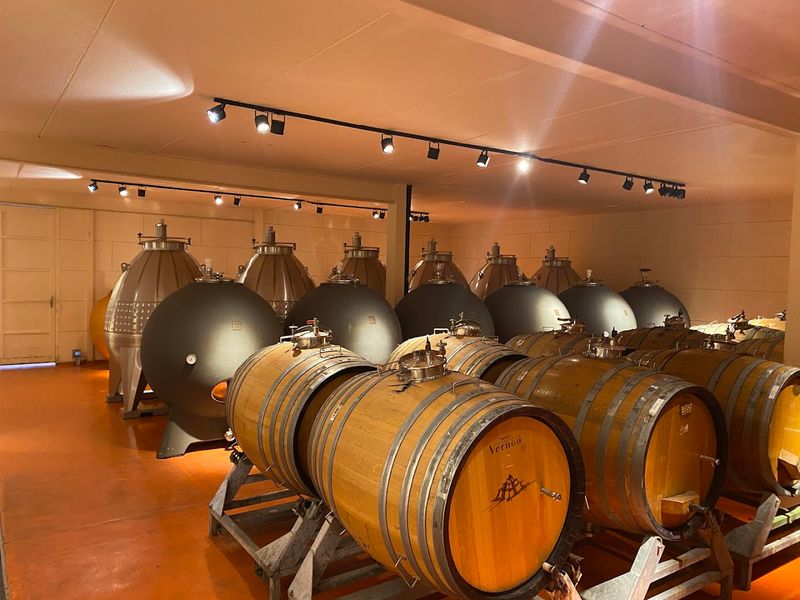
Argentina’s wine revolution has a face, and it belongs to Nicolás Catena Zapata. His pyramid-shaped winery in Mendoza is both a visual statement and a serious wine operation, producing Malbecs that have changed how the world thinks about South American wine.
The Andes mountains loom in the background like permanent security guards.
High-altitude viticulture is Argentina’s secret weapon. Vineyards here sit between 3,000 and 5,000 feet above sea level, which means intense sun, cool nights, and grapes with incredible concentration and freshness.
The resulting Malbecs are rich, purple, and gloriously structured.
Visiting Catena Zapata means touring the vineyard, exploring the cellar, and tasting wines that regularly appear on best-of lists worldwide. Argentina is a country that takes wine seriously without taking itself too seriously, which makes it one of the most enjoyable wine destinations on the planet.
Malbec is just the beginning of the story here.
Penfolds Magill Estate – Adelaide, Australia
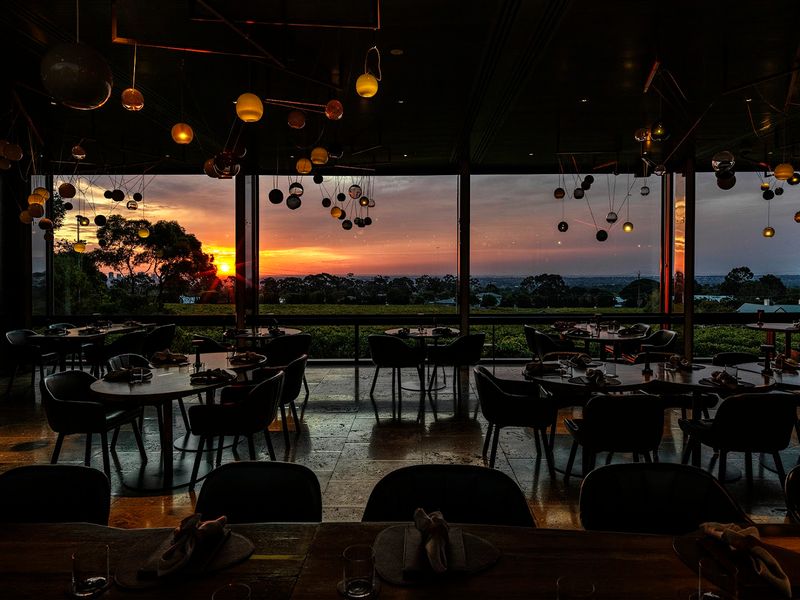
Australia’s wine credentials rest on many shoulders, but Penfolds carries the heaviest load with the most style. The Magill Estate in Adelaide is where it all began, founded in 1844 by Dr. Christopher Rawson Penfold who originally planted vines for medicinal purposes.
Turns out the medicine was delicious.
This is the birthplace of Grange, arguably Australia’s most famous wine and one that routinely sells for hundreds of dollars a bottle. Cellar door tastings here range from approachable everyday wines to rare museum releases that serious collectors travel across the globe to experience.
What makes Penfolds stand out is its commitment to consistency across decades. The winemaking team maintains house style through something called multi-regional blending, which is as nerdy and impressive as it sounds.
The Magill Estate is an urban vineyard surrounded by suburbs, which somehow makes the whole thing feel even more remarkable. Australia’s wine story starts right here.
Viña Montes – Apalta, Chile
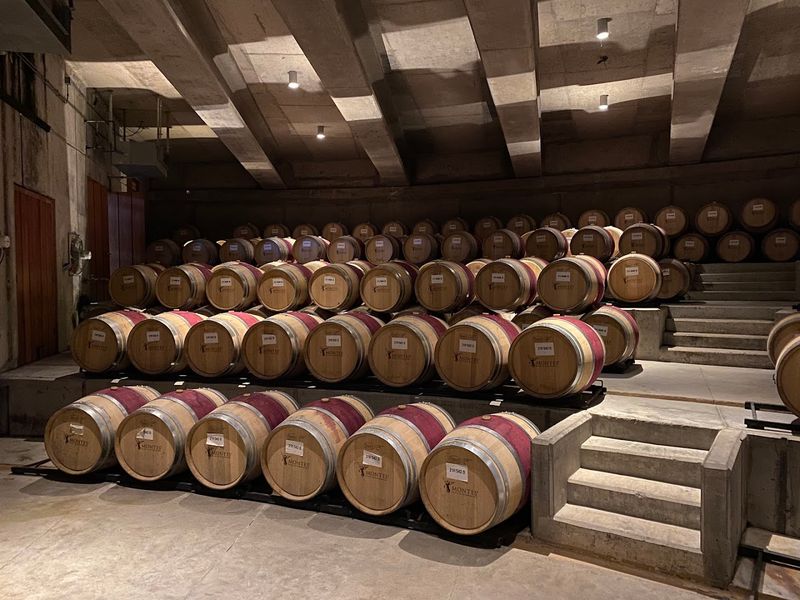
Chile is the long, skinny country that keeps quietly producing world-class wine while everyone else is busy arguing about Burgundy. Viña Montes put Chilean wine on the international map with its flagship Montes Alpha series, and the gravity-flow winery in the Colchagua Valley is genuinely one of the most thoughtfully designed wine facilities anywhere.
The gravity-flow system means grapes move through the winery using natural forces instead of pumps, which protects the fruit and produces wines with remarkable smoothness. Tours walk you through the whole process, and the tastings that follow are a well-deserved reward for all that learning.
Chile’s geography is its superpower. Bordered by the Andes to the east and the Pacific to the west, its wine regions enjoy a natural temperature control that other countries can only envy.
Carménère, Cabernet Sauvignon, and Syrah all thrive here. Viña Montes is the ideal starting point for exploring what Chile can do.
Cloudy Bay – Marlborough, New Zealand
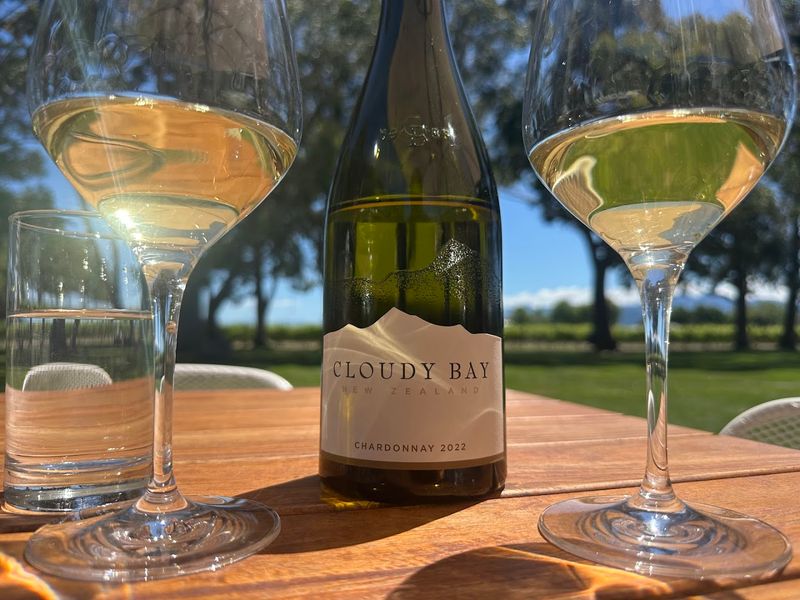
When Cloudy Bay released its first Sauvignon Blanc in 1985, the wine world did a double take. New Zealand wasn’t supposed to produce wines like this, and yet here was a bottle that smelled like freshly cut grass, grapefruit, and pure ambition.
It changed the category permanently.
The cellar door in Marlborough is open five days a week and offers tastings surrounded by the vineyards that made the brand famous. The setting is stunning, with the Richmond Range mountains framing the property like a postcard that never gets old.
Marlborough’s cool climate and long sunny days create ideal conditions for aromatic white wines.
New Zealand also produces excellent Pinot Noir, particularly from Central Otago, but Marlborough Sauvignon Blanc remains the country’s calling card. Cloudy Bay helped build that reputation bottle by bottle.
Visiting feels like meeting a legend in person and discovering they’re even better than the hype suggested. Book a tasting and see for yourself.
Schloss Johannisberg – Rheingau, Germany
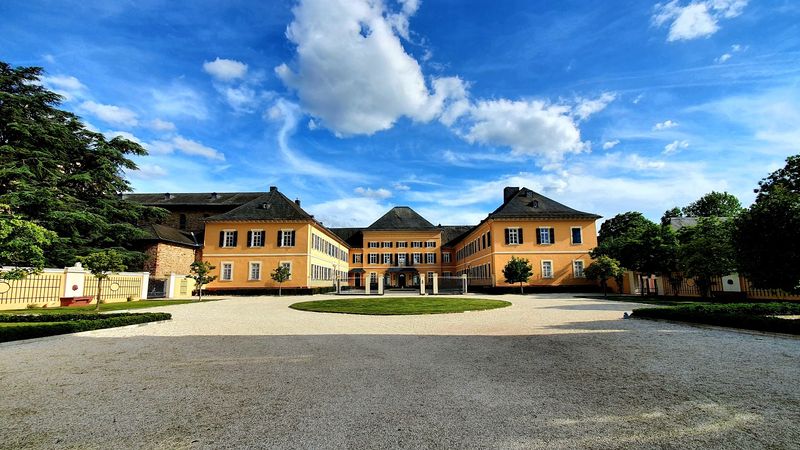
Schloss Johannisberg has a claim that no other winery in the world can match: it is widely recognized as the first estate ever dedicated entirely to Riesling production. That happened in 1720.
Germany’s wine history runs deep, and this hilltop estate overlooking the Rhine River is basically the origin story of one of the world’s greatest white grape varieties.
The cellar tours here are genuinely fascinating, covering centuries of winemaking history in a setting that feels more like a castle visit than a winery tour. Tastings include dry, off-dry, and sweet Rieslings that showcase the grape’s extraordinary range.
German Riesling gets better with age in ways that most wines simply can’t match.
The Rheingau region is compact but packed with quality producers. Schloss Johannisberg sits at the top of that list by both history and reputation.
Germany’s cool climate produces wines with razor-sharp acidity and incredible longevity. Riesling fans treat this place like a pilgrimage site, and honestly, they’re right to do so.
Graham’s Port Lodge – Vila Nova de Gaia, Portugal
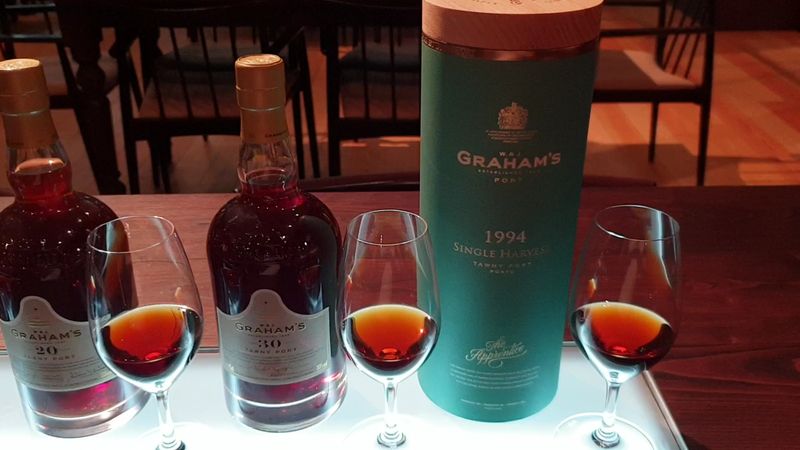
Port wine is one of those things that sounds fancy but is actually just really, really good fun in a glass. Graham’s Port Lodge, built in 1890, sits across the river from Porto in Vila Nova de Gaia, and it’s been aging some of the world’s finest fortified wines ever since.
The view from the terrace alone is worth the visit.
Guided tours cover the museum, the lodge, the bottle cellar stacked with vintage Ports going back decades, and end with tutored tastings that walk you through the full range of styles. Tawny, Ruby, Late Bottled Vintage, Vintage Port: each one is a different chapter in the same delicious story.
Portugal’s wine scene extends well beyond Port, with outstanding table wines from the Douro, Alentejo, and Vinho Verde regions. But Graham’s is where you come to understand why Port became the world’s most famous fortified wine.
A glass of 20-Year-Old Tawny on that riverside terrace is an experience that sticks with you.
Creation Wines – Hemel-en-Aarde, South Africa
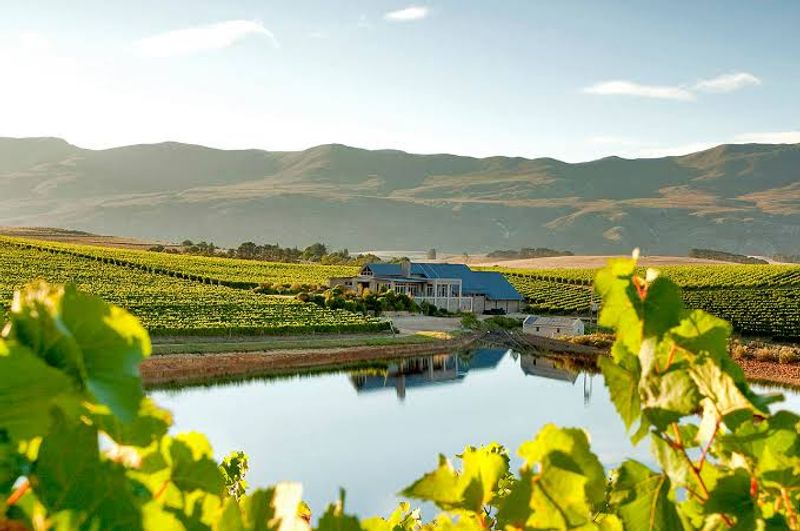
South Africa’s wine industry has one of the most turbulent histories of any country on this list, but the quality coming out of regions like the Hemel-en-Aarde Valley today is nothing short of remarkable. Creation Wines is a standout producer known for Chardonnay and Pinot Noir that compete confidently on the world stage.
The tasting experience here is food-forward and creative, with wine-and-food pairings that go well beyond the usual cheese board. The team treats the pairing process as its own art form, and the results are consistently impressive.
Creation has been recognized by 50 Best Discovery, which tells you everything about the caliber of the experience.
The Hemel-en-Aarde Valley sits close to the cold Atlantic Ocean, which keeps temperatures low and produces wines with real freshness and finesse. South Africa’s wine story is still being written, and producers like Creation are holding the pen.
This is a country whose best wine chapters are very much ahead of it.
Domaine Sigalas – Oia, Santorini, Greece
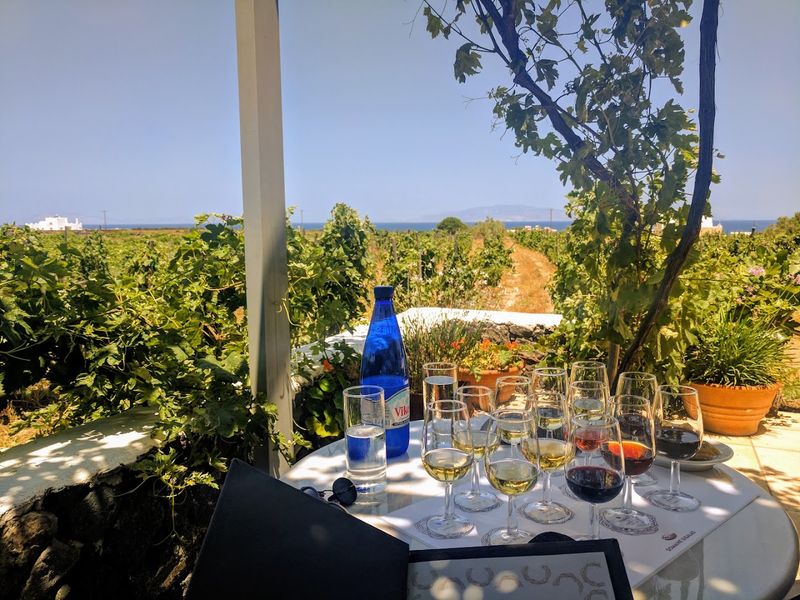
Greece has been making wine for over 4,000 years, which makes most other wine countries look like they’re still in kindergarten. Domaine Sigalas in Santorini produces what many consider the finest expression of Assyrtiko, the volcanic island’s signature white grape variety.
The vines grow in basket shapes low to the ground to protect against the fierce Aegean winds.
Tasting sessions here can include food pairings and vineyard walks through the surreal lunar landscape that makes Santorini unlike any other wine region on earth. The wines are electric: high in acidity, mineral, saline, and built for seafood in a way that feels almost cosmically logical given the setting.
Visitors can book dedicated vineyard experiences that go deeper into the island’s unique viticultural traditions. Santorini’s volcanic soil and extreme conditions produce grapes with extraordinary character.
Greece has spent decades rebuilding its wine reputation after a rough patch, and estates like Domaine Sigalas are leading the comeback with serious, world-class results.
Domäne Wachau – Dürnstein, Austria
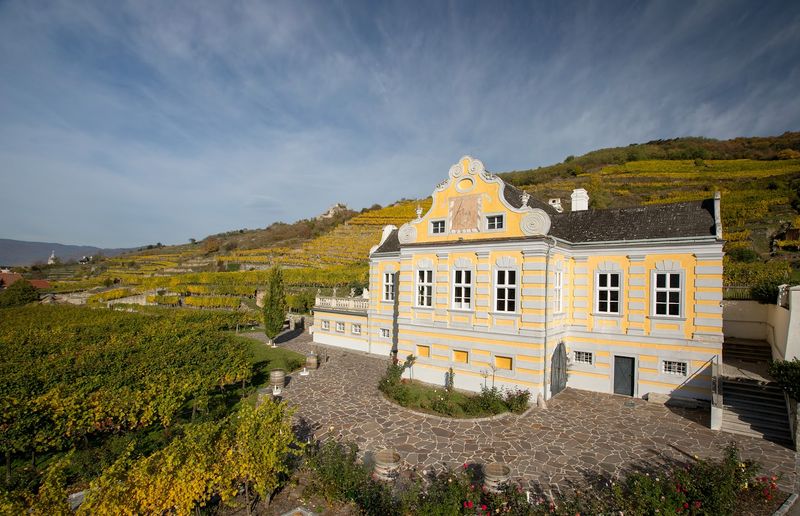
Austria’s wine scene is one of Europe’s best-kept secrets, and the Wachau Valley is its crown jewel. Domäne Wachau in Dürnstein is the region’s most important producer, a cooperative that works with over 200 growers to craft wines of remarkable precision and elegance.
The terraced vineyards dropping down to the Danube River are a UNESCO World Heritage Site for good reason.
Guided tours cover the estate, the vineyards, and the impressive cellar, finishing with tastings of Grüner Veltliner and Riesling in styles ranging from light and crisp to the powerful Smaragd category. Austrian wine classification is its own system entirely, and it rewards those who take the time to learn it.
Austria bounced back from a wine scandal in the 1980s by becoming one of the most quality-focused wine nations in Europe. Today, its top Rieslings and Grüner Veltliners are genuinely world-class.
Domäne Wachau is the most straightforward way to experience the best of what this quietly extraordinary wine country has to offer.
HOLDVÖLGY – Mád, Hungary
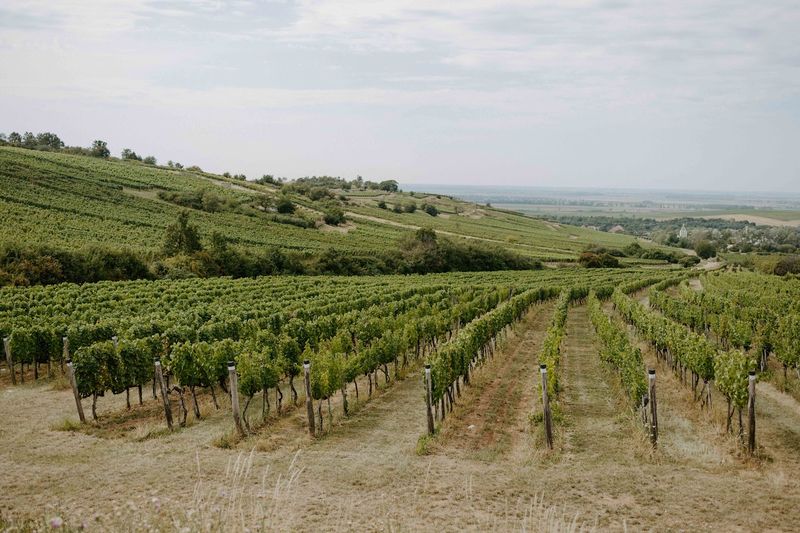
Hungary’s Tokaj region was once the most celebrated wine area in all of Europe. Kings and tsars fought over its legendary Aszú wines, and Louis XIV of France reportedly called Tokaj the wine of kings and the king of wines.
HOLDVÖLGY in the village of Mád keeps that royal legacy alive in one of the most dramatic settings in the wine world.
Tastings take place in a 500-year-old cellar labyrinth carved into volcanic rock beneath the village. The tunnels stretch for hundreds of meters, coated in a special black mold that helps regulate temperature and humidity during the aging process.
It sounds like a horror movie set, but it produces wines of extraordinary sweetness and complexity.
Tokaji Aszú is made from botrytized grapes, essentially grapes that have been deliberately shriveled by noble rot, concentrating sugars and flavors to an almost absurd degree. Hungary is experiencing a full wine renaissance right now, and HOLDVÖLGY is one of the most exciting addresses in the entire country.
Bodega Garzón – Garzón, Uruguay
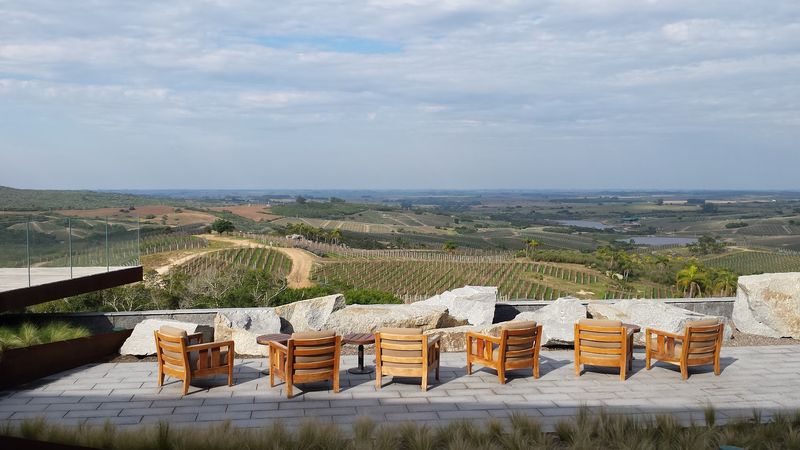
Uruguay is the underdog of South American wine, and Bodega Garzón is its unlikely champion. Located in the rolling hills of the Garzón department near the Atlantic coast, this winery has turned international heads with wines that are polished, terroir-driven, and genuinely exciting.
The estate was even named New World Winery of the Year by Wine Enthusiast.
Tannat is Uruguay’s flagship grape, a thick-skinned variety that produces wines of serious structure and depth. Bodega Garzón handles it with real skill, producing both powerful and more approachable styles.
Visitor experiences include vineyard tours, winery visits, and tastings in a beautifully designed tasting room that does justice to the wines inside it.
Uruguay punches well above its weight for a country of only 3.5 million people. The coastal climate, granite soils, and genuine passion for quality make this one of South America’s most exciting wine frontiers.
Bodega Garzón is the perfect reason to finally add Uruguay to your wine travel list.
Share this story