Some places leave you with more than just photos and souvenirs. They leave you with the feeling that strangers actually cared about making your trip special.
Across the globe, certain countries have built well-earned reputations for warmth, generosity, and genuine friendliness toward visitors. Whether you are planning your next adventure or just love learning about the world, these 15 destinations are proof that kindness truly has no borders.
Ireland
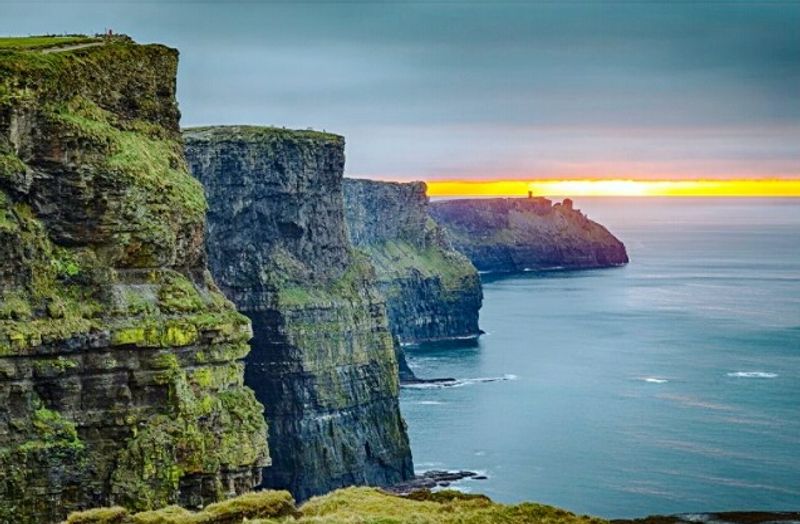
Walk into any pub in Ireland and within five minutes, someone will have already told you a joke, asked where you are from, and offered to buy you a round. The Irish have a legendary way with words, and their gift for conversation is not just a stereotype.
It is a genuine cultural trait that visitors notice almost immediately.
Ireland consistently ranks among the friendliest countries in the world, and it is easy to see why. Locals will happily give you directions, share restaurant recommendations, and chat like you have been friends for years.
Even in big cities like Dublin, the friendliness feels real rather than rehearsed.
Beyond the pubs, the warmth extends to rural villages, coastal towns, and countryside roads. Farmers wave as you pass.
Shopkeepers remember your name after one visit. Ireland proves that a country does not need tropical weather to give off serious warm vibes.
The people themselves are the sunshine here.
Portugal
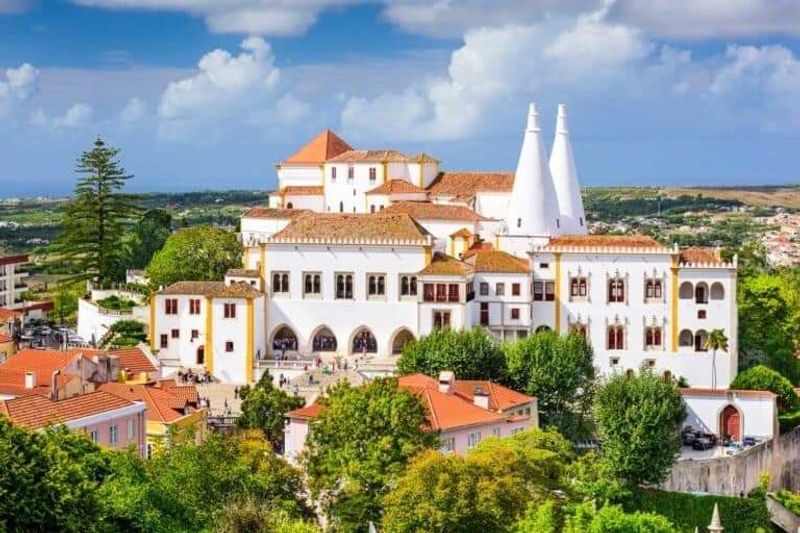
Portugal has quietly become one of the most talked-about destinations in the world, and not just because of its golden beaches and incredible pastries. Travelers and expats keep returning because the people here have a natural warmth that makes even a short visit feel like a homecoming.
The Portuguese are known for being calm, patient, and genuinely helpful. Ask for help on the street and locals will not just point you in the right direction.
They will often walk you there themselves. That kind of effortless generosity is what keeps visitors coming back year after year.
Portugal also scores high on safety, affordability, and quality of life, making it a magnet for long-term travelers and remote workers. But what really seals the deal is the saudade culture, a deep emotional warmth and nostalgia that shapes how Portuguese people connect with others.
Conversations feel meaningful, meals feel shared, and the whole country feels like it genuinely wants you to have a good time. That is a rare and wonderful thing.
New Zealand

Kiwis have a reputation that precedes them wherever they go in the world: friendly, laid-back, and refreshingly down-to-earth. Back home in New Zealand, that reputation is fully earned.
Travelers who visit for the first time are often struck by how approachable everyone seems, from city residents to remote farmers living hours from the nearest town.
New Zealand is a country where strangers stop to help you change a flat tire, where hikers share trail snacks with people they just met, and where asking a local for advice almost always leads to a genuine and enthusiastic response. There is no pretense here.
People just want to be helpful.
The country’s multicultural makeup also plays a role. New Zealand is home to a rich blend of Maori, Pacific Island, European, and Asian communities, all contributing to a society that values inclusion and respect.
The Maori concept of manaakitanga, which means showing respect and generosity toward others, is woven into the national identity. Visitors often say that New Zealand felt like the friendliest place they had ever been, and that says everything.
Canada

Yes, Canadians really are that polite. The jokes about excessive apologies are rooted in something real.
Canada has built a national identity around respect, inclusion, and treating people well, and those values show up in everyday interactions in ways that genuinely impress visitors.
Multicultural cities like Toronto, Vancouver, and Montreal are among the most welcoming urban environments on the planet. People from every corner of the world call Canada home, which creates communities that are naturally open to newcomers and curious about different cultures.
That openness translates into a travel experience that feels warm and easy from day one.
Outside the cities, small-town Canada has its own brand of hospitality. Think homemade pie offered to a lost traveler, neighbors who shovel each other’s driveways without being asked, and locals who genuinely want to know your story.
Canada also consistently ranks near the top of global quality-of-life surveys, partly because its culture places such a high value on community and mutual care. Visiting Canada feels less like being a tourist and more like being a welcomed guest in someone’s very large, very friendly home.
Japan
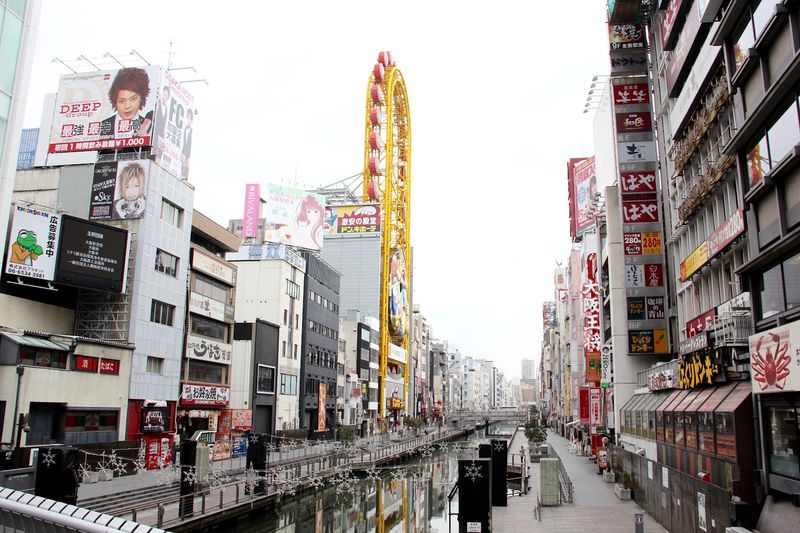
There is a word in Japanese that does not have a perfect translation in English: omotenashi. It roughly means wholehearted hospitality, the art of anticipating what a guest needs before they even ask.
This philosophy is baked into Japanese culture at every level, from five-star hotels to tiny ramen shops.
Visitors to Japan are frequently amazed by the level of care and attention they receive. Train staff bow as they enter and exit the car.
Convenience store clerks wrap purchases with care. Strangers will go out of their way to help a confused tourist, even if they barely speak the same language.
The effort alone is deeply touching.
Japan is also famously clean, safe, and organized, which adds to the overall feeling of being well looked after. Lost items are almost always turned in to lost-and-found offices.
Streets are swept daily. Restaurants treat every meal as an experience worth perfecting.
Some travelers find the formality surprising at first, but it quickly becomes clear that it comes from a place of genuine respect. Japan does not just want you to visit.
It wants you to leave feeling truly cared for.
Greece
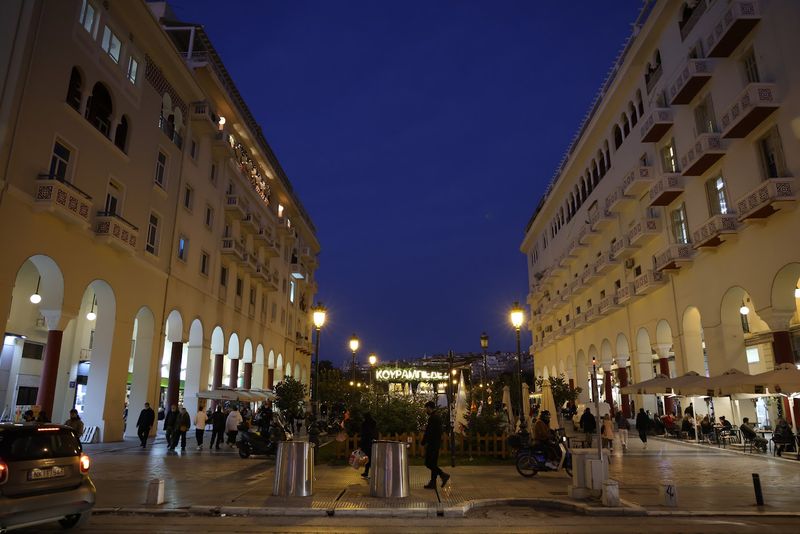
Greeks have a word for it: philoxenia. Translated literally, it means love of strangers, and it is one of the oldest and most deeply held values in Greek culture.
Hospitality in Greece is not just good manners. It is practically a moral obligation, and visitors feel the difference immediately.
Walk into a family-run taverna on a Greek island and you might be invited into the kitchen to see what is cooking. Locals will pour you extra wine, bring out dishes you did not order just to share, and insist you stay for dessert.
Saying no is nearly impossible, and honestly, why would you want to?
This spirit of generosity extends beyond restaurants. In small villages, strangers will offer you a seat, a glass of water, or directions delivered with theatrical enthusiasm.
Greek hospitality has been celebrated since ancient times. Homer wrote about it in the Odyssey, and it has not faded in the centuries since.
Modern travelers often say that Greece felt less like a destination and more like visiting family. Loud, generous, slightly chaotic family who feeds you until you cannot move.
Absolute perfection.
Thailand
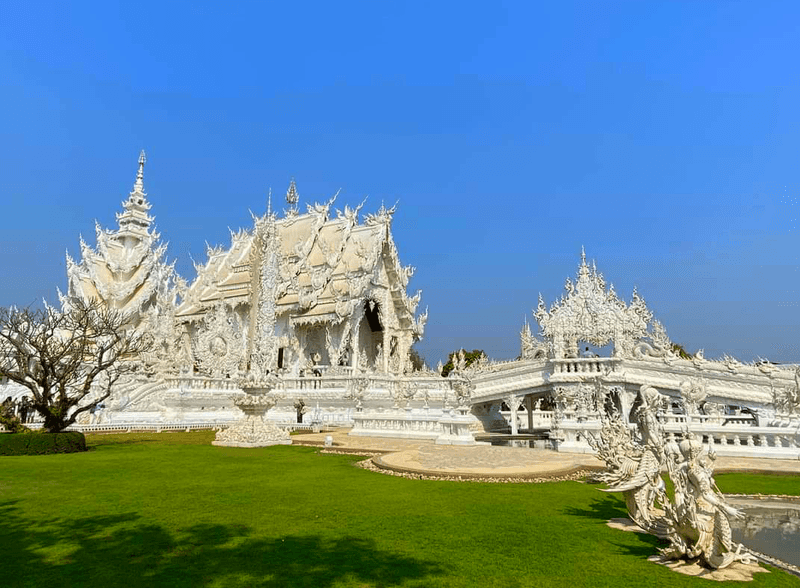
The nickname Land of Smiles was not invented by a marketing team. Anyone who has spent time in Thailand will tell you it is just accurate.
Thai people greet visitors with a warmth that feels completely natural, and that friendliness shows up in every corner of the country, from busy Bangkok streets to quiet northern mountain villages.
Thai hospitality is rooted in Buddhist values of kindness, patience, and generosity. These are not just ideals.
They are lived daily. Vendors smile while negotiating prices.
Tuk-tuk drivers crack jokes in broken English. Guesthouse owners remember your food preferences from the day before.
Small kindnesses pile up so fast that visitors often feel overwhelmed in the best possible way.
Food is another love language here. Thai people show care by feeding you, recommending dishes, and watching your face light up at the first bite.
Street food culture means that sharing a meal with a local can happen anywhere, anytime. Thailand also has a thriving backpacker community, which means locals have had decades of experience making international visitors feel comfortable and welcome.
If you leave Thailand without making at least one new friend, you were not paying attention.
Iceland
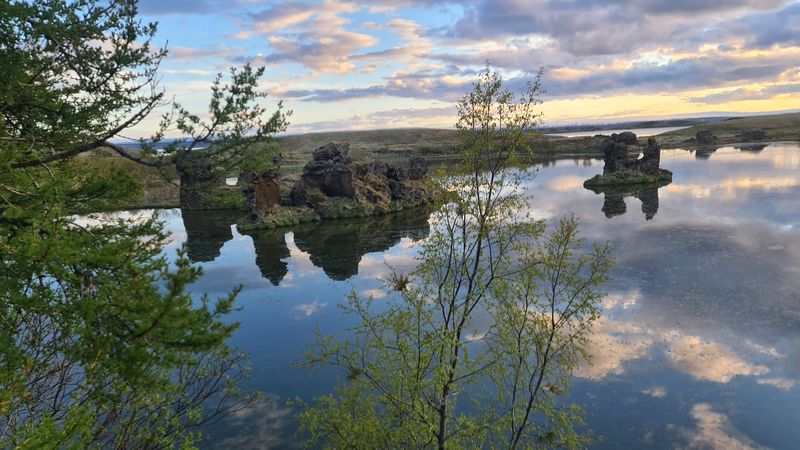
Iceland is one of the most sparsely populated countries in the world, with just over 370,000 people spread across a volcanic island that looks like it belongs in a fantasy novel. And yet, somehow, the warmth of its people more than compensates for the cold of its winters.
Icelanders have a reputation for being quietly helpful rather than loudly welcoming. They will not rush over to greet you with a big show, but ask for help and they will give you their full, genuine attention.
Locals are knowledgeable, honest, and refreshingly straightforward. If a place is not worth visiting, they will tell you.
If you are headed somewhere dangerous, they will make sure you know.
Safety is also a major part of what makes Iceland feel so welcoming. It consistently ranks as one of the safest countries in the world, which means solo travelers and families alike can explore freely without worry.
The tight-knit community means people genuinely look out for one another, and that extends to visitors too. Iceland may be small, but the sense of security and genuine human connection it offers makes it feel surprisingly big-hearted.
Slovenia
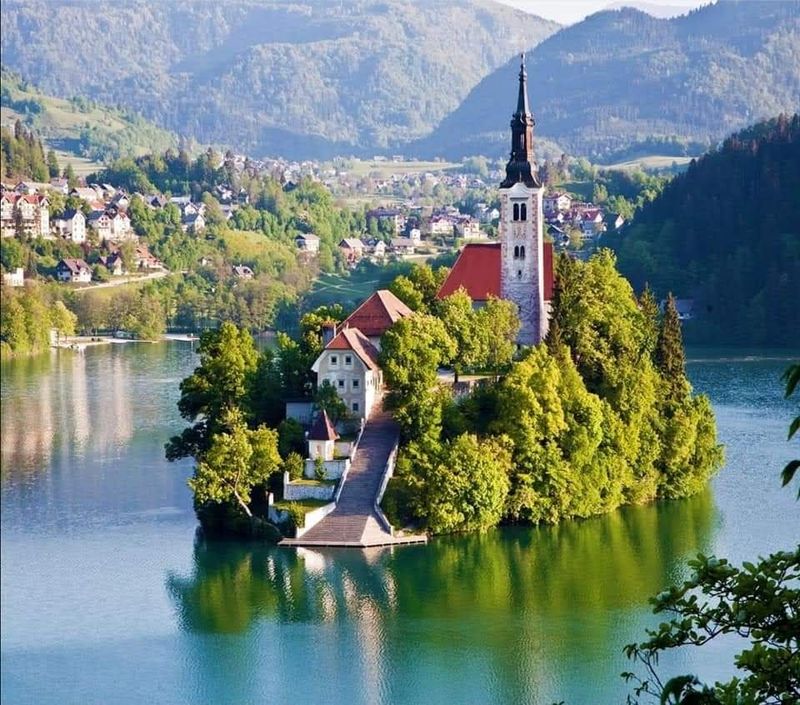
Slovenia is one of Europe’s best-kept secrets, and locals seem genuinely happy to share it with you. This small Central European country packs in stunning alpine scenery, charming medieval towns, and some of the most approachable people you will find anywhere on the continent.
Travelers who make it to Slovenia are often surprised by how friendly and curious the locals are. English is widely spoken, especially among younger generations, and people are eager to talk about their country with obvious pride.
Ljubljana, the capital, has a village-like intimacy despite being a proper city, and that warmth carries through to every neighborhood cafe and weekend market.
In the countryside and mountain villages, hospitality takes on a more traditional flavor. Farmhouse stays are popular, and hosts often treat guests like extended family, offering homemade schnapps, garden vegetables, and hearty local meals.
Slovenia is also deeply invested in sustainable tourism, which reflects a broader cultural value of care, both for the land and for the people who visit it. For a country so small it could fit inside many single US states, Slovenia punches far above its weight in the hospitality department.
Georgia
In Georgia, feeding a guest is not optional. It is practically a national sport.
The Georgian tradition of the supra, a long, elaborate feast presided over by a tamada or toastmaster, is one of the most extraordinary expressions of hospitality you will find anywhere in the world. Guests are treated like royalty from the moment they walk through the door.
Georgian culture holds that a guest is a gift from God, and that belief shapes how visitors are received at every level of society. Strangers invite you in for coffee.
Neighbors bring food to your guesthouse. Taxi drivers refuse payment and instead insist on showing you their city.
It can feel almost overwhelming, but in the most wonderful way imaginable.
The country itself is breathtaking, with ancient monasteries, rugged mountain passes, and one of the world’s oldest wine-making traditions. But it is the people who make Georgia truly unforgettable.
The Caucasus region has seen its share of history and hardship, yet Georgians have held onto their generosity and joy with remarkable tenacity. First-time visitors almost universally leave saying the same thing: they had no idea Georgia would be like this.
That is the best kind of surprise.
Mexico
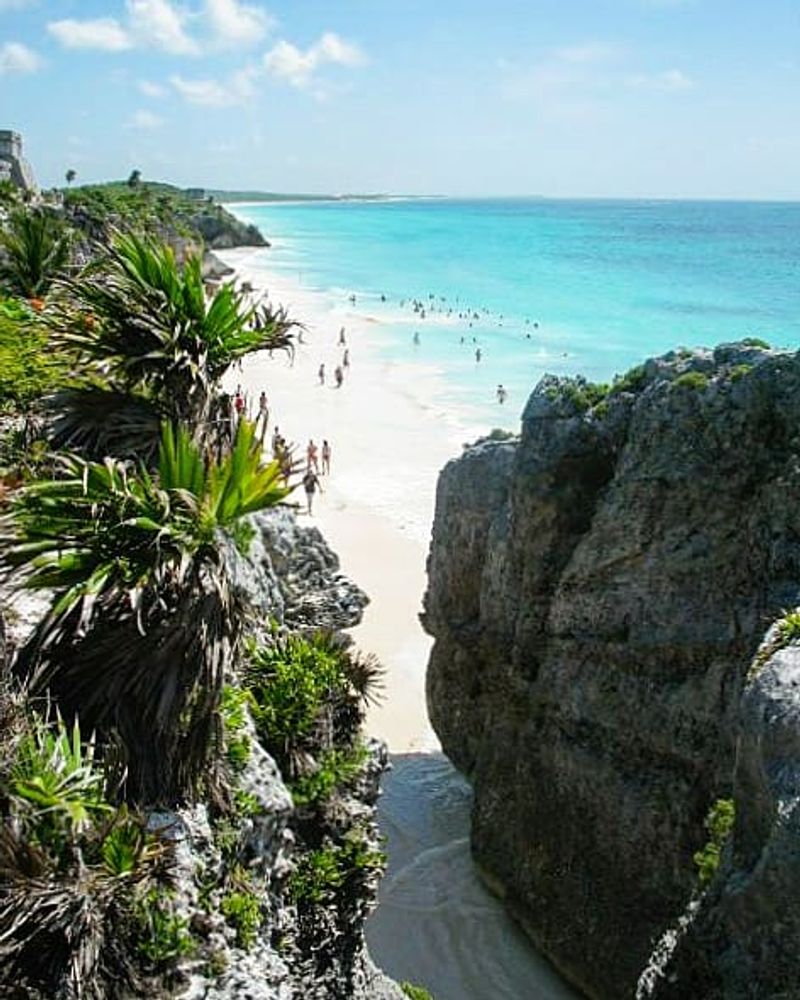
Mexican hospitality runs deep, and it shows up in ways both grand and quietly everyday. From the moment you arrive, you are likely to encounter smiles, helpful strangers, and an infectious enthusiasm for sharing the best of what Mexico has to offer.
This is a culture that genuinely enjoys having guests around.
Family is central to Mexican life, and that value extends outward to include visitors. Locals will go out of their way to make sure you find the best taco stand, the most scenic viewpoint, or the right bus to your next destination.
In smaller towns especially, the community spirit is palpable. People look out for each other, and they look out for you too.
Mexican food culture also plays a huge role in how hospitality is expressed. Sharing a meal is an act of love here, and vendors, cooks, and home hosts alike take enormous pride in what they prepare.
Whether you are in Mexico City, Oaxaca, or a tiny coastal fishing village, the welcome feels genuine and the generosity feels effortless. Mexico has a vibrant, joyful energy that is almost impossible not to absorb.
Leave your worries at the border. You will not need them here.
Indonesia
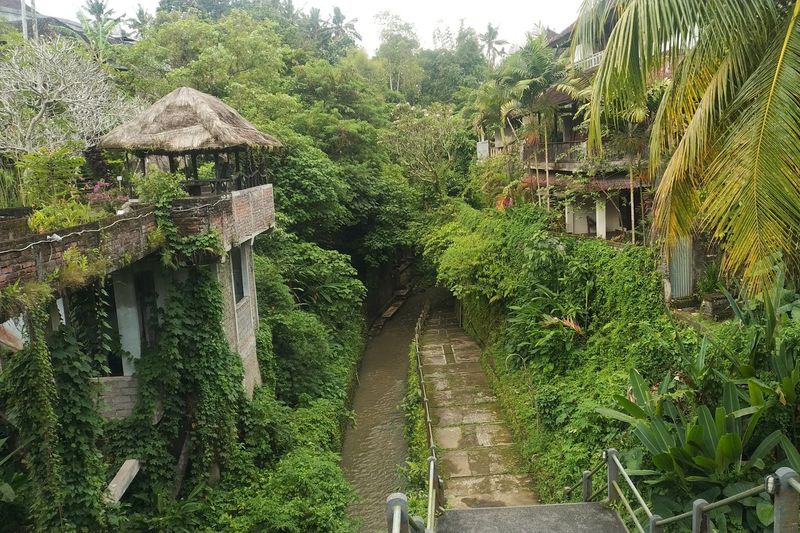
Indonesia is made up of over 17,000 islands and more than 300 distinct ethnic groups, which means the hospitality here comes in wonderfully diverse flavors. But across all that variety, one thing stays consistent: a genuine warmth toward visitors that travelers mention again and again in their trip reviews.
Bali is the most visited part of Indonesia, and its reputation for spiritual calm and smiling locals is well deserved. But venture beyond Bali to Java, Lombok, Sulawesi, or Flores and you will find the same open-hearted welcome, often even more pronounced in places that see fewer tourists.
Locals in smaller communities are frequently curious, kind, and eager to share their culture without any expectation in return.
Indonesian culture places enormous value on harmony and mutual respect, concepts embedded in the national philosophy of Pancasila. That social foundation encourages people to treat others with consideration and grace.
Guesthouses run by local families often feel more like homestays, with shared meals, conversation, and genuine interest in where you come from and where you are going. Indonesia is proof that a big, complex, wonderfully chaotic archipelago can still feel like one giant, smiling welcome mat.
Vietnam
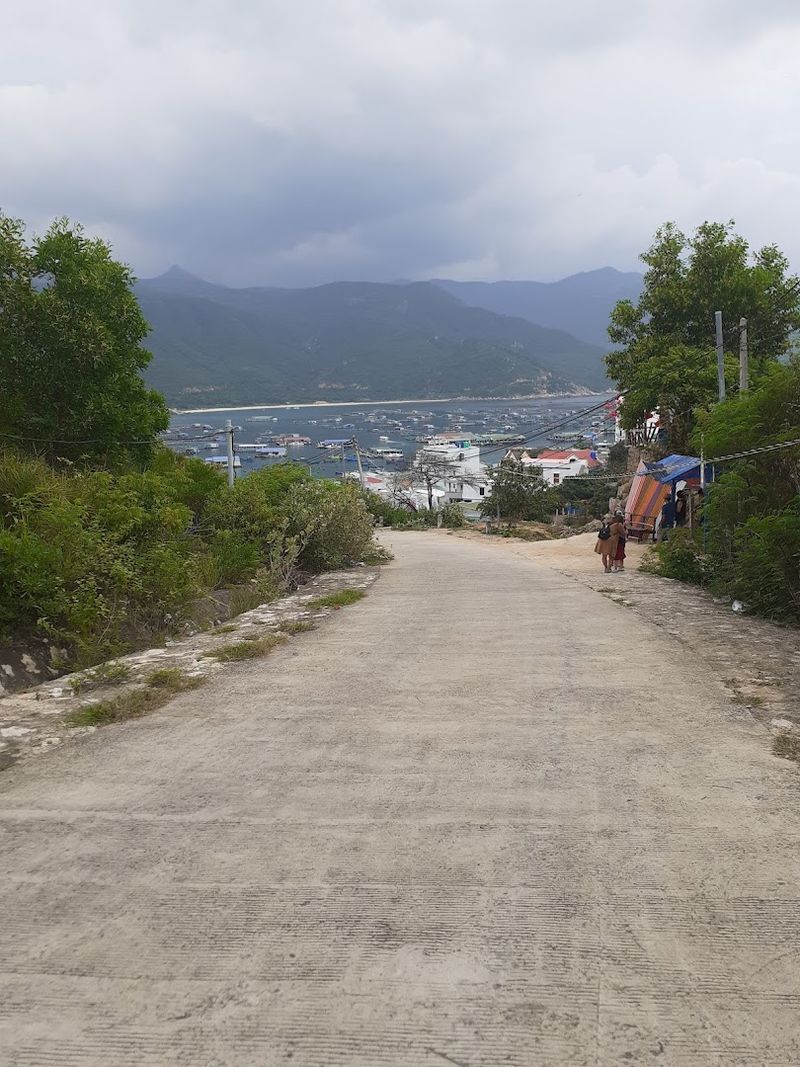
Vietnam has become one of Southeast Asia’s most popular travel destinations, and the food alone would be enough reason to visit. But ask any traveler what really won them over, and the answer is almost always the people.
Vietnamese hospitality is direct, warm, and completely unpretentious.
Street food vendors wave you over with big smiles and genuine pride in what they are serving. Guesthouse owners double as unofficial tour guides, drawing maps on napkins and calling ahead to book you the best table in town.
Even in crowded cities like Hanoi and Ho Chi Minh City, where life moves at an almost dizzying pace, locals find time to be kind.
Vietnam’s younger generation is especially welcoming to international visitors. Many are eager to practice English, share their favorite local spots, and show off a country they are clearly proud of.
The north and south have distinct personalities, and rural areas offer a quieter, more intimate kind of hospitality rooted in tradition and community. Vietnam has a complicated history, yet its people face the world with remarkable openness and forward-looking energy.
That combination of resilience and warmth is genuinely hard to forget.
Scotland
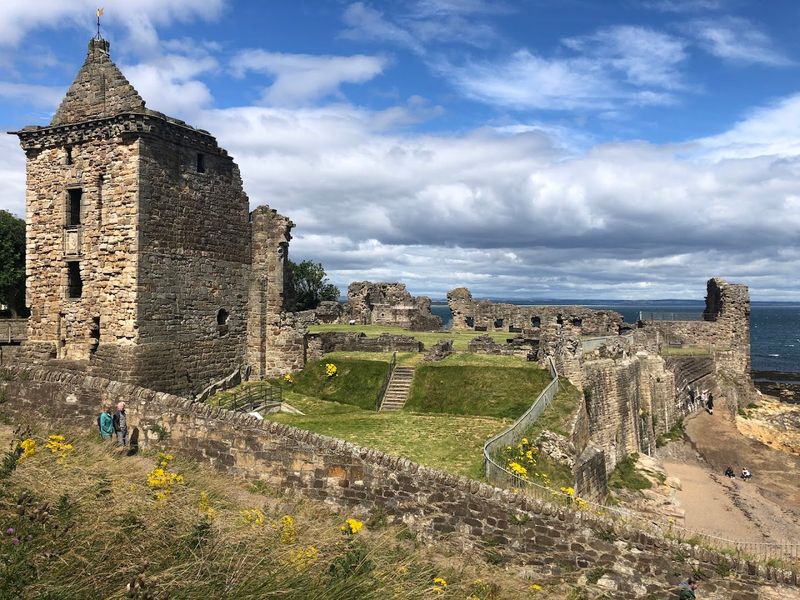
Scotland has a particular kind of hospitality that feels like being handed a warm blanket on a cold evening. It is cozy, genuine, and slightly hilarious, because Scottish humor is very much part of the welcome package.
Locals are known for their quick wit, their storytelling ability, and their total lack of pretension.
Edinburgh and Glasgow both have thriving pub cultures where striking up a conversation with a stranger is not just acceptable but actively encouraged. Buy someone a drink and you will hear a story.
Ask for a recommendation and you will get three, each delivered with enthusiastic local pride. Scotland takes its food, its whisky, and its history seriously, and sharing all three with visitors is something locals genuinely enjoy doing.
Outside the cities, Highland villages and island communities offer a quieter but equally warm welcome. Bed-and-breakfast hosts who cook you a full Scottish breakfast and then quiz you about your travel plans are a beloved national institution.
Scotland also benefits from a rich cultural identity that locals love to share, from bagpipes and castles to ancient myths and modern art. Come curious and leave charmed.
That is basically the Scottish tourist experience in a nutshell.
Bosnia and Herzegovina
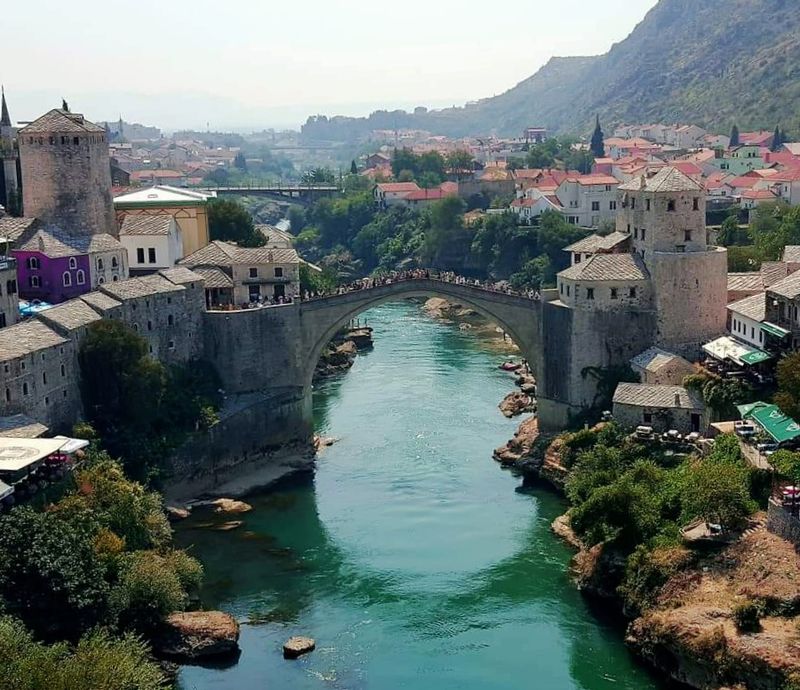
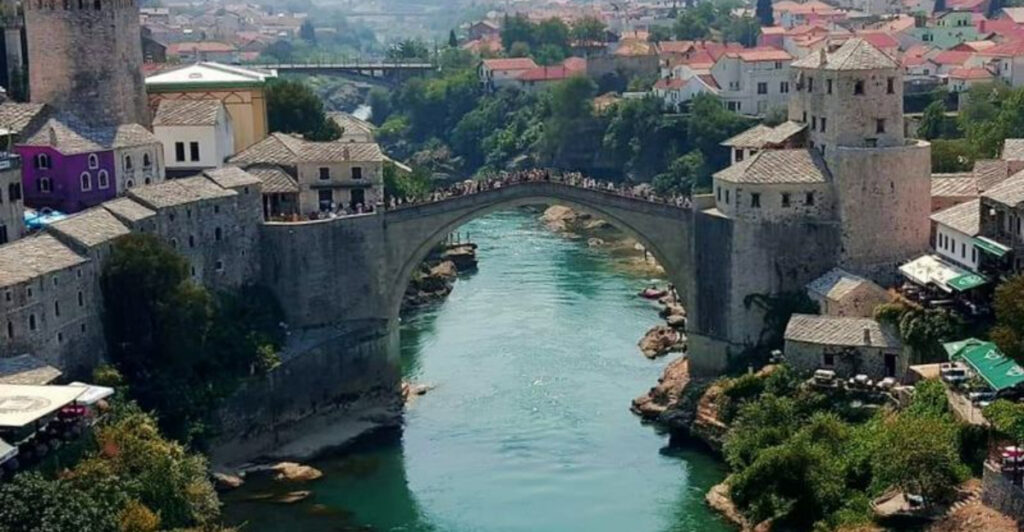
Bosnia and Herzegovina might be one of the most underrated hospitality destinations in the entire world. Travelers who make the trip to Sarajevo or Mostar often come back with the same slightly stunned expression and the same words: the people were unbelievably kind.
Bosnian culture has a tradition called komsiluk, a concept of neighborly duty and community care that has survived centuries of turbulent history. Guests are welcomed with strong Bosnian coffee, homemade food, and the kind of unhurried conversation that makes you feel like time itself has slowed down.
Nobody is rushing you out the door here.
What makes Bosnian hospitality especially moving is the context. This is a country that lived through devastating conflict in the 1990s and has rebuilt itself with remarkable spirit.
Despite that difficult history, or perhaps because of it, people here have a deep appreciation for human connection and a generosity that feels hard-won and therefore even more meaningful. Visitors frequently report that locals in small mountain villages invited them in for meals within minutes of meeting.
Bosnia and Herzegovina does not just welcome you. It makes you feel like your visit genuinely mattered.
That is a rare and beautiful thing.
Share this story