Some cities are more than just a country’s headquarters. They are living museums, cultural crossroads, and vibrant hubs where history and modern life blend together beautifully.
From ancient ruins to futuristic skylines, the world’s capital cities offer some of the most incredible travel experiences on Earth. Get ready to explore 15 capitals that are truly worth knowing about.
1. Italy: Rome
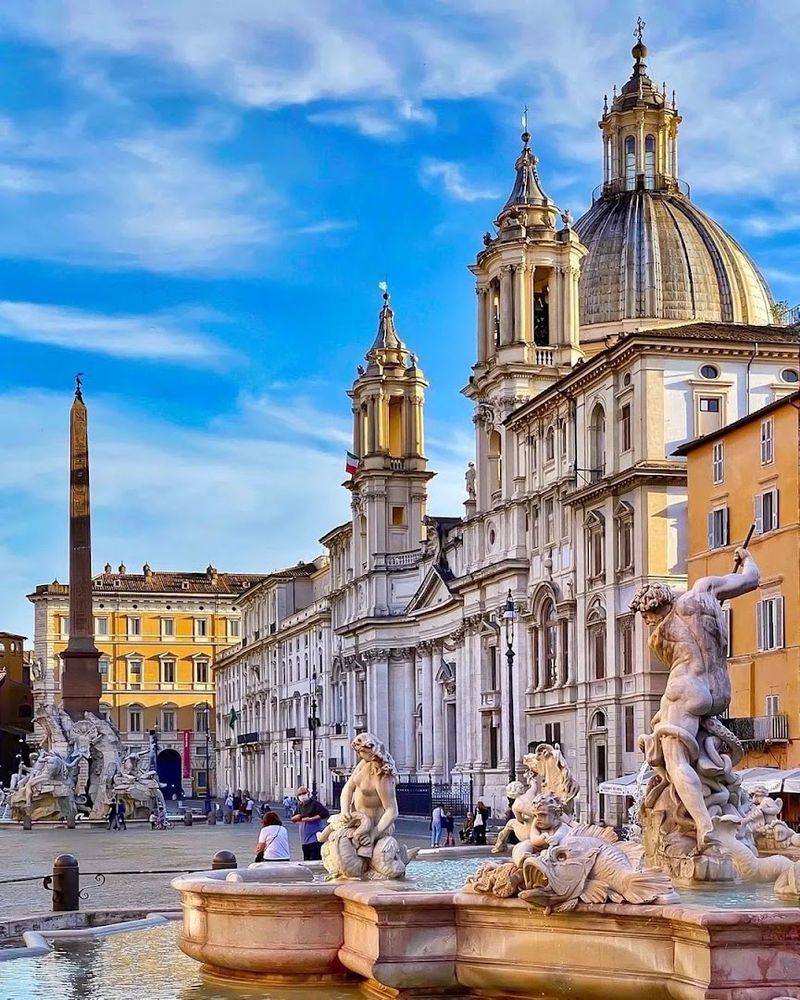
Walking through Rome feels like flipping through the pages of a history book that never ends. Founded nearly 3,000 years ago, this city has layers of stories tucked into every cobblestone street and crumbling archway.
Few places on Earth can match what Rome offers a curious visitor.
The Colosseum alone draws millions of visitors each year, standing as one of the most recognizable structures ever built. Nearby, the Roman Forum gives a vivid glimpse into daily life during the height of the Roman Empire.
Vatican City, a sovereign state within Rome itself, adds another extraordinary dimension to the experience.
Beyond the famous landmarks, Rome rewards those who wander its quieter neighborhoods. Trastevere, with its ivy-covered walls and outdoor trattorias, feels like a city frozen in a beautiful moment.
Rome is not just a destination; it is an unforgettable encounter with civilization itself.
2. Japan: Tokyo
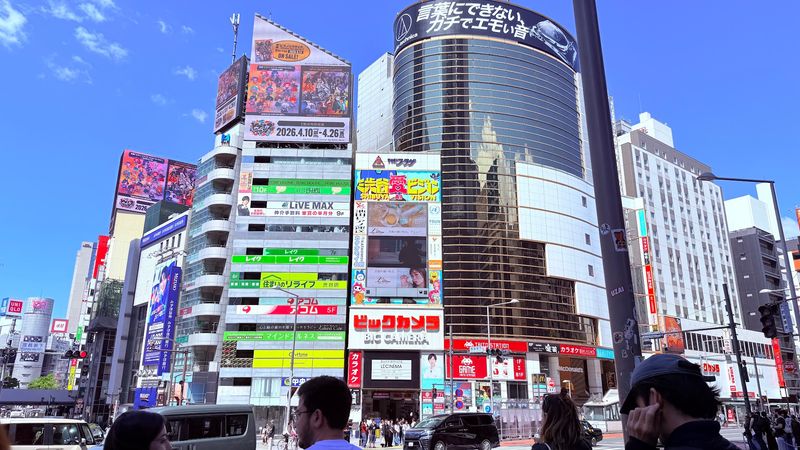
Tokyo is the kind of city that makes your head spin in the best possible way. Nowhere else on the planet do centuries-old Buddhist temples sit so comfortably in the shadow of towering glass skyscrapers.
It is a city of remarkable contrasts, and that tension is exactly what makes it so captivating.
With a population exceeding 13 million in the city proper, Tokyo is one of the most densely populated urban areas in the world. Yet somehow, it manages to feel orderly, clean, and deeply respectful of both tradition and innovation.
Neighborhoods like Asakusa preserve the old Japan, while Shibuya and Akihabara showcase its technological edge.
Food culture here is taken seriously. Tokyo has more Michelin-starred restaurants than any other city globally, spanning everything from humble ramen shops to extraordinary sushi counters.
For travelers who want everything at once, Tokyo genuinely delivers on every level.
3. Turkey: Ankara
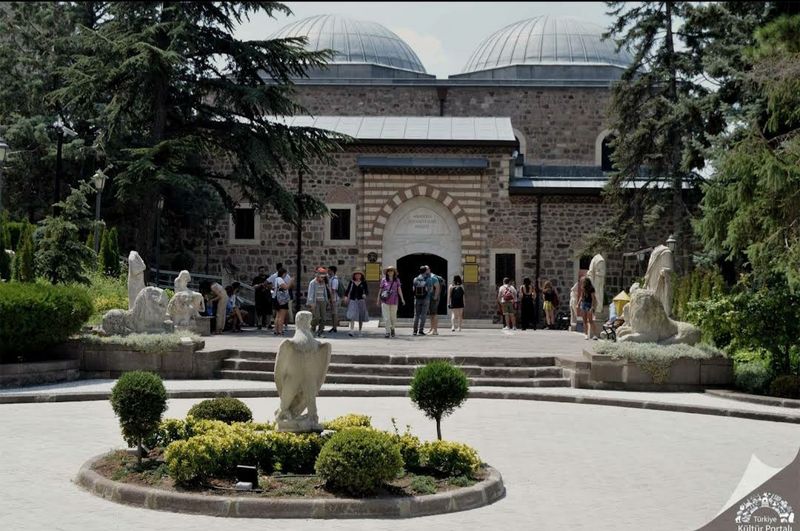
Most people think of Istanbul when Turkey comes to mind, but Ankara tells a different and equally compelling story. Chosen as Turkey’s capital in 1923 by Mustafa Kemal Atatürk, the city was deliberately built to represent a modern, forward-looking nation rising from the ashes of the Ottoman Empire.
Anıtkabir, the grand mausoleum honoring Atatürk, stands as the city’s most emotionally powerful landmark. Thousands of visitors come each year to pay their respects, and the surrounding museum offers a detailed account of Turkey’s transformation into a republic.
The Museum of Anatolian Civilizations nearby is considered one of the best archaeological museums in the entire world.
Ankara may lack Istanbul’s dramatic waterfront scenery, but it carries a quiet dignity and intellectual energy all its own. Universities, government institutions, and cultural centers make this a city that thinks deeply about where Turkey has been and where it is going.
4. Mexico: Mexico City
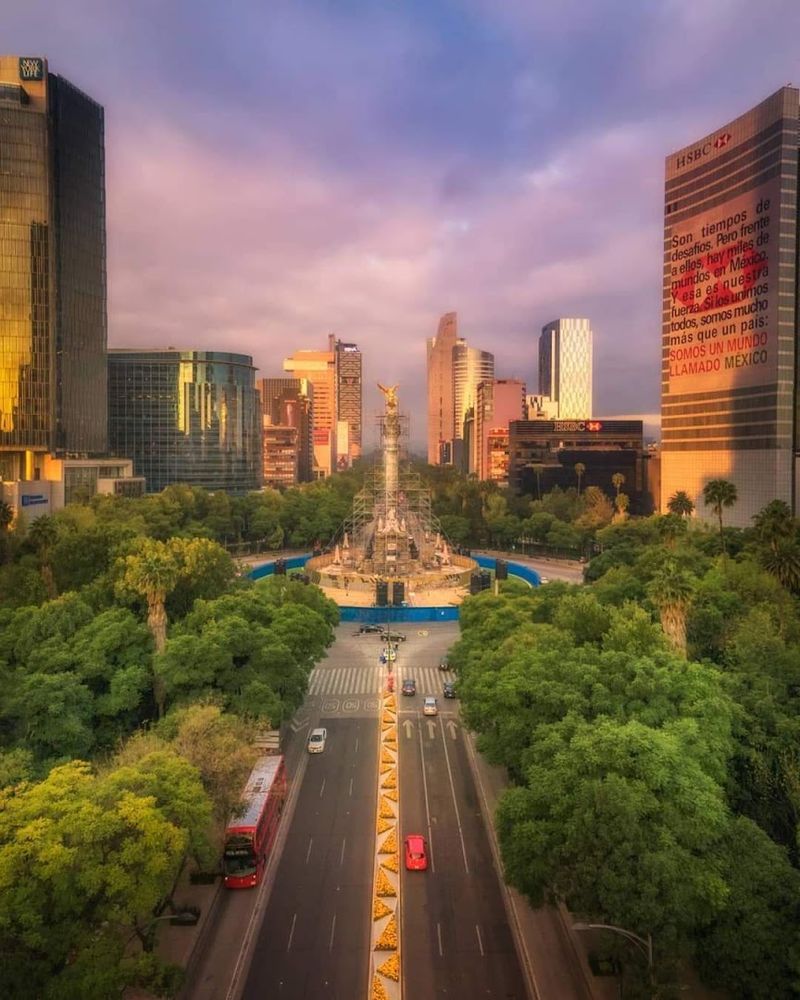
Few cities in the world carry as much historical weight as Mexico City. Built directly on top of Tenochtitlan, the former capital of the mighty Aztec Empire, the city quite literally sits on layers of ancient civilization.
Workers installing subway lines still occasionally unearth pre-Columbian artifacts buried beneath the streets.
The Zócalo, one of the largest public squares in the world, anchors the historic center. Surrounding it are the grand Metropolitan Cathedral, the National Palace with its stunning Diego Rivera murals, and the ruins of Templo Mayor.
Each block tells a story spanning thousands of years of human history.
Beyond history, Mexico City thrives as a cultural powerhouse. Its restaurant scene has earned global recognition, and neighborhoods like Coyoacán and Roma Norte buzz with art galleries, bookstores, and street markets.
With a population of over 9 million, this is Latin America’s most visited capital city for very good reason.
5. Peru: Lima
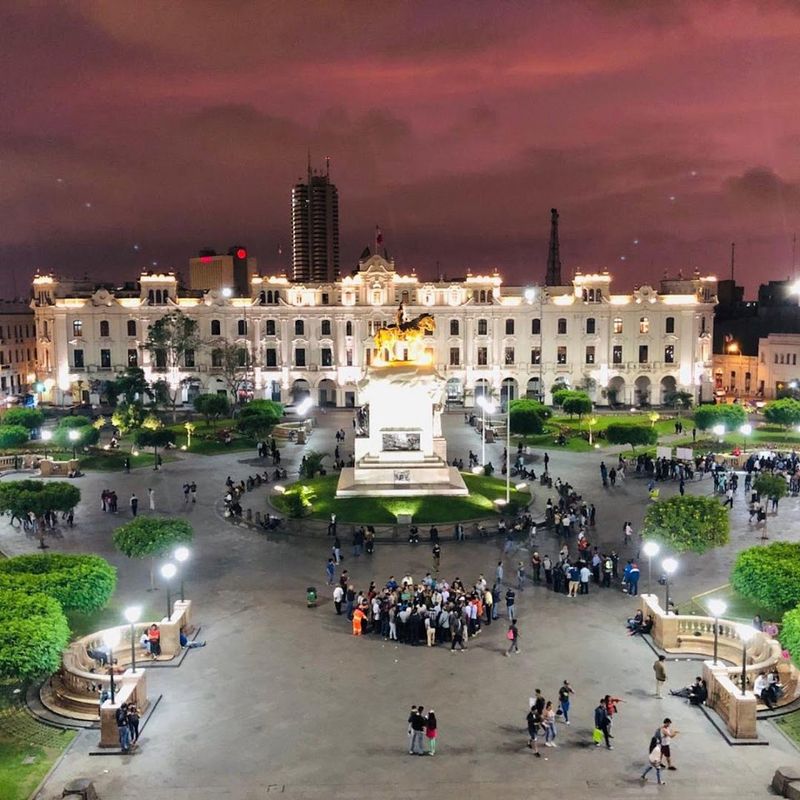
Perched dramatically along the Pacific coast, Lima surprises first-time visitors who expect only a gateway to Machu Picchu. The city is a destination in its own right, blending Spanish colonial grandeur with pre-Columbian heritage and a remarkably diverse modern identity.
Its clifftop neighborhoods overlook the ocean with breathtaking views.
Lima’s historic center, a UNESCO World Heritage Site, features some of the finest Spanish colonial architecture in all of South America. The Larco Museum houses one of the most impressive collections of pre-Columbian art in the world, presented in a beautifully restored 18th-century mansion.
History feels genuinely accessible here, not locked behind glass.
Perhaps the biggest surprise is Lima’s food scene. Peruvian cuisine has been ranked among the world’s best for years, and Lima is its beating heart.
From ceviche to causa to lomo saltado, the city feeds its visitors extraordinarily well, earning the nickname the gastronomic capital of the Americas.
6. Czech Republic: Prague
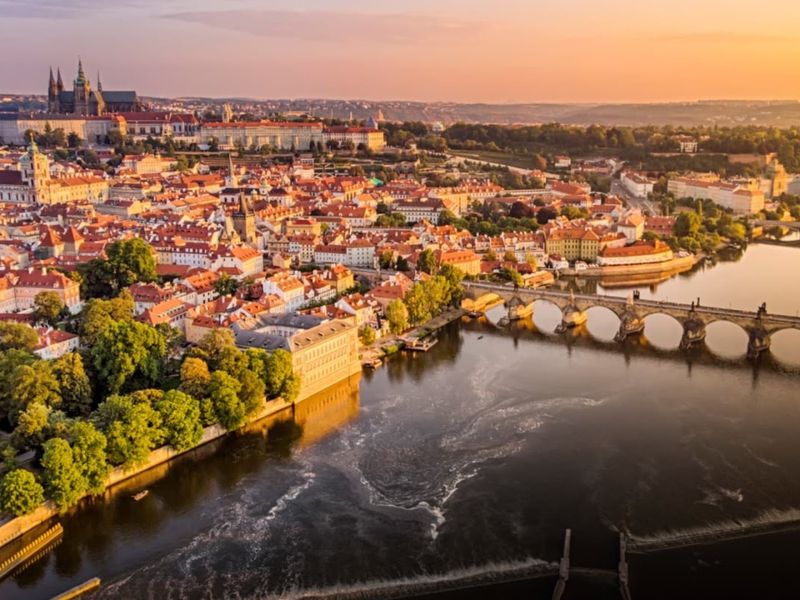
Prague looks like it was designed by a fairy tale illustrator who happened to be a master architect. Its medieval Old Town survived World War II largely intact, making it one of the best-preserved historic city centers anywhere in Europe.
Walking across Charles Bridge at sunrise, with mist rising off the Vltava River, is an experience that stays with you forever.
Prague Castle, the largest ancient castle complex in the world by area, dominates the city from a hilltop across the river. Within its walls sit a Gothic cathedral, palaces, galleries, and centuries of Bohemian royal history.
The panoramic views from the castle grounds alone justify the climb.
The city also has a thriving contemporary side. Prague’s café culture, jazz clubs, and independent bookshops give it a creative, bohemian energy that complements its historic grandeur beautifully.
For architecture enthusiasts especially, Prague is close to a perfect destination, offering Gothic, Baroque, and Art Nouveau styles within easy walking distance.
7. Hungary: Budapest
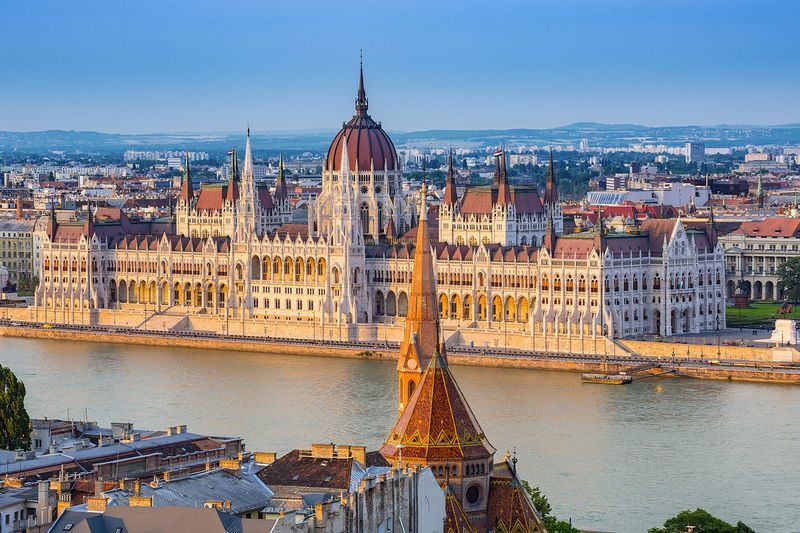
Budapest is two cities sharing one extraordinary identity. Buda, with its castle district and forested hills, faces Pest, a flat, bustling urban grid of grand boulevards and ruin bars, separated by the Danube River and connected by a series of iconic bridges.
Together they form one of Europe’s most visually stunning capitals.
The Hungarian Parliament building is arguably the most beautiful legislative building in the world, a neo-Gothic masterpiece sitting directly on the Danube’s eastern bank. Its interior, open to guided tours, is equally spectacular.
The nearby Fisherman’s Bastion on the Buda side offers some of the finest panoramic views of any European city.
Budapest’s thermal bath culture sets it apart from almost every other capital on Earth. The city sits above a network of hot springs, and grand bathhouses like Széchenyi and Gellért have been welcoming bathers for well over a century.
Soaking in warm mineral water while surrounded by ornate tilework is an experience uniquely Budapest.
8. France: Paris
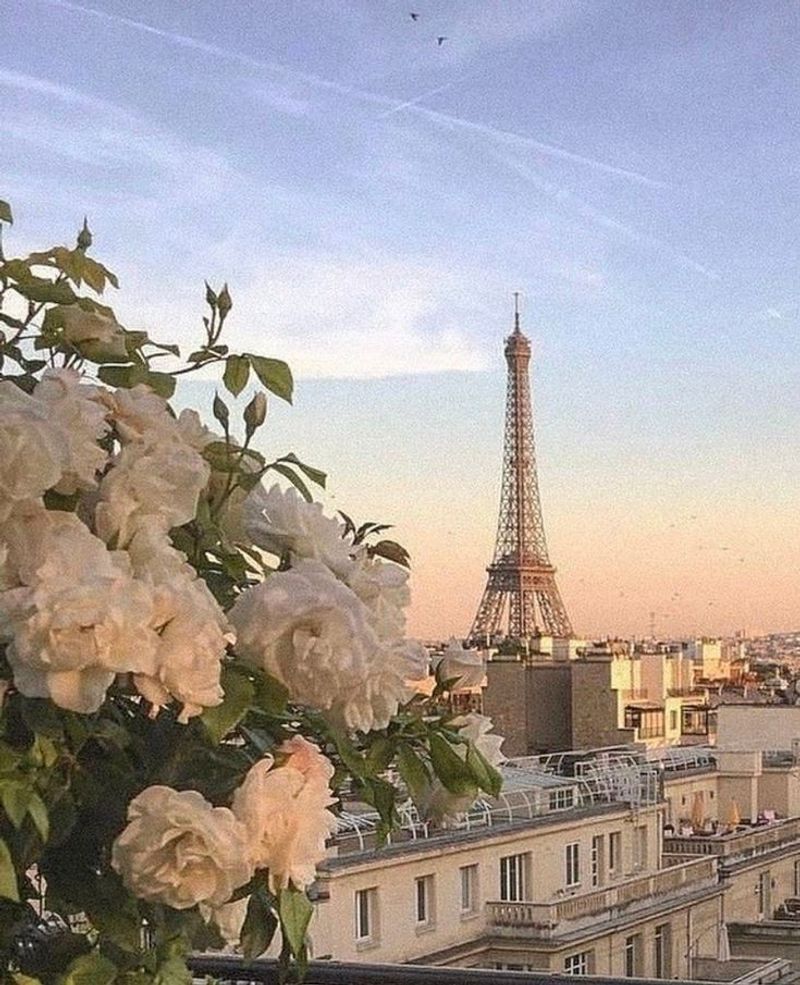
Paris has been called the most beautiful city in the world so often that the phrase almost feels like a cliché. But then you round a corner and see the Eiffel Tower glittering against a dusky sky, and you understand completely why the reputation has stuck for so long.
There is a reason millions of people choose Paris as their dream destination every single year.
The Louvre, home to the Mona Lisa and nearly 35,000 other works of art, is the most visited museum on the planet. The nearby Musée d’Orsay houses the world’s greatest collection of Impressionist paintings.
For art lovers, a week in Paris barely scratches the surface of what is available to explore.
Beyond art, Paris defines global standards in fashion, cuisine, architecture, and literature. Its arrondissements each carry a distinct personality, from the bohemian Montmartre to the elegant Marais.
The city’s café culture, fresh baguettes, and open-air markets make everyday life feel like an art form worth celebrating.
9. United Kingdom: London
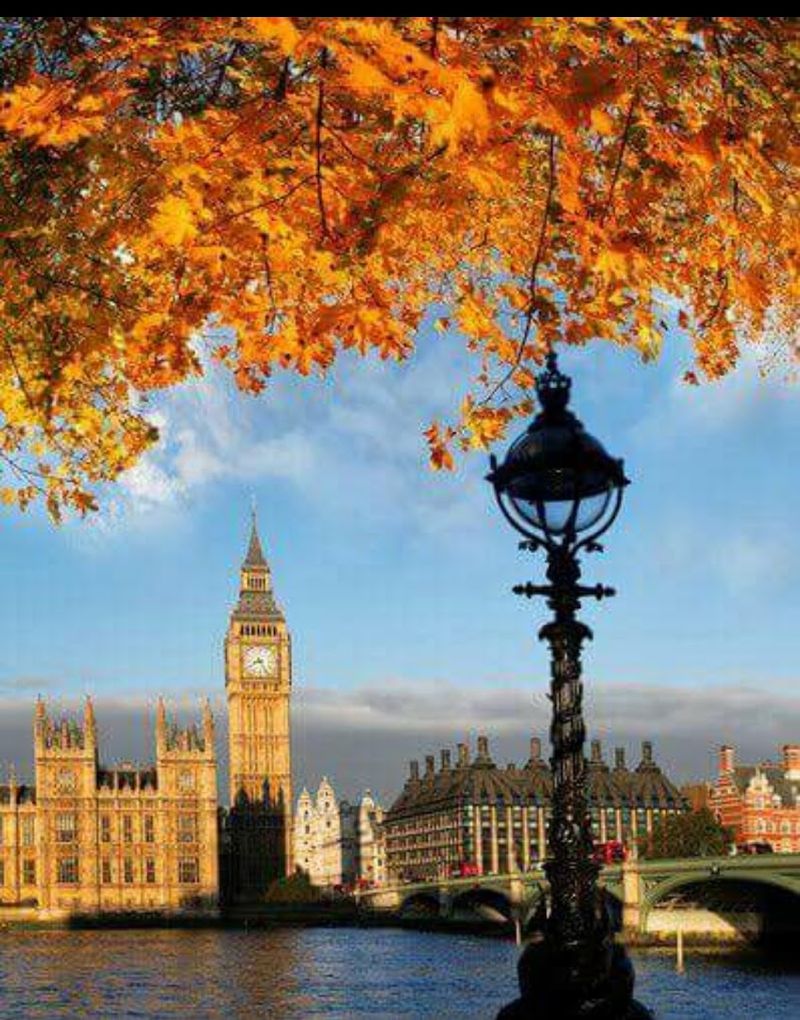
London has been shaping world history for over two thousand years, and that depth of experience shows in every neighborhood, museum, and monument the city offers. Founded by the Romans as Londinium around 43 AD, it has grown into one of the most influential and culturally diverse cities on the planet.
Very few capitals can match its sheer range of experiences.
The British Museum holds over 8 million objects from virtually every civilization that has ever existed, all free to visit. Buckingham Palace, the Tower of London, Westminster Abbey, and the Houses of Parliament are not just tourist attractions but active symbols of a living monarchy and democracy.
History is not archived in London; it is still in use.
What makes London especially remarkable is its diversity. Over 300 languages are spoken within the city, and neighborhoods like Brixton, Chinatown, and Brick Lane each carry distinct cultural identities.
London manages to be deeply rooted in tradition while remaining one of the world’s most forward-thinking and cosmopolitan urban centers.
10. Argentina: Buenos Aires
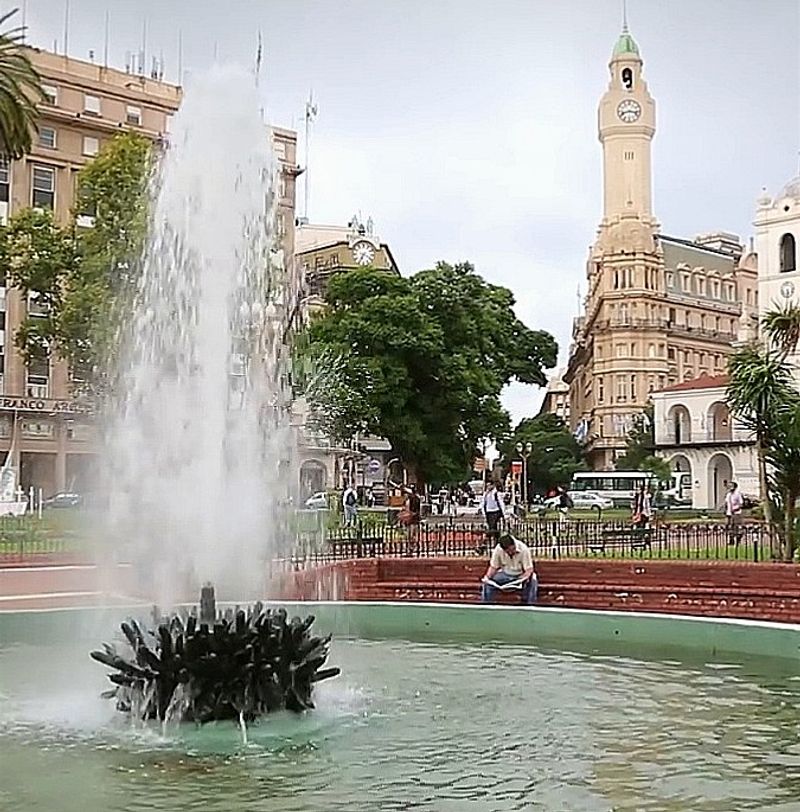
Buenos Aires carries itself with a confident elegance that feels unmistakably its own. Often called the Paris of South America, it earned that comparison through its wide tree-lined boulevards, grand European-style architecture, and a café culture so deeply ingrained that porteños, as locals are known, treat lingering over coffee as a near-sacred ritual.
Tango was born in the working-class neighborhoods of this city in the late 19th century, and it remains central to Buenos Aires identity. Milongas, social tango gatherings, happen nightly across the city, ranging from tourist-friendly shows in La Boca to serious, intimate dances in neighborhood clubs.
Watching a skilled couple perform is genuinely moving.
The city also has a remarkable literary tradition. Jorge Luis Borges, one of the most celebrated authors of the 20th century, was born here and shaped Buenos Aires into a city that takes books, ideas, and conversation seriously.
Its bookshops, some of the most beautiful in the world, reflect that intellectual pride perfectly.
11. Morocco: Rabat
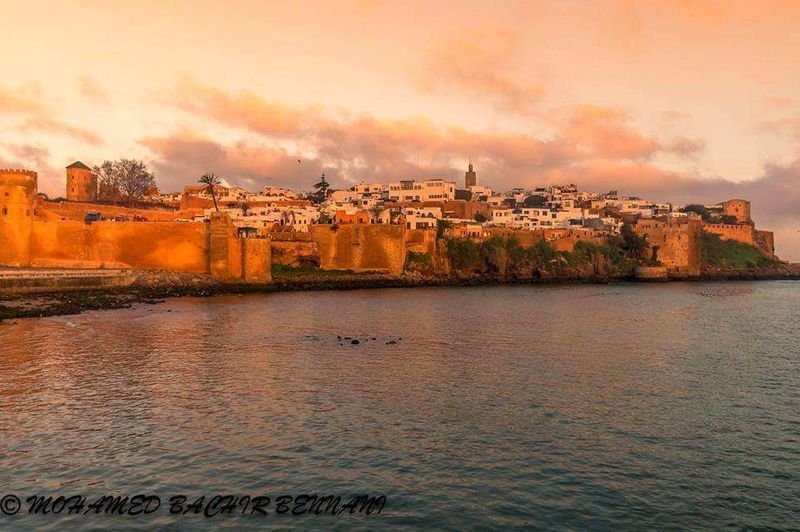
Rabat tends to fly under the radar compared to Marrakech or Fez, but Morocco’s capital has a quiet confidence and charm that rewards those who seek it out. Designated a UNESCO World Heritage Site in 2012, the city’s medina, colonial districts, and ancient monuments form one of the most cohesive historic urban landscapes in North Africa.
The Kasbah of the Udayas is one of Morocco’s most photogenic spots, a 12th-century fortified quarter overlooking the Atlantic where narrow blue-and-white lanes wind between flowering gardens and ancient walls. Hassan Tower, an unfinished minaret from the same era, stands nearby alongside the Mausoleum of Mohammed V, a stunning example of traditional Moroccan craftsmanship.
Unlike Morocco’s more tourist-heavy cities, Rabat moves at a calmer pace. Local markets sell spices, textiles, and ceramics without the aggressive hustle found elsewhere.
For travelers who want an authentic Moroccan experience with a bit more breathing room, Rabat delivers something genuinely special and underappreciated.
12. Thailand: Bangkok
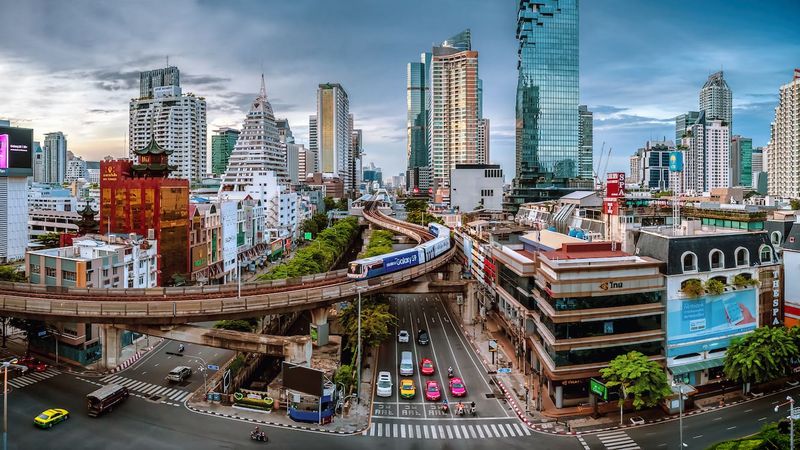
Bangkok hits you all at once. The heat, the noise, the smell of street food sizzling on every corner, the gleam of golden temple spires rising above tangled traffic.
It is chaotic and beautiful in equal measure, a city that never quite slows down and somehow makes that intensity feel thrilling rather than exhausting.
The Grand Palace and Wat Phra Kaew, home to the sacred Emerald Buddha, represent some of the most intricate and visually overwhelming architecture in all of Southeast Asia. Wat Pho, with its massive gold-leafed reclining Buddha stretching 46 meters in length, is equally astonishing.
These temples are not relics; they are active places of worship visited by devout Thais daily.
Bangkok’s street food scene is legendary for good reason. Pad thai, mango sticky rice, boat noodles, and grilled satay are available at any hour from vendors lining every major street.
The city’s floating markets and canal boat taxis add another layer of character that makes Bangkok genuinely one of a kind.
13. Australia: Canberra
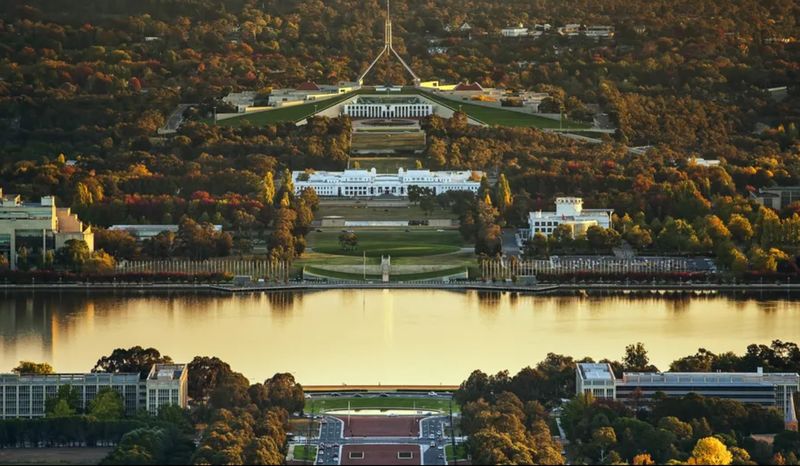
Canberra is a capital city that was literally designed from scratch. When Australia’s colonies federated in 1901, neither Sydney nor Melbourne would agree to be the capital, so a compromise site between them was chosen and a brand-new city was planned and built from the ground up.
American landscape architect Walter Burley Griffin won the international design competition in 1912.
The result is a city of wide open spaces, carefully planned sightlines, and an impressive concentration of national institutions. The Australian War Memorial, the National Gallery of Australia, and the National Museum of Australia all sit within easy reach of each other, making Canberra an exceptional place for anyone interested in Australian identity and history.
Parliament House, opened in 1988, is built into Capital Hill itself, with a rooftop lawn that visitors can walk across. Lake Burley Griffin, the man-made lake at the city’s heart, offers cycling paths, kayaking, and scenic views year-round.
Canberra is a planned city that genuinely rewards the curious visitor who gives it proper time.
14. Brazil: Brasília
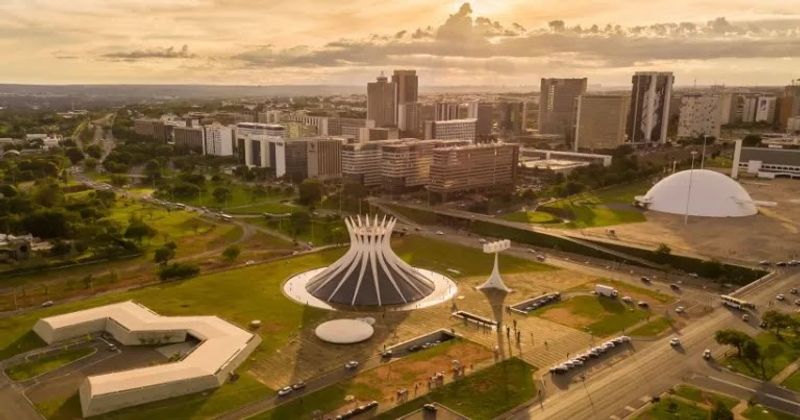
Brasília might be the most unusual capital city ever built. Constructed almost entirely from scratch between 1956 and 1960 under President Juscelino Kubitschek, it was carved out of the Brazilian savanna with a single bold ambition: to prove that a developing nation could create something entirely new and extraordinary.
UNESCO agreed, designating it a World Heritage Site in 1987.
Architect Oscar Niemeyer and urban planner Lúcio Costa designed a city unlike anything that existed before it. Seen from above, Brasília is shaped like an airplane or a bird in flight, with government buildings arranged along a central axis and residential sectors fanning out symmetrically on either side.
The National Congress, with its twin towers and contrasting domes, is the most recognized image of the city.
The Cathedral of Brasília, with its crown of curved white concrete pillars reaching skyward, is breathtaking from outside and serene within. For architecture students, urban planners, and curious travelers alike, Brasília is unlike any city experience available anywhere else in the world.
15. Iceland: Reykjavík
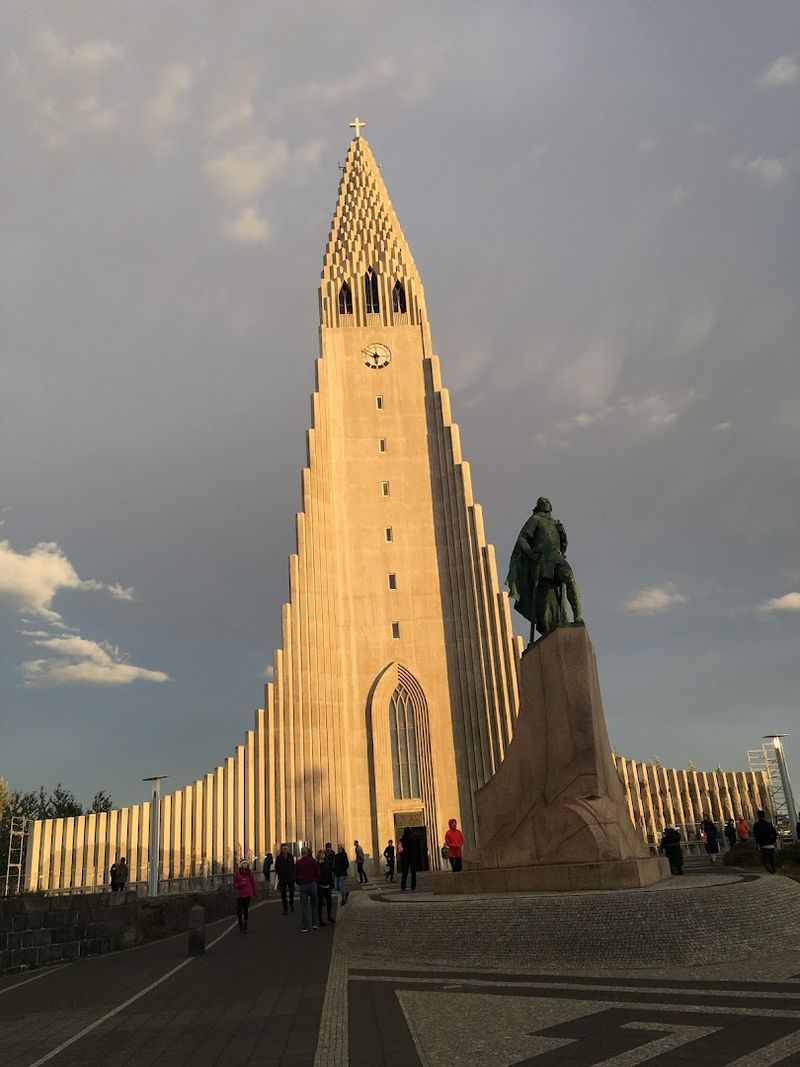
Reykjavík holds a record that no other capital city can claim: it is the northernmost capital of a sovereign nation on Earth. With a population of just over 130,000, it is also one of the smallest capitals in the world, yet it punches far above its weight in culture, creativity, and sheer natural drama.
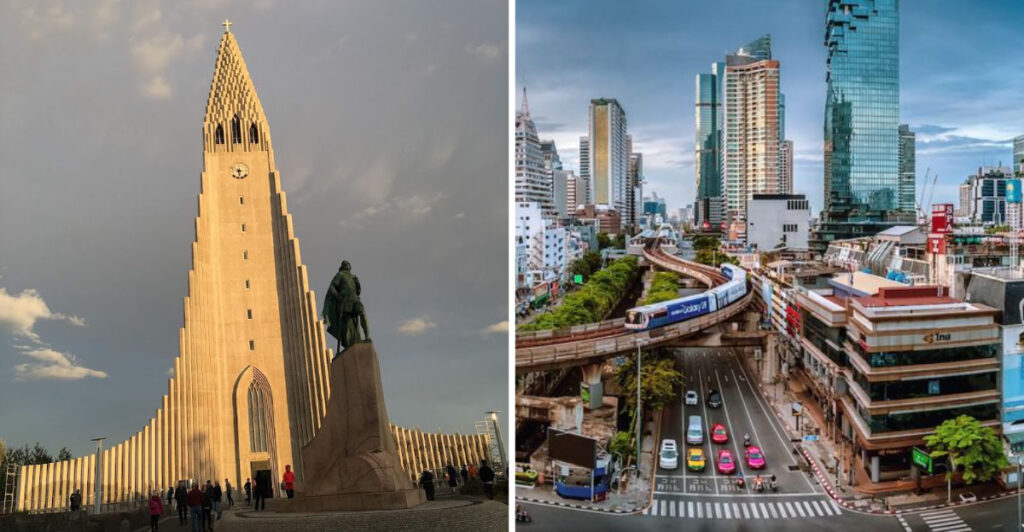
The city itself is charming in a storybook way. Colorful corrugated iron houses line the streets around the old harbor, and the striking Hallgrímskirkja church, designed to resemble basalt lava columns formed by volcanic eruptions, towers over the entire city.
Geothermal energy heats virtually every building, and the air is famously clean and crisp.
What truly sets Reykjavík apart is its location. Within a short drive, visitors can witness active volcanoes, walk on glaciers, soak in geothermal pools like the famous Blue Lagoon, and, during winter months, watch the Northern Lights ripple across the sky in vivid green and purple waves.
Few capitals offer access to natural wonders on this scale.
Share this story