Ever wonder if your favorite country star was actually born with a totally different name? Turns out, a lot of them were.
From twangy stage names to complete identity overhauls, the stories behind these name changes are as wild as the music itself. Get ready to meet some familiar faces you never really knew by their real names.
Conway Twitty – Harold Lloyd Jenkins
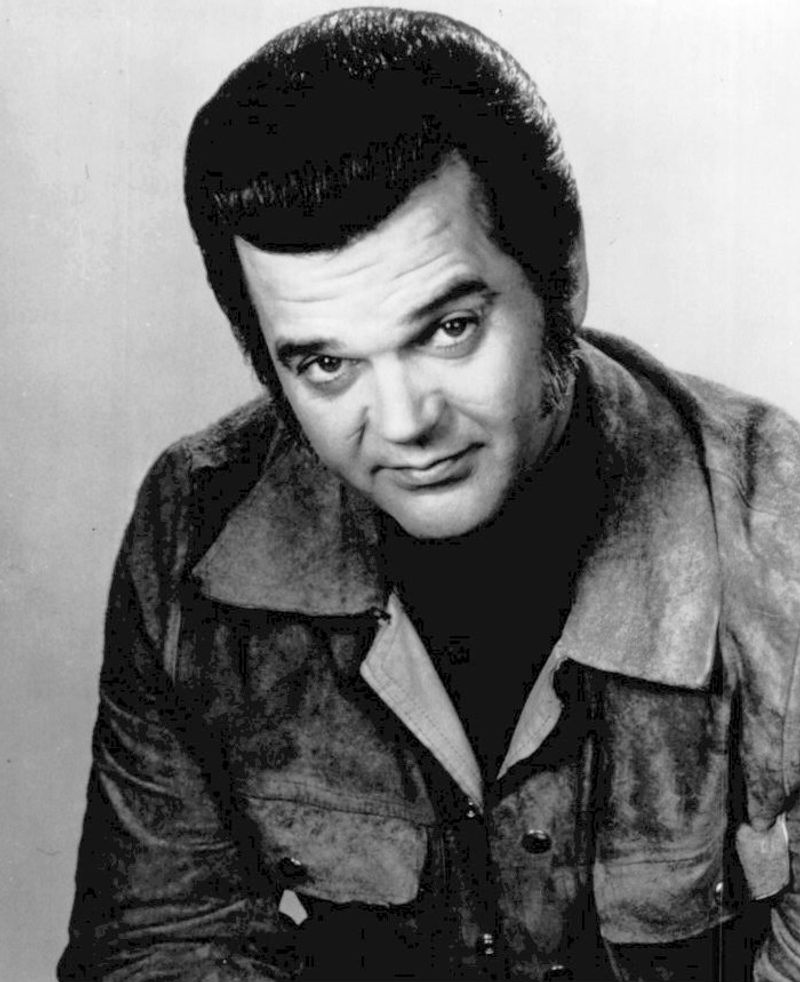
Harold Lloyd Jenkins sounds like someone who fixes your plumbing, not someone who sells out stadiums. So when this Arkansas-born singer decided to chase country music stardom, he knew the name had to go.
He literally picked his stage name off a map. Conway came from Conway, Arkansas, and Twitty came from Twitty, Texas.
Two small towns became one massive legend.
Conway Twitty went on to score more number-one country hits than any other artist in history at the time. That is not a small achievement for a guy who started out trying to play rock and roll.
He even had a brief career singing rockabilly before fully committing to country music.
His deep, silky voice became one of the most recognizable sounds on country radio throughout the 1970s and 1980s. Harold Jenkins could never have built that legacy.
Conway Twitty absolutely did.
Shania Twain – Eilleen Regina Edwards

Eilleen Regina Edwards grew up in poverty in Timmins, Ontario, and her early life was anything but glamorous. She sometimes performed at bars as a child to help her family pay bills.
That kind of grit does not come from a stage name.
She legally took the last name Twain after marrying producer Robert John Lange, but the first name Shania was actually adopted years earlier. It is an Ojibwe name said to mean “on my way.” Pretty fitting for someone headed straight to the top.
Shania became the best-selling female country artist of all time, with albums like “The Woman in Me” and “Come On Over” changing the genre forever. She blended country with pop and rock in a way nobody had tried before at that scale.
Eilleen from Timmins became a global icon. The name change was just the beginning of a remarkable reinvention story.
Johnny Paycheck – Donald Eugene Lytle
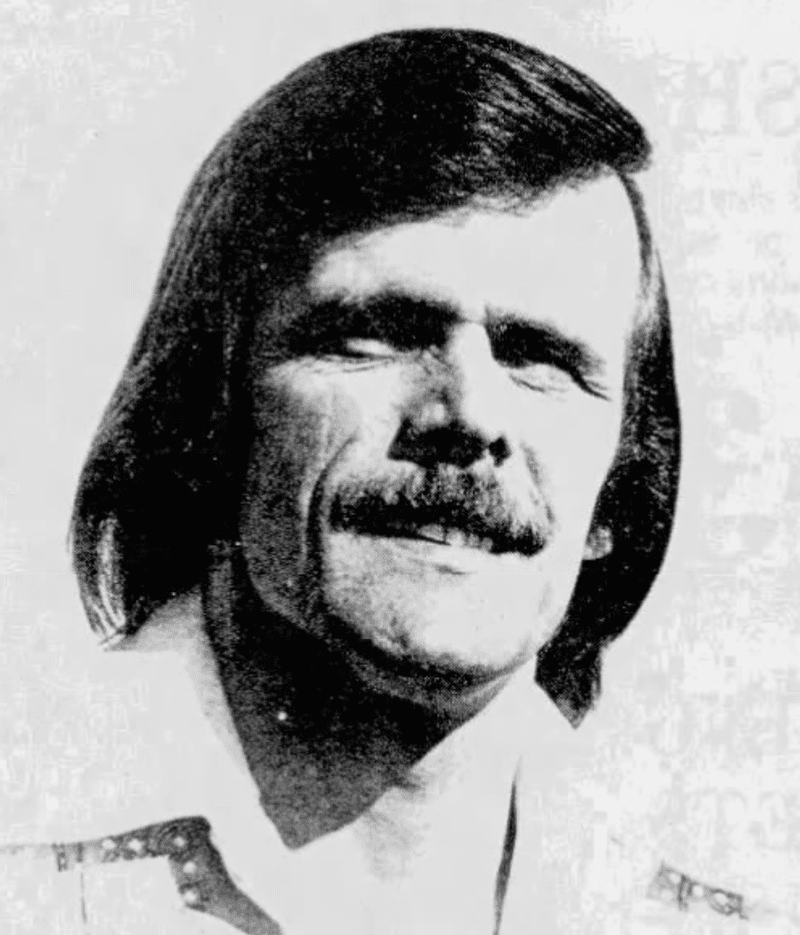
Donald Eugene Lytle had a name that belonged in a school yearbook, not on a honky-tonk marquee. So he borrowed the name Johnny Paycheck from a famous boxer and never looked back.
The name turned out to be weirdly prophetic. Paycheck lived a hard, rebellious life full of legal troubles, jail time, and financial disasters.
He was basically the human embodiment of a song called “Take This Job and Shove It,” which happens to be his most famous hit.
That song became an anthem for every frustrated worker in America when it dropped in 1977. People literally played it on their last day at jobs they hated.
It charted at number one and made Paycheck a working-class hero overnight.
Despite his wild reputation, Donald Lytle had serious musical talent. He played bass for George Jones early in his career and earned respect from country music royalty long before the fame came.
Buck Owens – Alvis Edgar Owens Jr.
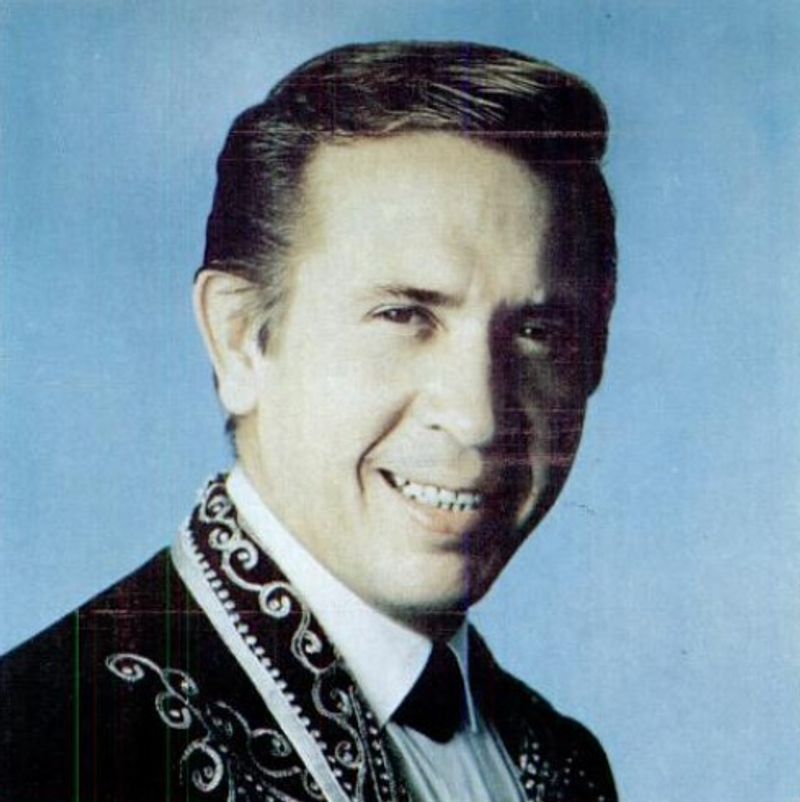
Nobody was ever going to headline the Grand Ole Opry under the name Alvis Edgar Owens Jr. Thankfully, a childhood nickname stuck around and did the job instead.
Young Alvis got the nickname Buck from a mule on the family farm. Yes, a mule.
That stubborn animal accidentally helped launch one of country music’s most influential careers.
Buck Owens pioneered the Bakersfield Sound, a raw, electric style of country music that was a direct pushback against the polished Nashville production of the 1950s and 60s. Artists like Merle Haggard followed in his footsteps, and the influence never really stopped.
He also co-hosted the beloved TV show “Hee Haw” for over two decades, turning him into a household name far beyond country music circles. Buck had 21 consecutive number-one singles at one point, a record that still impresses historians today.
Alvis could never have done all that with a straight face.
Randy Travis – Randy Bruce Traywick
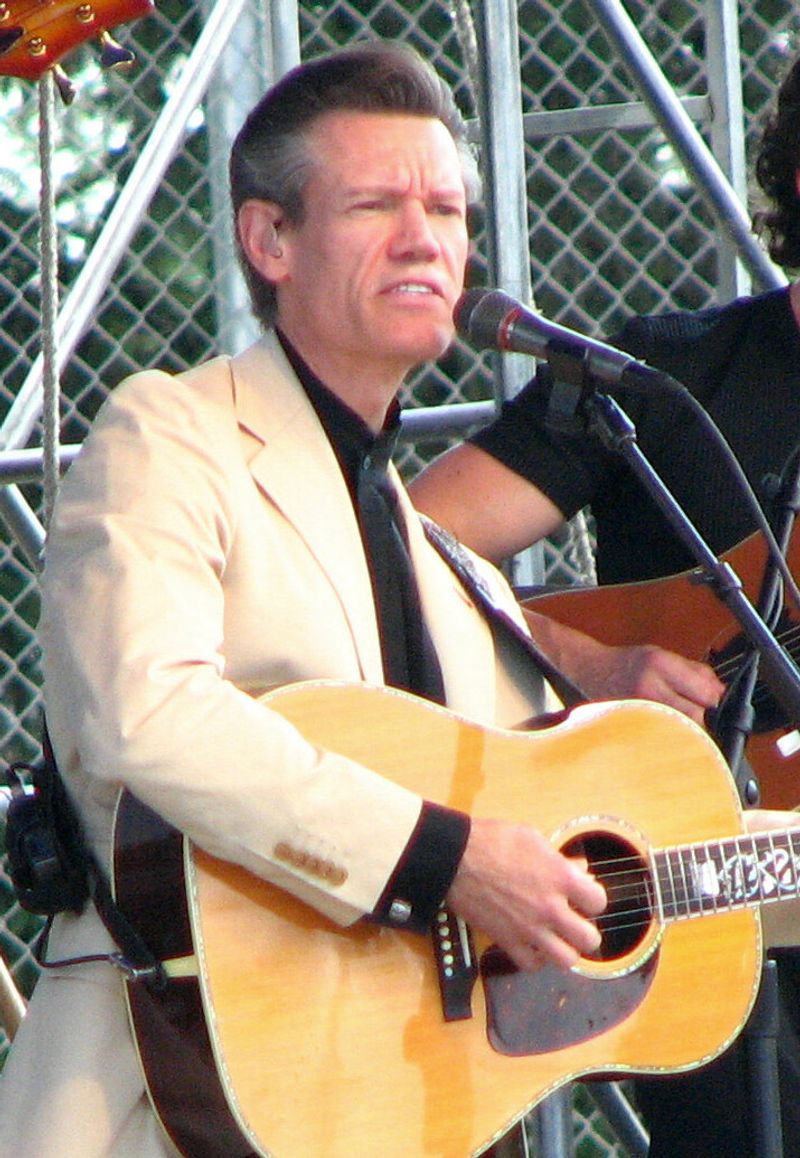
Randy Bruce Traywick had a troubled youth, spending time in and out of trouble before a restaurant owner named Lib Hatcher believed in his talent and helped turn his life around. She later became his manager and wife.
The name change from Traywick to Travis was a simple but smart move. Travis felt cleaner, more marketable, and easier to remember.
Sometimes the smallest tweaks make the biggest difference.
Randy Travis became the king of traditional country music in the 1980s, arriving at a time when pop-country was taking over the charts. His deep, traditional baritone was a refreshing throwback that fans absolutely loved.
His debut album “Storms of Life” sold over four million copies.
He faced a serious health crisis in 2013 when a stroke nearly took his life, but his recovery became one of country music’s most inspiring comeback stories. Randy Traywick became Randy Travis, and country music is much richer for it.
Toby Keith – Toby Keith Covel
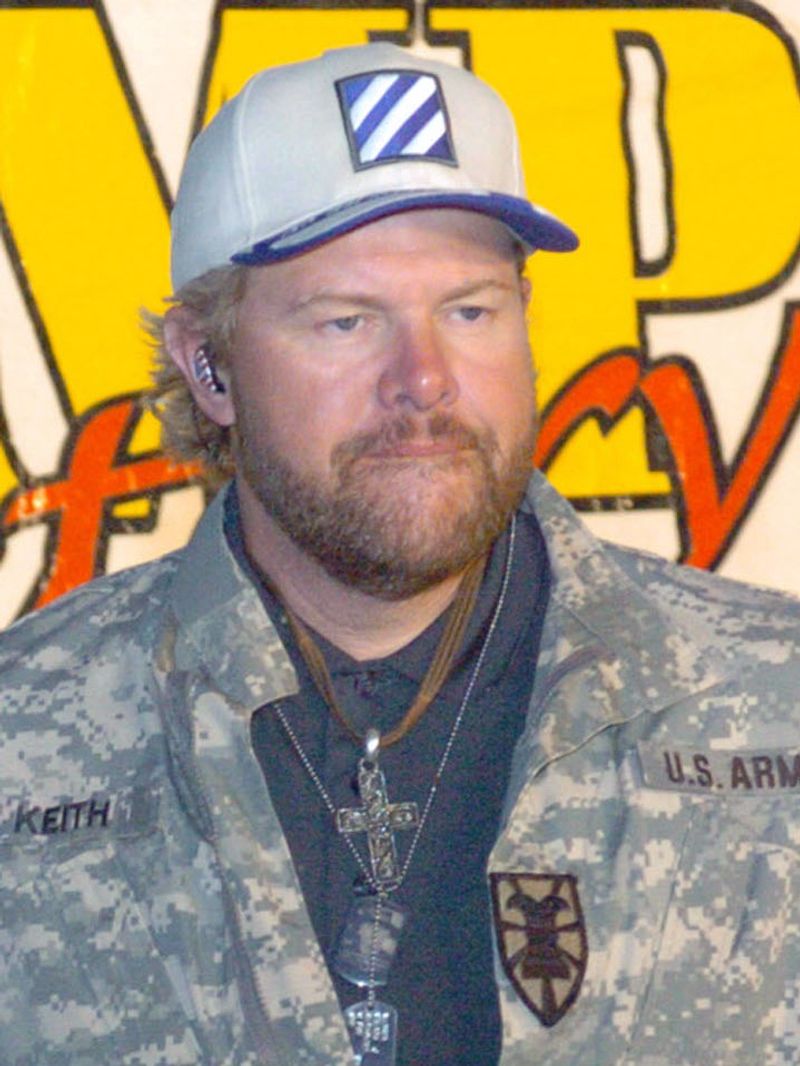
Here is a fun one: Toby Keith did not actually change his name all that much. He just dropped his last name, Covel, and used his first and middle names as his stage identity.
Still, the decision matters. Toby Keith Covel sounds like someone you meet at a neighborhood cookout.
Toby Keith sounds like someone who sells out stadiums and writes songs about America that make crowds lose their minds.
He grew up in Oklahoma and worked in the oil fields before music took off for him. That blue-collar background fed directly into his songwriting, giving him an authenticity that fans could always feel.
His post-9/11 anthem “Courtesy of the Red, White and Blue” sparked national debate and made him one of the most polarizing and talked-about artists in country music history. Love him or not, you always knew exactly where Toby Keith stood.
Covel just would not have had the same ring to it.
Crystal Gayle – Brenda Gail Webb

Brenda Gail Webb had a problem: her older sister Loretta Lynn was already a country music superstar. Sharing a last name would make the younger sister look like she was riding on Loretta’s coattails, which was the last thing she wanted.
Loretta actually helped pick the new name. She spotted a Krystal hamburger restaurant sign, loved the sound of it, and a legend was born.
The spelling got tweaked to Crystal, but the fast-food chain deserves some credit here.
Crystal Gayle became famous for her incredible floor-length hair, which she grew for decades and eventually became her visual trademark. But her voice was the real star.
Her 1977 hit “Don’t It Make My Brown Eyes Blue” won a Grammy and reached number one on both country and pop charts.
She carved out a completely separate identity from her famous sister, proving she was not just a Webb by name but a powerhouse in her own right.
Patsy Cline – Virginia Patterson Hensley
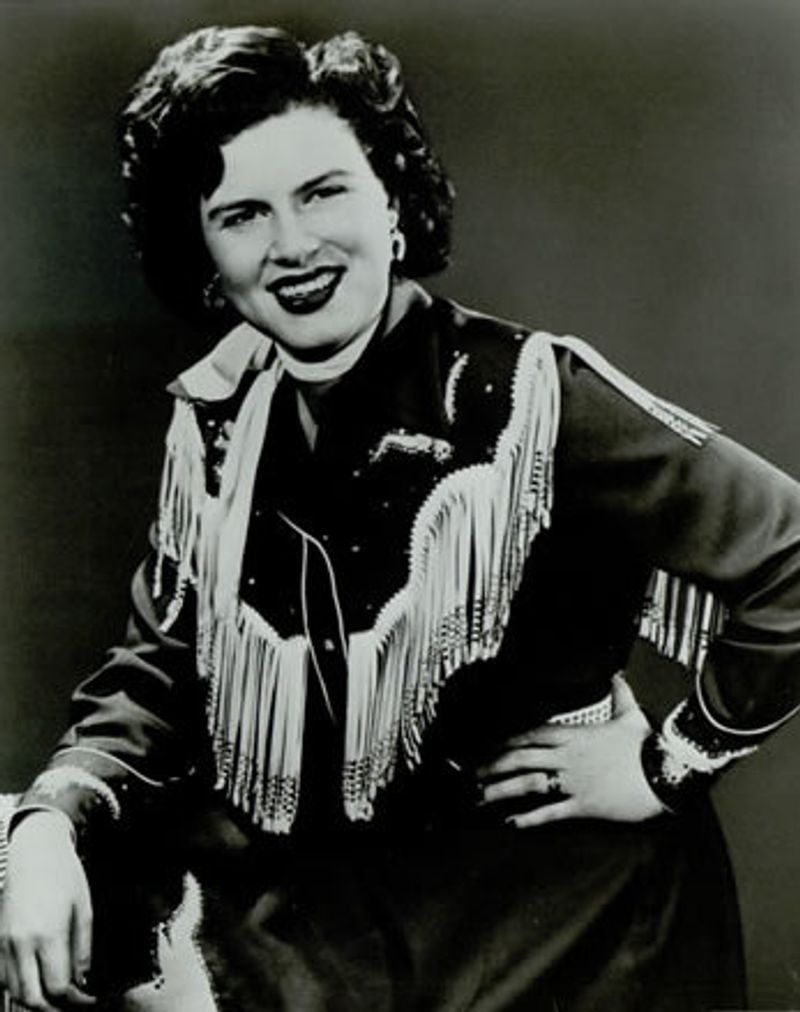
Virginia Patterson Hensley started performing as a teenager in Virginia, and her talent was obvious from the start. But Virginia Hensley on a marquee?
That was never going to cut it in Nashville.
She took the stage name Patsy from her middle name, Patterson, and kept Cline from her first marriage to Gerald Cline. The combination had a sharp, memorable sound that suited her bold personality perfectly.
Patsy Cline broke barriers at a time when country music was deeply traditional and resistant to change. She pushed for more pop-influenced production on her recordings, which her label initially resisted.
Songs like “Crazy” and “I Fall to Pieces” proved she was right all along.
Her life was cut tragically short in a 1963 plane crash at just 30 years old. Despite releasing music for less than a decade, she became one of the most influential vocalists in American music history.
Virginia Hensley would be so proud.
Hank Williams Jr. – Randall Hank Williams
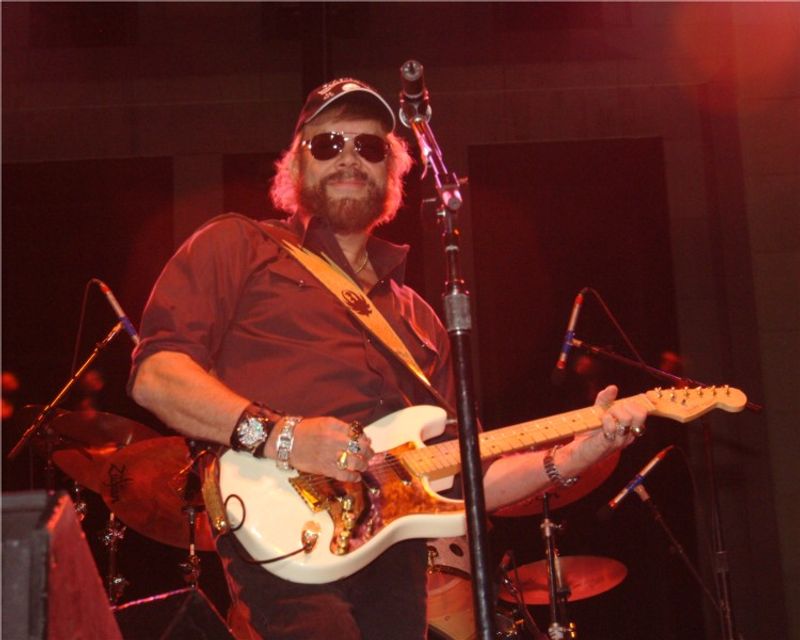
Growing up as the son of the most legendary name in country music history is a lot of pressure. Randall Hank Williams handled it by doing something bold: becoming his own kind of legend entirely.
He was born Randall Hank Williams, and while he kept the famous surname, he spent decades escaping from beneath his father’s enormous shadow. His rowdy, outlaw style was a deliberate departure from the traditional sound Hank Sr. had defined.
A near-fatal mountain climbing accident in 1975 left him with a shattered face and a long recovery. When he came back, his music had changed completely.
The raw, rebellious energy that followed produced hits like “Family Tradition” and “A Country Boy Can Survive.”
He became the face of Monday Night Football for over two decades, reaching audiences who had never owned a country album in their lives. Bocephus, his nickname, became almost as famous as Hank Jr. itself.
Randall never stood a chance of staying quiet.
Porter Wagoner – Porter Wayne Wagoner
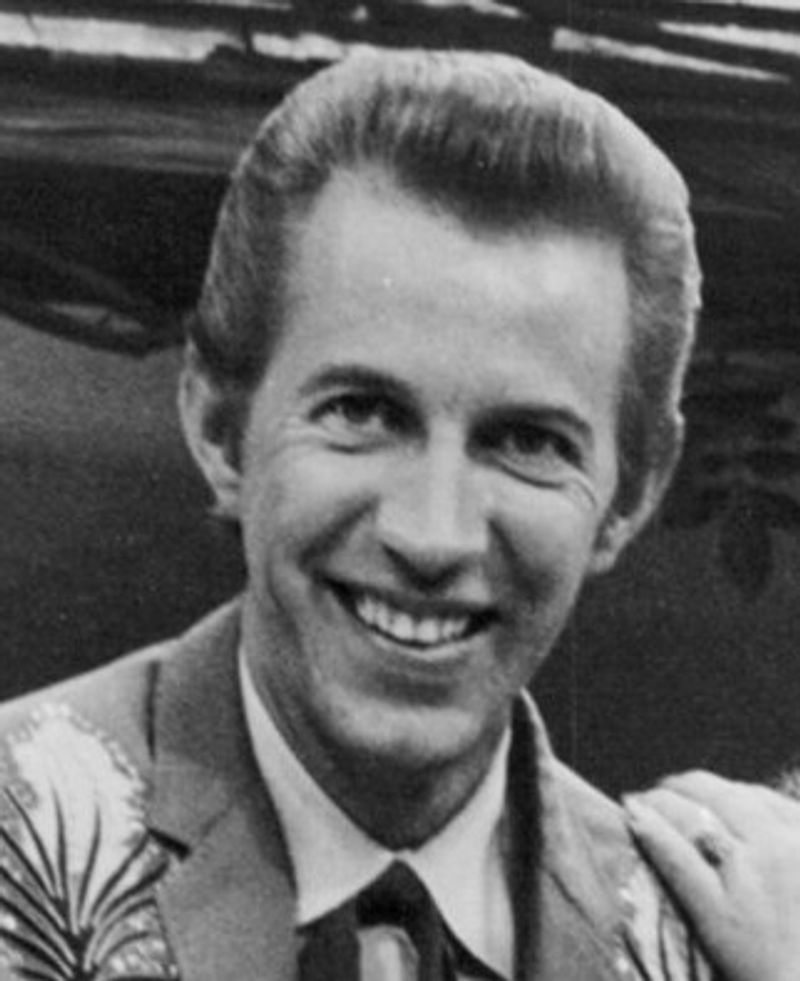
Porter Wayne Wagoner kept his real name, but most people do not realize his full birth name included that very Southern middle name. The full version sounds like a character from a William Faulkner novel.
Porter Wagoner was the king of rhinestone suits long before Liberace made sparkle mainstream. His wardrobe was so over-the-top that designer Nudie Cohn created custom suits just for him, covered in wagon wheels, cactuses, and enough sequins to blind a stadium audience.
He hosted “The Porter Wagoner Show” for over 20 years, making him one of the most visible faces in country music history. He also discovered and mentored Dolly Parton, which alone earns him a permanent spot in the music hall of fame.
His relationship with Dolly was complicated, ending in a lawsuit when she left his show to pursue a solo career. But history remembers them fondly together.
Porter Wayne Wagoner was flashier than his name ever suggested.
Chet Atkins – Chester Burton Atkins
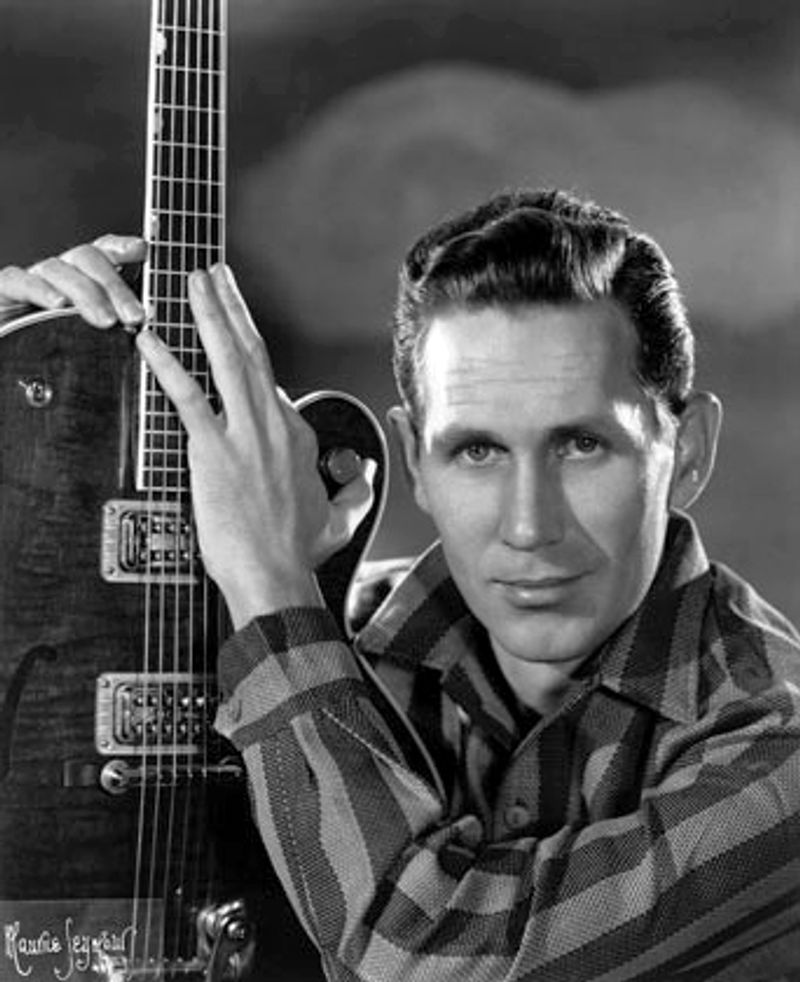
Chester Burton Atkins is a perfectly fine name for a bank manager or a high school chemistry teacher. For the man who essentially shaped the sound of modern country music, something a little snappier was required.
Chet was already his nickname, so the transition was natural. What was not natural was the level of guitar genius hiding inside this shy kid from rural Tennessee who grew up in serious poverty.
He developed a fingerpicking guitar style so unique and influential that it became known simply as the Chet Atkins style. Guitarists worldwide still study it today.
He also became a powerful producer at RCA Records and helped create the smooth Nashville Sound that dominated country music in the 1960s.
Artists like Elvis Presley, Perry Como, and the Everly Brothers all recorded under his production guidance. Chester from Tennessee quietly became one of the most important figures in American music history.
Not bad for a nickname.
Hank Williams – Hiram Williams
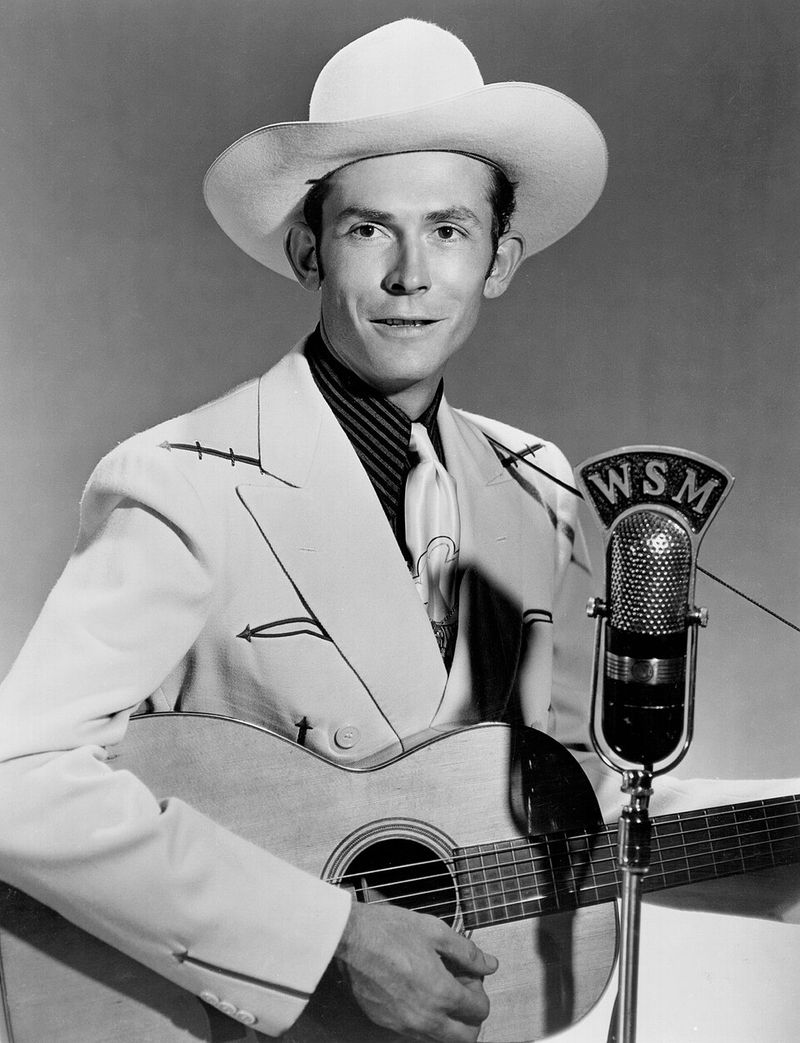
Hiram Williams. Say that name out loud and tell me it belongs on a country music throne.
The greatest singer-songwriter in country music history was born with a name that sounds like a 19th-century senator from Alabama.
He was actually born in Alabama, so maybe that tracks. But Hiram became Hank somewhere along the way, and that shift helped create the mythology of a man who seemed born from the red dirt and heartache of the Deep South.
Hank Williams wrote songs in a way nobody had before. “Your Cheatin’ Heart,” “Hey Good Lookin’,” and “I’m So Lonesome I Could Cry” are not just songs. They are emotional blueprints that nearly every country artist since has followed.
He died on January 1, 1953, at just 29 years old, leaving behind a catalog so rich it still generates millions in royalties today. Hiram Williams lived a short, painful, brilliant life.
Hank Williams became immortal.
Roy Rogers – Leonard Franklin Slye
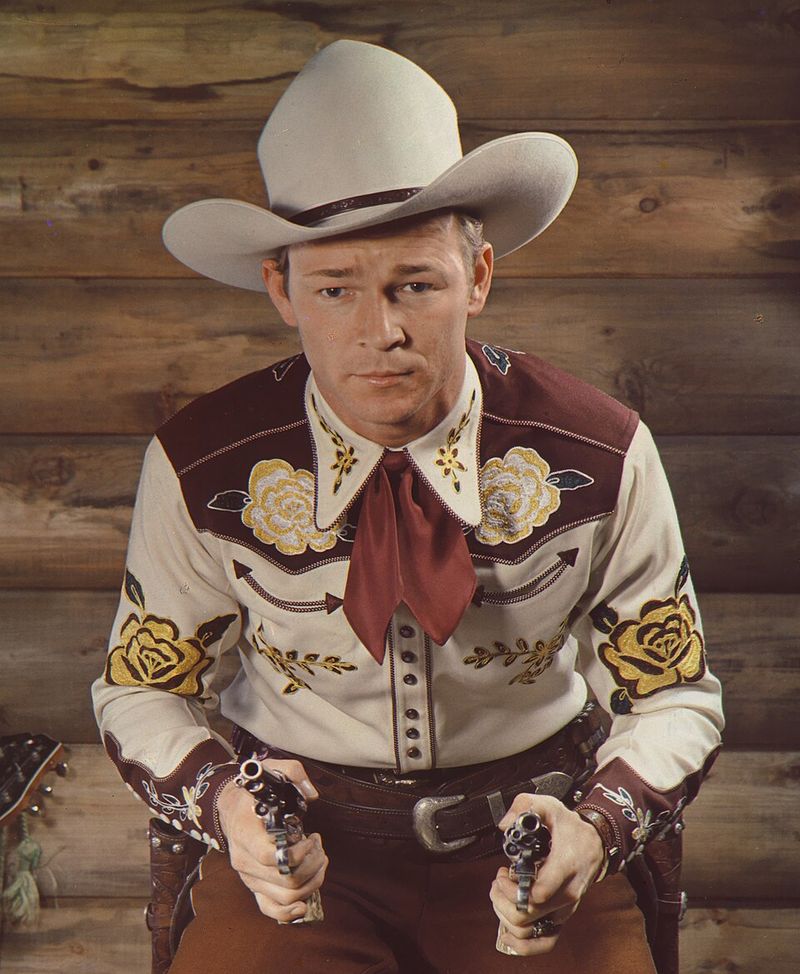
Leonard Franklin Slye from Duck Run, Ohio, did not exactly scream “King of the Cowboys.” Fortunately, Hollywood had a talent for turning ordinary names into golden ones.
He moved to California during the Great Depression, joined a singing group called the Sons of the Pioneers, and started building a reputation as a performer. Republic Pictures eventually signed him and decided Leonard Slye needed a serious upgrade in the name department.
Roy Rogers was born, and with him came Trigger the horse, Dale Evans the co-star and wife, and a film career that made him one of the most beloved entertainers in American history. He appeared in over 100 films and had his own long-running television show.
What many people forget is that Roy Rogers was a genuinely talented guitarist and singer before the cowboy image took over everything. Leonard from Duck Run had real skills.
Roy Rogers just got to show them off to the whole world.
Johnny Cash – J.R. Cash
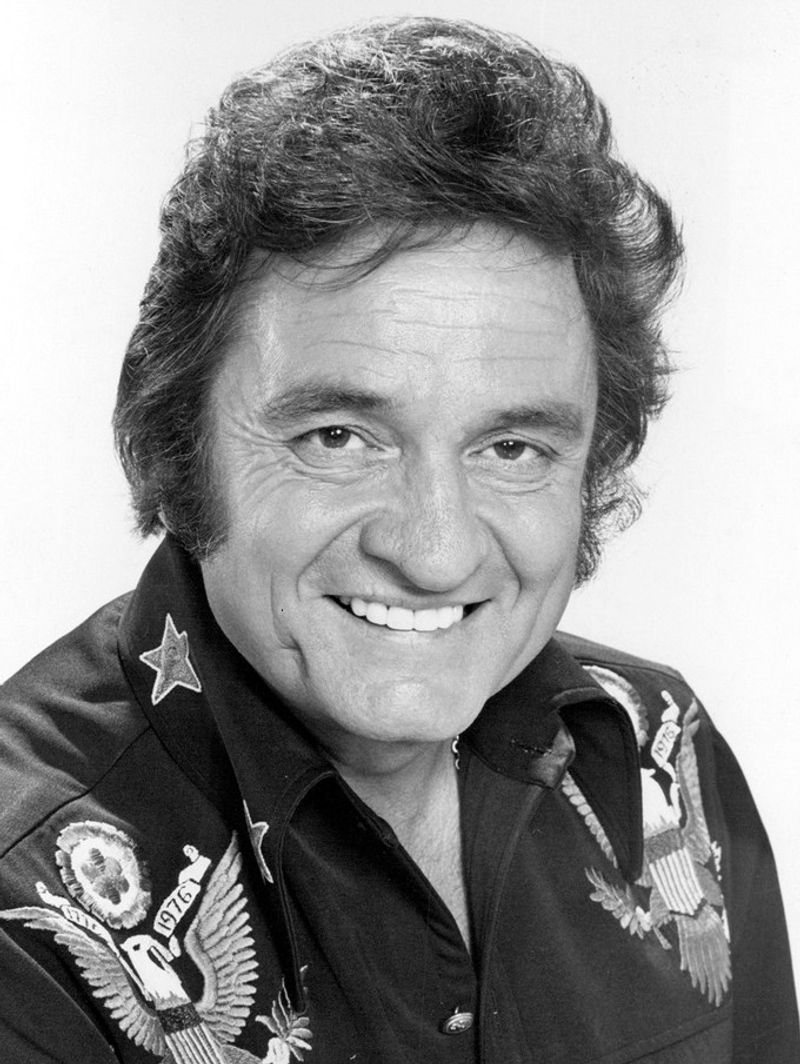
The Man in Black was not always Johnny. He was born J.R.
Cash, and those initials were not short for anything. His parents simply could not agree on a name, so they gave him initials and called it done.
Classic Cash family energy.
When he enlisted in the Air Force, the military refused to accept initials as a legal first name. He had to choose something real, so he picked John.
The name Johnny came later as a stage name when he started recording at Sun Records in Memphis alongside Elvis Presley and Jerry Lee Lewis.
That detail always gets me: the most iconic name in country music history was essentially made up twice. First by parents who could not decide, then by a record label looking for something catchy.
Johnny Cash went on to become one of the most recorded artists in history, crossing genres from country to rock to gospel to folk. J.R.
Cash became a force of nature. The initials never stood a chance.
Willie Nelson – Willie Hugh Nelson
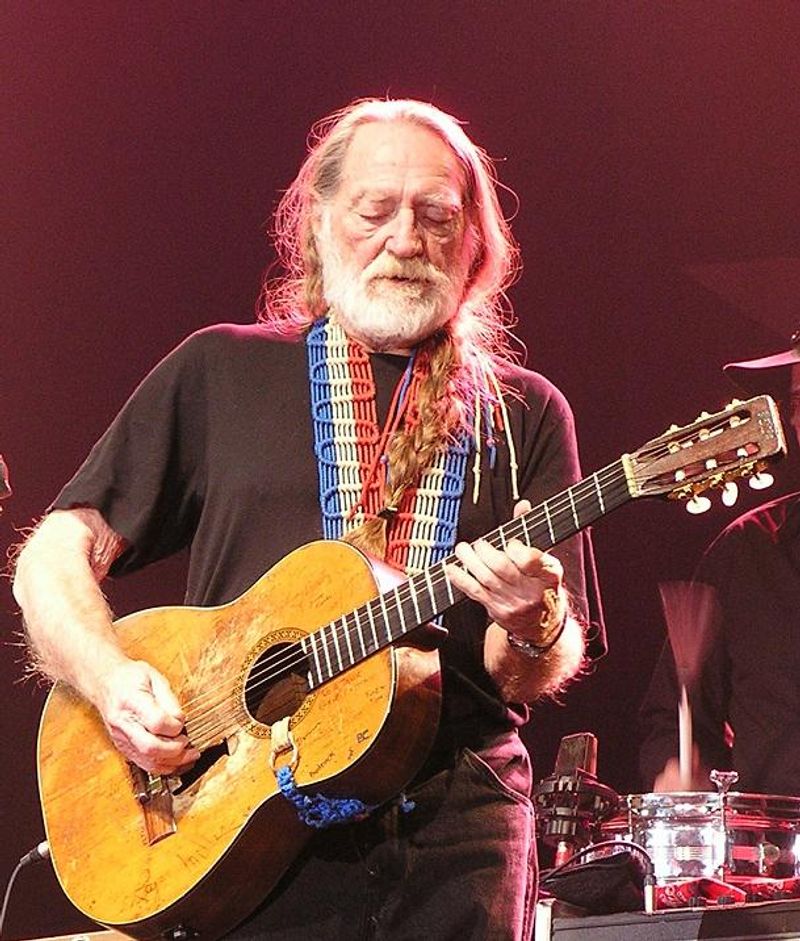
Willie Hugh Nelson kept his real name, which honestly feels very on-brand for a man who has never pretended to be anything other than exactly himself. The Hugh part just quietly disappeared somewhere along the way.
Born in Abbott, Texas, during the Great Depression, Willie grew up with his grandparents after his parents split. He wrote his first song at age seven.
By the time most kids are learning multiplication tables, Willie was already a songwriter.
He sold his early compositions to other artists before becoming famous himself. “Crazy” was written by Willie and recorded by Patsy Cline. “Hello Walls” was recorded by Faron Young. Willie was basically funding his own career by writing hits for everyone else first.
His signature guitar, a beat-up nylon-string named Trigger, has a hole worn through the body from decades of playing. Willie Nelson at 90-plus years old is still touring, still recording, and still being completely, unapologetically Willie Hugh Nelson.
Some names just fit perfectly from the start.
Share this story