 Unearth The Voyage
Some stereotypes are just plain wrong, but others turn out to be surprisingly accurate. When it comes to different countries around the world, certain cultural habits and traditions are so consistent that they’ve become well-known generalizations.
From Japan’s famous public napping to Spain’s late-night dinner culture, these quirks are real, documented, and genuinely fascinating. Get ready to discover 15 country stereotypes that actually hold up to scrutiny.
1. Japan: People Really Do Fall Asleep in Public
Catching a few minutes of sleep on a busy train might sound strange to outsiders, but in Japan, it’s completely normal. The practice even has its own name: inemuri, which loosely translates to “sleeping while present.” Rather than being seen as lazy or rude, it’s often interpreted as a sign that someone works hard and stays committed to their responsibilities.
The cultural acceptance of public napping goes back centuries. Japanese society places enormous value on dedication and effort, so dozing off at work or on public transport signals exhaustion from a job well done.
It’s a subtle but genuine cultural signal.
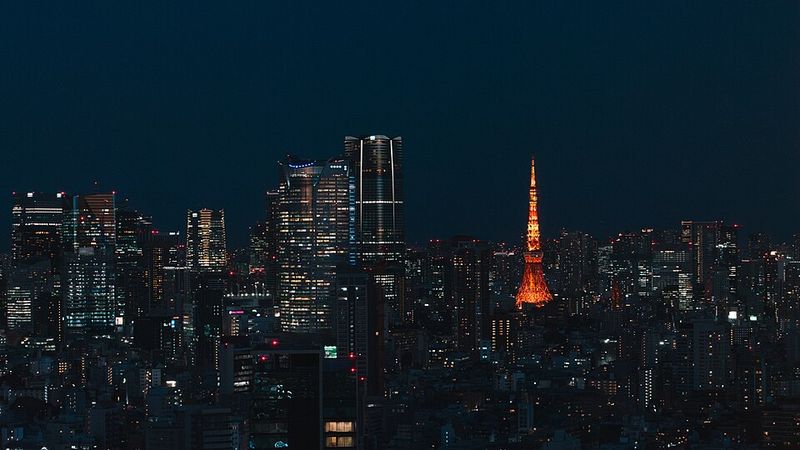
Visitors to Tokyo are often surprised to see people napping upright on crowded trains without anyone batting an eye. This stereotype is backed by social research, making inemuri one of the most fascinating and real cultural habits in the world today.
2. Germany: Rules Are Taken Extremely Seriously
Walk up to a crosswalk in Germany and you’ll quickly notice something: people wait for the green light, even when the street is completely empty. Breaking small rules in public can draw genuine disapproval from strangers nearby.
This isn’t an exaggeration; it reflects a deeply rooted cultural value around structure, fairness, and shared responsibility.
Germany’s recycling system is another well-known example. Bins are color-coded and strictly organized, and residents take sorting waste very seriously.
Getting it wrong can result in fines or a firm correction from a neighbor.
Researchers who study cultural behavior consistently rank Germany high for rule-following tendencies. This national respect for order isn’t about being uptight; it reflects a collective understanding that systems work better when everyone plays by the same rules.
For visitors, adapting quickly to local norms is both respectful and genuinely appreciated by locals.
3. Italy: Conversations Are Loud and Full of Hand Gestures

Spend five minutes in any Italian piazza and you’ll witness something wonderful: conversations that seem to involve the entire body. Italians are famous for their expressive hand gestures, and this reputation is completely earned.
Linguists have actually catalogued dozens of distinct Italian hand gestures, each carrying its own specific meaning.
This communicative style isn’t just about personality; it’s deeply cultural. Gestures in Italy serve as a visual language layered on top of spoken words, adding emphasis, emotion, and clarity.
Some gestures are so universally understood across regions that they function almost like a second dialect.
Researchers at the University of Rome have studied how gesture use varies between cultures, consistently finding that Italians use significantly more hand movements during speech than most other nationalities. Far from being performative, this expressiveness reflects warmth, passion, and a cultural love for genuine human connection that visitors often find immediately charming.
4. Canada: Apologizing Is Practically a Reflex
Canadians have a well-earned reputation for being polite, but the “sorry” reflex takes things to another level entirely. Stories abound of Canadians apologizing when someone else bumps into them, when a store is out of stock, or even when they’re the ones who were wronged.
It sounds like an exaggeration until you actually visit.
Canada even passed the Apology Act in Ontario in 2009, a law clarifying that saying sorry does not constitute an admission of legal guilt. The fact that legislation was needed around apologies says a lot about how embedded the habit truly is in Canadian culture.
Psychologists suggest this behavior reflects a cultural emphasis on social harmony and conflict avoidance. Being seen as polite and considerate matters deeply in Canadian society.
Whether it’s holding the elevator or letting someone merge in traffic, Canadians consistently go out of their way to be accommodating to those around them.
5. Switzerland: Punctuality Is a National Standard
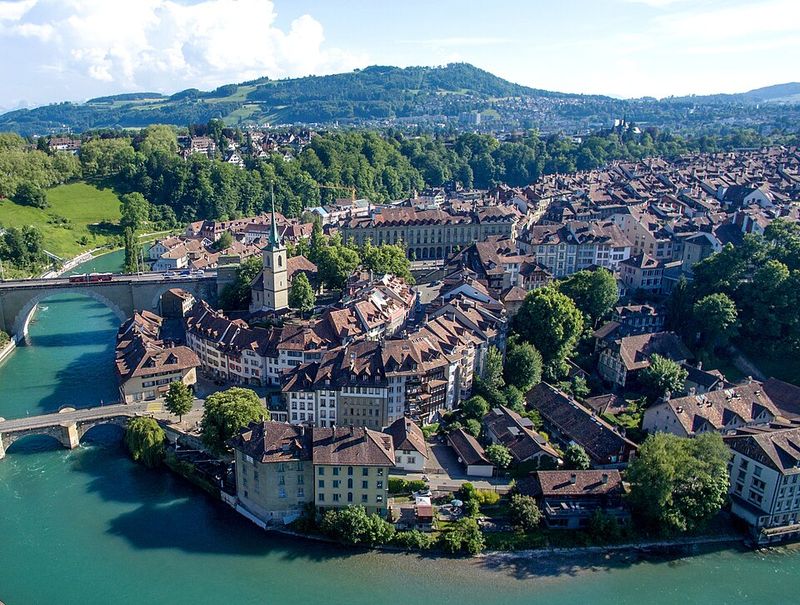
Switzerland’s trains don’t just run on time; they run to the second. The Swiss Federal Railways system boasts one of the highest on-time rates in the world, regularly achieving punctuality scores above 92 percent.
For Swiss commuters, a train being two minutes late is genuinely considered noteworthy.
This obsession with punctuality extends well beyond public transport. Business meetings, social gatherings, and even casual appointments are expected to start exactly when planned.
Arriving late in Switzerland can be interpreted as disrespectful or careless, regardless of the circumstances involved.
Switzerland’s watchmaking history offers a fitting metaphor for this national trait. The country that gave the world precision timepieces lives by those same exacting standards in daily life.
Visitors quickly learn to adjust their habits or risk awkward apologies. For the Swiss, punctuality isn’t a personality quirk; it’s a form of respect for other people’s time and a reflection of cultural pride.
6. USA: The Portion Sizes Are Genuinely Enormous

First-time visitors to the United States often experience genuine shock at restaurant portion sizes. A standard American soft drink can be larger than an entire meal-sized beverage in many European countries.
Plates arrive loaded with food in quantities that seem almost theatrical to someone dining in the US for the first time.
This isn’t just a casual observation. Studies comparing portion sizes across countries consistently show that American servings are significantly larger than global averages.
A 2002 study published in the American Journal of Public Health found that US portions were dramatically larger than French equivalents for the same menu items.
The cultural emphasis on value for money plays a big role here. Americans often equate generous portions with good service and fair pricing.
Restaurants compete on size as much as taste, which has shaped dining expectations over decades. Doggy bags are common, practical, and completely accepted without any social awkwardness attached.
7. France: Food Is Treated Like a Sacred Ritual
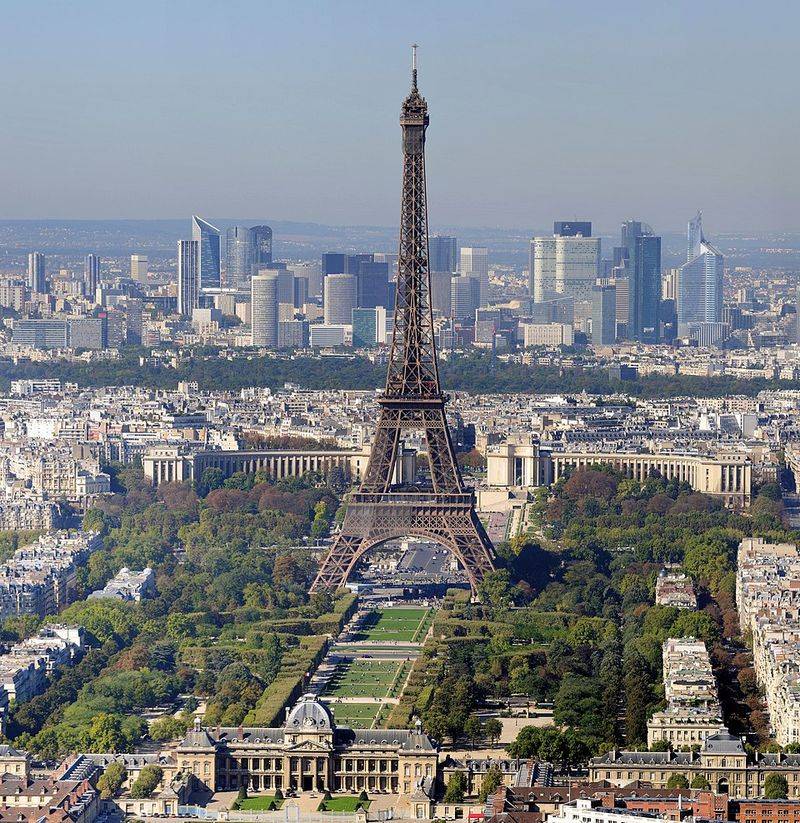
In France, eating isn’t just something you do between activities; it’s an event worthy of full attention and genuine care. French mealtimes are protected cultural territory.
Lunch breaks can stretch to two hours, dinner is rarely rushed, and snacking between meals is still considered somewhat improper in many households.
UNESCO actually recognized the French gastronomic meal as an Intangible Cultural Heritage of Humanity in 2010. This formal recognition acknowledges that French food culture goes far beyond recipes; it encompasses ritual, conversation, and a shared commitment to quality over convenience.
Walk into any French supermarket and you’ll notice the difference immediately. Fresh produce sections are extensive, pre-packaged convenience foods are far less dominant than in many countries, and the cheese aisle alone could take fifteen minutes to navigate.
For the French, a well-prepared meal shared with good company isn’t a luxury; it’s simply how life is meant to be lived.
8. South Korea: Beauty Standards Are Genuinely Intense
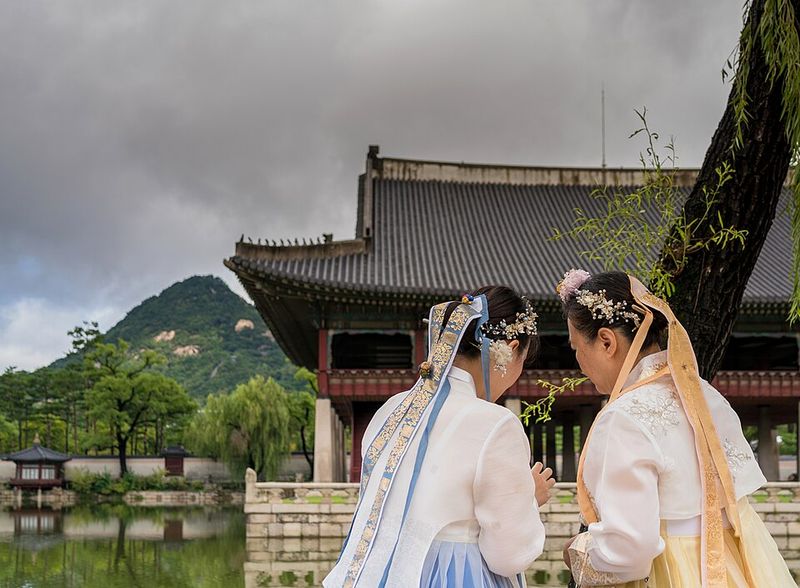
South Korea’s beauty industry is one of the largest and most innovative in the world, and the cultural emphasis on skincare and appearance is very real. Multi-step skincare routines involving ten or more products are genuinely common, particularly among younger generations.
This isn’t marketing hype; it reflects a deeply held cultural value around self-presentation and personal care.
South Korea also has one of the highest rates of cosmetic procedures per capita globally. Procedures like double eyelid surgery are widely normalized and openly discussed, without the stigma they might carry in other countries.
Beauty clinics are found on nearly every major street in Seoul.
The K-beauty movement has exported this culture worldwide, but domestically the standards remain particularly high. Job applications in South Korea have historically included photos, and appearance is openly considered in many professional contexts.
For outsiders, the intensity can feel surprising, but locally it’s simply part of everyday life.
9. Australia: Dangerous Animals Are Genuinely Everywhere

Australia’s reputation for deadly wildlife isn’t just dramatic storytelling. The country is home to more venomous snake species than any other nation on Earth.
Add to that funnel-web spiders, box jellyfish, saltwater crocodiles, blue-ringed octopuses, and the drop bear joke starts to feel slightly less funny.
To be fair, actual fatalities from wildlife encounters in Australia are relatively rare thanks to good medical infrastructure and public awareness. Most Australians go about their daily lives without regular dangerous animal encounters.
But the potential is genuinely there in a way that simply doesn’t exist in most other countries.
What makes Australia’s wildlife so uniquely hazardous is geographic isolation. The continent evolved separately for millions of years, producing creatures found nowhere else on Earth.
Scientists classify Australian fauna as some of the most biologically distinct on the planet. Visitors are strongly advised to learn basic safety guidelines before heading into rural or coastal areas.
10. UK: Weather Small Talk Is a National Pastime

Ask any British person how they break the ice with a stranger and the answer is almost always the same: talk about the weather. This stereotype is so accurate that it’s been studied by social scientists.
Researchers at the University of Oxford found that weather is the most common conversation opener in the UK, used by people of all ages and backgrounds.
Part of the reason is practical. British weather is famously unpredictable, shifting from sunshine to drizzle within the same afternoon.
Having something universally relatable to comment on makes it a natural social lubricant in a culture that can otherwise be reserved about personal topics.
But weather talk in the UK goes beyond small talk. It reflects a cultural comfort with shared experience and a preference for neutral, low-stakes conversation starters.
Visitors often find it charming once they understand it’s less about meteorology and more about connection. A simple “bit grey today, isn’t it?” goes a long way.
11. Brazil: Music and Dancing Are Part of Daily Life
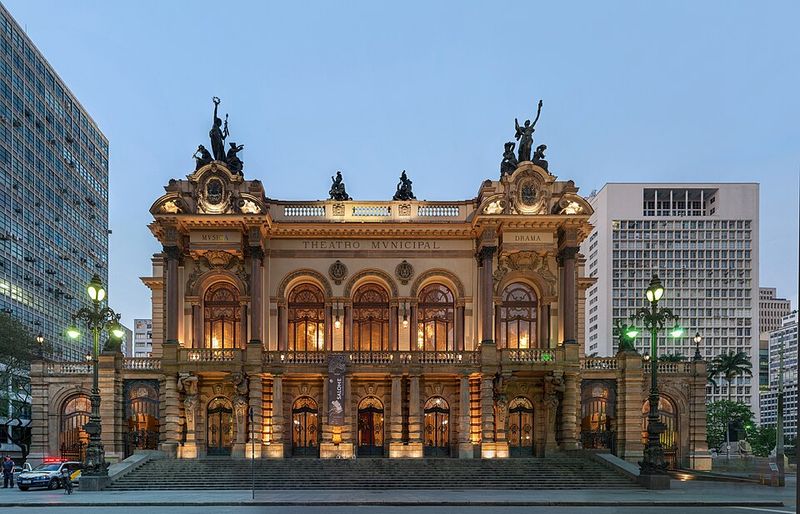
Brazil’s relationship with music and dance runs deeper than Carnival week. Rhythm is woven into everyday Brazilian life in a way that’s immediately apparent to any visitor.
Samba, forró, axé, and funk carioca aren’t just genres; they’re social languages spoken across generations, regions, and economic backgrounds throughout the country.
Even in casual settings, music is treated as communal. Street parties called baile funk or pagode gatherings in neighborhood squares are spontaneous, frequent, and open to everyone.
Dancing isn’t reserved for special occasions; it’s a normal response to music being played nearby.
Anthropologists who study Brazilian culture consistently highlight how music functions as a social equalizer. Regardless of class or background, shared musical traditions create genuine community bonds.
Brazil’s music exports, from bossa nova to modern funk, have influenced global pop culture profoundly. The stereotype of Brazilians being passionate about music isn’t an oversimplification; it’s a documented and celebrated cultural truth.
12. Netherlands: Cycling Is Just How People Get Around
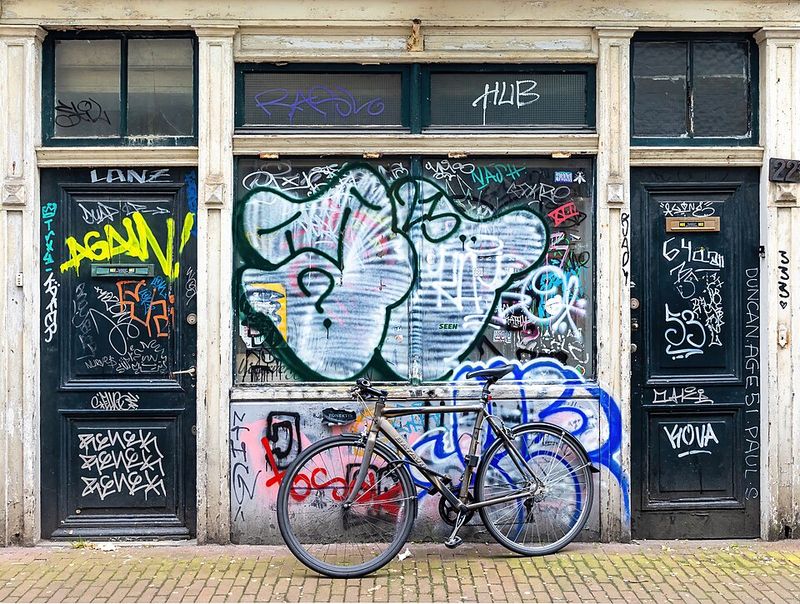
The Netherlands has more bicycles than people. That single statistic tells you almost everything you need to know about Dutch cycling culture.
With approximately 23 million bikes for a population of 17 million, cycling isn’t a lifestyle choice or a fitness trend; it’s simply the most practical way to get from one place to another.
Dutch cities are engineered around cyclists. Amsterdam alone has over 500 kilometers of dedicated bike lanes.
Traffic lights are timed for bicycle speeds, and parking infrastructure for bikes rivals that of cars in many neighborhoods. Children learn to cycle before they can reliably read.
This culture developed over decades through deliberate government investment following the oil crisis of the 1970s, when the Netherlands made a conscious decision to prioritize cycling infrastructure. Today, the results are visible everywhere.
Businesspeople in suits, elderly residents, parents with children in cargo bikes; everyone rides. It’s efficient, sustainable, and deeply Dutch.
13. India: The Food Is Genuinely Full of Spices
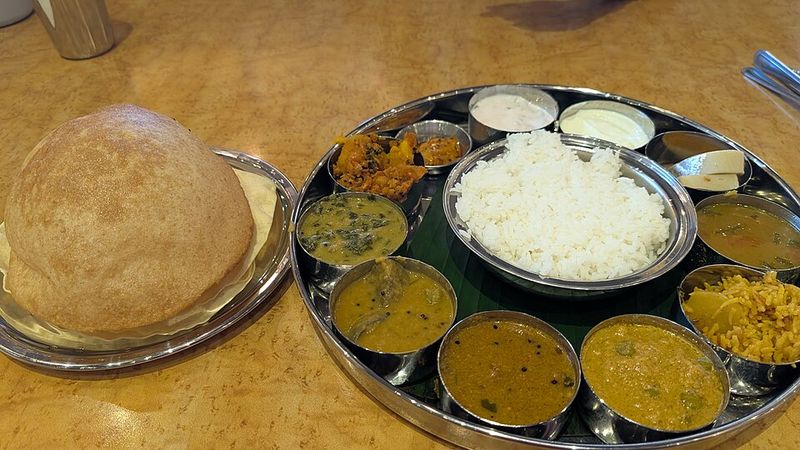
India’s spice trade literally changed world history. European explorers spent centuries searching for faster routes to Indian spice markets, reshaping global geography in the process.
That context matters because it explains just how central spices are to Indian culinary identity; this isn’t seasoning, it’s heritage.
Indian cuisine varies enormously by region. Coastal Kerala features coconut and tamarind.
Punjab is known for rich, warming spice blends. Rajasthan uses dried chilies and bold aromatics suited to desert cooking.
What unites these incredibly diverse regional traditions is a commitment to layered, complex flavor built through careful spice combinations.
Turmeric, cumin, coriander, cardamom, mustard seeds, and dozens of other spices appear in combinations that have been refined over thousands of years. Indian home cooks often grind their own spice blends fresh for each meal.
For anyone accustomed to milder cuisines, the depth of flavor in authentic Indian cooking can feel like an entirely new sensory experience.
14. Finland: Personal Space and Silence Are Deeply Valued
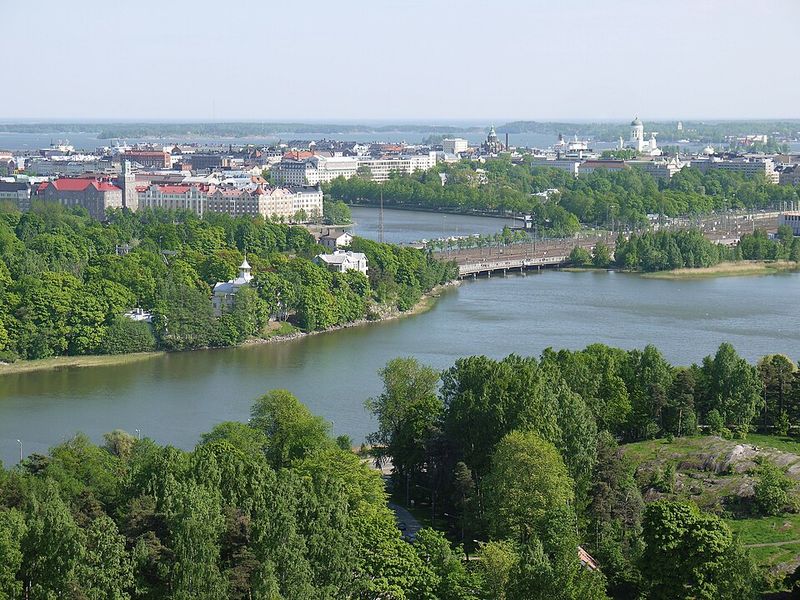
There’s a Finnish joke that goes: an introverted Finn looks at your shoes when talking to you, while an extroverted Finn looks at their own shoes. It lands because it’s rooted in something real.
Finland consistently ranks among the world’s happiest countries, and personal space is a significant part of that equation.
Silence in Finnish culture isn’t awkward; it’s respectful. Comfortable quiet between people signals trust and ease rather than tension or discomfort.
Filling every pause with chatter is actually considered somewhat exhausting and unnecessary by many Finns.
Bus stops famously illustrate this: Finns will stand far apart even when space is limited, and conversations with strangers are rare unless initiated for a practical reason. This isn’t coldness; researchers describe it as a high-context culture where actions speak louder than words.
Visitors who understand this shift from feeling ignored to feeling genuinely respected, which is a meaningful difference worth appreciating.
15. Spain: Life Really Does Start Later in the Evening
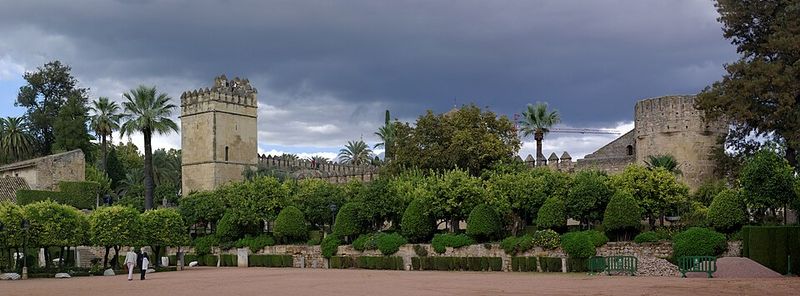
Dinner at 6 PM in Spain? Locals would consider that an early lunch.
Spanish evening culture runs on a schedule that genuinely baffles visitors from northern Europe or North America. Restaurants in many Spanish cities don’t even open for dinner service until 9 PM, and peak dining hours stretch comfortably toward midnight on weekends.
This late-night rhythm is supported by the siesta tradition, an afternoon rest period that historically allowed people to avoid the midday heat and recover energy for a longer evening. While the siesta has declined in urban areas, the evening schedule it helped create remains firmly in place across Spanish culture.
The result is a social life that feels genuinely alive at hours when other countries are winding down. Streets fill with families, friends, and children well past 11 PM on summer nights.
For Spain, this isn’t a party culture; it’s simply the natural rhythm of a society built around warmth, food, and unhurried human connection.



