Portugal is famous for its golden beaches, historic cities, and incredible food. But beyond the tourist hotspots, there are places so peaceful and beautiful they feel like they belong in a dream.
These lesser-known corners of the country offer stunning landscapes, rich history, and a genuine sense of calm that busy destinations simply cannot match. Pack your bags and get ready to discover a side of Portugal most travelers never get to see.
Monsaraz – Alentejo’s Hilltop Secret
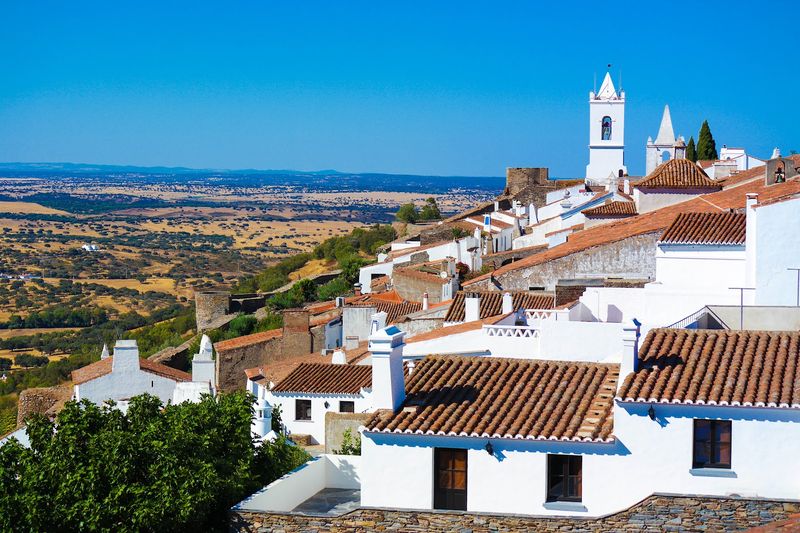
Standing on the walls of Monsaraz at sunset feels like watching a painting come to life. This tiny whitewashed village in the Alentejo region sits high above rolling plains near the Spanish border, and the views are absolutely jaw-dropping.
Cobbled streets wind between centuries-old buildings, and the whole place moves at a wonderfully unhurried pace.
What makes Monsaraz special is its almost eerie quietness. You can walk from one end to the other in minutes, yet somehow it never feels small.
The nearby Alqueva Lake stretches endlessly below, glittering in the afternoon light, and locals here still live much as they always have.
Restaurants serve slow-roasted Alentejo lamb and local wines poured generously. The village is also one of Europe’s best stargazing destinations, thanks to its Dark Sky Reserve status.
Bring a jacket for the evenings, because temperatures drop quickly once the sun disappears behind those gorgeous plains. Monsaraz is the kind of place you visit for a night and end up staying for three.
Piodao – A Fairytale Mountain Village
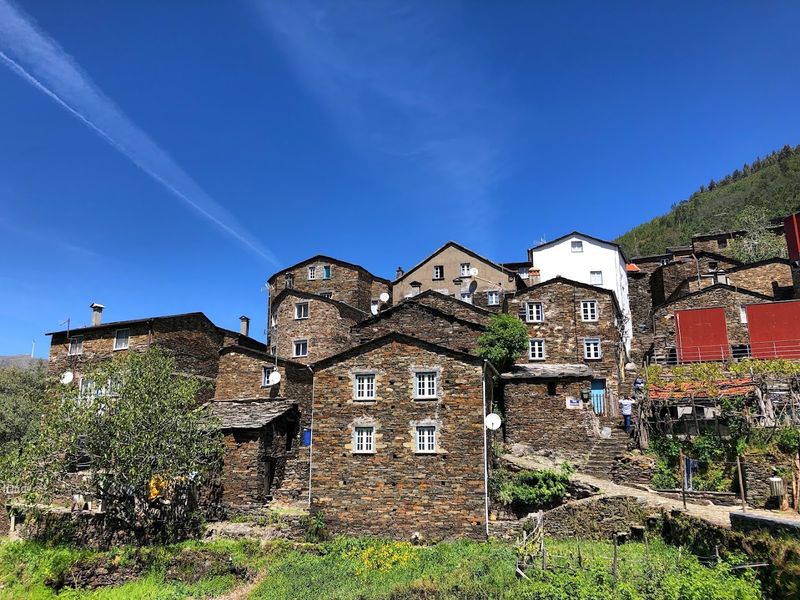
Built entirely from dark schist stone, Piodao looks like it was carved directly out of the mountain itself. Blue doors pop against the grey stone walls, giving this remote village a color contrast that photographers absolutely love.
It sits tucked into the Serra do Acor mountains in central Portugal, and getting there involves winding roads that feel like a mini adventure on their own.
Most visitors to Portugal never make it here, which means you often have the narrow stone paths almost entirely to yourself. The village has no traffic, no chain stores, and no noise beyond birdsong and the occasional goat bell.
That kind of silence is genuinely rare and genuinely refreshing.
A small church perched above the rooftops adds to the storybook atmosphere, and the local cafe serves strong coffee and homemade pastries that taste even better after a morning hike. The surrounding mountains offer trails through pine forests with rewarding viewpoints at every turn.
Visit in spring when wildflowers cover the hillsides, or in winter when low clouds wrap the village in a soft, mysterious mist. Either way, Piodao will surprise you.
Odeceixe – Where the River Meets the Ocean
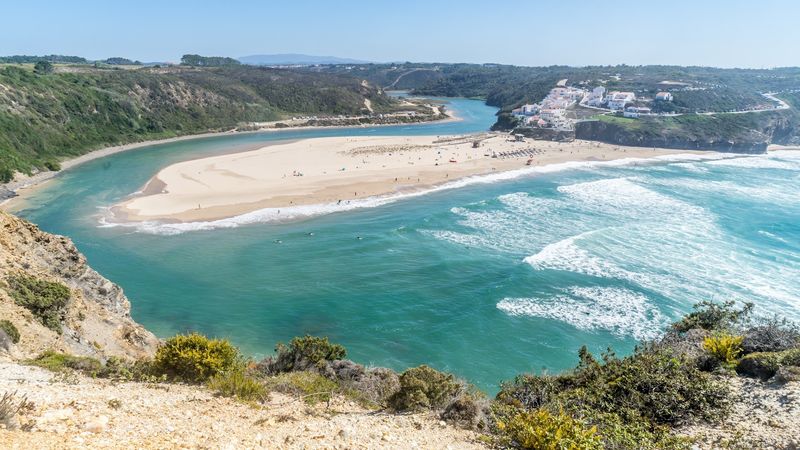
Somewhere along the wild Alentejo coast, a calm river quietly slides into the crashing Atlantic, and the result is one of the most quietly dramatic beach scenes in Portugal. Odeceixe beach is shaped like a half-moon, sheltered by golden cliffs, and divided by a shallow river that kids love to splash through.
It is genuinely one of those places that makes you stop walking and just stare.
The village itself sits on a gentle hill above the beach and has a relaxed, slightly hippie energy that feels welcoming rather than try-hard. There are simple restaurants, a weekly market, and just enough accommodation to feel like a real community rather than a resort.
Crowds are rare here, even in July and August, which is almost a miracle by Portuguese coastal standards.
Surfers come for the Atlantic swells, swimmers love the calmer river side, and walkers follow the coastal trail north toward the Vicentina Natural Park. Sunsets here are the kind that make you forget to check your phone.
Odeceixe is proof that the best beaches are often the ones you have to look a little harder to find. Go early, stay late, and bring snacks.
Serra da Estrela – Portugal’s Wild Heart
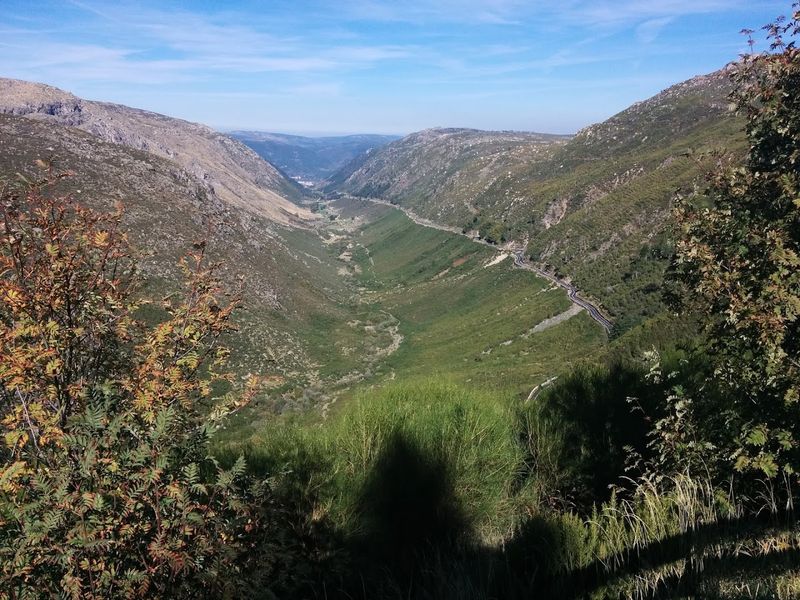
Portugal has mountains, and then it has Serra da Estrela. As the highest mountain range in mainland Portugal, this rugged highland region reaches over 1,900 meters at its peak and offers a landscape that feels nothing like the country’s sun-soaked coastline.
Think rocky ridges, glacial valleys, and crisp air that clears your lungs in the best possible way.
Surprisingly few tourists make the journey here, which means hiking trails stay blissfully quiet even during summer. The region is also home to traditional stone villages where shepherds still practice centuries-old customs, including making the famous Serra da Estrela cheese, a creamy and slightly tangy local specialty worth seeking out at any cost.
Winter brings snow, turning the mountains into a surprisingly popular ski destination for Portuguese families. But spring and autumn offer the best hiking conditions, with blooming heather and golden light across the plateau.
The Torre, the highest point, is accessible by road and gives you a 360-degree view that stretches on forever. Wildlife spotters might catch sight of golden eagles or the rare Iberian wolf if they are patient and quiet.
Serra da Estrela rewards those who make the effort to find it.
Tavira – Algarve Without the Chaos
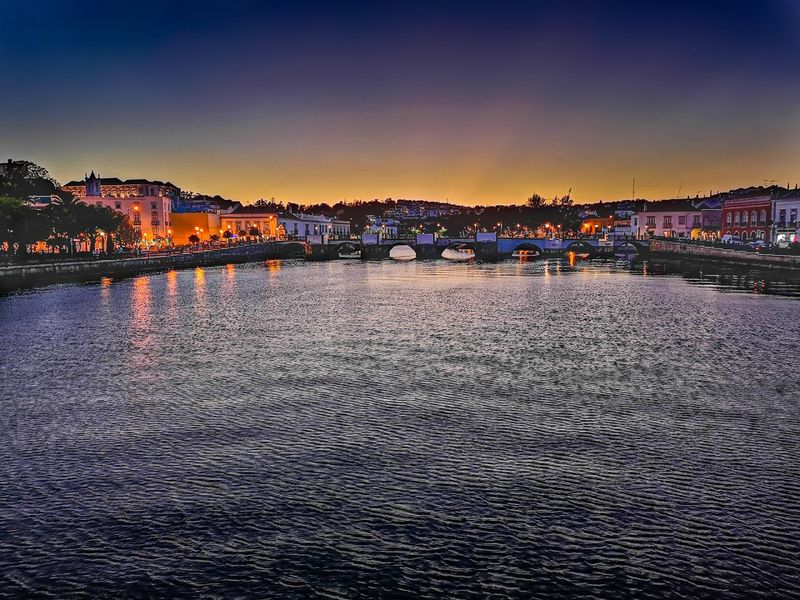
Most people hear the word Algarve and immediately picture packed beach bars and neon-lit strips. Tavira is here to politely prove that wrong.
Sitting in the quieter eastern Algarve, this elegant town has a Roman bridge, a hilltop castle, and a riverside lined with outdoor cafes where the pace of life feels wonderfully slow. It is sophisticated without being showy.
The beaches here are some of the best in Portugal, reached by a short ferry ride to barrier islands that keep development to a minimum. Ilha de Tavira is a long strip of soft sand backed by dunes, and on a weekday in June you might share it with just a handful of people.
That kind of beach experience is priceless.
Seafood restaurants along the river serve fresh catch daily, and the local specialty of clam cataplana, a slow-cooked seafood stew, is reason enough to make the trip. The town’s architecture blends Moorish, Roman, and Portuguese styles in a way that rewards slow walking and frequent stops.
Tavira suits couples, solo travelers, and anyone who appreciates beauty without the noise. It is the Algarve that exists before the crowds arrived, and somehow it stayed that way.
Costa Nova – Striped Houses by the Sea
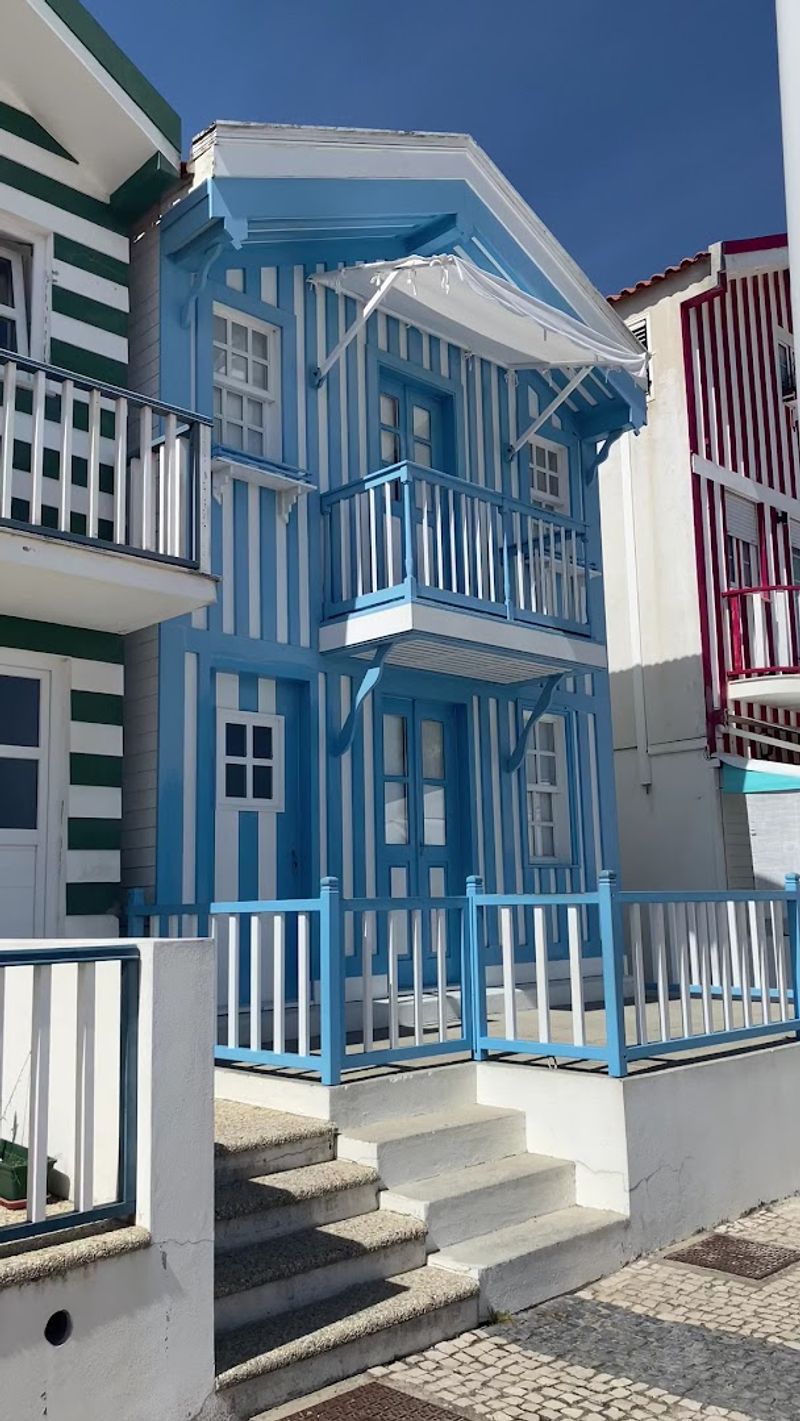
Nowhere in Portugal looks quite like Costa Nova. The houses here are painted in bold vertical stripes of red, white, blue, and green, and they line the seafront like a row of candy sticks that someone forgot to eat.
Originally built as fishermen’s storage huts, these so-called palheiros are now one of the most photographed sights in central Portugal, and for good reason.
Costa Nova sits on a narrow strip of land between the Atlantic Ocean and the Ria de Aveiro lagoon, just a short drive from Aveiro city. That means you get ocean waves on one side and calm lagoon water on the other, which is a genuinely brilliant combination for a day trip.
International tourists largely skip it, making it a favorite among Portuguese families instead.
The beach here is wide, clean, and often half-empty even in summer. Fresh fish restaurants line the main street, and a grilled sea bass here with a cold Sagres beer is one of life’s simpler but greater pleasures.
Combine a visit with a trip to Aveiro to ride the colorful moliceiro boats along the canals. Costa Nova is charming, cheerful, and completely underrated.
Bring your camera, because every corner is a shot worth taking.
Peneda-Geres National Park – Untouched Nature
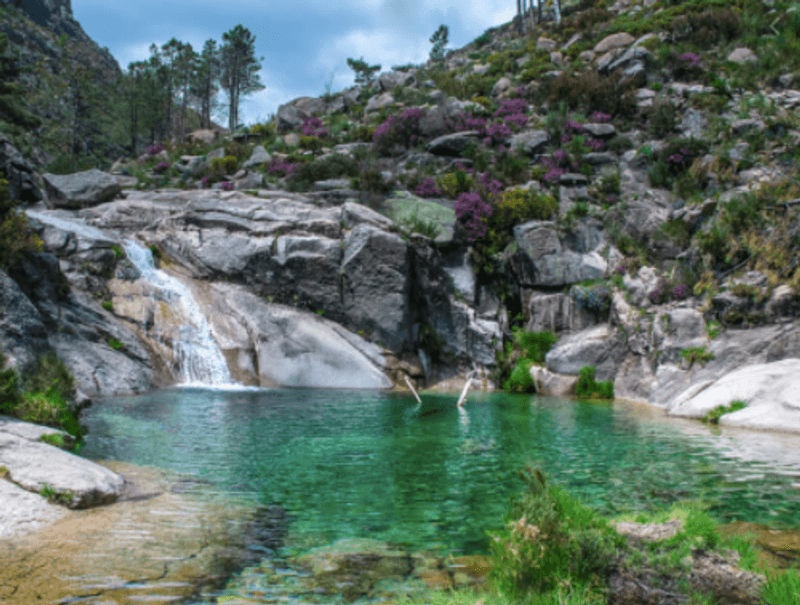
Portugal’s only national park is a place where nature does exactly what it wants. Peneda-Geres covers over 700 square kilometers of granite mountains, ancient forests, and rivers so clear you can count the pebbles at the bottom.
It sits in the far northwest of the country, pressed up against the Spanish border, and it has a wild, untamed energy that feels genuinely special.
Despite being stunning, Geres attracts a fraction of the visitors that comparable parks in other countries receive. That means you can hike for hours without meeting another soul, swim in natural pools fed by mountain streams, and camp under skies so dark the Milky Way looks close enough to touch.
Wild Garrano horses roam freely here, which is not something you expect to stumble upon on a Tuesday afternoon.
Traditional stone villages dot the park, where elderly residents still speak in old dialects and maintain farming traditions unchanged for generations. Waterfalls cascade through mossy ravines, and in autumn the forests turn every shade of gold and copper.
The town of Geres itself has thermal springs and simple guesthouses for those who want a base. Peneda-Geres is raw Portugal at its most magnificent, and it deserves far more visitors than it gets.
Azenhas do Mar – Cliffside Beauty Near Lisbon
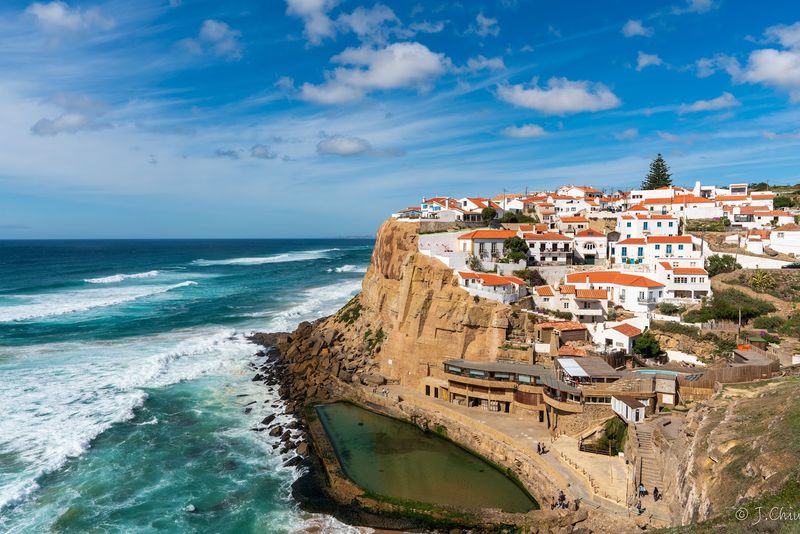
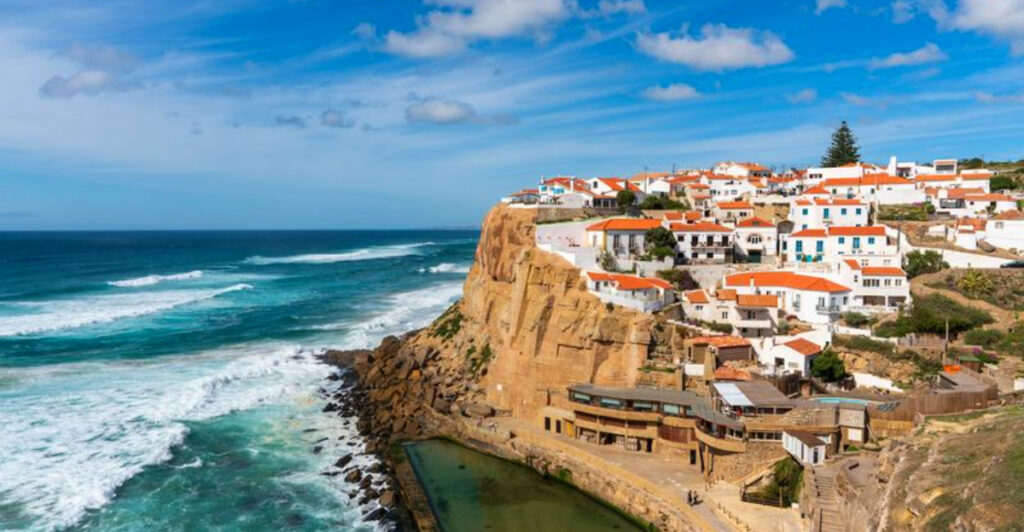
Perched on a cliff edge above the crashing Atlantic, Azenhas do Mar looks like it was designed by someone who had never heard the word subtle. White houses tumble down the cliff face in layers, and at the base sits a natural seawater pool carved into the rocks, filled and refreshed by every incoming wave.
The whole scene is completely surreal, and it sits less than an hour from central Lisbon.
Most day-trippers from Lisbon head straight to Sintra or Cascais, which means Azenhas do Mar stays wonderfully quiet by comparison. The village has a handful of restaurants clinging to the cliff, and eating lunch here with the ocean roaring below is an experience that stays with you long after the meal ends.
The natural pool is open in summer and is a fantastic alternative to ocean swimming, especially for families with younger children. The surrounding coastline is part of the Sintra-Cascais Natural Park, so the landscape stays protected and undeveloped.
Sunset here turns the white houses pink and gold, and the light on the water becomes something photographers dream about. Azenhas do Mar is one of those places that locals keep quietly to themselves, and after visiting, you will completely understand why.
Braganca – Medieval Isolation in the Northeast
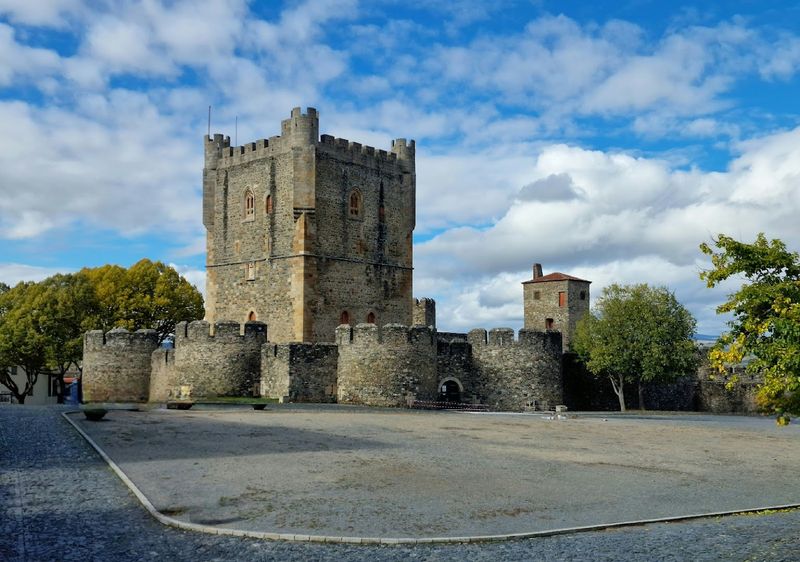
Getting to Braganca takes commitment, and that is precisely why it remains so wonderfully unspoiled. Tucked into the far northeastern corner of Portugal, close to the Spanish border and far from any major highway, this ancient city feels like it exists slightly outside of normal time.
The hilltop castle is one of the best-preserved medieval fortifications in the country, and you can walk its walls without a single tour group in sight.
Inside the old citadel, a tiny village of stone houses still functions as a real neighborhood. Children play in the square, old men sit outside cafes, and the smell of wood smoke drifts from chimneys in winter.
It is living history rather than a museum piece, and that distinction makes all the difference.
The surrounding Montesinho Natural Park adds another layer of appeal, offering hiking, cycling, and wildlife watching in one of Portugal’s least-visited protected areas. Wolves and eagles share these forests with traditional farming communities that have barely changed in centuries.
Braganca’s food scene leans heavily on smoked meats, hearty bean stews, and locally produced honey that is worth buying by the jar. This city rewards the curious traveler who is willing to venture beyond the well-worn tourist trail.
Praia da Amalia – A Secret Beach Worth the Walk
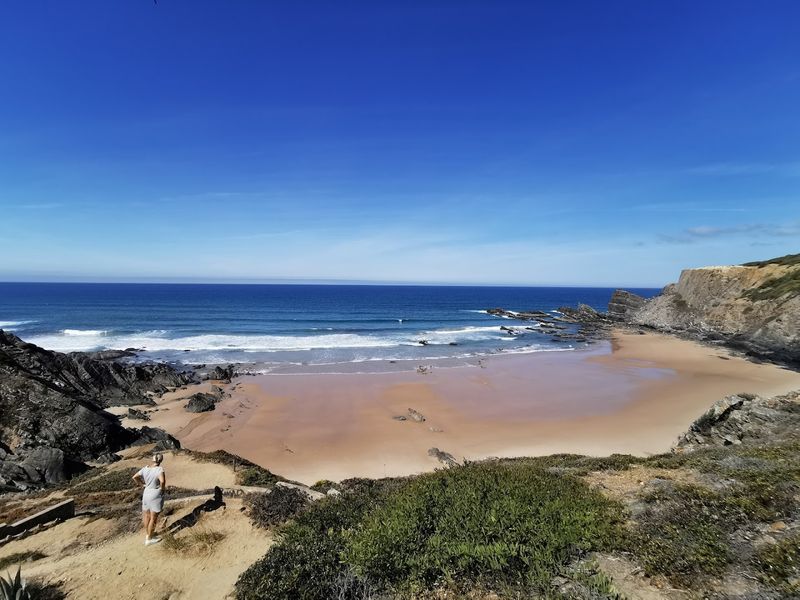
There is a beach in the western Algarve that requires a narrow cliff-top path, a short scramble down a rocky trail, and a willingness to leave your car well behind. Praia da Amalia rewards every step of that effort with one of the most dramatic and deserted stretches of sand in all of Portugal.
Golden limestone cliffs tower above, a tiny waterfall trickles onto the beach, and the sea glows an impossible shade of blue-green.
Because access is deliberately awkward, the beach never gets crowded. On a busy summer day you might share it with twenty people, which by Algarve standards is practically a private beach.
Wildflowers bloom along the cliff path in spring, and the walk itself offers views that rival anything you will see from a tour bus or viewpoint car park.
There are no facilities here, which means bringing water, sunscreen, and food is essential rather than optional. The lack of beach bars and sunbed rentals is, honestly, a large part of the charm.
Praia da Amalia sits near the village of Carrapateira, which has a couple of good restaurants and simple guesthouses. Stay nearby, wake up early, and get to the beach before anyone else.
That first hour alone on the sand is something you will talk about for years.
Alentejo Region – Portugal’s Quiet Soul
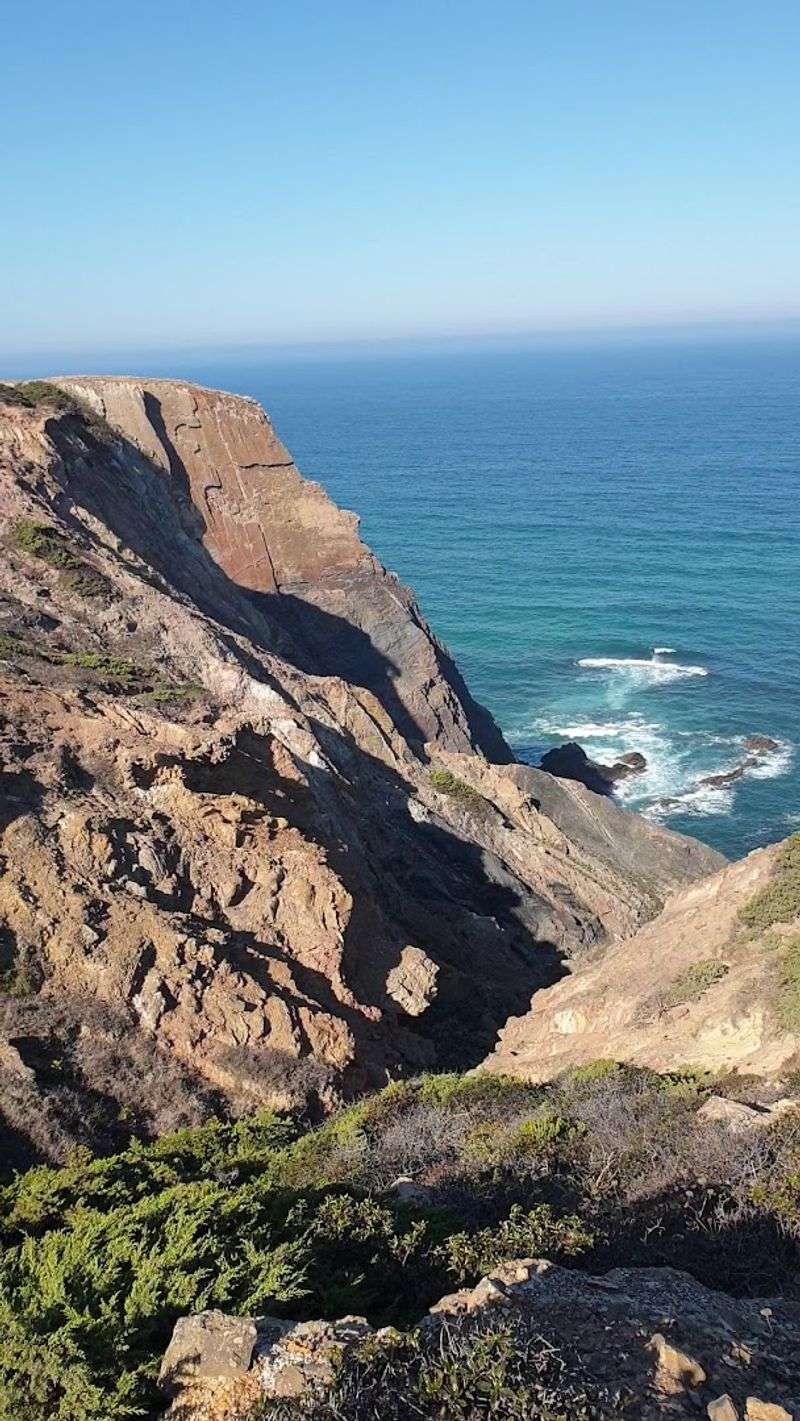
Cork oaks, cork oaks, and more cork oaks. The Alentejo covers roughly a third of Portugal and produces most of the world’s cork supply, which tells you something about how much open, unhurried land exists here.
This is a region of vast plains, blazing summers, and a slower rhythm of life that feels genuinely restorative after the energy of Lisbon or Porto.
White villages topped with blue trim dot the landscape at regular intervals, each one seemingly competing for the title of most photogenic. Evora, the region’s main city, holds a Roman temple and a medieval university within its ancient walls.
But the real magic of Alentejo is found between the towns, on roads that cut through golden fields with nothing but sky above and silence around you.
Wine from this region has been quietly winning international awards for years, and a visit to a local quinta for a tasting is one of the best low-key afternoons you can spend in Portugal. Local food leans on pork, bread, and olive oil, and the flavors are honest and deeply satisfying.
Alentejo does not perform for tourists. It simply exists, beautifully and authentically, and invites you to slow down and exist alongside it for a while.
Monsanto – The Village Built Between Boulders
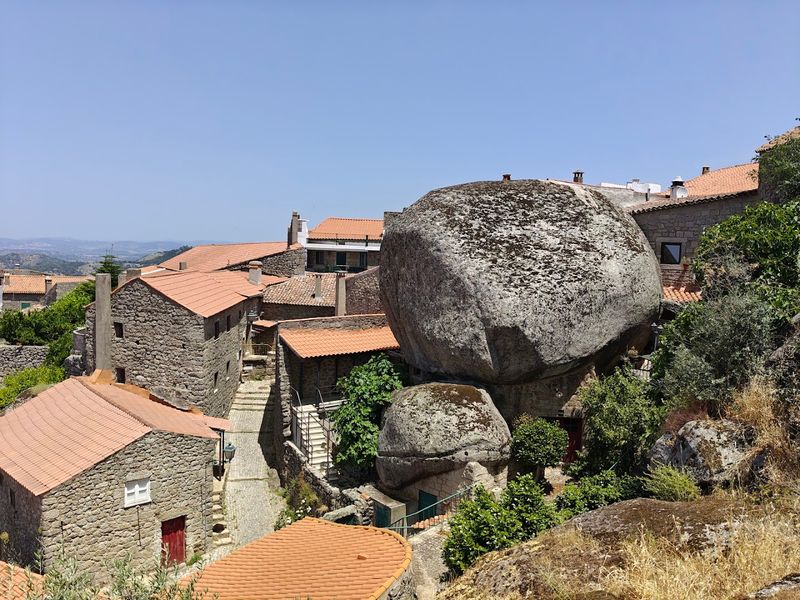
Imagine building your house not next to a giant boulder, but literally between two of them, using the rock as your wall and roof. That is exactly what the people of Monsanto did, and the result is the most architecturally bizarre and utterly fascinating village in Portugal.
Enormous granite boulders the size of houses are woven into the fabric of the town, and the streets between them feel like passages through a natural maze.
Monsanto was once voted the most Portuguese village in all of Portugal, a title it earned by simply being incomparable to anywhere else. The medieval castle at the top of the hill is mostly ruined, but the views from its walls stretch across Beira Baixa in every direction.
Getting up there requires a steep climb through the boulder-filled lanes, and every twist brings a new surprise.
The village population is small and ageing, which gives Monsanto a quiet, slightly melancholic atmosphere that somehow adds to its appeal. Cats sleep on warm boulders, flowers grow from rock crevices, and old stone crosses mark the narrow paths.
A small restaurant near the top serves local dishes, and eating there after the climb feels deeply earned. Monsanto is genuinely one-of-a-kind, and that is not a phrase used lightly.
Baleal – The Sandbar Village Surfers Love
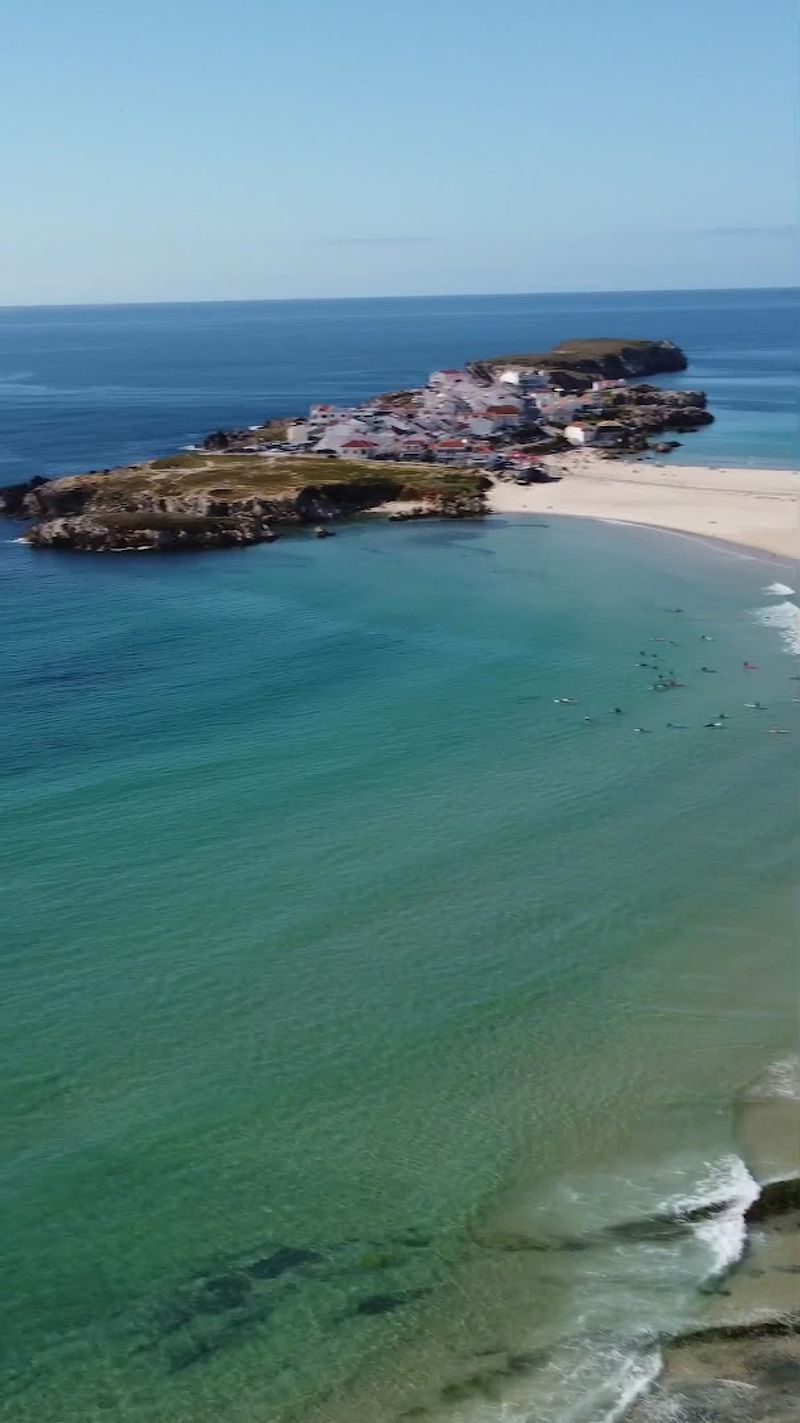
Connected to the mainland by a thin strip of sand, Baleal sits like a small rocky island that forgot to fully separate from the shore. This quirky geography gives the village beaches on multiple sides, which means you can always find a sheltered spot regardless of wind direction.
Surfers discovered this a long time ago, and a low-key surf culture has settled here without ever turning the place into a full-blown resort.
The waves around Baleal suit beginners and intermediate surfers particularly well, and several schools operate along the beach with relaxed, unhurried energy. But you do not need to surf to enjoy it here.
The beach is wide and clean, the water is refreshing, and the headland offers a short walk with views that are genuinely worth the effort.
Nearby Peniche is a working fishing port that provides excellent, no-nonsense seafood restaurants where the grilled fish arrives at the table still sizzling. The combination of Baleal’s peaceful beach vibe and Peniche’s authentic harbor atmosphere makes for a near-perfect day out.
Accommodation here leans toward surf hostels and small guesthouses, keeping prices reasonable and the atmosphere young and friendly. Baleal has managed the rare trick of being popular without feeling overwhelmed, and long may that continue.
Bucelas – Lisbon’s Forgotten Wine Region
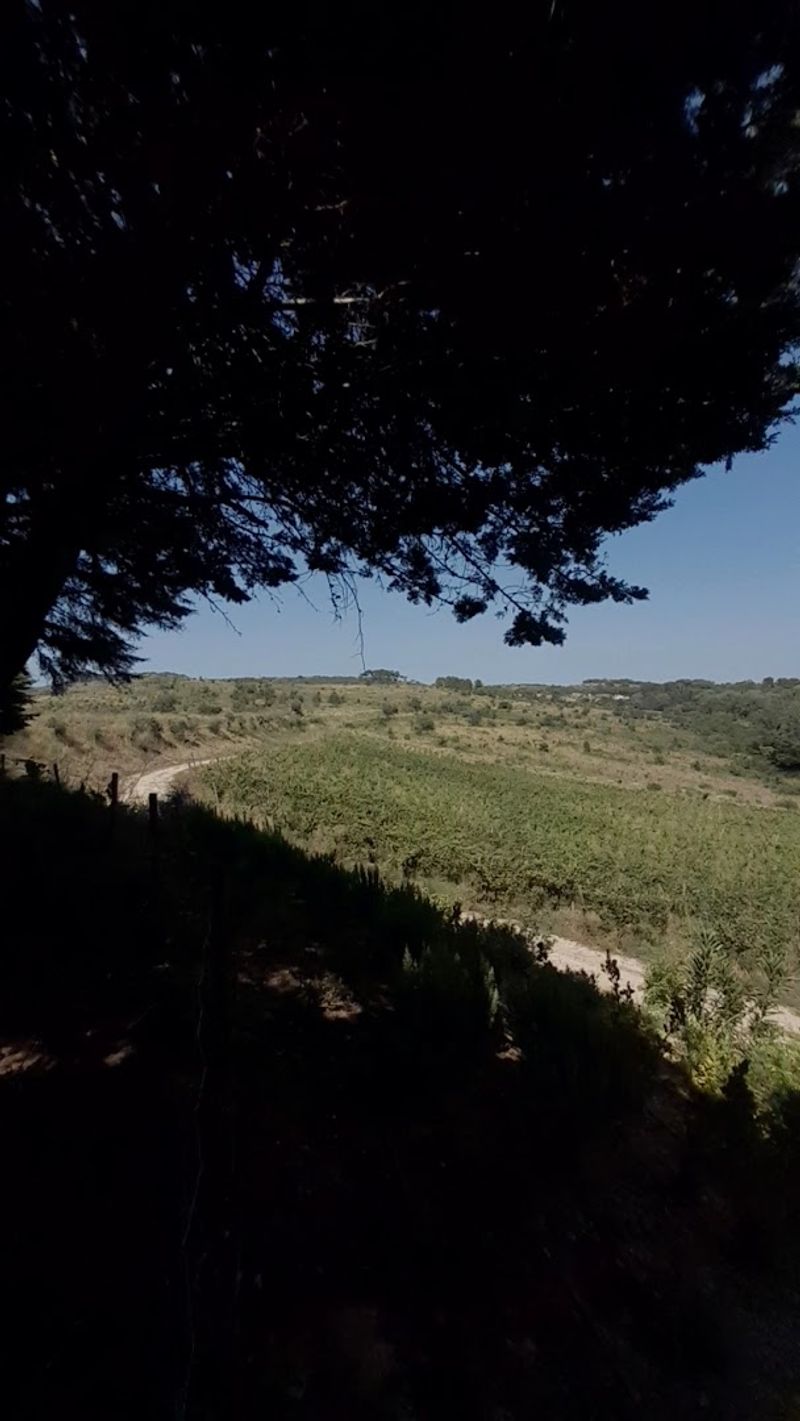
Just 30 kilometers north of Lisbon, a wine region exists that most of the city’s own residents could not point to on a map. Bucelas has been producing wine since Roman soldiers planted vines here over two thousand years ago, and the Arinto grape variety grown in its limestone-rich soils produces some of Portugal’s most elegant white wines.
Yet somehow, nobody talks about it.
A visit to Bucelas feels like being let in on a secret. The landscape is gentle and green, rolling hills covered in vineyards that have none of the manicured showiness of Douro Valley wine tourism.
Quinta tastings are relaxed and personal, often conducted by the winemaker themselves, and the prices are refreshingly honest compared to trendier wine destinations.
The village of Bucelas itself is small and unhurried, with a weekly market where locals sell vegetables, cheeses, and, naturally, wine. It makes for a wonderful half-day escape from Lisbon that feels completely different from the city buzz just a short drive away.
Pair a wine tasting with lunch at a local restaurant serving grilled chicken and potatoes roasted in olive oil, and you have a perfectly simple and satisfying Portuguese afternoon. Bucelas proves that the best things are often closest to home.
Arrabida Natural Park – Secret Coastal Paradise
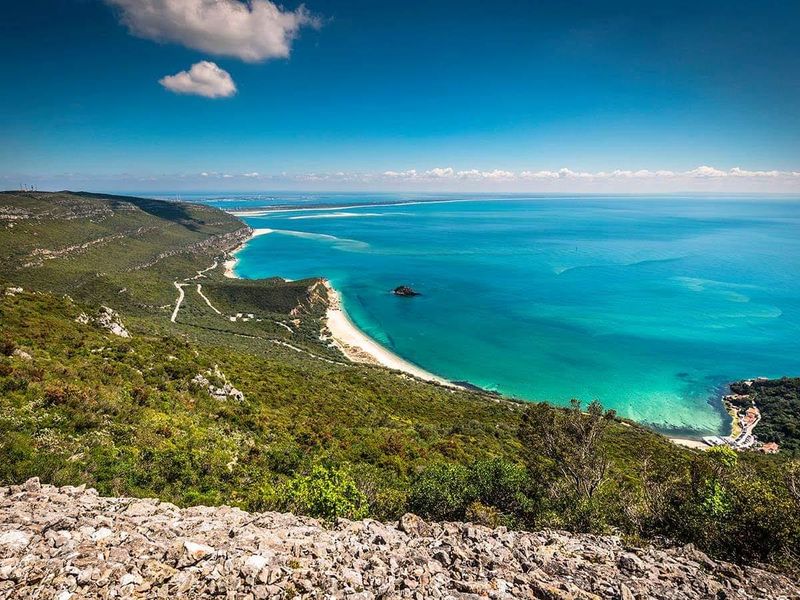
Turquoise water so clear it looks photoshopped, backed by green limestone mountains that drop straight into the sea. Arrabida Natural Park sits just 40 kilometers from Lisbon and delivers coastal scenery that most people associate with the Greek islands rather than Portugal.
The Serra da Arrabida ridge runs parallel to the coast and protects a series of hidden coves and beaches from wind, creating a sheltered microclimate that feels almost Mediterranean.
Access to the most beautiful beaches is limited by the park authorities, who restrict vehicle numbers to protect the fragile ecosystem. That policy is occasionally frustrating but ultimately brilliant, because it keeps the beaches genuinely uncrowded.
Praia de Galapinhos has won awards as one of Europe’s best beaches, and standing on its pale sand surrounded by green hills and impossibly blue water, the award seems entirely reasonable.
Kayaking and snorkeling are excellent here, with underwater visibility that regularly exceeds ten meters. The park also contains a Franciscan convent built into the cliff face in the sixteenth century, which is one of the more unexpected historical surprises you can stumble upon in Portugal.
Wine from the Setubal Peninsula, grown in the shadow of these same mountains, pairs beautifully with local seafood after a day at the beach. Arrabida is a genuine masterpiece hiding in plain sight.
Share this story