Throughout the history of aerial warfare, a small group of pilots rose above the rest to become legends in the sky. These men flew through storms of bullets, outwitted enemies, and racked up aerial victories that still seem almost impossible today.
Their skill, courage, and quick thinking changed how wars were fought from above. Learning about them gives us a deeper respect for the bravery and talent it takes to survive air combat.
1. Erich Hartmann
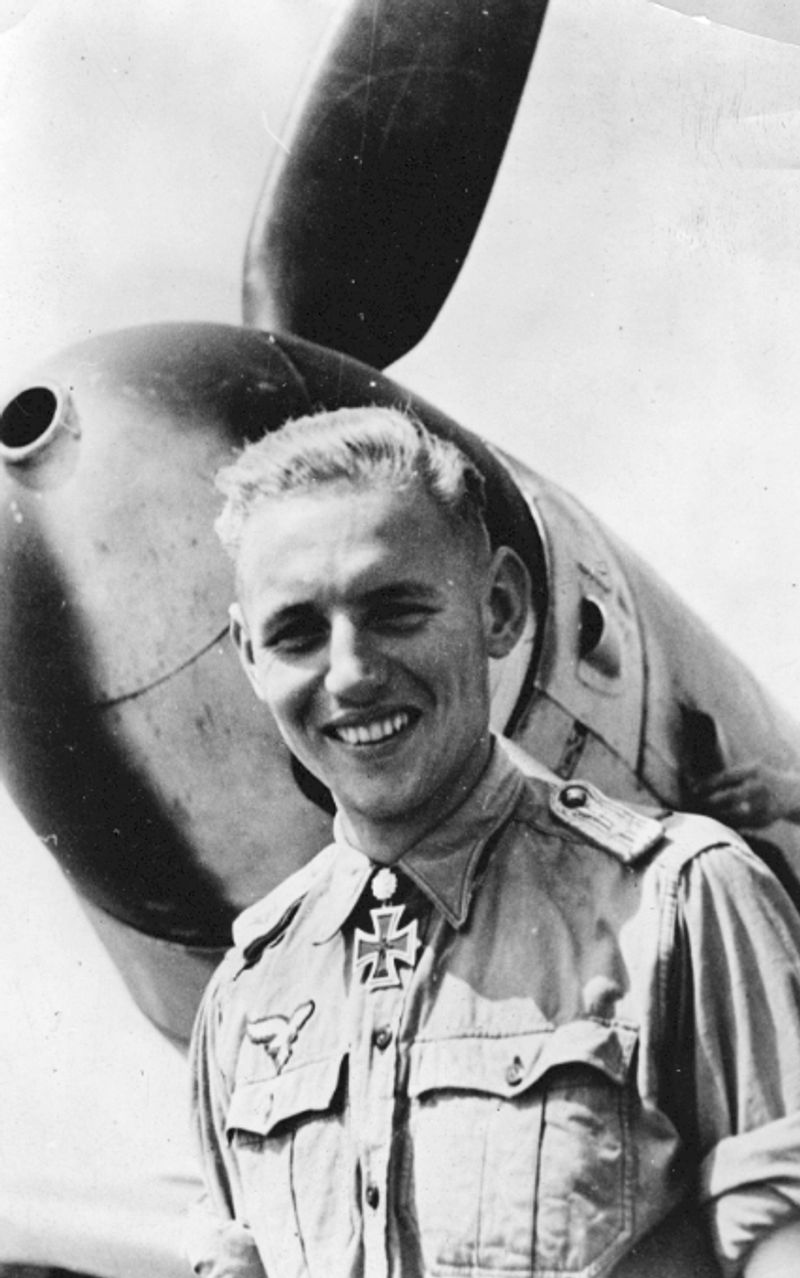
No fighter pilot in history has ever matched Erich Hartmann’s record of 352 confirmed aerial victories. Born in 1922 in Germany, Hartmann earned the nickname “The Black Devil” from Soviet pilots who feared his aggressive flying style.
He flew the Messerschmitt Bf 109 and completed over 1,400 combat missions during World War II.
What made Hartmann so dangerous was his patience. He would wait until he was extremely close to an enemy aircraft before firing, making nearly every shot count.
He was shot down 16 times himself but always walked away.
After the war, he was held as a Soviet prisoner for over 10 years before returning to West Germany. He later helped build the new West German Air Force.
Hartmann remains the highest-scoring fighter ace of all time, a record that still stands today.
2. Gerhard Barkhorn
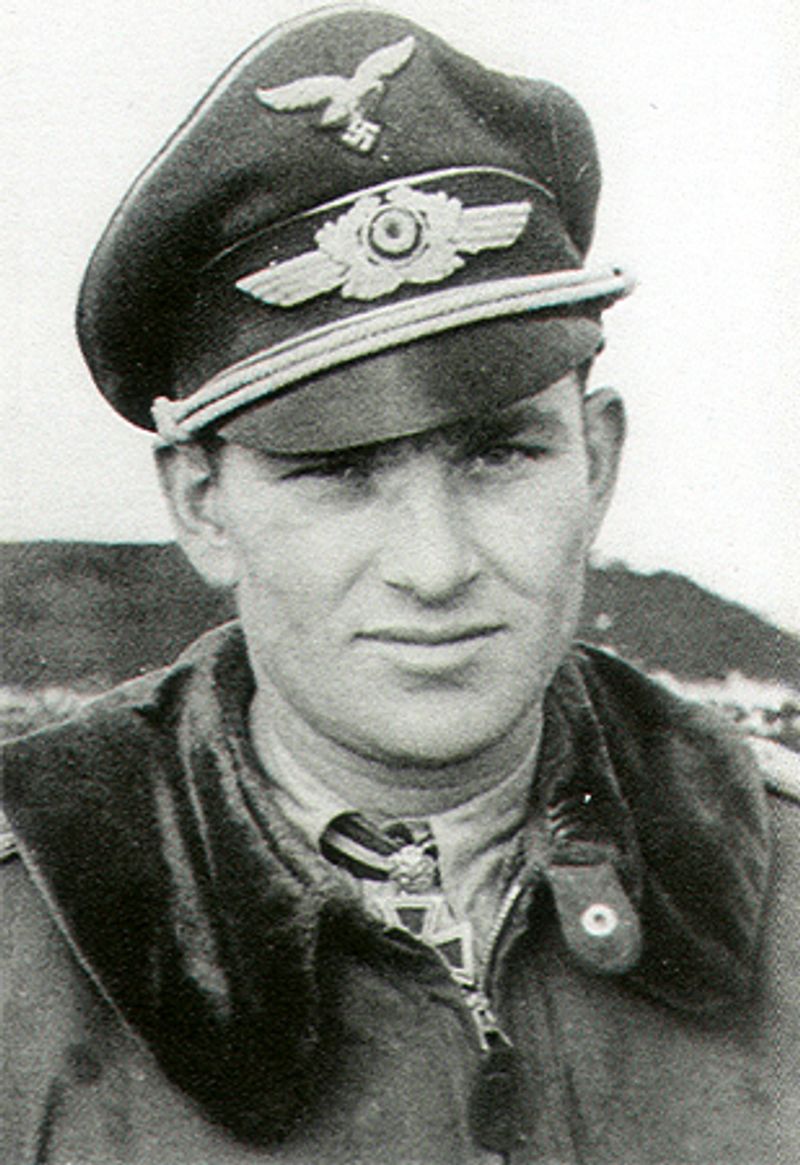
Gerhard Barkhorn is the second-highest scoring fighter ace in history, with 301 confirmed aerial victories. Only one pilot, his fellow German ace Erich Hartmann, ever surpassed him.
Barkhorn flew exclusively on the Eastern Front against Soviet forces during World War II, completing an incredible 1,104 combat missions.
What makes his story even more remarkable is that his first 120 missions produced zero kills. He struggled early on, but he kept learning and improving until he became nearly unstoppable.
Barkhorn was known for his calm, methodical approach to air combat.
He was wounded several times and had to take breaks from combat to recover. After the war, Barkhorn joined the West German Air Force and flew jet aircraft during the Cold War era.
He passed away in a car accident in 1983, leaving behind a legacy that few pilots could ever dream of matching.
3. Günther Rall
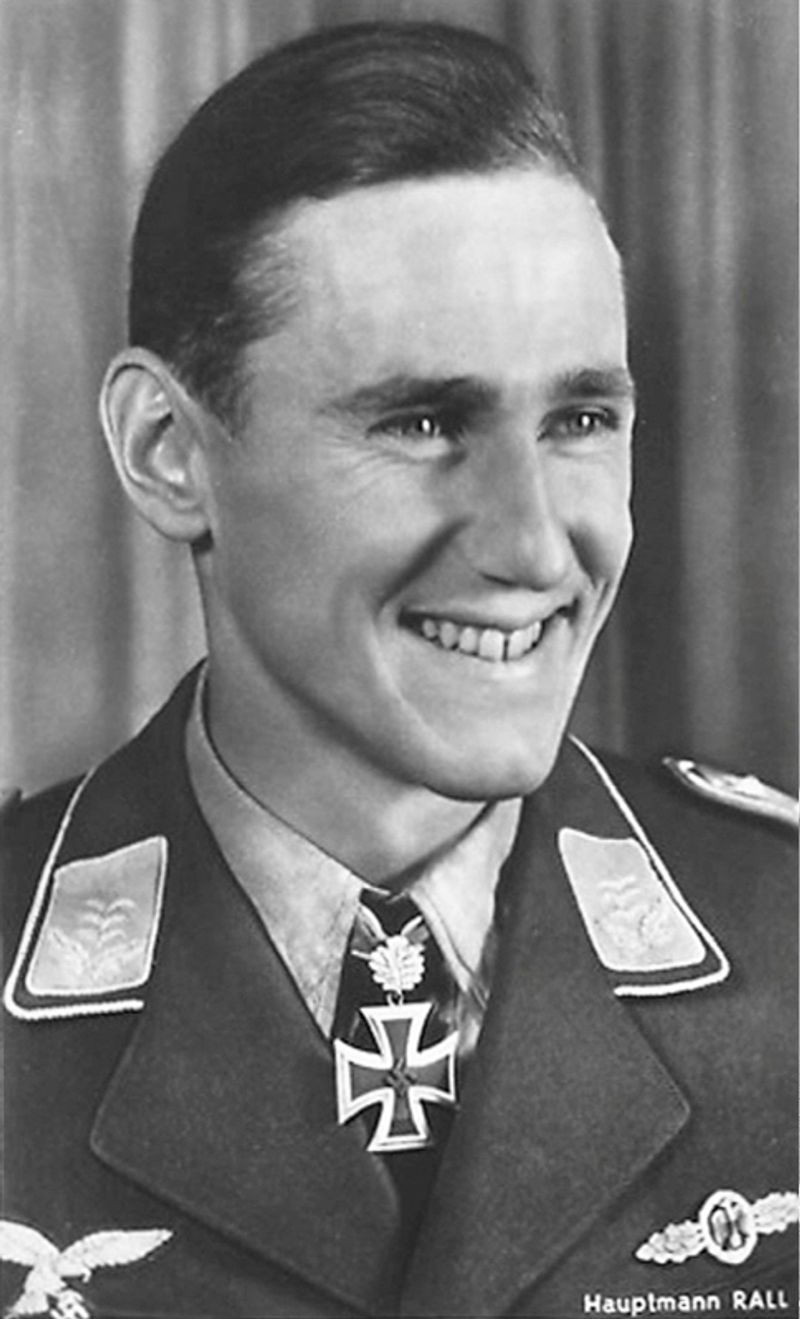
With 275 confirmed aerial victories, Günther Rall ranks as the third-highest scoring fighter ace in history. He flew on the Eastern Front during World War II and is considered one of the most skilled tacticians ever to sit in a cockpit.
Rall flew the Messerschmitt Bf 109 and completed over 800 combat missions.
He was shot down eight times and seriously wounded in 1942, which left him temporarily paralyzed. Doctors doubted he would ever fly again, but Rall returned to combat within months and continued adding to his kill count.
That kind of determination set him apart from most pilots.
After World War II, Rall became a key figure in rebuilding the West German Air Force and even attended NATO staff colleges. He later rose to the rank of General and became a respected military leader.
He passed away in 2009 at the age of 91.
4. Otto Kittel
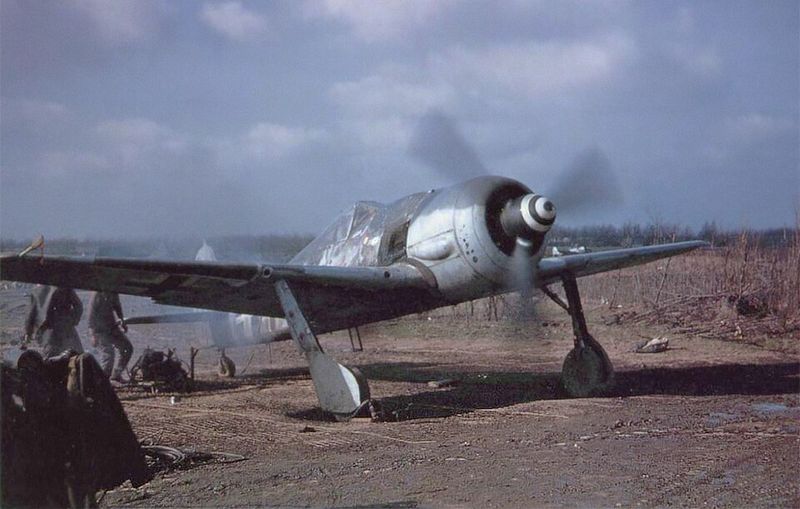
Otto Kittel scored 267 confirmed aerial victories, making him the fourth-highest scoring fighter ace of World War II. He flew almost entirely on the Eastern Front and was known for his aggressive, relentless combat style.
Kittel was awarded the Knight’s Cross with Oak Leaves, Swords, and Diamonds, one of Nazi Germany’s highest military honors.
Unlike some aces who were careful and calculated, Kittel was a natural hunter in the air. He had an instinct for positioning himself at exactly the right angle and moment to take down an enemy aircraft.
His fellow pilots described him as fearless, almost to a fault.
Kittel was killed in action in February 1945 during a dogfight over the Eastern Front. He was just 28 years old at the time of his death.
His short but explosive career left him permanently etched into the history books as one of aviation’s most gifted combat pilots.
5. Walter Nowotny
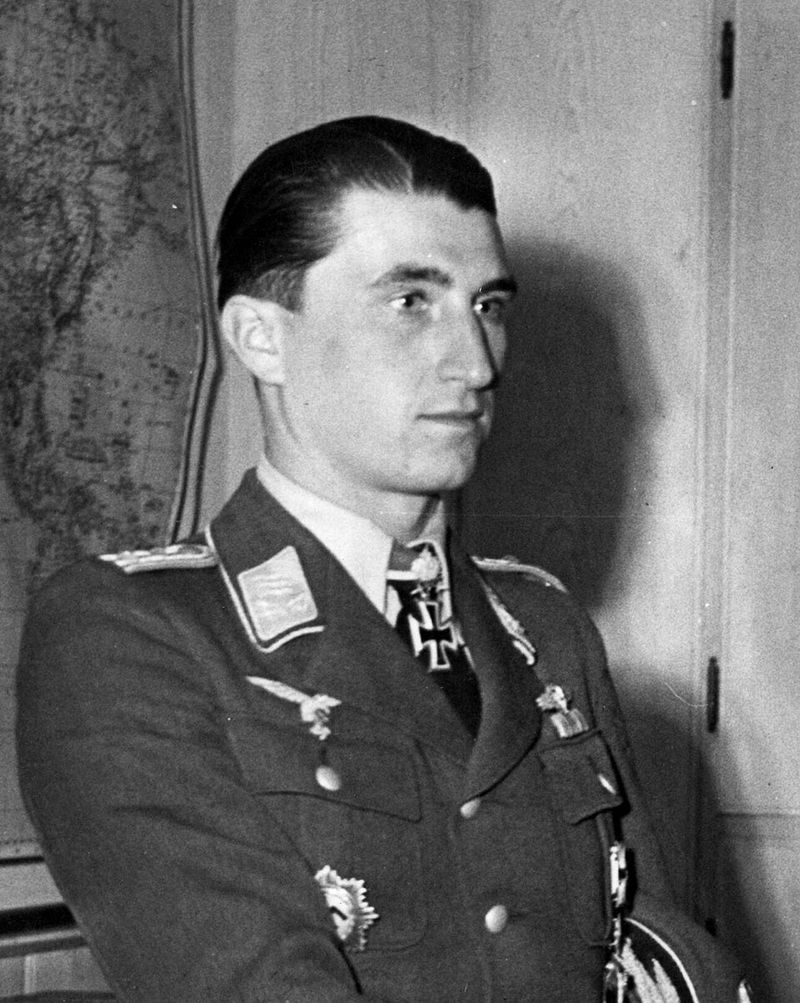
Walter Nowotny was an Austrian-born pilot who flew for the German Luftwaffe and recorded 258 confirmed aerial victories. He was one of the first pilots in history to reach 250 kills, earning massive fame throughout Germany during the war.
Nowotny was celebrated as a national hero and became a symbol of Luftwaffe excellence.
He was known for his aggressive flying and sharp instincts. Nowotny flew most of his missions on the Eastern Front, where air combat was especially brutal and relentless.
He also became one of the first pilots to fly the Messerschmitt Me 262, the world’s first operational jet-powered fighter aircraft.
Tragically, Nowotny was killed in November 1944 while flying the Me 262 during a combat mission. He was only 23 years old.
His death shocked Germany, and he was given a state funeral. His contributions to aviation history, both in propeller and jet aircraft, remain deeply respected.
6. Wilhelm Batz
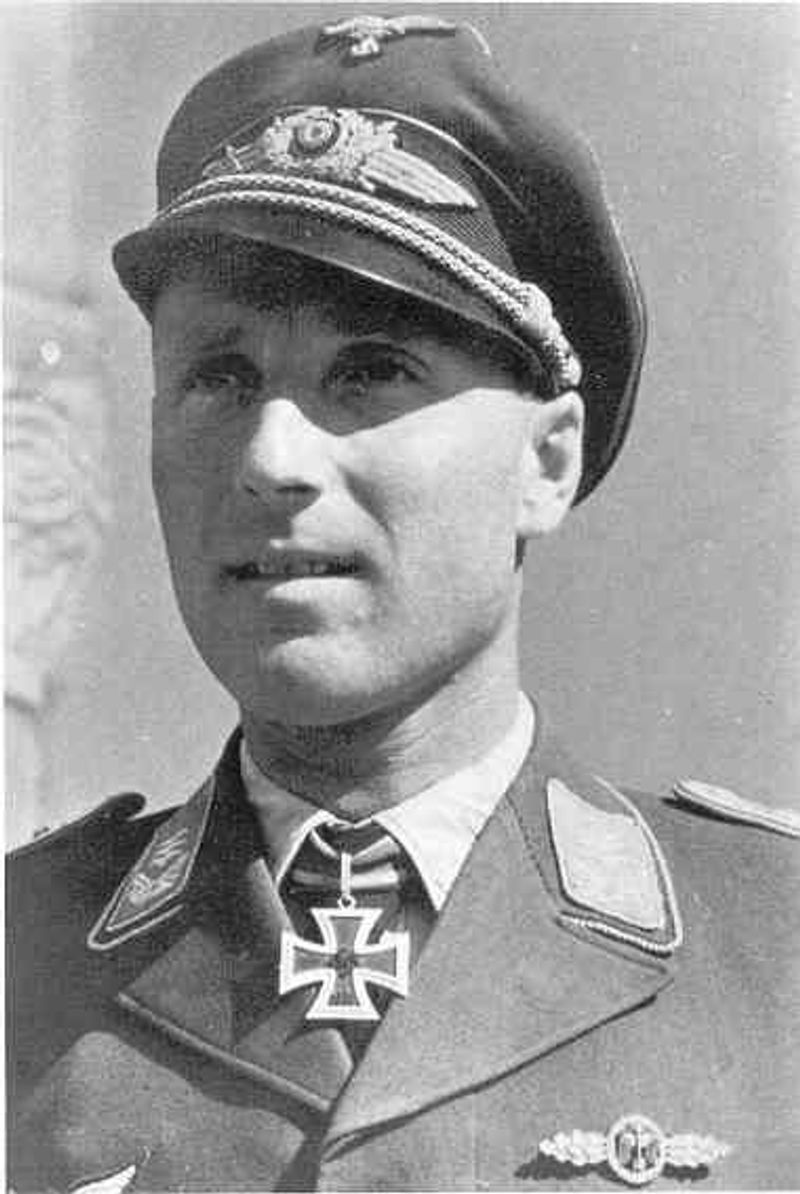
Wilhelm Batz scored 237 confirmed aerial victories during World War II, placing him firmly among the elite group of German fighter aces. He flew primarily on the Eastern Front and was known for being a steady, reliable pilot who rarely made reckless mistakes.
Batz earned the Knight’s Cross with Oak Leaves and Swords for his outstanding service.
What made Batz stand out was his consistency. While some aces had brilliant bursts of success followed by quiet periods, Batz maintained a high level of performance throughout his career.
He was respected by both his superiors and the pilots who flew alongside him.
Batz survived World War II, which itself was a remarkable achievement given how many top German aces were killed in combat. After the war, he lived quietly in West Germany.
His record of 237 kills was achieved in a relatively short time, showing just how deadly and efficient he truly was in the air.
7. Erich Rudorffer
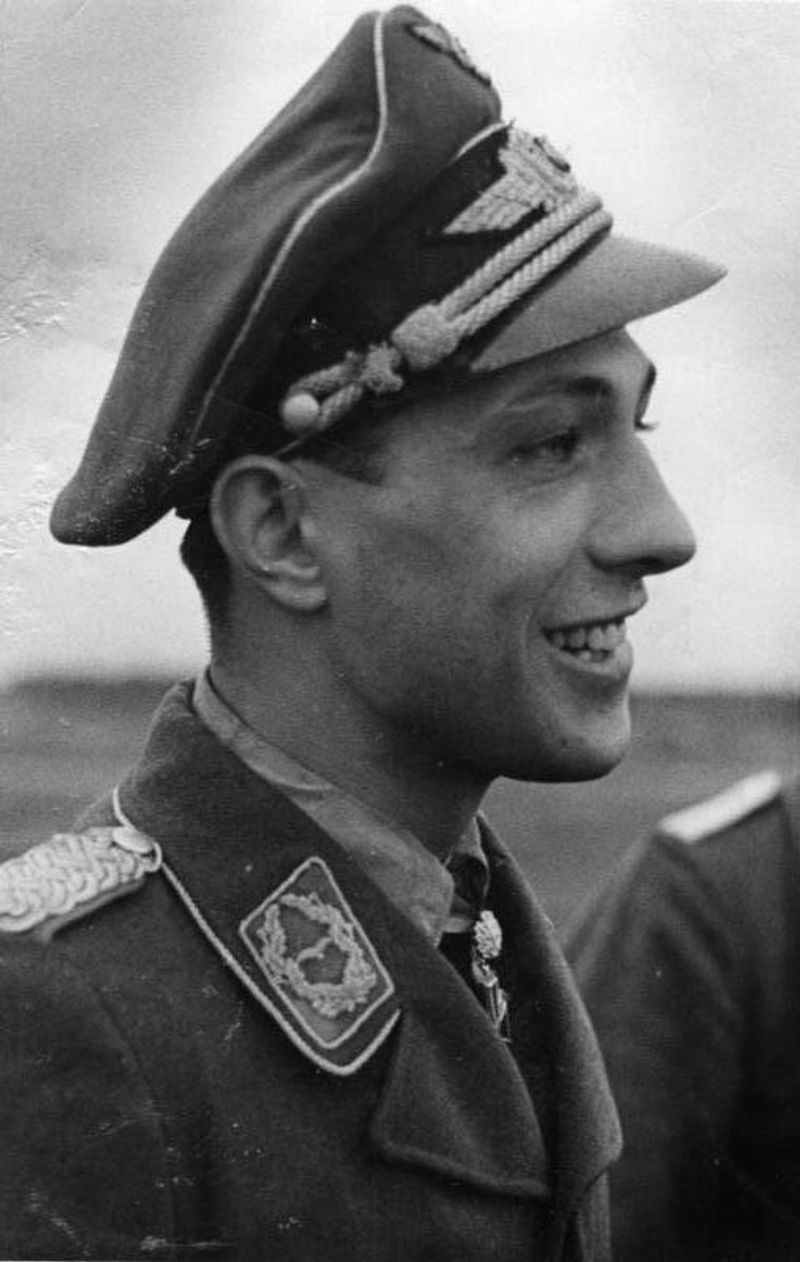
Erich Rudorffer is one of the most versatile aces of World War II, with 222 confirmed aerial victories across three different combat theaters. He flew on the Western Front, the Eastern Front, and in North Africa, which was unusual for a top German ace.
Most high scorers stayed on the Eastern Front where Soviet aircraft were more numerous and easier to engage.
Rudorffer once shot down 13 Soviet aircraft in a single day, an almost unbelievable achievement. He was also shot down 16 times himself and forced to bail out or crash-land on numerous occasions.
His ability to survive those situations and return to combat speaks to both his skill and his luck.
He flew the Focke-Wulf Fw 190 and Messerschmitt Bf 109 and later transitioned to the Me 262 jet. Rudorffer survived the war and lived to be 98 years old, passing away in 2016 as one of the last surviving top German aces.
8. Heinz Bär
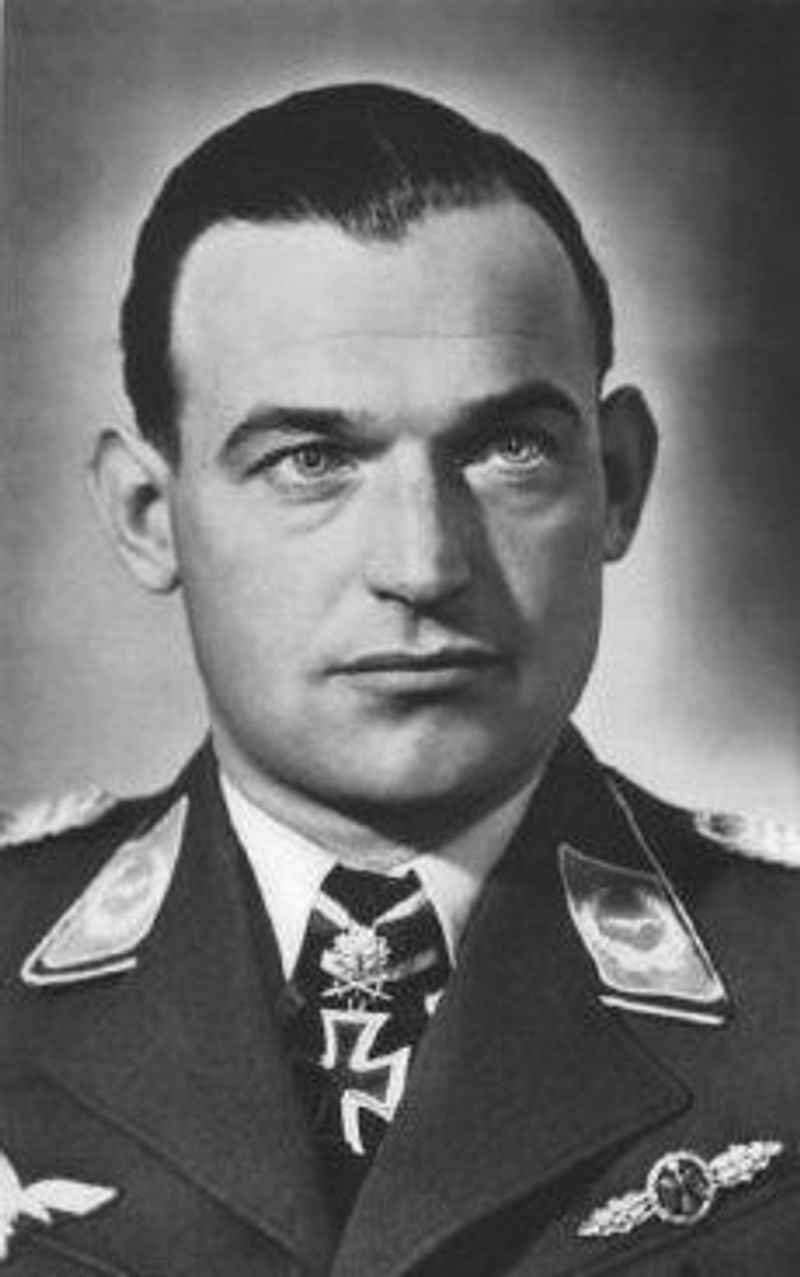
Heinz Bär was one of the most colorful and bold personalities among World War II fighter aces. He recorded 220 confirmed aerial victories and flew in both the Western and Eastern theaters.
Bär was one of the few German pilots to score kills against British, American, and Soviet aircraft, giving him a truly diverse combat record.
He had a reputation for being rebellious and outspoken, which sometimes put him at odds with his superiors. Despite this, his combat results were so impressive that he was difficult to sideline.
Bär also flew the Me 262 jet fighter and scored victories even in that advanced aircraft.
Known by the nickname “Pritzl,” he was beloved by fellow pilots for his humor and fearlessness. Bär survived the war but died in a light aircraft accident in 1957.
His legacy is that of a freewheeling, extraordinarily gifted pilot who flew by his own rules and still came out on top.
9. Hermann Graf
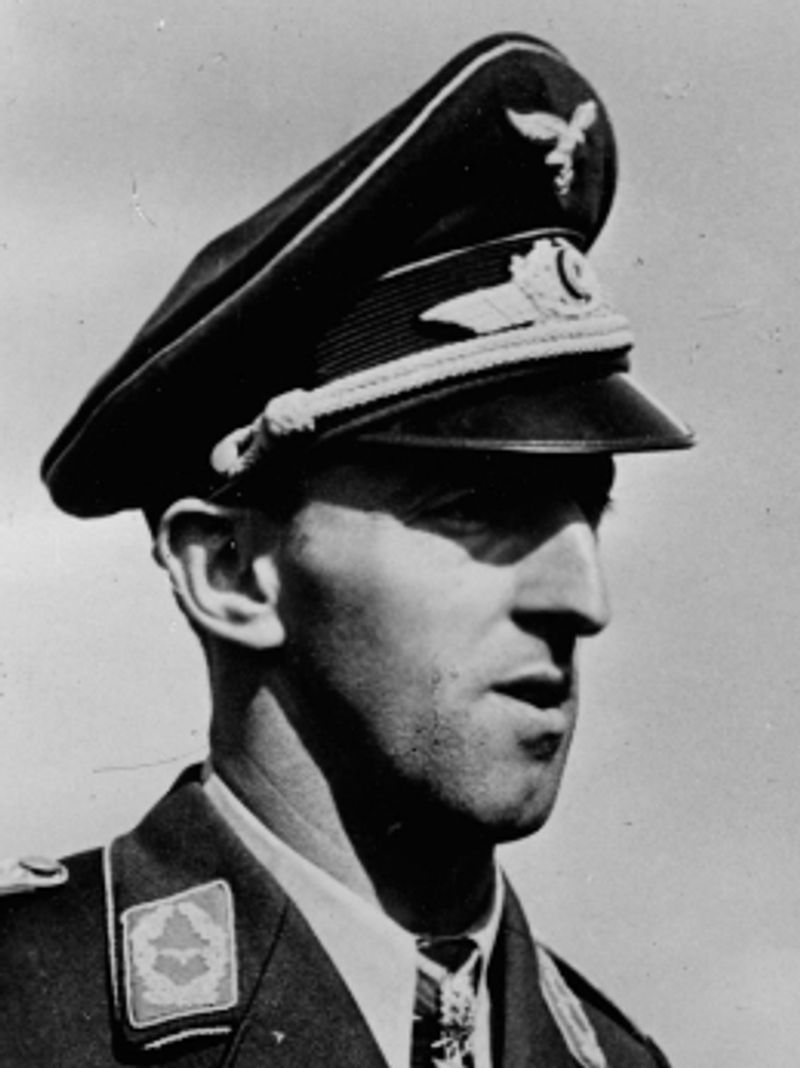
Hermann Graf was the first fighter pilot in history to reach 200 aerial victories, a milestone that made him a celebrity in wartime Germany. He finished the war with 212 confirmed kills, most of them scored on the Eastern Front.
Graf flew the Messerschmitt Bf 109 and was known for his sharp flying instincts and aggressive combat tactics.
He was a working-class kid from a small German town who rose entirely through talent and hard work. Graf earned the Knight’s Cross with Oak Leaves, Swords, and Diamonds, one of the rarest decorations in the German military.
Reaching 200 kills in a single war made him a household name back home.
After hitting that milestone, he was pulled from frontline duty to protect him as a propaganda symbol. Graf survived the war and later lived in West Germany.
His 200-kill milestone remains one of the defining moments in the history of aerial combat achievement.
10. Anton Hafner
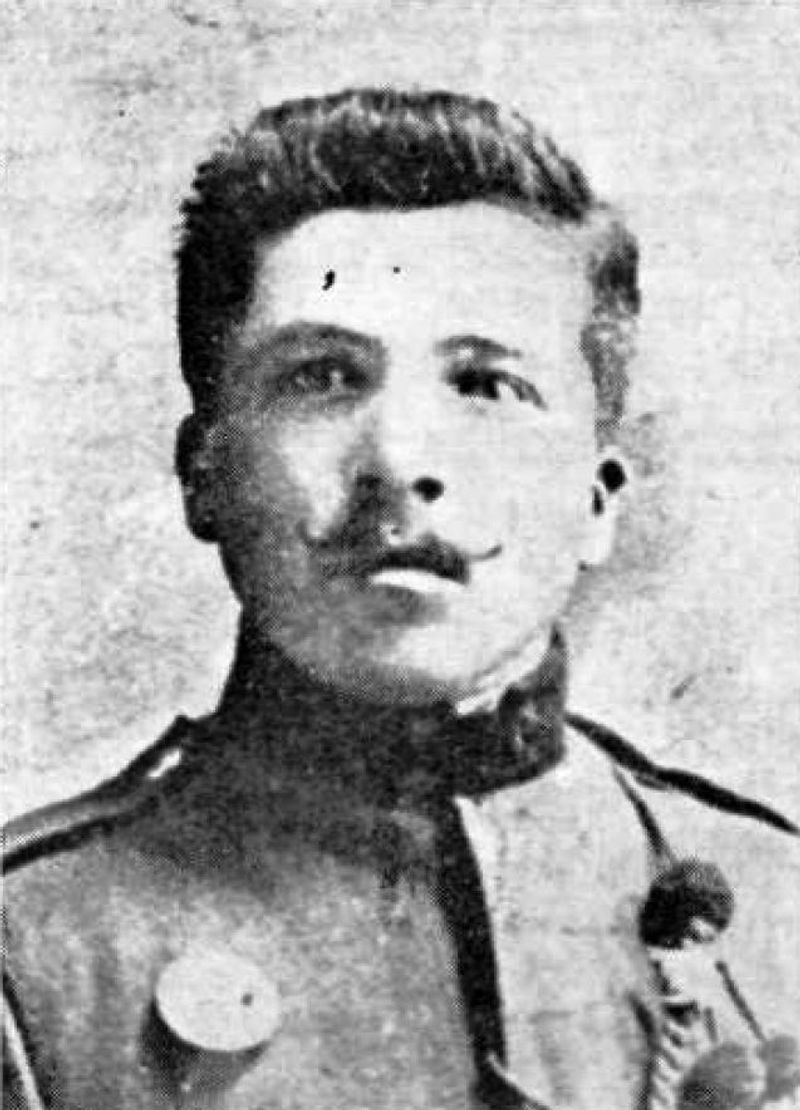
Anton Hafner may not be the most famous name on this list, but his record of 204 confirmed aerial victories places him firmly among the deadliest fighter pilots of World War II. He flew almost exclusively on the Eastern Front, where the intense pace of combat allowed skilled pilots to accumulate kills at a rapid rate.
Hafner was known for his calm under pressure and his ability to identify and exploit weaknesses in enemy formations. He flew the Messerschmitt Bf 109 throughout most of his career and was awarded the Knight’s Cross with Oak Leaves and Swords.
His fellow pilots respected him as a reliable and technically excellent aviator.
Hafner was killed in action in October 1944 when his aircraft struck a low-hanging cable during a low-level mission. He was 27 years old.
Though his name is less known than Hartmann or Barkhorn, his record of over 200 kills demands serious recognition in any list of aerial warfare greats.
11. Manfred von Richthofen
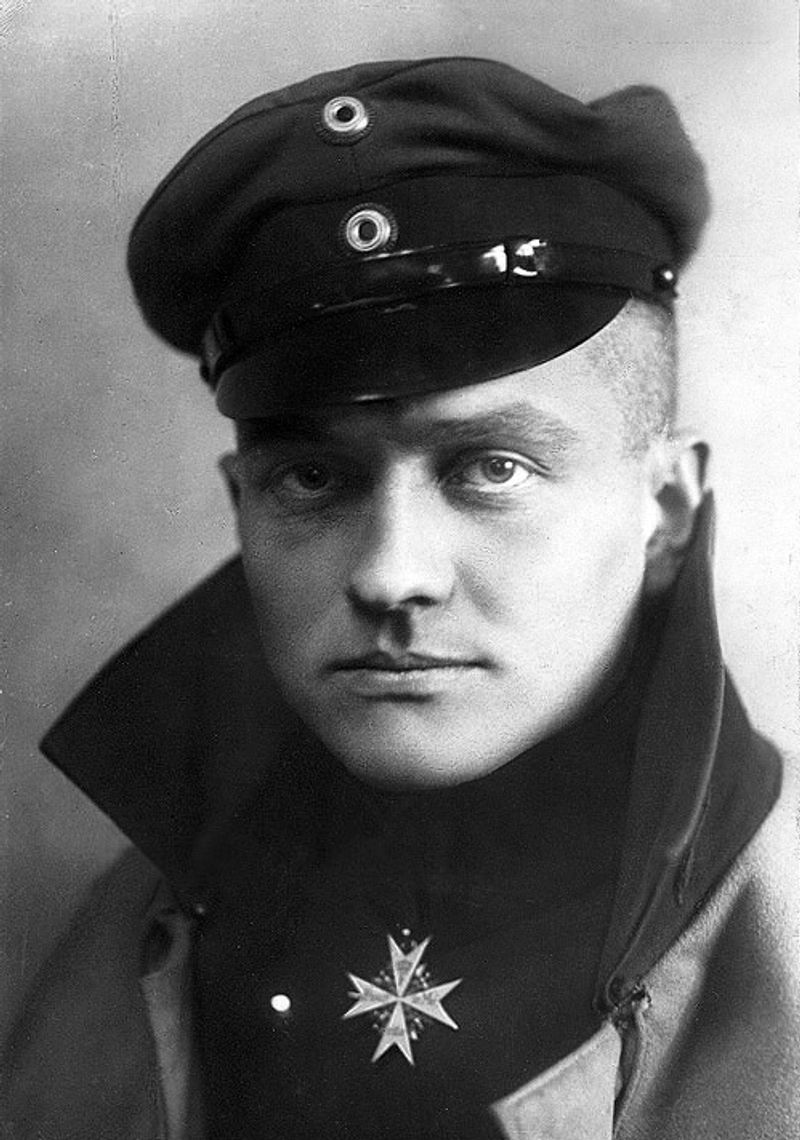
Long before WWII aces filled the record books, one name stood above all others in aerial combat: Manfred von Richthofen. Known around the world as the “Red Baron,” he scored 80 confirmed aerial victories during World War I, making him the deadliest ace of that entire conflict.
He flew a bright red Fokker triplane that became one of the most iconic aircraft in history.
Von Richthofen came from a noble Prussian family and carried himself with a warrior’s discipline and pride. He led a famous fighter unit called the “Flying Circus,” which used brightly painted aircraft to intimidate enemies and boost morale at home.
His tactical leadership was just as impressive as his personal kill count.
He was shot down and killed in April 1918 at just 25 years old. Even his enemies honored him with a full military burial.
The Red Baron remains the most famous fighter pilot of all time, a legend who defined what aerial combat could look like.
12. Ivan Kozhedub
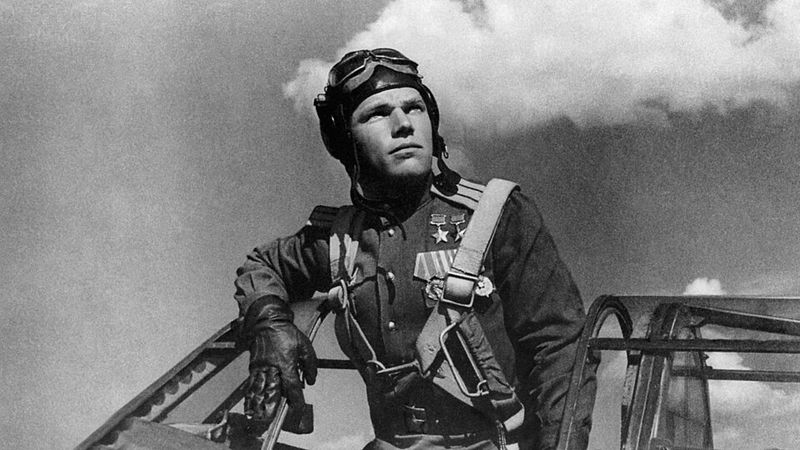
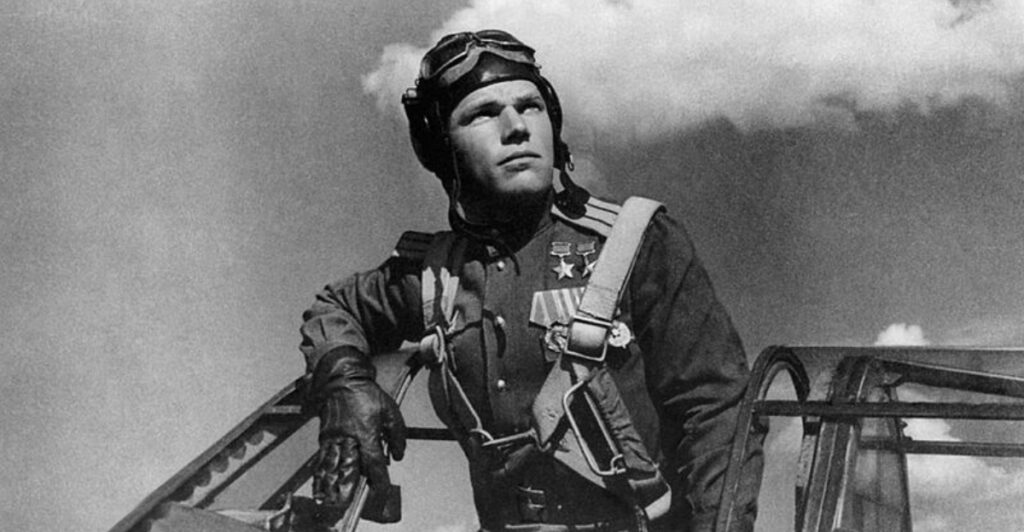
Ivan Kozhedub holds the title of the top Allied ace of World War II, with 64 confirmed aerial victories. He flew the Soviet Lavochkin La-7, widely considered one of the best fighter aircraft of the war.
Kozhedub was awarded the Hero of the Soviet Union three times, the highest honor the Soviet state could give.
What makes his record especially impressive is that he never lost a single aircraft in combat. Despite flying hundreds of dangerous missions against experienced Luftwaffe pilots, Kozhedub always came home.
His flying was precise, disciplined, and devastatingly effective.
He began his combat career slowly, not scoring his first kill until his 40th mission. But once he found his rhythm, he became nearly unstoppable.
Kozhedub later became a general in the Soviet Air Force and a respected aviation instructor. He passed away in 1991, celebrated as one of the greatest combat pilots the Soviet Union ever produced.
13. Saburō Sakai
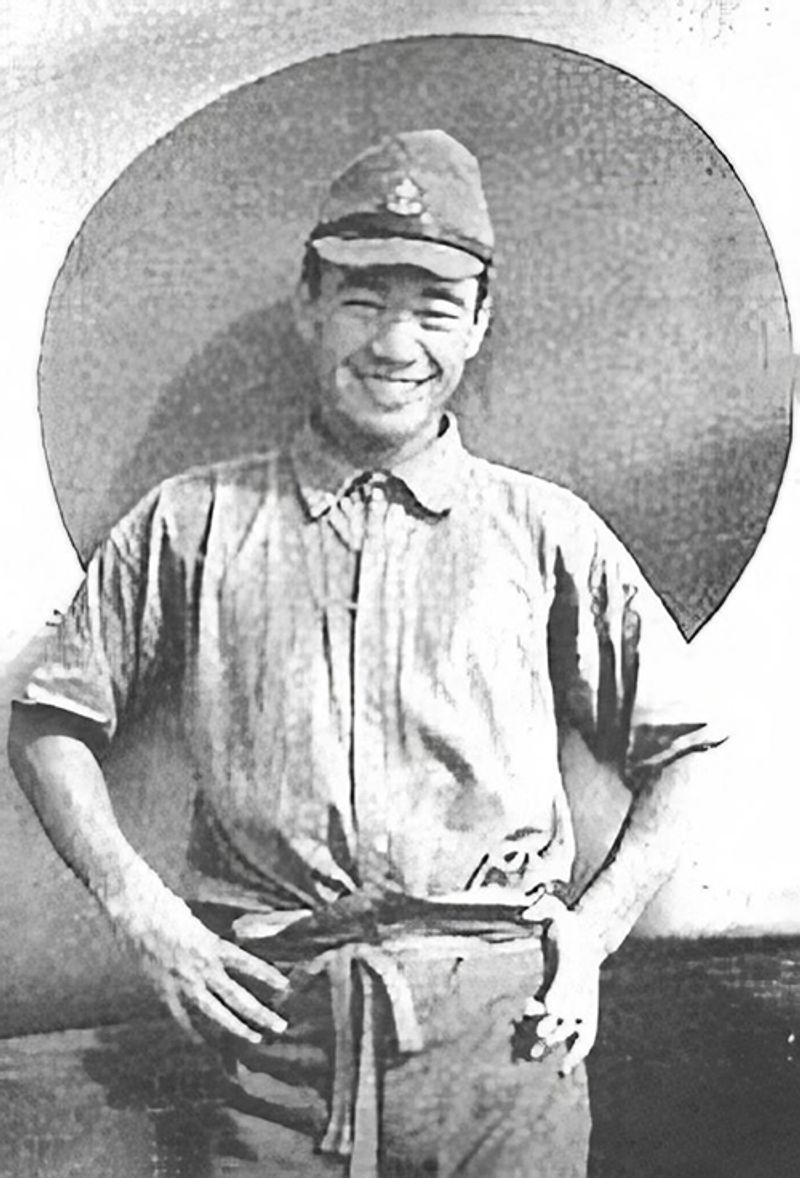
Saburō Sakai is the greatest Japanese fighter ace to survive World War II, credited with 64 confirmed aerial victories. He flew the Mitsubishi A6M Zero and became a master of the aircraft’s strengths, using its exceptional maneuverability to outfight opponents in the Pacific theater.
Sakai was born into poverty but rose through sheer talent and dedication.
In 1942, he was severely wounded in combat, losing most of the vision in his right eye after being hit by enemy fire. Despite this, he somehow flew his damaged Zero for five hours back to base rather than ditching in the ocean.
That flight alone became legendary in aviation circles worldwide.
After recovering, Sakai returned to combat and continued flying until the end of the war. He later became a Buddhist and an outspoken advocate for peace.
Sakai wrote a memoir about his experiences that became a classic of military aviation literature. He passed away in 2000 at age 84.
14. Richard Bong
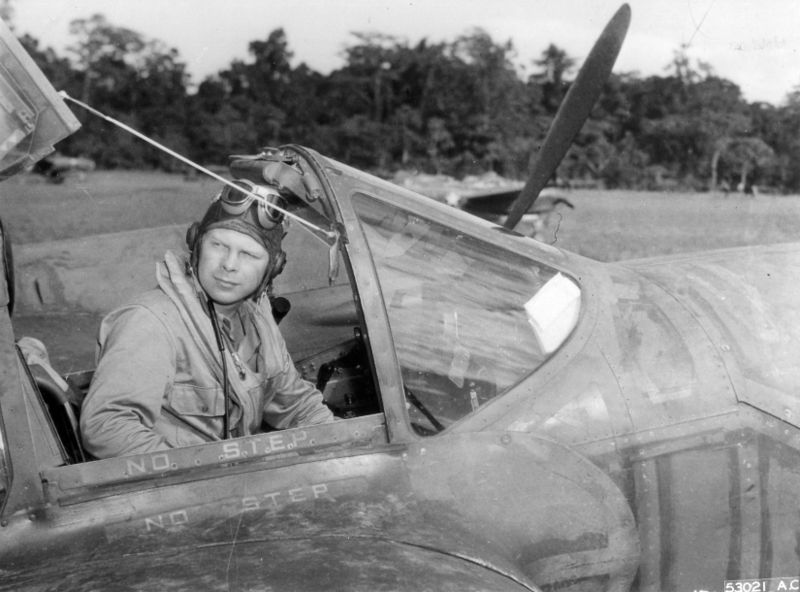
Richard Bong is the top American ace of all time, with 40 confirmed aerial victories in the Pacific theater during World War II. He flew the Lockheed P-38 Lightning and was known for his exceptional eyesight and natural flying ability.
General Douglas MacArthur personally awarded Bong the Medal of Honor in 1944, calling him America’s ace of aces.
Growing up in Wisconsin, Bong was a farm boy who discovered a passion for flying. He was reportedly so gifted that instructors struggled to teach him anything he had not already figured out on his own.
His instincts in combat were described by fellow pilots as almost supernatural.
Tragically, Bong was killed in August 1945 while test-flying a new jet aircraft in California, just days before World War II officially ended. He was only 24 years old.
His record of 40 kills has never been broken by any American pilot in any war since.
15. James Jabara
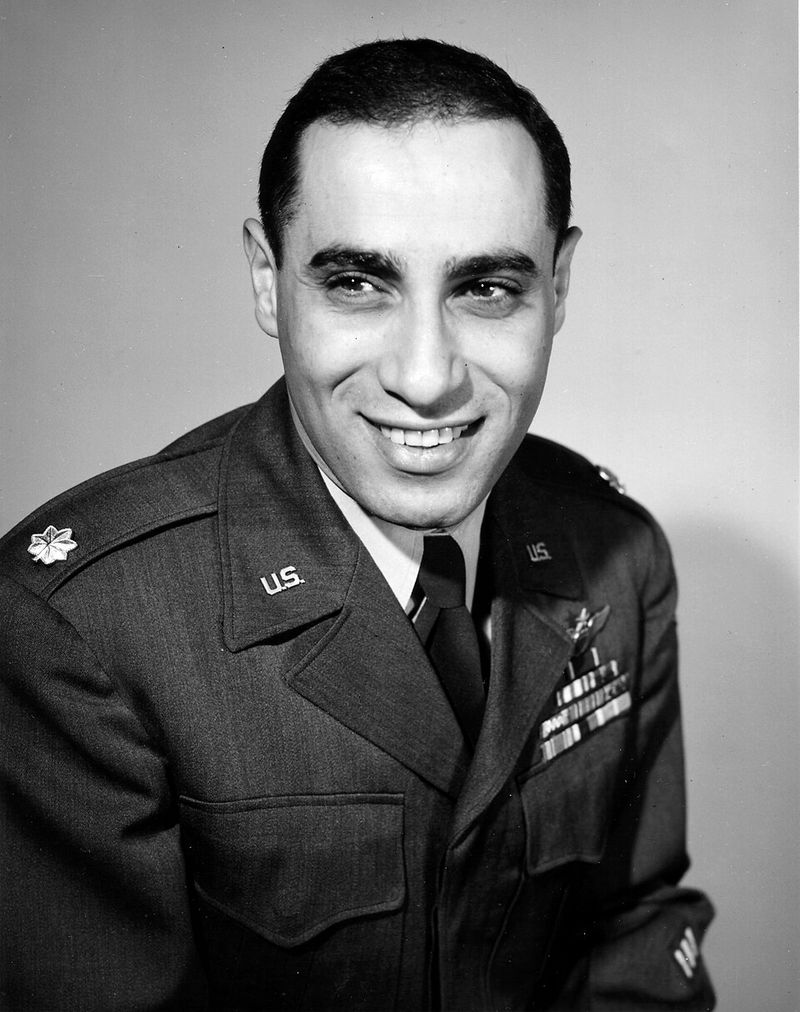
James Jabara made history in 1951 by becoming the first American jet ace, scoring five or more kills while flying the F-86 Sabre during the Korean War. He eventually finished the conflict with 15 confirmed aerial victories, making him one of the top aces of that war.
Jabara was the son of Lebanese immigrants and grew up in Kansas before joining the military.
He had already flown in World War II, scoring 1.5 aerial victories in propeller aircraft over Europe. Transitioning to jets in Korea, he adapted quickly and proved that his talent carried over perfectly into the new era of aviation.
His Korean War record put him in a class of his own among American jet pilots.
Jabara was killed in a car accident in 1966 at age 43, a loss that saddened the military aviation community. His achievement as the first American jet ace remains a milestone in the history of air combat, marking the shift from propeller planes to the jet age of warfare.
Share this story