 Unearth The Voyage
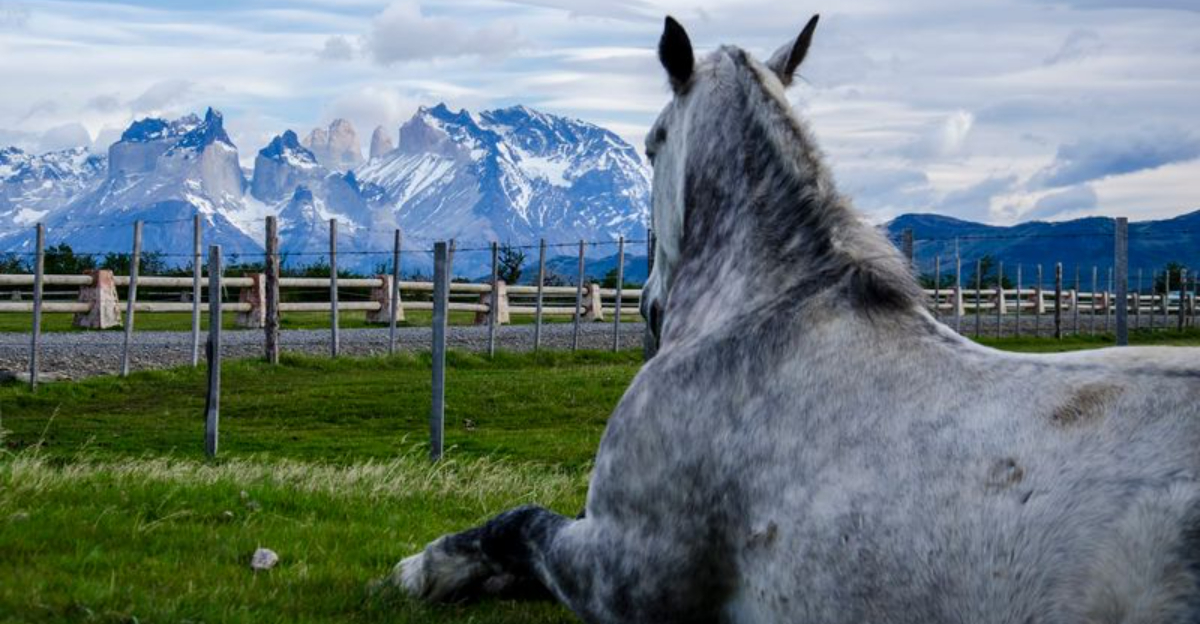
Not everyone dreams of sandy toes and sunburned shoulders. Some of us would rather trade a beach umbrella for a mountain peak and a piña colada for a hot cocoa at altitude.
Mountains offer something beaches simply cannot: that jaw-dropping feeling of being completely surrounded by nature at its most dramatic. If you are the kind of traveler who gets more excited by jagged peaks than ocean waves, this list was made for you.
Banff and Lake Louise, Canada
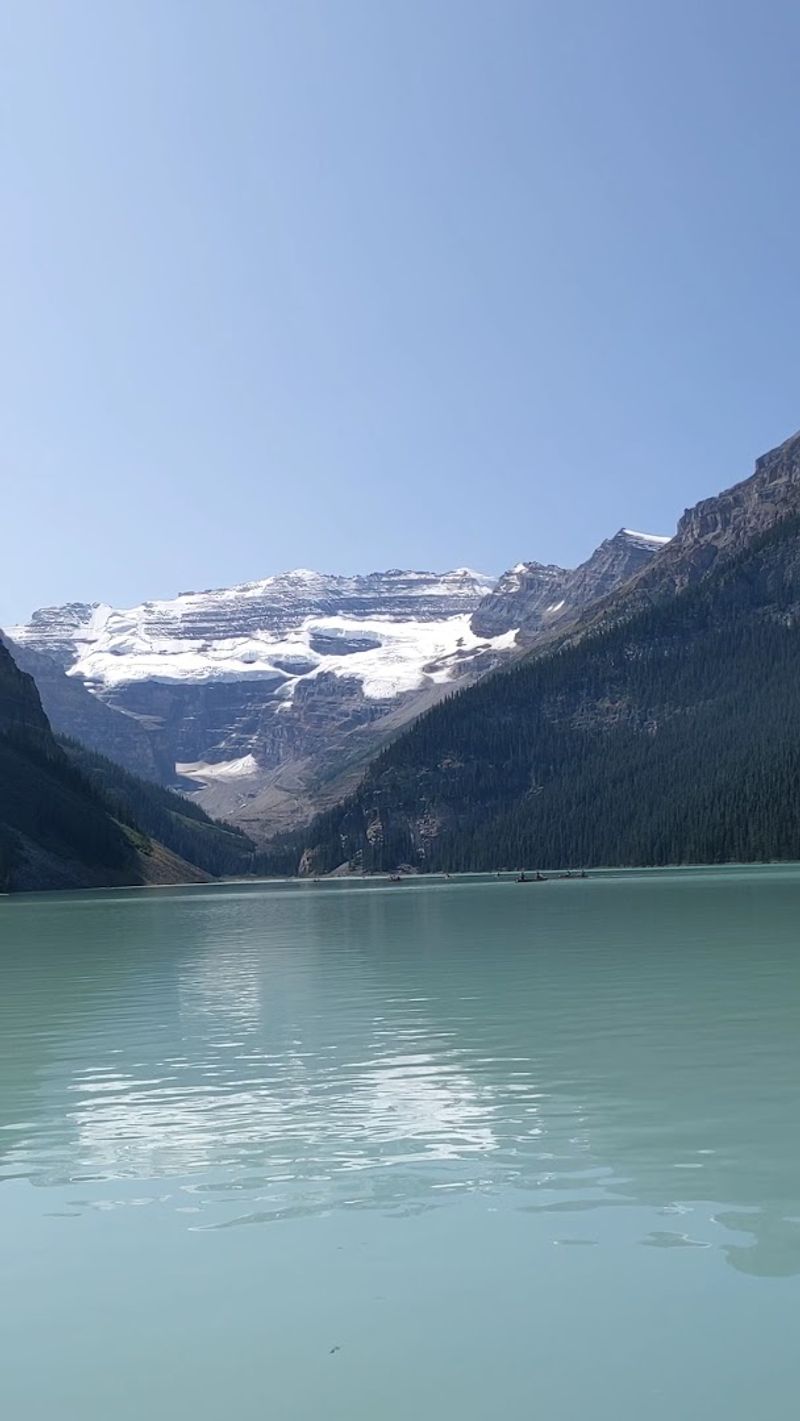
Banff and Lake Louise make beaches look honestly boring. The water here is a surreal turquoise color caused by glacial rock flour, not a filter.
It stops people mid-sentence every single time.
Banff National Park covers over 6,600 square kilometers of jaw-dropping Canadian Rockies scenery. You can hike, ski, kayak on glacial lakes, or simply stand at a viewpoint and rethink your entire life.
The town of Banff itself is charming, with great restaurants and cozy mountain lodges.
Lake Louise in winter is something else entirely. The lake freezes over and transforms into a skating rink backed by snow-covered peaks.
I visited in February and genuinely could not stop taking photos. Wildlife sightings, including elk wandering through town, make this destination feel wonderfully wild and totally unforgettable.
The Dolomites, Italy
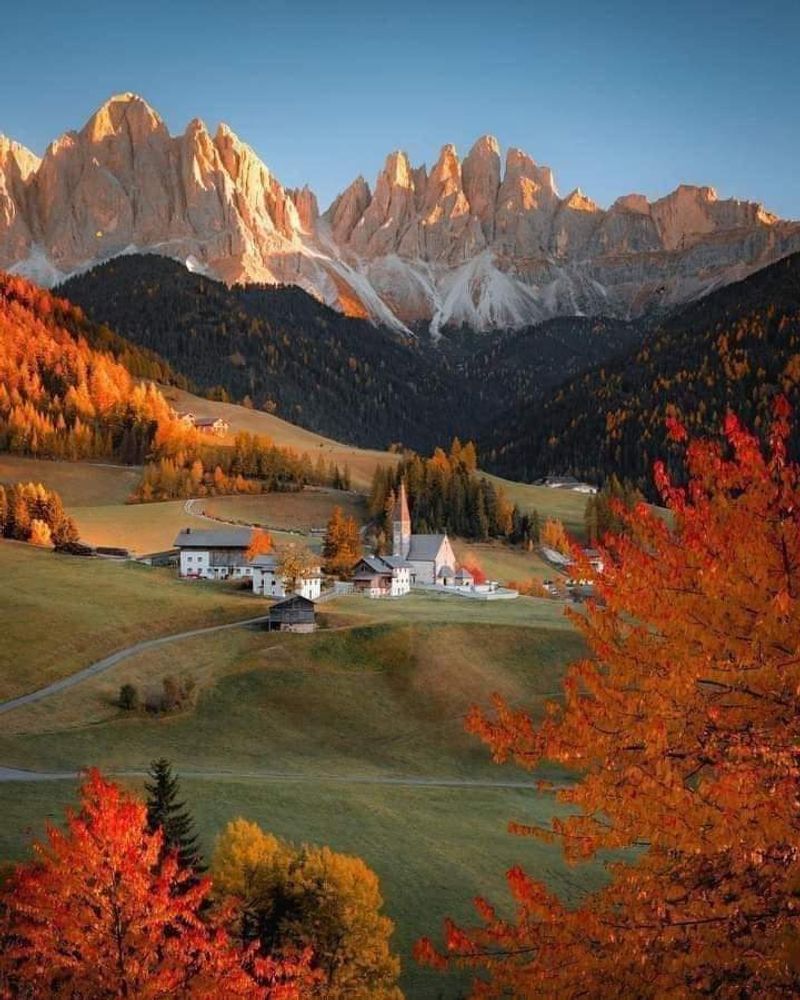
The Dolomites look like someone turned a fantasy painting into a real place. These jagged limestone towers in northeastern Italy glow pink and orange at sunset in a phenomenon locals call Enrosadira.
No filter needed, no editing required.
UNESCO declared the Dolomites a World Heritage Site in 2009, and honestly, it was overdue. There are over 1,200 kilometers of marked hiking trails winding through valleys, past rifugios (mountain huts), and up to ridges with views that make your brain short-circuit in the best way.
The food situation here deserves its own paragraph. You are in Italy, so pasta and wine are a given, but the South Tyrolean influence adds schnitzel, speck, and apple strudel to the mix.
Hiking all day and then eating like royalty at a mountain hut is a lifestyle I fully endorse. Come in summer or winter, both are spectacular.
Chamonix-Mont-Blanc, France
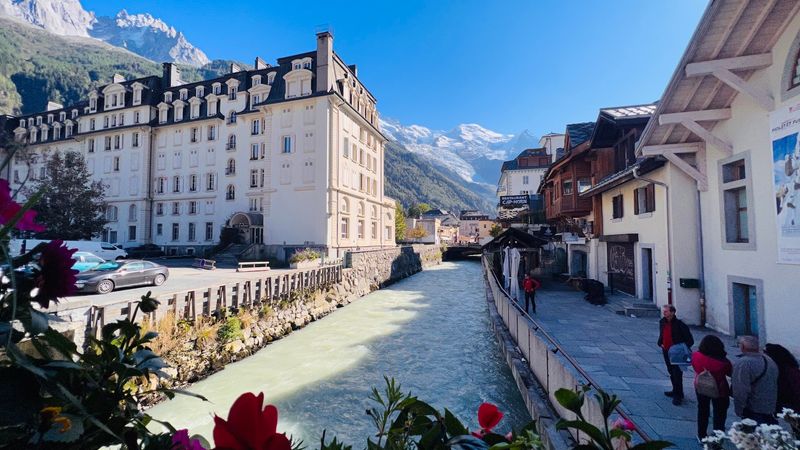
Chamonix sits at the foot of Mont Blanc, the highest peak in the Alps at 4,808 meters. This French mountain town has been a hub for mountaineers since the 18th century, and the energy here is contagiously adventurous.
Everyone walks around looking like they just conquered something.
The Aiguille du Midi cable car takes you to 3,842 meters in about 20 minutes. The views from the top are genuinely vertiginous.
On a clear day, you can see across France, Italy, and Switzerland all at once.
In winter, Chamonix is one of the world’s premier ski destinations, known for its challenging off-piste terrain. In summer, it becomes a hiking and trail running paradise.
The town itself buzzes year-round with cafes, fondue restaurants, and outdoor gear shops. If mountains had a capital city, Chamonix would run for the position and probably win by a landslide.
Zermatt, Switzerland
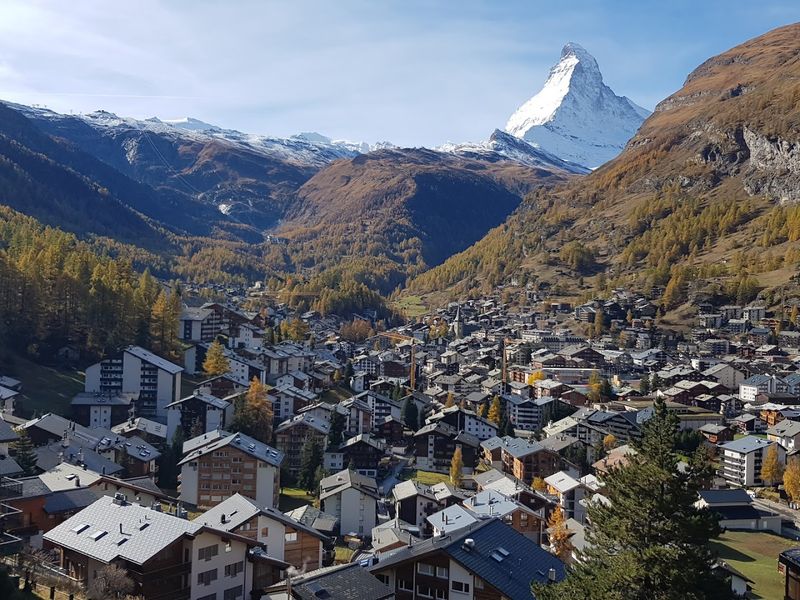
Zermatt is car-free, which means the air is clean, the streets are quiet, and the only traffic jams involve horse-drawn carriages. This Swiss mountain village is dominated by the Matterhorn, one of the most recognizable peaks on Earth at 4,478 meters.
It shows up in every direction, like a very photogenic neighbor.
Skiing in Zermatt is world-class, with over 360 kilometers of pistes and glacier skiing available year-round. Yes, year-round.
Skiers and snowboarders come here in July and it still works perfectly.
Beyond skiing, the hiking trails in summer are spectacular, especially the Five Lakes Walk, which gives you five different reflections of the Matterhorn in mountain lakes along the route. The village itself is full of Swiss charm, great chocolate, and fondue that will ruin you for all other cheese experiences.
Zermatt earns every superlative thrown at it, and then some.
Interlaken and the Jungfrau Region, Switzerland
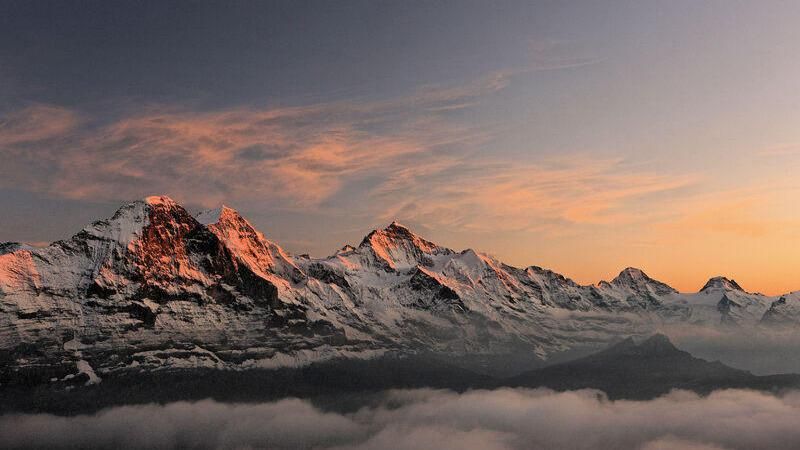
Interlaken sits between two lakes and directly below three massive peaks: the Eiger, Monch, and Jungfrau. The geography alone is showing off.
Add a rack railway that climbs to 3,454 meters at the Jungfraujoch, nicknamed the Top of Europe, and you have a destination that earns every travel brochure it has ever appeared in.
Adventure sports are practically the town’s main export. Paragliding, bungee jumping, skydiving, white-water rafting, and canyoning all operate out of Interlaken.
The town caters equally well to adrenaline junkies and people who just want to sit in a meadow and stare at mountains.
The Jungfrau region in winter transforms into a skier’s dream, with Grindelwald and Wengen providing access to some of Switzerland’s finest slopes. I took the cogwheel train up to Jungfraujoch on a clear morning and the snow plateau at the top looked like another planet entirely.
Worth every Swiss franc spent.
Torres del Paine, Chile
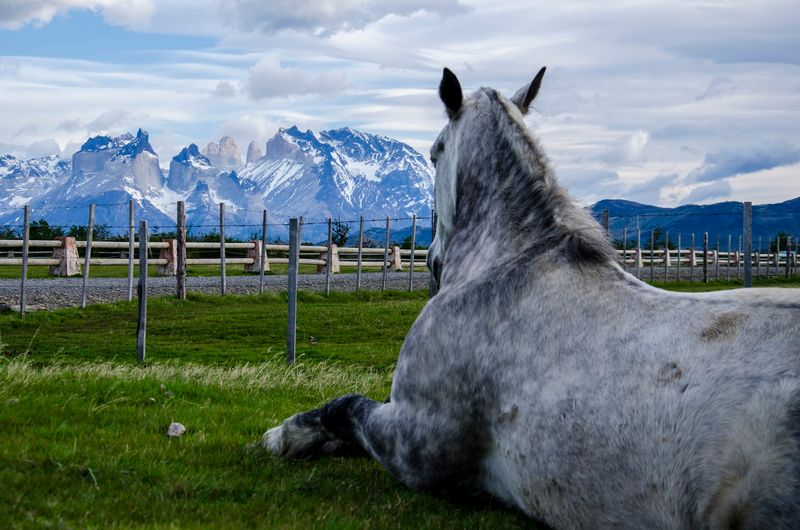
Three granite towers shoot straight up from the Patagonian steppe like nature decided to build skyscrapers. Torres del Paine National Park in southern Chile is one of the most visually dramatic places on the planet, full stop.
The famous W Trek takes hikers past glaciers, turquoise lakes, and those iconic towers over about five days.
Pumas roam this park freely. Guanacos wander across trails without a care.
Condors circle overhead on thermals. The wildlife viewing here is extraordinary, and unlike some destinations, it does not feel staged or managed.
The park sits within Chilean Patagonia, where weather changes every 20 minutes and the wind is aggressively enthusiastic. Layers are not optional here, they are survival gear.
Despite the challenging conditions, Torres del Paine consistently ranks among the world’s top trekking destinations. The reward for tolerating the wind is scenery so extraordinary it genuinely changes how you think about what a landscape can look like.
The Japan Alps, Japan
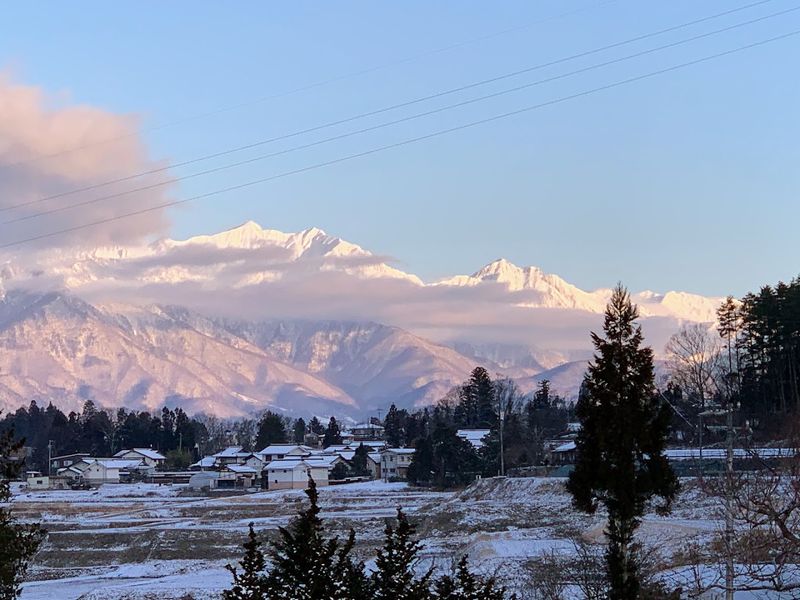
Japan’s Alps run through the center of Honshu island in three parallel ranges: the Northern, Central, and Southern Alps. They topped out at 3,190 meters at Mount Kita and offer hiking and skiing that most Western travelers never consider when planning a Japan trip.
That is genuinely their loss.
Kamikochi is arguably the most beautiful valley in Japan, a flat alpine basin surrounded by sharp peaks and threaded with the crystal-clear Azusa River. It is closed to private vehicles, so the crowds are manageable and the atmosphere stays peaceful.
Autumn colors here are extraordinary.
Hakuba hosted the 1998 Winter Olympics and remains one of Japan’s top ski destinations. After a day on the slopes, you soak in an onsen (hot spring bath) while snow falls outside.
Then you eat ramen. This specific combination of activities might be the most restorative thing a human being can do.
The Japan Alps deserve far more international attention than they currently receive.
Rocky Mountain National Park, Colorado
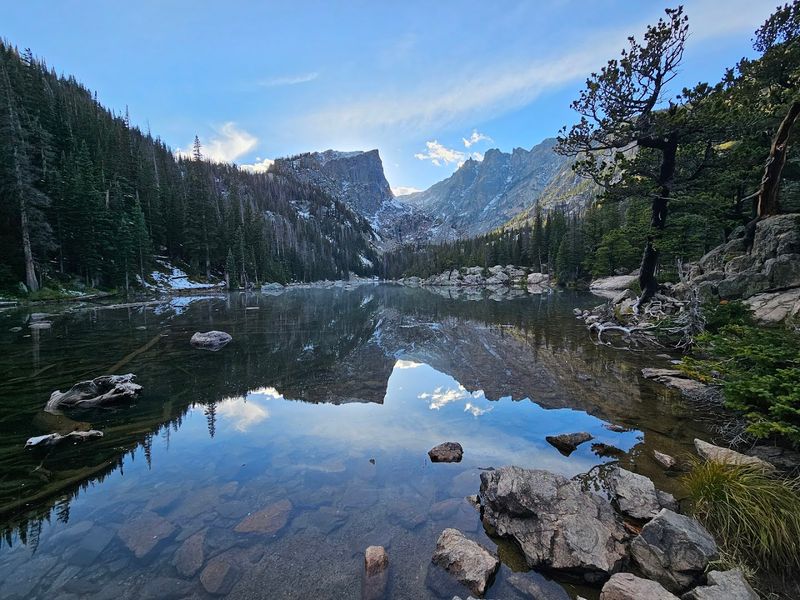
Rocky Mountain National Park sits about 90 minutes from Denver and punches well above its weight in terms of scenery. Trail Ridge Road crosses the park at over 3,700 meters, making it one of the highest paved roads in the United States.
Driving it feels like cruising through a nature documentary.
Elk are basically everywhere in this park. During the fall rut in September and October, bull elk bugle loudly at dawn and dusk in a sound that is equal parts majestic and slightly unnerving if you are not expecting it.
The town of Estes Park sits at the park entrance and adds charming mountain-town energy to the experience.
Over 350 miles of hiking trails cover every ability level here, from easy lakeside walks to technical summit routes. Bear Lake is the most popular starting point, and for good reason.
The reflections of Hallett Peak in the lake on a calm morning are the kind of thing people drive across the country to see.
Aspen Snowmass, Colorado
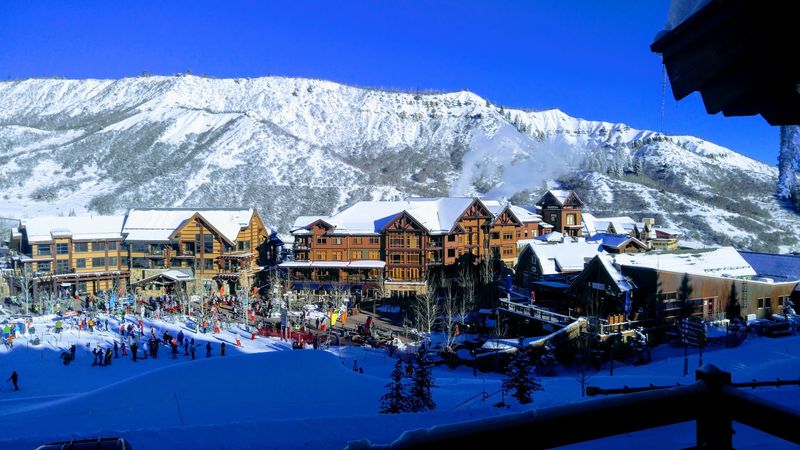
Aspen has a reputation for being glamorous, and honestly, it earns it. But beyond the celebrity sightings and designer ski jackets, Aspen Snowmass offers four distinct mountains with over 5,500 acres of skiable terrain.
That is not just scenery for Instagram. That is a serious ski destination.
Snowmass, the largest of the four mountains, is particularly family-friendly with long cruising runs and a purpose-built ski village at its base. Aspen Highlands has Highland Bowl, a hike-to terrain area that requires actual effort to reach and rewards that effort with untracked powder and panoramic views.
Summers in Aspen are underrated. The Maroon Bells, two 14,000-foot peaks reflected in a lake, are among the most photographed mountains in North America.
Hiking, cycling, fly fishing, and the famous Aspen Music Festival fill the calendar. Aspen in July is quieter, cheaper, and just as beautiful as winter.
The mountains stay magnificent regardless of the season.
Estes Park, Colorado
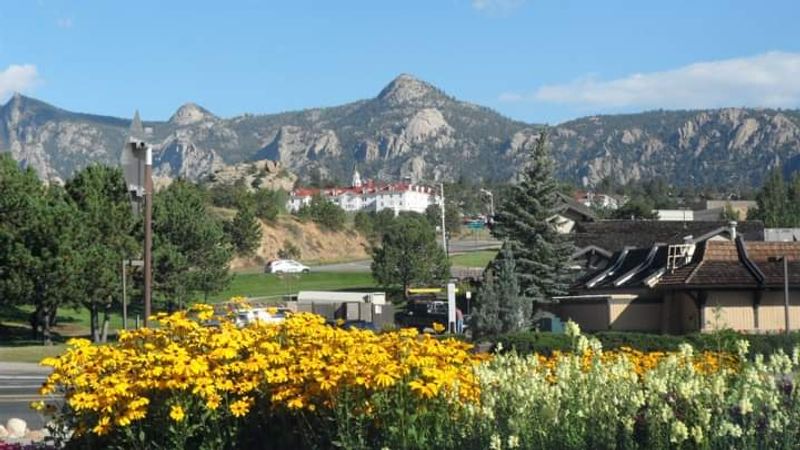
Estes Park is the kind of mountain town that makes you want to cancel your return flight. Situated at 7,522 feet and nestled in a valley surrounded by peaks, it serves as the gateway to Rocky Mountain National Park.
The elk here are not shy. They walk through town like they pay rent.
The Stanley Hotel, built in 1909 and reportedly the inspiration for Stephen King’s The Shining, sits dramatically above the town. Tours run regularly for horror fans and history buffs alike.
Even non-King fans appreciate the building’s grand architecture against the mountain backdrop.
Estes Park itself is compact and walkable, with local shops, fudge stores, and restaurants lining the main street. The Estes Park Aerial Tramway offers easy mountain views without requiring hiking boots.
For families, solo travelers, or couples looking for a relaxed mountain basecamp, Estes Park delivers scenery, wildlife, and charm in a package that feels genuinely unhurried and welcoming.
The Swiss Alps
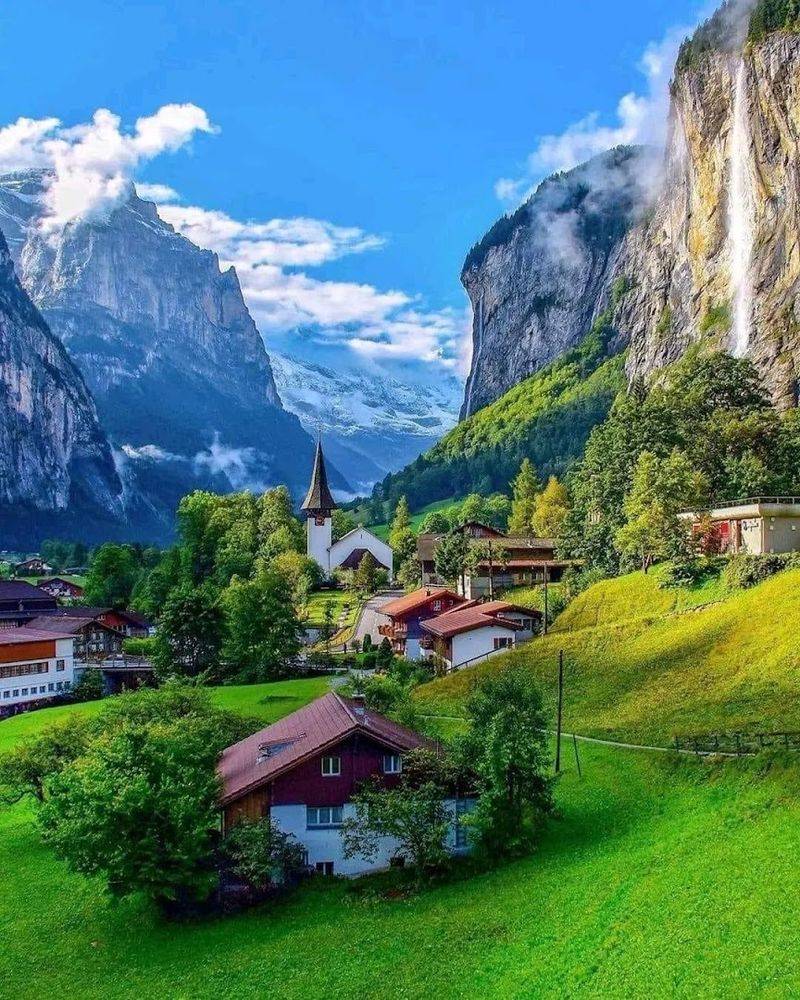
The Swiss Alps cover about 60 percent of Switzerland and contain 48 peaks over 4,000 meters. That is not a mountain range.
That is a mountain collection. The Swiss have built an extraordinarily efficient network of trains, cable cars, and cogwheel railways to make those peaks accessible to practically everyone.
Every valley in the Swiss Alps seems to have its own personality. Engadin valley has St. Moritz and a glamorous ski scene.
The Valais region has the Matterhorn. The Bernese Oberland has the Eiger’s legendary north face.
Choosing where to go first is genuinely difficult.
Switzerland also wins the logistical mountain travel award. The Swiss Travel Pass gives unlimited access to trains, buses, and boats, turning the entire country into one giant, efficiently connected playground.
The cost of visiting is famously high, but the infrastructure, cleanliness, and sheer beauty make it hard to argue with the value. The Alps justify every Swiss franc.
The Canadian Rockies
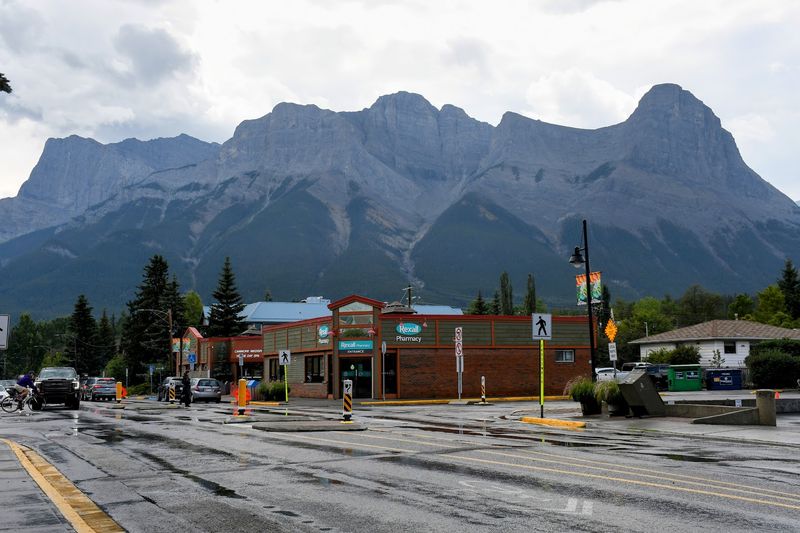
The Icefields Parkway stretches 232 kilometers between Banff and Jasper and is widely considered one of the world’s most scenic drives. Turquoise lakes, hanging glaciers, and waterfalls appear around nearly every bend.
I have driven it twice and pulled over to stop an embarrassing number of times.
Jasper National Park at the northern end is larger, wilder, and significantly less crowded than Banff. The dark sky preserve status means stargazing here is extraordinary.
The Milky Way over the Rockies is not something you forget quickly.
Columbia Icefield, one of the largest non-polar ice fields in North America, sits between the two parks. You can walk onto the Athabasca Glacier on a guided tour, which puts the scale of glacial ice into immediate perspective.
The Canadian Rockies also have some of North America’s best wildlife viewing, with grizzly bears, wolves, and mountain goats all making regular appearances along the parkway.
The Bernese Oberland, Switzerland
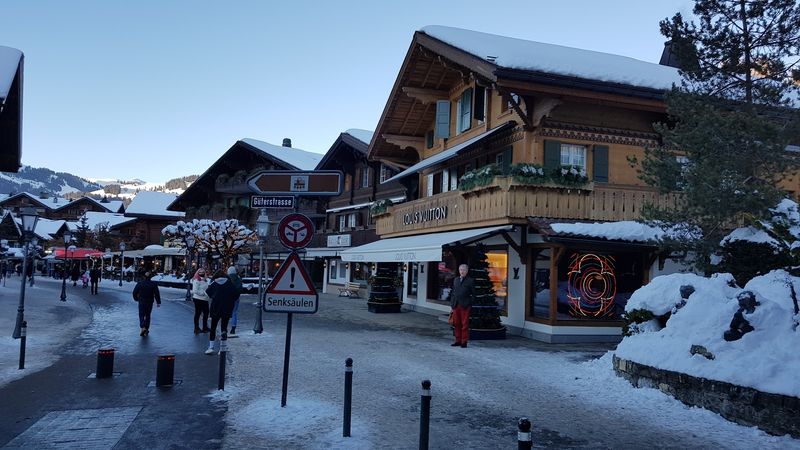
The Bernese Oberland is Switzerland’s greatest hits album compressed into one region. The Eiger, Monch, and Jungfrau stand shoulder to shoulder above the Grindelwald and Lauterbrunnen valleys in a lineup so dramatic it looks computer-generated.
The north face of the Eiger alone has inspired entire libraries of mountaineering literature.
Lauterbrunnen Valley is the waterfall capital of Switzerland, with 72 waterfalls tumbling down sheer cliffs. Staubbach Falls drops 297 meters directly into the valley.
The village of Murren, perched on a cliff above it all and accessible only by cable car or train, is one of the most charming car-free villages in Europe.
First Mountain above Grindelwald has the First Cliff Walk, a steel walkway bolted to the side of a cliff with 2,000-meter drops below. It is thrilling, safe, and absolutely worth the slightly wobbly knees.
The Bernese Oberland packs more mountain drama per square kilometer than almost anywhere else in the Alps.
The French Alps
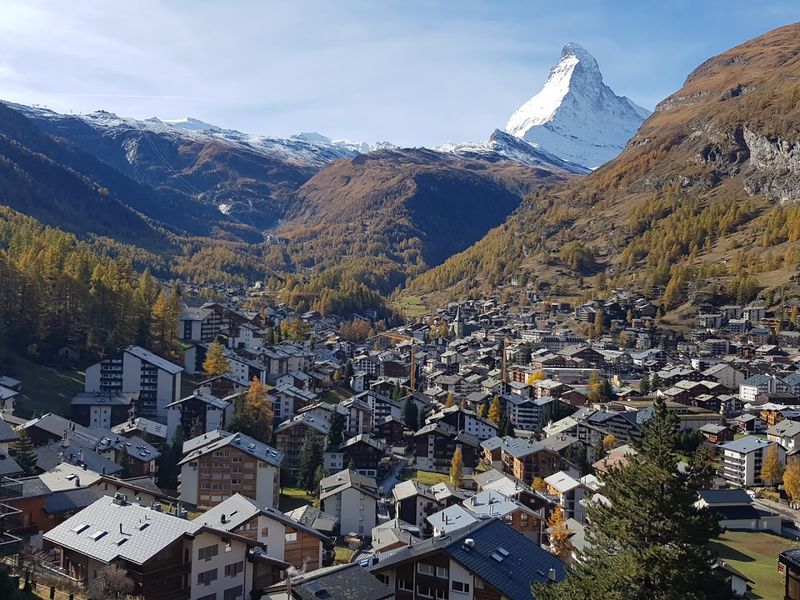
France has more ski resorts than any other country in the world, and most of them are in the Alps. The Trois Vallees, which connects Courchevel, Meribel, and Val Thorens, is the largest linked ski area on Earth with over 600 kilometers of pisted runs.
Skiers with a full week still will not cover all of it.
Val d’Isere and Tignes together form the Espace Killy area, named after legendary French ski champion Jean-Claude Killy. The terrain here is seriously challenging and seriously beautiful.
Glacier skiing keeps Val Thorens open until May most years.
The French Alps in summer are a cycling obsession. The Tour de France has climbed Alpe d’Huez 31 times, and recreational cyclists attempt the same hairpin bends every summer with varying degrees of dignity.
The mountain villages, the cheese, the wine, and the scenery combine to make the French Alps a destination that rewards every type of traveler in every season.
The Matterhorn Region, Switzerland
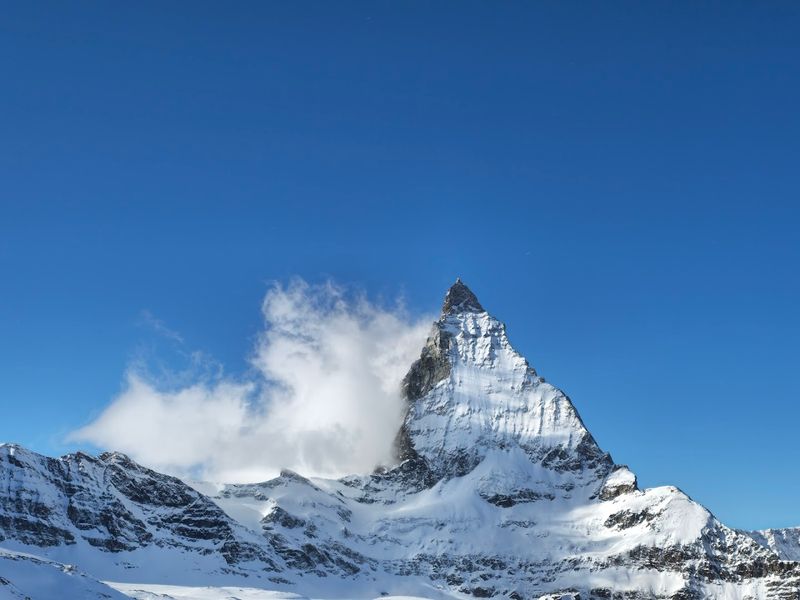
The Matterhorn might be the most recognized mountain shape on Earth. That perfect pyramid rising 4,478 meters above Zermatt has appeared on chocolate boxes, logos, and screensavers for decades.
Seeing it in person still manages to exceed expectations, which is a rare achievement for something so heavily photographed.
The first ascent of the Matterhorn in 1865 ended in tragedy when four of the seven climbers fell to their deaths on the descent. That dramatic history adds weight to every view of the peak.
The Matterhorn Museum in Zermatt tells the story brilliantly.
For non-climbers, the Gornergrat rack railway climbs to 3,089 meters and delivers one of the finest mountain panoramas in Switzerland, with views of 29 peaks over 4,000 meters including Monte Rosa, the second highest summit in the Alps. The Matterhorn region rewards slow travel.
Stay a few days, hike different trails, and let the mountain reveal itself from multiple angles. It never gets old.



