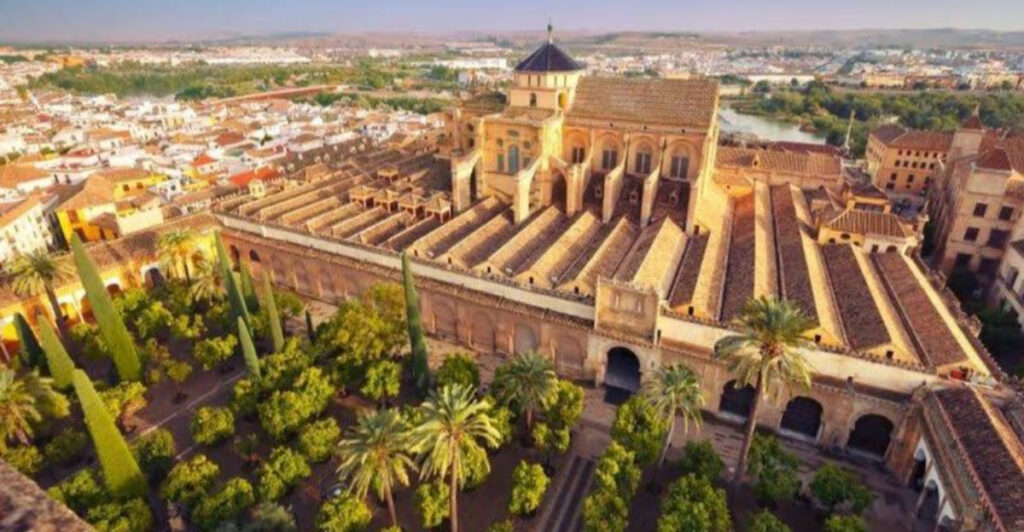
Spain is one of those countries where a weekend trip always leaves you feeling like you only got half the story. Beyond the obvious city breaks, there are entire regions, coastlines, and ancient towns that reward travelers who actually slow down and stay a while.
I learned this the hard way after spending just one rushed day in Cuenca and vowing to return for a full week. These 15 destinations prove that Spain is best explored at a pace that lets the place actually sink in.
Asturias
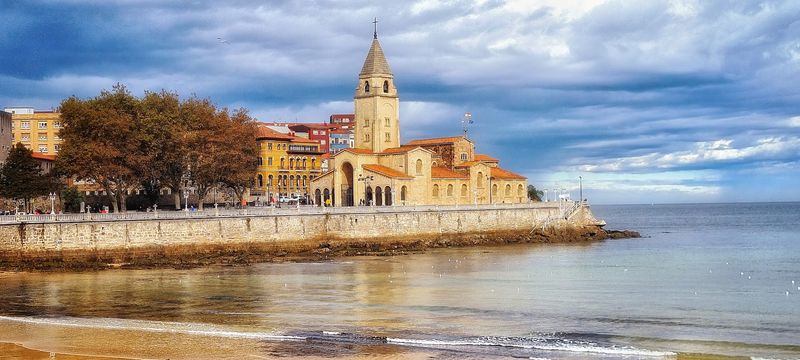
Nobody ever comes back from Asturias saying they had enough time. This northwestern region packs mountains, coastline, cider bars, and ancient villages into one gloriously green corner of Spain that most tourists fly straight past on their way to sunnier spots.
The Picos de Europa National Park alone could fill a week of hiking, and the Covadonga Lakes sit above the clouds like something from a fantasy novel. Between beach towns like Llanes, the cool city of Gijón, and the elegant capital Oviedo, Asturias is genuinely a road trip region.
Fabada asturiana, the region’s legendary bean stew, is reason enough to linger. Add cider culture, fishing villages, and coastal cliffs, and you start to understand why locals get slightly offended when visitors treat this place as a quick stop.
Asturias is not a weekend. It is at least two weeks of very good eating and very good walking.
Extremadura
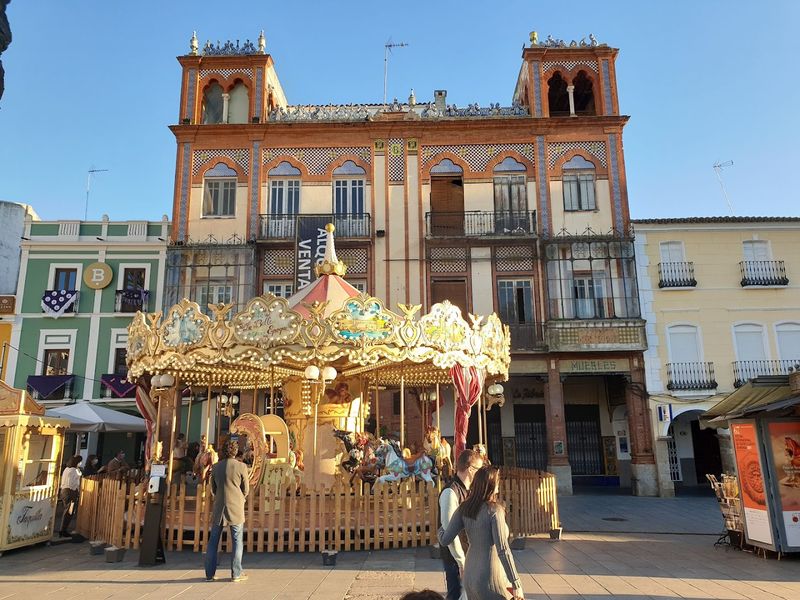
Extremadura is the region that makes history buffs go completely quiet with awe. Mérida has a Roman theatre that is over 2,000 years old and still hosts performances, which is either deeply impressive or mildly surreal depending on your perspective.
The city also holds a Roman amphitheatre, circus, baths, aqueducts, and the National Museum of Roman Art, all within walking distance. Then there is Cáceres, a UNESCO-listed medieval town so well-preserved it has been used as a filming location for major productions.
Trujillo adds conquistador history, Guadalupe has a monastery that feels genuinely spiritual rather than touristy, and the natural parks offer serious birdwatching. Three UNESCO World Heritage sites in one region is not something to skim over on a weekend.
Extremadura rewards slow travelers with empty plazas, affordable meals, and the rare feeling of being somewhere genuinely underrated. Crowds are not really part of the deal here.
Menorca
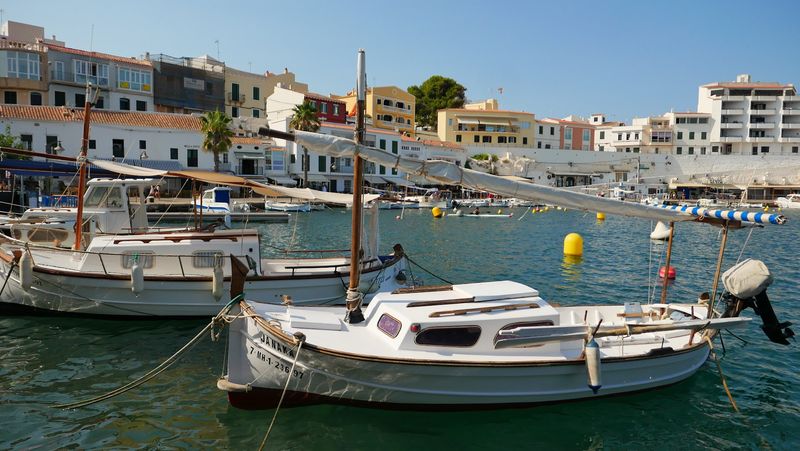
Menorca is what Mallorca used to be before everyone found out about it. The whole island is a UNESCO Biosphere Reserve, which is a fancy way of saying the place has been deliberately kept beautiful rather than bulldozed for resorts.
The Cami de Cavalls is a historic coastal path that circles the entire island across 185 kilometres and 20 stages, passing cliffs, coves, forests, and fields. A rushed trip gives you one beach and a sunburn.
A proper stay gives you Ciutadella’s charming old port, Mao’s harbor restaurants, prehistoric Talaiotic ruins, and quiet coves at sunrise before anyone else arrives.
Menorca also has genuinely good local food, including the claim that mayonnaise was invented here, which the French dispute loudly. Whether or not that is true, the seafood alone is worth the ferry ride.
Give this island at least a week and it will give you a lot back.
Cabo de Gata-Níjar, Almería
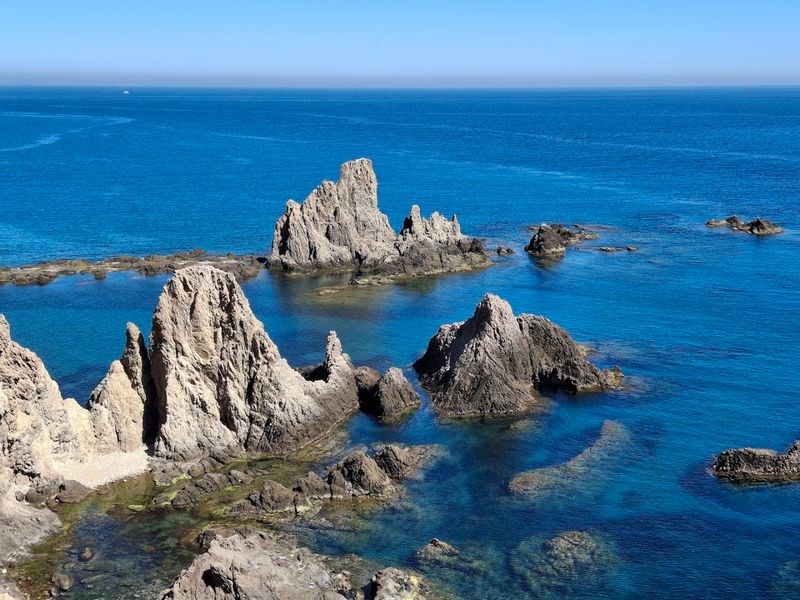
Cabo de Gata looks like someone transplanted a piece of the Canary Islands onto the Spanish mainland and forgot to tell anyone. The volcanic landscape, desert scrub, and crystalline coves feel nothing like the polished resort coastlines a few hours up the road.
This natural park has restricted beach access during peak season to protect the area, which means you actually need to plan and move slowly rather than charging in and back out in 48 hours. Fishing villages like San José and Las Negras have kept their character precisely because the park rules limit overdevelopment.
Snorkeling, long drives on dusty tracks, evenings with local wine, and mornings with no one else around are the real selling points here. Spain’s tourism site calls it a natural refuge, and that description is accurate.
It is a place for people who find the words “unspoiled coastline” genuinely exciting rather than just something to photograph once.
Rías Baixas, Galicia
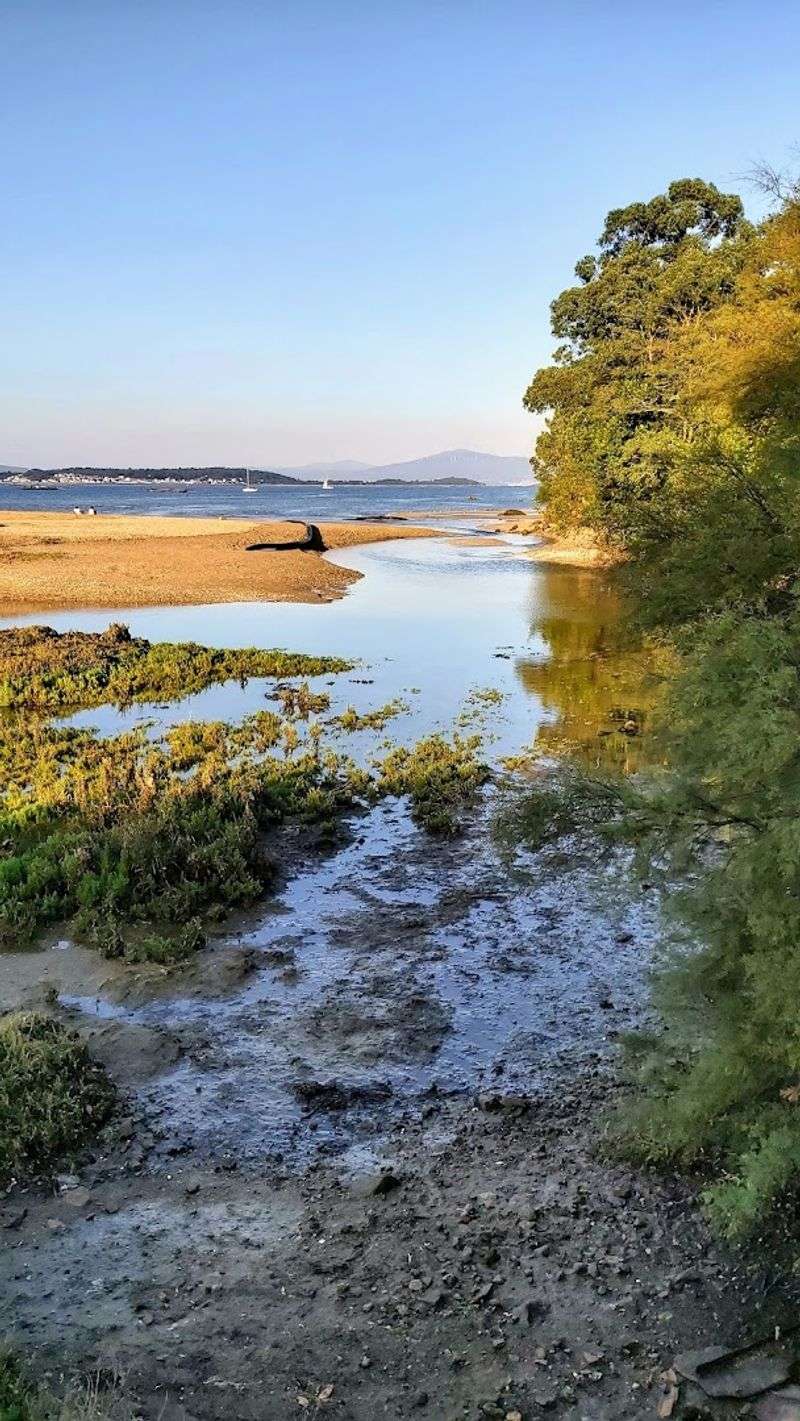
Galicia’s Rías Baixas is the kind of coastal region that makes you rethink every beach holiday you have ever taken somewhere more obvious. Estuaries, fishing villages, Atlantic breezes, and the best white wine in Spain combine into something that feels genuinely special.
Albariño is produced here, and the Rías Baixas Wine Route connects wineries, vineyards, and towns across the region. Cambados hosts the Albariño festival on the first Sunday of August, and its vine trellises are practically an Instagram cliché at this point, but they earned that status honestly.
Pontevedra has a stunning old town, O Grove is the place for seafood markets, and Baiona has a castle that juts into the Atlantic like it means business. This is not a destination you can squeeze into a weekend without feeling genuinely robbed.
Come for the percebes, stay for the Albariño, and leave only when the wine runs out.
La Rioja
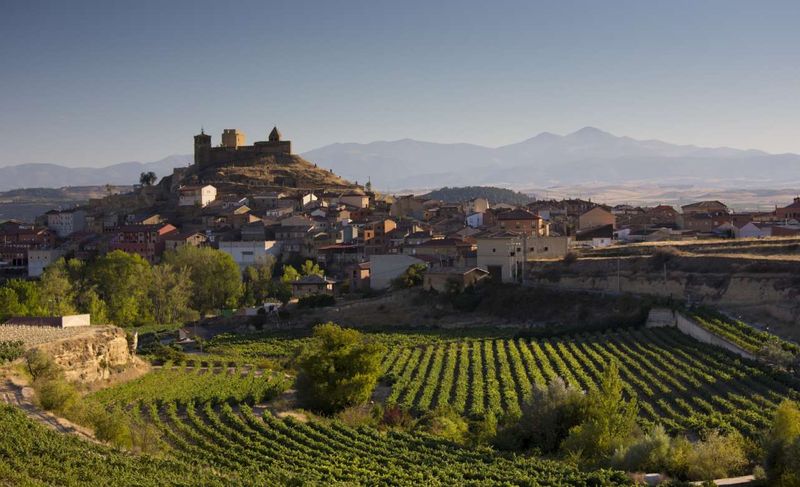
La Rioja is Spain’s wine country in the same way that Tuscany is Italy’s, except fewer people seem to have gotten the memo. Over 500 wineries operate in this compact region, and more than 100 of them can actually be visited, making it a serious destination for anyone who thinks wine is more than just something to order with dinner.
Logroño’s tapas street, Calle del Laurel, is one of Spain’s great bar-crawl experiences, but a fast city break barely scratches the surface. Haro has bodegas with cellars dating back centuries, and there are medieval monasteries here linked to the earliest known written words in Spanish.
Vineyard activities include hot-air ballooning, horse riding, and 4×4 routes, which sounds excessive until you see how beautiful the landscape looks from above in October. Spa towns, rural villages, and countryside routes fill out the rest of a trip that deserves at least five days of dedicated appreciation.
Cuenca
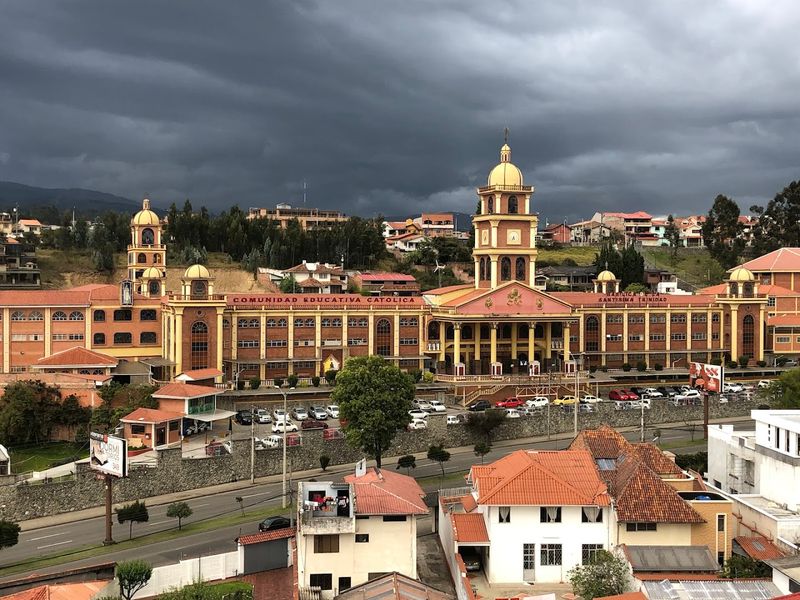
Cuenca is the city most people visit as a day trip from Madrid and immediately regret not staying longer. The famous Hanging Houses dangle over the Huécar gorge in a way that suggests the medieval architects were either very brave or completely unaware of gravity.
Three of those houses can be visited, including the one that holds the Museum of Spanish Abstract Art, which is an unexpectedly brilliant collection in a very unexpected location. The San Pablo footbridge gives you the classic view, but the real pleasure of Cuenca is wandering the old streets slowly, finding corners that feel untouched by tourism.
The surrounding natural landscapes, including the Enchanted City rock formations nearby, make the area worth using as a base for several days. Cuenca is small enough to feel intimate but layered enough to keep surprising you.
Treating it as a day trip is technically possible. It is also a waste of a very good place.
Albarracín and Inland Aragón
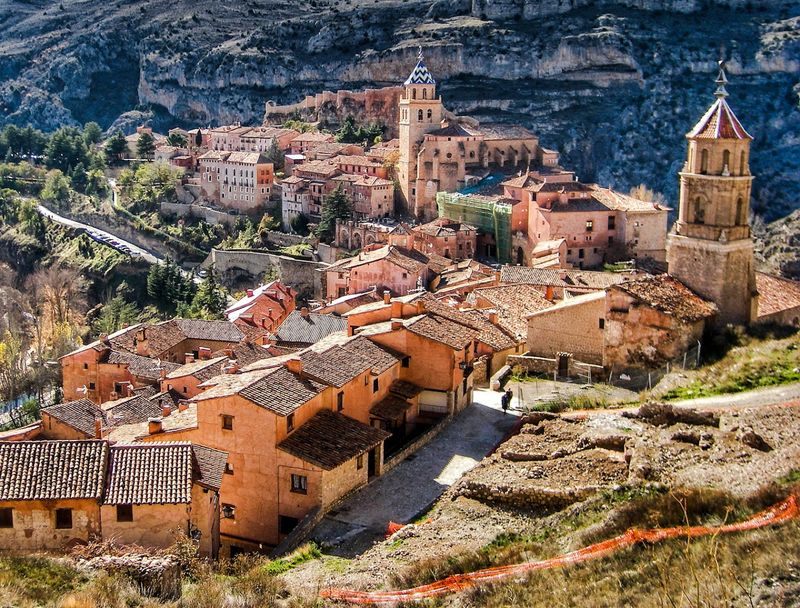
Albarracín looks like someone hit pause on the Middle Ages and forgot to press play again. The pinkish stone walls, narrow cobbled lanes, and hilltop setting in Teruel province create an atmosphere so well-preserved it borders on theatrical, except it is completely real.
Spain’s tourism site lists it as a destination with travel plans for good reason: you need more than one afternoon to appreciate a town this layered. The Sierra de Albarracín surrounds it with hiking routes, castles, and mountain landscapes that reward travelers who are happy to wander without a strict schedule.
Teruel itself, nearby, has some of the finest Mudéjar architecture in Spain, a style that blends Islamic and Christian influences in a way that is quietly stunning. Inland Aragón is genuinely off the tourist trail, which means empty streets, affordable meals, and that particular satisfaction of finding somewhere brilliant before it becomes famous.
That satisfaction is quite good.
Costa Brava and Girona
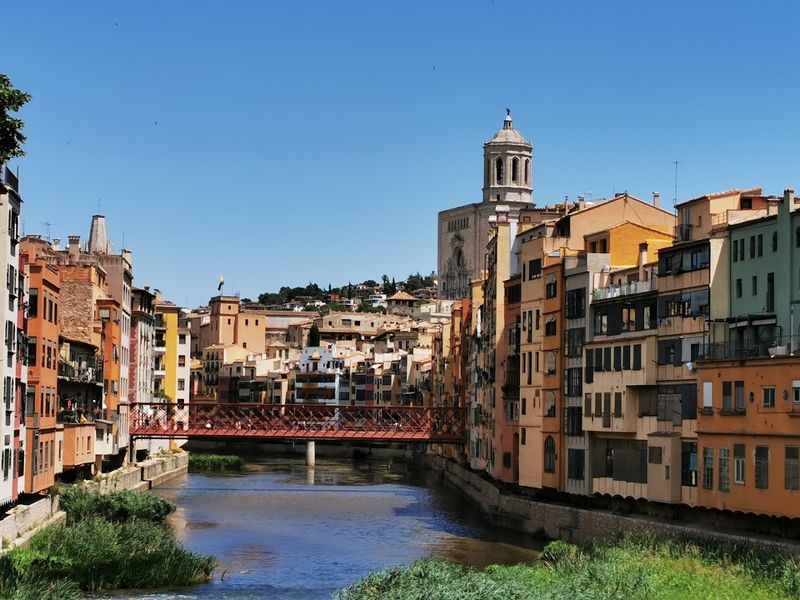
The Costa Brava has spent years being treated as Barcelona’s beach annex, which does it a serious injustice. This stretch of Catalan coastline has deep-blue coves, medieval towns, Dalí museums, and one of Spain’s great walking routes all packed into a region that genuinely deserves its own trip.
The Camí de Ronda follows the coast for either 43 kilometres as a linear route or 140 kilometres as a full circular trail, passing fishing villages, cliffs, and viewpoints that make the effort very worthwhile. Cadaqués, perched on a rocky bay, was Dalí’s home base, and the town still carries that eccentric creative energy.
Girona’s old town, with its cathedral, Jewish quarter, and colorful riverside houses, is one of Spain’s most photogenic cities. Add Begur, Pals, Figueres, and proper coastal swimming stops, and the Costa Brava stops being a detour and becomes the whole point of the trip.
Cádiz and Jerez de la Frontera
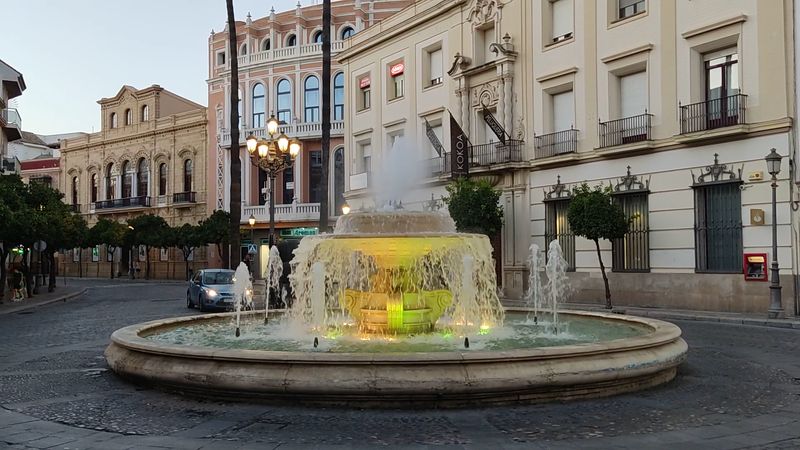
Cádiz is one of the oldest cities in western Europe and carries that history lightly, which is a rare skill. The sea-facing old town has a salty, sun-bleached character that feels distinct from every other Andalusian city, and the local carnival is widely considered the funniest in Spain.
The real depth of this province, though, comes from pairing Cádiz with Jerez de la Frontera. Jerez is the home of sherry wine, cartujano horses, and some of the most serious flamenco traditions in the country.
Spain’s tourism site positions Jerez as a starting point for the White Villages Route, which threads through towns like Arcos de la Frontera and Vejer de la Frontera.
Medina Sidonia adds hilltop views and Roman history, while the Atlantic coast offers long, windswept beaches that kite surfers absolutely love. This province needs at least a week to do it properly.
Coast, countryside, wine, and Andalusian tradition all need room to breathe.
Navarre
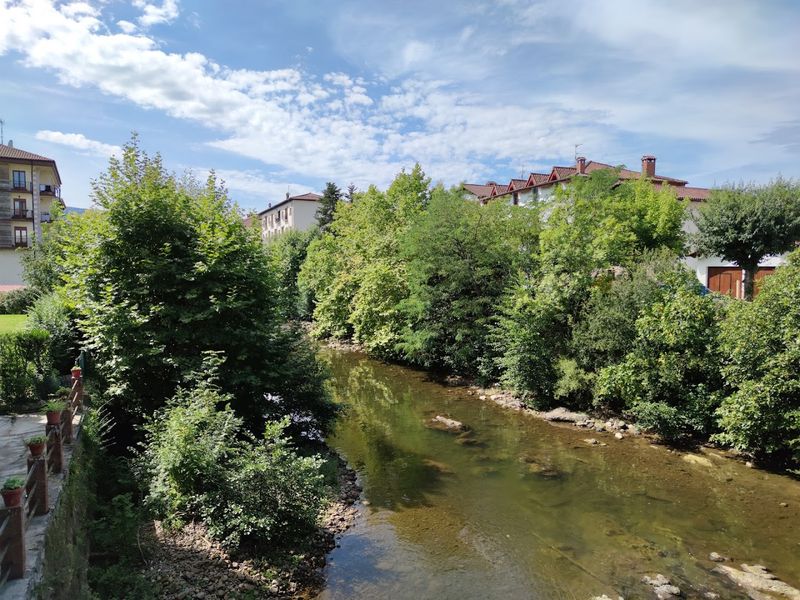
Navarre might be Spain’s most quietly contradictory region, and that is entirely a compliment. In a single road trip, you can move from the lush, beech-forested Irati Forest to the striking semi-desert moonscape of Bardenas Reales, which is a UNESCO World Biosphere Reserve shaped by wind, water, and sun.
Pamplona is more than just the Running of the Bulls, though that particular event does tend to dominate the conversation. The old city has excellent pintxos bars, a well-preserved medieval core, and a calm, everyday Spanish energy that is genuinely enjoyable outside festival season.
Olite’s castle-palace looks like something from a fairy tale, Roncesvalles marks the start of the French Way of St James, and Tudela produces some of Spain’s finest vegetables, which sounds underwhelming until you taste the local cuisine. Navarre’s variety is the point.
One short break cannot hold all of it, so do not try to squeeze it in.
La Palma, Canary Islands
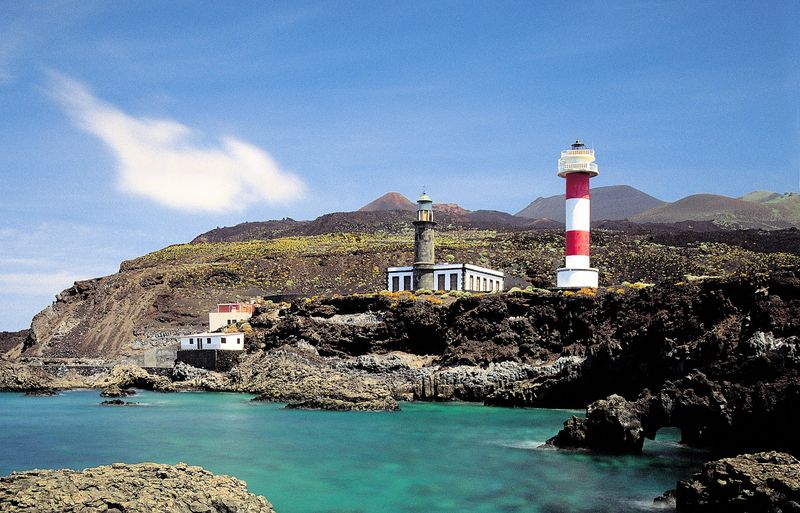
La Palma is the Canary Island that attracts hikers, stargazers, and people who use the word “unspoiled” without irony. The island sits in the Atlantic with year-round good weather, volcanic terrain, ancient laurel forests, and some of the clearest night skies in Europe, which is why it hosts serious astronomical observatories.
Santa Cruz de La Palma has a colonial historic quarter declared a Historic-Artistic Site, with Canarian wooden balconies, palaces, and churches that are easy to spend a slow morning exploring. Beyond the capital, the island opens up into hiking trails, viewpoints over the Caldera de Taburiente, and coastal villages that operate at their own unhurried pace.
The 2021 volcanic eruption on the island added a raw, dramatic new landscape to the southern part of La Palma that is already becoming a compelling destination in itself. This is not a resort island.
It is a place for travelers who want their holiday to feel like an actual experience rather than a checklist.
Basque Coast and Zumaia
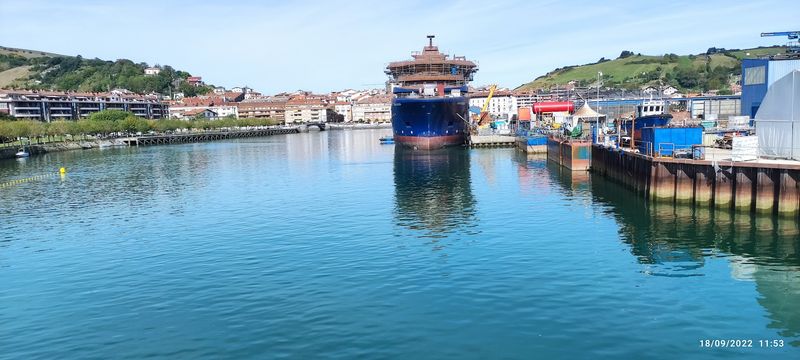
The Basque Coast Geopark near Zumaia contains cliffs that reveal over 60 million years of Earth’s history in visible rock layers, which puts most museums to shame for sheer dramatic impact. The Flysch Route from Zumaia to Mutriku via Deba is officially one of the most geologically significant coastal walks in Europe.
Zumaia sits where the Urola and Narrondo rivers meet the sea, and Itzurun Beach sits at the foot of those extraordinary cliffs. A fast visit gets you one good photograph.
A slower trip gets you coastal walks, small fishing towns, and the very particular pleasure of Basque seaside life.
San Sebastián is close enough for a pintxos evening, Getaria is famous for its grilled fish and a native son who happened to be the first person to circumnavigate the globe, and Zarautz has one of the longest beaches on the Basque coast. This region rewards every extra day you give it.
Formentera
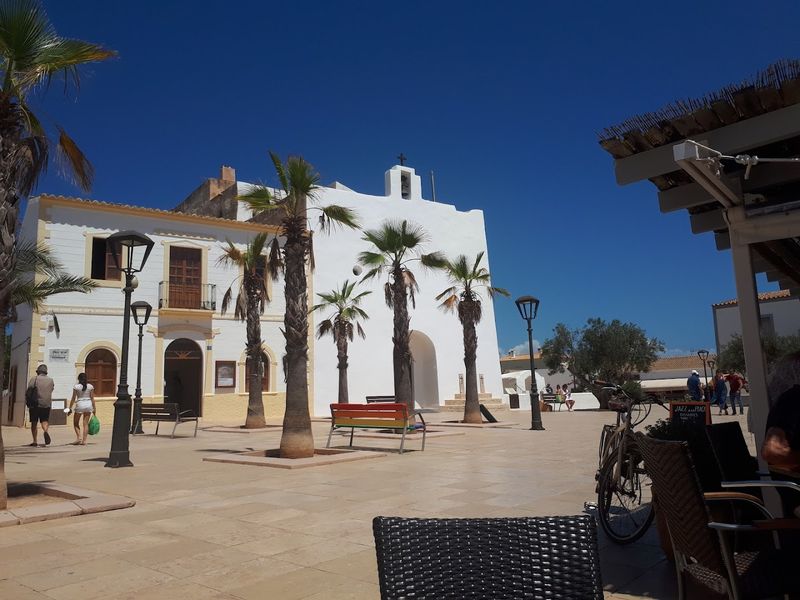
Formentera is technically Spain’s smallest inhabited island, but it punches well above its weight in the beauty department. The water around Ses Illetes beach is so clear and so turquoise that first-time visitors tend to stop walking and just stare at it for an awkward amount of time.
The temptation is to do Formentera as a day trip from Ibiza, but that approach misses everything that makes the island worth visiting. Early mornings before the ferry crowds arrive, slow cycling routes along flat island paths, lighthouse sunsets, and dinners at small local restaurants are the real experience here.
Pretty villages, walking trails through salt flats, and a pace of life that actively resists hurrying make this a place where the whole point is to do less, not more. Spain’s tourism site describes it as an island with dreamlike beaches and breathtaking lighthouse views.
That is accurate, and it is best appreciated slowly, over several days, not in an afternoon.
Córdoba
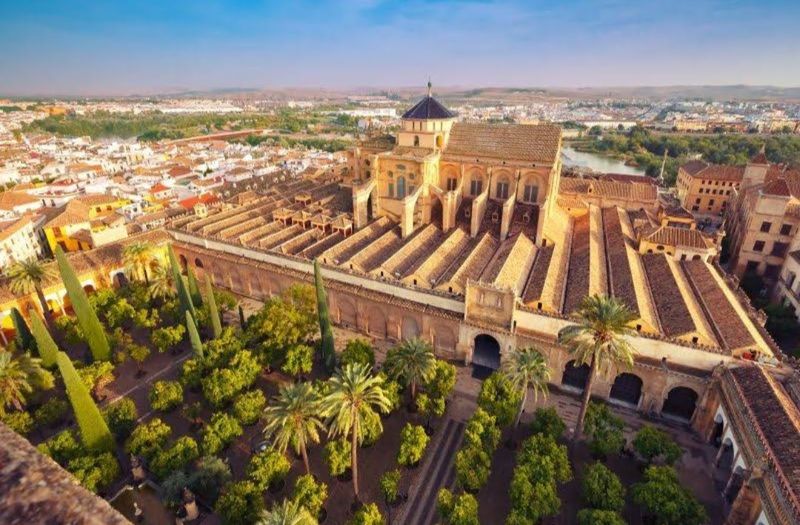
Córdoba is a city that gets treated like a day trip and deserves to be treated like a destination. The Mosque-Cathedral, or Mezquita, is genuinely one of the most extraordinary buildings in the world, and rushing through it in two hours before catching a train back to Seville is a genuine cultural crime.
The UNESCO recognitions here stack up impressively: the Mosque-Cathedral, the Old Quarter, Medina Azahara, and the Fiesta de los Patios as Intangible Cultural Heritage. The Patios Festival in May, when private courtyards fill with flowers and open to the public, is one of Spain’s most joyful events and alone justifies a multi-day stay.
The Jewish Quarter has some of the most atmospheric medieval streets in Andalusia, the local salmorejo is one of Spain’s great cold soups, and the city has a relaxed pace that rewards wandering. Córdoba is not a supporting act for Seville or Granada.
It is a headliner that keeps getting booked into the wrong venue.
Share this story