 Unearth The Voyage
Some places feed curiosity as much as appetite, turning every bite into a story of heritage, migration, and community. This list tours cities where markets, kitchens, and festivals reveal living traditions in delicious detail. Expect layered histories on the plate, from time honored rituals to bold modern fusions.
Follow the aromas and discover how culture tastes when it is shared in the streets and at the table.
Mexico City, Mexico — A Fiesta for Your Taste Buds
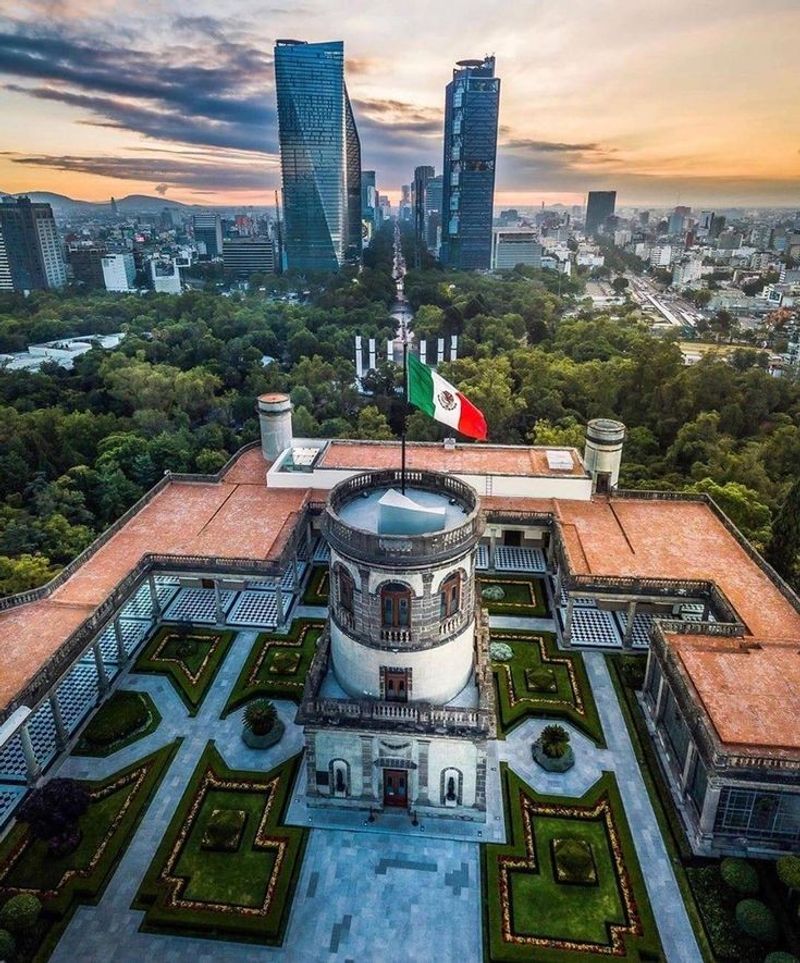
Mexico City serves history with every plate, from smoky tacos al pastor spinning on a street side trompo to velvety mole poblano simmered in family kitchens. Markets like La Merced and San Juan brim with chiles, cacao, and herbs that trace Indigenous roots and colonial exchange. Conversations around stalls carry recipes, gossip, and pride, turning lunch into a living archive of the capital’s identity.
Beyond markets, casual taquerias share space with inventive dining rooms where chefs remix pre Hispanic ingredients using modern techniques. Mezcal tastings reveal terroir and tradition, while neighborhood tortillerias perfuming the air remind that corn anchors daily life. Food tours and cooking classes open doors to homespun knowledge, from nixtamalization to salsa balance.
Each barrio has a flavor map, linking migration, trade, and celebration. Street vendors feed late night crowds near plazas, and panaderias roll out conchas that accompany morning chatter. In this sprawling city, cuisine is choreography, guiding festivals, family rituals, and weekend pilgrimages to markets.
Tasting becomes a way to read the city, one bite at a time, where old and new meet on the same plate.
San Sebastián, Spain — Basque Gastronomy Perfection
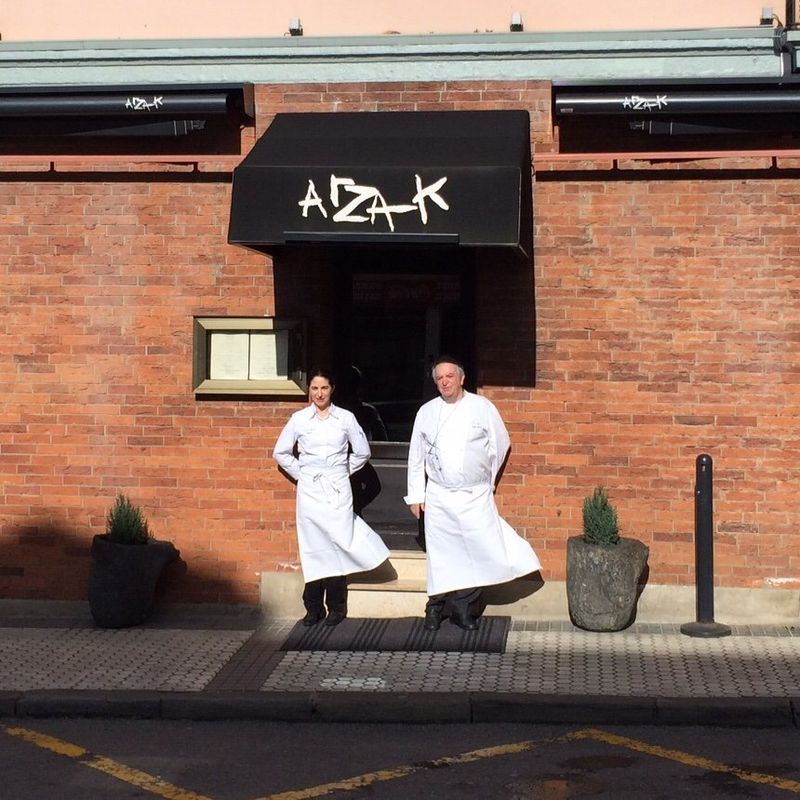
San Sebastián breathes gastronomy, where pintxos bars hum with clinking glasses and swift conversations. Small plates line the counter like jewels, showcasing anchovies, cod, and peppers layered with precision. Stepping between bars becomes a social ritual, guided by local pride and a deep respect for seasonal produce from sea and mountains.
High end temples of cuisine sit beside humble tabernas, proving innovation and tradition can share the same street. The Basque Culinary Center fuels creativity with research and training, while markets supply fishermen’s catches at dawn. Pouring spritzy txakoli from high demonstrates flair and hospitality in one graceful arc.
Festivals add music and dance to the city’s palette, and conversations spill over from the promenade into long lunches. Each bite reflects centuries of resilience and collective memory, tightened by craft guilds and community ties. Museums, cider houses, and farmstead cheeses extend the map beyond the bay.
In San Sebastián, taste is culture made visible, and the city’s identity is plated in thoughtful, joyous mouthfuls.
Osaka, Japan — The Heart of Japanese Street Food
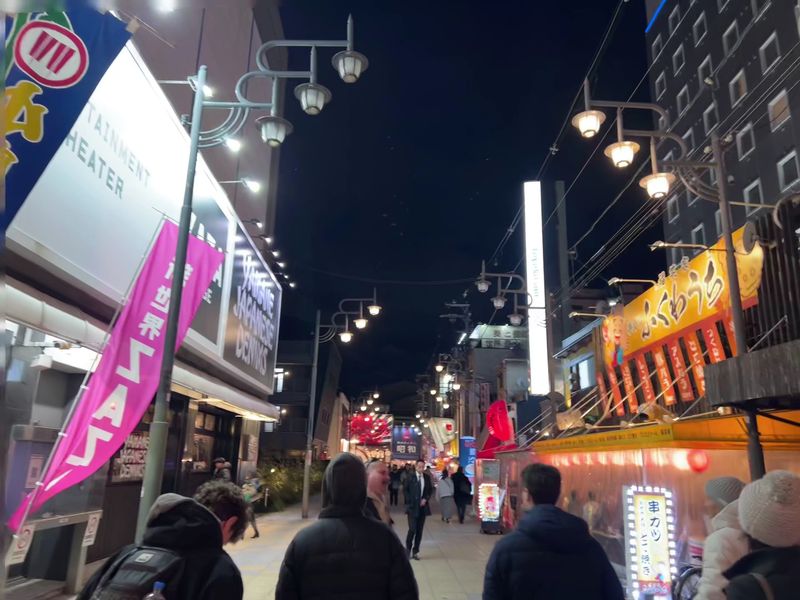
Osaka wears its appetite proudly, earning the nickname nation’s kitchen through centuries of trade and merchant hustle. Streets glow with signs and sizzling griddles, where takoyaki pop in cast iron molds and okonomiyaki caramelizes into savory comfort. At Kuromon Ichiba, vendors slice tuna, grill eel, and hand over skewers with practiced ease.
Izakayas tuck into alleys, welcoming laughter and shared plates. Each stall tells a story of technique honed by repetition and friendly rivalry. Tea houses, tempura counters, and noodle shops round out a citywide menu linked by efficiency, hospitality, and seasonal attention.
Osaka’s food philosophy balances fun with fidelity to ingredients. Merchant culture shaped a practical generosity that still guides portions and prices. Join the rhythm of stand, sample, wander, repeat, and the city opens up through flavors and textures.
From festival snacks to fine sushi, every bite fits into a broader narrative of resourcefulness, invention, and community pleasure.
Penang, Malaysia — A Street Food Cultural Mosaic
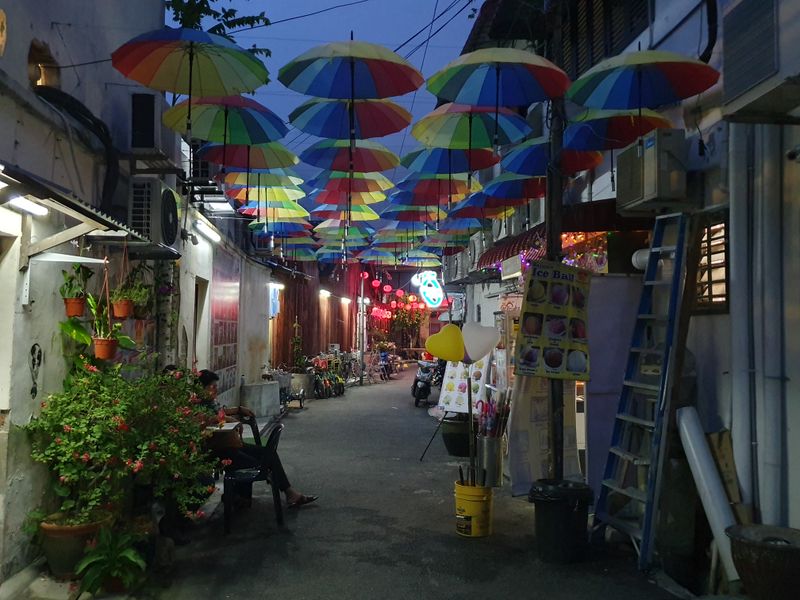
Penang’s hawker centers gather Malay, Chinese, Indian, and Peranakan traditions into one irresistible table. Asam laksa arrives tangy with tamarind and mint, while char kway teow crackles over high heat, perfumed with wok hei. Nasi kandar lines display fragrant curries, mapping spice routes that shaped the island’s destiny.
Food here is vernacular history, practiced daily and passed hand to hand. Recipes traveled with traders and settlers, settling into neighborhoods near temples and clan houses. UNESCO recognition honors both flavors and the living heritage of street vendors, who keep techniques precise and prices welcoming.
From breakfast kopitiams to midnight desserts, the day moves by bowls, plates, and shared tables. Fine dining chefs reinterpret classics without losing the soul of the stall. Walks between murals and markets reveal how festivals, migration, and family stories season the cuisine.
Penang’s richness is best understood through a spoon, a smile, and the clatter of dishes.
Kyoto, Japan — Tradition on a Plate
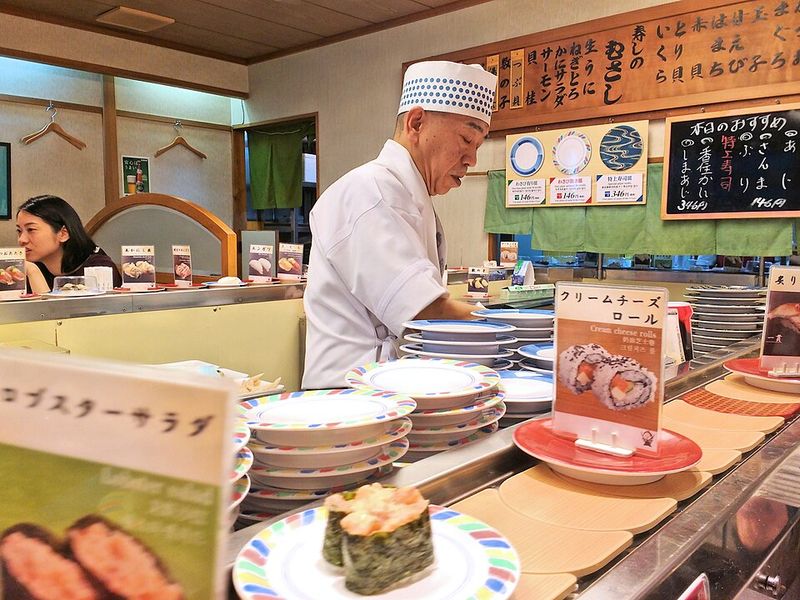
Kyoto frames meals as artfully as temples frame gardens. Kaiseki unfolds in measured courses that echo the seasons, with broths whispering umami and garnishes arranged like miniature landscapes. Temple shojin ryori pares flavors to essentials, honoring restraint and contemplation.
Nishiki Market offers pickles, tofu, and fresh yuba, each a lesson in craft. Tea houses lead through quiet steps, from matcha whisking to sweets that balance bitterness with bloom. Attention to detail turns eating into a ritual, where bowls, chopsticks, and silence carry meaning.
Tradition does not stand still here, it breathes. Contemporary chefs build on classical technique, letting vegetables and fish speak by texture and temperature. Festivals align with seasonal harvests, and confectioners paint time with sugar and bean paste.
In Kyoto, cuisine is a path to aesthetics, philosophy, and gentle connection.
Lima, Peru — Where Ancient Meets Modern
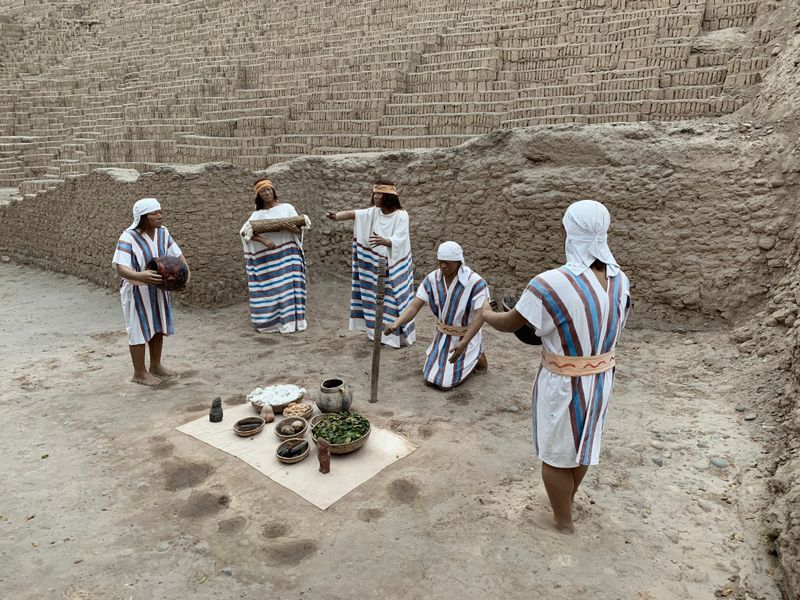
Lima anchors Peru’s culinary rise, weaving Indigenous knowledge with Spanish and immigrant influences. Ceviche gleams with lime and aji, served alongside crisp corn and sweet potato for balance. Nikkei and Chifa kitchens add Japanese and Chinese threads, creating a tapestry that feels both grounded and adventurous.
Markets brim with Andean potatoes, quinoa, and coastal catch, revealing geography on the plate. Chefs translate biodiversity into tasting menus, but neighborhood huariques keep soul and comfort close. Street corners carry anticuchos smoke that perfumes the evening air.
The city’s food story moves through pre Columbian terraces, colonial ports, and modern labs. Innovation respects elders and techniques like leche de tigre timing and careful knife work. Festivals and seaside strolls fold into long lunches and late dinners.
In Lima, the past and future sit at the same table, speaking through acid, heat, and depth.
Bangkok, Thailand — A Street Food Wonderland
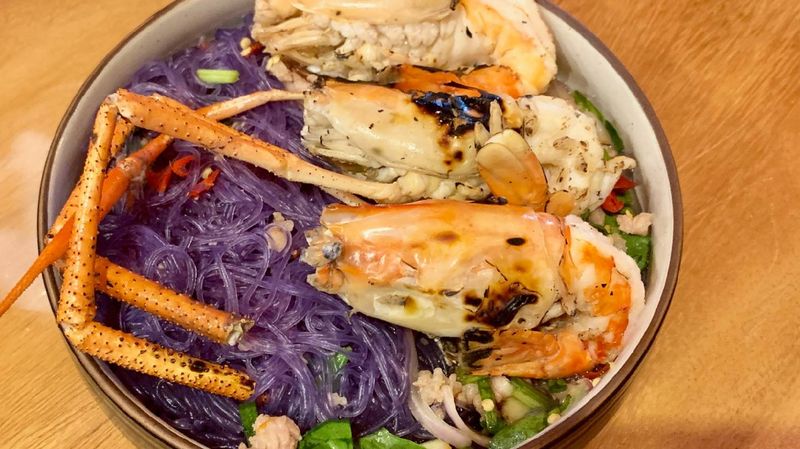
Bangkok cooks in public, turning sidewalks into open kitchens. Woks flare, pestles pound chiles and garlic, and bowls of tom yum send citrusy steam into the night. Pad Thai sizzles with shrimp and peanuts, while mango sticky rice closes the deal with fragrant sweetness.
Markets double as community living rooms, where vendors know faces and preferences by heart. Regional influences converge, carrying Isan spice and southern coconut richness into the city’s lanes. Morning boats, afternoon hawkers, and neon lit carts keep flavors moving with the traffic.
Guided tastings reveal balance at the heart of Thai cuisine: sour, sweet, salty, spicy, and bitter in steady dialogue. Aromatics, broths, and grilled meats speak of home and travel at once. Eat standing, sit on a plastic stool, or settle into a shophouse dining room.
Bangkok makes cuisine democratic, delicious, and endlessly alive.
Paris, France — Culinary Art and Cultural Icon
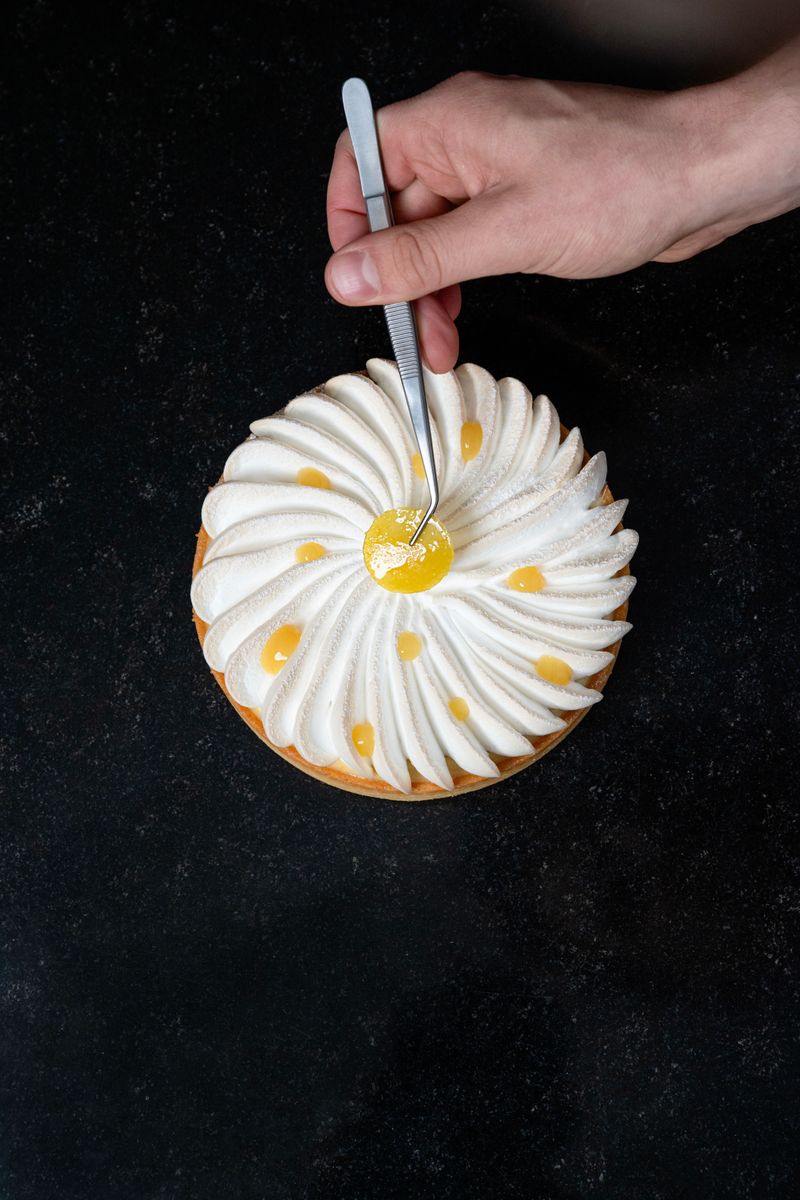
Paris invites lingering at the table, where bistros set rhythm with chalkboard menus and clinking glasses. Bakers craft baguettes with crackling crusts, and patisseries layer butter, sugar, and technique into irresistible treats. Markets spill over with cheeses, oysters, and herbs, mapping terroir to neighborhoods.
Meals read like rituals: apéritif, entrée, fromage, dessert, and coffee to close the circle. Conversations stretch, and time softens. Michelin temples and corner cafes share a dedication to product and craft that defines the city’s reputation.
History flavors each bite, from classic sauces to natural wine bars redefining tradition. The Seine’s bridges become pathways between tastes and stories. Galleries, bookstores, and bakeries blur lines between culture and cuisine.
In Paris, flavor is also philosophy, where technique amplifies character and comfort.
Istanbul, Türkiye — East Meets West on Your Plate
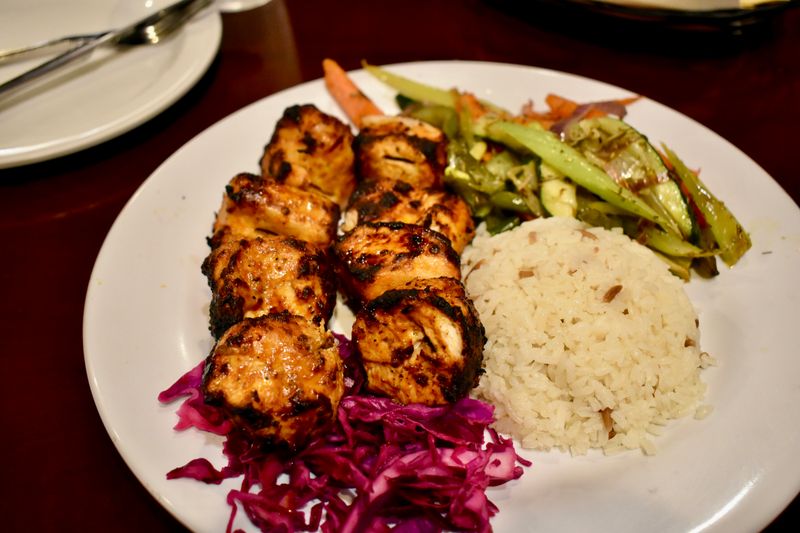
Istanbul’s plates mirror its straits, linking continents through spice and story. Simit sellers ring bells by the Bosphorus, and fish sandwiches drip lemon under circling gulls. In the Spice Bazaar, saffron and sumac perfume the aisles, recalling caravans and maritime trade.
Ottoman kitchens left a legacy of stews, pilafs, and stuffed vegetables served in gleaming copper. Tea glasses tint conversations amber, while baklava shards sweeten long afternoons. Neighborhood meyhanes gather friends over meze that travel across regions and generations.
Food ferries history from palace to pier and back again. Streets layer Greek, Armenian, Kurdish, and Anatolian influences into daily routines. Between calls to prayer and ferry horns, meals become a way to navigate time and place.
Istanbul’s crossroads are edible, and every snack is a small passage.
Jerez de la Frontera, Spain — Sherry, Flamenco & Local Fare
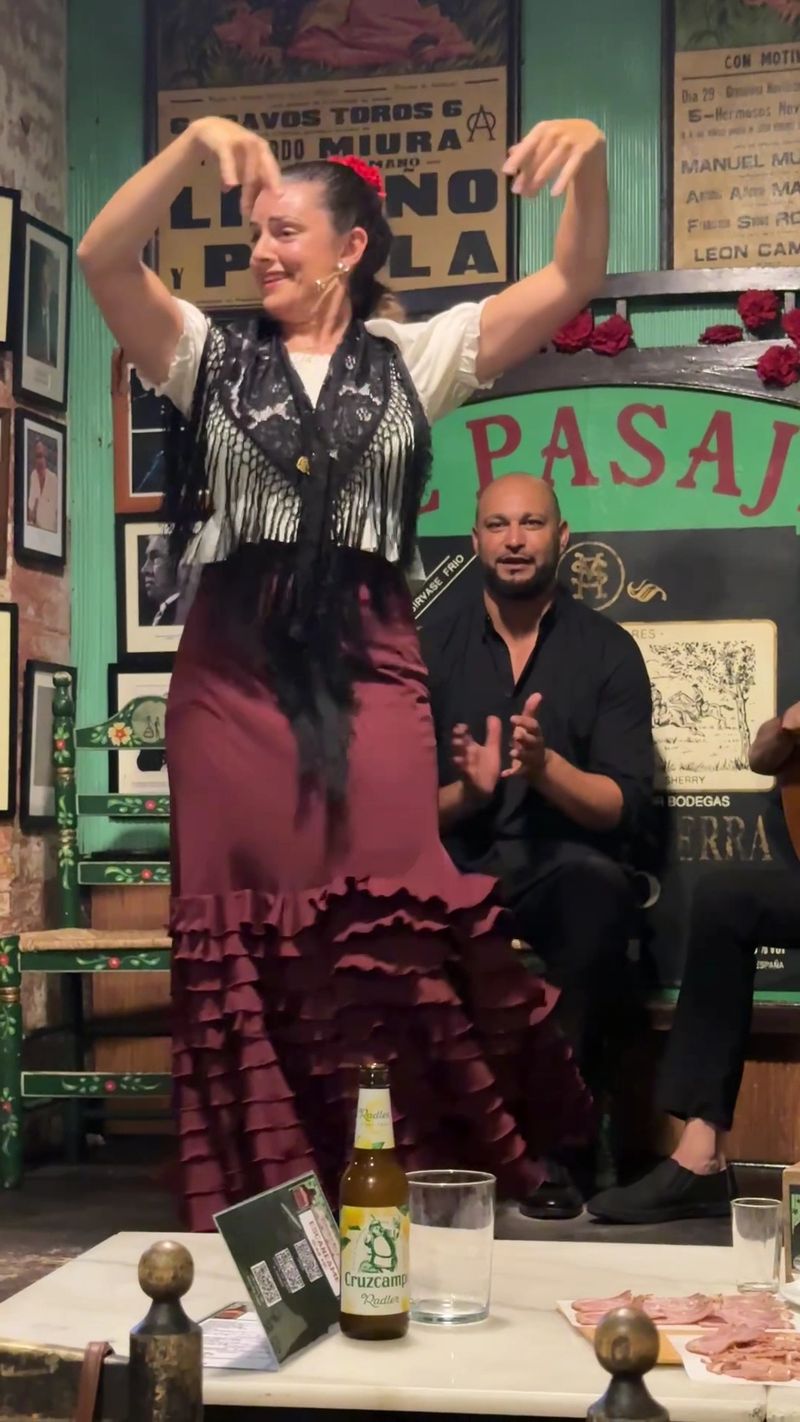
Jerez twines music, horses, and wine into a generous table. Bodegas cradle aging sherry under flor, while venenciadores pour from height with balletic precision. Tapas pair naturally: salty olives with fino, seafood with manzanilla, hearty stews beside oloroso’s depth.
Neighborhood peñas ignite with flamenco, where footwork and palmas spark like grill coals. Plates pass between friends, connecting rehearsal rooms, plazas, and festivals. Markets sell tuna from the nearby coast and vegetables from sunny huertas, grounding meals in Andalusian terroir.
Named Spain’s Capital of Gastronomy for 2026, the city showcases artisanship in cellars and kitchens alike. Tours reveal barrel rooms, chalk marks, and patient craft. Between performances and tastings, cobbled streets guide wanderers to family bars.
Jerez serves culture in sips and bites, rhythmic and resonant.
New Orleans, USA — Creole Cuisine and Cultural Fusion
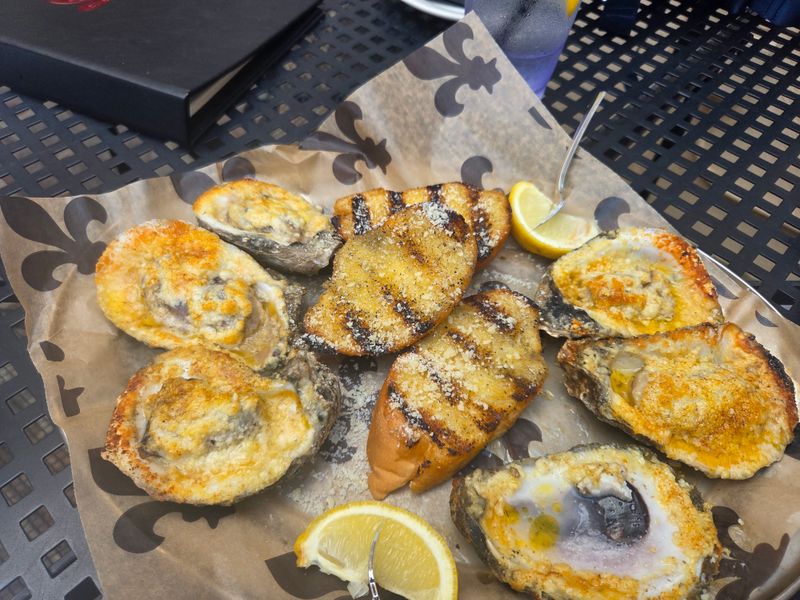
New Orleans plates history with swing, where gumbo stirs African, French, and Spanish roots. Beignets snow sugar over café chatter, and po’boys crunch with pickles and hot sauce. Jambalaya tells stories of migration and resourcefulness, simmered into comfort for festivals and Sunday tables.
Music spills into dining rooms, blending brass with spice. Neighborhood joints keep traditions alive, from boudin to turtle soup, while new chefs reinterpret classics. Markets and second lines pull communities together, turning meals into celebrations of place.
Every corner feels like a kitchen where culture meets improvisation. Seafood hauls from the Gulf shape menus, and seasonal crawfish boils mark the calendar. History walks through alleys, past courtyards and oyster bars.
New Orleans tastes like resilience, generosity, and joy served hot.
Barcelona, Spain — Markets and Mediterranean Plates
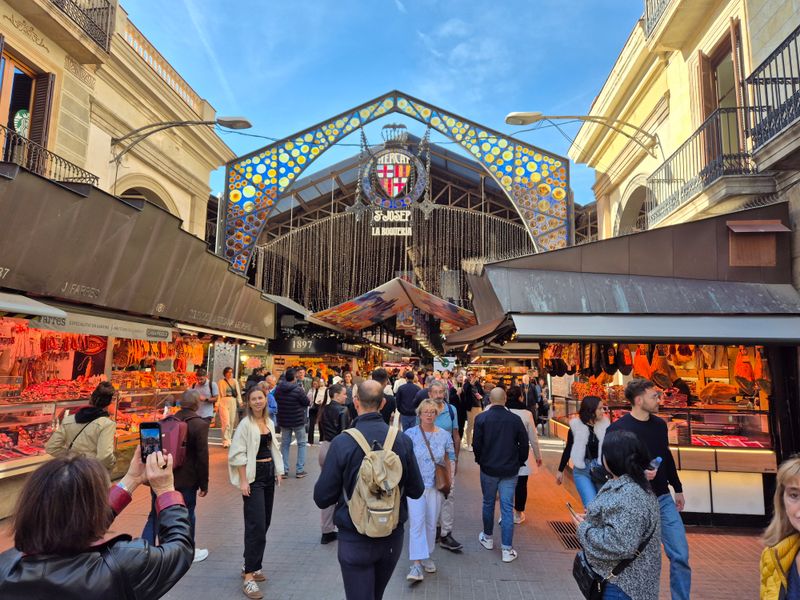
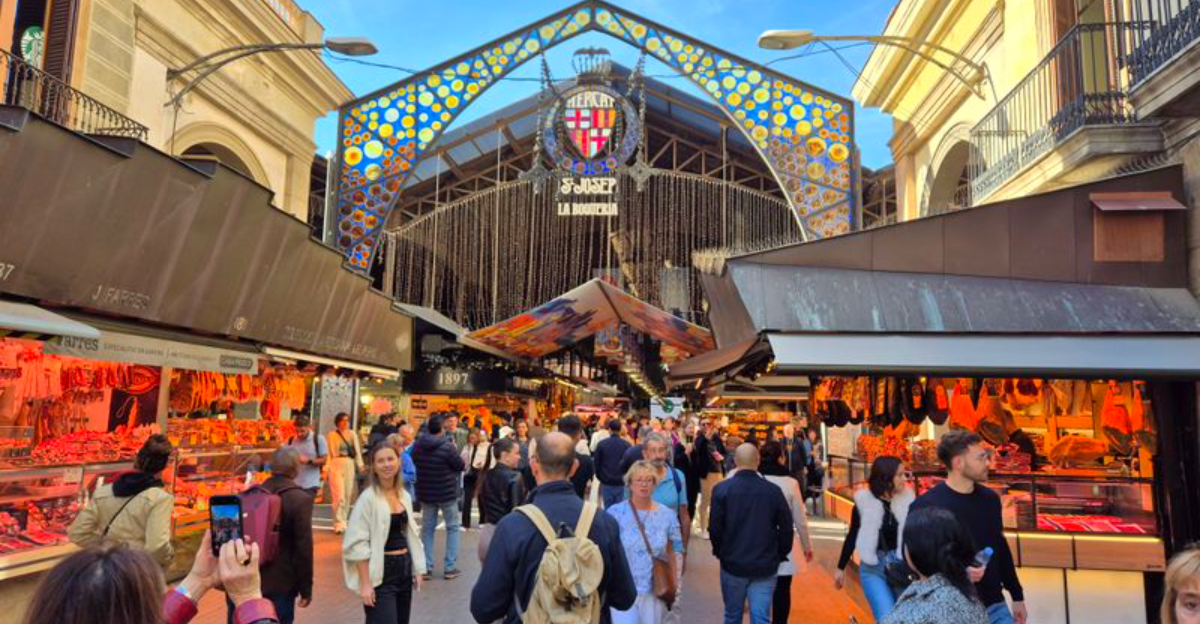
Barcelona balances art and appetite, where markets feel like theaters of abundance. La Boqueria displays gleaming fish, jamón carved to order, and pyramids of fruit. Tapas bars hum with vermouth, anchovies, and bombas that invite lingering conversation.
Mediterranean rhythms guide meals, favoring olive oil, seasonal vegetables, and seafood kissed by charcoal. Neighborhood markets anchor daily life, connecting chefs and home cooks to trusted vendors. The city’s modernist lines frame terraces where plates meet sunlight.
Catalan traditions hold tight even as kitchens experiment. Calçotadas mark seasons with charred onions and romesco, while seaside rice dishes carry weekend rituals. Galleries, beaches, and bodegas knit a culture that eats with style and sincerity.
Barcelona turns simple ingredients into memorable stories.
Penang’s UNESCO Gastronomy Neighbors — Southeast Asian Staples
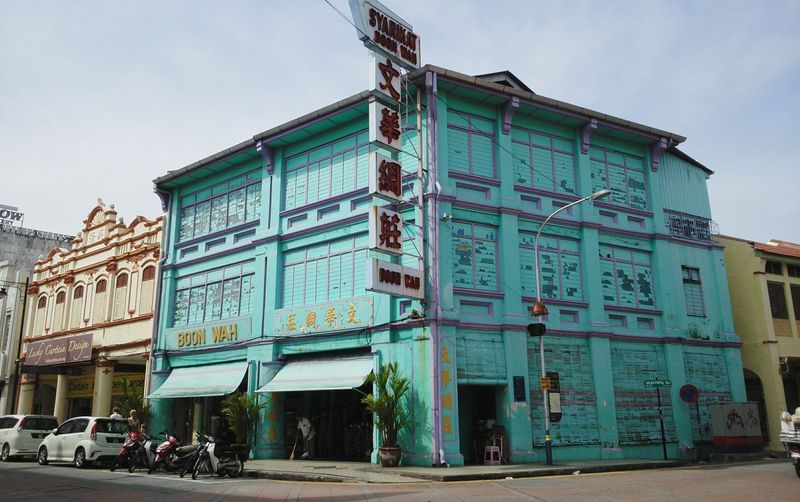
Across Southeast Asia, everyday eating links temples, festivals, and markets into one shared language. Noodle stalls steam beside shrines, satay smoke rises near lanterns, and rice connects islands and peninsulas. Cities neighboring Penang mirror this rhythm, where migration and trade seasoned local classics.
Heritage dishes record history more clearly than plaques sometimes can. Laksa variations, grilled fish with sambal, and fragrant curries map coastlines and inland farms. Hawker courts become classrooms where elders teach through ladles and stories.
Food tours often cross cultural districts in a few blocks, showing how communities overlap without losing identity. Vendors practice micro economies built on trust and repetition. From morning markets to night bazaars, the region’s pantry stays generous and affordable.
The result is a living museum of taste, curated by cooks who serve with speed, memory, and pride.
Yerevan, Armenia — Wine Culture and Street Food Festivals
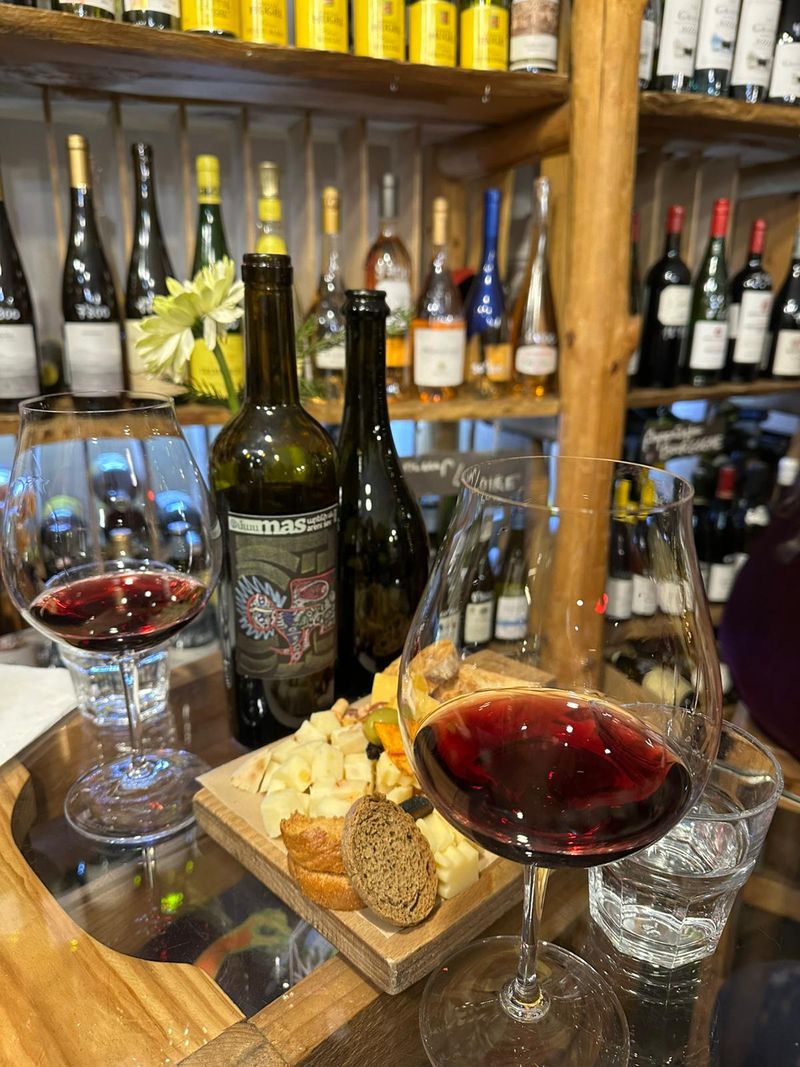
Yerevan fills public squares with music, clinking glasses, and khorovats smoke. During Yerevan Wine Days, vintners pour indigenous grapes like Areni while chefs serve lavash, cheeses, and herb packed spreads. Folk performances turn tastings into a celebration of language, dance, and history.
Markets sell dried fruits, nuts, and spices that tie mountain valleys to city tables. Street food festivals invite families to sample soups, dolma, and sweets, weaving memory into each bite. Soviet era boulevards and pink tufa buildings frame a scene that feels both modern and rooted.
Armenian hospitality shows in toasts and generous platters. Winemakers share techniques that span ancient amphora and contemporary barrels. Cafes open to the sidewalk, where conversation flows as easily as wine.
Yerevan’s culinary gatherings make culture visible, audible, and delicious in one evening stroll.
Iloilo City, Philippines — UNESCO Creative City of Gastronomy
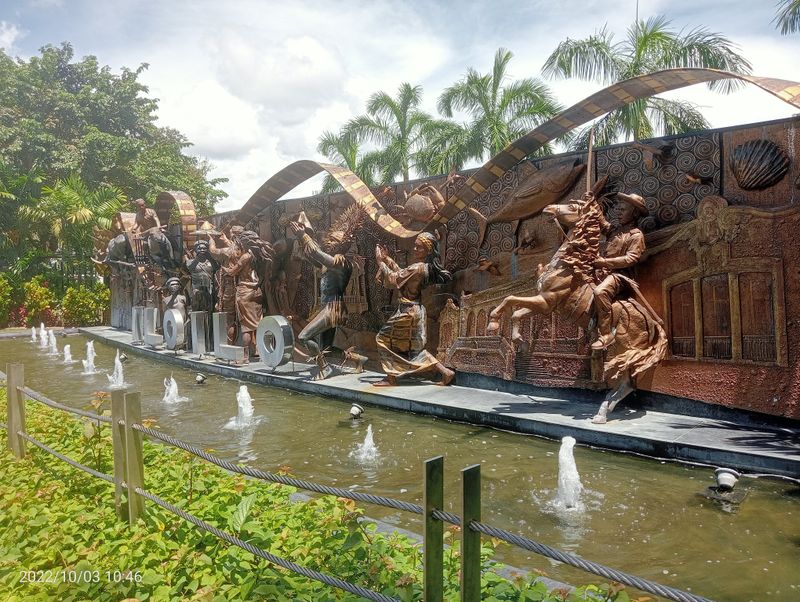
Iloilo City celebrates a pantry shaped by trade winds and festive spirit. La Paz batchoy arrives rich with pork, noodles, and cracklings, warming mornings at bustling markets. Pancit Molo folds delicate dumplings into broth, while kansi bridges sour and savory with tamarind and marrow.
Spanish era architecture lines routes between eateries, telling stories of galleon trade and local ingenuity. Recognition as a UNESCO Creative City of Gastronomy spotlights artisans, farmers, and cooks who keep traditions lively. Weekend food fairs showcase heirloom rice, native sweets, and coastal catch.
Community gatherings turn dishes into shared heritage, from town fiestas to family tables. Contemporary chefs add polish without losing neighborhood comfort. Walks reveal murals, riverside breezes, and bakeries perfuming the air with fresh pan de sal.
Iloilo’s cuisine feels welcoming, layered, and proudly its own.



