 Unearth The Voyage
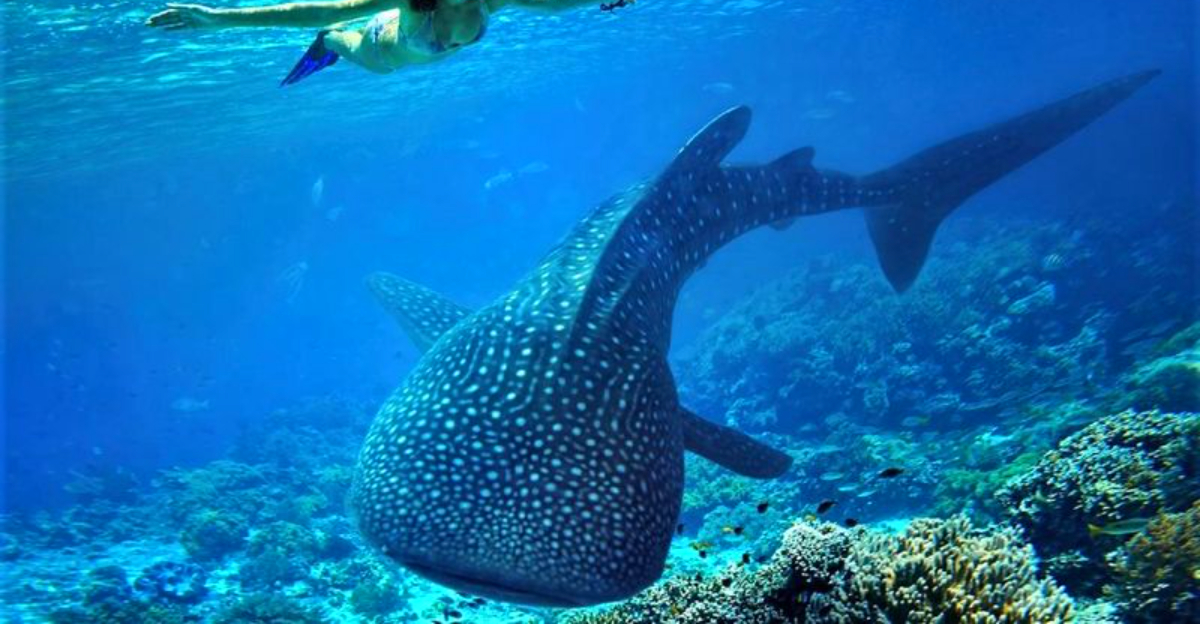
The ocean covers more than 70% of our planet, and beneath its surface lies a world so breathtaking it almost feels like science fiction. From rainbow-colored coral reefs to mysterious deep-sea creatures, marine life is endlessly fascinating and worth protecting.
Whether you are a seasoned diver or someone who just loves snorkeling on vacation, the right destination can completely change how you see the underwater world. These 15 spots around the globe are the ultimate bucket-list locations for anyone who loves the sea.
Great Barrier Reef — Australia
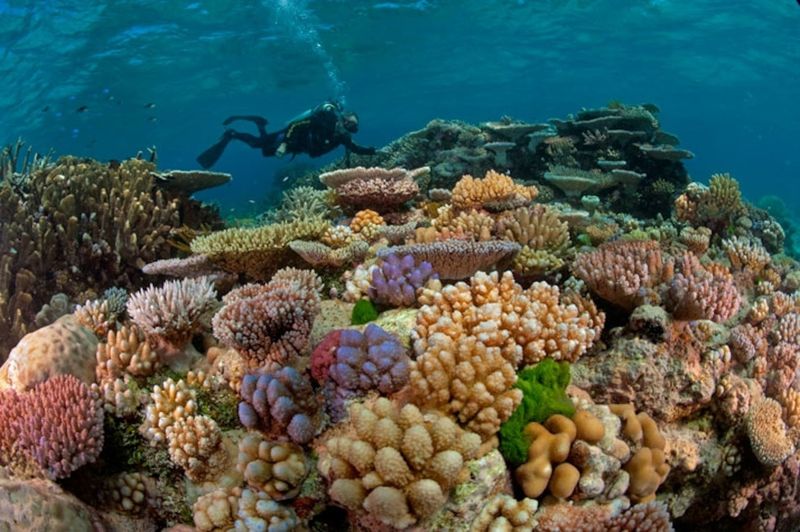
Stretching over 2,300 kilometers along Australia’s northeastern coast, the Great Barrier Reef is so massive it can actually be seen from space. That alone should tell you just how extraordinary this place is.
It is the largest coral reef system on Earth and a UNESCO World Heritage Site.
Home to more than 1,500 species of fish, 4,000 types of mollusk, and hundreds of coral varieties, the reef is basically a living, breathing underwater city. Sea turtles glide through coral gardens while reef sharks patrol the deeper zones.
Manta rays cruise the open water with effortless grace.
Boat tours from towns like Cairns and Port Douglas make accessing the reef surprisingly easy. Most operators offer both snorkeling and scuba options, so beginners and experienced divers are equally welcome.
The best time to visit is between June and October, when water visibility peaks and the weather stays comfortable. Conservation efforts are ongoing, so visiting responsibly matters here.
Choosing eco-certified tour operators helps protect this irreplaceable ecosystem for future generations.
Raja Ampat — Indonesia
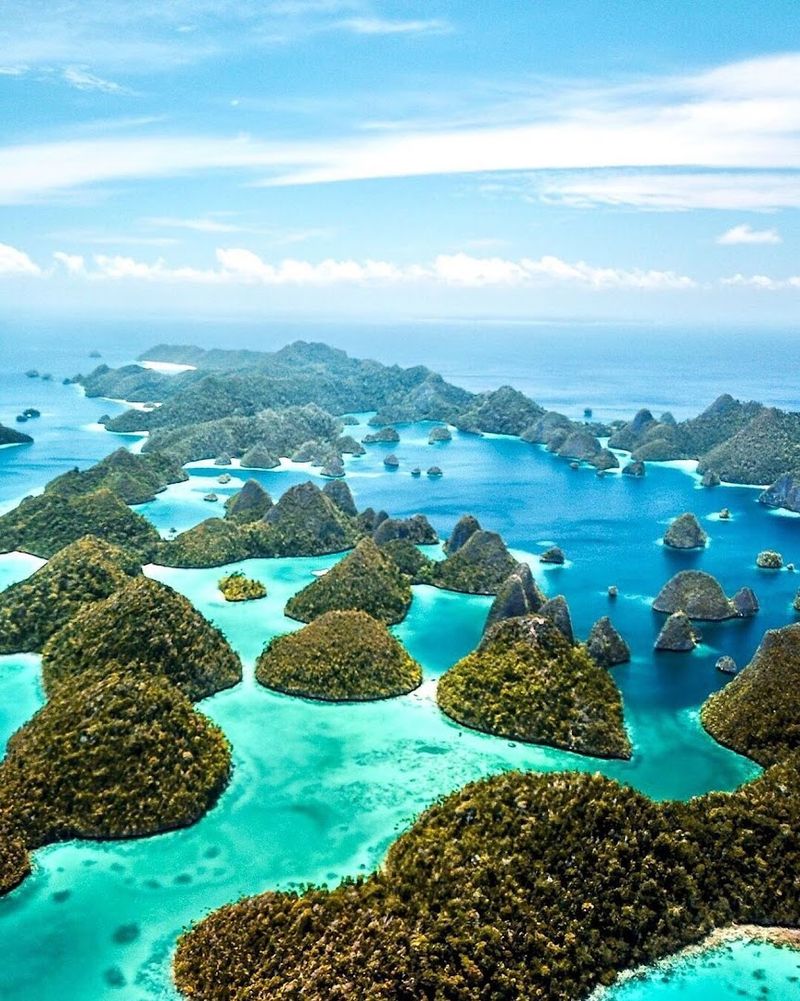
Scientists once counted more than 75% of all known coral species in a single survey of Raja Ampat’s waters. That number is almost impossible to wrap your head around.
Nestled inside the Coral Triangle in eastern Indonesia, this remote archipelago of over 1,500 islands is widely considered the most biodiverse marine environment on the entire planet.
Manta rays are a common sight here, especially around cleaning stations where they hover motionless while small fish remove parasites. Reef sharks cruise along the walls of underwater cliffs, and schools of fish so thick they block the sunlight are perfectly normal.
Pygmy seahorses cling to sea fans in waters so clear you can see every tiny detail.
Getting to Raja Ampat requires some effort — usually a flight to Sorong followed by a ferry — but serious divers and snorkelers agree the journey is absolutely worth it. Liveaboard dive trips are the most popular way to explore multiple sites.
The best months to visit fall between October and April. Local communities actively protect these waters, so tourism dollars directly support conservation and village livelihoods.
Galápagos Islands — Ecuador
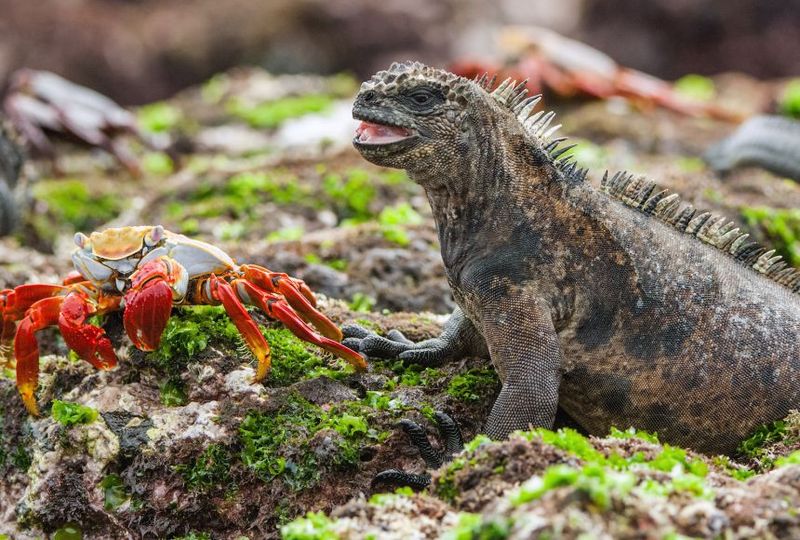
Nowhere else on Earth can you snorkel alongside a marine iguana — a prehistoric-looking creature that dives underwater to graze on algae. The Galápagos Islands sit roughly 1,000 kilometers off the coast of Ecuador, and their isolation has created wildlife found absolutely nowhere else on the planet.
Charles Darwin visited in 1835, and the islands have been blowing people’s minds ever since.
Below the surface, the marine world is just as wild as the land. Hammerhead sharks patrol deeper waters in large schools, while playful sea lions dart around snorkelers like they are playing a game of tag.
Massive schools of tropical fish shimmer in every direction, and green sea turtles are spotted almost daily.
Strict conservation rules limit visitor numbers and require all tourists to be accompanied by certified naturalist guides. This keeps the ecosystem healthy and the wildlife surprisingly unafraid of humans.
The best underwater experiences are found at sites like Kicker Rock, Gordon Rocks, and Wolf Island. Water temperatures vary depending on ocean currents, so bringing a wetsuit is highly recommended.
Visiting between January and May offers warmer water and calmer seas for snorkeling.
Belize Barrier Reef — Belize
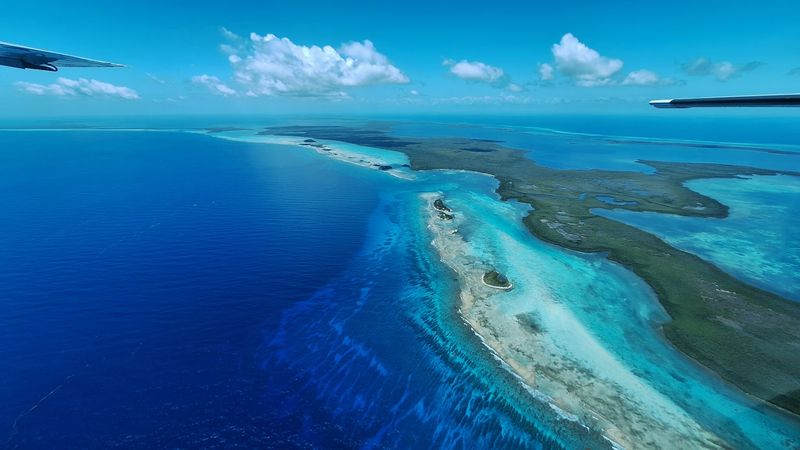
Jacques Cousteau once called the Great Blue Hole one of the top five scuba diving sites in the world, and it sits right here in Belize. This giant underwater sinkhole, measuring around 300 meters wide and 125 meters deep, is the crown jewel of the Belize Barrier Reef — the second-largest reef system on Earth.
The sight of it from above, a perfect circle of deep blue surrounded by turquoise shallows, is genuinely jaw-dropping.
Beyond the Blue Hole, the reef offers an incredible variety of underwater experiences. Nurse sharks rest lazily on sandy patches while eagle rays cruise overhead.
Sea turtles are spotted regularly, and the coral formations here are colorful and remarkably healthy compared to many other Caribbean reefs.
Ambergris Caye and Caye Caulker are the most popular bases for reef trips, both offering affordable dive shops and a relaxed island atmosphere. The reef was designated a UNESCO World Heritage Site in 1996, and local conservation groups work hard to maintain its health.
Visibility in these waters often exceeds 30 meters, which makes every snorkel or dive feel cinematic. Visit between March and June for the calmest sea conditions and clearest water.
Maldives Atolls — Maldives
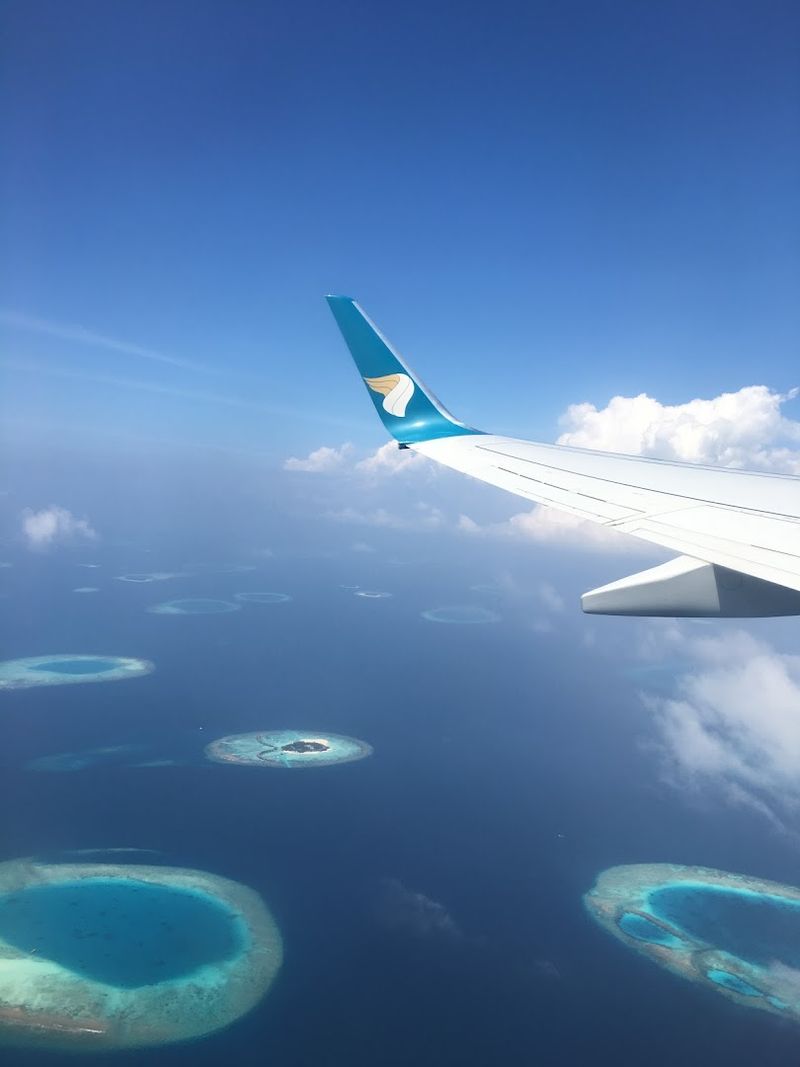
Picture waking up in an overwater bungalow, stepping off your deck, and swimming directly above a coral reef teeming with fish. That is not a fantasy — that is a Tuesday morning in the Maldives.
This island nation in the Indian Ocean consists of 26 atolls and over 1,000 coral islands, and the marine life surrounding them is nothing short of spectacular.
Whale sharks, the largest fish in the sea, visit Maldivian waters regularly, particularly around South Ari Atoll. Manta rays gather at cleaning stations where patient snorkelers can watch them circle gracefully just a few meters away.
Reef fish in every color imaginable dart through shallow coral gardens, making even beginner snorkeling sessions feel extraordinary.
One of the best things about the Maldives is how accessible the marine life is. You do not need to travel far from shore or book an expensive dive trip to see something amazing.
Many resort house reefs sit just steps from the beach, offering incredible underwater experiences for all skill levels. The dry season, running from November through April, brings the calmest weather and best visibility.
Night snorkeling here is also a surprisingly popular activity, revealing bioluminescent plankton and nocturnal reef creatures.
Red Sea — Egypt
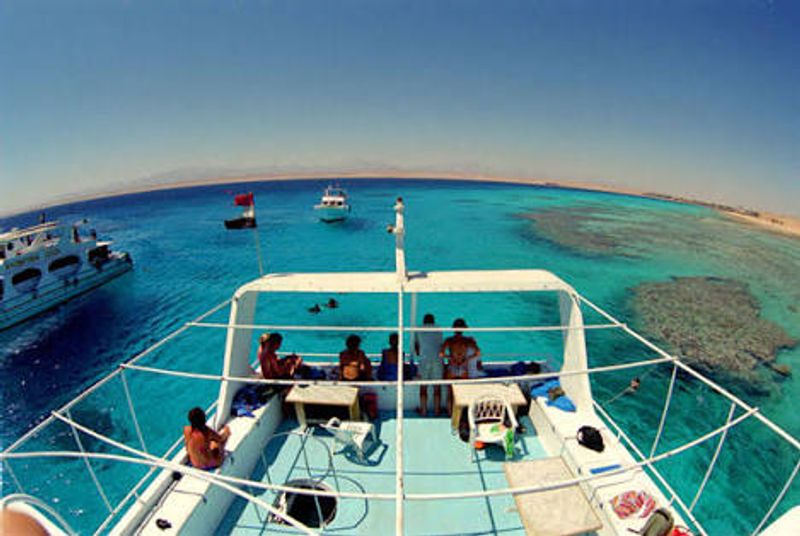
The Red Sea has been wowing divers for decades, and honestly, it shows no signs of slowing down. With water visibility that can exceed 40 meters on a good day, it is one of the clearest diving environments on the planet.
Located between Africa and the Arabian Peninsula, the Red Sea supports over 1,200 species of fish, roughly 10% of which are found nowhere else in the world.
Coral walls drop dramatically into deep blue water, creating a sense of scale that is hard to describe. Dolphins ride the bow waves of dive boats, sea turtles munch on seagrass beds, and reef sharks patrol the outer edges of the reef with calm confidence.
Wrecks like the SS Thistlegorm add a historical edge to the diving experience.
Sharm el-Sheikh and Hurghada are the most established diving hubs, offering everything from beginner courses to advanced technical diving. Dahab, a laid-back town on the Sinai Peninsula, is famous for the Blue Hole — a deep underwater sinkhole that draws experienced divers from across the globe.
The Red Sea stays warm year-round, making it a popular winter escape for European divers. Water temperatures rarely drop below 22 degrees Celsius even in the coldest months.
Ningaloo Reef — Australia
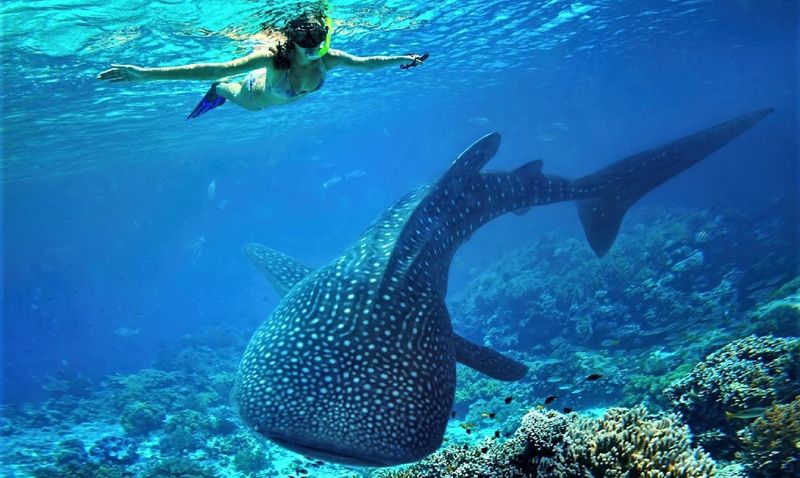
Most coral reefs require a boat trip to reach, but Ningaloo Reef in Western Australia starts just a few meters from the beach. That alone makes it one of the most accessible reef systems in the world.
Stretching over 260 kilometers along the coast near Exmouth and Coral Bay, Ningaloo is a World Heritage Site that punches well above its weight in terms of marine spectacle.
Between March and July, whale sharks — the gentle giants of the ocean — gather here to feed on coral spawn. Snorkeling alongside one of these enormous creatures, which can reach 12 meters in length, is a completely unforgettable experience.
Manta rays are also regular visitors, and humpback whales pass through on their annual migration between June and October.
Sea turtles nest along the beaches at night, and the coral gardens in shallow water are vibrant and healthy. Because the reef sits so close to shore, even casual snorkelers can access impressive marine life without any specialized equipment or boat tours.
The area around Coral Bay is particularly popular for families. Accommodation ranges from campsites to comfortable eco-lodges, and the overall vibe is relaxed and unhurried.
Ningaloo feels like a secret that the world has only just started discovering.
Palau — Micronesia
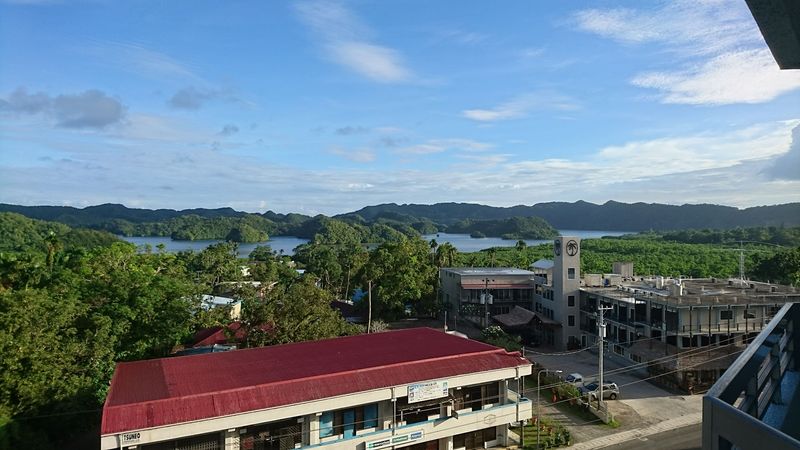
Palau declared itself the world’s first shark sanctuary back in 2009, banning all commercial shark fishing across its waters. That bold decision has paid off in spectacular fashion.
Today, Palau’s reefs are among the healthiest and most densely populated with large marine animals anywhere in the Pacific Ocean.
The Rock Islands — a cluster of mushroom-shaped limestone islets — are surrounded by lagoons and reef systems that feel completely otherworldly. Divers at sites like Blue Corner and German Channel regularly encounter reef sharks, manta rays, and enormous schools of barracuda and jacks.
Jellyfish Lake, a landlocked marine lake on one of the islands, contains millions of harmless jellyfish that visitors can swim through in a truly surreal experience.
Palau is a bit off the beaten path, requiring a connection through Guam or Manila for most travelers, but the underwater rewards are extraordinary. The protected marine reserve covers a huge portion of Palau’s waters, which means the reef ecosystems here are remarkably intact.
Liveaboard dive trips allow access to the most remote and spectacular sites. The best diving conditions run from November through April.
Palau is the kind of place that turns casual snorkelers into lifelong ocean enthusiasts almost instantly.
Fiji — South Pacific
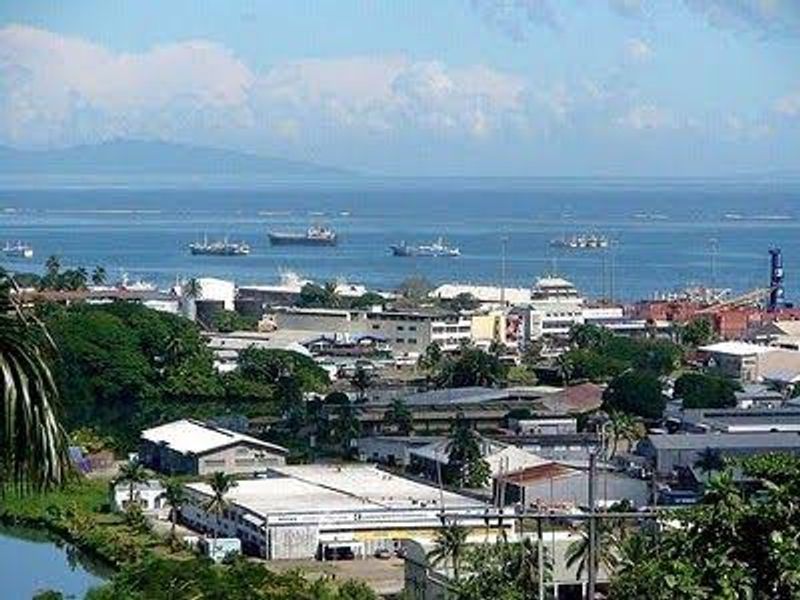
Fiji has earned its nickname as the soft coral capital of the world, and one look underwater explains exactly why. The reefs here erupt in extraordinary shades of pink, purple, orange, and red — colors so vivid they look almost artificial.
Soft corals, unlike their hard counterparts, sway gently with the current, giving Fijian dive sites an almost dreamlike quality.
Beqa Lagoon is one of the most famous dive sites in the South Pacific, known for its bull shark feeding dives where large sharks cruise just meters from divers in a controlled and thrilling encounter. Beyond the sharks, the lagoon hosts groupers, trevally, and reef fish in enormous numbers.
The outer reefs drop into deep, open water where pelagic species like tuna and barracuda are commonly spotted.
Fiji’s 300-plus islands mean there is no shortage of dive sites to explore. The Somosomo Strait near Taveuni Island, often called the Rainbow Reef, is another highlight with some of the most colorful underwater scenery anywhere in the Pacific.
Most resorts cater specifically to divers, with on-site dive shops and guided trips departing daily. Visibility here regularly exceeds 30 meters.
Fiji is also one of the more affordable dive destinations in the Pacific region, making it excellent value.
Hawaii — United States
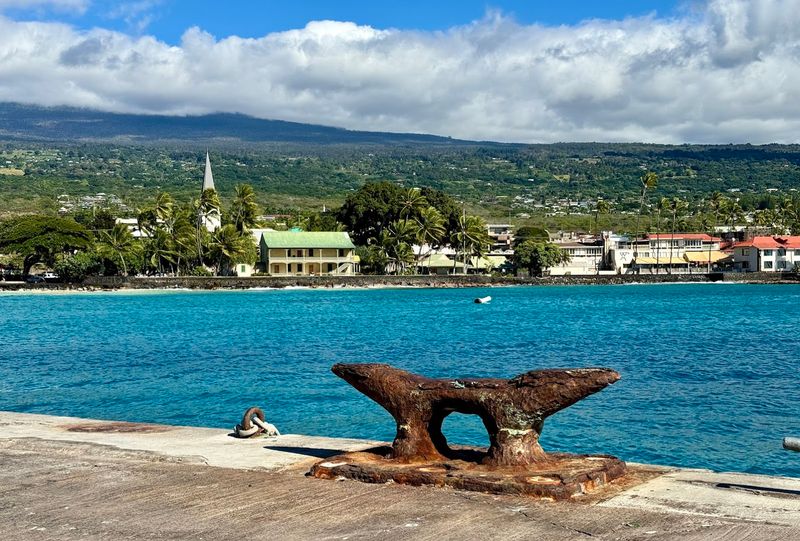
Hawaii sits smack in the middle of the Pacific Ocean, making it one of the most isolated island chains on Earth — and that isolation has created some seriously unique marine life. Roughly 25% of the fish species found in Hawaiian waters exist nowhere else on the planet.
The underwater landscape here is unlike anywhere else, shaped by volcanic activity that created dramatic lava formations, arches, and tubes on the seafloor.
Green sea turtles, known locally as honu, are almost guaranteed sightings at popular snorkeling spots like Turtle Town near Maui and Puako on the Big Island. Spinner dolphins often greet boats in the early morning, leaping and spinning in the bow wake with theatrical enthusiasm.
Monk seals, one of the most endangered marine mammals in the world, are occasionally spotted resting on beaches.
Molokini Crater, a partially submerged volcanic caldera off Maui’s coast, is one of Hawaii’s most celebrated snorkeling and diving sites. Its crescent shape creates a natural protected lagoon with exceptional clarity and a fascinating variety of reef fish.
The Big Island offers manta ray night snorkeling — an experience where giant mantas feed on plankton attracted by underwater lights. Hawaii truly delivers something extraordinary at every island.
Bonaire — Caribbean Netherlands
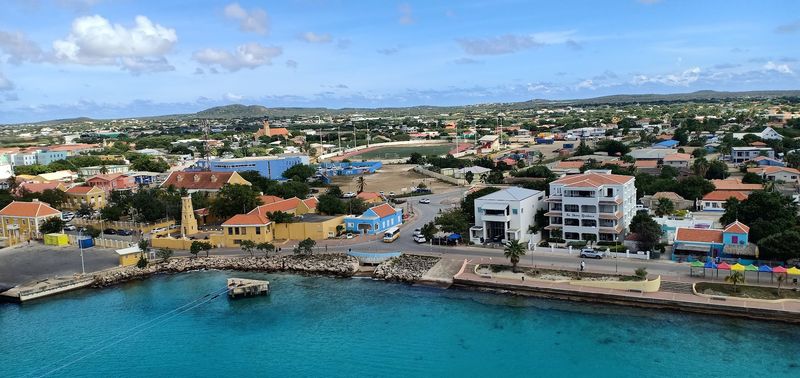
Bonaire has been protecting its reefs since 1979, making it one of the earliest marine protected areas in the entire Caribbean. That long-standing commitment to conservation shows.
The reefs here are strikingly healthy compared to many other Caribbean destinations, and the sheer number of accessible dive sites — over 80 — is almost unmatched anywhere in the world.
What makes Bonaire especially unique is shore diving. Most dive sites are marked by yellow stones along the road, and divers simply park, gear up, and walk straight into the water.
No boat required, no booking ahead, no waiting around. This kind of freedom is rare and beloved by visiting divers who want to explore at their own pace.
Seahorses, frogfish, and flying gurnards are among the quirky creatures hiding in Bonaire’s reefs alongside the more expected parade of parrotfish, angelfish, and sea turtles. The island also sits outside the hurricane belt, meaning the weather stays consistently pleasant year-round.
Klein Bonaire, a small uninhabited island just offshore, offers some of the most pristine diving on the island. Water temperatures hover around a comfortable 27 degrees Celsius throughout the year, and visibility regularly tops 30 meters.
Bonaire is a diver’s paradise wrapped in a relaxed island vibe.
Komodo National Park — Indonesia
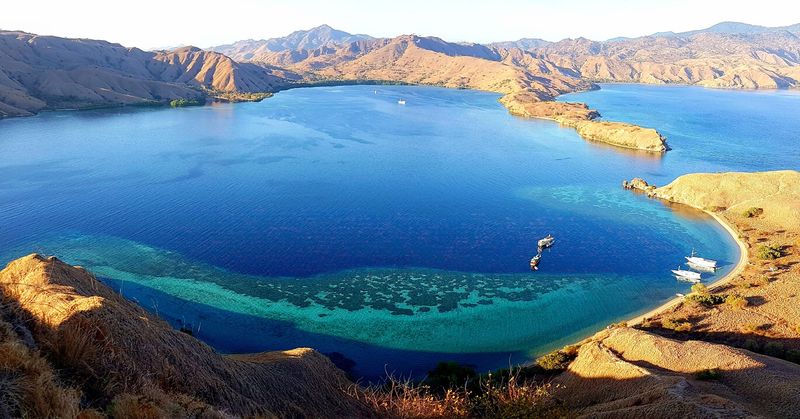
Yes, Komodo has dragons — but the underwater world surrounding those famous islands is just as wild and arguably more spectacular. The national park sits at the meeting point of two major ocean currents, and that collision of water masses pumps nutrients into the reef system constantly.
The result is an explosion of marine life that leaves most divers completely speechless.
Manta rays are the undisputed stars of Komodo’s waters. Manta Point is one of the best sites in the world to observe these enormous creatures up close, sometimes in groups of a dozen or more.
Reef sharks, wobbegongs, and giant trevally are common sightings, and the macro life — small, unusual creatures — is extraordinary for photographers.
The strong currents that feed the reef also make some dive sites challenging, so Komodo is generally better suited to intermediate and advanced divers rather than beginners. Liveaboard trips are the most popular way to explore the park, allowing access to multiple sites across several days.
The park is also home to mola mola, the bizarre and enormous ocean sunfish, which appears during certain seasons. Pink Beach, one of only a handful of pink sand beaches in the world, adds a surreal backdrop to the whole experience.
Komodo is truly a destination that delivers on every level.
Socorro Islands — Mexico
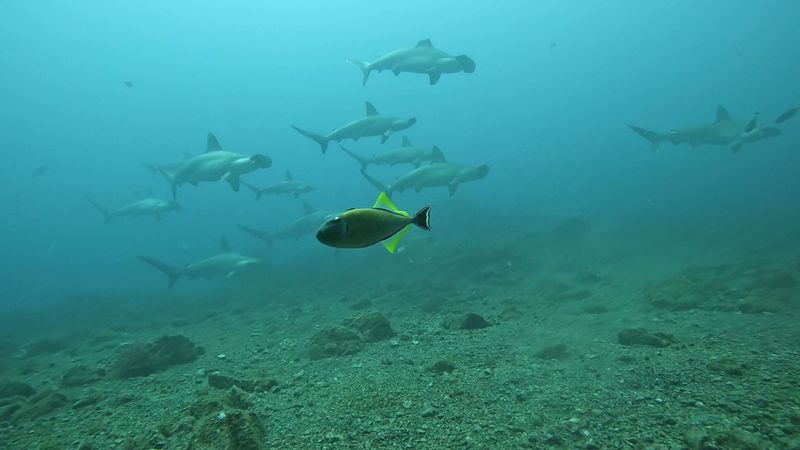
Socorro is the kind of place that shows up on a diver’s dream list and stays there for years. Located about 400 kilometers off the coast of Colima, Mexico, in the eastern Pacific, the Socorro Islands are so remote that they can only be reached by liveaboard vessels — a journey that takes roughly 18 to 24 hours from the port of Cabo San Lucas.
That effort screens out casual visitors and leaves the waters refreshingly uncrowded.
Giant oceanic manta rays are the main attraction, and they behave here in a way rarely seen elsewhere. They approach divers out of apparent curiosity, hovering just inches away and making extended eye contact in a way that feels deeply personal.
Bottlenose dolphins are equally interactive, often swimming alongside divers for extended periods.
Scalloped hammerhead sharks gather in large schools around the seamounts, while silvertip and Galapagos sharks patrol the deeper water with calm authority. Humpback whales pass through between January and May, and their haunting songs can sometimes be heard underwater without any equipment at all.
Whale sharks also make occasional appearances. Because the islands are a protected biosphere reserve, fishing is banned and the wildlife populations remain robust.
Socorro is raw, remote, and utterly magnificent.
Lembeh Strait — Indonesia
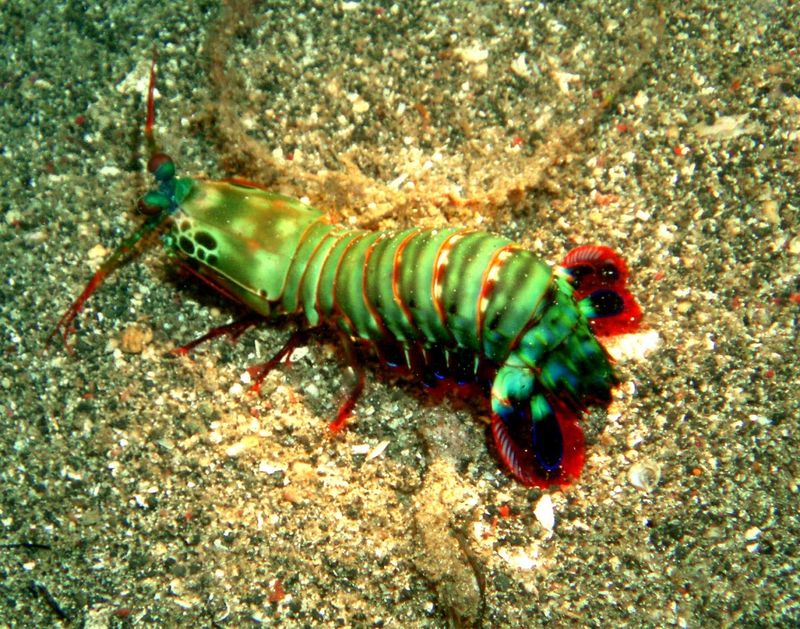
Forget the coral gardens and the big open-water creatures for a moment — Lembeh Strait is playing a completely different game. Tucked between the island of Sulawesi and the smaller island of Lembeh in North Sulawesi, this narrow stretch of water is the undisputed capital of muck diving, a style of diving focused on finding bizarre and rare creatures hiding in sandy or silty seabeds.
Flamboyant cuttlefish pulse with neon colors as they walk — yes, walk — across the seafloor on their arms. Mimic octopuses impersonate lionfish and flatfish to avoid predators.
Hairy frogfish sit completely motionless, disguised as lumps of algae, waiting for prey to wander too close. Pygmy seahorses, smaller than a fingernail, cling to sea fans in a game of hide-and-seek that requires serious eyesight to win.
Underwater photographers travel from every corner of the world specifically to shoot Lembeh’s macro life. Local dive guides are exceptionally skilled at spotting creatures that most divers would walk right past.
The strait is diveable year-round, though October through December brings the calmest conditions. Dive resorts line the shore and cater almost exclusively to serious divers.
Lembeh will permanently rewire the way you think about what is hiding in the ocean.
The Bahamas — Caribbean
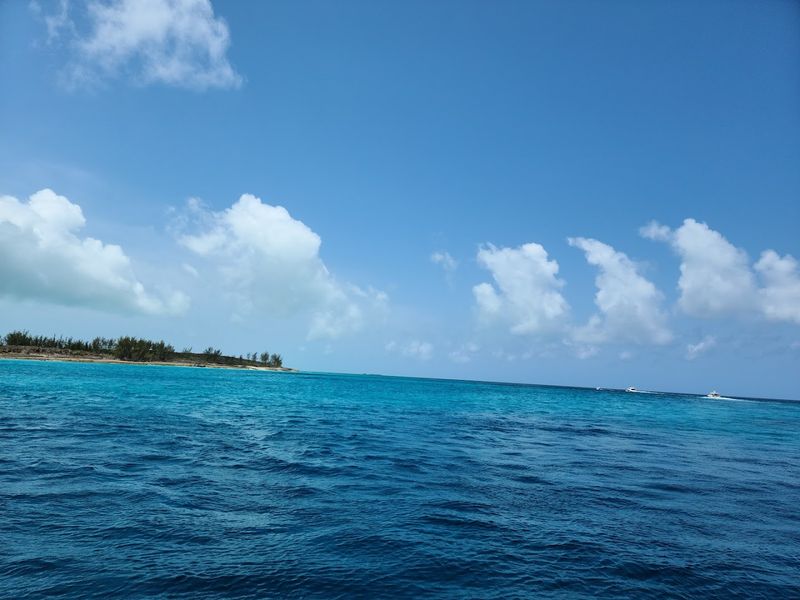
The Bahamas sits on top of some of the most transparent water on the planet, and that clarity turns every snorkeling and diving trip into something visually stunning. The archipelago of over 700 islands spreads across a shallow limestone platform that filters the water to an almost unreal shade of turquoise.
Visibility in some spots stretches beyond 50 meters — the kind of clarity that makes underwater photography effortless.
Tiger Beach off Grand Bahama Island is world-famous for tiger shark encounters. Unlike most shark dives, the sharks here are large, abundant, and reliably present, making it a bucket-list experience for underwater photographers and thrill-seekers alike.
Reef sharks, lemon sharks, and nurse sharks share the same sandy shallows, creating one of the most shark-dense environments in the Atlantic.
Dean’s Blue Hole on Long Island is the world’s second-deepest known underwater sinkhole, plunging 202 meters into the earth and drawing freedivers from around the globe for annual competitions. Beyond sharks and blue holes, the Bahamas offers swim-with-dolphins experiences, vibrant coral gardens, and shallow lagoons perfect for families with kids.
Nassau and the Exumas are the most popular bases for marine adventures. The Bahamas somehow manages to be both wildly exciting and completely relaxed at the same time.



