Scandinavia is one of those rare corners of the world where jaw-dropping nature meets rich history and modern cool. From Norway’s towering fjords to Iceland’s volcanic landscapes and Denmark’s candy-colored waterfronts, there is something here for every kind of traveler.
Whether you dream of chasing the northern lights, exploring Viking ruins, or cycling through island villages, Northern Europe delivers in a big way. Pack your bags and get ready to explore 15 of the most breathtaking destinations the Nordic world has to offer.
Geirangerfjord, Norway
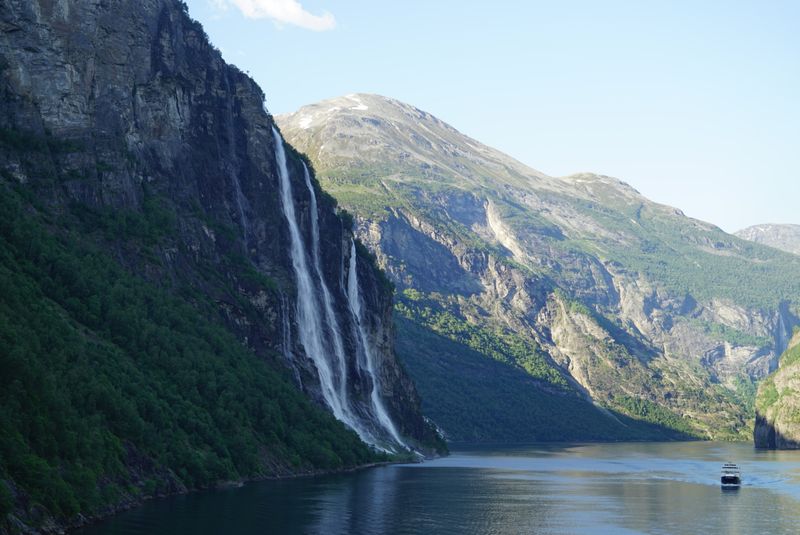
Mark Twain once described a Norwegian fjord as something that simply should not exist, and Geirangerfjord makes you understand exactly what he meant. This UNESCO World Heritage site stretches about 15 kilometers inland, flanked by cliffs that rise hundreds of meters on both sides.
The sheer scale of it makes you feel wonderfully small.
The waterfalls here have personalities all their own. The Seven Sisters cascade down one cliff face while the Suitor waterfall tumbles directly across from them, creating a scene that feels almost theatrical.
Cruising through on a boat gives you the best possible perspective of these dramatic surroundings.
The nearby village of Geiranger is charming and well set up for visitors, offering kayak rentals, guided hikes, and excellent local food. The viewpoints at Ornesvingen and Flydalsjuvet are both popular for good reason.
Arriving early in the morning helps you beat the crowds and catch the mist still hanging low over the water.
Bergen, Norway
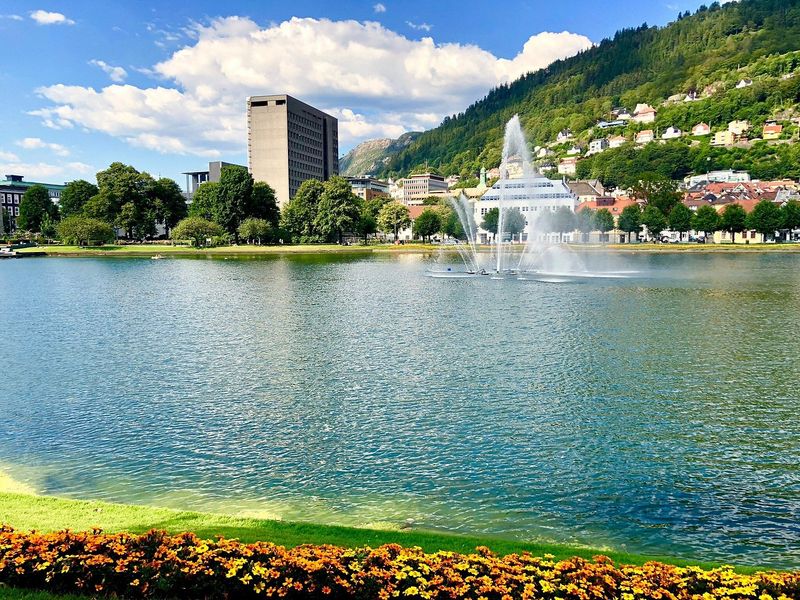
Bergen has a saying that it rains 300 days a year, and locals wear that reputation like a badge of honor. What they also know is that the city is spectacularly beautiful even under grey skies.
The colorful Bryggen waterfront, a UNESCO World Heritage site, lines the harbor with rows of medieval wooden buildings painted in reds, yellows, and oranges.
The Funicular railway up Mount Floyen takes just eight minutes and rewards you with panoramic views over the city and surrounding fjords. On a clear day, the scenery is genuinely stunning.
Even on a foggy one, the moody atmosphere has its own kind of charm.
Bergen is also the food capital of Norway’s west coast. The Fish Market near the harbor is the perfect spot to try fresh shrimp, salmon, and local seafood dishes.
The city serves as the natural gateway to the famous Norwegian fjords, with boat trips to Hardangerfjord and Sognefjord departing regularly. Bergen is compact, walkable, and endlessly rewarding to explore on foot.
Reykjavik, Iceland
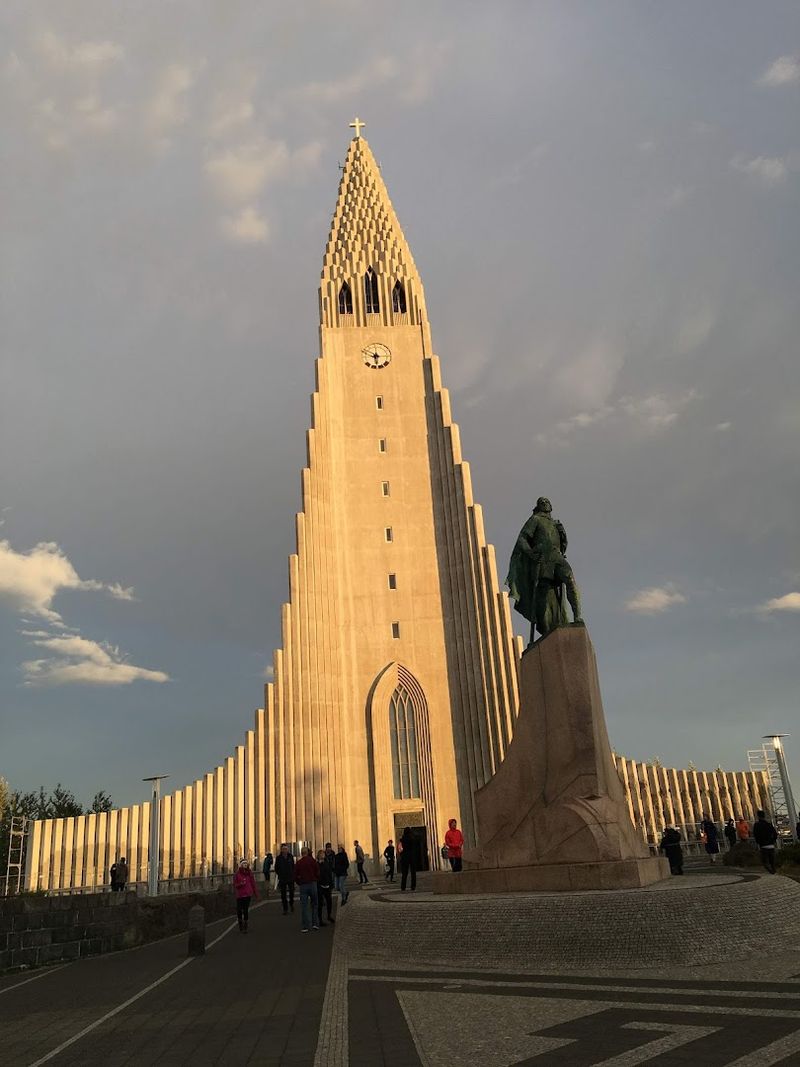
Reykjavik holds the title of the world’s northernmost capital city, and it wears that crown with serious style. Home to just under 130,000 people, it punches well above its weight in terms of culture, food, and nightlife.
The city also happens to sit right in the middle of one of the most geologically active places on the planet.
The Hallgrimskirkja church is impossible to miss, rising 74 meters above the city like a concrete rocket ship ready for launch. Inside, the views from the top are spectacular.
Just outside stands a statue of Leif Eriksson, the Viking explorer who reached North America long before Columbus.
From Reykjavik, you can reach glaciers, volcanoes, whale-watching boats, and geothermal pools within an hour or two. The Blue Lagoon is nearby, though the less-crowded Sky Lagoon closer to the city is worth considering too.
Reykjavik’s restaurant scene has exploded in recent years, offering everything from lamb hot dogs to world-class Nordic tasting menus. This city is the perfect base for exploring all of Iceland’s wild wonders.
Lofoten Islands, Norway
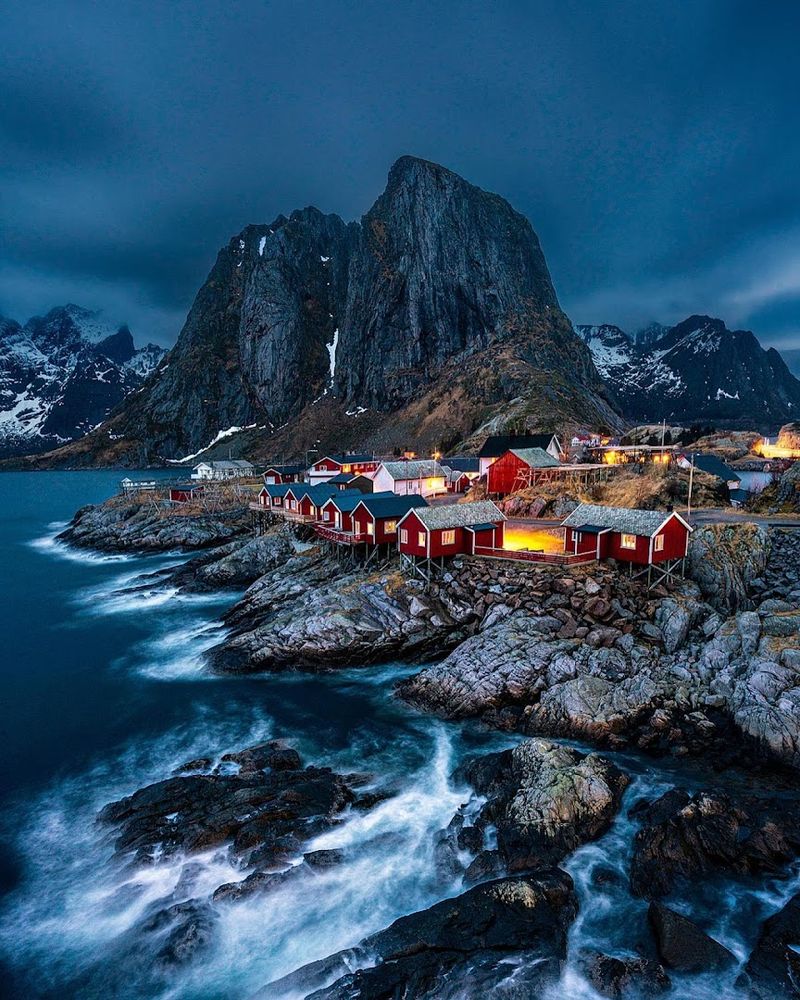
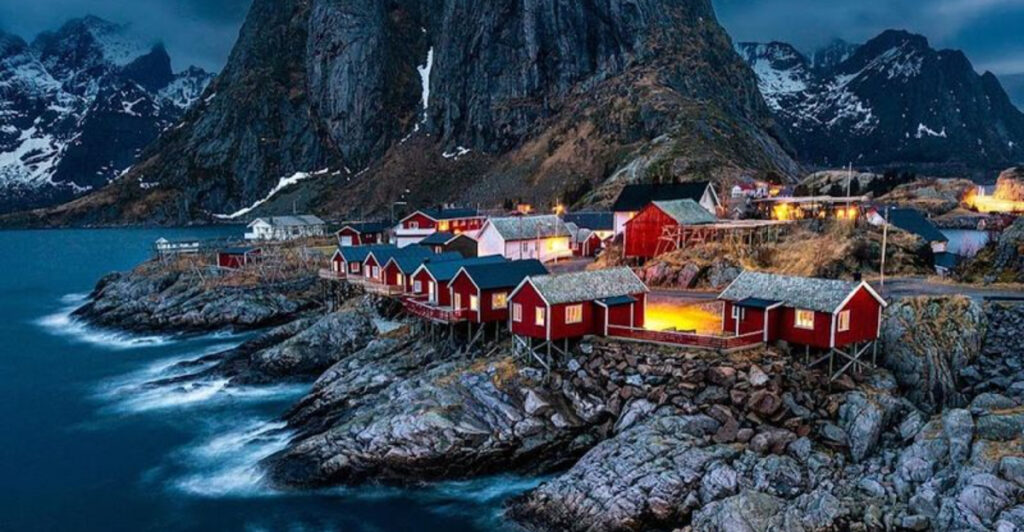
Nowhere else in Europe will you find red fishing cabins stacked against mountains that seem to explode straight out of the sea. The Lofoten Islands sit above the Arctic Circle, yet their climate is surprisingly mild thanks to the Gulf Stream.
Visitors are often completely caught off guard by how beautiful this place actually is.
The islands are famous for dried cod, called stockfish, which has been produced here for over a thousand years. Tiny villages like Reine and Henningsvaer look like they belong on a postcard rather than real life.
Hiking trails weave between the peaks, offering views that will make your camera work overtime.
Summer brings the magical midnight sun, when daylight stretches around the clock. Winter reveals spectacular northern lights dancing above the snowy peaks and glassy fjords.
Whether you visit in January or July, Lofoten will genuinely take your breath away at every single turn.
Iceland’s Golden Circle
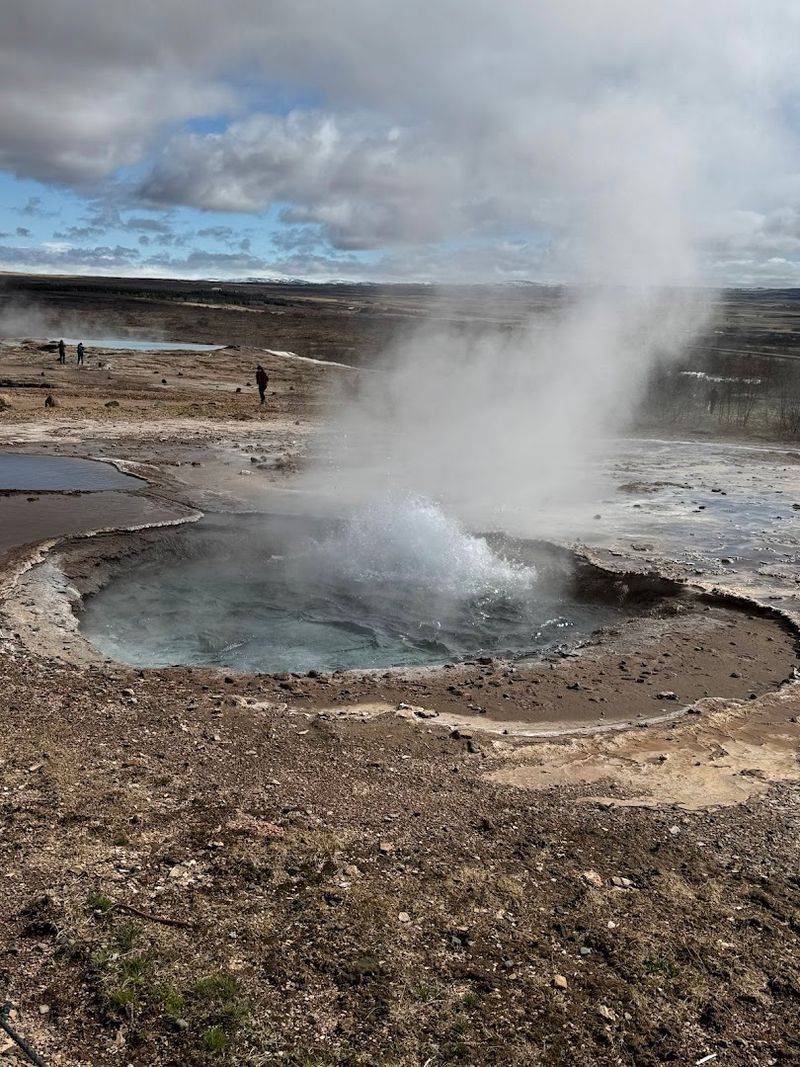
About once every five to ten minutes, the Strokkur geyser shoots a column of boiling water up to 40 meters into the air, and every single time it happens the crowd around it gasps. That kind of reliable drama is exactly what makes Iceland’s Golden Circle so satisfying to visit.
You get three completely different natural wonders packed into one circular road trip from Reykjavik.
Thingvellir National Park is where the American and Eurasian tectonic plates are slowly pulling apart, creating a dramatic rift valley that also served as Iceland’s original parliament site over 1,000 years ago. History and geology collide here in a genuinely impressive way.
Snorkeling or diving between the plates in the crystal-clear Silfra fissure is an unforgettable experience.
Gullfoss waterfall is the final stop and arguably the most powerful. Two tiers of rushing glacial water crash into a canyon below, sending mist high into the air that often creates vivid rainbows.
The Golden Circle is easily completed in a full day from Reykjavik. Renting a car gives you the most flexibility and freedom to stop whenever the scenery demands it.
Stockholm Archipelago, Sweden
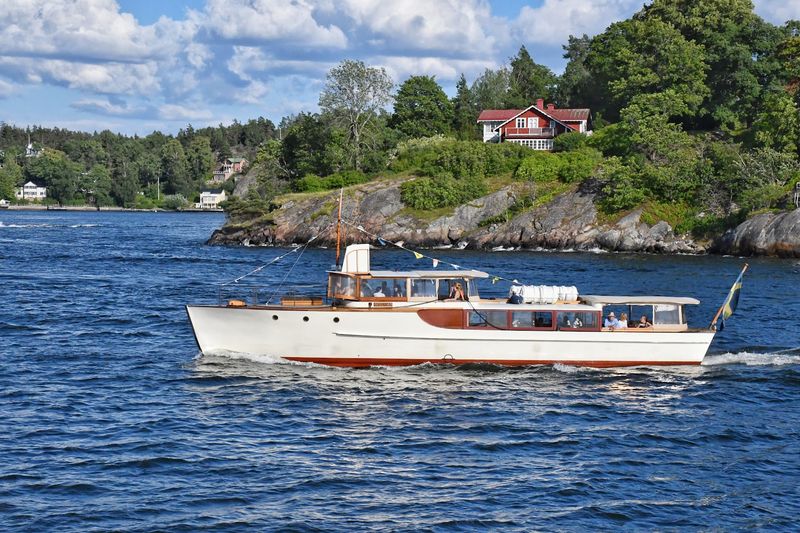
Just beyond Stockholm’s city limits, the Baltic Sea breaks into a maze of over 30,000 islands, islets, and rocks that stretch all the way to the horizon. The Stockholm Archipelago is Sweden’s best-kept secret hiding in plain sight.
Swedes have been escaping here for summer holidays for generations, and once you arrive it is easy to understand why.
Ferries depart from central Stockholm and connect the outer islands in a surprisingly short time. Some islands take only 30 minutes to reach, while the more remote outer archipelago requires a longer journey but rewards you with total peace and quiet.
Villages here feel timeless, with red cottages, wooden docks, and the smell of the sea everywhere.
Kayaking between the islands is one of the best ways to explore at your own pace. Many visitors rent bikes on larger islands like Vaxholm or Sandhamn and spend days wandering coastal paths.
Swimming spots are plentiful throughout summer, and the water is cleaner than you might expect. The archipelago is a calming, beautiful contrast to Stockholm’s urban energy, and visiting both together makes for a perfectly balanced Swedish adventure.
Stockholm, Sweden
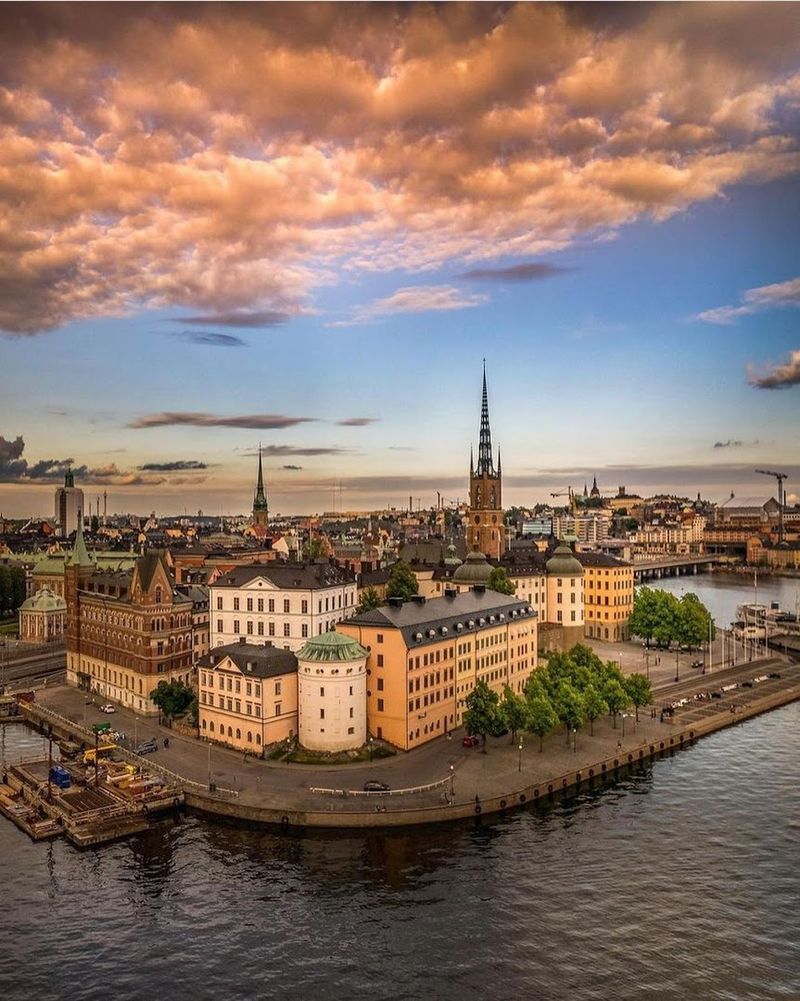
Built across 14 islands where Lake Malaren meets the Baltic Sea, Stockholm has a geography that makes it look almost too good to be real. The city blends medieval history with cutting-edge design and a food culture that has made it one of Europe’s most exciting culinary destinations.
Honestly, Stockholm is the kind of place that makes you want to move there immediately.
Gamla Stan, the old town, is a tangle of narrow cobblestone streets dating back to the 13th century. The Royal Palace here is one of the largest in the world and is still used by the Swedish royal family.
Changing of the guard ceremonies happen daily during summer and draw big, enthusiastic crowds.
The ABBA Museum and the Vasa Museum are both must-visits for very different reasons. The Vasa is a perfectly preserved 17th-century warship that sank on its maiden voyage and was raised from the harbor floor in 1961.
Stockholm’s neighborhoods like Sodermalm and Ostermalm each have their own distinct personalities worth exploring. The city also has an excellent public transport system that makes getting around easy and stress-free.
Swedish Lapland
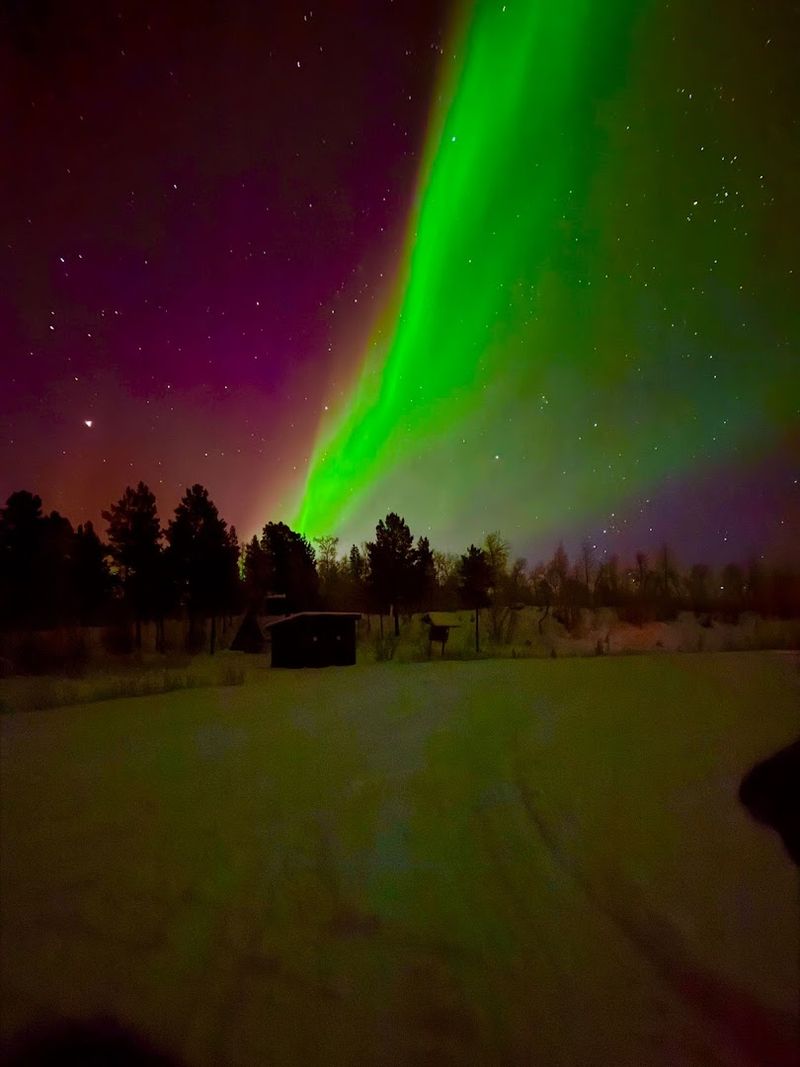
Swedish Lapland is one of those places where you genuinely feel like you have stepped off the edge of the familiar world. This vast Arctic territory stretches above the Arctic Circle and covers roughly a quarter of Sweden’s entire landmass.
It is home to the indigenous Sami people, who have herded reindeer across these landscapes for thousands of years.
Winter here is a full sensory experience. Temperatures can drop to minus 30 degrees Celsius, but the rewards are extraordinary.
Northern lights shimmer above snow-laden forests, husky sled rides cut through silent wilderness, and ice hotels offer one of the most unique places to sleep anywhere on Earth.
Summer flips the script entirely. The midnight sun means daylight around the clock, and the landscape transforms into a lush green wilderness perfect for hiking, fishing, and white-water rafting.
Abisko National Park is one of the best spots for both summer trekking and winter aurora watching, thanks to its reliably clear skies. Kiruna is the main city in the region and a useful base for adventures.
Swedish Lapland rewards curious, adventurous travelers with experiences that are genuinely impossible to find anywhere else.
Copenhagen, Denmark
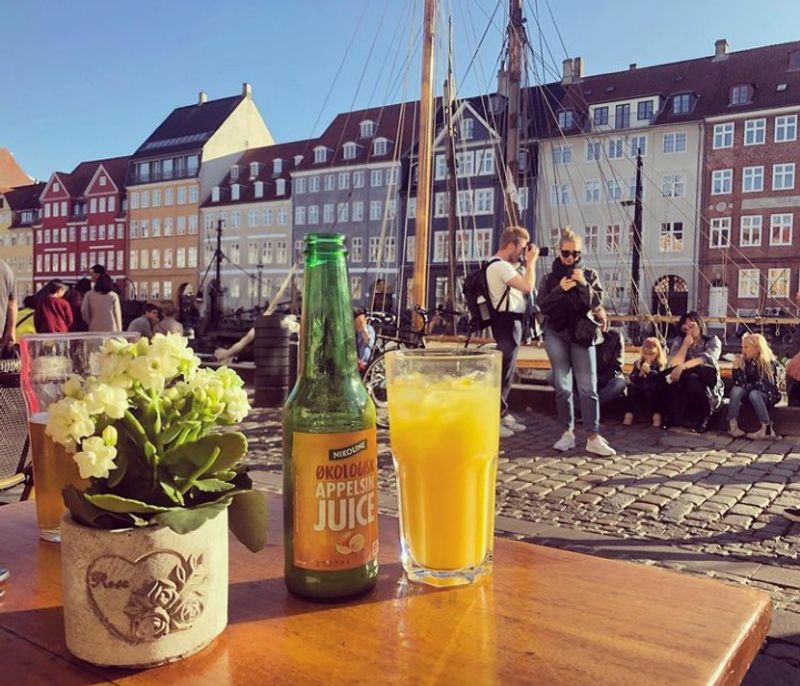
Copenhagen consistently ranks among the happiest and most livable cities on the entire planet, and spending even a few days here makes it obvious why. The Danish capital manages to feel both effortlessly stylish and deeply relaxed at the same time.
Cyclists outnumber cars, street food is outstanding, and the architecture ranges from medieval towers to cutting-edge waterfront buildings.
Nyhavn is the city’s most iconic neighborhood, with its row of brightly painted 17th-century townhouses reflected in the canal below. Hans Christian Andersen once lived here, which feels perfectly fitting given how fairy-tale-like the whole scene looks.
Canal boat tours offer a brilliant way to see the city from the water.
Tivoli Gardens, one of the world’s oldest amusement parks, sits right in the city center and is magical both during summer evenings and the Christmas season. The food scene in Copenhagen is world-famous, largely thanks to Noma putting New Nordic cuisine on the global map.
Even budget-friendly street food markets like Reffen serve incredibly creative dishes. Copenhagen is compact enough to explore almost entirely by bicycle, which is the most authentically Danish way to experience the city.
Bornholm, Denmark
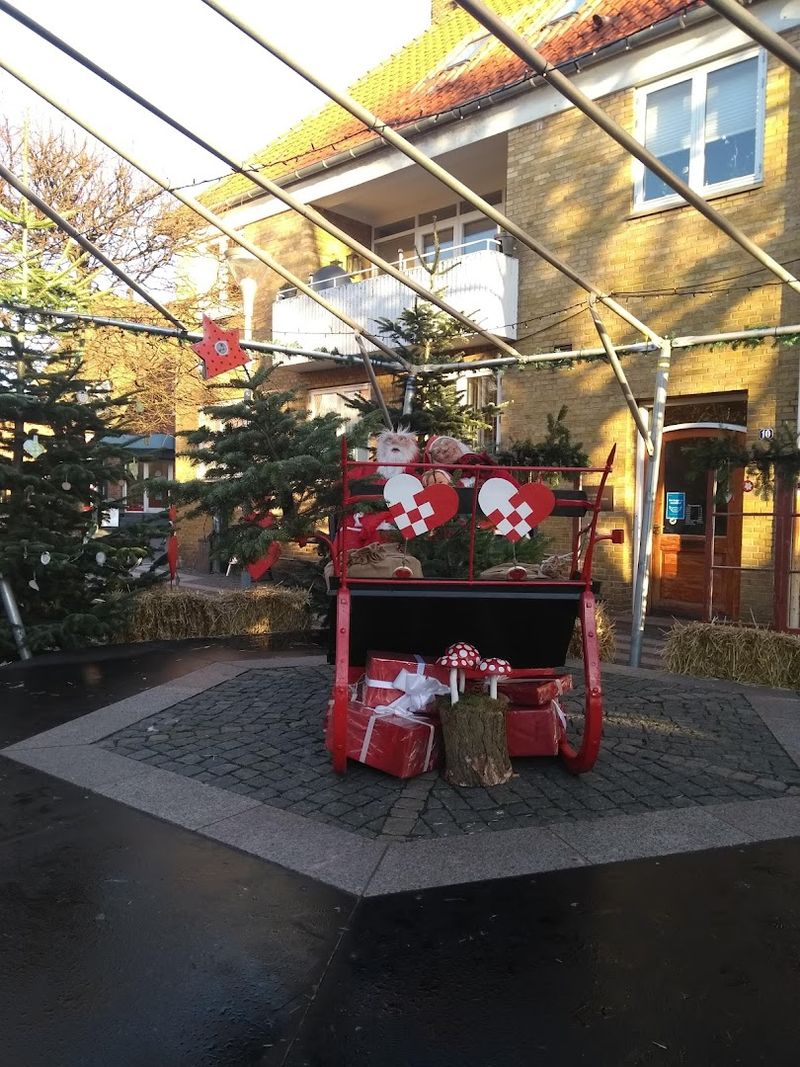
Bornholm earns more sunshine hours than almost anywhere else in Denmark, which explains why Danes have a deep, almost protective affection for this Baltic island. It sits closer to Sweden and Germany than to the Danish mainland, giving it a slightly independent, sun-soaked character all its own.
The island is small enough to cycle around in a few days but packed with far more than its size suggests.
The famous round churches here are unique in all of Scandinavia, built during the 12th century as both places of worship and defensive fortresses. The smoked herring from Bornholm is considered some of the finest in the world, and the island’s food culture has grown into a serious culinary destination.
Several top chefs have set up restaurants here to make the most of the outstanding local produce.
Sandy beaches at Dueodde in the south are among Denmark’s finest, with powder-soft white sand and shallow, warm water. The rocky north coast offers dramatic cliffs and sea views.
Cycling is the classic way to explore, with well-marked routes connecting villages, forests, and coastlines. Bornholm feels wonderfully unhurried, making it a perfect escape for travelers who want beauty without the crowds.
Helsinki, Finland
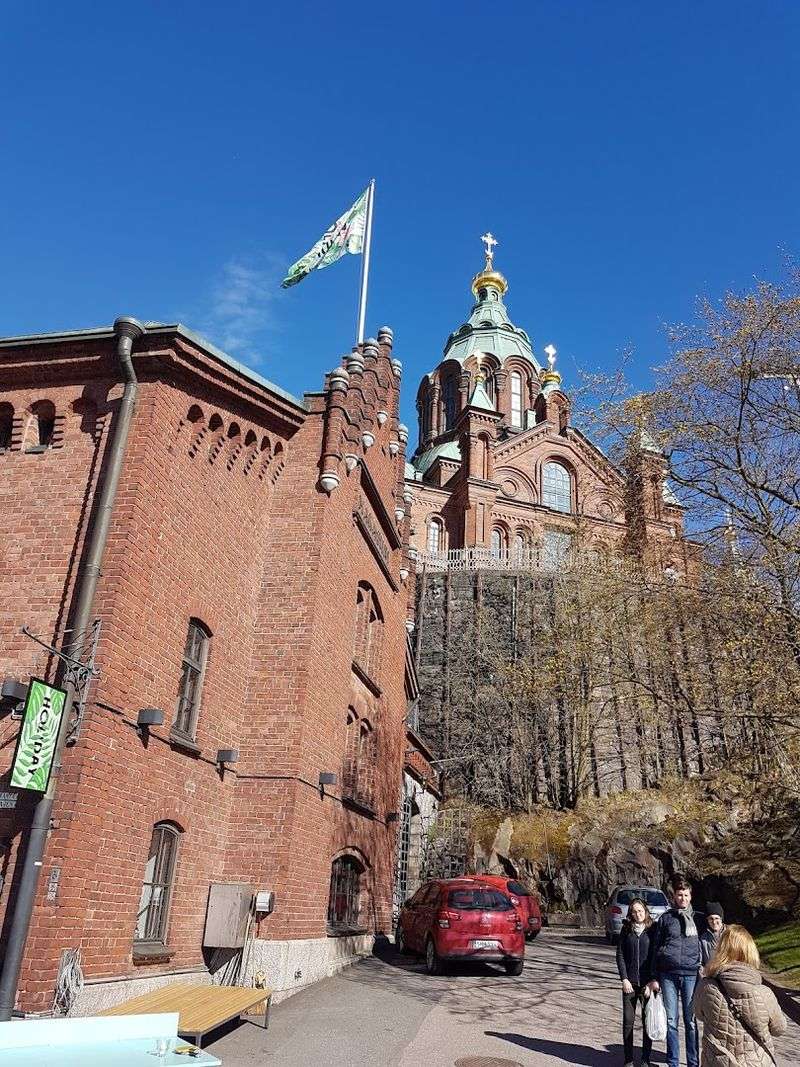
Helsinki does not shout for attention the way some European capitals do, but spend a day here and you quickly realize it has an incredibly confident, understated coolness. Finland’s capital sits on a peninsula jutting into the Baltic Sea, surrounded by a beautiful archipelago of islands that are easily reachable by ferry.
The city blends neoclassical architecture with bold modern design in a way that feels completely natural.
The Helsinki Cathedral looming over Senate Square is one of the most striking landmarks in all of Scandinavia. The nearby Market Square on the waterfront is a lively spot to try Finnish specialties like salmon soup, Karelian pies, and fresh berries.
The Old Market Hall just steps away is a beautifully preserved 19th-century indoor food market worth browsing.
Finnish sauna culture is alive and well in Helsinki, with several public saunas open to visitors along the waterfront. Loyly and Allas Sea Pool are both popular spots where you can sauna, swim in the sea, and relax with a cold drink.
The island fortress of Suomenlinna, a UNESCO World Heritage site, is just a short ferry ride from the harbor and makes for a fascinating half-day trip.
Finnish Lakeland
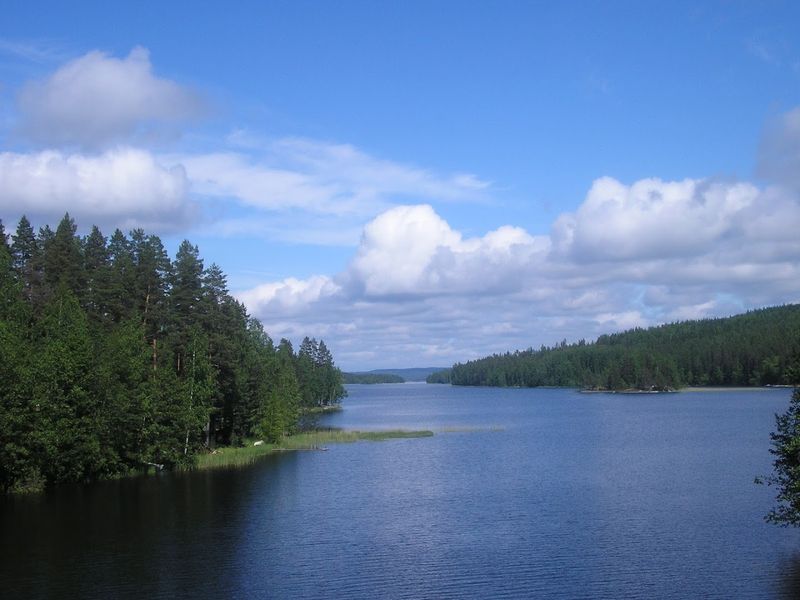
Finland has roughly 188,000 lakes, which sounds like a statistic until you actually arrive in Finnish Lakeland and realize that number barely does the place justice. This region in central and eastern Finland is a shimmering, forested world where water and land seem almost interchangeable.
It is the kind of place where silence becomes a genuine luxury.
Savonlinna is the region’s most charming city, famous for its medieval Olavinlinna Castle that rises dramatically from the middle of a lake. Every summer, the castle hosts an internationally acclaimed opera festival that draws visitors from around the world.
The setting alone makes it one of the most theatrical concert venues imaginable.
Renting a lakeside cottage, called a mökki in Finnish, is the most authentic way to experience this region. You wake up to birdsong, paddle a canoe across glassy water, heat up the wood-burning sauna, and jump into the lake to cool off.
This simple rhythm is the cornerstone of Finnish summer life and something that visitors quickly fall deeply in love with. Finnish Lakeland offers a rare kind of slow travel that genuinely restores the soul.
Aland Islands, Finland
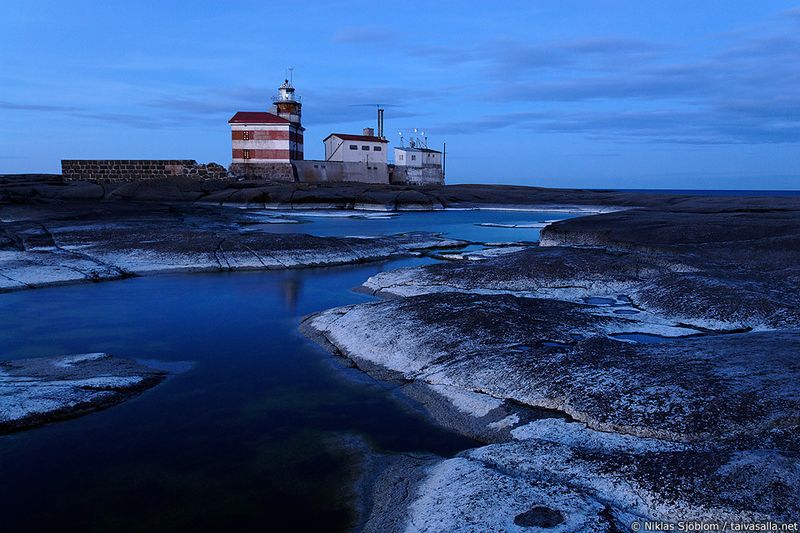
Tucked between Sweden and Finland in the middle of the Baltic Sea, the Aland Islands have a personality that does not quite belong to either country. Officially Finnish but Swedish-speaking and largely self-governing, Aland has a proudly independent spirit that adds an interesting layer to any visit.
The archipelago consists of over 6,700 islands, though only about 60 are permanently inhabited.
Cycling is the definitive way to explore here. Well-maintained bike paths connect villages, farms, and ferry terminals across the main island and beyond.
The flat terrain makes it accessible for all fitness levels, and the scenery of meadows, coastal cliffs, and quiet harbors keeps things interesting throughout. Renting a bike in the capital Mariehamn takes about five minutes.
Mariehamn itself is a charming small city with a strong maritime heritage. The Pommern, a fully rigged four-masted sailing ship, sits permanently moored in the harbor as a museum vessel and is one of the most impressive maritime exhibits in the Nordic region.
Local food highlights include fresh Baltic herring and smoked fish from roadside stalls. Aland is peaceful, photogenic, and refreshingly free of tourist crowds for a destination this beautiful.
North Cape (Nordkapp), Norway
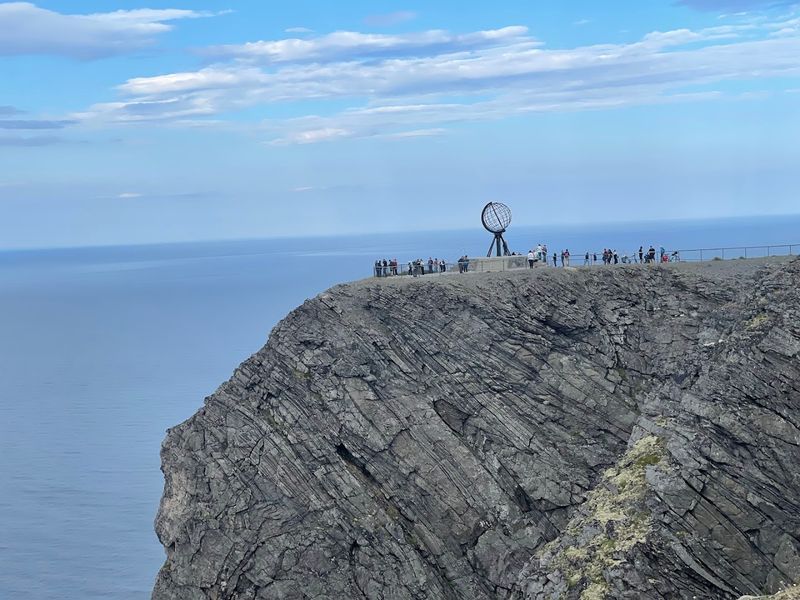
Standing at the very top of Europe feels like something that should require more effort than it actually does. North Cape, or Nordkapp, sits at 71 degrees north latitude on a cliff that drops 307 meters straight down into the Arctic Ocean.
A paved road actually takes you almost all the way there, which makes this extreme destination surprisingly accessible.
The midnight sun experience here between May and July is genuinely life-changing. Watching the sun hover just above the horizon at midnight, painting the sea in shades of gold and orange, is something photographs struggle to fully capture.
Many visitors stay through the night just to absorb the atmosphere, sitting quietly at the cliff edge as the light shifts and shimmers.
The journey to North Cape is part of the experience. Driving through the stark Arctic landscape of Finnmark, crossing reindeer grazing land, and passing through the undersea tunnel to Mageroya island all build anticipation beautifully.
The North Cape Hall visitor center built into the cliff offers a warm refuge with panoramic windows, exhibitions, and a good restaurant. Reaching Nordkapp feels like a genuine achievement, and the view from the top makes every kilometer of the journey absolutely worthwhile.
Faroe Islands
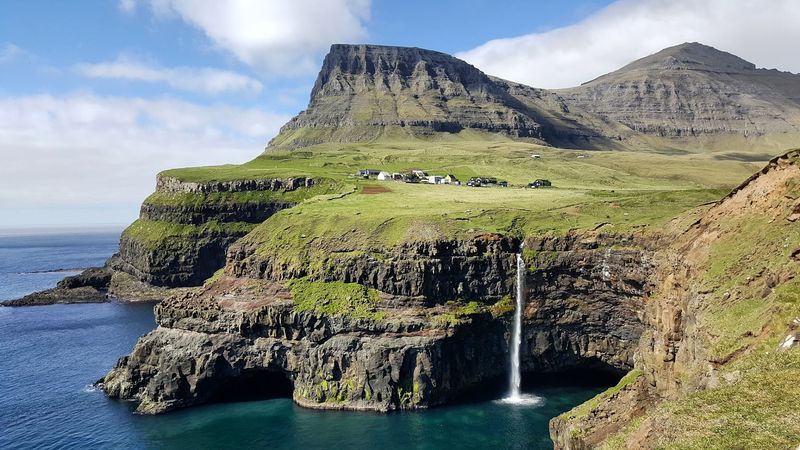
The Faroe Islands look like something a fantasy novelist invented after a very dramatic dream. Eighteen volcanic islands rise from the North Atlantic between Norway and Iceland, covered in impossibly green grass right to the cliff edges, where the land simply drops away into the churning sea below.
Fewer than 55,000 people live here, which means the landscape feels genuinely wild and uncrowded.
The village of Gasadalur is perhaps the most photographed spot in the entire archipelago. A waterfall tumbles directly off a cliff into the ocean just beyond a cluster of turf-roofed houses, creating a scene so picturesque it almost feels staged.
Getting there used to require a challenging mountain hike until a tunnel was built in 2004.
Hiking is the best way to experience the Faroe Islands properly. Trails lead across clifftops, through valleys, and to viewpoints that look out over stacks, sea arches, and bird colonies.
Puffins nest here in huge numbers during summer, making this a dream destination for wildlife lovers. The food scene has quietly become impressive too, with restaurants serving local lamb, fermented fish, and foraged ingredients.
The Faroe Islands reward adventurous travelers with experiences that feel completely off the beaten path.
Share this story