Some places feel like they were made to be discovered slowly, without the noise of tour buses or the shuffle of selfie sticks. Scattered across the world’s oceans, there are islands where waterfalls still surprise you, beaches sit empty by noon, and locals actually wave back.
These hidden gems offer everything travelers chase in popular destinations, minus the crowds and inflated prices. If your idea of a perfect trip involves real peace and genuine beauty, these 15 islands deserve a spot on your radar.
Flores, Azores, Portugal
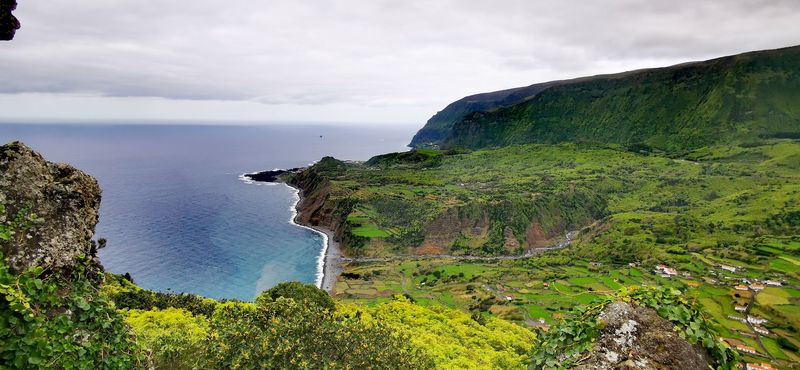
Picture standing at the edge of Europe with nothing but ocean stretching out in every direction. That is exactly what Flores delivers, and it does so without asking for much in return.
Sitting at the far western tip of the Azores archipelago, this island feels like a secret that geography has kept well hidden.
Waterfalls here do not trickle politely. They thunder down volcanic cliffs and land in lakes so blue they look digitally enhanced.
Hiking trails wind through hydrangea-lined paths and open up to viewpoints that make you stop mid-step. The landscape shifts constantly, from misty highland plateaus to rugged Atlantic coastlines, keeping every walk genuinely exciting.
Flores sees a fraction of the visitors that larger Azorean islands like Sao Miguel attract. That means trails are quiet, guesthouses are affordable, and the pace of life feels genuinely unhurried.
The island has no major resort infrastructure, which is honestly its greatest selling point. Birdwatchers, hikers, and photographers tend to find Flores particularly rewarding.
Whale watching tours operate seasonally and offer some of the best cetacean sightings in the Atlantic. If you want Europe without the tourist fatigue, this is your answer.
Vis, Croatia
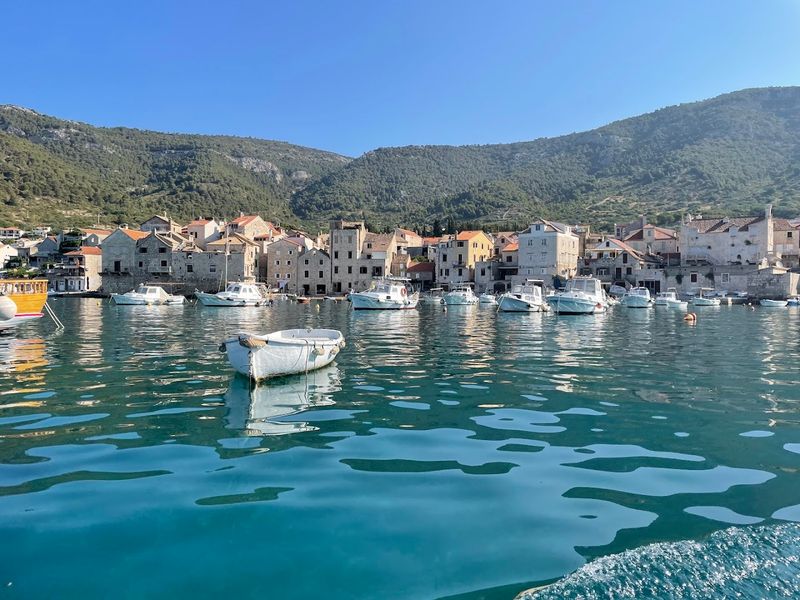
For decades, foreign visitors were simply not allowed on Vis. The island served as a Yugoslav military base, sealed off from outside eyes, which means its villages, vineyards, and coastline were left almost entirely alone.
That enforced isolation turned out to be the best thing that ever happened to it.
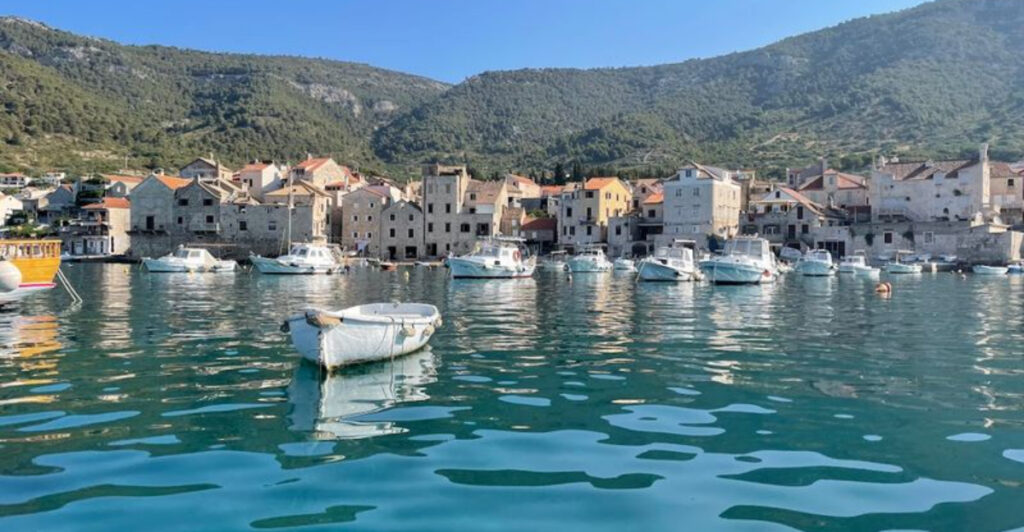
Today, Vis feels like Croatia used to before the Instagram crowds arrived. The harbor town of Vis Town is genuinely charming, with Roman ruins tucked between cafes and fishing boats bobbing lazily in the marina.
Komiza, on the western side, is even quieter, with a medieval fortress watching over a bay lined with painted wooden boats.
The island produces excellent local wine, particularly Vugava, a white variety grown on volcanic soil that pairs beautifully with fresh grilled fish. Beaches here tend to be pebbled and clear rather than sandy and crowded.
The famous Blue Cave on nearby Bisevo island is a short boat trip away and absolutely worth the effort. Unlike Hvar, which sits just a short ferry ride north and draws party crowds all summer, Vis operates on its own relaxed schedule.
Visitors who make the trip almost always wish they had stayed longer.
Kangaroo Island, South Australia, Australia
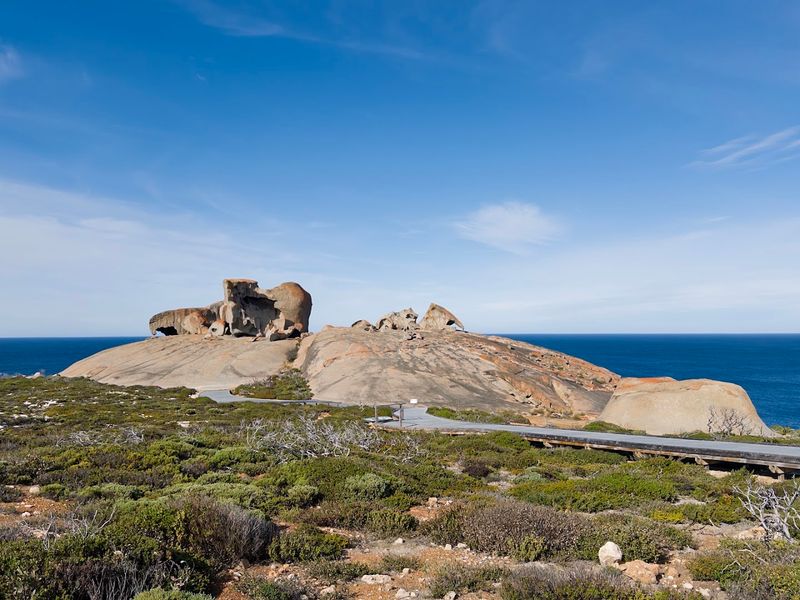
Kangaroo Island does not need to try very hard to impress. Within an hour of arriving, most visitors have already seen a wild koala, watched sea lions wrestle on a beach, and stood in front of a rock formation so strange it looks like it belongs on another planet.
Remarkably, the island sits just a short ferry ride from the South Australian mainland yet sees nowhere near the visitor numbers of places like the Great Barrier Reef. That gap is hard to explain and easy to appreciate.
Flinders Chase National Park covers a large portion of the island’s western end and protects habitats for platypus, echidnas, and hundreds of bird species.
Remarkable Rocks and Admirals Arch are the island’s two most photographed spots, and both live up to the hype without requiring a reservation or a crowd to navigate. Local producers here make outstanding honey, cheese, and gin, so food lovers have plenty of reasons to linger beyond the wildlife.
Recovery from the 2020 bushfires has been steady, with much of the native vegetation growing back impressively. Kangaroo Island rewards slow travelers who take the time to explore its back roads and hidden coves properly.
La Palma, Canary Islands, Spain
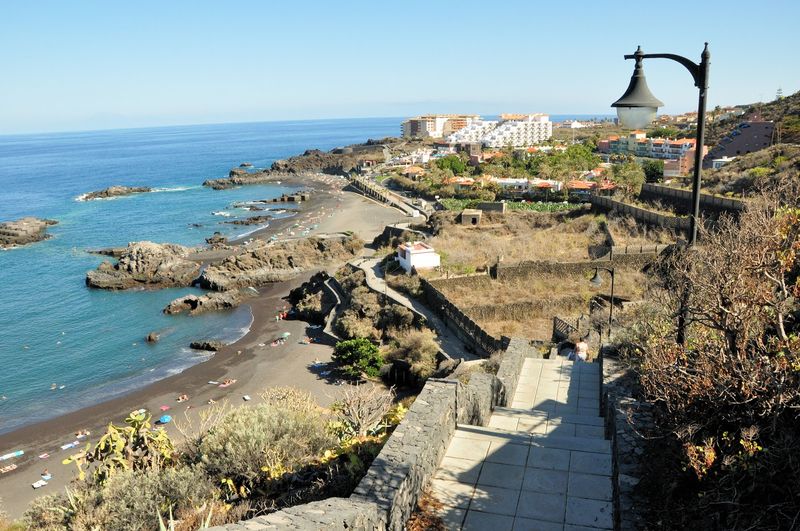
La Palma is the kind of place where the night sky genuinely stops you. The island sits inside a UNESCO Starlight Reserve, meaning light pollution is strictly controlled, and on a clear night the Milky Way appears so vivid it feels close enough to touch.
Astronomers have been quietly celebrating this for decades.
During the day, the scenery shifts to volcanic drama. The Caldera de Taburiente, a massive ancient crater now protected as a national park, fills with cloud and mist in a way that makes it look permanently mysterious.
Laurisilva forest, a type of subtropical woodland that once covered much of southern Europe, still thrives here and feels genuinely prehistoric to walk through.
Unlike Tenerife or Lanzarote, La Palma has no mega-resorts and no strip of souvenir shops. The capital, Santa Cruz de La Palma, is a beautifully preserved colonial town with colorful wooden balconies and a relaxed main square.
The 2021 volcanic eruption affected the southwestern part of the island but left most natural and cultural attractions untouched. Hiking here is exceptional, with trails connecting volcanic craters, pine forests, and coastal cliffs.
For travelers who want genuine nature without the package-holiday crowd, La Palma is quietly perfect.
Isle of Eigg, Scotland
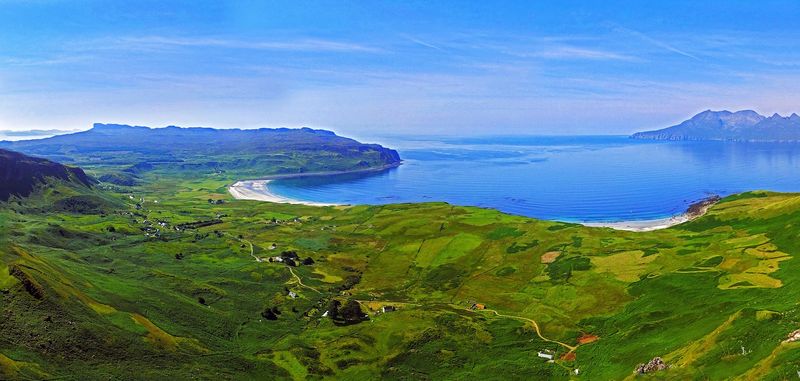
The Isle of Eigg has a spine. An Sgurr, a towering ridge of volcanic pitchstone, rises sharply from the island’s center like a natural fortress, visible from miles out at sea and absolutely worth the climb.
From the top on a clear day, you can see across to Skye, Mull, and the Scottish mainland all at once.
Eigg became famous in 1997 when its residents, tired of neglectful absentee landlords, bought the island themselves through a community buyout. That spirit of independence still defines life here.
The island generates most of its electricity from renewable sources, making it one of the most sustainably powered communities in the UK.
The resident population sits at around 100 people, which gives every visit an intimate, almost otherworldly quality. Camas Sgiotaig, also called the Singing Sands, is a beach where quartz grains produce a faint squeaking sound underfoot, a detail that delights visitors of every age.
Wildlife is abundant, with otters, golden eagles, and minke whales all spotted regularly. Accommodation options are limited, so booking ahead is essential.
Ferries run from Mallaig on the mainland, and the crossing itself, through islands and sea lochs, sets the mood beautifully for what awaits.
Rodrigues, Mauritius
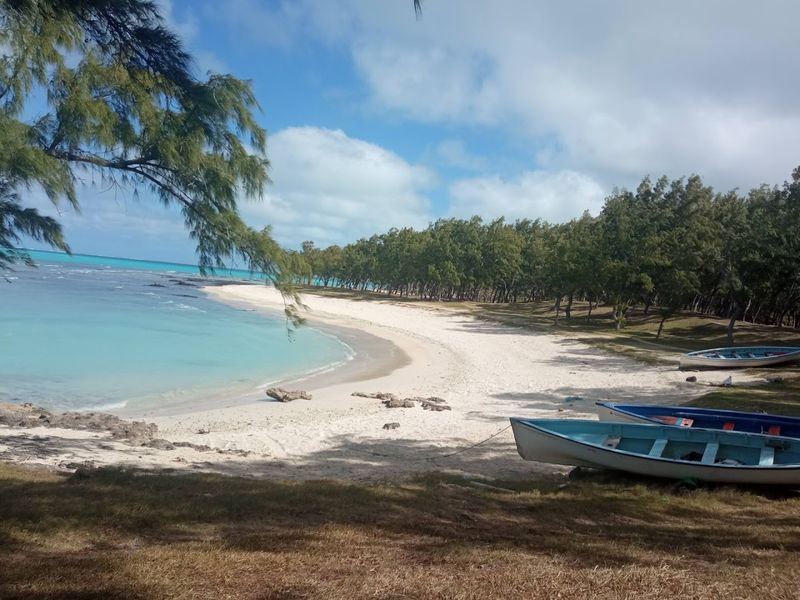
Rodrigues sits more than 350 miles east of Mauritius, and that distance is basically its superpower. While Mauritius has become one of the Indian Ocean’s most polished luxury destinations, Rodrigues has stayed refreshingly real, offering the same stunning lagoon waters with none of the resort price tags attached.
The island is surrounded by one of the largest lagoons in the world relative to its land size, and the snorkeling and diving within it are genuinely world-class. Coral gardens, sea turtles, and octopus are regular sightings.
Local fisherwomen wade through shallow waters at low tide collecting octopus in a tradition that has continued for generations.
Rodrigues has a distinct Creole culture that feels different from Mauritius, shaped by its history as a remote outpost and its strong French colonial roots. The food scene leans heavily on fresh seafood, homemade chutneys, and palm heart salads that you simply cannot find elsewhere.
The island is also a serious destination for kite surfing and windsurfing, thanks to consistent trade winds that blow across the lagoon reliably from June through September. Accommodation is mostly family-run guesthouses, which means hospitality here feels personal and warm rather than scripted.
Rodrigues rewards visitors who show up curious and unhurried.
Culebra, Puerto Rico
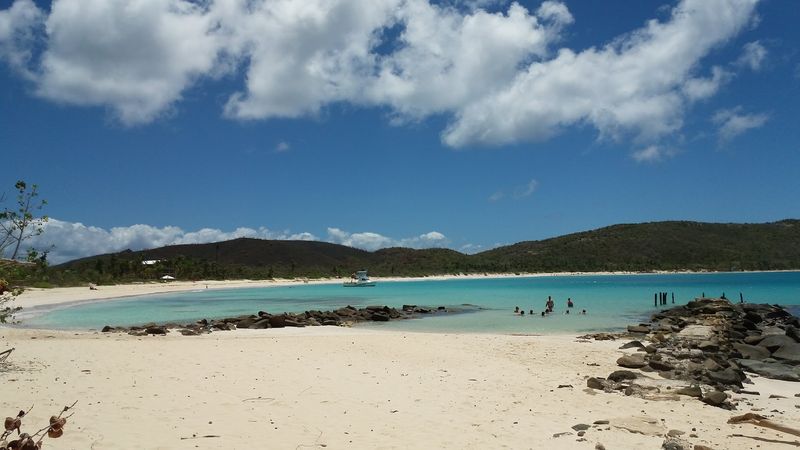
Flamenco Beach regularly appears on lists of the best beaches in the world, and standing on its horseshoe of white sand with that impossibly clear turquoise water in front of you, it is genuinely difficult to argue with that ranking. The remarkable thing is that you can still have a quiet morning here, something that would be unthinkable on most Caribbean beaches with that kind of reputation.
Culebra is a small island off Puerto Rico’s eastern coast, reachable by ferry from Ceiba or by a short puddle-jumper flight. The island has no major hotels or chain restaurants, which keeps both the atmosphere and the prices from spiraling out of control.
Snorkeling around Culebra is excellent, particularly at Tamarindo Beach, where sea turtles feed on seagrass beds in shallow, calm water.
The island’s relaxed character attracts visitors who specifically want to escape the busier side of Caribbean tourism. Golf carts are a popular way to get around, adding a slightly absurd and completely charming element to daily exploration.
Culebra also sits adjacent to Culebrita, a tiny uninhabited island with tide pools and a historic lighthouse that makes for a perfect day trip. Puerto Rico’s tourist infrastructure, including good flights from the US mainland, makes Culebra surprisingly accessible for how peaceful it feels.
Ile de Groix, Brittany, France
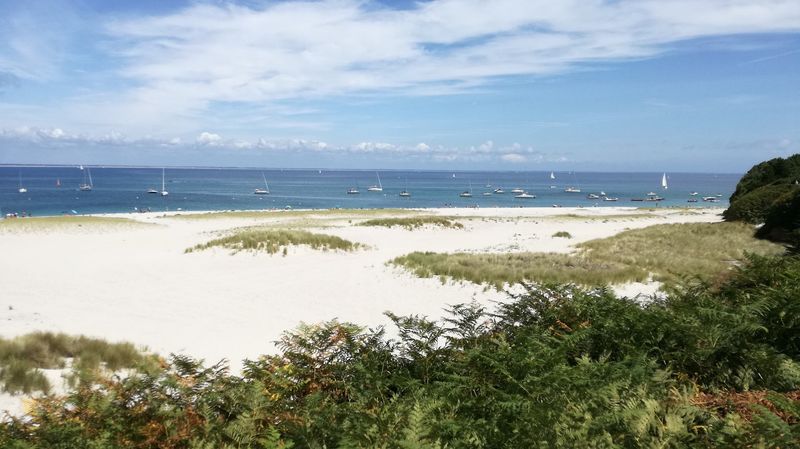
Most visitors to Brittany spend their time on the mainland coast, which means Ile de Groix sits just 45 minutes offshore by ferry and receives a fraction of the attention it deserves. That is excellent news for anyone willing to make the crossing from Lorient, because what awaits is one of France’s most quietly beautiful islands.
The island is shaped like a fish, a fact locals point out with obvious pride, and its coastline alternates between dramatic cliffs, hidden coves, and stretches of fine sand. Trou de l’Enfer, a rocky natural blowhole on the northern coast, puts on a spectacular show during Atlantic storms.
The southern beaches, sheltered from the wind, are ideal for swimming in summer.
Groix has a strong tuna fishing heritage, and the village of Port-Tudy, the main harbor, still feels like a working maritime community rather than a tourist stage set. The island museum covers local fishing history and geology in a way that is genuinely interesting rather than dusty.
Cycling is the best way to explore, and rental bikes are available near the ferry terminal. There are no traffic jams here, which is a sentence that becomes more valuable the older you get.
Fresh crepes, cider, and seafood round out an already excellent case for making the trip.
Yakushima, Japan
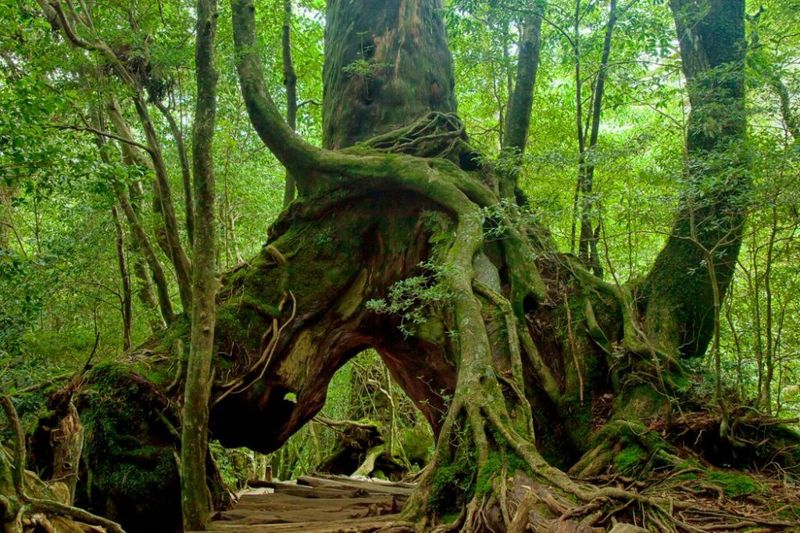
Walking through Yakushima’s ancient cedar forest feels less like a hike and more like stepping into a dream that someone else had centuries ago. The trees here, some of them over 7,000 years old, are wrapped in thick green moss and draped in ferns, creating an atmosphere so surreal that Studio Ghibli used it as direct inspiration for Princess Mononoke.
The island sits off the southern tip of Kyushu and receives extraordinarily high rainfall, which feeds the forest and keeps everything a shade of green so intense it almost seems artificially saturated. Jomon Sugi, the island’s oldest and most famous cedar, requires a full-day hike to reach, but the trail itself is reward enough for most visitors who make the effort.
Yakushima is a UNESCO World Heritage Site, which provides meaningful protection for its ecosystems while still allowing respectful tourism. Sea turtles nest on the island’s beaches each summer, and the contrast between those sandy shores and the misty mountain interior makes Yakushima feel like two completely different places sharing one small landmass.
Deer and monkeys wander trails openly here, seemingly unbothered by human presence. The island is best visited outside of Golden Week and summer peak periods, when trail crowds can undermine the otherwise profound sense of solitude.
Sao Jorge, Azores, Portugal
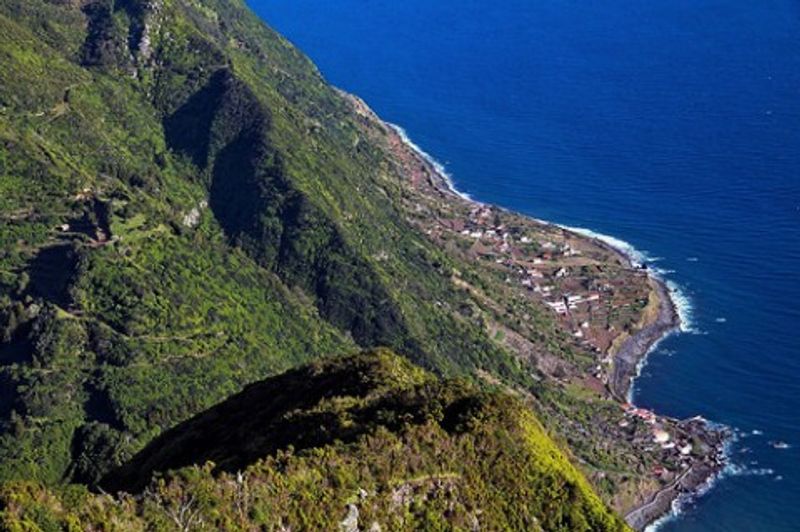
Sao Jorge is the island that hikers dream about finding before anyone else does. Its entire geography is essentially a long, narrow ridge of volcanic rock rising dramatically from the Atlantic, with sheer cliffs dropping hundreds of meters on both sides and small flat plains called fajas clinging to the shoreline far below.
Those fajas are unlike anything else in the Azores. Formed by ancient lava flows and landslides, they sit at the base of the cliffs like green shelves above the sea, home to tiny communities, coffee plantations, and swimming spots accessible only on foot or by boat.
Faja dos Cubres has a brackish lagoon popular with migratory birds. Faja da Caldeira de Santo Cristo is famous for its wild clams, which end up in a local specialty that tastes extraordinary eaten outdoors with the Atlantic in front of you.
The main hiking trail, the Faja Trail, descends and climbs repeatedly through some of the most dramatic scenery in the entire Azores chain. Sao Jorge also produces a distinctive semi-hard cheese, simply called Queijo Sao Jorge, that has been made here for centuries using traditional methods.
The island receives far fewer visitors than Sao Miguel or Terceira, meaning accommodation is affordable and the trails rarely feel busy. Bring good boots and a rain jacket.
Aitutaki, Cook Islands
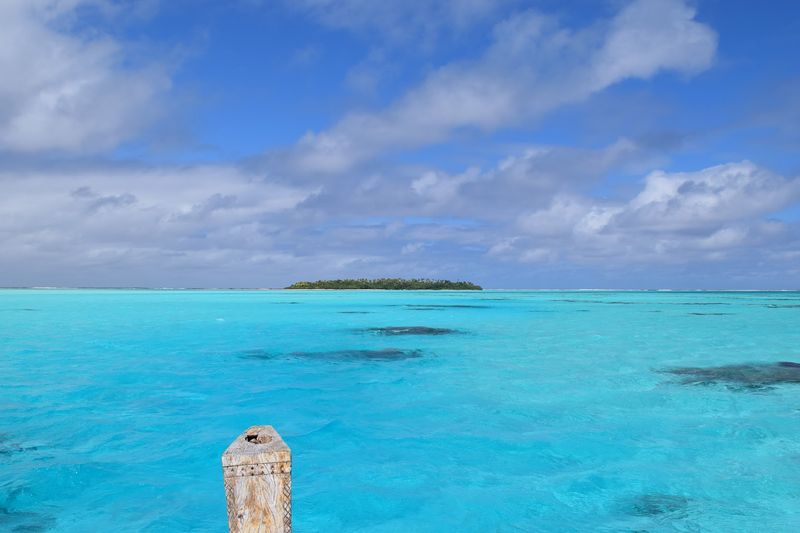
Aitutaki has a lagoon that travel photographers have been quietly obsessing over for years, and once you see an aerial view of it, the reason becomes immediately obvious. The water shifts through every shade of blue and green imaginable, shallow enough in places to wade across to tiny coral islands called motus, each one fringed with coconut palms and white sand.
The island sits about 150 miles north of Rarotonga and receives a fraction of the Cook Islands’ already modest visitor numbers. That means lagoon tours, which are absolutely worth booking, feel personal rather than crowded.
Local guides point out giant clams, blacktip reef sharks, and schools of tropical fish with the casual confidence of people who have spent their lives in these waters.
Aitutaki has a strong Polynesian cultural identity, and local dance performances and church choirs offer genuine cultural experiences rather than staged tourist shows. Sunday church services, accompanied by extraordinary harmonic singing, are open to respectful visitors and represent one of the most moving experiences the island offers.
Accommodation ranges from simple family guesthouses to a small number of upscale overwater bungalows. Either way, the lagoon is the same.
Flights connect through Rarotonga, and the short journey is worth every minute of the transfer.
Mljet, Croatia
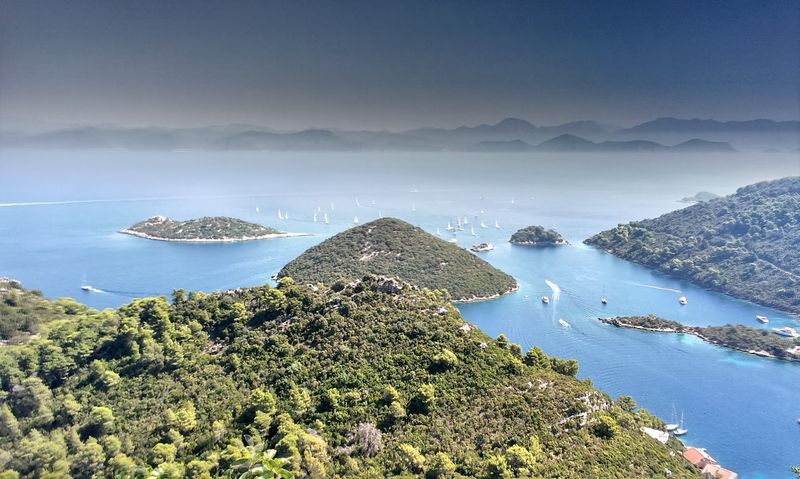
Legend has it that Odysseus was so enchanted by Mljet that he stayed for seven years. Whether that story holds up historically is debatable, but standing beside one of the island’s saltwater lakes with a Benedictine monastery sitting on a tiny island in the middle of it, the impulse to linger is entirely understandable.
Mljet is one of Croatia’s most forested islands, with oak and pine covering the western end, which is protected as a national park. The two connected saltwater lakes, Malo Jezero and Veliko Jezero, are the park’s centerpiece and offer swimming, kayaking, and cycling around their shores.
The water temperature in the lakes is slightly warmer than the surrounding sea, making them a popular choice for a comfortable swim even in early season.
The eastern part of the island is quieter still, home to small villages, vineyards, and a slower pace that feels genuinely removed from the party atmosphere that defines much of Dalmatian summer tourism. Ferries connect Mljet to Dubrovnik and the Peljesac peninsula, making it a logical addition to any southern Croatia itinerary.
Bicycles are the ideal way to explore the national park, with well-maintained paths looping through the forest and along the lakeshores. Mljet proves that Croatia’s best experiences do not always come with a DJ set attached.
Fogo Island, Newfoundland and Labrador, Canada
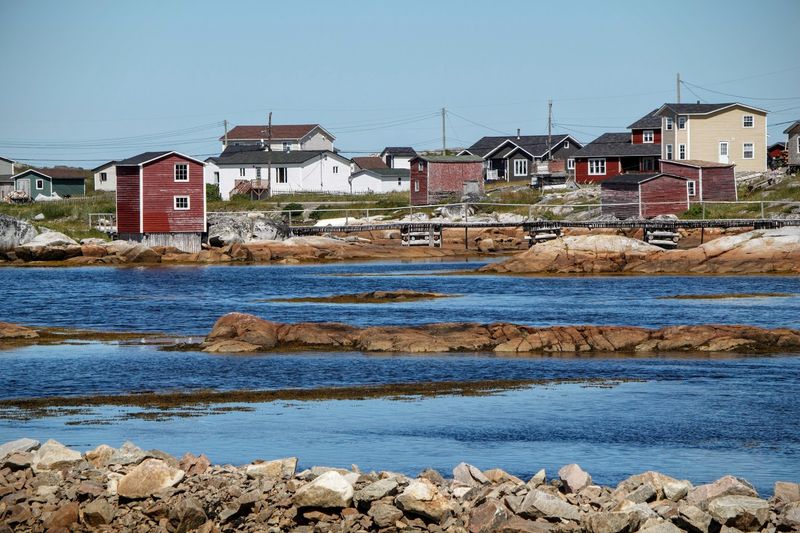
Fogo Island sits on what locals call one of the four corners of the world, a designation that sounds eccentric until you stand on its eastern shoreline and feel the full, unobstructed weight of the North Atlantic wind pushing against you. This is a place that takes itself seriously, and it earns that right.
The island is home to about 2,500 people spread across small outport communities with names like Joe Batt’s Arm and Tilting, the latter of which is a National Historic District preserving Irish fishing heritage in remarkable detail. Colorful wooden stages, used for drying cod, still cling to the rocks above the water, looking like they belong in a painting rather than real life.
Every spring, icebergs drift past Fogo’s shores on their journey south from Greenland, creating scenes so dramatic that photographers travel specifically from across North America to capture them. The Fogo Island Inn, a striking contemporary building designed by architect Todd Saunders, has brought international attention to the island while channeling revenue directly back into the local community.
Wildlife includes moose, arctic hare, and a remarkable variety of seabirds. The island is accessible by ferry from Farewell on the Newfoundland mainland, and the crossing itself offers a preview of the wild scenery ahead.
Koh Yao Noi, Thailand
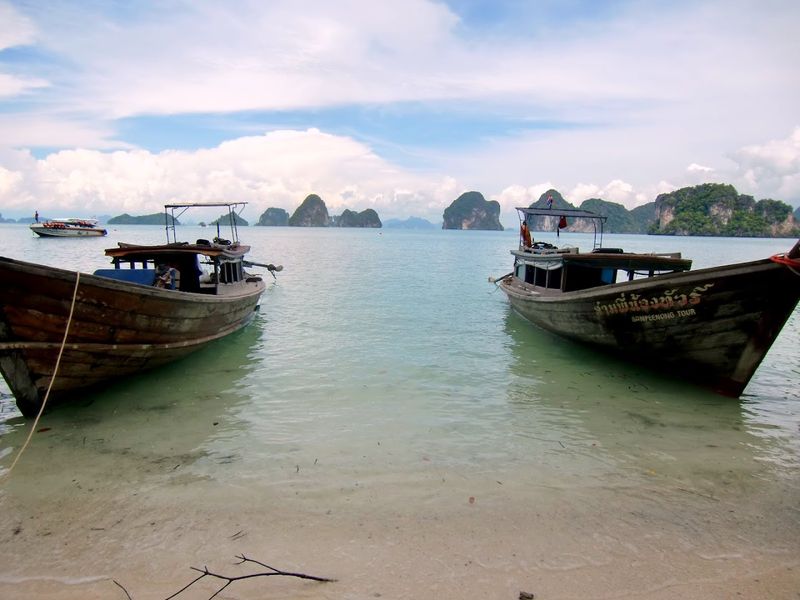
Squeezed between the tourist juggernauts of Phuket and Krabi, Koh Yao Noi somehow manages to feel like neither. The island operates on a rhythm shaped by fishing tides and rice harvests rather than beach club schedules, and that difference is noticeable from the moment the longtail boat drops you at its wooden pier.
The island is predominantly Muslim, which gives it a cultural character quite distinct from most Thai beach destinations. Mosques rather than bars define the village soundscape, and the food scene reflects that heritage with fresh seafood, coconut-based curries, and roti sold from roadside stalls.
Visitors who approach with curiosity and respect are welcomed warmly.
Cycling around Koh Yao Noi is one of Thailand’s most underrated half-day activities. Quiet roads pass through rubber plantations, rice paddies, and mangrove channels, with Phang Nga Bay’s extraordinary limestone karsts rising from the water at every turn.
Sea kayaking is available through local operators and allows access to caves and hidden lagoons within the bay that larger boats cannot reach. Accommodation ranges from simple bungalows to a handful of boutique resorts, none of which could be described as overwhelming in scale.
Koh Yao Noi proves that the most spectacular parts of southern Thailand do not require a cocktail bucket or a full moon to enjoy properly.
El Hierro, Canary Islands, Spain
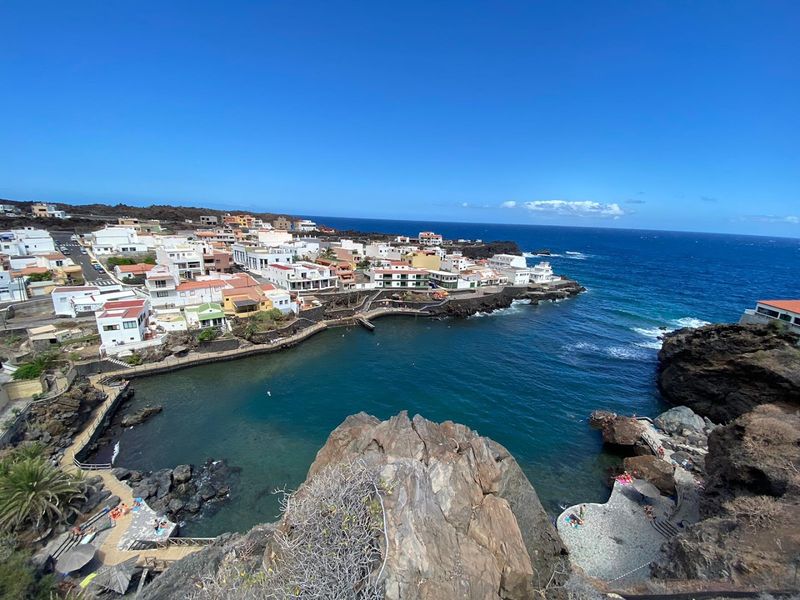
El Hierro was once believed to mark the edge of the known world. Medieval cartographers placed the prime meridian here, making it, at least in their imagination, the final point before the ocean dropped away into nothing.
That sense of standing at the edge of something is still very much part of the experience today.
The island is the smallest and least visited of the seven Canary Islands, and it has leaned into that identity with impressive commitment. El Hierro aims to run entirely on renewable energy, combining wind and hydroelectric power in a way that has attracted international attention as a sustainability model.
The island takes its environmental responsibilities seriously, and the landscape reflects that care.
Diving around El Hierro is considered among the best in the Atlantic, with the Mar de Las Calmas on the southern coast offering unusually calm, clear water and a marine reserve teeming with rays, grouper, and angel sharks. The interior is equally dramatic, with ancient juniper trees twisted into extraordinary shapes by centuries of trade winds, and laurel forest hiking trails that feel genuinely remote.
The village of El Pinar and the crater landscape around the Narat viewpoint are highlights that see almost no tour groups. El Hierro does not advertise itself loudly, which is precisely why it is worth seeking out.
Share this story