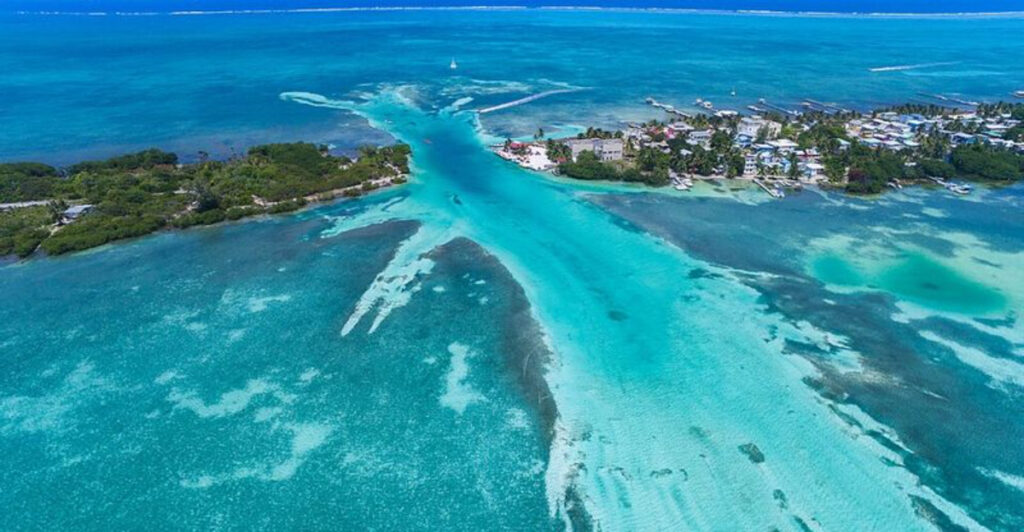
Not everyone can drop a small fortune on a Maldives trip, but that doesn’t mean you have to skip the turquoise water and overwater bungalows altogether. The world is packed with stunning destinations that pull off the same jaw-dropping look for less money, more adventure, or a completely different vibe.
I once stumbled across a photo of Aitutaki and genuinely thought it was the Maldives until I read the caption. So here are 15 places that will make your friends do a double-take at your vacation photos.
Bora Bora, French Polynesia
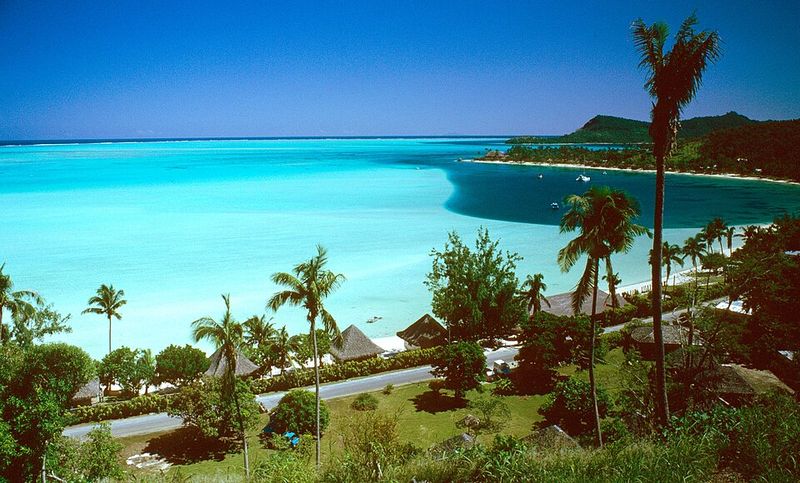
Bora Bora is basically the Maldives wearing a volcano as a hat, and honestly, it works. The lagoon glows in shades of blue and green that seem too vivid to be natural.
Overwater bungalows perch above crystal-clear water, and coral reefs circle the island like a protective moat.
The big visual difference is Mount Otemanu looming dramatically in the background. It gives Bora Bora a cinematic, almost theatrical quality the Maldives simply cannot match.
Tahiti’s official tourism site calls it a dream destination, and that is not an exaggeration.
Honeymooners absolutely adore this place, and for good reason. You get the same luxury lagoon experience but with a mountainous, lush backdrop that makes every photo look like a movie poster.
If the Maldives and a rainforest had a glamorous tropical baby, Bora Bora would be it.
Aitutaki, Cook Islands
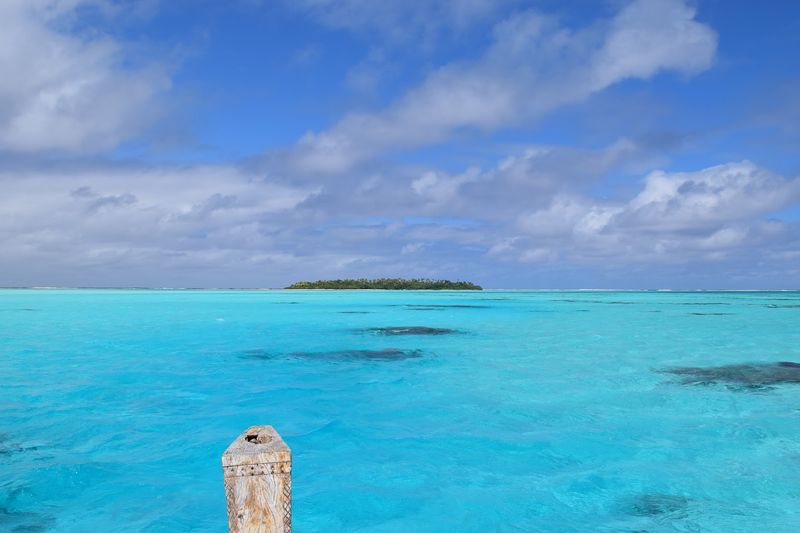
Aitutaki might be the world’s best-kept secret, and travelers who have been there are not exactly rushing to spread the word. The lagoon here is enormous, shallow, and so blue it looks photoshopped.
Tiny palm-covered motus dot the water like nature’s version of stepping stones.
Cook Islands tourism openly admits that the main island is dwarfed by its own lagoon, which tells you everything you need to know about scale. The island also has the only overwater bungalows in the Cook Islands, so the Maldives comparison practically writes itself.
What sets Aitutaki apart is the peaceful, unhurried pace. There are no mega-resorts crowding the shoreline, no tourist conveyor belts.
Just quiet beaches, warm locals, and that absurd lagoon stretching out endlessly. It is the kind of place where you plan a three-day trip and somehow end up staying for two weeks.
The Exumas, Bahamas
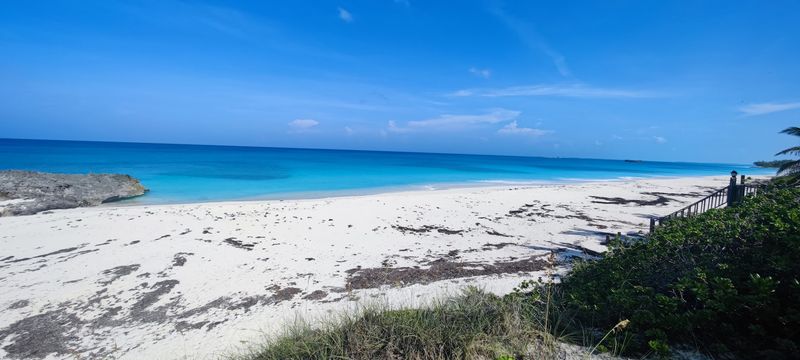
The Exumas are proof that the Caribbean can absolutely go toe-to-toe with the Indian Ocean on water color. This chain of Bahamian islands is famous for electric-blue shallows, remote sandbars, and boat trips through channels so clear you can count the fish below you.
Yes, the swimming pigs of Pig Beach are a real thing, and yes, they are exactly as chaotic and delightful as they sound. But beyond the viral pig content, the Exumas offer secret sandbars, snorkeling caves, and island-hopping routes that could fill a week easily.
Overwater villas are not really part of the Exumas experience, but if your dream Maldives photo involves a white sandbar surrounded by bright blue water rather than a floating villa, this is your spot. The water here is genuinely unreal, and no filter is needed to make it look that way.
Seychelles
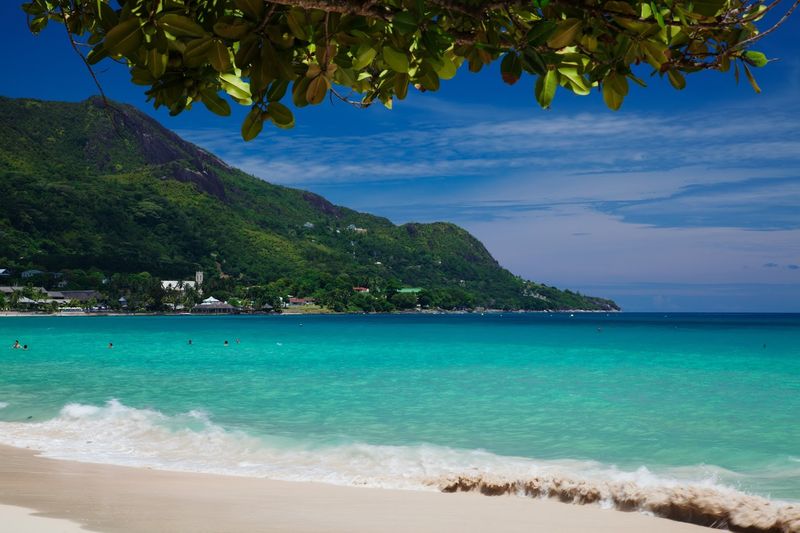
Seychelles plays by its own rules. While the Maldives keeps things flat and minimal, Seychelles brings dramatic granite boulders, lush green hills, and powdery white beaches all to the same party.
La Digue’s Anse Source d’Argent is one of the most photographed beaches on earth, and once you see it, you understand why.
The Indian Ocean setting and crystal-clear water give it that familiar Maldives glow, but the scenery here is far more varied. You can hike through nature reserves, island-hop between Mahe, Praslin, and La Digue, and explore local markets between beach sessions.
Seychelles suits travelers who want that tropical Indian Ocean look without being confined to a resort island for the entire trip. It rewards the curious.
Luxury stays are available, but so are smaller guesthouses and local eateries that show you a more authentic side of island life.
Turks and Caicos
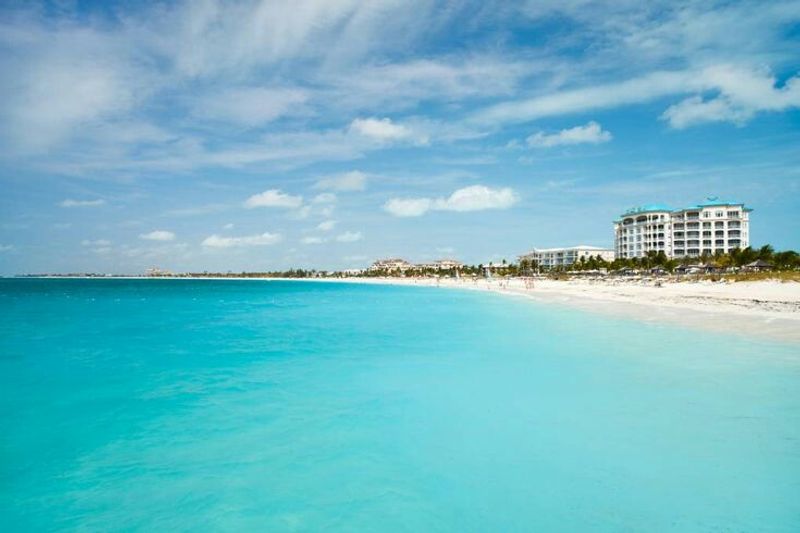
Grace Bay on Providenciales is the kind of beach that makes you question every beach you have ever visited before. The water is calm, clear, and a shade of turquoise that belongs on a paint-company mood board labeled “perfection.” The sand is soft enough to make a cloud jealous.
Turks and Caicos also sits next to one of the largest barrier reef systems in the world, which keeps the coast protected and the conditions ideal for snorkeling, paddleboarding, and just floating around looking smug. Luxury resorts line the shore and deliver the polished, high-end experience that Maldives fans crave.
It does not feel as remote or secluded as a private Maldivian island, but the water quality and beach quality are genuinely comparable. For travelers who want Maldives-level beauty with easier flights from North America, this is arguably the smartest swap on the list.
Fiji’s Mamanuca Islands
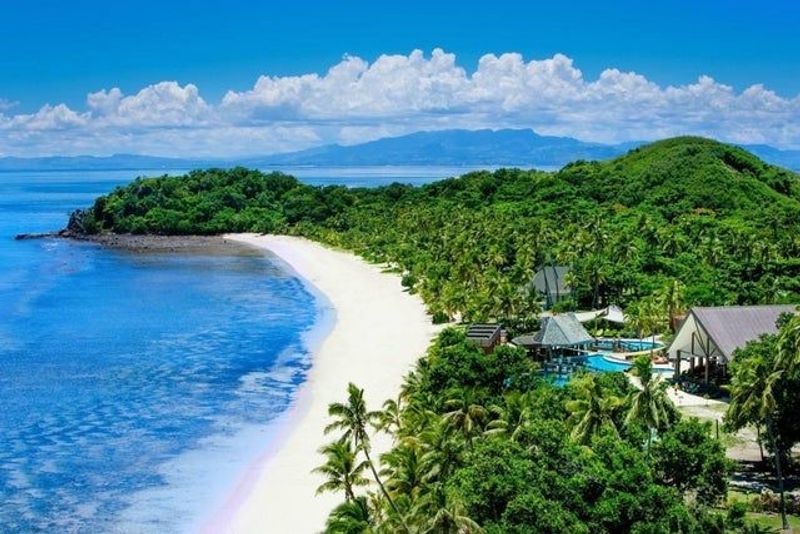
Fiji has over 300 islands, but the Mamanuca group is where the tropical fantasy really kicks into high gear. Palm-fringed beaches, blue lagoons, reef snorkeling, and overwater-style bungalows at select resorts make this corner of the South Pacific feel like it was designed specifically to compete with the Maldives.
Likuliku Lagoon Resort actually offers proper overwater bungalows in the Mamanucas, which is still a rare thing in Fiji and a big deal for travelers chasing that floating-villa experience. Tourism Fiji promotes the islands for beaches, landscapes, and activities, but the real selling point is the warmth of Fijian culture.
Village visits, traditional ceremonies, and genuine community hospitality add a layer of richness that ultra-private Maldives resorts sometimes lack. You get the dreamy lagoon scenery AND a cultural experience.
That combination is harder to find than most people realize, and Fiji delivers it with a big smile.
Moorea, French Polynesia
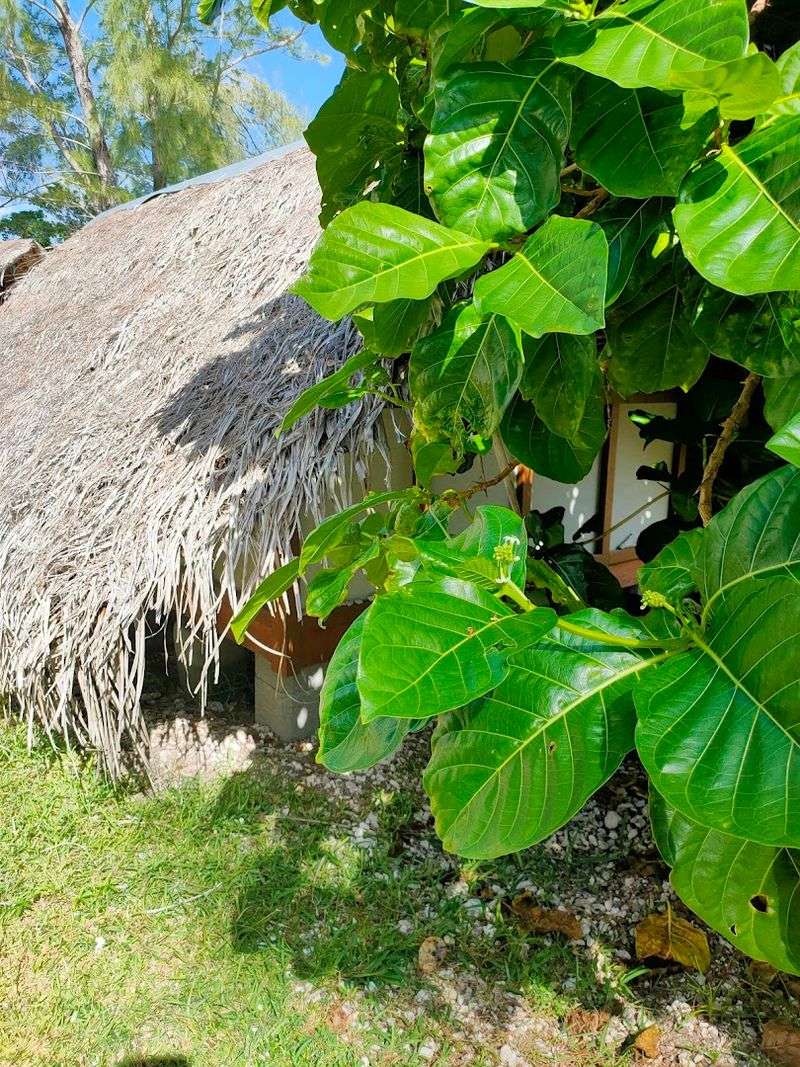
Moorea is Bora Bora’s slightly more relaxed sibling, and it is all the better for it. The lagoon is just as stunning, the overwater bungalows are just as dreamy, but the atmosphere is a little more lived-in and approachable.
Locals actually go about their daily lives here rather than catering exclusively to resort guests.
Hilton Moorea Lagoon Resort promotes overwater bungalows and even an overwater restaurant, which is the kind of detail that makes a Maldives comparison feel entirely fair. The crystal-clear Pacific water beneath those bungalows is the real star of the show.
The volcanic mountain peaks rising behind the lagoon give Moorea its own dramatic personality. Snorkeling with reef sharks and rays in the lagoon is a surprisingly common activity here, and it is far more accessible than it sounds.
Moorea is the destination for travelers who want full Maldives vibes with a bit more local character mixed in.
Belize Cayes
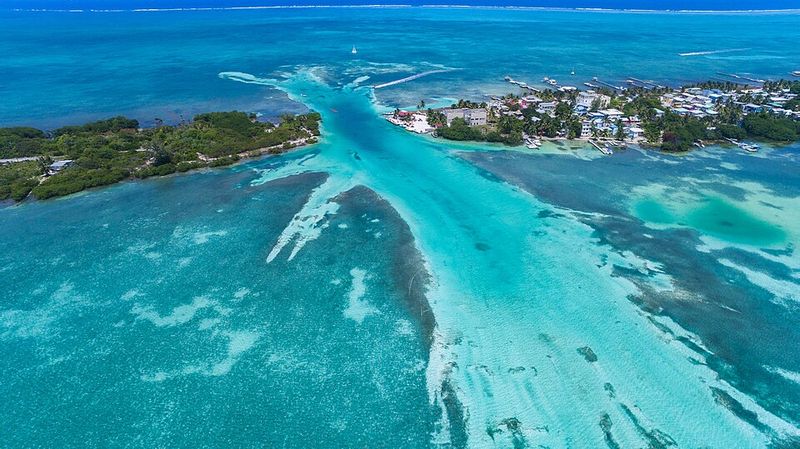
Belize is the adventure-lover’s answer to the Maldives, and it does not apologize for being a little rough around the edges. Ambergris Caye and Caye Caulker sit right beside the Belize Barrier Reef, one of the most biodiverse reef systems on the planet.
The water around the cayes can be stunningly clear, especially on snorkeling and diving trips.
The famous Blue Hole, a massive underwater sinkhole visible from the air, is one of the most iconic dive sites in the world. Hol Chan Marine Reserve adds protected seagrass beds, mangrove islands, and reef habitats to the mix.
This is not the Maldives, but the marine life might actually be more impressive.
Belize also lets you combine beach time with inland jungle adventures and ancient Maya sites. For travelers who find pure resort relaxation a bit too quiet, Belize offers the same turquoise water with a much louder, more thrilling supporting cast.
Ile aux Cerfs, Mauritius
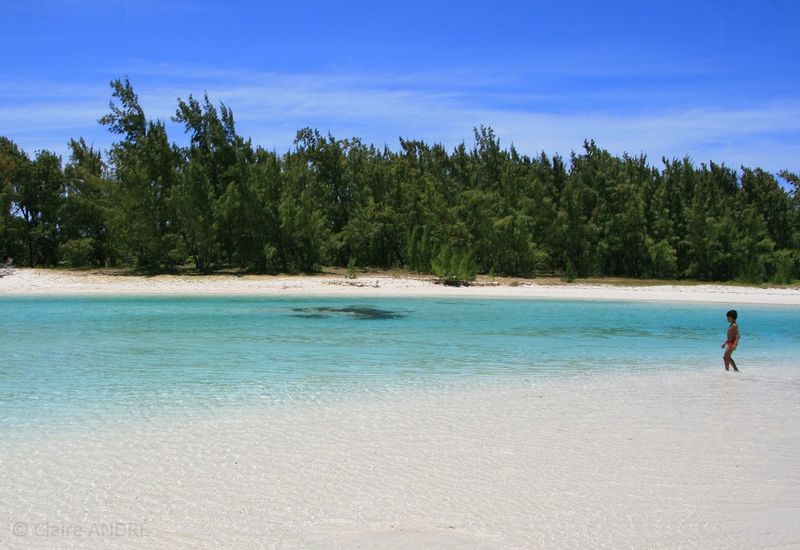
Mauritius has no shortage of beautiful beaches, but Ile aux Cerfs is the one that tends to make people stop scrolling. Located off the east coast of Mauritius, this small island is promoted as a turquoise paradise, and the shallow blue lagoon surrounding it absolutely earns that description.
It is not a secluded private-island retreat in the Maldivian sense. Beach restaurants, water sports, and day-trippers from the mainland keep things lively.
But the visual effect of that white sand against that blue water is genuinely postcard-worthy, no argument needed.
Ile aux Cerfs works best as a day trip from one of Mauritius’s east coast resorts. Combine it with a glass-bottom boat ride, some snorkeling, and lunch at one of the beachside spots, and you have a full tropical day that could easily fool anyone into thinking you flew straight to the Indian Ocean’s most famous archipelago.
El Nido, Palawan, Philippines
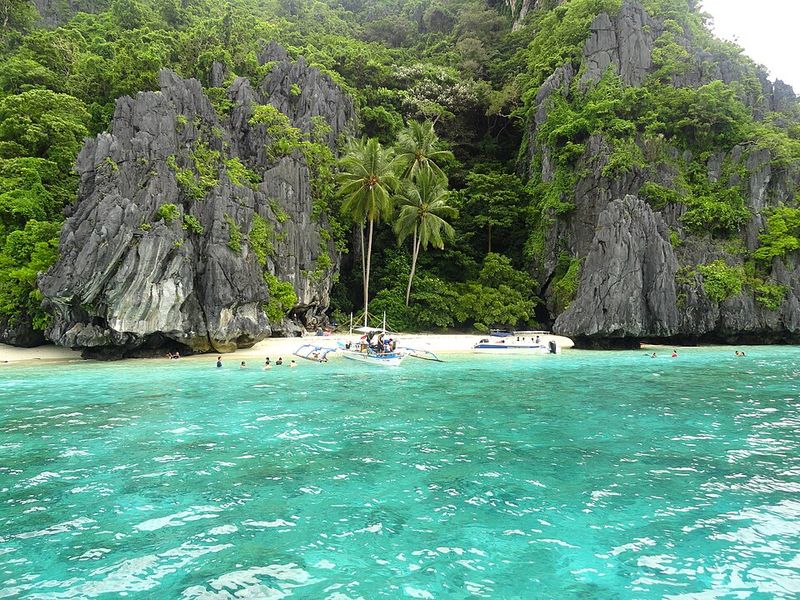
El Nido is what happens when the Maldives goes rogue and starts hanging out with dramatic limestone cliffs. The lagoons here are the same jaw-dropping turquoise, the beaches are just as white, but the setting is completely different and arguably more spectacular.
The official El Nido tourism site describes the area as rich in marine biodiversity, and that is putting it mildly.
Island-hopping is the main event in El Nido. You kayak through secret lagoons, swim into hidden beaches, and snorkel over reefs that have barely been touched.
Every island feels like a discovery, not a destination someone has already Instagrammed into oblivion.
Overwater villas are not really the El Nido style, so if that is your non-negotiable, look elsewhere. But for travelers who want Maldives-blue water with limestone drama, jungle greenery, and a sense of real adventure, El Nido delivers something that no flat coral atoll ever could.
Koh Lipe, Thailand
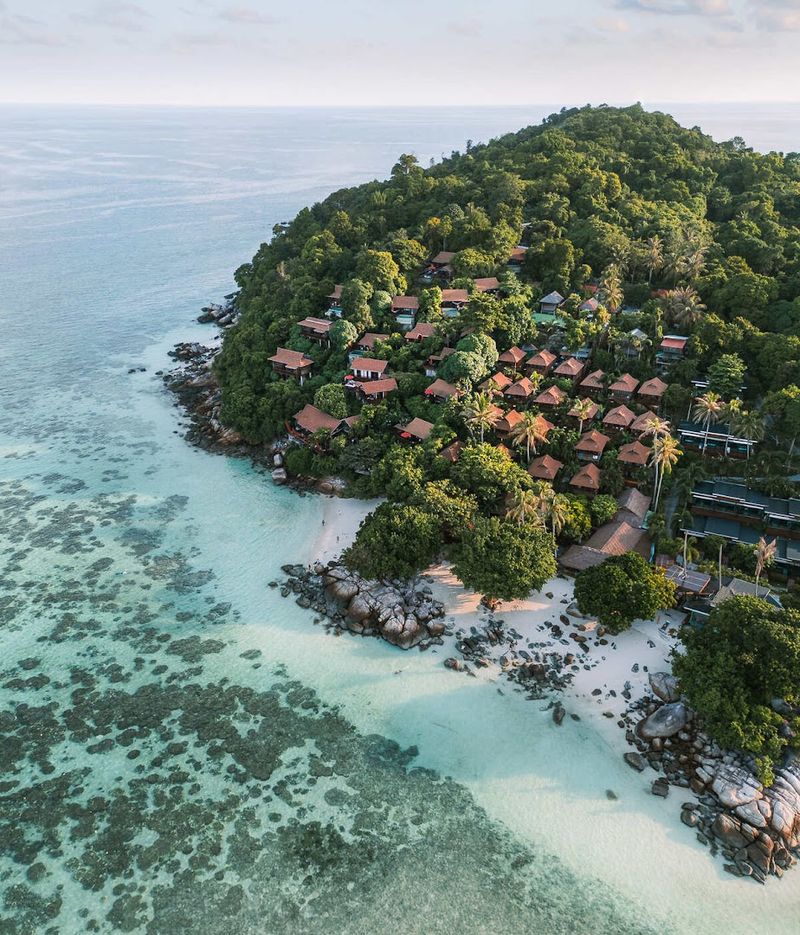
Koh Lipe gets called the Maldives of Thailand so often that the nickname has almost lost its meaning, but strip away the marketing and you still find genuinely impressive water. Sitting near Tarutao National Marine Park in Satun Province, this small island has some of the clearest water and softest sand in the entire country.
It is not a secluded luxury bubble. Koh Lipe has beach bars, budget guesthouses, and a lively backpacker scene that gives it a more casual, social energy than a private Maldivian resort.
That is either a feature or a flaw, depending entirely on what kind of traveler you are.
The snorkeling around the island is legitimately good, with healthy coral and plenty of reef fish close to shore. At peak season, the water is so clear and so blue that even the most skeptical traveler will admit the Maldives comparison is not completely ridiculous.
Affordable flights make it even harder to ignore.
Raja Ampat, Indonesia
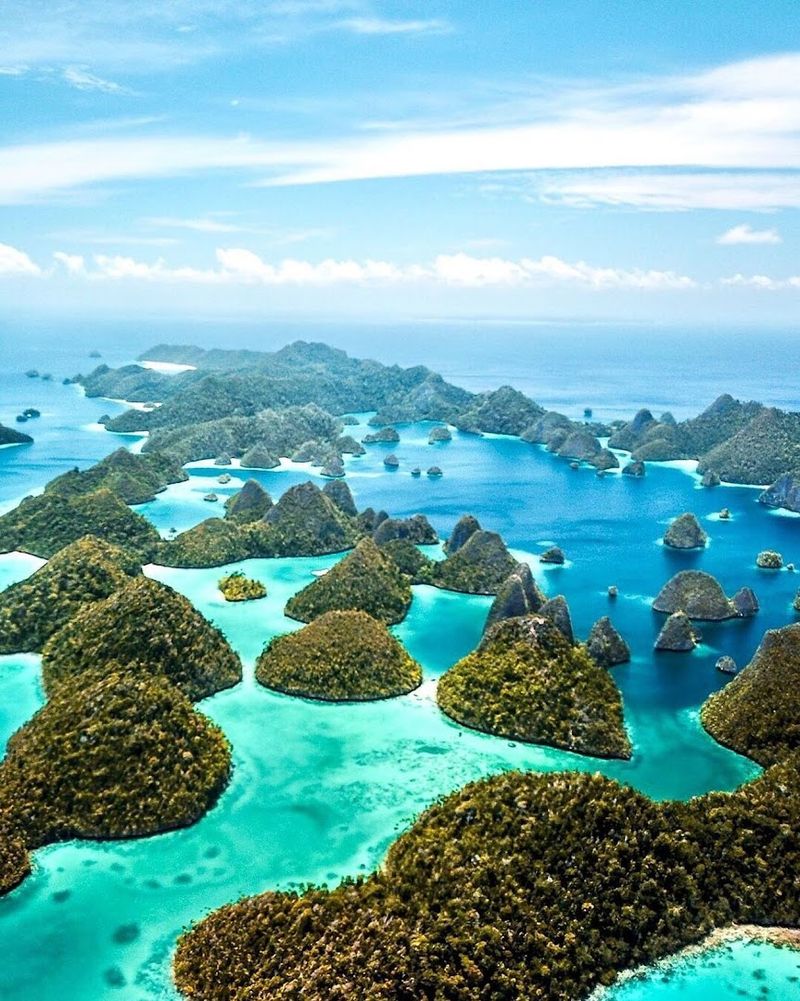
Raja Ampat is where marine biologists go when they want to feel emotions. Located off the northwest tip of Papua, Indonesia, this remote archipelago contains thousands of islands, coral reefs, and a level of marine biodiversity that scientists still have not fully documented.
The official Raja Ampat tourism system describes it as a place of natural wonders, which is technically accurate but wildly understated.
The Maldives comparison comes from the water color, the remote island feel, and the reef life. But Raja Ampat is wilder, rawer, and more demanding.
This is not a place for lounging on a resort terrace with a cocktail, though some eco-lodges do offer that option.
Divers, snorkelers, and eco-travelers are the ones who get the most out of Raja Ampat. The underwater scenery here is routinely ranked among the best in the world.
If the Maldives is a five-star hotel, Raja Ampat is a national park with no cell service and absolutely no apologies.
Bazaruto Archipelago, Mozambique
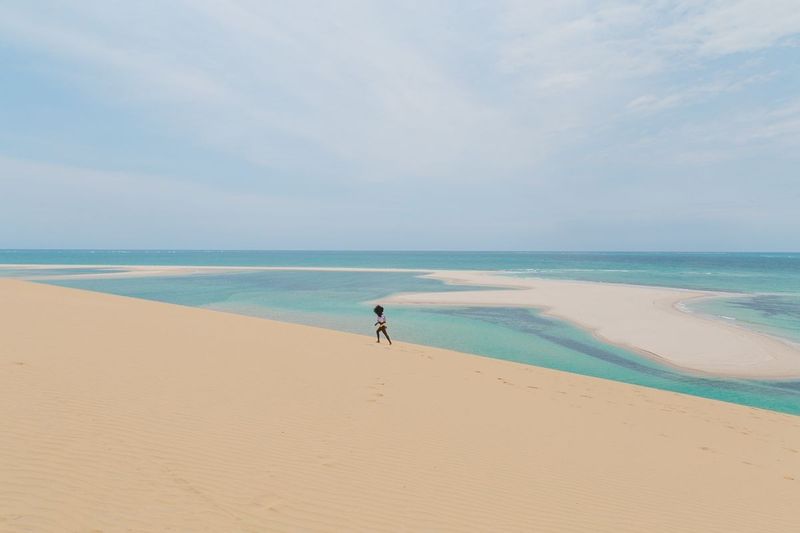
Most people could not find Mozambique on a map, which is exactly why Bazaruto remains one of the Indian Ocean’s most blissfully uncrowded secrets. The official Bazaruto Archipelago National Park site describes five islands set in tranquil turquoise seas, fringed by powder-white beaches, and protected as Mozambique’s oldest marine reserve.
African Parks confirms the area covers 143,000 hectares of both marine and terrestrial habitat.
Unlike the Maldives, Bazaruto has sand dunes rolling down to the sea, which is a visual combination that genuinely stops people mid-sentence. Dugongs, which are rare sea mammals related to manatees, still swim in these waters.
Seeing one is considered a genuine privilege.
Luxury lodges here offer the high-end experience without the overwater-villa crowds. Bazaruto feels less developed, more raw, and more authentically African than anything the Maldives offers.
For travelers who want Indian Ocean beauty with actual wilderness attached, this archipelago is a serious contender.
Zanzibar, Tanzania
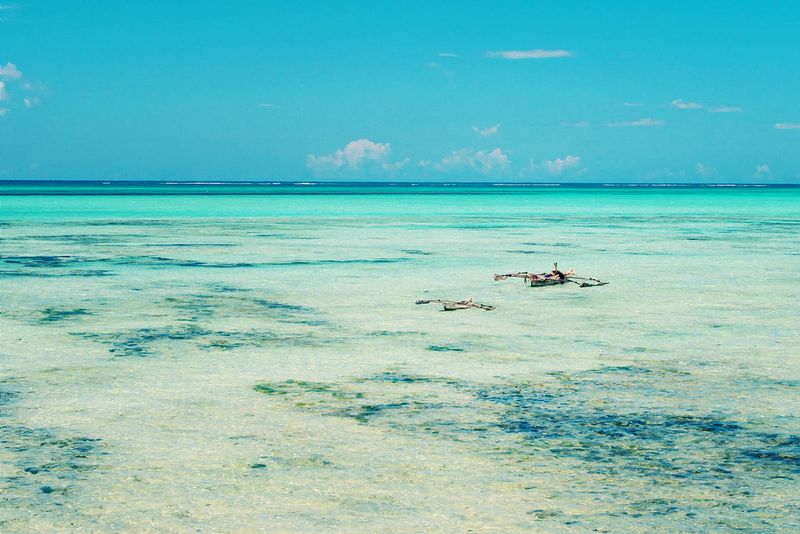
Zanzibar is the Maldives with a history book tucked under its arm. Tanzania’s official tourism site highlights powder-white sands, turquoise waters, and swaying palms, and the beaches around Nungwi and Kendwa absolutely deliver on that promise.
But Zanzibar also has Stone Town, spice markets, Swahili culture, and a past shaped by ancient trade routes that gives the island real depth.
Mnemba Atoll, a small private island off Zanzibar’s northeast coast, is known for some of the best snorkeling in the region. The water around it is clear enough to make you feel mildly guilty for ever visiting a less beautiful beach in your life.
Zanzibar does not have the same private-island resort structure as the Maldives, but it offers something arguably more interesting: tropical Indian Ocean beauty wrapped in genuine culture. You can spend a morning snorkeling over reef and an afternoon haggling for spices in a centuries-old market.
That kind of variety is hard to beat.
Bawah Reserve, Indonesia
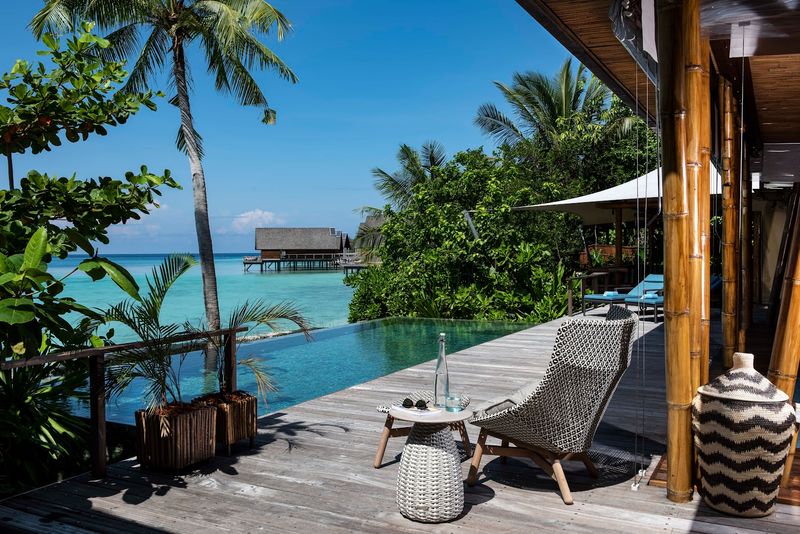
Bawah Reserve is the Maldives alternative for travelers who want everything: remote location, clear lagoons, coral reefs, overwater villas, and total seclusion. Located in the Anambas Islands, far from the tourist trail, this private island escape is one of Indonesia’s most exclusive luxury destinations.
It is not cheap, but it is spectacular.
Six lagoons, thirteen beaches, and a surrounding reef system give Bawah its visual punch. The water color is the same dreamy blue-green that makes Maldives photos so ridiculously shareable.
The overwater villas sit directly above the lagoon, completing the comparison almost perfectly.
Bawah also takes conservation seriously, with strict limits on guest numbers and active reef restoration programs. So the luxury comes with a genuine environmental conscience, which is increasingly rare.
For travelers ready to splurge on a Maldives-level experience without actually going to the Maldives, Bawah Reserve is probably the most convincing swap on this entire list.
Share this story