Some islands refuse to be tamed by tourist brochures, and honestly, good for them. These 15 tropical gems still carry that rare, unhurried magic that most famous beach destinations lost years ago.
From volcanic jungles to lagoons so blue they look photoshopped, each one offers something genuinely special. Pack light, leave your expectations at the airport, and get ready to fall hard.
Aitutaki, Cook Islands
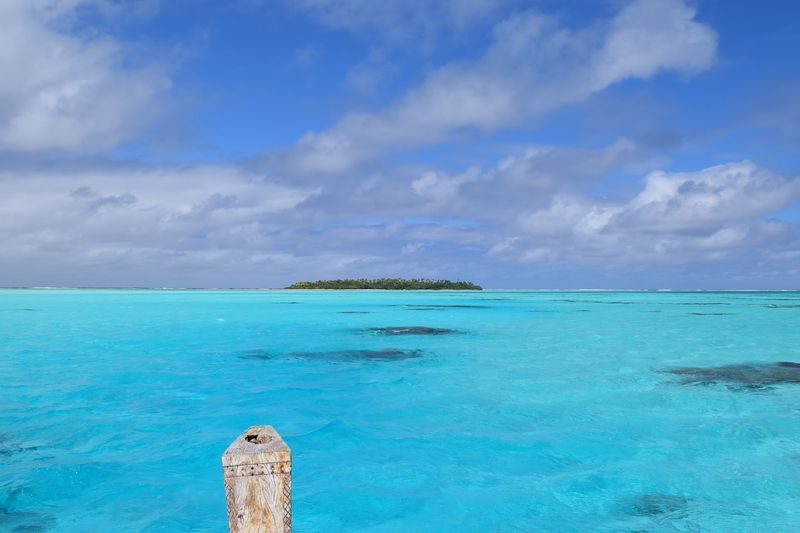
The lagoon at Aitutaki has no business being this beautiful, yet here we are. Stretching wide and glowing in every shade of turquoise, it is the kind of place that makes people immediately start researching property prices.
The Cook Islands’ only overwater bungalows sit here, which feels both fitting and slightly unfair to every other island.
What makes Aitutaki genuinely special is its pace. There are no mega-resorts dominating the shoreline, no cruise ships unloading thousands of visitors at once.
You get boutique stays, local guides, and a lagoon that feels almost private.
Day trips to the outer motu are legendary. Small boats, white sand, reef fish, and a cold beer at the right moment make for a seriously hard day’s work.
Aitutaki has Bora Bora’s looks with none of Bora Bora’s ego, and that combination is almost impossible to beat in the South Pacific.
Rodrigues Island, Mauritius
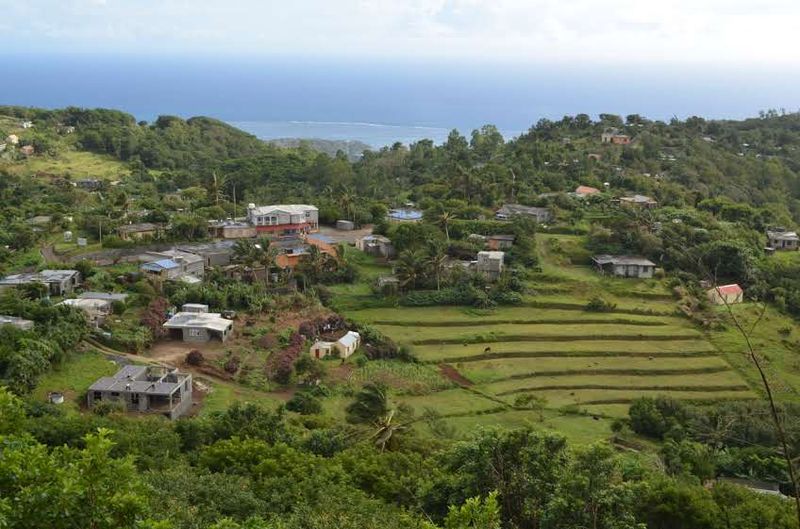
Rodrigues is what happens when an island decides it simply does not need your approval. Sitting far east of Mauritius, it runs on fishing village rhythms, coastal trail winds, and a refreshing lack of interest in becoming the next big thing.
Most travelers stop at Mauritius and never bother continuing, which means Rodrigues stays wonderfully itself.
The lagoon here is enormous relative to the island’s size, making it a brilliant spot for snorkeling, kite surfing, and general floating-around-doing-nothing activities. Local festivals bring real cultural energy that no resort can manufacture.
Hiking the coastal trails rewards you with views that feel genuinely earned. The Rodrigues Tourism Office highlights everything from diving to fishing to cultural experiences, and none of it feels packaged or performative.
This is an island that greets you like a neighbor rather than a customer, and that warmth is something money genuinely cannot buy elsewhere.
Kadavu, Fiji
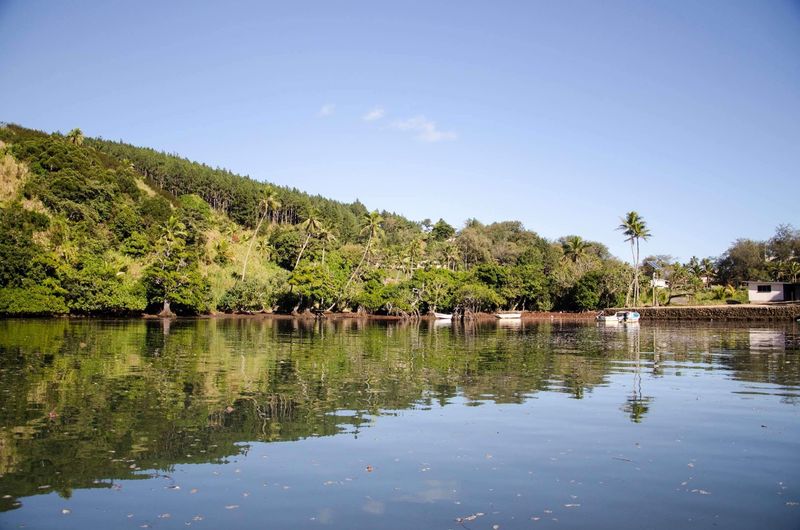
Kadavu skipped the honeymoon cliche memo entirely, and the island is better for it. Remote, green, and unapologetically traditional, it offers a version of Fiji that feels less like a brochure and more like the real deal.
World-class diving sits right at the doorstep, courtesy of the Great Astrolabe Reef, one of the largest barrier reefs on the planet.
Village stays here are not a gimmick. Local communities genuinely welcome visitors, and the experience of sharing a kava ceremony with residents beats any swim-up bar by a considerable margin.
Rainforest trails, reef snorkeling, and birdwatching fill the days without any effort.
Tourism Fiji calls Kadavu a secluded haven, and for once, tourism copy actually undersells reality. Regular flights and ferry connections from the mainland make it accessible without feeling overrun.
If you want Fiji’s beauty with a stronger sense of remoteness and tradition, Kadavu is where you quietly collect your bags and go.
Tanna, Vanuatu
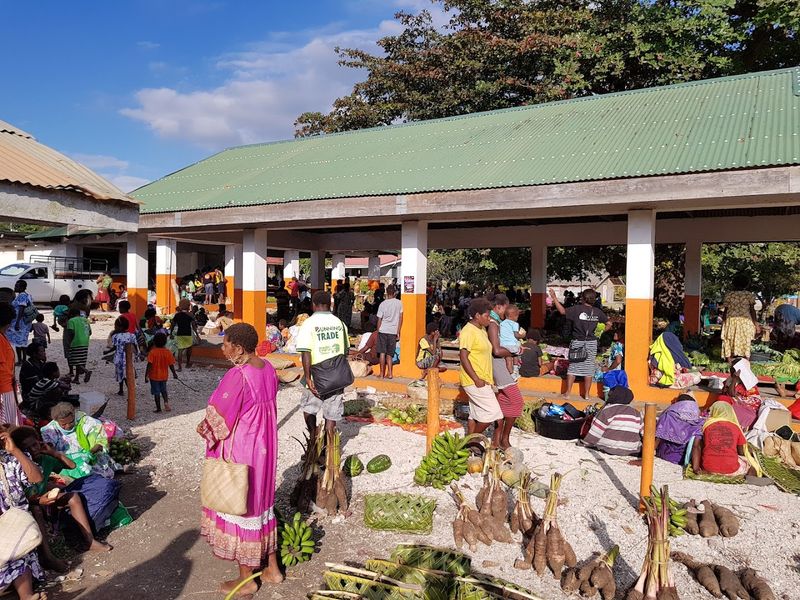
Not every paradise is built on white sand and cocktails. Tanna, Vanuatu, builds its paradise on jungle, cultural villages, black sand beaches, and Mount Yasur, one of the world’s most accessible active volcanoes.
Standing at the crater rim while lava spits upward is, to put it mildly, a memorable Tuesday.
Hot springs bubble near the coast, traditional kastom villages preserve centuries-old practices, and the island carries an energy that feels ancient and alive at the same time. Vanuatu’s tourism site promotes Tanna specifically for volcano experiences and cultural encounters, and both genuinely deliver.
The black sand beaches are striking in a way that white sand simply cannot replicate. They frame the ocean with a dramatic contrast that keeps photographers permanently busy.
Tanna rewards curious travelers who want more than a beach chair. It is raw, elemental, and wildly unforgettable, the kind of place that changes how you think about what a tropical island can actually be.
Mafia Island, Tanzania
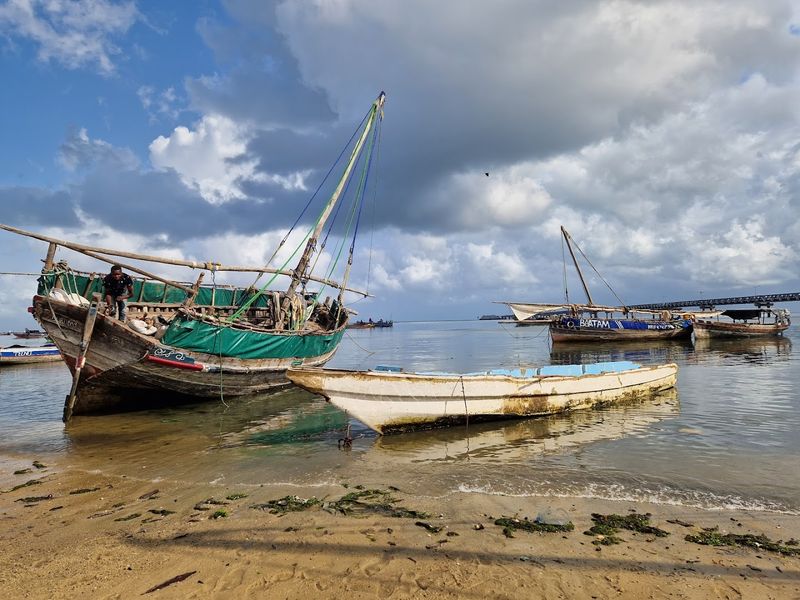
Mafia Island has a name that commands respect, and the island absolutely delivers. While Zanzibar collects the Instagram crowds, Mafia quietly keeps the castaway feeling alive along Tanzania’s coast.
Coral reefs, Swahili culture, and whale shark encounters in season make it East Africa’s most underrated marine destination by a significant margin.
The Mafia archipelago includes smaller islands like Chole and Juani, each carrying their own quiet charm. Ruins, mangroves, and traditional dhow boats set a scene that feels genuinely timeless rather than staged for visitors.
Whale shark season draws snorkelers from around the world, and rightfully so. Swimming alongside the ocean’s largest fish in calm, clear water is the kind of experience that rearranges your priorities.
The Tanzania Tourism site lists Mafia among the country’s island destinations, but its real reputation travels by word of mouth among travelers who stumbled upon it and never quite recovered from how good it turned out to be.
Con Dao, Vietnam
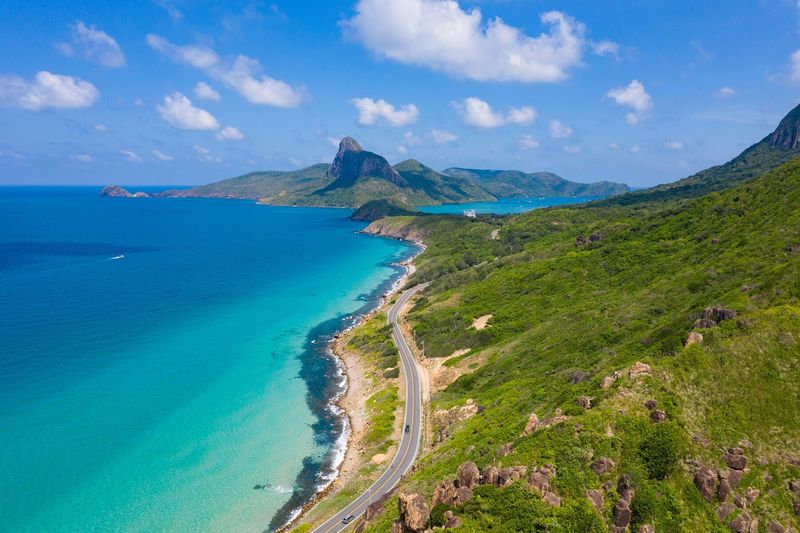
Con Dao carries a complicated history and extraordinary natural beauty in equal measure. Once a French colonial prison island, it has transformed into one of Vietnam’s most peaceful escapes, a place where forested national parkland meets crystal-clear water and deserted beaches.
The contrast between past and present is something you feel without needing to overthink it.
Vietnam’s tourism board covers Con Dao in detail, but the island remains far less visited than Phu Quoc, which is frankly everyone else’s loss. Quiet roads, sea turtle nesting beaches, and a national park covering most of the archipelago keep things refreshingly unhurried.
The local food scene, small as it is, punches well above its weight. Fresh seafood, Vietnamese coffee, and early mornings watching fishing boats leave harbor are the kind of simple pleasures Con Dao does effortlessly.
For travelers who want Vietnam’s beauty without the beach-club noise, this island group is an easy, obvious answer.
Siquijor, Philippines
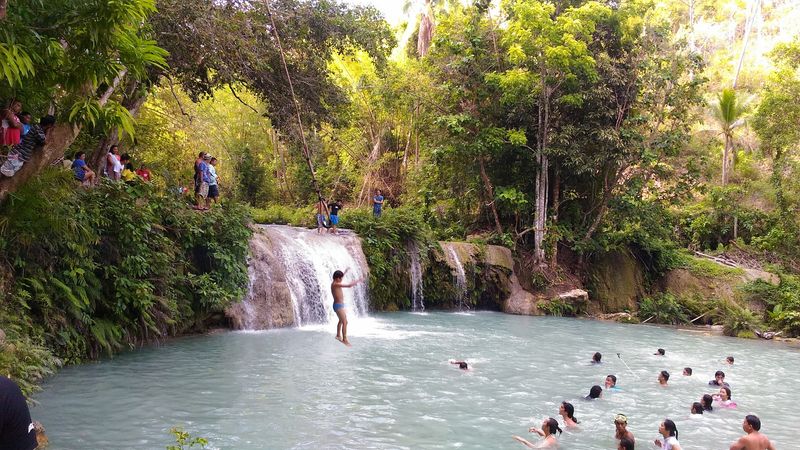
Siquijor has a reputation for folklore and mysticism that locals wear with pride and a slight mischievous grin. Beyond the legends, though, it is simply a stunning small island with white sand, waterfalls, coral reefs, and a personality that is entirely its own.
It is not Palawan, it is not Boracay, and that is precisely the point.
The 102-kilometer coastline offers beaches ranging from popular to genuinely empty, depending on how far you are willing to ride a motorbike. Waterfalls tucked into the interior reward those who venture off the coast road with cool freshwater pools and zero crowds.
Marine biodiversity here is rich, and the snorkeling sits well above average for the Philippines, which is already a high bar. I spent three days on Siquijor expecting a quick stop and ended up staying a full week, which tells you everything about how the island operates on visitors.
It has a quiet gravitational pull that is very hard to escape.
Koh Yao Noi, Thailand
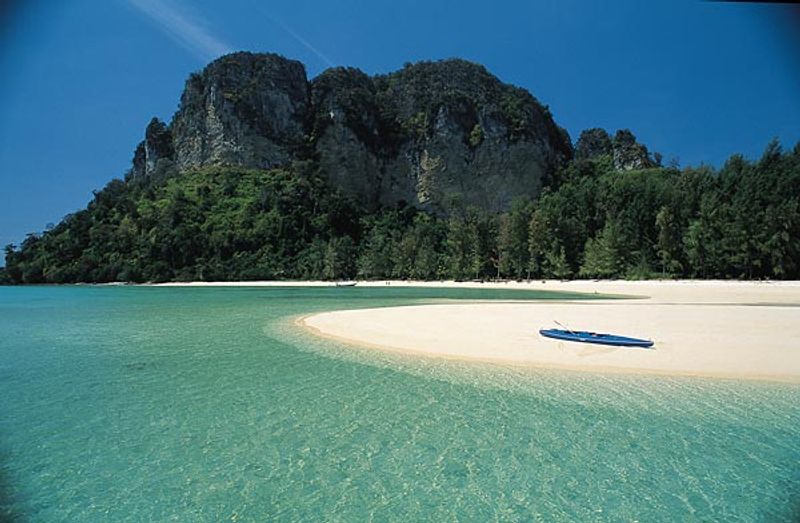
Wedged between Phuket and Krabi like a well-kept secret, Koh Yao Noi has somehow avoided the fate of its famous neighbors. No full-moon parties, no rooftop bars blasting chart music, no beach vendors every three meters.
What it does have is limestone karst views, fishing villages, calm roads perfect for cycling, and a daily rhythm set entirely by the tides.
The Tourism Authority of Thailand lists Ko Yao Noi in Phang Nga, and current travel guides highlight it as a quieter base for kayaking, beach days, and nearby island trips. Getting here by speedboat from Phuket takes under an hour, making the contrast between the two places almost comically dramatic.
Muslim fishing communities give the island a cultural warmth that feels genuine and unhurried. Mornings smell like fresh-caught fish and strong coffee.
Evenings bring spectacular karst silhouettes over still water. Koh Yao Noi proves that Thailand’s most famous scenery is actually best enjoyed from somewhere most tourists have not yet found.
Malapascua Island, Philippines
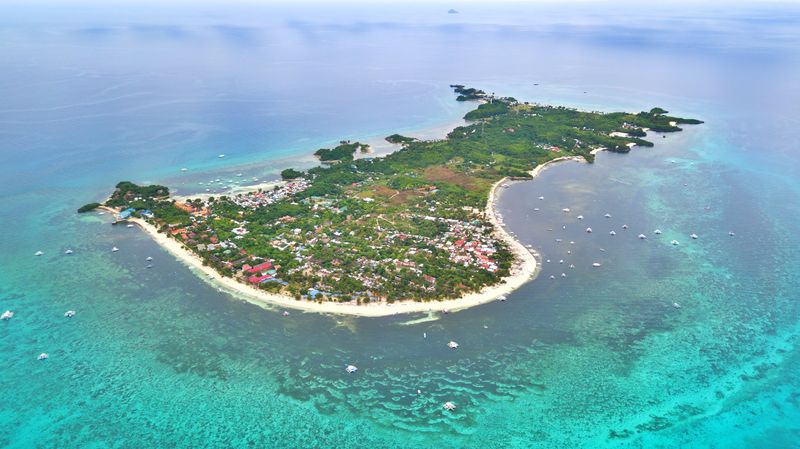
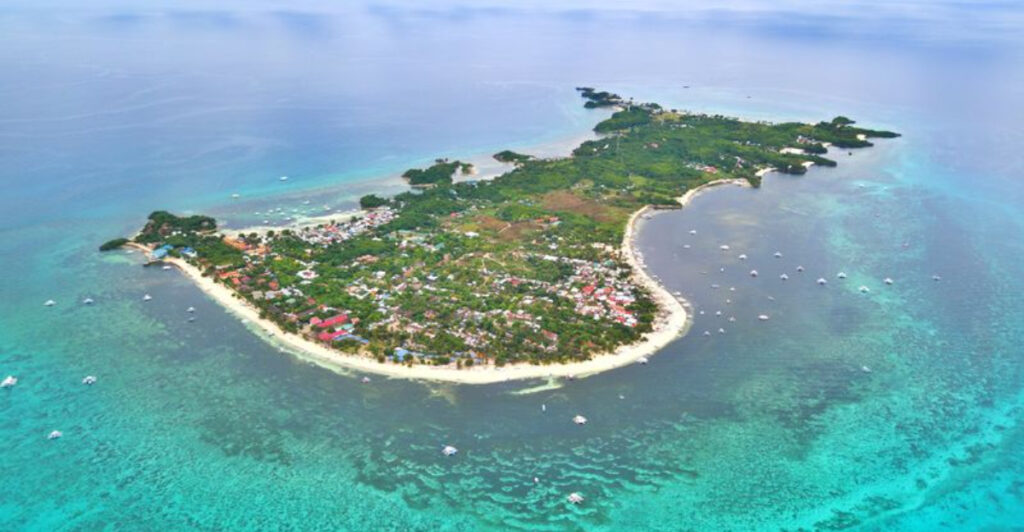
Every diver has a bucket-list shark, and for thousands of them, the thresher shark tops the chart. Malapascua Island, a tiny speck off northern Cebu, is one of the only places in the world where thresher sharks visit cleaning stations regularly enough to make sightings genuinely reliable.
That single fact built the island’s global diving reputation.
Above water, Malapascua is barefoot and unhurried. Sandy paths connect guesthouses, dive shops, and beachfront restaurants in a layout that feels more village than resort.
The low-key atmosphere is a feature, not a flaw.
Guide to the Philippines describes Malapascua as a top Visayas destination, and it earns that status through a combination of world-class underwater action and above-water simplicity. Non-divers come for the beach and the pace and usually end up signing up for an open water course by day three.
The island has a habit of turning casual visitors into certified underwater converts without even trying.
Culebra, Puerto Rico
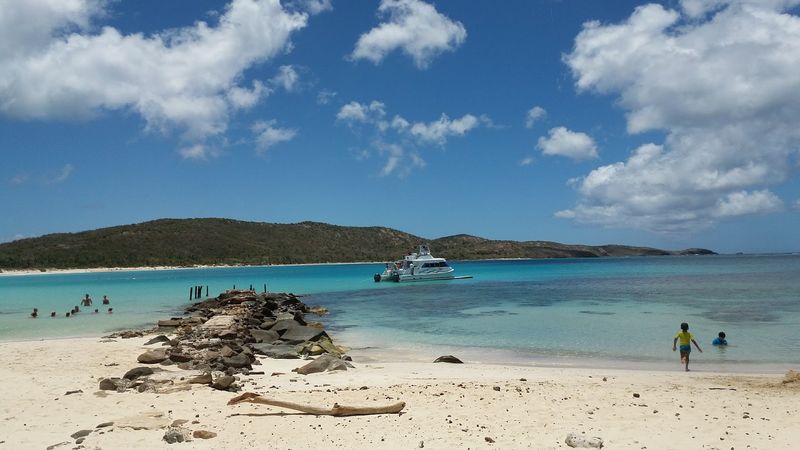
Culebra is the Caribbean’s polite reminder that not everything needs to be loud to be extraordinary. About 20 miles east of Puerto Rico’s main island, it sits small and unassuming, packing Flamenco Beach, one of the world’s genuinely great stretches of sand, into a package most travelers overlook entirely.
Their loss is your gain.
Discover Puerto Rico describes Culebra as a small island municipality known for protected marine ecosystems, uncrowded beaches, and healthy coral reefs. The snorkeling is exceptional, and the water clarity will ruin you for less impressive seas forever.
Getting here by ferry or small plane from the main island is easy enough to make it a no-brainer day trip or overnight stay. Most visitors head to San Juan or Vieques and skip Culebra entirely, which keeps the beaches at a manageable, peaceful level.
Flamenco Beach on a quiet morning, with just a handful of people and water that color, is the kind of thing you stop trying to photograph and just sit with.
Saba, Dutch Caribbean
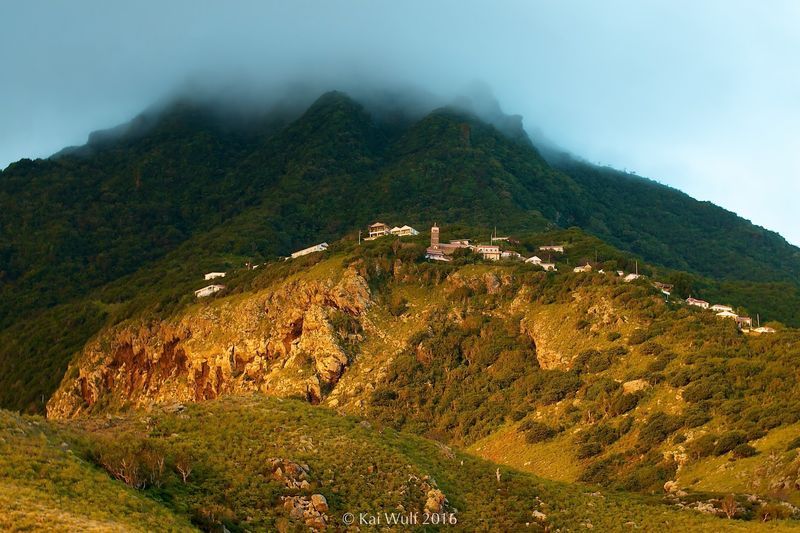
Saba does not play by Caribbean island rules, and it is spectacularly proud of that fact. No long white-sand beaches, no cruise ship piers, no all-inclusive resorts competing for oceanfront.
What Saba offers instead is dramatic volcanic cliffs, dense rainforest, diving that regularly makes international best-of lists, and a preserved old-Caribbean atmosphere that feels genuinely rare.
Saba Tourism describes the island as untouched by the quickening pace of the modern world, which sounds like tourism copy until you actually arrive and realize it is just accurate. The villages of Windwardside and The Bottom have a storybook tidiness that makes them oddly charming.
Mount Scenery, the highest point in the Dutch Kingdom, rewards hikers with cloud-forest trails and panoramic views that justify every uphill step. The diving around Saba Marine Park is world-class, with dramatic pinnacles and rich marine life.
For travelers who want nature and atmosphere over beach real estate, Saba is a very satisfying answer to the question of where to go next.
Dominica
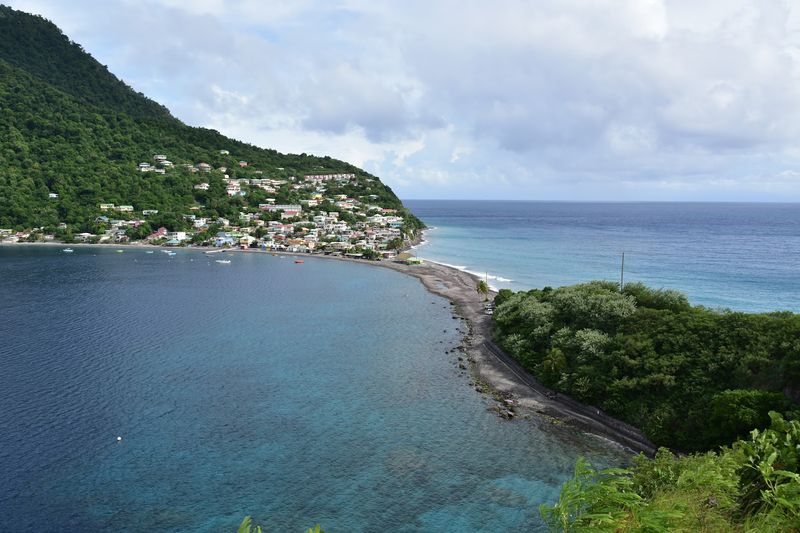
Dominica is the Caribbean island that went full rainforest and never looked back. While neighbors compete on beach quality and resort size, Dominica quietly stacks up waterfalls, hot springs, volcanic peaks, and one of the region’s most impressive networks of hiking trails.
It is genuinely one of a kind in a sea of sun-and-sand sameness.
Discover Dominica promotes the island’s rainforest setting, nature-based stays, and certified tour operators, and the adventure packages here are built around real wilderness rather than manufactured experiences. Boiling Lake, one of the world’s largest hot lakes, sits at the end of a challenging but rewarding hike through the Valley of Desolation, which sounds dramatic because it absolutely is.
Black-sand beaches frame the coast where rivers meet the sea, creating a visual combination that feels unlike anywhere else in the Caribbean. Dominica sits outside the typical resort circuit, which keeps prices sensible and crowds thin.
It rewards travelers who pack hiking boots alongside their swimsuit and arrive with genuine curiosity about what an island can be beyond a beach.
Barbuda, Antigua and Barbuda
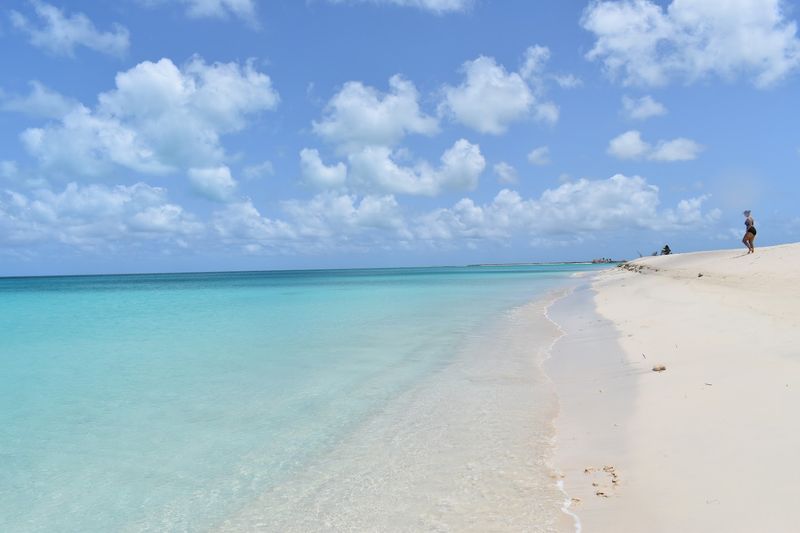
Pink sand beaches sound like a marketing invention, but Barbuda’s are completely real and completely stunning. The island sits quietly in Antigua’s shadow, offering wide-open shorelines, shallow blue water, and a windswept calm that feels almost meditative.
This is not the place for nonstop activity; it is the place for deliberate, unhurried stillness.
The official Antigua and Barbuda tourism site promotes Barbuda’s untouched shores as part of the two-island destination, and tourism officials confirmed in 2026 that the island remains open and welcoming. The famous Frigate Bird Sanctuary, home to one of the Western Hemisphere’s largest frigatebird colonies, adds a genuinely wild dimension to any visit.
Barbuda still carries a fragile, recovering quality following hurricane damage in recent years, which makes visiting feel like a meaningful act of support rather than just a holiday. The island rewards visitors with rare solitude, extraordinary birdlife, and beaches so empty they feel almost borrowed.
Antigua gets the spotlight; Barbuda gets the last laugh.
Principe, Sao Tome and Principe
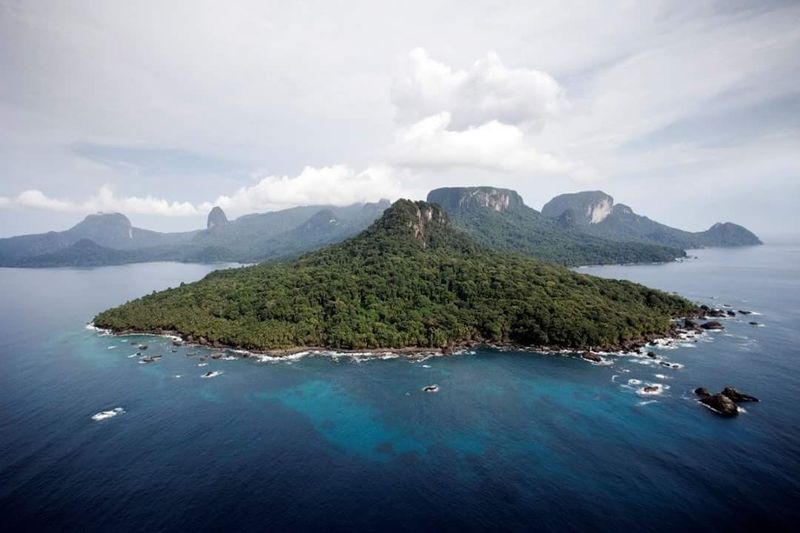
Principe is the kind of place that makes geography nerds feel briefly smug for knowing it exists. A tiny island off the coast of West Africa, it combines volcanic peaks, dense rainforest, quiet beaches, and a cacao heritage that runs deep into its cultural identity.
Mainstream tourism has not arrived here, and the island feels genuinely unscripted as a result.
The regional government of Principe highlights its nature and unique island charm, and the biodiversity here backs that claim up thoroughly. Endemic bird species, ancient trees, and coral reefs in various states of pristine make it a naturalist’s quiet obsession.
Getting here requires effort, which is part of the deal and part of the reward. Travelers who make the journey find a place that operates entirely on its own timeline, where the pace of life is set by fishing schedules and forest sounds rather than Wi-Fi speeds.
Principe offers a rare mix of African island culture, rainforest, beaches, and low-crowd discovery that very few places in the world can currently match.
Palau
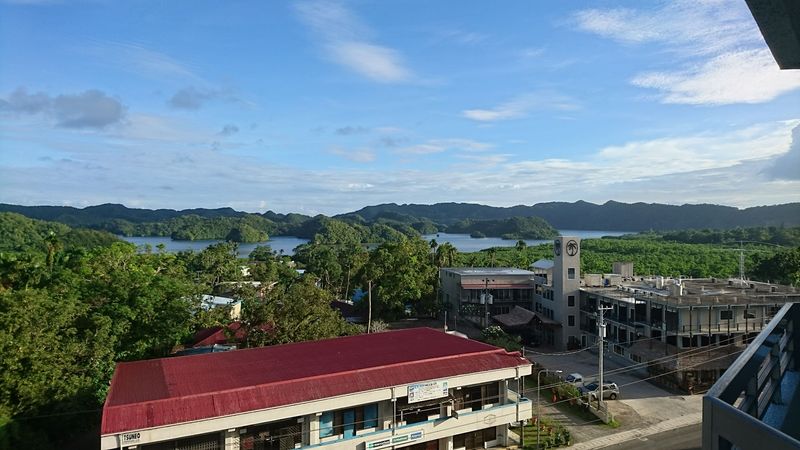
Palau has a trick up its sleeve that most famous island destinations simply cannot match: it takes conservation personally. The Palau Pledge, signed by every visitor upon entry, commits travelers to protecting the environment, and the reefs here look exactly like what happens when that commitment holds.
The underwater world is staggering in the best possible way.
The Rock Islands, a UNESCO World Heritage Site, rise from the water like scattered emerald puzzle pieces. Jellyfish Lake, where millions of harmless jellyfish drift in golden clouds, is one of the Pacific’s most surreal natural experiences and entirely worth the kayak journey to reach it.
Palau’s official tourism site promotes current flight access from regional carriers, making it more reachable than its remote reputation suggests. Among divers, Palau is spoken about in hushed, reverent tones.
Among general travelers, it remains curiously underappreciated compared to the Maldives or French Polynesia. That gap in recognition is Palau’s gift to anyone paying close enough attention to notice it.
Share this story