Dubai dazzles visitors with futuristic skyscrapers, luxury shopping, desert adventures, and world-class hotels. But even seasoned travelers can make avoidable mistakes that lead to unnecessary expenses, cultural misunderstandings, or missed experiences.
A little preparation goes a long way in helping you enjoy the city smoothly and respectfully. Whether it’s your first visit or your fifth, knowing what not to do can make all the difference.
Assuming Everything Is Close Together
Pull up Dubai on Google Maps and it might look like a quick drive from one end to the other. Spoiler: it is not.
The city stretches across a surprisingly large area, and traffic during rush hours can turn a 15-minute trip into an hour-long ordeal.
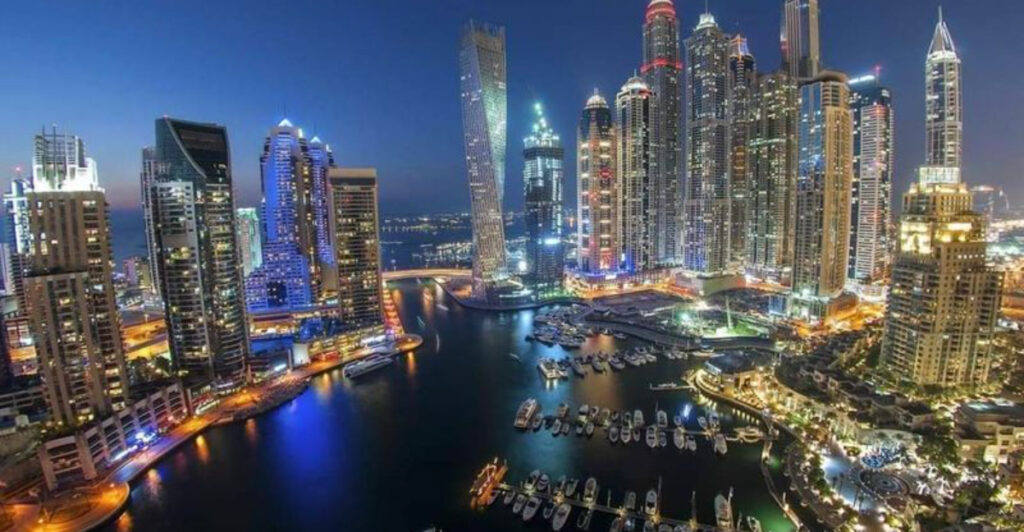
Attractions like Dubai Marina, Downtown Dubai, Palm Jumeirah, and Old Dubai are all spread out considerably. Many first-time visitors build tight itineraries based on map distances alone, only to find themselves scrambling between locations with no time to enjoy any of them.
The smarter move is to group nearby attractions together on the same day. Spend one day exploring Downtown Dubai and the Burj Khalifa area, then dedicate another to the Creek and historic neighborhoods.
Planning by zone rather than by a wish list keeps your schedule manageable and your mood intact. Always check travel times using a navigation app before committing to a packed day of sightseeing across the city.
Relying Only on Taxis
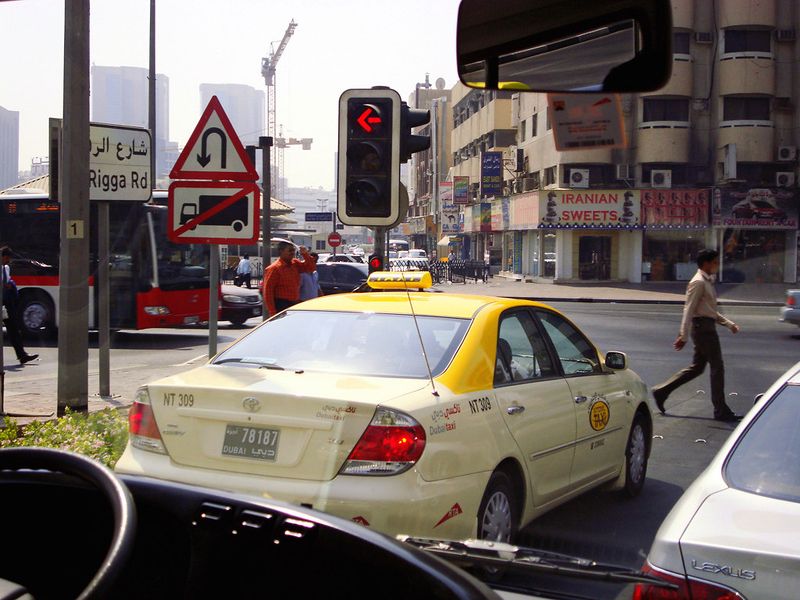
Taxis are comfortable, widely available, and easy to hail in Dubai, but depending on them exclusively can drain your travel budget fast. During peak hours, fares climb and waiting times stretch, turning a simple ride into an expensive and frustrating experience.
Dubai’s Metro is one of the most underused gems in the city’s transport network. It is clean, air-conditioned, punctual, and remarkably affordable.
The Red and Green lines cover a solid stretch of the city, connecting key spots like the airport, Dubai Mall, Dubai Marina, and the Gold Souk.
Combining Metro rides with occasional taxis gives you the best of both worlds. Ride-hailing apps like Careem also offer transparent pricing and no haggling, which beats flagging down a random cab when you are tired and hot.
Bus routes and water taxis add even more flexibility for budget-conscious travelers. Getting familiar with public transport options before you arrive means fewer surprises and more money left over for the experiences that actually matter.
Ignoring the Heat

Nobody warns you quite enough about what a Dubai summer afternoon actually feels like. Step outside between noon and 4 PM in July and the heat hits like opening an oven door.
Temperatures regularly exceed 104 degrees Fahrenheit, and the humidity makes it feel even worse.
Travelers who schedule long outdoor excursions during midday often end up cutting their plans short, retreating to the nearest air-conditioned mall feeling defeated. Heat exhaustion is a real risk, especially for those not accustomed to extreme climates.
Staying hydrated is helpful, but avoiding direct sun exposure during peak hours is even more important.
Early mornings and evenings are when Dubai truly comes alive outdoors. The waterfront promenades, outdoor markets, and rooftop terraces are all far more enjoyable once the sun dips lower.
If you are visiting in summer, plan indoor activities for midday and save the outdoor adventures for the cooler bookends of the day. Visiting between October and April gives you the most comfortable weather for exploring the city without feeling like you are melting into the pavement.
Not Booking Major Attractions in Advance
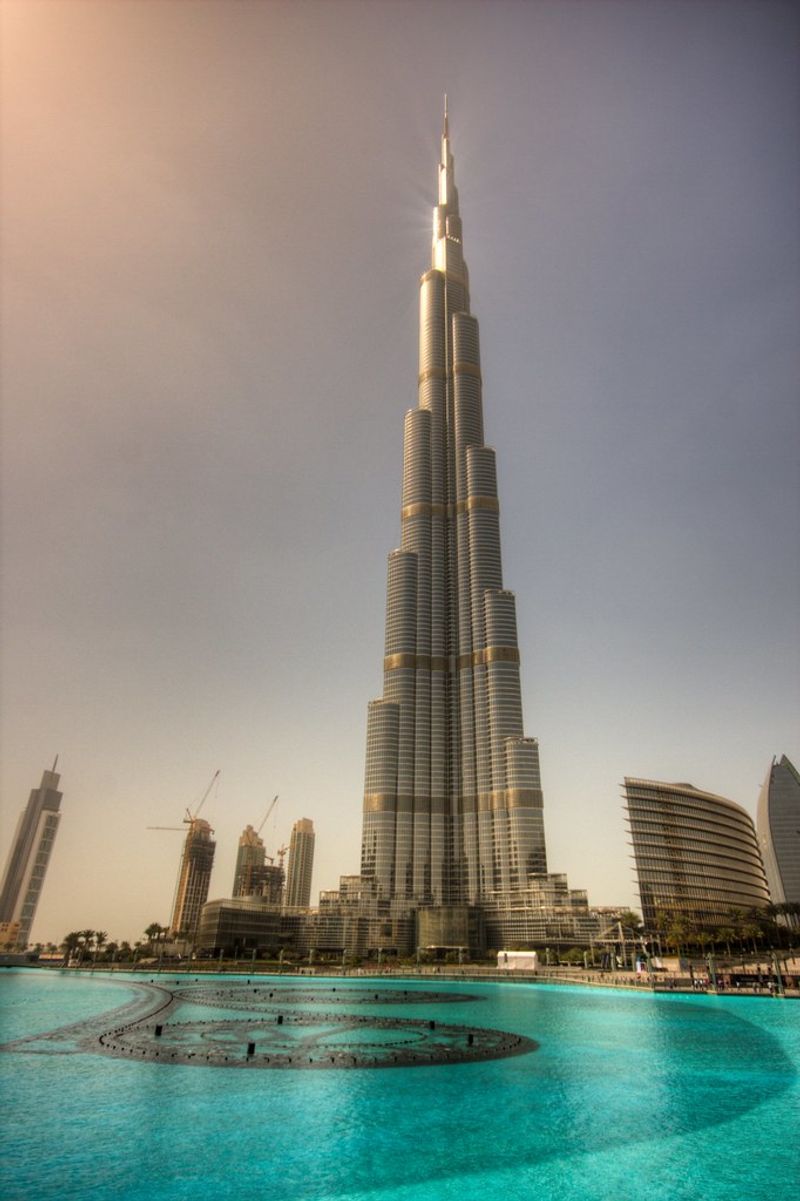
Showing up to the Burj Khalifa without a reservation is a gamble that rarely pays off. During busy seasons, tickets for the observation decks sell out days in advance, and walk-in prices are noticeably higher than online rates.
That combination of disappointment and extra cost is entirely avoidable.
Popular desert safari operators, rooftop dining experiences, and sought-after hotel brunches also fill up quickly. Visitors who leave everything to chance often find themselves scrambling for whatever is still available, which usually means settling for a less impressive version of what they originally wanted.
Booking ahead does not mean your entire trip becomes a rigid schedule. Reserve the big-ticket items early and leave room for spontaneous exploration around them.
Most platforms allow cancellations or rescheduling with enough notice, so flexibility is still possible. A quick hour spent planning reservations before your trip can unlock experiences that would otherwise be completely out of reach.
Think of advance booking as buying yourself access, not locking yourself in. The rewards are absolutely worth the small effort upfront.
Dressing Inappropriately in Public Areas

Dubai has a well-earned reputation for being one of the most open and cosmopolitan cities in the Middle East, but that does not mean anything goes. Wandering into a shopping mall or traditional market in beachwear is a quick way to attract disapproving looks or, in some cases, a polite but firm request to cover up.
The general rule is simple: keep shoulders and knees covered when visiting malls, mosques, government buildings, and older neighborhoods. Loose, lightweight fabrics work perfectly in the heat while still respecting local norms.
Many mosques even provide abayas and cover-ups at the entrance for visitors who arrive underprepared.
Beachwear is perfectly fine at the beach and pool. The key is context.
Throwing a light cover-up over your swimsuit before heading to a beachside cafe or nearby shop makes a big difference. Dressing thoughtfully is not about restriction but about showing respect for the culture you are visiting.
Locals genuinely appreciate it, and the experience of exploring traditional areas feels richer when you approach it with that mindset.
Forgetting Local Cultural Expectations
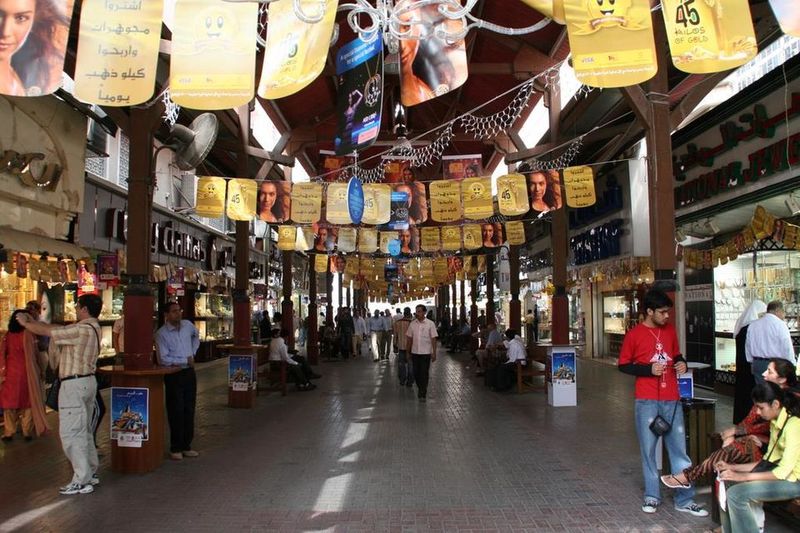
More than 200 nationalities call Dubai home, and the city does a remarkable job of accommodating them all. But beneath the gleaming surface of international luxury, Emirati culture and Islamic traditions remain deeply embedded in daily life.
Forgetting that can lead to awkward moments or genuine offense.
During Ramadan, eating, drinking, or smoking in public during daylight hours is not just frowned upon but actually prohibited by law. Playing loud music in public spaces, being visibly intoxicated outside licensed venues, or showing disrespect near mosques can all lead to serious consequences.
These are not obscure rules buried in fine print.
The good news is that locals are generally warm, patient, and welcoming toward visitors who make a genuine effort. A small amount of cultural awareness goes a long way.
Learning a few Arabic phrases, understanding prayer times, and being mindful of religious occasions like Ramadan and Eid transforms your visit. Curiosity and respect open doors that casual ignorance keeps firmly shut.
Dubai rewards travelers who take the time to understand the place they are visiting rather than simply passing through it.
Drinking Alcohol in the Wrong Places

Yes, you can drink alcohol in Dubai. No, you cannot drink it just anywhere.
That distinction trips up more visitors than you might expect, particularly those arriving from cities where cracking open a beer in a park is perfectly normal.
Alcohol is served in licensed hotels, bars, and restaurants throughout the city. However, drinking in public spaces, on the street, or on the beach outside of designated licensed areas is illegal.
Showing up visibly drunk in public is also taken seriously by authorities, and the consequences can range from a fine to detention.
The licensed venue scene in Dubai is genuinely impressive. Rooftop bars with skyline views, beach clubs, and hotel lounges offer exceptional settings for a drink.
Sticking to those spots means you can enjoy yourself without any legal headaches. If you are planning a beach day or a picnic in a public park, keep things alcohol-free in those settings.
It is a reasonable adjustment that keeps your trip running smoothly. Most visitors find the licensed options more than sufficient for a great night out in the city.
Taking Photos Without Permission

Dubai is one of the most photogenic cities on the planet, and the temptation to photograph everything in sight is completely understandable. However, pointing your camera at people without asking first can cause real problems, especially in a city where privacy is taken seriously.
Photographing Emirati women without consent is considered particularly disrespectful and can result in formal complaints. Snapping shots near government buildings, military installations, or certain infrastructure is also restricted and may attract the attention of security personnel.
Even in busy tourist areas, not everyone wants to end up in someone else’s travel content.
The fix is easy: ask before you shoot. A smile and a gesture toward your camera is usually enough to get a friendly nod or a polite decline.
Most people are happy to be photographed when approached with respect. Focusing on architecture, landscapes, and food is always a safe bet for stunning images without any complications.
Dubai’s skyline, desert dunes, and colorful souks offer endless photography opportunities that require no permission at all. Your camera roll will thank you, and so will your conscience.
Trying to Do Too Much in One Trip
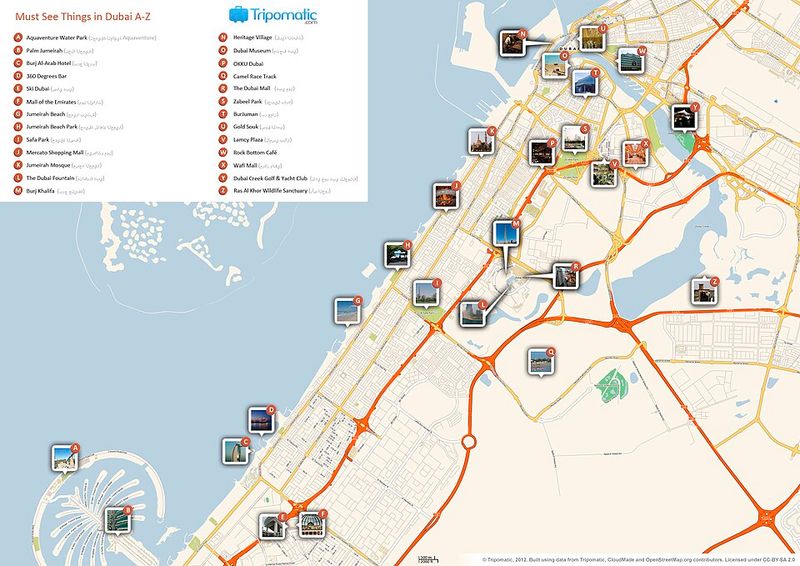
Dubai has a way of making every traveler feel like they need to see and do absolutely everything before they leave. The result is often a whirlwind itinerary that leaves people more tired than when they arrived and with only blurry memories of sprinting between attractions.
Overloaded schedules squeeze out the best parts of any trip: the unhurried walk along the Dubai Creek at sunset, the spontaneous conversation with a spice souk vendor, or the lazy afternoon by the pool that you actually needed. Trying to tick every box often means experiencing nothing deeply.
A better approach is choosing a handful of experiences that genuinely excite you and building your days around those. Quality beats quantity every time in a city like Dubai.
Leave buffer time between activities for unexpected discoveries, traffic delays, and the occasional detour that turns into a highlight. You will not see everything in one trip, and that is perfectly fine.
Many visitors return to Dubai specifically because they left things unexplored the first time. That is not a failure of planning; it is a very good reason to come back.
Overlooking Old Dubai
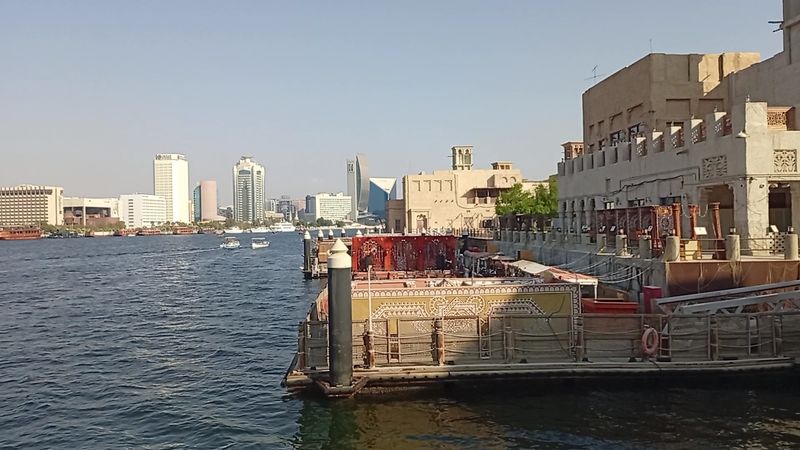
Somewhere between the Instagram posts of the Burj Khalifa and the endless luxury hotel brochures, Old Dubai quietly gets left off the itinerary. That is a genuine shame, because the historic neighborhoods along Dubai Creek tell the story of a city that existed long before the skyscrapers arrived.
Al Fahidi Historic District is a beautifully preserved neighborhood of narrow alleyways, wind towers, and courtyard houses that date back over a century. The Dubai Museum inside Al Fahidi Fort offers a fascinating look at Emirati life before the oil boom transformed everything.
Nearby, the Gold Souk and Spice Souk buzz with vendors, aromas, and color that no shopping mall can replicate.
Crossing the Creek on an abra, the traditional wooden water taxi, costs just one dirham and delivers one of the most charming experiences the city offers. It is unhurried, affordable, and deeply authentic.
Spending even half a day in Old Dubai provides a completely different perspective on the city. The contrast between the historic waterfront and the gleaming skyline visible just across the water is one of the most striking sights Dubai has to offer.
Not Getting a Nol Card
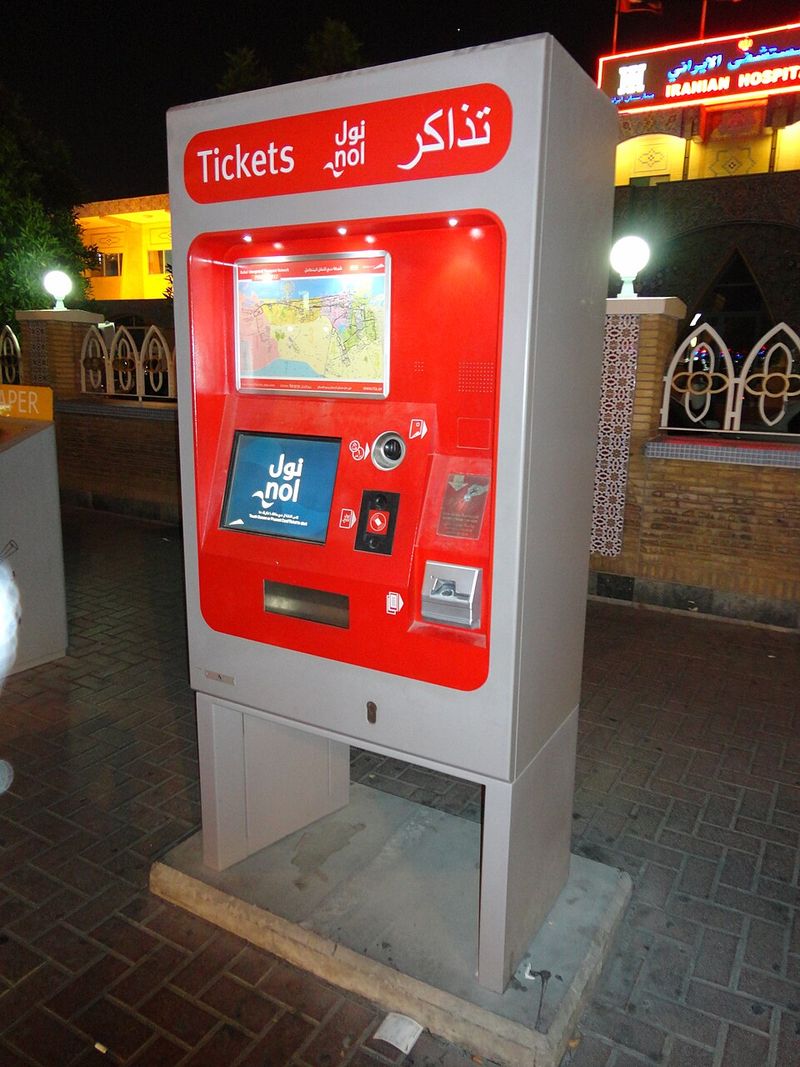
Few travel tools in Dubai are as useful and as frequently ignored by tourists as the Nol Card. This reloadable smart card works across the Metro, buses, trams, water buses, and even some taxis, making it the most versatile transport accessory you can pick up at the airport.
Without one, you end up buying individual tickets for each journey, which costs more and takes longer. The machines are not always intuitive for first-time users, and fumbling with them while a line forms behind you is nobody’s idea of a relaxing start to a sightseeing day.
Nol Cards are available at all Metro stations and cost just five dirhams for the card itself, which you then load with credit. Silver cards are fine for most tourists and cover all the transport modes you are likely to use.
The savings add up quickly over the course of a week, and the convenience factor alone makes it worthwhile. Picking one up as soon as you arrive sets the tone for a smarter, smoother trip around the city.
Think of it as your golden key to getting around Dubai without the headache.
Misunderstanding Public Behavior Rules
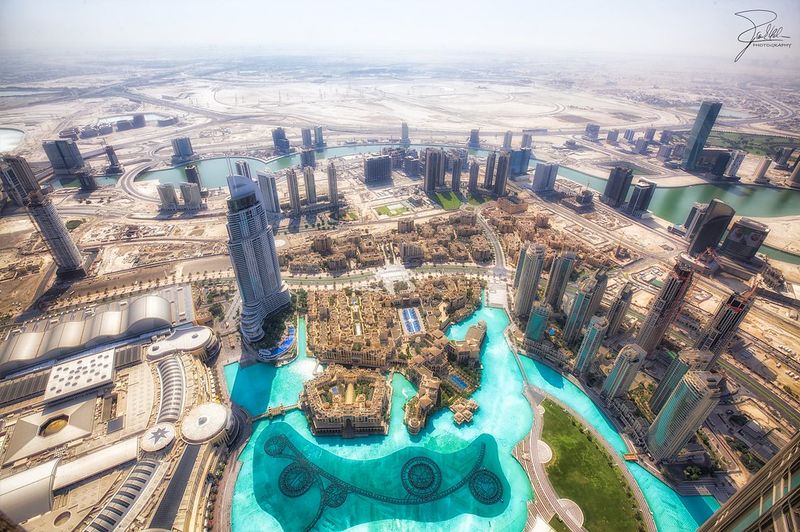
Dubai is not the strict, unwelcoming place some travelers imagine, but it is also not Las Vegas. There is a clear set of behavioral expectations in public spaces, and not knowing them can lead to anything from embarrassment to a genuine legal issue.
Loud arguments, offensive hand gestures, and aggressive confrontations with strangers or service staff are taken seriously. Couples should keep displays of affection modest in public, as prolonged kissing or intimate behavior can draw unwanted attention from authorities.
These rules apply to everyone, regardless of nationality or background.
Social media posts can also get visitors into trouble. Sharing content that is considered offensive, defamatory, or disrespectful toward the UAE, its leaders, or its religion can result in legal consequences under local cybercrime laws.
This catches many visitors off guard because the standards differ significantly from what is considered acceptable back home. None of this means you cannot have fun or be yourself.
It simply means reading the room. Dubai is a city that rewards respectful, self-aware visitors with an incredibly warm and memorable experience in return.
Visiting During Peak Summer Without Planning
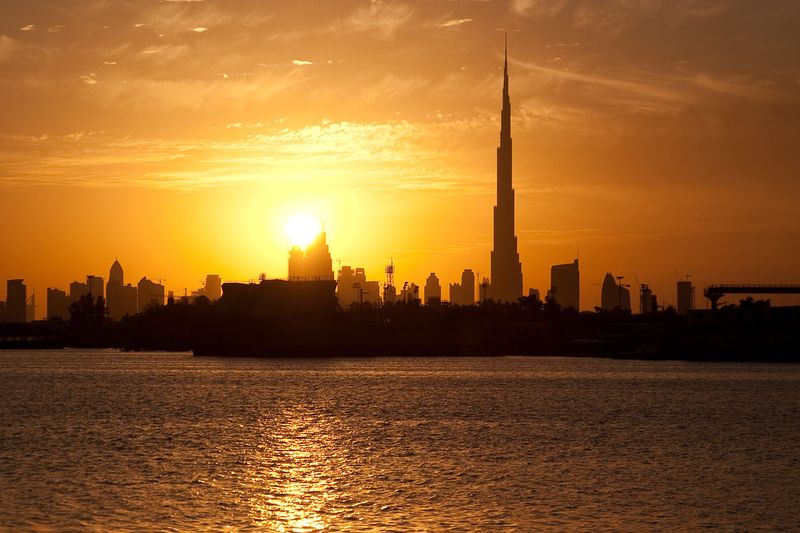
Booking a Dubai trip in July or August because hotel rates have dropped significantly sounds like a smart financial move. And in some ways, it is.
But visitors who show up without adjusting their expectations for the weather often spend most of their time retreating indoors just to survive the heat.
Outdoor attractions like Global Village close entirely during summer. Desert safaris become uncomfortable or unsafe during peak daytime heat.
Beach time shrinks to early mornings only before the sand becomes too hot to walk on barefoot. The city does not stop functioning, but it does shift dramatically indoors during these months.
Summer visitors who plan around this reality can still have a fantastic trip. Dubai’s world-class malls, indoor ski slopes, aquariums, art galleries, and spa facilities are all excellent during the hotter months.
The Dubai Summer Surprises festival also runs during this period, offering shopping deals and entertainment. The key is going in with eyes open.
Summer in Dubai is manageable and even enjoyable when your itinerary leans heavily on indoor experiences and you schedule any outdoor activity for early morning or after sundown.
Exchanging All Your Currency at the Airport

The moment you land at Dubai International Airport, currency exchange booths appear almost immediately, and the convenience is genuinely tempting. But airport exchange rates are almost always worse than what you will find just a few kilometers away in the city.
Exchanging a small amount at the airport to cover your first taxi or Metro ride makes sense. Handing over all your travel cash right there does not.
The difference in rates might seem small per transaction, but across a full week of spending, it adds up to a meaningful amount of money left on the table.
The Al Ras area near the Gold Souk is well known among experienced Dubai travelers as a hub for competitive currency exchange rates. Licensed exchange houses throughout the city generally offer far better deals than airport counters.
Many ATMs also provide decent rates when linked to accounts with low foreign transaction fees. Credit cards with no foreign exchange fees are another smart option for larger purchases.
A bit of planning around currency exchange is one of the simplest ways to stretch your Dubai travel budget without sacrificing a single experience.
Treating Dubai Like Any Other Global City
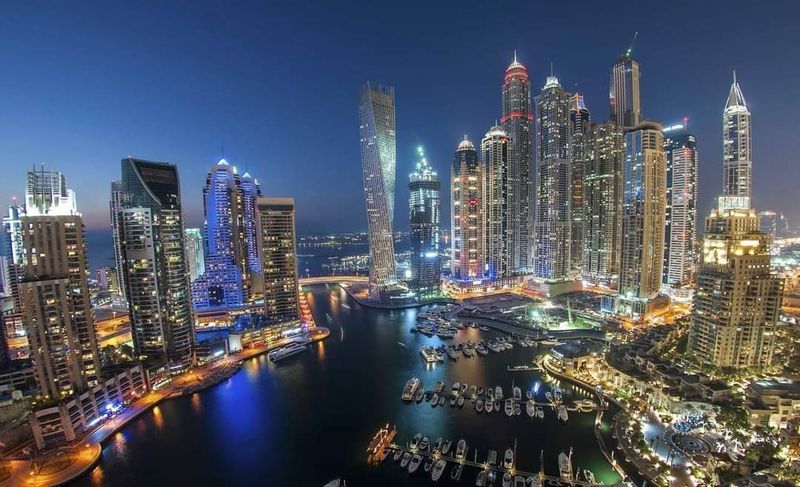
Dubai sits in a category entirely its own. It is not New York, not London, and definitely not Las Vegas, even though it borrows elements from all three and somehow amplifies them.
Visitors who arrive expecting a familiar global city experience often miss what makes Dubai genuinely extraordinary.
The city operates on its own terms. Friday is part of the weekend.
Pork products are available but clearly labeled and sold in designated sections. The call to prayer echoes from mosques across the city five times a day.
Business norms, social customs, and legal boundaries all reflect a culture that is rooted in tradition even as it races toward the future.
Travelers who approach Dubai with genuine curiosity rather than comparison tend to have far richer experiences. Ask questions, try the local food, explore the heritage sites, and accept that some things work differently here.
That openness transforms a sightseeing trip into something much more memorable. Dubai is a city that has built itself into one of the world’s most visited destinations in just a few decades.
Experiencing it on its own terms is the only way to truly understand why.
Share this story