Eastern Europe is one of the last regions in the world where you can still find authentic culture, untouched landscapes, and historic towns without overwhelming crowds. While cities like Prague and Budapest dominate travel itineraries, many equally stunning destinations remain largely undiscovered.
Travel trends show a growing shift toward these off-the-radar locations, where visitors can experience lower costs, fewer tourists, and deeper cultural immersion. From medieval villages to dramatic natural landscapes, these hidden gems prove that some of Europe’s best experiences are still waiting to be discovered.
Berat, Albania
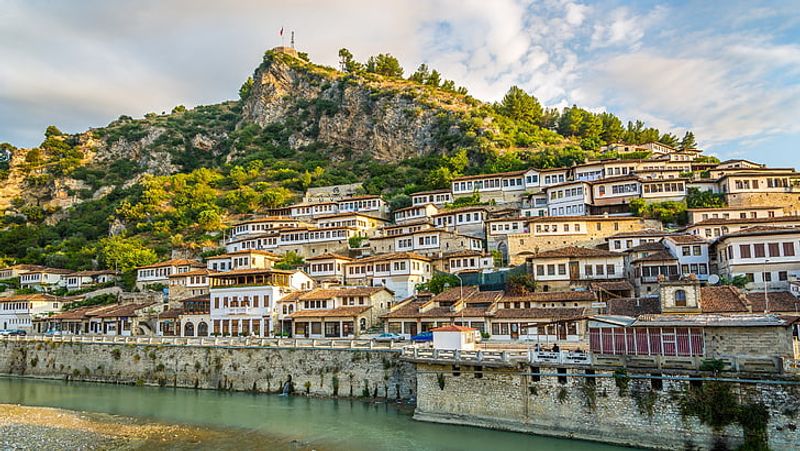
Locals call it the “City of a Thousand Windows,” and once you see those rows of white Ottoman houses stacked up a hillside, you will completely understand why. Berat has a way of stopping you mid-step just to stare.
Every angle feels like a postcard someone forgot to mail.
The town is split into distinct neighborhoods — Mangalem on one side, Gorica on the other — connected by a stone bridge over the Osum River. Wandering between them feels like flipping through centuries of history without any effort.
The Berat Castle sits at the top and is still a living neighborhood, which makes it genuinely unlike any fortress you have visited before.
Albania joined UNESCO’s World Heritage list partly because of Berat, yet the town rarely feels overrun. Restaurants here serve traditional byrek and tave kosi at prices that will make Western European travelers do a double take.
Spring and early autumn are the best times to visit, when temperatures are mild and the light turns the white buildings golden. Budget travelers will find Berat especially rewarding — great food, friendly locals, and history around every corner.
Lake Bohinj, Slovenia
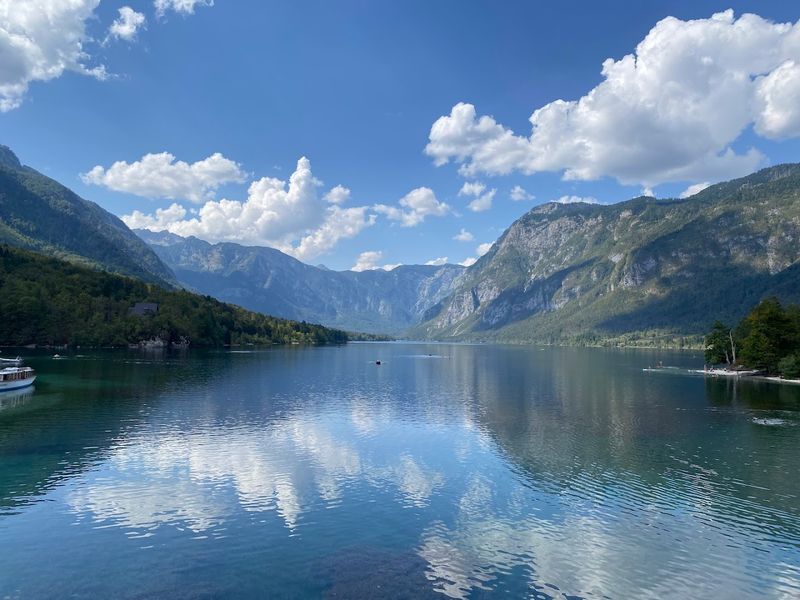
Forget everything you thought you knew about alpine lakes — Lake Bohinj quietly outshines its more famous neighbor Lake Bled while drawing a fraction of the visitors. The water is so clear and turquoise it almost looks digitally enhanced.
Spoiler: it is not.
Sitting inside Triglav National Park, Bohinj is a paradise for anyone who enjoys the outdoors without a queue. Hiking trails fan out in every direction, leading to waterfalls, mountain huts, and ridgelines with views that go on forever.
In summer, kayaking and swimming are popular, while winter transforms the area into a peaceful snow-covered escape.
The village of Ribcev Laz at the lake’s eastern end has a charming church, a handful of good restaurants, and easy access to trails. Accommodation ranges from budget hostels to cozy lakeside guesthouses.
Getting here by bus from Ljubljana takes about two hours and is a scenic ride worth enjoying slowly. Unlike Bled, there is no castle to photograph, but honestly, the uninterrupted mountain scenery more than makes up for it.
Pack layers — mountain weather changes quickly even in summer.
Gdańsk, Poland
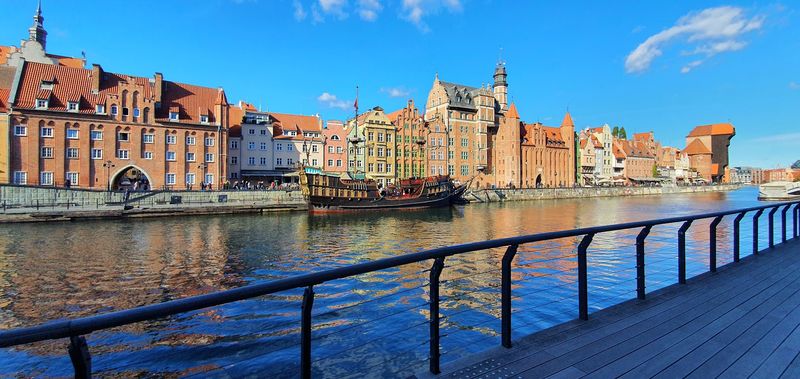
Picture a waterfront city with candy-colored facades, a rich seafaring past, and some of the best amber jewelry shopping in Europe — that is Gdansk in a single breath. Most Poland itineraries skip straight to Warsaw or Krakow, which means Gdansk stays refreshingly uncrowded for a city this beautiful.
The Royal Way along Dluga Street is the heart of the old town, lined with reconstructed merchant houses that were painstakingly rebuilt after World War II. The Golden Gate and Green Gate frame this pedestrian boulevard perfectly.
At the end of the street, the Neptune Fountain has been a meeting point for locals since the 1600s.
Gdansk also carries enormous historical weight — it was here that World War II officially began in 1939, and decades later, the Solidarity movement that helped end communist rule in Poland was born at the Lenin Shipyard. The European Solidarity Centre museum tells that story brilliantly and is worth a dedicated half-day.
Seafood lovers should try fresh smoked fish from the market stalls near the Motlawa River. Summer brings festivals and outdoor concerts, but even a quiet autumn visit rewards you with moody skies and far fewer crowds.
Uvac Canyon, Serbia
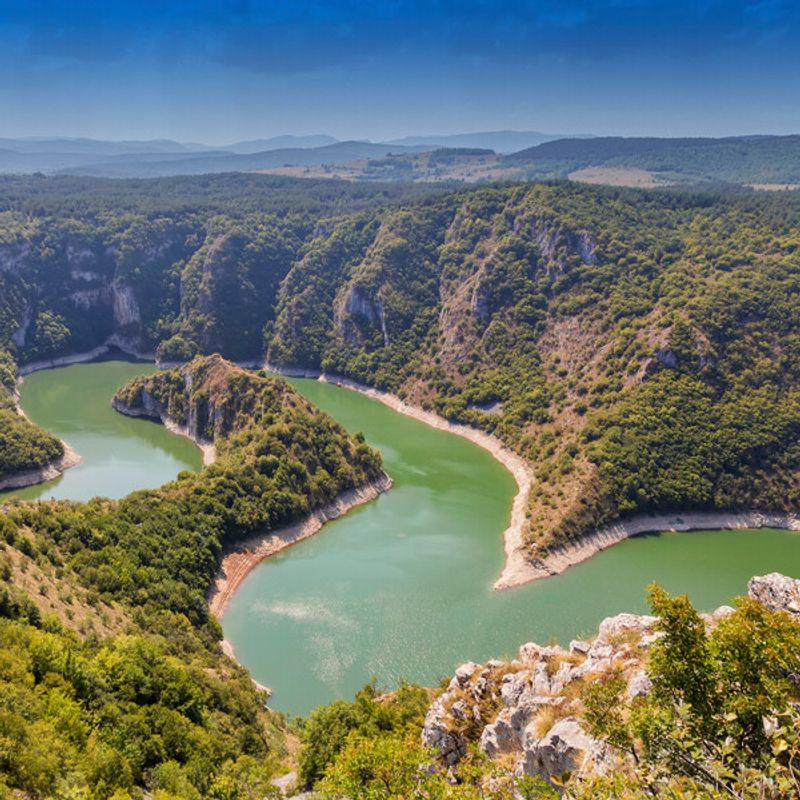
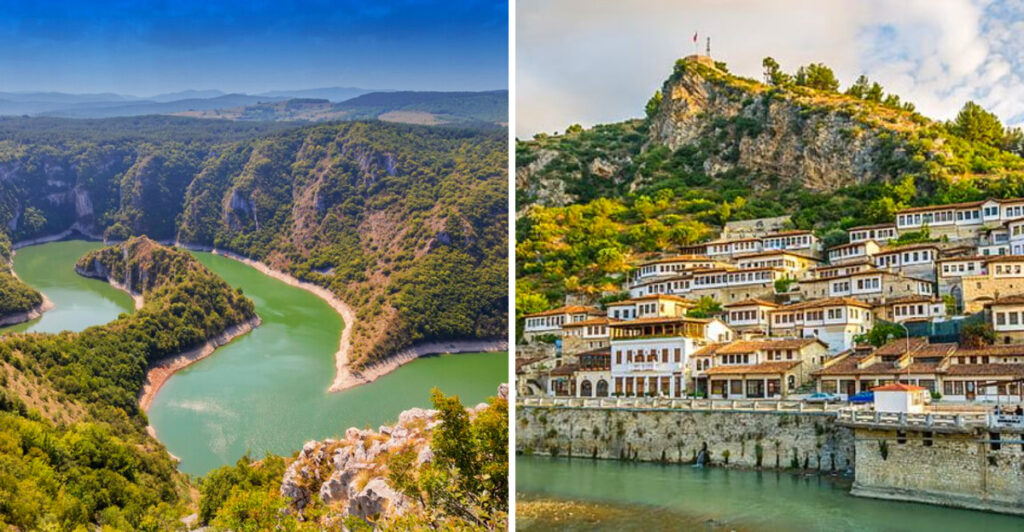
Some places look too dramatic to be real, and Uvac Canyon in southwestern Serbia is firmly in that category. The river loops back on itself in tight horseshoe bends, carving through limestone cliffs so steeply that standing at the viewpoint makes your legs feel slightly unreliable.
Griffon vultures nest in the canyon walls, and spotting them soaring on thermals is a genuine thrill — Serbia has one of Europe’s healthiest griffon vulture populations, and Uvac is their stronghold. Boat tours take visitors through the narrow gorges, passing cave entrances and dramatic rock formations that no road could reach.
The silence inside the canyon is the kind that actually feels heavy.
The nearest town is Nova Varos, which offers simple accommodation and local restaurants serving hearty Serbian mountain food. Most international visitors have never even heard of Uvac, which means you will likely share the viewpoint with a handful of hikers rather than a busload of tourists.
Sunrise visits are especially rewarding — the mist rising from the river while vultures circle overhead is the sort of scene that travel photographers dream about. Visiting between April and October gives the best weather and the highest chance of wildlife sightings.
Ohrid, North Macedonia
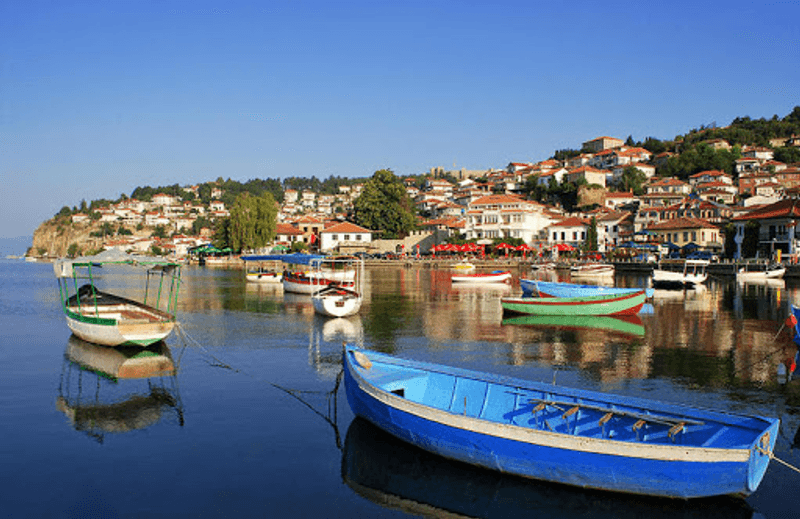
Perched above a lake so clear you can see the bottom from a boat, Ohrid is the kind of place that makes you wonder why it is not on every travel bucket list already. North Macedonia’s most beloved town wears its history lightly, mixing Byzantine churches, Roman amphitheaters, and lakeside cafes in a way that feels completely natural.
The Church of St. John at Kaneo is the most photographed spot in the country — a small medieval church balanced on a cliff above the water that looks almost impossibly picturesque. The old town above it is a maze of cobblestone streets, Ottoman-era houses, and tiny art galleries.
A full day of wandering here never feels like enough.
Lake Ohrid itself is one of the oldest lakes in Europe and home to unique species found nowhere else on Earth, including the Ohrid trout. Swimming in the lake during summer is a local tradition, and the water stays refreshingly cool even in August.
Prices in Ohrid are very budget-friendly compared to Western European lake destinations. The town gets a modest increase in visitors during July and August, but it never reaches the overwhelming scale of more famous European resorts.
Shoulder season visits in May or September offer the perfect balance of good weather and quiet streets.
Peja, Kosovo
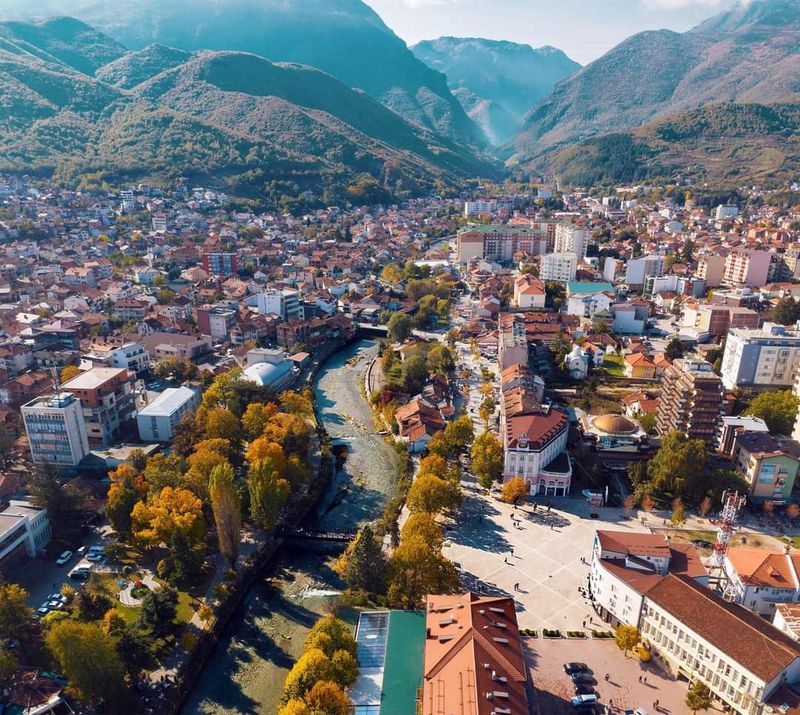
Kosovo is Europe’s youngest country, and Peja — known locally as Peje — is its most adventurous gateway. The Accursed Mountains loom directly behind the city like a jaw-dropping natural wall, and the hiking trails that climb into them are some of the most underrated in the entire Balkans.
The Rugova Canyon, just minutes from the city center, is a spectacular limestone gorge with a river rushing through it. Rock climbers have been quietly discovering it for years.
Via ferrata routes have been installed along the canyon walls, making it accessible even to those without advanced climbing skills. The canyon road itself is a scenic drive worth doing just for the views.
Back in town, the old bazaar area offers a genuine slice of traditional Kosovar life — copper workshops, coffee houses, and vendors selling local honey and cheese. The Patriarchate of Peja, a medieval Serbian Orthodox monastery complex tucked into the canyon entrance, is one of the most beautifully decorated religious sites in the region.
Kosovo uses the euro despite not being an EU member, which keeps transactions simple for travelers. Summers are warm and sunny, and the mountain air keeps things comfortable even during the hottest months.
Brașov, Romania
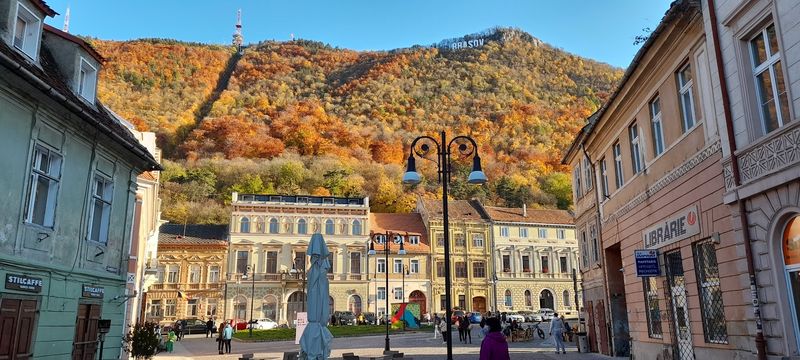
Tucked into a valley ringed by the Carpathian Mountains, Brasov looks like someone dropped a Transylvanian fairy tale into the middle of a forest and forgot to tell anyone. The Black Church dominates the main square — a massive Gothic structure with a name earned from the soot left by a 17th-century fire — and it sets the tone for the whole town perfectly.
Piata Sfatului, the central square, is surrounded by pastel-colored baroque buildings and filled with outdoor cafes that are genuinely enjoyable even in cooler months. A cable car runs up to Tampa Mountain directly above the city, offering views that justify the short ride entirely.
The famous Hollywood-style BRASOV sign on the hillside makes for a fun photo that locals seem to both love and gently mock.
Bran Castle — often marketed as Dracula’s Castle — sits just 30 kilometers away and is worth a visit for its quirky history and dramatic hilltop setting, even if the Dracula connection is mostly legend. Sinaia and Peles Castle are another easy day trip in the same direction.
Brasov itself has a thriving cafe and craft beer scene that feels surprisingly modern. Winter brings ski resorts nearby, while summer opens up mountain biking and hiking trails that rival anything in the Alps.
Kotor Hinterland, Montenegro
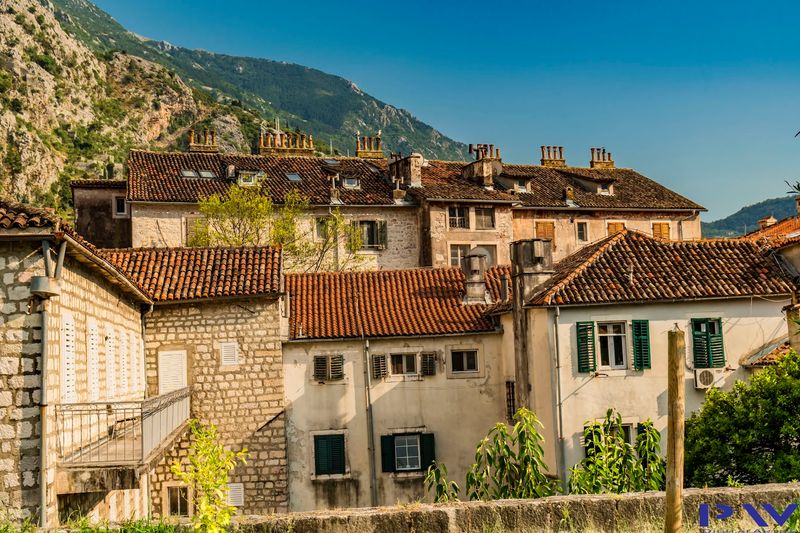
Most visitors to Montenegro photograph Kotor’s old town, hop back on a cruise ship, and leave without ever glancing up at the mountains behind it. That is their loss and your gain.
The hinterland above Kotor is a completely different world — quiet stone villages, ancient churches, and panoramic views of the Bay of Kotor that make the famous waterfront photos look like thumbnails.
The village of Njegusi, birthplace of Montenegro’s greatest poet and prince Petar II Petrovic-Njegos, is famous for its smoked ham and aged cheese. Stopping here for a plate of prsut with local bread and a glass of wine is one of the most satisfying travel meals you can have in the Balkans.
The winding road up from Kotor through the fortification walls is itself a highlight.
Lovcen National Park sits just above the hinterland and contains the mausoleum of Njegos himself, perched at nearly 1,700 meters with 360-degree views that stretch to the Adriatic on clear days. Hiking trails connect the villages, and the area is popular with cyclists willing to tackle the steep climbs.
Accommodation in the hinterland villages is limited but charming — family-run guesthouses where hosts often cook dinner from their own gardens. Visit between May and October for the best road conditions.
Albarracín, Spain (Eastern Iberia)
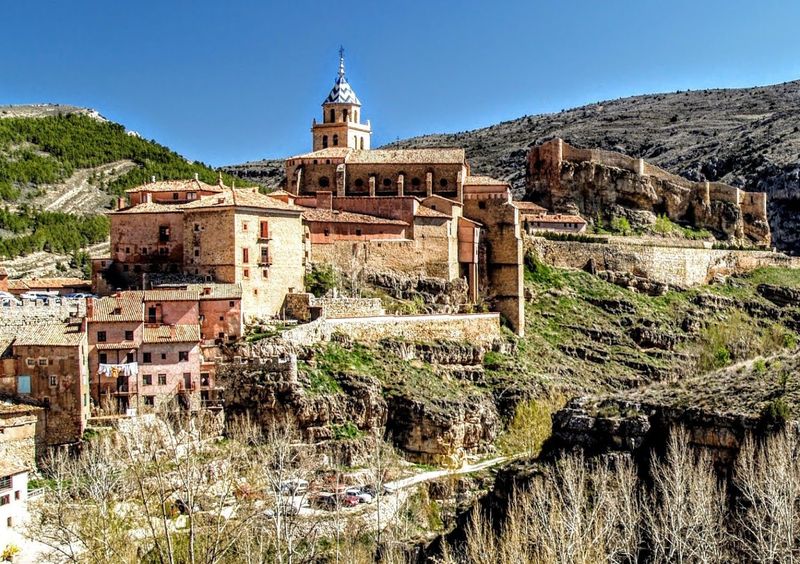
Technically Spain, but Albarracin feels like it exists somewhere outside of time entirely. This tiny medieval village in the Aragon region of eastern Spain is painted in shades of terracotta and rust, its narrow streets barely wide enough for two people walking side by side.
It consistently tops lists of Spain’s most beautiful villages, yet somehow remains a well-kept secret outside the country.
The village sits on a rocky spur almost completely encircled by the Guadalaviar River, with medieval walls stretching across the ridge above it. Walking those walls at sunset, with the valley glowing orange below, is the kind of experience that travel writers run out of adjectives trying to describe.
The Cathedral of El Salvador and the Episcopal Museum inside it contain a remarkable collection of Flemish tapestries that feel wildly out of place in such a small town — in the best possible way.
Albarracin has fewer than 1,000 permanent residents, which means the streets are quiet even during Spanish holiday weekends. The surrounding area is popular with rock climbers — the limestone formations outside town offer hundreds of sport climbing routes.
Local restaurants serve hearty Aragonese dishes like roast lamb and migas. The nearest airport is Valencia, about two and a half hours by car, making it a very rewarding detour on a Spanish road trip.
Târgu Mureș, Romania
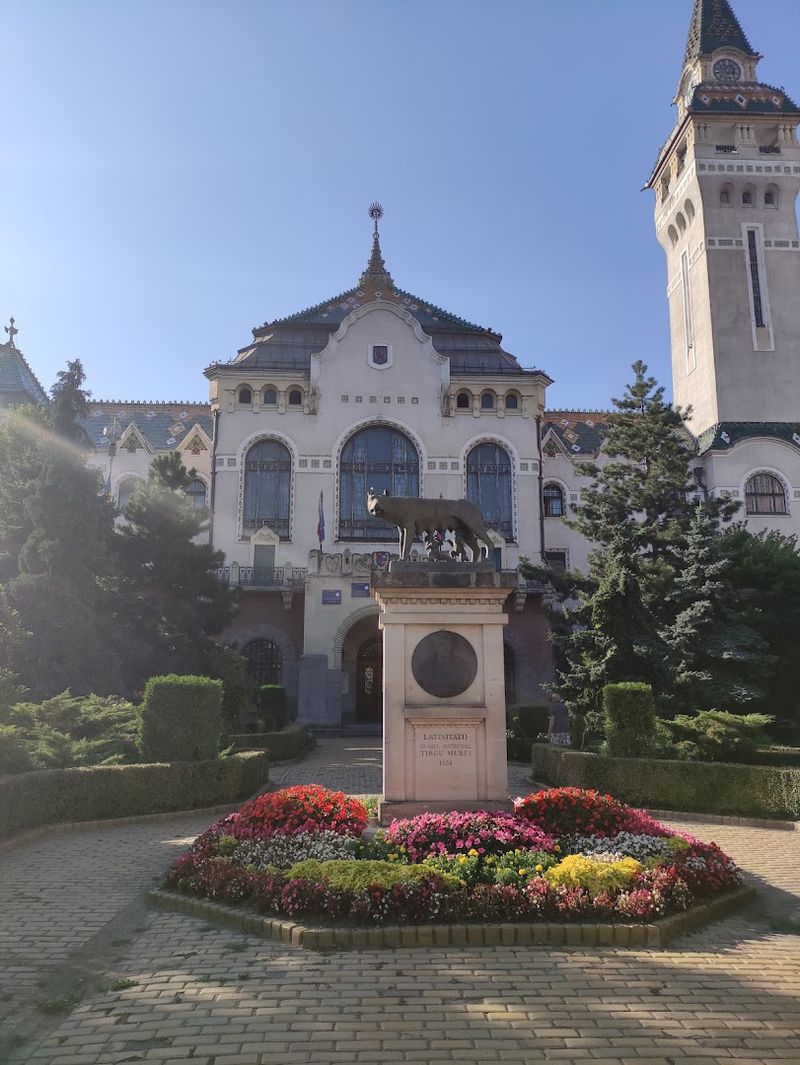
Romania’s most underrated city has a secret weapon: a Culture Palace so spectacularly over-the-top in its Art Nouveau design that architects make pilgrimages just to stand in front of it. Targu Mures sits in the heart of Transylvania, and unlike Brasov or Cluj-Napoca, it barely registers on most travel itineraries — which is genuinely baffling once you arrive.
The city reflects a fascinating blend of Romanian and Hungarian culture, a legacy of its position in a historically mixed region called Szekely Land. You will hear both languages in the market, see both flags on buildings, and find both cuisines on restaurant menus.
That cultural layering gives Targu Mures an energy that feels genuinely unique in Eastern Europe.
The Rose Square at the city center is lined with elegant early 20th-century buildings that would be a major tourist draw in any Western European capital. The Teleki-Bolyai Library holds one of the most important historical book collections in Romania, including manuscripts dating back centuries.
Thermal baths are available nearby for those who want to relax after sightseeing. Targu Mures also has a lively university population that keeps the cafe and bar scene surprisingly vibrant.
Budget accommodation is plentiful, and the local food market is an excellent spot to try regional cheeses and cured meats at very reasonable prices.
Komani Lake, Albania
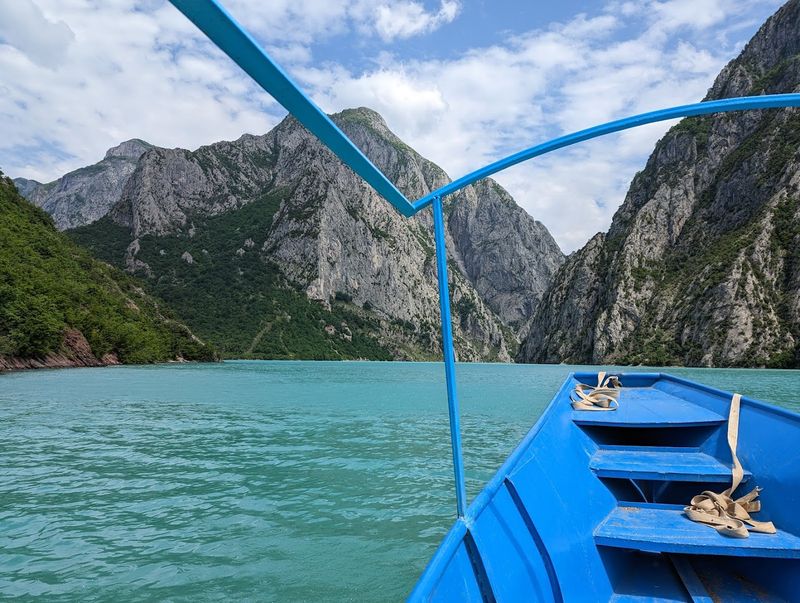
Nobody warns you how jaw-dropping the Komani Lake ferry ride actually is. You board a small boat in the early morning, and for the next two to three hours, sheer limestone cliffs rise hundreds of meters on both sides while the water below glows an impossible shade of emerald green.
Comparisons to Norwegian fjords are not exaggerated.
The lake was created by a hydroelectric dam on the Drin River in the 1980s, which means the dramatic gorge scenery you pass through is natural but the lake itself is man-made. Local families use the ferry as their main connection to the outside world, loading on supplies, motorcycles, and occasionally livestock.
Sharing the boat with them gives the journey an authenticity that no tourist excursion can manufacture.
The ferry runs from Koman village to Fierze, where connections continue north toward Valbona Valley and the Albanian Alps hiking trails. The entire route forms part of the famous Peaks of the Balkans trail, one of the best multi-day hikes in Europe.
Very few Western tourists have done the full circuit, which makes it a genuinely adventurous option. Accommodation in the valley is simple but welcoming — guesthouses run by local families who will feed you extremely well.
Visit between May and September for reliable weather and ferry schedules.
Debrecen, Hungary
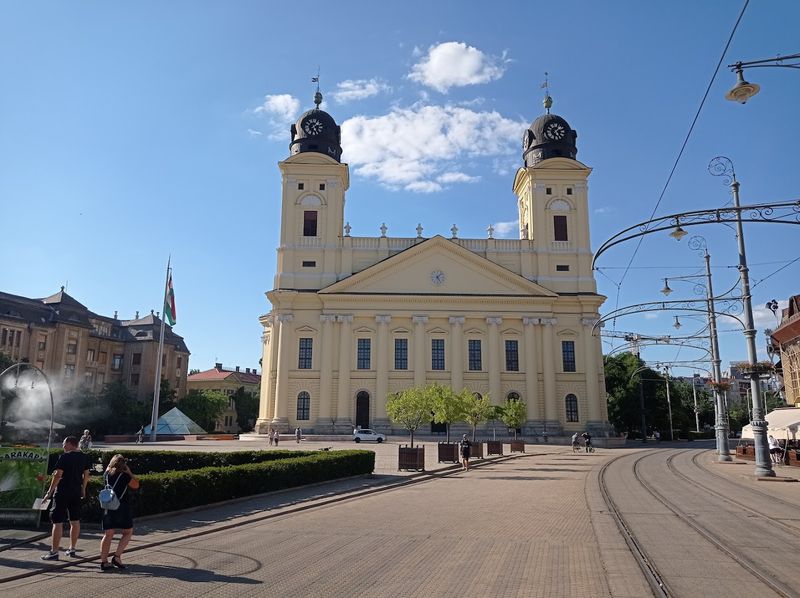
Hungary’s second city has been quietly doing its own thing for centuries while Budapest soaks up all the attention, and frankly, Debrecen seems perfectly fine with that arrangement. The Great Reformed Church, a massive neoclassical twin-towered building at the heart of the city, is one of the most significant Protestant churches in all of Central Europe and genuinely impressive in person.
The pedestrian Piac Street running north from the church is lined with shops, cafes, and beautifully maintained 19th-century buildings. The city has a university with over 30,000 students, which means there is always something happening — festivals, concerts, and a nightlife scene that punches well above what you would expect from a city this size.
The Debrecen Jazz Days festival each spring draws serious music fans from across Hungary.
Thermal baths are practically a Hungarian birthright, and the Aquaticum Spa and Water Park in Debrecen’s Great Forest Park is one of the best in the country outside Budapest. The nearby Hortobagy National Park, a UNESCO-listed puszta grassland, is one of Europe’s largest natural grasslands and home to traditional Hungarian grey cattle and rare bird species.
Day trips from Debrecen to Hortobagy take about 40 minutes by road. Accommodation costs here are noticeably lower than Budapest, making it an excellent budget-friendly base.
Szentendre, Hungary
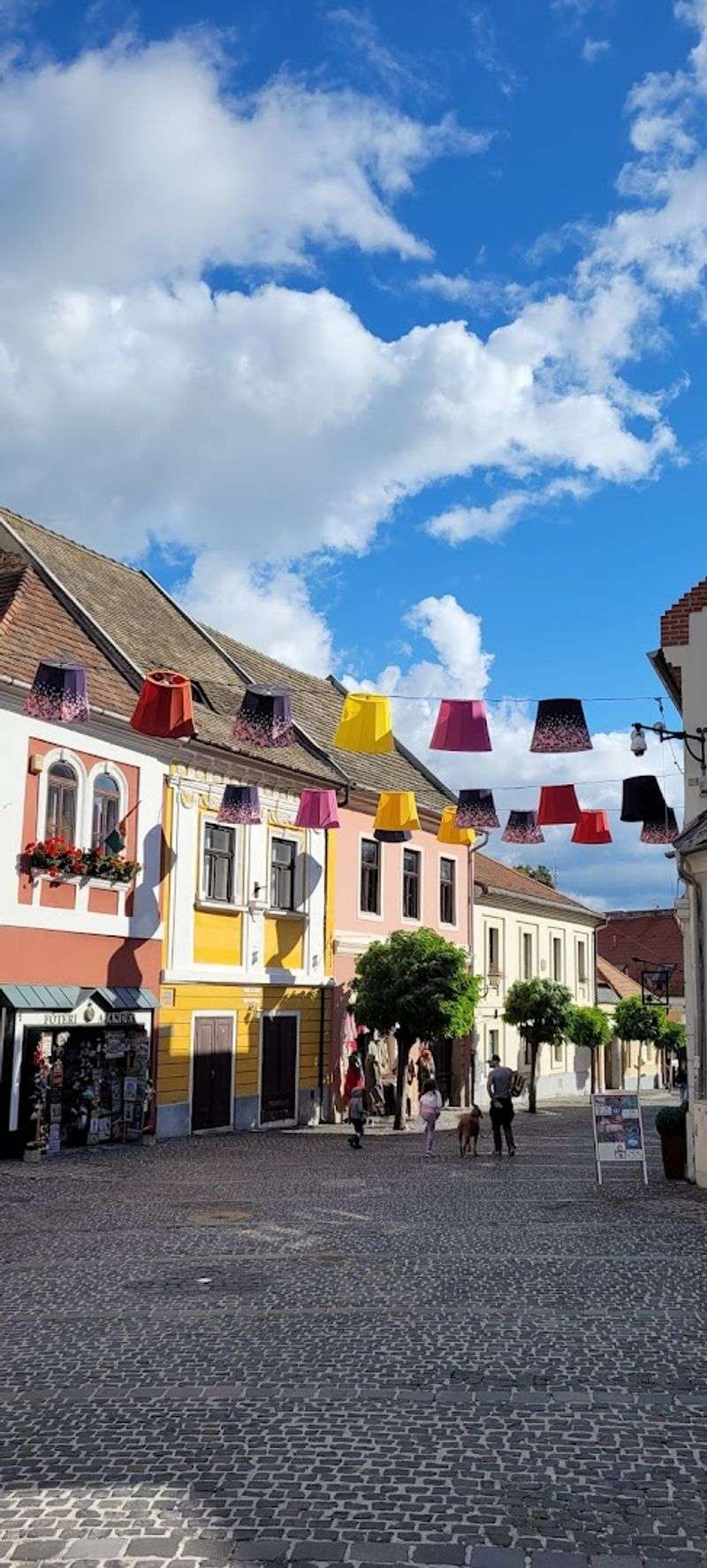
Just 20 kilometers north of Budapest along the Danube, Szentendre is the kind of town that makes you feel like you accidentally wandered into a living art installation. Serbian Orthodox churches, pastel baroque buildings, and more art galleries per square kilometer than almost anywhere in Hungary are packed into streets barely wider than a generous hallway.
The town became an artist colony in the early 20th century, attracting painters, sculptors, and ceramicists who were drawn by the quality of light and the picturesque setting. That creative legacy is still very much alive — independent galleries and studios line every street, selling everything from fine art prints to handmade jewelry.
The Margit Kovacs Ceramic Museum is a particular highlight, dedicated to Hungary’s most beloved ceramicist whose work tells stories from Hungarian folklore in beautifully detailed clay figures.
The Serbian community that settled here in the 18th century left behind six Orthodox churches, giving Szentendre an unusually layered cultural identity for such a small town. The riverside promenade is excellent for an evening stroll, and the town’s restaurants serve classic Hungarian dishes with a slightly more refined presentation than typical Budapest tourist spots.
Getting here by HEV suburban railway from Budapest takes about 40 minutes and costs very little. Weekday visits are noticeably quieter than weekends, when day-trippers from the capital arrive in force.
Alta, Norway (Eastern Arctic Europe)
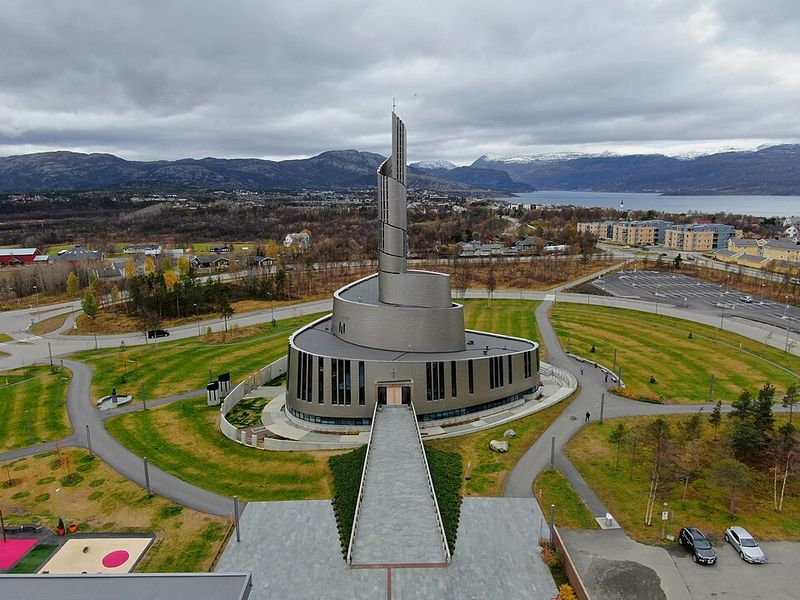
Alta sits so far north that in midsummer the sun never sets, and in winter the northern lights perform overhead like a nightly show nobody paid to advertise. This small Arctic city in northern Norway is one of the best places in the world to see the aurora borealis, yet it draws a fraction of the visitors who crowd into Tromso or the Lofoten Islands.
The Alta Museum protects one of the most significant collections of prehistoric rock carvings in northern Europe — over 6,000 images carved by Stone Age hunters between 4,000 and 6,500 years ago. A UNESCO World Heritage Site since 1985, the carvings show reindeer, bears, boats, and human figures in extraordinary detail.
Walking the boardwalk trail through the outdoor site in summer, with the fjord glittering below, is a genuinely moving experience.
Winter activities include dog sledding, snowmobile safaris, and ice fishing on frozen lakes with local Sami guides who have been doing this for generations. The Northern Lights Cathedral, a striking modern building shaped like a spiral of light, opened in 2013 and is worth visiting for its architecture alone.
Alta is accessible by direct flights from Oslo year-round. Accommodation ranges from cozy guesthouses to glass-roofed cabins designed specifically for aurora watching — book the latter well in advance for winter visits.
Lesbos, Greece
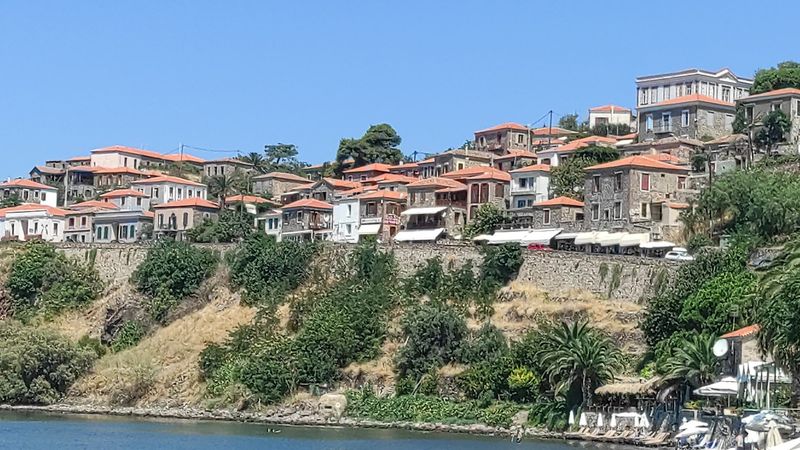
While half of Europe queues for a sunset photo in Santorini, Lesbos gets on with being one of the most genuinely interesting Greek islands without making a fuss about it. Petrified forests, natural hot springs, medieval castles, excellent local ouzo, and some of the best olive oil produced anywhere in the Mediterranean — this island has been quietly overachieving for centuries.
The capital Mytilene has a lively harbor lined with seafood restaurants, a Byzantine castle, and a surprisingly good archaeological museum. But the island really rewards those who rent a car and explore inland — the village of Molyvos in the north, with its castle-topped hill and stone houses tumbling toward the sea, is one of the most beautiful villages in the Aegean.
The petrified forest near Sigri in the west is a genuinely strange and fascinating landscape where ancient trees turned to stone millions of years ago still stand upright.
Lesbos produces a style of ouzo that locals consider the finest in Greece, and the distilleries around Plomari welcome visitors for tastings. The island’s olive groves cover nearly half its land area, and the extra virgin olive oil here has earned protected designation of origin status.
Accommodation is varied and very affordable compared to the Cyclades. Ferries run from Athens and from nearby Turkish ports, giving flexible routing options for travelers building a wider Aegean itinerary.
Share this story