 Unearth The Voyage
Not every traveler wants a packed itinerary, loud tour groups, or a selfie stick army blocking the view. Some of us just want wide open spaces, minimal small talk, and the sweet relief of being alone with our thoughts.
I’ve spent years chasing that kind of quiet, and trust me, the world has more of it than you’d think. These 15 destinations are built for introverts who travel to recharge, not to perform.
Yakushima, Japan
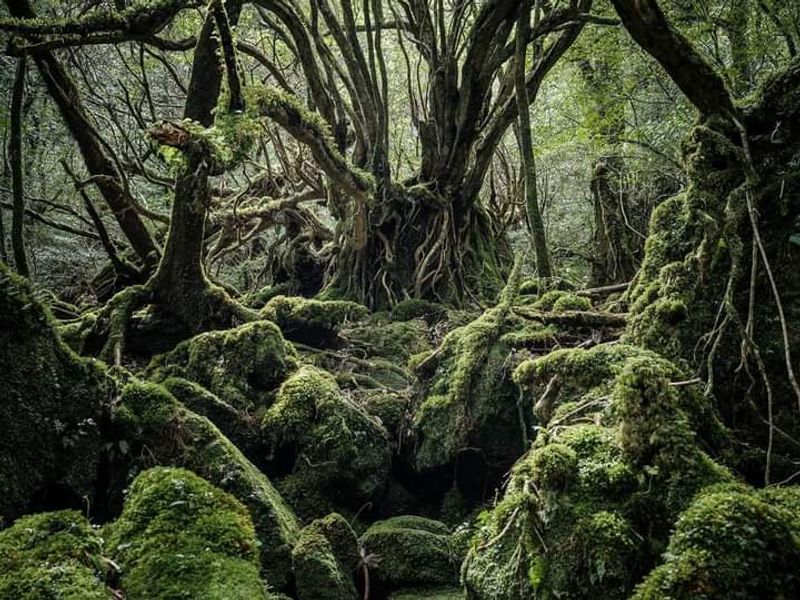
Yakushima is a place where the trees are older than most civilizations, and somehow that puts everything into perspective. This UNESCO-listed island off southern Japan is draped in ancient cedar forests, thick moss, and near-constant rain that muffles the world down to a low, comfortable hum.
The famous Jomon Sugi cedar is over 2,000 years old, and standing near it feels quietly humbling.
Trails here are long, wet, and wonderfully uncrowded outside peak season. I once hiked for three hours without passing another person, which felt like winning a lottery I didn’t know I entered.
Pack solid rain gear because the island gets roughly 35 days of rain per month in some areas.
Accommodation options are small guesthouses and forest lodges, nothing flashy. The rhythm here is slow by design.
Yakushima doesn’t cater to rush, and that’s exactly the point.
The Westfjords, Iceland
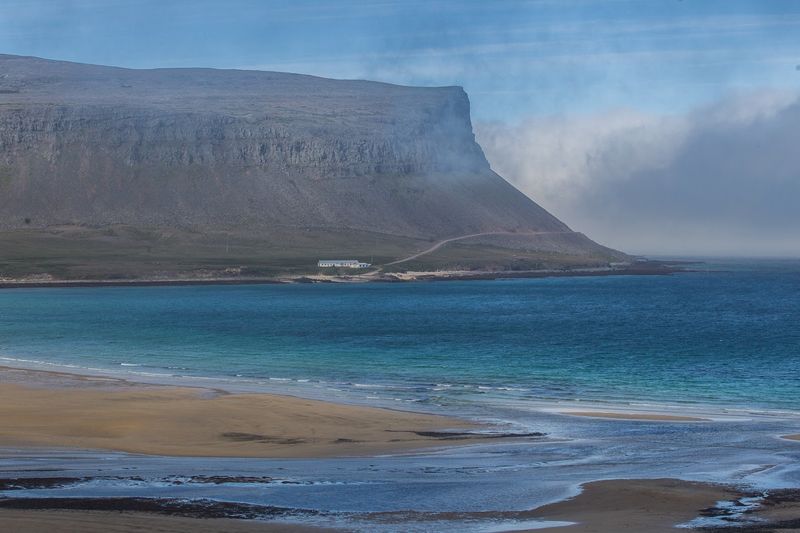
Most visitors to Iceland stop at the Golden Circle and call it a day. The Westfjords are where the real quiet lives, tucked into Iceland’s most remote and dramatically wrinkled corner.
The roads here are narrow, unpaved in places, and refreshingly free of tour buses.
Hot pools dot the coastline, many of them completely free and almost always empty. Drangajokull glacier sits in the north, ancient and unbothered.
I once soaked in an outdoor pool with a cliffside fjord view for an hour without another soul showing up, which remains one of my top travel memories.
The Westfjords reward slow driving and longer stays. Ísafjörður is the main town, small but charming, with good coffee and locals who won’t pepper you with questions. Cell service gets patchy fast once you leave town.
Honestly, that’s a feature, not a bug.
Faroe Islands
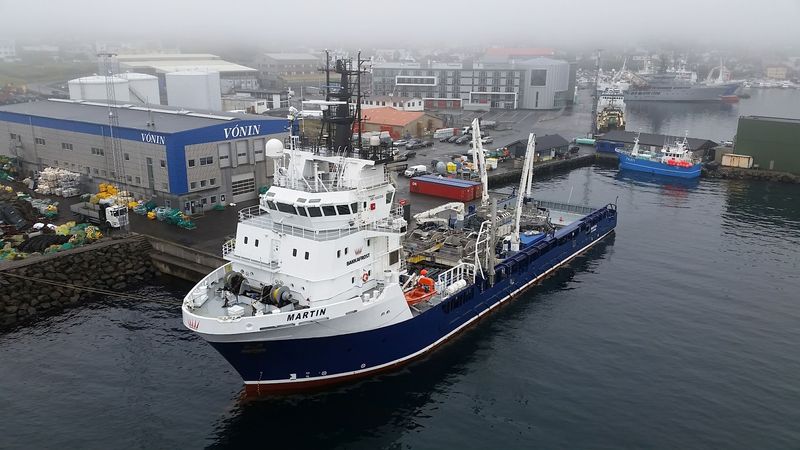
The Faroe Islands sit in the North Atlantic like they forgot to join the modern world, and honestly, good for them. This archipelago of 18 islands is all dramatic cliffs, narrow sea channels, and villages so small you could walk the whole thing in twenty minutes.
Tourist numbers are carefully managed, which keeps the place refreshingly calm.
The Faroese government actually introduced a volunteer program where visitors help maintain trails in exchange for exclusive access before the park opens to the public. That’s the kind of place this is.
It rewards effort and respects nature without making a big deal about it.
Hiking between villages is the main activity, and the trails are well-marked but never crowded. Weather changes fast here, sometimes four seasons in one afternoon.
Pack layers, bring snacks, and accept that you will get rained on. The views are absolutely worth the damp socks.
Isle of Harris, Outer Hebrides, Scotland
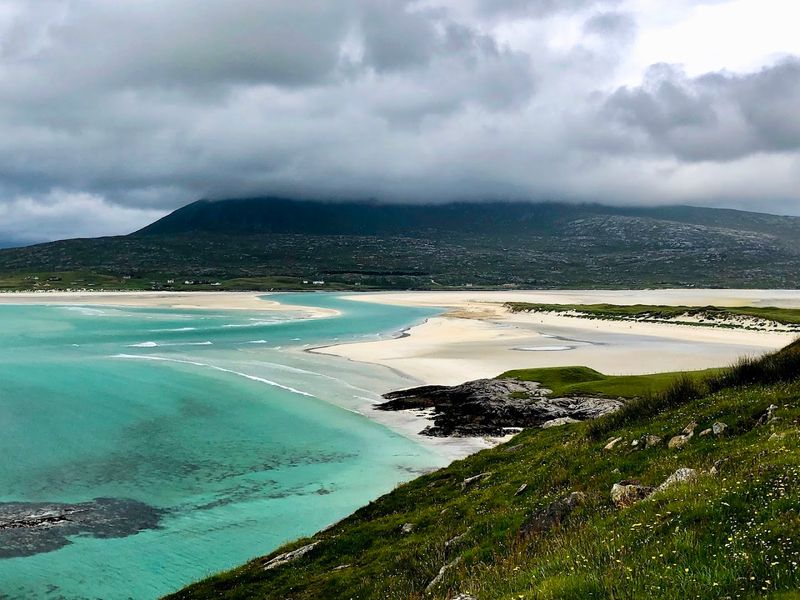
Harris has beaches that look borrowed from the Caribbean but feel completely, wonderfully Scottish. The sand is white, the water is shockingly turquoise, and the wind will absolutely ruin your hair.
Nobody cares, because nobody’s watching.
The Outer Hebrides move at their own pace, one that naturally slows you down whether you planned for it or not. Roads are single-track, requiring patience and the occasional reversing into a passing place.
It’s the kind of driving that forces you to be present, which is actually a gift.
Harris Tweed is woven by hand in islanders’ homes here, a craft that’s been going for centuries. You can visit small studios and watch the process without pressure to buy.
The island has very few tourists outside summer, and even then it never feels overwhelmed. Quiet pubs, long coastal walks, and skies that change every ten minutes round out the experience perfectly.
Svalbard, Norway
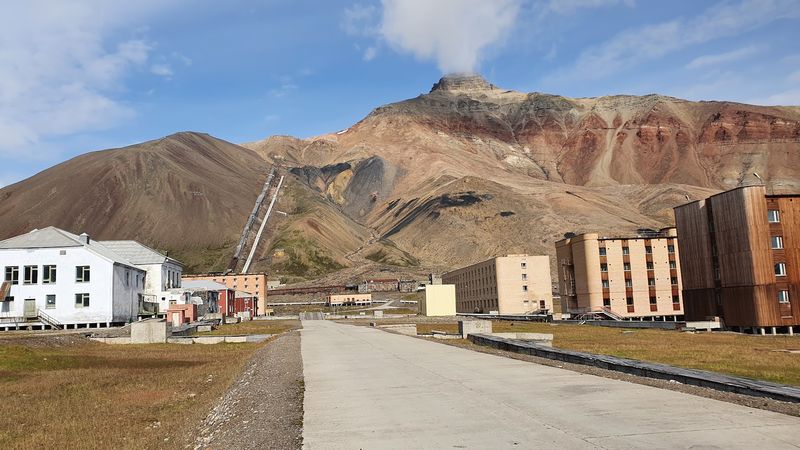
Svalbard sits closer to the North Pole than to mainland Norway, which tells you everything about how serious it is about isolation. The main settlement, Longyearbyen, has around 2,400 residents, a solid museum, and excellent Northern Lights viewing in winter.
Polar bears outnumber people on the archipelago, which is wild and also deeply cool.
You cannot legally leave the settlement without a guide and a firearm due to polar bear risk, so spontaneous solo wandering isn’t really an option here. But structured small-group expeditions still feel remote and quiet in a way most places can’t match.
Dog sledding, snowmobiling, and glacier hikes are the main draws in winter.
In summer, the midnight sun turns everything golden around the clock. I found it oddly energizing rather than disorienting.
Svalbard attracts a specific kind of traveler, one who values raw nature over comfort. It’s not cheap, but the sense of being genuinely far away is priceless.
Stewart Island / Rakiura National Park, New Zealand
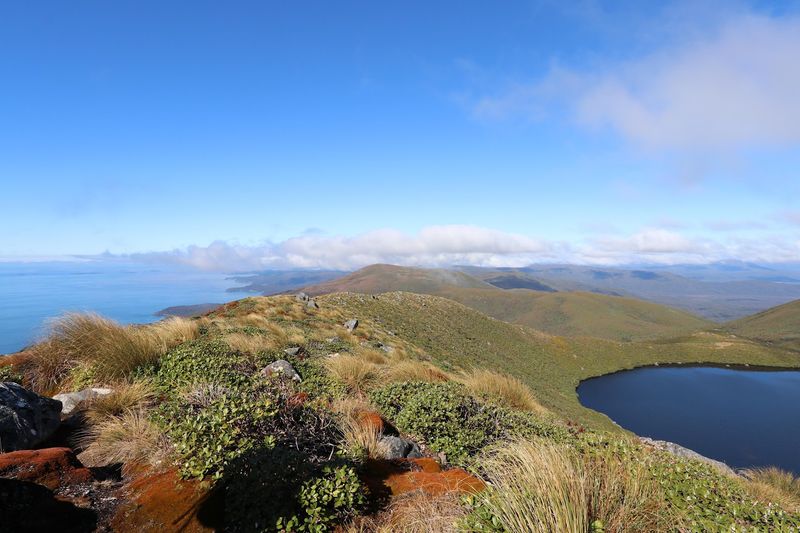
Stewart Island is New Zealand’s quietest secret, and most Kiwis haven’t even visited it. Sitting south of the South Island, it’s reached by a 20-minute ferry or short flight, but it feels like a full world away from everything.
About 85% of the island is protected national park, which means nature dominates completely.
The resident population hovers around 400 people, most of them in the village of Oban. There are no traffic lights, no chain restaurants, and no real reason to rush.
Kiwi birds roam freely here, and spotting one in the wild is a genuine thrill that requires no tour group.
Trails range from easy coastal walks to multi-day backcountry routes. The Rakiura Track is a classic three-day loop that passes beaches, estuaries, and dense native bush.
Birdlife is extraordinary throughout. Book accommodation early since options are limited, and that limited supply is a big part of what keeps this place so wonderfully uncrowded.
Inari and Lake Inari, Finnish Lapland
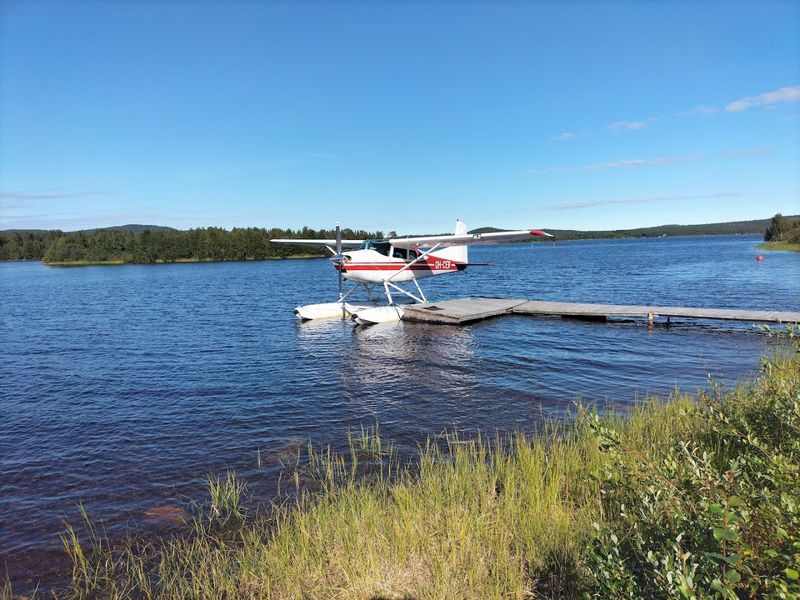
Inari is a small town in Finnish Lapland with a population of around 500, sitting on the edge of a lake so large it has over 3,000 islands. In winter, the whole thing freezes solid and becomes a surreal, silent expanse of white.
In summer, the sun barely sets, and the light turns the water into something genuinely otherworldly.
The SIIDA museum here is one of the best Indigenous culture museums in northern Europe, dedicated to Sámi heritage and Arctic nature. It’s thoughtful, well-curated, and genuinely moving.
Spending a few hours there gives the whole region much more meaning than just pretty landscapes.
Reindeer are a common sight on the roads, usually unbothered and moving at their own pace. Fishing on the lake, either through ice in winter or by boat in summer, is deeply meditative.
Inari doesn’t perform for tourists. It just exists quietly, and you’re welcome to join it.
Valley of Silence (Valle del Silencio), Spain
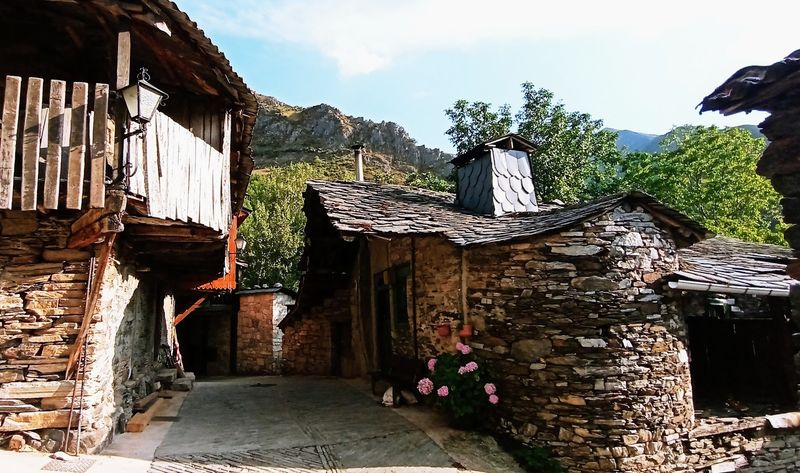
The name alone should sell it. Valle del Silencio, or the Valley of Silence, is tucked into the mountains of Castilla y Leon in northwestern Spain, near the town of Ponferrada.
It’s a hiking route, not a theme park, and the lack of signage and tourist infrastructure is entirely intentional.
The trail winds through chestnut forests, past medieval monastery ruins, and through tiny stone villages that look unchanged for centuries. The village of Peñalba de Santiago at the end of the route is a national monument and has a population of fewer than 20 people.
A tiny bar there serves local wine and bocadillos, and sitting outside with both feels like a reward well earned.
The walk is moderate, around 12 kilometers round trip with some elevation. Spring and autumn are the best seasons, when the forest colors are extraordinary.
It’s popular enough to have a name, but quiet enough that you’ll rarely feel crowded. A proper introvert’s victory lap.
Glacier Bay National Park and Preserve, Alaska
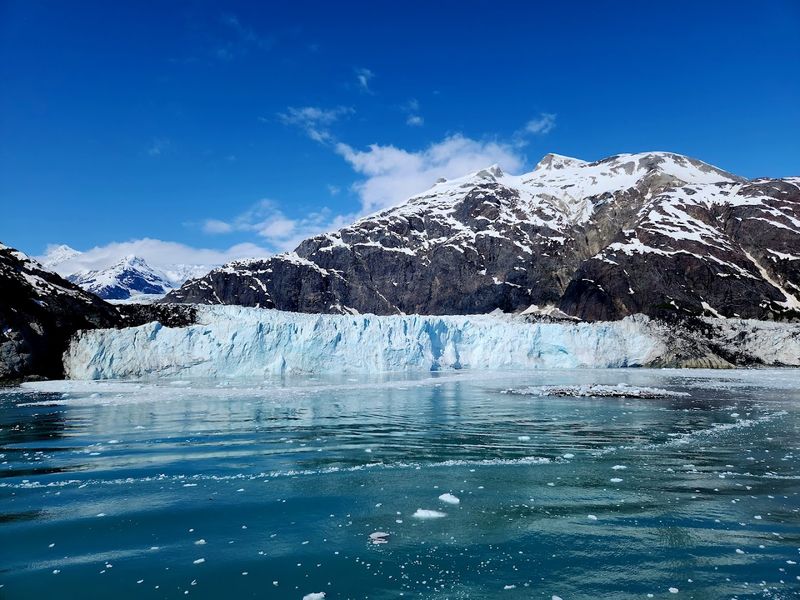
Glacier Bay is so vast it makes you recalibrate your sense of scale entirely. This national park covers over 3.3 million acres of glaciers, mountains, rainforest, and fjords in southeastern Alaska.
Very few roads exist here, so most visitors arrive by cruise ship or small boat, which keeps foot traffic remarkably low.
Day cruises into the bay are the main way to experience the glaciers up close. Watching a tidewater glacier calve, where massive chunks of ice break off and crash into the water, is one of those genuinely jaw-dropping moments that no photo fully captures.
Humpback whales, orcas, and sea otters are common sightings along the way.
The park’s visitor center is based in Bartlett Cove, where short hiking trails and kayaking are available. Backcountry camping requires a permit and a solid comfort level with wilderness.
Glacier Bay rewards those willing to go slowly and pay attention. The silence between glacier crashes is its own kind of spectacular.
Isle Royale National Park, Michigan
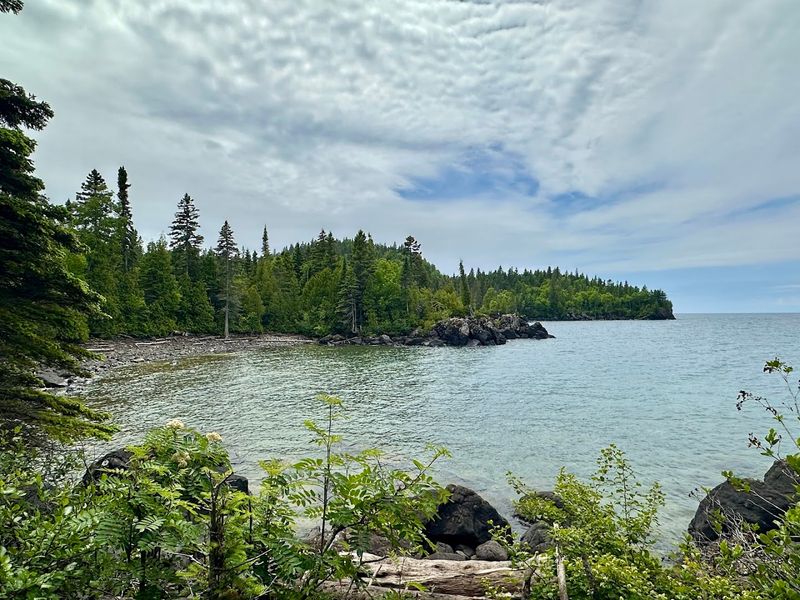
Isle Royale is the least visited national park in the contiguous United States, and the park is completely fine with that. Getting there requires a ferry ride of up to six hours or a seaplane, which naturally filters out anyone who isn’t genuinely committed to going.
The island has no roads, no cars, and no cell service worth mentioning.
Wolves and moose coexist here in one of the longest-running predator-prey studies in the world, ongoing since 1958. You probably won’t spot a wolf, but moose sightings on the trail are fairly common and reliably exciting.
The hiking is rugged, the terrain varied, and the backcountry campsites are spread far enough apart to feel genuinely private.
The park closes from November through mid-April, so the season is short and the visitor numbers stay low. Kayaking the coastline is a highlight for those with paddling experience.
Isle Royale doesn’t make things easy for you, and that’s precisely what makes it so satisfying.
Great Basin National Park, Nevada
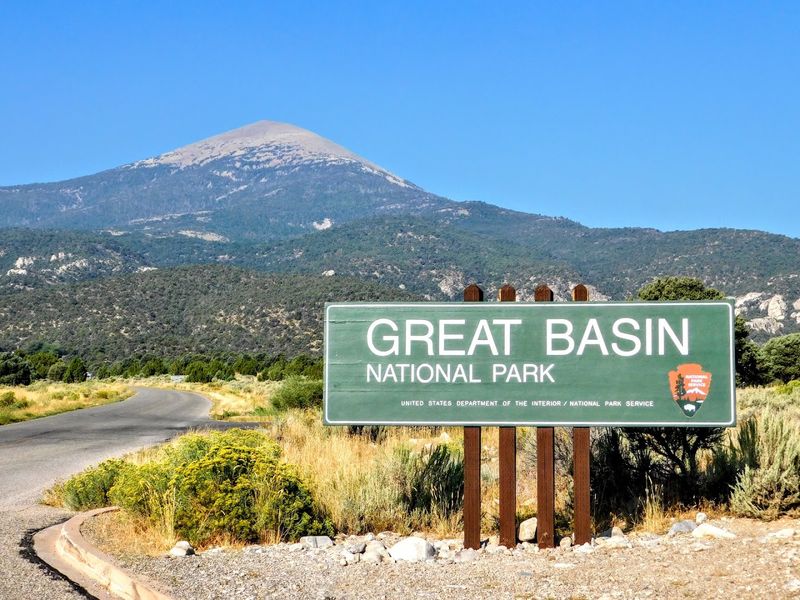
Great Basin sits in the middle of nowhere Nevada, which sounds like a criticism but is absolutely a compliment. Annual visitation hovers around 130,000 people, making it one of the quietest national parks in the lower 48.
The lack of a nearby major city keeps casual crowds away, and the park is all the better for it.
The night skies here are among the darkest in the country. On a clear night, the Milky Way is so visible and dense it looks almost fake.
The park runs ranger-led astronomy programs, and even without one, just lying on your back in the dark is a genuinely profound experience.
Wheeler Peak rises to over 13,000 feet and has a glacier, one of the southernmost in the United States. Ancient bristlecone pines near the summit are some of the oldest living organisms on Earth.
Lehman Caves at the base offer a completely different kind of quiet, cool, underground, and deeply peaceful.
Big Bend National Park, Texas
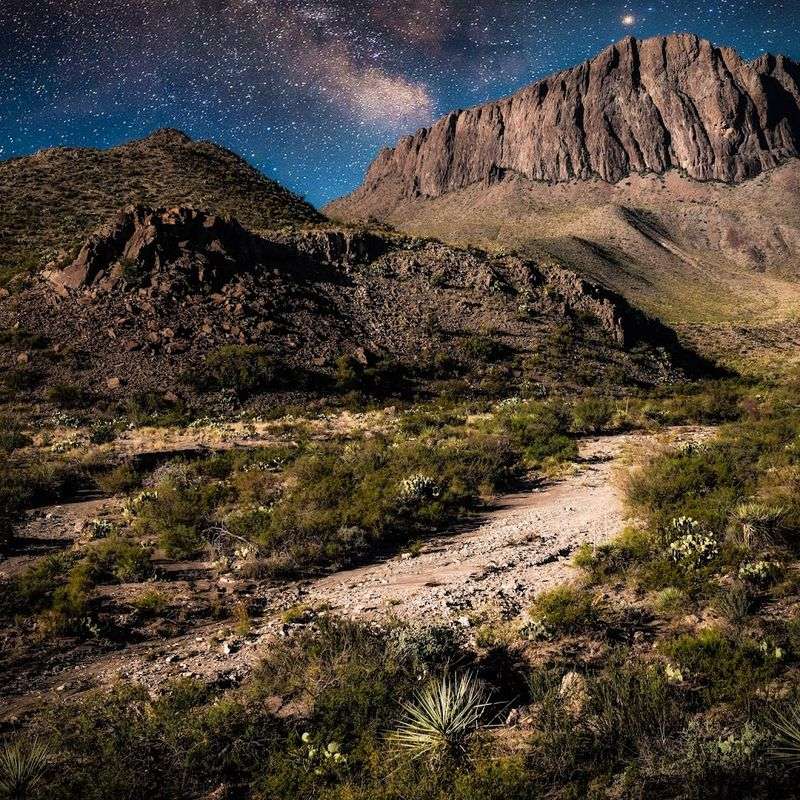
Big Bend is so far from everything that the nearest McDonald’s is reportedly 100 miles away, which is either a hardship or a selling point depending entirely on who you are. For introverts, it’s the latter.
This massive park in West Texas covers over 800,000 acres of desert, canyon, and river landscape along the Mexican border.
The Rio Grande forms the park’s southern boundary, carving dramatic canyons like Santa Elena, where the walls rise nearly 1,500 feet on both sides. Hiking into that canyon and hearing nothing but water and your own footsteps is a genuinely restorative experience.
The park also has exceptional dark skies and was designated an International Dark Sky Park.
Wildlife is abundant and varied: roadrunners, javelinas, black bears, and over 450 bird species. Cell service is nonexistent in most of the park.
Plan your fuel, water, and food carefully before arriving. Big Bend rewards the prepared introvert with some of the best solitude in America.
Cumberland Island National Seashore, Georgia
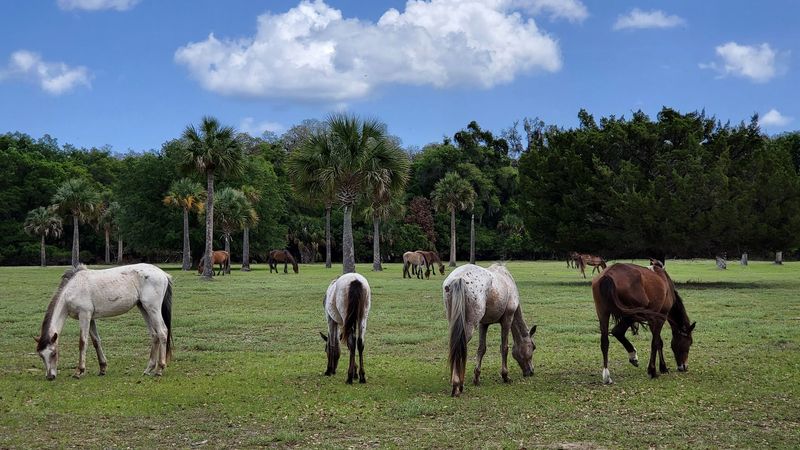
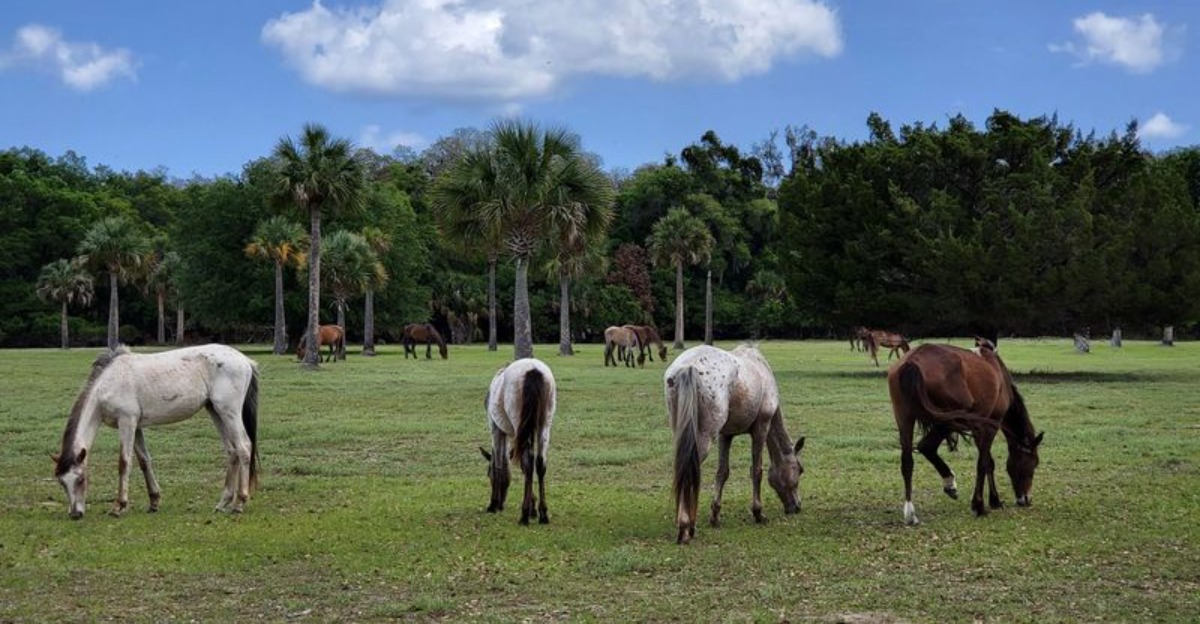
Wild horses roam freely on Cumberland Island, wandering the beach like they own the place, which in every meaningful sense they do. This barrier island off the Georgia coast is accessible only by ferry, and the National Park Service limits daily visitors to around 300 people to protect the ecosystem.
That cap is one of the best decisions ever made in American conservation.
The island has no paved roads and no shops. There are ruins of a Carnegie family mansion called Dungeness, slowly being reclaimed by vines and time, which is somehow more beautiful than it would be if it were restored.
Maritime forest, salt marshes, and 18 miles of undeveloped beach make up most of the landscape.
Camping is the main accommodation option, with a few spots at the historic Greyfield Inn for those who prefer something with walls. Bring everything you need because resupply isn’t an option.
The ferry runs twice daily, and missing it means staying overnight, which honestly sounds like a fine outcome.
North Cascades National Park, Washington
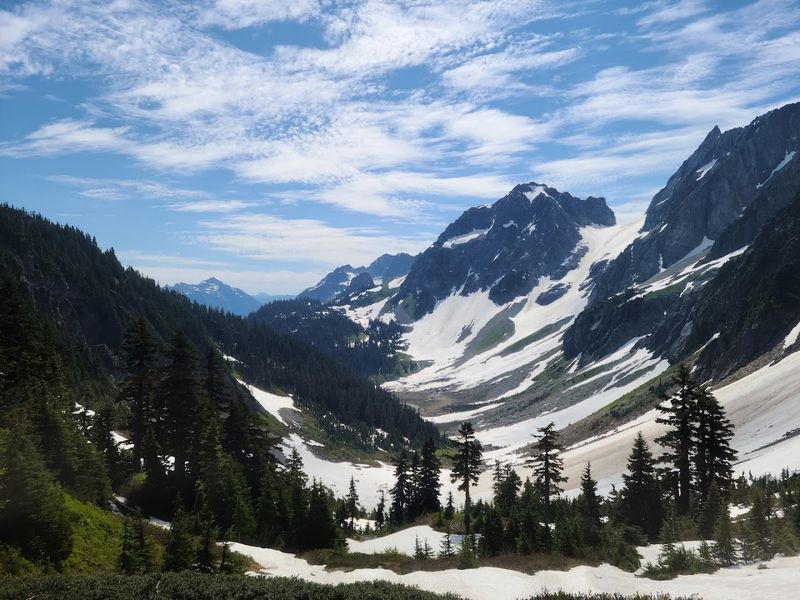
North Cascades is sometimes called the American Alps, and the comparison isn’t far off. The park complex contains over 300 glaciers and some of the most rugged terrain in the lower 48 states.
Visitation is remarkably low for a park this close to Seattle, mainly because the terrain is serious and the access points are limited.
Backcountry permits are required for overnight trips in many areas, which naturally keeps the wilderness zones uncrowded and well-maintained. The permit system isn’t bureaucratic annoyance; it’s crowd control that actually works.
Day hikers can access a solid range of trails without advance booking.
The North Cascades Highway, Route 20, is one of the most scenic drives in the Pacific Northwest and passes through the park. It closes in winter due to snow, which adds to the seasonal, unhurried character of the place.
Diablo Lake’s turquoise color from glacial flour is one of those sights that stops you mid-step. Worth every mile of the drive.
Flores Island, Azores, Portugal
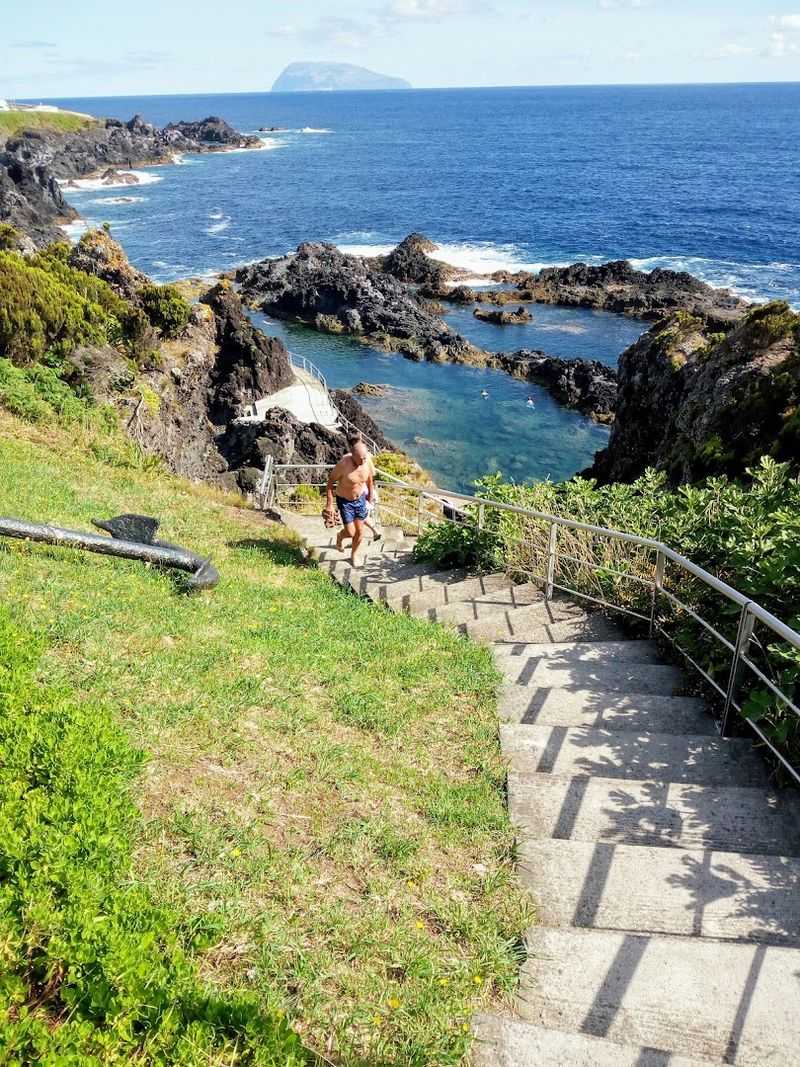
Flores is the westernmost island of the Azores, which makes it technically the westernmost point of Europe. It sits so far out in the Atlantic that it gets forgotten even in conversations about the Azores, which are themselves already underrated.
That double obscurity is exactly what makes it special.
The island is tiny, around 143 square kilometers, with a population of about 3,700 people. Waterfalls drop directly into the ocean along the western coast, a sight that feels almost cartoonishly dramatic.
Crater lakes dotted across the interior glow in shades of green and blue depending on the light and season.
Getting to Flores usually involves a connecting flight through Faial or Sao Miguel, which adds travel time but also adds distance from the tourist trail. The island has guesthouses, local restaurants, and a pace of life that makes a week feel genuinely restful.
No packed schedule needed here. Flores works best when you just show up and let it happen.



