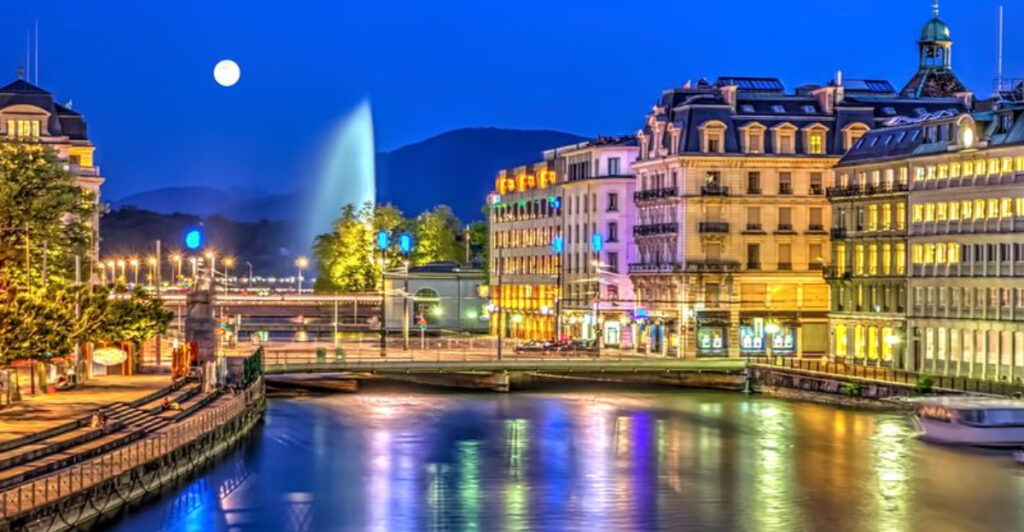
Europe has always had a talent for making travelers feel like royalty, but something exciting is happening right now. High-end visitors are no longer satisfied with just ticking off famous landmarks; they want extraordinary hotels, unforgettable meals, and genuine cultural connections.
From Monaco’s glittering harbor to Prague’s fairy-tale skyline, a new wave of elegant cities is stepping into the spotlight. Whether you are a seasoned globetrotter or planning your first luxury escape, these destinations are absolutely worth your attention.
Paris, France
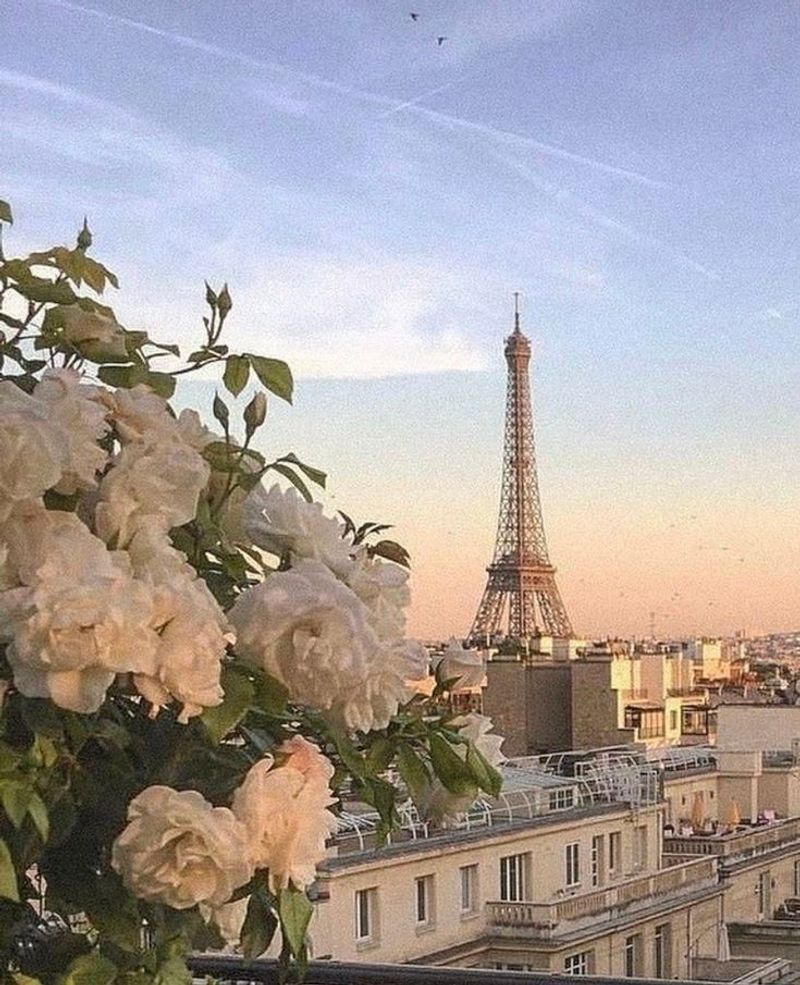
Few cities on Earth have mastered the art of making you feel underdressed just by stepping outside. Paris sets the gold standard for luxury travel with its palace hotels, couture fashion houses, and Michelin-starred restaurants packed into every arrondissement.
The city moves at a pace that somehow feels both urgent and effortlessly chic.
Versailles is just a short train ride away, offering an afternoon of jaw-dropping grandeur. Back in the city, neighborhoods like Saint-Germain-des-Pres and Le Marais reward slow walkers with hidden galleries, artisan boutiques, and patisseries that smell like pure happiness.
Paris rewards those who look beyond the postcard version.
Luxury accommodations here range from historic palace hotels on the Right Bank to sleek contemporary properties in emerging neighborhoods. Rooftop bars with Eiffel Tower views, private museum tours, and bespoke shopping experiences elevate any stay.
Paris does not just meet expectations; it quietly raises them without ever breaking a sweat.
Milan, Italy
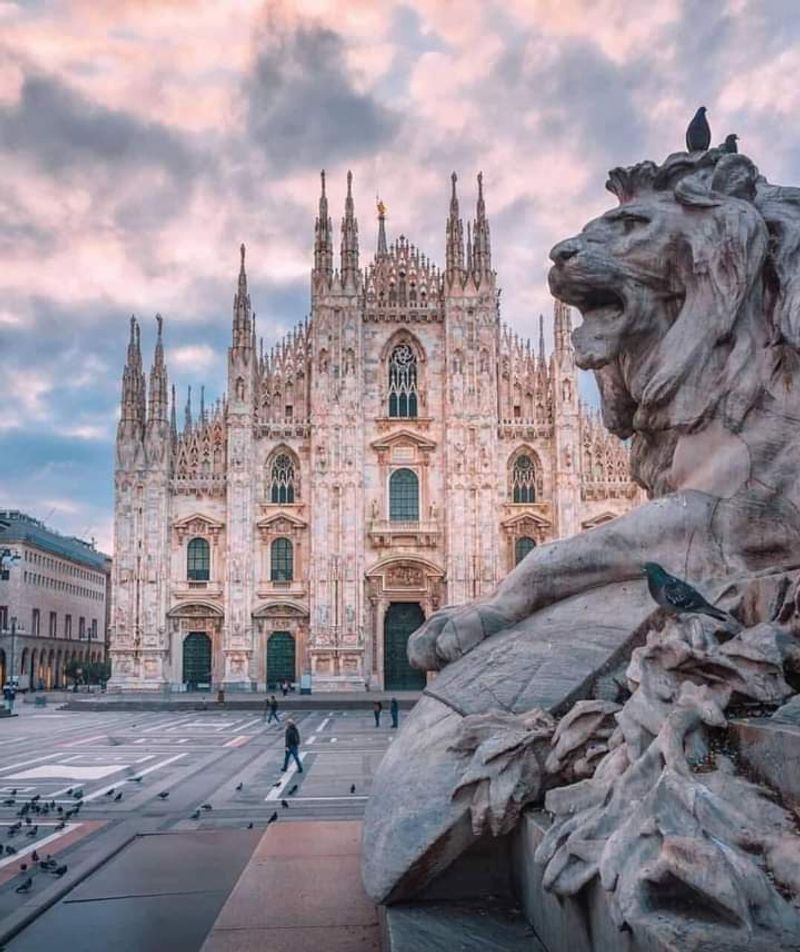
Milan smells like espresso, leather, and ambition, and that combination is genuinely irresistible. The city’s fashion district, known as the Quadrilatero della Moda, is a pilgrimage site for anyone who takes style seriously.
Prada, Gucci, Versace, and dozens of other legendary names line streets that feel more like a living fashion museum than a shopping zone.
Beyond the boutiques, Milan’s cultural scene is seriously impressive. The Pinacoteca di Brera houses some of Italy’s finest Renaissance paintings, and booking a ticket to see Leonardo da Vinci’s Last Supper remains one of Europe’s most rewarding experiences.
Fine dining here is equally ambitious, with chefs pushing boundaries while staying loyal to Northern Italian flavors.
Luxury hotels in Milan blend sleek contemporary design with Italian craftsmanship in ways that feel genuinely special. The city’s financial energy gives it a buzz that never quite switches off.
Travelers who arrive expecting only runways and showrooms often leave surprised by how much Milan has quietly tucked away for those willing to explore its deeper layers.
Lisbon, Portugal
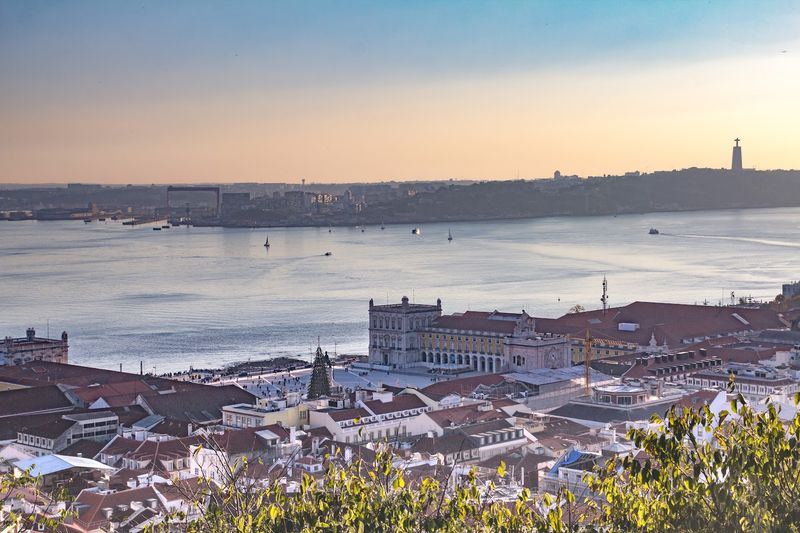
Lisbon has a way of catching travelers completely off guard with how beautiful it is. Perched on seven hills above the Tagus River, the city offers panoramic views that feel almost unfairly cinematic.
Miradouros, or scenic viewpoints, are scattered throughout the city, each one delivering a slightly different angle of terracotta rooftops and sparkling water.
The luxury hospitality scene here has grown remarkably in recent years. Restored 18th-century palaces now operate as boutique hotels, offering high-thread-count linens alongside walls that have witnessed centuries of Portuguese history.
Restaurants in neighborhoods like Chiado and Belem are earning serious attention from food critics worldwide.
What makes Lisbon genuinely special for upscale travelers is its unhurried energy. Unlike some European capitals that feel overwhelming, Lisbon moves at a pace that allows you to actually absorb what you are experiencing.
A day trip to Sintra’s fairy-tale palaces or a coastal drive along the Portuguese Riviera adds even more magic. The city earns its growing reputation with ease and a certain quiet confidence that is very hard to fake.
Zurich, Switzerland
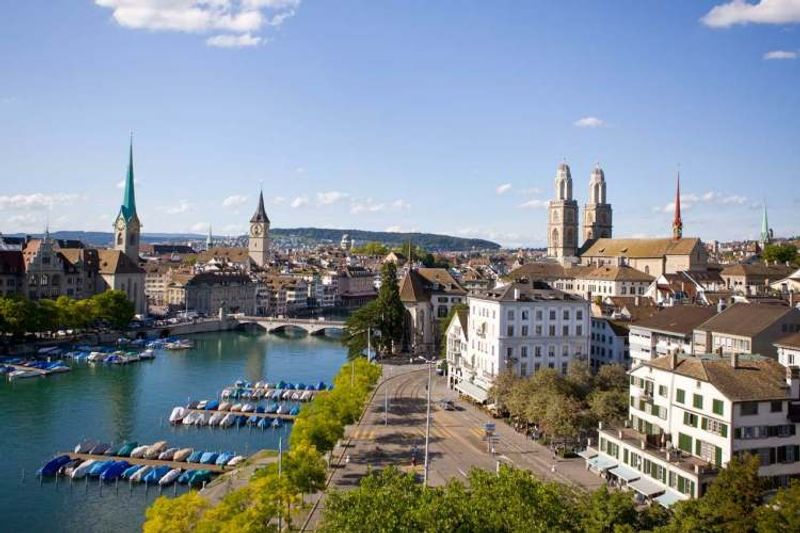
Zurich runs like clockwork, and not just because of the watch industry. The city operates with a precision and cleanliness that immediately signals you have arrived somewhere that takes quality seriously.
Lake Zurich shimmers at the city’s heart, flanked by grand hotels and manicured promenades that invite long, unhurried afternoon walks.
Shopping along Bahnhofstrasse is a luxury experience in itself. This famous street is consistently ranked among the world’s top retail destinations, with Swiss watchmakers and international fashion houses sitting shoulder to shoulder.
Zurich’s art scene has also matured impressively, with the Kunsthaus Zurich housing one of Switzerland’s finest collections of European art.
Fine dining in Zurich has taken a creative leap forward. Young Swiss chefs are blending local Alpine ingredients with global techniques, producing menus that surprise and delight even well-traveled food lovers.
The city also serves as an ideal base for day trips to Lucerne or overnight escapes to Verbier and Gstaad. Zurich may project understated confidence, but scratch the surface and you find a city quietly offering some of Europe’s finest luxury experiences.
Geneva, Switzerland
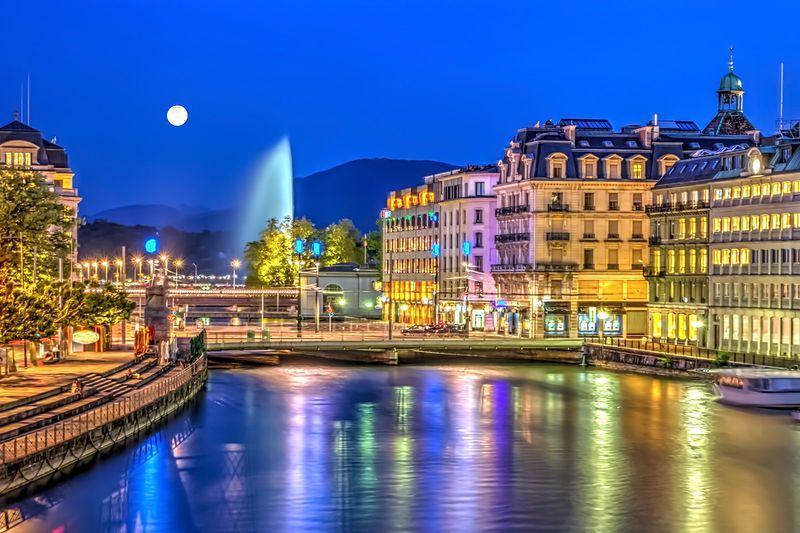
Geneva keeps its luxury quiet, and that is precisely the point. This is a city where discretion is considered the highest form of sophistication, and where the most exclusive experiences are rarely advertised loudly.
The famous Jet d’Eau fountain shoots water 140 meters into the air above Lake Geneva, offering a surprisingly playful landmark for a city known for serious diplomacy and serious wealth.
Luxury hotels here are legendary. Several properties along the lakefront have been hosting royalty, heads of state, and Hollywood stars for well over a century.
Service is impeccable in a way that feels personal rather than formal, which is a distinction that experienced travelers genuinely appreciate.
Geneva’s proximity to the Alps means ski season transforms the city into a gateway for some of Europe’s most exclusive mountain resorts. In warmer months, lake cruises, private yacht charters, and cycling routes through vineyard-covered hillsides keep active travelers happily occupied.
The city’s watchmaking heritage also makes it a natural destination for those interested in acquiring a timepiece that will outlast several generations. Geneva rewards patience, refinement, and a genuine appreciation for the finer things done quietly and exceptionally well.
Vienna, Austria
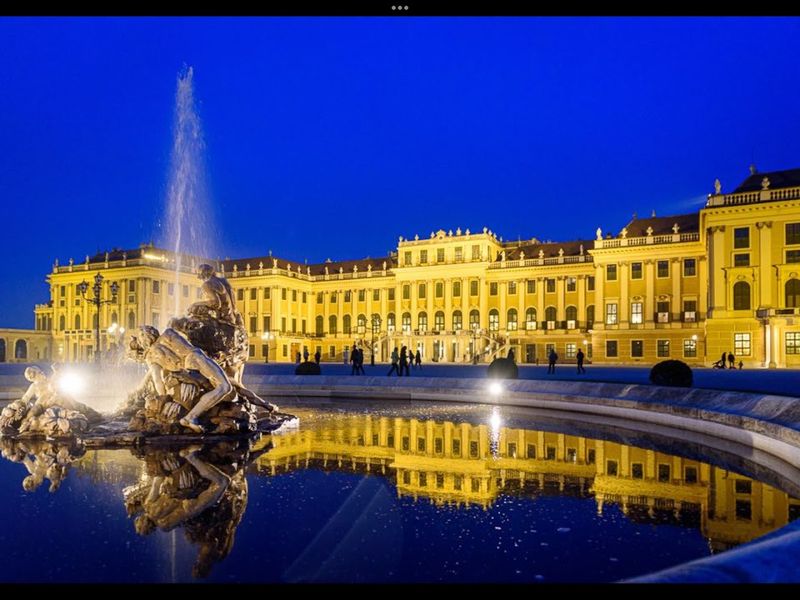
Walking along Vienna’s Ringstrasse at night feels like stumbling into a scene from a 19th-century novel, and that is not a complaint. The city wears its imperial history with remarkable grace, offering travelers a built environment so beautifully preserved it almost feels theatrical.
Grand opera houses, Baroque palaces, and coffeehouses where time moves differently all contribute to Vienna’s extraordinary atmosphere.
The coffeehouse culture alone is worth the flight. Sitting in Cafe Central or Cafe Landtmann with a melange and a slice of Sachertorte is a ritual that Viennese residents take seriously, and visitors quickly understand why.
These are not just cafes; they are social institutions with over a century of intellectual history baked into their walls.
Vienna’s culinary scene has evolved dramatically beyond Wiener Schnitzel. A new generation of Austrian chefs is earning Michelin stars while drawing on local ingredients from the surrounding countryside.
Luxury hotels here range from converted royal residences to sleek contemporary properties in the first district. Attending a performance at the Vienna State Opera caps any luxury visit perfectly, especially when you have arranged a private backstage tour beforehand.
Madrid, Spain
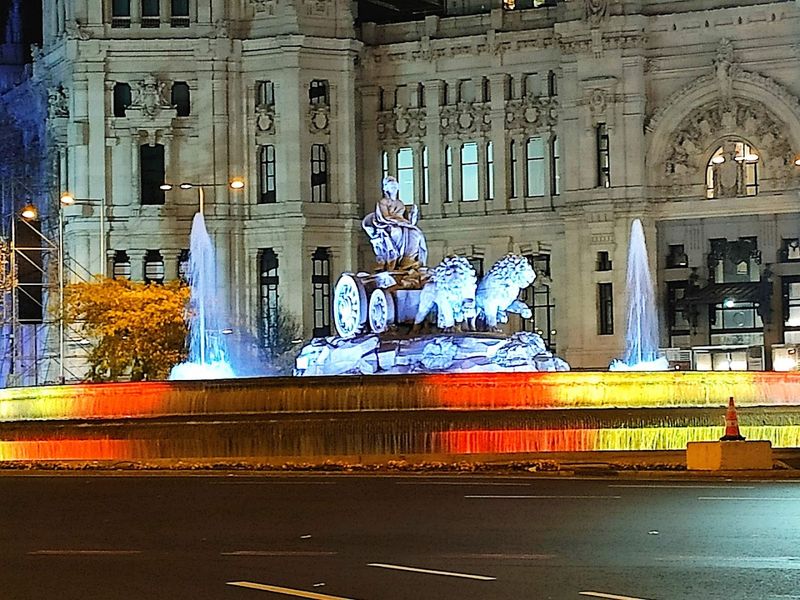
Madrid has a secret, and affluent travelers are starting to figure it out. While Barcelona grabs international headlines, Spain’s capital quietly offers some of Europe’s best luxury experiences without the overwhelming tourist crowds.
The Salamanca neighborhood alone could occupy a discerning shopper for an entire weekend with its concentration of Spanish and international designer boutiques.
The art scene here is genuinely world-class. The Golden Triangle of Art, formed by the Prado, Thyssen-Bornemisza, and Reina Sofia museums, puts Madrid in a category shared only by a handful of cities globally.
Private after-hours museum tours are available for those who prefer Velazquez and Goya without the selfie sticks.
Madrid’s dining culture operates on its own time zone, which is part of its considerable charm. Dinner rarely begins before nine in the evening, and the city’s restaurant scene rewards patience with extraordinary Spanish cuisine that ranges from classic Castilian roasts to avant-garde tasting menus.
Luxury hotel openings have accelerated in recent years, bringing international brands alongside beautifully restored historic properties. Madrid is not quietly becoming a luxury destination; it already is one, just without the fuss.
Monaco
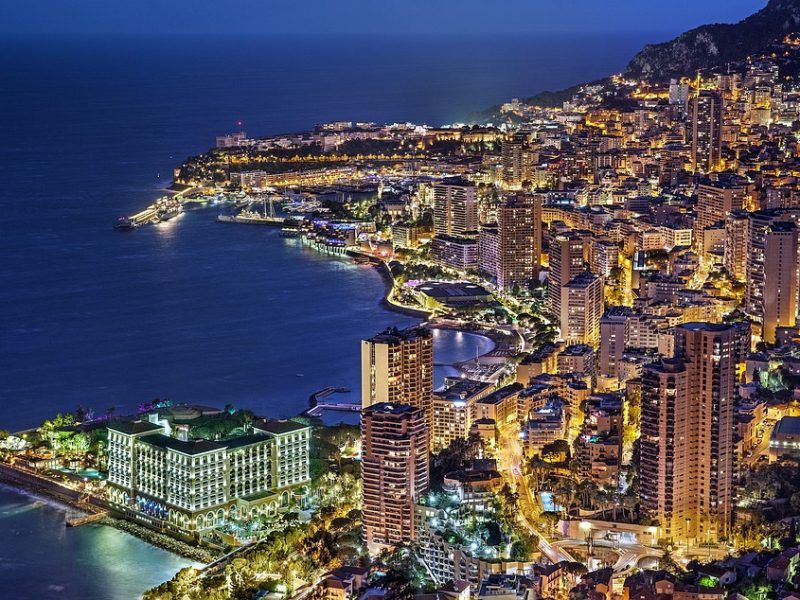
Nowhere in Europe concentrates quite so much glamour into quite so little space as Monaco. This tiny principality covers less than two square kilometers, yet somehow fits a Formula 1 Grand Prix circuit, a legendary casino, a harbor full of superyachts, and some of the world’s most expensive real estate into its borders.
The math should not work, but it absolutely does.
The Casino de Monte-Carlo is not just a gambling venue; it is an architectural masterpiece and a social theater where the dress code is very much enforced and the atmosphere is genuinely electric. Surrounding the casino, luxury boutiques, fine dining restaurants, and rooftop bars cater to visitors who arrive expecting nothing less than extraordinary.
Monaco’s culinary scene punches well above its weight, with multiple Michelin-starred restaurants competing for attention along the waterfront and in the hills above. The Hotel de Paris Monte-Carlo, recently restored to its original Belle Epoque splendor, remains one of Europe’s most iconic addresses.
Attending the Monaco Grand Prix is a bucket-list experience that combines motorsport, celebrity spotting, and sheer spectacle in a way that nothing else in the world can quite replicate.
Prague, Czech Republic
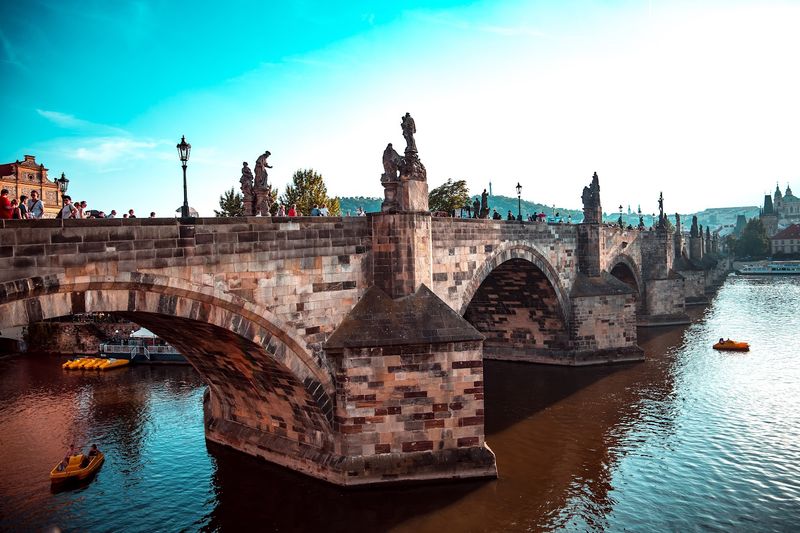
Arriving in Prague before the crowds wake up is one of travel’s great privileges. The city’s Old Town reveals itself slowly in the morning light, Gothic spires and Baroque facades reflecting in the Vltava River while the streets remain blissfully quiet.
Prague has one of Europe’s most intact historic city centers, and walking through it feels genuinely cinematic.
The luxury hospitality sector here has transformed impressively. Centuries-old palaces and grand hotels along the river have been meticulously restored, offering guests rooms with original frescoed ceilings alongside modern amenities that meet every five-star expectation.
The city’s relatively compact size means that most major attractions are reachable on foot from premium central accommodations.
Prague’s food and drink scene has matured considerably beyond hearty Czech staples. A new generation of chefs is earning serious recognition for creative menus that blend Central European flavors with contemporary technique.
Private boat tours along the Vltava, exclusive castle access, and bespoke cultural experiences are increasingly available for travelers who want something beyond the standard itinerary. Prague rewards those who look past its famous skyline and spend time discovering the quieter, more refined city hiding just beneath the surface.
Oslo, Norway
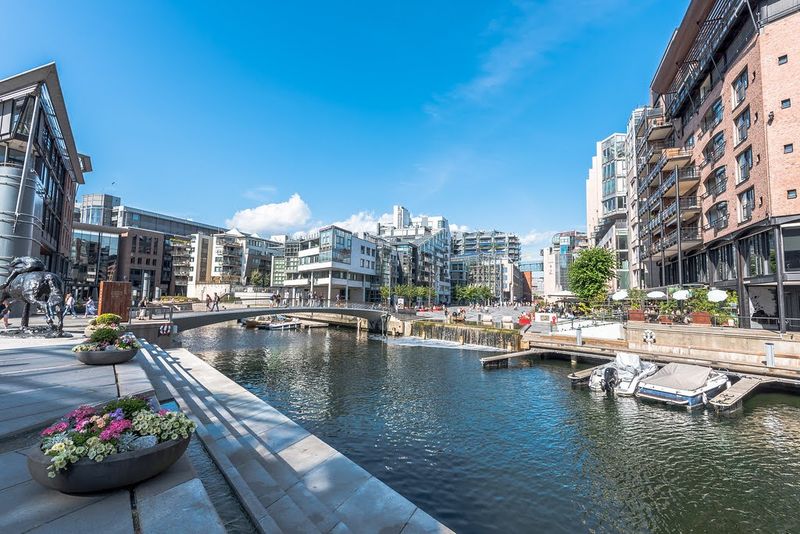
Oslo approaches luxury from a completely different angle than most European cities, and that is precisely what makes it so compelling. Scandinavian design philosophy, which prizes quality, functionality, and understated beauty over excess, runs through every aspect of the city’s finest hotels, restaurants, and cultural institutions.
Nothing here shouts for attention, yet everything rewards it.
The Munch Museum and the National Museum house extraordinary collections that feel genuinely accessible rather than intimidating. Oslo’s waterfront, anchored by the striking Oslo Opera House, has been reimagined as a world-class public space where architecture and nature meet in ways that consistently earn international design awards.
Visitors are encouraged to walk across the Opera House roof, which is a genuinely joyful experience.
Norwegian cuisine has emerged as one of Europe’s most exciting food movements. Chefs here work with Arctic ingredients, wild herbs, and exceptional seafood to create menus that feel deeply rooted in the landscape.
Restaurants like Maaemo have placed Oslo firmly on the global fine dining map. Access to the Oslo Fjord for private boat excursions, and day trips to surrounding forests and islands, gives the city a connection to nature that most luxury urban destinations simply cannot offer.
Brussels, Belgium
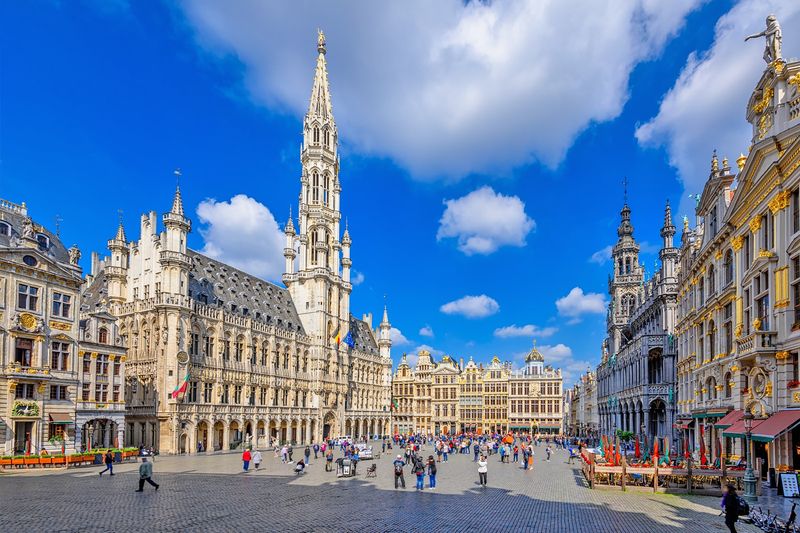
Brussels has been Europe’s best-kept secret for years, and travelers who have been paying attention are now reaping the rewards. The city’s Grand Place is routinely voted one of the world’s most beautiful squares, yet Brussels somehow never feels overwhelmed by tourism the way Paris or Amsterdam can during peak season.
That breathing room is a genuine luxury in itself.
The Belgian capital’s art scene is thriving. New contemporary galleries have joined legendary institutions like the Magritte Museum and the Royal Museums of Fine Arts, creating a cultural landscape that is both historically rich and genuinely forward-thinking.
Art Nouveau architecture, championed by Victor Horta, gives the city streets a visual character unlike anywhere else in Europe.
Belgium’s food culture goes far beyond chocolate and waffles, though both are extraordinary here. Brussels hosts a growing number of Michelin-starred restaurants alongside lively neighborhood bistros where Belgian cuisine is celebrated with real pride.
Luxury hotels have been expanding quietly, with several beautifully restored Art Nouveau and neoclassical properties offering intimate alternatives to larger chain hotels. Brussels rewards curious travelers who give it more than a single day, revealing itself gradually as one of Europe’s most genuinely rewarding luxury city breaks.
Naples, Italy
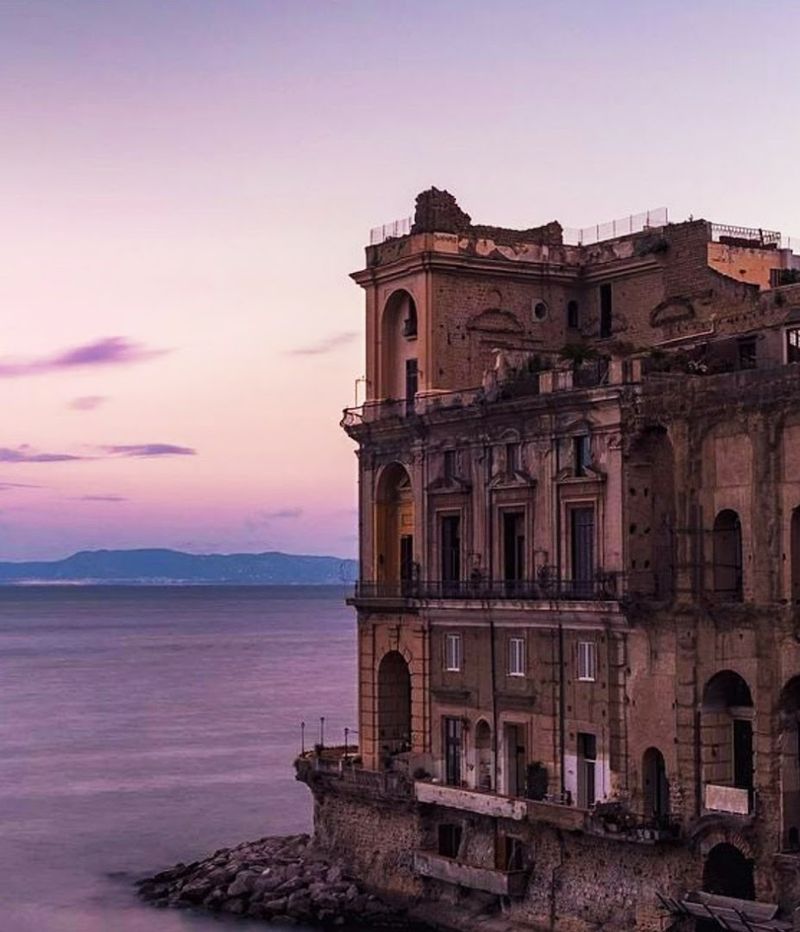
Naples is the kind of city that grabs you by the collar the moment you arrive and never quite lets go. Raw, passionate, and intensely alive, it is also quietly becoming one of Italy’s most compelling luxury destinations.
Historic waterfront hotels with views of Mount Vesuvius across the bay offer some of the most dramatic room outlooks in all of Europe.
The culinary heritage here is extraordinary and deeply felt. Naples invented pizza, and eating one in its birthplace is a profoundly different experience from anything you have had elsewhere.
Beyond pizza, the city’s seafood, pasta, and pastry traditions are equally exceptional, and a growing number of upscale restaurants are treating Neapolitan cuisine with the serious attention it has always deserved.
Day trips from Naples are among the best in Europe. Capri is a short hydrofoil ride away, offering glamorous coves, designer boutiques, and clifftop restaurants with views that border on absurd.
Pompeii and Herculaneum provide one of history’s most humbling archaeological experiences. The Amalfi Coast, reachable by private boat or helicopter, adds another layer of drama to any itinerary.
Naples is no longer a rough diamond; it is polished, proud, and very much ready for its luxury moment.
Verona, Italy
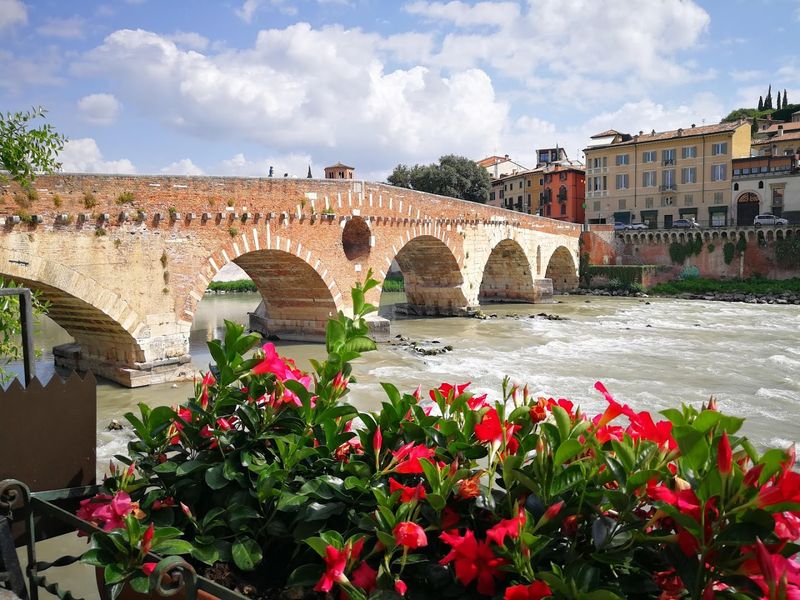
Verona has spent decades being overshadowed by Venice and Florence, and honestly, that has worked in its favor. While other Veneto cities battle cruise ship crowds, Verona moves at a pace that feels genuinely civilized.
The Roman Arena, one of the world’s best-preserved ancient amphitheaters, hosts summer opera performances that rank among Europe’s most spectacular cultural experiences.
The city’s romantic reputation is not merely a marketing strategy. Juliet’s balcony may be a literary invention, but the medieval streets, rose-tinted marble piazzas, and Adige River bending gracefully through the old town create an atmosphere that is legitimately enchanting.
Luxury travelers find that Verona’s smaller scale allows for a more personal, less transactional experience than larger Italian cities often provide.
Verona sits at the heart of Valpolicella and Soave wine country, making it a natural base for private vineyard visits and cellar tastings with producers who have been farming the same land for generations. Boutique hotels in restored Renaissance palaces offer historically immersive stays without sacrificing modern comfort.
The city’s dining scene celebrates Veronese cuisine with genuine confidence, and local trattorias compete admirably with more formal establishments. Verona is a city that rewards slowing down completely.
Seville, Spain
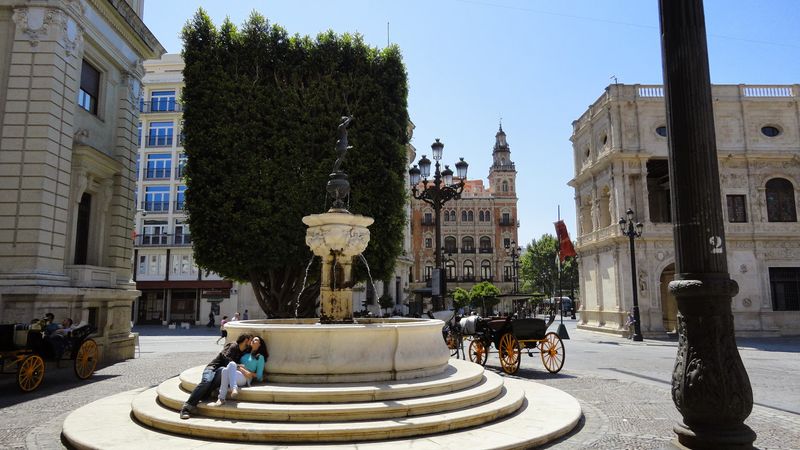
Seville turns up the heat in every possible sense. Spain’s Andalusian capital is warmer, louder, more colorful, and more emotionally charged than almost anywhere else in Europe, and luxury travelers are discovering that this intensity translates into genuinely unforgettable experiences.
The city’s grand palaces, many of them converted into exceptional hotels, create a backdrop that feels more like a film set than a real urban environment.
The Real Alcazar, a UNESCO World Heritage palace complex still used by the Spanish royal family, offers one of Europe’s most spectacular architectural experiences. Its intricate Mudejar tilework, lush gardens, and layered history spanning multiple dynasties make it endlessly fascinating.
Private after-hours access is available for those who want the space to themselves, which is worth every penny.
Seville’s gastronomic scene is thriving, with tapas culture elevated to an art form and a growing number of chef-driven restaurants celebrating Andalusian produce with creative ambition. Flamenco performances in intimate tablao venues offer cultural immersion that feels authentic rather than performative.
Spring, when the city celebrates Semana Santa and the Feria de Abril, is an extraordinary time to visit. Seville delivers grandeur, passion, and warmth in a combination that very few European cities can match.
Nice, France
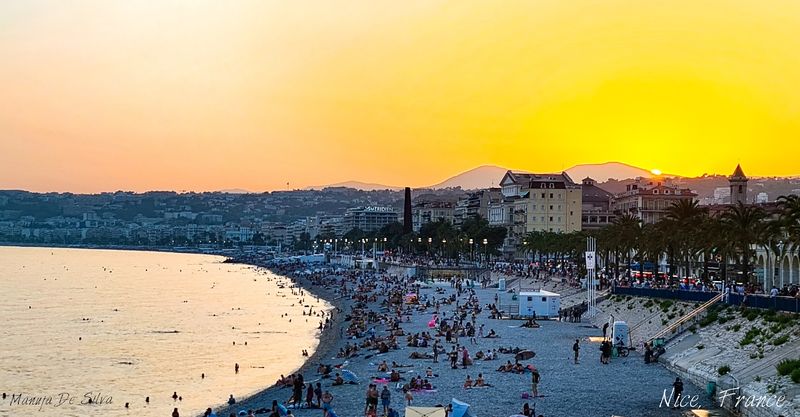
Nice has been charming wealthy visitors since the 19th century, when British aristocrats and Russian royalty first discovered that the Mediterranean light here is unlike anywhere else in the world. The Promenade des Anglais, stretching along the seafront, remains one of Europe’s great boulevards for an unhurried morning walk with sea air and strong coffee within easy reach at every turn.
The city’s Old Town, known as Vieux-Nice, is a riot of Baroque churches, ochre-painted facades, and daily food markets that sell everything from fresh olives to socca, the local chickpea flatbread that locals eat standing up. Luxury hotels here range from grand Belle Epoque palaces to sleek contemporary properties with rooftop pools overlooking the bay.
The views from Castle Hill at sunset are completely free and completely spectacular.
Nice serves as a perfect base for exploring the wider French Riviera. Monaco is 20 minutes away by train, Cannes is an easy day trip, and the medieval hilltop villages of the arriere-pays are reachable by private car for those craving quieter countryside beauty.
The city’s art museums, including the Matisse Museum and the Chagall Museum, add serious cultural weight to what might otherwise seem like pure seaside indulgence. Nice earns its enduring appeal honestly.
Share this story