Crossing a border by train feels completely different from flying over it. You watch the countryside shift, hear new languages drift through the carriage, and feel the world gradually change around you.
These 15 extraordinary rail journeys connect countries, continents, and cultures in ways no airplane ever could. Grab a window seat and get ready for the ride of a lifetime.
Lisbon to Singapore — Portugal to Singapore
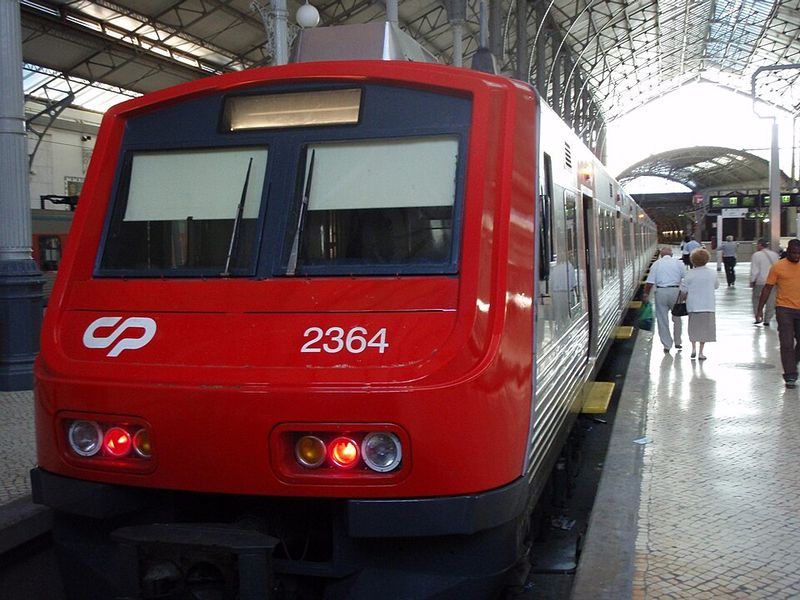
Roughly 18,755 kilometers separate Lisbon’s Atlantic coastline from Singapore’s tropical shores, and a determined rail traveler can cover every single one of them by train. This is widely considered the longest possible rail journey on Earth, threading through 13 countries across two continents.
You will roll through Portugal, Spain, France, Germany, Poland, Belarus, Russia, Mongolia, China, Vietnam, Cambodia, and Thailand before finally arriving in Singapore. Each country brings a completely different landscape, language, and atmosphere outside your window.
Crossing Siberia alone takes several days, giving you time to appreciate just how enormous Russia actually is. The Gobi Desert, the jungles of Southeast Asia, and the glittering skylines of Asian megacities all appear one after another like chapters in the world’s greatest geography book.
Budget travelers typically complete the journey in stages over several weeks, mixing sleeper trains with short stops along the way.
Trans-Siberian Railway via Mongolia — Russia, Mongolia, and China
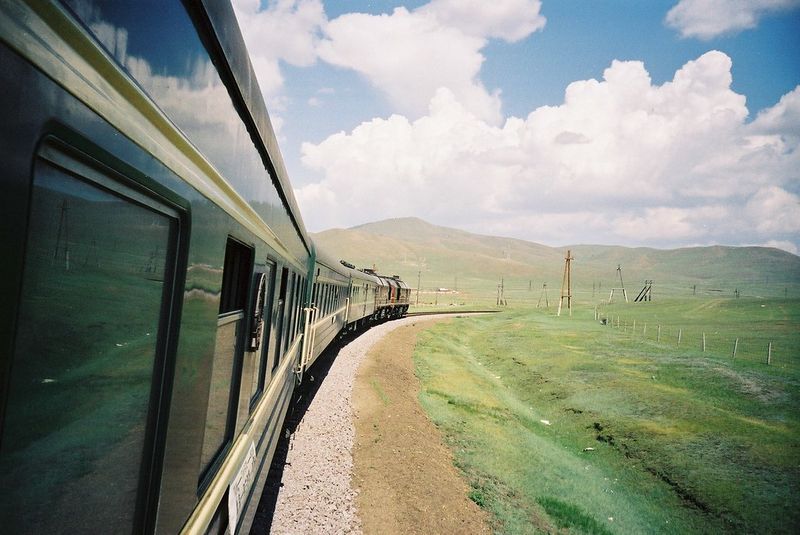
Seven time zones. Nearly 8,000 kilometers.
One legendary train. The Trans-Mongolian branch of the Trans-Siberian Railway is arguably the most famous overland journey on the planet, connecting Moscow and Beijing through some of the world’s most remote and breathtaking landscapes.
Leaving Moscow, the train rolls east through birch forests and industrial cities before arriving at Lake Baikal, the world’s deepest freshwater lake. The view across that shimmering blue expanse is genuinely jaw-dropping, especially in winter when the entire lake freezes solid.
After crossing into Mongolia, the scenery shifts dramatically to endless grassland steppe and the magnificent emptiness of the Gobi Desert. Mongolian nomads still live in traditional gers visible from the train window.
The final stretch into China brings the Great Wall briefly into view before the train pulls into Beijing. Most travelers take the full trip over six to seven days, although hopping off in Ulaanbaatar for a few nights is highly recommended.
Venice Simplon-Orient-Express — United Kingdom, France, and Italy
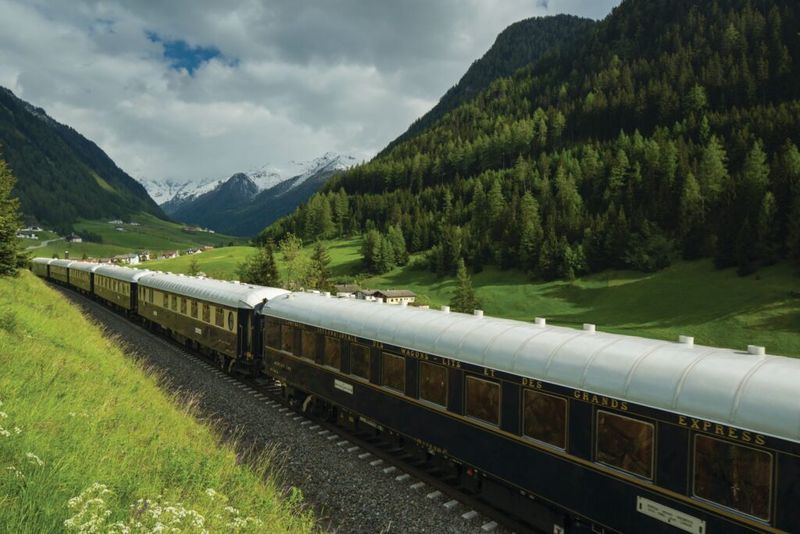
Few trains in history carry as much romance and mystery as the Orient Express, and the modern Venice Simplon-Orient-Express keeps that legendary reputation very much alive. Boarding at London’s Victoria Station already feels like stepping into a different era entirely.
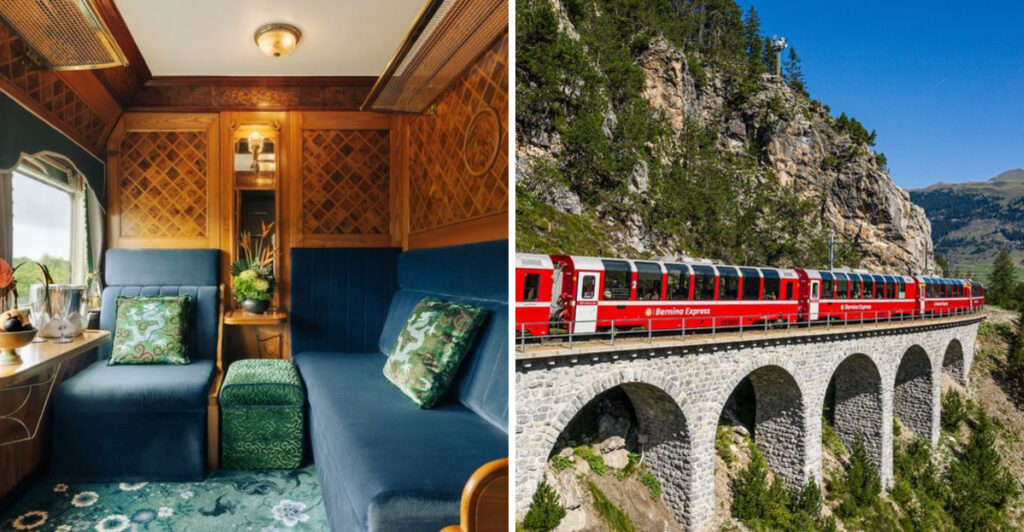
The restored 1920s and 1930s carriages are genuinely stunning, featuring hand-crafted marquetry panels, velvet upholstery, and crisp white-linen dining tables. Passengers dress for dinner, sip cocktails in the bar car, and watch the French countryside blur past as the sun sets over the vineyards.
Crossing the Alps during the night adds an extra layer of drama, and waking up to Italian lakes and terracotta rooftops as the train approaches Venice is a memory that sticks forever. The journey takes roughly 24 hours from London to Venice, passing through Paris and the Simplon Tunnel under the Alps.
Tickets are genuinely expensive, but regular travelers describe it as a once-in-a-lifetime splurge that absolutely delivers. Agatha Christie herself would approve.
Bernina Express — Switzerland and Italy
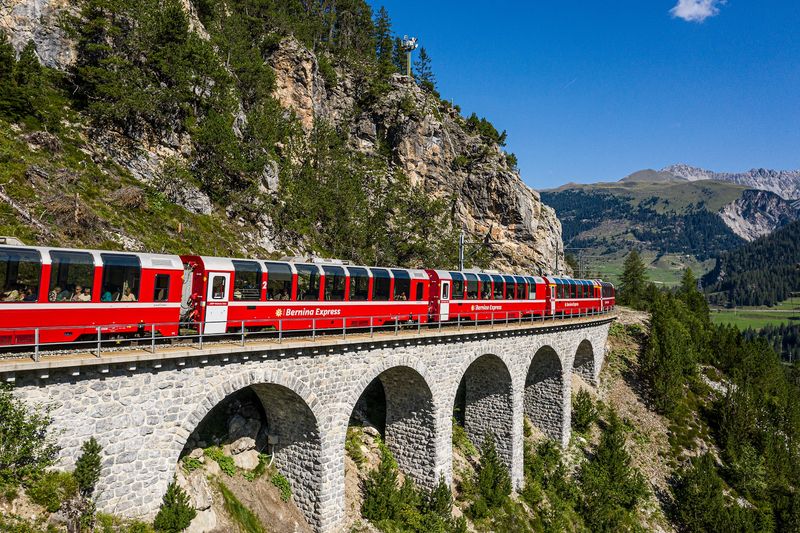
Clinging to a narrow gauge track at over 2,000 meters above sea level, the Bernina Express crosses the Alps without using a single tunnel or rack system, which is a genuine engineering marvel. The route between Chur in Switzerland and Tirano in Italy is a UNESCO World Heritage Site, and it earns that status at every curve.
Glaciers hang overhead, mountain lakes shimmer in brilliant turquoise, and the famous Landwasser Viaduct curves gracefully through open air with nothing but a sheer drop below. The panoramic windows on the train are specifically designed to maximize the drama of every view.
As the train descends into Italy’s Valtellina valley, the Alpine scenery gives way to palm trees, vineyards, and Mediterranean warmth within just a few kilometers. That dramatic climate shift in under two hours genuinely surprises first-time travelers.
The full journey takes about four hours, making it a perfect day trip from either Switzerland or northern Italy. Booking in advance during summer is strongly advised because this route sells out fast.
Eurostar and Continental Europe — United Kingdom, France, Belgium, and Beyond
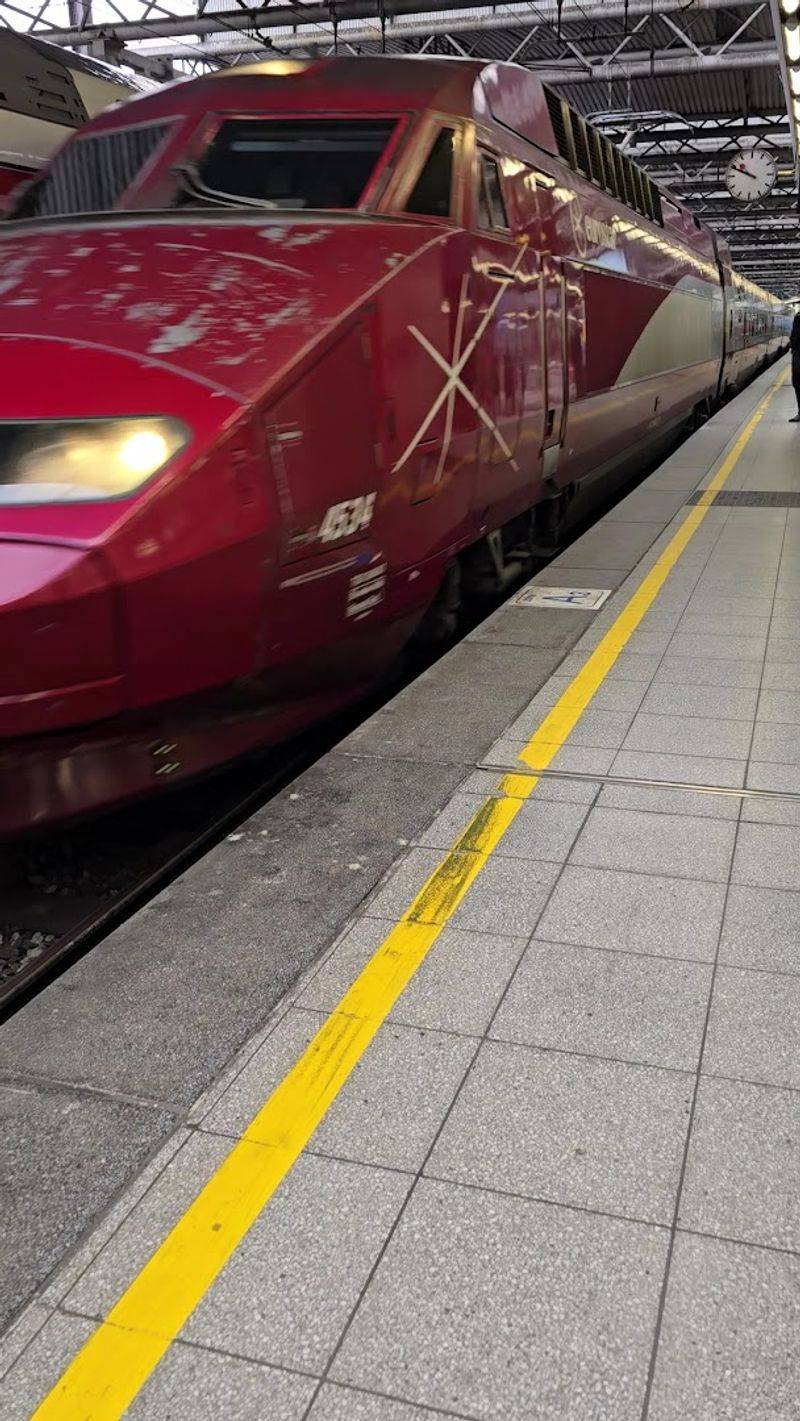
Before the Channel Tunnel opened in 1994, getting from London to Paris meant a ferry crossing or a flight. Today, the Eurostar whisks passengers under the English Channel in just 35 minutes at speeds of up to 300 kilometers per hour.
That still feels slightly magical every single time.
London to Paris takes just over two hours. London to Brussels takes under two hours.
Connections onward to Amsterdam, Cologne, and other European cities make the entire network feel like one seamlessly connected rail map. Travelers can realistically have breakfast in London and lunch in Paris without any of the airport stress.
The expansion of direct Eurostar and Thalys services means even more cross-border routes are now available, including overnight trains that let you skip the hotel bill entirely. Environmentally conscious travelers also love the fact that taking the Eurostar instead of flying produces roughly 95 percent less carbon dioxide per journey.
For exploring multiple European countries in one trip, this network is genuinely hard to beat. It changed everything about how people move between Britain and the continent.
Prague to Frankfurt via Leo Express — Czech Republic, Germany, and Poland
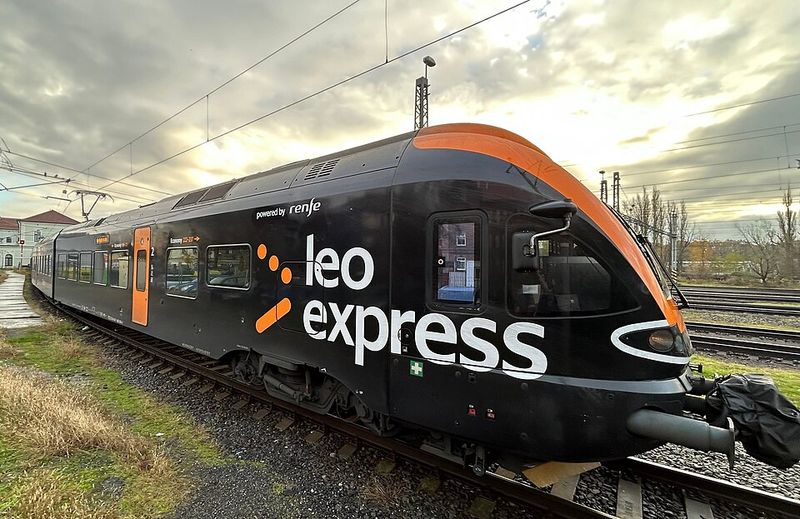
Leo Express quietly pulled off something impressive when it launched one of Europe’s longest direct international rail services, stretching roughly 1,300 kilometers from the Polish-Ukrainian border all the way to Frankfurt Airport in Germany. That is a serious amount of European geography on a single ticket.
The route passes through Krakow, Ostrava, and Prague before continuing into Germany, giving passengers a front-row seat to Central Europe’s fascinating mix of medieval architecture and modern cities. Prague’s main station alone is worth pausing to admire before the train departs.
Fares on Leo Express are genuinely competitive, often undercutting both flights and other rail operators on the same corridors. The service has become popular with students, backpackers, and business travelers alike who want a comfortable, affordable way to move between these three countries.
Onboard Wi-Fi and power sockets help pass the hours productively. This route also reflects a broader trend of private rail operators shaking up European international travel, which is great news for anyone who loves trains and hates overpriced airline tickets.
Golden Eagle Danube Express — Central and Eastern Europe
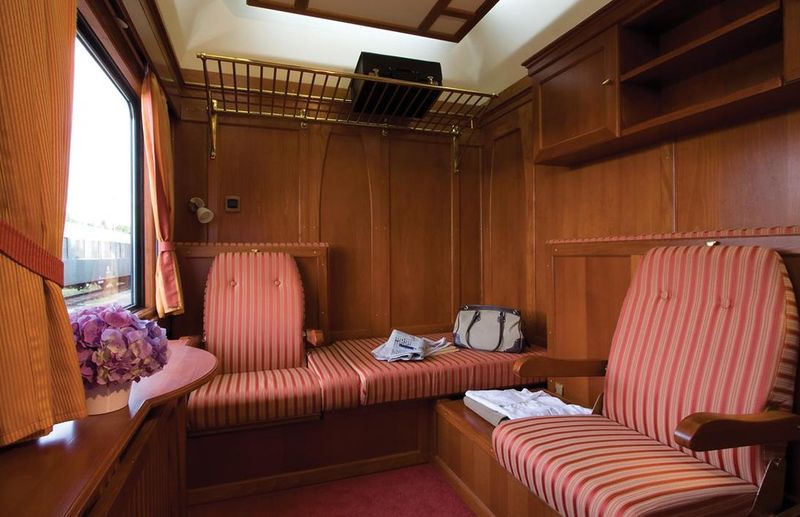
Somewhere between a moving hotel and a time machine, the Golden Eagle Danube Express offers a level of luxury that makes ordinary train travel feel like a distant memory. Plush cabins, white-glove service, and gourmet dining set the tone from the moment you step aboard.
Itineraries vary by season, but passengers typically travel through Hungary, Romania, Bulgaria, and Türkiye, stopping for guided excursions at castles, monasteries, and historic city centers along the way. These are not quick photo stops but genuinely immersive cultural experiences built right into the schedule.
The Danube River appears frequently outside the window, threading through dramatic gorges and rolling farmland as the train moves through countries that most Western tourists barely scratch the surface of. Seeing Transylvania, the Bulgarian Rhodope Mountains, and Istanbul by train creates a completely different sense of the region than flying between airports.
Groups are kept small, guides are expert, and the whole experience feels more like an expedition than a vacation. Prices reflect the premium service, but repeat passengers say it is worth every cent.
Scandinavia by Rail — Denmark, Sweden, and Norway
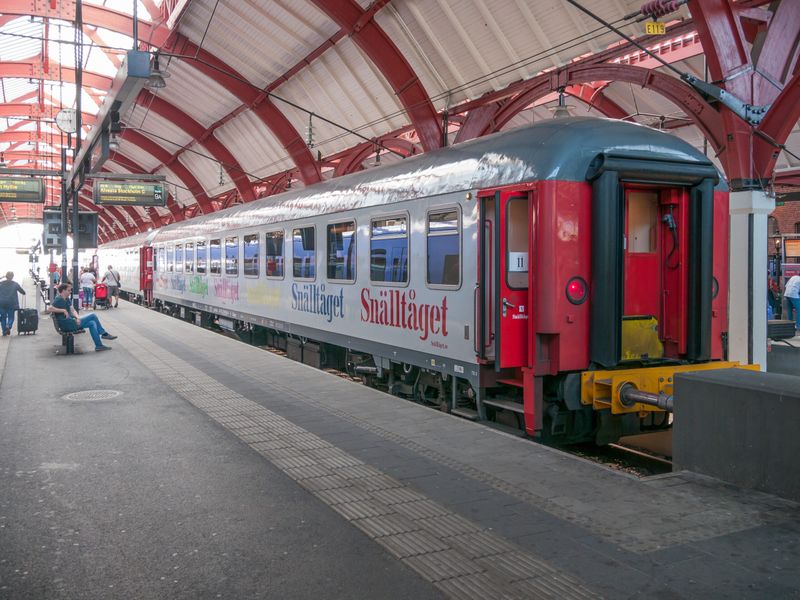
The Oresund Bridge between Copenhagen and Malmo is one of Europe’s most spectacular rail crossings, carrying trains directly over the sea between Denmark and Sweden in a single dramatic sweep. That crossing alone sets the tone for everything that follows on a Scandinavian rail adventure.
From Stockholm, trains head north through dense pine forests and frozen lakes before connecting to Oslo through mountain scenery that genuinely stops conversations mid-sentence. The Bergen Railway from Oslo to Bergen is frequently ranked among the world’s most beautiful train journeys, crossing the Hardangervidda mountain plateau at nearly 1,300 meters above sea level.
Scandinavian rail infrastructure is modern, punctual, and comfortable, with most intercity trains offering excellent Wi-Fi and spacious seating. Night trains between Swedish cities are also making a strong comeback, allowing travelers to cover huge distances while sleeping.
The combination of vibrant Nordic cities, dramatic fjords, and pristine wilderness makes this circuit genuinely hard to match anywhere else in Europe. Winter adds a layer of magic when the landscape turns entirely white.
The Balkan Rail Adventure — Serbia, Montenegro, and Beyond
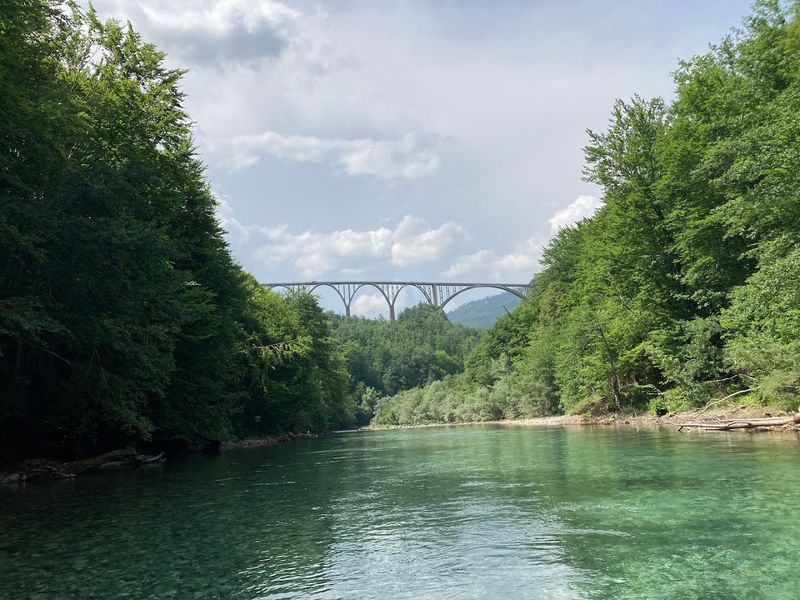
Built in the 1970s and considered an engineering triumph of its era, the Belgrade to Bar Railway is one of Europe’s most dramatic train rides, crossing over 250 bridges and passing through more than 100 tunnels on its way from Serbia’s capital to Montenegro’s Adriatic coast.
The canyon scenery between Kolasin and Podgorica is particularly breathtaking, with the track clinging to cliff faces high above roaring rivers. The Mala Rijeka Viaduct, once the world’s highest railway bridge, still inspires genuine awe as the train glides across it.
Beyond the scenery, Balkan rail travel rewards patience and curiosity. Trains run at a relaxed pace, stations are often beautifully old-fashioned, and fellow passengers tend to be locals rather than tourists, which creates a completely different travel atmosphere.
The Balkans remain underrated by most international visitors, making this journey feel refreshingly undiscovered. Connecting onward by rail into Bosnia, Croatia, or North Macedonia opens up even more fascinating territory.
Pack snacks, keep your camera ready, and enjoy the ride.
Paris to Sicily by Rail and Ferry — France and Italy
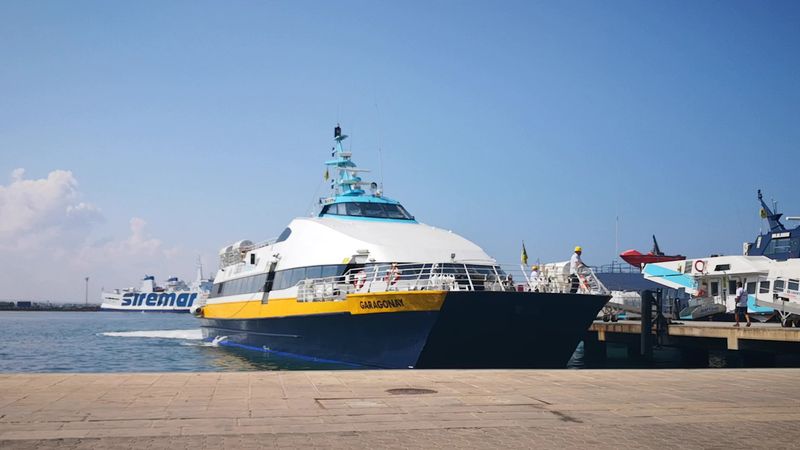
Here is a travel quirk that surprises most people: you can board a train in Paris and end up in Sicily, and at one point your entire carriage gets loaded onto a ferry to cross the Strait of Messina. Yes, the train literally goes onto the boat.
The journey begins with high-speed TGV service through France, then transitions to Italian Trenitalia trains through the boot of the peninsula. Passing through Rome, Naples, and Calabria gives travelers a fantastic cross-section of Italian life before the famous ferry crossing delivers them to the island of Sicily.
The Messina crossing takes about 20 minutes, and watching the Sicilian coastline approach from the deck of the ferry while your train waits below is a genuinely unique travel moment. From Messina, trains continue to Palermo or Catania, giving access to Sicily’s ancient temples, volcanic landscapes, and extraordinary food.
The full Paris to Palermo journey takes around 24 hours, but breaking it into two days with a night in Rome makes the whole experience far more enjoyable.
Eastern and Oriental Express — Singapore and Malaysia
Pulling out of Singapore’s Woodlands station aboard the Eastern and Oriental Express feels like leaving the modern world behind entirely. Within minutes, the glass towers of Singapore give way to Malaysian jungle, rubber plantations, and small villages where life moves at a completely different pace.
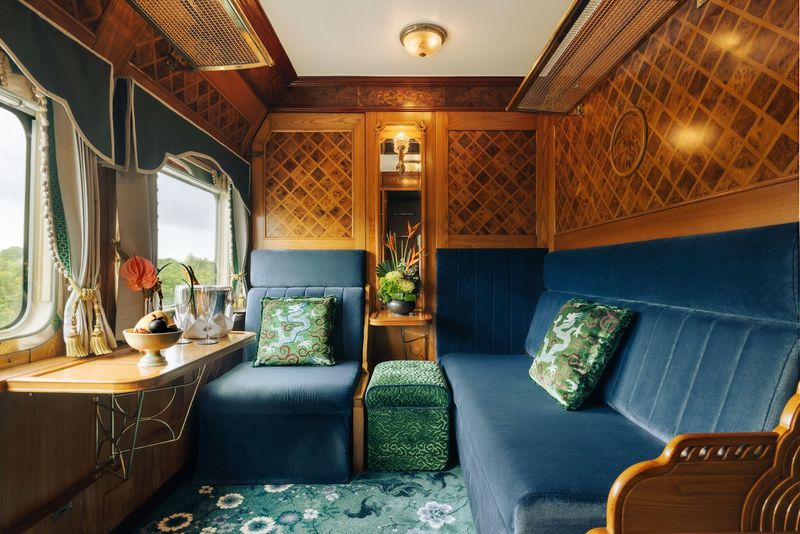
The train itself is stunning, with polished wood paneling, brass fittings, and open-air observation cars where passengers can feel the warm tropical breeze while watching the landscape roll by. Dinner is a formal affair with multiple courses, live piano music, and the kind of service that has mostly disappeared from modern travel.
The journey typically runs between Singapore and Bangkok, passing through Kuala Lumpur and Butterworth with optional shore excursions at each stop. Visiting a rubber plantation, exploring Georgetown’s street art, or touring a Thai temple all become part of the experience rather than separate side trips.
The slow pace is entirely the point here. Guests who normally rush through Southeast Asia discover that watching the region unfold from a beautifully appointed train carriage is one of the most satisfying ways to travel.
Rovos Rail’s Pride of Africa — South Africa and Namibia
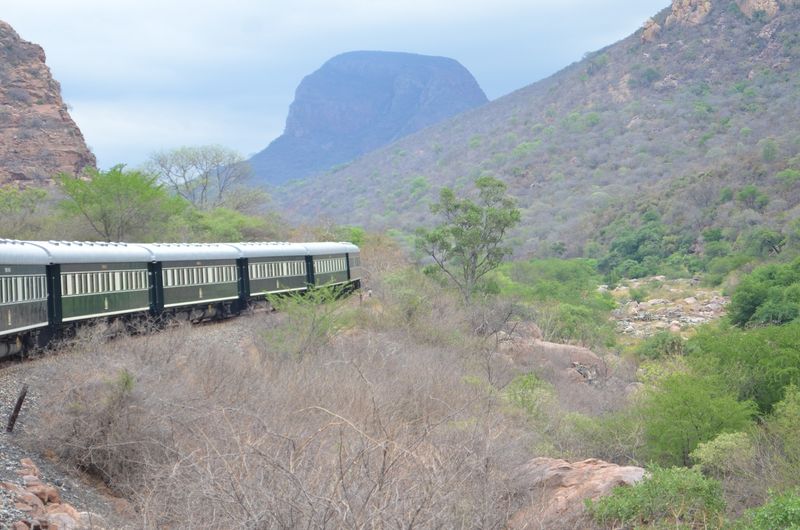
Rovos Rail’s Pride of Africa is regularly voted the world’s most luxurious train, and after one look at those beautifully restored Edwardian carriages rolling through the African bush, it is easy to understand why. This is rail travel turned into a full sensory experience.
Routes vary, but the South Africa to Namibia journey is particularly spectacular, crossing the dramatic Karoo Desert, the Orange River valley, and the vast, otherworldly landscapes of Namibia’s interior. The observation car at the rear of the train offers completely unobstructed views that feel almost cinematic.
Wildlife sightings from the train are common, with springbok, oryx, and ostriches frequently appearing alongside the tracks. Sundowners on the open platform as the African sky turns pink and gold is the kind of moment that travel writers run out of adjectives for.
Meals are prepared fresh onboard using local ingredients, and the wine list leans heavily on excellent South African bottles. Cabins are genuinely spacious by any standard, let alone train standards.
The whole journey moves slowly enough to feel like the continent is being properly savored.
Baltic Capitals Circuit — Estonia, Latvia, and Lithuania
Tallinn, Riga, and Vilnius are three of Europe’s most underrated capital cities, and connecting them by train creates one of the continent’s most rewarding and affordable rail circuits. The Baltic states pack an enormous amount of history, architecture, and character into a surprisingly compact region.
Tallinn’s medieval old town is a genuine time capsule, Riga has the largest collection of Art Nouveau architecture anywhere in the world, and Vilnius boasts a baroque old town that UNESCO considers one of Europe’s finest. Seeing all three in a single rail journey puts their similarities and differences into fascinating perspective.
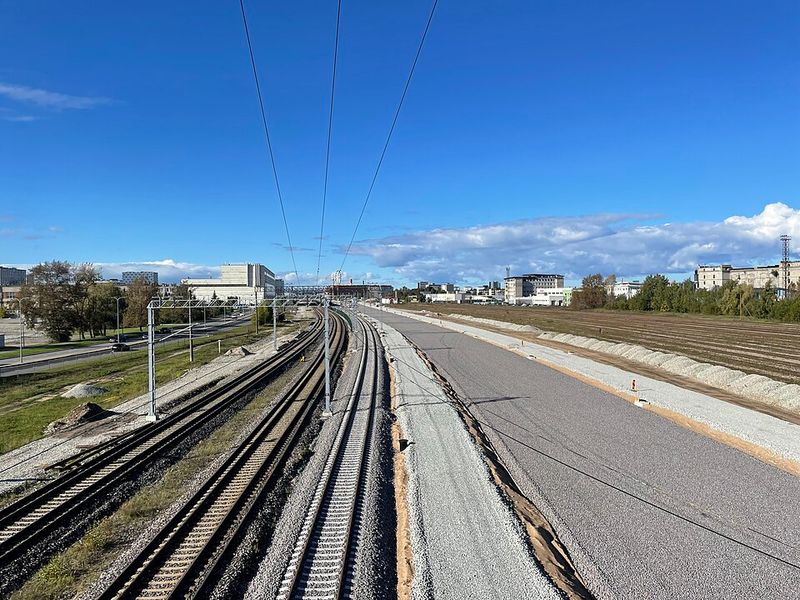
Rail connections between the Baltic capitals have improved significantly in recent years, with the long-awaited Rail Baltica high-speed project set to transform journey times dramatically when completed. Currently, trains are comfortable and scenic if not particularly fast, which suits travelers who enjoy watching the flat, forested Baltic landscape drift by.
Amber shops, rye bread, and folk music festivals await at each stop. For travelers who want something genuinely different from the usual Western European circuit, this route consistently delivers pleasant surprises.
Bangkok to Kuala Lumpur — Thailand and Malaysia
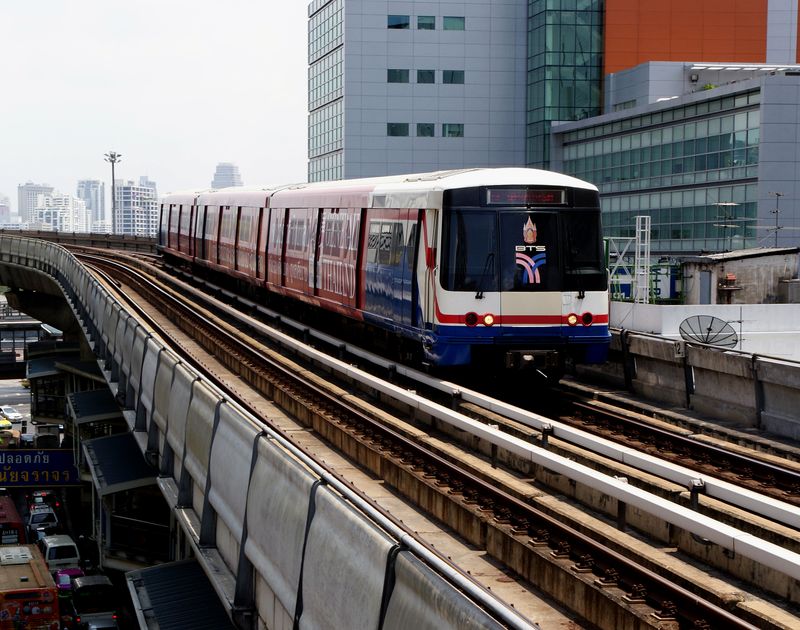
Boarding the overnight train from Bangkok heading south toward Malaysia feels wonderfully old-school in the best possible way. The sleeper berths fold down, the ceiling fans hum, vendors pass through selling pad thai and cold drinks, and the city gradually dissolves into rice paddies and coconut palms.
The train crosses into Malaysia at Padang Besar, where a short border formality takes place before the journey continues south through Penang, Kuala Lumpur, and beyond. The Malaysian rail network picks up the pace with modern intercity services, but the slower Thai section has a charm that faster trains simply cannot replicate.
Budget travelers particularly love this route because it combines transportation and accommodation into one overnight ticket, saving both time and hotel costs. George Town in Penang is an easy stop to add, offering some of Southeast Asia’s most celebrated street food and a UNESCO-listed historic center.
The entire Bangkok to Kuala Lumpur journey takes roughly 24 hours depending on connections, making it a relaxed and affordable way to travel between two of Southeast Asia’s most exciting cities.
Interrail Grand Tour — Up to 33 European Countries
No fixed itinerary. No single destination.
Just one rail pass and the freedom to hop between up to 33 European countries whenever the mood strikes. The Interrail Global Pass has been turning budget travelers into spontaneous adventurers since 1972, and it still delivers that same liberating feeling today.
A single pass can take you from Lisbon’s Atlantic waterfront to Istanbul’s bazaars, from the Arctic Circle in Norway to the sun-bleached islands of Greece. Night trains between major cities mean you can sleep your way across borders and wake up somewhere entirely new without paying for a hotel room.
Planning a Grand Tour route requires some thought because Europe is larger than it looks on a map, but the beauty of Interrail is that you can change plans on the platform if something better comes along. Missing a train simply means catching the next one.
Student travelers, gap year adventurers, and older explorers all use the pass, and the onboard community of fellow Interrailers tends to be friendly and full of good recommendations. For sheer variety, flexibility, and value, nothing in world rail travel quite compares to this.
Share this story