Smoking remains one of the biggest public health challenges across Europe, even as many countries have made real progress in reducing tobacco use. Some EU nations still report smoking rates well above the European average, with millions of adults lighting up every day.
Understanding where smoking is most common can help highlight where more support, education, and policy changes are needed most. Here is a look at the 15 EU countries where smoking rates remain the highest.
1. Bulgaria
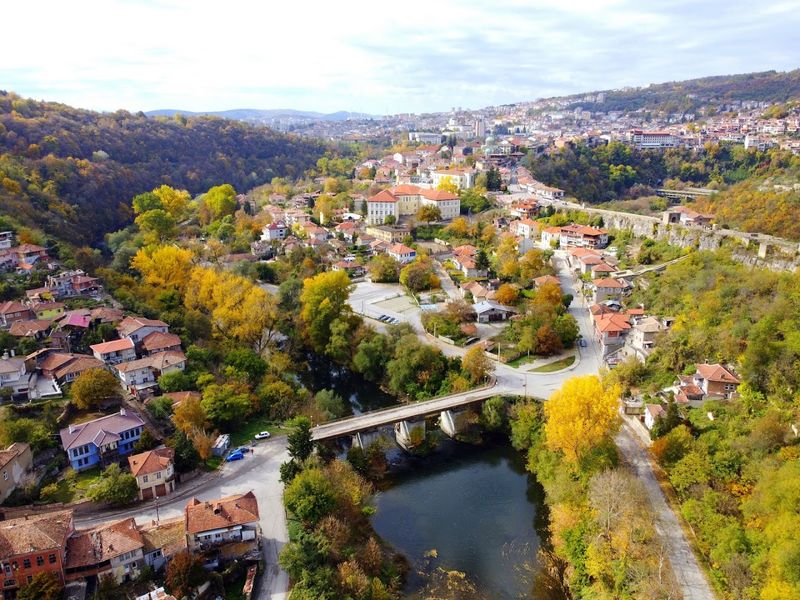
Bulgaria holds the unfortunate title of having the highest smoking rate in the entire European Union. Roughly 37 to 40 percent of Bulgarian adults smoke regularly, a figure that has stayed stubbornly high for years.
Cheap tobacco prices and limited public health campaigns have made it hard to bring those numbers down.
Smoking is deeply woven into everyday social life in Bulgaria, from cafes to outdoor markets. Many young Bulgarians pick up the habit in their teens, which keeps the cycle going.
The country has anti-smoking laws, but enforcement has been inconsistent over the years.
Health officials continue pushing for stronger policies, including higher tobacco taxes and wider access to cessation programs. Progress is slow, but awareness is growing.
Bulgaria’s struggle with smoking is a reminder of how culture, economy, and policy all play a role in public health outcomes.
2. Greece

Greece has one of the longest-standing smoking cultures in Europe, with approximately 35 to 38 percent of adults identifying as regular smokers. Cigarettes have been a staple of Greek social life for generations, often paired with coffee at outdoor kafeneions across the country.
Changing that deeply rooted habit has proven to be a real challenge.
Despite public smoking bans introduced over the past decade, enforcement has often been lax. Many bars, restaurants, and even hospitals have struggled to comply fully with the rules.
This has kept smoking rates significantly higher than the EU average.
Greece has made some progress through public awareness campaigns and tobacco taxes, but more aggressive action is still needed. Younger generations are showing slightly lower smoking rates, which offers a glimpse of hope.
Still, Greece remains one of the most smoke-heavy nations in the European Union today.
3. Croatia
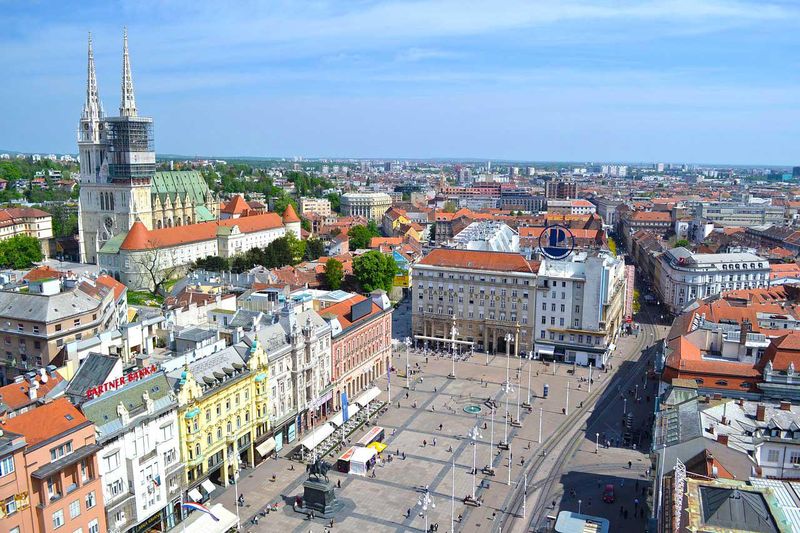
Croatia sits firmly in the top tier of EU smoking rates, with around 33 to 35 percent of adults using tobacco regularly. What makes Croatia stand out is that smoking is common across nearly all age groups, not just older generations.
Teenagers and young adults have notably high smoking rates compared to their peers in other EU countries.
Tobacco is relatively affordable in Croatia, and social smoking remains widely accepted in public spaces. Coffee culture and cigarette smoking often go hand in hand, making it a deeply embedded daily habit for many residents.
The Croatian government has introduced stricter tobacco regulations and public awareness campaigns in recent years. Smoke-free zones have expanded in cities, and health warnings on packaging have become more prominent.
While change is happening gradually, Croatia still faces an uphill battle in convincing its population to put down the cigarettes for good.
4. Romania

Romania’s smoking rate sits between 30 and 33 percent, but what draws particular attention is how common smoking is among younger adults. People in their 20s and 30s smoke at notably high rates compared to similar age groups in other EU countries.
This trend raises long-term health concerns for Romania’s population.
Low cigarette prices and limited access to cessation support make quitting harder for many Romanians. Social pressure also plays a role, as smoking is often seen as normal and even expected in certain social circles.
Public health messaging has not always reached the communities that need it most.
Romania has enacted EU-aligned tobacco regulations, including graphic health warnings and advertising bans. However, real change requires more investment in education and quit-smoking programs.
As younger generations become more health-conscious globally, there is hope that Romania’s numbers will begin to fall more meaningfully in the coming years.
5. France
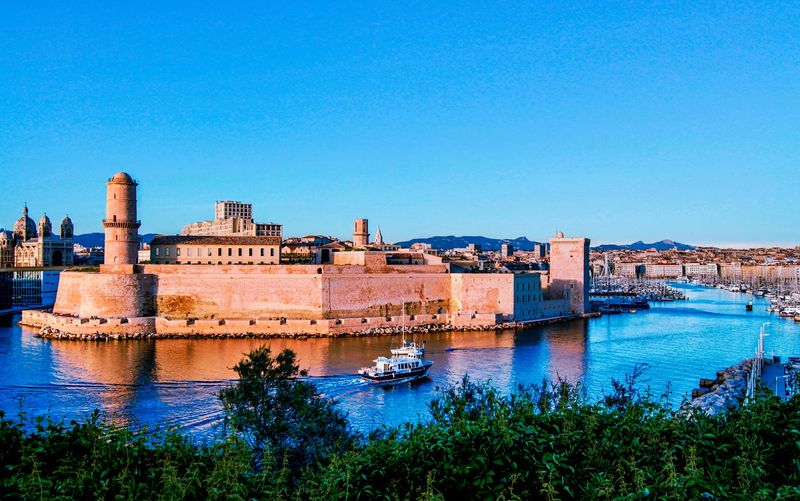
France may surprise some people on this list, given its reputation as a sophisticated, trend-setting nation. Yet approximately 30 to 32 percent of French adults smoke, making it one of Western Europe’s highest tobacco use countries.
Smoking has historically been tied to French cultural identity, from literary cafes to cinema.
The French government has taken bold steps in recent years, including plain packaging laws and dramatic price hikes on tobacco products. These measures have had some effect, particularly among younger age groups where smoking has declined noticeably.
Still, millions of French adults continue to smoke daily, and quitting rates remain modest. Nicotine replacement therapies are now reimbursed by the national health system, making support more accessible than before.
France is moving in the right direction, but the cultural romance with cigarettes means progress will likely remain gradual rather than rapid over the short term.
6. Hungary
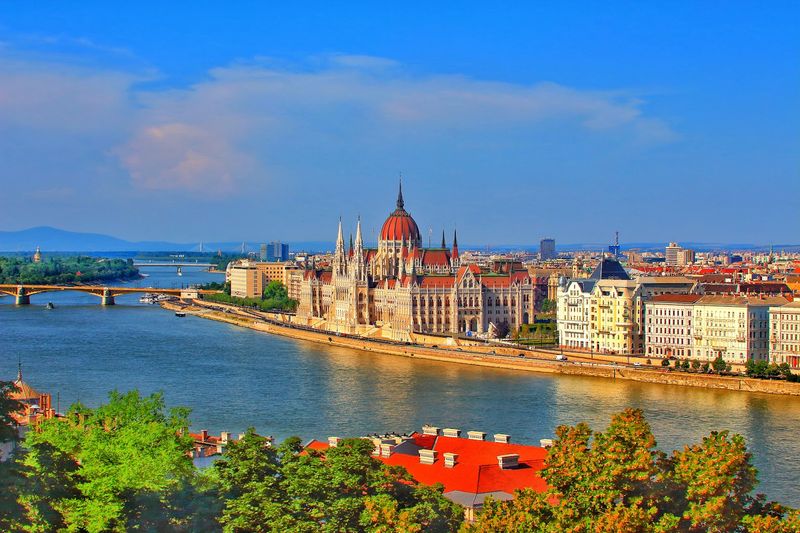
Hungary has been battling persistently high smoking rates for decades, with around 30 to 32 percent of adults lighting up regularly. The country faces a genuine public health challenge, as tobacco-related illnesses place a heavy burden on the Hungarian healthcare system each year.
Lung disease, heart problems, and cancer linked to smoking are all too common.
Cigarette prices in Hungary remain lower than in many Western European countries, which reduces the financial incentive to quit. Additionally, social acceptance of smoking in public spaces, though legally restricted, has been slow to change at the community level.
The Hungarian government has invested in national quit-smoking campaigns and expanded no-smoking zones in recent years. Tobacco advertising is tightly regulated, and health warnings on packs are mandatory and graphic.
Experts agree that sustained investment in cessation programs and education, especially targeting teens, is the most effective path forward for Hungary.
7. Czechia (Czech Republic)
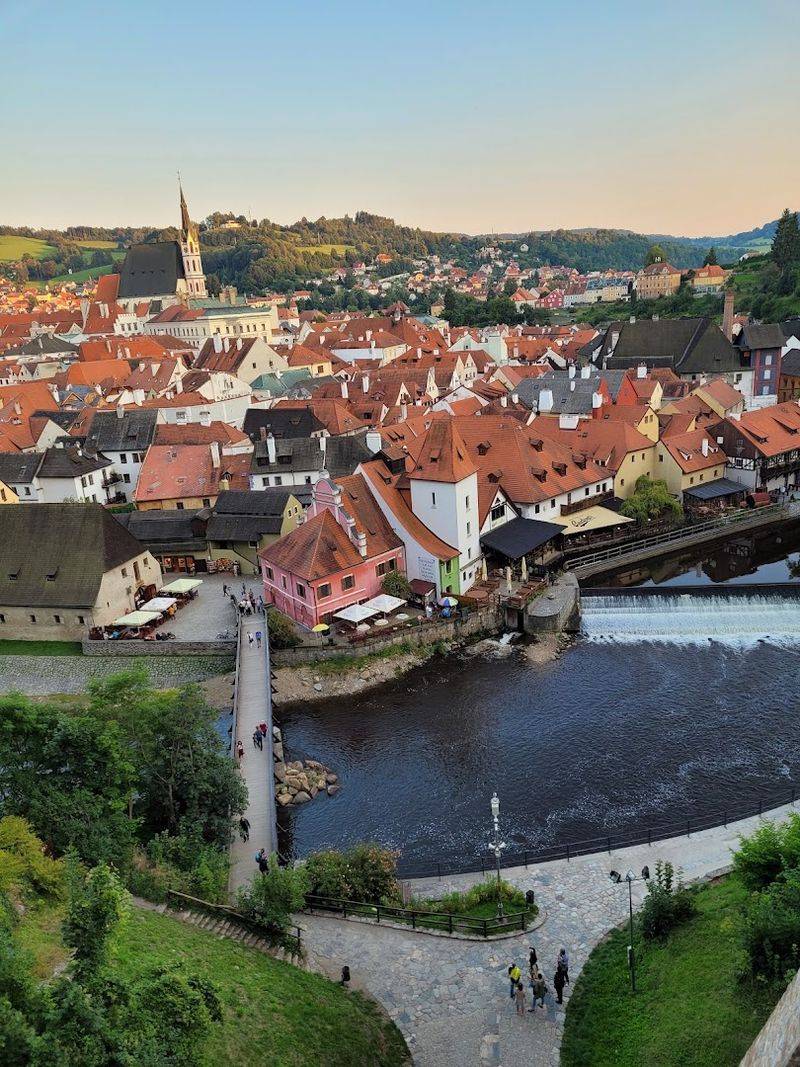
Czechia has seen a slight decline in smoking rates over the past decade, but at around 29 to 31 percent, the numbers are still well above the EU average. Prague and other major cities have a lively nightlife culture where smoking remains a common social activity.
Many smokers in Czechia started young, which makes quitting harder later in life.
One notable shift is the growing popularity of e-cigarettes and heated tobacco products in Czechia. While these are often marketed as safer alternatives, health experts caution that they are not risk-free.
The rise of these products complicates efforts to reduce overall tobacco use.
Czech lawmakers have strengthened tobacco regulations in line with EU directives, including banning smoking in restaurants and bars. These measures have gradually shifted social norms, particularly among younger urban residents.
Continued investment in public health messaging and cessation support will be key to pushing the numbers lower in future years.
8. Slovakia
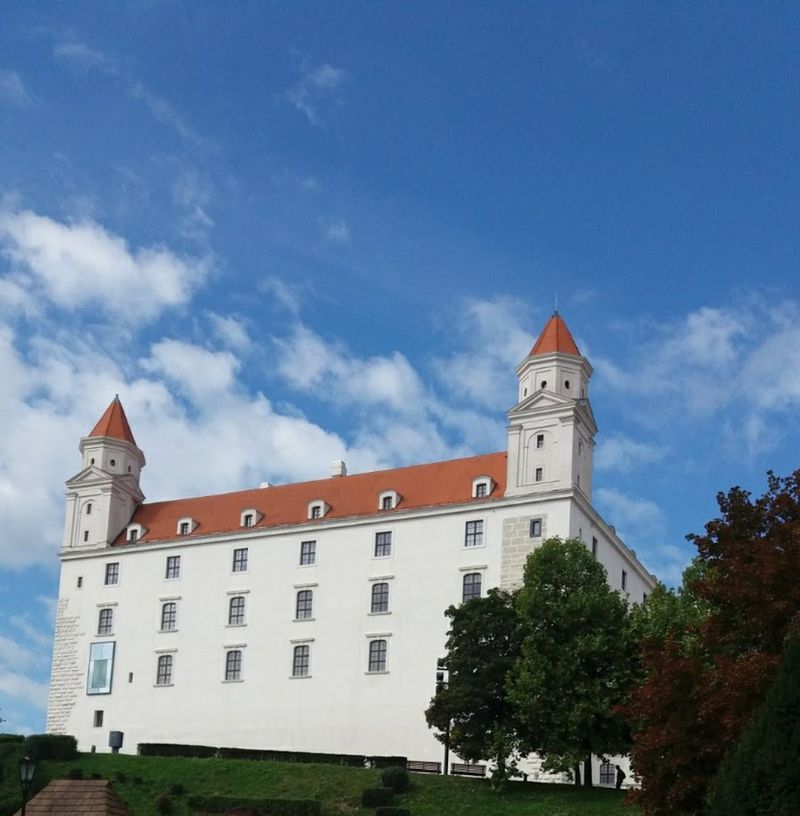
Slovakia’s smoking rate of roughly 28 to 30 percent closely mirrors those of its Central European neighbors, reflecting shared regional trends in tobacco use. Smoking has long been part of the social fabric in Slovakia, particularly among working-age men and women in urban and rural areas alike.
Tobacco products remain relatively affordable compared to Western European countries, which limits the effectiveness of price-based deterrents. Many Slovak smokers report that stress and social habits are the primary reasons they continue smoking, even when they want to quit.
Slovakia has implemented EU tobacco directives, including plain packaging and smoke-free public spaces. Anti-tobacco campaigns have targeted schools and workplaces with some success.
However, experts point out that without better-funded cessation services and stronger enforcement of existing rules, Slovakia’s smoking rate is unlikely to drop significantly. Regional coordination with neighboring countries on tobacco policy could also help accelerate progress.
9. Spain

Spain’s smoking rate has been slowly but steadily declining over the years, now sitting at approximately 28 to 30 percent of adults. Comprehensive anti-smoking laws introduced in 2006 and strengthened in 2011 banned smoking in all enclosed public spaces, marking a turning point in Spanish tobacco policy.
The results have been measurable, though millions still smoke regularly.
Culturally, smoking in Spain has traditionally been associated with socializing, leisure, and relaxed outdoor living. Outdoor terraces remain popular spots where smoking is still permitted, keeping the habit visible and normalized in daily life.
Younger Spaniards are smoking less than previous generations, which is an encouraging trend for public health officials. Campaigns targeting teens and young adults have grown more sophisticated and widespread.
Spain’s trajectory shows that strong legislation combined with cultural shifts can make a real difference, even in countries where smoking has historically been deeply embedded in everyday life.
10. Latvia

Latvia’s smoking rate of around 27 to 29 percent is notable for its strong gender divide. Men in Latvia smoke at significantly higher rates than women, a pattern common across many Baltic and Eastern European countries.
This gap reflects both cultural attitudes toward masculinity and historical norms around tobacco use.
Latvia has implemented strong tobacco control measures in recent years, including some of the highest tobacco taxes in the Baltic region. These price increases have helped reduce consumption somewhat, but many smokers have shifted to cheaper or black-market tobacco to compensate.
Public health campaigns in Latvia have increasingly focused on the specific health risks faced by male smokers, including heart disease and lung cancer. Workplace wellness programs and free cessation counseling have also expanded.
Latvia’s experience shows that while pricing and regulation matter, targeted outreach to high-risk demographic groups is equally important for reducing national smoking rates effectively.
11. Italy

Italy has been on a gradual downward trend in smoking rates, now hovering between 25 and 28 percent of adults. Landmark anti-smoking legislation introduced in 2003 was one of the first comprehensive indoor smoking bans in Europe, and it helped reshape public attitudes toward tobacco significantly.
Italy showed the rest of Europe that bold policy can work.
Despite the progress, smoking remains common in many parts of the country, particularly in southern regions where public health resources can be more limited. Social smoking at outdoor cafes and during evening gatherings remains a familiar sight across Italian cities and towns.
Italy has also seen a rise in electronic cigarettes, with a particularly active market compared to other EU nations. Regulators are watching this trend carefully to ensure it does not reverse hard-won gains.
Overall, Italy’s story is one of meaningful progress, with the understanding that sustained effort is still very much needed going forward.
12. Poland
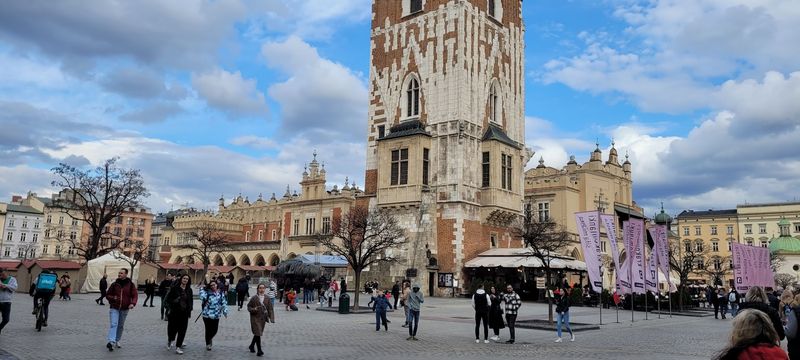
Poland has made significant improvements in its smoking rates over the past two decades, dropping from some of the highest levels in Europe to around 25 to 27 percent today. This progress reflects years of sustained public health investment, stronger tobacco regulations, and growing awareness of the health risks associated with smoking.
The journey has been real and measurable.
Poland introduced comprehensive smoke-free laws for public places and workplaces, which helped shift social norms over time. Tobacco taxes have also risen, making cigarettes less affordable for casual or younger smokers.
These combined efforts have contributed to the downward trend.
However, smoking remains a notable issue, particularly among men and lower-income groups. Rural areas tend to have higher smoking rates than urban centers.
Poland’s experience is a valuable case study in how sustained, multi-layered tobacco control strategies can yield genuine results, even in countries where smoking was once deeply normalized across society.
13. Germany
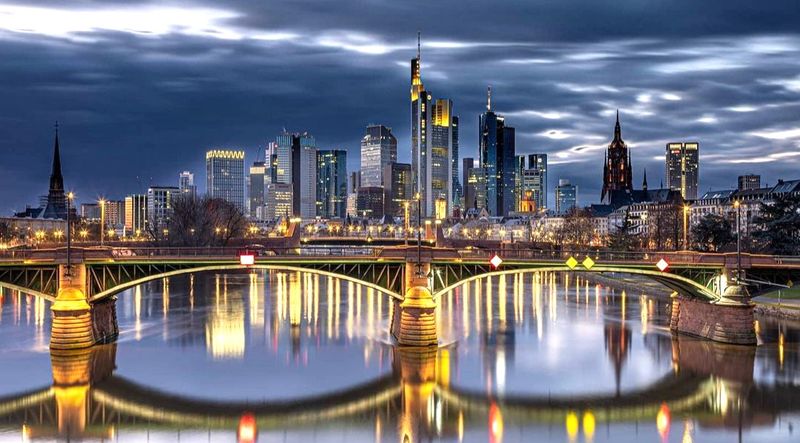
Germany sits at around 24 to 26 percent for adult smoking rates, which places it in the moderate range compared to other EU countries on this list. For a large and wealthy nation with strong healthcare infrastructure, some public health advocates feel Germany could do more to push smoking rates lower.
The country has been slower than many peers to adopt aggressive tobacco control policies.
Germany was notably late in banning smoking in bars and restaurants, with some federal states only implementing full bans within the last decade. This patchwork approach to regulation has allowed smoking culture to persist in certain settings longer than in other EU nations.
On a positive note, smoking among teenagers in Germany has dropped significantly compared to the early 2000s, suggesting that education and social change are taking hold. Germany’s moderate ranking on this list reflects genuine progress, while also signaling that there is still meaningful work left to be done.
14. Lithuania
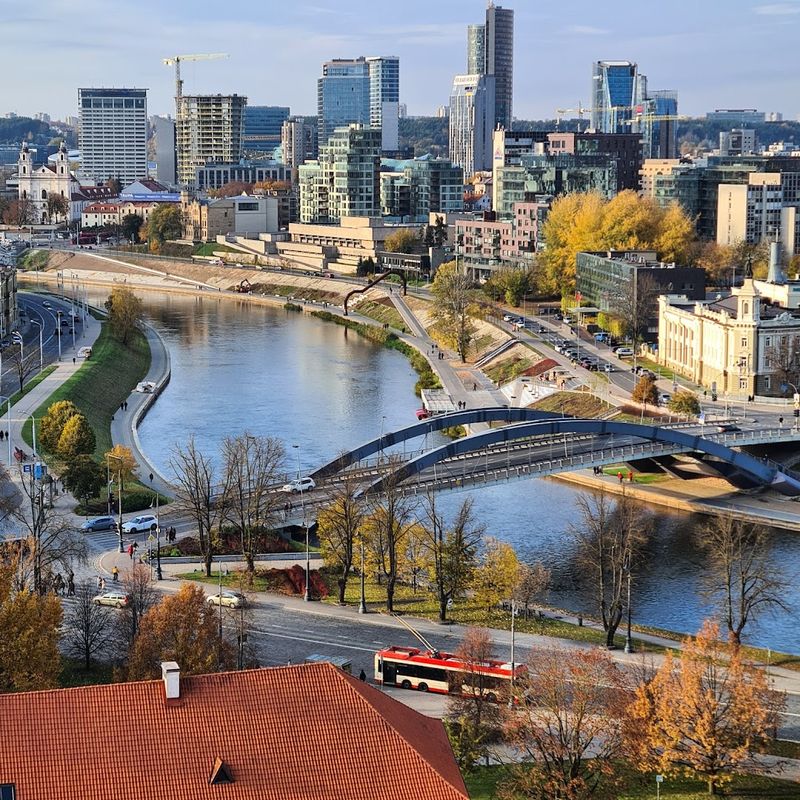
Lithuania’s smoking rate of approximately 24 to 26 percent has remained relatively steady in recent years, making it a persistent public health concern in the Baltic region. While not the highest in the EU, Lithuania’s numbers have been slow to decline compared to some neighboring countries that have seen more rapid progress.
Smoking in Lithuania is most common among men aged 25 to 54, a demographic that has proven particularly resistant to cessation campaigns. Cultural attitudes in this age group often frame smoking as a normal stress reliever or social activity, making behavior change more challenging to achieve through messaging alone.
Lithuania has strengthened its tobacco laws in line with EU requirements, including graphic health warnings and advertising restrictions. Expanding access to affordable nicotine replacement therapies and counseling services has been identified as a priority.
With consistent effort, health experts believe Lithuania can begin to close the gap with lower-smoking EU member states in the years ahead.
15. Estonia
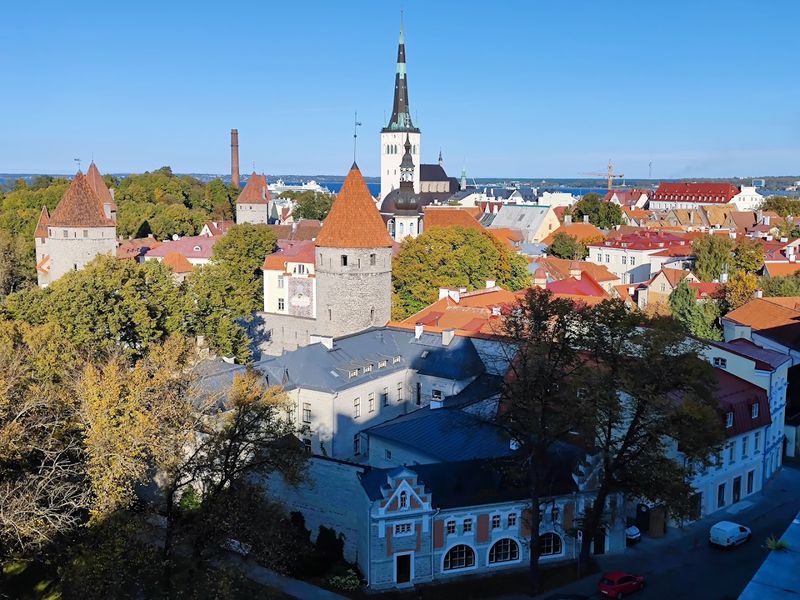
Estonia rounds out this list with a smoking rate of around 22 to 25 percent, which, while lower than many others here, still places it among the higher-ranking EU countries for tobacco use. The good news is that Estonia has shown a consistent downward trend over the past decade, suggesting that its public health strategies are starting to take effect.
Estonia has been proactive in adopting EU tobacco directives and has invested in national health campaigns targeting both adult smokers and young people. The country has also made nicotine replacement therapies partially subsidized, lowering the cost barrier for people who want to quit.
Urban areas like Tallinn have seen faster declines in smoking rates than rural regions, which still lag behind. Closing that urban-rural gap is one of Estonia’s main public health goals going forward.
Estonia’s overall trajectory is encouraging and offers a model for how consistent policy and education can gradually shift a nation’s smoking habits.
Share this story