 Unearth The Voyage
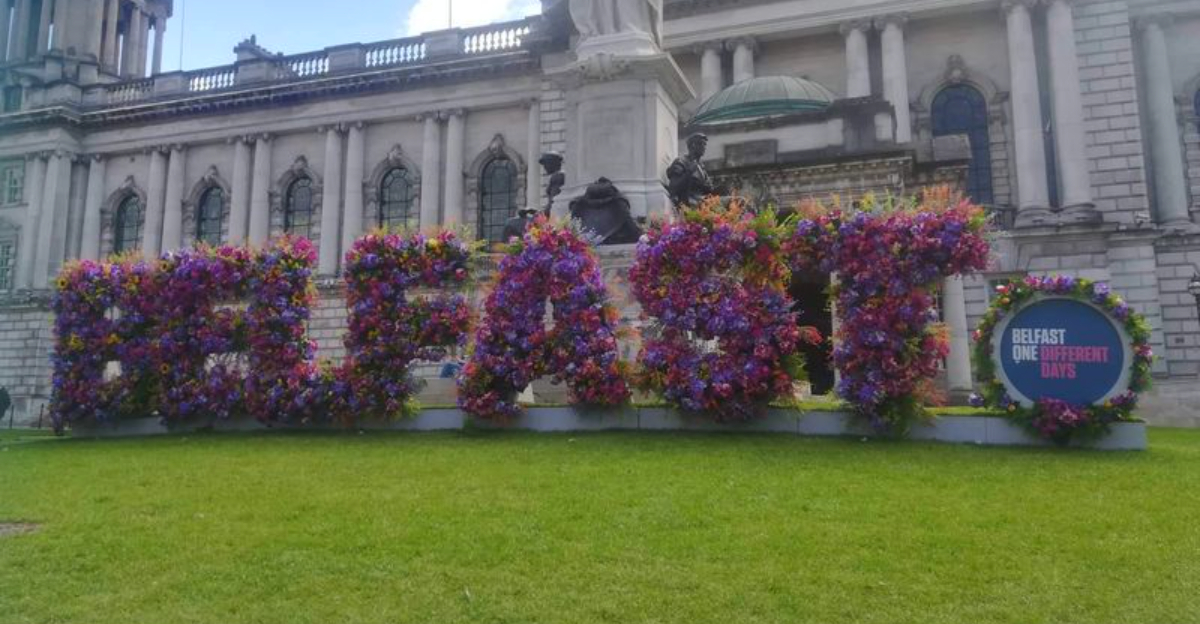
Some cities do not shine on paper, yet they become the places you remember most. This list covers the stops I nearly cut, only to find standout food, culture, and character once I arrived.
You will get specific reasons each city is worth your time, plus practical angles to help you plan. If any of these were on your maybe list, consider this the nudge to give them a real look.
1. Porto, Portugal
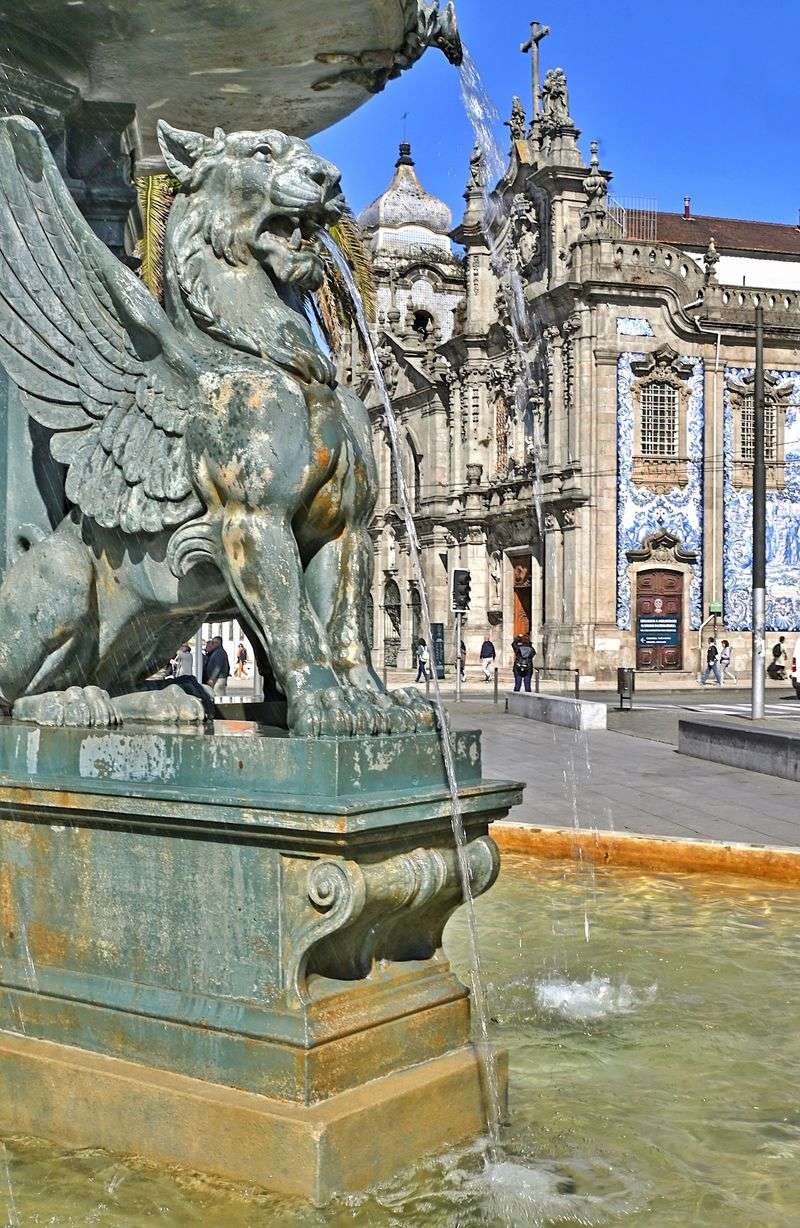
Porto felt like a quieter cousin to Lisbon, but the drama here is real. The Douro curls through steep hills, and those stacked rooftops turn amber at sunset.
You wander along the Ribeira, then look up at the iron lace of the Dom Luis I Bridge and realize the city’s silhouette is unforgettable.
Food was the gateway. Beyond the port wine lodges in Vila Nova de Gaia, I found simple plates that overperform: grilled sardines, caldo verde, and creamy pasteis de nata.
Small tasca counters delivered the best value, while contemporary spots experimented without losing the soul of northern Portuguese cooking.
What stood out most was the rhythm. Porto balances working city grit with slow riverfront moments, the kind where you lean on a railing and watch rabelo boats drift past.
Day trips to Foz and Matosinhos added surf, seafood, and sea air, rounding out the picture.
2. Bologna, Italy
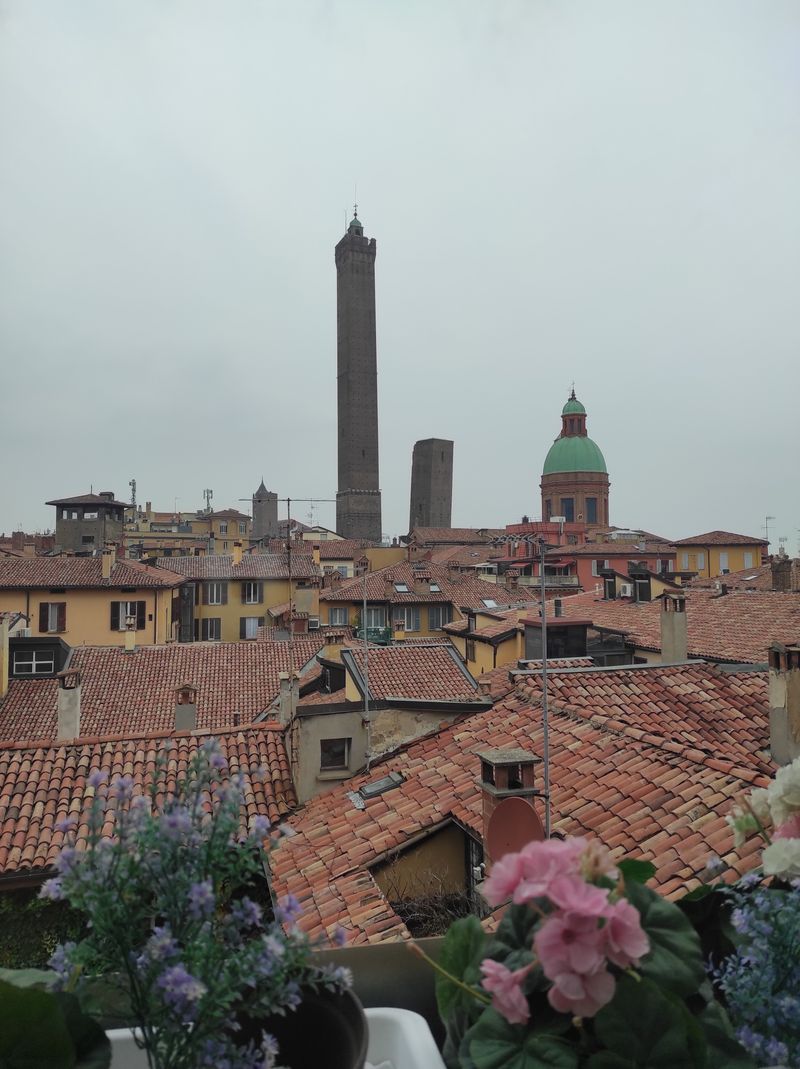
Bologna hides in plain sight between more famous neighbors. Under miles of porticos, daily life hums along with coffee bars, markets, and students rushing between classes.
I followed the scent of ragù to tiny trattorias where the pasta came silky, the sauce deep, and the check surprisingly kind.
The city rewards slow walking. Piazza Maggiore opens into museums and bookstores, and Asinelli Tower gives a view over rooftops the color of baked clay.
Mercato di Mezzo and Quadrilatero alleys pack in cheese, cured meats, and produce that turns lunch into an easy picnic.
It felt relaxed yet layered. Music spilled from courtyards, and classic aperitivo hours stretched into conversations with locals.
Bologna does not insist on itself, which is the point: you settle in, let the food and architecture do the talking, and end up planning a longer return.
3. Ljubljana, Slovenia
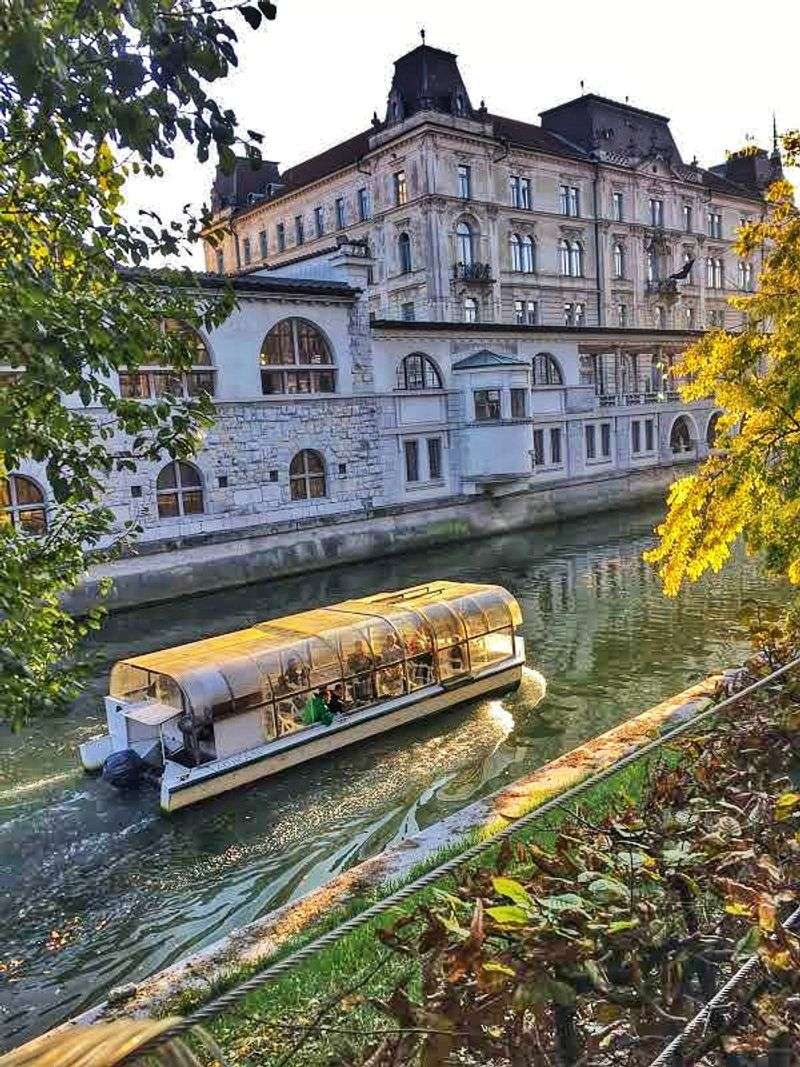
Ljubljana surprised me with how effortless it feels. The center is made for walking and biking, with the river curving through squares dressed in soft colors.
Jože Plečnik’s bridges tie it together, giving the city a coherent look that feels both classic and modern.
Cafes spill onto the banks, and everything moves at a measured pace. You can climb to the castle, then drop into markets filled with local honey, cheeses, and seasonal fruit.
Day trips to Lake Bled and the Velika Planina pastures make nature part of the itinerary without heavy logistics.
It is small but not slight. Galleries, street art, and a strong eco mindset give it personality beyond postcard beauty.
I left thinking it is the kind of capital that shows how livable a city can be when it keeps cars at bay and public spaces front and center.
4. Glasgow, Scotland
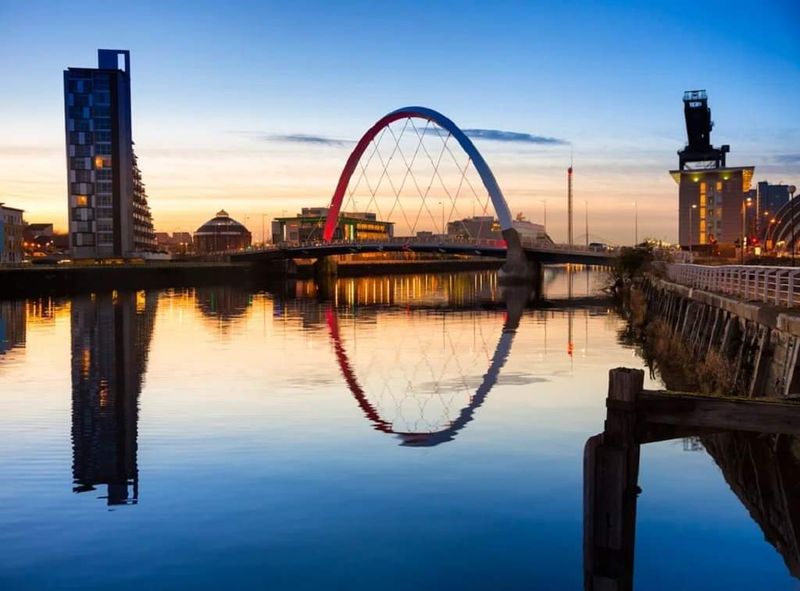
Glasgow came with a reputation for grit and humor, and both showed up in the best way. The city’s Victorian buildings carry weight, yet color bursts from massive murals that turn corners into galleries.
I found the art school legacy alive in independent studios and lively design shops.
Music leads here. From cozy pubs to the Barrowland Ballroom, nights fill with bands and a crowd that comes to listen.
Museums like the Kelvingrove are free, generous with context, and easy to pair with walks through the West End’s parks and cafes.
Food felt confidently local. Hearty plates met modern sourcing, and markets made it simple to graze.
Glasgow’s charm is not polished, but the energy is real: quick with a joke, strong on community, and surprisingly beautiful when the light breaks through the clouds.
5. Valencia, Spain
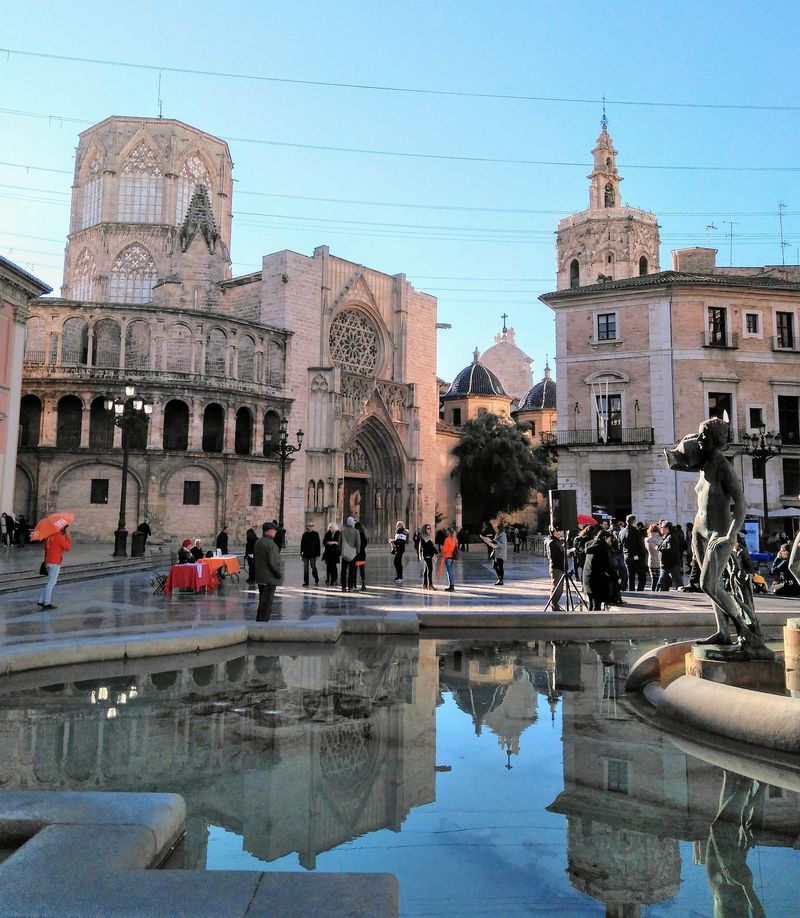
Valencia felt like three cities woven together. You get historic lanes in El Carmen, a green corridor in the Turia Gardens, and the futuristic sweep of the City of Arts and Sciences.
Add beaches within tram reach, and it becomes an easy all rounder for a short break.
Food is serious here. Paella originated nearby, and the best versions use wood fire, rabbit, and snails, not just seafood.
Central Market makes breakfast a sport, with fresh juice, jamón, and cheeses perfect for a bench picnic under the cathedral.
Crowds were manageable compared with Barcelona. Bike lanes made moving around simple, and neighborhoods like Ruzafa brought independent shops and bars without losing local rhythm.
Valencia’s balance of culture, coast, and cuisine explains why it sneaks up on travelers, then sticks.
6. Ghent, Belgium
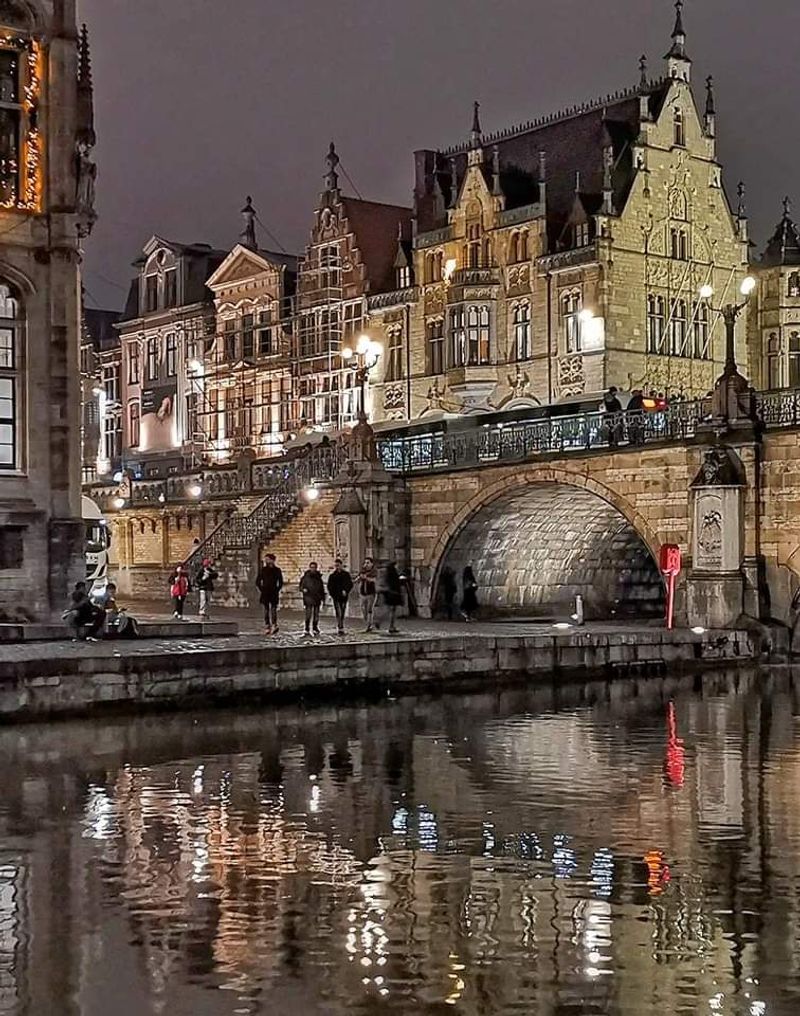
Ghent does not shout. By day it looks academic and industrious, then at night the canals glow and the facades sharpen into a storybook.
I liked how students, locals, and visitors share the same streets without much fuss.
Gravensteen Castle anchors the center, but the real joy is along Graslei and Korenlei. Cafes and beer bars spill onto quays, and the water throws back perfect reflections after sunset.
Street art and design shops add a creative streak that feels lived in rather than staged.
Food leaned hearty and local. I found waterzooi, frites with house sauces, and chocolates that made souvenir shopping easy.
Ghent rivals Bruges once the tour groups thin, and if you stay the night, you get a version of the city that feels both intimate and bright.
7. Naples, Italy
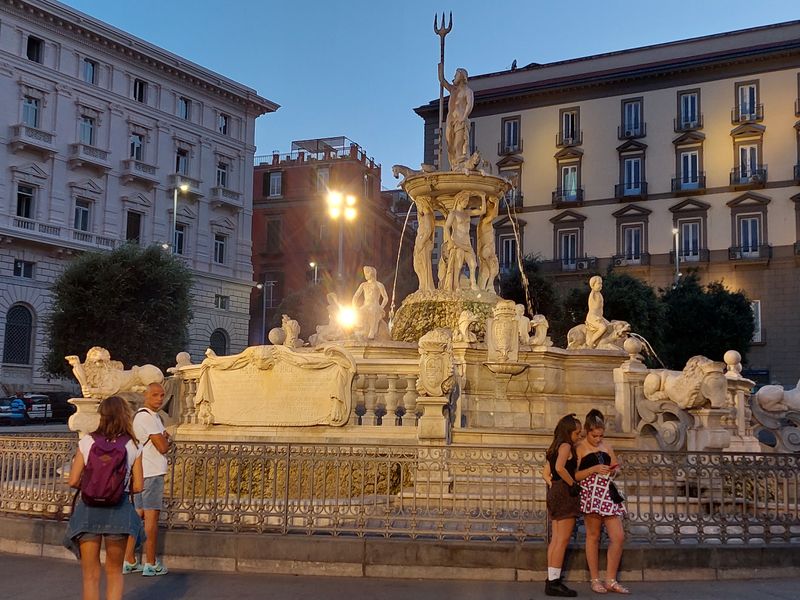
Naples tested my assumptions and then some. The pace is quick, the scooters louder, and the streets layered with centuries of life.
That energy becomes the point once you settle into its rhythm and start seeing the details.
Pizza here is a standard you measure others against. I joined short lines for blistered margheritas and watched dough get handled like a living thing.
Underground tours and archaeological sites reveal how deep the history runs, with Pompeii and Herculaneum close enough for easy day trips.
There is beauty everywhere if you slow down. Galleria Umberto I feels grand, and the seafront near Castel dell’Ovo opens into fresh air and long views.
Naples can be intense, but it rewards curiosity with food, art, and stories you remember long after leaving.
8. Hamburg, Germany
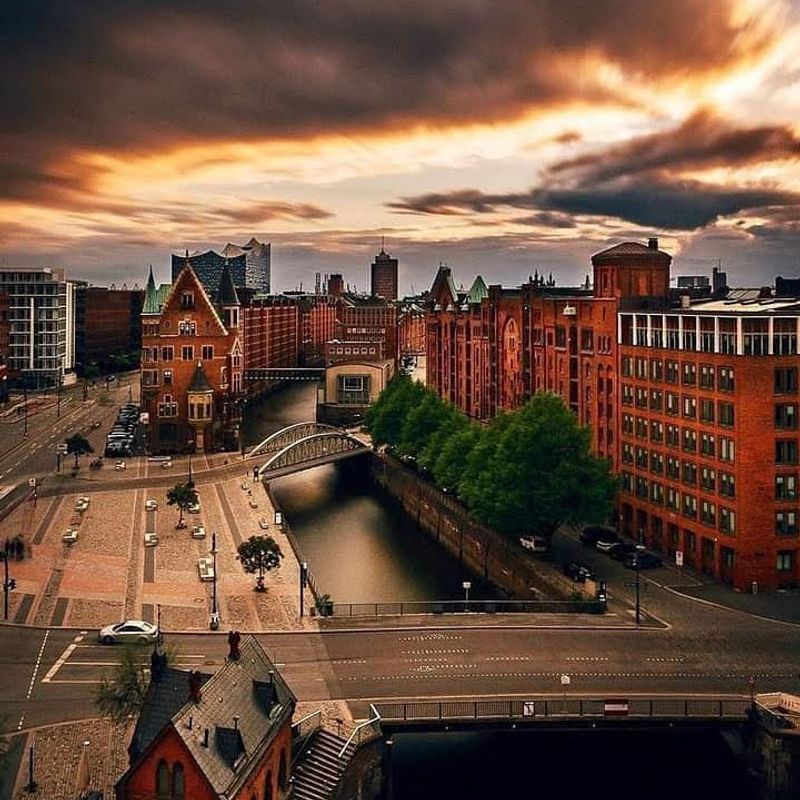
Hamburg felt bigger and more maritime than I expected. The port shapes everything, from warehouse canyons in the Speicherstadt to modern glass in HafenCity.
Standing by the Elbphilharmonie, I understood how culture and harbor life fit together here.
The city moves easily by U Bahn and ferry, which doubles as a cheap harbor tour. Neighborhoods tell different stories: St Pauli’s music and nightlife, Sternschanze’s cafes, and Eppendorf’s calmer residential blocks.
Museums like the International Maritime Museum and Deichtorhallen fill rainy days well.
Food leaned global with a northern accent. Fresh fish sandwiches, Turkish bakeries, and third wave coffee lined my routes.
Hamburg is not always on first itineraries, but it comes across as confident and forward looking, with enough water and space to breathe between sights.
9. Zagreb, Croatia
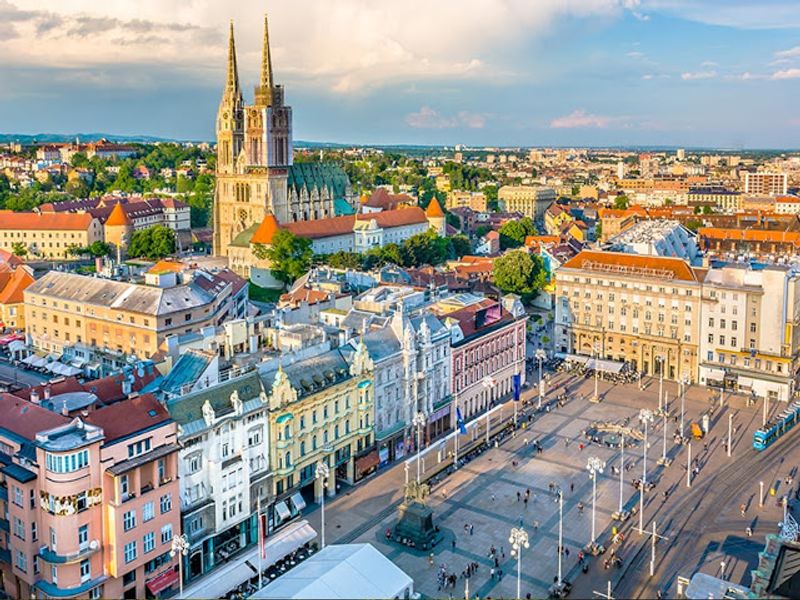
Zagreb has a cafe metabolism. People linger over coffee, and it sets the pace for the rest of the day.
I wandered between Lower Town blocks and the compact Upper Town, linked by a tiny funicular that feels more like a wink than transit.
Dolac Market stacked seasonal produce and local cheeses, easy building blocks for lunches. Museums covered everything from naive art to the city’s layered history.
Streetcars kept logistics simple, and the center felt made for walking once you tuned into its scale.
Nights were relaxed, not rushed. Tkalciceva Street filled with conversation, and craft beer bars balanced wine focused spots.
Zagreb often gets treated like a transfer point, but it has enough character and affordability to justify a dedicated stay, especially if you like slow mornings.
10. Marseille, France
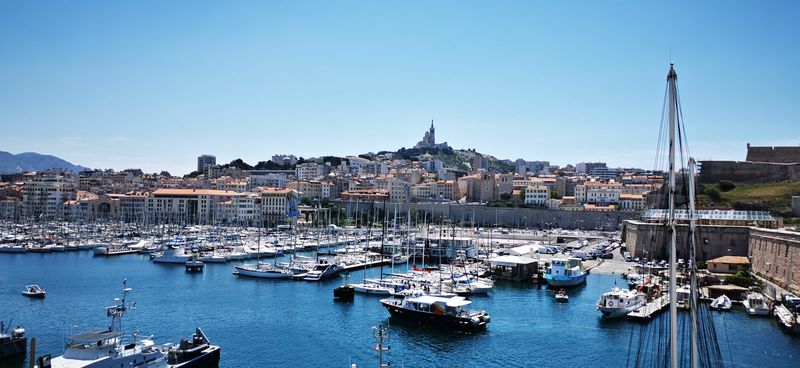
Marseille is direct and layered. The Old Port wakes early with boats and market stalls, and the climb to Notre Dame de la Garde pays back with a wide Mediterranean view.
I liked how the city’s edges meet the sea in raw, rocky ways.
Food reflects its mix. North African spices, seafood stews, and street snacks sit next to classic bouillabaisse.
Neighborhoods like Le Panier bring steep lanes and murals, while Noailles folds in global groceries and lively produce stands.
It is not polished, but the authenticity is memorable. Ferries to the Frioul Islands or Calanques trails add blue water escapes within easy reach.
Marseille stands apart from other French cities by being unmistakably itself, practical and proud, with a soundtrack of gulls and scooters.
11. Leipzig, Germany
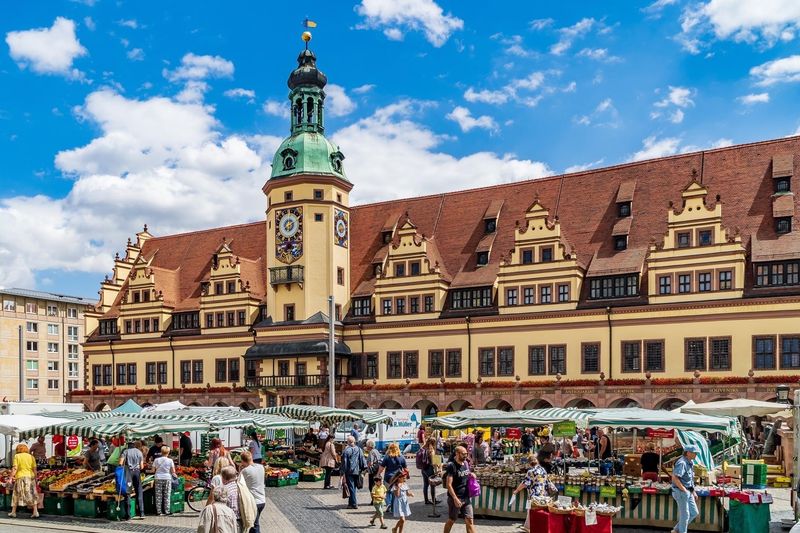
Leipzig felt like a city mid bloom. History runs deep, from the peaceful revolution to Bach, but the present is shaped by artists and students.
Old factories at the Spinnerei turned into galleries, studios, and cafes that give weekends a clear target.
The center is compact and threaded with trams. Churches like Thomaskirche anchor musical heritage, while green spaces and canals add quiet routes to wander.
Museums balance classical works with contemporary shows that reflect the city’s current energy.
Prices were friendlier than Berlin, and the mood more open. I found casual spots pouring natural wine, hearty Saxon dishes, and good coffee without fuss.
Leipzig feels like a place on the rise, not through hype but through steady, creative work that shows up block by block.
12. Turin, Italy
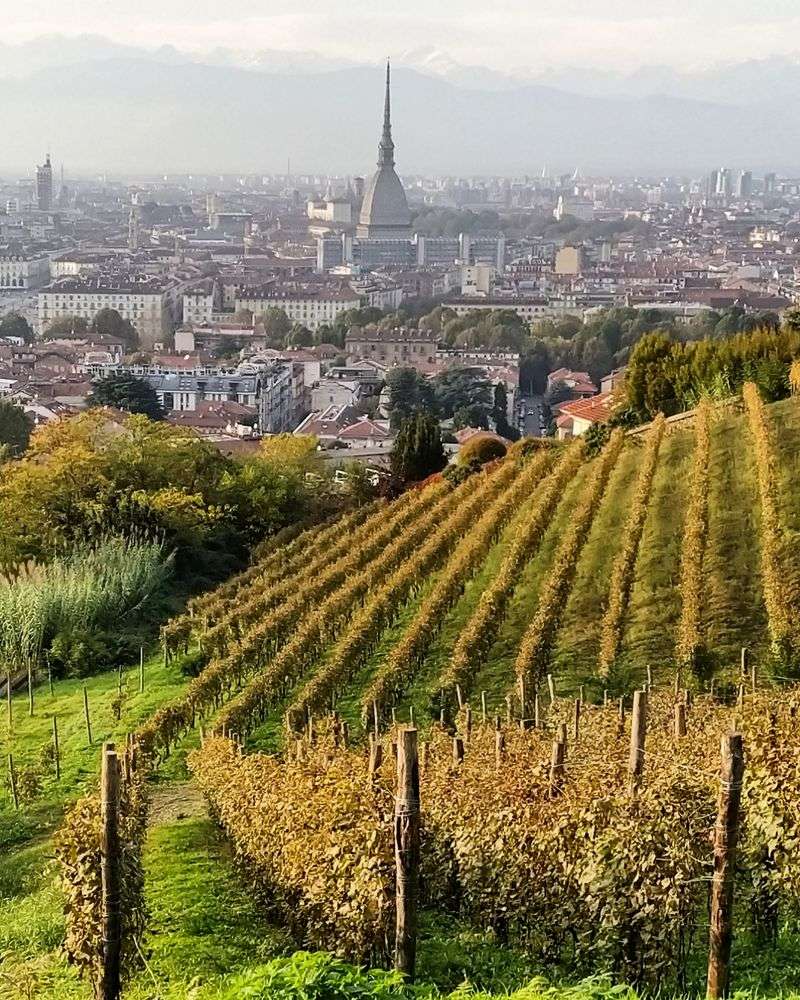
Turin carries itself with quiet confidence. Arcaded streets make rainy days a pleasure, and the Mole Antonelliana marks the skyline like a bookmark.
I spent mornings with bicerin and hazelnut pastries, then wandered from grand squares into side streets full of design shops.
Museums impressed without fatigue. The Egyptian Museum is as good as everyone says, and the Cinema Museum turns the Mole into a playful climb.
Markets like Porta Palazzo broaden lunch options, whether you want fresh truffles in season or a simple plate of agnolotti.
The city feels organized and unhurried. Views open to the Alps, and rivers give space for long walks.
Turin’s elegance is real but not showy, and the result is a destination that satisfies across architecture, food, and culture without the squeeze of bigger Italian names.
13. Bilbao, Spain
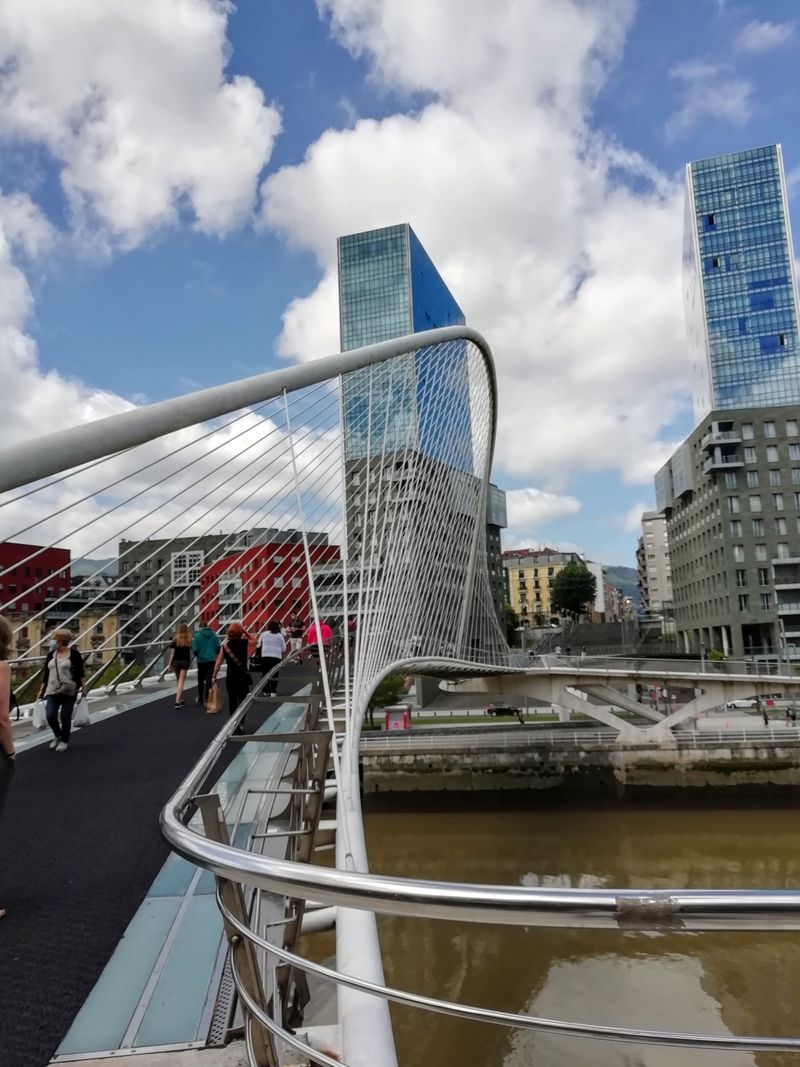
The Guggenheim draws you in, but Bilbao keeps you. The museum’s curves shimmer differently with each cloud, yet it is the surrounding river walks and neighborhoods that anchor the visit.
I crossed bridges and found pintxos bars that turned dinner into a casual crawl.
The city mixes industry with renewal in a way that feels cohesive. Public transit is simple, and green hills edge the urban core.
Mercado de la Ribera made breakfast easy, while day trips to the coast brought cliffs, beaches, and a briny breeze.
Food culture runs deep. From grilled fish to slow cooked stews, plates arrive honest and well sourced.
Bilbao is more than a single landmark, and time spent in its streets proves it, one skewer, one glass of txakoli, and one sunset at a time.
14. Brno, Czech Republic
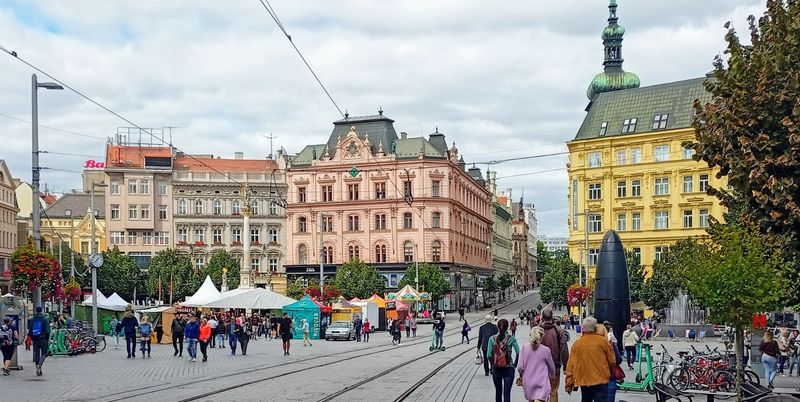
Brno felt refreshingly unforced. The center is small enough to learn quickly, and trams keep everything connected.
Cafes, breweries, and wine bars fill the gaps, giving you plenty of stops between sights.
The Cathedral of St Peter and Paul crowns the skyline, while the functionalist legacy shows up in clean lines across buildings. Markets and bakeries made snacks easy, and the price point across meals and lodging kept my budget calm.
Locals were quick with recommendations that steered me away from only tourist picks.
Nights were social without chaos. Squares lit up with conversations, and live music appeared in places that felt genuinely local.
Brno may sit in Prague’s shadow, but that is part of the appeal: you get space, honest flavors, and time to appreciate a city comfortable in its own skin.
15. Belfast, Northern Ireland
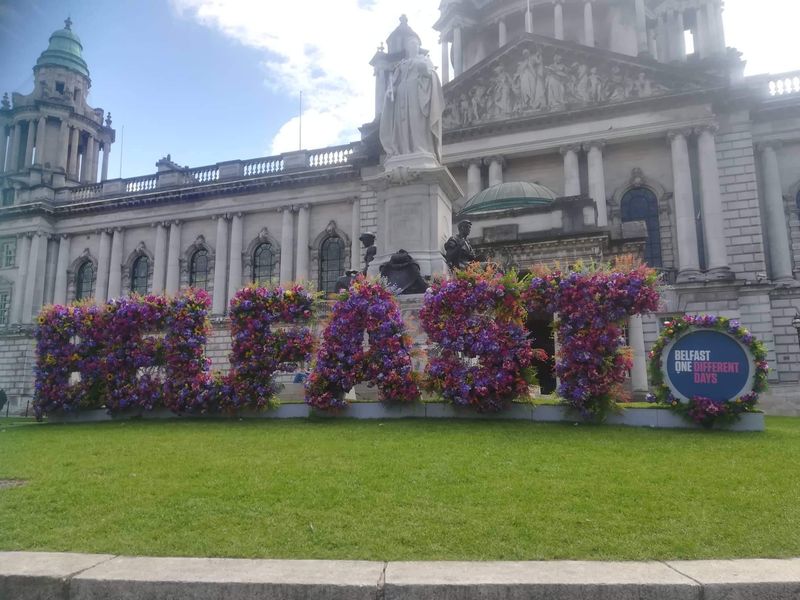
Belfast is shaped by history and defined by its people. Conversations felt open and grounded, and the city’s humor cuts through even heavy topics.
Titanic Belfast turned a global story into a local one, while walking tours added context around neighborhoods and murals.
The city center is manageable, with markets and cafes easy to string together. St George’s Market gave weekend energy, and classic pubs delivered atmosphere that felt preserved without being dusty.
Day trips along the Antrim Coast put basalt cliffs and rope bridges within reach.
What lingered most was resilience. You feel a forward lean in startups, arts venues, and food that champions local producers.
Belfast rewards attention with substance and heart, the kind that makes you want to check back in a few years and see what has grown.



