Paris and Rome get all the glory, but Europe is packed with cities that are just as jaw-dropping and sometimes even more memorable. From fairytale medieval towns to sun-soaked coastal gems, the continent has no shortage of places that will leave you completely speechless.
Whether you love grand architecture, romantic canals, or hilltop castles, there is a European city out there waiting to blow your mind. Here are 15 stunning cities that deserve a spot on every traveler’s bucket list.
Prague, Czech Republic
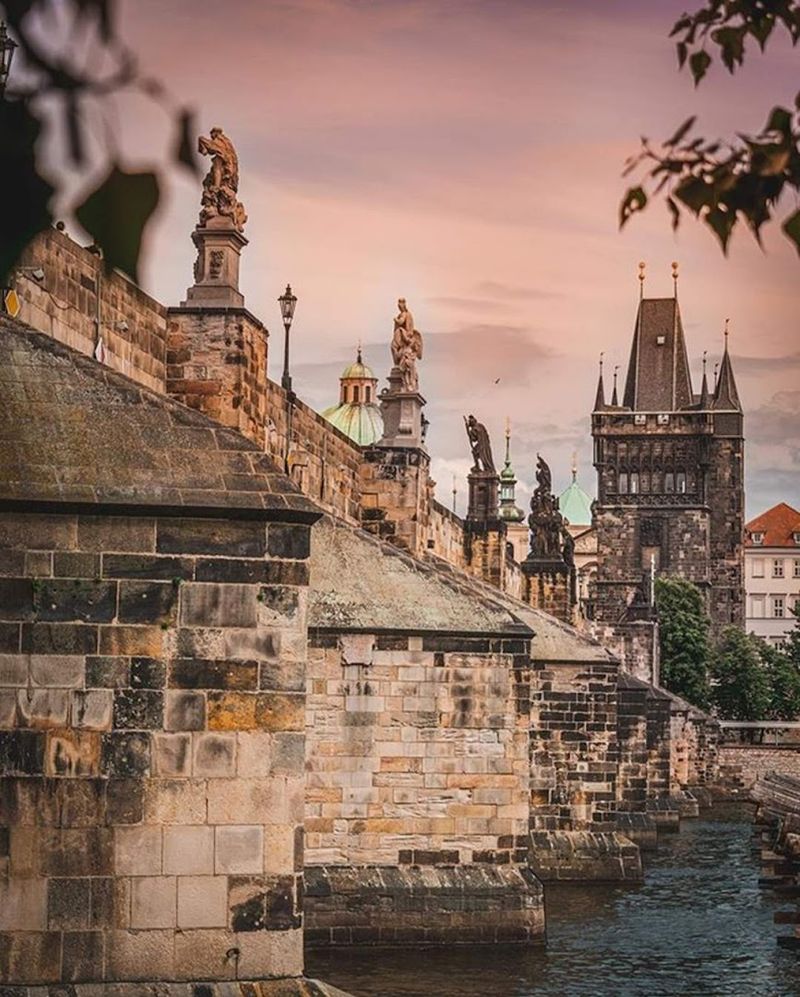
Standing on the Charles Bridge at sunrise, with mist rolling off the Vltava River and Gothic towers rising on both sides, feels like something out of a movie you never want to end. Prague, nicknamed the “City of a Hundred Spires,” has been turning visitors into lifelong fans for centuries.
Its Old Town Square is one of Europe’s most dramatic public spaces, anchored by the famous Astronomical Clock that chimes every hour.
Prague Castle looms over the city like a guardian from another era, and the cobbled lanes below are lined with colorful baroque buildings, cozy cafes, and hidden courtyards worth exploring slowly. The city manages to feel both grand and intimate at the same time, which is a rare trick to pull off.
Unlike some of Europe’s biggest capitals, Prague is also surprisingly affordable.
You can enjoy a full meal, a river cruise, and a museum visit without emptying your wallet. The nightlife is buzzing, the food scene is underrated, and the sheer visual drama of the skyline never gets old.
Prague is the kind of city that makes you rebook your flight before you even leave.
Vienna, Austria
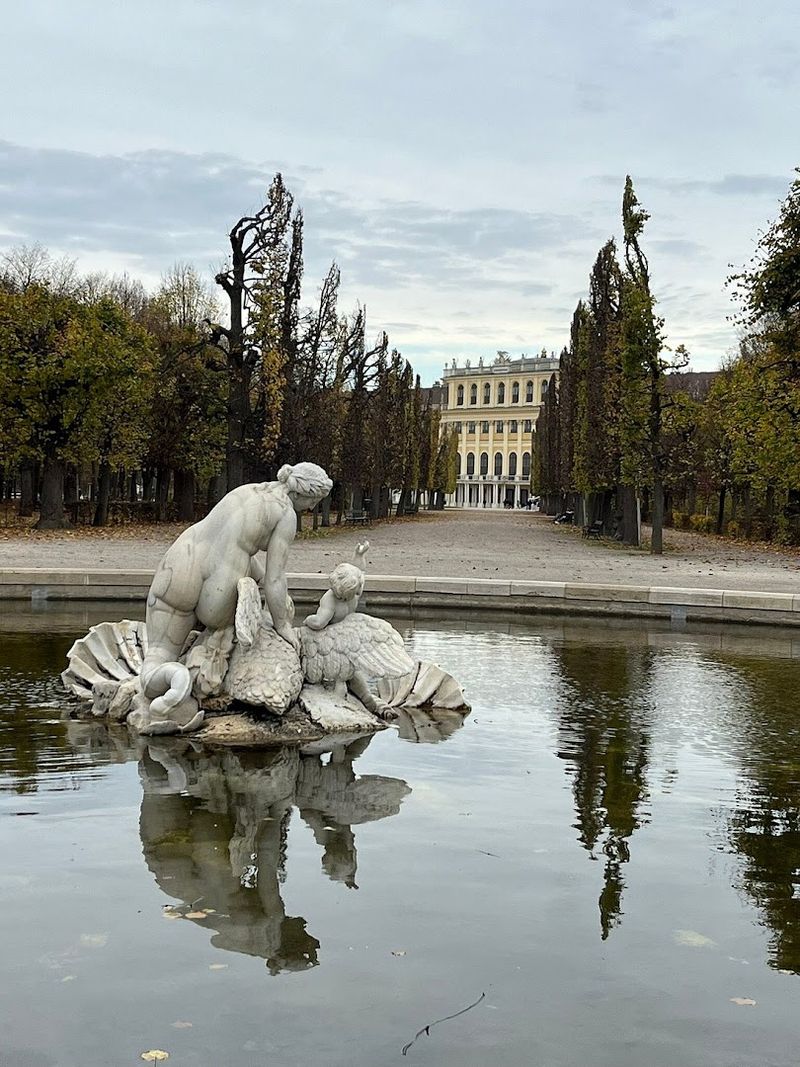
Few cities wear their history as elegantly as Vienna, where every building seems to have been designed by someone who genuinely believed that beauty was a moral obligation. The Austrian capital was once the heart of a vast empire, and it shows in the palaces, opera houses, and grand boulevards that still define the cityscape today.
Schonbrunn Palace alone could keep you busy for an entire afternoon.
Vienna’s coffeehouse culture is legendary. Locals have been sipping melange coffee and reading newspapers in ornate cafes for over 300 years, and the tradition feels just as alive today.
These coffeehouses are not just places to grab a drink; they are social institutions where time slows down and conversation matters.
The city is also a powerhouse for classical music lovers. Mozart, Beethoven, and Schubert all called Vienna home at various points, and the concert halls here still rank among the world’s finest.
The Vienna Philharmonic performs regularly, and even budget travelers can often find affordable standing-room tickets. Add world-class museums, stunning parks, and some of the best pastries in Europe, and you have a city that rewards every kind of visitor generously.
Budapest, Hungary
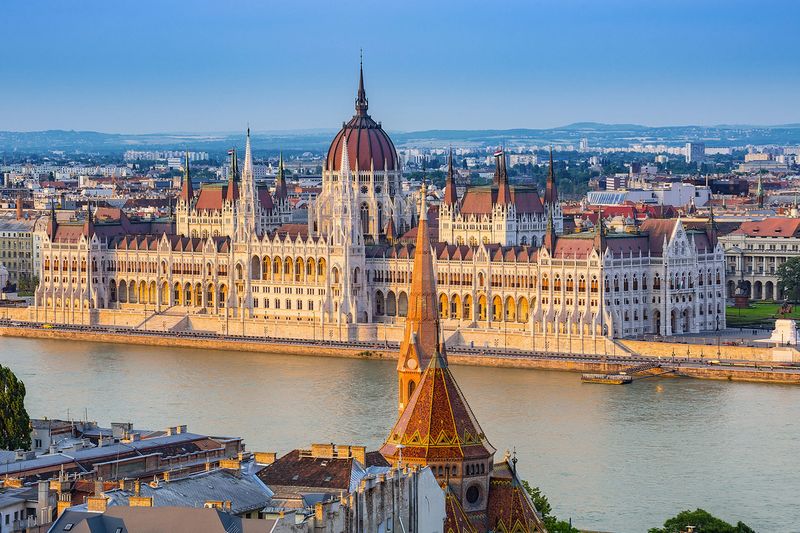
Nicknamed the “Pearl of the Danube,” Budapest has a nighttime skyline so spectacular that visitors often stand on the riverbank with their mouths open, completely forgetting to take photos. The Hungarian Parliament Building, glowing gold against the dark water, is one of the most photographed structures in all of Europe, and rightfully so.
By day, the city shifts into a warm, lived-in rhythm that feels genuinely welcoming.
Budapest is actually two cities merged into one. Buda, on the hilly western bank, is home to the castle district and panoramic viewpoints.
Pest, on the flat eastern side, buzzes with ruin bars, street food, and lively markets. Crossing the iconic Chain Bridge between the two halves is a small pleasure that never gets tiresome.
The thermal bath culture here is unlike anything else in Europe. Budapest sits on natural hot springs, and locals have been soaking in elaborate bathhouses since the Ottoman period in the 1500s.
The Szechenyi and Gellert baths are architectural masterpieces as much as they are relaxation spots. Whether you come for the history, the food, or the famous nightlife, Budapest delivers far more than most travelers expect, at prices that feel almost too good to be true.
Florence, Italy
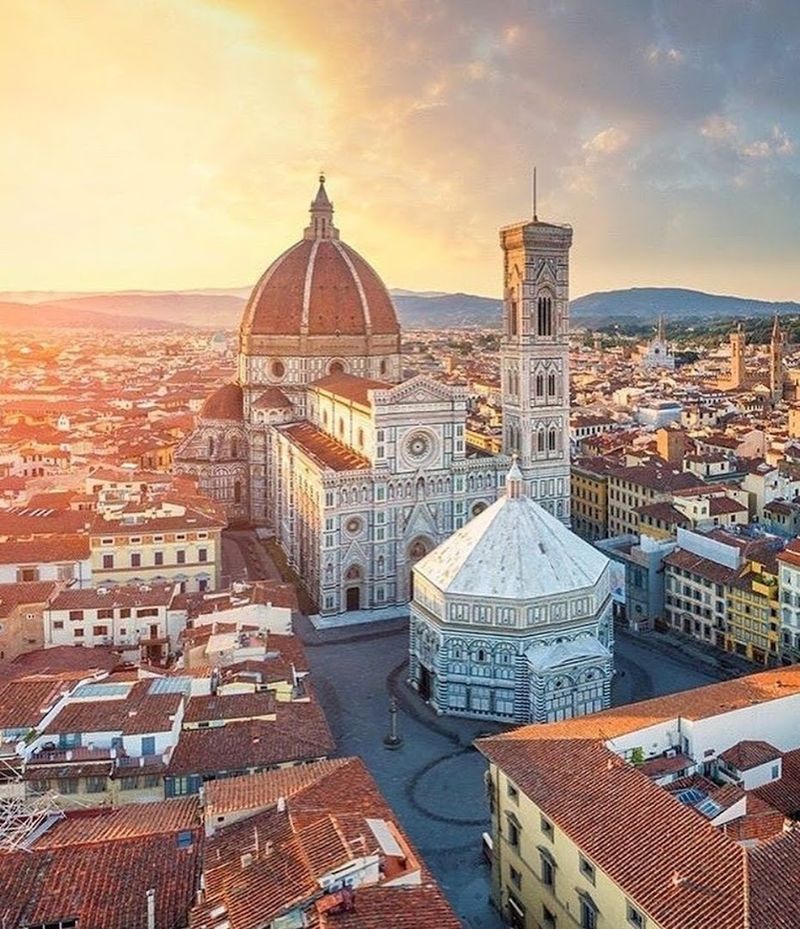
Every street corner in Florence feels like someone hung a painting there and forgot to take it down. The city is essentially a living museum, packed with Renaissance masterpieces, marble churches, and piazzas that have barely changed in 500 years.
Brunelleschi’s dome, which crowns the Florence Cathedral, remains one of the greatest architectural achievements in human history and still dominates the skyline today.
The Uffizi Gallery alone contains enough world-famous art to make your brain short-circuit pleasantly, housing Botticelli’s “Birth of Venus” and dozens of other iconic works. But Florence is not just about staring at art behind velvet ropes.
The Oltrarno neighborhood on the south side of the Arno River is full of artisan workshops, trattorias, and quiet squares where locals actually live and work.
Florence also takes food seriously in a way that feels personal. The bistecca alla Fiorentina, a thick T-bone steak cooked over a wood fire, is practically a religion here.
Gelato from a proper artisan shop will ruin all other ice cream for you permanently. Smaller and more walkable than Rome, Florence rewards slow exploration and lingering lunches.
It is one of those rare cities where even a wrong turn leads somewhere beautiful.
Bruges, Belgium
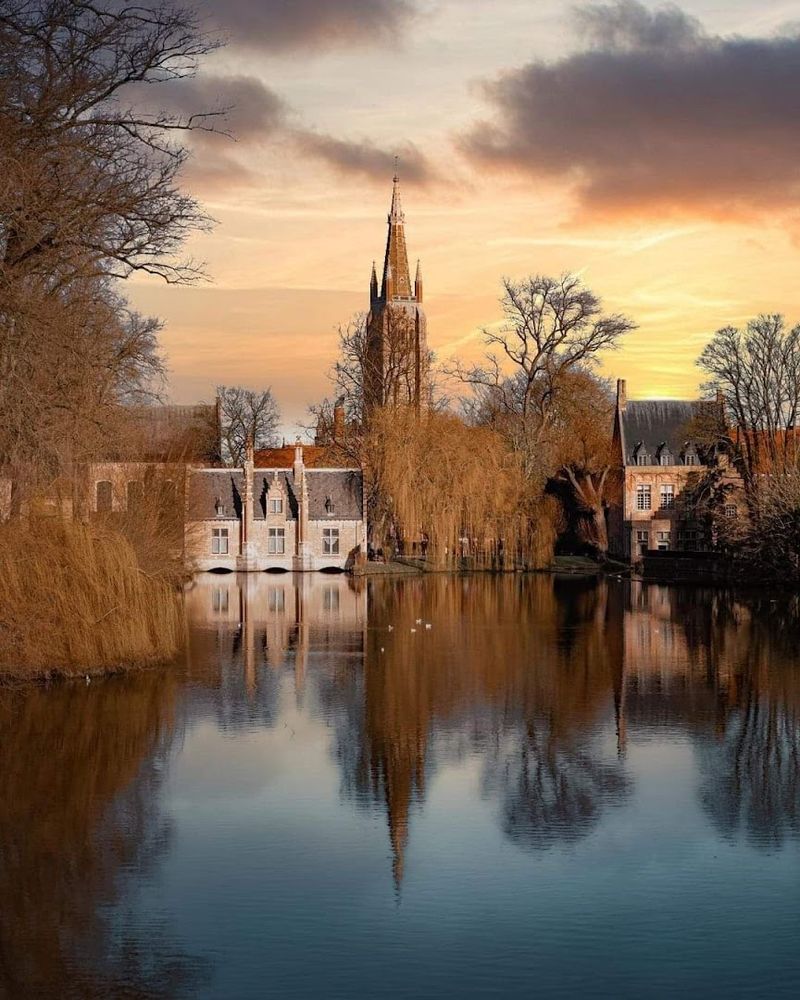
Bruges looks so perfectly preserved that first-time visitors sometimes wonder if the whole city is a very convincing film set. Medieval step-gabled buildings line quiet canals, horse-drawn carriages clop along cobblestone streets, and swans glide past centuries-old bridges like they own the place.
Honestly, they kind of do.
The city’s old town is a UNESCO World Heritage Site, and walking through it feels like genuinely stepping back into the 15th century when Bruges was one of the wealthiest trading cities in all of Europe. The Markt, the central square, is surrounded by guild houses and dominated by the tall Belfry tower, which you can climb for sweeping views over the rooftops.
The climb involves 366 steps, so consider yourself warned.
Bruges is also serious about chocolate and beer, two things Belgium does better than almost anyone. Local chocolatiers line the streets, and specialty beer cafes pour hundreds of Belgian brews.
The city is compact enough to explore on foot in a day, but relaxed enough that most visitors end up staying longer than planned. Springtime is especially magical here, when window boxes burst with flowers and the canal reflections look almost too pretty to be real.
Barcelona, Spain
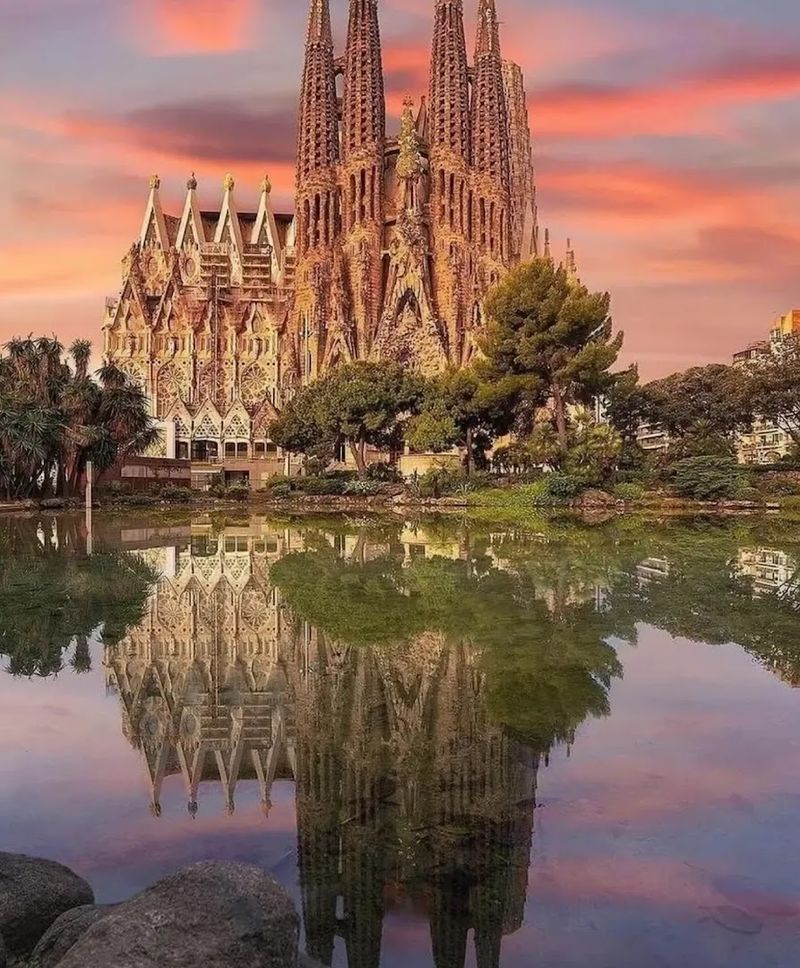
Barcelona plays by its own rules, and that is exactly what makes it one of the most exciting cities in Europe. While other cities show off classical symmetry and orderly grandeur, Barcelona throws in mosaic-covered buildings, wavy facades, and a basilica that has been under construction since 1882 and still is not finished.
That basilica is the Sagrada Familia, Antoni Gaudi’s gloriously bizarre masterpiece, and it is worth the trip to Barcelona all by itself.
Gaudi’s fingerprints are all over the city. Park Guell offers colorful terraces and sweeping views over the rooftops.
Casa Batllo looks like it was designed by a particularly imaginative sea creature. Walking through the Gothic Quarter feels like navigating a medieval maze in the best possible way, with tapas bars and flamenco music drifting out of every doorway.
Then there is the beach. Barcelona is one of the few major European cities where you can spend the morning exploring world-class architecture and the afternoon swimming in the Mediterranean.
The food scene is extraordinary, from fresh seafood at La Barceloneta to creative pintxos in El Born. Barcelona has a buzzing, confident energy that is completely its own, and spending time here never feels like anything less than a celebration.
Venice, Italy
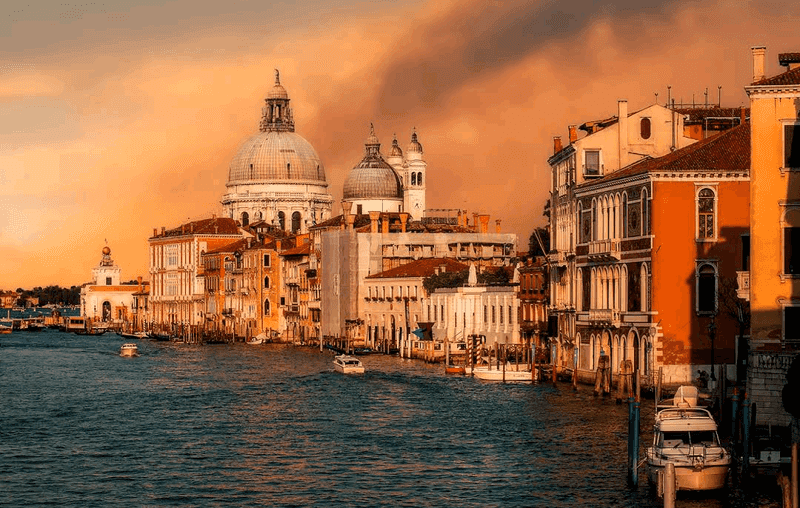
There is no city quite like Venice, and there never will be. Built on 118 small islands connected by over 400 bridges, with canals instead of streets and boats instead of buses, it operates on a logic entirely its own.
The fact that it exists at all feels like a minor miracle, and the fact that it has survived for over a thousand years feels like a major one.
The Grand Canal sweeps through the heart of the city like a liquid main street, lined with Gothic and Renaissance palazzos that have been slowly sinking for centuries but somehow keep looking magnificent. St. Mark’s Square, with its golden basilica and soaring campanile, is one of the most dramatic public spaces anywhere in the world.
Even Napoleon reportedly called it the finest drawing room in Europe.
Getting deliberately lost in Venice is one of travel’s great pleasures. Away from the main tourist routes, the city reveals quiet squares called campi, neighborhood bakeries, and canals so narrow that two people can barely pass each other on the bridge above.
Yes, it gets crowded during peak season, but visiting early in the morning or in the quieter months of winter transforms Venice into something genuinely magical and surprisingly peaceful.
Edinburgh, Scotland
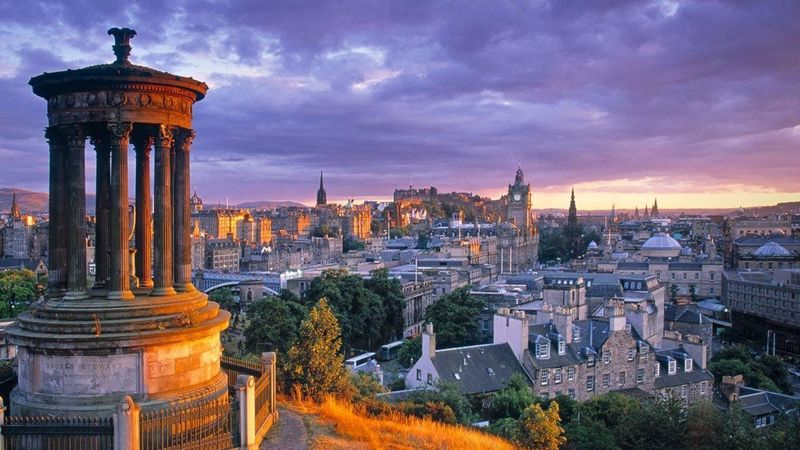
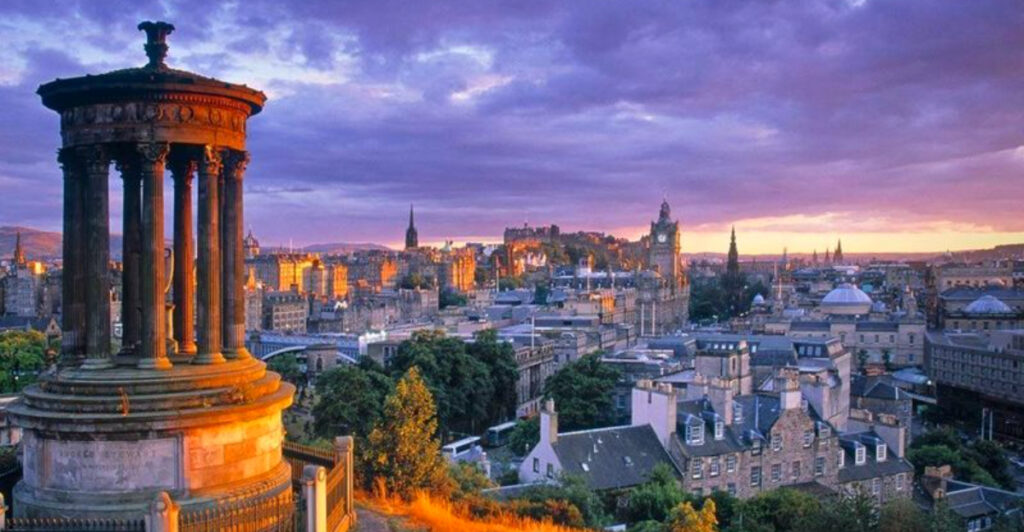
Edinburgh is the kind of city that looks like it was designed specifically to make your jaw drop repeatedly. A medieval castle sits on top of an ancient volcanic rock right in the middle of the city center, which sets a pretty high bar for dramatic scenery before you have even explored a single street.
The Royal Mile stretches downhill from the castle toward the Palace of Holyroodhouse, passing centuries of layered Scottish history along the way.
The Old Town is a tangle of narrow closes, stone staircases, and atmospheric pubs where locals have been warming themselves by the fire for generations. The New Town, built in the 18th century, offers elegant Georgian architecture and wide streets that feel like a completely different city just a short walk away.
Together, the two areas form a UNESCO World Heritage Site that manages to feel both grand and deeply human.
Arthur’s Seat, an ancient volcano turned grassy hill, rises just minutes from the city center and rewards hikers with panoramic views that stretch for miles on a clear day. Edinburgh also hosts the world’s largest arts festival every August, when the entire city transforms into a massive outdoor performance space.
Quirky, dramatic, and full of character, Edinburgh is one of Europe’s most unforgettable urban experiences.
Amsterdam, Netherlands
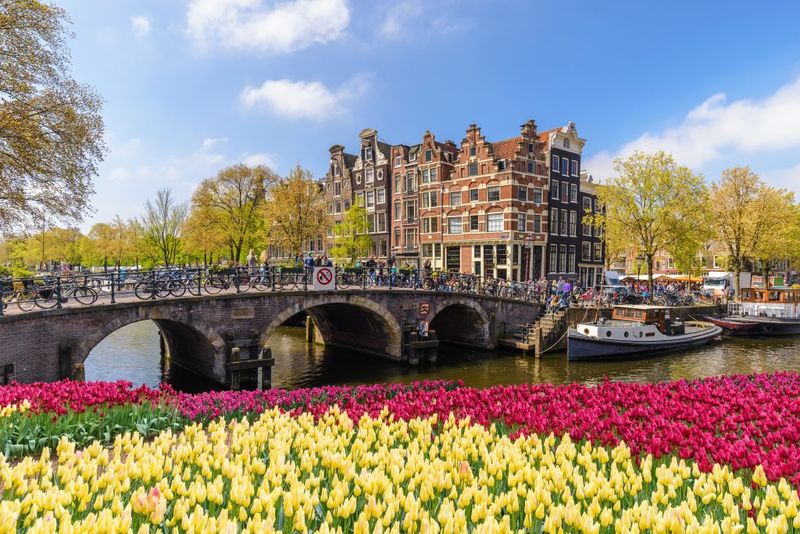
Amsterdam has a way of making you feel immediately at home, which is a remarkable trick for a city this beautiful. The canal ring, a network of 165 waterways lined with narrow, leaning townhouses built in the 17th century, is a UNESCO World Heritage Site that somehow manages to look even prettier in person than in photographs.
The whole city is basically a carefully curated artwork that people actually live in.
Cycling is the primary mode of transport here, and renting a bike to explore the neighborhoods is one of the best things you can do in any European city. The Jordaan district, with its independent boutiques, art galleries, and brown cafes, is especially charming for an afternoon of aimless wandering.
The Anne Frank House and the Rijksmuseum both offer experiences that stay with you long after you leave.
Amsterdam’s food scene has quietly become one of Europe’s most interesting, blending Dutch tradition with Indonesian influences from its colonial history. Stroopwafels, raw herring from a street cart, and Indonesian rijsttafel are all essential eating experiences.
The city also has a relaxed, open-minded atmosphere that makes it welcoming to every kind of traveler. Amsterdam earns its reputation as one of Europe’s most lovable cities every single day.
Salzburg, Austria
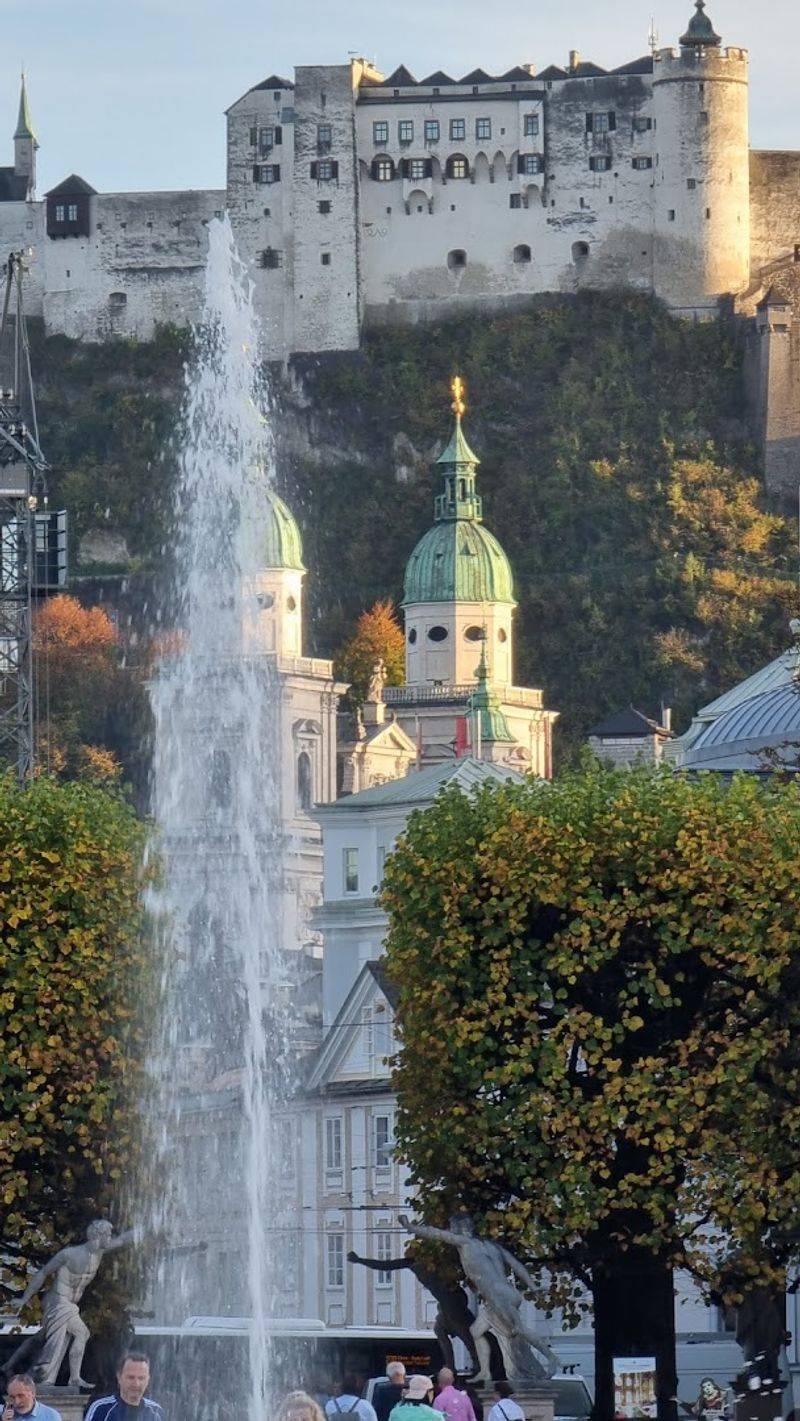
Salzburg pulls off a combination that most cities can only dream about: jaw-dropping alpine scenery wrapped around a perfectly preserved baroque city center. The Hohensalzburg Fortress, one of the largest and best-preserved medieval castles in Europe, sits on a rocky hill above the old town and offers views that make you want to stay up there indefinitely.
The old town below is compact, elegant, and genuinely lovely to walk through at any time of year.
Mozart was born here in 1756, and the city has leaned into that legacy with enthusiasm ever since. His birthplace on Getreidegasse is one of the most visited museums in Austria, and the annual Salzburg Festival draws music lovers from around the world every summer.
The city’s connection to classical music gives it a cultural depth that goes well beyond the tourist brochures.
Fans of “The Sound of Music” will recognize countless filming locations scattered throughout the city and surrounding countryside. The Mirabell Gardens, where Julie Andrews famously danced with the Von Trapp children, are as lovely in person as they appear on screen.
Salzburg also serves as a perfect base for exploring the Austrian Lake District and the surrounding Alps. It is compact, beautiful, and full of surprises at every turn.
Dubrovnik, Croatia
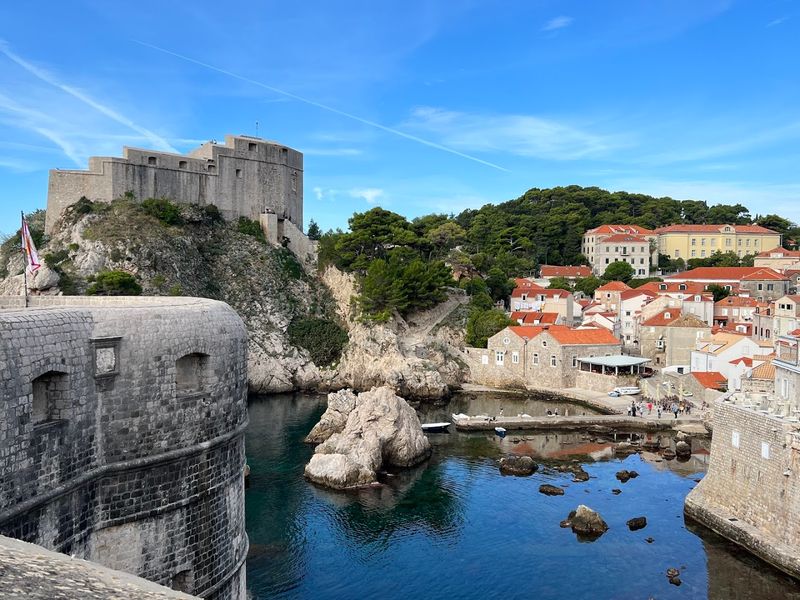
Walking along Dubrovnik’s ancient city walls, with the terracotta rooftops below you and the Adriatic stretching out in every direction, is the kind of experience that makes you briefly question why you live anywhere else. The old town, enclosed by massive limestone walls built between the 13th and 16th centuries, is one of the best-preserved medieval urban centers in the entire world.
Every alley, staircase, and sun-bleached plaza inside those walls feels like a reward.
The main pedestrian street, the Stradun, is polished smooth by centuries of foot traffic and flanked by baroque churches, palaces, and cafes that spill onto the street in the evenings. Sunset from the walls turns the whole city a deep amber gold, and the sea below shifts from turquoise to navy as the light fades.
It is genuinely difficult to take a bad photo here.
Dubrovnik’s popularity has grown significantly since it served as a filming location for “Game of Thrones,” but even the crowds cannot diminish the city’s extraordinary beauty. Visiting in the shoulder season, spring or autumn, means thinner crowds and more comfortable temperatures.
Cable car rides up Mount Srd offer bird’s-eye views of the walled city that are simply unforgettable. Croatia’s crown jewel absolutely earns its reputation.
Porto, Portugal
Porto is the kind of city that sneaks up on you. You arrive expecting a pleasant Portuguese town and leave completely smitten, wondering how you managed to go this long without visiting.
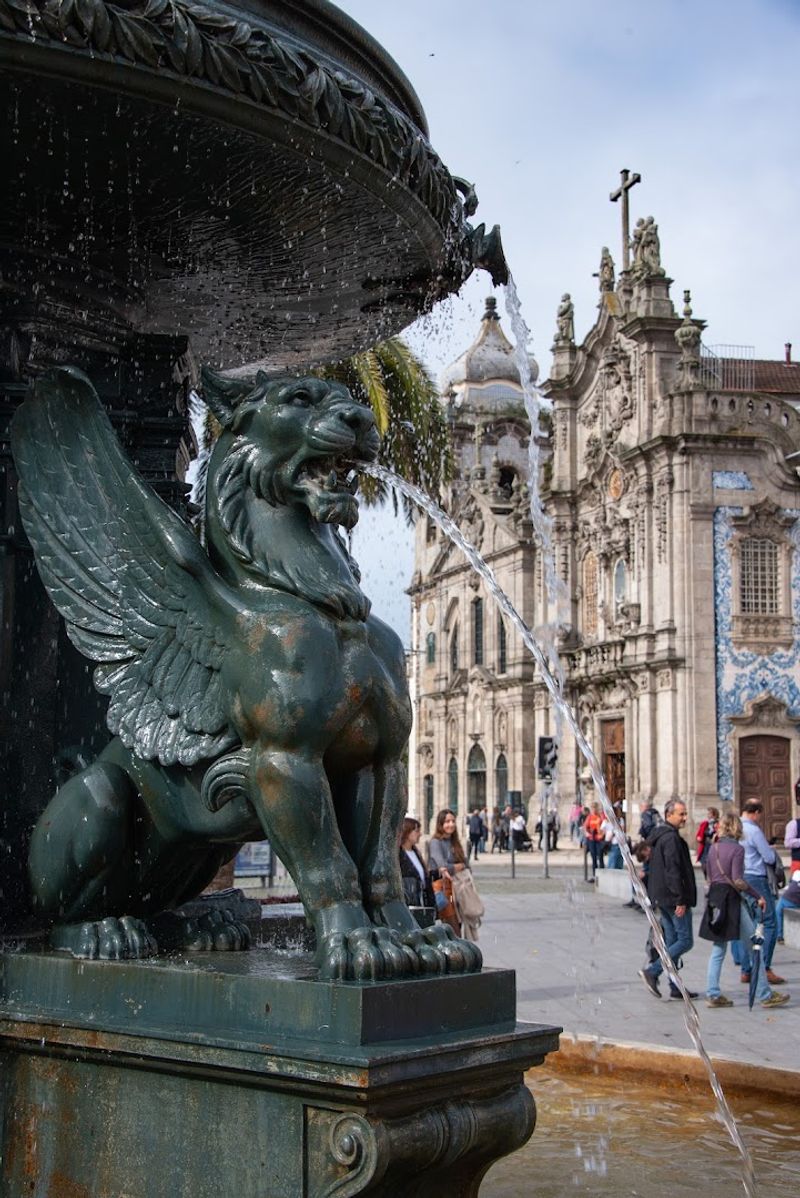
The city tumbles down steep hills toward the Douro River in a cascade of azulejo-tiled facades, wrought-iron balconies, and crumbling baroque churches that somehow look even more beautiful for their imperfections.
The Ribeira district, Porto’s riverside neighborhood, is a UNESCO World Heritage Site and one of the most photogenic waterfronts in Europe. The Dom Luis I Bridge, a double-decker iron arch designed by a student of Gustave Eiffel, connects the city to the wine lodges of Vila Nova de Gaia on the opposite bank.
Those lodges are where port wine is aged and stored, and tours with tastings are very much encouraged.
Porto’s food scene is a highlight all on its own. The francesinha, a towering sandwich drowned in a spiced beer sauce, is the city’s signature dish and absolutely worth the calories.
Fresh seafood, pastel de nata custard tarts, and excellent local wines round out a food culture that punches well above its weight. Porto is affordable, atmospheric, and genuinely warm in the way that only a city with real character can be.
Krakow, Poland
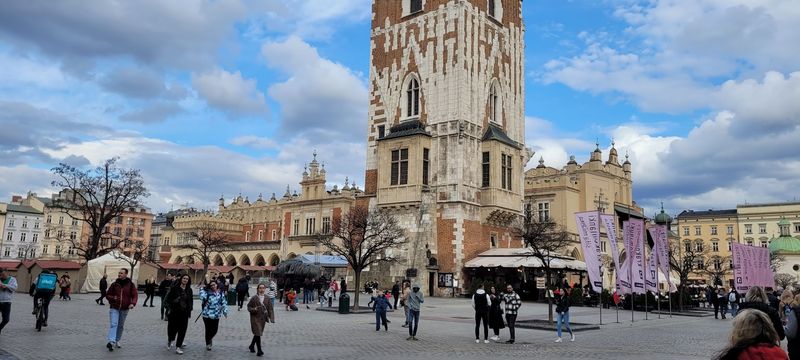
Krakow is one of Europe’s best-kept secrets, which is remarkable considering it has one of the largest medieval market squares on the continent. The Main Market Square, known as Rynek Glowny, is surrounded by centuries-old townhouses, outdoor cafes, and the magnificent Cloth Hall, a Renaissance trading building that has been at the center of city life since the 1200s.
Horse-drawn carriages circle the square throughout the day, adding an old-world charm that feels entirely genuine.
Wawel Castle, perched on a limestone hill above the Vistula River, served as the royal residence of Polish kings for centuries. The cathedral inside the castle complex holds the tombs of Polish monarchs and national heroes, making it one of the most historically significant sites in the country.
The hill itself offers some of the best views over Krakow’s rooftops.
Unlike many European cities that were heavily bombed during World War II, Krakow’s historic center survived largely intact, preserving its medieval and Renaissance architecture in remarkable condition. The Jewish quarter of Kazimierz, once a separate city, is now one of Krakow’s most vibrant neighborhoods, full of art galleries, bookshops, and some of the best restaurants in the city.
Krakow rewards curious travelers with history, beauty, and warmth in equal measure.
Wroclaw, Poland
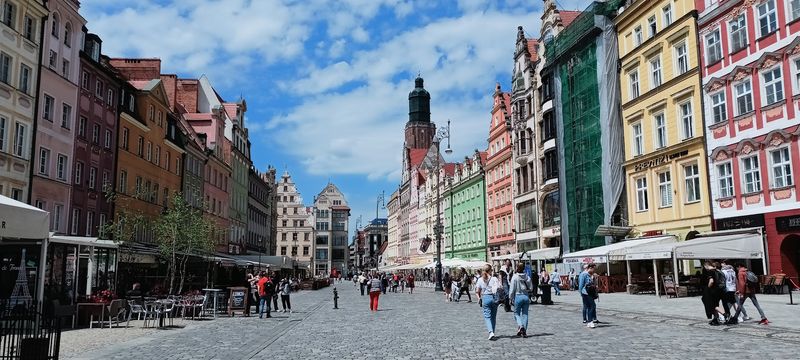
Wroclaw has over 100 bridges, which is either a fact or a challenge depending on how seriously you take your sightseeing. Spread across a cluster of islands in the Oder River, this lively Polish city has earned the nickname “Venice of Poland,” though its personality is entirely its own.
The Market Square, ringed by brilliantly colored Gothic and baroque townhouses, is one of the most vibrant and photogenic central squares in all of Central Europe.
The city has a fascinating layered history, having been part of Poland, Austria, Prussia, and Germany at various points over the centuries. That multicultural past shows up in the architecture, the food, and the general outlook of its residents, who tend to be proud, welcoming, and enthusiastic about showing off their city.
Cathedral Island, connected to the old town by bridges, is home to the Gothic Cathedral of St. John the Baptist and some of the oldest buildings in the city.
Wroclaw is also famous for its gnomes. Hundreds of small bronze gnome statues are hidden throughout the city streets, a playful tradition that started as a protest movement in the 1980s and became a beloved city symbol.
Hunting for them with kids, or even without, is genuinely fun. Wroclaw is lively, affordable, and wonderfully underrated on the European travel circuit.
Seville, Spain
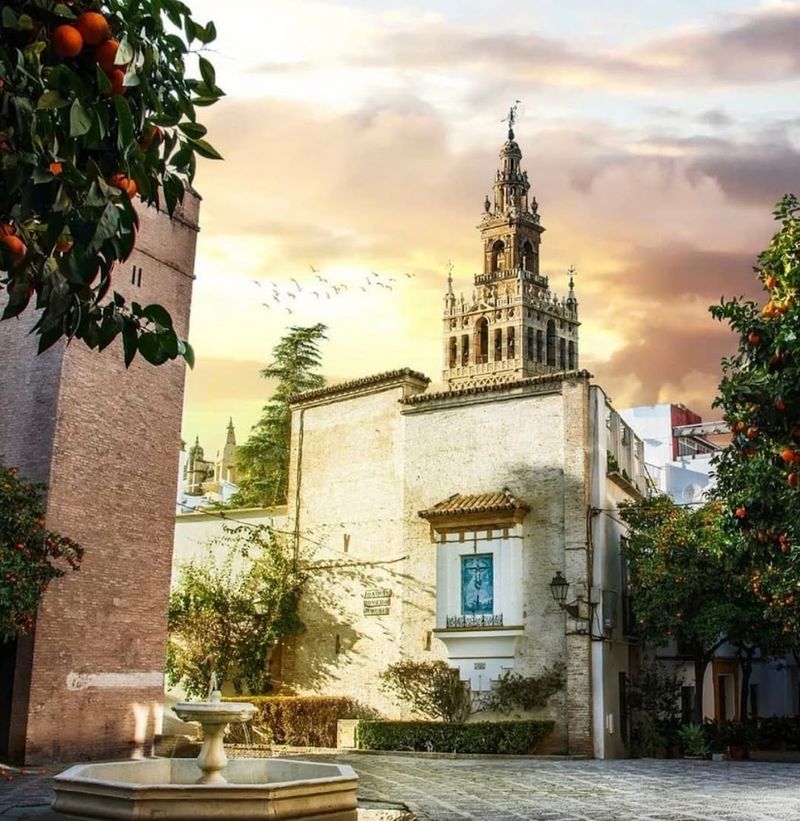
Seville turns up the heat in every possible sense. The Andalusian capital is one of the sunniest cities in Europe, regularly hitting temperatures that make locals retreat indoors between two and five in the afternoon, only to emerge refreshed and ready to fill the tapas bars until midnight.
That rhythm, slow afternoons and electric evenings, is part of what makes Seville so uniquely enjoyable to visit.
The Real Alcazar, a royal palace complex with roots going back to the 10th century, is a breathtaking fusion of Moorish and Christian architecture, with intricate tilework, horseshoe arches, and lush garden courtyards that feel like a different world entirely. The adjacent Seville Cathedral is the largest Gothic cathedral on earth, and climbing the Giralda tower for views over the city is an absolute must.
The Plaza de Espana, built for the 1929 Ibero-American Exposition, is a sweeping semicircular masterpiece of ceramic tiles and arched bridges that looks almost too grand and beautiful to be a real place. Flamenco is woven into the fabric of daily life here, and catching a live performance in a small tablao venue is a genuinely spine-tingling experience.
Seville has a warmth and confidence that is purely Andalusian, and it leaves a lasting impression on everyone who visits.
Share this story