Packing up your life and moving to another country sounds like something only adventurous movie characters do, but more people than ever are actually doing it. Europe has quietly become the top destination for Americans and other expats craving better healthcare, walkable neighborhoods, rich culture, and a slower, more balanced pace of life.
From sun-drenched coastlines to buzzing creative capitals, the options are genuinely exciting. Whether you are chasing a career opportunity, a retirement dream, or simply a change of scenery, these 15 European cities and regions might just surprise you.
Lisbon, Portugal
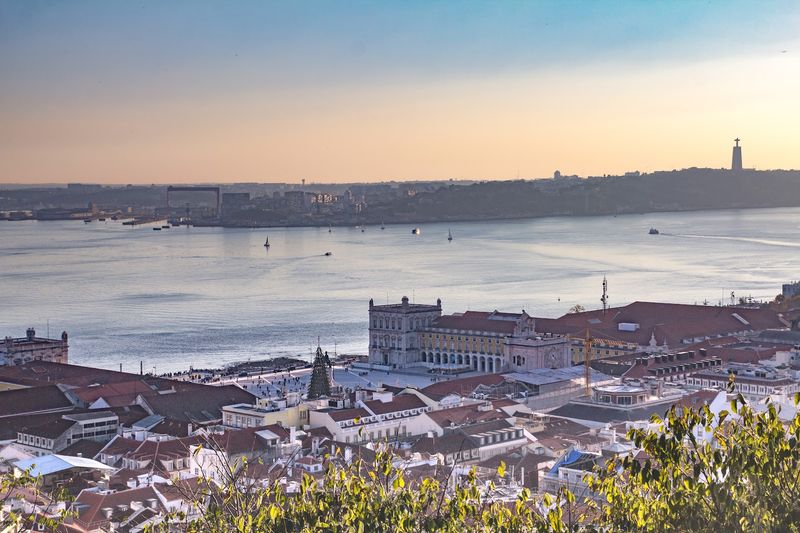
Sunlight bouncing off pastel-colored tiles at seven in the morning is honestly one of the best alarm clocks you never knew you needed. Lisbon has a way of making everyday life feel like a postcard, and that charm goes well beyond the aesthetics.
The city offers mild weather year-round, a well-developed healthcare system, and a growing expat community that makes settling in feel far less intimidating than you might expect.
Portugal’s Non-Habitual Resident tax program has attracted thousands of foreign professionals and retirees over the years. While that specific program has evolved, Portugal continues to offer residency options including the D7 passive income visa, which is popular with retirees and remote workers.
The cost of living, though rising, still sits below most Western European capitals.
English is widely spoken in Lisbon, especially in cafes, restaurants, and tech hubs. The city’s public transportation is reliable and affordable, covering trams, metro, buses, and ferries.
Weekend trips to Sintra, Cascais, or the Alentejo wine region are just an hour away. For anyone seriously considering a move to Europe, Lisbon remains one of the most practical and genuinely enjoyable places to start.
Porto, Portugal
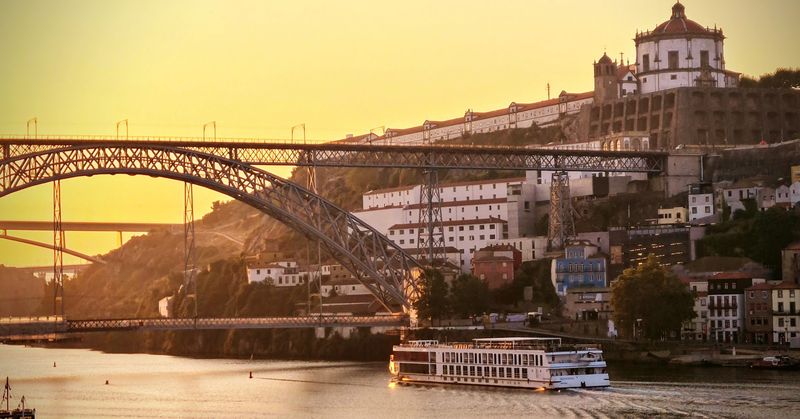
Porto smells like freshly baked pastries, river water, and aged wine barrels all at once, and somehow it works perfectly. This northern Portuguese city has built a reputation as the slightly quieter, more affordable sibling of Lisbon, and for many expats, that is exactly the appeal.
Life here moves at a pace that lets you actually enjoy what is around you rather than constantly rushing through it.
Costs in Porto are noticeably lower than in Lisbon, which makes it especially attractive for retirees living on fixed incomes or remote workers watching their budgets. Neighborhoods like Bonfim, Cedofeita, and Foz do Douro each have their own personality, giving newcomers plenty of options depending on their lifestyle preferences.
The food scene is spectacular, with fresh seafood, hearty stews, and of course, the famous francesinha sandwich.
Porto’s international airport connects the city to major European hubs and several transatlantic routes. The city has also seen strong growth in its tech and creative industries, attracting younger expats looking for professional opportunities.
The Douro River valley wine country sits just a short drive away, offering weekend escapes that feel almost unfairly good. Porto rewards those who take the time to settle in properly.
Valencia, Spain
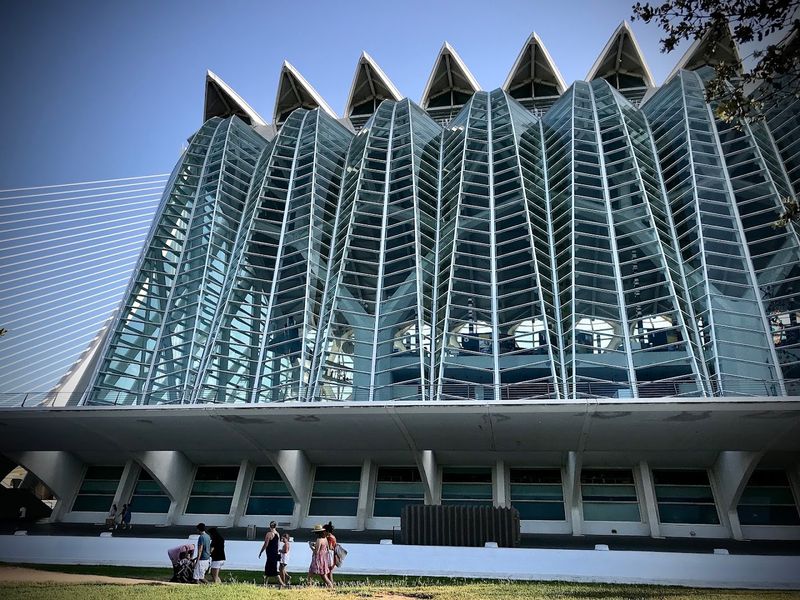
Valencia is the city that somehow manages to offer Mediterranean beaches, world-class architecture, incredible food, and a cost of living that will not empty your savings account. It sits on Spain’s eastern coast and enjoys more than 300 days of sunshine per year, which does wonders for your general mood and vitamin D levels.
Paella was actually invented here, so the food credentials alone are worth the move.
Compared with Madrid and Barcelona, Valencia is noticeably more affordable for both renting and buying property. Public transportation is efficient, cycling infrastructure is excellent, and the Turia Gardens, a park built inside a former riverbed, runs right through the heart of the city.
Getting around without a car is entirely realistic, which saves both money and stress.
Spain’s Non-Lucrative Visa is a popular route for Americans who want to live in the country without working locally. Valencia’s large expat community means there are established social networks, English-speaking doctors, and international schools for families with children.
The city also hosts the famous Las Fallas festival each March, a pyrotechnic celebration that is absolutely unforgettable. Valencia consistently earns high marks from expats for overall quality of life.
Málaga, Spain
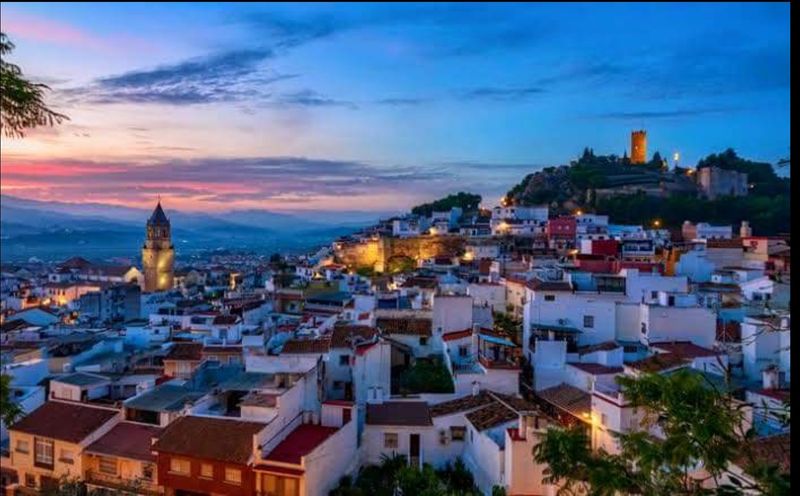
Málaga gets about 320 days of sunshine per year, and the locals will cheerfully remind you of that fact whenever the topic comes up. Situated on the Costa del Sol in southern Spain, this city has transformed from a quiet fishing town into one of Europe’s most appealing destinations for long-term living.
It offers beaches, culture, excellent food, and a healthcare system that consistently earns high praise from expat residents.
The city is home to a well-established international community, particularly British, German, and increasingly American residents. This means finding English-speaking services, international grocery items, and social groups is genuinely straightforward.
Málaga’s international airport offers direct flights to major cities across Europe and beyond, making it easy to visit family or travel for work.
Property prices and rental costs remain lower than in Madrid or Barcelona, though the Costa del Sol has seen rising demand in recent years. The old town is walkable and packed with museums, tapas bars, and outdoor markets.
Málaga was also the birthplace of Pablo Picasso, and the Picasso Museum draws visitors year-round. For retirees especially, the combination of warm weather, good healthcare, and a relaxed coastal pace makes Málaga an outstanding long-term choice.
Berlin, Germany
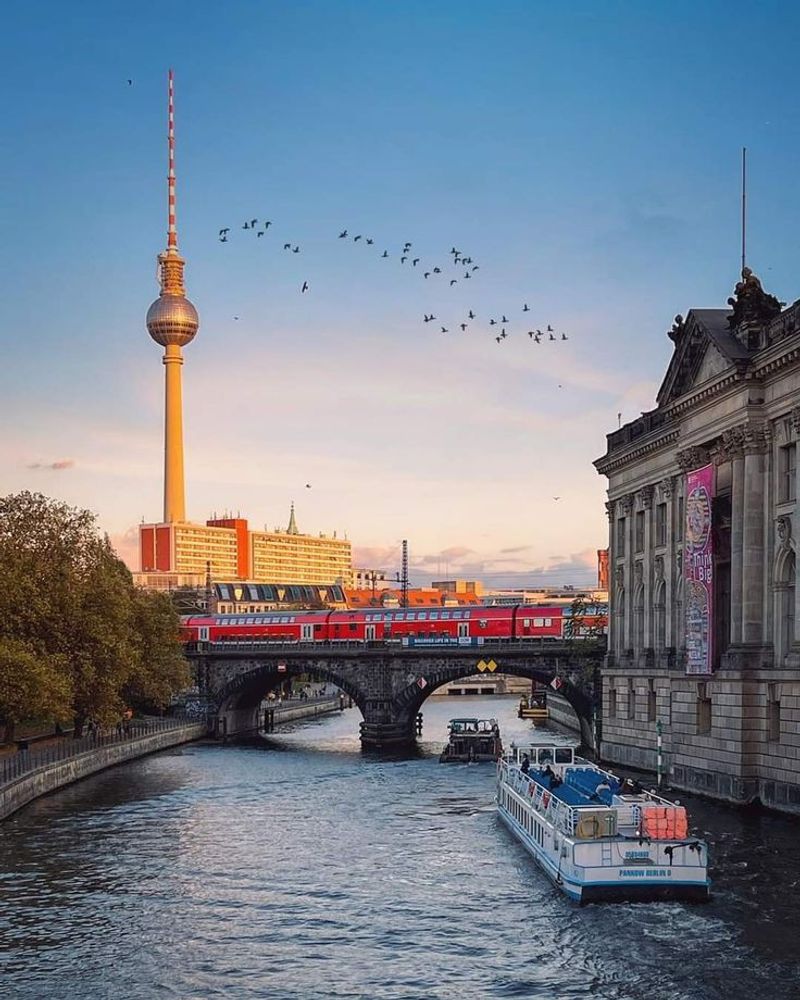
Berlin operates on its own terms, and that is precisely why so many people love it. The city has a creative energy that is hard to replicate anywhere else in Europe, drawing artists, musicians, tech entrepreneurs, and students from every corner of the world.
It is one of those rare cities where reinvention feels built into the culture, which makes it especially welcoming to newcomers with big plans.
Germany’s Opportunity Card, introduced in 2024, has made it easier for skilled workers outside the EU to come and explore job options without needing a firm offer first. Berlin is home to a booming tech sector, with companies like Zalando, Delivery Hero, and hundreds of startups calling the city home.
Salaries in the tech and creative industries are competitive, and the job market for English speakers has grown significantly.
Berlin is notably more affordable than Munich, Frankfurt, or Hamburg, particularly when it comes to rent and dining out. The public transportation system is comprehensive and reliable, covering the entire city with U-Bahn, S-Bahn, trams, and buses.
Access to world-class museums, live music, parks, and international food is simply part of daily life here. Berlin does not ask you to fit in.
It asks you to show up and contribute something.
Munich, Germany
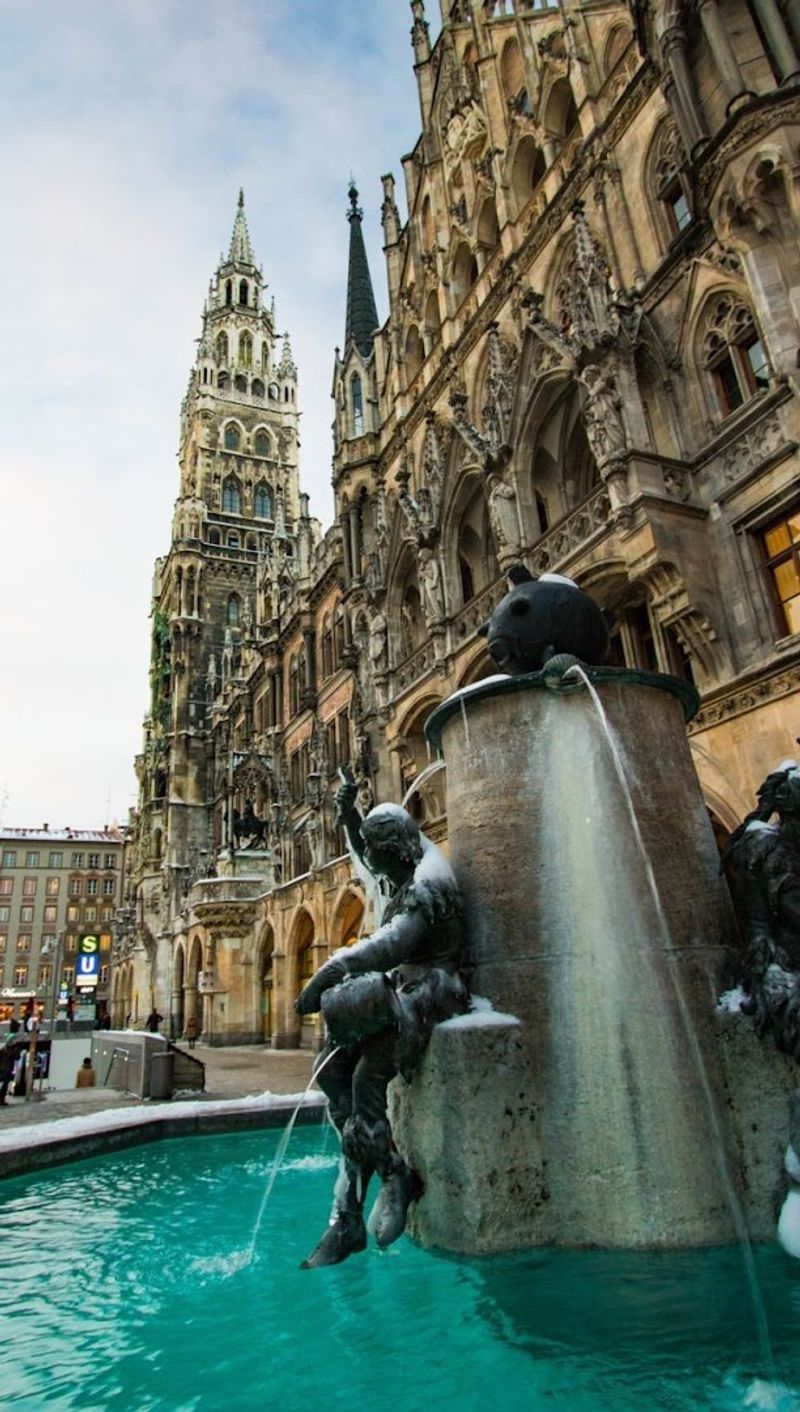
Munich has a reputation for being expensive, and that reputation is not entirely wrong. But here is what the price tag actually buys you: one of the safest cities in Europe, a healthcare system that is genuinely outstanding, excellent schools, and a quality of life that ranks among the very best on the continent.
For families and career-focused professionals, Munich often makes the numbers worth it.
The city sits in Bavaria, just an hour from the Austrian Alps, which means skiing, hiking, and lake swimming are all legitimate weekend activities rather than once-a-decade bucket list items. Munich’s public transportation is a model of efficiency, and the city is consistently rated as one of the most livable in the world by multiple international surveys.
The beer garden culture, meanwhile, is a legitimate social institution worth embracing.
Germany’s immigration system has become more accessible for skilled workers in recent years, with English-language job listings growing across industries including engineering, finance, medicine, and technology. Munich hosts major international companies including BMW, Siemens, and Allianz.
While German language skills will always help with daily life, many international residents manage comfortably in English-speaking work environments. Munich rewards those who invest in the experience fully.
Amsterdam, Netherlands
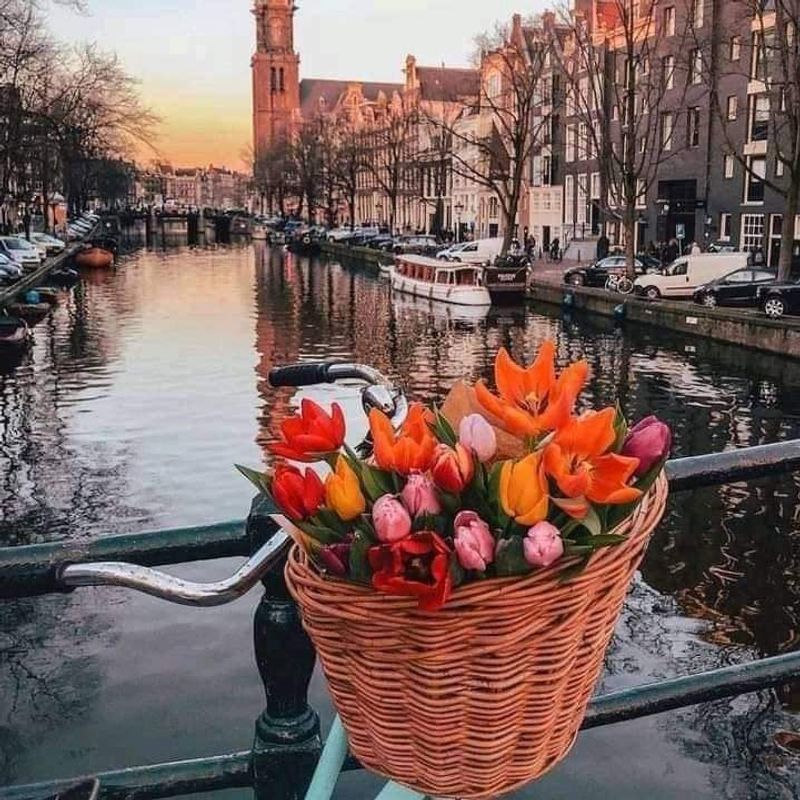
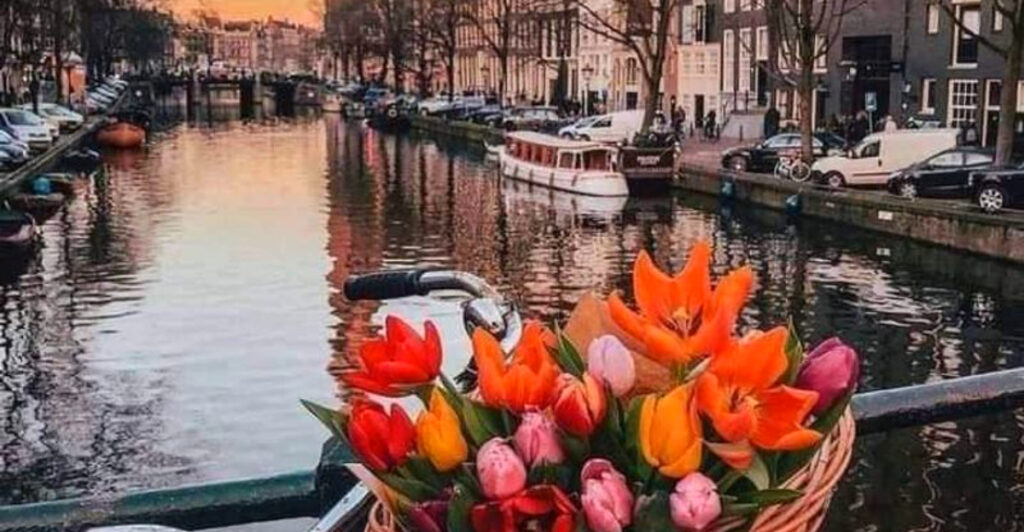
Roughly 900,000 bicycles outnumber cars in Amsterdam, and that single fact tells you almost everything you need to know about how this city is designed. Amsterdam is built around people, not traffic, and that philosophy extends into nearly every aspect of daily life.
Green spaces, canals, historic architecture, and a deeply international population make it one of the most livable and visually stunning cities in Europe.
The Netherlands is exceptionally English-friendly, with a large percentage of the population speaking the language fluently. This makes Amsterdam one of the most accessible European cities for English-speaking expats who are not yet ready to tackle a new language.
The job market is strong, particularly in tech, finance, logistics, and international trade, with many multinational companies choosing Amsterdam as their European headquarters.
Housing is the most frequently cited challenge for newcomers, as rental prices have climbed sharply in recent years and availability can be tight. Many expats choose to live in surrounding towns like Haarlem, Utrecht, or Leiden and commute into the city.
The Dutch healthcare system is highly regarded, and public services are reliable and well-organized. Amsterdam is the kind of city that spoils you quickly, making it very hard to imagine living anywhere less thoughtfully designed.
Copenhagen, Denmark
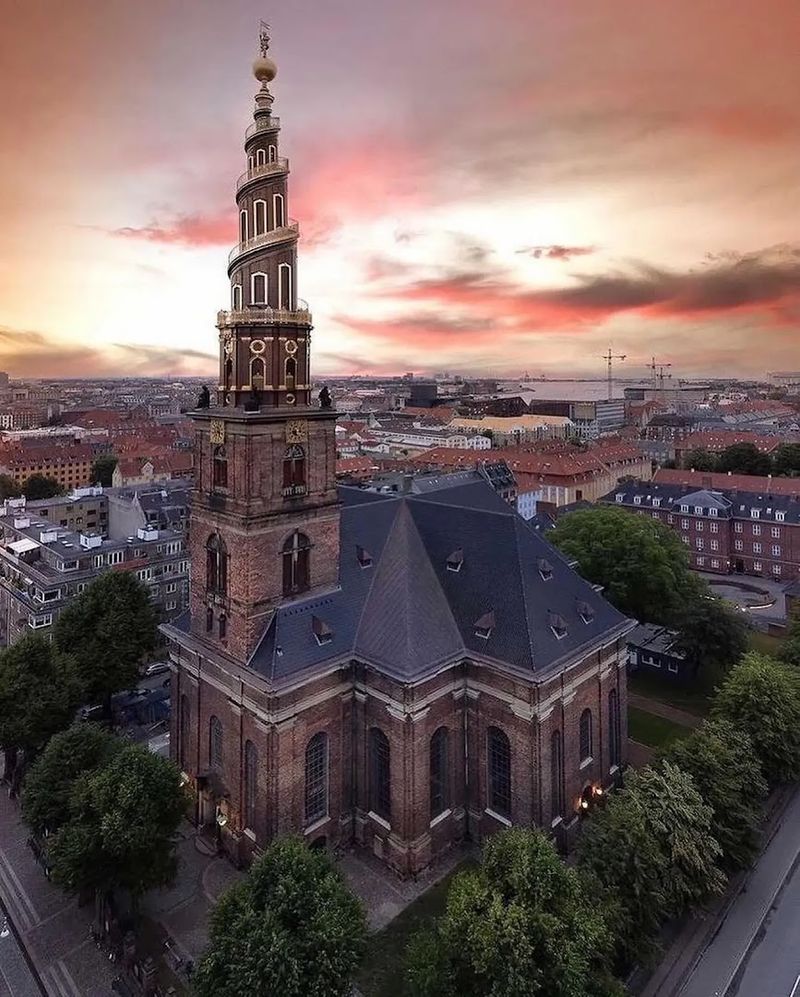
Copenhagen regularly tops global happiness rankings, and spending even a week there starts to make the data feel very believable. The city is clean, safe, beautifully designed, and built around a work-life balance philosophy that most other countries talk about but rarely deliver.
Danes take their leisure time seriously, and that attitude creates a noticeably calmer, more human-centered way of living.
Yes, Copenhagen is expensive. Groceries, dining out, and housing all carry a price premium compared with southern Europe.
But salaries are correspondingly high, the tax system funds exceptional public services, and everyday stress levels tend to be lower than in many other major cities. The famous Danish concept of hygge, which roughly translates to cozy contentment, is not just a marketing term.
It genuinely describes how people live here.
Cycling infrastructure in Copenhagen is world-famous, with dedicated lanes covering the entire city. Public transportation is reliable and well-integrated.
Denmark’s residency options for non-EU citizens include work permits for skilled professionals, and the country has been expanding its international recruitment efforts. English is spoken widely across all sectors.
For expats who can manage the cost, Copenhagen offers a quality of life that is difficult to match anywhere else in Europe.
Dublin, Ireland
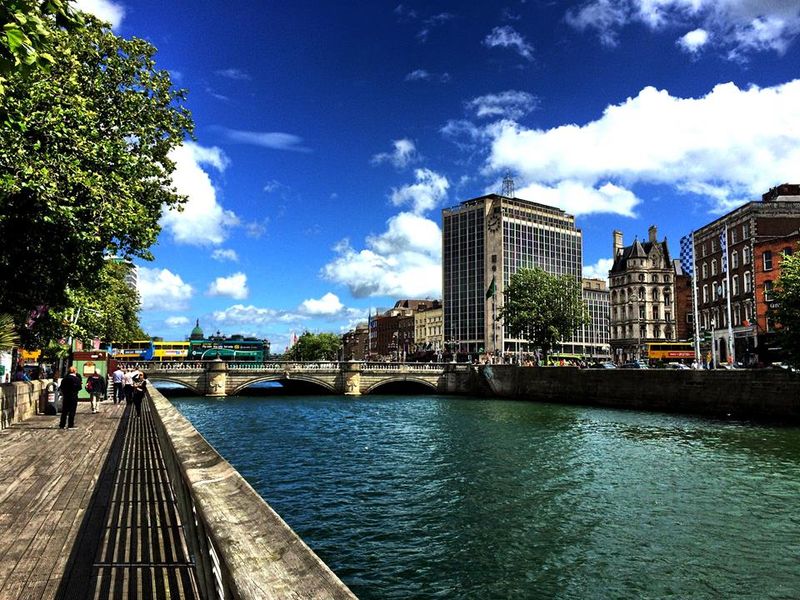
Moving to a country where you already speak the language fluently is an underrated advantage that Dublin delivers without question. For American expats in particular, Ireland offers a cultural familiarity that softens the transition considerably.
The humor is sharp, the storytelling is world-class, and the pub culture is a genuine community institution rather than just a place to grab a drink after work.
Dublin has become a major European tech hub, hosting the European headquarters of Google, Meta, Apple, LinkedIn, and many other global companies. For career-focused expats in tech, finance, or pharmaceuticals, the job market is genuinely strong.
Americans and other non-EU citizens can explore work visas through Ireland’s Critical Skills Employment Permit, which covers a wide range of in-demand professions.
The main challenge in Dublin is housing. Rental prices have surged dramatically over the past decade, and availability in the city center is competitive.
Many expats choose to live in surrounding suburbs or commuter towns and travel in by rail or bus. Healthcare access through the public system can also involve wait times, though private health insurance is affordable by American standards.
Despite these hurdles, Dublin remains one of the most practical and genuinely enjoyable European cities for English-speaking expats.
Athens, Greece
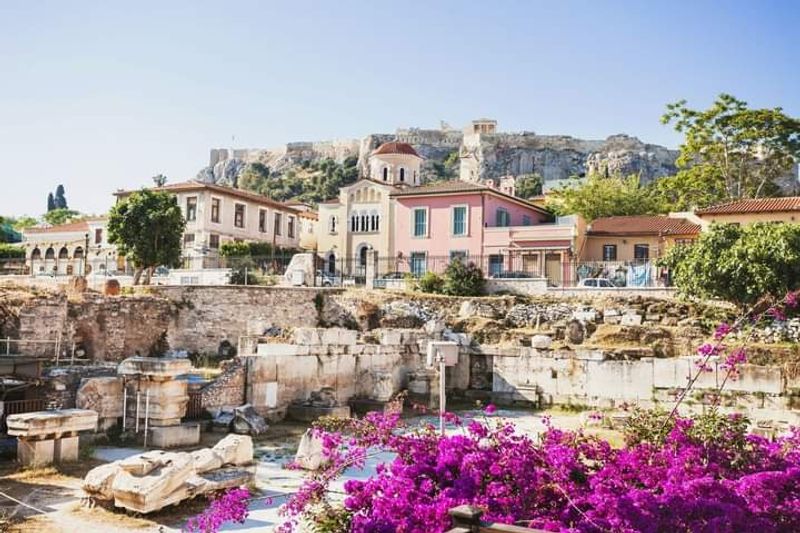
Standing beneath the Acropolis and realizing it has been there for over 2,400 years has a way of putting your Monday morning stress into perspective. Athens is a city of extraordinary history layered over a thoroughly modern, buzzing urban life.
Markets, rooftop bars, street art, and ancient ruins coexist in a way that feels completely natural once you spend a few days getting your bearings.
Athens offers some of the most affordable everyday living of any European capital. Groceries, dining out, and public transportation are all significantly cheaper than in western and northern European cities.
The Greek healthcare system has faced challenges over the years but has improved, and private health insurance remains very affordable by international standards. Warm weather from spring through autumn is essentially guaranteed.
Greece has been actively developing its appeal for international residents, including a Golden Visa program for property investors and a Digital Nomad Visa for remote workers. Athens also offers fast internet connectivity and a growing coworking scene that has attracted a younger international crowd.
The city’s social culture is warm and outgoing, with long shared meals and lively neighborhood squares forming the backbone of daily life. Athens rewards those willing to explore beyond the obvious tourist trail.
Chania, Crete, Greece
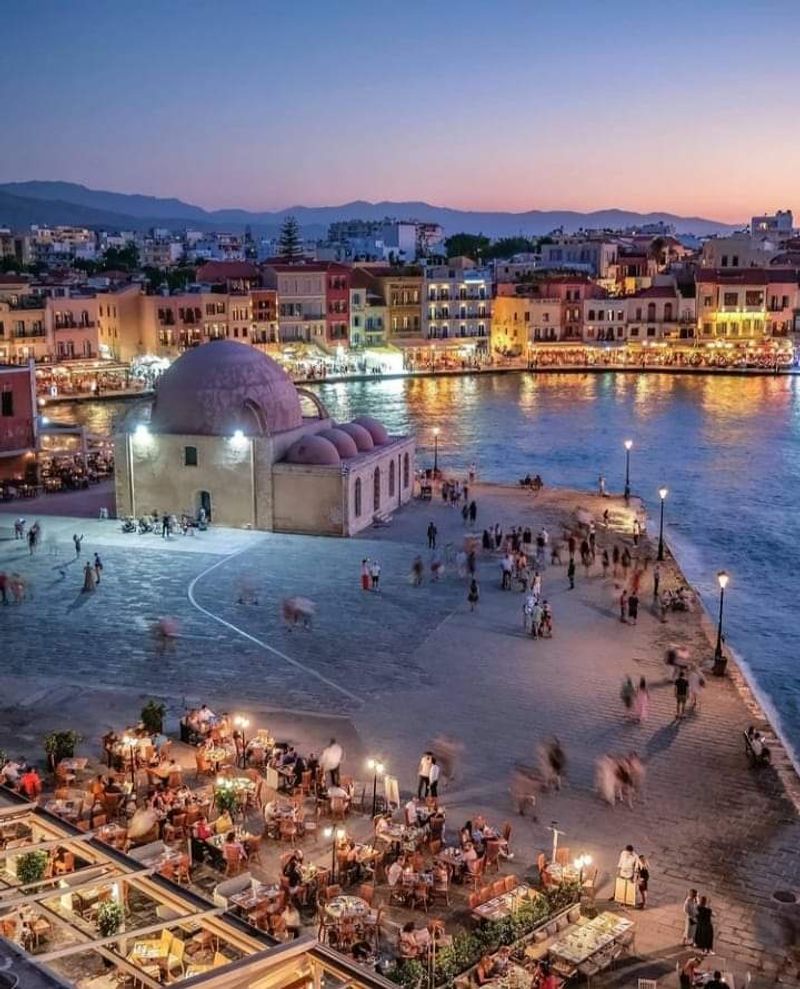
Chania operates at a frequency that most modern cities have completely forgotten. The old Venetian harbor glows gold in the evening light, the market streets smell of fresh herbs and citrus, and the pace of daily life is slow enough that you actually notice these things.
For anyone burned out by the relentless speed of city living, Chania offers something genuinely restorative.
Located on the northwestern tip of Crete, Chania combines old-town charm with practical infrastructure. The city has an international airport with direct connections to major European hubs, a well-regarded local hospital, and a growing community of foreign residents who have chosen the island for long-term living.
Winters are mild by northern European standards, with temperatures rarely dropping below 10 degrees Celsius even in January.
The cost of living in Chania is meaningfully lower than in Athens, and far below most Western European cities. Fresh produce, local wine, and seafood are abundant and affordable.
Remote workers and retirees make up a significant portion of the international community, drawn by the combination of natural beauty, good food, and a relaxed social culture. Crete is also the largest Greek island, meaning it has genuine urban amenities alongside its rural charm.
Chania is not a compromise. It is a genuinely excellent choice.
Valletta and Sliema, Malta
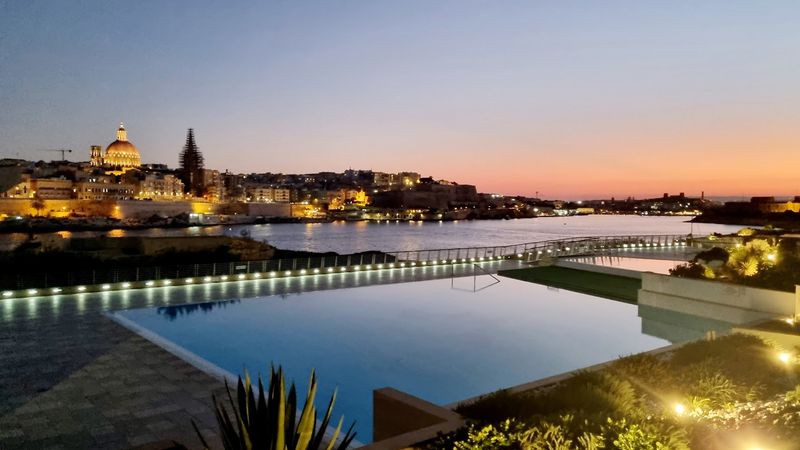
Malta is technically the smallest country in the European Union, but it punches well above its weight when it comes to expat appeal. English is an official language here, which removes one of the biggest barriers most people face when moving abroad.
Combined with EU membership, warm Mediterranean weather, and a relatively straightforward residency process, Malta ticks boxes that few other small nations can manage simultaneously.
Valletta, the capital, is a UNESCO World Heritage Site packed with Baroque architecture, museums, and harbor views that are almost offensively beautiful. Sliema and St. Julian’s, located just across the harbor, offer a more modern urban experience with restaurants, shops, gyms, and a strong international community.
Many expats split their time between the historic capital and the livelier northern towns.
Malta’s healthcare system is strong, with both public and private options available. The island attracts retirees, remote workers, and finance professionals, particularly those drawn by its tax residency programs.
Internet connectivity is solid, and the compact size of the island means you are never far from a beach, a pharmacy, or a good restaurant. Flights to major European cities are frequent.
Malta rewards those who appreciate history, warmth, and a genuinely manageable scale of daily life.
Split, Croatia
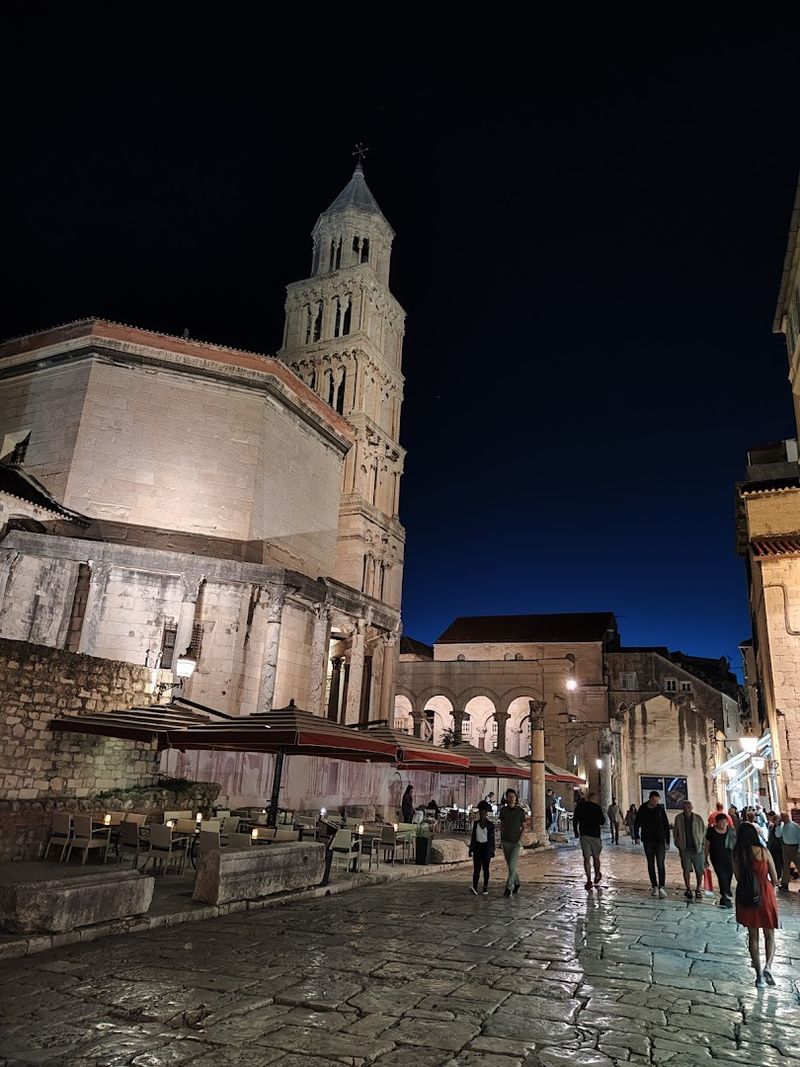
Split is one of those places where you walk through a Roman emperor’s palace on your way to buy groceries, and nobody considers that even slightly unusual. Diocletian’s Palace, built in the fourth century, forms the literal heart of the city’s old town, with restaurants, apartments, and shops built directly into its ancient walls.
Living here means history is not something you visit on weekends. It is simply the backdrop of ordinary life.
Croatia joined the Eurozone and the Schengen Area in 2023, which significantly simplified travel and financial logistics for expats. Split offers Adriatic beaches, island ferry access, and a relatively affordable cost of living compared with Western Europe.
The city has a genuine year-round community rather than being purely seasonal, though summers do bring a lively tourist energy that many residents actually enjoy.
Croatia offers a Digital Nomad Visa that allows non-EU remote workers to live in the country for up to a year, with a renewal option. Internet infrastructure in Split is reliable, and the coworking scene has grown noticeably in recent years.
The food culture emphasizes fresh seafood, local olive oil, and Dalmatian wines that are increasingly earning international recognition. Split is affordable, beautiful, historically rich, and genuinely livable.
That is a hard combination to argue with.
Ljubljana, Slovenia
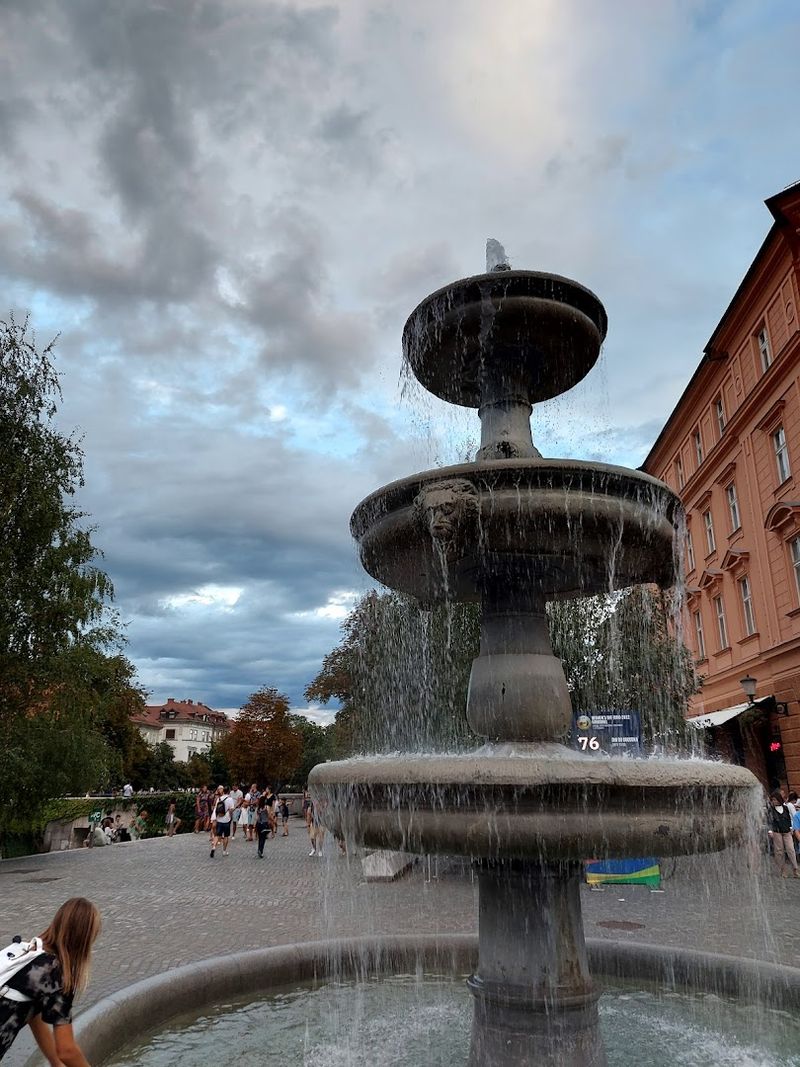
Ljubljana might be the most underrated capital city in all of Europe, and the people who already live there seem perfectly happy keeping it that way. Compact, walkable, and almost entirely car-free in the city center, Ljubljana operates at a human scale that larger capitals have long since abandoned.
The castle sits on a hill above the old town, the river winds through a lively cafe district, and everything feels genuinely manageable.
Slovenia is sandwiched between Italy, Austria, Hungary, and Croatia, which means weekend trips to Venice, Vienna, or the Croatian coast are all within comfortable driving distance. Lake Bled, one of the most photographed spots in Europe, is just 55 kilometers from the capital.
The Julian Alps are close enough for regular hiking and skiing, and the Adriatic coast is reachable in under two hours.
Slovenia launched a Digital Nomad Visa in late 2025, opening the country more formally to non-EU remote workers. The country has strong public infrastructure, low crime rates, and a healthcare system that performs well by regional standards.
The cost of living is lower than in Austria or Germany while still offering a high quality of life. Ljubljana rewards curious, outdoorsy expats who want European sophistication without the overwhelming scale of a major metropolis.
Kotor Bay, Montenegro
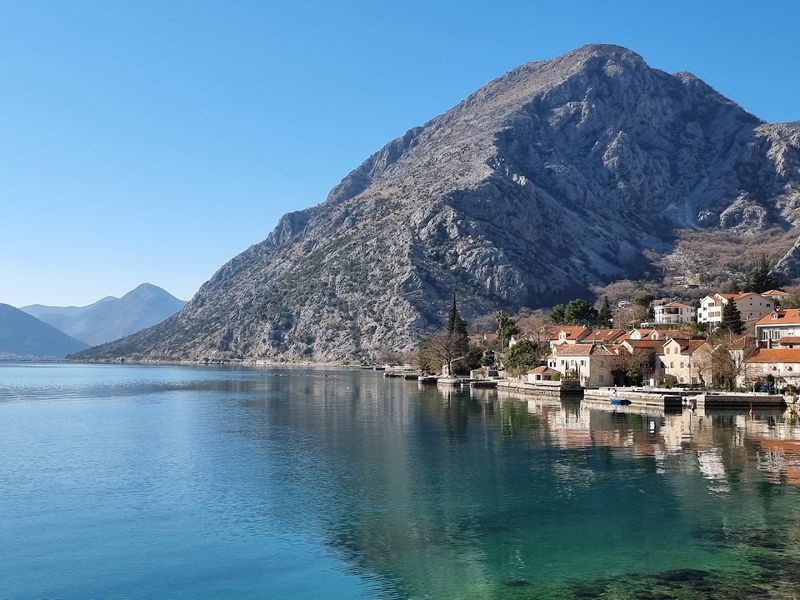
Kotor Bay looks like someone took a Norwegian fjord, warmed it up by about 20 degrees, and dropped a medieval walled city at the bottom of it. The scenery is genuinely jaw-dropping, and the fact that relatively few people outside Europe have heard of it means prices have not yet caught up with the views.
Montenegro remains one of the most affordable coastal destinations on the entire Adriatic.
Montenegro is not an EU member, which actually works in favor of non-EU expats in some ways. Property ownership is relatively accessible for foreign nationals, and the country’s residency-by-property program has attracted international buyers looking for a foothold on the Adriatic coast.
The Digital Nomad Visa option has further increased interest from remote workers seeking affordable coastal living.
The old town of Kotor is a UNESCO World Heritage Site, and the surrounding bay is dotted with small villages, baroque churches, and hiking trails that climb to medieval fortresses above the water. Internet connectivity has improved significantly in recent years, making remote work viable.
The cost of groceries, dining, and daily expenses is noticeably lower than in Croatia or Italy just across the water. Montenegro is the kind of place that makes early adopters feel very clever indeed about their decision to move there first.
Share this story