 Unearth The Voyage
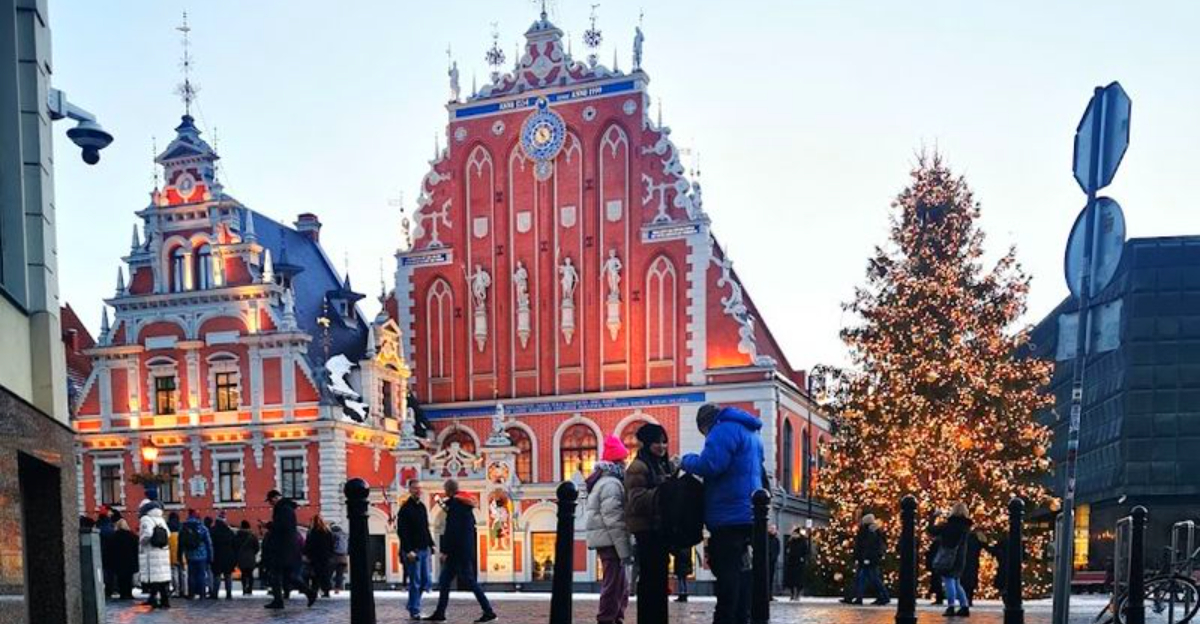
Luxury travel doesn’t have to drain your bank account, especially in Europe. While cities like Paris and London are famous for their sky-high prices, plenty of other European destinations offer jaw-dropping beauty, rich history, and upscale experiences at a fraction of the cost.
From thermal baths in Hungary to medieval castles in Poland, these hidden gems prove that feeling like royalty doesn’t require a royal budget. Pack your bags and get ready to discover the most rewarding travel deals on the continent.
Budapest, Hungary
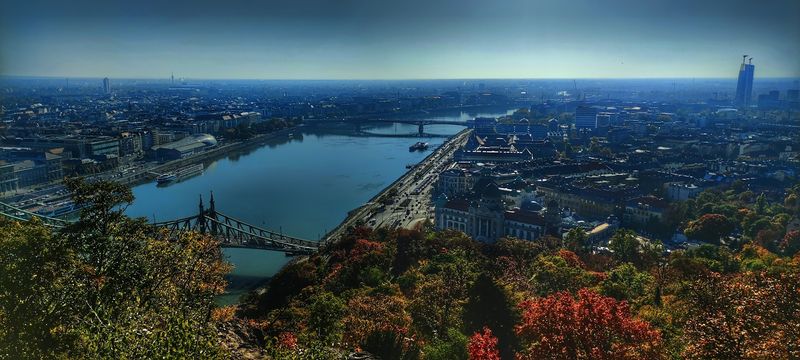
Soaking in a 100-year-old thermal bath while baroque arches rise around you is the kind of experience most people assume costs a fortune — in Budapest, it costs less than a movie ticket back home. The famous Szechenyi Baths alone are worth the flight, offering steaming pools, mosaic tiles, and an atmosphere that feels genuinely imperial.
Beyond the baths, Budapest delivers non-stop grandeur. The Hungarian Parliament building glows golden at sunset, the Chain Bridge frames the Danube beautifully, and Buda Castle looms dramatically over the city skyline.
You can explore all of it without wincing at your credit card bill.
Accommodation here is genuinely affordable. Boutique hotels in historic buildings charge a fraction of what similar properties cost in Vienna or Paris.
Street food like lángos is both delicious and ridiculously cheap. Fine dining restaurants serve multi-course meals at prices that feel almost too good to be real.
Budapest is the rare city where budget travelers and luxury seekers somehow end up having the exact same incredible experience.
Prague, Czech Republic
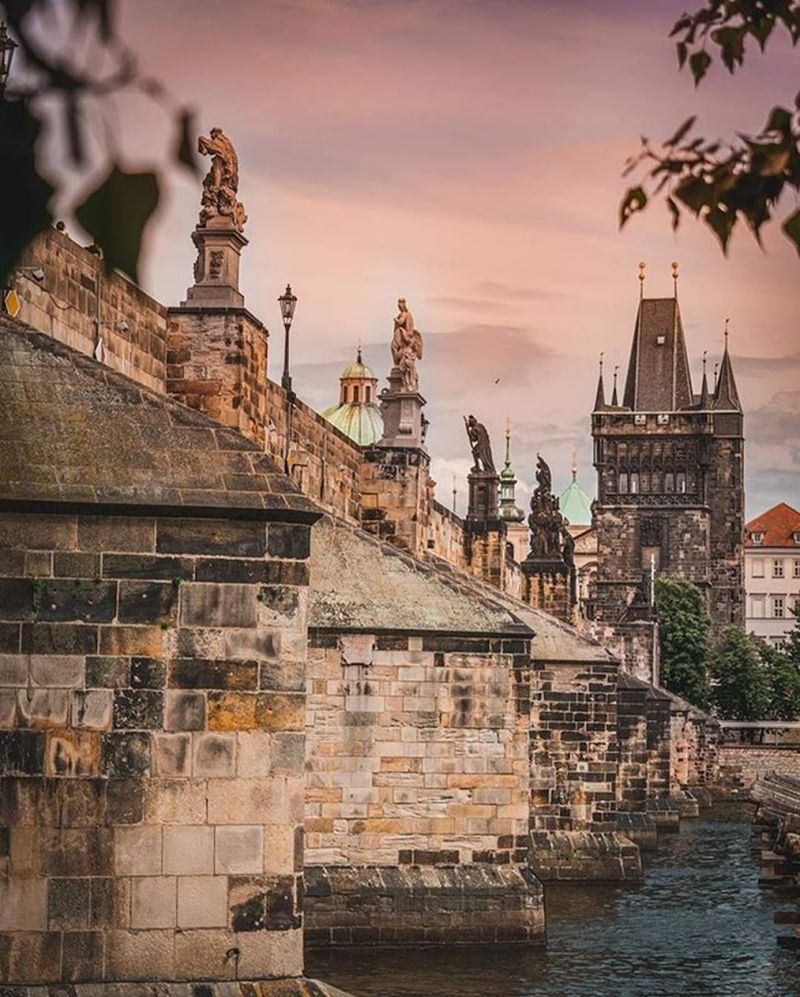
Somewhere between the cobblestones of Charles Bridge and the spires of Prague Castle, most visitors quietly decide they never want to leave. Prague has that effect on people.
It looks like a fantasy city conjured from a storybook, yet somehow remains grounded in everyday affordability.
The Czech koruna works strongly in travelers’ favor. A sit-down lunch at a traditional Czech restaurant can cost under five euros, and a glass of locally brewed beer is famously cheaper than bottled water in some spots.
That’s not a myth — it’s just Prague being wonderfully, stubbornly practical.
Luxury hotels in the Old Town occupy stunning Renaissance and Baroque buildings, offering four-star comfort at three-star prices compared to Western European cities. Spa experiences, river cruises along the Vltava, and private guided castle tours all remain surprisingly accessible.
The city’s walkability is another bonus — most major landmarks sit within easy strolling distance of each other. Prague rewards curious travelers who simply wander, stumble upon a hidden courtyard, and suddenly feel like they’ve discovered a secret the rest of the world hasn’t found yet.
Kraków, Poland
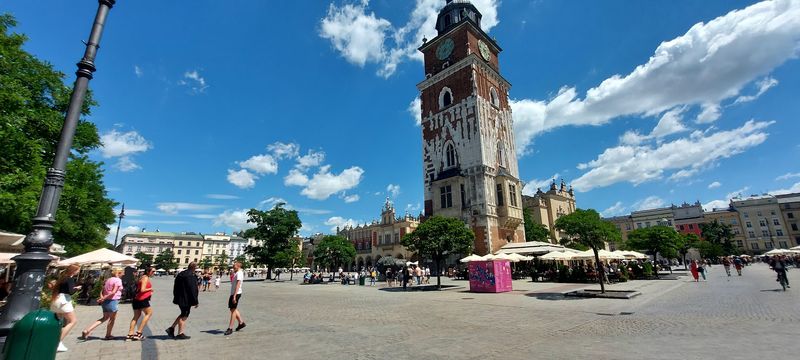
Few cities in Europe carry their history as gracefully as Kraków. Once home to Polish kings, this city wears its royal past on every cobblestone, cathedral facade, and castle wall — and it does so with zero pretension and very reasonable prices.
Wawel Castle sits high above the Vistula River like a proud sentinel, offering views and interiors that rival far more expensive European royal sites. The medieval Old Town below buzzes with life around Rynek Glowny, one of the largest medieval market squares in Europe.
Street musicians, outdoor cafes, and horse-drawn carriages make it feel like a living period film.
Polish cuisine is hearty, flavorful, and wonderfully cheap. A bowl of zurek soup or a plate of pierogi costs almost nothing yet delivers enormous satisfaction.
Boutique hotels in the Old Town offer charming rooms with exposed brick and antique furniture for prices that would be considered budget-range in London or Amsterdam. Kraków also serves as a convenient base for day trips to nearby Wieliczka Salt Mine and Auschwitz-Birkenau, adding serious depth to any visit.
For culture, history, and value combined, few cities compete.
Porto, Portugal
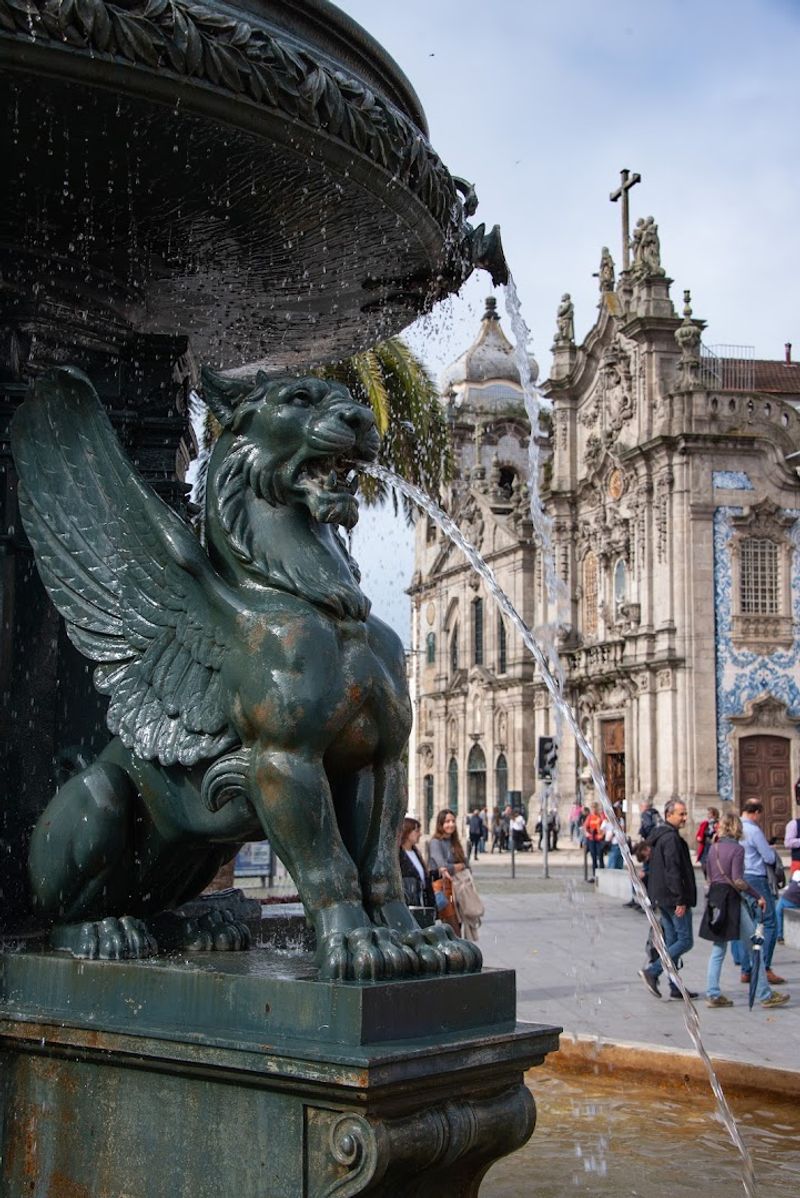
Porto smells faintly of port wine and river mist, and that combination alone is enough to make you fall completely in love with it. Portugal’s second city is one of those places that genuinely surprises visitors with how much beauty it packs into a relatively compact, walkable space.
The Ribeira district’s tiled facades and narrow streets tumbling down to the Douro River create a visual richness that rivals any famous European city. Across the river in Vila Nova de Gaia, wine lodge tours and tastings offer a delicious and affordable way to experience centuries of winemaking tradition.
Most tours include tastings and cost only a few euros.
Compared with Lisbon — already considered affordable by European standards — Porto generally offers lower accommodation prices and a calmer atmosphere. Boutique guesthouses in converted 19th-century townhouses provide stylish stays without the premium price tag.
Seafood restaurants along the waterfront serve fresh grilled fish and local specialties that taste far more expensive than they actually are. Porto also has a thriving coffee culture, and a proper espresso called a bica costs almost nothing.
The city is proof that affordable and atmospheric are not mutually exclusive.
Sofia, Bulgaria
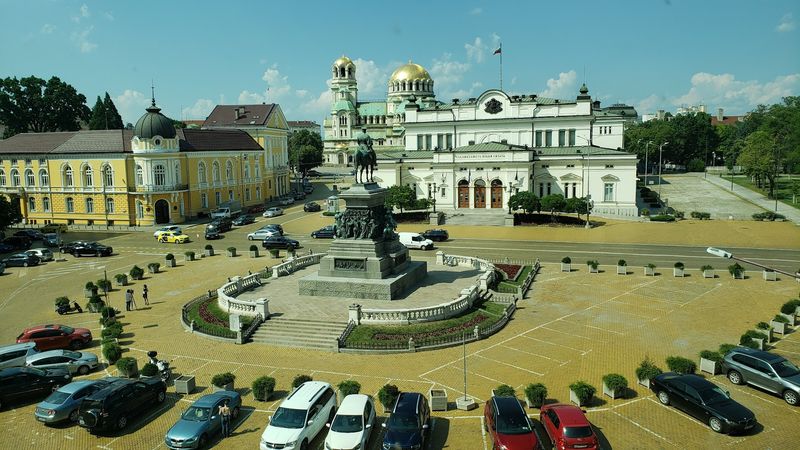
Bulgaria’s capital city is sitting on thousands of years of history, and most visitors have absolutely no idea. That’s actually great news for the travelers who do show up, because Sofia rewards curiosity with ancient ruins, golden-domed cathedrals, and some of the lowest prices of any European capital city.
The Alexander Nevsky Cathedral is genuinely jaw-dropping — its gilded domes and massive scale make it one of the most impressive Orthodox churches anywhere in the world. Just steps away, the ancient Rotunda of St. George quietly sits amid Roman ruins that date back nearly two millennia.
Sofia layers its history casually and generously.
Budget-conscious travelers consistently rank Sofia as one of the cheapest cities in Europe for food, drink, and accommodation. A full restaurant meal with wine can cost under ten euros per person.
Boutique hotels in the city center offer stylish, modern rooms at prices that feel almost laughably low by Western standards. The city also has a surprisingly vibrant arts and nightlife scene, with galleries, live music venues, and rooftop bars that punch well above their price point.
Sofia is the kind of destination that makes you feel clever for choosing it.
Bucharest, Romania
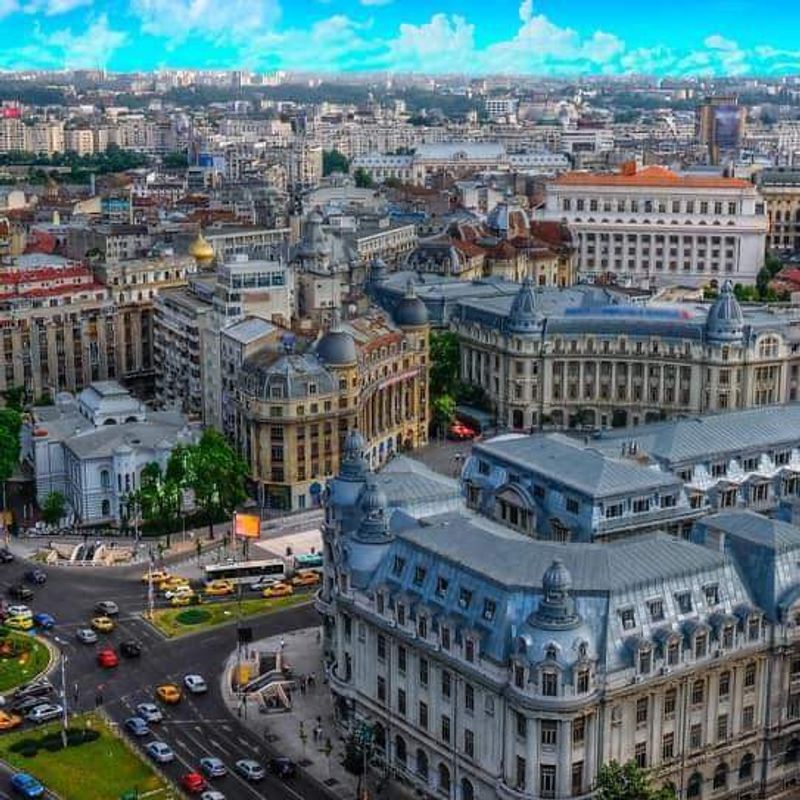
The Palace of the Parliament in Bucharest is so enormous it has its own weather system — or at least that’s how it feels when you’re standing in front of it. The second-largest administrative building in the world, it took 13 years to build and still stuns every visitor who approaches it for the first time.
Bucharest earned its nickname, the Paris of the East, through wide Haussmann-inspired boulevards, elegant early 20th-century architecture, and a genuine passion for culture and cuisine. The city’s Old Town, known as Lipscani, is packed with converted historic buildings now housing rooftop bars, jazz clubs, and excellent restaurants.
It’s lively, stylish, and genuinely fun.
Prices in Bucharest remain dramatically lower than in Western European capitals. A three-course dinner at a solid restaurant costs a fraction of what you’d pay in Berlin or Rome.
Boutique hotels in restored Art Deco buildings offer rooms with real character and charm at rates that feel almost too good to be true. The city also has excellent museums, vibrant street art, and a growing specialty coffee scene.
Bucharest confidently delivers a sophisticated urban experience without the sophisticated urban price tag.
Riga, Latvia
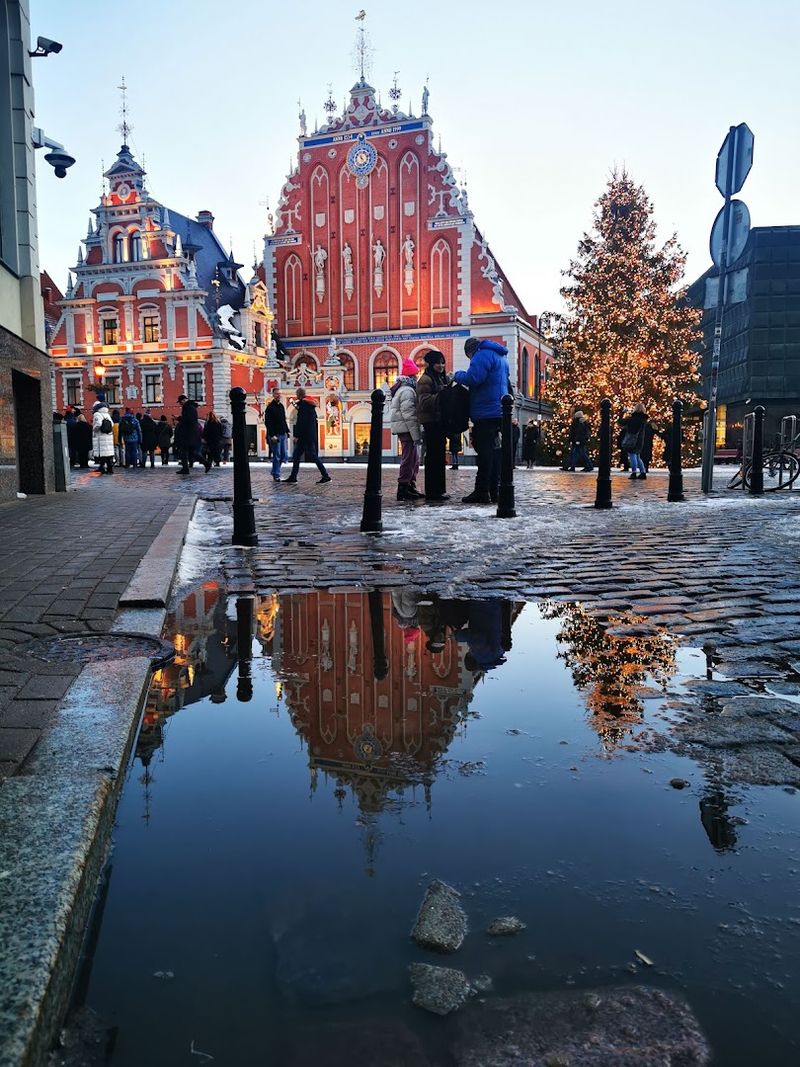
Riga holds a world record most cities would envy — it has one of the highest concentrations of Art Nouveau architecture anywhere on the planet. Walking along Alberta Street feels like flipping through the pages of an art history textbook, except it’s real, free to explore, and utterly spectacular.
The Old Town, a UNESCO World Heritage Site, adds Gothic churches, medieval warehouses, and a charming central market to the mix. Riga was once one of the most important trading cities in Northern Europe, and that prosperous past left behind a built environment of remarkable quality.
The city wears its heritage proudly and maintains it beautifully.
Day-to-day costs in Riga remain well below the Western European average. Restaurants in the Old Town serve hearty Latvian food — think smoked fish, dark rye bread, and rich soups — at prices that feel refreshingly honest.
Accommodation options range from sleek modern apartments to cozy guesthouses tucked inside historic buildings, all at reasonable rates. The city’s compact size makes it easy to cover on foot, saving even more money.
For travelers who want elegance, history, and affordability wrapped into one destination, Riga absolutely delivers.
Valencia, Spain
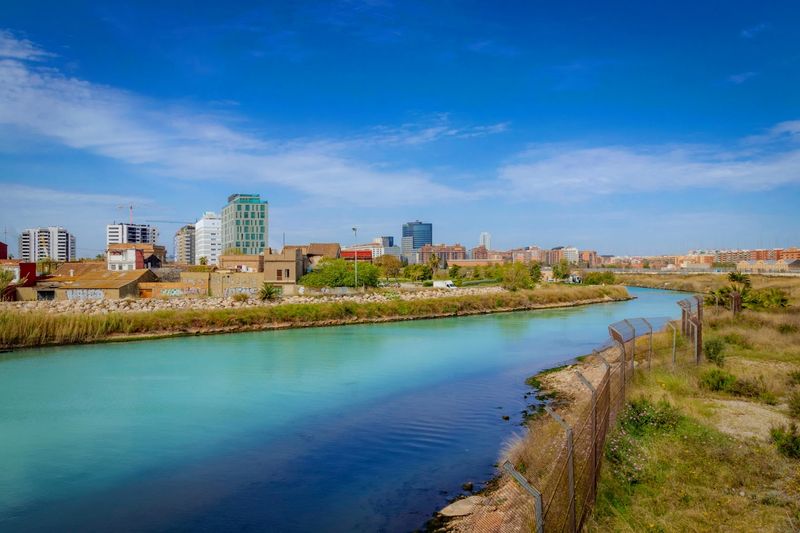
Valencia invented paella. That fact alone earns it a permanent spot on any serious traveler’s list, but the city has far more going for it than its most famous dish.
Sun-drenched, architecturally varied, and sitting right on the Mediterranean coast, Valencia is Spain’s most underrated major city.
The historic center is gorgeous, with a Gothic cathedral, grand plazas, and a covered market — the Mercado Central — that is one of the most beautiful food markets in Europe. Just a short distance away, the futuristic City of Arts and Sciences complex offers a dramatic contrast, featuring a science museum, opera house, and aquarium within a stunning modern architectural complex.
Compared with Madrid or Barcelona, Valencia’s prices are noticeably more reasonable across the board. Hotels near the beach or city center offer excellent value, and the local restaurant scene delivers outstanding quality without premium pricing.
Eating authentic paella Valenciana at a family-run restaurant near the rice fields outside the city is both affordable and unforgettable. The city also has miles of sandy Mediterranean beach right within the urban area — free, beautiful, and reliably sunny for most of the year.
Valencia makes luxury feel wonderfully normal.
Athens, Greece
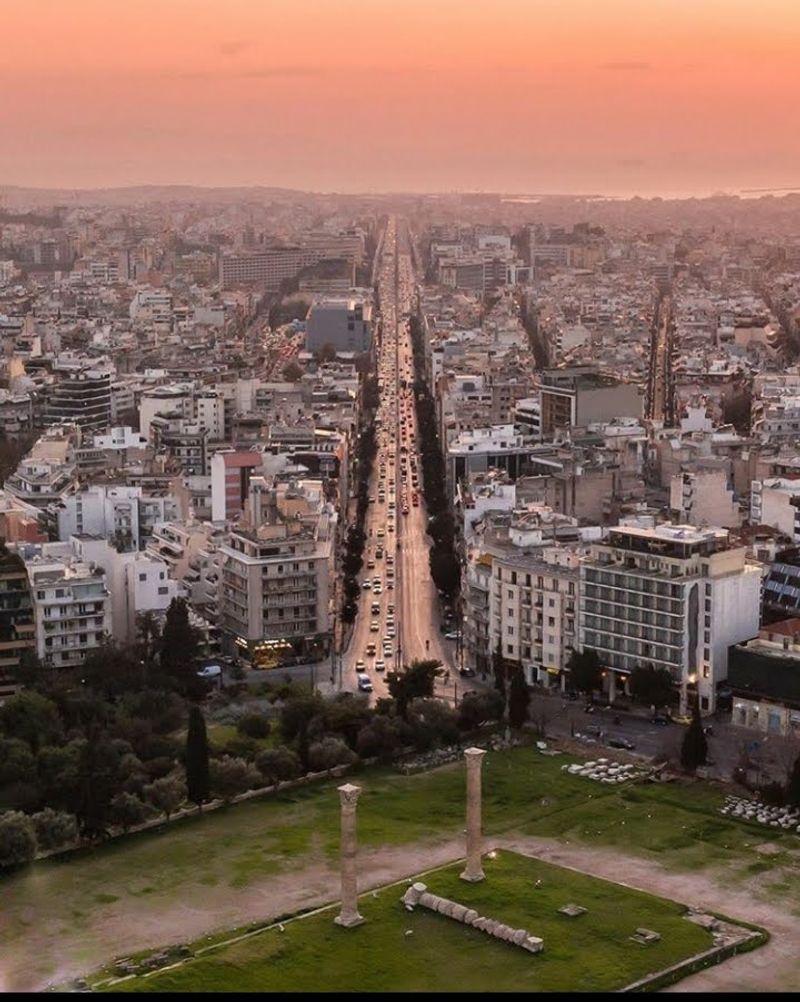
Standing beneath the Parthenon as the sun sets over Athens and the ancient stones glow amber is one of those travel moments that rewires your brain permanently. Athens delivers that kind of experience, and it does so at prices that won’t leave you eating plain bread for the rest of your trip.
The city’s historic neighborhoods, particularly Plaka and Monastiraki, are filled with narrow streets, Byzantine churches, and small tavernas serving grilled octopus, fresh tzatziki, and cold glasses of ouzo. Eating well here is not expensive — it’s genuinely one of the great affordable food cultures in Europe.
Greek hospitality also tends to come with complimentary desserts and warm conversation.
Athens has invested significantly in its tourism infrastructure over the past decade. Boutique hotels with rooftop pools overlooking the Acropolis have emerged throughout the city, and many offer competitive rates compared with equivalent properties in Western European capitals.
Museums, including the world-class Acropolis Museum, charge modest entrance fees. The city’s metro system is modern, clean, and cheap.
Athens also serves as an excellent gateway to the Greek islands, adding even more value to a visit. It’s ancient, alive, and surprisingly easy on the wallet.
Kaunas, Lithuania
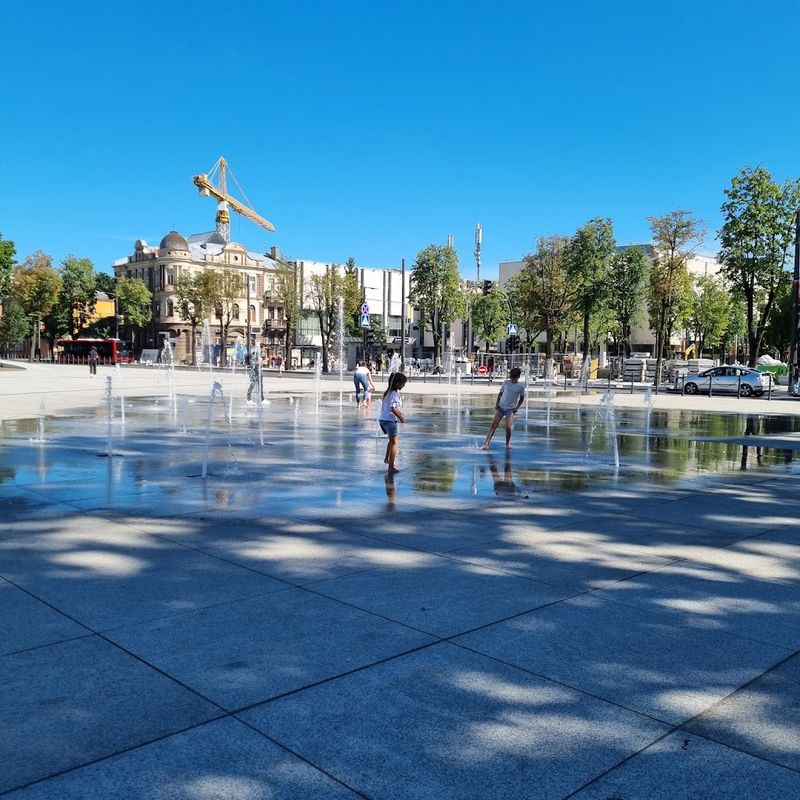
Kaunas is the kind of city that travel writers discover and then spend years quietly recommending to their most adventurous friends. It’s not on every tourist map yet, which means you can experience its genuine charm without navigating through selfie sticks and tour groups at every corner.
During the interwar period, Kaunas served as Lithuania’s temporary capital, and that era left behind an extraordinary collection of modernist and Art Deco buildings that architects genuinely travel to study. Laisves Aleja, the main pedestrian boulevard, stretches for nearly two kilometers and is lined with cafes, boutiques, and cultural institutions.
The atmosphere is relaxed, creative, and quietly proud.
Old Town Kaunas offers medieval character with a ruined castle, a charming town hall square, and riverside walks along the Nemunas and Neris rivers. Prices throughout the city are remarkably low — a quality restaurant meal with drinks costs a fraction of what you’d pay in Copenhagen or Amsterdam.
Coffee shops and craft beer bars have multiplied in recent years, reflecting a young, dynamic local culture. Accommodation is both affordable and stylish, with several well-reviewed boutique hotels offering excellent comfort.
Kaunas rewards the curious traveler generously and honestly.
Vilnius, Lithuania
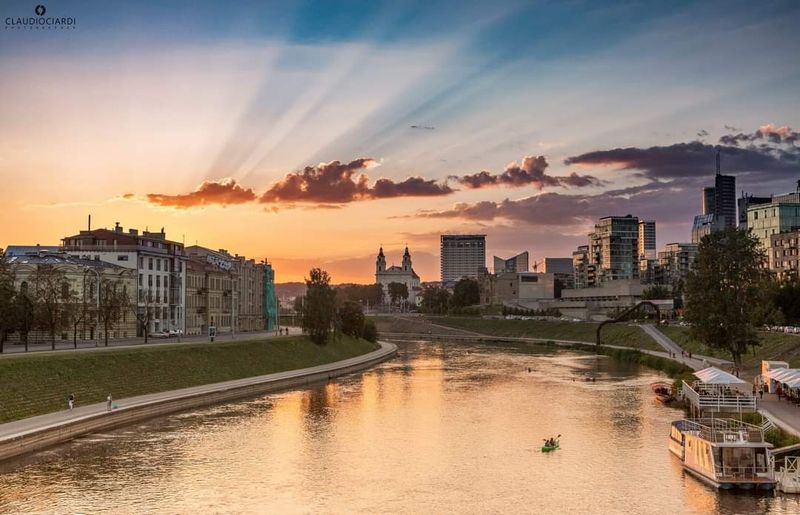
Vilnius has more Baroque churches per square kilometer than almost any other city in Europe — a fun fact that sounds like trivia until you’re actually standing in the middle of the old town watching spire after golden spire appear around every corner. It’s the kind of place that makes architecture enthusiasts genuinely emotional.
The UNESCO-listed Old Town is one of the largest and best-preserved in Northern Europe, filled with winding cobblestone lanes, hidden courtyards, and beautifully restored buildings from multiple centuries. Gediminas Tower offers a panoramic hilltop view over the city that’s worth every step of the climb.
The neighborhood of Uzupis — a quirky self-declared republic with its own constitution — adds a wonderfully eccentric layer to the city’s personality.
Lithuania’s capital remains significantly more affordable than cities of comparable beauty and cultural weight in Western Europe. Restaurants serving traditional Lithuanian food like cepelinai — potato dumplings stuffed with meat — cost very little and taste extraordinary.
Boutique hotels and design-forward guesthouses offer stylish rooms at prices that feel almost old-fashioned in the best possible way. Vilnius has been quietly growing its reputation, and those who visit now are getting it at its most authentic and accessible.
Go before everyone else figures it out.
Wrocław, Poland
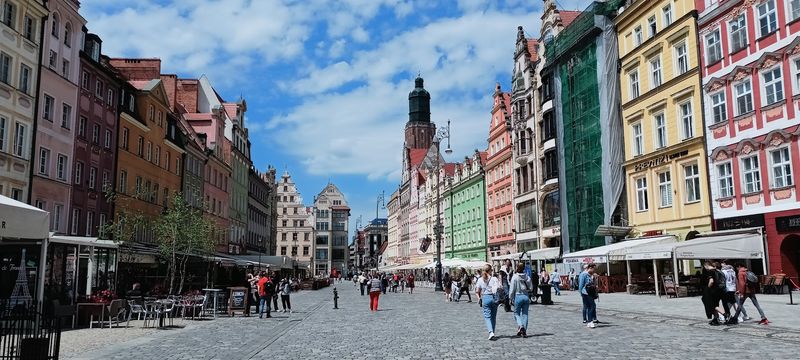
Wrocław has a secret weapon: its market square is so beautiful that first-time visitors often stop walking and just stare at it for several minutes straight. Rynek Glowny Wroclawski is surrounded by brightly painted Gothic and Baroque buildings, with a stunning medieval town hall at its center that looks like it was designed to make jaws drop.
The city sits on a network of rivers and canals crossed by over a hundred bridges, giving it a distinctly romantic, slightly Venice-adjacent atmosphere. Ostrów Tumski, the cathedral island, is particularly magical at dusk when gas lanterns are lit by hand each evening — a tradition that has continued for generations.
It’s one of those small details that makes Wrocław feel genuinely special.
A large student population keeps the city’s energy young and its prices competitive. Craft beer bars, creative restaurants, and lively music venues operate at costs that make Western European travelers do double-takes at their bills.
Hotels and apartments near the market square are comfortable, characterful, and affordable. Wrocław also has a fascinating and complex history — having been part of Poland, Germany, and various empires over the centuries — giving it a layered cultural identity unlike anywhere else.
It’s endlessly interesting and remarkably easy to love.
Dubrovnik, Croatia
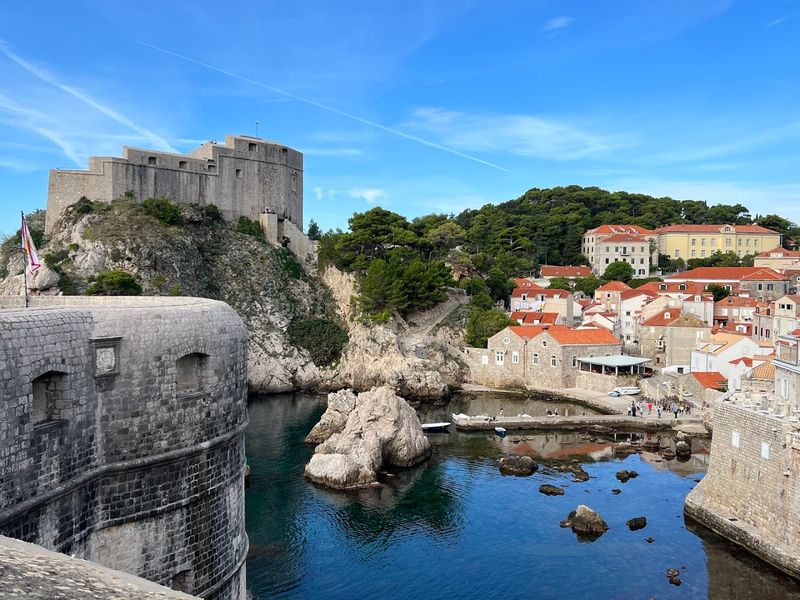
Game of Thrones fans will recognize Dubrovnik immediately — the city’s ancient walls, gleaming limestone streets, and dramatic Adriatic setting made it the perfect stand-in for King’s Landing. But even without the TV association, Dubrovnik is one of the most visually stunning cities in all of Europe, full stop.
Walking the full circuit of the medieval city walls is the single best activity Dubrovnik offers. The views of terracotta rooftops meeting turquoise water are the kind that appear on screensavers for a reason — they look almost too perfect to be real.
Inside the walls, marble streets lead past historic churches, restaurants, and centuries-old buildings that have been immaculately maintained.
Dubrovnik does attract significant tourist crowds during summer, which pushes prices up in peak season. The smart move is visiting in shoulder season — April, May, September, or October — when the weather is still warm and beautiful, the crowds are thinner, and accommodation prices drop noticeably.
Restaurants outside the immediate old town also offer better value while still serving excellent fresh seafood and local Dalmatian specialties. Cable car rides to Mount Srd provide sweeping views over the entire city and coastline for a modest fee.
Dubrovnik at the right time of year is both magical and manageable.
Braga, Portugal
Portugal has a habit of hiding its best places in plain sight, and Braga is perhaps the finest example of this national talent. One of the oldest cities in the Iberian Peninsula, Braga has been a religious and cultural center for over two thousand years, yet it remains far less visited — and far less expensive — than Lisbon or Porto.
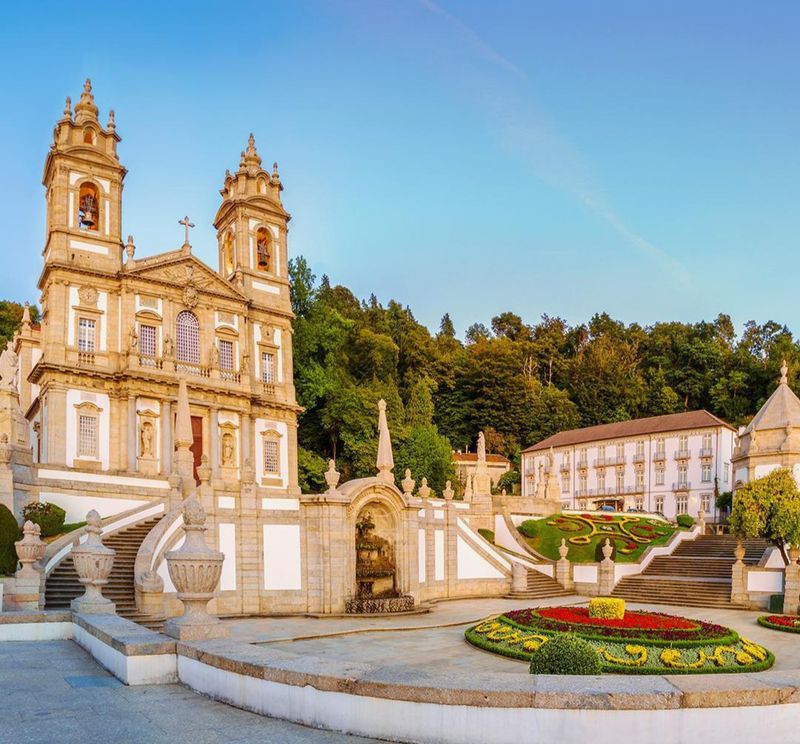
The Bom Jesus do Monte sanctuary is Braga’s most iconic sight: a magnificent Baroque staircase zigzagging up a forested hillside to a hilltop church, with ornate fountains and statues at each landing. You can climb the steps or take a funicular railway that has been running since 1882.
Either way, the view from the top is spectacular and the experience costs almost nothing.
The city center rewards leisurely exploration, with a grand cathedral — the oldest in Portugal — elegant palaces, and a lively university atmosphere that keeps the café culture thriving. Food prices are genuinely low, with excellent bacalhau dishes, fresh pastries, and strong coffee available everywhere at honest prices.
Accommodation options range from charming guesthouses to boutique hotels in historic buildings, all at rates that feel refreshingly fair. Braga is the kind of place that makes you wonder why everyone isn’t talking about it already.
Sibiu, Romania
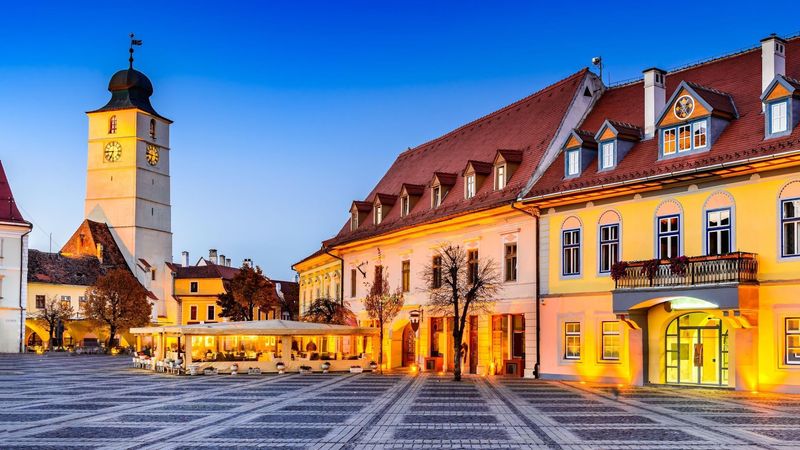
Sibiu has rooftops with eyes. That’s not a metaphor — the city’s distinctive dormer windows, shaped like half-open eyelids, peer out from pastel-colored medieval houses across the old town, giving the entire historic center a watchful, slightly mysterious personality unlike anywhere else in Europe.
Set in the heart of Transylvania against a backdrop of the Carpathian Mountains, Sibiu was once a prosperous Saxon trading city, and that wealthy past left behind a remarkably well-preserved medieval urban landscape. The Grand Square and Small Square connect via atmospheric staircases and passages, creating a historic center that is genuinely a pleasure to wander through at any time of day or season.
Romania’s low cost of living means Sibiu delivers an exceptional quality-to-price ratio for travelers. Restaurant meals featuring hearty Transylvanian specialties — slow-cooked meats, fresh cheeses, and local wines — are affordable and generous in portion.
Boutique hotels housed in centuries-old buildings offer rooms with exposed stone walls and wooden beams at prices that feel almost quaint by Western European standards. The city also hosts one of Europe’s most respected theater festivals each summer.
Sibiu proves convincingly that extraordinary historic atmosphere and genuine affordability can absolutely coexist in the same beautiful place.



