 Unearth The Voyage
Europe is full of famous landmarks, but some of its most magical places are hiding just off the tourist trail. Beyond the crowded piazzas and selfie-packed viewpoints, there are towns, valleys, and islands that most travelers never even hear about.
These underrated spots pack just as much beauty, history, and adventure as the big names — sometimes even more. Get ready to discover 15 European hidden gems that absolutely belong on your bucket list.
Lake Bohinj, Slovenia
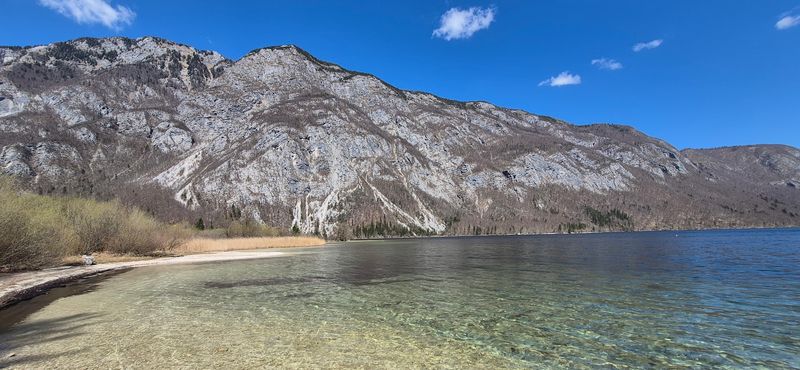
Forget everything you thought you knew about Slovenia’s lakes — Lake Bohinj is the one that will genuinely take your breath away. While Lake Bled hogs the spotlight just a few kilometers away, Bohinj sits quietly within Triglav National Park, unbothered and absolutely stunning.
The water is so clear it looks like someone filled a mountain valley with liquid glass.
Kayaking across the lake on a calm morning feels almost meditative. Hikers will love the trails leading up into the Julian Alps, where waterfalls tumble down rocky slopes and wildflowers line the paths.
There are no floating island castles here — just raw, honest alpine nature doing its thing.
Swimming in the lake during summer is an experience you won’t forget quickly. The water stays refreshingly cool even on warm days.
Surrounding villages are small, welcoming, and wonderfully free of souvenir shops selling overpriced magnets. If peaceful mountain escapes are your thing, Lake Bohinj is basically the jackpot.
Visit in early summer or autumn for the most serene experience possible.
Kotor, Montenegro
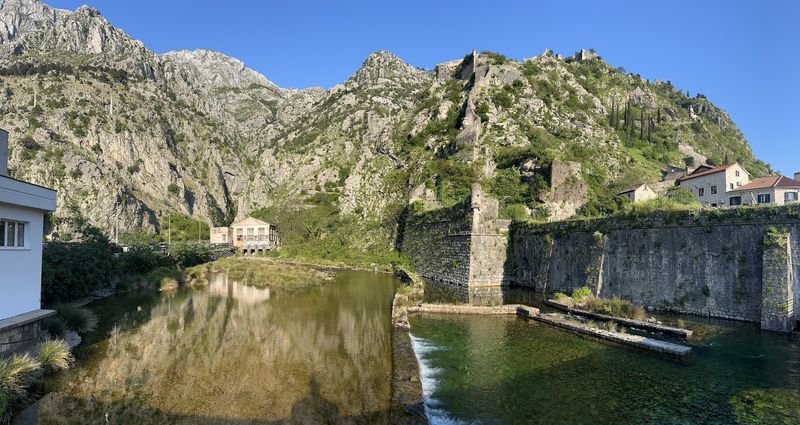
Perched between towering mountains and a shimmering bay, Kotor looks like it was designed by someone who wanted to out-do every other coastal town in Europe. The medieval old town is a UNESCO World Heritage Site, and once you step through its ancient gates, it’s easy to understand why.
Venetian architecture lines every narrow street, and centuries-old churches seem to appear around every corner.
Climbing the city walls is a rite of passage for visitors. The hike up is steep and a little sweaty, but the panoramic view of Kotor Bay from the top is worth every step.
You’ll find yourself reaching for your camera approximately every thirty seconds.
Unlike nearby Dubrovnik, which gets absolutely swamped with tourists, Kotor still manages to feel genuinely alive and unhurried. Local cats roam the streets freely — they even have their own museum in town.
Seafood restaurants along the waterfront serve up fresh catches at prices that won’t make your wallet cry. Come in spring or early autumn to enjoy the best weather without the summer rush.
Colmar, France
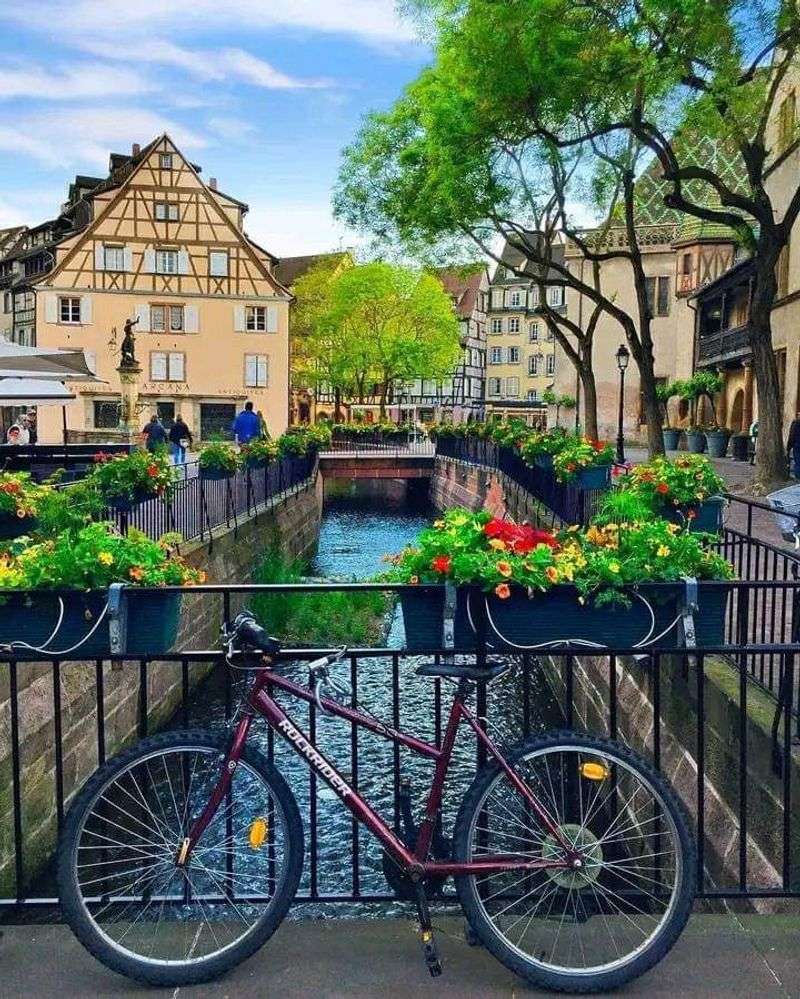
Walking through Colmar feels like someone accidentally left a fairytale running and forgot to turn it off. The Alsace region town is packed with brightly colored half-timbered houses that lean cheerfully over flower-lined canals, making it look almost too pretty to be real.
Honestly, even the most jaded traveler will catch themselves smiling here.
The historic center is compact and completely walkable, which means you can spend a full day just wandering without any real plan and still stumble onto something gorgeous. Boutique shops, cozy cafés, and small art museums fill the streets, giving the town plenty of substance beyond its storybook looks.
Colmar is also the birthplace of Frédéric Auguste Bartholdi, the sculptor who designed the Statue of Liberty — a fun fact to drop at dinner. The town really shines during its Christmas market season, when fairy lights and mulled wine turn it into something almost magical.
It offers a slower, more intimate alternative to Paris or Strasbourg, with none of the overwhelming crowds. Pack comfortable shoes and an empty memory card, because you will be taking a lot of photos here.
Hallstatt, Austria (Beyond Peak Areas)
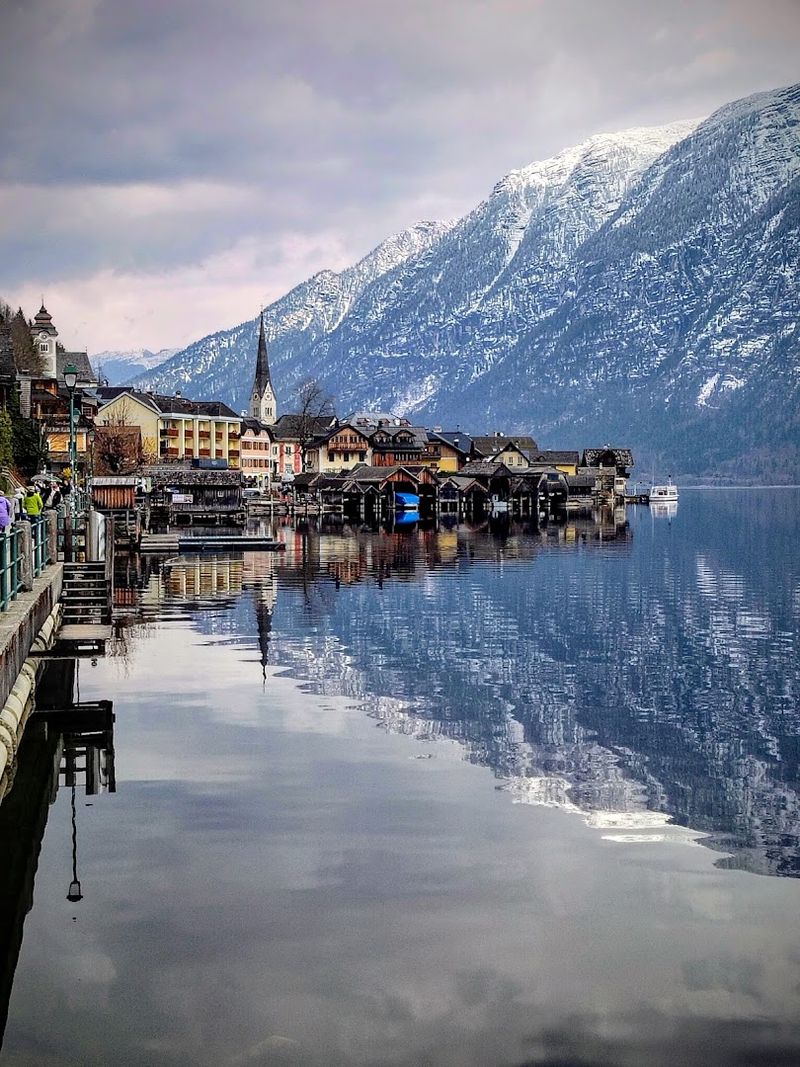
Yes, Hallstatt has been photographed approximately ten million times — but hear this out, because the version most people never see is completely worth chasing. Visit in the shoulder season, like early spring or late autumn, and the Instagram crowds thin out dramatically.
What’s left is a genuinely jaw-dropping alpine village that feels like time forgot it existed.
The lake mirrors the surrounding mountains so perfectly that photographs look almost fake. Hallstatt’s salt mines are among the oldest in the world, and touring them adds a fascinating historical layer to what could otherwise just be a pretty backdrop.
History and scenery in one place? That’s a solid travel win.
Wandering the quieter lanes away from the main waterfront reveals charming corners that most visitors rush past. Local bakeries, tiny churches, and mountain viewpoints reward anyone willing to slow down and explore properly.
In winter, when the lake freezes and snow blankets the rooftops, the village becomes almost surreally beautiful. Timing really is everything here.
Go when the tour buses haven’t arrived yet, grab a coffee, and just soak it all in without feeling rushed.
Giethoorn, Netherlands
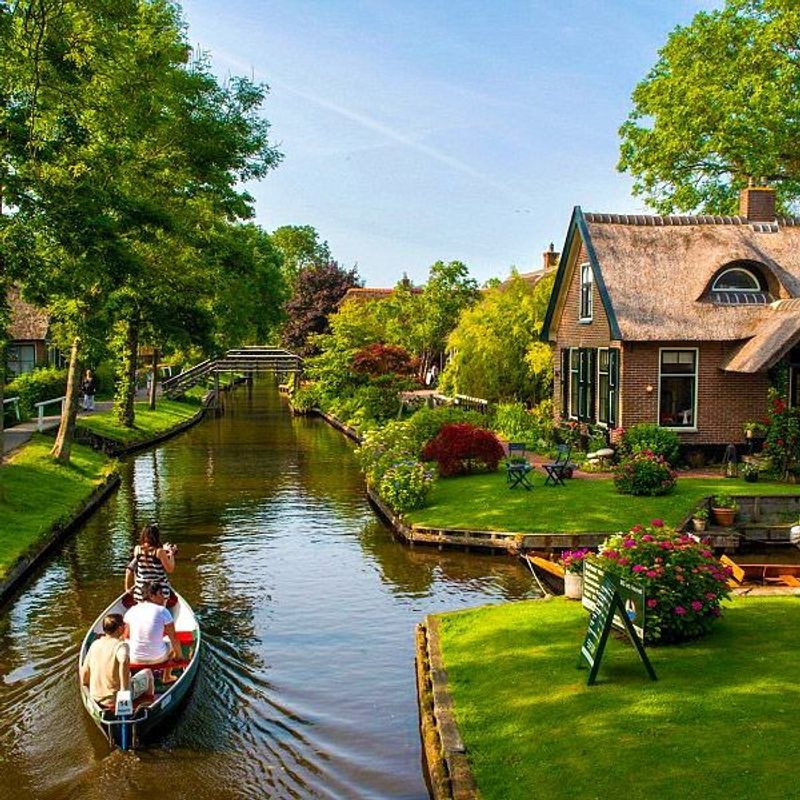
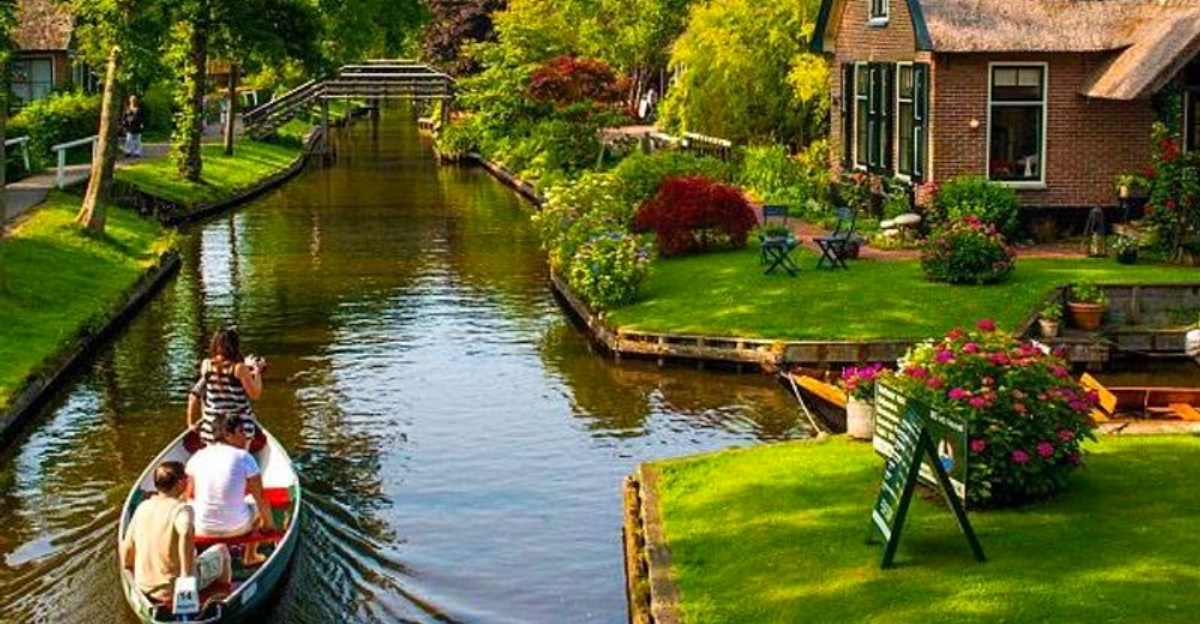
There are no roads in Giethoorn — and somehow, that makes it one of the most charming places in all of Europe. This Dutch village runs entirely on canals, meaning the only way to get around is by boat, bicycle, or on foot.
The result is an almost impossibly peaceful atmosphere where the loudest sound is usually birdsong or the gentle splash of an oar.
Renting a small electric boat and drifting past thatched-roof farmhouses is genuinely one of those travel experiences that sticks with you. The cottages look like they belong in a children’s picture book, complete with flower gardens spilling over onto wooden bridges.
Every bend in the canal reveals something new and equally adorable.
Giethoorn sits in the Overijssel province and is sometimes called the “Venice of the North,” though it has a totally different, quieter vibe than its Italian namesake. Day-trippers come from Amsterdam, so visiting on a weekday or in the early morning keeps things calmer.
There are cozy cafés where you can warm up with Dutch apple pie after your boat ride. It’s simple, unhurried, and quietly unforgettable in the best possible way.
Theth National Park, Albania
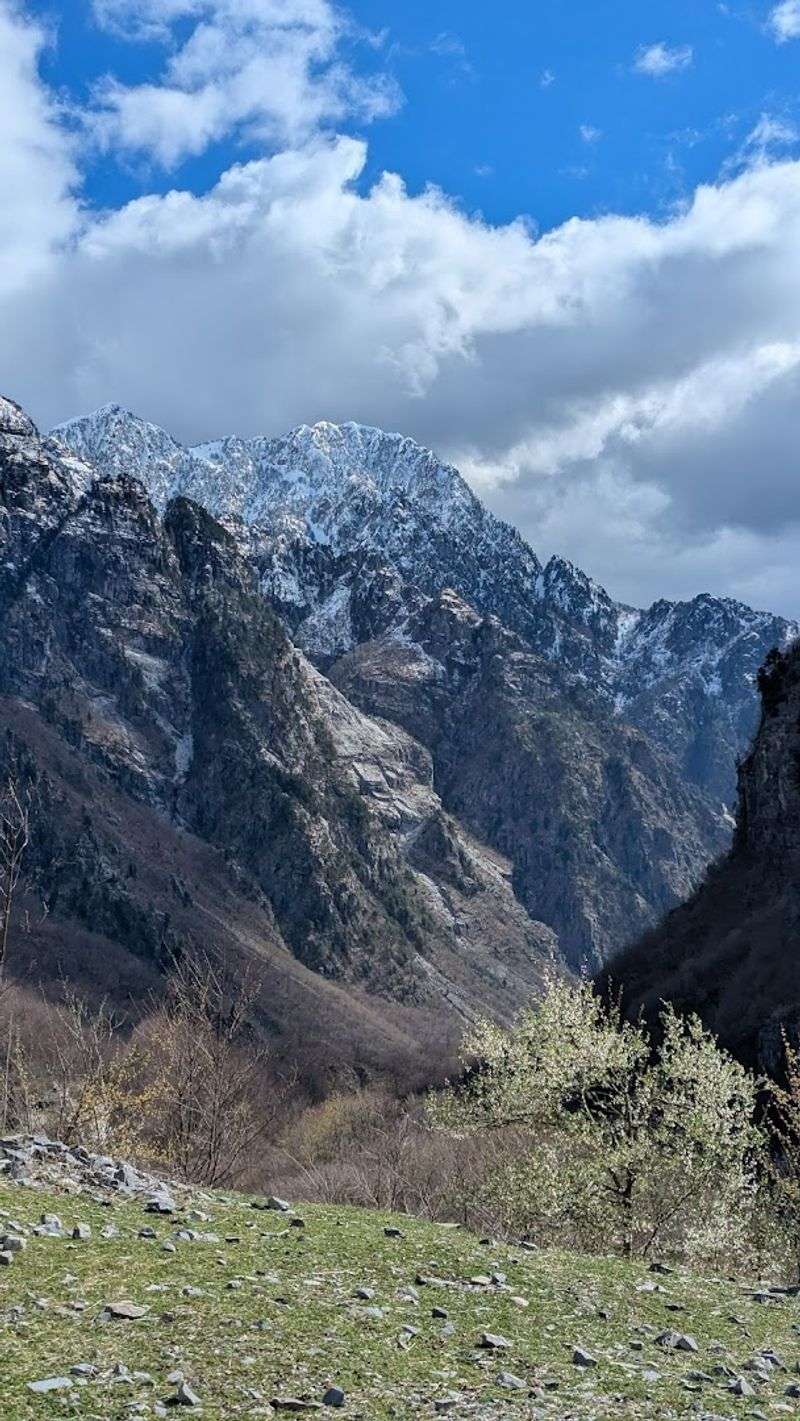
Albania’s best-kept secret sits tucked inside the Albanian Alps, and it goes by the name Theth. This national park is the kind of place that makes serious hikers go wide-eyed — think dramatic peaks, thundering waterfalls, and trails that wind through valleys where stone houses have stood for centuries.
It’s raw, remote, and genuinely spectacular.
The most famous hike here is the trail to Valbona Valley, a full-day trek that rewards every blister with sweeping mountain views. Along the way, you’ll pass the Blue Eye spring and the historic Grunas waterfall, two natural highlights that belong on anyone’s highlight reel.
Traditional guesthouses in the valley offer hearty home-cooked meals and a warm welcome that feels miles away from any tourist script.
Getting to Theth requires some effort — winding mountain roads and a bit of planning — but that’s honestly part of the appeal. The park hasn’t been overrun with visitors yet, which means the experience still feels genuinely adventurous.
Wildflowers carpet the meadows in spring, and autumn turns the hillsides into a patchwork of gold and rust. Albania is one of Europe’s most underrated travel destinations, and Theth is its crown jewel.
Český Krumlov, Czech Republic
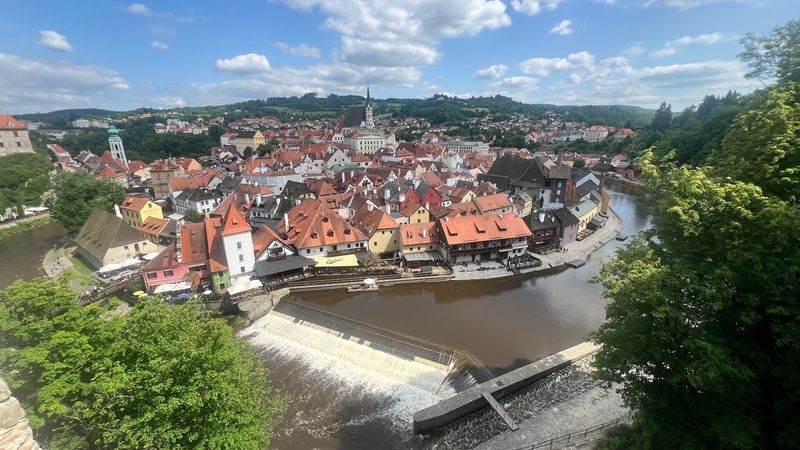
Český Krumlov is what happens when a medieval town refuses to modernize and turns out to be completely right about that decision. The castle complex here is the second largest in the Czech Republic, and it looms dramatically over a tight horseshoe bend in the Vltava River.
From the right viewpoint, the whole scene looks like a painting someone left out in the real world by mistake.
The old town below the castle is a maze of cobblestone lanes, baroque fountains, and colorful buildings that beg to be explored slowly. Unlike Prague, which can feel overwhelming with its sheer scale and tourist volume, Český Krumlov is compact enough to cover comfortably in a day or two.
That smaller scale is actually its superpower.
Rafting or canoeing along the Vltava River past the castle walls is one of the most fun ways to see the town from a completely different angle. The surrounding forests are perfect for leisurely walks, and local restaurants serve up hearty Czech classics at very reasonable prices.
The town earned its UNESCO World Heritage status for good reason. It’s one of those places that genuinely exceeds expectations, even when your expectations are already pretty high.
Faroe Islands, Denmark
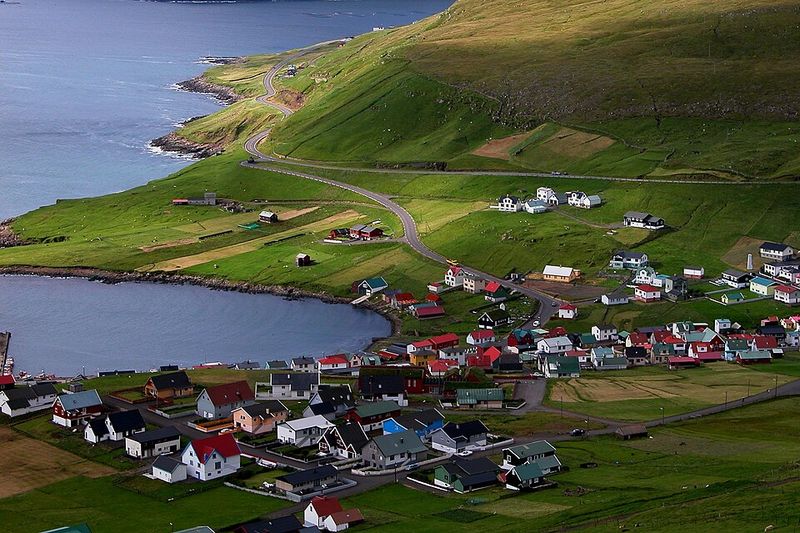
Somewhere between Norway and Iceland, a handful of volcanic islands rise out of the North Atlantic like nature decided to show off. The Faroe Islands belong to Denmark but feel like their own ancient world entirely — windswept, dramatic, and almost aggressively beautiful.
Cliffs plunge straight into the ocean, waterfalls appear out of nowhere, and the light shifts from golden to moody grey within minutes.
Photographers and hikers make the journey specifically for landscapes like Sørvágsvatn Lake, which appears to float above the sea from certain angles, and the sea stacks at Drangarnir, which look like something from a fantasy novel. Puffins nest along the cliffs in summer, making birdwatching here genuinely thrilling rather than just politely interesting.
The islands are sparsely populated, with a total of about 54,000 residents spread across 18 islands. That means solitude is basically guaranteed, even during the busiest travel months.
The local food scene has quietly become world-class, with restaurants in Tórshavn earning serious culinary attention. Fermented lamb, fresh seafood, and creative Nordic cooking are all on the menu.
The Faroes require a bit more planning to reach, but every logistical hurdle feels completely worth it once you arrive.
Lake Resia, Italy
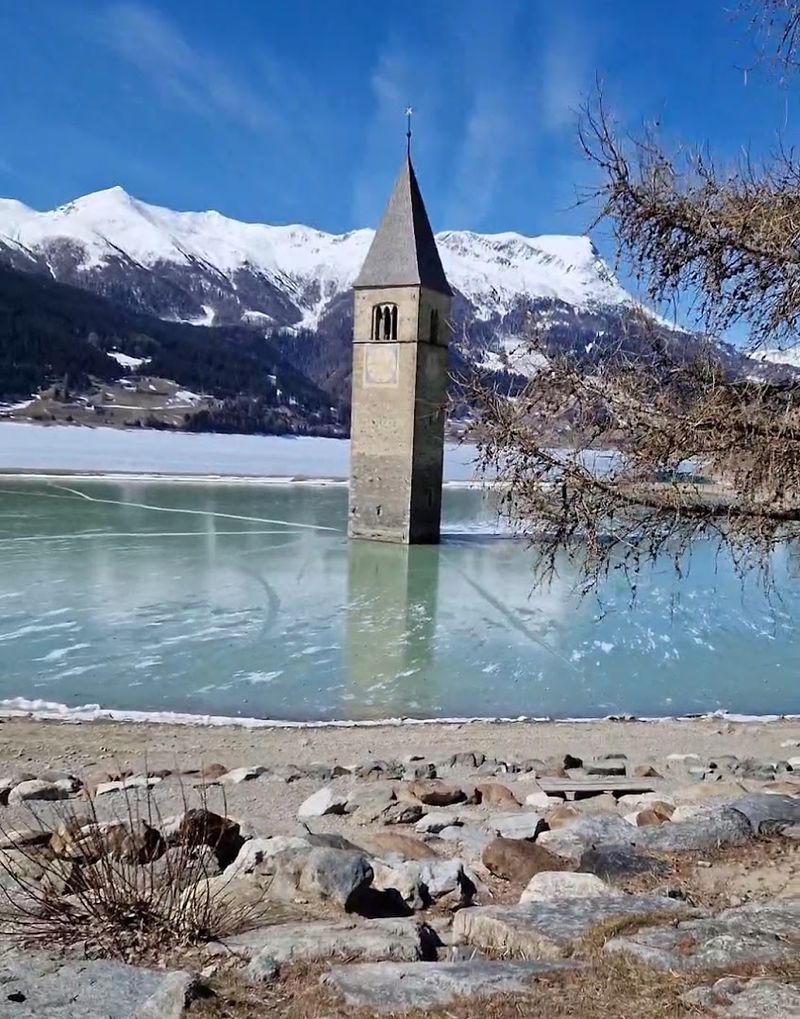
Sticking out of an Italian alpine lake like a ghost from another era, the submerged bell tower of Lake Resia is one of Europe’s most surreal sights. The tower is all that remains of the medieval village of Curon, which was deliberately flooded in 1950 when the lake was artificially expanded for a hydroelectric project.
The village still sits beneath the surface, silently waiting.
In winter, when temperatures drop enough for the lake to freeze solid, visitors can actually walk across the ice right up to the tower’s base. Standing next to it with snow-covered mountains all around and absolute silence in every direction is the kind of moment that’s genuinely hard to put into words.
It feels both beautiful and a little haunting at the same time.
Lake Resia sits near the Austrian and Swiss borders in South Tyrol, a region already packed with alpine charm and excellent food. The surrounding area offers great cycling routes in summer and snowshoeing in winter, making it a destination worth lingering in rather than just passing through.
The tower has even inspired local legends, with stories claiming the submerged church bells can still be heard ringing on quiet winter nights.
Velika Planina, Slovenia
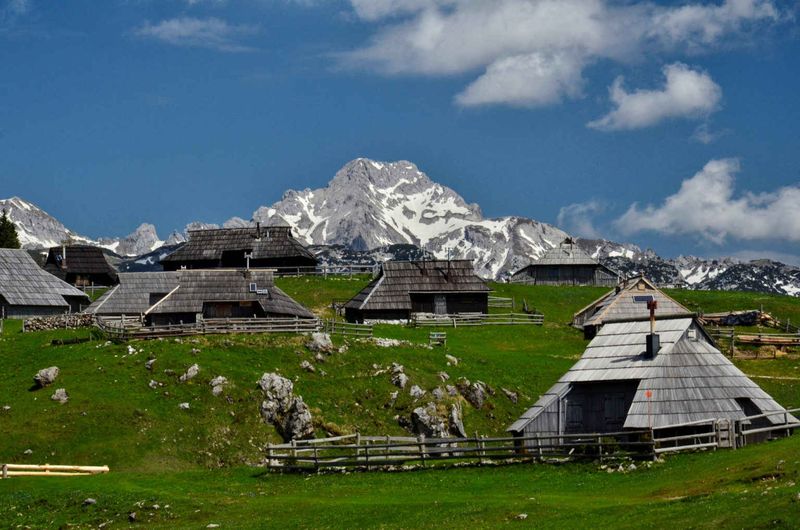
High above the Slovenian valley town of Kamnik, there’s a plateau where time seems to have slowed down to a comfortable crawl. Velika Planina is a high-altitude grassland dotted with traditional wooden shepherd huts that have been used for seasonal grazing for centuries.
The huts are small, rounded, and painted dark — they look almost like something from a Tolkien illustration.
Getting up to the plateau is half the fun. A cable car lifts you above the treeline quickly, and from there, walking trails fan out in every direction across open meadows with uninterrupted mountain views.
In summer, shepherds still bring their cows up to graze, and the sound of cowbells drifting across the plateau adds a wonderfully old-world soundtrack to the whole experience.
The plateau sits at around 1,500 meters above sea level, which means temperatures are noticeably cooler than in the valley below — perfect for escaping summer heat. A small settlement of huts sells local cheese and traditional food, giving visitors a genuine taste of mountain culture rather than a sanitized tourist version of it.
Velika Planina is relatively unknown outside Slovenia, which is exactly why it belongs on this list. Authentic, accessible, and quietly magnificent.
Piran, Slovenia
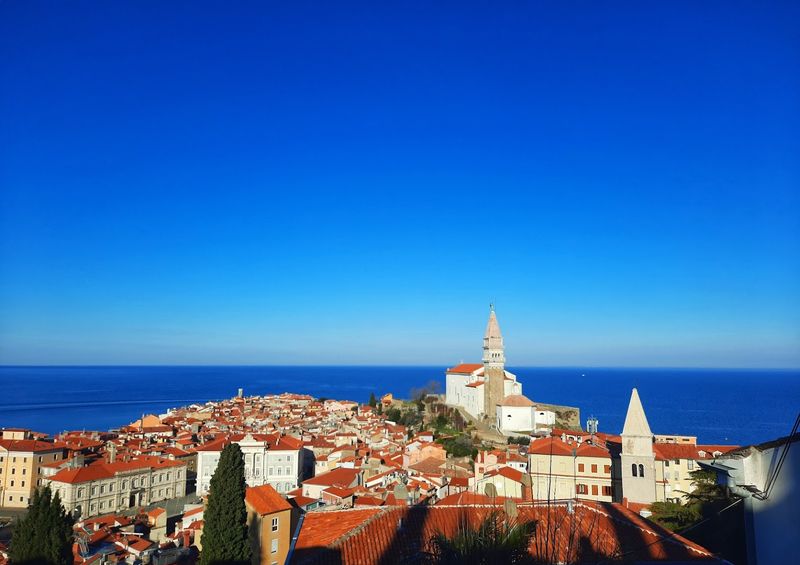
Tucked into a narrow peninsula on the Adriatic coast, Piran is the kind of town that makes you immediately wonder why you haven’t been here sooner. Its Venetian roots show in every archway, every rooftop, and every sun-warmed stone square — yet it carries none of the overwhelming tourist energy of bigger coastal destinations.
It’s charming without trying too hard, which is honestly a rare quality.
Tartini Square at the heart of town is one of the prettiest main squares in the whole Mediterranean region. Named after the baroque composer Giuseppe Tartini, who was born here, the square is lined with colorful buildings and leads straight down to the sea.
Sunset from the old town walls, with the Adriatic glowing below, is the kind of view that makes you want to extend your stay by several days.
The seafood here is outstanding and relatively affordable by European coastal standards. Fresh grilled fish, local wine, and a table overlooking the harbor is a combination that’s hard to beat.
Piran sits close to the Italian and Croatian borders, making it easy to combine with a broader Adriatic itinerary. Slovenia often gets skipped on European road trips, but Piran alone is a strong enough reason to make a detour.
Ronda, Spain
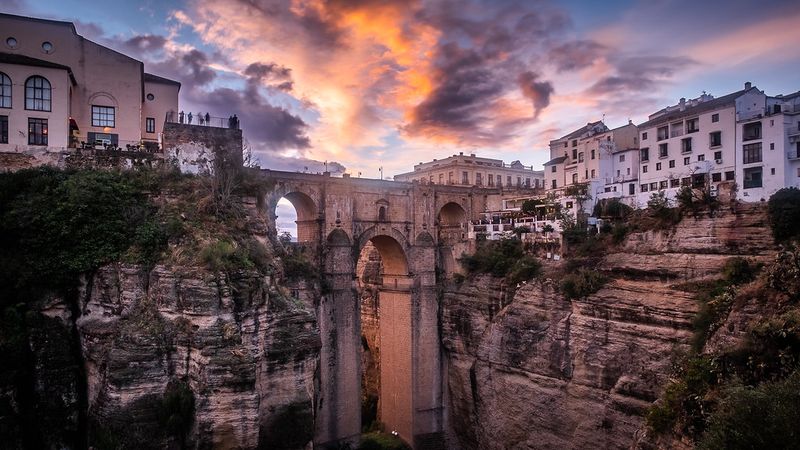
Few towns in Europe have an entrance as dramatic as Ronda. Perched on the edge of a sheer gorge that drops nearly 120 meters straight down, this Andalusian town has been making visitors slightly dizzy with its views since before tourism was even a concept.
The Puente Nuevo bridge, which spans the gorge and connects the old and new parts of town, is one of Spain’s most iconic structures.
Standing on that bridge and looking down into the El Tajo gorge is a full-body experience — equal parts thrilling and humbling. Below, the Guadalevín River winds through the rocky canyon floor while eagles circle lazily overhead.
The whole scene has a cinematic quality that feels almost unfair to the rest of Spain.
Beyond the gorge, Ronda has one of Spain’s oldest bullrings, a fascinating Moorish old quarter, and excellent tapas bars where locals still outnumber tourists. The surrounding countryside is dotted with white hilltop villages and vineyards producing some of Andalusia’s most interesting wines.
Ronda is often visited as a day trip from Málaga or Seville, but staying overnight reveals a quieter, more intimate side of the town that most visitors completely miss.
Kuldīga, Latvia
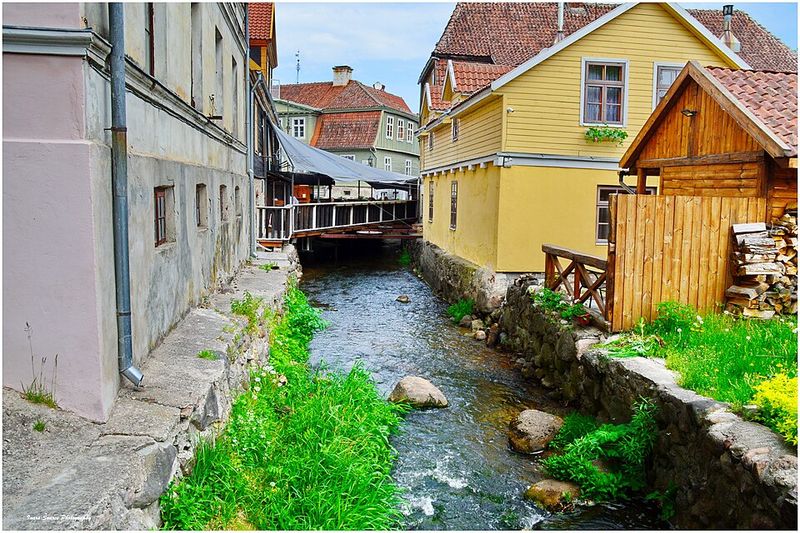
Latvia has been quietly holding out on the rest of Europe, and Kuldīga is the proof. This small town in western Latvia is home to Ventas Rumba, officially the widest waterfall in Europe at an impressive 249 meters across.
It’s not the tallest waterfall you’ll ever see — it’s only about 2 meters high — but watching it stretch across the river like a natural curtain is genuinely mesmerizing.
Every spring, something extraordinary happens at Ventas Rumba: fish actually leap upstream over the falls during their migration, and locals traditionally catch them mid-air using baskets. It’s an ancient practice that’s been going on for centuries and is completely unlike anything you’ll see anywhere else in Europe.
Unique doesn’t even begin to cover it.
The old town of Kuldīga is beautifully preserved, with red-brick buildings, wooden houses, and a historic bridge that dates back to 1874. The pace of life here is genuinely slow and relaxed, making it a restorative stop for travelers tired of busy city tourism.
Latvia as a whole tends to fly under the radar, but Kuldīga offers a compelling reason to explore beyond Riga. It’s charming, historically rich, and refreshingly crowd-free.
Verzasca Valley, Switzerland
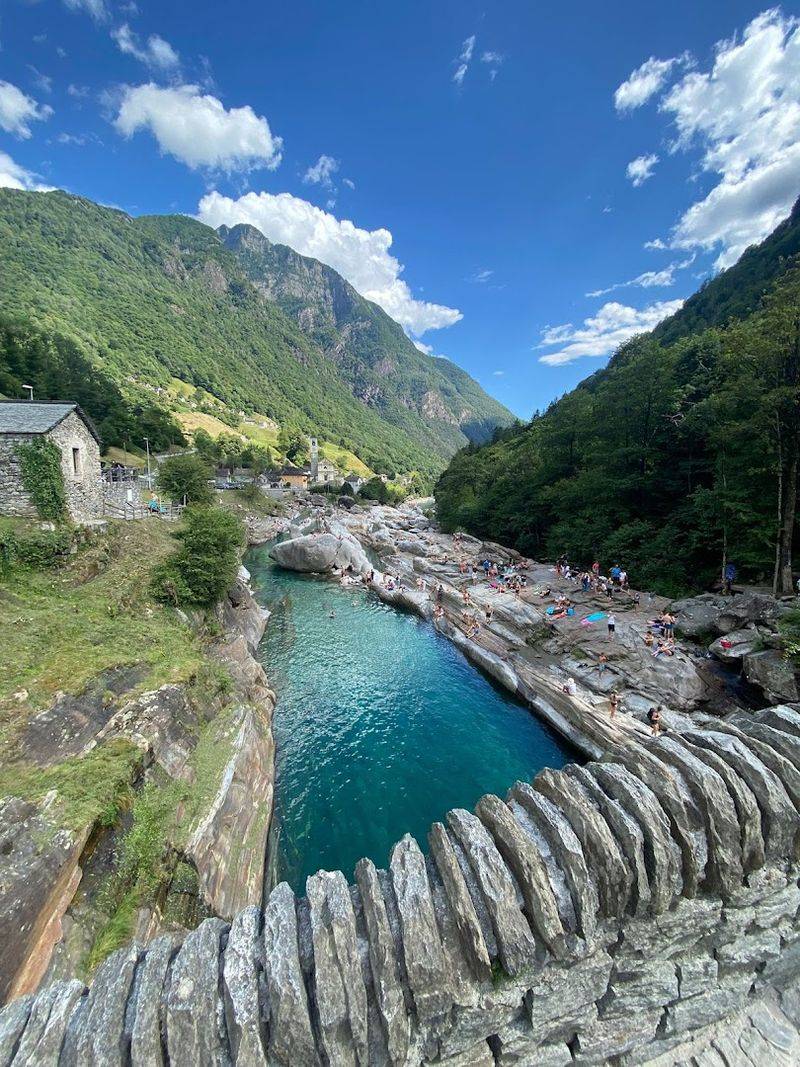
Switzerland is famous for being expensive, punctual, and relentlessly beautiful — and the Verzasca Valley checks all three boxes while somehow staying well off the mainstream tourist radar. The valley’s river runs an almost unbelievable shade of emerald green, so clear that you can count the smooth boulders sitting meters below the surface.
It genuinely looks photoshopped, even in person.
Swimming in the Verzasca River on a warm summer day is one of those simple, perfect travel experiences that money can’t really improve. The water is cold, the light filters through the surrounding chestnut trees, and the ancient stone bridge at Lavertezzo makes for one of the most photographed spots in the entire country.
Getting there takes a bit of effort, but the reward is completely proportional.
The valley stretches about 25 kilometers into the Alps, lined with small stone villages that feel untouched by the modern world. Hiking trails follow the riverbank and climb into the surrounding mountains, offering views that rival anything in the Swiss Alps at a fraction of the crowd density.
The Verzasca Dam at the valley entrance is also famous as the site of the world’s first commercial bungee jump, for anyone who prefers their Switzerland with a side of adrenaline.
Castelmezzano, Italy
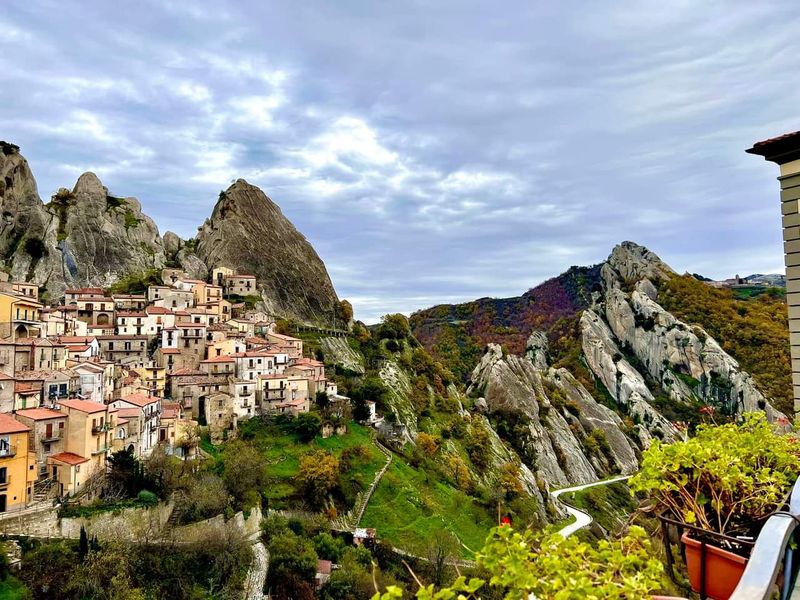
Carved into the base of jagged dolomite peaks in the Basilicata region of southern Italy, Castelmezzano looks like it was built by someone who really enjoyed a challenge. The village clings to the rockface with the kind of confidence that only centuries of stubbornness can produce.
Most travelers to Italy never make it this far south, which means Castelmezzano remains wonderfully, almost secretly, itself.
The narrow stone streets wind between ancient buildings that seem to grow directly out of the rock. Every turn reveals a new view of the surrounding peaks, which glow amber and rose at sunrise in a way that makes early mornings feel genuinely worth it.
The village has no pretensions — it’s simply a real, lived-in community that happens to sit inside one of Italy’s most dramatic landscapes.
For thrill-seekers, the “Flight of the Angel” zip-line connects Castelmezzano to the neighboring village of Pietrapertosa, sending riders soaring between the peaks at speeds up to 120 kilometers per hour. It’s terrifying in the best possible way and offers a perspective on the landscape that no hiking trail can match.
Southern Italy’s food scene is also exceptional here — hearty pasta dishes, local cheeses, and rustic cooking that feels miles away from any tourist menu.



