Europe is full of lakes that never made it onto a postcard, and honestly, that is exactly what makes them special. While the famous ones are drowning in selfie sticks and tour buses, these hidden gems are still wrapped in forests, mountains, and silence.
From Finland’s seal-filled waterways to Romania’s reed-laced delta, the continent’s wildest lakes are waiting for travelers who are willing to look a little further. Pack your curiosity and maybe some bug spray, because these places are wonderfully, beautifully untamed.
Lake Saimaa, Finland
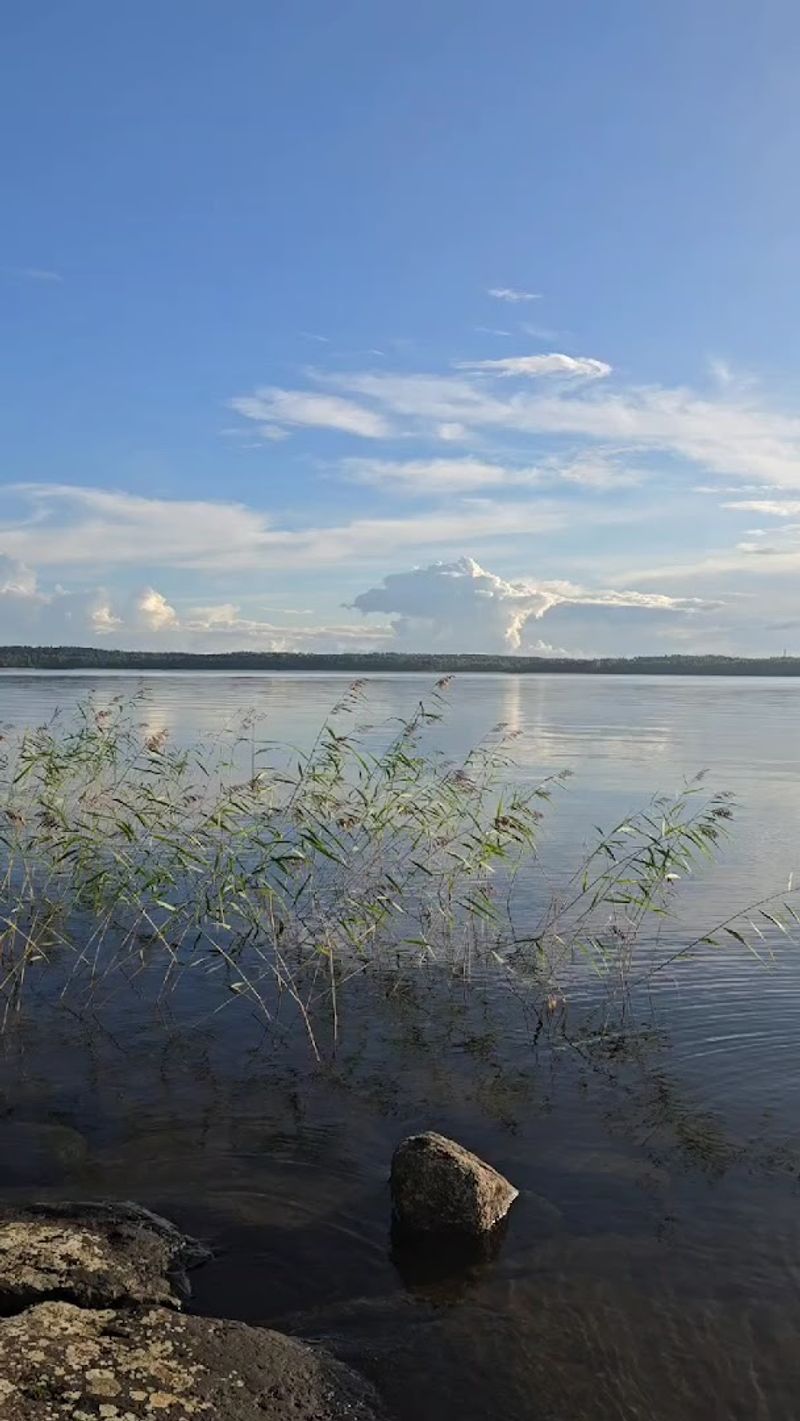
Finland keeps a secret, and it is shaped like a lake that never quite makes up its mind where it ends. Lake Saimaa sprawls across southeastern Finland like a giant blue puzzle, covering over 4,400 square kilometers of interconnected waterways, inlets, and forested islands.
It is the country’s largest lake and one of the most complex lake systems in all of Europe.
The star resident here is not a human. The Saimaa ringed seal is one of the rarest mammals on Earth, with fewer than 400 individuals left in the wild.
Spotting one of these plump, whiskered creatures sunning on a rock is genuinely unforgettable. Conservation efforts are ongoing, and visitors are encouraged to keep a respectful distance.
Kayaking is the best way to explore the lake’s endless maze of channels and coves. Local outfitters offer multi-day paddling routes that wind through islands where you might not see another person for hours.
Lakeside cottages called “mokkis” are available for rent, offering a proper Finnish retreat complete with a sauna and a wooden dock. Come in midsummer when the nights barely get dark.
Lake Bohinj, Slovenia
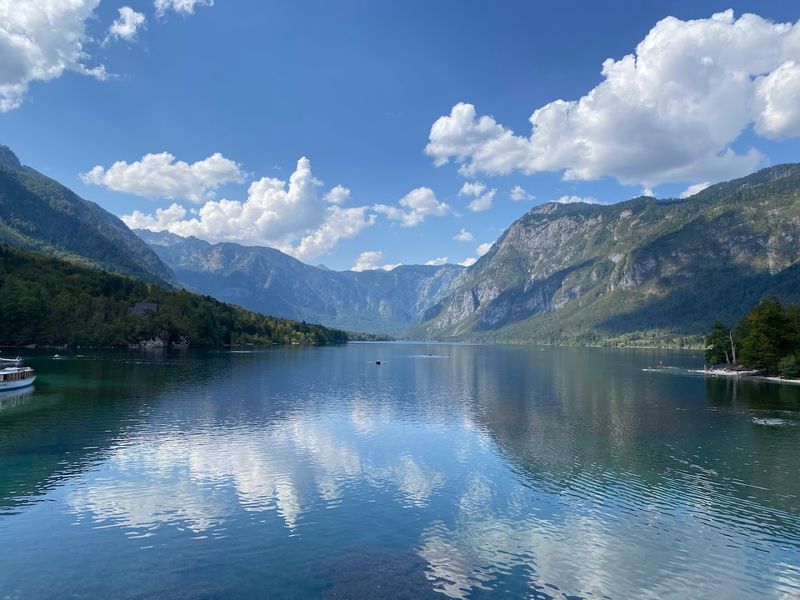
Lake Bled gets all the Instagram attention, but its quieter neighbor is the one that will genuinely take your breath away. Lake Bohinj sits deeper inside Triglav National Park, framed by limestone peaks that rise dramatically from the water’s edge.
The lake is Slovenia’s largest permanent lake, and unlike Bled, it has no island, no castle, and no crowds fighting for the same photograph.
The water here is so clear you can watch fish moving below the surface from the wooden docks along the shore. Summer swimming is popular with locals, and the temperature is refreshingly cold even in August.
The village of Ribcev Laz at the eastern end of the lake offers basic amenities, a small church, and an old stone bridge that has stood for centuries.
Hikers have access to excellent trails leading up into the surrounding mountains, including routes toward the Savica Waterfall, which crashes dramatically into a narrow gorge nearby. In winter, the valley transforms into a peaceful snowscape that attracts cross-country skiers.
Accommodation options stay small and family-run, keeping the atmosphere genuinely local. Bohinj rewards patience and rewards it well.
Lake Ohrid, North Macedonia and Albania
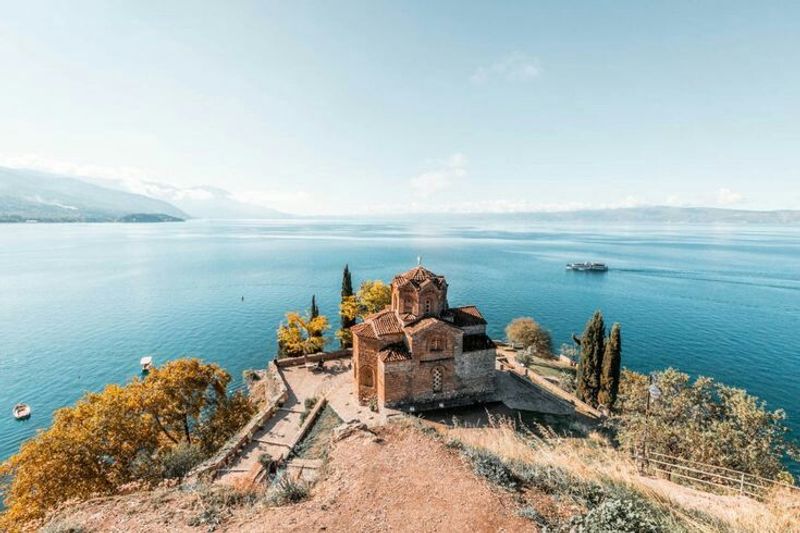
Scientists believe Lake Ohrid is somewhere between four and ten million years old, making it one of the most ancient lakes on the planet. That kind of geological age comes with a biological price tag.
The lake is home to over 200 endemic species found nowhere else on Earth, which is exactly why researchers nicknamed it the Galapagos of Europe.
The North Macedonian town of Ohrid sits along the eastern shore, piled up on a hillside above the water with Byzantine churches, Roman amphitheaters, and medieval fortresses competing for your attention. It is a UNESCO World Heritage Site, and walking through its cobblestone streets feels like flipping through a very old history book.
The Albanian side of the lake is far less visited and considerably wilder.
Fishing villages on the Albanian shore, particularly around Lin and Pogradec, offer an experience that feels genuinely off the beaten path. Local restaurants serve lake trout in ways that have not changed much in generations.
The water itself is strikingly clear, with visibility reaching up to 22 meters in some spots. Boat trips across the lake give you a sense of how vast and serene the whole basin truly is.
Lake Prespa, Albania, Greece and North Macedonia
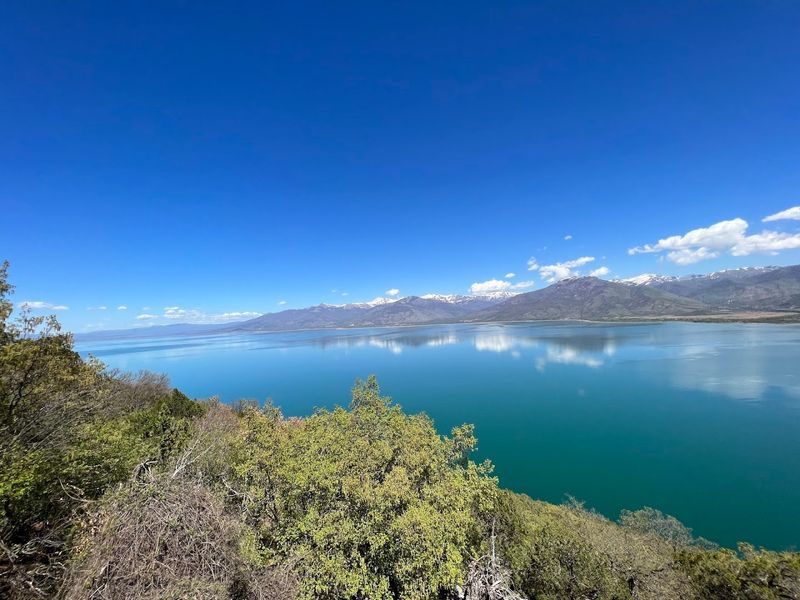
Three countries share this lake and almost nobody outside the region knows it exists. Lake Prespa sits tucked between Albania, Greece, and North Macedonia, separated from the more famous Lake Ohrid by a ridge of mountains.
That geographic isolation has kept the crowds away and allowed the wildlife to thrive in spectacular fashion.
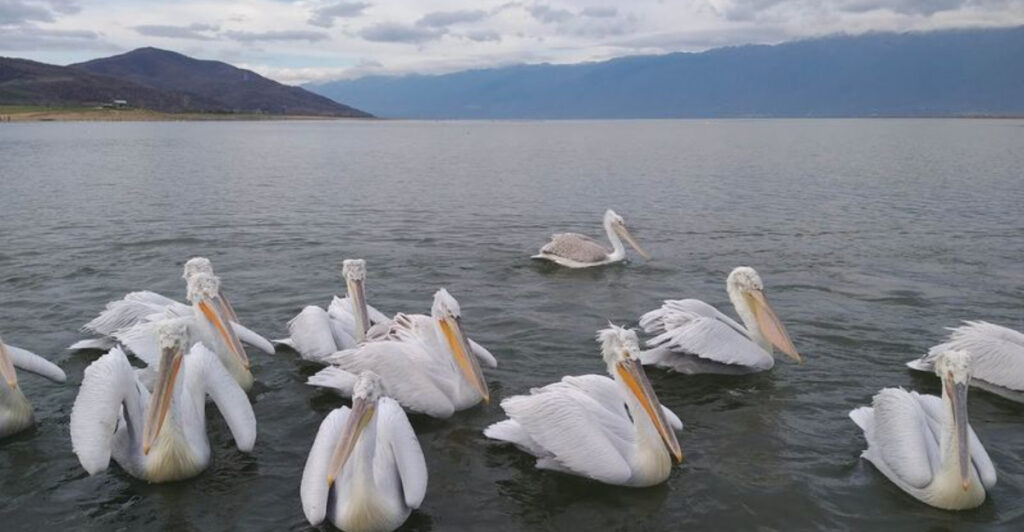
The wetlands around the lake host one of Europe’s largest breeding colonies of Dalmatian pelicans, a species that looks almost prehistoric in flight. Watching a group of them glide low over the water in the early morning is the kind of wildlife encounter that stays with you.
Flamingos and pygmy cormorants also make regular appearances depending on the season.
Traditional stone villages dot the Albanian and Greek shores, many of them barely changed since the Ottoman era. Agios Germanos on the Greek side is particularly charming, with Byzantine frescoes still visible inside its old church.
Fishing remains a way of life here rather than a tourist activity. The roads around the lake are quiet and occasionally bumpy, which acts as a natural filter keeping only the genuinely curious travelers coming through.
Spring and early autumn are the best times to visit.
Lake Kerkini, Greece
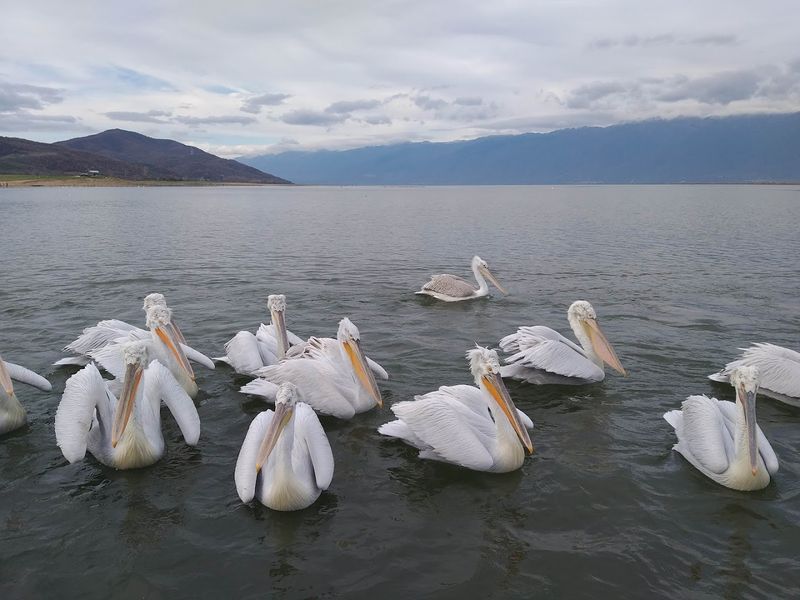
Water buffalo wading through a Greek lake while pelicans drift overhead sounds like a nature documentary scene, but at Lake Kerkini it is just a regular Tuesday. Located in northern Greece near the Bulgarian border, Kerkini was created in the 1930s when a dam was built on the Strymon River.
Nature promptly moved in and turned it into one of the continent’s most important wetland ecosystems.
Over 300 bird species have been recorded here, including great white pelicans, pygmy cormorants, herons, and spoonbills. The lake’s water level changes dramatically between seasons, which creates different habitats and attracts different species throughout the year.
Winter brings massive flocks of migratory birds that turn the sky into a moving canvas.
The local villages around the lake have built a modest but genuine ecotourism infrastructure. Guided boat trips in the early morning offer the best chances for wildlife sightings, and local guides know exactly where the pelicans like to gather.
Horses and water buffalo still graze along the shores in a scene that feels wonderfully out of time. The surrounding landscape of wetland, farmland, and mountain foothills gives the whole area a layered, unhurried quality that is hard to find in modern Greece.
Masurian Lake District, Poland
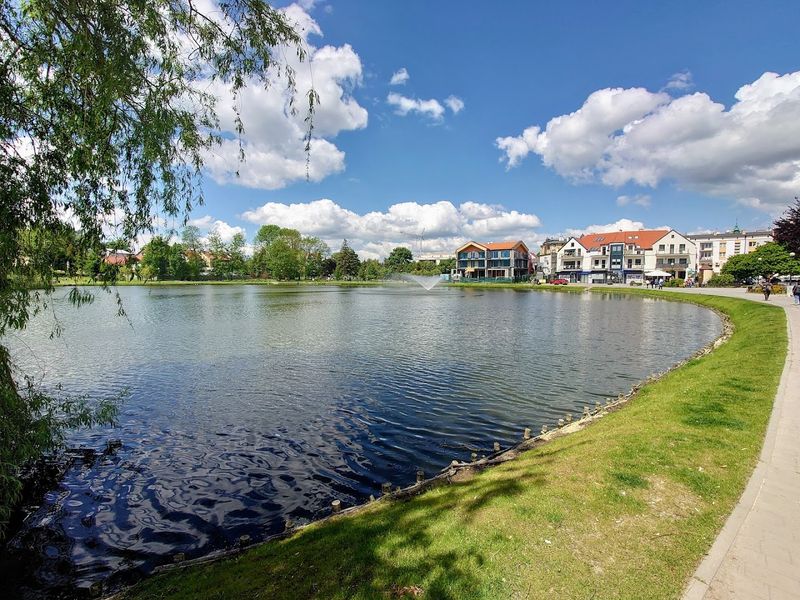
Poland’s northeast hides one of Europe’s most underrated outdoor playgrounds, and most international travelers have never even heard of it. The Masurian Lake District contains over 2,000 lakes connected by rivers and canals, all wrapped in forests that turn golden in autumn and brilliant green in summer.
The region earned its poetic nickname, the Land of a Thousand Lakes, by significantly underselling the actual count.
Sailing is the activity of choice here, and Masurians take it seriously. The waterways are navigable for hundreds of kilometers, and renting a small sailboat or houseboat for a week is a genuinely popular local holiday tradition.
The town of Mikolajki is a lively hub, but even there the pace of life remains unhurried compared to Poland’s bigger cities.
The forests surrounding the lakes are home to elk, beavers, wolves, and white-tailed eagles. Kayaking along the Krutynia River, one of Poland’s most scenic paddle routes, takes you through pristine forest corridors where the only sounds are birdsong and your own paddle strokes.
Evenings in the region tend to involve lakeside bonfires, smoked fish, and the particular satisfaction of having found somewhere genuinely beautiful that most people overlook completely.
Lake Sanabria, Spain
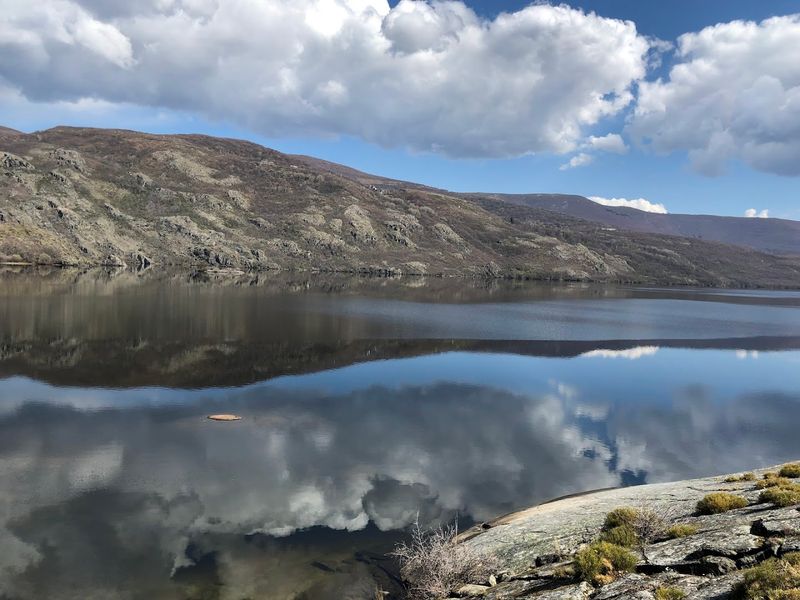
Spain is not the first country that springs to mind when you think of glacial mountain lakes, but the northwest corner of the country has been quietly hiding one of Iberia’s most spectacular natural treasures. Lake Sanabria formed around 12,000 years ago when a glacier retreated and left behind a hollow in the granite mountains of Zamora province.
The result is the largest natural glacial lake in Spain, and it is breathtaking.
The water reaches depths of over 50 meters and stays startlingly clear throughout the year. Swimming is allowed and actively encouraged in designated areas, which draws Spanish families during summer months.
The surrounding Natural Park protects forests of oak and pine along with a landscape of boulders, meadows, and small streams that feed into the lake.
The village of San Martin de Castaneda clings to the hillside above the lake with a restored monastery that now houses a small interpretive center about the region’s history and ecology. Trout fishing is permitted under strict regulation, and the lake is famous for producing impressively sized specimens.
Hiking trails of varying difficulty circle the lake and climb into the surrounding peaks. The region gets busy in July and August but remains manageable compared to Spain’s coastal resorts.
Lake Vanern, Sweden
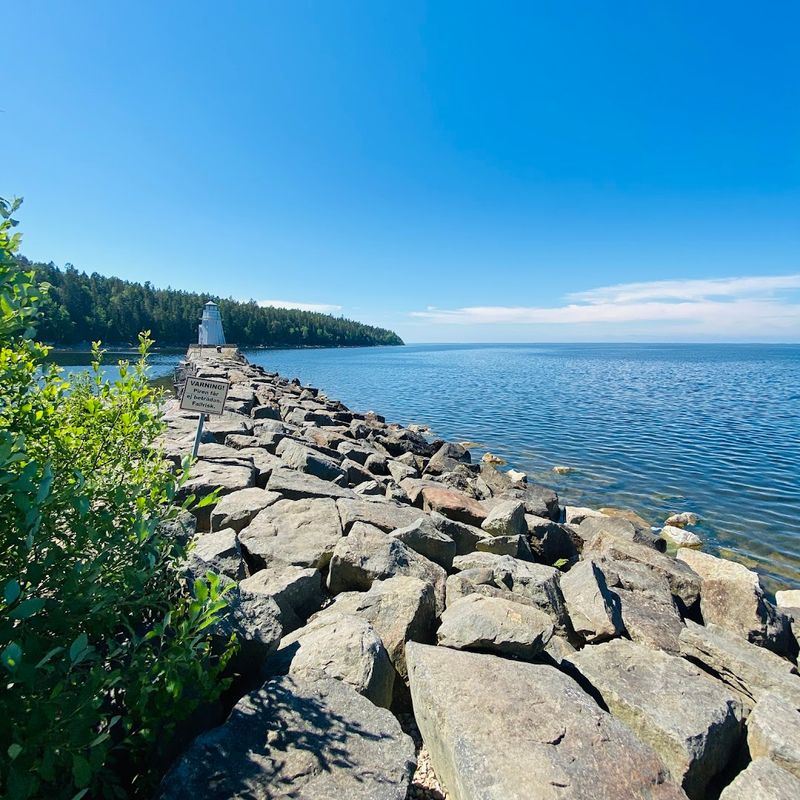
Standing on the shore of Lake Vanern, it is genuinely difficult to convince yourself you are not looking at the sea. Europe’s third-largest lake by surface area covers roughly 5,650 square kilometers, and on a windy day, the waves it produces would not embarrass a coastal beach.
Sweden treats it as the inland sea it essentially is.
The lake contains around 22,000 islands and islets, creating a coastline so complex that you could spend years exploring it without repeating yourself. Large sections of the shoreline fall within protected nature reserves, including Djurö National Park, which covers a cluster of forested islands accessible only by boat.
Ospreys, white-tailed eagles, and otters are regular residents of these protected zones.
The towns of Karlstad and Lidkoping sit on the lake’s shores and serve as comfortable bases for exploration. Local boat rental companies offer everything from kayaks to larger motorboats for island hopping.
Perch and pike fishing is excellent throughout the lake, and local guides can take you to spots that have been productive for generations. Autumn is a particularly dramatic season here, when the forests surrounding the lake turn copper and rust against the slate-gray water.
The scale of the place never stops being impressive.
Daugai Lake Region, Lithuania
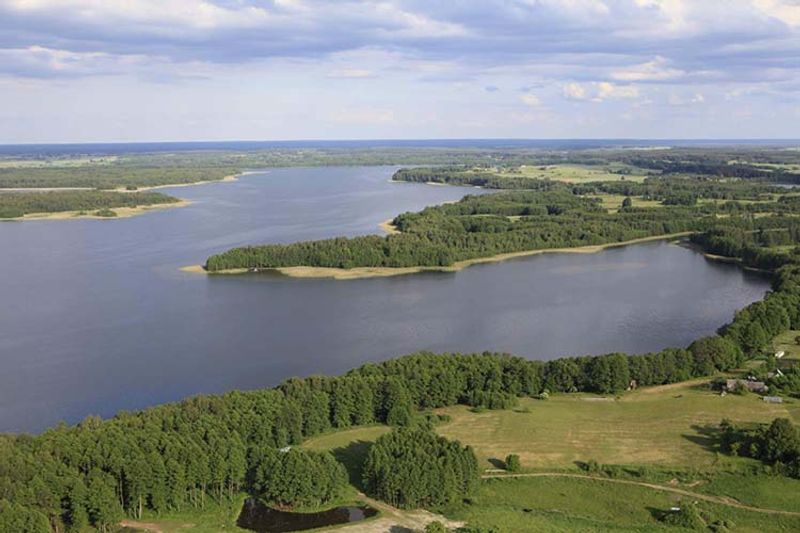
If you told most Europeans that Lithuania contains some of the continent’s most peaceful lakeside scenery, a fair number of them would need a moment to process that. The lakes around the small town of Daugai in southern Lithuania sit within Dzukija National Park, a protected landscape of pine forests, sandy soils, and river valleys that has changed very little in centuries.
The park is one of Lithuania’s largest and least-visited national parks, which is precisely its charm. Mushroom picking and berry foraging are traditional activities here, and locals treat the forests as a natural pantry that has sustained communities for generations.
Walking trails wind through the pines in near-total silence, broken only by woodpeckers and the occasional deer crashing through the undergrowth.
The lakes themselves are small and numerous, connected by streams and surrounded by meadows that bloom with wildflowers in early summer. Swimming spots are easy to find and completely uncrowded.
Small wooden guesthouses and farmstays offer accommodation with a level of hospitality that feels genuinely personal rather than commercially calculated. The region sits close to the Belarusian border, which contributes to its off-the-radar status among Western European travelers.
That obscurity is its greatest asset.
Lac de Capitellu, Corsica, France
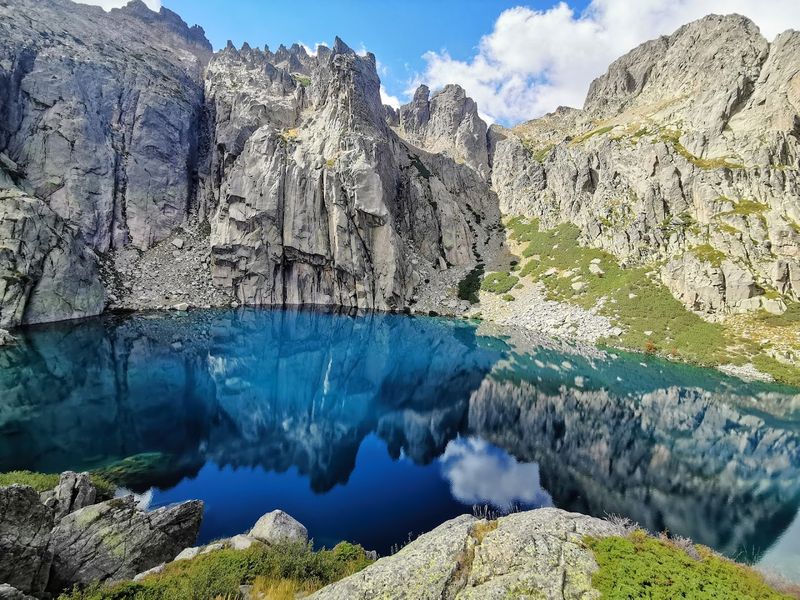
Getting to Lac de Capitellu requires earning it. Perched at 1,930 meters above sea level in the heart of Corsica’s mountains, this alpine lake sits along the famous GR20 hiking route, which many experienced hikers consider the toughest long-distance trail in Europe.
The approach involves steep granite scrambles and exposed ridgelines, but the reward waiting at the top is absolutely worth the burning legs.
The lake is a vivid shade of turquoise that seems almost artificially bright against the surrounding gray granite. Snowfields often linger on the slopes above the lake well into July, feeding the lake with meltwater that keeps the temperature bracingly cold.
Swimming is possible for the brave, and the solitude at this altitude is almost total.
The GR20 passes directly alongside the lake, meaning serious trekkers often stop here to filter water and rest before continuing along the ridge. For day hikers, the lake is reachable from the Restonica Valley below, though the ascent is steep and should not be underestimated.
Corsica’s mountains receive far fewer visitors than the island’s famous beaches, which makes this high-altitude escape feel genuinely remote. Clear evenings here produce star displays of extraordinary intensity with no light pollution anywhere nearby.
Lake Aiguebelette, France
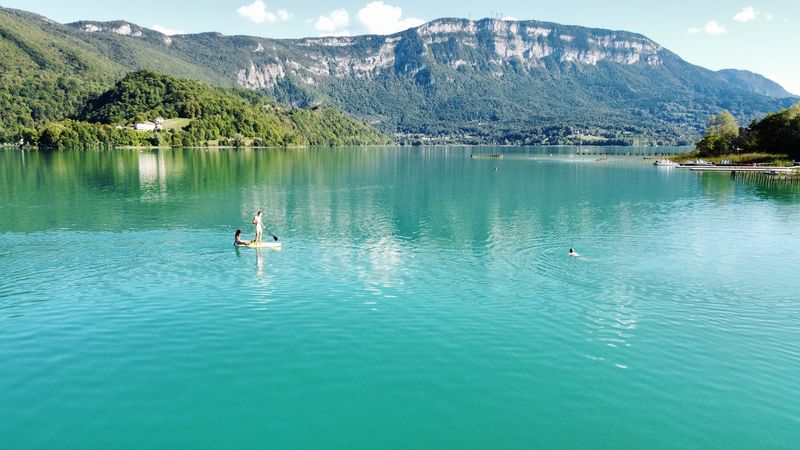
France has strict rules about motorized boats on Lake Aiguebelette, and the result is one of the most peacefully quiet lakeside experiences in the entire country. Tucked into the foothills of the French Alps in the Savoie department, the lake sits in a natural bowl surrounded by forested ridges that keep it hidden from the main roads passing nearby.
Most people drive straight past without ever knowing it is there.
The water is an unusual shade of green, colored by algae and the depth of the lake bed, and it warms up enough by midsummer for comfortable swimming. The lake is particularly beloved by competitive rowers, and international rowing championships have been held here thanks to the consistently calm surface that the motorboat ban helps maintain.
Watching a racing eight glide silently across the water at dawn is a surprisingly elegant sight.
Villages like Novalaise and Aiguebelette-le-Lac have small restaurants serving Savoyard specialties alongside the lake. Cycling paths circle the water and connect the lakeside communities.
The surrounding hills offer hiking with views down over the lake that are genuinely lovely without requiring serious effort. Compared to the massively popular lakes of Annecy and Bourget nearby, Aiguebelette maintains an unhurried local atmosphere that feels like a genuine privilege to experience.
Black Lake (Crno Jezero), Montenegro
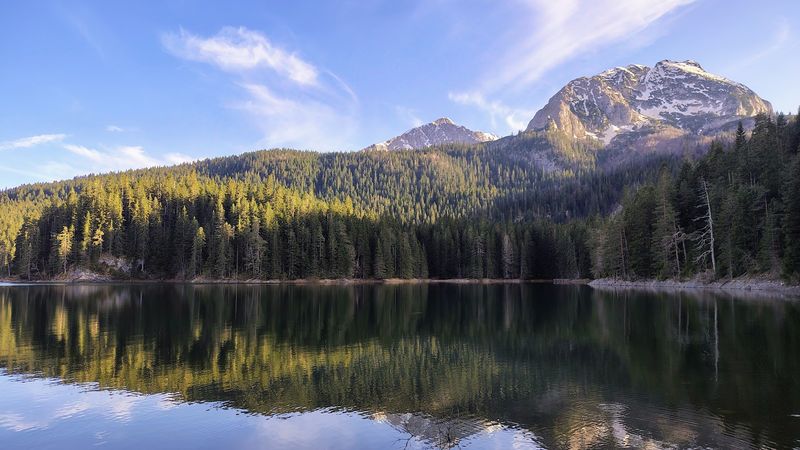
The name Black Lake sounds ominous, but the reality is one of the most dramatically beautiful scenes in the entire Balkans. Located inside Durmitor National Park in northern Montenegro, Crno Jezero sits at 1,416 meters altitude beneath peaks that rise another thousand meters above the water.
The lake gets its name from the dark reflections of the surrounding black pine forest, which cover the slopes so densely that sunlight barely reaches the ground.
The lake is actually two connected bodies of water, a larger one and a smaller one joined by a narrow channel. A well-maintained trail circles the entire lake, taking roughly an hour and a half at a comfortable pace.
The path passes through ancient forest, across wooden bridges, and along rocky outcrops that offer perfect views of the mountain backdrop.
Durmitor National Park is a UNESCO World Heritage Site, and the area around the lake is strictly protected. Brown bears and wolves still roam the mountains here, though encounters are rare.
The nearest town, Zabljak, sits just a short walk from the lake and provides accommodation ranging from simple guesthouses to modest hotels. Winter transforms the whole park into a skiing destination, but the lake itself, frozen and silent beneath the snow, is most magical in that season of all.
Lake Morske Oko, Slovakia
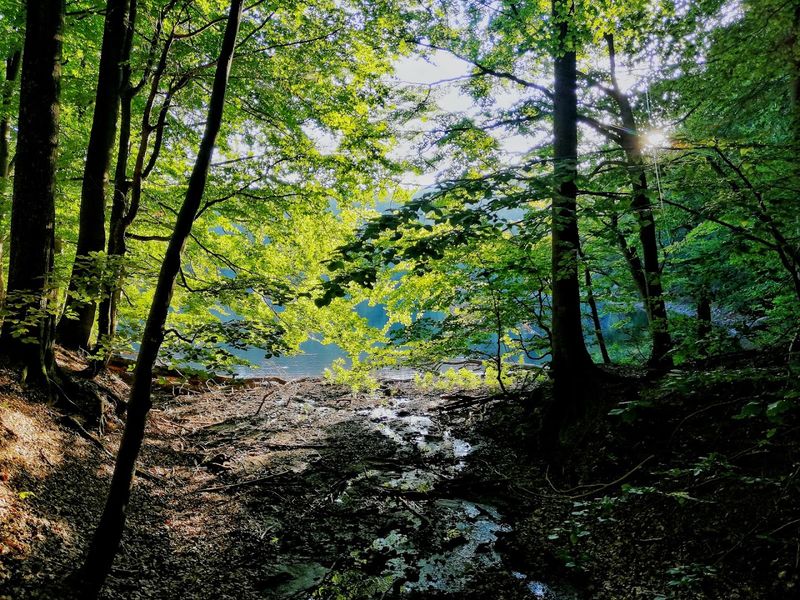
Slovak legend says that Lake Morske Oko is connected underground to the Adriatic Sea, which is how it supposedly got its name, meaning Eye of the Sea. Geologists have a more grounded explanation involving volcanic activity and tectonic shifts in the Carpathian mountains, but the legend is considerably more entertaining.
Either way, the lake sits in one of Slovakia’s most pristine natural settings.
The surrounding Vihorlat mountains are covered in ancient beech and oak forests that form part of a UNESCO World Heritage Site recognizing the primeval beech forests of the Carpathians. The trees here are genuinely old, some of them hundreds of years, and walking among them produces a particular kind of hush that modern forests rarely manage.
The lake itself is small and dark, with steep forested slopes rising directly from the water’s edge.
Access requires a hike of around two hours from the nearest car park, which effectively filters out casual visitors. The trail passes through forest that feels genuinely ancient, with moss-covered boulders, old fallen trunks hosting whole ecosystems, and bird species that depend on undisturbed old-growth habitat.
The eastern Slovak region around the lake receives very little international tourism, meaning you are likely to encounter more local hikers than foreign visitors. That ratio feels exactly right.
Wildsee, Germany
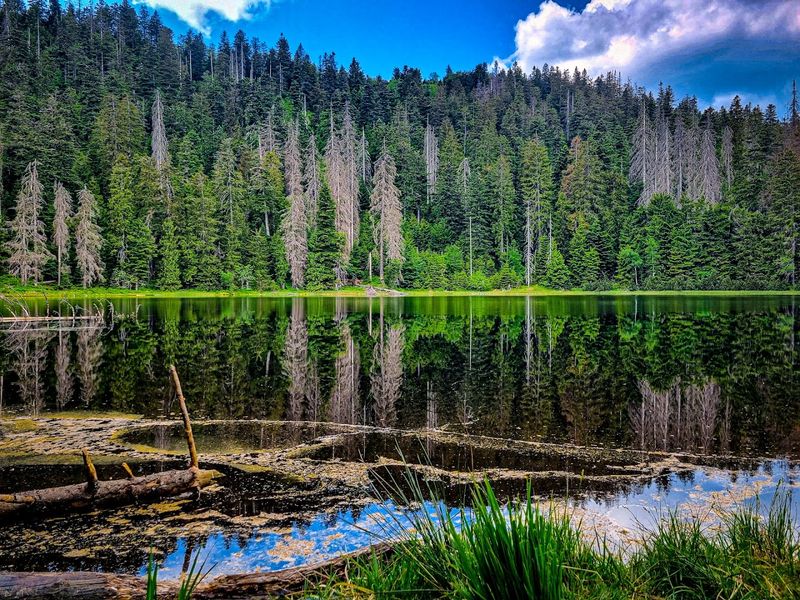
Germany has no shortage of scenic lakes, but most of them come with parking lots, ice cream stands, and pedalos shaped like swans. Wildsee in the Black Forest is refreshingly different.
Hidden within the Kaltenbronn Nature Reserve near Bad Wildbad, this small moorland lake sits in a protected bog ecosystem that has been developing for thousands of years and is among the most ecologically sensitive landscapes in the entire country.
Access to the immediate lakeshore is restricted to protect the fragile bog habitat, but a raised boardwalk allows visitors to observe the lake and its surroundings without causing damage. The view from the boardwalk is genuinely strange and beautiful, a dark, mirror-still lake surrounded by sphagnum moss, bog pine, and carnivorous plants like sundew that make a living eating insects.
The nature reserve around the lake contains several marked hiking trails that wind through forest and open moorland. The landscape has an eerie, ancient quality that feels entirely unlike the rest of the Black Forest’s tidy tourist infrastructure.
Bird species typical of bogland habitats, including curlews and various species of dragonfly, inhabit the reserve throughout summer. The complete absence of commercial development around the lake makes it feel like a genuinely protected corner of nature rather than a managed visitor attraction dressed up as wilderness.
Danube Delta Lakes, Romania
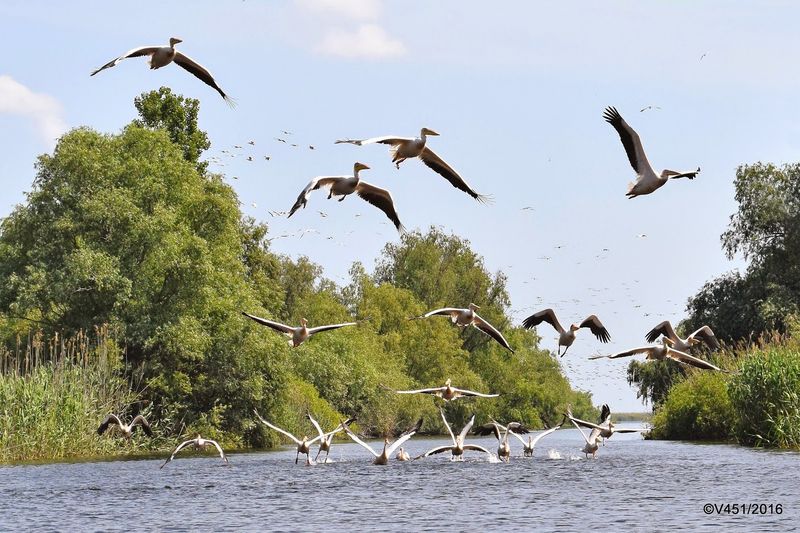
From above, the Danube Delta looks like the Earth’s circulatory system laid bare, a vast network of channels, lakes, reed beds, and floating islands spreading across 5,800 square kilometers before the river finally reaches the Black Sea. Romania’s corner of this UNESCO-protected biosphere reserve is one of the last genuinely wild places in Europe, and it earns that description honestly.
The delta contains hundreds of lakes of varying sizes, connected by channels that shift and change over time as the river constantly reworks its own landscape. Pelicans nest here in one of the world’s largest colonies.
Cormorants, herons, spoonbills, and white-tailed eagles are common sights. Over 300 bird species have been recorded, making the delta one of the continent’s premier birdwatching destinations.
The town of Tulcea serves as the gateway to the delta, and boats depart regularly for the deeper reaches of the reserve. The fishing villages of Mila 23 and Crisan are reachable only by water and operate at a pace entirely disconnected from modern Romanian life.
Local fishermen still use traditional wooden boats and methods passed down through generations. Accommodation in the delta ranges from simple guesthouses to floating eco-lodges.
Visiting in spring, when migratory birds arrive in enormous numbers, turns the whole experience into something genuinely extraordinary.
Share this story