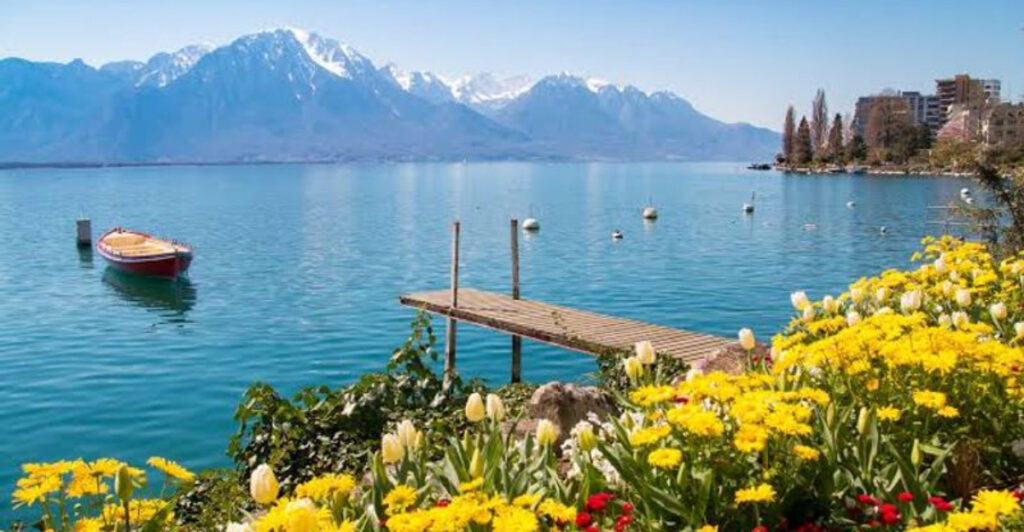
Europe is hiding some seriously jaw-dropping lakes, and most travelers only scratch the surface. From Slovenia’s storybook shores to North Macedonia’s ancient waters, the continent is packed with lakes that look almost too beautiful to be real.
I still remember standing at the edge of Lake Bled for the first time and wondering if someone had painted the whole scene. Whether you are chasing mountain reflections, turquoise water, or charming lakeside villages, this list has something for every kind of explorer.
Lake Bled, Bled, Slovenia
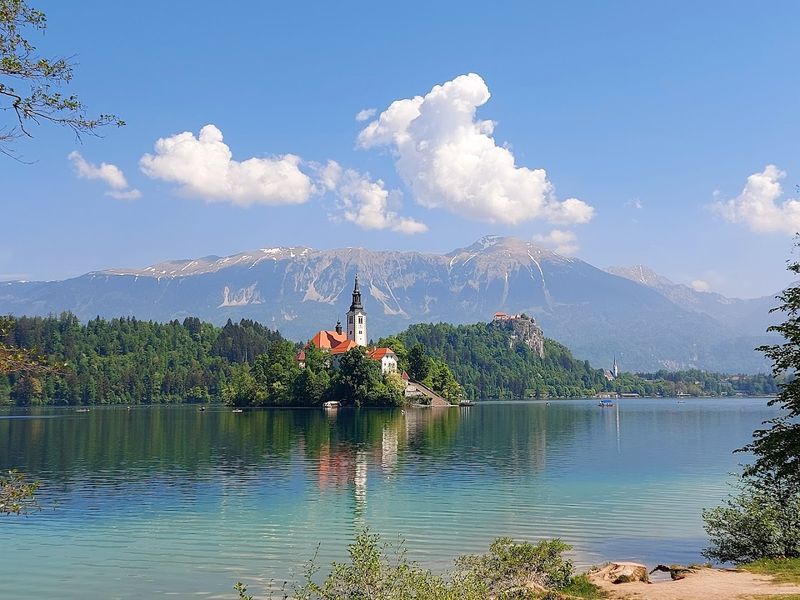
A tiny island with a church sitting in the middle of a mountain lake sounds like something out of a fairy tale, but Lake Bled is very much real. The medieval Bled Castle perches on a cliff above the water, giving you one of the most dramatic views in all of Europe.
I took a wooden rowboat called a pletna out to the island and rang the church bell for good luck. Highly recommend.
The lake sits at around 475 meters above sea level, surrounded by the Julian Alps. Water temperatures warm up enough for swimming in summer, so it is not just a pretty backdrop.
The town of Bled is walkable and full of good food, including the famous cream cake called kremsnita. Go early in the morning to beat the crowds and catch the lake at its calmest.
Sunrise here is genuinely unforgettable.
Lake Bohinj, Bohinj, Slovenia
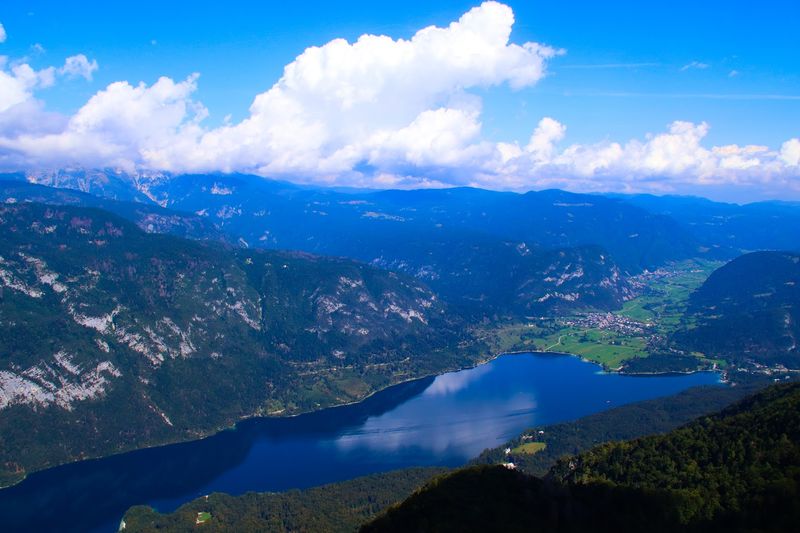
Lake Bohinj is what Lake Bled would be if it skipped the fame and kept all the beauty. Tucked inside Triglav National Park, this is Slovenia’s largest permanent lake and it feels refreshingly wild.
No island, no castle, just raw alpine scenery and water so clear you can see the bottom from the shore.
Bohinj sits about 30 kilometers from Bled, but the two feel worlds apart in terms of atmosphere. This one attracts hikers, kayakers, and people who genuinely want to disconnect.
The Church of St. John the Baptist near the lake is over 700 years old and worth a quick stop. In winter, the surrounding area transforms into a ski resort.
Visit in late spring or early autumn if you want the trails mostly to yourself. The lack of tourist buzz is honestly the whole point.
Plitvice Lakes, Plitvice Lakes National Park, Croatia
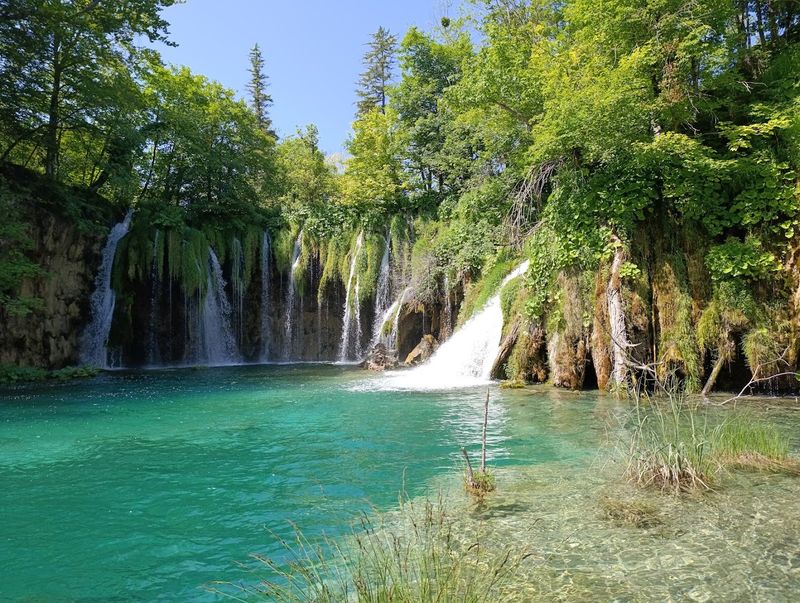
Croatia’s Plitvice Lakes are basically a waterfall theme park designed by nature, and the entrance fee is absolutely worth every kuna. The park contains 16 terraced lakes linked by over 90 waterfalls, all connected by wooden boardwalks that take you right above the water.
The color shifts from electric blue to deep green depending on minerals and sunlight.
Plitvice became a UNESCO World Heritage Site back in 1979, which tells you everything about how special it is. The park is divided into upper and lower sections, and most visitors need a full day to see both properly.
Wear comfortable shoes because you will be walking for hours. Spring is brilliant here because snowmelt swells the waterfalls to their most dramatic.
Summer gets crowded, so booking tickets in advance is essential. The wooden paths can get slippery near the falls, so watch your step and keep moving.
Lake Como, Lombardy, Italy
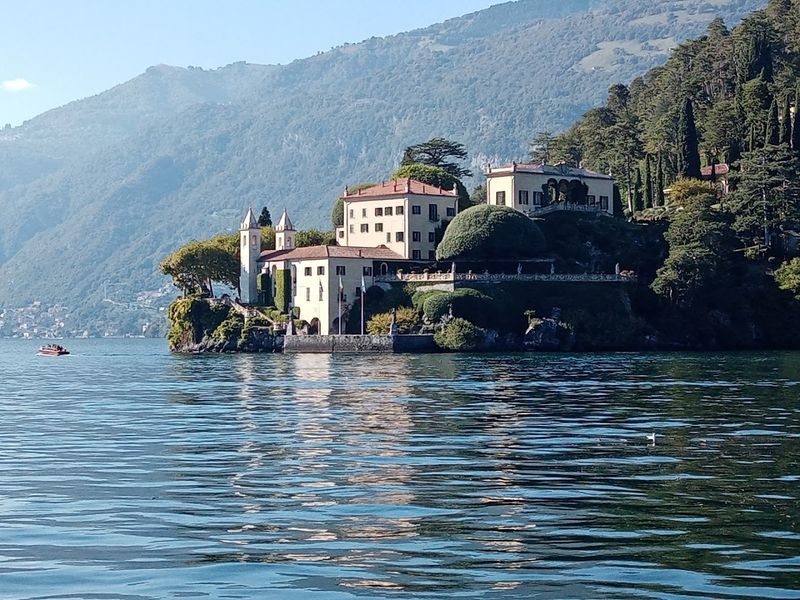
Lake Como has been the preferred retreat of European aristocrats and Hollywood celebrities for centuries, and honestly, one visit explains why. The lake stretches 46 kilometers through the Lombardy mountains, and every bend reveals another cluster of pastel villas dripping with bougainvillea.
It is the kind of place that makes you want to quit your job and open a gelato shop.
Bellagio sits at the fork where the lake splits into two branches and is the most photographed village on the water. Varenna is quieter and equally stunning, with narrow lanes that drop straight down to the shore.
Ferry hopping between towns is the best way to see Como without the road traffic. The lake is deepest in Europe at 425 meters, which adds a certain dramatic weight to the whole scene.
Visit in May or October for fewer crowds and cooler temperatures. Pack light layers because mountain weather changes fast here.
Lake Garda, Lombardy, Veneto and Trentino, Italy
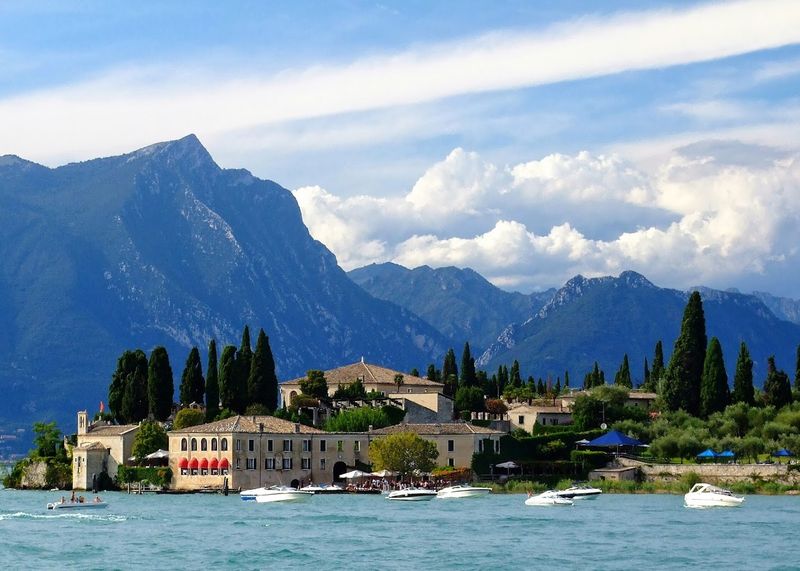
Italy’s largest lake refuses to pick just one personality and honestly, that is its greatest strength. The southern end is wide, flat, and almost Mediterranean in feel, while the northern end narrows dramatically between towering cliffs.
The result is a lake that feels like three different destinations stitched together.
Sirmione sits on a narrow peninsula jutting into the southern lake and is home to a perfectly preserved medieval castle surrounded by water on three sides. Limone sul Garda, named after its famous lemon groves, clings to the cliffside on the western shore.
Ferry routes connect the major towns, making it easy to explore without a car. The lake is big enough that windsurfers and sailors treat it like a proper sea.
Riva del Garda at the northern tip gets the most dramatic mountain framing. Budget at least three days here to properly appreciate how much variety one lake can hold.
Lake Maggiore, Piedmont and Lombardy, Italy
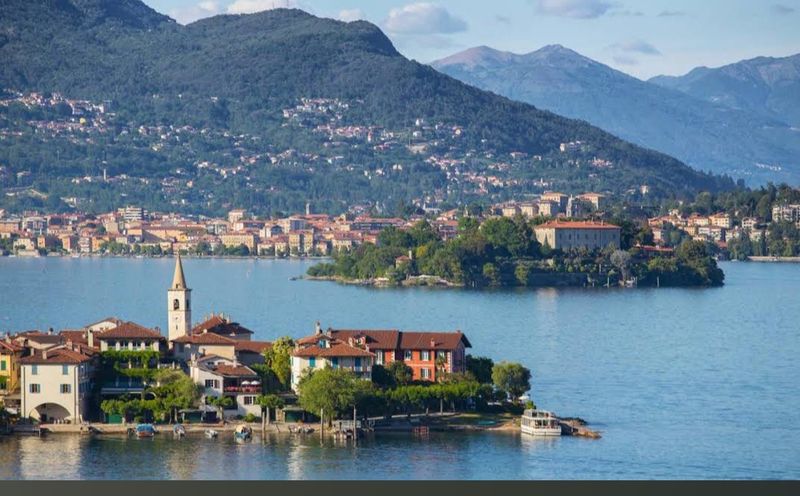
Lake Maggiore straddles the border between Italy and Switzerland, which means you get two countries for the price of one ferry ticket. The Borromean Islands are the main attraction here, three small islands in the middle of the lake each with their own wildly extravagant gardens and palaces.
Isola Bella alone looks like someone dropped a baroque castle onto a floating garden.
The town of Stresa on the western shore is the classic base for exploring the lake. Grand old hotels line the promenade, and the pace of life is deliberately slow.
Verbania on the opposite shore has the famous Botanical Gardens of Villa Taranto, which bloom spectacularly in spring. The lake is the second largest in Italy and deep enough to create its own mild microclimate.
Camellias and azaleas grow here that would never survive elsewhere in northern Italy. Take the cable car up to Monte Mottarone for a sweeping view of the entire lake.
Lago di Braies, South Tyrol, Italy
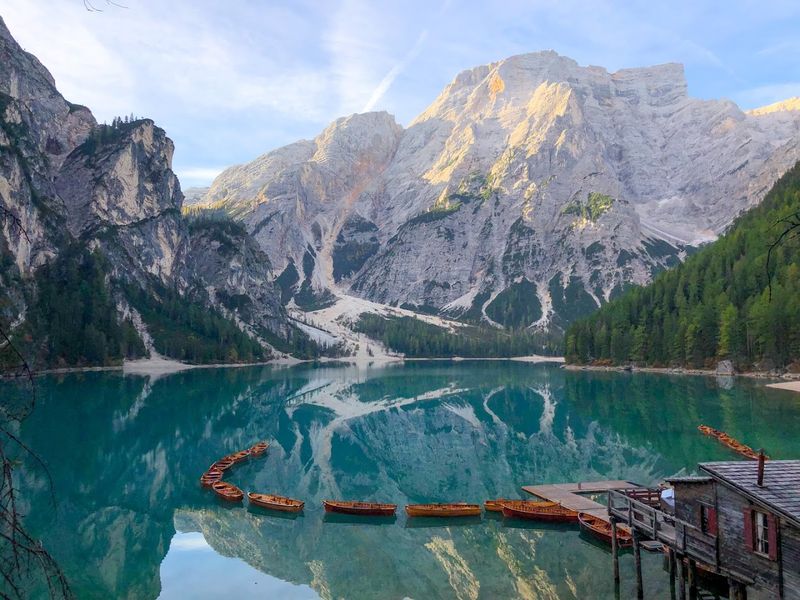
Lago di Braies might be the most photogenic lake in all of Italy, which is saying a lot for a country that basically invented scenic beauty. Sitting at 1,496 meters above sea level in the Dolomites, this small emerald lake is framed by the kind of vertical rock faces that make your neck hurt from looking up.
The wooden rowboats tied to the dock complete the postcard perfectly.
The lake gained international fame after appearing in the Italian TV series Un Passo dal Cielo, which roughly translates to One Step from Heaven. Very fitting.
The surrounding hiking trails range from easy lakeside loops to serious mountain routes for experienced walkers. Getting there requires some planning because the access road gets heavily restricted in peak summer months.
Arriving before 8am is the most reliable way to avoid the crowds and catch the water at its most mirror-like. The hotel at the lakeside is one of the most booked properties in the entire region.
Lake Hallstatt, Hallstatt, Austria
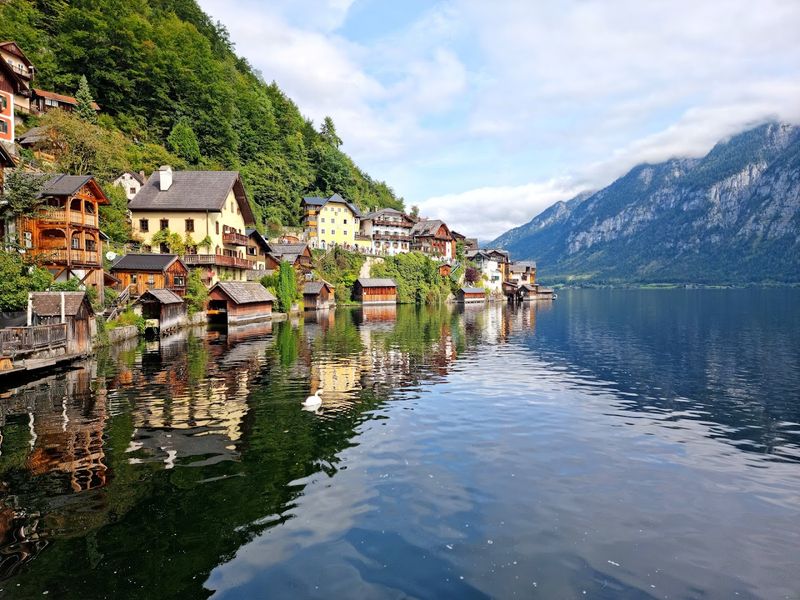
Hallstatt is so scenic that China literally built a full-scale replica of the village. That is not a joke.
The Austrian original sits on a sliver of land between the lake and a sheer cliff face, and the colorful houses reflected in the still water have made it one of the most photographed villages in Europe.
The lake itself is called Hallstattersee and sits in the Salzkammergut region of Upper Austria. Salt mining here dates back over 7,000 years, making this one of the oldest continuously inhabited places in Europe.
The Salt Mine tour above the village is genuinely fascinating and gives you a cable car ride as a bonus. The village gets extremely crowded midday in summer, especially with tour buses from Salzburg and Vienna.
Stay overnight to experience the place after the day-trippers leave, when the lake goes quiet and the reflections sharpen. Shoulder season visits in April or October hit a sweet spot of beauty and calm.
Achensee, Tyrol, Austria
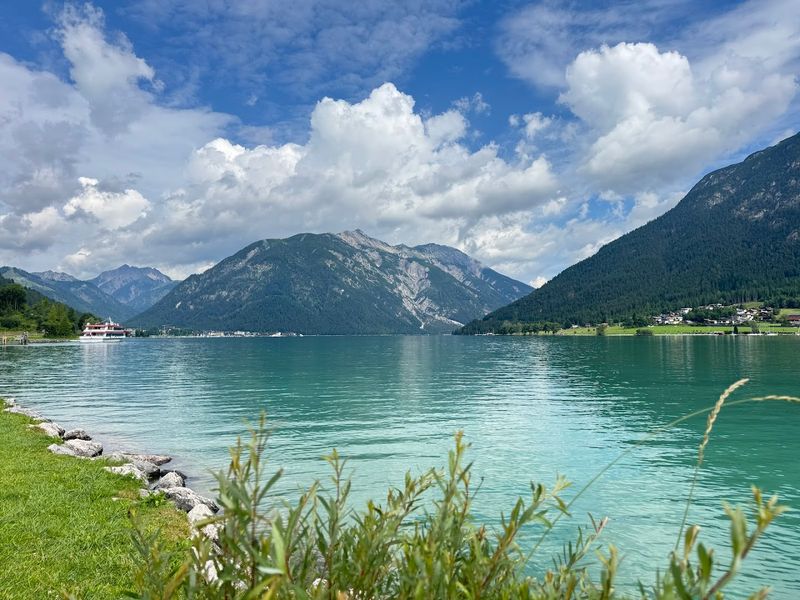
Tyrol’s largest lake sits at 930 meters above sea level and manages to look like a fjord that took a wrong turn in the Alps. Achensee stretches nearly 8 kilometers between the Karwendel and Rofan mountain ranges, and the water takes on a deep turquoise color that seems almost artificially bright on sunny days.
The lake is famous among windsurfers and sailors because a reliable thermal wind called the Achenwind funnels through the valley every afternoon. Getting to the lake by the historic Achenseebahn, a steam-powered cog railway running since 1889, is half the adventure.
The railway climbs steeply from Jenbach and delivers you to the southern shore with views that make the slow ride entirely worth it. The lakeside village of Pertisau is the most popular base and has good hiking access into the Karwendel.
Winter visitors can enjoy a remarkably different landscape of snow-covered slopes and frozen shorelines. This lake rewards visitors in every single season.
Königssee, Bavaria, Germany
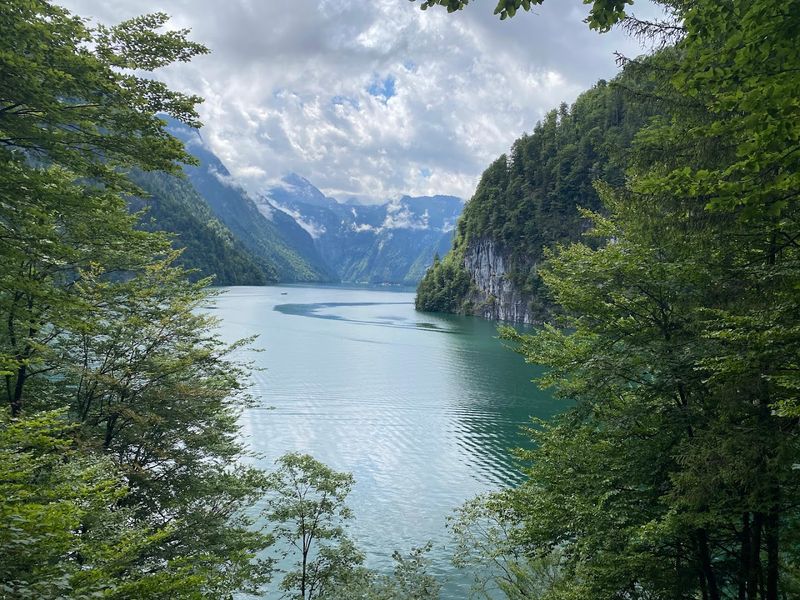
Königssee is the kind of lake that makes you feel like you have sailed into the inside of a mountain. The water is so deep and the cliffs so steep that the lake sits almost entirely in shadow for much of the day.
It is Germany’s cleanest lake, and only electric boats are allowed on the water to keep it that way.
The famous echo spot is a highlight of every boat tour here. The boat captain plays a trumpet or flugelhorn toward the cliff wall, and the sound bounces back so clearly it sounds like a second musician.
St. Bartholomae church, with its distinctive red onion domes, sits on a small peninsula only accessible by boat. The church dates to the 12th century and looks surreal against the towering Watzmann massif behind it.
Berchtesgaden National Park surrounds the lake entirely. Hiking up to the Malerwinkel viewpoint gives you the classic overhead angle that appears on every postcard of the region.
Lake Annecy, Annecy, France
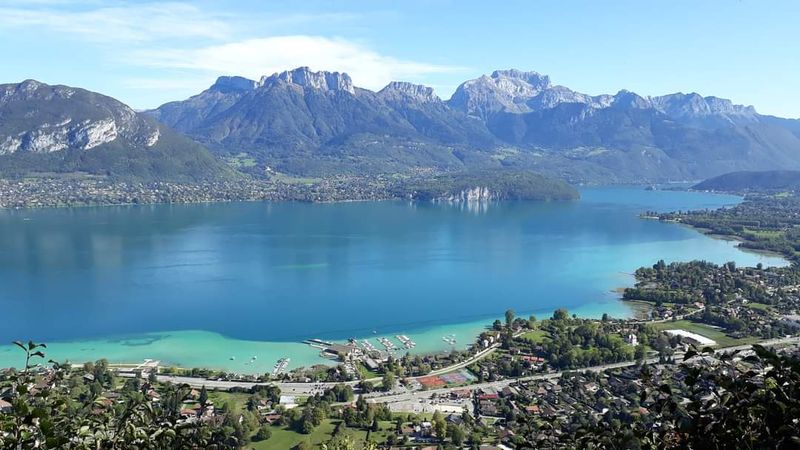
Lake Annecy is often called the cleanest lake in Europe, and the water is so clear that you can see the bottom even in the middle of the lake. The color is a shade of blue that seems borrowed from the Caribbean, which feels slightly unfair given that it is surrounded by the French Alps.
The old town of Annecy borders the lake directly and is full of canals, flowers, and excellent cheese.
A 45-kilometer bike path circles the entire lake, making it one of the best cycling routes in France. Beaches along the northern shore fill up fast in July and August, so arriving early is the move.
The Chateau d’Annecy overlooks the town and offers a solid view of the lake from above. The weekly market in the old town on Tuesday and Friday mornings is worth rearranging your schedule for.
Paragliding from the surrounding hills is popular and gives you a bird’s eye perspective of the lake that no photograph fully captures.
Lake Geneva, Geneva and Vaud, Switzerland
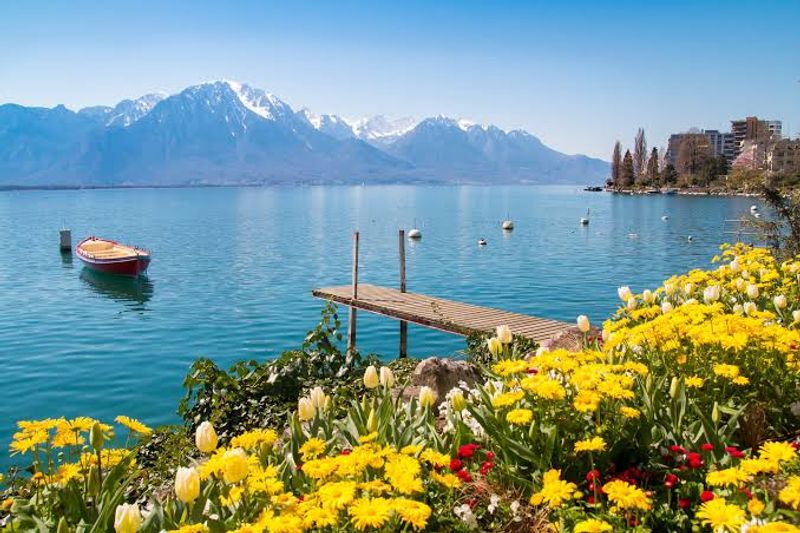
Lake Geneva is the largest lake in Western Europe, and it carries itself with the confidence that title deserves. The famous Jet d’Eau fountain in Geneva shoots water 140 meters into the air, which is essentially the lake showing off.
On clear days, Mont Blanc looms on the southern horizon like a very large, very permanent cloud.
The UNESCO-listed Lavaux vineyard terraces rise steeply above the northern shore and produce some of Switzerland’s finest wines. Walking through those vine rows with the lake glittering below is one of the most underrated experiences in the country.
The Chillon Castle near Montreux sits directly on the water and has been inspiring poets since the 13th century. Lord Byron even carved his name into one of the dungeon pillars, which is either romantic or vandalism depending on your perspective.
Paddle steamers still cross the lake regularly, connecting Swiss and French towns along both shores in classic style.
Lake Lucerne, Lucerne, Switzerland
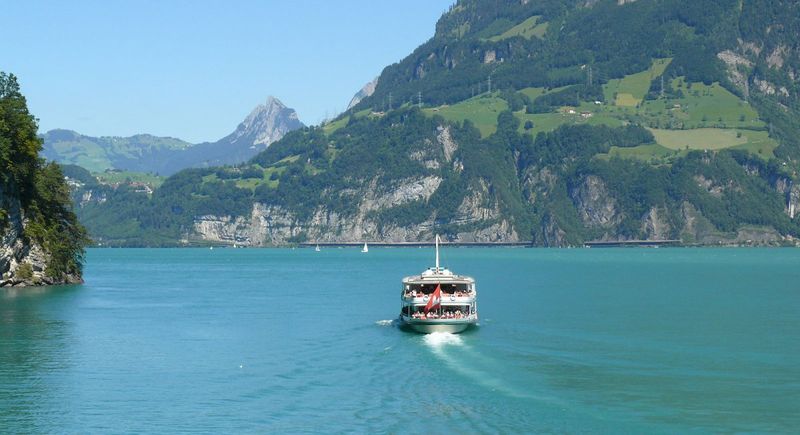
Lake Lucerne does not form a simple oval like most lakes. It twists through four separate arms between jagged peaks, which means every corner you round reveals a completely different view.
The city of Lucerne sits at the northwestern edge, where the lake flows into the Reuss River, and the medieval Chapel Bridge crossing the water is one of Switzerland’s most recognizable landmarks.
The lake is surrounded by mountains with easy summit access, making it exceptional for combining water and altitude in a single day. Mount Pilatus and Mount Rigi both rise directly above the shoreline and are reachable by cogwheel railway or cable car.
Historic paddle steamers have been crossing the lake since the 1800s and still operate regular routes today. William Tell, Switzerland’s legendary folk hero, is said to have escaped his captors by leaping from a boat onto the rocky shore near Sisikon.
Whether the legend is true or not, the scenery around that spot is worth visiting regardless.
Lake Brienz, Interlaken, Switzerland
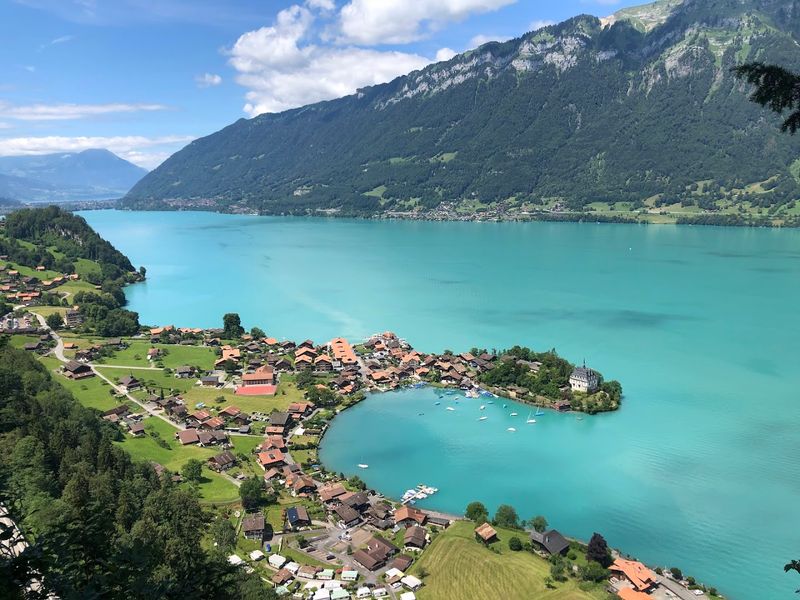
Lake Brienz has the most outrageously turquoise water in Switzerland, and that is a serious claim in a country full of glacier-fed lakes. The color comes from glacial silt suspended in the water, which scatters light in a way that makes the lake glow almost neon on bright days.
Standing on the shore and looking at it feels slightly unreal.
The Giessbach Falls drop dramatically down the mountainside directly into the lake on the southern shore, and a historic funicular railway built in 1879 carries visitors up to the grand Grandhotel Giessbach for a spectacular view. The village of Brienz on the eastern end is famous for its wood carving tradition and has been producing handcrafted objects for over 200 years.
The Brienzer Rothorn mountain railway, one of the last steam-powered rack railways in Switzerland, departs from the village and climbs to 2,350 meters. Lake Brienz sits right next to the more famous Lake Thun, but this one wins on color every single time.
Lake Ohrid, Ohrid, North Macedonia
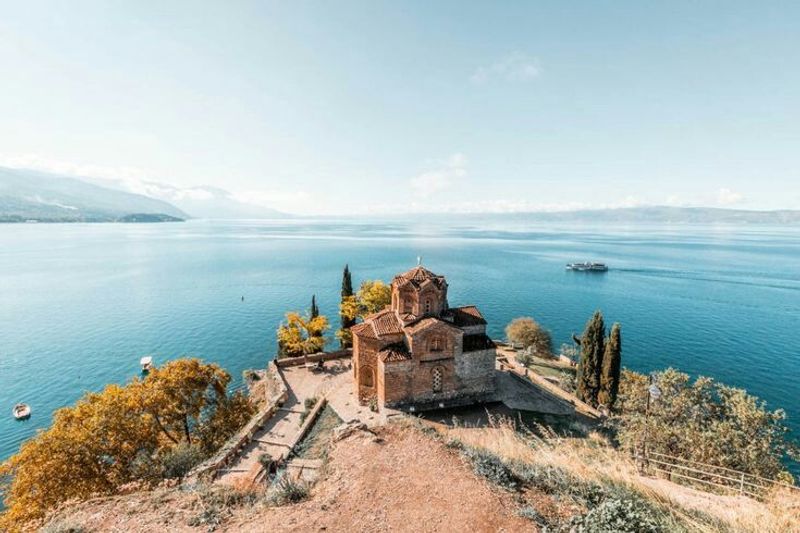
Lake Ohrid is one of Europe’s oldest lakes, estimated to be between 4 and 10 million years old. That kind of age produces something special.
The lake contains over 200 endemic species found nowhere else on Earth, including the Ohrid trout, which appears on menus across the region and tastes as ancient and local as the lake itself.
The Church of St. John at Kaneo is the most photographed spot in North Macedonia, sitting on a cliff above the water with the lake stretching out behind it in every shade of blue. The old town of Ohrid is a UNESCO World Heritage Site for both its natural and cultural value, which is a rare double listing.
More than 365 churches once stood in the city, one for each day of the year, though most are now ruins or repurposed buildings. The lake borders Albania on its western side, and the Albanian shore offers a completely different and quieter experience.
Water visibility can reach up to 22 meters deep, making it exceptional for snorkeling.
Share this story