 Unearth The Voyage
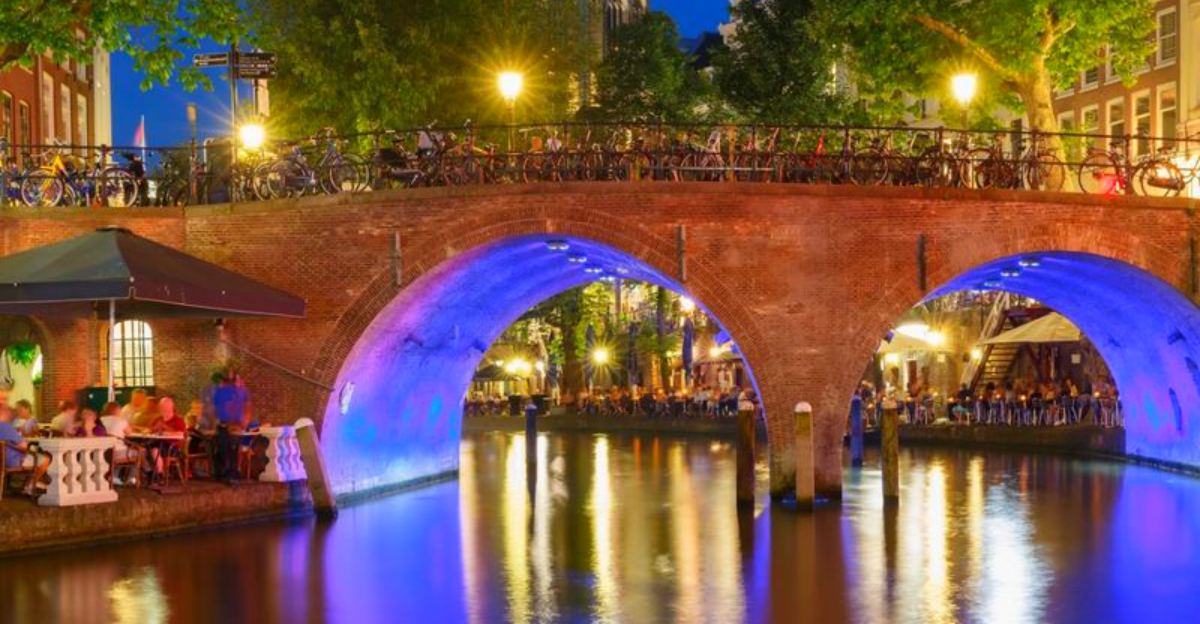
You want Europe to feel easy, welcoming, and wonderfully familiar without losing its charm. These destinations deliver smooth communication, clear signage, and locals who happily switch to English without hesitation.
From canal cities to Nordic capitals, you can focus on culture, food, and experiences instead of vocabulary drills. Here are 15 places where English speakers feel instantly at home, yet still delightfully abroad.
Amsterdam, Netherlands — Effortless Communication & Cultural Charm
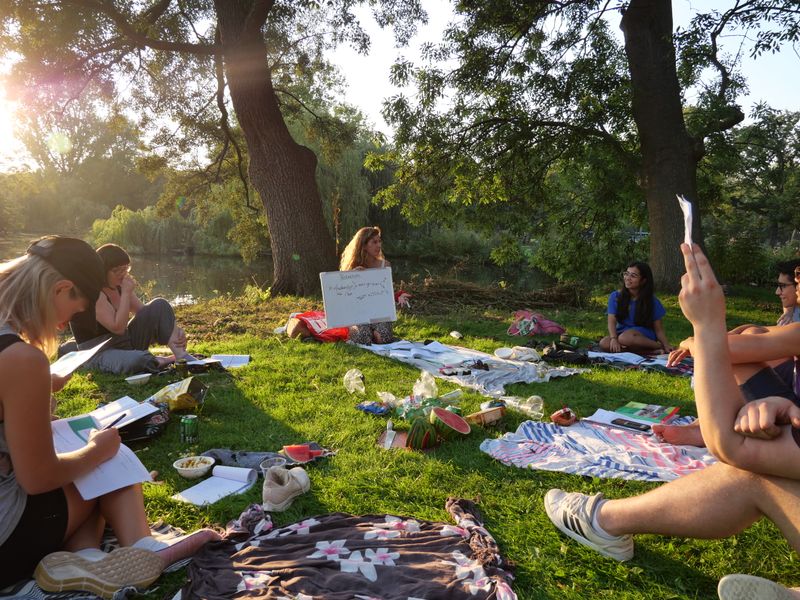
English is everywhere in Amsterdam, making your first steps feel confident and relaxed. From station announcements to museum audio guides, you can ask questions, swap recommendations, and get directions without a pause.
That clarity lets you focus on canals glinting in the light, houseboats bobbing, and the rhythm of cyclists coasting by.
Conversations with baristas feel friendly, and menus list Dutch favorites alongside helpful English descriptions. You can order poffertjes without second guessing or explain a preference while choosing herring, all with zero stress.
Chatting in the Jordaan about neighborhood history feels natural, and locals generally respond with cheerful ease.
Beyond communication, the city’s cultural polish shines through world-class museums, design-forward boutiques, and atmospheric brown cafes. You can book timed-entry tickets, navigate trams, and even join canal tours that blend humor with history.
It is a city where curiosity is welcomed and language is never a barrier.
Dublin, Ireland — Native English Culture & Warm Welcomes
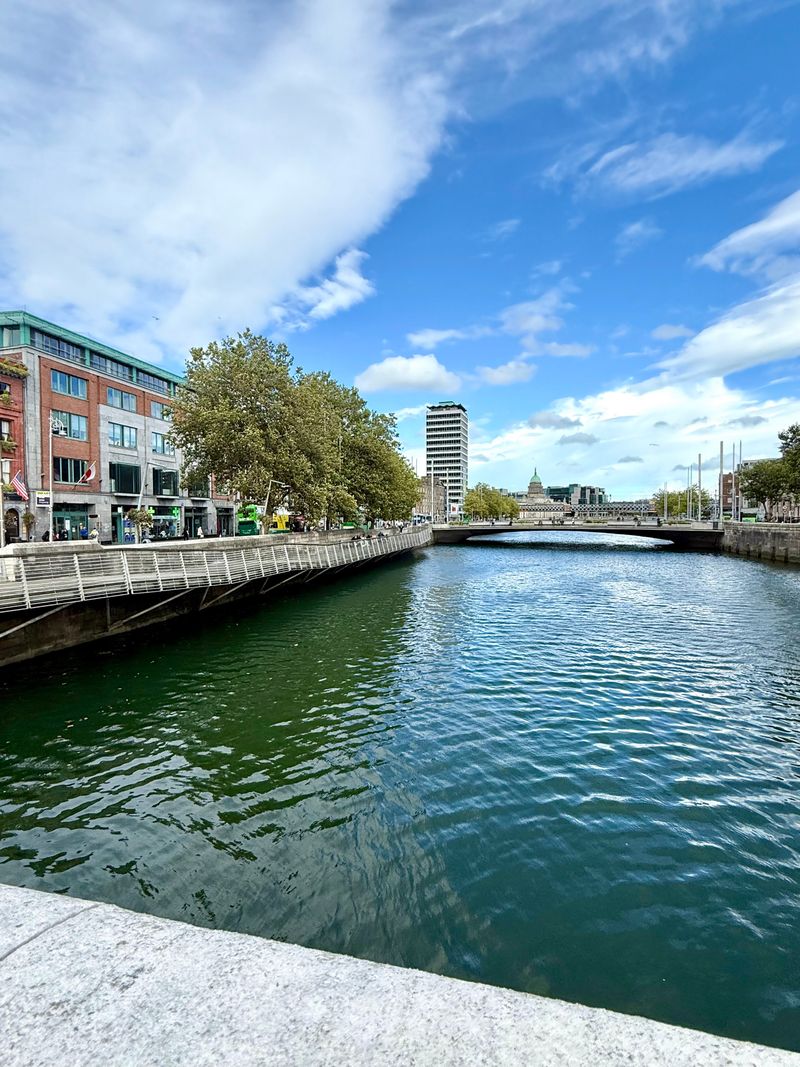
Dublin wraps conversation around you like a scarf, warm and effortless. With English as a national language, everything from bus routes to museum plaques is instantly readable.
You can wander from Trinity College to the River Liffey and follow your curiosity rather than a phrasebook.
Pubs hum with storytelling, and you will find regulars eager to share tips on music nights or coastal walks. Order a pint, ask about hidden bookshops, and join a chat that moves between humor and history.
The friendliness feels genuine, the pace human, and the tone inviting.
Guided tours cover literary legends and revolutionary moments, and your questions land clearly. You can plan day trips to Howth or Dalkey with zero confusion and return to town for late music.
Dublin’s English fluency is a bridge, not a barrier, letting culture shine through every conversation.
London, United Kingdom — Cultural Capital With Zero Language Barrier
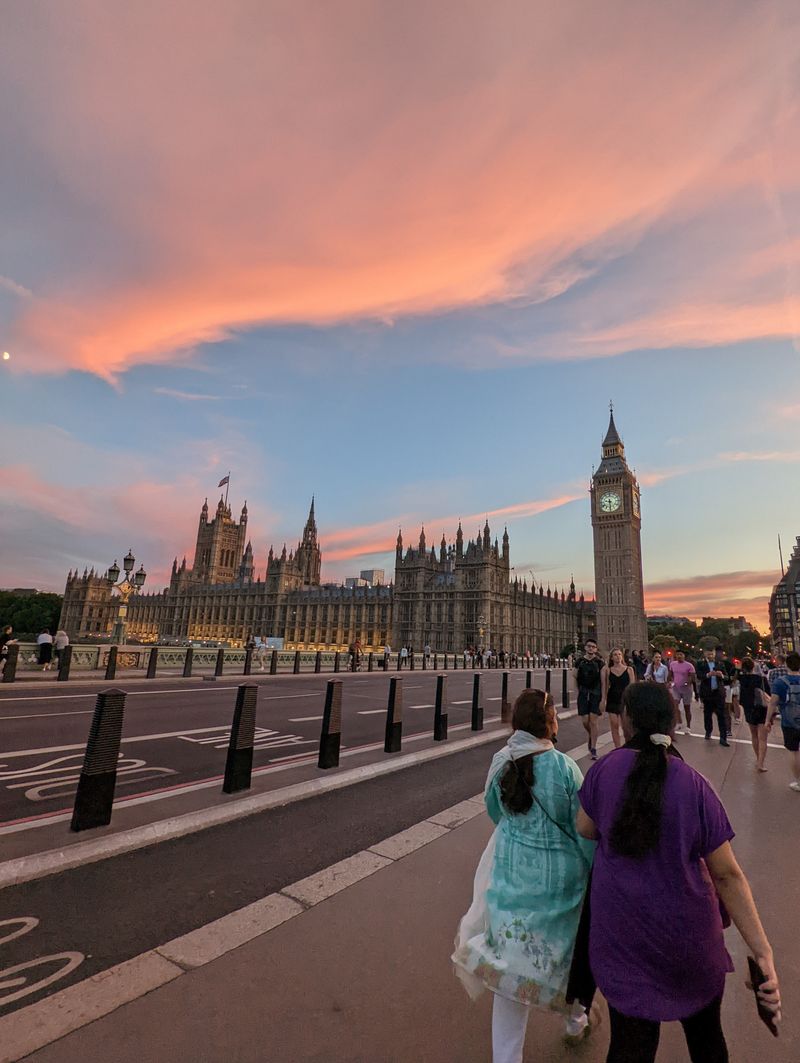
London feels immediately readable, from Tube maps to museum exhibits, because English is the default everywhere. You can glide between neighborhoods, order with confidence, and ask for help without fear of misunderstanding.
That practical ease frees time for galleries, riverside walks, and a show in the West End.
Accents vary, but signage and service remain crystal clear across markets and monuments. Menus are detailed, and staff are used to questions about ingredients or timing.
Booking attractions, securing timed entries, and catching trains all feel straightforward.
The city’s global nature means conversations span cultures and perspectives. You might trade tips in Borough Market, laugh with ushers at a matinee, or join a museum talk that invites discussion.
With no language barrier, London becomes pure discovery, layered history, and brilliant theater at your pace.
Edinburgh, Scotland — Story-Rich & English-Speaking
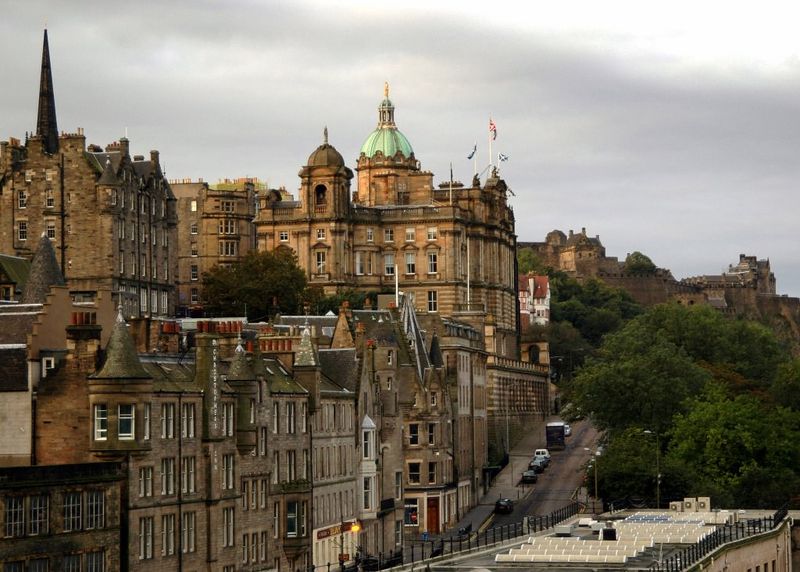
Edinburgh’s stories come alive because you can hear every word. Guides on the Royal Mile, interpreters at the Castle, and docents in small museums all speak clear English.
You will follow history’s twists through wynds and closes without missing a detail.
Local Scots phrases appear, but context and cadence make them approachable. Ask for clarifications and you will get a smile, plus an anecdote that deepens the moment.
Whether browsing bookstores or sampling whisky flights, conversation feels part of the experience.
During the Fringe, performers and staff handle questions briskly, helping you navigate schedules and venues. Outside festival season, cozy pubs and literary landmarks encourage unhurried chats.
Edinburgh keeps communication easy while wrapping you in dramatic architecture and thoughtful hospitality.
Copenhagen, Denmark — English in Everyday Life
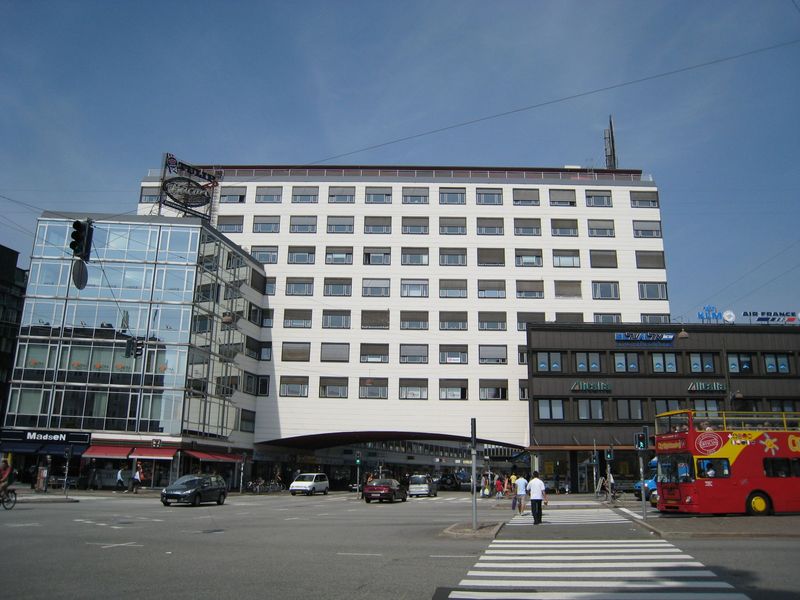
Copenhagen’s English proficiency shows up the moment you step into a cafe or board a metro. Staff switch languages seamlessly and signage is intuitive, so you can focus on design, cycling, and waterfront strolls.
The city’s calm efficiency pairs with genuine openness in conversation.
Order smorrebrod with confidence, ask about toppings, and expect friendly clarity in return. Museum labels, tour explanations, and transit announcements support an easy rhythm to your day.
When you need directions, locals often answer in fluent English without hesitation.
Biking feels accessible thanks to clear rules and thoughtful infrastructure. You can explore neighborhoods, hop into boutiques, and discover Nordic cuisine without translation hurdles.
Copenhagen makes communication a non issue, leaving space for creativity, hygge, and waterside sunsets.
Stockholm, Sweden — Scandinavia’s English-Friendly Gem
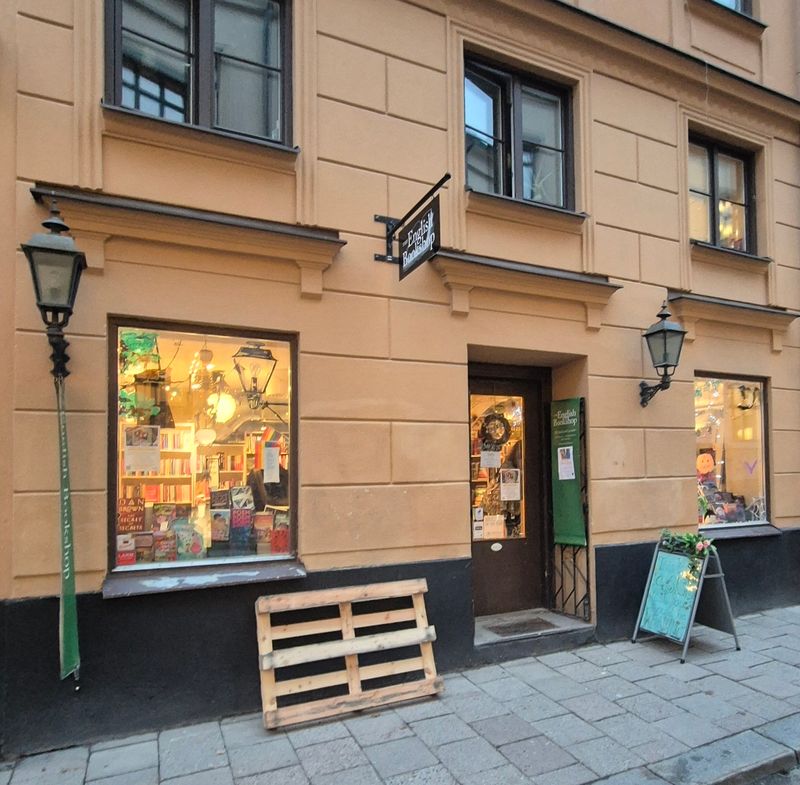
Stockholm welcomes English speakers with calm confidence. In cafes, on ferries, and inside museums, staff respond fluently and signage often mirrors your needs.
That practicality lets you dwell on cobbled lanes, archipelagos, and contemporary design rather than phrases.
In Gamla Stan, you can arrange tours, book tables, and ask for recommendations without friction. Students and hospitality workers tend to speak excellent English, and conversations feel easygoing, never rushed.
Clarity extends to transport apps, tickets, and wayfinding.
When curiosity strikes, you will get thoughtful answers, whether about the Vasa’s story or fika traditions. Neighborhoods feel approachable because questions lead to friendly chats, not awkward pauses.
Stockholm turns language into a smooth bridge across history, water, and modern Nordic culture.
Reykjavik, Iceland — Tiny Capital With Huge English Skills
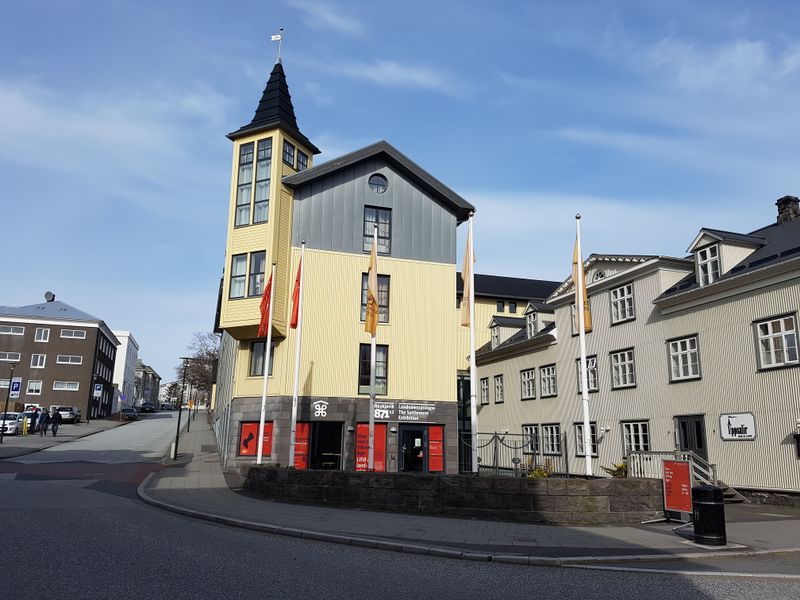
Reykjavik makes communication simple even as landscapes feel otherworldly. Nearly everyone in hospitality speaks fluent English, from baristas to guides leading lava field hikes.
You can ask about bus routes, hot spring etiquette, or weather safety and get precise advice.
Menus are bilingual, tours run with clear commentary, and hotel staff handle complex questions calmly. That reliability helps you plan day trips to waterfalls and geysers without stress.
When plans change, rescheduling feels straightforward and friendly.
In town, you can browse design shops, try lamb soup, and join live music nights with easy conversation. Outside the city, guides explain geology, folklore, and safety protocols in crisp English.
Reykjavik proves that big adventures pair beautifully with small language barriers.
Utrecht, Netherlands — Amsterdam’s Charming Neighbor
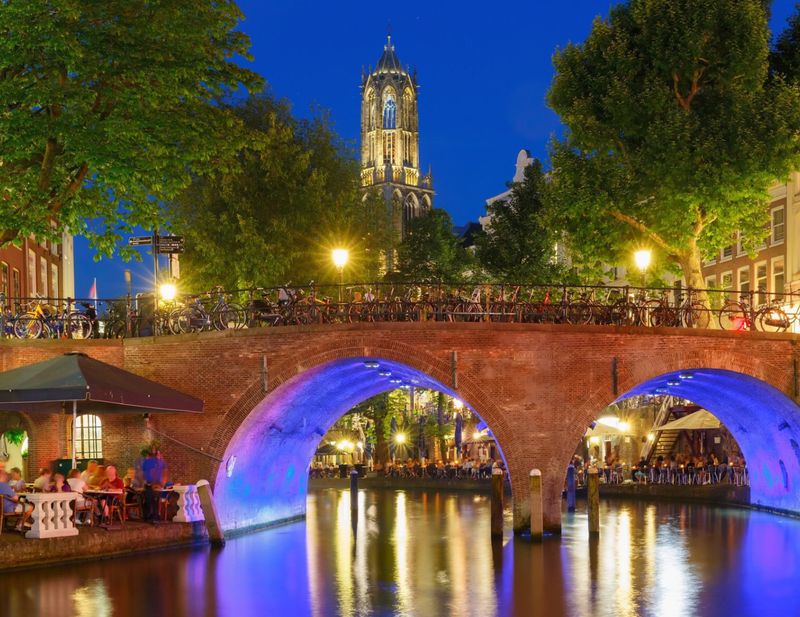
Utrecht delivers Dutch charm with the same English fluency that makes Amsterdam effortless. University life infuses the city with confident speakers who help with directions, tickets, or bike rentals.
You can glide through markets and canalside terraces without scrambling for translations.
Dom Tower views, indie shops, and leafy quays form an easygoing backdrop for conversations. Staff switch to English quickly and kindly, even in smaller bakeries or bookstores.
Menus often include clear descriptions, so ordering feels relaxed and informed.
Trains connect you to the rest of the Netherlands with signage that makes sense at a glance. You can plan day trips, ask platform questions, and adjust routes without stress.
Utrecht feels approachable, cultured, and wonderfully manageable for English speaking travelers.
Malta & Sliema — English Official and Everyday
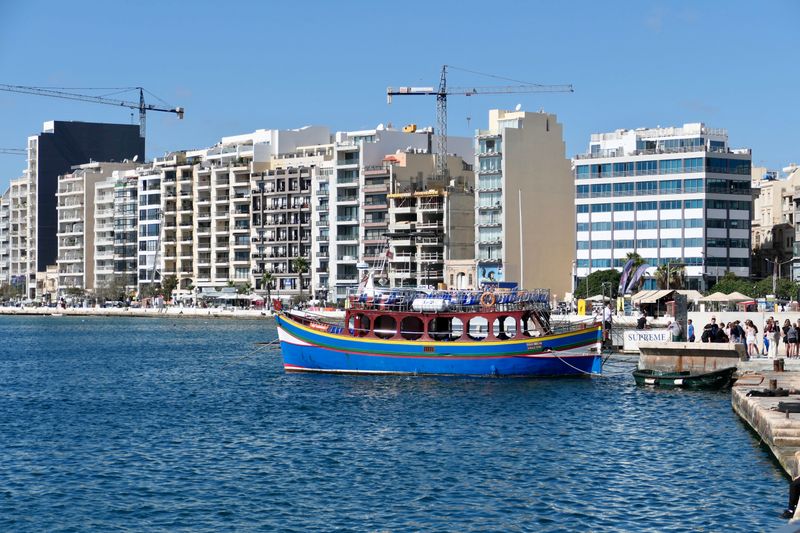
In Malta, English is official alongside Maltese, so you move with immediate confidence. Street signs, bus routes, and service interactions are clearly understandable.
In Sliema, coastal walks pair with easy cafe conversations and friendly, straightforward service.
Tour guides explain layered history, from Knights of St. John to WWII shelters, with vivid clarity. You can ask follow up questions, confirm ferry times, and change bookings without confusion.
Shops and pharmacies handle details smoothly, which matters on warm, busy days.
The island’s scenery adds sunshine to practicality. Expect menus with English descriptions and hosts who explain local customs thoughtfully.
With language settled, you can savor harbors, sandstone streets, and breezy promenades that stretch from morning to golden hour.
Lisbon, Portugal — Easy English & Historic Streets
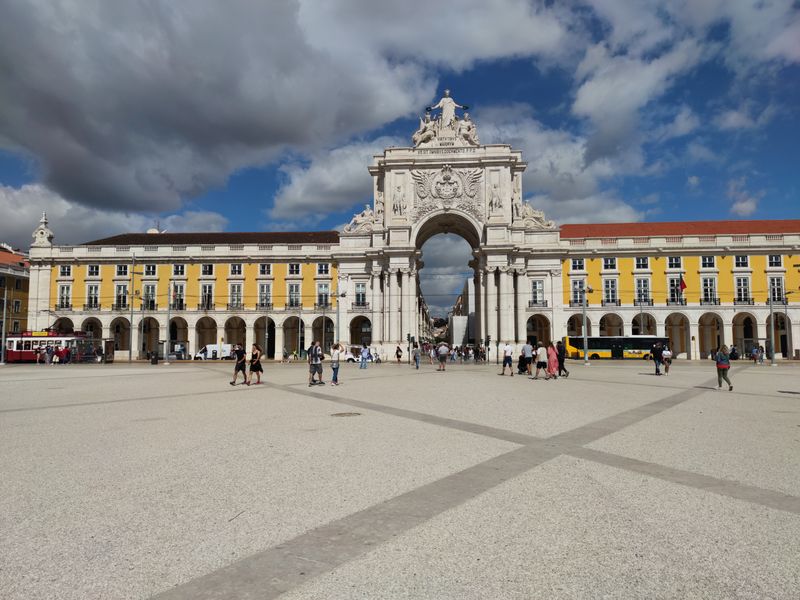
Lisbon meets you halfway with widespread English, especially in hospitality and attractions. You can book Tram 28 times, clarify hills and routes, and order pastéis de nata with precision.
Museums and tours frequently offer English explanations that feel thoughtful rather than generic.
In Alfama and Bairro Alto, staff handle questions about fado timings, viewpoints, and local etiquette. Hotel teams share neighborhood tips in clear terms, helping you balance crowds and quiet corners.
Even small kiosks often manage at least basic English.
The result is a city where you can wander, learn, and eat without second guessing. When Portuguese phrases come to mind, they are welcomed, but you never feel stuck.
Lisbon’s blend of sunlight, history, and straightforward communication is easy to love.
Berlin, Germany — Multilingual & English-Accessible
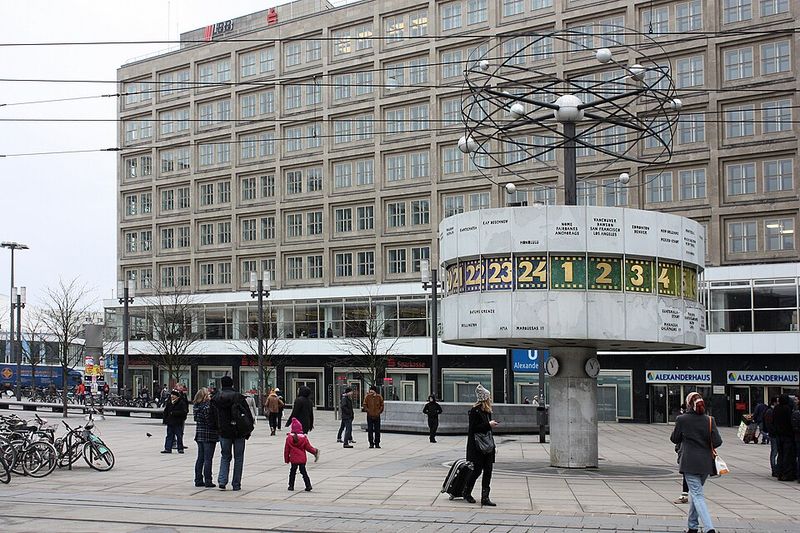
Berlin’s international character keeps English in steady circulation. In galleries, tech hubs, and cafes, staff switch fluidly and conversations span many accents.
You can handle transit, tickets, and tours without stumbling across language hurdles.
Menus often include translations, and QR codes route you to English pages. When you ask about exhibitions, guides answer in detail and point to lesser known spots.
Even complex history feels more approachable when the explanations are crisp and considerate.
Neighborhoods like Kreuzberg and Prenzlauer Berg offer relaxed interactions in English. Buying passes, navigating the U-Bahn, and arranging day trips happen with reassuring clarity.
Berlin makes room for curiosity and ensures language never limits your exploration.
Zurich, Switzerland — Global Hub With English Everywhere
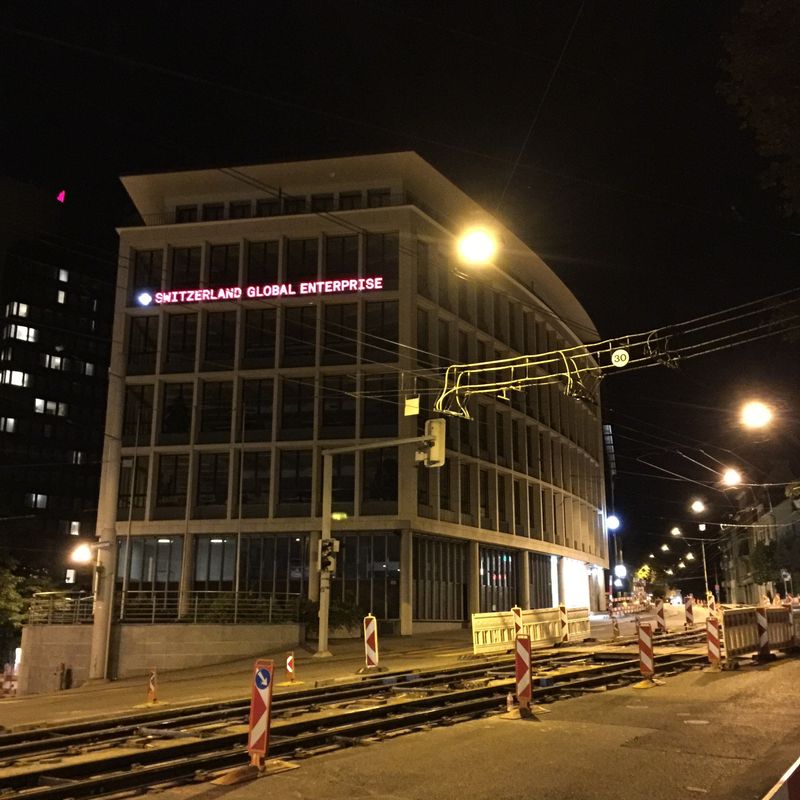
Zurich’s international rhythm means English appears in banks, boutiques, and bakeries alike. You can ask about lake cruises, order coffee precisely, and check station platforms without stress.
Staff handle detailed questions with professional calm.
While German is local, English bridges daily tasks from ticket machines to museum plaques. In hotels and restaurants, service teams are adept at explaining dishes and allergies.
Conversations feel efficient yet friendly, like the city itself.
Walk the river, visit galleries, and plan mountain day trips with reliable guidance. If a schedule changes, updates are clear and options are offered quickly.
Zurich pairs polished service with seamless communication so you can focus on Swiss scenery and style.
Oslo, Norway — Fjords and Fluent English
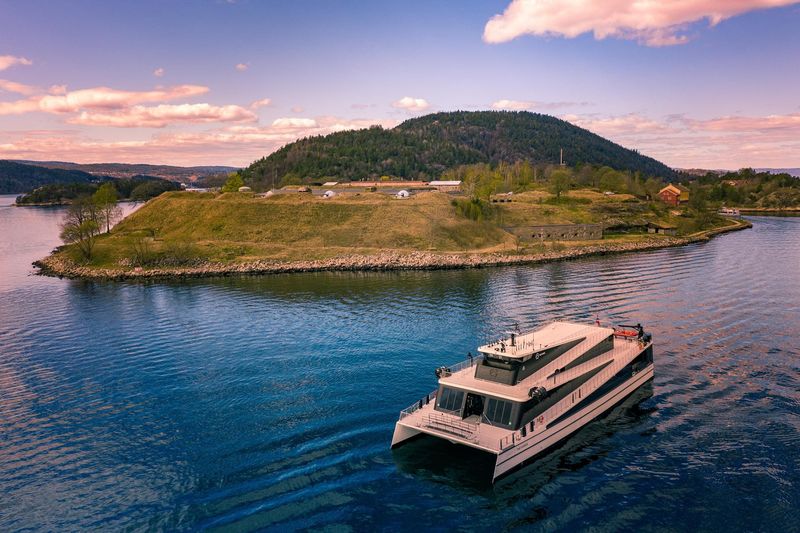
Oslo makes English feel native in public spaces, museums, and transit. Staff answer questions about ferry timings, sculpture parks, and hiking gear with easy fluency.
You can purchase passes, reserve tables, and join tours without pause.
Norwegians study English early, and that confidence shows in friendly, succinct exchanges. Museum texts, safety notes, and nature briefings are available in English where it matters most.
Clarity is paired with politeness, making logistics pleasantly brisk.
From the Opera House roof to island hopping, directions land clearly and promptly. You will find room for spontaneity because communication is never a hurdle.
Oslo’s landscapes feel vast, but the language experience stays comfortably close.
Helsinki, Finland — Nordic Capital With English Ease
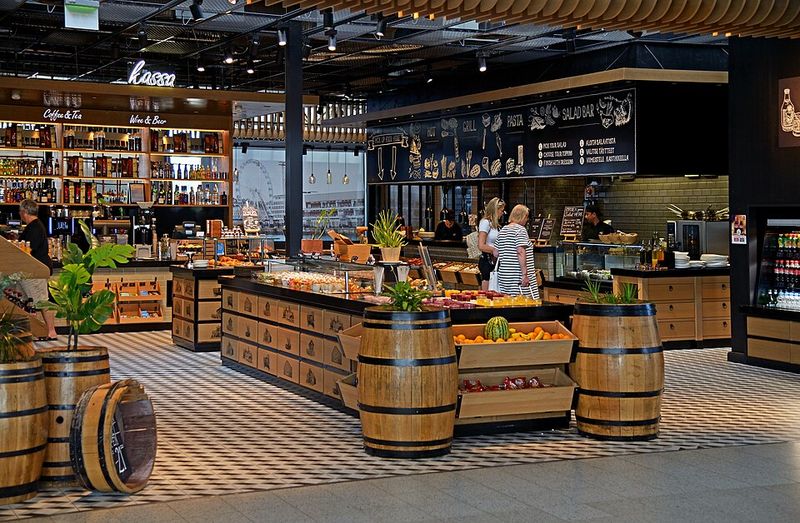
Helsinki greets you with straightforward English across public services and cultural venues. Younger Finns and hospitality teams speak confidently, so you can ask for details and get precise answers.
Tickets, apps, and timetables support a smooth rhythm to your day.
In the Design District, staff explain craftsmanship and materials in crisp terms. Cafe menus often feature bilingual descriptions, keeping choices effortless.
Public saunas post clear guidance, which helps you relax into local rituals.
With communication settled, you can savor seaside walks, architecture, and thoughtful museums. You will pick up Finnish words if you wish, but you never need them to feel included.
Helsinki balances cool aesthetics with warm clarity, a combination that feels quietly luxurious.
Prague, Czech Republic — English in Historic Europe
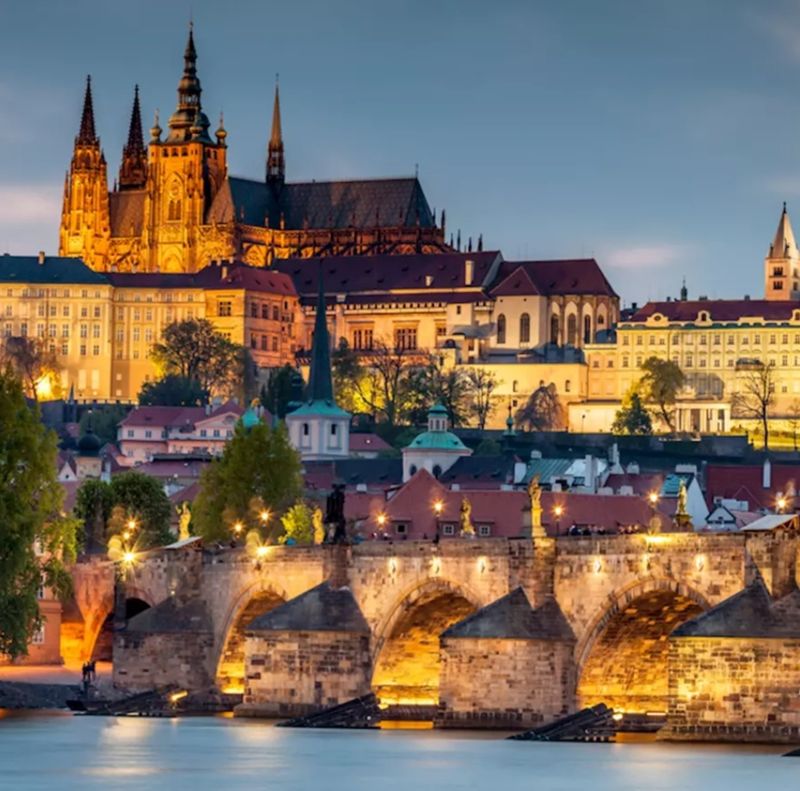
Prague’s historic core speaks English with reassuring consistency. Hotel desks, restaurant teams, and tour guides handle questions clearly, especially around major sights.
You can read menus, book river cruises, and follow walking tours with ease.
Outside main hubs, proficiency varies, but patience and smiles go a long way. In the center, though, you will rarely feel lost in translation.
Signs to the Castle and metro maps help you connect districts without confusion.
Architecture takes center stage when language worries fade. You can linger over dumplings, ask about beer styles, and learn legends linked to bridges and towers.
Prague keeps the focus on beauty and story, supported by accessible English wherever travelers gather.



