 Unearth The Voyage
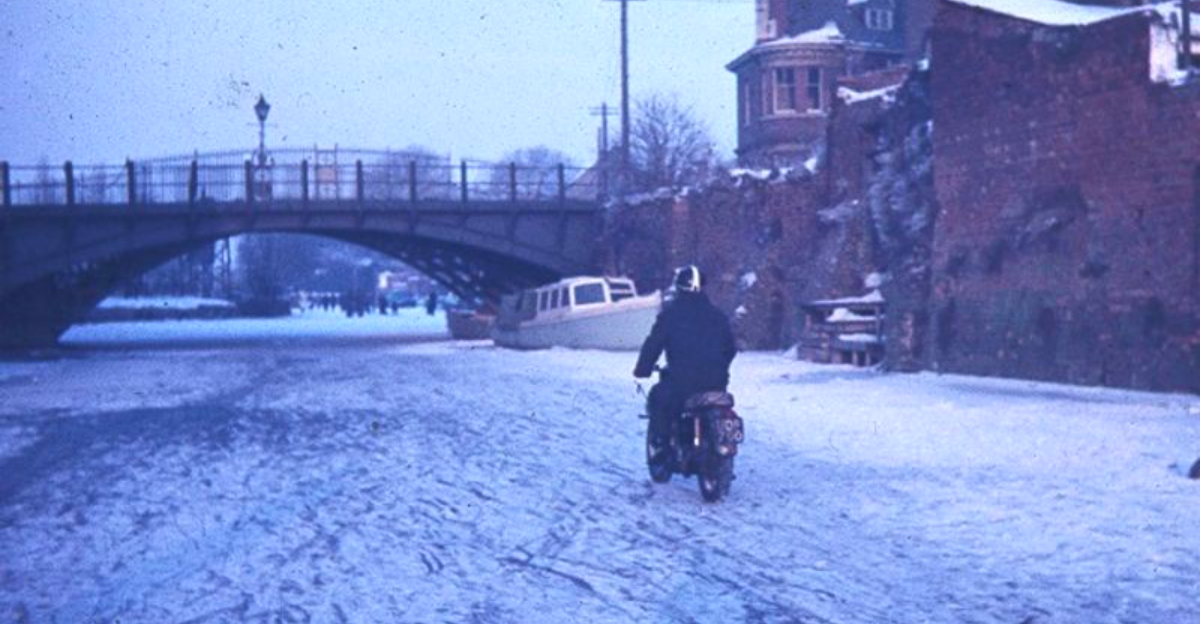
Winter in 1970s America came with a very different rulebook, and sometimes it barely looked like a rulebook at all. Everyday cold-weather behavior mixed convenience, bravado, and a level of public risk that would trigger fines, citations, or stunned neighborhood group posts now.
What feels especially striking is how ordinary these choices seemed at the time, from family travel to backyard routines to improvised shortcuts across ice. Keep reading and you will see how changing laws, safety standards, and public attitudes turned once-common winter habits into conduct that now looks reckless on paper and unbelievable in memory.
1. Riding in the Back of Pickup Trucks Through Snowstorms
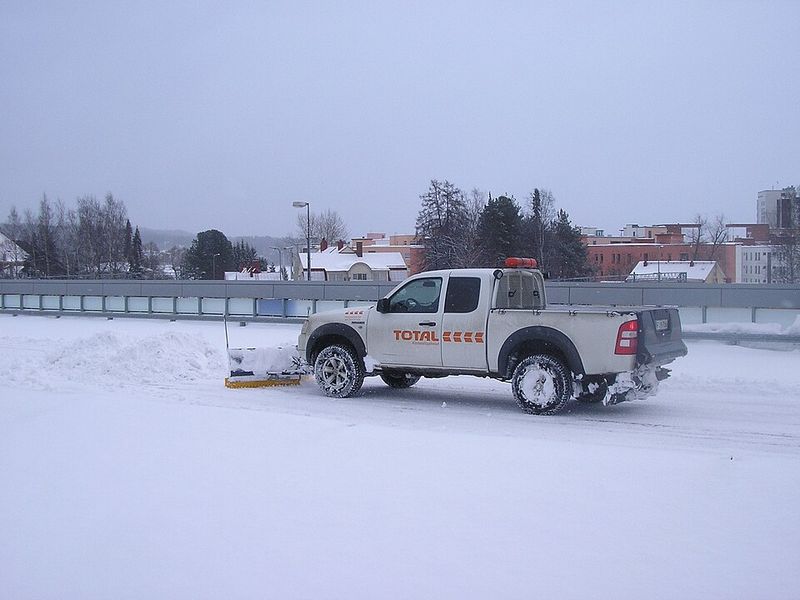
Nothing says loose 1970s winter logic quite like using a pickup bed as family transit during a snowstorm. In many rural areas, especially across the Mountain West and upper Northeast, kids rode in back because that was the available space and nobody treated it as unusual.
Blankets, parkas, and sheer confidence stood in for any real protection while trucks bounced down slick county roads. Today, passenger restraint laws, child endangerment standards, and state rules on riding in cargo beds make that practice illegal or tightly restricted in much of the country.
The change did not happen overnight, but safety campaigns in the 1980s and 1990s steadily reframed this as preventable risk rather than harmless toughness. What once passed as practicality now reads like a perfect storm of traffic violations, liability concerns, and parenting choices that would attract immediate attention from police, school staff, and probably half the internet before the truck reached town.
2. Burning Trash in the Backyard to Stay Warm
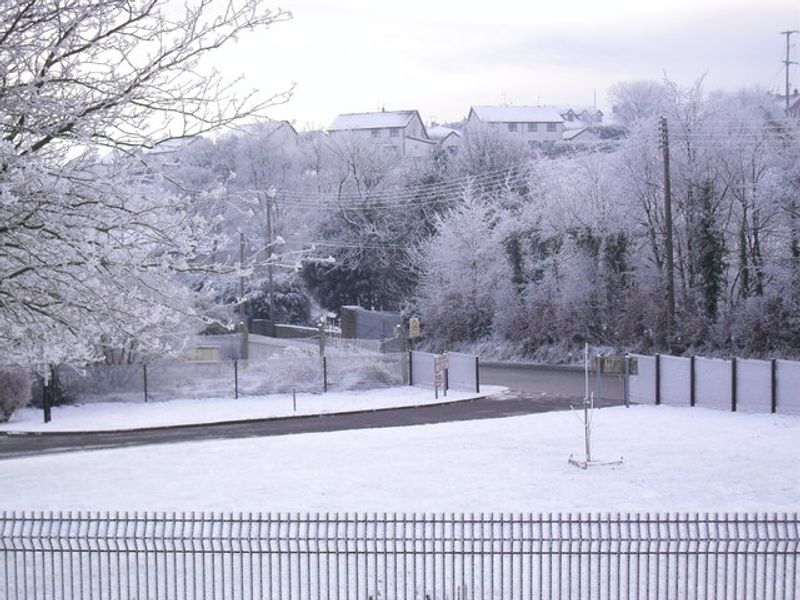
Few winter routines capture old improvisation better than feeding a burn barrel with whatever was lying around. In parts of Appalachia and many small towns, families burned paper, cardboard, scrap lumber, and household refuse because disposal systems were limited and heating costs could bite hard.
What counted as practical then now collides with open-burning bans, air quality rules, and local fire codes. Modern authorities can issue fines for backyard burning, especially when plastics, treated wood, or other hazardous materials enter the mix and send harmful pollutants through a neighborhood.
Public awareness changed as environmental regulation expanded after the Clean Air Act era and local governments built stronger waste collection systems. The casual winter trash fire that once seemed like thrift and necessity would now invite code enforcement, irritated neighbors, and possibly firefighters asking pointed questions about what exactly is smoldering behind the shed while snow piles up along the fence line.
3. Letting Kids Roam Frozen Lakes Without Supervision
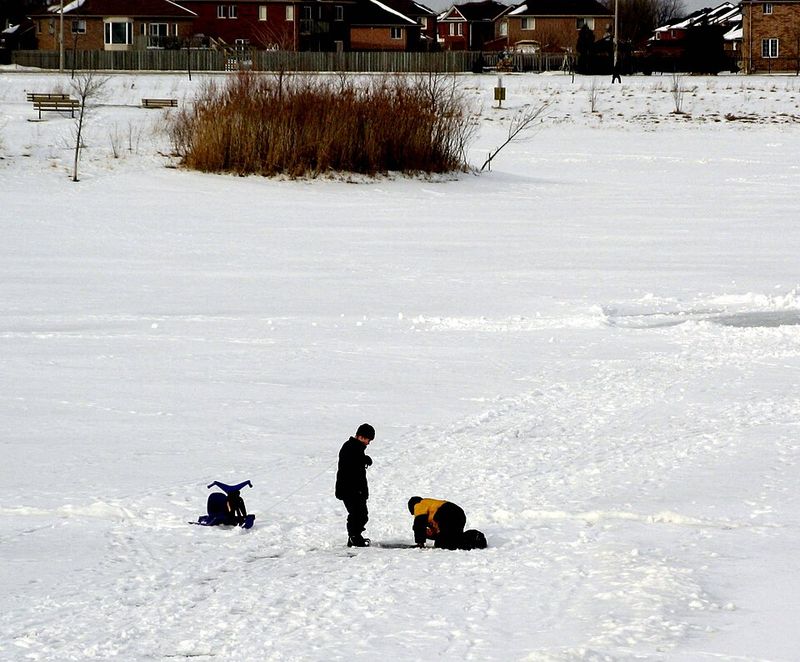
A frozen lake used to look less like a hazard zone and more like an open invitation. Across northern states, children headed onto ice with skates, sleds, or simple curiosity, often with no adult nearby beyond someone vaguely visible near a house or parked car.
That freedom reflected a broader 1970s attitude toward unsupervised play, but today municipalities, park districts, and property owners take a much stricter view. Warning signs, closed access points, liability policies, and child welfare expectations mean adults can face serious consequences if minors are knowingly left to test questionable ice alone.
Improved understanding of winter rescue risks and local responsibility changed the social math. What parents once considered ordinary independence can now be interpreted as neglect, especially if the lake sits on municipal property or inside a managed recreation area with posted restrictions.
It is one of those habits that survives in stories because, in current legal and social terms, it sounds far bolder than anybody involved probably realized at the time.
4. Hitchhiking in the Dead of Winter
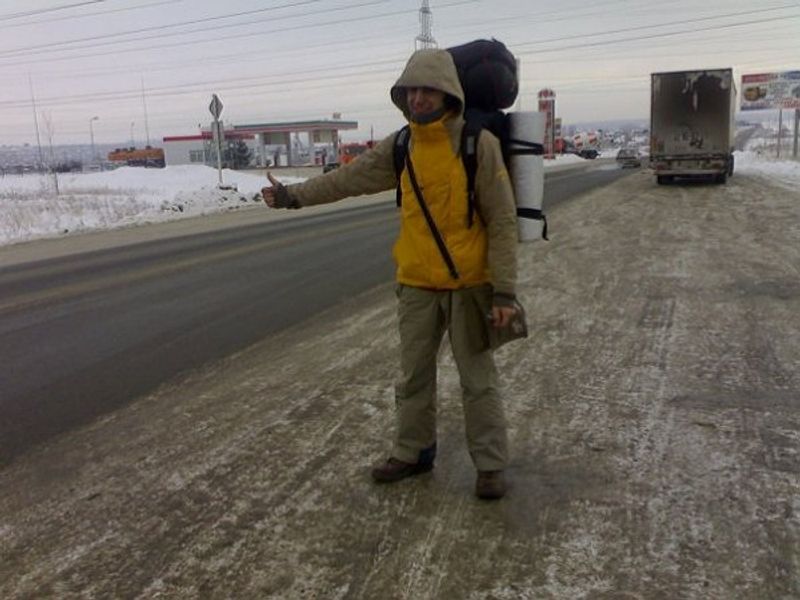
Standing on a snowy roadside with a raised thumb once looked like transportation, not a legal problem. During the 1970s, hitchhiking still held onto a strange mix of necessity, youth culture, and everyday practicality, even in bitter winter conditions along interstates and state routes.
Many drivers saw picking up strangers as ordinary courtesy, while travelers treated it as a workable option when buses ran poorly or money ran short. Today, hitchhiking is restricted or prohibited on many highways, on-ramps, and controlled access roads, with police far more likely to intervene for traffic safety reasons alone.
The habit also faded because public attitudes shifted sharply around personal security and roadside risk. What once produced stories about chance conversations and cross-country rides now raises concerns about obstruction, trespassing, and preventable danger during storms or low visibility.
In legal terms, the winter hitchhiker often went from resourceful traveler to someone violating roadway rules before any ride even pulled over to the shoulder.
5. Running Space Heaters Without a Second Thought
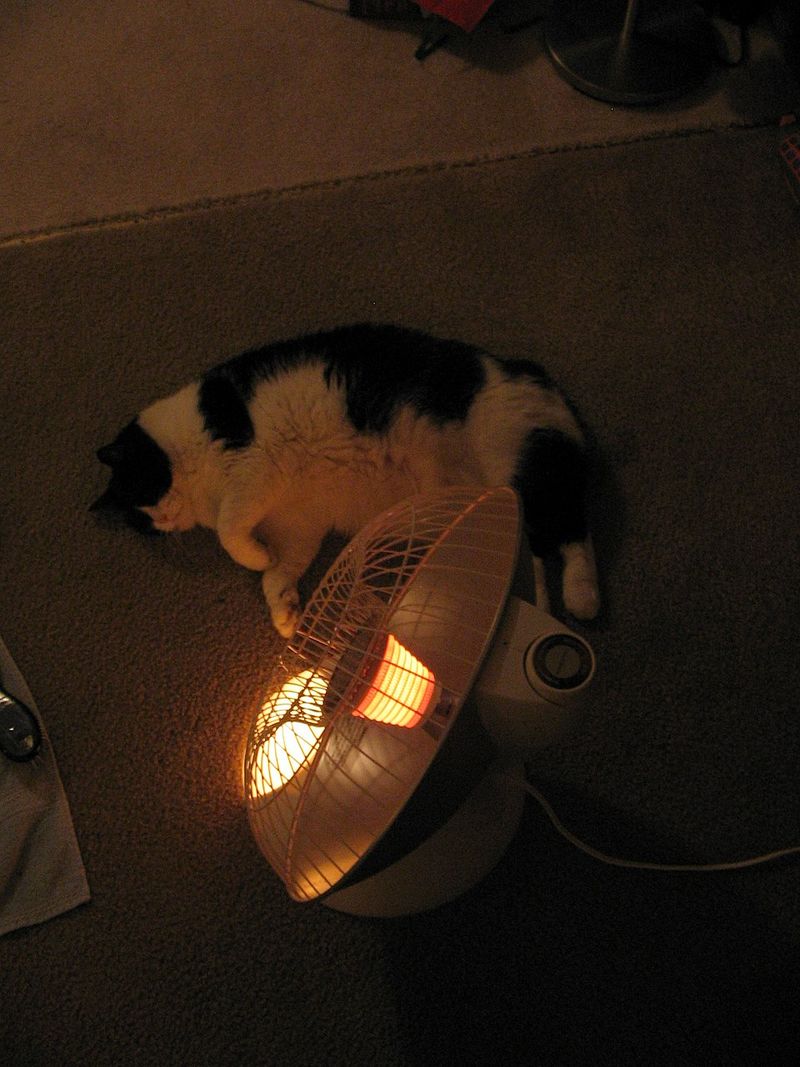
One glowing box in the corner used to count as a heating strategy and a personality trait. In the 1970s, portable space heaters showed up in bedrooms, basements, garages, and apartments, often parked far too close to curtains, rugs, papers, or whatever else happened to be nearby.
Safety engineering was improving, but tip-over shutoffs, modern certifications, and consumer awareness were nowhere near current standards. Today, landlords, inspectors, and fire codes treat careless heater placement as a serious violation, and some older models would never pass present-day product rules or building regulations.
The habit mattered because winter energy costs and uneven home heating pushed people toward convenience over caution. Families often used extension cords, overloaded outlets, or improvised locations that now read like a checklist of what not to do.
What once seemed like common household problem-solving could today bring building citations, lease penalties, or immediate intervention from anyone who notices a vintage heater quietly sitting inches from a blanket or drape.
6. Driving Without Seat Belts on Icy Roads
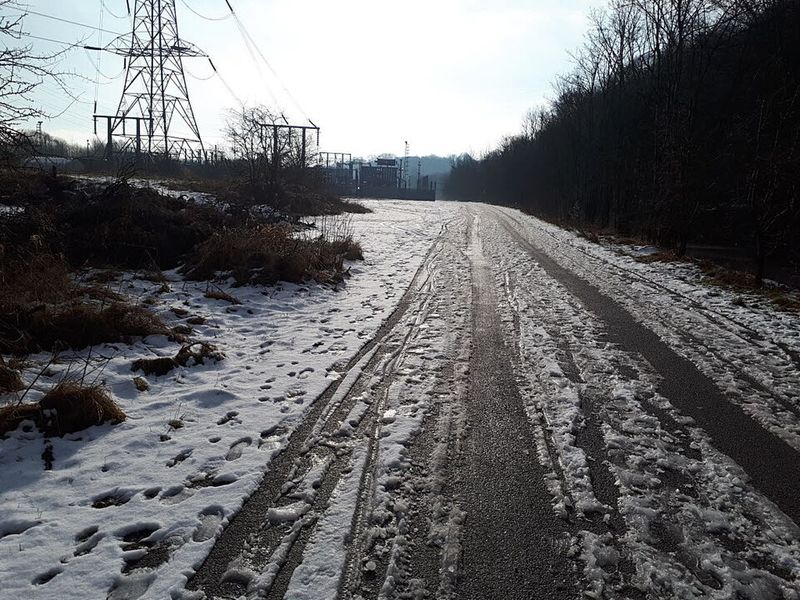
The family car of the 1970s often doubled as a rolling lesson in selective optimism. Even on icy roads, many adults skipped seat belts and children moved freely around station wagons, because restraint use was inconsistent long before mandatory laws and enforcement reshaped habits.
Some states had no seat belt requirements at all, and where rules existed later, cultural resistance stayed strong for years. Today, primary enforcement laws in many jurisdictions let officers stop drivers simply for failing to buckle up, and unrestrained children bring even sharper legal consequences.
Winter made the old practice look especially risky because slick pavement, reduced visibility, and longer stopping distances already stacked the odds. Yet plenty of people treated belts as optional accessories rather than essential equipment.
Public education, federal safety standards, and insurance pressure changed that outlook dramatically. What once passed as routine family travel during a storm would now trigger citations, child passenger safety concerns, and a stream of disbelief from anyone used to modern expectations.
7. Drinking and Driving After Holiday Parties
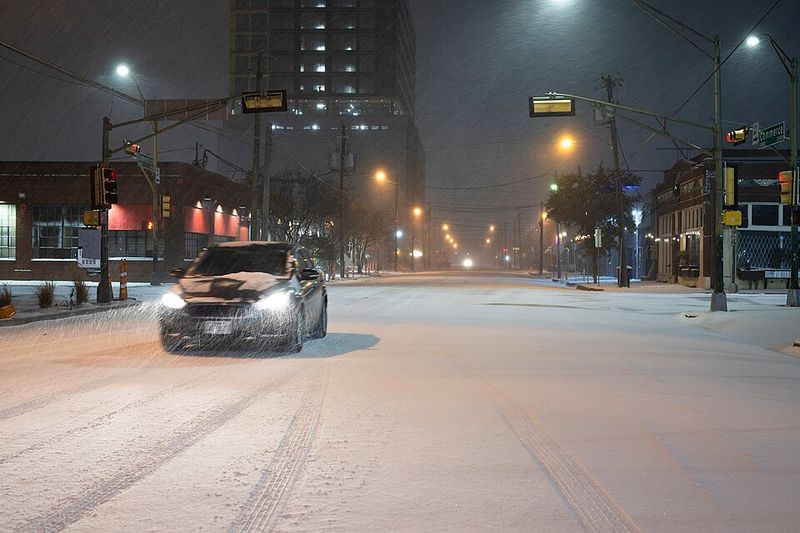
Few old winter norms look more unacceptable now than casually driving home impaired after a holiday gathering. In the 1970s, enforcement existed, but social attitudes were far looser, and many communities treated post-party driving as poor judgment rather than a major public safety offense.
That tolerance began to collapse in the late 1970s and early 1980s as advocacy groups, stricter statutes, and stronger policing changed both the law and public expectations. Today, even a short drive after a company party can lead to arrest, license suspension, large fines, and consequences that follow someone for years.
Winter conditions only make the contrast sharper, because snow, darkness, and slick roads reduce reaction time and magnify danger. What once slipped under the heading of seasonal custom is now one of the clearest examples of behavior society deliberately pushed out of the realm of normal.
It remains a revealing reminder that legality often changes only after a culture finally stops shrugging at conduct it long excused.
8. Tossing Salt and Chemicals Without Regulation
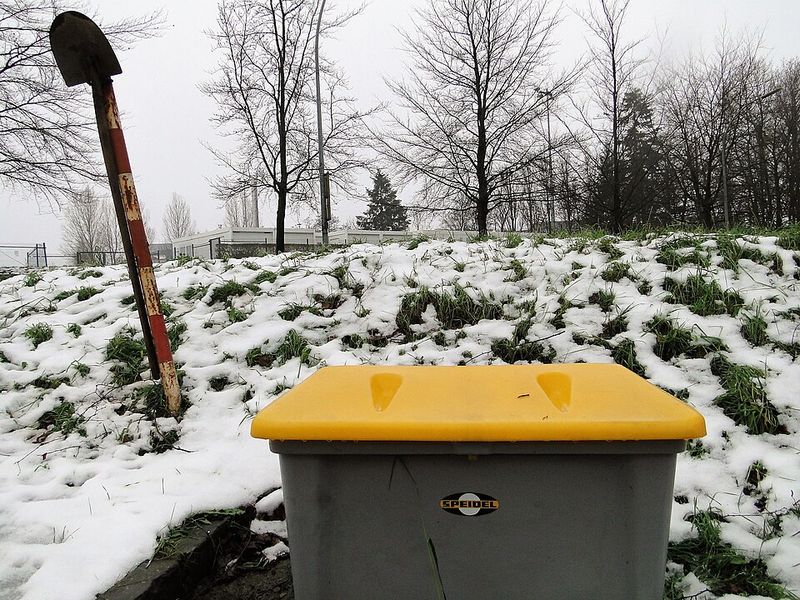
Winter road crews once approached ice with the subtlety of a shovel through sheet cake. Cities and towns dumped heavy layers of salt, sand, cinders, and assorted de-icing compounds onto streets and sidewalks, often with little public discussion about runoff, corrosion, or environmental impact.
The priority was straightforward: keep traffic moving and worry about side effects later. Today, many municipalities track application rates, test alternatives, and face tighter environmental oversight because excess chloride harms waterways, damages infrastructure, and creates long-term maintenance costs that nobody in the 1970s discussed much.
Private property owners have also seen rules change, with some areas regulating storage, handling, and certain chemical uses more carefully. While spreading salt itself is not a crime, the old anything-goes approach looks wildly outdated next to current best practices and environmental expectations.
The era left behind rusted fenders, rough sidewalks, and a useful lesson in how public works policy can shift once the hidden costs of a practical winter shortcut become harder to ignore.
9. Using Fireplaces Without Proper Ventilation
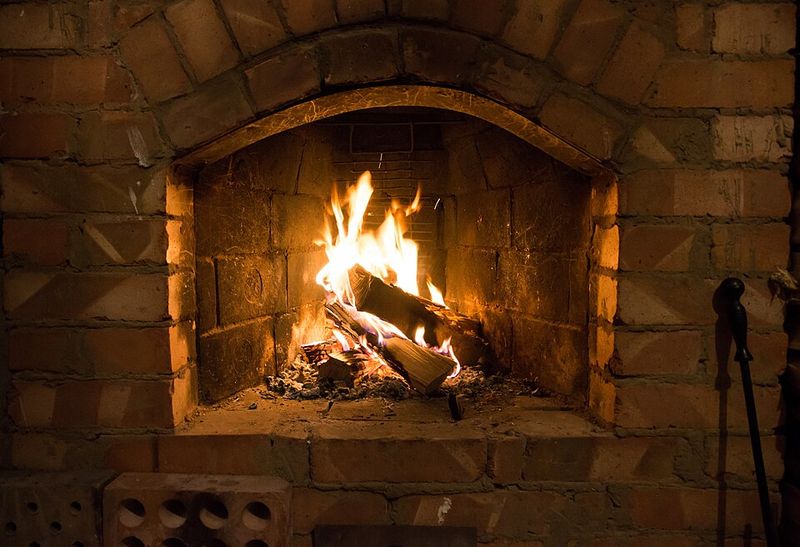
A winter fireplace once carried an aura of competence that modern inspectors would challenge in minutes. During the 1970s, many households relied on wood-burning fireplaces or stoves without regular chimney cleaning, proper ventilation checks, or the now-standard layers of detector-based household protection.
People trusted draft, routine, and family tradition more than formal inspection schedules. Today, building codes, homeowner insurance requirements, and carbon monoxide awareness make neglected flues or improper venting a legal and financial headache, especially in rental properties or after any complaint about smoke entering shared spaces.
The shift reflects better understanding of indoor air quality and combustion hazards rather than simple fussiness. Homes from the period were often updated unevenly, leaving older chimneys, liners, and dampers to do jobs they were not ideally designed for.
What looked like ordinary winter comfort could now prompt code enforcement, failed inspections, or mandatory repairs before anyone is allowed to keep using the hearth the way previous generations did without much second guessing.
10. Letting Kids Play with Firecrackers in the Snow
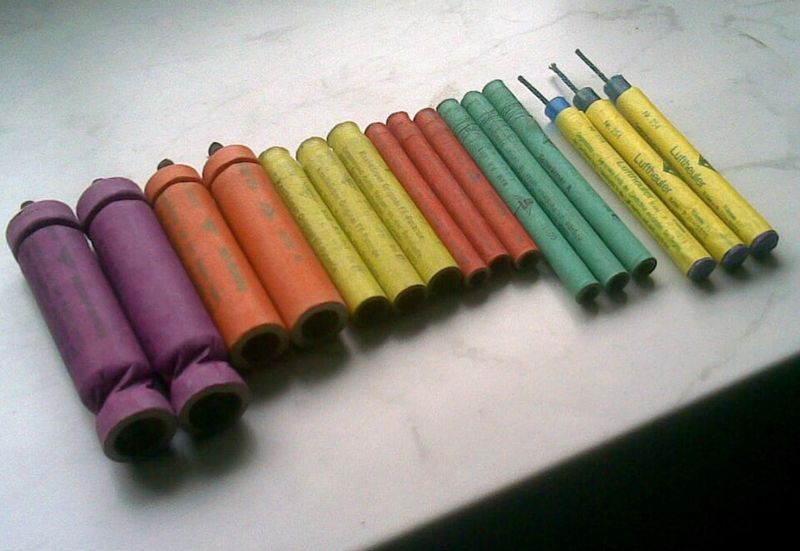
Snow did not stop mischief in the 1970s. For plenty of kids, it simply gave firecrackers a new stage.
Winter backyards, alleyways, and vacant lots became places to light small explosives under casual supervision, especially around holidays when leftover fireworks still sat in drawers or garages.
Today, that behavior runs straight into local fireworks bans, age restrictions, school discipline policies, and police attention if it happens near streets, mailboxes, or parked vehicles. Many jurisdictions sharply limit consumer fireworks altogether, and minors handling them can bring consequences for both kids and parents.
The old assumption was that snow somehow made everything less risky, a belief not exactly supported by law or common sense. Public messaging, stricter municipal codes, and broader concern about neighborhood safety have steadily narrowed the room for this kind of winter boredom cure.
What once drew little more than a shouted warning from a porch would now be treated as reckless conduct, especially in dense neighborhoods where one small blast can send several households straight to their phones.
11. Parking Anywhere During Snow Emergencies
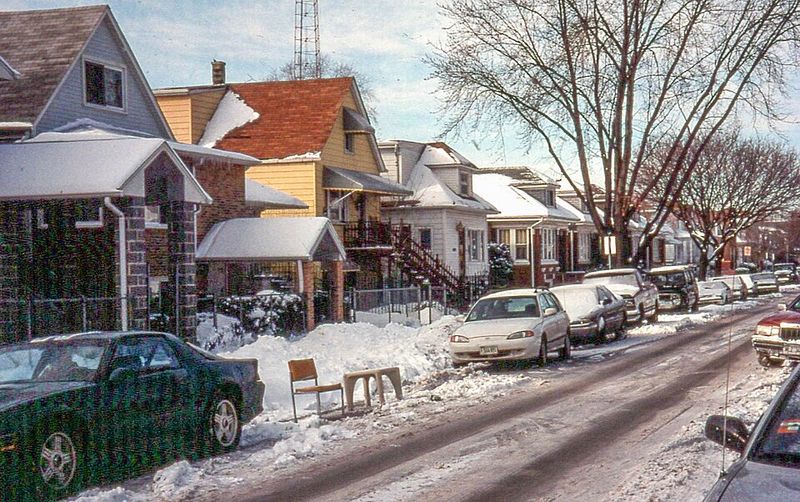
When snowstorms buried city streets, parking rules in the 1970s often turned into loose suggestions. Drivers left cars wherever they found space, even on routes that plows needed cleared, because moving a vehicle in deep snow could feel less likely than waiting for weather or luck.
Some cities had emergency routes and alternate-side systems, but enforcement was inconsistent and communication was slower. Today, text alerts, tow contracts, posted regulations, and aggressive snow emergency policies mean illegally parked cars can disappear quickly, along with a respectable amount of money from your wallet.
The change reflects how much urban winter management has professionalized. Municipalities now treat blocked plow routes as public safety issues tied to emergency access, transit service, and overall traffic flow.
What once looked like ordinary winter inconvenience can now bring citations, towing, storage fees, and neighborhood frustration before the next plow pass is finished. It is a good example of a once-common habit that became unacceptable not because winter got worse, but because cities finally decided chaos was too expensive to tolerate.
12. Ice Fishing Without Safety Regulations
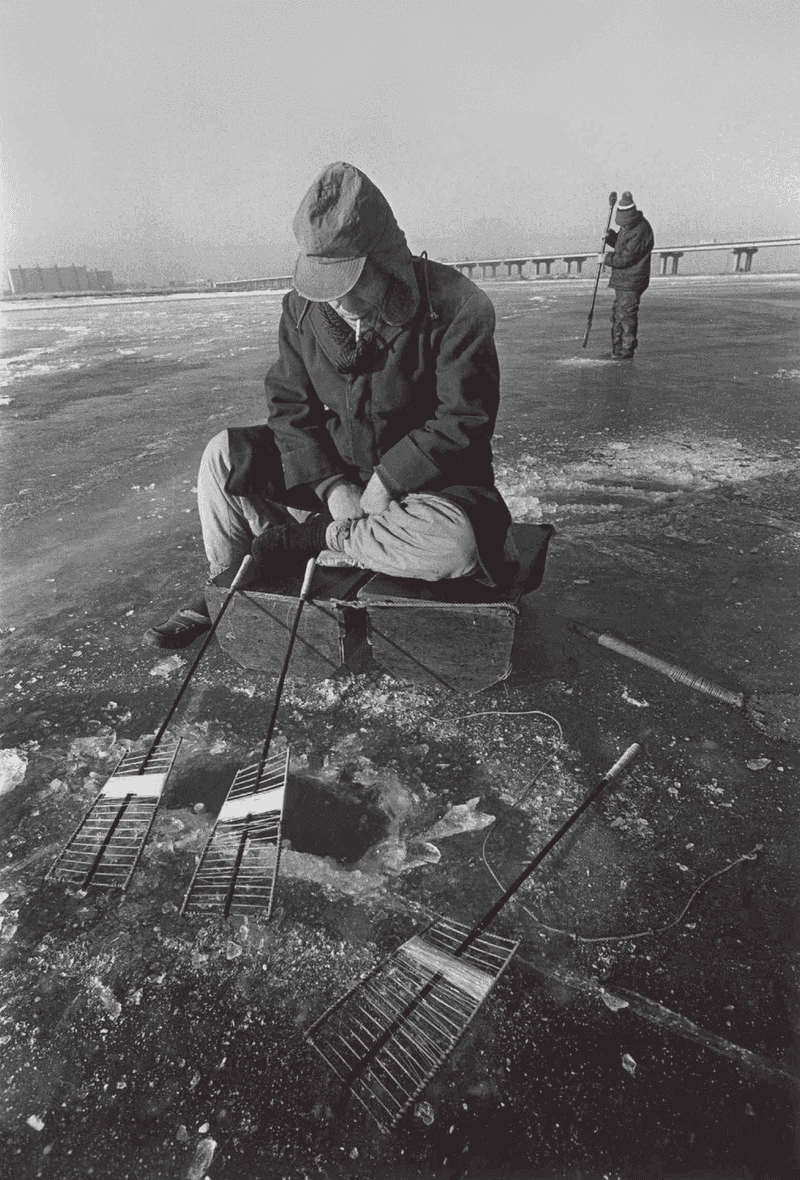
Across frozen lakes, the 1970s turned ice fishing into a temporary town with very few guardrails. Anglers hauled out huts, heaters, tools, and supplies, often relying on local knowledge and habit rather than formal ice thickness reports, posted standards, or modern rescue planning.
Many areas still permit ice fishing today, of course, but safety oversight is stronger and public warnings are more visible. Some jurisdictions regulate structures, vehicle access, heater use, and seasonal placement, making the old free-form version feel much closer to a legal gamble than a quiet weekend tradition.
Winter recreation changed as liability concerns grew and local authorities became more active in monitoring conditions. That matters because the practice often involved children, open flames, snowmobiles, and improvised shelters on surfaces whose stability could vary quickly.
What once seemed like straightforward regional know-how now sits inside a framework of permits, advisories, and enforcement tools designed to prevent exactly the kind of confident but loosely managed outings many people still remember with surprising calm.
13. Letting Cars Idle in Closed Garages
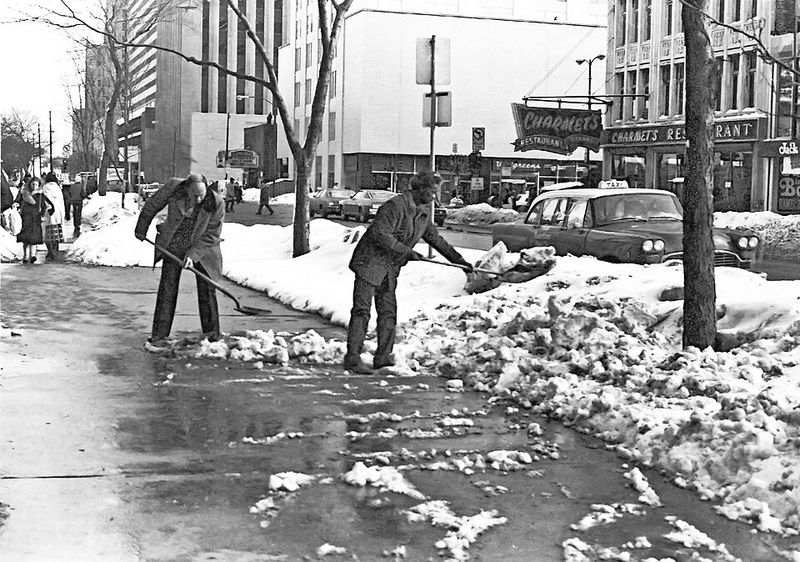
Cold starts inspired one of the most quietly dangerous winter habits of the 1970s. Many drivers let cars warm up inside garages with the door barely open, or worse, fully shut, because morning convenience often outranked any real understanding of combustion gases.
Public awareness of carbon monoxide risks existed, but it was far less widespread in household routines than it is now. Today, safety campaigns, product warnings, building guidance, and detector use make enclosed idling one of the clearest examples of a once-normal practice that modern households are told never to attempt.
The old routine also intersects with current local rules against unattended idling, especially in dense neighborhoods or places concerned about emissions and theft. What once looked like smart preparation for a frozen commute can now lead to police attention, municipal fines, or immediate alarm from anyone who spots exhaust building up in a mostly closed space.
It is a sharp reminder that ordinary winter convenience can become unacceptable once science, law, and public messaging finally catch up with habit.
14. Throwing Snowballs at Passing Cars
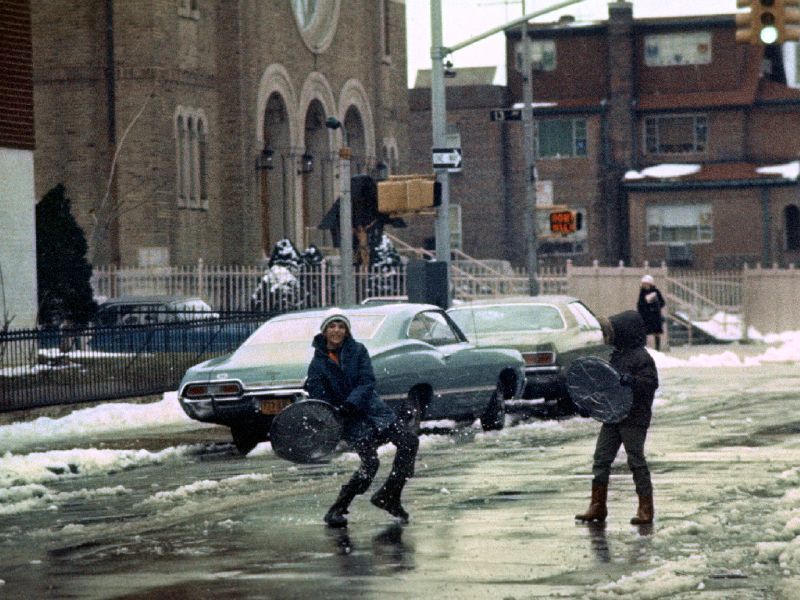
A snowball aimed at a moving car once sat in the category of neighborhood comedy with questionable judgment. In many places during the 1970s, kids treated passing vehicles as fair targets during storms, assuming the driver would roll on by with annoyance and maybe a muttered complaint.
Modern law enforcement sees it differently because even a small distraction can create dangerous roadway consequences. Depending on the situation, throwing objects at vehicles can now bring charges tied to disorderly conduct, property damage, reckless endangerment, or interference with traffic, none of which pairs nicely with a mittened grin.
The social shift matters as much as the legal one. Parents, schools, and police now respond faster to behavior that puts strangers on the road in an unpredictable situation, especially near intersections or during low visibility.
What once survived as a mischievous winter anecdote now reads like a preventable public safety problem. It is exactly the kind of old habit people remember fondly until they imagine explaining it to an officer, a judge, or an insurance company.
15. Crossing Frozen Rivers Instead of Using Bridges
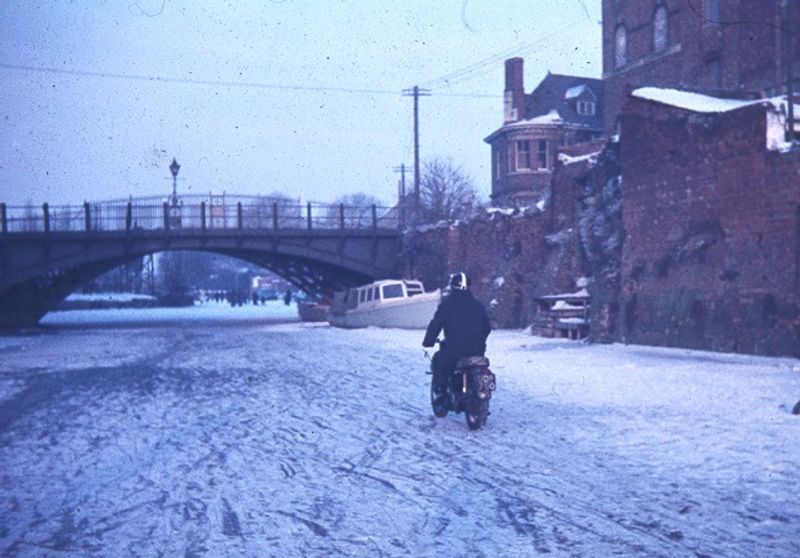
Some winter shortcuts used to depend less on maps than on ice and local nerve. In parts of Alaska, the Midwest, and rural Canada-adjacent regions, people crossed frozen rivers on foot, by snowmobile, or even by vehicle when conditions seemed solid enough and bridges felt inconveniently far away.
That practice still exists in limited managed forms, but modern authorities monitor crossings more closely, post restrictions, and close access when conditions are uncertain. Unofficial river crossings today can trigger trespassing issues, emergency response concerns, or direct violations of local safety orders, especially where public routes and private land overlap.
The old habit reflects a practical frontier mindset that prized efficiency and personal judgment over formal oversight. Yet improved weather monitoring, liability concerns, and clearer public standards have changed what counts as acceptable winter travel.
What once looked like common sense to residents familiar with seasonal patterns can now appear reckless to law enforcement and land managers. It is a striking example of how local custom can harden into a legal problem once authorities decide the shortcut is no longer worth the risk.



