Some TV stars burn bright for a season and then fade into reruns. But a handful of ’70s television favorites refused to let their small-screen glory days be their final chapter.
From directing Oscar-winning films to becoming rock legends, these stars rewrote their own stories in ways nobody saw coming. Get ready, because some of these second acts are genuinely jaw-dropping.
Ron Howard

Ron Howard was just a kid when he charmed audiences as Opie Taylor on The Andy Griffith Show, but Richie Cunningham on Happy Days made him a full-blown teen idol. Most people assumed he would ride that wave forever.
He had other plans.
Howard quietly stepped away from acting and picked up a megaphone instead. His directing career exploded with Apollo 13, then A Beautiful Mind, which won him the Academy Award for Best Director.
Not bad for a guy once best known for his freckles.
What makes his story so remarkable is how completely he transformed his identity. He did not just dabble in filmmaking.
He became one of Hollywood’s most bankable directors, responsible for billions in box office revenue. Ron Howard proved that sometimes the best role you can play is the one nobody sees on screen.
Henry Winkler
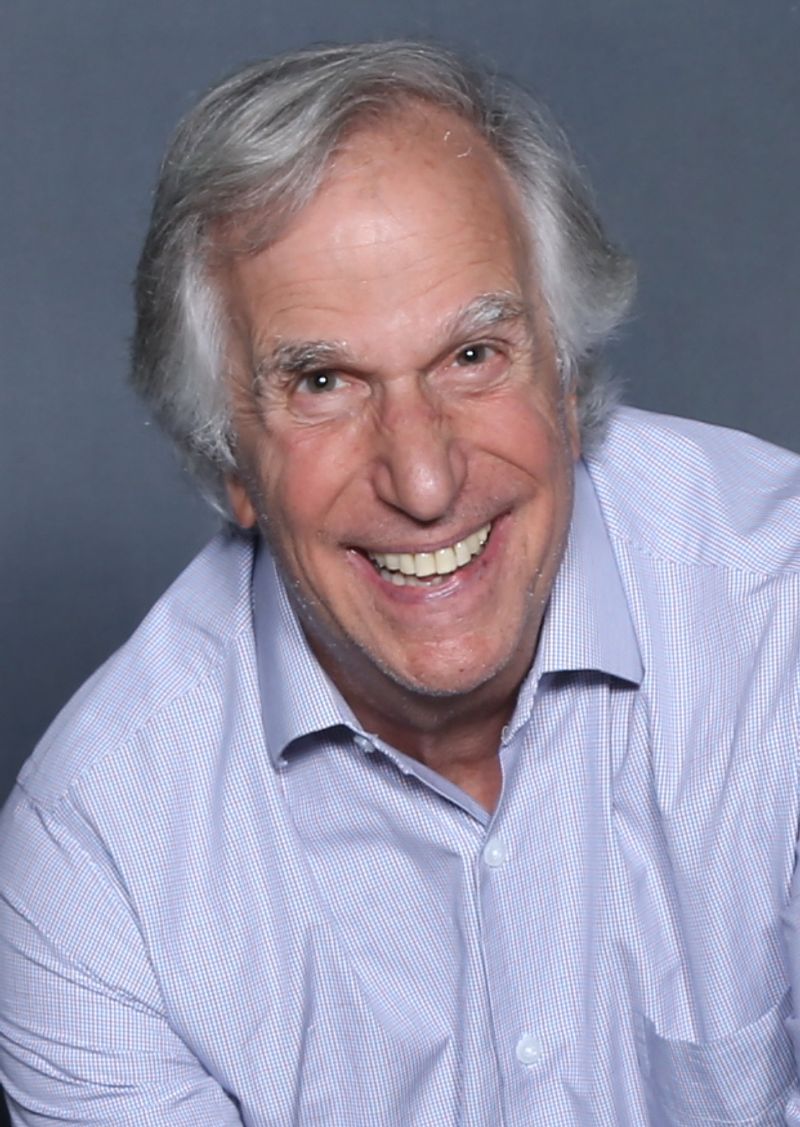
Nobody could have predicted that the Fonz would one day become a beloved children’s book author. Henry Winkler spent years being stopped on the street for a thumbs-up and an “Ayyy,” which is both flattering and probably exhausting after decade three.
Rather than coast on nostalgia, Winkler channeled his own struggles with dyslexia into the Hank Zipzer book series. The books follow a kid who learns differently, and they have genuinely helped thousands of young readers feel less alone.
That is a legacy worth more than any leather jacket.
He also stayed busy as a producer and director, and his Emmy-winning role on the HBO comedy Barry showed that he still had serious acting chops. Winkler’s career is proof that reinvention is not just possible, it can be even more meaningful than the original act.
The Fonz got cooler with age.
Janet Jackson
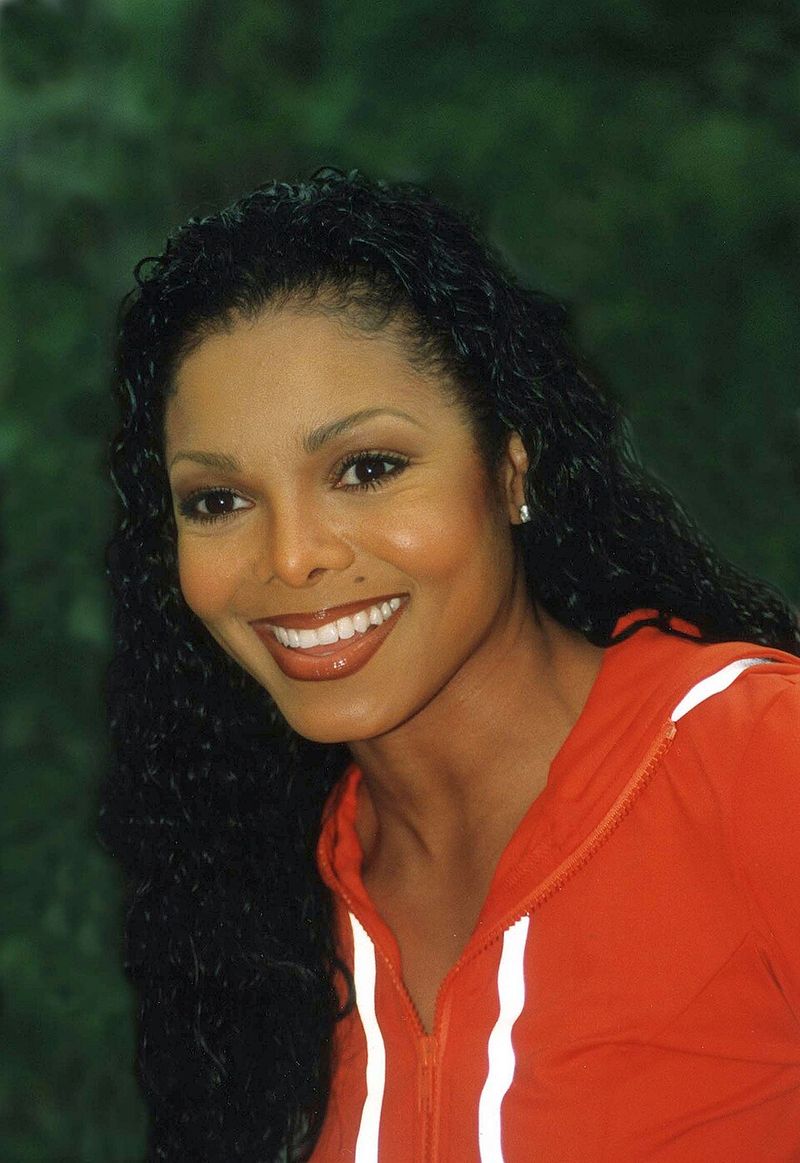
Before Janet Jackson was selling out arenas worldwide, she was playing Penny Gordon Woods on Good Times, a kid dealing with storylines far heavier than most Saturday morning fare. She held her own alongside seasoned veterans at an age when most kids were worried about homework.
Her musical pivot was anything but accidental. The album Control, released in 1986, was a bold statement of artistic independence, and it announced a superstar who was done being anyone’s background character.
Rhythm Nation 1814 followed and basically redefined pop music for an entire generation.
What makes Janet’s transition so impressive is the sheer scale of it. She went from a supporting TV role to one of the best-selling music artists in history.
Her influence on choreography, music videos, and pop production is still felt today. Not every child star gets a second act.
Janet Jackson got an empire.
Morgan Freeman
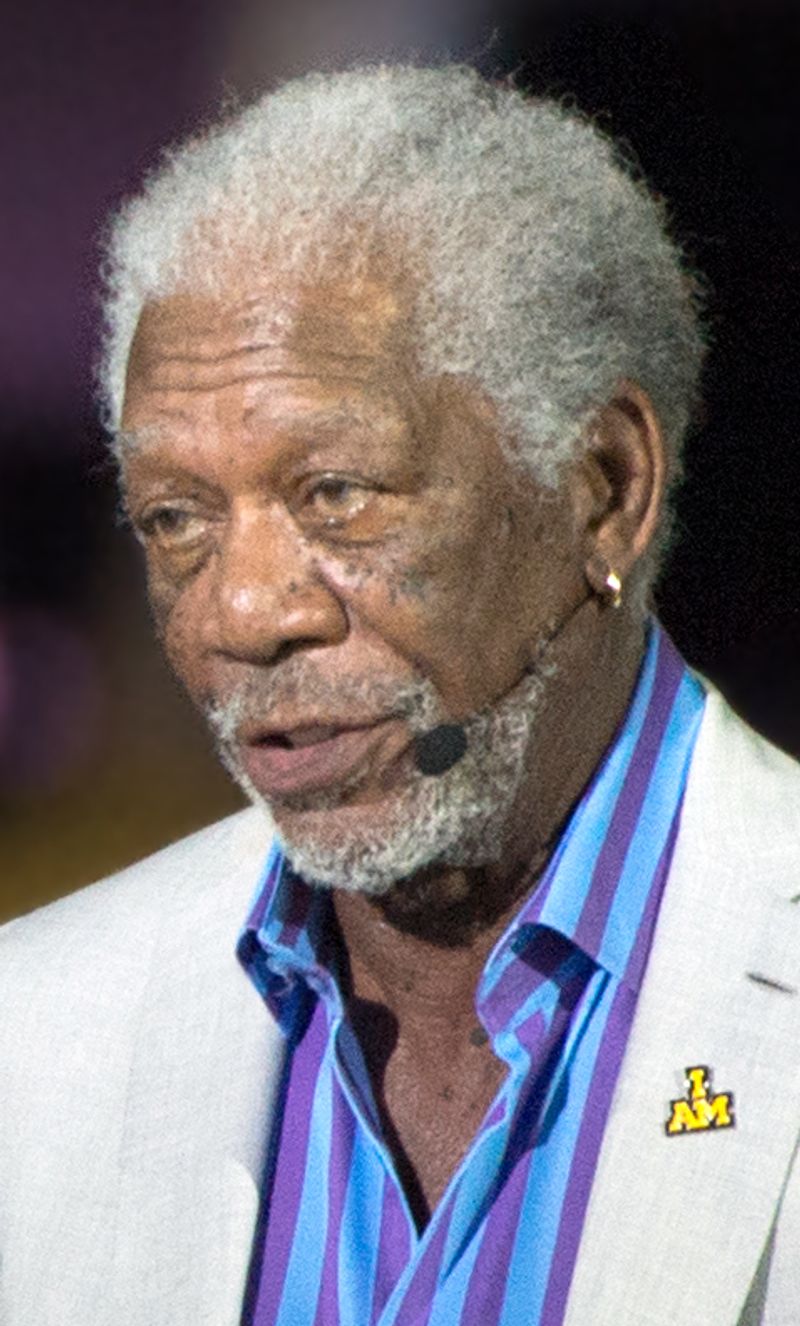
Morgan Freeman spent the 1970s teaching kids the alphabet and basic life skills on The Electric Company. It was important work, genuinely.
But few viewers watching him play Easy Reader could have predicted what was coming next.
Freeman’s film career built slowly and then suddenly became unstoppable. Driving Miss Daisy earned him an Oscar nomination.
The Shawshank Redemption gave him one of cinema’s most beloved performances. Million Dollar Baby finally handed him the Academy Award he had long deserved.
His voice alone became a cultural institution. Documentaries, commercials, and films lined up to have Freeman narrate them, because his delivery carries a kind of quiet authority that few actors can match.
I remember watching him in Shawshank for the first time and thinking nobody else on Earth could have played that role. From teaching kids their ABCs to winning Oscars, Freeman’s journey is one of Hollywood’s best stories.
John Travolta
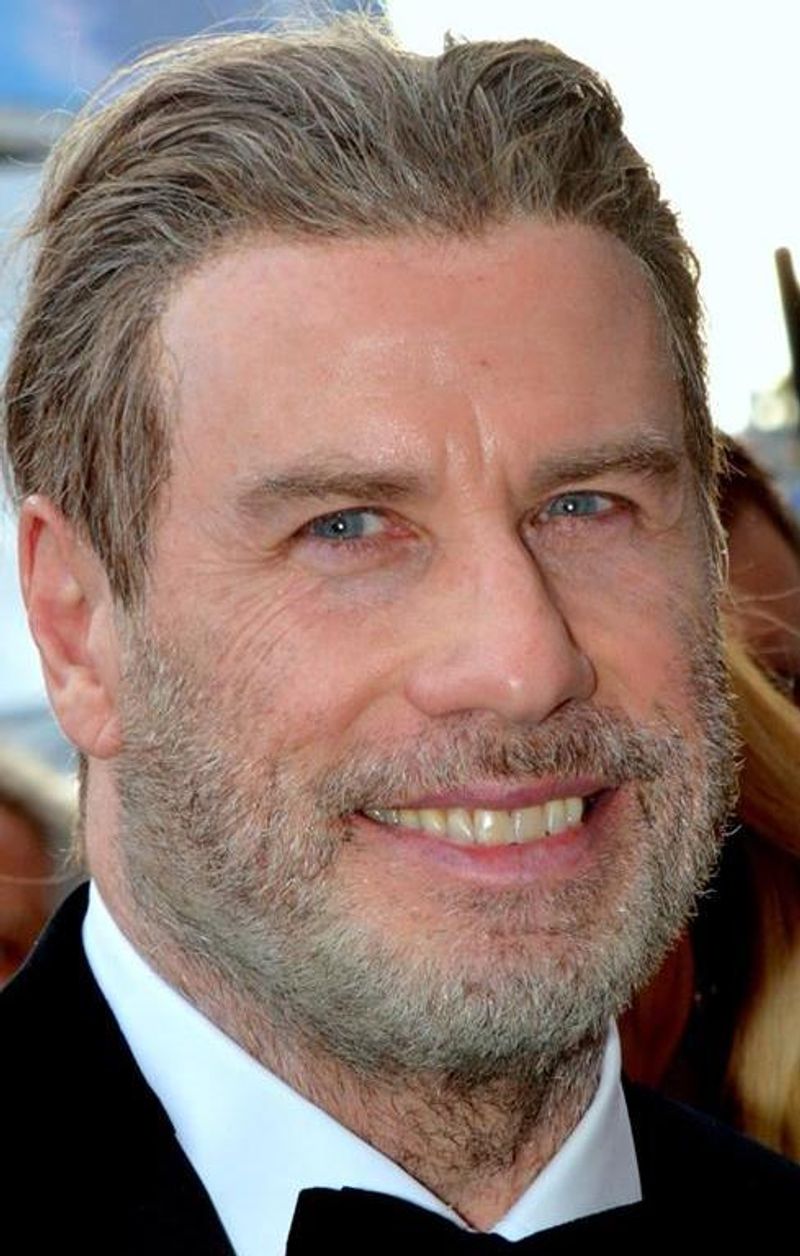
John Travolta’s career has more comeback chapters than most actors have total chapters. He first grabbed attention as the lovably dim Vinnie Barbarino on Welcome Back, Kotter, and audiences immediately recognized something magnetic about him.
That magnetism translated fast. Saturday Night Fever turned him into a genuine movie star almost overnight, and Grease sealed the deal with one of the most iconic film duets ever recorded.
For a moment, Travolta was the biggest name in Hollywood.
Then his career cooled off considerably, which makes what happened next even better. Quentin Tarantino cast him in Pulp Fiction in 1994, and Travolta’s comeback became one of the most talked-about resurrections in entertainment history.
He earned an Oscar nomination for the role. His story is a reminder that careers, like disco, can always make an unexpected return.
Vinnie Barbarino would be proud.
Rob Reiner
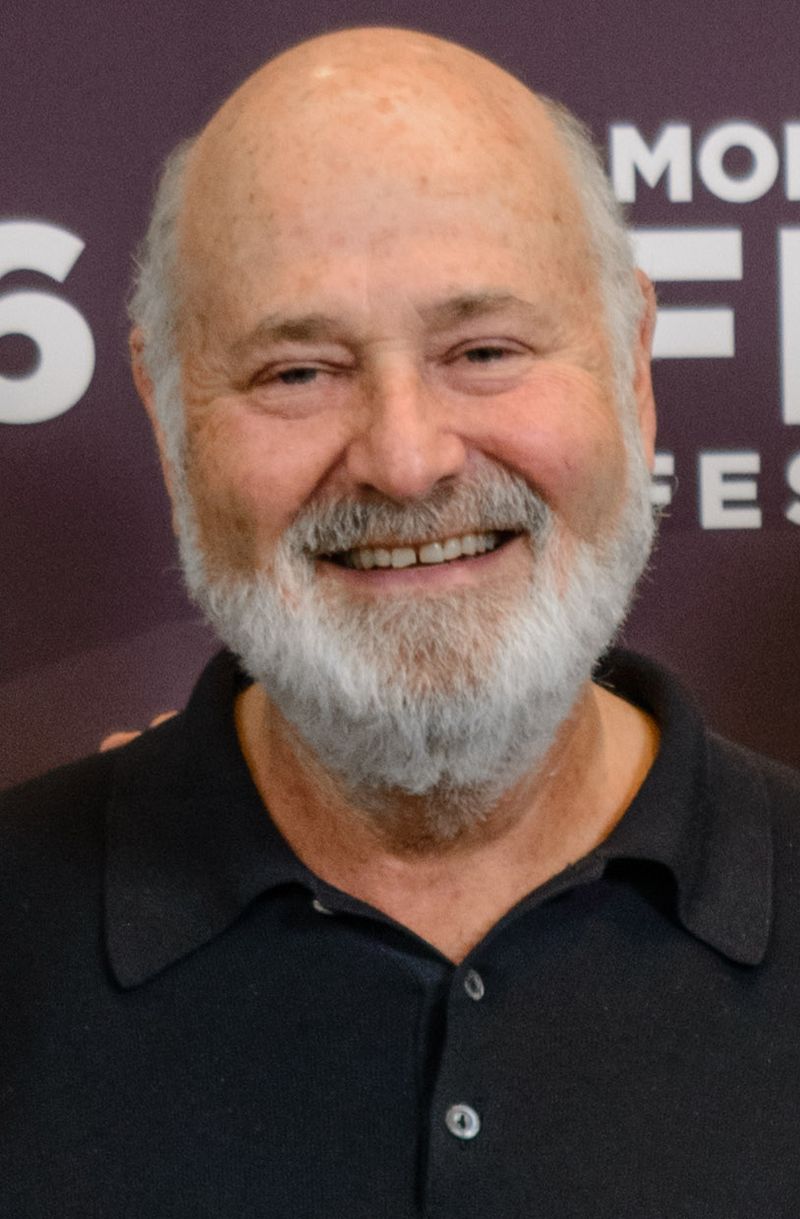
Rob Reiner spent years being called Meathead on national television, and he took it in stride. His role as Michael Stivic on All in the Family was genuinely groundbreaking, sitting opposite Carroll O’Connor’s Archie Bunker in some of TV’s sharpest social commentary.
But Reiner had a secret weapon: he wanted to direct. His debut feature, This Is Spinal Tap, became one of the most influential comedies ever made and basically invented the modern mockumentary format.
Not a bad first film.
He kept going. Stand by Me made audiences cry.
The Princess Bride became a generational touchstone. When Harry Met Sally gave the world one of the most quoted restaurant scenes in movie history.
A Few Good Men delivered courtroom drama at its finest. Reiner built a filmography that many career directors would envy.
Going from Meathead to Hollywood legend is quite the character arc.
Willie Aames
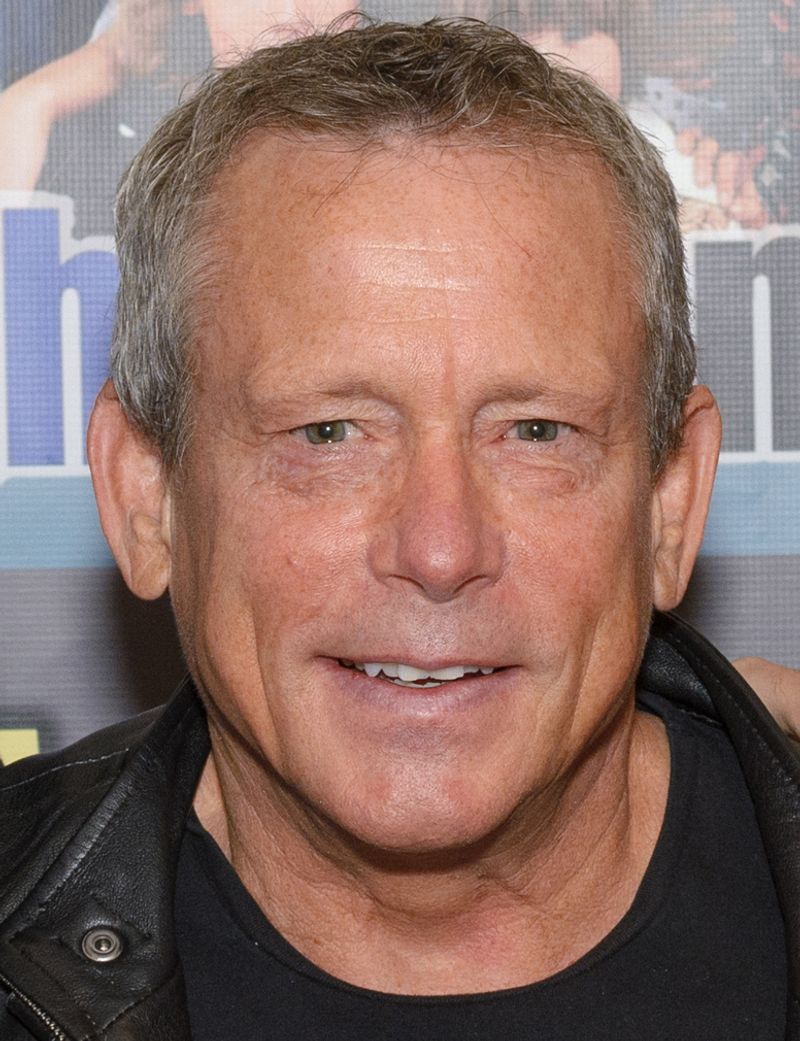
Willie Aames was the kind of ’70s kid who made older siblings jealous. As Tommy Bradford on Eight Is Enough, he had the perfect TV family life that actual families rarely managed to pull off.
Fame came early, and so did its complications.
After his sitcom years wound down, Aames went through some genuinely rough patches that he has spoken about publicly. What came next, though, was unexpected even by Hollywood standards.
He created and starred in Bibleman, a Christian superhero video series aimed at children, which ran for years and built a dedicated following.
He also worked behind the camera as a director and producer, proving his industry knowledge extended beyond acting. Aames is a fascinating case study in how child stars can rewrite their narratives on their own terms.
His second act was not glamorous by Hollywood standards, but it was meaningful, purposeful, and entirely his own.
Lisa Whelchel

Blair Warner was the queen bee of The Facts of Life, and Lisa Whelchel played her with a perfectly calibrated mix of snobbery and hidden warmth. For years, she was one of TV’s most recognizable faces.
Then she made a choice that genuinely surprised people.
Whelchel stepped back from acting to focus on her faith, her family, and a growing career in Christian music and writing. She authored several books on parenting and spirituality that found real audiences.
Public speaking became another outlet, and she was clearly good at it.
Then came Survivor: Philippines in 2012, which introduced her to an entirely new generation of fans. She finished as runner-up, and her performance showed a competitive, resilient side that Blair Warner never quite revealed.
Few former sitcom stars can claim a Survivor near-victory on their resume. Whelchel turned her quiet years into a full, unexpected second chapter.
Suzanne Somers
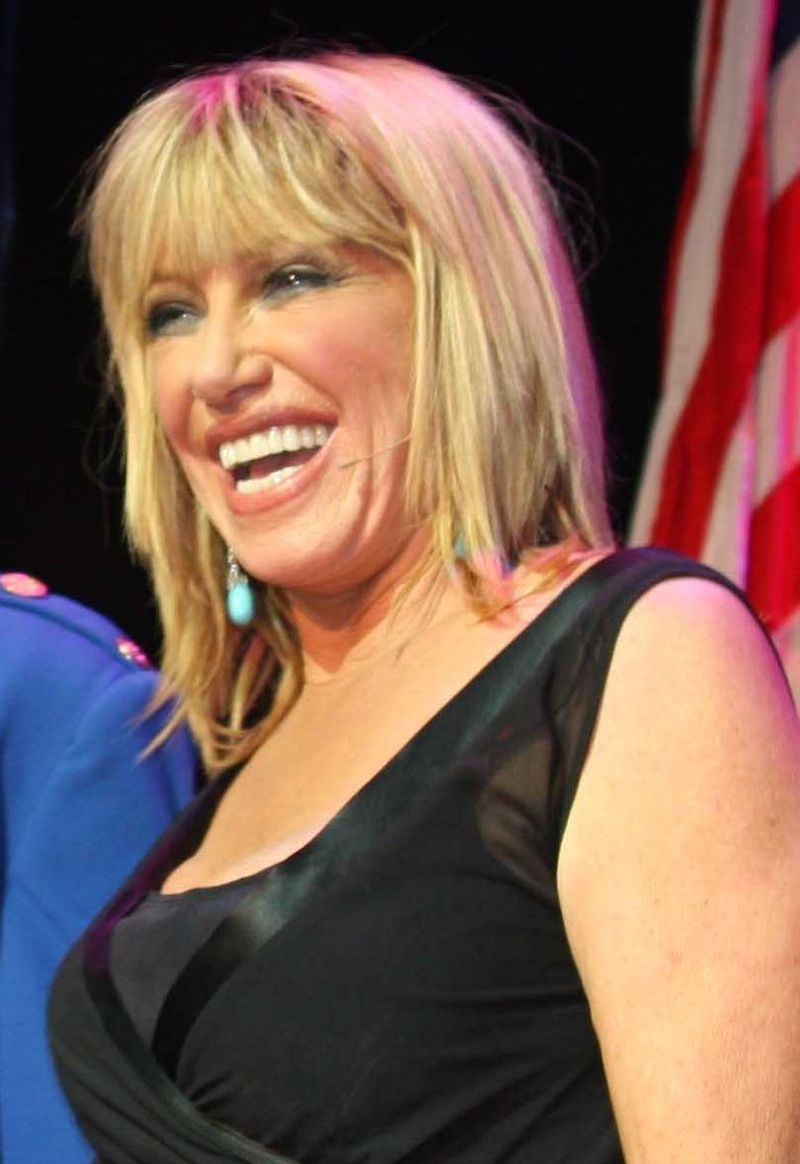
Suzanne Somers played Chrissy Snow with a comedic timing that made Three’s Company appointment television every week. Her character was funny, warm, and often the butt of jokes she handled better than most.
Then the show and Somers famously parted ways over a salary dispute.
That split could have ended her career. Instead, it launched something entirely different.
Somers pivoted to wellness, business, and self-help with a confidence that her TV persona never fully telegraphed. The ThighMaster became one of the most recognizable fitness products of the 1990s, and her infomercial presence made her a household name all over again.
She went on to write dozens of books on health, aging, and alternative medicine, building a devoted readership. Her entrepreneurial hustle was genuinely impressive.
Somers showed that getting fired from your biggest job can sometimes be the best career move you never planned. Chrissy Snow would have found that hilarious.
Danny Bonaduce
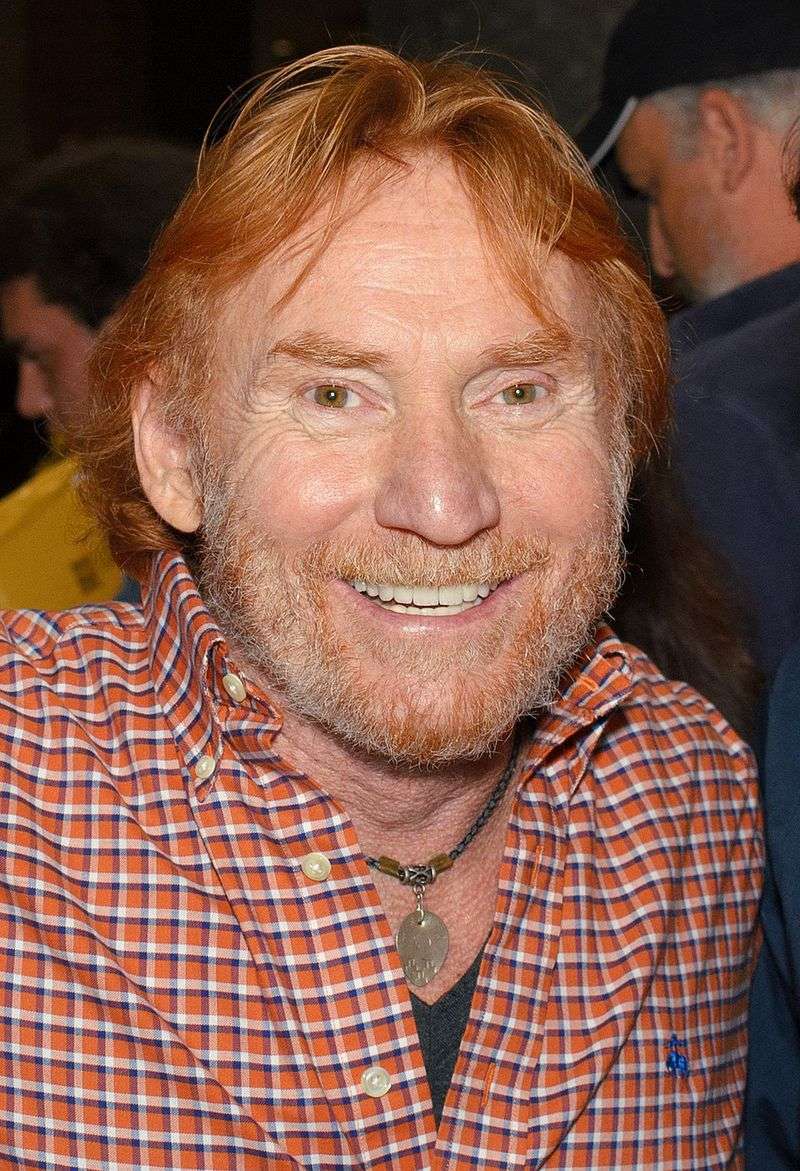
Danny Bonaduce was one of the most recognizable kid faces of the early ’70s, playing Danny Partridge with a wisecracking energy that practically leapt off the screen. Child stardom, as many have learned, comes with a complicated instruction manual.
His post-Partridge years were turbulent and well-documented, including legal troubles and personal struggles he has never shied away from discussing publicly. What he built from those experiences, though, is a career in radio that lasted decades.
His outspoken personality, which might have been a liability elsewhere, became his greatest professional asset behind the microphone.
Bonaduce became a fixture in talk radio and also appeared in various reality TV projects that leaned directly into his chaotic public image. He owns his story rather than running from it, which is something worth respecting.
From bass guitar on a TV bus to radio booth kingpin, Danny Bonaduce found his lane and floored it.
Rick Springfield
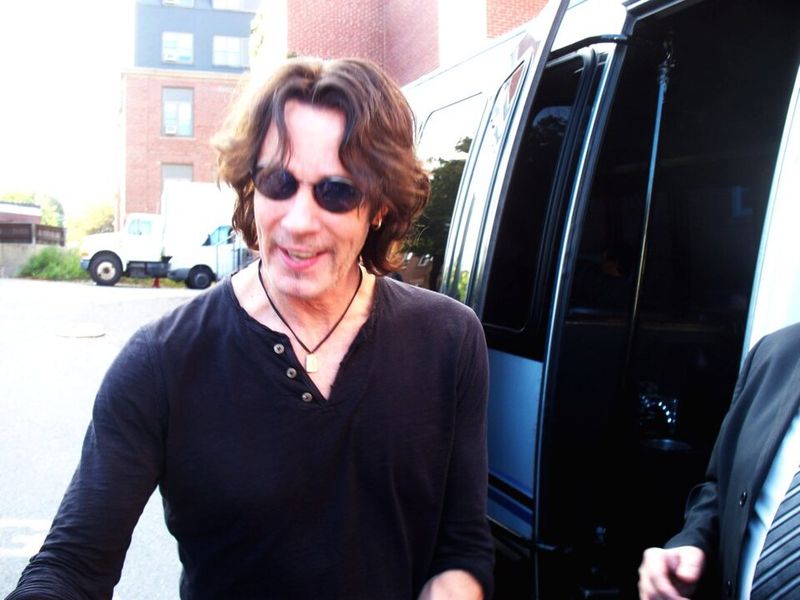
Rick Springfield walked onto General Hospital as Dr. Noah Drake and immediately caused a ratings spike that the show’s producers had not fully anticipated. He was charismatic, handsome, and clearly had something extra going on beyond soap opera storylines.
That something extra turned out to be a monster pop-rock hit. “Jessie’s Girl” came out in 1981 and shot to number one, earning Springfield a Grammy and turning him into a full-blown rock star. The song has never really gone away, still showing up in movies, commercials, and karaoke bars with stubborn regularity.
What makes Springfield’s story especially interesting is how he kept both careers alive simultaneously. He returned to General Hospital multiple times and continued recording and touring music for decades.
He also published a candid memoir about his struggles with depression. Springfield never chose between doctor and rock star.
He just kept being both, which is honestly the coolest possible outcome.
Eve Plumb
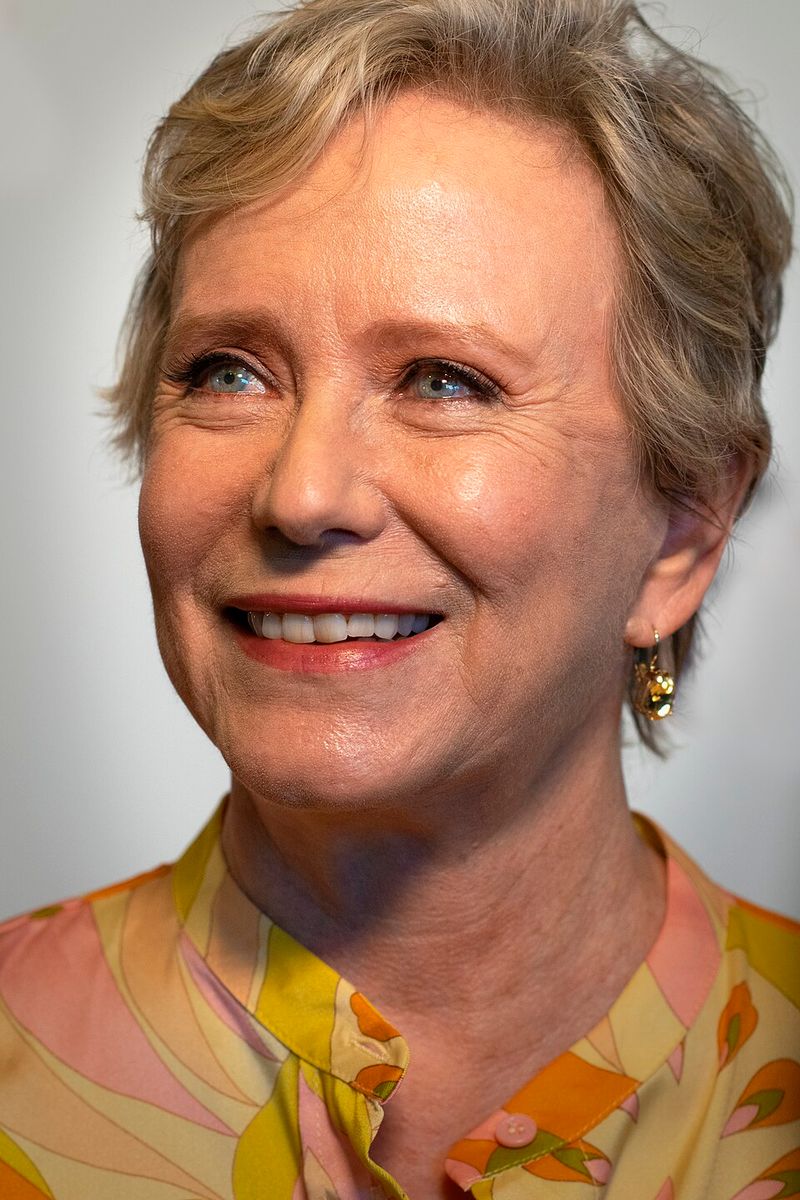
Jan Brady had a famous middle-child complex, but Eve Plumb turned out to have no complex at all about building a life entirely on her own terms. She played Jan on The Brady Bunch with a relatability that made her the character most kids actually identified with.
After the show ended, Plumb continued acting in various projects. But somewhere along the way, she discovered a passion for painting that gradually became central to her identity.
Her work in oil painting earned serious attention, and her pieces have sold for tens of thousands of dollars at auction.
One of her paintings reportedly sold for around 150,000 dollars, which is not the kind of number associated with a hobby. Plumb built a genuine second career as a working visual artist without trading on Brady nostalgia to do it.
She let her talent speak for itself. Jan Brady, it turns out, was never the overlooked one.
Mark Hamill
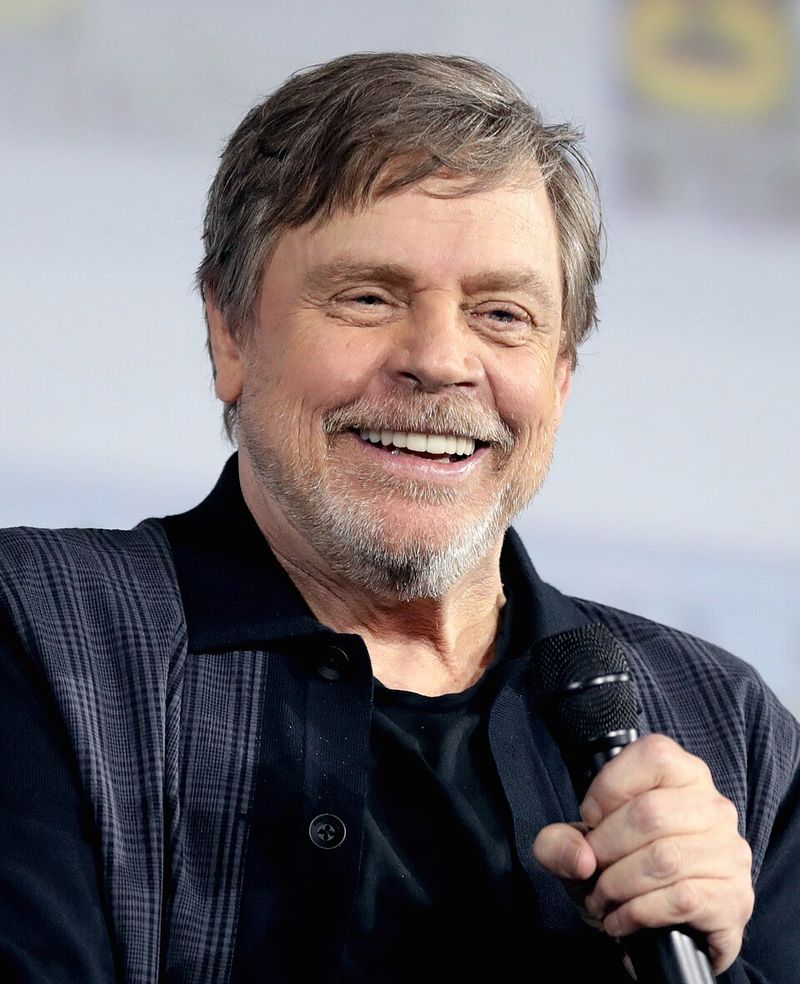
Before Luke Skywalker, there was Mark Hamill on General Hospital, doing the kind of daytime drama work that pays the rent while you wait for your big break. His big break turned out to be one of the biggest breaks in cinema history.
Star Wars made Hamill a legend in 1977, and the franchise kept that status firmly intact across decades. But here is the twist most people do not fully appreciate: his voice acting career became just as significant.
His portrayal of the Joker in Batman: The Animated Series is widely considered the definitive version of the character.
Hamill has voiced the Joker in animated series, films, and video games for over thirty years. Voice actors rarely achieve that kind of cultural permanence.
He also returned to Star Wars as an older Luke Skywalker, adding yet another chapter to an already extraordinary story. Two iconic careers from one remarkably talented person is not something you see every day.
David Hasselhoff
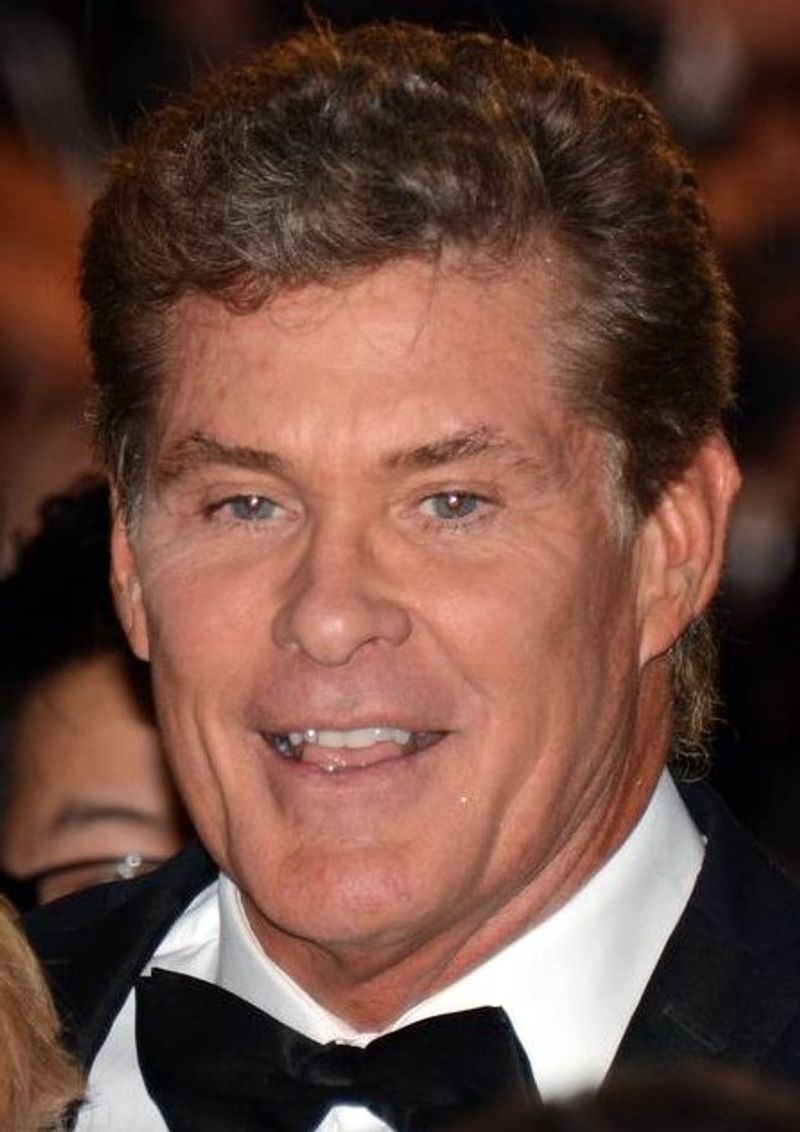
David Hasselhoff started his career on The Young and the Restless as Dr. Snapper Foster, which is arguably one of the greatest character names in soap opera history. He played the role for years before a talking car changed everything.
Knight Rider made him an action hero. Baywatch made him a global phenomenon.
At one point, Baywatch was reportedly the most-watched television show on the planet, which is a statistic that still catches people off guard. Hasselhoff rode that wave with obvious enthusiasm.
Then came the music career in Germany, which deserves its own paragraph entirely. Hasselhoff became a legitimate pop star in Europe, particularly in Germany, where his song “Looking for Freedom” became a massive hit.
He performed it live as the Berlin Wall came down in 1989, cementing his place in a genuinely historic moment. The Hoff contains multitudes, and European audiences figured that out long before anyone else did.
Robin Williams
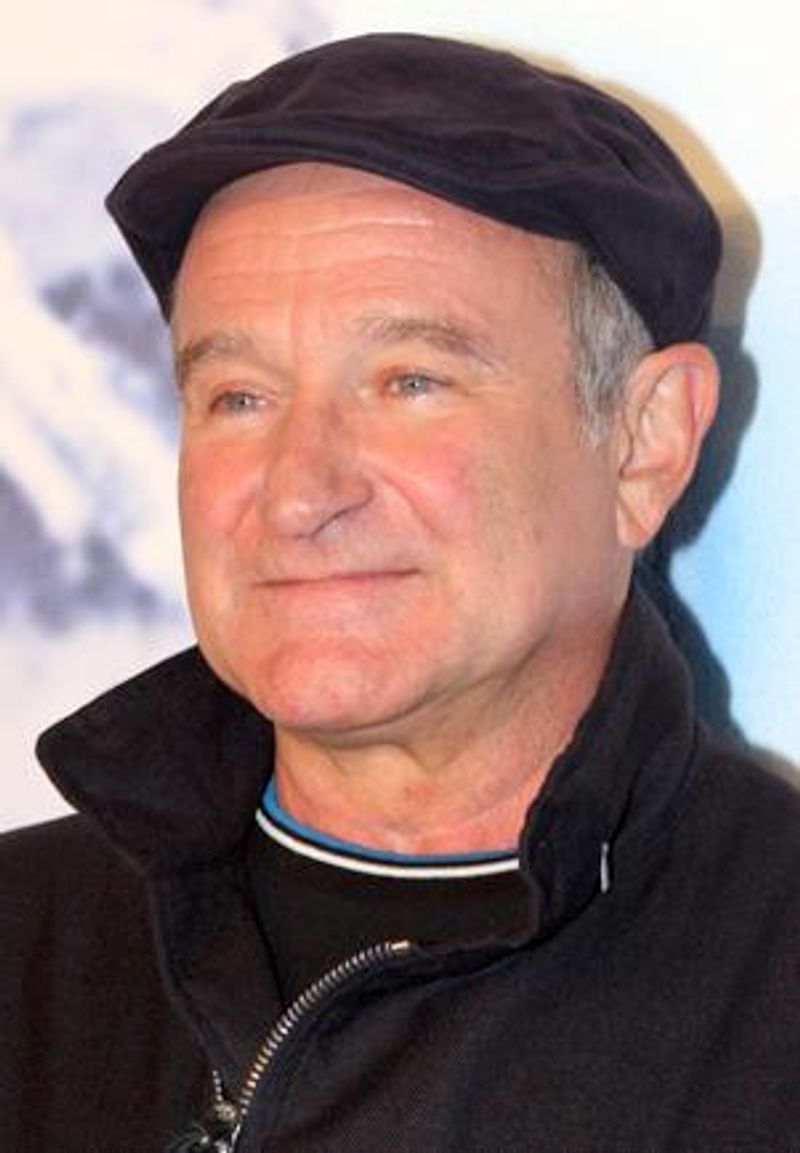
Robin Williams arrived on Mork and Mindy like a comedic meteor, playing an alien from the planet Ork with an improvisational energy that the show’s writers simply could not contain or fully script. He made live studio audiences lose their minds on a weekly basis.
His film career that followed is almost impossible to summarize without running out of superlatives. From Good Morning, Vietnam to Dead Poets Society, from Aladdin to Mrs. Doubtfire, Williams proved he could do absolutely everything.
He was never just a comedian or just a dramatic actor. He was both, simultaneously, in ways that seemed effortless but clearly were not.
Good Will Hunting earned him the Academy Award for Best Supporting Actor in 1998, a moment that felt both overdue and perfectly timed. Williams brought a kind of electric humanity to every role he took.
Mork was just the starting point for one of the most extraordinary careers American entertainment has ever produced.
Share this story