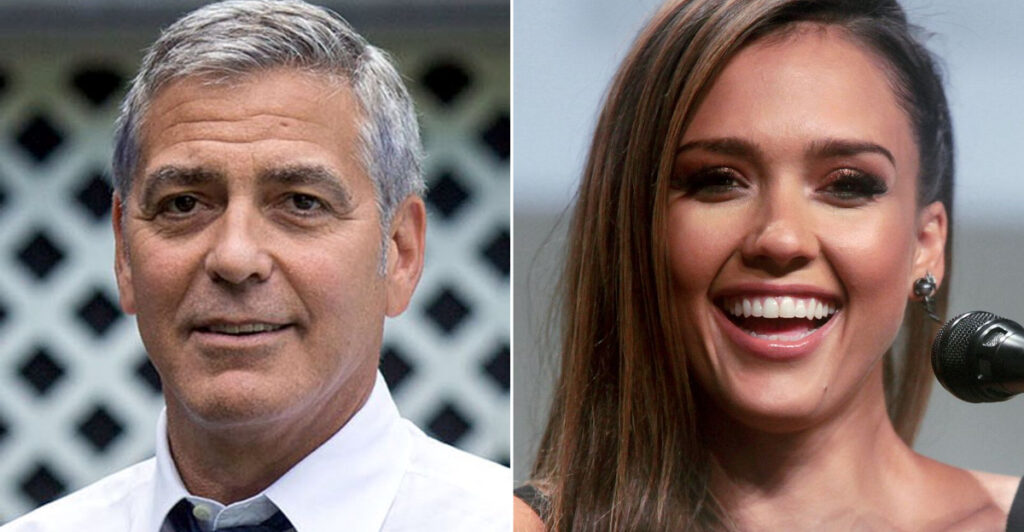
Not every actor walks away from a big role feeling proud and grateful. Some of Hollywood’s most recognizable stars have gone on record with surprisingly honest, even harsh, opinions about the characters that made them famous.
Whether the issue was creative frustration, personal values, or just a bad experience on set, these complicated feelings remind us that being part of a hit movie is not always the dream it looks like from the outside. From vampire romances to superhero disasters, here are fifteen actors who had a genuinely mixed relationship with the roles that defined them.
Robert Pattinson – Edward Cullen in Twilight
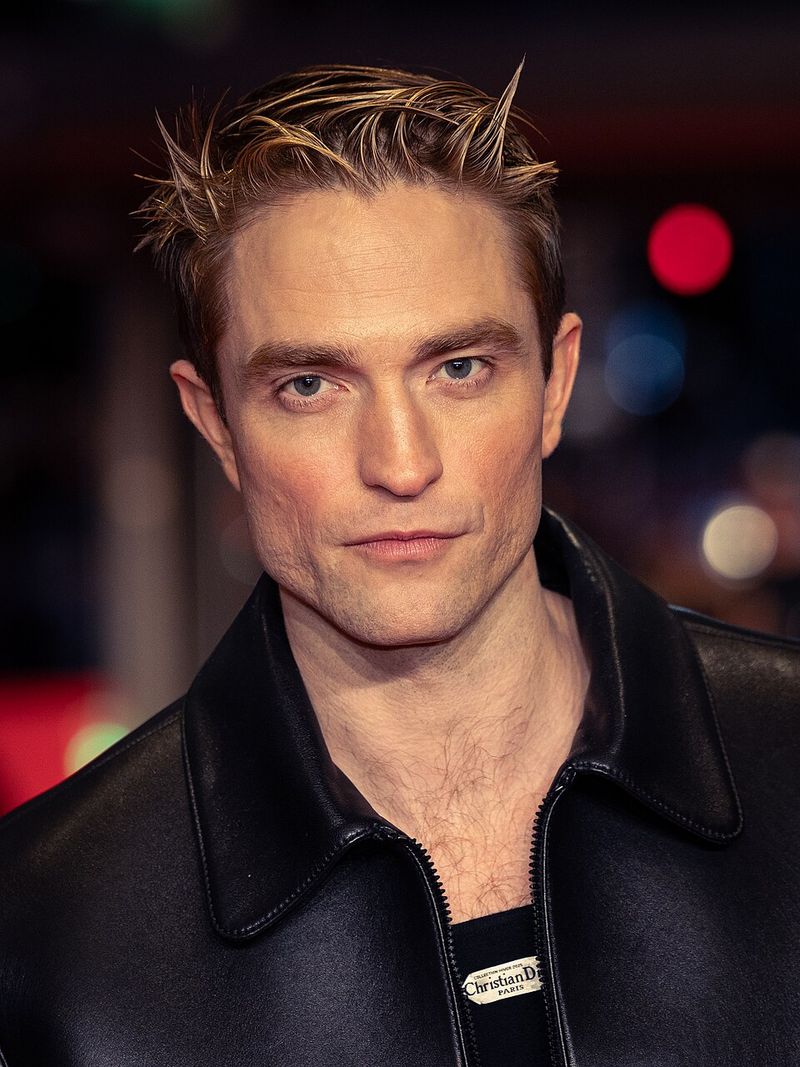
Robert Pattinson became one of the most recognizable faces on the planet almost overnight after stepping into the pale, brooding shoes of Edward Cullen. The Twilight saga turned him into a global phenomenon, complete with screaming fans, magazine covers, and relentless media attention.
Most actors would consider that a dream come true.
Pattinson saw things differently. He spent years openly mocking the franchise in interviews, joking about Edward’s personality and questioning the logic behind the story.
He clashed creatively over how seriously the character should be played and seemed genuinely baffled by the intensity of the fan response.
To his credit, he never pretended to feel something he did not. His honesty was refreshing in an industry where actors usually promote everything with a smile.
Eventually, Pattinson moved on to critically respected films like Good Time and The Batman, proving he was more than just a sparkly vampire from Forks.
Sean Connery – James Bond in the 007 Films
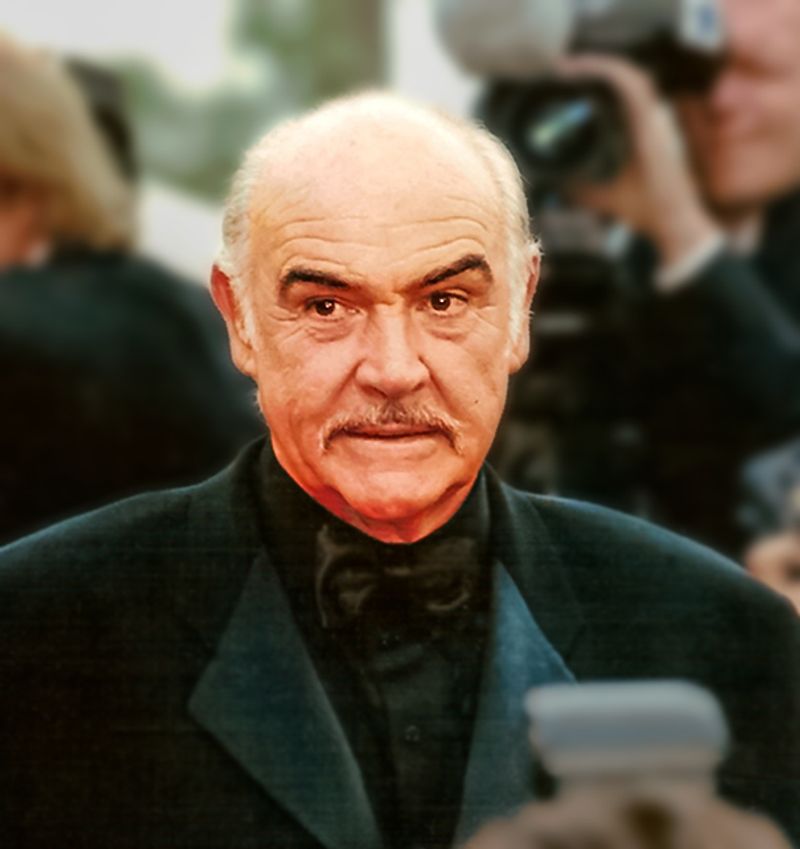
Sean Connery essentially created the modern blueprint for the movie action hero when he first played James Bond in 1962. His version of 007 was cool, clever, and effortlessly magnetic.
Audiences loved him, and the role launched a film franchise that is still going today.
Behind the scenes, however, Connery grew increasingly frustrated with Bond. He felt trapped by the character’s enormous shadow and wanted to be seen as a serious actor beyond the tuxedo and the gadgets.
His comments about the role over the years were often blunt, describing Bond as something he needed to escape rather than celebrate.
He left the official series after You Only Live Twice in 1967, briefly returned for Diamonds Are Forever, and then walked away for good. The complicated truth is that Bond made Connery a legend, but it also made it harder for the world to see him as anything else for a very long time.
Daniel Craig – James Bond in Spectre
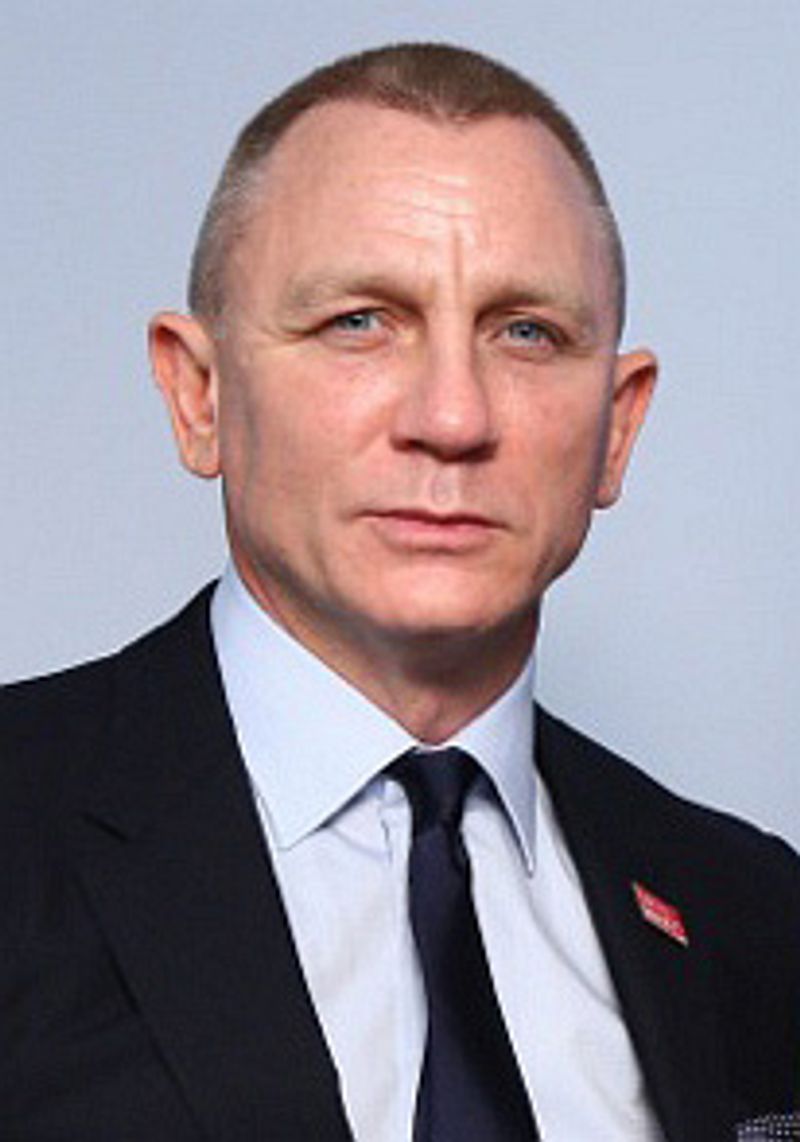
Daniel Craig’s run as James Bond was genuinely impressive. Casino Royale in 2006 reinvented the franchise with a harder, more emotional version of 007, and Craig committed fully to the physicality and drama the role demanded.
By most measures, his era was a major creative success.
After filming Spectre in 2015, though, Craig sounded completely burned out. In a now-famous interview, he said he would rather slash his wrists than play Bond again, a comment he later walked back and admitted was harsher than he intended.
The exhaustion behind the words was real, even if the phrasing was extreme.
He did return for No Time to Die, which gave his Bond a proper send-off. Looking back, his complicated feelings about the role seem less like ingratitude and more like the honest reaction of someone who gave everything to a physically and emotionally demanding character for nearly fifteen years.
Alec Guinness – Obi-Wan Kenobi in Star Wars
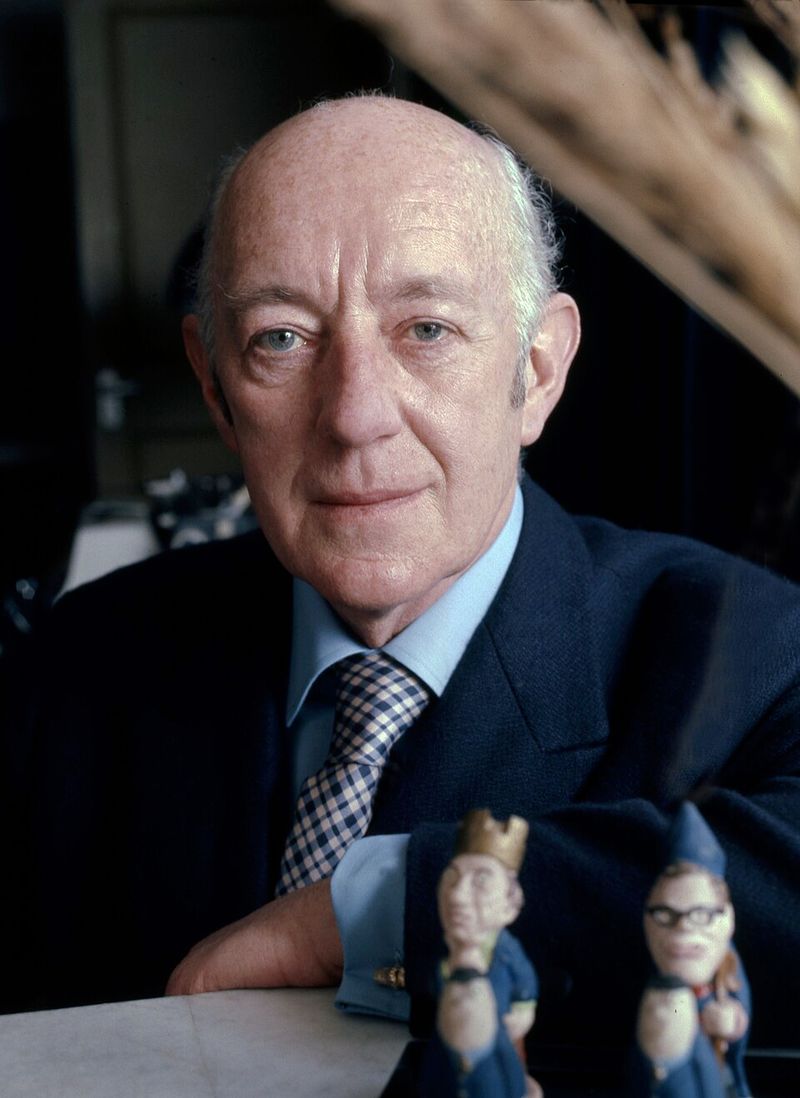
When Star Wars arrived in 1977, Alec Guinness was already a decorated, respected actor with decades of serious film work behind him. His presence as Obi-Wan Kenobi gave the movie instant credibility and helped audiences take the story seriously.
George Lucas knew exactly what he was doing by casting him.
Guinness, however, had a notoriously uneasy relationship with the role and the franchise. Vanity Fair reported that he found parts of the dialogue awkward and struggled with the overwhelming fan attention that followed.
He appreciated Lucas’s imagination but was not entirely comfortable being remembered primarily as a wise old wizard in a space opera.
He reportedly told a young fan who had seen Star Wars over a hundred times to stop watching it, which gives a clear sense of where his feelings landed. His legacy in film goes far beyond Obi-Wan, but for millions of people, that robe and those three words are all they need to remember him.
Christopher Plummer – Captain von Trapp in The Sound of Music
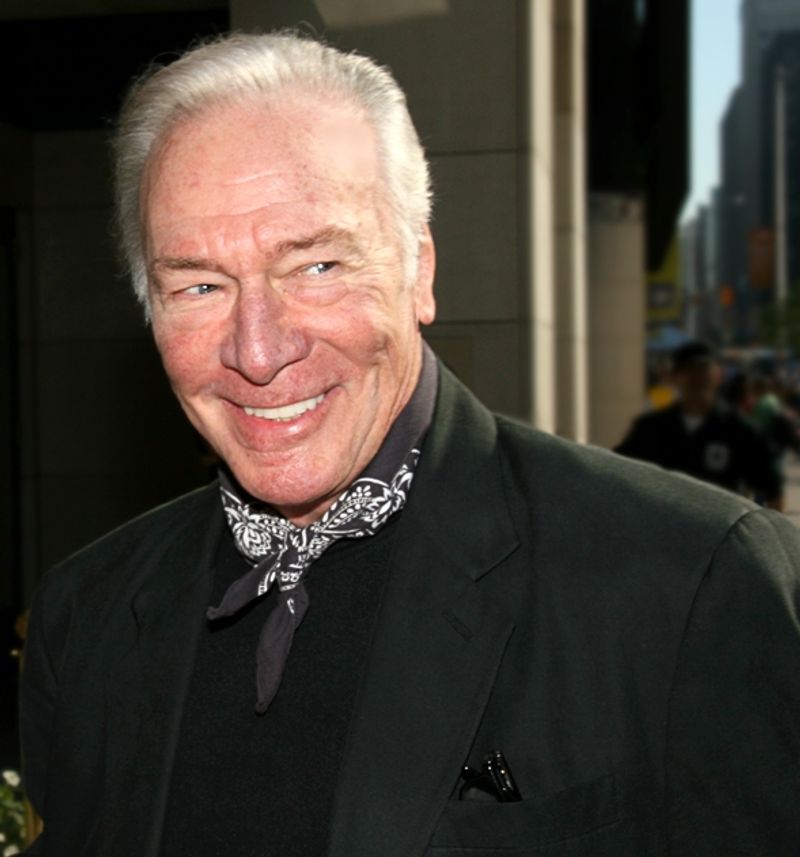
The Sound of Music is one of the most beloved musicals ever put on film, and Christopher Plummer’s Captain von Trapp is a huge part of why it works. His stern but ultimately warm portrayal of the Austrian naval officer became iconic, the kind of role that stays with audiences for generations.
Plummer, though, spent decades making clear that he did not share the public’s affection for the film. He gave it unflattering nicknames in interviews, complained about the movie’s relentless sweetness, and described Captain von Trapp as a flat, limited character with not enough dramatic range to keep him interested.
He later softened slightly, acknowledging the film’s cultural importance even if he never fully embraced it. What makes his story interesting is that his frustration seems to have pushed him toward more challenging work throughout his career.
He was still earning awards attention well into his eighties, proving that Captain von Trapp was just one chapter in a remarkably long story.
George Clooney – Batman in Batman and Robin
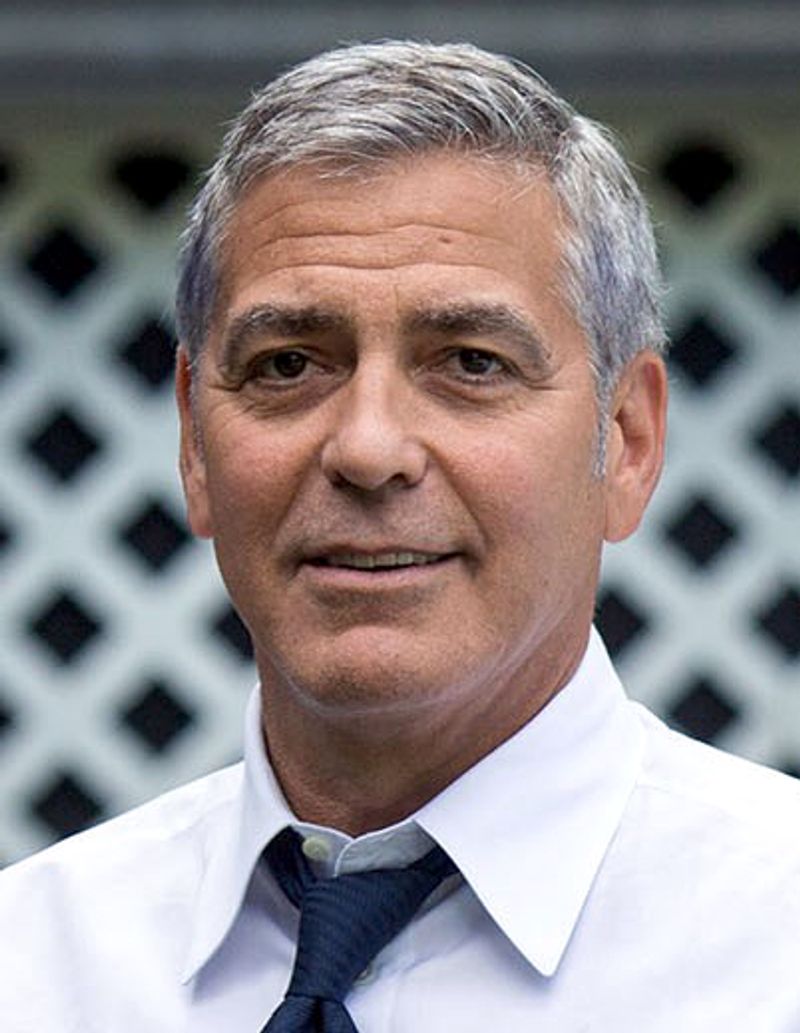
Batman and Robin, released in 1997, is widely considered one of the most disappointing superhero films ever made. The neon-soaked, campy production confused audiences who had grown used to Tim Burton’s darker version of Gotham, and the film landed with a thud both critically and commercially.
George Clooney has never tried to defend his performance. He has spent years openly joking about it, calling himself terrible in the role and treating the Batsuit chapter as one of the more embarrassing entries in his career.
His willingness to mock himself about it has actually become part of his charm as a public figure.
The interesting thing is that Clooney went on to become one of the most respected actors and filmmakers of his generation. Batman and Robin did not define him, though he has made sure it stays part of his personal comedy routine.
His ability to laugh at it freely says a lot about the confidence he built in the years that followed.
Channing Tatum – Duke in G.I. Joe The Rise of Cobra
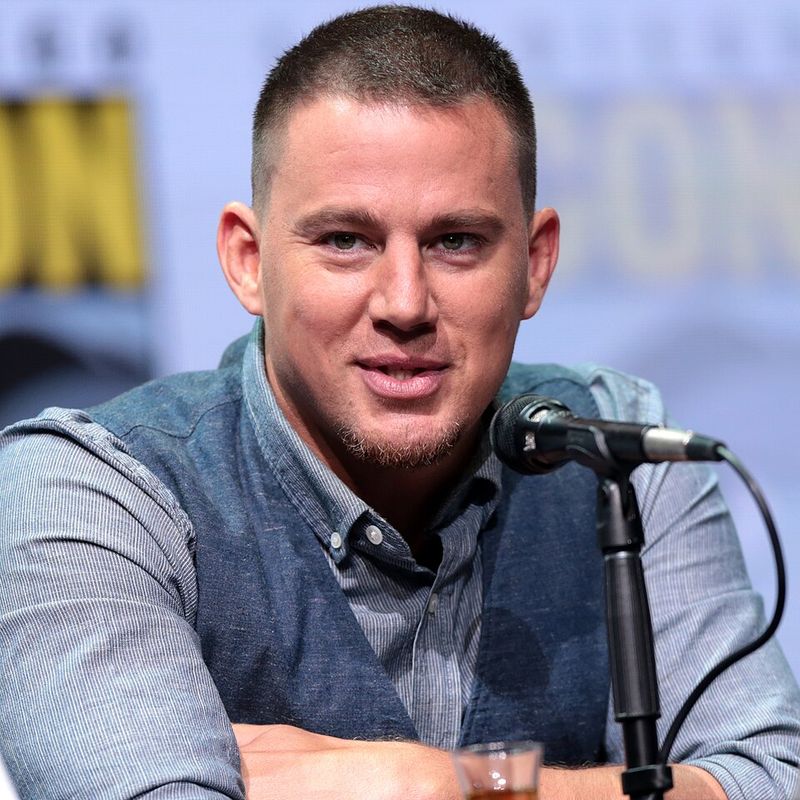
Channing Tatum had already shown real screen presence before G.I. Joe: The Rise of Cobra came along in 2009, but the big-budget action film was supposed to push him into a different league of blockbuster stardom.
The results were mixed at best, and Tatum made no attempt to hide how he felt about the whole experience.
He revealed in interviews that he turned the movie down multiple times before agreeing to it because of a prior studio commitment. Once he was in, he was in, but his enthusiasm never really followed.
He later said plainly that he strongly disliked the film, which is a rare level of candor for an actor still building their career.
Tatum eventually found his footing with the Jump Street franchise and Magic Mike, where his natural charisma could actually breathe. G.I.
Joe remains a footnote in his filmography, mostly remembered now because he was so openly honest about not wanting to be there in the first place.
Katherine Heigl – Alison Scott in Knocked Up

Knocked Up was a massive comedy hit in 2007, and Katherine Heigl’s performance as Alison Scott helped anchor the movie’s more grounded emotional core. Her chemistry with Seth Rogen worked, and the film pushed her firmly into the front row of Hollywood’s leading-lady conversation.
Shortly after the release, Heigl made headlines by criticizing the movie in a magazine interview. She described the film’s portrayal of women as one-sided, arguing that the female characters came across as uptight and humorless while the male characters got to be funny and relatable.
The comment caused significant backlash and followed her career for years.
Whether her critique was fair is a debate that still surfaces occasionally. What is clear is that she was willing to say something honest about a film that had just helped her career, which took a certain kind of courage, even if the timing and delivery created complications.
Her willingness to speak up, regardless of the consequences, was genuine.
Viola Davis – Aibileen Clark in The Help
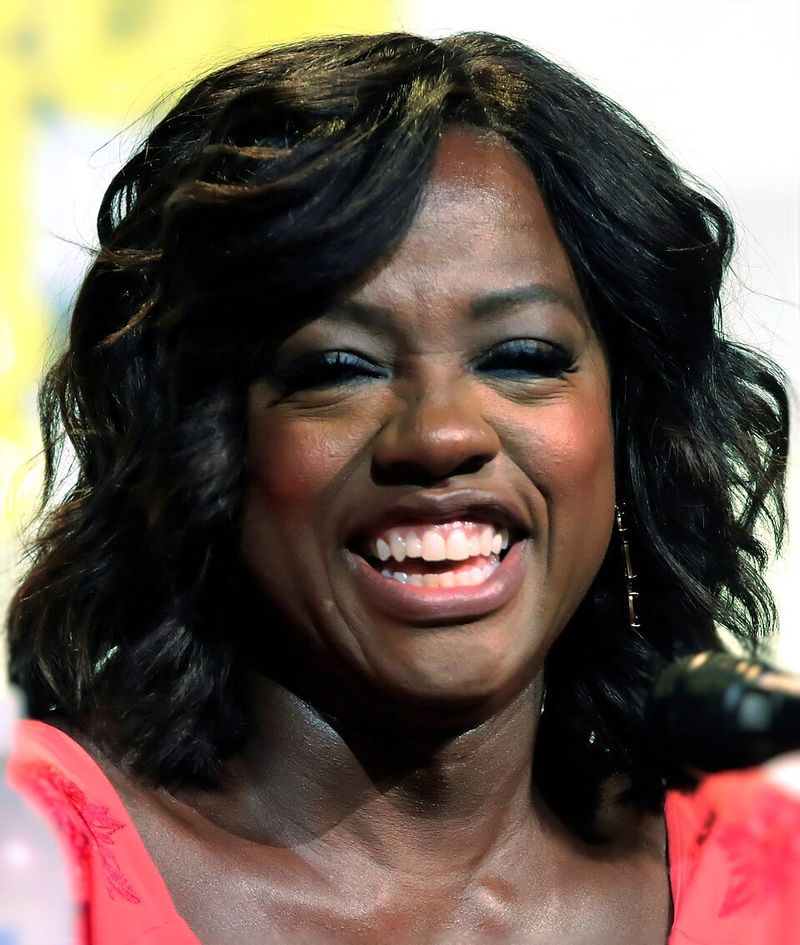
Viola Davis gave one of the most emotionally powerful performances of 2011 in The Help, playing Aibileen Clark with a quiet dignity that made audiences feel every moment. She received an Academy Award nomination for the role, and the film became a major cultural conversation piece about race and domestic life in the American South.
Years later, Davis said she regretted taking the part. Her concern was not with the cast or the craft, but with the story’s perspective.
She felt the film ultimately centered the white characters’ journey rather than giving the Black women at the heart of the story the full, complex treatment they deserved.
Her honesty sparked important discussions about whose stories get told in Hollywood and how. Davis has since become one of the most powerful voices in the industry, using her platform to advocate for more authentic representation.
Her regret about The Help is not a rejection of her own work, but a clear-eyed reflection on what the film could have been.
Brad Pitt – Louis in Interview with the Vampire
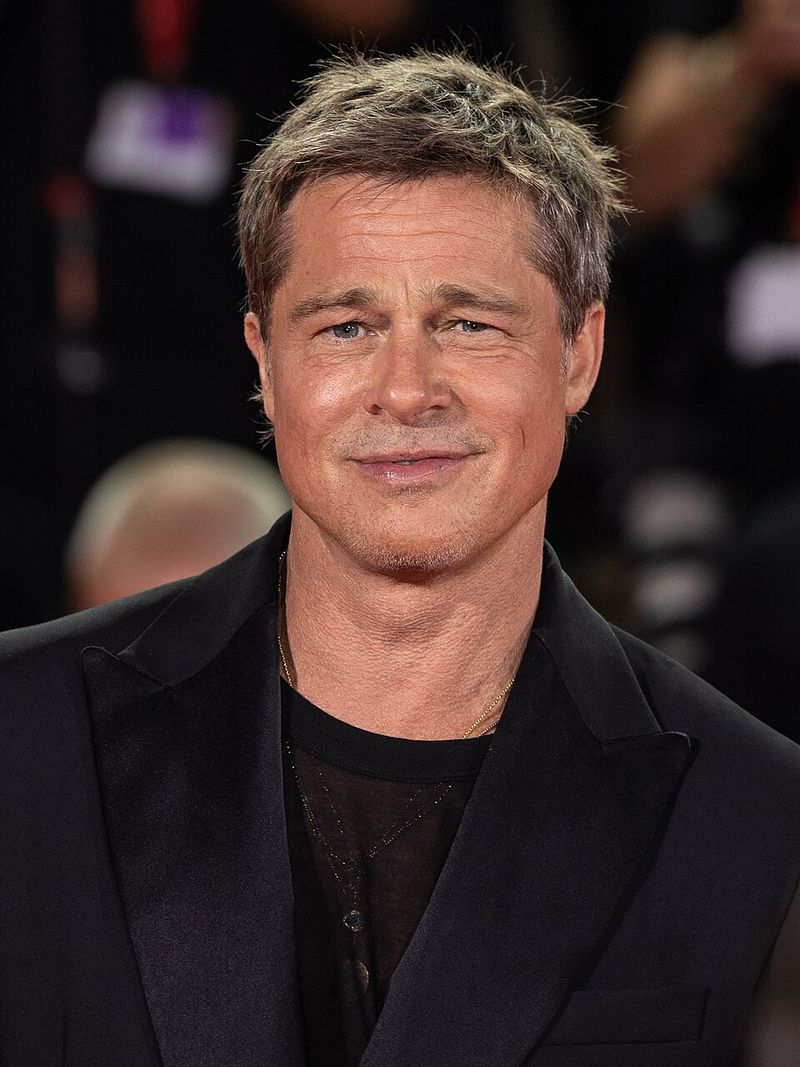
Interview with the Vampire gave Brad Pitt one of his most visually striking early roles, placing him opposite Tom Cruise in a gothic period drama that became a genuine box-office hit in 1994. His portrayal of the tormented vampire Louis was melancholy and atmospheric, and the film helped cement his status as a serious leading man.
The experience of making it, however, was reportedly far from enjoyable. Accounts from the production describe Pitt feeling deeply uncomfortable in the role throughout filming.
He is said to have considered leaving the project before learning that the financial penalty for walking away would be enormous, which kept him on set.
He pushed through and delivered a memorable performance despite his personal misery, which is a strange kind of professional dedication. The film remains one of the more interesting entries in his early career, precisely because the discomfort he felt seems to have added something real and restless to Louis’s endless, aching sadness on screen.
Burt Reynolds – Jack Horner in Boogie Nights
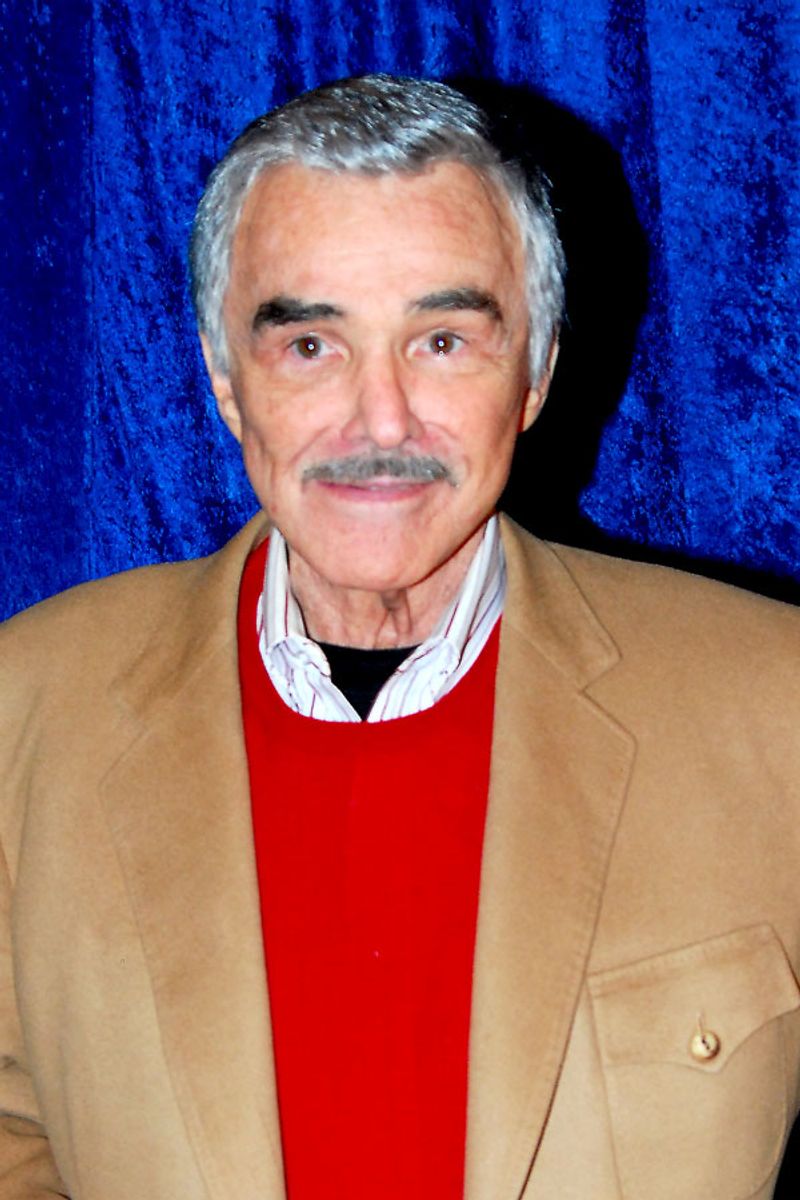
Boogie Nights was not the kind of movie Burt Reynolds was used to making. Paul Thomas Anderson’s 1997 portrait of the adult film industry in 1970s California was bold, challenging, and completely unlike the action comedies Reynolds had built his career on.
The role of Jack Horner, the charming and morally complicated filmmaker at the story’s center, fit Reynolds in ways that surprised nearly everyone.
Critics adored his performance. He earned a Golden Globe and a Screen Actors Guild Award nomination, and many considered it the finest work of his career.
The irony is that Reynolds reportedly disliked the experience intensely, clashing with Anderson throughout production and resenting the direction the film took.
His tension with the director became well documented in Hollywood circles. The fact that his most acclaimed performance came from a project he resented making is one of the more genuinely fascinating contradictions in modern film history.
Sometimes friction produces the most honest work.
Mark Wahlberg – Dirk Diggler in Boogie Nights
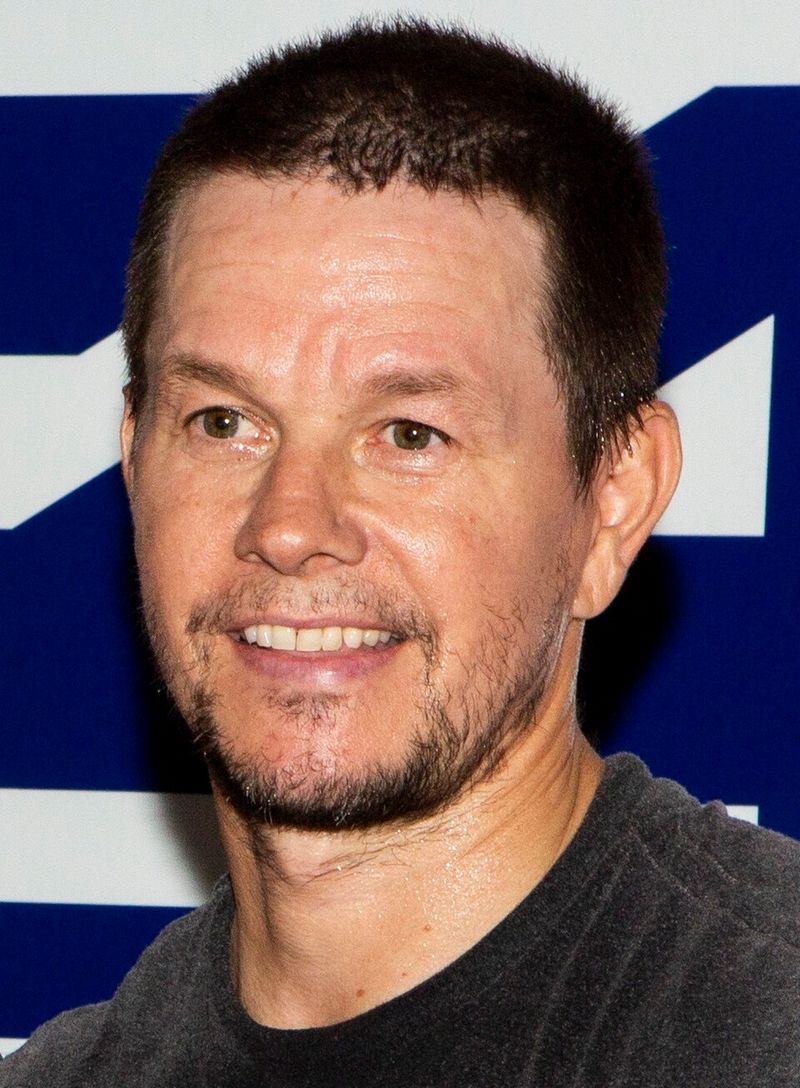
Mark Wahlberg’s performance as Dirk Diggler in Boogie Nights remains one of the most talked-about breakout dramatic turns in 1990s cinema. He played the naive, ambitious young man drawn into the adult film world with a vulnerability and physicality that genuinely surprised audiences who knew him primarily from his music career and early action roles.
Years after the film’s release, Wahlberg expressed personal discomfort with the role. His reflection was tied to his Catholic faith and the values he had developed as he got older, rather than any criticism of the film’s artistic merit.
He made clear that his complicated feelings were about personal growth and belief, not about dismissing what Anderson and the cast created together.
It is a different kind of regret from most on this list. He was not unhappy with the experience at the time, but his later perspective shifted how he thought about the choices he made.
Boogie Nights still stands as proof of how much range he always had.
Jessica Alba – Sue Storm in Fantastic Four

Jessica Alba was one of the most in-demand young actresses of the mid-2000s when she took on the role of Sue Storm in Fantastic Four. The film was a commercial success, and her visibility in the superhero space was enormous.
For a moment, it looked like the franchise could become a long-running chapter of her career.
Behind the scenes, however, the experience left real marks. Alba has spoken about feeling humiliated during certain scenes and receiving direction that made her feel more like a prop than a performer.
Comments she received while filming the sequel reportedly shook her confidence in a serious way and made her question whether she wanted to continue acting at all.
Her story is an important reminder that box-office success and a positive personal experience are not always the same thing. Alba eventually shifted much of her focus toward building The Honest Company, her consumer goods business, which she has described as far more fulfilling than many of her Hollywood years.
Ryan Reynolds – Hal Jordan in Green Lantern
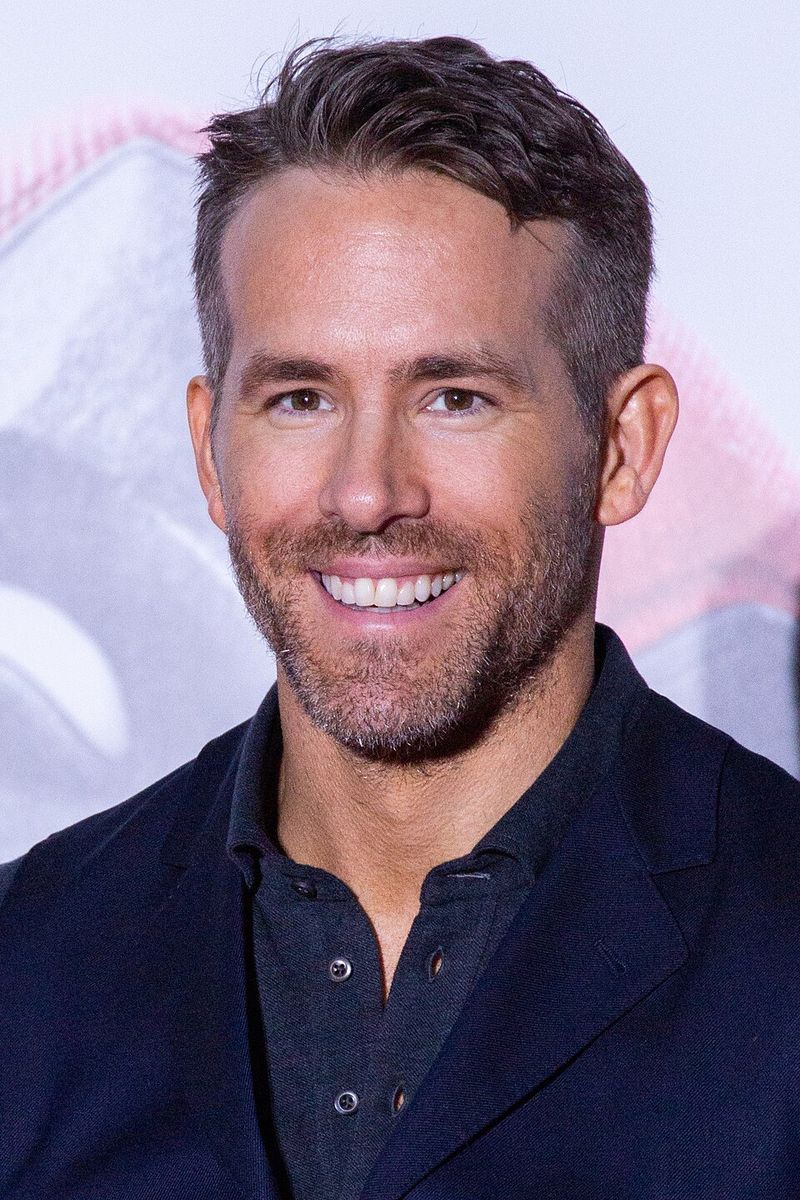
Ryan Reynolds has made Green Lantern into one of Hollywood’s most reliable self-deprecating punchlines. The 2011 superhero film had enormous potential, a charismatic lead, a major studio budget, and a well-known comic book character.
What audiences got instead was a CGI-heavy, tonally confused film that landed poorly with critics and at the box office.
Reynolds has spoken openly about his reaction to seeing the finished film for the first time, describing it as a genuinely shocking experience. He has referenced it in interviews, social media posts, and even in the Deadpool films, where jokes about Green Lantern became a recurring gag that audiences loved.
The way he has handled the film’s failure is actually a masterclass in turning a career stumble into a personality asset. Rather than avoiding the subject, he leaned into it completely.
His willingness to be the loudest critic of his own worst film made him more relatable and more likable, which is not a small achievement.
Harrison Ford – Han Solo in Star Wars
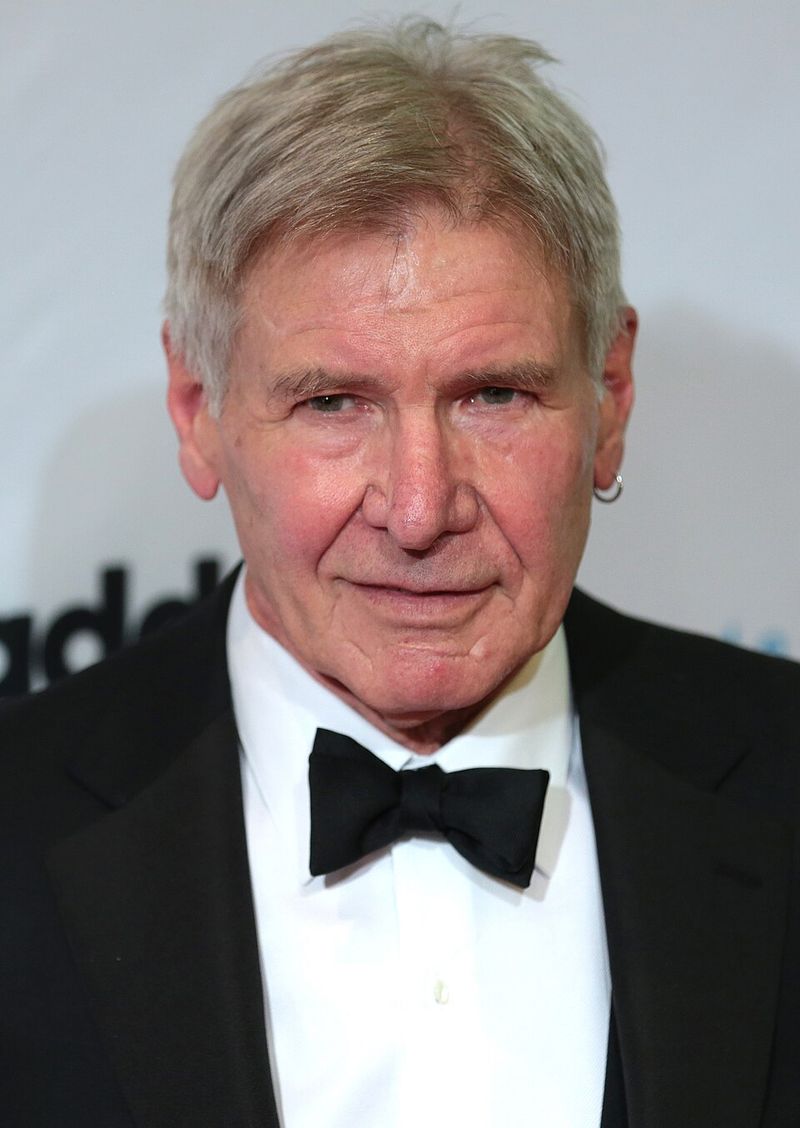
Harrison Ford’s relationship with Han Solo is one of the more quietly fascinating stories in Hollywood history. He never hated the character the way some actors despise their most famous roles, but he was also never fully comfortable with the idea of playing Han Solo forever.
His feelings were more subtle and, in some ways, more interesting because of it.
For years, Ford pushed for Han Solo to be given a meaningful ending, arguing that the character’s story would carry more emotional weight if it concluded with real consequence. He wanted Solo to sacrifice himself, and he believed that kind of ending would give the role a lasting resonance that endless sequels could not provide.
He eventually got his wish in The Force Awakens, though not quite in the way he originally imagined. His long campaign for Han’s ending shows how seriously he took the character’s story arc, even when his public comments made it seem like he just wanted to move on.
That is a complicated kind of love.
Share this story