Choosing a band name sounds like a big deal, but for some of the most famous groups in music history, it happened fast, casually, or almost by accident. A random word in a dictionary, a phrase scrawled in an old book, a name spotted on a drum kit in a music video, these are the kinds of stories behind some of the biggest names in rock, pop, and alternative music.
It turns out that a great band name does not always need a deep meaning behind it. Sometimes the best ones come from a quick decision, a borrowed idea, or just something that sounded cool in the moment.
These 15 bands prove that the name you land on almost instantly can end up defining a generation of music fans.
5 Seconds of Summer

Not every iconic band name comes with a dramatic backstory, and 5 Seconds of Summer is a good reminder of that. Guitarist Michael Clifford created the name, and bassist Calum Hood has been pretty straightforward about it, saying the choice was arbitrary rather than meaningful.
There was no hidden message or clever concept behind it.
For a band that went on to sell out arenas and rack up millions of streams, that casual origin is kind of refreshing. The name sounds like it belongs to a summer playlist, which probably helped it stick with teenage fans right away.
It is also a reminder that a name does not need deep symbolism to work. Sometimes a phrase just sounds right, fits the energy of the music, and catches on before anyone has time to overthink it.
That is exactly what happened here, and the rest became pop history.
Foo Fighters
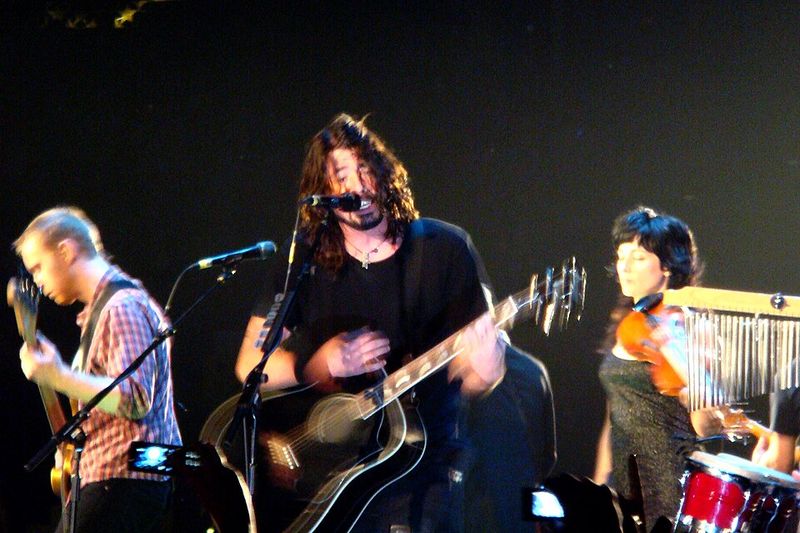
Dave Grohl was deep into reading about UFO sightings when he recorded the first batch of Foo Fighters songs, and the name came straight out of that obsession. The term “foo fighters” was used by Allied pilots during World War II to describe mysterious aerial objects they spotted in the sky.
Grohl grabbed the phrase not as a branding strategy but because it matched what he was reading.
What makes this story interesting is that Grohl originally recorded those early tracks alone, with no guarantee the project would become a full band. The name was picked almost informally, before the lineup even existed.
Decades later, Foo Fighters became one of the biggest rock bands on the planet. The name now carries serious weight in the music world, but it started as a casual nod to wartime mystery and a solo musician’s late-night reading habit.
That is a pretty good origin for a legendary act.
The Killers

Brandon Flowers did not come up with the name The Killers by brainstorming or sitting in a rehearsal space with a whiteboard. He borrowed it from a fictional band shown on a drum kit in New Order’s music video for “Crystal.” The name appears on screen briefly, and Flowers liked it enough to take it for his own real band.
That is one of the more unusual name origin stories in modern rock, since it essentially came from a prop in someone else’s music video. New Order was not bothered, and The Killers went on to become far more famous than any fictional band ever could.
The name itself has a sharp, cinematic quality that fits the band’s dramatic sound and neon-lit aesthetic. It sounds deliberate and bold, which makes it even more surprising that it came from a passing visual detail in a video most casual fans would never notice on their own.
Radiohead

Before they became one of the most critically respected bands in alternative rock, Radiohead went by a completely different name. They called themselves On a Friday because that was the day of the week they rehearsed at school.
It was practical rather than poetic, and it worked fine until they signed with EMI.
The label asked them to change the name before releasing any music, which pushed the band to find something new. They landed on Radiohead, taken directly from the Talking Heads song “Radio Head” off their 1986 album True Stories.
The new name carried a different energy entirely, something slightly eerie and futuristic that ended up suiting their music perfectly. It is one of those cases where an outside push led to a better outcome.
Without EMI stepping in, there is a real chance the world might have known them as On a Friday, which sounds more like a scheduling note than a legendary band name.
Coldplay
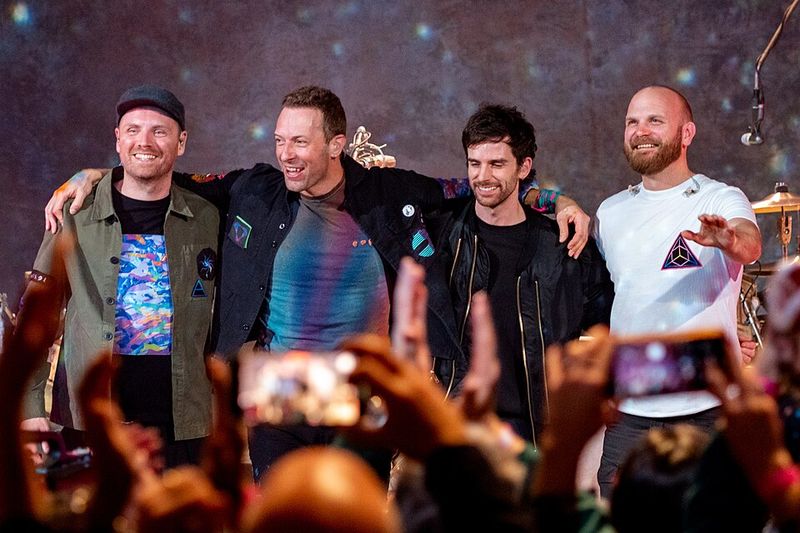
Coldplay did not come up with their own name, which is a fun detail most casual fans do not know. The band originally performed as Starfish before a fellow student named Tim Crompton handed over the name Coldplay.
Crompton had used it for his own band but decided to give it up, and Chris Martin’s group took it from there.
At first, some members were not entirely sold on it. The name has a slightly melancholy sound, which turned out to fit the band’s emotional, piano-driven style better than anyone probably expected at the time.
Coldplay went on to become one of the best-selling bands in the world, filling stadiums and releasing albums that defined the sound of the 2000s and 2010s. The fact that their globally recognized name came from a student handoff rather than a creative session makes the origin feel surprisingly low-key for a band of that scale.
Linkin Park

Linkin Park cycled through a couple of names before landing on the one that made them famous. They started as Xero and then briefly used Hybrid Theory before deciding they needed something different.
The inspiration came from Lincoln Park, a real neighborhood in Santa Monica, California.
The problem was that “Lincoln Park” as a band name was already taken. So they adjusted the spelling to “Linkin” specifically so they could register the domain name linkinpark.com.
A practical internet decision ended up shaping one of the most recognized names in early 2000s rock.
It is a detail that feels very much of its era, when bands were racing to claim web addresses as part of building their identity online. Linkin Park became a dominant force in nu-metal and alternative rock, and that slightly tweaked spelling became as recognizable as any logo or album cover.
The domain concern turned into a defining branding choice.
R.E.M.
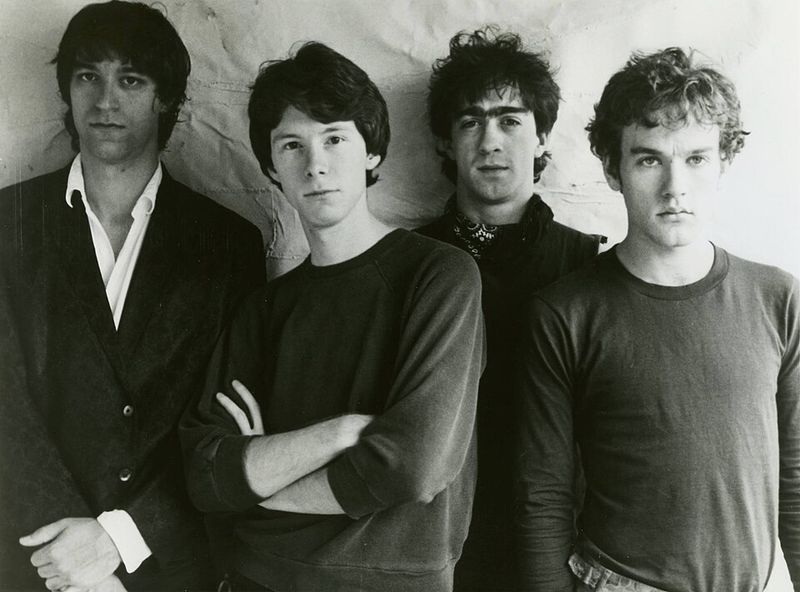
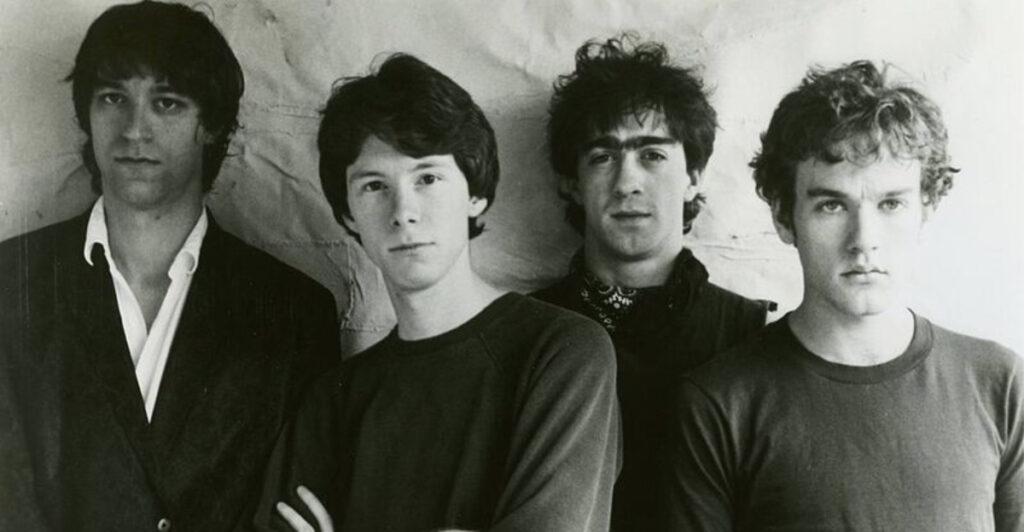
R.E.M. holds one of the most genuinely random name origin stories in all of alternative rock. Michael Stipe reportedly selected the name by opening a dictionary and pointing at a word without any particular goal in mind.
The abbreviation stood for rapid eye movement, a scientific term related to the stage of sleep when dreaming occurs.
Stipe has said the choice was not a deliberate reference to dreams or consciousness. It was simply a word that looked and sounded right on the page.
The fact that fans and critics later found poetic meaning in the sleep connection was a bonus rather than a plan.
R.E.M. became one of the defining bands of the 1980s and 1990s college rock scene, influencing countless artists who followed. The name, chosen with almost no thought, ended up carrying layers of meaning that the band never intended.
That kind of accidental depth is rare, and it makes the story worth knowing.
Depeche Mode

The band that would become Depeche Mode started out under a name they quickly grew embarrassed by. Composition of Sound was technically accurate, since the group made electronic, synthesizer-driven music, but it was stiff and forgettable.
A change was clearly needed.
Dave Gahan came across the name Depeche Mode in a French fashion magazine called Depêche Mode, which roughly translates to “hurried fashion” or “fashion dispatch.” He liked the way it sounded more than anything else. There was no deep philosophy attached to it, just an aesthetic reaction to a phrase in a magazine.
The name ended up fitting the band’s image perfectly, giving them a European, forward-looking quality that matched their cold, stylish sound. Depeche Mode became one of the most influential electronic acts in music history, and their name still carries that sharp, continental edge.
Sometimes a magazine flip at the right moment is all it takes.
The 1975
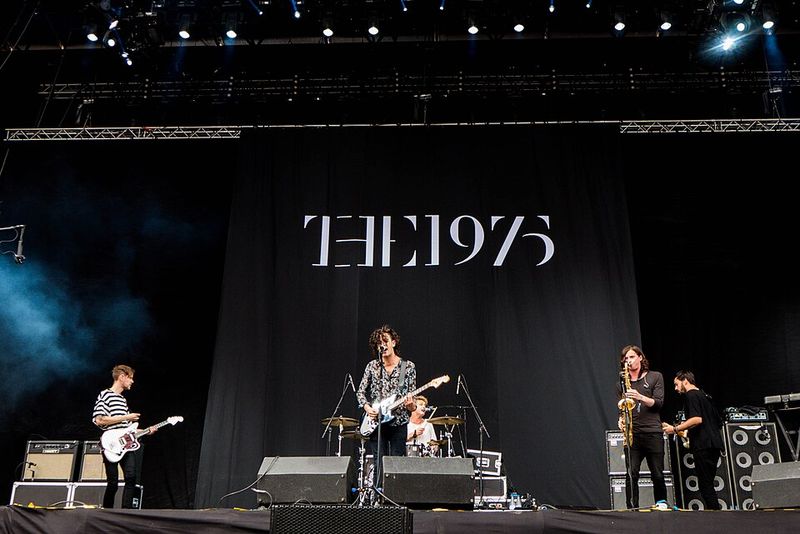
The 1975 went through several names before Matty Healy stumbled onto the one that would stick. The discovery came from a secondhand copy of Jack Kerouac’s On the Road, which had scribblings and notes written inside by a previous owner.
Among those handwritten phrases was “1 June, The 1975.”
Healy found something in that combination of numbers and words that felt right for the band, even though it had no direct connection to anything specific in their music or personal history. It was an abstract find from a used book, and it became the name of one of the most talked-about indie pop acts of the 2010s.
There is something fitting about a band known for layered, literary songwriting choosing a name with a bookish origin. Whether or not Healy planned that connection is almost beside the point.
The 1975 became a name that fans and critics attached real meaning to, regardless of how casually it was chosen.
Pink Floyd
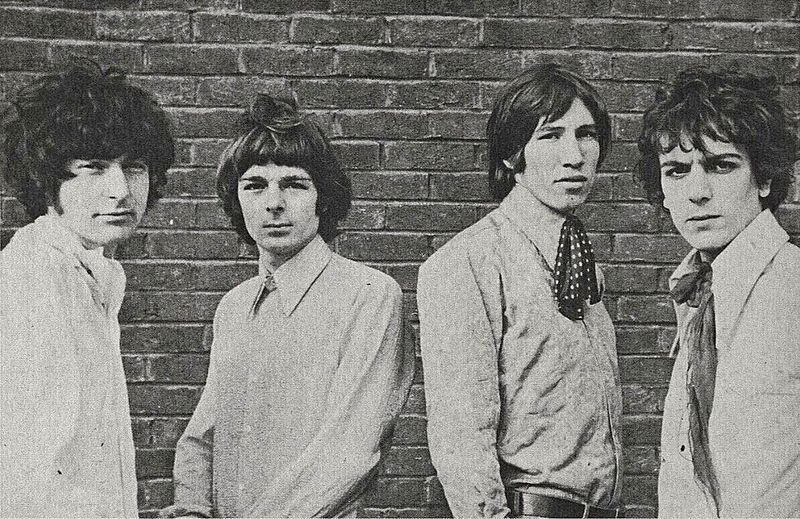
Pink Floyd’s name came together quickly, but only because of a last-minute problem. The band had been performing as Tea Set, which was a serviceable name for the British psychedelic scene at the time.
Then they showed up at a gig and discovered another band was already using the same name.
Syd Barrett needed a new name on the spot and came up with one by combining the first names of two American blues musicians he admired: Pink Anderson and Floyd Council. Neither musician was widely famous at the time, but Barrett knew their work and liked the way the two names sounded together.
The result was a name that felt both quirky and memorable, with a slightly surreal quality that matched Barrett’s artistic personality. Pink Floyd went on to become one of the most celebrated rock bands in history.
The accidental urgency of that naming moment gave the world one of the most recognizable names in all of music.
Black Sabbath
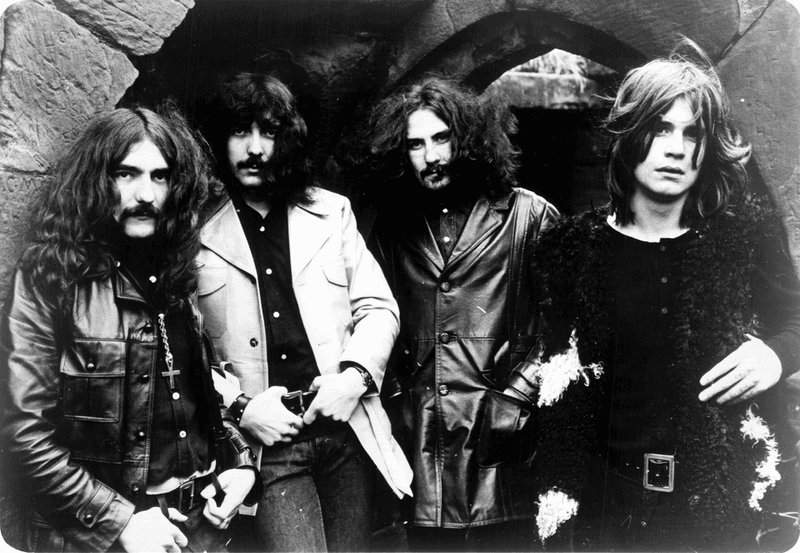
Black Sabbath did not start out with that name. The Birmingham band went through Polka Tulk and then Earth before a naming conflict pushed them toward something heavier.
When they discovered another band was already using the name Earth, a change became necessary.
Tony Iommi and the rest of the group noticed that people seemed to enjoy being scared, since a horror film was drawing large crowds near their rehearsal space. That observation pointed them toward something darker.
They took the name Black Sabbath from a 1963 Boris Karloff horror film of the same name.
The new name matched a shift in their sound toward something slower, heavier, and more menacing than what most rock bands were doing at the time. Black Sabbath essentially invented a genre, and the name they chose almost by circumstance became the banner for heavy metal itself.
A scheduling conflict and a horror film marquee changed music permanently.
Led Zeppelin
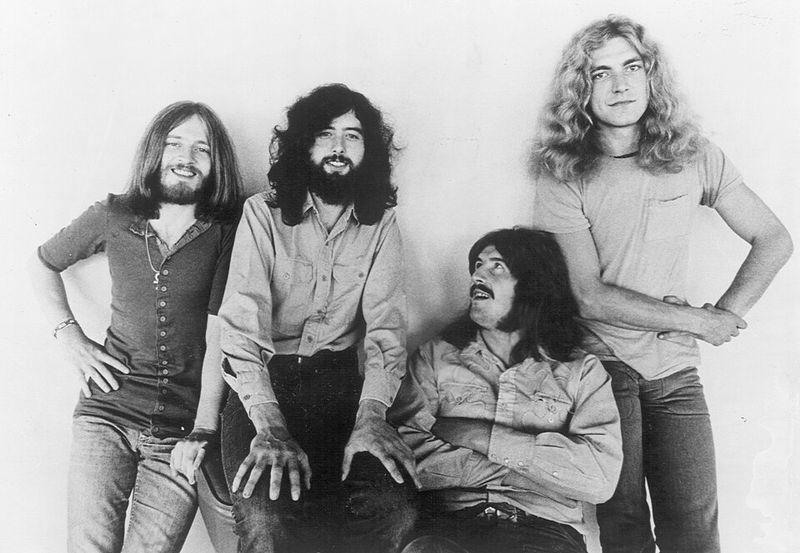
The origin of Led Zeppelin’s name involves a joke that Jimmy Page turned into something legendary. The Who’s Keith Moon reportedly made an offhand comment that Page’s new project would go down like a “lead balloon,” meaning it would fail spectacularly.
Page found the phrase amusing rather than discouraging.
He liked the imagery of the lead balloon well enough to borrow it, adjusting the phrase into “Led Zeppelin” for the band name. The spelling was changed from “lead” to “led” deliberately, so that people reading it would not mispronounce it as “leed.” That small phonetic adjustment was one of the more thoughtful decisions in the whole process.
Led Zeppelin became one of the best-selling music acts in history, which makes the failed-balloon joke age particularly well. A dismissive comment turned into one of the most powerful names in rock, and the band went on to prove the prediction spectacularly wrong for several decades straight.
The Beatles
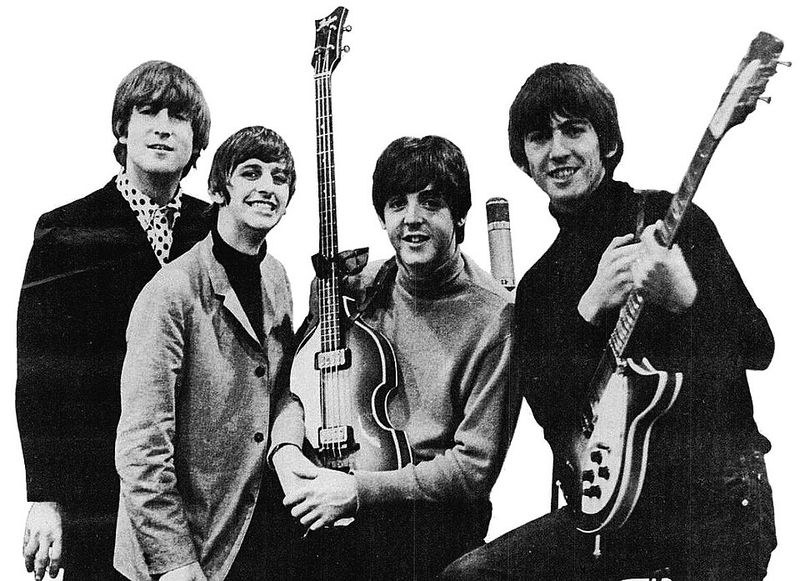
The Beatles’ name has more than one origin story floating around, which says something about how casually it came together. John Lennon gave simple explanations at various points, including that he just thought of it.
Other accounts connect the spelling to wordplay developed between Lennon and his art school friend Stuart Sutcliffe.
The spelling was a deliberate pun, combining “beat” as in rhythm and “beetle” as in the insect, inspired partly by Buddy Holly’s band the Crickets. The bug-and-beat connection gave the name a dual meaning that felt clever without being too obvious.
Before settling on The Beatles, the group had gone through names like The Quarrymen and Johnny and the Moondogs. The final name emerged from a loose creative process rather than a formal decision.
Whatever the exact path, it became the most famous band name in the history of popular music, which is a remarkable outcome for something that started as wordplay between art students.
Nirvana
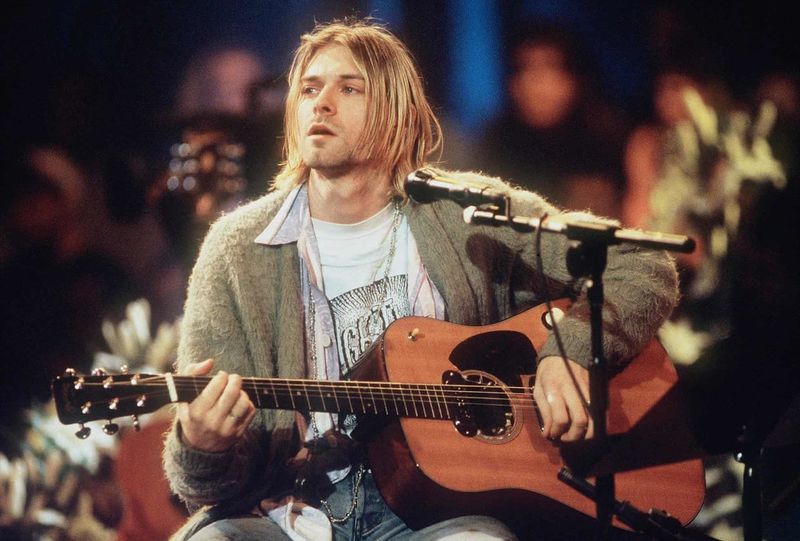
Kurt Cobain went through several band names before landing on Nirvana, and his reasoning was surprisingly straightforward. He wanted something that sounded beautiful rather than aggressive.
At a time when punk and grunge bands were leaning toward harsh, confrontational names, Cobain deliberately went the other direction.
He later explained that he wanted a name that felt “pretty instead of mean,” which stood out from the rougher, harder-edged names common in the Seattle scene. Nirvana, a Buddhist concept referring to a state of perfect peace and release, fit that goal perfectly without being soft or vague.
The contrast between the serene name and the band’s loud, distorted sound became part of what made Nirvana so compelling. Cobain’s instinct to choose something different from his peers was correct in ways that went far beyond branding.
Nirvana became the defining band of the early 1990s alternative explosion, and the name carried both beauty and weight in equal measure.
The B-52s
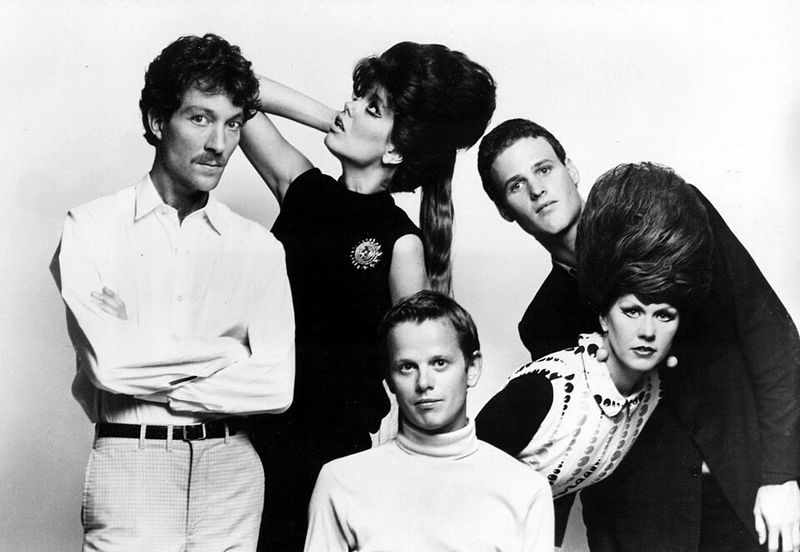
The B-52s have one of the more visually driven name stories in rock history. The name came from a connection to a specific hairstyle, the bouffant, which was nicknamed the B-52 because its towering shape resembled the nose cone of the B-52 Stratofortress bomber aircraft.
Two of the band’s members wore that style, which made the name feel both personal and playful.
The story reportedly traces back to a vision or dream involving a lounge band with exaggerated bouffant hairdos, which gave the name an almost surreal origin point. Whether the dream detail is entirely precise or slightly embellished over the years, the connection to the hairstyle is well documented.
The name fit the band’s retro, campy, and deliberately theatrical identity from the very beginning. The B-52s built a sound and image rooted in kitsch and fun, and a name pulled from a hairdo and a bomber plane turned out to be exactly right for what they were doing.
Share this story