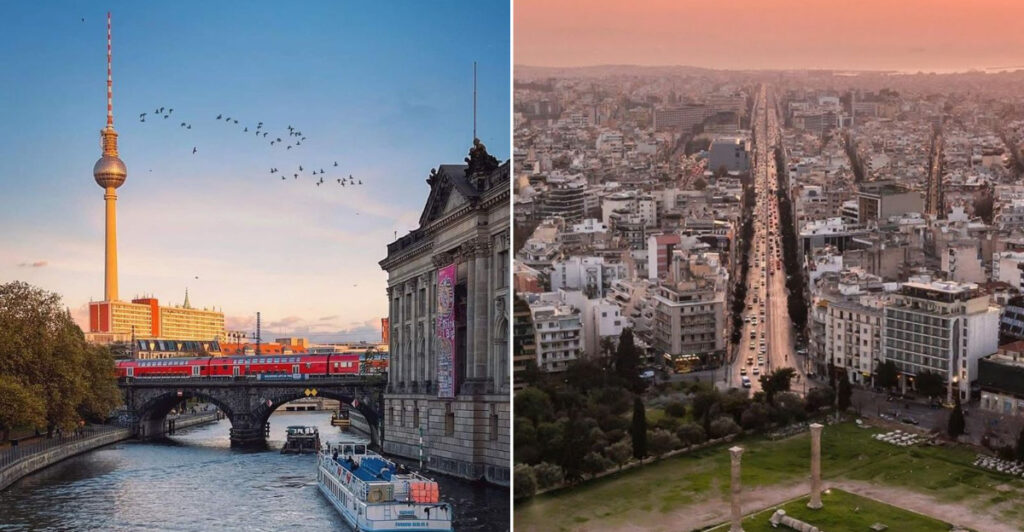
Europe has been “done to death” according to some travelers, but those people are wrong. The continent keeps pulling visitors back for good reason: history, food, architecture, and culture packed into cities you can actually walk around.
Whether you are planning your first trip or your tenth, these destinations still deliver. Here are 15 famous European spots that absolutely earn the hype.
Paris, France
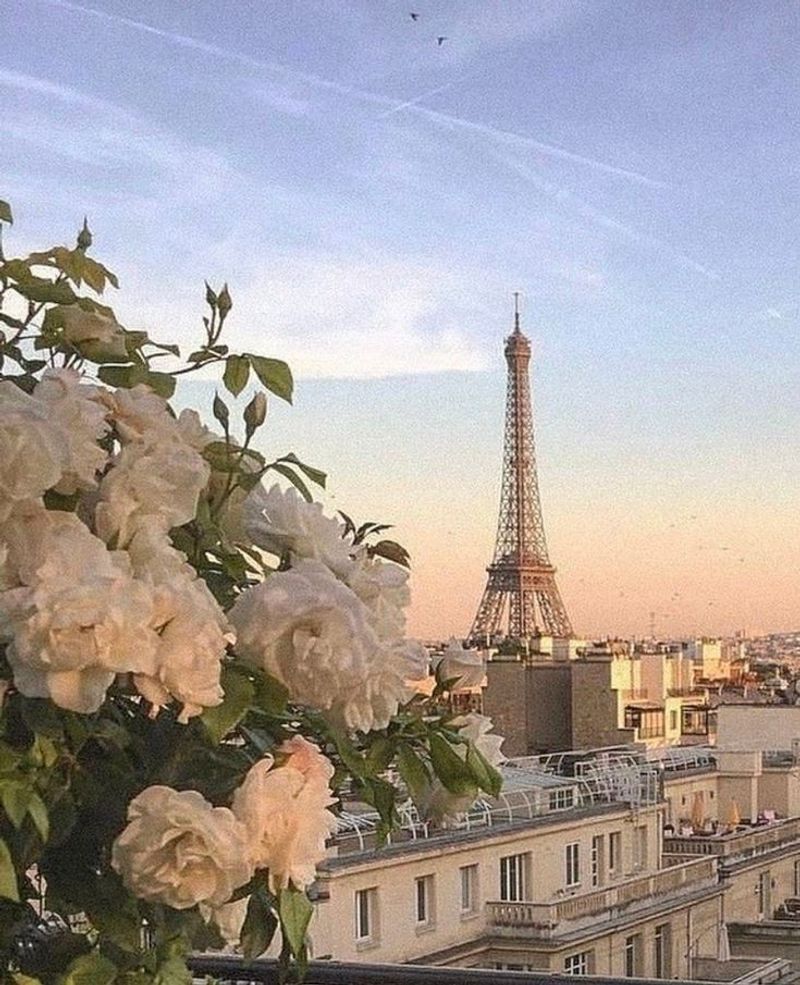
Nobody actually needs another reason to visit Paris, and yet here we are. The Eiffel Tower is still standing, still lit up at night, and still worth the queue for tickets on the official site.
The Louvre holds more art than any one person can absorb in a week.
Paris rewards the slow traveler. Skip the rush and spend a morning wandering Saint-Germain or following the Seine past its old bouquiniste bookstalls.
The bakeries alone justify the airfare.
The neighborhoods are what really make this city stick with you. Montmartre has cobblestones, quirky cafés, and views over the rooftops that feel genuinely cinematic.
Paris has been famous for centuries, and it has not gotten lazy about earning that reputation. Come hungry, come curious, and give yourself more than three days.
Rome, Italy
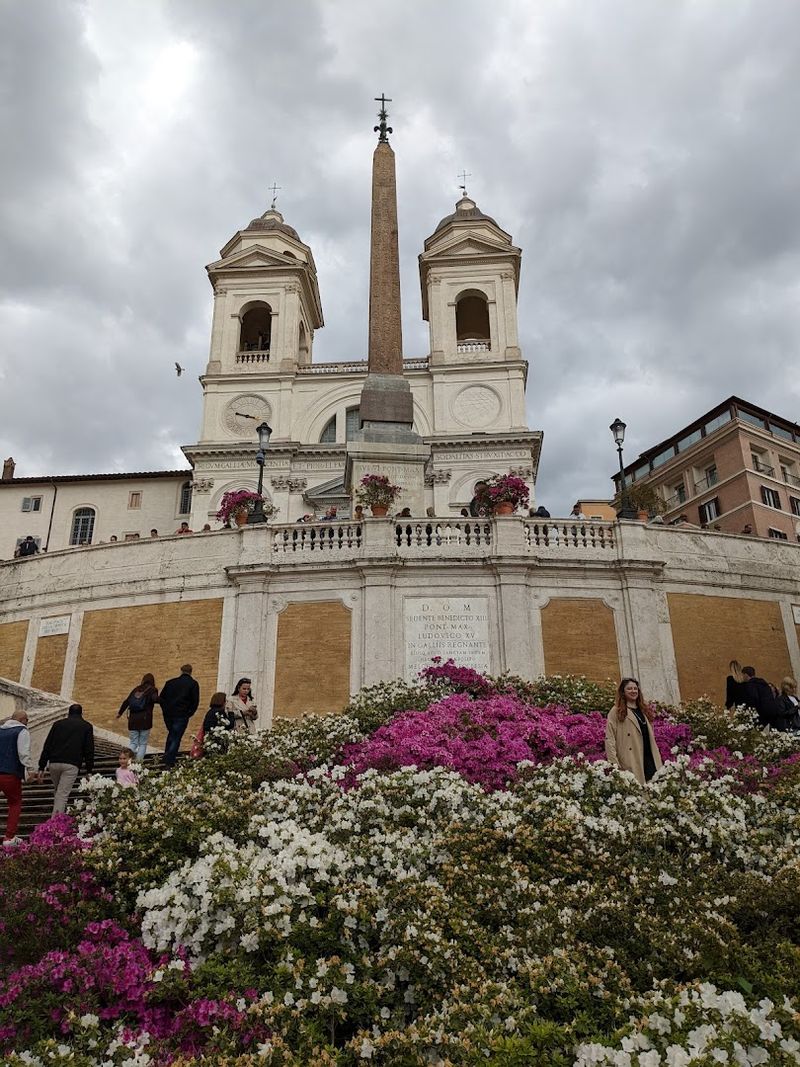
Rome is the only city where you can eat a cornetto for breakfast ten feet from a 2,000-year-old wall. Ancient history here is not roped off in a sterile room.
It is literally part of the sidewalk.
The Colosseum, Roman Forum, and Palatine Hill are all accessible through the official Archaeological Park of the Colosseum. Buy tickets in advance unless you enjoy standing in the sun for two hours.
The Vatican Museums are equally worth booking ahead.
Yes, it is crowded. Yes, the tourist traps near the Trevi Fountain are aggressively mediocre.
But Rome has this stubborn ability to still surprise you around every corner. I once got completely lost near the Aventine Hill and stumbled onto a keyhole with a perfectly framed view of St. Peter’s dome.
That kind of thing just does not happen in other cities.
Barcelona, Spain
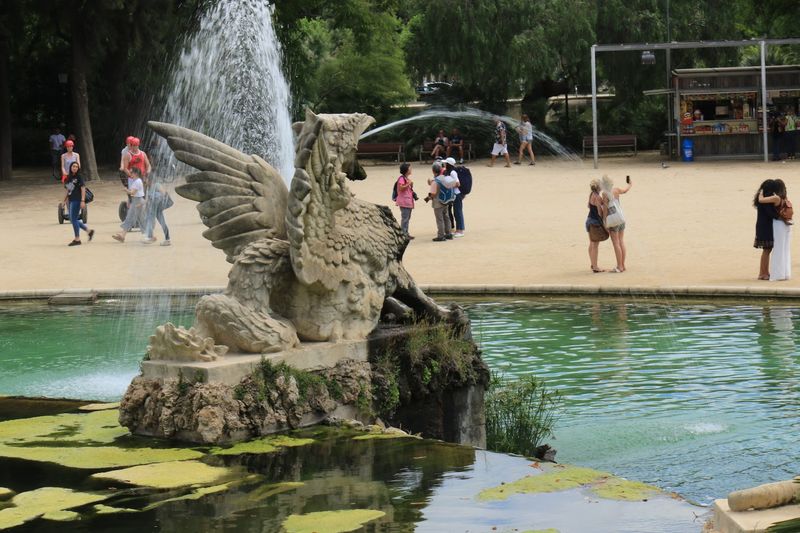
Antoni Gaudí designed buildings that look like they were grown rather than built, and Barcelona is where you find most of them. The Sagrada Família has been under construction since 1882 and is somehow still one of the most jaw-dropping structures on Earth.
Park Güell is officially open with ticketed access, and it is worth every cent. Gaudí’s mosaics, terraces, and winding pathways make the whole park feel like a fairy tale that got a bit too ambitious.
Beyond Gaudí, Barcelona offers La Boqueria market, Gothic Quarter streets, and beaches that are genuinely swimmable.
The food scene here is seriously underrated. Tapas, fresh seafood, and late dinners are part of the local rhythm, not just a tourist performance.
Barcelona combines architecture, coastline, and Mediterranean energy in a way that very few cities in Europe can match. Plan at least five days.
Amsterdam, Netherlands
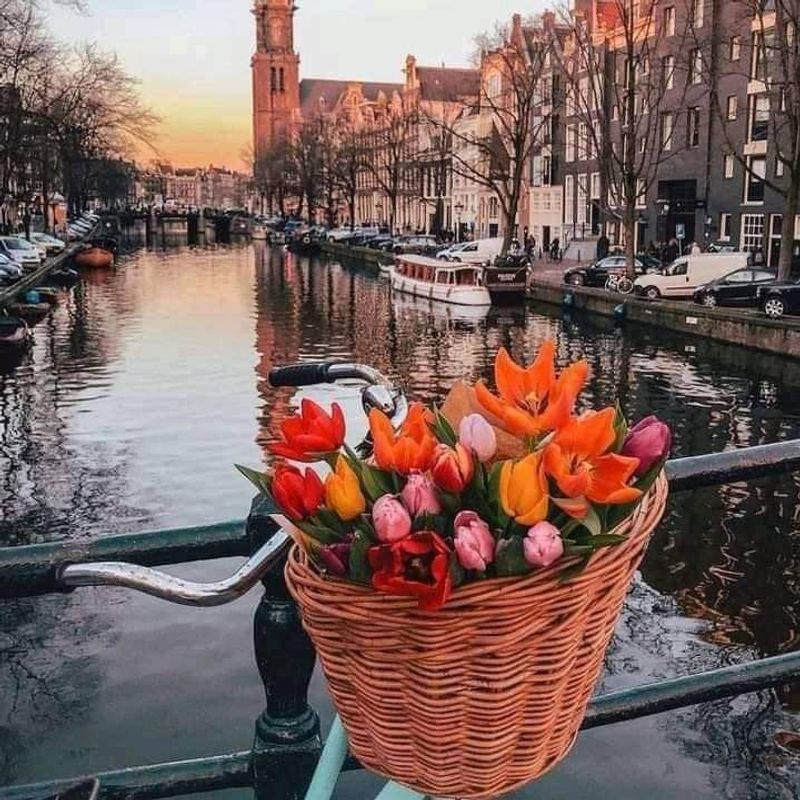
Amsterdam is one of those cities that looks exactly like its postcards, which sounds like a bad thing until you are actually there cycling along a canal at dusk. The canals are genuinely beautiful, and the city is compact enough to cover a lot of ground without exhausting yourself.
The Anne Frank House is one of the most moving museum experiences in Europe. Tickets sell out fast, so book through the official site well in advance.
The Rijksmuseum and Van Gogh Museum round out a museum scene that punches well above Amsterdam’s size.
What makes Amsterdam special is how livable it feels. It is not performing for tourists.
People are actually cycling to work, stopping at market stalls, and sitting outside cafés with dogs. History, art, canals, and cozy brown cafés all exist in the same few square miles.
That kind of density is rare and genuinely worth your time.
London, England
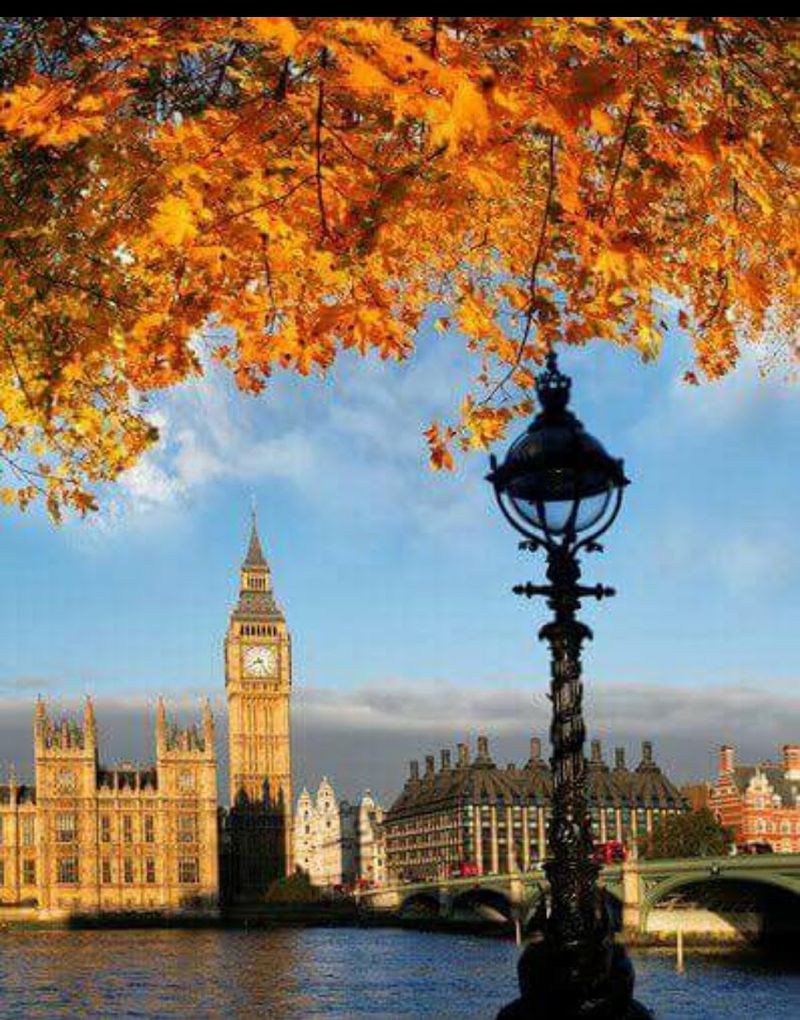
London costs a fortune and moves at a pace that can feel relentless, but it keeps delivering. The British Museum alone could occupy three full days, and entry to its permanent collection is free.
The Tower of London has nearly 1,000 years of history packed into one riverside fortress.
What London does better than most cities is variety. One afternoon you are in a Victorian market in Borough.
The next morning you are in a Georgian park watching pelicans. Seriously, there are pelicans in St. James’s Park and nobody makes a big deal about it.
The theatre scene, the food markets, the royal landmarks, and the neighborhoods that each feel like a separate city all make London worth the budget stretch. Shoreditch feels nothing like Chelsea.
Notting Hill feels nothing like the East End. That patchwork quality is what keeps even repeat visitors finding something new.
Book early and budget honestly.
Prague, Czech Republic
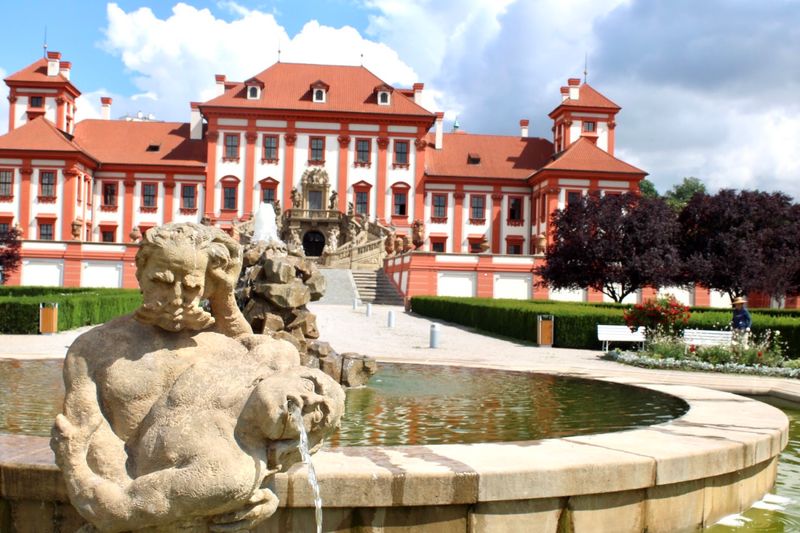
Prague looks like someone built a movie set and then forgot to take it down. The old town, castle district, and Charles Bridge create a skyline that feels almost too good to be real.
It is not too good to be real. It is just Prague being Prague.
Prague Castle is officially open to visitors year-round, offering access to historical buildings, galleries, concerts, and guided tours. The grounds alone take a few hours to explore properly.
Golden Lane, a tiny street of colorful medieval cottages inside the castle complex, is one of Europe’s most charming surprises.
The best tip for Prague is timing. The city gets very busy with day-trippers between late morning and early evening.
Arrive at the Charles Bridge before 8 a.m. and you will have it nearly to yourself, which is a completely different experience from the midday crowd. Prague rewards early risers generously.
Vienna, Austria
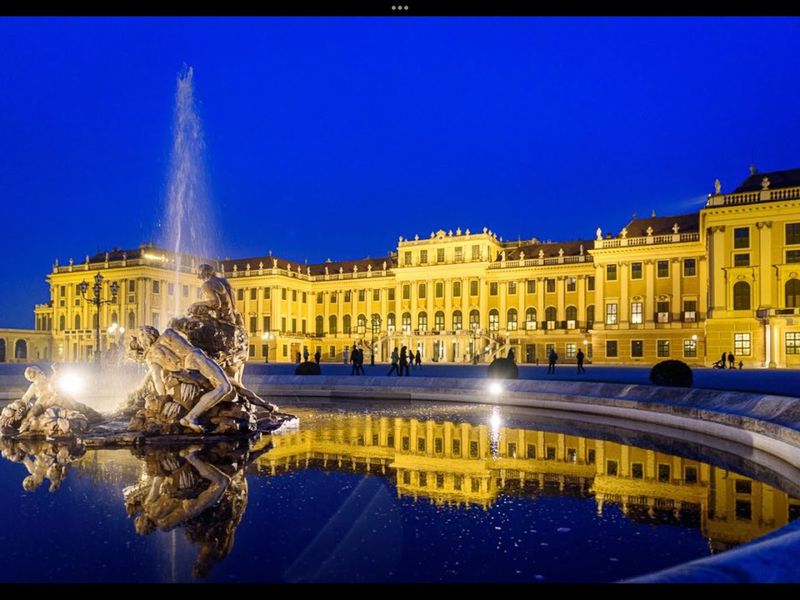
Vienna has perfected the art of being elegant without being stuffy, which is harder than it sounds. The coffeehouses alone are a reason to visit.
Sitting in a Viennese café with a melange and a slice of Sachertorte while reading a newspaper is a legitimate cultural activity here.
Schönbrunn Palace is open year-round with official ticketing for the palace rooms and gardens. The Belvedere Museum offers timed entry to see Klimt’s The Kiss up close, which is one of those artworks that genuinely stops you in your tracks.
Book ahead for both.
Vienna also has some of the best classical music programming in the world, and it is more accessible than people assume. Standing tickets at the Vienna State Opera are surprisingly affordable.
The city blends imperial architecture, world-class museums, serious food culture, and live music into a package that feels both grand and surprisingly relaxed. Give it four days minimum.
Budapest, Hungary
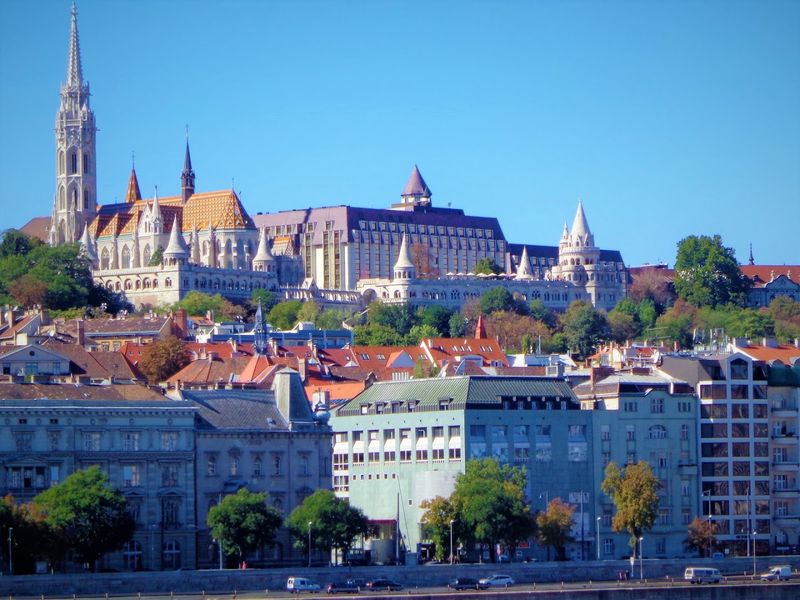
Budapest might be the most underrated capital in Europe, and travelers who have been there tend to get a little smug about it. The city is dramatic in the best possible way, split by the Danube with Buda on one side and Pest on the other, each with its own personality.
The Széchenyi Thermal Bath is one of the city’s signature experiences and is still fully operational. Soaking in a grand outdoor thermal pool surrounded by neo-baroque architecture is exactly as good as it sounds.
The official Budapest tourism site lists current visitor information and attraction highlights.
Budapest is also significantly more affordable than most Western European capitals, which makes stretching a trip here much easier on the wallet. The ruin bars in the Jewish Quarter, the views from Fisherman’s Bastion, and the sheer scale of the Parliament Building all add up to a city that rewards lingering.
Do not rush this one.
Lisbon, Portugal
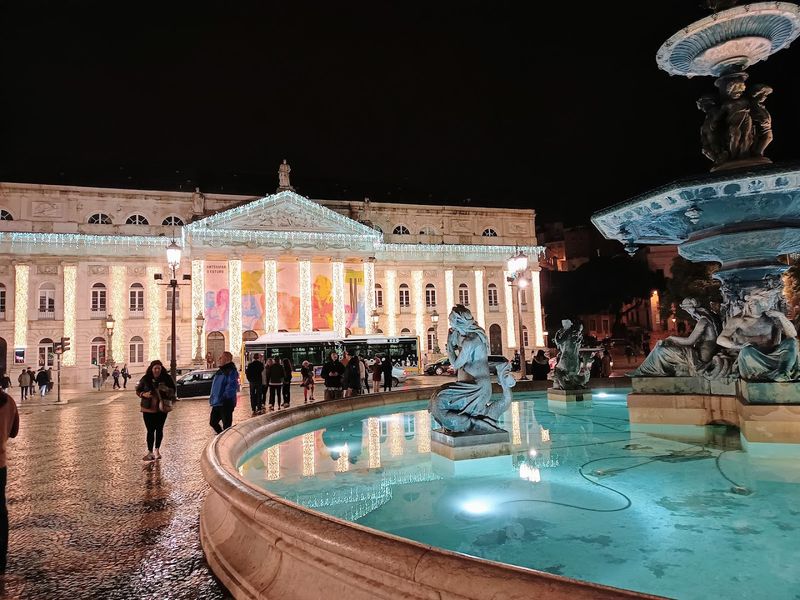
Lisbon has a charm that sneaks up on you. The city is hilly, sun-drenched, and covered in azulejo tiles that make even a random alleyway look like it belongs in a design magazine.
It also has some of the best pastéis de nata on the planet, and that matters.
Jerónimos Monastery in the Belém district is one of the finest examples of Manueline architecture in the world. Portugal’s official museums platform lists visitor hours and ticket details.
The monastery is free on Sunday mornings, which is worth planning around.
Lisbon’s viewpoints, called miradouros, are scattered across the city and offer free, stunning views over the terracotta rooftops down to the Tagus River. The famous yellow Tram 28 is an experience in itself, though it gets packed.
Day trips to Sintra and Cascais are easy from the city center. Lisbon gives you a lot for a relatively modest budget compared to other Western European capitals.
Athens, Greece
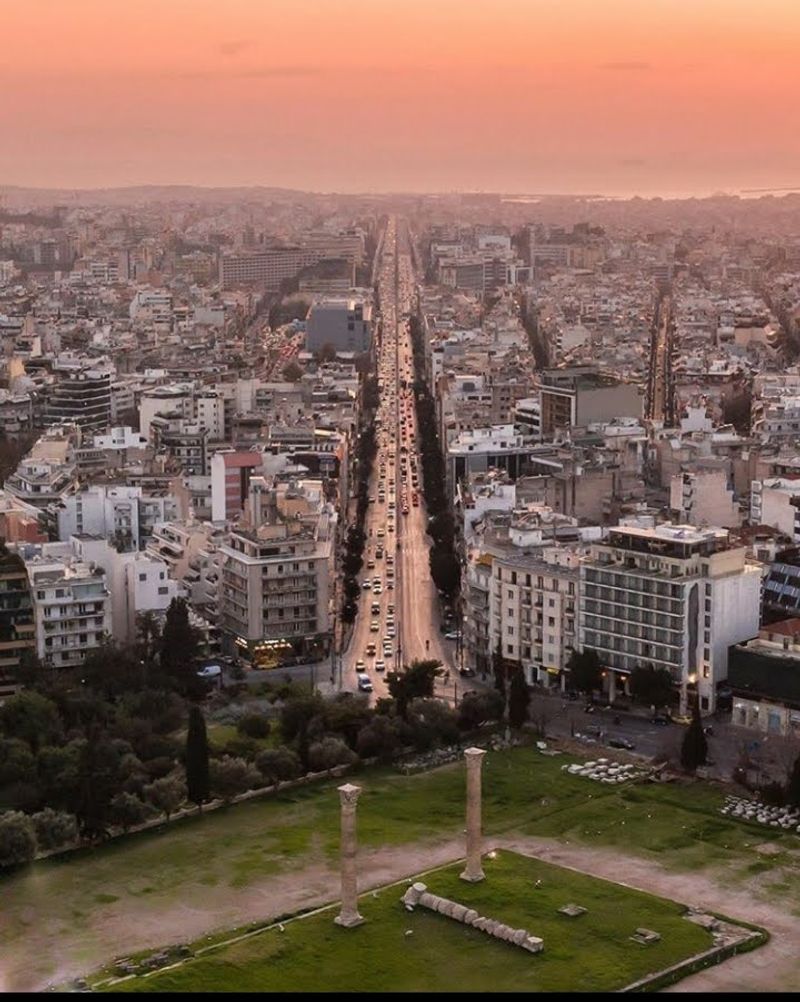
A lot of travelers treat Athens as a layover before the islands, which is genuinely their loss. The city has grit, history, and a street food scene centered on souvlaki and spanakopita that deserves serious respect.
The Acropolis is not just a photo opportunity. It is one of the most significant archaeological sites on Earth.
The Acropolis Museum at the base of the hill is modern, well-organized, and officially open with strong visitor access. It houses sculptures and finds from the Acropolis slopes in a building designed so you can see the actual hill through the glass floors.
That design detail alone is worth the ticket price.
Recent visitor reports note that ongoing restoration work has actually improved views of the Parthenon in certain phases, making Athens particularly compelling for history enthusiasts right now. The Monastiraki flea market, Plaka neighborhood, and rooftop bars with Acropolis views round out a city that rewards more than a rushed stopover.
Edinburgh, Scotland
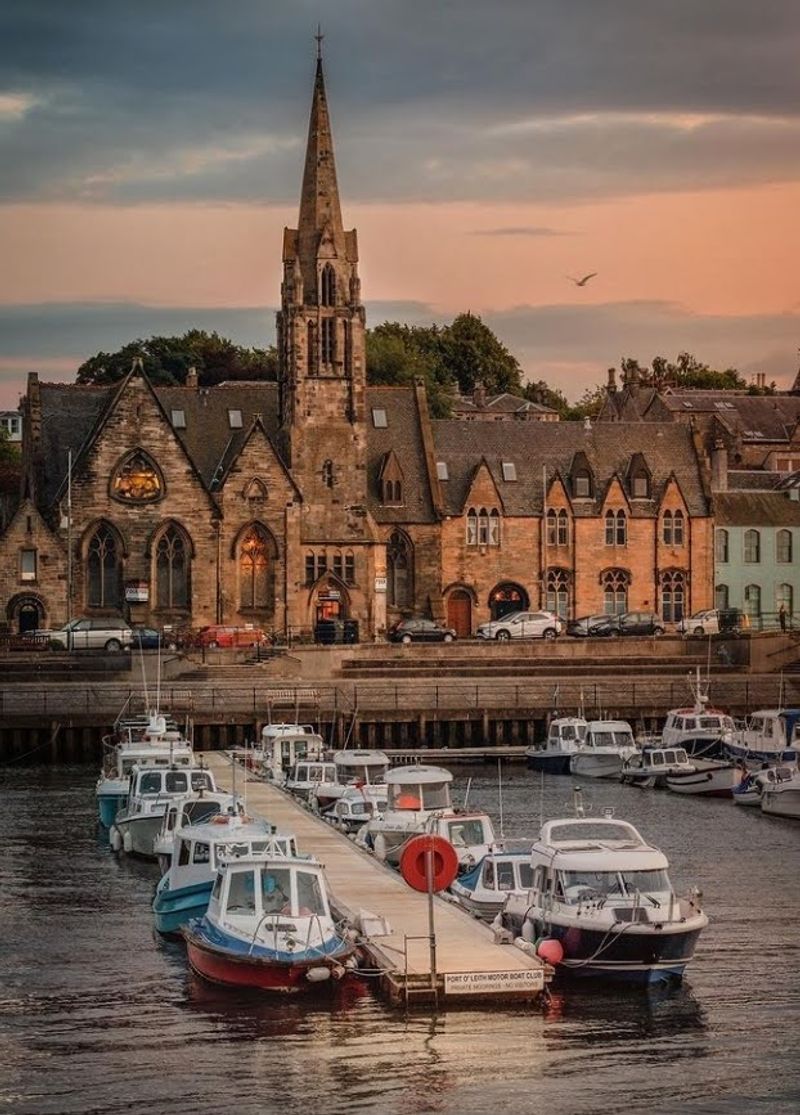
Edinburgh is the kind of city that makes you feel like you have walked into a novel. The castle sits on a volcanic rock above the city like it owns the place, which historically it did.
The Old Town below it is a maze of closes, wynds, and staircases that are genuinely fun to get lost in.
Edinburgh Castle opens daily from 9:30 a.m. and advance booking is strongly recommended because tickets regularly sell out, especially in summer. The castle covers Scottish history from the Stone of Destiny to the Scottish Crown Jewels, and the views from the esplanade are outstanding.
Beyond the castle, Edinburgh has Arthur’s Seat for hikers, the Royal Mile for history, and the Scottish National Museum for free world-class collections. The city also hosts the world’s largest arts festival every August.
Even outside festival season, Edinburgh has a moody, literary energy that makes it one of Europe’s most atmospheric capitals. Pack layers.
Copenhagen, Denmark
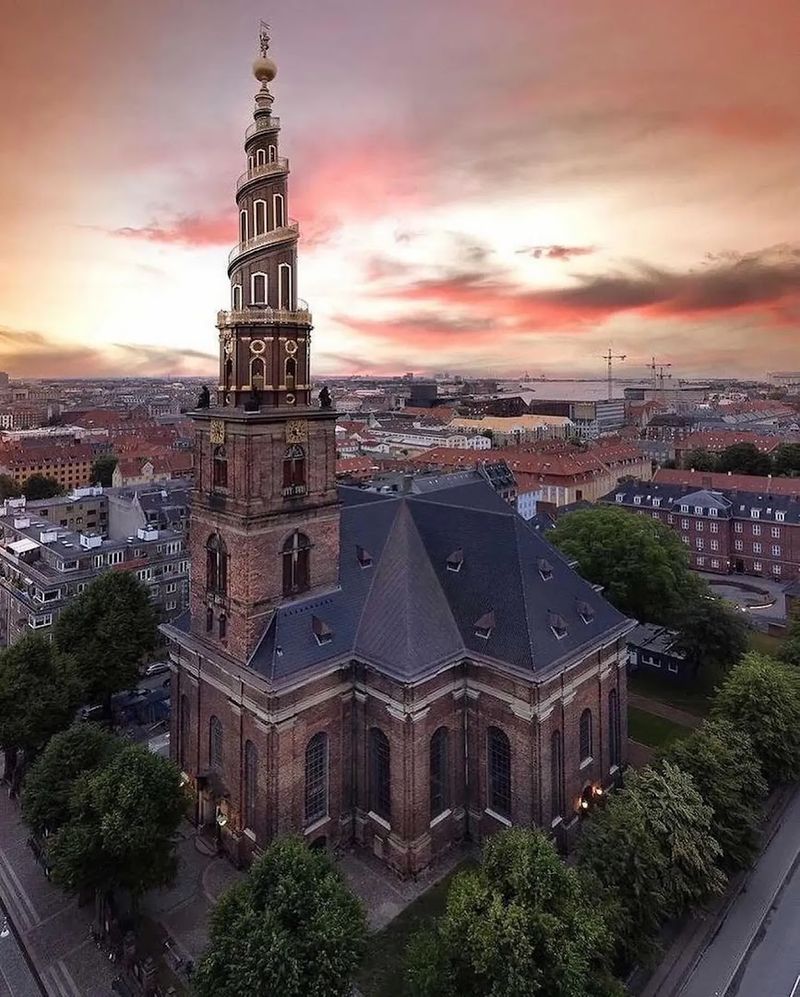
Copenhagen has figured out something most cities are still working on: how to be genuinely enjoyable to live in and visit at the same time. The streets are clean, the cycling infrastructure is excellent, and the food scene has been internationally recognized for years.
The city does not feel like it is trying too hard.
Tivoli Gardens is one of the world’s oldest amusement parks and is still fully operational with rides, restaurants, live theatre, and concerts. It is particularly magical during the Christmas season, though it holds its own in summer too.
The official Tivoli site lists seasonal schedules and ticket options.
Nyhavn, the colorful canal district, is worth a wander even if the restaurants there lean touristy. The real food magic happens a few streets over.
Copenhagen also has some of the best design museums in Europe, and the harbor area has been completely reimagined in recent years. It is polished, calm, and surprisingly easy to fall for.
Florence, Italy
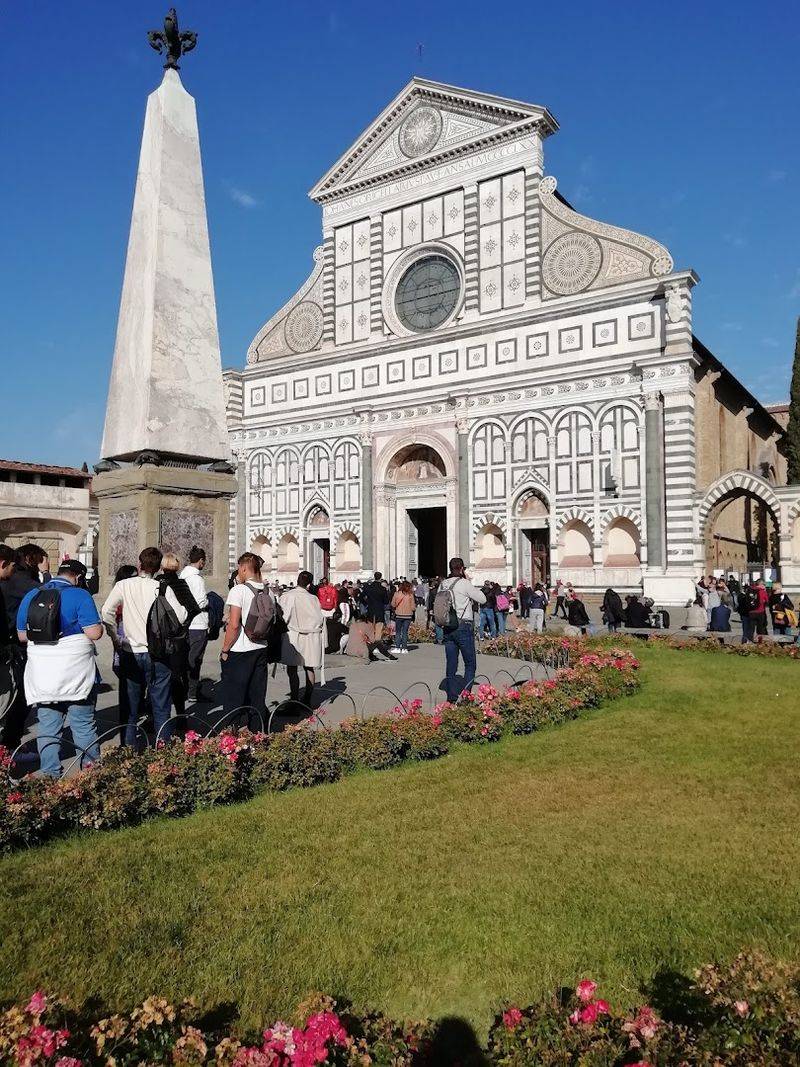
Florence is embarrassingly beautiful for a city its size. The main attractions are close enough to walk between, and the side streets between them are just as rewarding as the destinations themselves.
That is not something you can say about many major art cities.
The Uffizi Gallery holds one of the greatest Renaissance art collections in the world, and booking tickets in advance is non-negotiable in peak season. Brunelleschi’s dome at the Florence Cathedral is still climbable for those willing to tackle 463 steps.
The view from the top over the terracotta rooftops is well worth the effort.
Florence also rewards the food-focused traveler. Bistecca alla Fiorentina, fresh pasta, and gelato made without artificial colors are all accessible without spending a fortune if you eat where locals eat.
The Oltrarno neighborhood on the south bank of the Arno is less crowded and has some of the city’s best artisan workshops and trattorias. Florence does not disappoint.
Venice, Italy
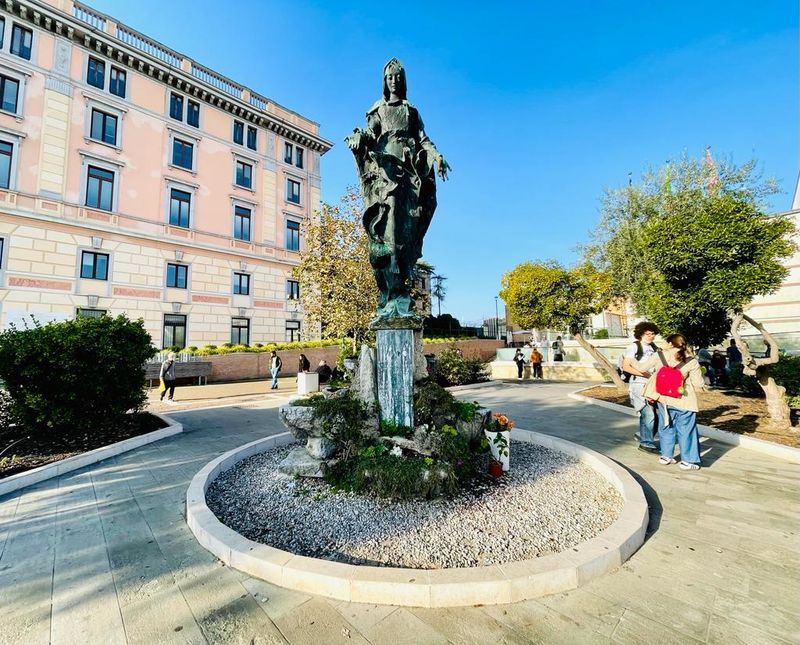
Venice is the city that everyone has complicated feelings about, including the Venetians themselves. Yes, it is overcrowded in summer.
Yes, parts of it flood. Yes, a glass of orange juice near the Rialto costs more than a full meal elsewhere.
And yet, Venice is still completely unlike any other place on Earth.
The canals, bridges, and crumbling palaces create an atmosphere that no amount of tourist infrastructure has managed to ruin entirely. The trick is getting up early.
Before 8 a.m., the narrow calli near San Polo and Dorsoduro are quiet enough to hear your own footsteps on the stone.
Wander away from San Marco and the Rialto and you find a city that still functions as a neighborhood. Locals shop at the Rialto market, kids cycle along the Lido, and the vaporetto water buses are how everyone actually gets around.
Venice rewards patience and early mornings more than any other destination on this list.
Berlin, Germany
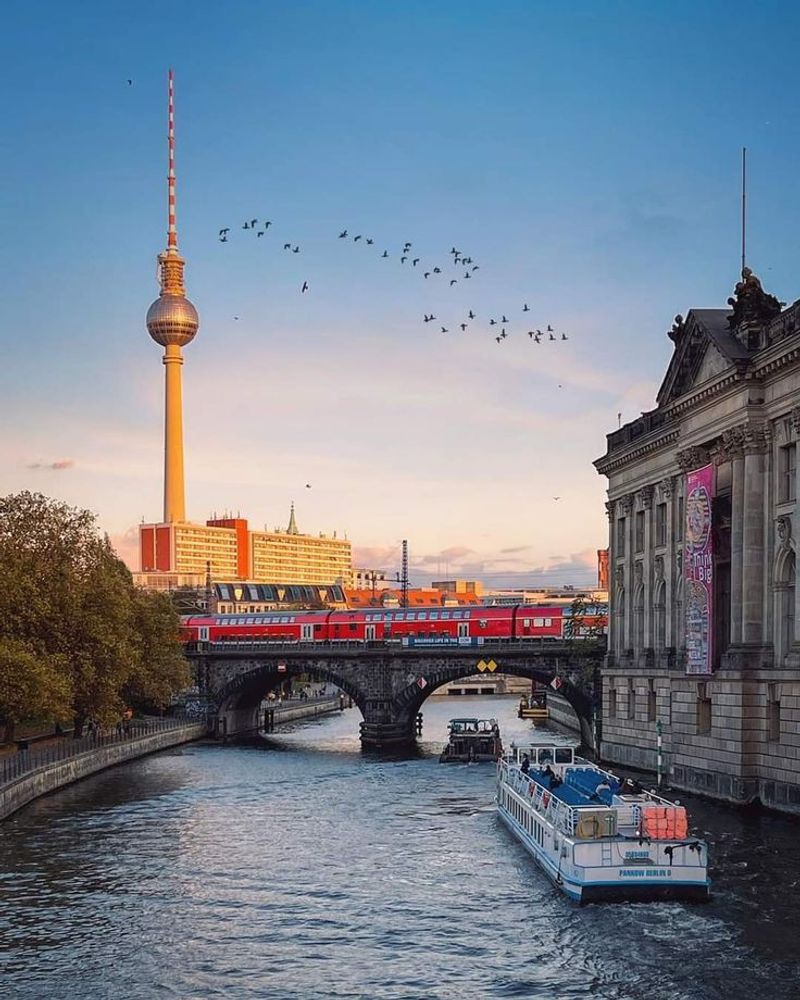
Berlin is the least precious major city in Europe, and that is exactly why it works. It does not spend much energy trying to look impressive.
It just is, in its own complicated, layered, occasionally chaotic way. The city wears its 20th-century history openly, from the Holocaust Memorial to the East Side Gallery remnants of the Berlin Wall.
Museum Island in the Spree River houses five world-class museums within walking distance of each other, including the Pergamon Museum and the Neues Museum. The Berlin Pass covers many major sites if you plan to pack in several museums over a few days.
Topography of Terror, the documentation center on the former SS headquarters site, is free and essential.
Beyond history, Berlin has one of Europe’s most vibrant creative scenes. Street art, independent galleries, experimental theatre, and a nightlife culture that starts late and ends whenever it feels like it all coexist here.
Berlin is not polished. It is alive, and that is far more interesting.
Share this story