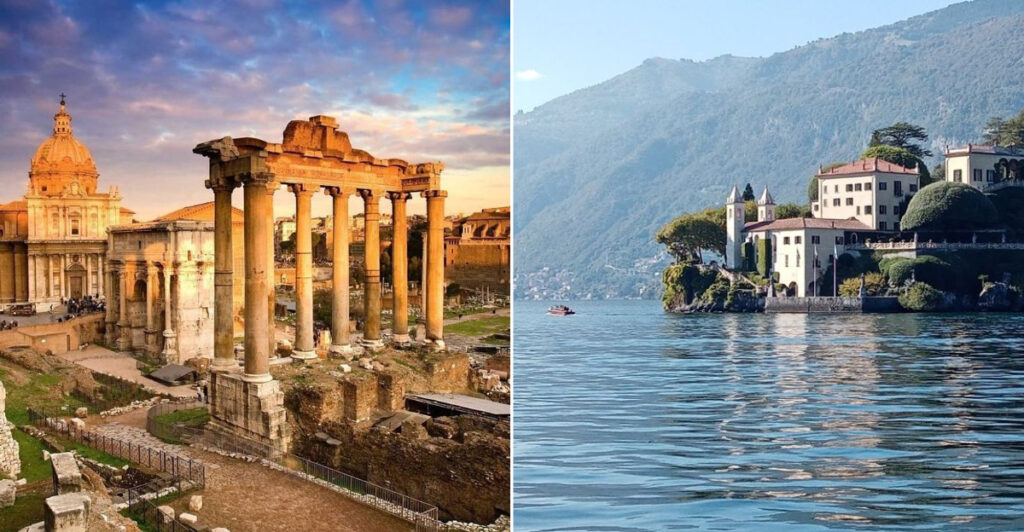
Italy is one of those countries that seems almost too beautiful to be real. From ancient ruins that have stood for thousands of years to jaw-dropping coastlines and world-class art, there is something here for every kind of traveler.
I still remember standing in Rome for the first time, completely speechless, unsure where to look first. Whether you are planning your first trip or your fifth, these 15 iconic landmarks will give you plenty of reasons to book that flight.
The Colosseum (Rome)
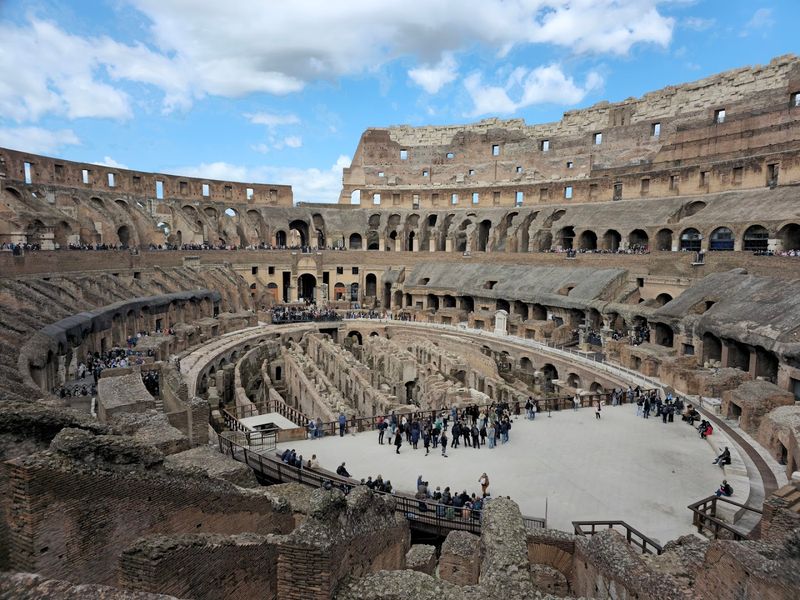
Nearly 2,000 years old and still standing strong, the Colosseum is basically Rome’s way of saying, “We built things to last.” This massive oval amphitheater once held up to 80,000 spectators who gathered to watch gladiator battles, animal hunts, and public spectacles. It is the largest ancient amphitheater ever built.
Walking through its arched corridors gives you a real sense of how grand and brutal ancient Roman entertainment could be. Book your tickets online well in advance because the lines here are legendary.
Guided tours are worth every penny since they bring the history to life in ways a sign never could.
Fun fact: the Colosseum was partially damaged by earthquakes over the centuries, yet it still stands as a symbol of Roman engineering genius. It is the most visited tourist attraction in Italy, drawing over six million visitors each year.
Do not skip the underground level.
St. Peter’s Basilica (Vatican City)
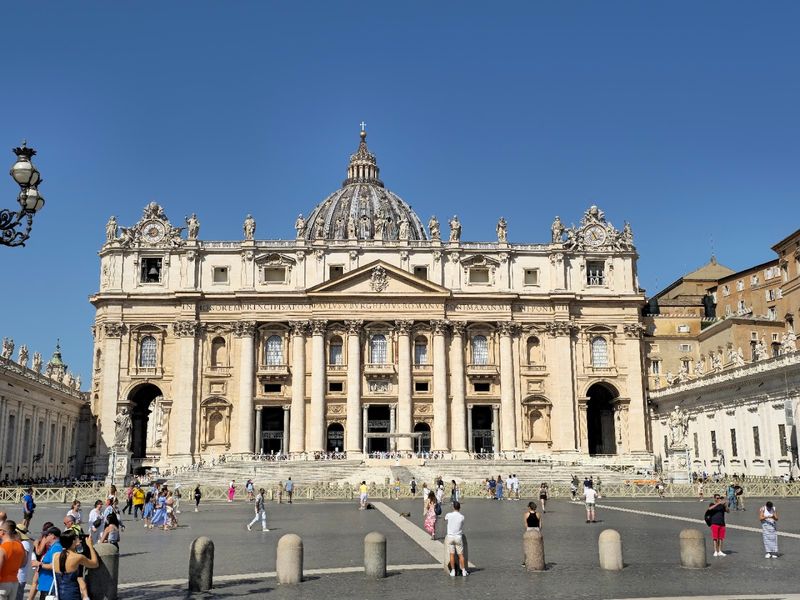
St. Peter’s Basilica is so enormous that it could swallow most churches whole and still have room for a gift shop. Located in Vatican City, the smallest country in the world, this Renaissance masterpiece is the heart of the Catholic Church.
Michelangelo himself designed the iconic dome that dominates the Rome skyline.
Climbing to the top of the dome is a workout, but the panoramic view over Rome is absolutely worth the 551 steps. Inside, the basilica is packed with breathtaking art, including Michelangelo’s stunning Pieta sculpture.
Dress modestly before entering, covered shoulders and knees are required without exception.
Entry to the basilica is free, which is a rare and wonderful thing for a site this spectacular. Arrive early in the morning to avoid the thickest crowds.
The Vatican Museums and Sistine Chapel are nearby, so plan a full day here. You will not regret it.
The Pantheon (Rome)
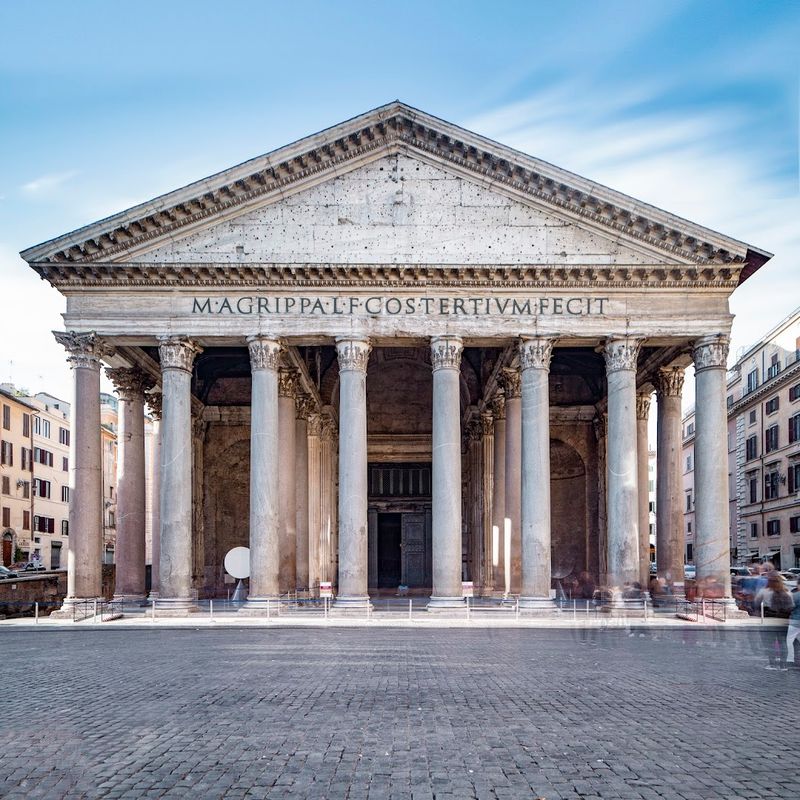
Here is a wild engineering fact: the Pantheon’s dome was the largest in the world for over 1,300 years. Built around 125 AD, this ancient Roman temple is remarkably well-preserved, which is why architects still study it today.
The open hole at the top of the dome, called the oculus, is the only source of natural light inside.
When it rains, the water falls straight through the oculus onto the floor, which has a slight slope and drainage holes to handle it perfectly. Romans clearly thought of everything.
The building is now a church and the tomb of Renaissance artist Raphael rests inside.
Admission is required now, but the fee is modest and completely justified. The Pantheon sits in a lively piazza surrounded by cafes and gelato shops, making it easy to linger.
I spent an entire afternoon just sitting in the square, watching the world walk by. Totally worth it.
Trevi Fountain (Rome)
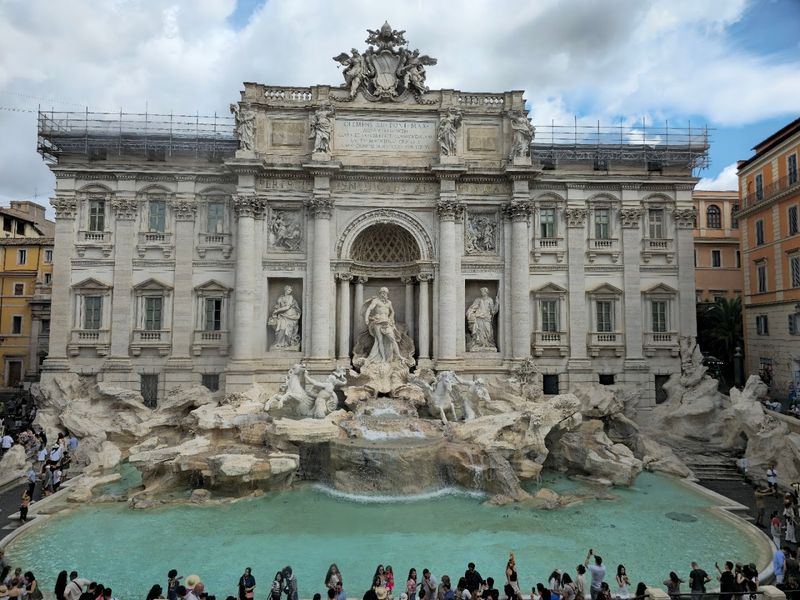
The Trevi Fountain is the most famous fountain in the world, and honestly, it earns that title every single day. Standing 26 meters tall and 49 meters wide, it is more of a dramatic outdoor sculpture than a simple water feature.
The legend says that tossing one coin ensures your return to Rome, two coins means a new romance, and three coins means marriage.
Roughly 3,000 euros are thrown into the fountain every single day. That money is collected regularly and donated to charity, which makes the whole tradition even sweeter.
The fountain was completed in 1762 and marks the end of an ancient Roman aqueduct.
Visit early in the morning to see it without the massive crowds that build up by midday. Nearby streets are packed with excellent restaurants and coffee bars.
Grab a cappuccino and walk back for a second look once the tour groups have moved on. It never gets old.
Roman Forum (Rome)
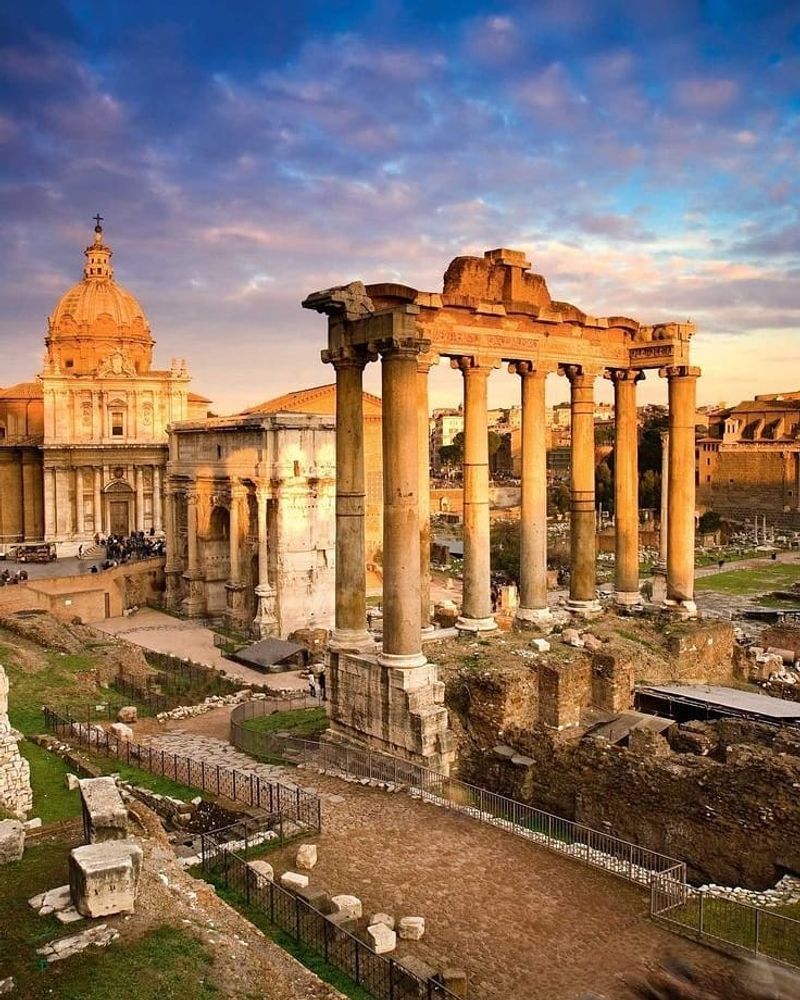
If the Colosseum is Rome’s showpiece, the Roman Forum is its backstory. This sprawling complex of ruins was once the political, religious, and social center of ancient Rome.
Senators debated laws here, priests performed rituals, and merchants haggled over goods in the very same streets you can walk today.
The Forum covers a large area and can feel overwhelming at first, so grabbing an audio guide or joining a guided tour makes a huge difference. Key highlights include the Temple of Saturn, the Arch of Septimius Severus, and the Via Sacra, the main road of ancient Rome.
Your ticket to the Colosseum usually includes access to the Roman Forum and Palatine Hill, which is excellent value. Wear comfortable shoes because the ground is uneven and you will walk a lot.
I visited on a weekday morning and practically had parts of it to myself, which felt almost surreal. Plan at least two hours here.
Florence Cathedral (Duomo di Firenze)
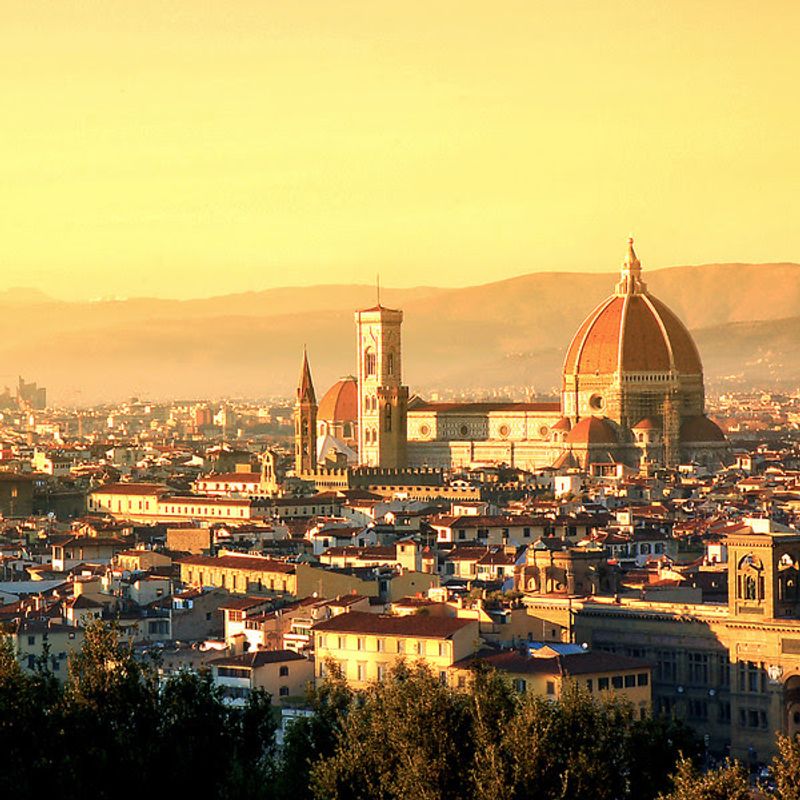
Brunelleschi’s dome over the Florence Cathedral is one of the greatest architectural achievements in human history. When it was built in the 15th century, nobody quite knew how to construct a dome that large without the whole thing collapsing.
Brunelleschi basically invented new techniques on the fly, and the result is stunning.
The cathedral’s exterior is covered in green, white, and pink marble panels that look almost too decorative to be a church. The interior is surprisingly simple compared to the outside, which catches many visitors off guard.
Climb the 463 steps to the top of the dome for a breathtaking view over Florence’s rooftops.
Entry to the cathedral itself is free, but climbing the dome requires a ticket booked in advance. The baptistery and bell tower nearby are also worth visiting.
The whole complex is called the Piazza del Duomo and is genuinely one of the most beautiful squares in all of Europe. Go early.
Uffizi Gallery (Florence)
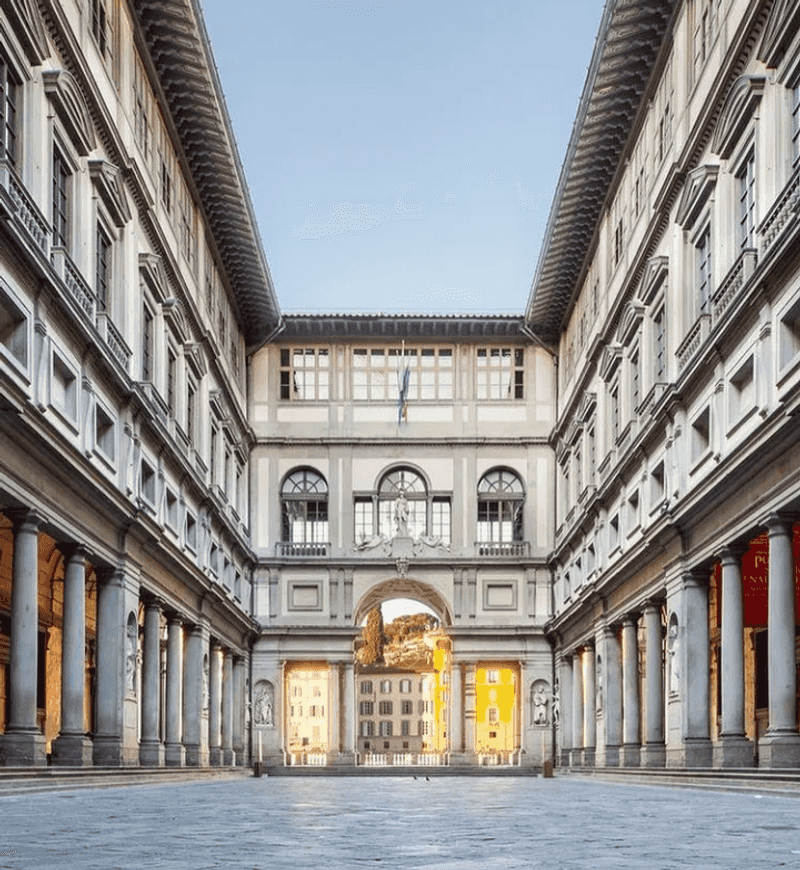
The Uffizi Gallery holds one of the greatest collections of Renaissance art on the planet, full stop. Botticelli’s Birth of Venus and Primavera alone are worth the trip to Florence.
The gallery was originally built in the 16th century as offices for Florentine magistrates before the Medici family turned it into their private art collection.
Today, it houses thousands of works by Leonardo da Vinci, Michelangelo, Raphael, Caravaggio, and many more. Walking through the Uffizi is like flipping through the world’s most expensive art history textbook, except everything is real.
Booking tickets in advance is absolutely essential, same-day entry is nearly impossible during peak season.
Plan to spend at least three to four hours here. The museum is large and detailed, and rushing through it would be a genuine crime against art appreciation.
The gift shop sells beautiful prints at reasonable prices. After your visit, the nearby Piazzale degli Uffizi is perfect for a stroll along the Arno River.
Leaning Tower of Pisa (Pisa)
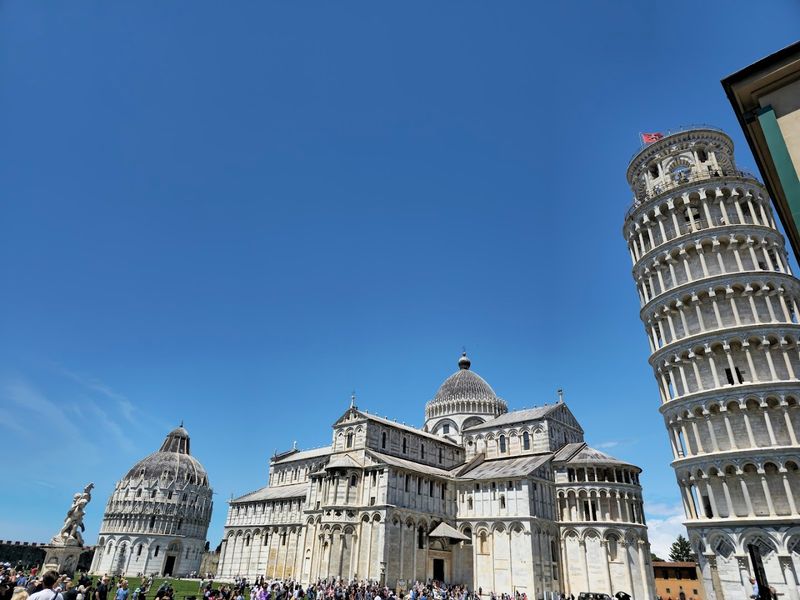
The Leaning Tower of Pisa started leaning before it was even finished, which is either a brilliant accident or the most embarrassing engineering mistake in history. Construction began in 1173 and took nearly 200 years to complete because of repeated wars and budget issues.
The soft soil on one side caused the iconic tilt, which engineers have actually slightly corrected over the years to prevent collapse.
Climbing the 294 steps to the top gives you a genuinely dizzying experience, partly from the height and partly from the lean. The tower is part of the Piazza dei Miracoli, which also includes a beautiful cathedral, baptistery, and cemetery.
The whole square is a UNESCO World Heritage Site.
Pisa is often treated as a quick day trip from Florence, which is about an hour away by train. Most visitors spend a couple of hours here, which is plenty.
Book tower climb tickets ahead of time. And yes, everyone does the classic “holding the tower” photo.
You will too.
St. Mark’s Basilica (Venice)
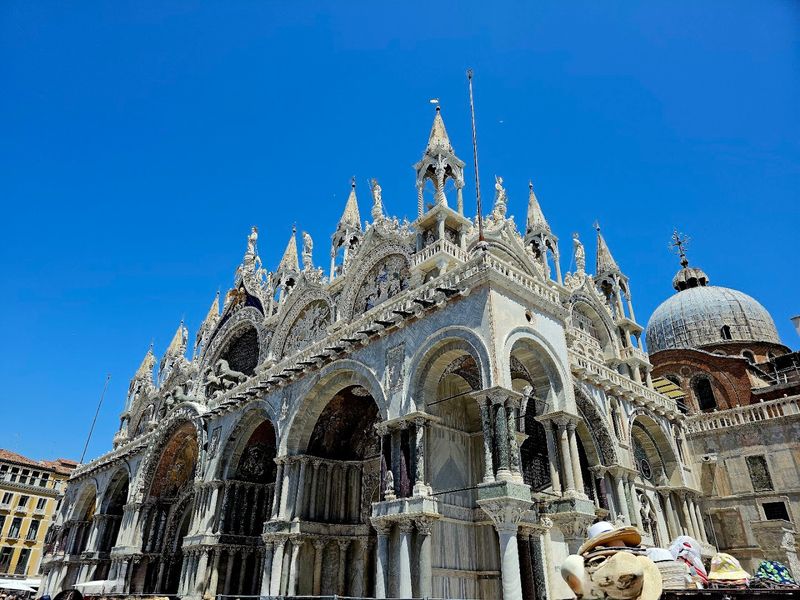
St. Mark’s Basilica is so over-the-top gorgeous that it almost looks like someone turned the volume on architecture up to eleven. Built in the 9th century to house the relics of St. Mark the Evangelist, the basilica blends Byzantine, Gothic, and Renaissance styles in a way that should not work but absolutely does.
The golden mosaics covering the interior ceiling are dazzling.
Over 4,000 square meters of mosaics decorate the inside of this church, telling biblical stories in shimmering gold and color. The Pala d’Oro, a golden altarpiece studded with thousands of gemstones, is a must-see extra inside.
There is an admission fee for certain sections, but entry to the main church is free.
St. Mark’s Square floods regularly due to Venice’s acqua alta, or high water. Raised walkways are set up during floods, which is both practical and oddly charming.
Visit the basilica early in the day before the cruise ship crowds arrive. It is absolutely worth the effort.
Grand Canal (Venice)
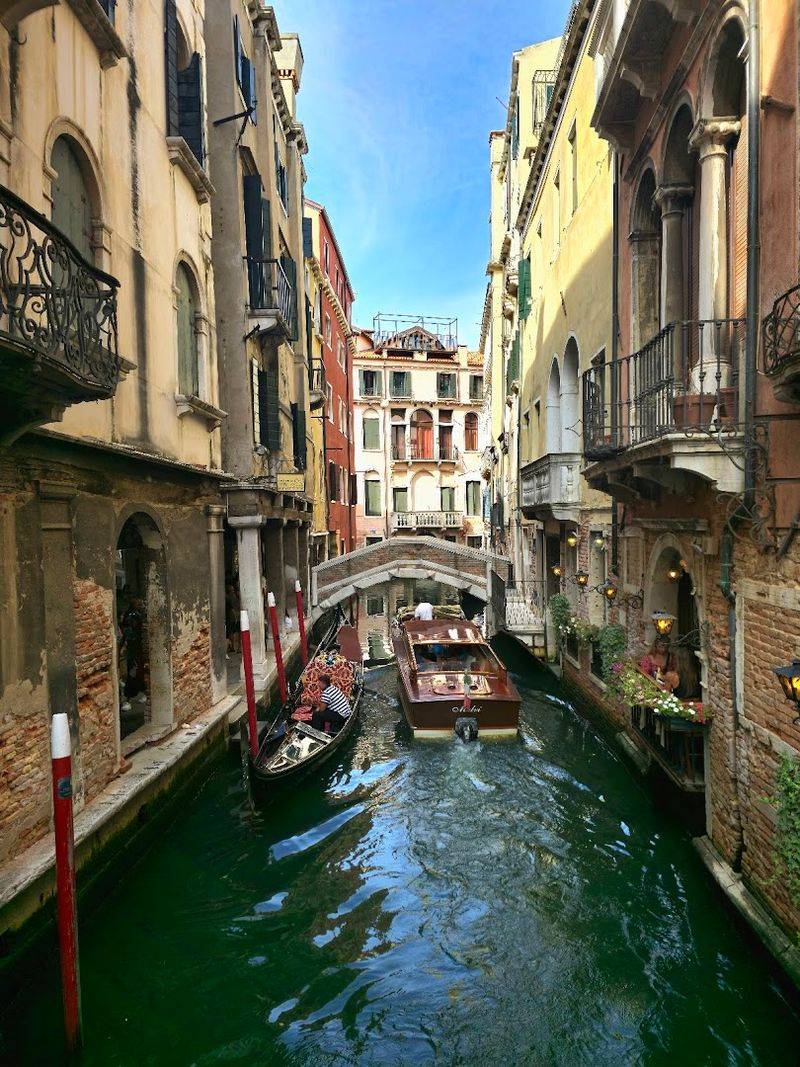
Venice has no roads in its historic center, just canals, and the Grand Canal is the biggest and busiest of them all. Stretching about 3.8 kilometers through the heart of the city, it is lined with over 170 stunning palaces and historic buildings.
The canal serves as Venice’s main highway, used by gondolas, water taxis, and delivery boats alike.
Taking a vaporetto, the public water bus, along the Grand Canal is one of the best budget travel moves in Italy. For just a few euros, you get a full scenic tour past palaces, churches, and the famous Rialto Bridge.
The Rialto Bridge is the oldest and most iconic of the four bridges that cross the Grand Canal.
Gondola rides are expensive but undeniably romantic if that is your thing. Prices are set officially, so do not try to negotiate.
Sunset on the Grand Canal is genuinely one of the most beautiful things I have ever seen. Bring a camera and a fully charged battery.
Milan Cathedral (Duomo di Milano)
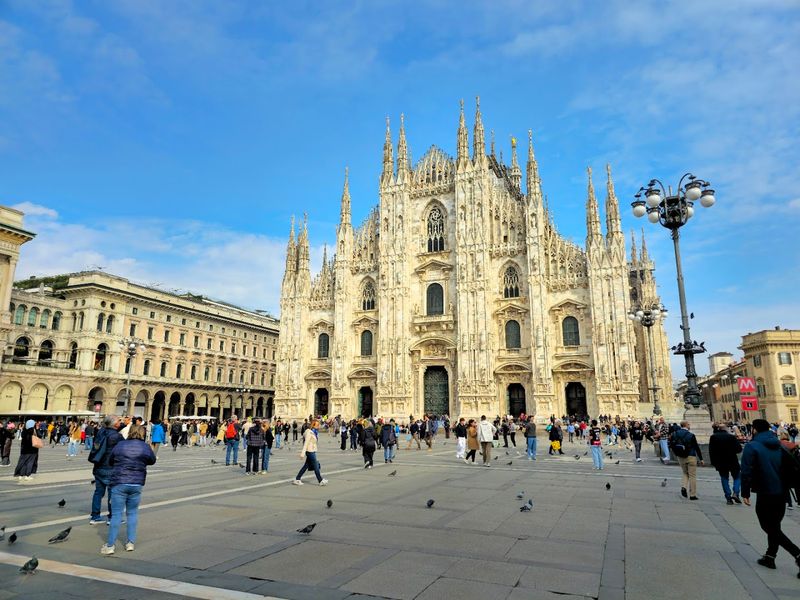
Milan’s Duomo took nearly six centuries to complete, which means generations of workers dedicated their entire lives to a building they would never see finished. That level of commitment is either deeply inspiring or mildly terrifying, depending on your perspective.
The result is one of the largest Gothic cathedrals in the world, bristling with 3,400 statues and 135 marble spires.
The rooftop terrace is the highlight for most visitors. You can walk among the spires and get surprisingly close to the hundreds of carved statues that decorate the upper levels.
On clear days, the Alps are visible in the distance, which makes the climb entirely worthwhile.
The cathedral sits in Piazza del Duomo, Milan’s central square, surrounded by upscale shops and the famous Galleria Vittorio Emanuele II shopping arcade. Book rooftop access tickets in advance during busy months.
The interior is equally impressive, with enormous stained glass windows flooding the nave with colored light. Allow at least two hours here.
Pompeii Archaeological Park (Pompeii)
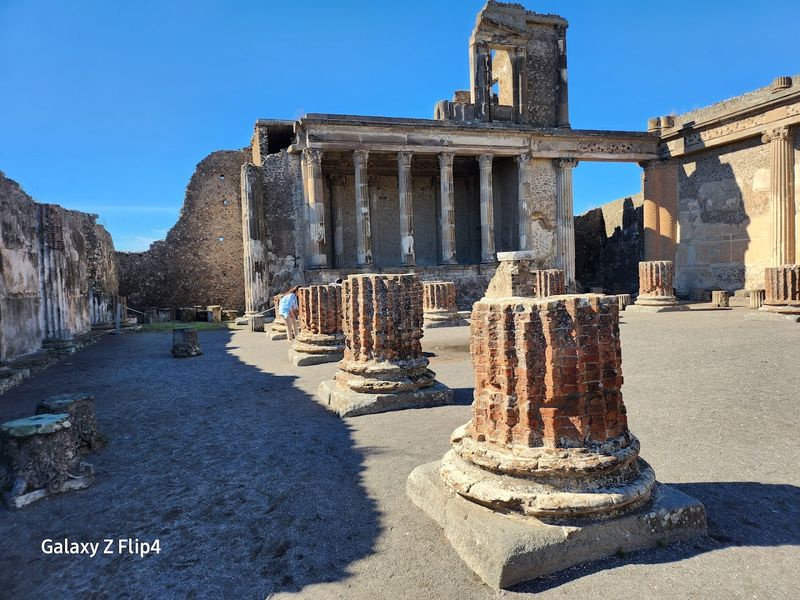
In 79 AD, Mount Vesuvius erupted and buried the entire city of Pompeii under meters of volcanic ash in less than 24 hours. That catastrophe, as horrific as it was, accidentally preserved the city so well that archaeologists have been uncovering its secrets for centuries.
Walking through Pompeii today feels like stepping directly into ancient Roman daily life.
The site covers about 66 hectares, so comfortable shoes are non-negotiable. Highlights include the Forum, the amphitheater, the thermal baths, and the haunting plaster casts of volcano victims.
The casts were made by pouring plaster into the voids left by decomposed bodies in the ash, a technique developed by archaeologist Giuseppe Fiorelli in the 19th century.
Pompeii is located about 25 kilometers southeast of Naples and is easily reached by the Circumvesuviana train. Book tickets online to skip the entrance queue.
A combined ticket that includes nearby Herculaneum is excellent value. Bring water and sunscreen because there is very little shade on site.
Cinque Terre National Park (Liguria)
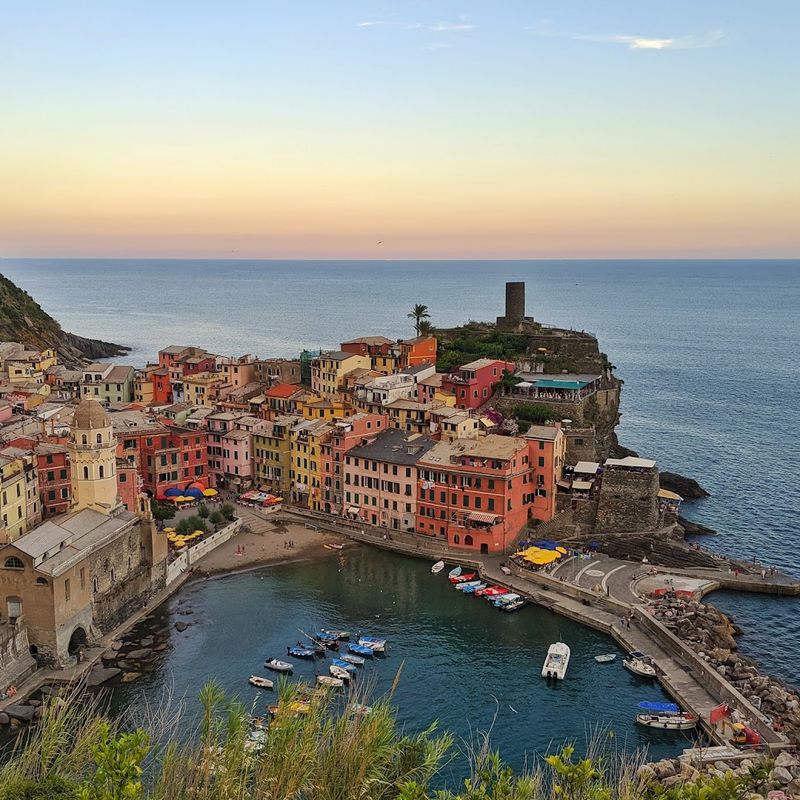
Five tiny fishing villages clinging to dramatic cliffs above the Mediterranean Sea sounds like something out of a fairy tale, but Cinque Terre is 100% real and 100% worth the hype. The five villages, Monterosso, Vernazza, Corniglia, Manarola, and Riomaggiore, are connected by hiking trails, trains, and ferries.
Each one has its own distinct personality.
The Sentiero Azzurro, or Blue Trail, is the most famous hiking path connecting the villages. Some sections are easy coastal walks while others require a solid pair of lungs and legs.
The trail offers ridiculous views at every turn. Vernazza and Manarola are widely considered the most picturesque of the five.
Cinque Terre is a national park, so visitors pay a small entrance fee to access the trails. Avoid visiting in July and August if you dislike crowds.
Spring and early autumn offer the best combination of good weather and manageable tourist numbers. Fresh anchovies and local white wine are the regional specialties.
Eat both.
Amalfi Coast (Campania)
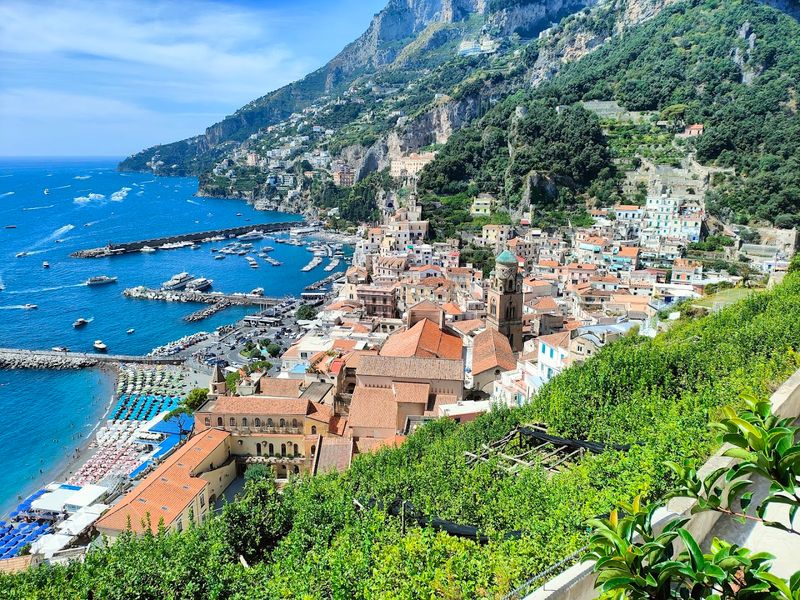
The Amalfi Coast is the kind of place that makes you seriously question why you live anywhere else. Stretching about 50 kilometers along the southern edge of the Sorrentine Peninsula, it is a UNESCO World Heritage Site packed with dramatic cliffs, pastel-colored towns, and crystal-clear water.
The town of Positano alone has appeared in more Instagram feeds than most celebrities.
Getting around the coast is part of the adventure. The narrow coastal road is famously hair-raising, but the views from the bus or car are spectacular.
Ferries between towns are a stress-free and scenic alternative. Ravello, perched high above the sea, is quieter and often overlooked by day-trippers.
Limoncello, made from the giant lemons grown along the coast, is the local specialty and tastes far better here than anywhere else. Fresh seafood is outstanding at almost every restaurant.
May and September are ideal months to visit. Accommodation books up fast, so plan well ahead.
It is genuinely one of the most beautiful stretches of coastline in Europe.
Lake Como (Lombardy)
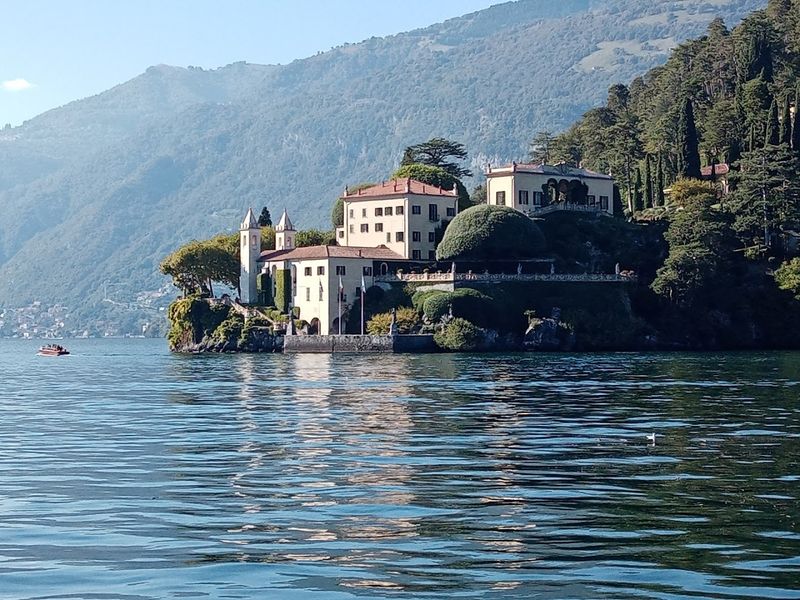
Lake Como has been the vacation spot of choice for Roman emperors, European aristocrats, and Hollywood A-listers for centuries, and it is not hard to see why. The lake stretches about 50 kilometers through the foothills of the Alps in northern Lombardy, surrounded by elegant villas, lush gardens, and charming lakeside villages.
The water is a deep, striking shade of blue.
The town of Bellagio, often called the Pearl of the Lake, sits at the point where the lake splits into two branches and is easily the most photographed spot. Villa del Balbianello, a stunning 18th-century villa surrounded by manicured gardens, was used as a filming location in James Bond and Star Wars movies.
Ferry services connect the main towns around the lake, making it easy to explore without a car. Como town, at the southern tip, is the main transport hub with direct trains to Milan.
Rent a kayak for a different perspective on the lake. The whole region is a masterclass in Italian elegance and natural beauty.
Share this story