Most people know Marilyn Monroe, Bob Dylan, and Lady Gaga as legends, but those are not the names on their birth certificates. Throughout history, countless performers, authors, and entertainers have swapped their given names for something catchier, more memorable, or simply more fitting for the image they wanted to project.
Some name changes were practical, some were creative, and a few were deeply personal. Whatever the reason, these new names stuck so completely that most fans never stop to wonder what the real story behind them might be.
Marilyn Monroe
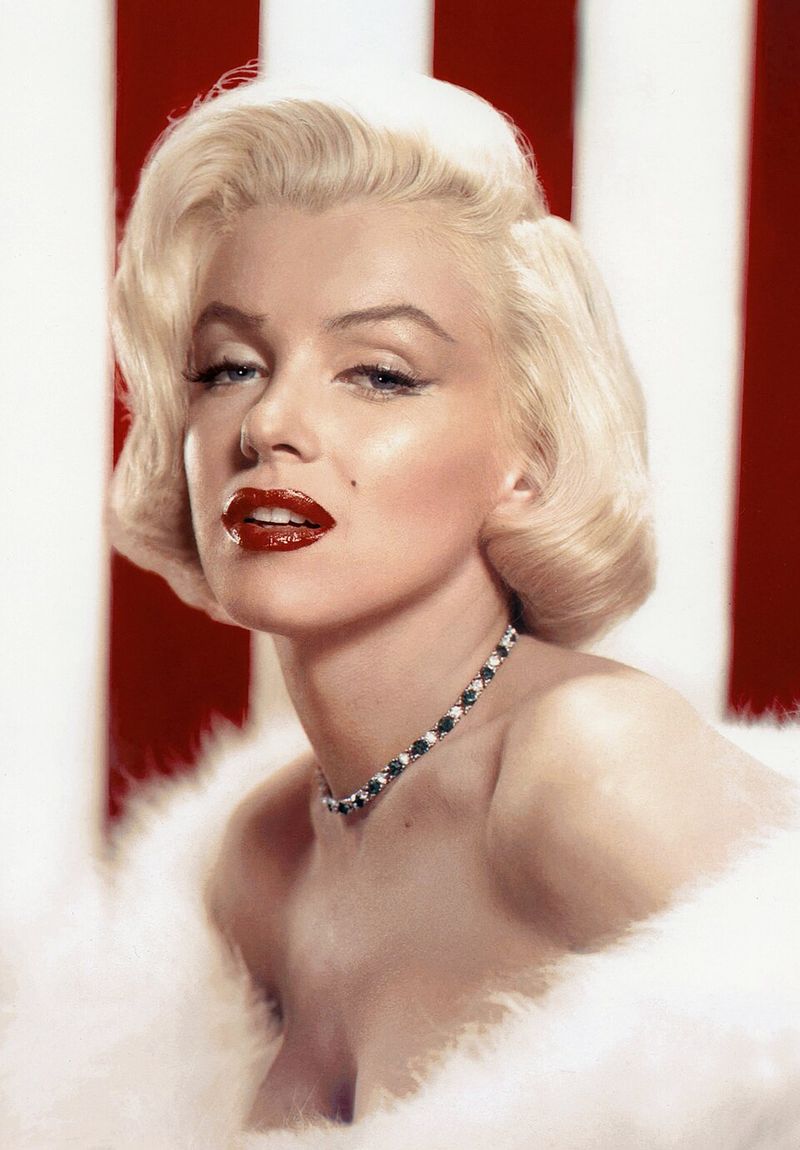
Before the platinum hair and the spotlight, she was simply Norma Jeane Mortenson, a young woman from Los Angeles trying to break into Hollywood. She was also known as Norma Jeane Baker, using her mother’s last name at various points in her early life.
The name Marilyn Monroe was carefully constructed early in her career. “Marilyn” was suggested because she reminded a studio executive of Broadway star Marilyn Miller. “Monroe” came from her mother’s family name, giving the new identity a personal thread.
That combination of sounds turned out to be perfect for the era. The name felt glamorous, approachable, and unforgettable all at once.
Within a few years, Marilyn Monroe became one of the most photographed women of the 20th century, and Norma Jeane was left quietly behind. Few stage names in Hollywood history have done as much heavy lifting as this one did.
Mark Twain
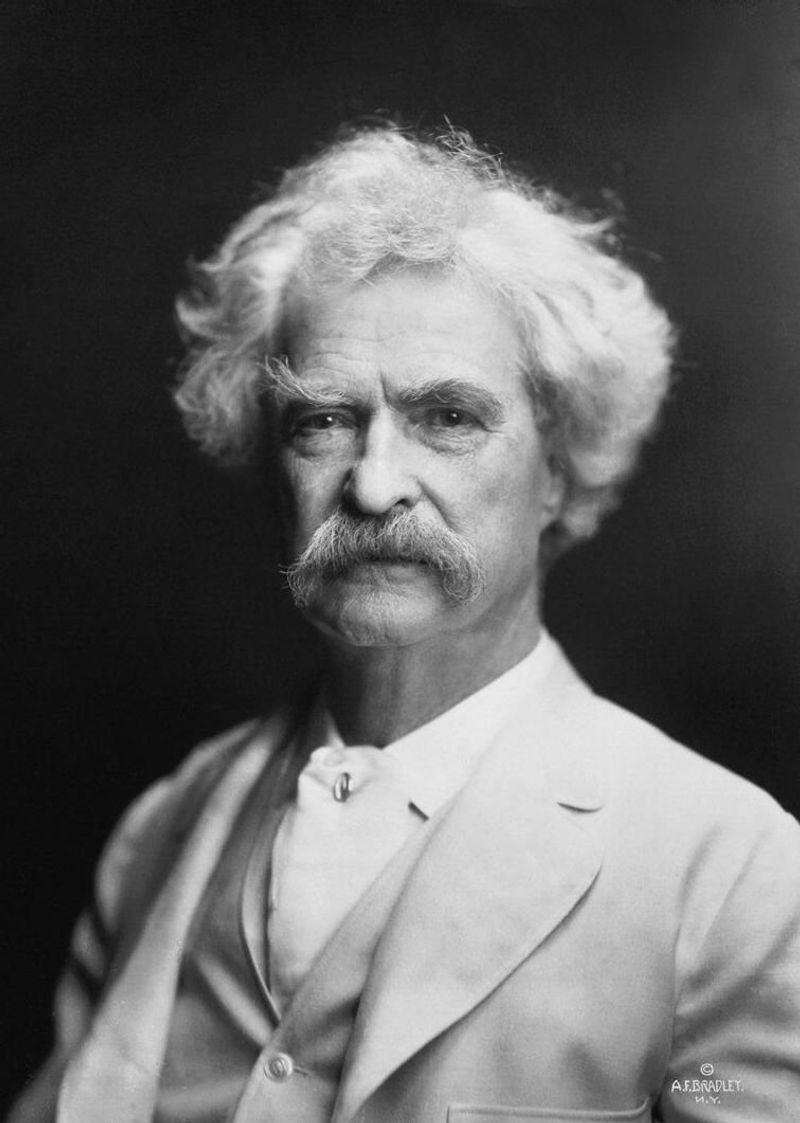
Samuel Langhorne Clemens was born in Florida, Missouri in 1835, and he spent years working on Mississippi riverboats before he ever became a famous writer. It was that riverboat life that eventually handed him his pen name.
“Mark twain” was a phrase used by riverboat workers to signal a water depth of two fathoms, which was considered safe for navigation. Clemens borrowed the term and made it his literary identity, first using it in print in 1863.
The name carried the spirit of the river, adventure, and working-class America right into his fiction. Under that name, he gave the world Huck Finn, Tom Sawyer, and some of the sharpest social commentary American literature has ever seen.
Samuel Clemens the man was fascinating, but Mark Twain the name became something larger, a brand for a whole era of American storytelling that still resonates in classrooms today.
Lady Gaga
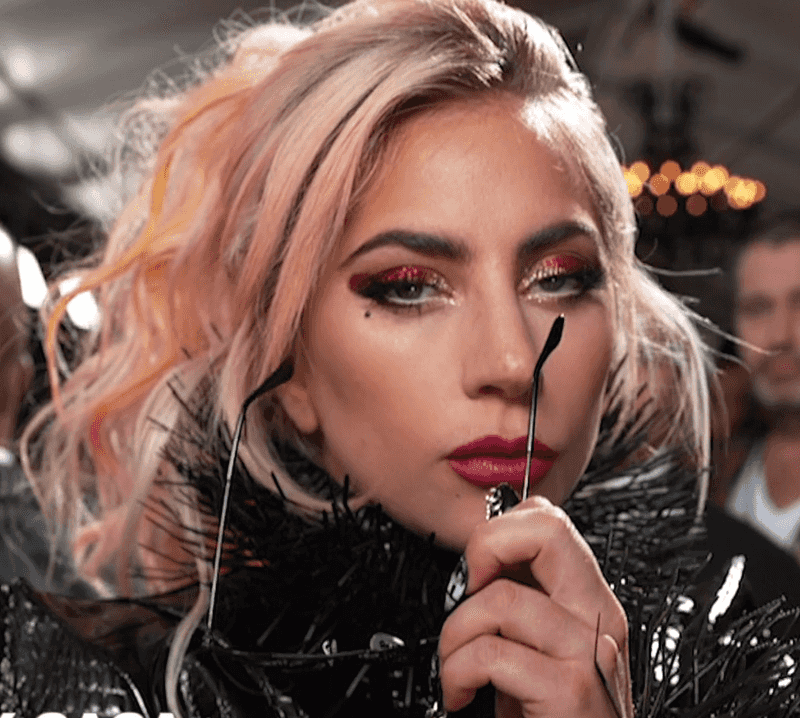
Stefani Joanne Angelina Germanotta started performing in New York City clubs under her real name before a creative reinvention changed everything. The stage name Lady Gaga gave her a persona that matched the theatrical, boundary-pushing music she was creating.
The name has long been linked to Queen’s 1984 hit “Radio Ga Ga,” with the “Lady” prefix adding a sense of theatrical royalty. Whether the connection was intentional or evolved over time, it fit her style completely.
The name became inseparable from her wigs, her costumes, and her performances.
What makes the Lady Gaga story compelling is how fully she inhabited that name. Stefani Germanotta still exists in interviews and quieter moments, but Lady Gaga is the one who sold out arenas, won Academy Awards, and shaped pop culture for over a decade.
Few artists have made a name change feel as total and transformative as she did.
Elton John
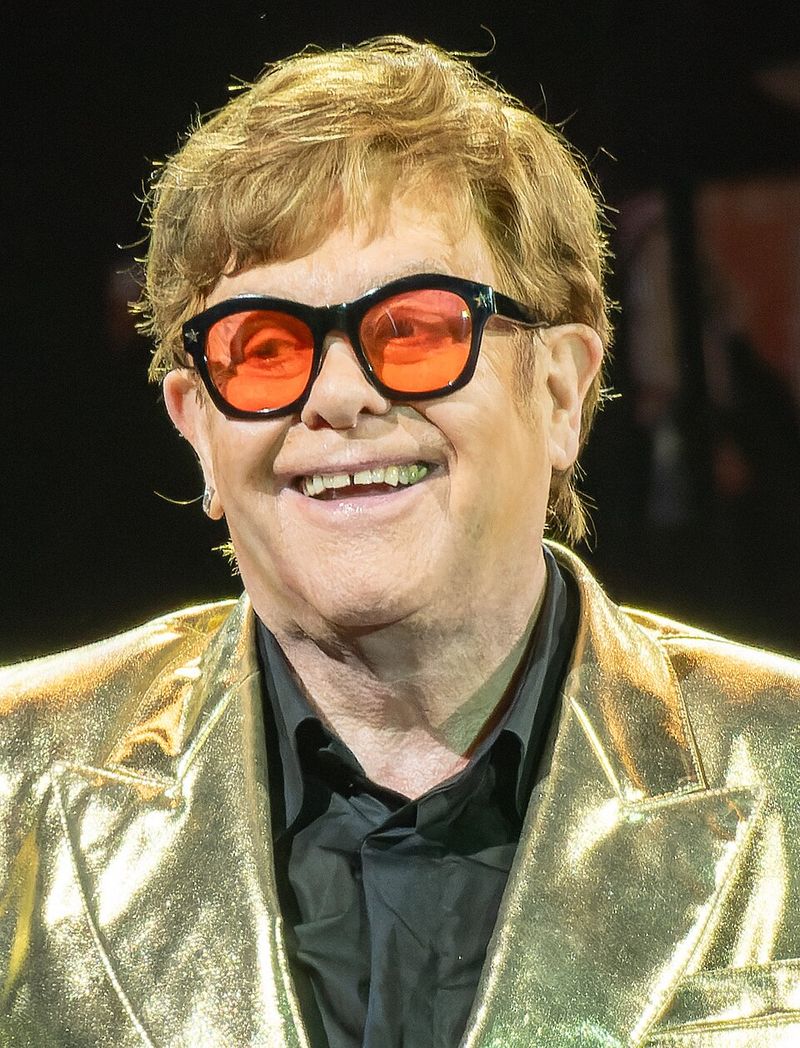
Reginald Kenneth Dwight was born in Pinner, Middlesex, England in 1947, and by his early twenties he was playing piano in a band called Bluesology. He knew the name Reginald Dwight was not going to carry him to superstardom.
He built his stage name from two people he admired in the British music scene. “Elton” came from Elton Dean, the saxophonist in Bluesology. “John” came from Long John Baldry, a blues and soul singer who had been an early mentor. Both names meant something real to him.
The reinvention worked on a scale that is hard to overstate. Elton John became one of the best-selling music artists in history, known for his piano-driven pop, his theatrical stage presence, and his enormous glasses collection.
Reginald Dwight might have been a decent session musician. Elton John became a knight and a cultural institution.
Bob Dylan
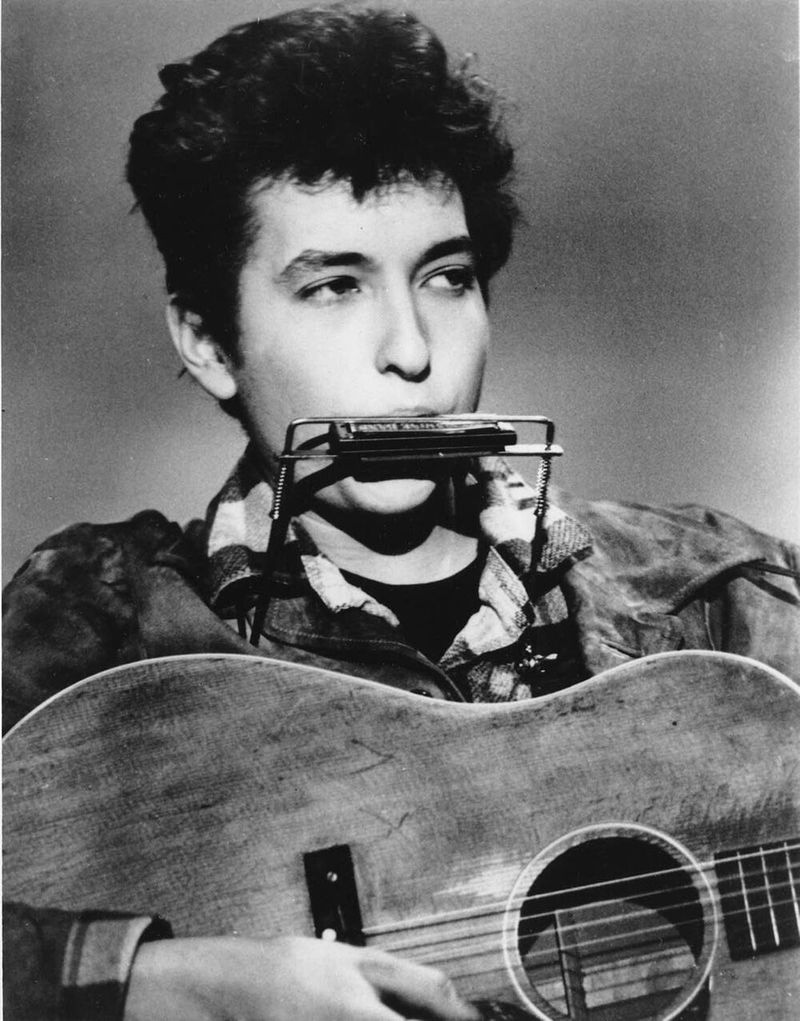
Robert Allen Zimmerman grew up in Hibbing, Minnesota, a small mining town on the Iron Range, far from the Greenwich Village folk scene he would eventually conquer. When he arrived in New York City in 1961, he was already going by Bob Dylan.
He reportedly drew inspiration from the Welsh poet Dylan Thomas when choosing the name, though he has been characteristically vague about the exact details over the years. He later legally changed his name to Robert Dylan, not Robert Zimmerman.
The name Bob Dylan suited the persona he was building, spare, poetic, and slightly mysterious. It did not sound like a Jewish kid from Minnesota, which may have been part of the point.
Under that name, he wrote some of the most influential songs in American music history and in 2016 became the first songwriter to win the Nobel Prize in Literature. The name carried weight from the very beginning.
George Eliot
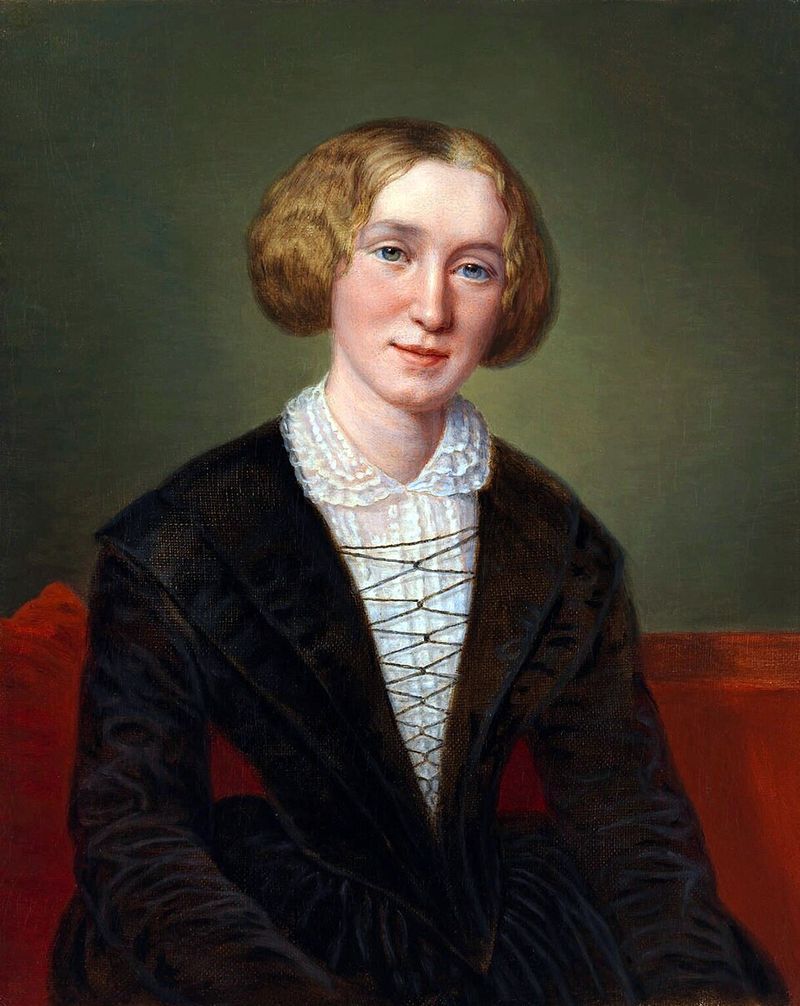
Mary Ann Evans was one of the most intellectually gifted writers of the Victorian era, but she knew that publishing serious literary fiction under a woman’s name in the 1850s came with real professional risks. Critics and readers of the time often dismissed women writers as capable of only light romance.
By choosing the pen name George Eliot, she gave her work the best possible chance of being judged on its merits. The strategy worked.
Her novels were praised as works of serious moral and psychological depth before many readers knew a woman had written them.
When her identity was eventually revealed, her reputation was already too strong to dismiss. Middlemarch, published in 1871 and 1872, is still regularly listed among the greatest novels in the English language.
George Eliot the pen name did exactly what it was meant to do: it opened doors that might otherwise have stayed shut for Mary Ann Evans.
George Orwell
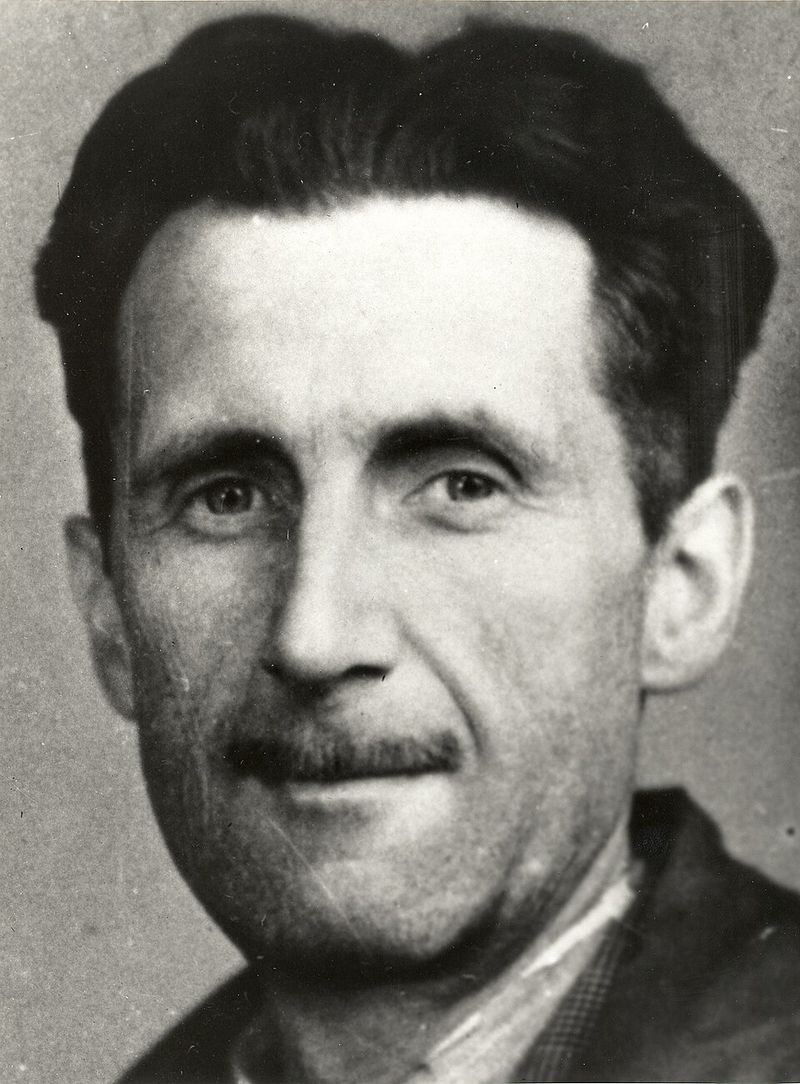
Eric Arthur Blair was born in British India in 1903 and spent years working as a colonial police officer in Burma before turning to writing full time. When he was ready to publish his first book, he chose a name that felt more distinctly English.
He considered several options before settling on George Orwell. “George” was a solidly English name, and “Orwell” came from the River Orwell in Suffolk, a place he had connections to. The pen name first appeared on his 1933 book Down and Out in Paris and London.
What followed under that name was one of the most consequential literary careers of the 20th century. Animal Farm and Nineteen Eighty-Four became global classics, and “Orwellian” entered everyday language as a shorthand for surveillance, propaganda, and political manipulation.
Eric Blair the man lived modestly and briefly. George Orwell the name became permanently embedded in how people talk about power.
Cher
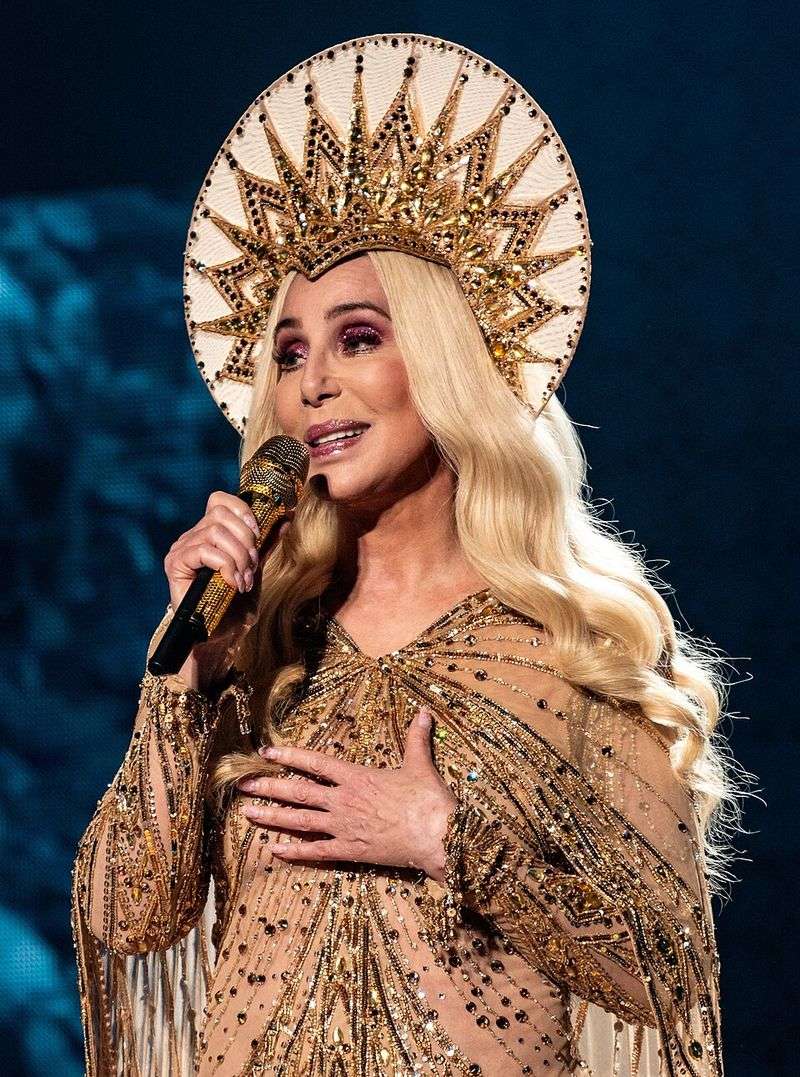
Most fans know the name Cherilyn Sarkisian as the birth name behind the superstar known simply as Cher, but the full story is a bit more layered. Her birth certificate actually listed her first name as Cheryl, not Cherilyn, a detail she revealed publicly years into her career.
Over the decades, she carried surnames connected to her father, a stepfather, and former husbands before making it official. In 1979, she legally changed her name to simply Cher, one word, no surname needed, which was a bold statement about the kind of star she had become.
Going by a single name puts someone in rare company, and Cher earned that status through decades of reinvention in music, film, and television. From Sonny and Cher to her solo comeback in the 1980s and beyond, the name Cher became a career in itself.
Simple, recognizable, and completely her own.
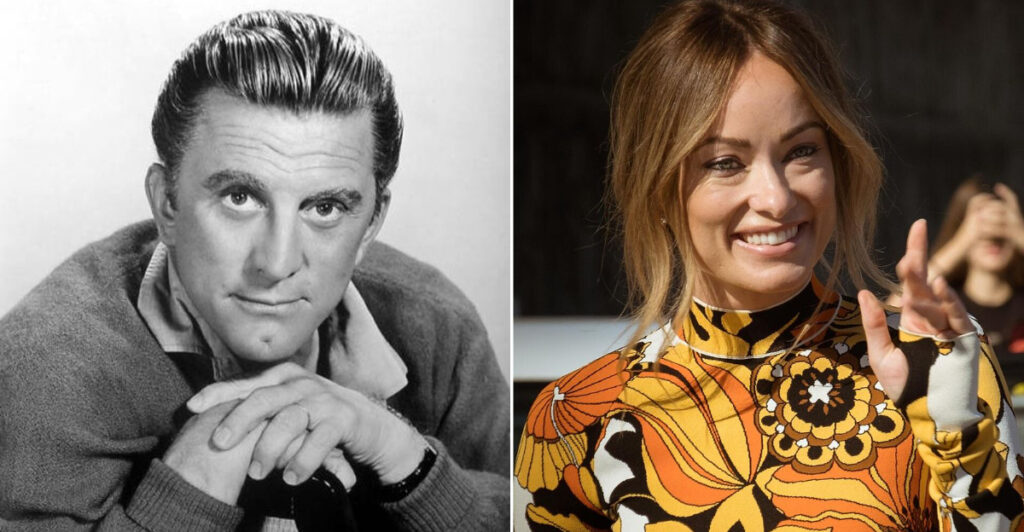
Kirk Douglas
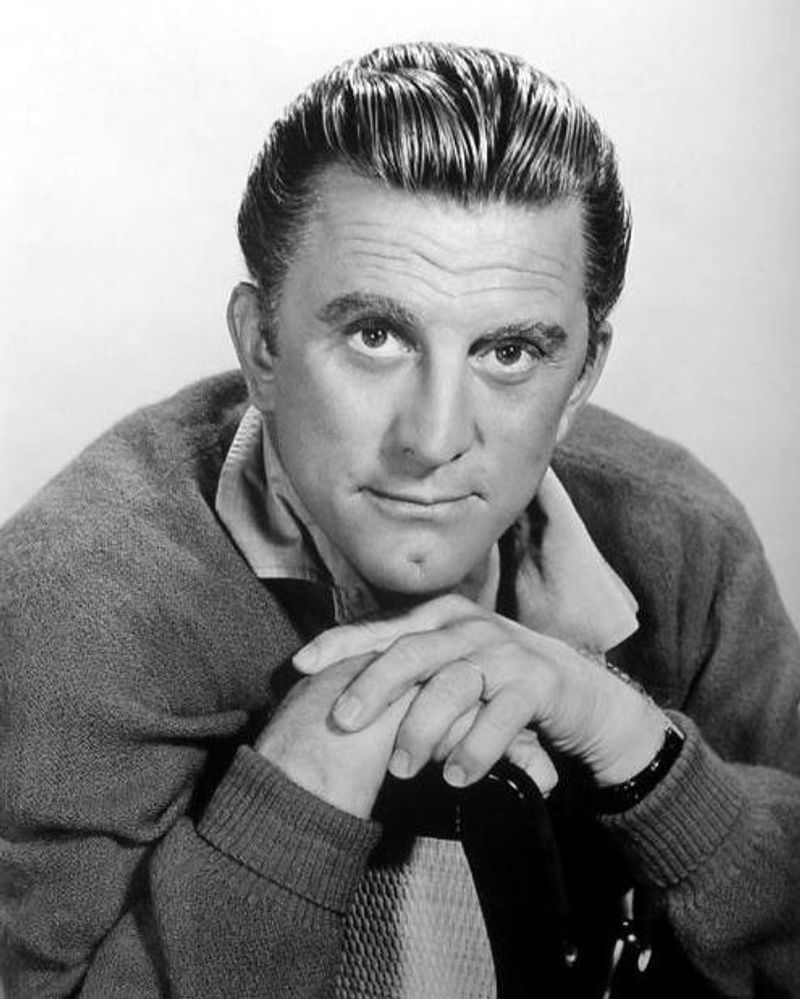
Issur Danielovitch was born in 1916 in Amsterdam, New York, the son of Belarusian Jewish immigrants who worked as rag collectors. Growing up poor in a small upstate New York city, he was a long way from Hollywood.
Before enlisting in the U.S. Navy during World War II, he changed his name to Kirk Douglas.
The new name was shorter, easier to remember, and fit the era’s Hollywood preference for names that sounded broadly American rather than distinctly ethnic or foreign.
Under that name, he built a career that defined a generation of cinema. Films like Spartacus, Paths of Glory, and Ace in the Hole cemented his reputation as one of the most powerful actors of Hollywood’s Golden Age.
He was also known for helping to break the Hollywood blacklist by publicly crediting blacklisted writer Dalton Trumbo on Spartacus. Kirk Douglas carried a lot more than a stage name.
The Weeknd
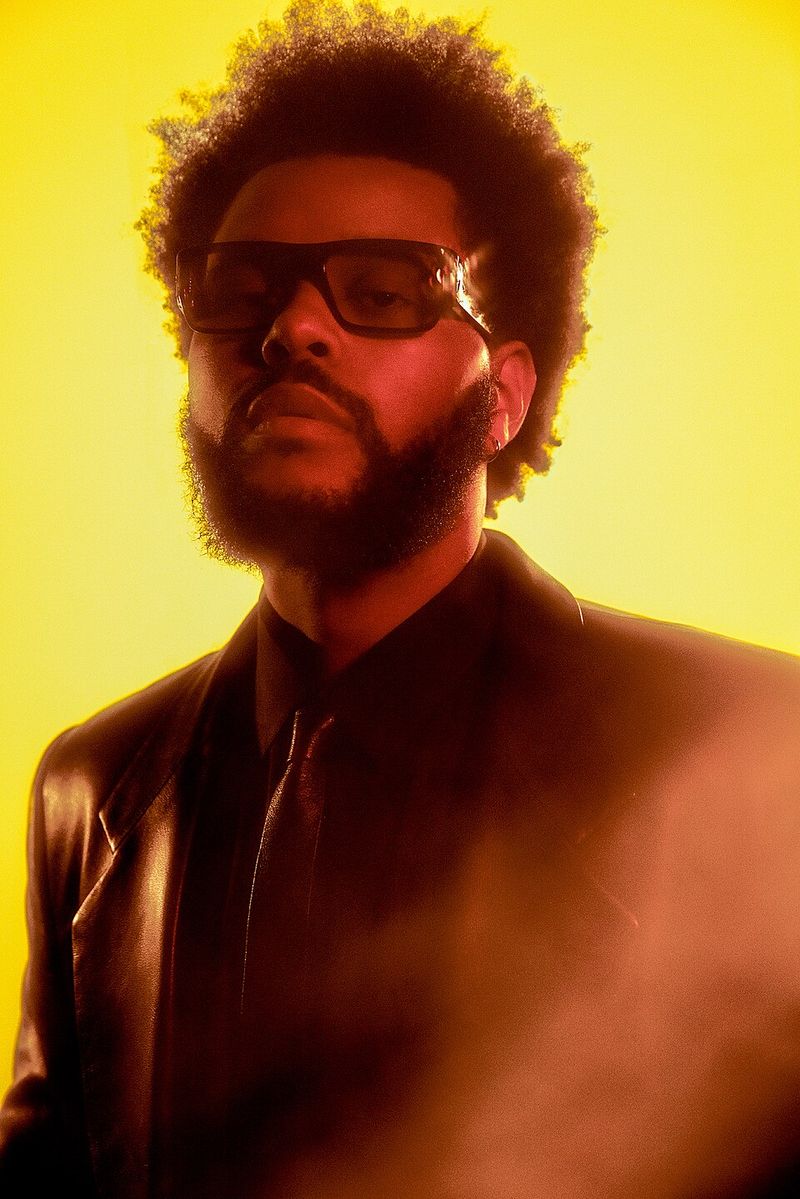
Abel Makkonen Tesfaye started uploading music to YouTube anonymously in 2010, with no photos, no press, and no real name attached. The mystery was part of the appeal, and it built genuine curiosity before most people even knew who was behind the tracks.
The stage name The Weeknd reportedly came from a weekend he left home as a teenager, though he has never confirmed the full story. He intentionally dropped the second “e” from “weekend” to avoid trademark conflicts with a Canadian band that already used the full spelling.
That small spelling choice became one of the most recognizable names in modern music. The Weeknd went from anonymous SoundCloud uploads to headlining the Super Bowl halftime show in 2021, one of the most-watched musical performances in television history.
Abel Tesfaye the person stayed relatively private for years. The Weeknd the name became a global phenomenon built on dark R&B, cinematic visuals, and carefully managed mystique.
Cardi B
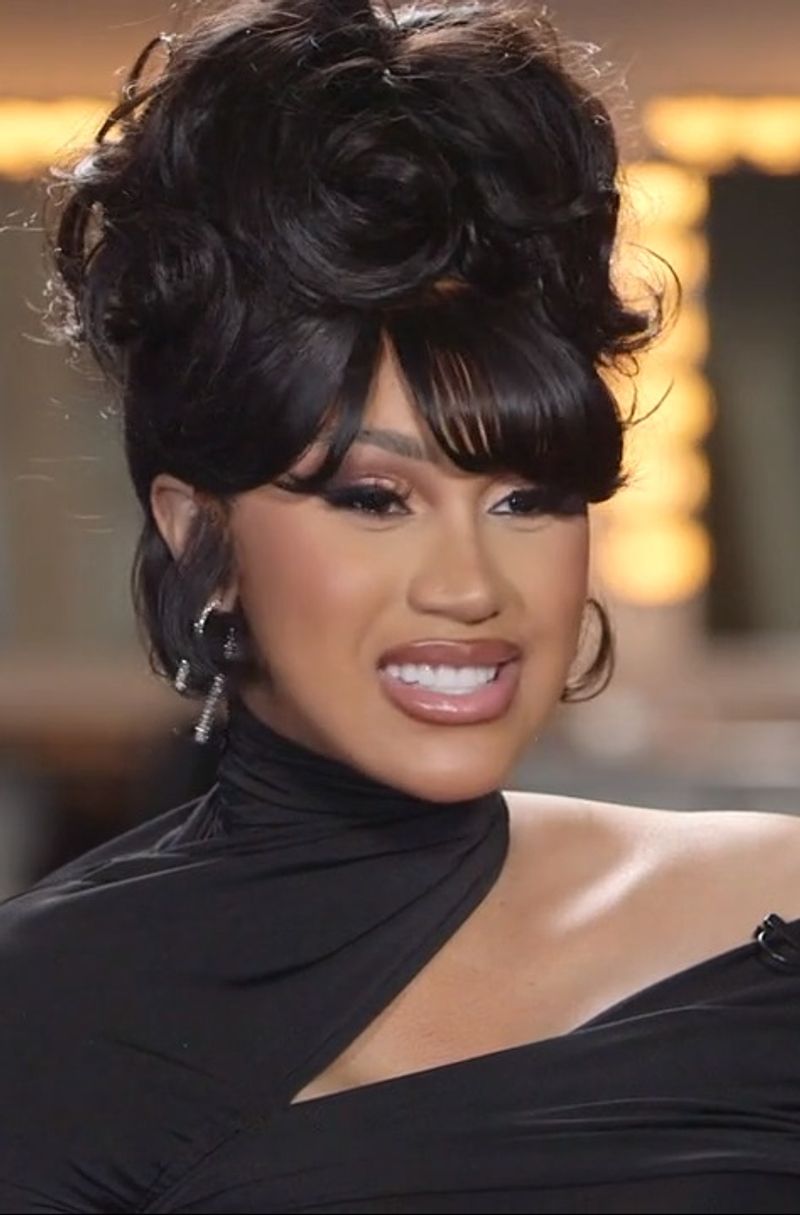
Belcalis Marlenis Alm’anzar grew up in the Bronx, New York, and long before the Grammy Awards and chart-topping singles, she was building a following on social media with a personality that was impossible to ignore.
Her stage name grew out of a nickname her friends gave her. The nickname was connected to the drink Bacardi, and the connection came partly from her sister’s name, Hennessy.
Cardi B was a natural shortening that stuck, and it captured her bold, unfiltered energy perfectly.
She rose to fame through Instagram and the reality television show Love and Hip Hop: New York before releasing music that reached the top of the charts. In 2018, she became the first solo female rapper to top the Billboard Hot 100 with “Bodak Yellow.” The name Cardi B became a brand built on authenticity, humor, and the kind of confidence that does not need a polish job to land.
Nicki Minaj
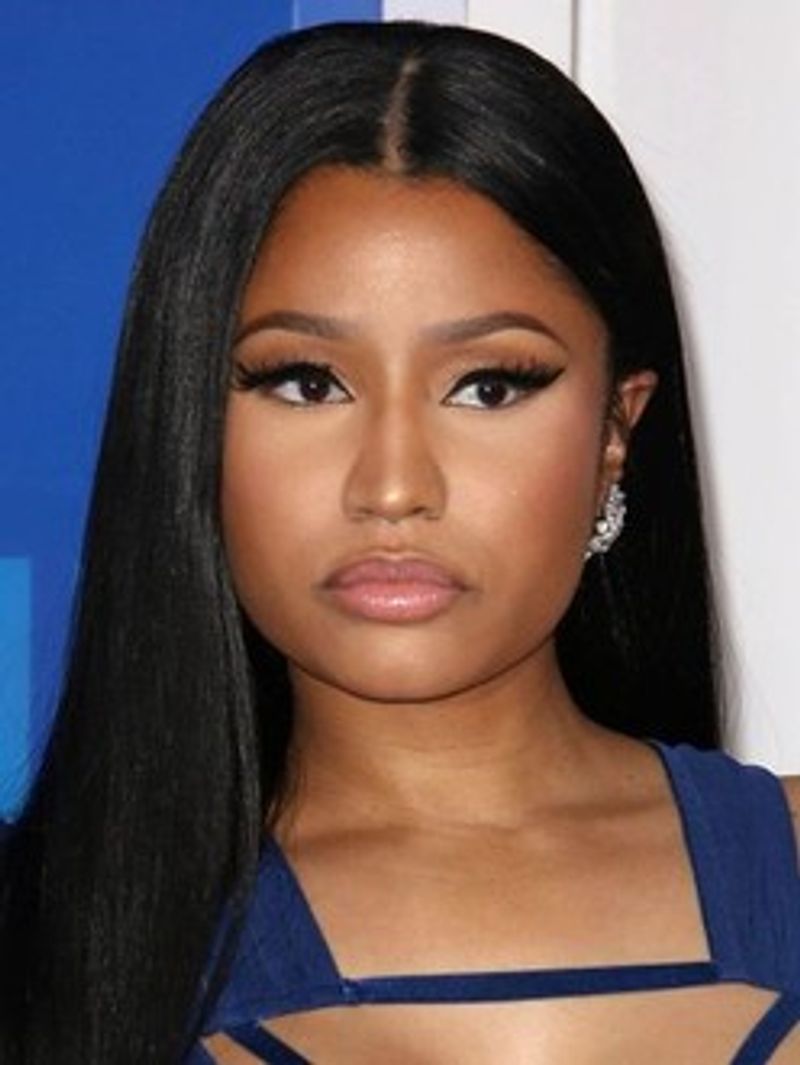
Onika Tanya Maraj was born in Saint James, Trinidad and Tobago and moved to Queens, New York as a child. She grew up in a neighborhood with a strong hip-hop culture, and she started rapping and performing long before she had a record deal.
The stage name Nicki Minaj was built to carry a larger creative identity. She developed multiple alter egos throughout her career, giving each one a distinct voice and visual style.
The name Nicki Minaj became the umbrella for all of it.
Her mixtapes in the late 2000s built a loyal following, and her 2010 debut album Pink Friday launched her into mainstream rap stardom. She became the first female solo artist to have seven singles simultaneously charting on the Billboard Hot 100.
The name Nicki Minaj now represents one of the most influential careers in the history of female rap, built from Queens one carefully crafted verse at a time.
Whoopi Goldberg
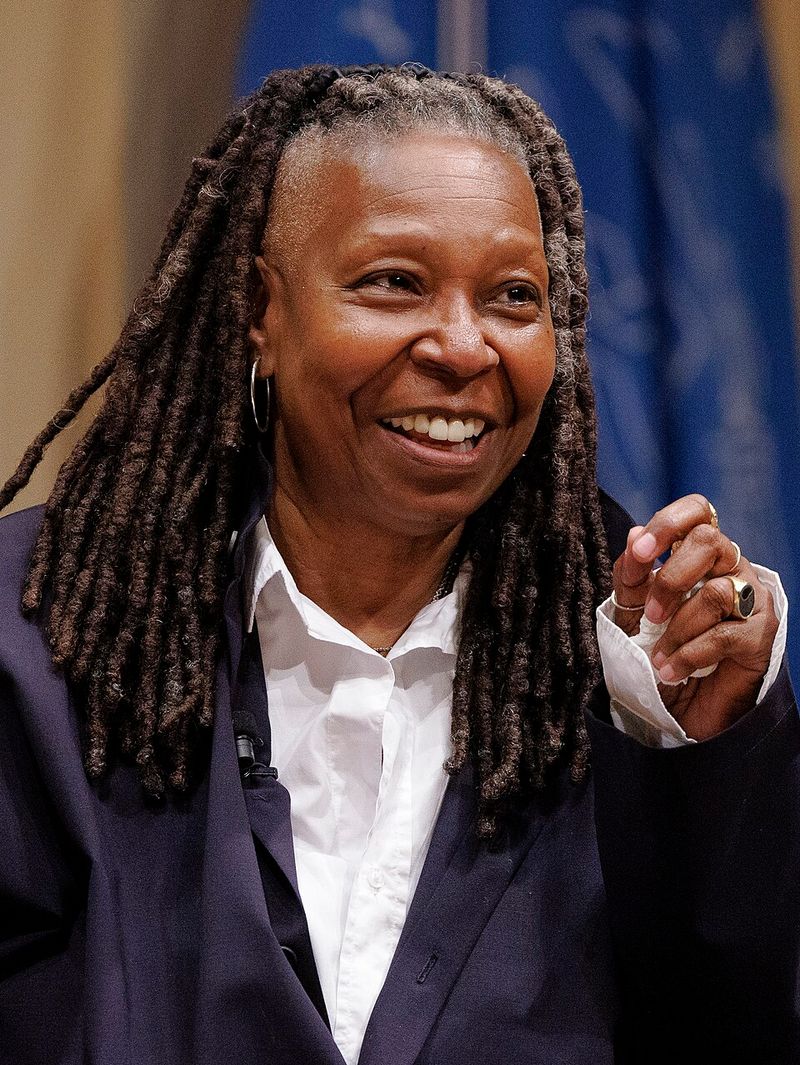
Caryn Elaine Johnson grew up in the Chelsea neighborhood of Manhattan and found her way into performance through theater and comedy. She knew early on that her birth name did not quite fit the stage presence she was building.
The origin of “Whoopi” has been explained in a few different ways over the years, with Johnson connecting it to a whoopee cushion in some tellings. “Goldberg” was reportedly suggested by her mother as a name that would appeal to a wider audience, given the entertainment industry landscape at the time.
Whatever the full backstory, the name Whoopi Goldberg became attached to one of the most versatile careers in American entertainment. She won an Academy Award for Ghost in 1990, a Grammy, an Emmy, and a Tony Award, making her one of a small group of EGOT recipients.
From stand-up comedy to The Color Purple to The View, Caryn Johnson built something remarkable under a name that was entirely her own creation.
Olivia Wilde
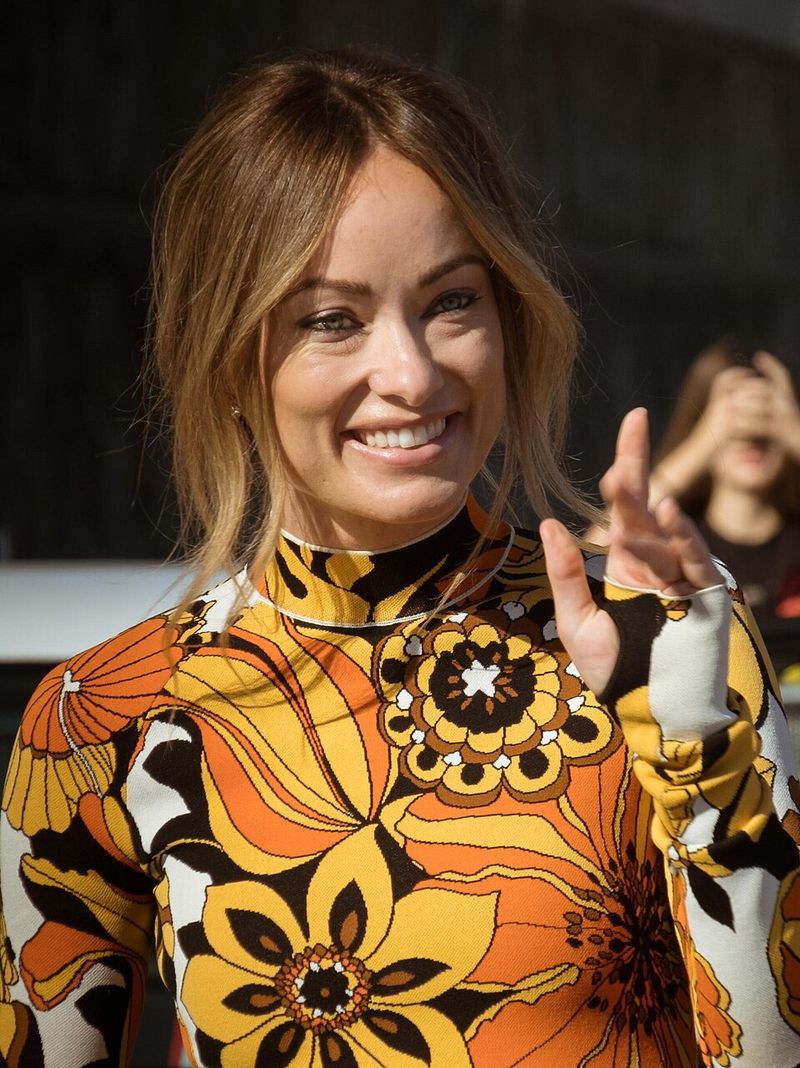
Olivia Jane Cockburn was born in New York City in 1984 and grew up between the United States and Ireland. When she started her acting career, she made a deliberate choice to take a different surname, one with literary weight behind it.
She chose Wilde as a tribute to Oscar Wilde, the Irish playwright and poet whose sharp wit and fearless self-expression she admired. It was a meaningful choice, not just a cosmetic one, and it gave her professional name a cultural reference built right into it.
The name Olivia Wilde became well known through her role on the television series House M.D., which she joined in 2007. She later moved into directing, with her 2019 film Booksmart earning widespread critical praise as a sharp and funny coming-of-age story.
The surname she chose as a young actress turned out to suit her whole career, which has been defined by intelligence, independence, and a willingness to take creative risks.
Judy Garland
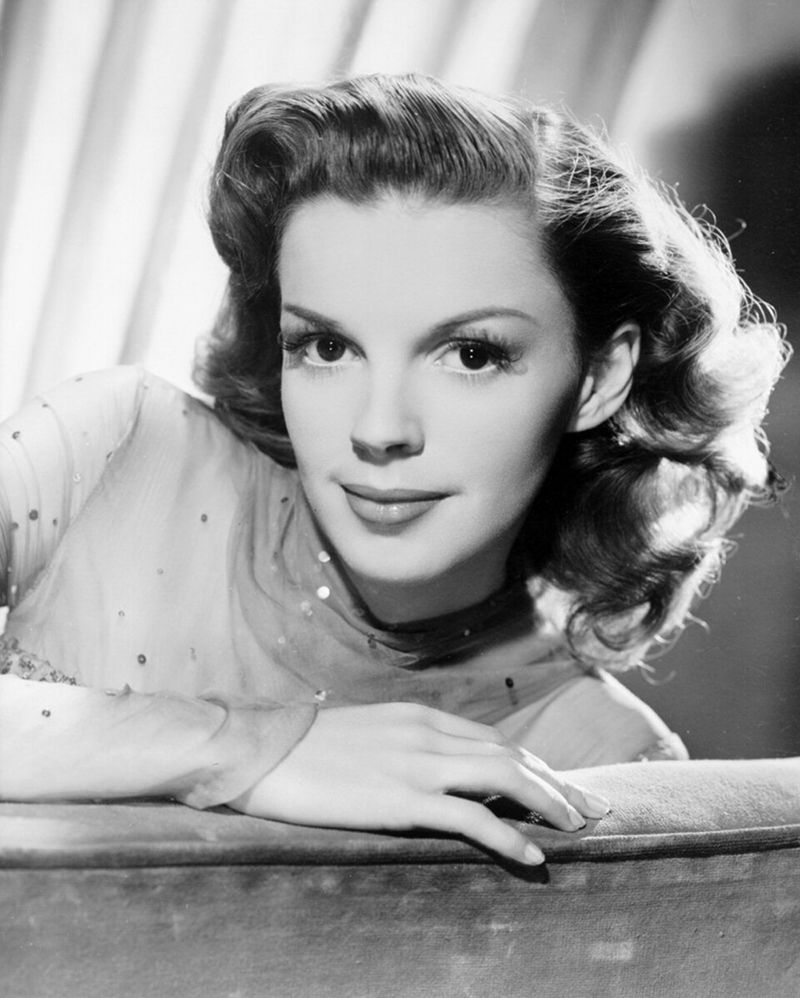
Frances Ethel Gumm was born in Grand Rapids, Minnesota in 1922, the youngest of three sisters who performed together in vaudeville as the Gumm Sisters. She was singing on stage before she was old enough for school.
The name Judy Garland came from her manager, who suggested it during a tour. “Judy” reportedly came from a Hoagy Carmichael song, and “Garland” was borrowed from theater critic John Garland. She was around thirteen when the new name was first used professionally.
Under that name, she made history. The Wizard of Oz in 1939 turned Judy Garland into one of the most beloved figures in Hollywood, and her performance of “Over the Rainbow” became one of the most recognizable moments in film history.
She went on to a celebrated concert career and received an honorary Academy Award as a juvenile performer. Frances Gumm became Judy Garland, and the world never forgot her.
Share this story