Throughout history, some people have had ideas so bold and original that the rest of the world simply was not ready for them. These visionaries imagined inventions, theories, and social changes that would not be understood or accepted until decades or even centuries later.
Their stories remind us that great thinking does not always get recognized right away. Here are 15 remarkable individuals who were truly ahead of their time.
1. Leonardo da Vinci (1452–1519)
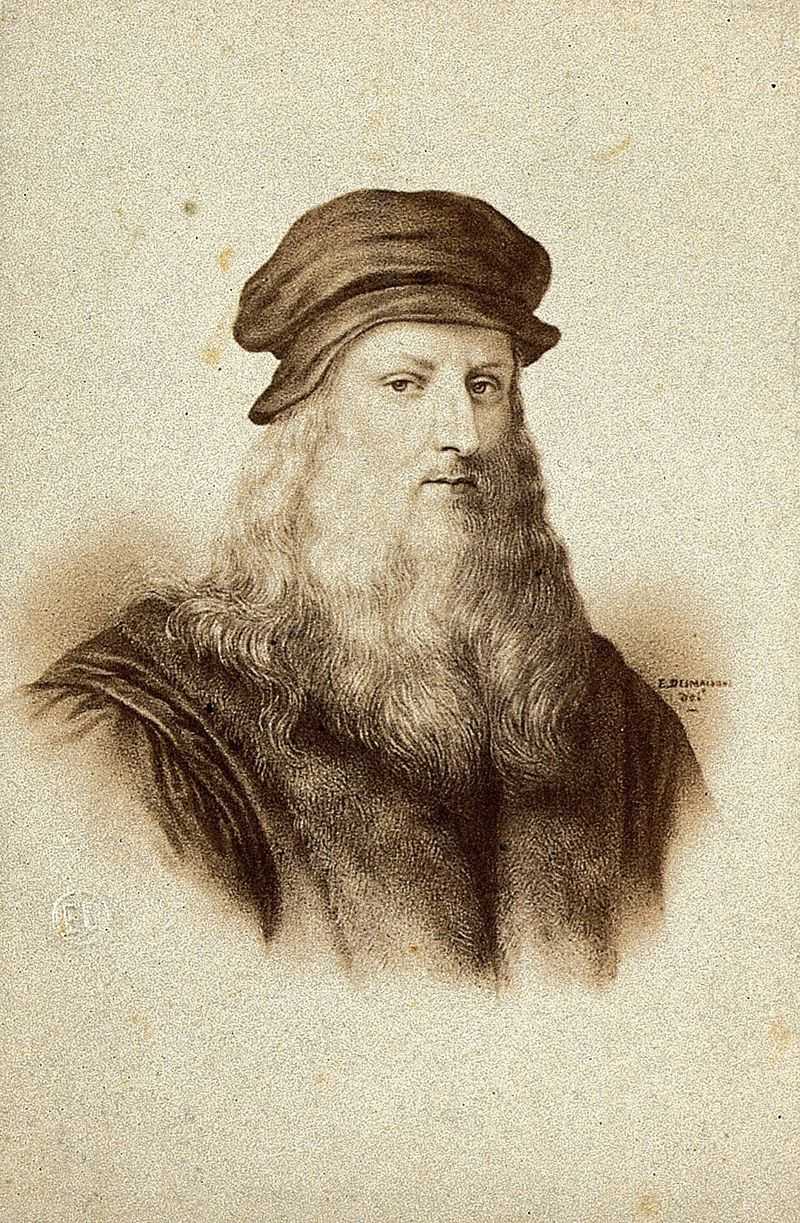
Imagine sketching a helicopter in the 1480s, long before engines or aviation even existed. That is exactly what Leonardo da Vinci did.
His private notebooks were filled with detailed drawings of flying machines, armored vehicles, solar power concepts, and even a rudimentary robot.
Da Vinci worked as a painter, sculptor, architect, musician, and engineer all at once. His most famous paintings, including the Mona Lisa and The Last Supper, remain among the most studied artworks in history.
But his scientific sketches were just as extraordinary.
Most of his inventions were never built during his lifetime because the materials and technology simply did not exist yet. Historians and engineers who later studied his notebooks were stunned by how accurately his designs anticipated real inventions.
Da Vinci did not just think outside the box; he was living in a completely different era of thought.
2. Nikola Tesla (1856–1943)
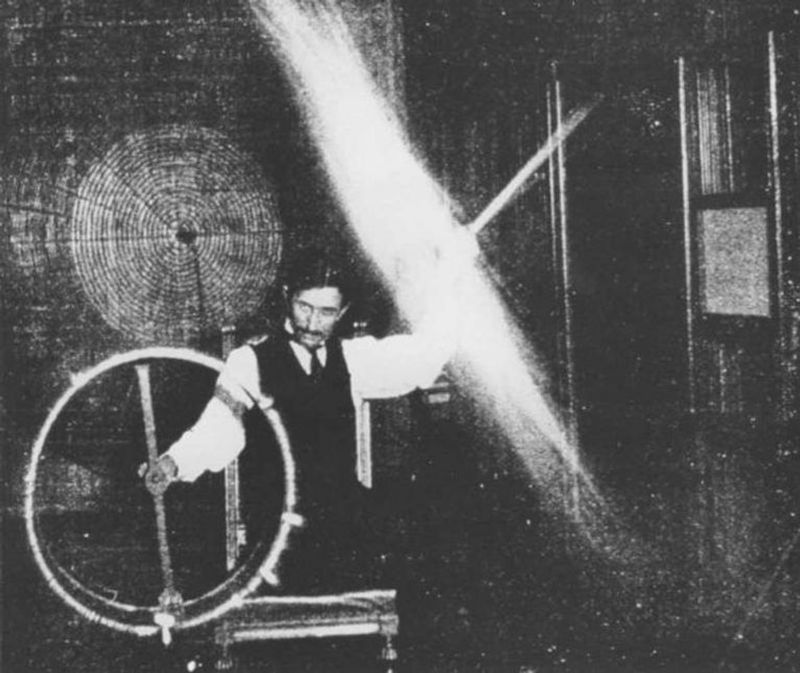
Few inventors have been as misunderstood and underappreciated during their lifetime as Nikola Tesla. He pioneered alternating current electricity, the system that still powers homes and businesses around the world today.
Without Tesla’s work, modern electrical infrastructure might look completely different.
Tesla also envisioned a global wireless communication network, a concept he called the “World Wireless System.” He imagined transmitting information and energy wirelessly across the planet, an idea that sounds remarkably similar to today’s internet and wireless technology.
Despite his brilliance, Tesla died nearly broke and largely forgotten. His rival Thomas Edison received far more public recognition during their lifetimes.
It took decades after his death for the world to fully appreciate how far ahead of his era Tesla truly was. Today, the electric car company Tesla is named in his honor, a fitting tribute to a man who electrified the future.
3. Galileo Galilei (1564–1642)
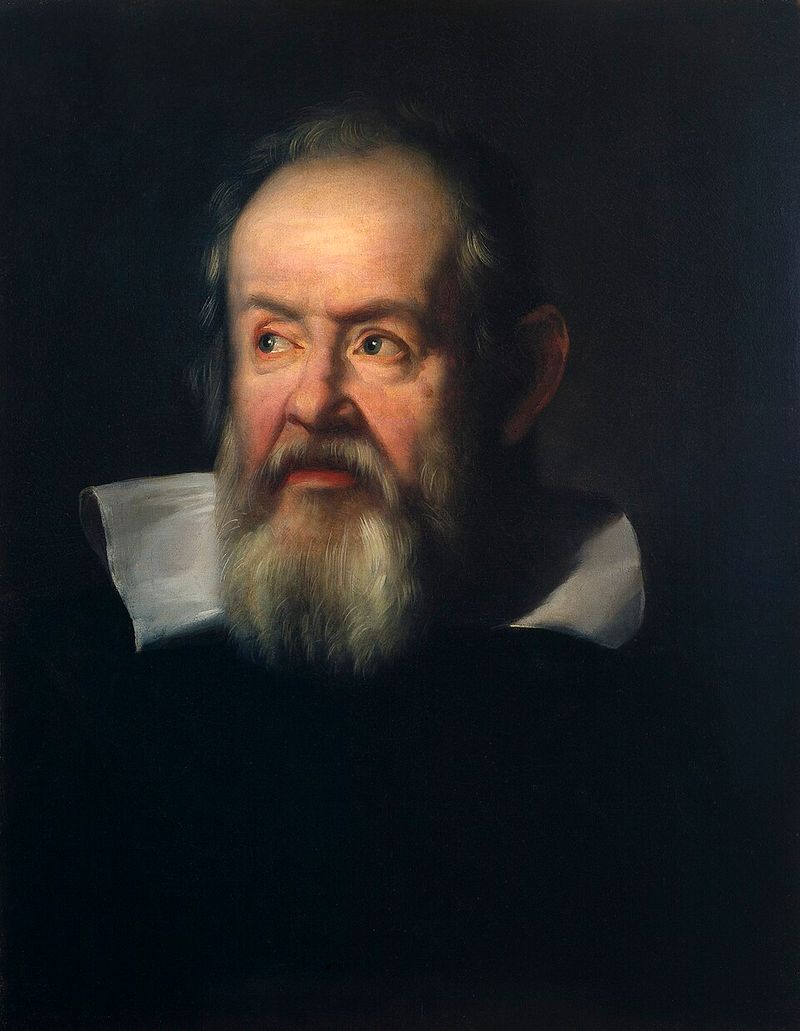
Galileo Galilei had the courage to say something that most people in his time found unthinkable: Earth moves around the Sun, not the other way around. Armed with an improved telescope he built himself, Galileo observed the moons of Jupiter and the phases of Venus, gathering real evidence to support this heliocentric model of the solar system.
The Catholic Church condemned his views, and Galileo was placed under house arrest for the final years of his life. Yet he never stopped thinking and writing.
His work laid the groundwork for modern observational science and the scientific method itself.
It took the Church more than 350 years to officially acknowledge that Galileo had been right. His story is one of the most powerful examples of how a single person armed with evidence and determination can shift humanity’s entire understanding of the universe.
Science owes him an enormous debt.
4. Alan Turing (1912–1954)
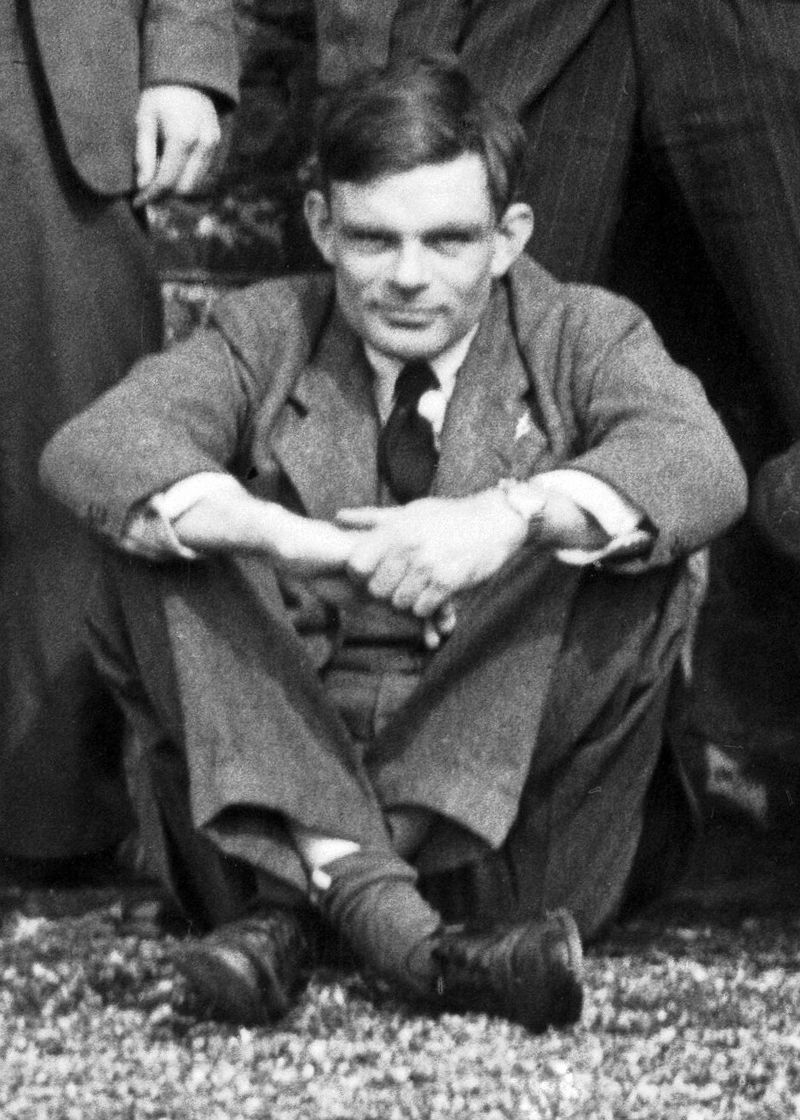
Before personal computers existed, Alan Turing was already imagining machines that could think. In 1936, he described a theoretical device now called the Turing Machine, which became the conceptual foundation for modern computing.
Every laptop and smartphone today traces its intellectual roots back to his ideas.
During World War II, Turing led the effort to crack the Nazi Enigma code, a breakthrough that historians believe shortened the war by several years and saved millions of lives. His contributions were kept secret for decades due to British government classification laws.
Tragically, Turing was prosecuted in 1952 for being gay, which was illegal in the United Kingdom at the time. He died in 1954 under circumstances still debated today.
In 2013, the British government issued him a posthumous royal pardon. Alan Turing is now widely celebrated as the father of computer science and artificial intelligence.
5. Ada Lovelace (1815–1852)
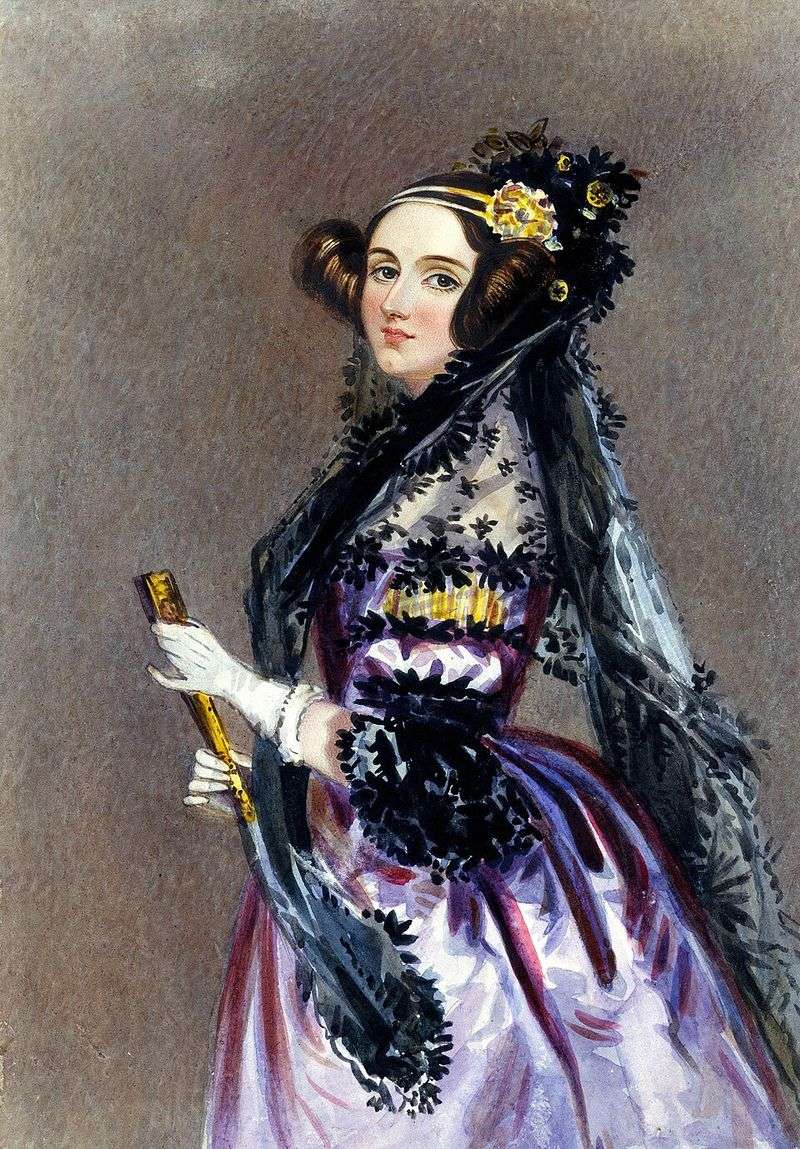
Ada Lovelace grew up in 19th-century England at a time when women were rarely given opportunities in science or mathematics. Yet she became one of the most forward-thinking minds of her era.
Her mother, fearing Ada would follow in the footsteps of her father, the poet Lord Byron, pushed her hard toward mathematics from an early age.
When Ada met inventor Charles Babbage and studied his proposed Analytical Engine, she saw something no one else did. She realized the machine could be programmed to do far more than arithmetic.
She wrote what many historians consider the world’s first computer algorithm, a set of instructions designed to be processed by a machine.
Ada Lovelace died at just 36 years old, long before computers became real. But her insight that machines could process symbols and follow logical instructions was a century ahead of its time.
The programming language Ada, developed in the 1980s, was named in her honor.
6. Rachel Carson (1907–1964)
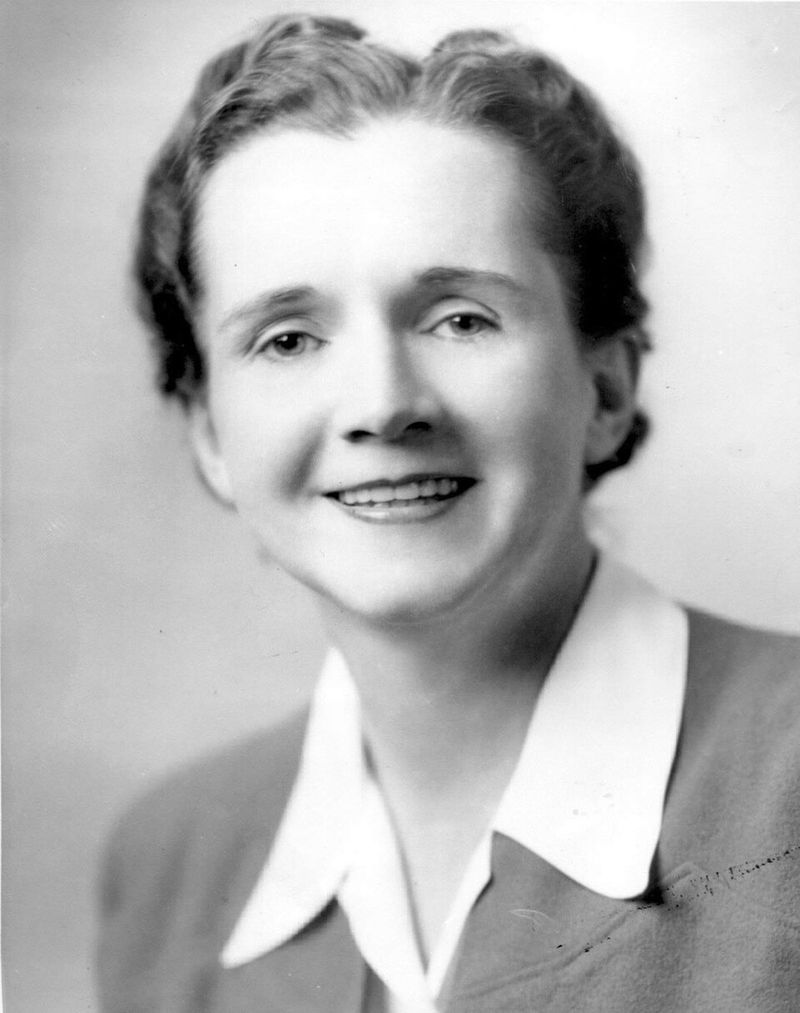
Back in 1962, most people thought pesticides were simply tools of progress, helping farmers grow more food and protecting people from insects. Rachel Carson saw a much darker picture.
Her book Silent Spring documented how chemicals like DDT were poisoning birds, fish, and entire ecosystems, working their way up the food chain with devastating results.
Carson was a trained marine biologist with a gift for writing that made complex science understandable to everyday readers. She faced fierce criticism from the chemical industry, which tried to discredit her work and her personal reputation.
She pressed on anyway, even while battling breast cancer.
Her book sparked a national conversation that led to the banning of DDT in the United States and helped inspire the creation of the Environmental Protection Agency. Rachel Carson essentially launched the modern environmental movement.
She saw the connection between human actions and ecological consequences decades before it became common knowledge.
7. Ignaz Semmelweis (1818–1865)
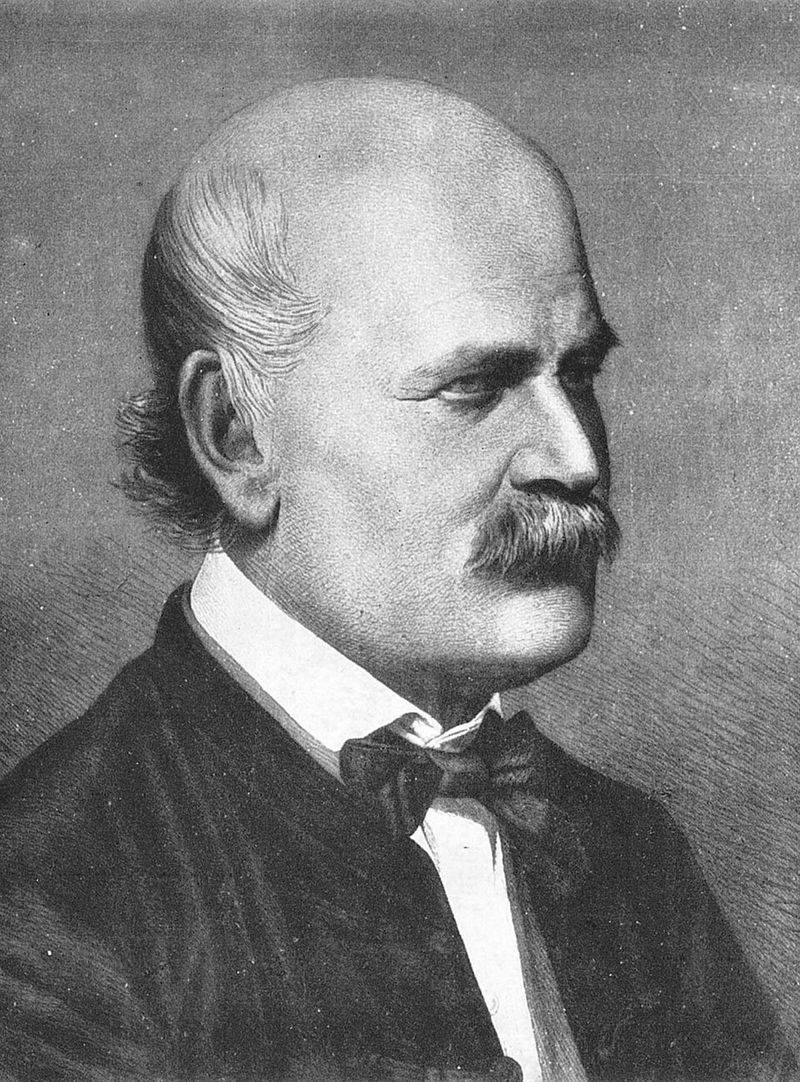
Washing your hands before treating a patient seems like the most obvious thing in the world today. But in the 1840s, it was a radical and deeply controversial idea.
Ignaz Semmelweis, a Hungarian doctor working in Vienna, noticed that women giving birth in wards staffed by medical students had far higher death rates than those helped by midwives.
He figured out that doctors were going straight from performing autopsies to delivering babies without cleaning their hands. Semmelweis introduced mandatory handwashing with chlorinated lime solution, and death rates in his ward dropped dramatically.
The evidence was right there in the data.
Sadly, most of the medical community rejected his findings. Germ theory had not yet been established, so his colleagues could not accept a cause they could not see.
Semmelweis was eventually committed to a mental institution, where he died at 47. Decades later, Louis Pasteur and Joseph Lister proved he had been completely right.
8. Giordano Bruno (1548–1600)
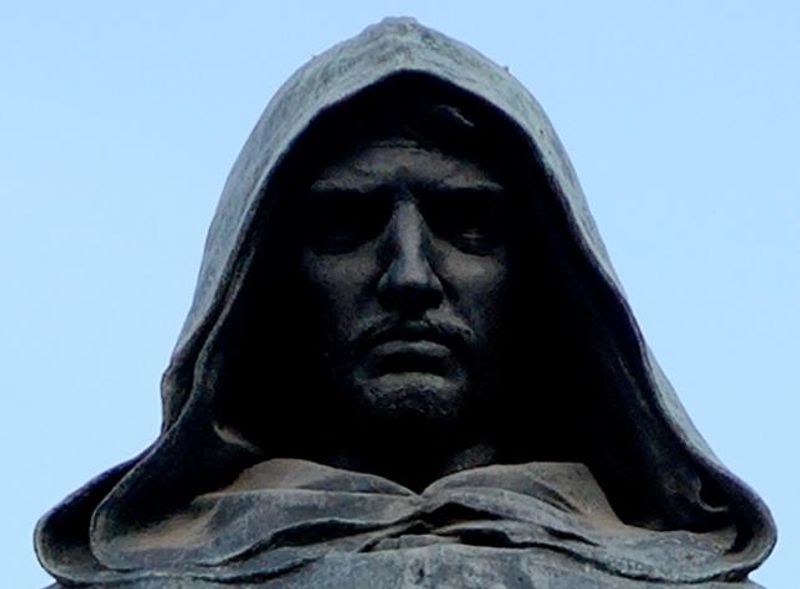
At a time when the Church taught that Earth was the center of a small, finite universe, Giordano Bruno stood up and said something astonishing: the universe is infinite, stars are distant suns, and some of those suns likely have planets orbiting them. He even suggested that life might exist elsewhere in the cosmos.
Bruno was not an astronomer in the formal sense. He was a philosopher and former Dominican friar who drew his ideas from deep reasoning and early Copernican theory.
His views brought him into direct conflict with religious authorities across Europe. He spent years wandering from city to city, debating and writing.
Eventually, the Roman Inquisition arrested him and held him for eight years before burning him at the stake in 1600. His ideas about an infinite universe and the plurality of worlds are now accepted as foundational concepts in modern astronomy and cosmology.
Bruno paid the ultimate price for thinking too far ahead.
9. Mary Wollstonecraft (1759–1797)
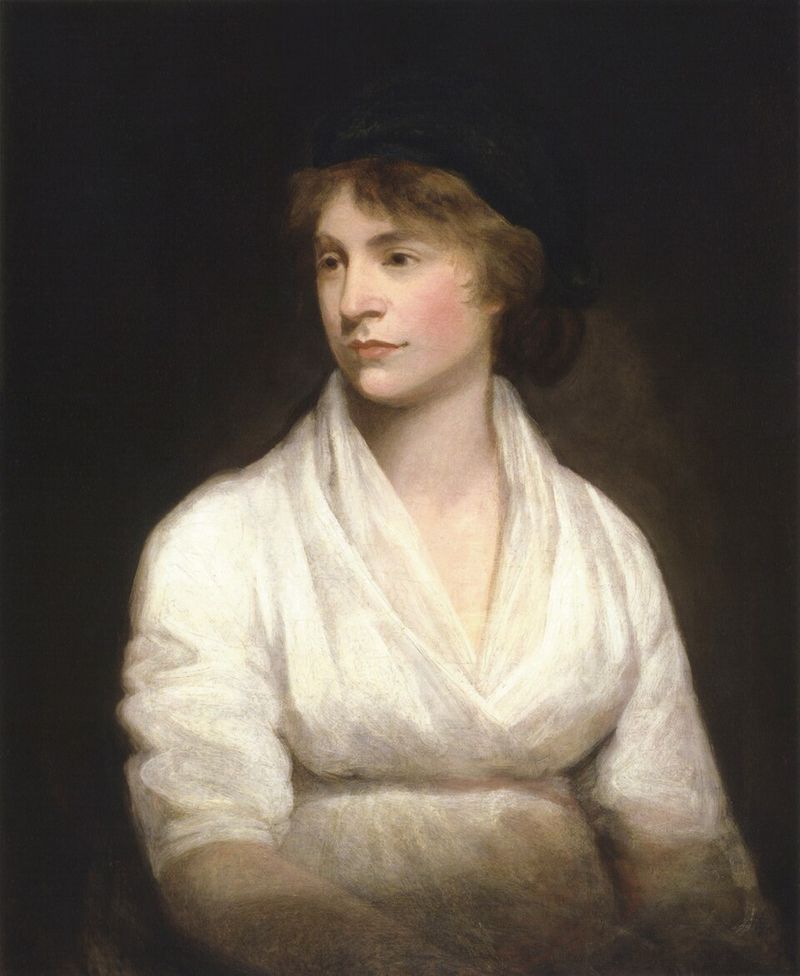
Published in 1792, A Vindication of the Rights of Woman was a bold and groundbreaking work at a time when women were widely considered intellectually inferior to men. Mary Wollstonecraft argued passionately that women deserved the same education and civil rights as men, not as a privilege, but as a basic matter of reason and justice.
Her ideas were met with ridicule and outrage by many of her contemporaries. Critics called her dangerous and immoral.
Yet she kept writing, kept arguing, and kept pushing boundaries in an era when most women had almost no public voice at all.
Wollstonecraft died at just 38 after giving birth to her daughter, who would later become Mary Shelley, the author of Frankenstein. Her feminist philosophy would not gain widespread acceptance until over a century later.
She is now recognized as one of the founding figures of feminist thought and a true pioneer of women’s rights.
10. Jules Verne (1828–1905)
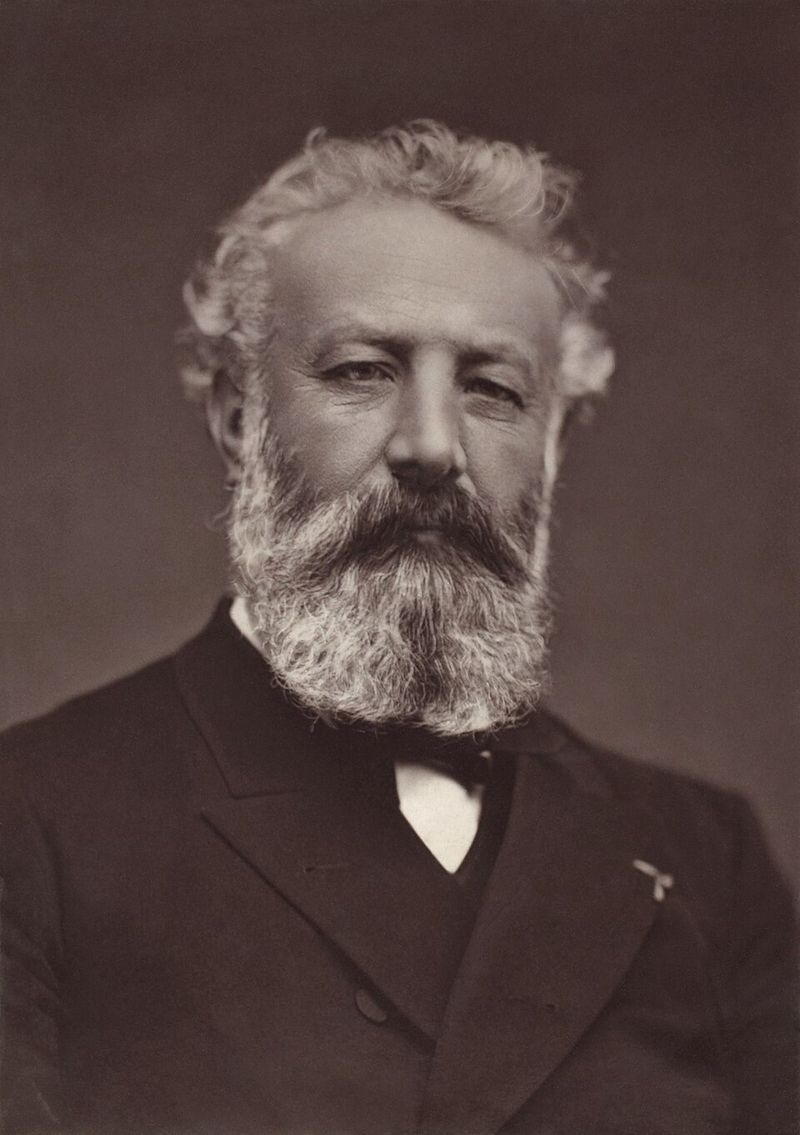
Jules Verne wrote science fiction in the 1800s, but calling his work mere fiction feels like an understatement. His 1870 novel Twenty Thousand Leagues Under the Sea described a fully functional submarine with electric lighting, underwater exploration gear, and global navigation capabilities.
Real submarines came decades later. His 1865 novel From the Earth to the Moon described a lunar mission launched from Florida, which is almost exactly where NASA launched Apollo missions a century later.
Verne imagined videoconferencing, solar sails, and electric cars long before any of those technologies were real. He had a remarkable ability to extrapolate from existing science and project it forward with stunning accuracy.
Some historians debate how much was genuine prediction versus lucky coincidence. But the sheer number of technologies Verne described accurately is hard to dismiss.
He inspired generations of scientists and engineers who grew up reading his adventures and dreaming of making them real.
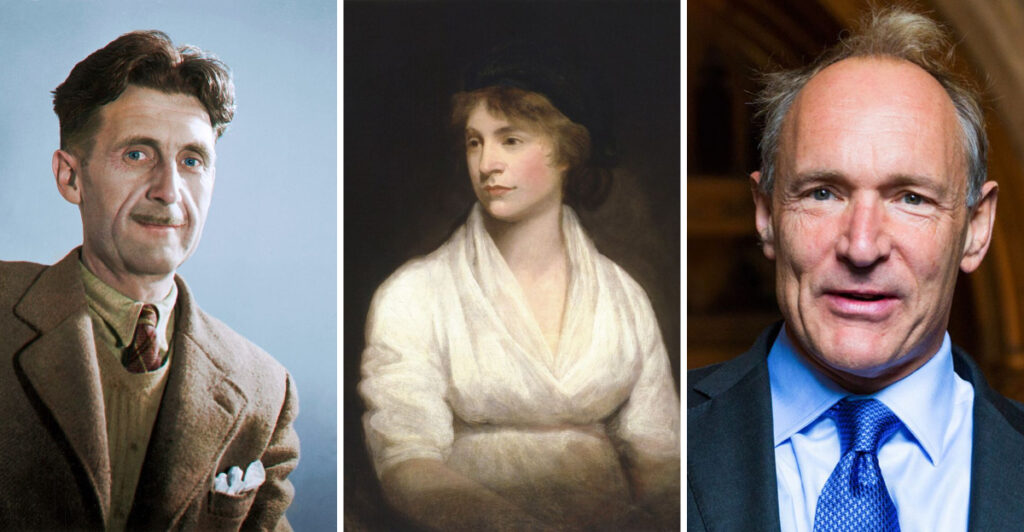
11. George Orwell (1903–1950)
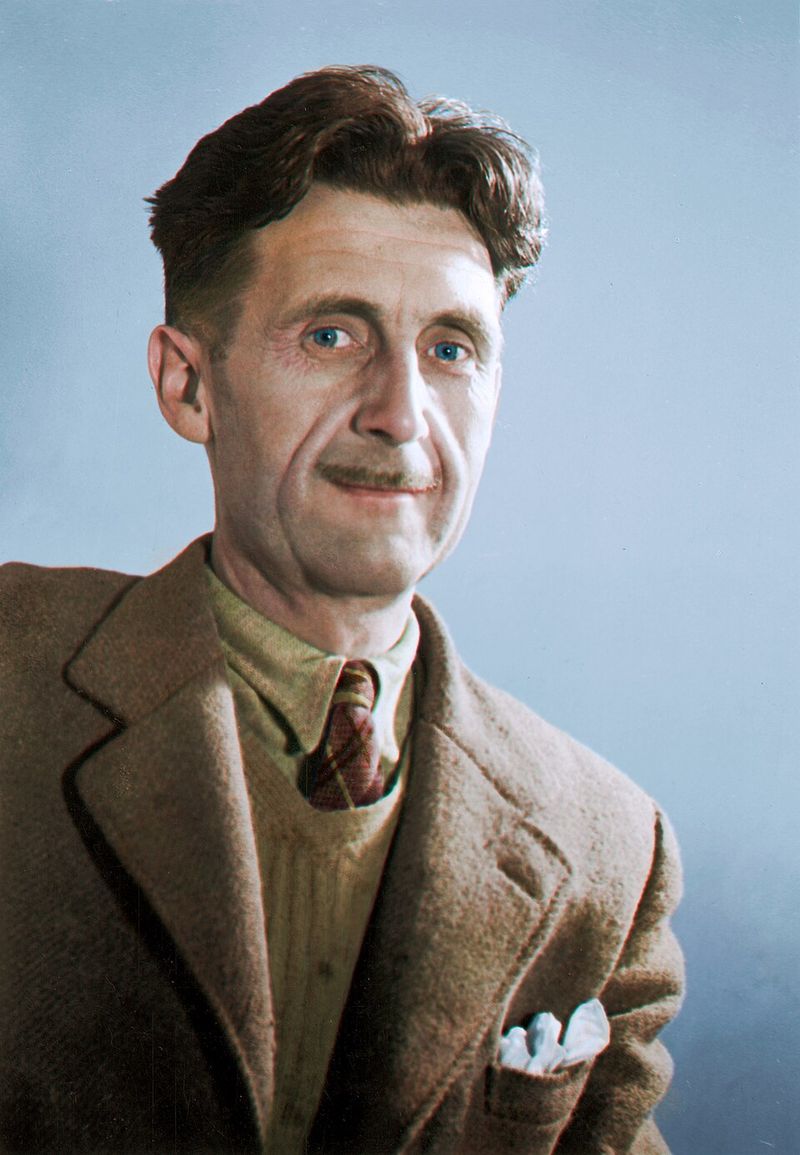
George Orwell published 1984 in 1949, imagining a totalitarian society where a government called Big Brother monitored every citizen through telescreens, rewrote history to suit its agenda, and used language itself as a tool of control. At the time, it read as a chilling warning.
Today, many of its themes feel uncomfortably familiar.
Surveillance cameras, data collection, government propaganda, and the manipulation of information are all very real issues in the modern world. Orwell’s invented phrases, including “doublethink,” “thoughtcrime,” and “memory hole,” have entered everyday English because they describe real phenomena people recognize.
His earlier work Animal Farm, published in 1945, used a farm animal allegory to critique how revolutions can be corrupted by those who seize power. Orwell wrote from direct experience, having witnessed authoritarianism in Spain and the Soviet Union firsthand.
His ability to see where political trends were heading made him one of the most prophetic writers of the 20th century.
12. Buckminster Fuller (1895–1983)
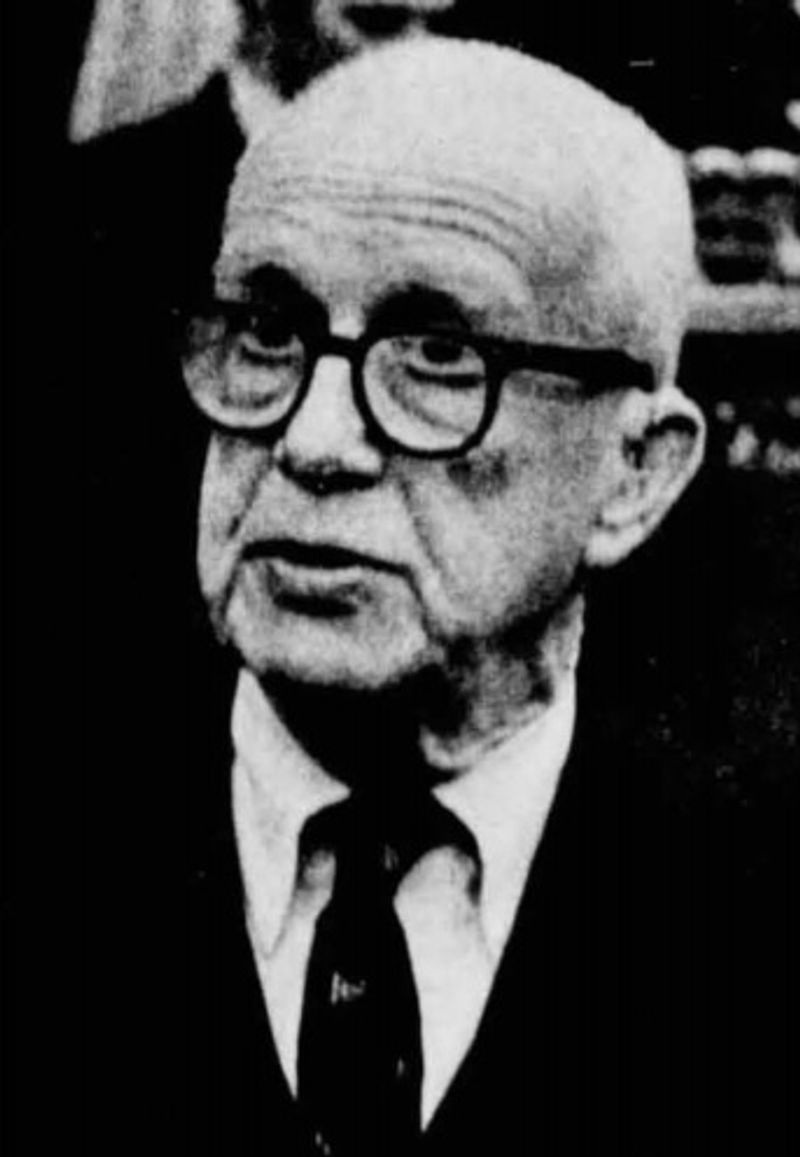
Buckminster Fuller spent his entire career asking one big question: how can humanity do more with less? He was an architect, inventor, systems theorist, and futurist who believed that good design could solve the world’s most pressing problems.
He called this idea “doing more with less,” or what he termed “ephemeralization.”
His most famous invention, the geodesic dome, was a revolutionary structural design that used the least amount of material to enclose the most amount of space. Geodesic domes were used in military radar stations, world expo pavilions, and even as inspiration for the carbon molecule Buckminsterfullerene, named in his honor.
Fuller also wrote and spoke extensively about sustainable resource use, renewable energy, and global cooperation decades before those topics entered mainstream conversation. He envisioned a world where technology and thoughtful design could eliminate poverty and environmental destruction.
Many architects and sustainability advocates today consider him one of their greatest inspirations.
13. Gregor Mendel (1822–1884)
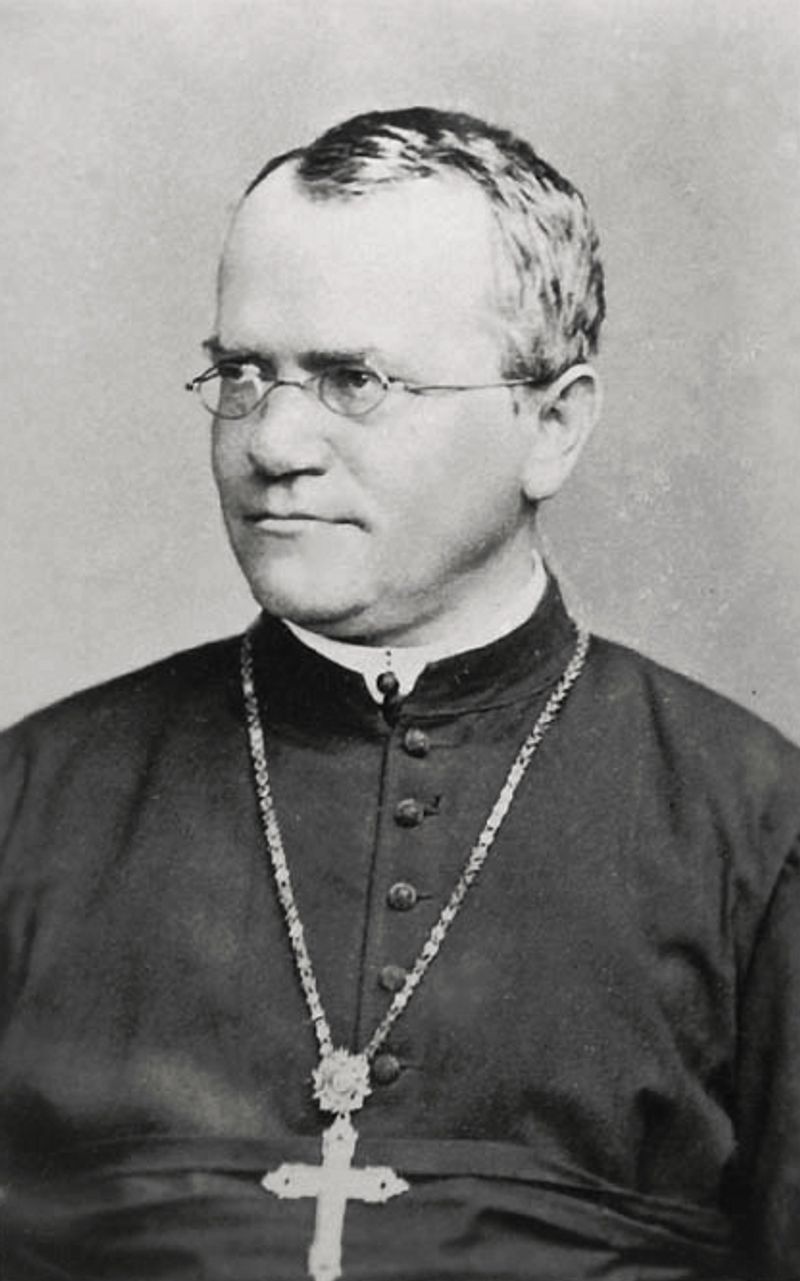
In the quiet garden of a monastery in what is now the Czech Republic, a friar named Gregor Mendel spent years carefully breeding pea plants and recording the results. Between 1856 and 1863, he crossed thousands of plants and tracked traits like seed color, pod shape, and plant height across multiple generations.
What he discovered were the basic laws of heredity.
Mendel identified how traits are passed from parents to offspring through what we now call genes. He presented his findings to a local scientific society in 1865 and published them in a journal.
Almost no one paid attention. His paper sat largely unread for over three decades.
Mendel died in 1884 without any recognition for his work. It was not until 1900 that three separate scientists independently rediscovered his research and realized its enormous importance.
Gregor Mendel is now called the father of genetics, a title he never knew he had earned.
14. Hedy Lamarr (1914–2000)
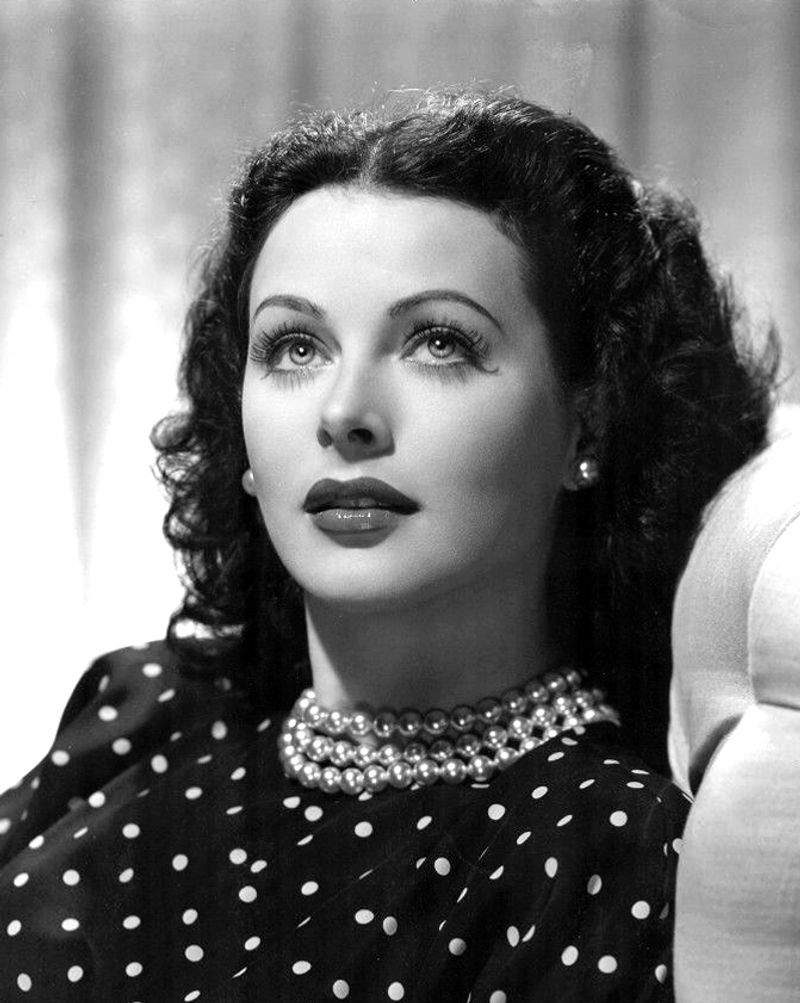
Most people knew Hedy Lamarr as one of Hollywood’s biggest stars in the 1940s. What very few knew was that she was also a serious inventor working on technology that would change the world.
During World War II, Lamarr and composer George Antheil co-developed a radio guidance system for torpedoes that used frequency-hopping spread spectrum technology to prevent enemy jamming.
The U.S. Navy did not adopt the technology until the 1960s, well after Lamarr and Antheil’s patent had expired.
They never received any financial compensation for the invention. For decades, the story of her contribution was almost completely overlooked.
The frequency-hopping principle she helped develop later became a foundational concept behind Wi-Fi, Bluetooth, and GPS technology. In 1997, Lamarr finally received the Electronic Frontier Foundation Pioneer Award for her contributions to wireless communication.
She proved that brilliance and beauty were never mutually exclusive, and that inventors come from the most unexpected places.
15. Tim Berners-Lee (1955– )

In 1989, a British computer scientist working at the CERN physics laboratory in Switzerland submitted a proposal to his supervisor with the modest title “Information Management: A Proposal.” His supervisor wrote “vague but exciting” on the cover page. That proposal became the blueprint for the World Wide Web.
Tim Berners-Lee created the first web browser, the first web server, and wrote the core languages that made the web work, including HTML and HTTP. Crucially, he gave it all away for free.
He insisted the web should be open and accessible to everyone, not owned by any company or government.
At a time when the internet was mostly used by academics and military researchers, Berners-Lee envisioned a global information system that ordinary people could use daily. He later founded the World Wide Web Consortium to keep the web open and equitable.
His decision to make the web free may be the single most impactful gift one person ever gave to humanity.
Share this story