Some places get hyped so much that you expect to be underwhelmed when you finally show up. Then you actually get there, and your jaw does the thing.
The U.S. is packed with landmarks and natural wonders that have been photographed millions of times, yet somehow still manage to stop people in their tracks. Here are 15 famous spots that absolutely still earn their reputation.
Grand Canyon National Park, Arizona
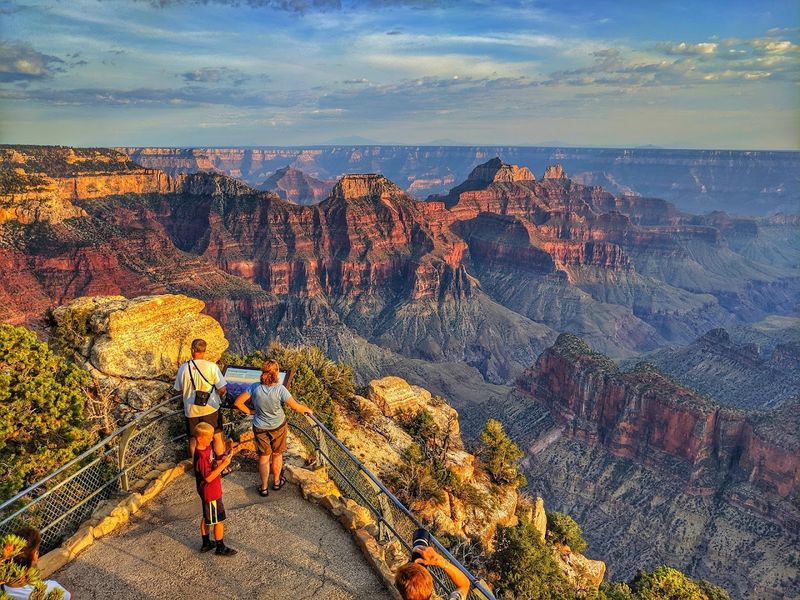
No photo, filter, or travel documentary has ever truly captured what the Grand Canyon does to you when you first walk up to the rim. The scale is genuinely hard to process.
Your brain keeps trying to shrink it down, and it just refuses.
The South Rim is open year-round, which makes planning pretty flexible. Spring and fall are the sweet spots for comfortable temperatures and smaller crowds.
Summer gets packed, so arriving early in the morning is a smart move.
The color shifts throughout the day are something else entirely. Morning light turns the walls pink and gold.
By midday, the shadows carve completely different shapes into the rock. Sunset is basically its own event.
Hiking into the canyon even a short distance changes the whole experience. Most visitors only see the rim, so going even a mile down puts you in a totally different world.
Yellowstone National Park, Wyoming, Montana and Idaho
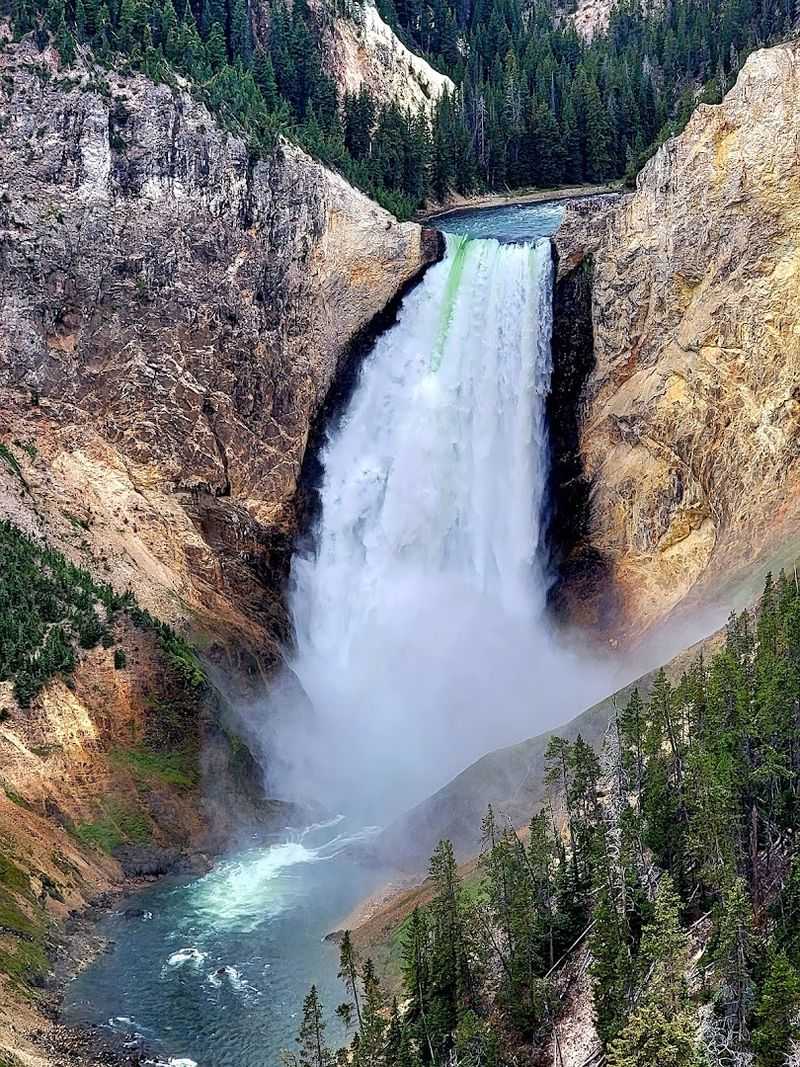
Yellowstone holds roughly half of the world’s active geysers, which sounds like a textbook fact until you are actually standing in front of one as it blows. That stat suddenly becomes very real and slightly terrifying in the best way.
The park spans three states and packs in more variety than most people expect. Bison jams on the roads are a legitimate thing that will absolutely make you late.
Nobody complains, though, because watching a bison casually ignore traffic is oddly delightful.
Grand Prismatic Spring is one of those places that looks fake in photos. In person, the colors are even more vivid and strange.
Old Faithful is reliable and worth seeing, but the lesser-known geysers around the Upper Geyser Basin are worth the extra walk.
Book lodging inside the park well in advance. Spots fill up fast, especially for summer visits.
The park is open year-round, but some roads close in winter.
Yosemite National Park, California
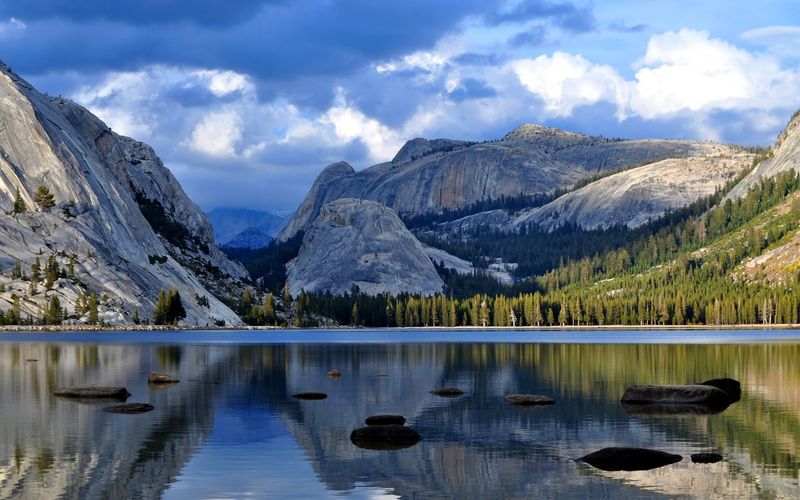
Yosemite earns its reputation in about the first five minutes. You drive through a tunnel, it opens up, and suddenly El Capitan is just sitting there like it owns the place.
Technically, it does.
The giant sequoias in Mariposa Grove are a separate kind of wow. Standing next to one of those trees makes you feel genuinely small in a humbling rather than uncomfortable way.
Bring a wide-angle lens or just accept that no photo will do it justice.
Waterfalls are best in late spring when snowmelt is at its peak. Yosemite Falls, Bridalveil Fall, and Vernal Fall are all accessible with manageable hikes.
Summer is the busiest season, so timed entry reservations are often required for the valley.
Half Dome is the iconic hike, but it requires permits and solid fitness. Even a walk along the valley floor gives you views that feel almost unreasonably beautiful for a single afternoon.
Zion National Park, Utah
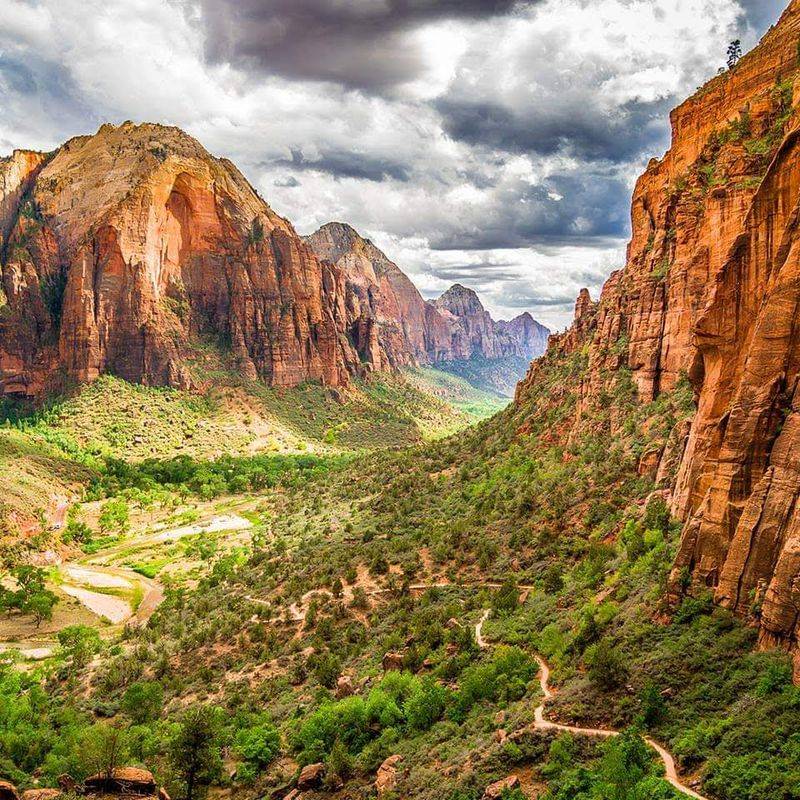
Zion has a way of stopping conversations mid-sentence. You are talking about lunch plans, then someone looks up, and suddenly nobody cares about sandwiches anymore.
The canyon walls do that to people.
The Narrows is one of the most unique hikes in the country. You literally walk up the Virgin River through a slot canyon with walls hundreds of feet high.
Waterproof shoes or rental canyoneering boots are worth every penny for that one.
Angels Landing is the famous scary hike with chains bolted into the rock near the top. Permits are now required for the upper section, so check ahead.
The views from the top are genuinely spectacular, but the hike itself is the real experience.
The park is open year-round, though spring and fall offer the most comfortable conditions. Shuttles run through the main canyon during peak season, making it easy to hop between trailheads without dealing with parking chaos.
Hawaiʻi Volcanoes National Park, Hawaiʻi
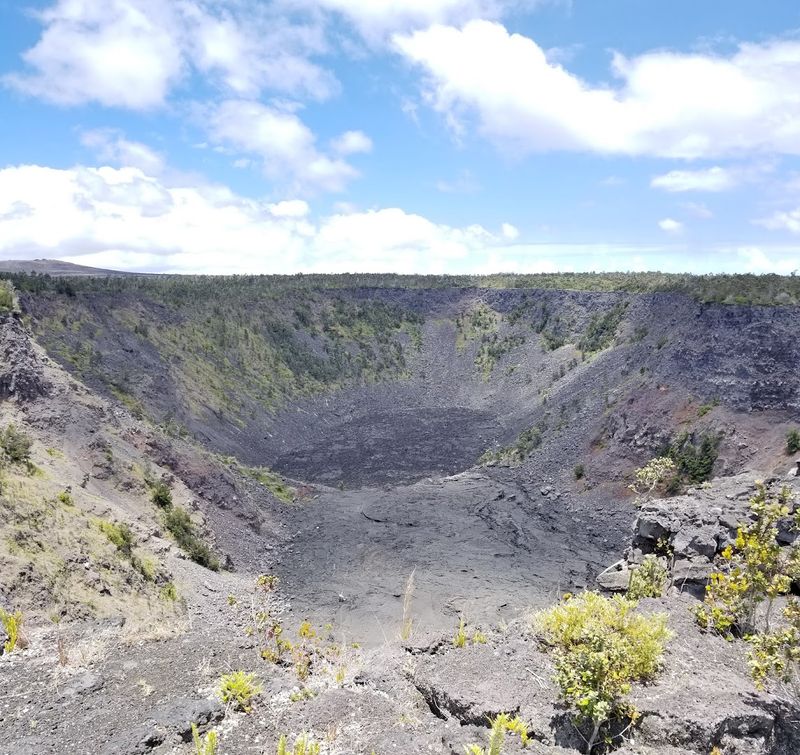
There are very few places on Earth where you can watch new land being made in real time. Hawaiʻi Volcanoes National Park is one of them, and it is as surreal as that sentence sounds.
Kīlauea is one of the most active volcanoes on the planet. The park protects both it and Mauna Loa, giving visitors access to a volcanic landscape that feels genuinely otherworldly.
Hardened lava fields, steam vents, and crater overlooks are all part of the experience.
The Kilauea Iki Trail is one of the best hikes in the park. It takes you across a solidified lava lake inside a crater, which is exactly as cool as it sounds.
The contrast between the barren crater floor and the lush rainforest rim is striking.
Eruption activity changes frequently, so checking the park’s official site before visiting is essential. Night visits during active eruptions, when permitted, offer views that are hard to forget.
Great Smoky Mountains National Park, Tennessee and North Carolina
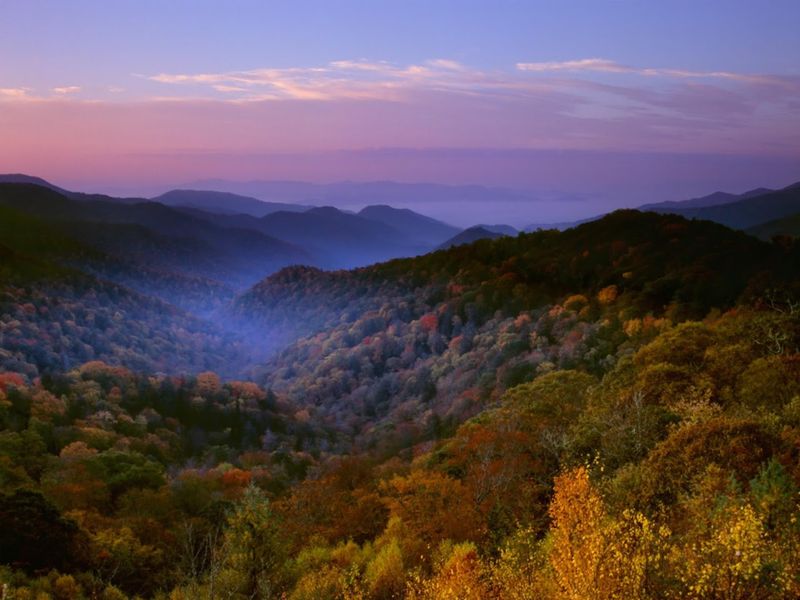
The Smokies prove that wow factor does not always need vertical drama. The park works through layers, literally.
Ridge after ridge stacked behind each other, each one a slightly different shade of blue-grey haze. It is quietly stunning.
Fall foliage here is legendary. The mix of tree species creates an almost ridiculous range of colors across the hillsides.
Peak color usually hits in mid to late October, and the crowds that show up for it are completely justified.
America’s most visited national park is free to enter, which is a genuinely rare thing. No entrance fee, open year-round, and packed with wildlife.
Black bears are regularly spotted, especially near Cades Cove in the mornings and evenings.
Clingmans Dome, the highest point in the park, offers sweeping 360-degree views from its observation tower. The half-mile trail to the top is steep but short.
Sunrises up there are the kind that make you feel like you earned something.
Acadia National Park, Maine
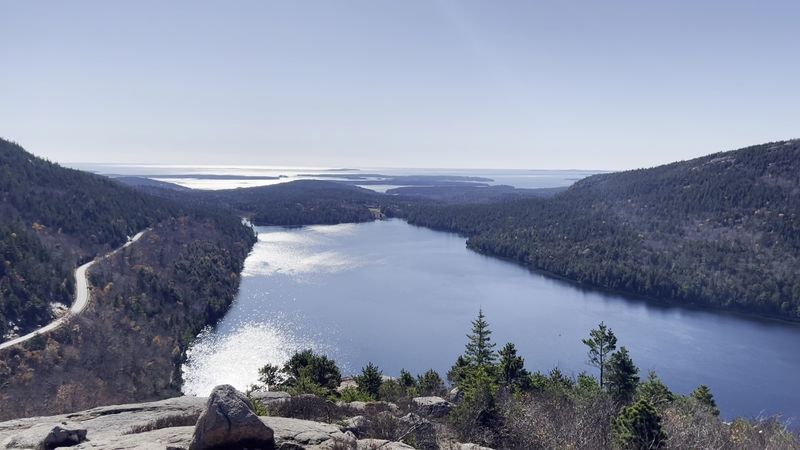
Acadia is the kind of place that makes east coast travelers feel smug, and honestly, they have earned it. Rugged granite peaks, crashing Atlantic waves, and lobster rolls within driving distance.
The park plays all its cards at once.
Cadillac Mountain holds the distinction of being one of the first places in the U.S. to catch sunrise for part of the year. Getting up there before dawn is cold, a little chaotic with other early risers, and absolutely worth it.
The carriage roads are one of Acadia’s most underrated features. Built by John D.
Rockefeller Jr. in the early 1900s, they wind through forests and over stone bridges without a single car allowed. Biking them is a legitimately great afternoon.
Bar Harbor, just outside the park, is the main base for visitors. It gets busy in summer, so booking accommodations early is smart.
The park is open year-round, with winter offering a quieter and surprisingly beautiful version of the experience.
Niagara Falls State Park, New York
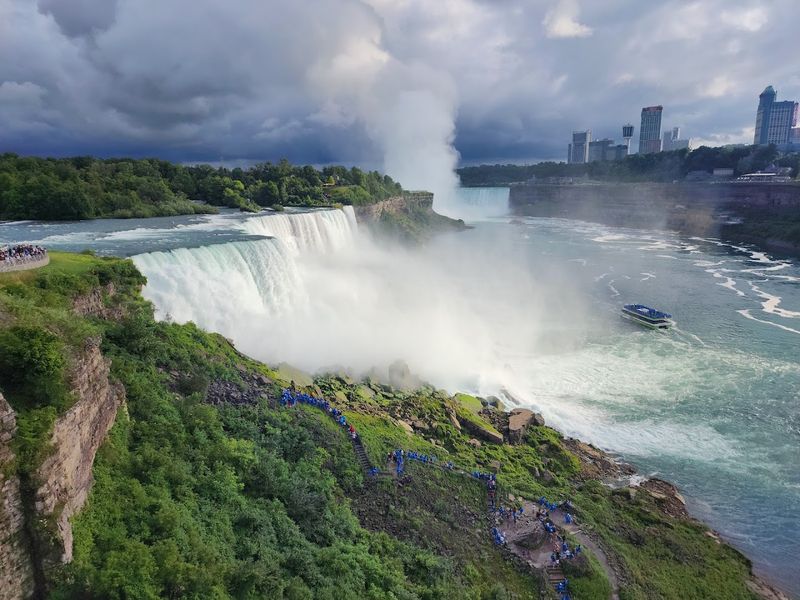
Niagara Falls is one of those places where the sound hits you before the sight does. You hear a low, constant roar getting louder as you walk closer, and then suddenly there it is, just absolutely pouring over the edge like it has something to prove.
The American side at Niagara Falls State Park, the oldest state park in the U.S., puts you surprisingly close to the action. The Maid of the Mist boat ride gets you right into the mist at the base of Horseshoe Falls.
Ponchos are provided, and you will still get wet. Plan accordingly.
The Cave of the Winds experience walks you onto wooden walkways near the base of Bridal Veil Falls. It is loud, wet, and genuinely thrilling.
Winter visits offer a completely different atmosphere, with ice formations turning the falls into something out of a fantasy novel.
Parking near the park fills fast in summer. Arriving early or using public transportation from downtown Niagara Falls saves a lot of frustration.
Statue of Liberty, New York
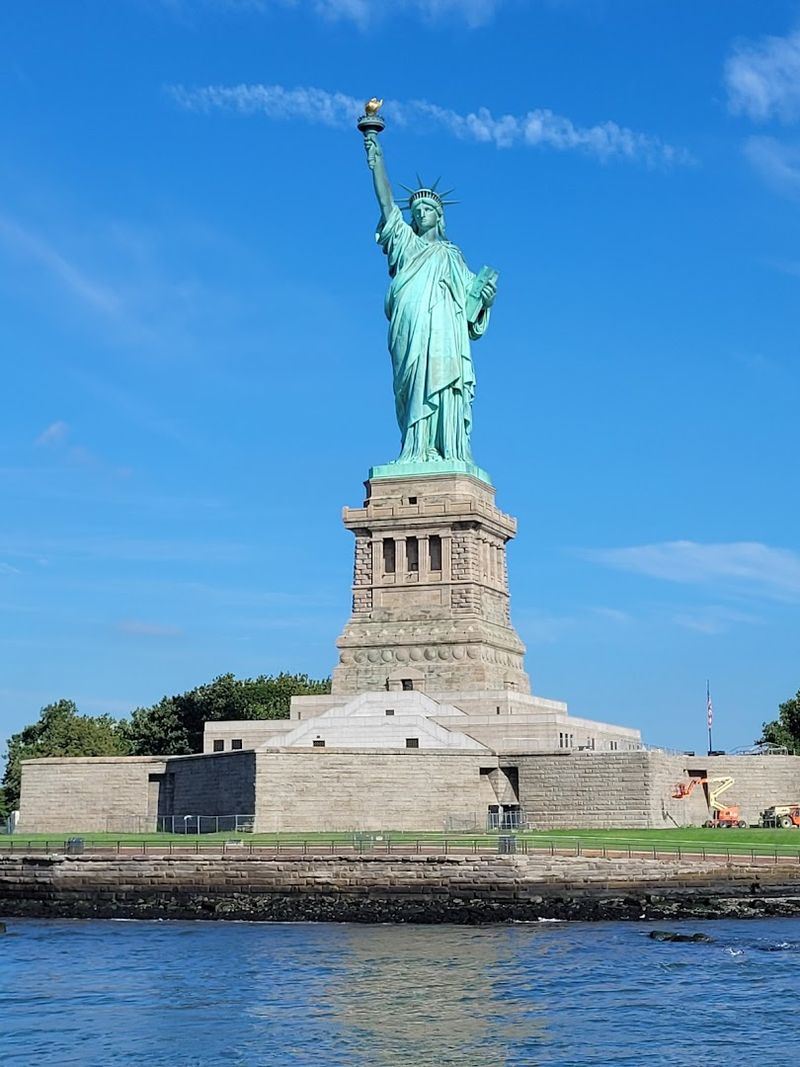
The Statue of Liberty is one of those landmarks that carries real weight the closer you get to it. From the ferry, it starts small.
Then it just keeps getting bigger, and somewhere around that point you remember what it actually represents.
Getting to the crown requires advance planning. Crown tickets are limited and sell out months ahead, so booking early through the official operator is essential.
The pedestal and grounds offer plenty to see even without the full climb, and the museum inside the pedestal is genuinely well done.
Ellis Island is included in the same ferry ticket and is easy to pair with a Statue of Liberty visit. The immigration museum there is one of the more moving experiences in New York.
Millions of Americans have family history tied to that building.
The ferry departs from Battery Park in Manhattan and Liberty State Park in New Jersey. Lines can be long in peak season, so buying tickets in advance and arriving early makes the whole trip much smoother.
Golden Gate Bridge, California
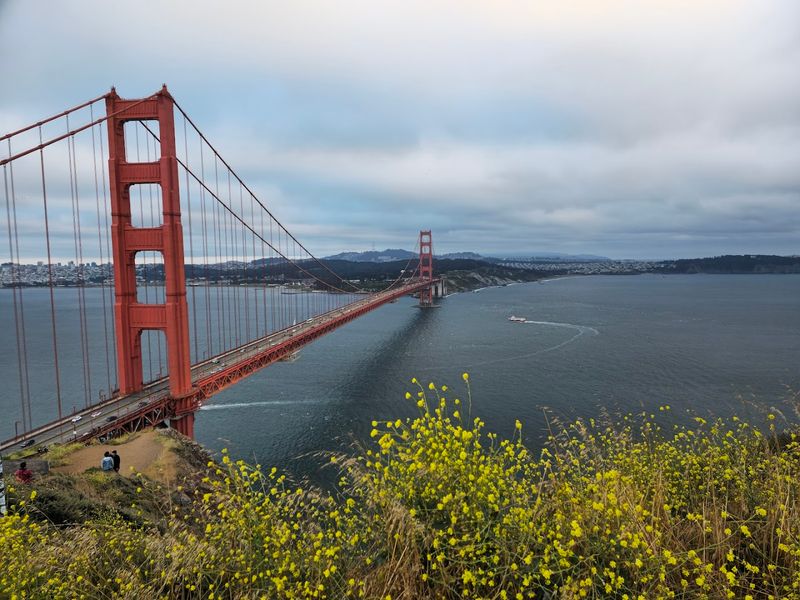
The Golden Gate Bridge is one of the few landmarks that somehow still looks better in person than in every photo you have seen of it. That is not easy to pull off after a century of being one of the most photographed structures on the planet.
The best view most people skip is from the Marin Headlands, just north of the bridge. A short drive and a moderate hike puts you above the bridge with the bay and San Francisco skyline behind it.
That angle is genuinely spectacular.
Walking or biking across the bridge is free and highly recommended. The span is about 1.7 miles, and crossing it on foot gives you a sense of the height and engineering that driving across just does not deliver.
Wind jackets are useful year-round.
Fog is part of the Golden Gate experience. Some visitors get frustrated by it, but the bridge emerging through low clouds has its own dramatic quality.
Morning visits often catch the best light before fog burns off.
Lincoln Memorial and the National Mall, Washington, D.C.
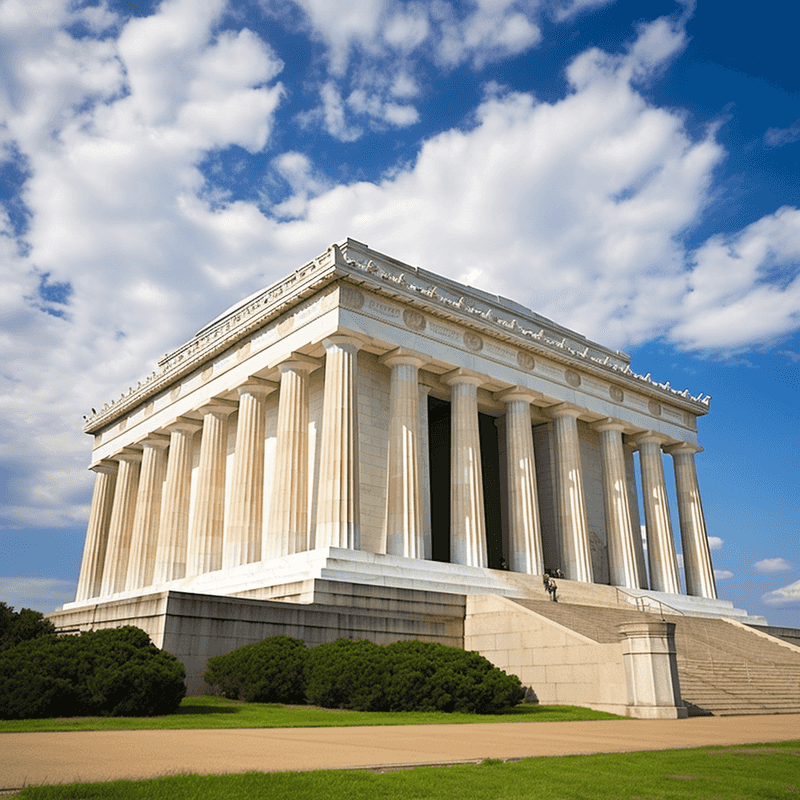
Standing at the base of the Lincoln Memorial steps and looking back down the Reflecting Pool toward the Washington Monument is one of those views that hits differently than expected. The scale and symmetry of the National Mall are genuinely impressive in person.
The Lincoln statue inside is enormous. At 19 feet tall, it dominates the chamber in a way that photos do not fully convey.
The inscriptions of the Gettysburg Address and Second Inaugural Address on the interior walls are worth reading slowly. They hold up remarkably well.
The National Mall is free and open around the clock. Visiting at night is one of the best-kept tips for the area.
The monuments are lit up, the crowds are smaller, and the atmosphere takes on a quieter, more reflective quality that daytime visits rarely match.
The Mall stretches about two miles from the Lincoln Memorial to the Capitol. Walking the full length passes the Vietnam Veterans Memorial, Korean War Memorial, WWII Memorial, and Washington Monument, all free and all worth stopping at.
Mount Rushmore National Memorial, South Dakota
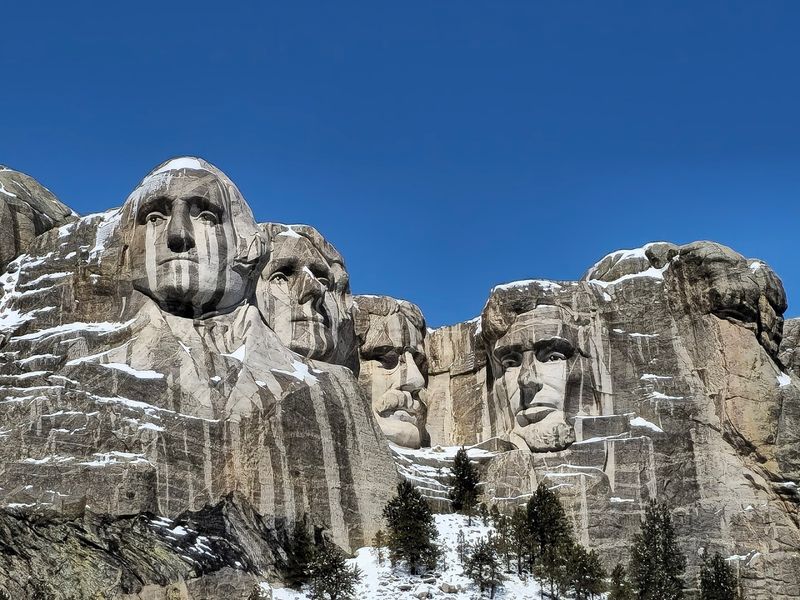
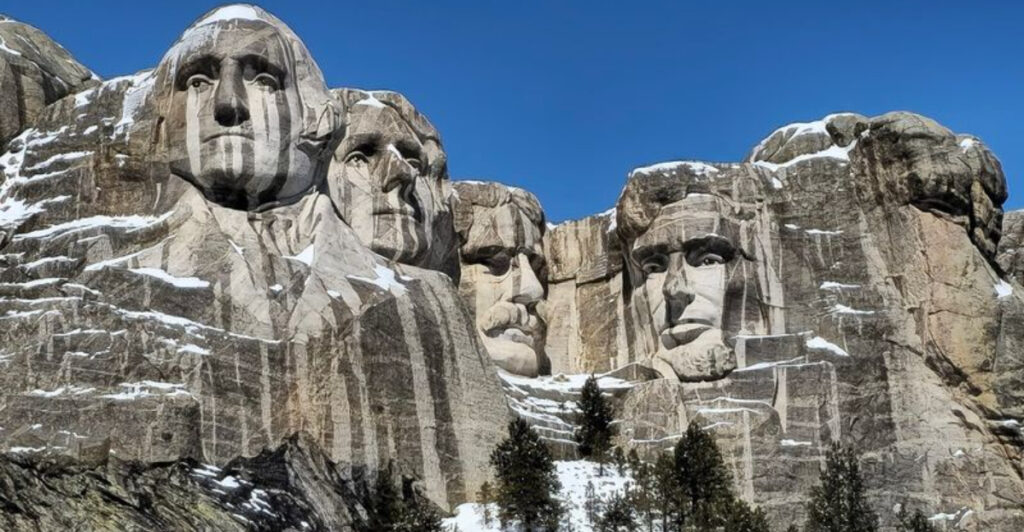
Mount Rushmore works on you in a way that is hard to explain until you are standing in front of it. The sheer scale of the carving against the Black Hills backdrop makes it feel more monumental than any textbook description prepares you for.
The faces are massive. Each president’s nose is about 20 feet long.
That detail sounds silly until you are there and your brain is trying to process how anyone carved that with 1930s technology. The answer involves dynamite and a lot of precision, which somehow makes it more impressive.
The Avenue of Flags leading to the main viewing terrace is lined with flags from all 50 states and U.S. territories. The lighting ceremony at night, held in summer, is worth staying for.
Rangers share history about the carving while the monument is dramatically illuminated.
Nearby Crazy Horse Memorial is a massive ongoing carving project honoring Lakota heritage. Pairing both visits gives a fuller picture of the Black Hills region and its complex, layered history.
Gateway Arch, Missouri
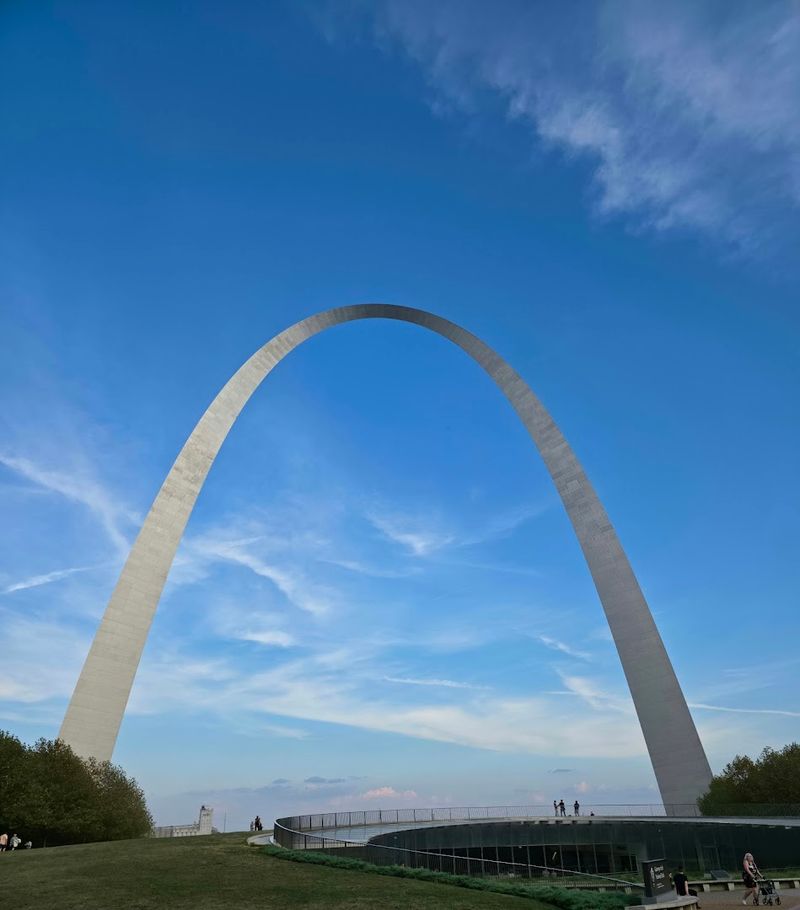
The Gateway Arch is 630 feet of stainless steel shaped into a perfect curve, and it has no business looking as elegant as it does. Most giant structures feel heavy.
This one somehow looks like it is barely touching the ground.
Architect Eero Saarinen designed it in 1947, and the construction method was so precise that when the two legs finally met at the top in 1965, they aligned within a fraction of an inch. That story alone is worth the trip.
The tram ride to the top is one of the quirkiest travel experiences in the country. The small egg-shaped cars tilt to stay level as they travel up the curved legs.
It is compact, slightly claustrophobic for taller visitors, and oddly charming. The view from the observation windows at the top stretches for miles.
The museum at the base covers westward expansion history in a genuinely engaging way. The Old Courthouse nearby is included in the park and adds more historical context to the whole visit.
Empire State Building, New York
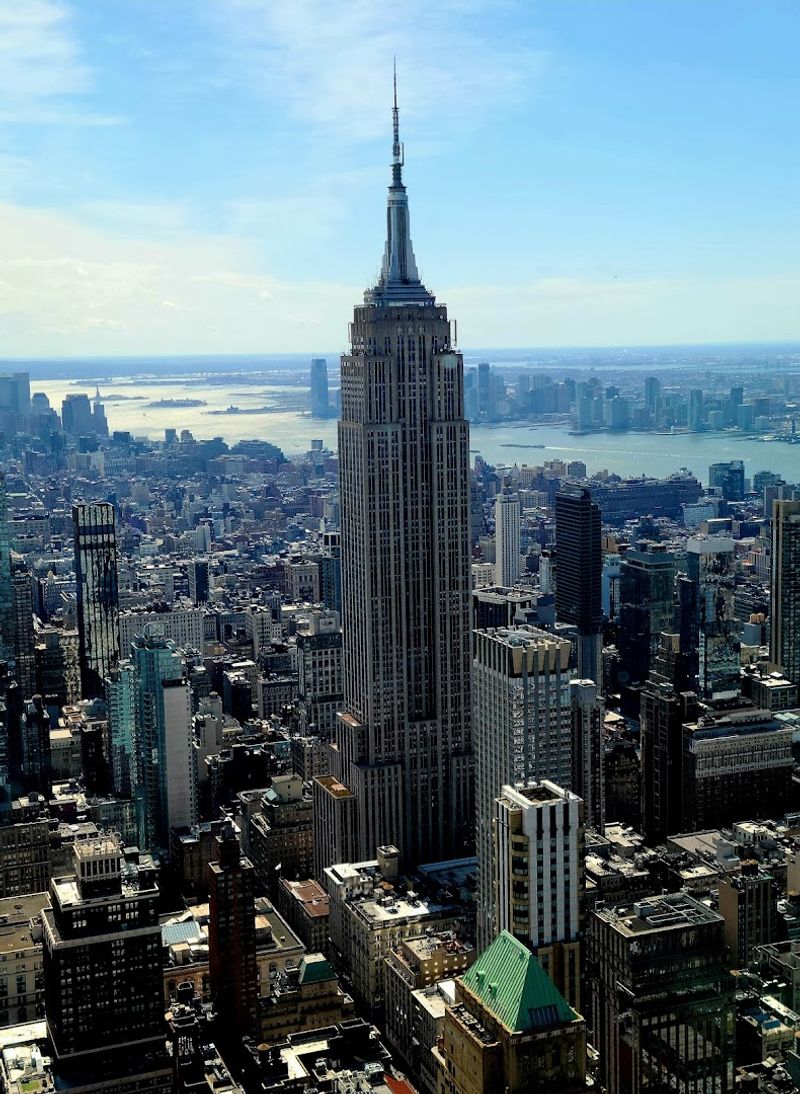
The Empire State Building was completed in 1931 and held the title of world’s tallest building for 40 years. That record is long gone, but the building’s ability to make your stomach do something funny when you look down from the 86th floor is very much still intact.
The Main Deck on the 86th floor is the classic experience, open-air and surrounded by the Manhattan grid in every direction. The Top Deck on the 102nd floor adds another 16 stories and a more enclosed but even more vertigo-inducing view.
Both are worth doing if budget allows.
Sunset visits are the most popular timing, and for good reason. Watching the city transition from golden hour to full city lights is genuinely one of New York’s best experiences.
Buying tickets online in advance skips the longest lines.
The building itself changes its lighting colors for holidays, causes, and events throughout the year. Looking up at it from the street at night is free and still delivers a solid dose of classic New York energy.
Space Needle, Washington
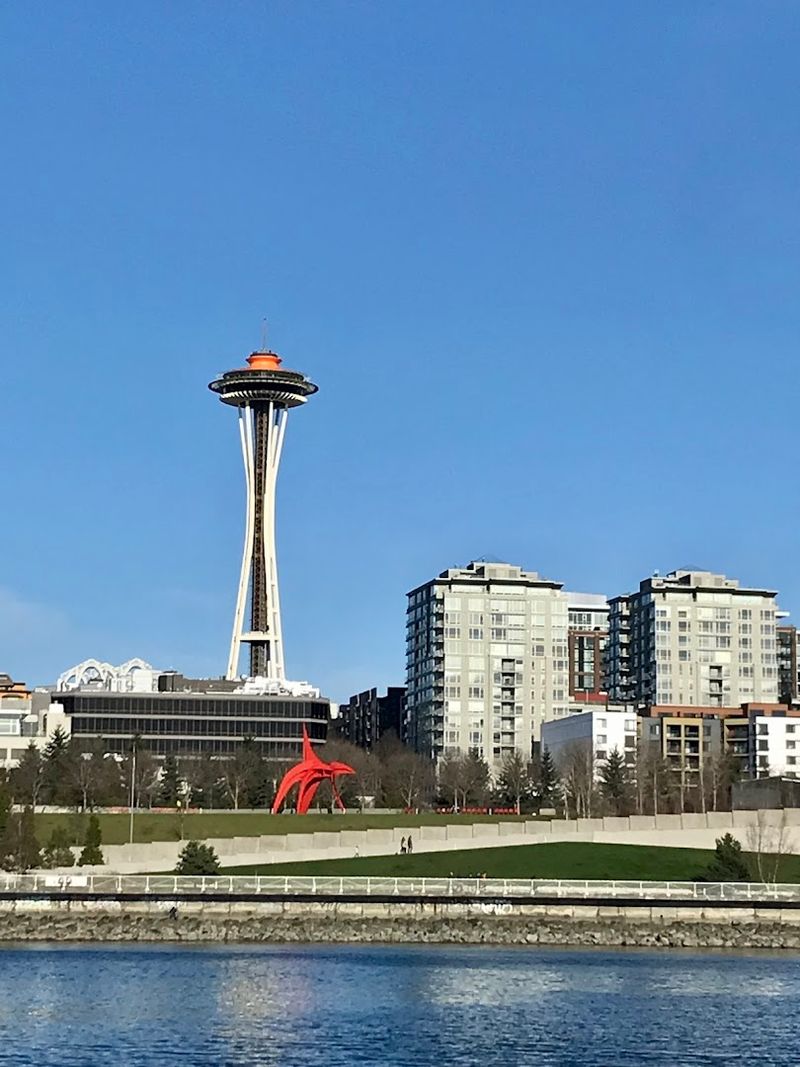
Built for the 1962 World’s Fair, the Space Needle was designed to look like something out of a science fiction film. Over 60 years later, it still kind of does, which is a genuinely impressive design achievement.
The Loupe, the rotating glass floor on the observation level, is the feature that gets the most gasps. Walking out onto a clear floor 500 feet above Seattle is one of those things that your brain politely objects to while your feet do it anyway.
It rotates slowly, giving you a full panoramic view without moving.
On a clear day, Mount Rainier dominates the skyline to the southeast, and the Olympic Mountains line up to the west. Puget Sound stretches below, dotted with ferries.
Seattle has genuinely great views, and the Space Needle frames them well.
Tickets are timed and should be purchased in advance through the official site. The surrounding Seattle Center campus has plenty to explore before or after, including the Museum of Pop Culture, which is worth its own dedicated visit.
Share this story